
Las Vegas Budget Guide 2026: Complete Cost Breakdown
Las Vegas in 2026 delivers extraordinary entertainment, world-class dining, and unforgettable experiences across every budget tier, from $75 daily for resourceful travelers to $765+ for luxury seekers. Understanding the city’s cost structure—where accommodation, dining, and shows constitute your primary expenses—empowers you to maximize value while experiencing everything from free Bellagio Fountain spectacles to premium Cirque du Soleil performances. This guide provides detailed cost analysis, money-saving strategies, and real-world budget breakdowns to help you plan an exceptional Las Vegas visit aligned with your financial goals.
Key Takeaways About Las Vegas Costs 2026
- Daily Budget Ranges 2026: Budget travelers need $75-130 per person daily (two sharing budget hotel), mid-range travelers spend $180-295 per person daily (two sharing mid-range hotel), and luxury visitors invest $460-765+ per person daily (two sharing luxury hotel). These ranges reflect dramatic cost variation between off-peak weekdays and major event weekends.
- Accommodation Cost Impact: Hotel costs represent your largest expense category, with rates varying from $54-80 nightly for budget properties off-Strip to $355-500+ for luxury Strip resorts. Weekday rates drop significantly below weekend pricing, and avoiding major conventions can save hundreds daily.
- Free Entertainment Value: Las Vegas offers exceptional free attractions worth $200+ in equivalent entertainment value, including the Bellagio Fountains choreographed water show, Mirage Volcano eruptions, Fremont Street Experience light shows, and elaborate casino floor spectacles. Strategic planning around free entertainment dramatically reduces attraction costs.
- Show Ticket Economics 2026: Cirque du Soleil productions range $119-188, premium shows reach $200+, while budget-friendly performances start at $20-40. Booking 2-4 weeks ahead secures best pricing, and same-day discount booths offer last-minute savings. Shows constitute the second-largest discretionary expense after accommodation.
- Transportation Efficiency: The Deuce bus ($6 single ride, $20 for 24-hour pass) and Las Vegas Monorail ($5.50 single ride, $17 for 24-hour pass) provide cost-effective Strip transportation, while rideshares cost $8-25 per trip depending on distance and surge pricing. Walking remains free but requires stamina in desert heat.
- Dining Cost Spectrum 2026: Fast food and food courts deliver meals for $10-15, mid-range restaurants charge $25-40 per entree, and fine dining reaches $80-150+ per entree. Buffets span $20-108 depending on tier and timing, with breakfast buffets offering maximum value at $20-30.
People Also Ask About Las Vegas Budget 2026
How much does a trip to Las Vegas cost per day in 2026?
Las Vegas daily costs in 2026 range from $75-130 per person for budget travelers, $180-295 for mid-range comfort, and $460-765+ for luxury experiences, all assuming two people sharing hotel accommodation. Budget travelers stay in off-Strip properties ($27-40 per person nightly share), eat at fast-casual restaurants and buffets ($40-60 total meals), use public transportation ($6-12), and enjoy free attractions with occasional paid shows ($0-20 attractions). Mid-range travelers select Strip or near-Strip hotels ($47-68 per person nightly share), dine at mid-range restaurants ($80-117 total meals), use rideshares strategically ($15-30), and attend one show every 2-3 days ($40-80 attractions). Luxury visitors book premium Strip resorts ($178-250+ per person nightly share), enjoy fine dining experiences ($155-265 meals), use rideshares exclusively ($25-50), and attend premium shows nightly ($100-200 entertainment). These ranges assume sharing accommodation, which divides room costs between two travelers—solo travelers pay full room rates, increasing daily budgets significantly.
Is $200 per day enough for Las Vegas in 2026?
Yes, $200 per person daily covers mid-range comfort in Las Vegas 2026 when two people share hotel accommodation and make strategic choices. This budget accommodates mid-range Strip-adjacent hotels at $90-115 per person nightly (two sharing rooms in the $180-230 range), three restaurant meals totaling $80-100 daily, moderate rideshare use at $15-25, and one quality show or attraction every 2-3 days averaging $40-65 daily. To maximize a $200 budget, book hotels on Sunday through Thursday when rates drop, eat lunch at food courts or casual spots to save $15-25 versus dinner pricing, use the Deuce bus or Monorail for most transport, mix free entertainment like Bellagio Fountains with one premium show, and avoid peak convention weeks when hotel rates spike dramatically. This budget provides genuine comfort without luxury excess—better restaurants than fast food, Strip-area location, and quality entertainment. Couples spending $400 combined daily enjoy excellent Las Vegas experiences.
What is the cheapest month to visit Las Vegas in 2026?
June through August 2026 represents Las Vegas’s lowest-cost period, with hotel rates dropping due to extreme desert heat reaching daily highs of 100-115°F. Mid-range Strip hotels that command $180-250 nightly during peak spring and fall seasons fall to $94-136 in summer months, saving $80-120 per night. December also offers value outside the Christmas and New Year’s weeks, with January and early February providing excellent rates before major conventions begin. Avoid March Madness basketball tournament weeks, major fight weekends, CES technology convention in early January, major music festivals, and holiday periods when room rates triple or quadruple baseline pricing. Budget travelers visiting in July or August accept brutal outdoor heat as the tradeoff for saving hundreds on accommodation—indoor casino and show environments remain comfortable, and pool areas provide respite during early morning and evening hours when temperatures moderate to tolerable levels.
How much money should I bring to Las Vegas for 5 days in 2026?
For a 5-day Las Vegas trip in 2026, budget travelers need approximately $375-650 per person (two sharing accommodation), mid-range travelers require $900-1,475 per person, and luxury travelers should allocate $2,300-3,825+ per person. Budget calculation: accommodation $135-200 (5 nights at $27-40 per person sharing), meals $200-300 (averaging $40-60 daily), transportation $30-60 (bus passes and occasional rideshare), attractions and shows $50-100, total $415-660. Mid-range calculation: accommodation $235-340 (5 nights at $47-68 per person sharing), meals $400-585 (averaging $80-117 daily), transportation $75-150 (rideshares and taxis), shows and attractions $200-400 (1-2 quality shows), total $910-1,475. Luxury calculation: accommodation $890-1,250 (5 nights at $178-250 per person sharing), meals $775-1,325 (averaging $155-265 daily), transportation $125-250 (frequent rideshares), premium entertainment $500-1,000 (nightly shows and experiences), total $2,290-3,825. Add gambling budget separately—these figures cover non-gaming expenses only. Bring credit cards for major expenses and cash for tips, with most establishments accepting cards universally.
Extended multi-day tours – 5+ days
Featured Las Vegas Multi-Day Tour Packages

3 days
Las Vegas 3-Day Discovery Tour
- ✓ Comprehensive Las Vegas experience
- ✓ Expert local guides included
- ✓ All accommodation included
- ✓ Transportation provided
5 days
Las Vegas 5-Day Highlights Experience
- ✓ Comprehensive Las Vegas experience
- ✓ Expert local guides included
- ✓ All accommodation included
- ✓ Transportation provided

7 days
Las Vegas 7-Day Cultural Journey
- ✓ Comprehensive Las Vegas experience
- ✓ Expert local guides included
- ✓ All accommodation included
- ✓ Transportation provided
10 days
Las Vegas 10-Day Complete Adventure
- ✓ Comprehensive Las Vegas experience
- ✓ Expert local guides included
- ✓ All accommodation included
- ✓ Transportation provided
Multi-day tour packages powered by TourRadar. Prices and availability subject to change.
Introduction to Las Vegas Budget Planning 2026
Las Vegas has transformed dramatically from its budget-friendly reputation of decades past, yet strategic travelers in 2026 still extract extraordinary value from this desert entertainment capital. The city operates on a sophisticated pricing matrix where costs vary wildly by day of week, season, convention schedule, and distance from the Strip. Understanding this matrix separates travelers who overspend from those who maximize every dollar.
Three fundamental truths define Las Vegas economics in 2026. First, accommodation costs fluctuate more dramatically than in any other major US destination—identical hotel rooms commanding $60 on Tuesday might cost $450 on Saturday during a major fight weekend. Second, Las Vegas offers genuinely free world-class entertainment worth hundreds of dollars, from the Bellagio Fountains’ multi-million-dollar choreographed shows to Fremont Street’s massive LED canopy displays. Third, the city’s competitive restaurant market produces exceptional dining value, particularly in food courts and locals-focused establishments away from prime Strip real estate.
This comprehensive budget guide analyzes every cost component affecting your 2026 Las Vegas visit. You’ll discover specific hotel properties at each price tier, restaurant recommendations across budget ranges, transportation cost comparisons, show ticket pricing strategies, and hidden fees that catch unprepared visitors. The guide includes detailed daily budget breakdowns, sample multi-day itineraries with verified costs, seasonal pricing variations, money-saving techniques, and neighborhood cost comparisons. Whether planning a budget weekend getaway or a luxury week-long celebration, you’ll find actionable information to build a realistic budget aligned with your travel style.
Las Vegas rewards research and planning. The difference between a budget-conscious traveler who pays $85 daily and one who pays $135 isn’t necessarily comfort level—it’s knowledge. Similarly, mid-range travelers can secure luxury experiences through strategic timing and booking. This guide provides that knowledge, drawn from current 2026 pricing data, seasonal analysis, and verified real-world costs across every category. Armed with this information, you’ll navigate Las Vegas’s complex pricing landscape with confidence, avoiding common tourist overspending while capturing maximum value from every experience, meal, and entertainment choice.
Understanding Las Vegas Cost Structure in 2026
Las Vegas operates on a unique economic model where casinos subsidize certain services to attract visitors, creating pricing anomalies absent in other tourist destinations. Hotels price rooms dynamically based on demand algorithms that adjust hourly, restaurants span from $8 buffets to $500 tasting menus within the same property, and entertainment ranges from free fountain shows to $200+ Cirque performances. Grasping this structure reveals opportunities for strategic savings.
Accommodation represents your largest fixed cost, typically consuming 30-40% of budget travelers’ total expenses and 25-35% of mid-range budgets. Unlike cities where hotel prices correlate directly with quality, Las Vegas hotels price primarily by location (Strip versus off-Strip), brand prestige, and demand timing. A three-star property off-Strip might charge $65 on Wednesday, while a comparable room on the Strip costs $130 the same night. Weekend rates typically run 50-150% higher than midweek, and major event weekends can quintuple baseline pricing. This volatility creates opportunity—flexible travelers who visit Tuesday through Thursday save hundreds compared to Friday arrivals.
Dining costs display similar range but with more traveler control. Food courts and fast-casual chains offer $10-15 meals, hotel restaurants charge $25-45 per entree, and celebrity chef establishments reach $80-150 per entree before beverages. Buffets provide interesting value propositions, ranging from basic $20-30 breakfast spreads to premium $85-108 dinner experiences with lobster and premium seafood. Strategic diners mix budget breakfasts ($8-12 at fast food), lunch at food courts ($15-22), and nicer dinners ($40-70) to average $63-104 daily for all three meals.
Transportation costs depend entirely on your strategy. The Deuce bus provides 24-hour Strip access for $20 daily, walking remains free but challenging in summer heat, rideshares cost $8-20 per short trip, and taxis charge $5.25 flag drop plus mileage. A budget traveler walking most distances and using buses spends $6-12 daily on transport, while convenience-focused visitors taking multiple rideshares daily allocate $25-50. The Las Vegas Monorail serves the east Strip efficiently at $5.50 per ride or $17 for 24-hour access.
Entertainment costs vary from zero to hundreds. Free attractions—Bellagio Fountains, Mirage Volcano, Fremont Street Experience, casino floor entertainment—deliver genuine value estimated at $200+ in equivalent ticket pricing. Budget shows and afternoon performances cost $20-40, mainstream productions run $80-130, Cirque du Soleil shows range $119-188, and premium concerts or special events reach $200-500+. Travelers attending one quality show every 2-3 days average $40-65 daily on entertainment, while show enthusiasts seeing nightly performances allocate $100-200 daily.
Hidden costs catch unprepared visitors. Resort fees (typically $25-45 per room nightly) appear separate from quoted room rates. Parking costs $20-40 daily at Strip properties if you’re driving. Tipping culture adds 15-20% to restaurant bills, $2-5 per drink at bars, $20-40 for show seating assistance, and $2-5 per bag for bellhops. These incremental expenses accumulate to $30-60 daily for average visitors. Credit card fees no longer plague taxi rides as much in 2026, but some older cabs still charge 3-5% surcharges for card payments.
Accommodation Costs in Las Vegas 2026
Las Vegas accommodation in 2026 spans from $54 budget properties off-Strip to $500+ luxury Strip suites, with midweek rates consistently 40-60% below weekend pricing. Understanding the neighborhood-quality-timing matrix enables strategic booking that saves hundreds while maintaining comfort and convenience. All prices discussed reflect per-room nightly rates before mandatory resort fees.
Budget Accommodation in Las Vegas ($54-80 Per Night)
Budget hotels in Las Vegas cluster in three zones: downtown Fremont Street area, corridors along Boulder Highway and Tropicana Avenue east of the Strip, and south Las Vegas near the airport. These properties offer clean, functional rooms with basic amenities at rates that make extended Las Vegas stays financially viable. The Excalibur Hotel & Casino and Luxor Hotel and Casino on the south Strip occasionally offer budget rates in the $61-80 range during slow periods, providing Strip access at near-off-Strip prices.
Downtown properties like the Golden Gate Hotel and Casino start at $36 per night during weekdays, though rooms are compact and dated compared to Strip standards. The California Hotel & Casino and Fremont Hotel & Casino offer similar pricing with slightly more modern renovations. These downtown hotels position you near the Fremont Street Experience but require a 15-minute rideshare or 30-minute bus ride to reach the main Strip. The trade-off favors budget-conscious travelers comfortable with older Vegas atmosphere over modern luxury.
Off-Strip budget chains—Days Inn, Motel 6, Studio 6—price rooms at $54-72 on weekdays, increasing to $90-130 on weekends. These properties lack casino floors and Strip proximity but provide reliable brand standards, often include free parking (saving $20-40 daily), and position you 5-10 minutes from Strip action via rideshare. Ellis Island Casino & Hotel offers particularly good value at $60-85 nightly with an attached casino, affordable dining options, and central location just east of the Strip.
Resort fees at budget properties range $15-30 per night, covering Wi-Fi, pool access, and fitness facilities. When comparing budget hotel total costs, add resort fees to nightly rates—a $65 room with $25 resort fee actually costs $90 nightly. Some budget properties like Ellis Island charge lower or no resort fees, improving their value proposition. Budget hotels rarely include breakfast, so factor $8-15 per person for morning meals unless you’re purchasing groceries for in-room preparation.
Mid-Range Accommodation in Las Vegas ($94-180 Per Night)
Mid-range Las Vegas hotels deliver solid comfort, convenient locations, and quality amenities at rates that balance value and experience. Properties in this tier include three-star Strip hotels like Flamingo Las Vegas ($80-145), The LINQ Hotel & Casino ($94-160), Harrah’s Las Vegas ($105-170), and Park MGM ($115-185). These hotels place you directly on the Strip within walking distance of major attractions, shows, and restaurants.
The Flamingo offers classic Vegas character with recently renovated rooms, central Strip location, large pool complex, and go-to affordable dining options. Weekday rates start at $80 with resort fees around $39, totaling approximately $119 nightly. Weekend rates climb to $145 plus fees, reaching $184 total. The property’s dated exterior contrasts with modernized guest rooms that provide comfortable lodging without luxury pretensions.
The LINQ positions you at the Strip’s heart with direct connection to the High Roller observation wheel and LINQ Promenade dining-entertainment district. Rooms feature contemporary design, floor-to-ceiling windows with Strip views in many units, and modern bathrooms. Base rates run $94-160 depending on day of week, with $45 resort fees bringing totals to $139-205 nightly. The hotel attracts younger demographics and delivers energetic atmosphere with extensive nightlife access.
Near-Strip properties like SAHARA Las Vegas, Treasure Island, and Circus Circus offer mid-range comfort at the Strip’s north end with rates often $20-40 below central Strip equivalents. SAHARA’s recent renovations produced stylish rooms at $86-155 plus $32 resort fees, totaling $118-187 nightly. The property’s north Strip location requires slightly longer walks to major attractions but provides free parking and less crowded casino floors.
Off-Strip mid-range hotels—Courtyard by Marriott, Hampton Inn, Residence Inn—price rooms at $105-145 with lower $20-30 resort fees or no resort fees at all. These properties lack casino floors and integrated entertainment but deliver reliable brand quality, included breakfast at some locations, free parking, and quiet environments preferable for families or business travelers seeking rest over nightlife immersion.
Luxury Accommodation in Las Vegas ($355-500+ Per Night)
Luxury Las Vegas hotels provide world-class service, impeccable design, premier locations, and exceptional amenities that justify premium pricing for celebration trips and high-end preferences. The Venetian Resort ($355-470), Bellagio ($380-520), ARIA Resort & Casino ($365-495), and Wynn Las Vegas ($420-580) anchor the luxury tier with all-suite accommodations, multiple pool complexes, celebrity chef restaurants, and exclusive nightlife venues.
The Venetian delivers all-suite lodging starting at 650 square feet—double typical hotel room size. Suites include sunken living rooms, Italian marble bathrooms, and Strip or mountain views. Base rates run $355-470 depending on day and season, with $45 resort fees totaling $400-515 nightly. The property’s connected Palazzo tower and extensive Grand Canal Shoppes create a self-contained luxury environment where guests rarely need to leave the complex.
Bellagio represents classic Las Vegas luxury with its iconic fountain shows, upscale botanical conservatory, fine art gallery, and multiple Michelin-recognized restaurants. Rooms feature elegant Italian-inspired décor, premium bedding, and marble bathrooms with soaking tubs. Weekday rates start at $380, climbing to $520 on peak weekends, with $50 resort fees bringing totals to $430-570 nightly. Corner fountain-view rooms command $100-200 premiums over standard accommodations.
ARIA attracts tech-savvy luxury travelers with its modern design, floor-to-ceiling windows, tablet-controlled room systems, and sustainability certifications. Rooms feature contemporary aesthetics, spa-quality bathrooms, and blackout drapery systems. Rates range $365-495 base with $45 resort fees, totaling $410-540 nightly. The property’s central City Center location provides direct access to Cosmopolitan, Vdara, and other connected properties via climate-controlled walkways.
Wynn Las Vegas and its connected Encore property offer the city’s most refined luxury experience with impeccable service standards, stunning floral displays, championship golf course, designer shopping, and acclaimed restaurants. Rooms showcase warm color palettes, floor-to-ceiling windows with automated drapes, marble bathrooms with separate soaking tubs and showers, and luxury linens. Rates start at $420 weekdays, reaching $580 on weekends, with $45 resort fees totaling $465-625 nightly for entry-level accommodations.
Boutique luxury properties like NoMad Las Vegas (within Park MGM) and Delano (within Mandalay Bay) offer intimate luxury experiences at slightly lower rates than traditional luxury titans. NoMad provides European sophistication with rooms starting at $295-385 plus fees, while Delano’s all-suite accommodations begin at $285-360 plus fees. These properties appeal to travelers seeking personalized service and design-forward aesthetics over massive casino resort atmospheres.
Seasonal and Event-Based Accommodation Pricing 2026
Las Vegas hotel rates fluctuate dramatically based on demand, with identical rooms varying by 300-500% between slowest and busiest periods. Understanding this seasonality enables strategic booking that can save hundreds or even thousands on multi-night stays. Summer months (June through August) offer lowest baseline rates as brutal desert heat discourages many visitors—mid-range hotels that cost $180-230 in spring drop to $94-136 in July. Budget properties fall from $80-95 to $54-70, while even luxury hotels reduce rates by 20-35% during extreme heat periods.
Major events drive extraordinary rate spikes. Formula One Las Vegas Grand Prix in November commands the year’s highest premiums, with mid-range hotels reaching $450-650 per night and luxury properties exceeding $1,000 nightly. Weekends hosting major boxing matches, UFC events, or headline residency concert performances see rates double or triple baseline pricing. CES technology convention in early January, March Madness basketball tournament, and Electric Daisy Carnival (EDC) festival in May create similar rate inflation.
Day-of-week patterns show consistent structure—Sunday through Thursday rates run 40-65% below Friday-Saturday pricing. A Flamingo room costing $80 on Tuesday jumps to $145 on Friday for the same accommodation. Savvy travelers arriving Sunday or Monday and departing Thursday or Friday avoid weekend premiums while still experiencing Friday-Saturday nightlife before checkout. Three-night Tuesday-Thursday stays often cost less than two-night Friday-Saturday bookings at the same property.
Holiday periods demand careful planning. Christmas week, New Year’s Eve week, and major holiday weekends see rates triple baseline pricing. Memorial Day, Independence Day, and Labor Day weekends all command premium rates with 2-3 night minimum stays often required. Conversely, the week after New Year’s Day through late January offers exceptional value as post-holiday demand collapses—this represents the year’s second-best value period after summer heat season.
Booking windows significantly impact pricing. Hotels release promotional rates 3-6 months ahead for slow periods, with prices rising as dates approach. Last-minute same-day bookings sometimes offer deep discounts during unexpected slow periods, but this strategy risks hotel sellouts during busy times. The sweet spot for most travelers books 2-8 weeks ahead—early enough for reasonable availability, recent enough that hotels have adjusted pricing based on actual demand rather than optimistic projections.
Food and Dining Expenses in Las Vegas 2026
Las Vegas dining in 2026 spans from $8 fast-food meals to $500 per person tasting menus, with strategic eaters assembling satisfying daily meal plans at every budget level. The city’s competitive restaurant market, massive visitor volume, and casino-subsidized dining create pricing opportunities absent in comparable tourist destinations. Understanding the dining landscape enables delicious eating without budget destruction.
Budget Dining in Las Vegas ($35-55 Per Person Daily)
Budget dining strategies in Las Vegas combine fast-casual chains, food courts, breakfast specials, and strategic buffet timing to deliver satisfying meals at $12-18 per meal including beverages. Breakfast represents the best value opportunity, with numerous properties offering sub-$10 specials designed to attract morning traffic. Ellis Island Casino’s $10 steak and eggs special, Arizona Charlie’s $5 breakfast, and local diner spots along Maryland Parkway serve complete morning meals at prices that would seem impossible in other tourist cities.
Fast-casual chains cluster in casino food courts and along the Strip at street level. Chipotle, Panda Express, Shake Shack, and Blaze Pizza charge $12-18 for complete meals identical to suburban locations. The Cosmopolitan’s third-floor food court houses excellent options including Eggslut (breakfast sandwiches $10-14), Secret Pizza (NY-style slices $6-9), and Holsteins (burgers $15-19). Planet Hollywood’s Miracle Mile Shops food court offers similar variety and value.
Lunch specials at casual restaurants provide mid-day value, with many establishments offering $15-22 lunch portions of dinner entrees that cost $28-40 after 5pm. Nacho Daddy (multiple locations) serves quality Mexican food with lunch specials $12-18 and happy hour extending through late afternoon. In-N-Out Burger locations near the Strip deliver reliable quality at $10-13 per person including fries and beverage. Food trucks near downtown and in parking lots around the Strip offer $8-15 meals from tacos to sandwiches.
Buffets require strategic timing for budget optimization. Breakfast buffets at properties like Excalibur ($20-25), Circus Circus ($18-22), and downtown properties ($15-22) deliver all-you-can-eat spreads at prices competitive with sit-down breakfast elsewhere. Eating a substantial breakfast buffet around 9-10am, carrying you through to late afternoon, then having an early dinner maximizes buffet value while reducing total daily meals from three to two. This strategy cuts daily food costs by $15-25 while maintaining caloric intake.
Grocery shopping for in-room consumption further reduces costs for extended stays. Walgreens locations on the Strip stock basics at tourist markups but remain cheaper than restaurant meals—$8-12 assembles breakfast of yogurt, fruit, and granola bars. CVS and larger grocery stores slightly off-Strip (Smith’s, Vons) offer full selection at local prices. Bringing reusable water bottles and refilling from hotel room taps or filling stations eliminates $3-5 per bottle tourist trap purchases, saving $9-15 daily for couples.
Mid-Range Dining in Las Vegas ($75-110 Per Person Daily)
Mid-range dining in Las Vegas accesses quality sit-down restaurants, better buffets, occasional upscale experiences, and convenient casino dining without reaching fine dining price tiers. This budget level enables three restaurant meals daily with entrees in the $18-40 range, smart happy hour utilization, and one nicer dinner every few days to experience renowned Las Vegas culinary talent without financial stress.
Breakfast options at this level include hotel restaurants serving $15-25 plates with attentive service and quality ingredients. Hash House A Go Go (multiple locations) delivers massive portions at $16-24 per entree, with single breakfast plates often feeding two people. Bouchon at Venetian offers French bistro breakfast at $18-28 per entree in elegant surroundings. Most mid-range hotels operate breakfast restaurants charging $18-25 for egg dishes, pancakes, and specialty items like eggs benedict or breakfast burritos.
Lunch at mid-range casual restaurants provides the day’s best value-to-quality ratio. Mon Ami Gabi at Paris Las Vegas serves French bistro fare at $22-32 for lunch entrees with Strip-view patio seating. Yardbird Southern Table & Bar at The Venetian delivers excellent Southern cuisine at $18-28 for lunch portions. Strip-adjacent restaurants slightly off main casino floors—like those in LINQ Promenade, Park MGM’s Park on Fremont area, or New York-New York’s Greenwich Village section—offer 10-20% better value than prime real estate locations while maintaining quality.
Dinner represents the day’s splurge opportunity for mid-range budgets. Quality chain restaurants like The Capital Grille, Ruth’s Chris Steak House, and Ocean Prime charge $40-65 per entree before sides and beverages, with total dinner tabs reaching $80-110 per person after appetizers, sides, dessert, and drinks. Independent restaurants like Lotus of Siam (off-Strip Thai), Raku (off-Strip Japanese), and Bazaar Meat at Sahara provide acclaimed dining at $50-85 per person total cost.
Mid-tier buffets like MGM Grand Buffet ($32-41 depending on meal period), The Buffet at Bellagio ($54 brunch, $74 dinner), and Studio B at M Resort ($43-47) deliver extensive variety with higher quality ingredients than budget buffets. Attending one quality buffet every 2-3 days as a special meal while eating cheaper other days balances experience with budget. Buffets work best for hearty eaters who consume enough volume to justify per-person pricing—light eaters get better value from regular restaurants where they order only what they’ll consume.
Happy hours provide strategic saving opportunities. Many quality restaurants offer half-price appetizers and $6-9 cocktails during 3-6pm windows. Carnaval Court at Harrah’s, Beer Park at Paris, and multiple other Strip-area bars run extended happy hours that enable quality food and drinks at near-budget prices. Eating a late lunch around 2-3pm, enjoying happy hour appetizers around 5pm, then a lighter dinner later maximizes this strategy.
Luxury Dining in Las Vegas ($140-250+ Per Person Daily)
Luxury dining in Las Vegas accesses world-renowned chefs, Michelin-recognized establishments, premium ingredients, and impeccable service that position the city among global culinary capitals. This tier enables celebrity chef restaurants for most meals, premium buffet experiences, and special tasting menus that showcase why Las Vegas attracts top culinary talent from around the world.
Breakfast at luxury level includes options like Bouchon at The Venetian ($25-40 per person), Veranda at Four Seasons ($28-45), and upscale hotel restaurants serving elevated takes on classic breakfast items. These establishments emphasize premium ingredients—farm eggs, artisan breads, imported cheeses—and refined preparation that transforms simple breakfast into culinary events. Weekend brunch at Bardot Brasserie at ARIA, é by José Andrés, or similar venues reaches $65-95 per person before beverages.
Lunch at acclaimed restaurants provides relative value compared to dinner pricing at the same establishments. Carbone at ARIA serves acclaimed Italian-American cuisine at $45-75 per person for lunch versus $95-140 for dinner. Estiatorio Milos at The Cosmopolitan offers Mediterranean seafood at $55-85 lunch versus $85-130 dinner. These restaurants maintain full quality standards at lunch while charging 30-40% less than evening menus, making lunch the optimal timing for experiencing top-tier dining at somewhat reduced cost.
Dinner at luxury level accesses establishments like Joel Robuchon Restaurant, Restaurant Guy Savoy, Le Cirque, and other fine dining temples where complete meals reach $150-300+ per person before wine. Tasting menus at é by José Andrés ($365 per person), Joel Robuchon ($445 tasting menu), and similar venues deliver 8-12 course explorations of culinary artistry that define special occasion dining. Most luxury travelers alternate these extreme experiences with more moderate $80-130 per person dinners to avoid burnout and budget decimation.
Steakhouses represent Vegas luxury dining’s most prominent category. SW Steakhouse at Wynn, CUT by Wolfgang Puck at Palazzo, and Bavette’s Steakhouse at Park MGM serve premium cuts at $65-150 per steak plus $15-25 sides. Complete steakhouse dinners with appetizers, steaks, sides, and dessert reach $140-200 per person before beverages. Wine programs at top steakhouses feature extensive selections with bottles ranging from $80 house options to $1,000+ premium vintages.
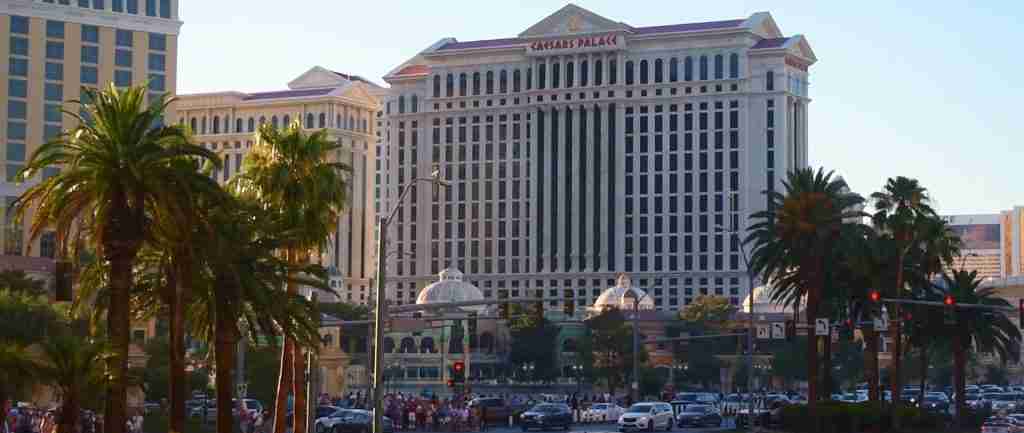
Premium buffets topped by Bacchanal at Caesars Palace ($85-108 depending on meal period) deliver unlimited access to high-quality preparations including crab legs, prime rib, international stations, and elaborate desserts. The Buffet at Wynn ($60 brunch, $80 dinner) and Wicked Spoon at Cosmopolitan (seasonal pricing around $65-85) provide similar quality in elegant environments. These buffets suit travelers who value variety and volume over focused tasting menu experiences.
Money-Saving Dining Strategies for Las Vegas 2026
Strategic dining in Las Vegas cuts costs 30-50% compared to default tourist dining patterns while maintaining food quality and satisfaction. These techniques require minimal extra effort but deliver substantial savings across multi-day stays. First, eating breakfast before 11am at buffets or breakfast-focused restaurants captures best value pricing—many buffets charge $20-30 for breakfast versus $40-70 for dinner featuring identical quality and variety. Consuming a substantial breakfast around 9-10am sustains energy through afternoon, reducing or eliminating lunch costs.
Happy hour exploitation provides premium dining at budget prices. Many acclaimed restaurants offer half-price appetizers and reduced drink pricing from 3-6pm or 10pm-midnight. Hexx Kitchen + Bar at Paris, Lago at Bellagio, and STK Steakhouse at Cosmopolitan run generous happy hours where $40-60 assembles multiple appetizers and drinks sufficient for complete meals. This strategy works best Sunday through Thursday when happy hours face lighter crowds and more consistent availability.
Downtown Fremont Street area restaurants charge 20-40% less than Strip equivalents for comparable quality. Le Thai, Glutton, Pizza Rock, and Commonwealth deliver excellent meals at $18-30 per person versus $30-45 on the Strip. The 15-minute rideshare from mid-Strip costs $12-15 but saves $25-40 per person on dinner for two, creating net savings. Downtown also offers better happy hours, local atmosphere, and more authentic Vegas character versus corporate Strip properties.
Food courts and second-floor casual dining areas in major casinos provide significantly better value than ground-floor restaurants paying premium casino floor rents. Cosmopolitan’s Block 16 food hall, Caesars Palace’s Forum Food Court, and similar areas deliver quality meals at $15-25 versus $35-55 in adjacent sit-down restaurants. The food quality often matches or exceeds more expensive options—Secret Pizza at Cosmopolitan produces excellent New York-style slices for $6-9 that rival $18-24 pizzeria entrees.
Avoiding alcohol with meals cuts bills by 30-50%. Las Vegas restaurant wine markups reach 200-400% over retail, with by-the-glass pours hitting $15-25 for wines retailing at $15-20 bottles. Soft drinks cost $4-6 versus $12-18 cocktails. Budget-conscious travelers who drink at casino bars (where gambling earns free drinks), happy hours (half-price specials), or purchase retail bottles for hotel room consumption save hundreds over multi-day stays while still enjoying beverages.
Transportation Costs and Strategies in Las Vegas 2026
Las Vegas transportation in 2026 offers multiple options spanning from free walking to $40 taxi rides, with optimal strategies varying by itinerary, budget, and tolerance for heat and crowds. The compact 4-mile Strip combined with free property trams, affordable buses, and competitive rideshare pricing enables movement without rental cars for most visitors. Understanding transportation economics prevents overspending while maintaining convenience and comfort.
Walking on the Las Vegas Strip
Walking remains free and viable for Strip exploration, though distances deceive the eye—the Strip’s 4-mile length combined with massive casino properties creates illusions where visible destinations require 20-30 minute walks. The southern Mandalay Bay to northern Sahara span covers approximately 4.2 miles, requiring 75-90 minutes of continuous walking. Intermediate walks—Bellagio to MGM Grand (0.7 miles), Caesars to Paris (0.3 miles), or Venetian to Wynn (0.6 miles)—take 12-20 minutes depending on crowds and casino shortcuts.
Summer heat (June-August) severely limits walking viability when afternoon temperatures reach 100-115°F. Walking during midday summer hours risks heat exhaustion for unprepared visitors—those attempting extensive walking should carry water, wear sunscreen, use hats, and restrict outdoor movement to morning before 10am and evening after 6pm when temperatures moderate. Spring (March-May) and fall (September-November) provide ideal walking weather with comfortable 70-85°F temperatures and minimal rain.
Indoor casino routing extends walking range comfortably. Most Strip properties connect via air-conditioned casino floors, allowing Bellagio-to-Caesars or Park MGM-to-Aria traverses entirely indoors through casino spaces. These shortcuts add 5-10 minutes versus outdoor sidewalks but eliminate heat exposure. Free property trams connect certain casino clusters—Bellagio-Vdara-Aria via City Center tram, Excalibur-Luxor-Mandalay Bay via south Strip tram, and Mirage-Treasure Island via north Strip tram. These trams save 10-15 minute walks and prove especially valuable in summer heat.
Walking works best for visitors staying centrally (Bellagio, Caesars, Cosmopolitan, ARIA area) who can access most major attractions within 15-20 minute walks or single short bus/rideshare hops. Visitors staying at Strip ends (Mandalay Bay, Sahara, Luxor) require supplemental transportation to reach central attractions efficiently. Budget travelers comfortable with 30-40 minute walks save $15-30 daily versus rideshare-dependent visitors, accumulating to $90-180 savings over week-long stays.
Public Transportation in Las Vegas 2026
The Deuce bus provides Las Vegas’s most economical transportation option, running 24 hours daily along the entire Strip and connecting downtown Fremont Street. Single rides cost $6, two-hour passes run $8, and 24-hour passes cost $20. The 24-hour pass delivers exceptional value for active itineraries—four rides equal the day pass price, making it optimal for anyone planning 4+ trips daily. Three-day passes cost $32, providing further value for longer visits. Buses arrive every 15-20 minutes during daytime, extending to 20-30 minutes overnight.
The Deuce operates double-decker buses with ground-floor luggage storage and upper-deck sightseeing views. Stops cluster near major properties—Mandalay Bay, Luxor, MGM Grand, Bellagio, Caesars Palace, Venetian, and Sahara all feature convenient stops. The downtown connection enables $6 access to Fremont Street Experience versus $18-25 rideshare costs. Buses experience severe crowding Friday-Sunday evenings when ridership peaks, with standing-room-only conditions common from 8pm-2am. Weekday daytime riding offers comfortable seating and minimal waits.
The Las Vegas Monorail serves the Strip’s east side from MGM Grand (south) to Sahara (north), with intermediate stops at Horseshoe, Flamingo/Caesars Palace, Harrah’s/LINQ, Convention Center, and Westgate. Single rides cost $5.50, 24-hour passes run $17, and multi-day passes provide discounts—$38 for three days. The monorail offers speed advantages over buses, completing the full route in 14 minutes versus 40+ minutes on the Deuce during traffic. However, station access requires walks through properties to east-side platforms, adding 5-10 minutes compared to bus stops along the Strip’s main avenue.
The monorail works optimally for east Strip properties—anyone staying at or visiting MGM Grand, Park MGM, LINQ, Flamingo, Harrah’s, or Convention Center area saves significant time versus buses. West Strip visitors (Bellagio, Aria, Cosmopolitan, Wynn) find buses more convenient despite slower speeds. The monorail doesn’t connect to the airport, downtown, or any location off the Strip, limiting its utility for broader Las Vegas exploration. Budget travelers planning 4+ rides daily along the east Strip should purchase day passes versus single rides, saving $5-10 daily.
Public transportation limitations include weekend crowding, limited coverage beyond the Strip corridor, and time inefficiency for short distances where rideshares prove faster. However, the economics remain compelling—a couple using 24-hour bus passes for three days spends $120 total versus $180-300 for equivalent rideshare coverage. Patient travelers comfortable with 15-25 minute journeys and occasional crowding extract exceptional value from Las Vegas public transit.
Rideshare and Taxi Costs in Las Vegas 2026
Rideshares (Uber and Lyft) and taxis provide convenient point-to-point transportation with pricing varying dramatically by time, distance, and demand. Base UberX fares start around $8 for short Strip trips, climbing to $18-25 for longer journeys or airport connections. Taxis charge $5.25 flag drop plus per-mile rates, making them cost-competitive with rideshares for longer distances, particularly for groups of three or more passengers. Understanding when to use each option optimizes both convenience and cost.
Airport transportation costs $20-30 via rideshare from Harry Reid International Airport to mid-Strip destinations, with taxis running slightly higher at $23-28 using flat-rate zone pricing. Rideshares offer transparent upfront pricing visible before booking, while taxis provide immediate availability at taxi stands without surge pricing concerns. Groups of three should compare taxi rates against rideshare—a single taxi costing $28 splits three ways ($9.33 per person) beats UberX at $23 split two ways ($11.50 per person) when third passengers ride free in taxis but trigger UberXL requirements in rideshares.
Short Strip trips (Bellagio to Caesars, MGM to New York-New York, Flamingo to Venetian) cost $8-12 via rideshare base fares without surge pricing. These same trips require 12-20 minute walks or single bus rides at $6 per person. Couples find rideshares competitive with buses for short hops when factoring time value and convenience—$10 rideshare versus $12 for two bus fares, delivered in 5 minutes versus 20 minutes. Solo travelers favor buses where $6 beats $8-10 rideshare costs.
Surge pricing dramatically impacts rideshare economics during peak periods—major show releases (10-11pm), club closing (2-4am), convention center closures, and major event endings trigger 1.5x to 3x surge multipliers. An $18 base fare surges to $27-54 during extreme demand periods. Taxis maintain standard metered rates regardless of demand, making them superior choices during surge periods. Smart travelers check both Uber and Lyft apps plus taxi availability during peak hours, selecting whichever offers best current pricing.
Daily rideshare budgets for convenience-focused travelers average $25-50 depending on itinerary intensity. Budget travelers limiting rideshares to 1-2 strategic uses daily (airport transfer, late-night return, excessive heat periods) spend $15-25, while those using rideshares for all movement allocate $40-60 daily. Comparing daily costs: walking costs $0, buses cost $8-20 (single ride or day pass), rideshares cost $30-60 for moderate usage, and rental cars cost $45-70 daily plus $20-40 parking, making buses the clear value winner for budget-conscious visitors without specific rental car needs.
Attraction and Entertainment Costs in Las Vegas 2026
Las Vegas attractions and entertainment in 2026 span from completely free experiences to $200+ premium shows, with strategic planning enabling rich entertainment itineraries at every budget level. The city offers genuinely world-class free attractions, budget-friendly daytime shows, mid-priced mainstream entertainment, and premium productions that justify top-tier pricing. Understanding this spectrum prevents both overspending and missing exceptional value hiding in plain sight.
Free Attractions in Las Vegas Worth $200+ Value
Las Vegas’s free attractions deliver entertainment value equivalent to $200+ in ticketed experiences elsewhere, making them essential components of any budget optimization strategy. The Bellagio Fountains present choreographed water shows every 15-30 minutes from 3pm-midnight, featuring dancing water jets synchronized to music ranging from Sinatra to Celine Dion. These multi-million-dollar productions run continuously at no charge, providing 10-15 minute spectacles that rival ticketed attractions in other cities. Optimal viewing positions along the Bellagio lake railing fill quickly before popular showtimes, particularly 8-9pm weekend evenings.
The Mirage Volcano erupts nightly at 7pm, 8pm, and 9pm with 50-foot flames and rumbling sound effects simulating volcanic activity. This free show draws massive crowds but accommodates viewers along wide sidewalk positions with clear sightlines. Fremont Street Experience downtown operates a massive LED canopy displaying free light shows hourly from dusk to midnight, featuring music and visual effects visible across the entire 1,500-foot pedestrian mall. The shows run 6-10 minutes each, with different themes rotating throughout evenings.
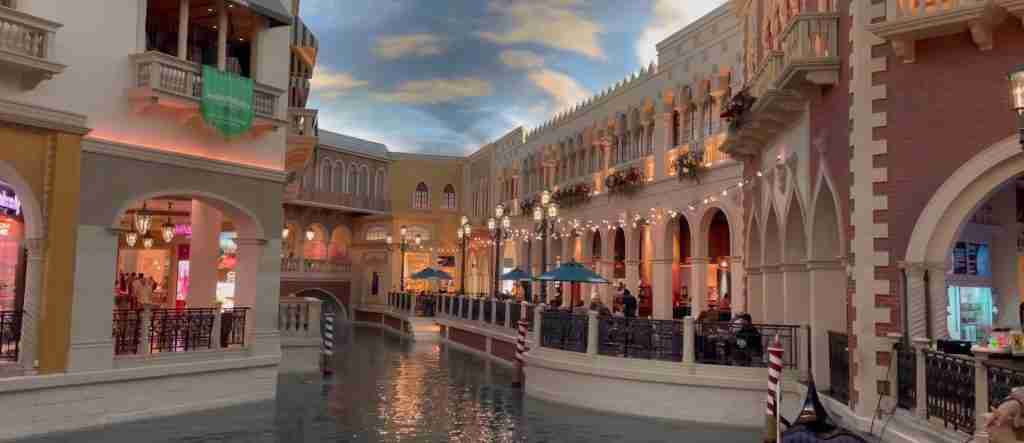
Casino floor entertainment provides constant free diversion—massive slot machine floors, table game action, and people-watching entertainment available 24/7 without entry fees or minimum purchases. The Venetian’s indoor Grand Canal with gondoliers singing Italian songs, Caesars Palace’s Roman-themed Forum Shops with animatronic statues, and Excalibur’s medieval castle theming create immersive environments accessible free to everyone. Cosmopolitan’s Chandelier Bar features three-story architectural crystal chandelier guests can walk through without purchasing drinks.
Seasonal and limited-time free attractions include Bellagio Conservatory’s rotating botanical displays changing quarterly with elaborate themed gardens, Wynn’s floral displays and atrium gardens, and holiday decorations at major properties during Christmas season. These curated environments represent significant production investments yet remain free to explore. Combining 2-3 free attractions daily with one paid show or attraction creates rich entertainment calendars at minimal cost—Bellagio Fountains, Fremont Street light show, and casino exploration costs $0 while delivering 3-4 hours of genuine entertainment.
Budget and Mid-Priced Shows and Attractions 2026 ($20-80)
Budget and mid-priced entertainment options in Las Vegas 2026 deliver quality productions, unique experiences, and memorable shows without premium price tags. This tier includes afternoon magic shows, comedy productions, tribute performances, observation attractions, and mainstream entertainment appealing to broad audiences. Shows in the $20-40 range often feature newer performers or afternoon timeslots, while $50-80 tickets access established mainstream productions.
Mac King Comedy Magic Show at Harrah’s runs Tuesday-Saturday at 1pm and 3pm with tickets priced at $35-45. This afternoon show delivers family-friendly magic and comedy in an intimate theater, providing quality entertainment during daytime hours when most visitors explore the Strip. The format works perfectly for families with children or travelers seeking afternoon air-conditioned entertainment between pool time and dinner. Nathan Burton Comedy Magic at Saxe Theater offers similar family magic at $40-55 depending on seating.
Tribute shows and variety performances fill the $40-70 price range with nostalgic entertainment—Australian Bee Gees at Excalibur ($50-65), Legends in Concert at Tropicana ($55-75), and similar productions celebrating iconic performers. These shows appeal to specific demographic segments and deliver professional performances at accessible pricing. Tournament of Kings medieval dinner show at Excalibur ($70) combines entertainment with full meal in arena-style setting, making it particularly good value when factoring included dinner.
Observation attractions provide unique perspectives at moderate costs. The High Roller observation wheel at LINQ charges $25-37 for daytime rides, increasing to $37-52 for nighttime views. The 30-minute rotation delivers panoramic Strip and desert vistas from 550-foot height, making it worthwhile for photography enthusiasts and first-time visitors. Stratosphere Tower observation deck costs $25-30, offering higher 1,149-foot vantage points with north Strip views. Both attractions provide similar experiences at comparable costs—choose based on location convenience and timing preferences.
Afternoon Cirque du Soleil matinees sometimes offer discounted pricing compared to evening performances. Mystère at Treasure Island ($99-119 for many seats) represents Cirque’s longest-running Vegas production with classic big-top styling at prices below newer productions. The Beatles LOVE at Mirage ($99-149) combines Cirque acrobatics with Beatles music, appealing specifically to music fans. These shows bridge budget and premium tiers, delivering signature Cirque quality at moderately lower pricing than flagship productions.
Premium Shows and Entertainment in Las Vegas 2026 ($100-200+)
Premium Las Vegas entertainment in 2026 includes Cirque du Soleil’s newest productions, major musical residencies, celebrity headliner shows, and spectacular productions justifying $100-200+ ticket pricing through production value, talent, and unique experiences unavailable elsewhere. This tier represents Las Vegas entertainment at its most ambitious and polished, suitable for special occasions and once-in-lifetime experiences. Check official websites for current official rates as pricing varies by performance date and seat location.
Cirque du Soleil’s water-based spectacular “O” at Bellagio remains among Vegas’s most acclaimed productions, with tickets ranging $119-188 for most seat sections. The show features acrobatics, synchronized swimming, and diving in a 1.5-million-gallon pool with platforms that appear and disappear throughout performances. The production’s technical complexity and artistic ambition justify premium pricing, making it suitable for celebration trips and entertainment enthusiasts willing to splurge. KÀ at MGM Grand ($99-169) offers similar production quality with martial arts themes and massive moving stage platforms.
Michael Jackson ONE at Mandalay Bay ($99-169) and Mad Apple at New York-New York ($99-149) represent Cirque’s contemporary productions combining acrobatics with music and comedy. These shows appeal to younger demographics and deliver energetic, fast-paced entertainment distinct from traditional circus atmospheres. Awakening at Wynn ($140-235) and The Wizard of Oz at Sphere ($122-600+) push spectacle and technology frontiers with immersive environments and cutting-edge staging.
Resident headline performers command premium pricing based on fame and demand. When major artists maintain Vegas residencies, tickets range $100-500+ depending on performer, venue size, and seat location. These events provide intimate concert experiences with production values exceeding typical touring shows. Celebrity chef dining experiences like é by José Andrés ($365 per person) or Joel Robuchon ($445 tasting menu) represent similar premium entertainment through culinary artistry rather than stage performance.
Adult entertainment including topless revues, comedy shows with mature content, and gentlemen’s clubs occupies its own premium niche. Fantasy at Luxor ($65-85), Pin Up at Stratosphere ($55-75), and similar productions cater to adult audiences seeking Vegas’s traditional risqué entertainment. These shows deliver professional performances at mid-tier pricing, while ultra-premium gentleman’s clubs can generate bills reaching hundreds or thousands depending on participation level and bottle service.
Show Ticket Booking Strategies and Discount Opportunities 2026
Strategic show ticket purchasing in Las Vegas 2026 saves 20-50% versus walk-up box office pricing while ensuring better seat selection and show availability. Understanding booking windows, discount channels, and pricing patterns enables both cost optimization and guaranteed admission to popular productions. Advance booking 2-4 weeks ahead captures best combination of price and availability—earlier bookings sometimes face higher prices as shows test demand, while last-minute bookings risk sellouts during busy periods.
Official show websites often offer lower prices than third-party resellers by eliminating middleman markups. Cirque du Soleil’s direct site, individual show websites, and casino-affiliated booking portals provide transparent pricing without hidden fees. Compare these direct sources against aggregators like Vegas.com, Viator, and Tix4Vegas—sometimes aggregators offer promotional discounts, but often they simply add margin to same tickets available cheaper direct. Always check multiple sources before purchasing.
Same-day discount ticket booths like Tix4Tonight (multiple Strip locations) offer unsold inventory at 25-50% off for same-day performances. This strategy works best for flexible travelers willing to wait until day-of to decide on entertainment. Popular shows sell out through discount outlets, but Tuesday-Thursday shows often have inventory available. The trade-off accepts less desirable seat locations and limited show selection versus advance booking’s guaranteed admission and seat choice.
Matinee performances typically cost 15-30% less than evening shows for identical productions. Mystère at 4:30pm costs less than 7pm showings, with similar afternoon discounts across multiple productions. Budget-conscious travelers attending afternoon performances save money while freeing evenings for dinner, nightlife, or other activities. Family travelers with children often prefer afternoon timing regardless of pricing, making matinee discounts doubly valuable.
Package deals bundling show tickets with hotel stays sometimes offer value, particularly during slow periods when casinos incentivize bookings. These packages work best when you were already planning that hotel and show combination—never book inferior accommodations or unwanted shows solely for package discounts. Loyalty program members of major casino companies (Caesars Rewards, MGM Rewards, Wynn Rewards) receive periodic discounted ticket offers, free show vouchers, and priority booking windows as status benefits.
Complete Daily Budget Breakdowns for Las Vegas 2026
These detailed daily budget analyses demonstrate how accommodation, dining, transportation, and entertainment choices combine into total daily per-person costs for different traveler profiles. All costs assume two people sharing hotel accommodations, with room rates divided by two before calculating per-person totals. Budget tier ranges reflect realistic cost variation within each category, producing total daily ranges rather than single figures that falsely imply precision.
Budget Traveler Daily Costs in Las Vegas 2026 ($75-130 Per Person)
Budget travelers in Las Vegas 2026 achieve satisfying experiences at $75-130 per person daily by prioritizing off-Strip or downtown accommodations, mixing free attractions with occasional paid entertainment, eating strategically at buffets and casual restaurants, and using public transportation. This budget level requires planning and modest compromises but delivers genuine Las Vegas experiences without financial stress.
Accommodation costs for budget travelers range $27-40 per person nightly when two share rooms in the $54-80 bracket. Downtown properties like Golden Gate Hotel ($36 weekday rate ÷ 2 = $18 per person, plus $15 resort fee ÷ 2 = $25.50 total per person) anchor the low end, while Strip-adjacent budget properties like Excalibur during slow periods ($70 base + $30 resort fee = $100 total ÷ 2 = $50 per person) define the range’s upper bound. Weekday stays reduce costs by 30-50% versus weekends.
Food expenses for budget travelers total $35-55 daily, comprising breakfast at fast-food chains or grab-and-go options ($8-12), lunch at food courts or casual spots ($12-18), and dinner at buffets or affordable restaurants ($20-30). This allocation enables three satisfying meals without deprivation—breakfast sandwiches at Subway or McDonald’s, lunch at Chipotle or food court options, dinner at Excalibur or Garden Court buffets or casual restaurants. Eliminating alcohol and purchasing bottled water at CVS versus casino shops saves additional $8-12 daily.
Transportation costs for budget travelers run $6-12 daily using the Deuce bus for all movement or walking extensively with occasional bus usage. The 24-hour bus pass at $20 serves active travelers planning 4+ trips, while single $6 rides suffice for minimal movers. Walking primary Strip distances (Bellagio to MGM, Caesars to Venetian) while busing longer hauls (airport transfer, downtown visits, extreme Strip ends) balances economy with comfort.
Entertainment and attraction costs for budget travelers average $0-20 daily by emphasizing free attractions—Bellagio Fountains, Fremont Street light shows, casino exploration, window shopping—supplemented with one budget show or attraction every 3-4 days. Attending Mac King afternoon magic ($40) spread across three days equals $13 daily entertainment budget. This strategy delivers rich variety through free entertainment majority of days with occasional paid splurges for special experiences.
Total daily costs for budget travelers: accommodation $27-40, meals $35-55, transport $6-12, attractions $0-20, resulting in daily totals of $68-127 per person. Rounding to the standard range: approximately $75-130 per person daily for budget travel, assuming two sharing hotel accommodation. Weekly costs for budget travelers total approximately $525-910 per person, making week-long Las Vegas trips accessible to cost-conscious travelers.
Mid-Range Traveler Daily Costs in Las Vegas 2026 ($180-295 Per Person)
Mid-range travelers in Las Vegas 2026 balance comfort, convenience, and quality experiences at $180-295 per person daily through Strip-area hotels, sit-down restaurant meals, strategic rideshare usage mixed with walking, and regular show attendance. This budget level eliminates most compromises while avoiding luxury excess, delivering satisfying Vegas experiences most travelers find ideal.
Accommodation for mid-range travelers costs $47-68 per person nightly when two share rooms in the $94-136 tier. Flamingo Las Vegas weekday rate ($80 base + $39 resort fee = $119 total ÷ 2 = $59.50 per person) exemplifies mid-tier value, while Bellagio or ARIA during moderate demand periods ($160 base + $45 resort fee = $205 total ÷ 2 = $102.50 per person) represents premium mid-range positioning. Booking 3-6 weeks ahead and avoiding peak weekends optimizes this category.
Food expenses for mid-range travelers total $80-117 daily, comprising breakfast at hotel restaurants or quality cafes ($15-22), lunch at mid-range casual restaurants ($25-35), and dinner at nice sit-down establishments ($40-60). This budget accesses Hash House A Go Go breakfasts, Mon Ami Gabi lunches, and quality steakhouse or Italian restaurant dinners without reaching fine dining tiers. Occasional nicer dinners at $80-100 per person balanced against lighter $30-40 meals average within this range.
Transportation for mid-range travelers costs $15-30 daily through strategic rideshare usage mixed with walking and occasional bus rides. Taking rideshares for 2-3 trips daily (airport transfer, late-night returns, excessive heat periods) while walking moderate distances during comfortable weather hours maintains convenience without excessive spending. Monorail day passes ($17) suit east Strip itineraries with 4+ planned stops along the route.
Entertainment and attractions for mid-range travelers average $40-80 daily, enabling one quality show every 2-3 days plus occasional paid attractions. Attending Cirque du Soleil productions ($130 average) every third day equals $43 daily entertainment budget, supplemented with free attractions and window shopping. Alternatively, seeing multiple budget shows ($40-60 each) more frequently while skipping premium productions achieves similar daily averages through different programming choices.
Total daily costs for mid-range travelers: accommodation $47-68, meals $80-117, transport $15-30, attractions $40-80, producing daily totals of $182-295 per person. Standard range: approximately $180-295 per person daily for mid-range comfort, assuming two sharing hotel accommodation. Weekly costs for mid-range travelers total approximately $1,260-2,065 per person, representing comfortable Vegas experiences without luxury positioning.
Luxury Traveler Daily Costs in Las Vegas 2026 ($460-765+ Per Person)
Luxury travelers in Las Vegas 2026 experience the city’s finest offerings at $460-765+ per person daily through premier Strip resorts, celebrity chef restaurants, unlimited rideshare convenience, and nightly premium entertainment. This tier eliminates all compromises, delivering exceptional quality, impeccable service, and exclusive experiences that define high-end Las Vegas.
Accommodation for luxury travelers costs $178-250+ per person nightly when two share rooms in the $355-500+ tier. The Venetian weekday base rate ($355 + $45 resort fee = $400 ÷ 2 = $200 per person) anchors luxury positioning, while Wynn Las Vegas weekend premium ($500 + $45 resort fee = $545 ÷ 2 = $272.50 per person) or suite upgrades reach tier ceilings. These properties deliver all-suite accommodations, exceptional service, premier locations, and integrated luxury amenities justifying premium positioning.
Food expenses for luxury travelers total $155-265 daily, comprising upscale breakfast ($25-40), refined lunch ($50-75), and fine dining dinner ($80-150). This budget accesses Bouchon breakfasts, Carbone lunches, and SW Steakhouse or é by José Andrés dinners without hesitation. Adding cocktails, wine pairings, and appetizers reaches upper ranges, while more moderate luxury selections cluster at lower tier. Luxury travelers often alternate extreme tasting menu experiences ($200-450 per person) with more relaxed $80-130 dinners to avoid palate fatigue.
Transportation for luxury travelers costs $25-50 daily through unlimited rideshare usage for all movement. Taking rideshares for 4-6 trips daily—airport transfer, show attendance, restaurant reservations, nightclub arrivals, hotel returns—eliminates walking except within properties and provides maximum convenience. Private car services or hotel limousines increase costs further but remain options for travelers prioritizing ultimate convenience.
Entertainment and attractions for luxury travelers average $100-200 daily, enabling nightly premium show attendance plus daytime experiences. Seeing top Cirque productions ($150+ average) nightly, attending headline concerts ($200-400), or booking exclusive experiences (helicopter tours, private cabana rentals, VIP nightclub tables) consumes this budget while delivering extraordinary entertainment. Luxury travelers often supplement shows with premium experiences like spa treatments, golf rounds, or shopping that further increase total expenditures.
Total daily costs for luxury travelers: accommodation $178-250, meals $155-265, transport $25-50, entertainment $100-200, producing daily totals of $458-765 per person. Standard range: approximately $460-765+ per person daily for luxury experiences, assuming two sharing hotel accommodation. Weekly costs for luxury travelers total approximately $3,220-5,355+ per person, delivering exceptional Vegas experiences with zero compromises.
Sample Las Vegas Itineraries with Verified Daily Costs 2026
These detailed multi-day itineraries demonstrate how daily costs combine into complete trip budgets across different traveler profiles. Each itinerary includes specific activities, meals, transportation, and accommodation with realistic pricing. Trip totals use “approximately” to acknowledge inherent cost variability in dynamic pricing environments.
Budget 3-Day Las Vegas Itinerary ($225-390 Per Person Total)
This budget itinerary delivers core Las Vegas experiences through strategic choices emphasizing free attractions, value dining, public transportation, and off-Strip lodging. Total costs for three days: accommodation $81-120 (3 nights at downtown property, two sharing), meals $105-165 (three days of budget dining), transportation $30-45 (bus passes and one airport rideshare), attractions $30-60 (one show plus free entertainment). Total: approximately $245-390 per person for the complete 3-day trip.
Day 1 begins with airport arrival and rideshare to Golden Gate Hotel downtown ($23 ÷ 2 = $11.50 per person). After check-in, lunch at downtown food spots ($12-15), afternoon exploring Fremont Street and container park ($0), dinner at Garden Court Buffet ($25-30), evening Fremont Street light show ($0), late-night casino exploration ($0). Day 1 costs: accommodation $25.50 per person, meals $37-45, transport $11.50, attractions $0, total $74-82 per person.
Day 2 starts with breakfast at fast food ($8-10), Deuce bus to Strip with 24-hour pass ($20), walking Bellagio Conservatory and Fountains ($0), lunch at Cosmopolitan food court ($15-18), afternoon free attractions—Mirage, Venetian canals, Caesars Forum shops ($0), dinner at Excalibur buffet ($25-30), evening Mac King magic show ($40), Bellagio Fountains at night ($0), bus return downtown ($0, covered by 24-hour pass). Day 2 costs: accommodation $25.50 per person, meals $48-58, transport $20, attractions $40, total $133.50-143.50 per person.
Day 3 includes breakfast at hotel or grab-and-go ($8-12), bus to Strip ($0, new 24-hour pass $20), High Roller observation wheel ($30-37), lunch at food court ($12-18), final fountain viewing and casino exploration ($0), early dinner at casual restaurant ($20-28), bus to airport ($0, covered by pass), departure. Day 3 costs: accommodation $30 per person (checkout day, resort fees), meals $40-58, transport $20, attractions $30-37, total $120-145 per person.
Three-day budget trip total: Day 1 ($74-82) + Day 2 ($133.50-143.50) + Day 3 ($120-145) equals approximately $328-371 per person for accommodation, meals, transportation, and attractions. This itinerary demonstrates how strategic choices—downtown lodging, bus transportation, free attractions, selective paid shows, budget dining—deliver comprehensive Las Vegas experiences under $400 per person for three full days.
Mid-Range 5-Day Las Vegas Itinerary ($900-1,475 Per Person Total)
This mid-range itinerary balances comfort and value through Strip hotel, quality dining, strategic transportation, and regular entertainment attendance. Total costs for five days: accommodation $235-340 (5 nights at Flamingo or similar, two sharing), meals $400-585 (five days of mid-range dining), transportation $75-150 (rideshares mixed with walking), shows and attractions $200-400 (two quality shows, one observation attraction, free entertainment). Total: approximately $910-1,475 per person for the complete 5-day trip.
Day 1 involves airport arrival with rideshare to Flamingo ($23 ÷ 2 = $11.50 per person), check-in and room settling, lunch at Flamingo food court ($18-22), afternoon pool and casino exploration ($0), dinner at Hash House A Go Go ($22-28), evening Bellagio Fountains and Strip walking ($0). Day 1 costs: accommodation $59.50 per person, meals $40-50, transport $11.50, attractions $0, total $111-121 per person.
Day 2 starts with breakfast at hotel restaurant ($15-20), morning shopping and exploration ($0), lunch at Mon Ami Gabi ($28-35), afternoon High Roller wheel ($35), Mirage Volcano and free attractions ($0), dinner at mid-range Italian restaurant ($45-60), evening Mystère Cirque show ($110), late-night fountain viewing ($0). Day 2 costs: accommodation $59.50 per person, meals $88-115, transport $15-20 (rideshares), attractions $145, total $307.50-339.50 per person.
Day 3 includes breakfast at cafe ($15-22), rideshare to downtown ($15 ÷ 2 = $7.50 per person), exploring Fremont Street ($0), lunch at downtown restaurant ($20-28), afternoon mob museum or container park ($25-30), rideshare return to Strip ($15 ÷ 2 = $7.50), dinner at steakhouse ($70-90), evening free attractions and casino time ($0). Day 3 costs: accommodation $59.50 per person, meals $105-140, transport $15, attractions $25-30, total $204.50-244.50 per person.
Day 4 features breakfast at Bouchon or similar ($25-32), morning pool relaxation ($0), lunch at food court to balance budget ($18-25), afternoon exploring various casinos and shopping ($0), dinner at Lago or comparable ($55-75), evening “O” Cirque show ($150), late-night drinks and fountains ($0). Day 4 costs: accommodation $59.50 per person, meals $98-132, transport $15-25, attractions $150, total $322.50-366.50 per person.
Day 5 involves breakfast at hotel ($15-20), final casino and pool time ($0), checkout and luggage storage, lunch at nice casual spot ($25-35), final Strip walking and shopping ($0), rideshare to airport ($23 ÷ 2 = $11.50), departure. Day 5 costs: accommodation $0 (checkout), meals $40-55, transport $11.50, attractions $0, total $51.50-66.50 per person.
Five-day mid-range trip total: Day 1 ($111-121) + Day 2 ($307.50-339.50) + Day 3 ($204.50-244.50) + Day 4 ($322.50-366.50) + Day 5 ($51.50-66.50) equals approximately $997-1,138 per person. This demonstrates mid-range travel delivering quality Strip experiences, excellent dining, two premium shows, comfortable transportation, and comprehensive attraction coverage under $1,500 per person for five full days including accommodation.
Luxury 3-Day Las Vegas Celebration Itinerary ($1,380-2,295 Per Person Total)
This luxury itinerary showcases Las Vegas’s finest offerings through premier hotels, celebrity chef dining, nightly premium entertainment, and unlimited convenience. Total costs for three days: accommodation $534-750 (3 nights at Wynn or Bellagio, two sharing), meals $465-795 (three days of fine dining), transportation $75-150 (unlimited rideshares), premium entertainment $300-600 (nightly shows and experiences). Total: approximately $1,374-2,295 per person for the complete 3-day luxury celebration trip.
Day 1 begins with airport arrival via rideshare to Wynn Las Vegas ($25 ÷ 2 = $12.50 per person), check-in to luxury suite, lunch at SW Steakhouse ($80-110), afternoon spa treatment or pool cabana ($150-250 per person), cocktails at Parasol Up ($25-40), dinner at Mizumi ($110-150), evening Awakening show at Wynn ($175-235), late-night drinks and entertainment ($30-50). Day 1 costs: accommodation $232.50 per person, meals $245-340, transport $12.50, entertainment $355-535, total $845-1,120 per person.
Day 2 starts with breakfast at Veranda ($35-50), morning shopping at Wynn boutiques and casino exploration, rideshare to Bellagio for lunch at Lago ($65-90), afternoon exploring Strip’s luxury properties, return to hotel via rideshare, rest and preparation, cocktails at resort bar ($25-40), dinner at é by José Andrés tasting menu ($365), Bellagio Fountains ($0), late-night club or lounge ($50-100). Day 2 costs: accommodation $232.50 per person, meals $490-545, transport $25-40, entertainment $50-100, total $797.50-917.50 per person.
Day 3 features breakfast at resort ($30-45), final pool time or shopping, late checkout (arranged via concierge), lunch at Carbone ($85-120), rideshare to airport with luggage ($25 ÷ 2 = $12.50), departure. Day 3 costs: accommodation $80 per person (checkout day with late departure), meals $115-165, transport $12.50, total $207.50-257.50 per person.
Three-day luxury trip total: Day 1 ($845-1,120) + Day 2 ($797.50-917.50) + Day 3 ($207.50-257.50) equals approximately $1,850-2,295 per person. This demonstrates luxury Las Vegas delivering exceptional accommodations, world-class dining, premium entertainment, and complete convenience at the city’s highest service and quality standards for a special celebration or once-in-lifetime experience.
Seasonal Price Variations in Las Vegas 2026
Las Vegas pricing fluctuates dramatically across seasons, with identical experiences costing 50-300% more during peak periods versus slow seasons. Understanding these patterns enables strategic trip timing that saves hundreds while potentially improving experience through smaller crowds and better availability. The city’s desert climate creates unusual seasonal patterns where summer heat depresses demand despite technically being peak vacation season elsewhere.
Winter months (December-February) display split personality. Christmas week and New Year’s Eve week rank among the year’s most expensive periods, with hotel rates tripling and 3-4 night minimum stays common. The Bellagio room costing $180 weekday in January jumps to $550-650 during Christmas week. However, the period from January 2-15 before MLK Day weekend offers exceptional value as post-holiday demand collapses—this represents one of the year’s best value windows with low prices, mild weather (50-65°F daytime), and minimal crowds. Late January faces CES technology convention’s massive impact, with convention attendees consuming hotel inventory and driving rates up 100-200% for that specific week.
Spring (March-May) constitutes peak demand season with ideal weather (65-85°F), March Madness basketball tournament, spring training baseball, and school spring breaks driving high rates and full hotels. Weekend rates peak, with mid-range properties commanding $180-280 versus $94-136 during slow periods. Major fight weekends, music festivals, and sporting events create additional demand spikes within overall busy season. Booking 2-3 months ahead proves essential for spring visits as hotels fill early and rates climb as dates approach. The weather perfection and event calendar justify somewhat higher costs for travelers prioritizing ideal conditions.
Summer (June-August) offers Las Vegas’s lowest baseline hotel rates despite constituting peak travel season in most destinations. Desert heat reaching 105-115°F daily discourages many visitors, creating opportunities for heat-tolerant travelers. Mid-range Strip hotels drop from spring’s $180-230 to summer’s $94-136, luxury properties fall from $420+ to $320-380, and budget options hit yearly lows at $54-70. The trade-off accepts brutal outdoor temperatures in exchange for dramatic savings—couples saving $80-120 nightly on accommodation offset heat discomfort by limiting outdoor movement to morning/evening hours and utilizing air-conditioned indoor environments. Pool areas become primary daytime refuges with misters and shade structures.
Fall (September-November) transitions from summer lows to winter stability with September retaining some summer heat and low prices before October-November climb toward holiday season. October offers particularly good balance—weather moderates to comfortable 75-85°F, summer crowds depart, and holiday pricing hasn’t arrived. This represents arguably the year’s best overall value combining good weather, manageable crowds, and reasonable rates. Formula One Las Vegas Grand Prix in November creates the year’s single most expensive weekend with rates reaching Super Bowl or New Year’s Eve levels, but the weeks before and after F1 maintain normal fall pricing.
Day-of-week patterns persist year-round—Sunday through Thursday rates run 40-60% below Friday-Saturday across all seasons. Summer weekday rates hit yearly absolute lows, with budget properties occasionally dropping to $39-54 per night including resort fees during exceptionally slow Tuesday-Wednesday periods. Strategic travelers visiting any season should favor Sunday-Thursday arrivals, potentially overlapping one weekend night if desired but avoiding full Friday-Saturday stays that maximize costs without proportional value increase.
Hidden Costs and Fees in Las Vegas 2026
Las Vegas hidden costs accumulate to $40-80 daily for unprepared visitors, transforming quoted prices into higher actual expenditures. Understanding these fees enables accurate budgeting and strategic avoidance where possible. Resort fees represent the largest and most unavoidable hidden cost, charged separately from quoted room rates despite being mandatory for all guests. These fees range $25-50 per room per night depending on property, ostensibly covering Wi-Fi, pool access, fitness facilities, and local calls that were historically included in room rates.
Resort fees appear as separate line items during checkout, meaning a hotel quoted at $94 per night actually costs $119-139 after $25-45 resort fees. Budget properties charge $15-30 resort fees, mid-range properties levy $35-45, and luxury hotels reach $45-50. These fees apply regardless of whether you use covered amenities—non-swimmers still pay pool access fees, business travelers working from rooms pay resort fees covering unused fitness centers. Some off-Strip properties charge reduced or no resort fees, improving their true cost competitiveness versus Strip hotels with high resort fees.
Parking fees strike visitors with personal vehicles, charging $15-20 daily for self-parking and $25-40 for valet parking at Strip properties. The days of free parking ended across most Strip hotels in recent years, creating daily charges that accumulate to $105-280 weekly. Budget-conscious drivers should research properties still offering free parking—Ellis Island, some downtown hotels, and off-Strip properties maintain free parking as competitive differentiation. Visitors using rideshares and public transportation avoid parking fees entirely, potentially saving enough to offset rideshare costs versus rental car plus parking expenses.
Credit card surcharges occasionally appear on taxi rides, with some older taxi companies charging 3-5% fees for credit card payments despite card ubiquity in 2026. Tipping culture creates significant incremental costs—15-20% gratuity on restaurant meals, $2-5 per drink at bars, $5-10 per bag for bellhops, $20-40 for show ushers who provide premium seating guidance, $1-2 per hotel housekeeper daily. These tips accumulate to $30-60 daily for typical travelers, more for luxury visitors utilizing extensive services.
Attraction photos represent common tourist traps—nightclub photographers, show photographers, and attraction photographers capture moments then charge $25-40 per printed photo or $50-80 for digital packages. Most visitors’ smartphones produce equivalent quality for free, making these purchases pure convenience charges. Similarly, bottled water in casinos and tourist areas costs $4-6 versus $1-2 at nearby CVS or Walgreens—purchasing 3-4 bottles daily at tourist prices versus retail generates $10-18 daily in avoidable markups.
Show and nightclub seating upgrades create pressure purchases—hostesses suggest $40-80 seat upgrades at show entrances, nightclub hosts push $300-1,000 bottle service minimums as condition for good table access, and various other “optional” upgrades that feel mandatory in the moment. Budget travelers should research venue layouts ahead, purchase specific seats during advance booking rather than general admission susceptible to upgrade pressure, and firmly decline upselling attempts unless genuinely desiring premium positioning.
Money-Saving Strategies for Las Vegas 2026
Strategic travelers employ numerous techniques reducing Las Vegas costs by 30-50% compared to default tourist spending patterns while maintaining experience quality. These strategies require modest planning but deliver substantial savings across accommodation, dining, transportation, and entertainment categories. Timing flexibility represents the single most powerful cost-reduction tool—travelers visiting Tuesday-Thursday save 40-60% on hotels versus Friday-Saturday, summer visitors pay 30-50% less than spring travelers, and those avoiding major events escape the 200-400% rate premiums during Formula One, major fights, or holiday periods.
Booking direct through hotel and show websites often beats third-party aggregators by 10-20%. Caesars, MGM, and other major operators run periodic promotions on their direct sites offering reduced rates, resort fee waivers, or show ticket packages unavailable through booking platforms. Joining free loyalty programs (Caesars Rewards, MGM Rewards, Wynn Rewards) unlocks members-only rates, occasional room upgrades, and priority show booking. Basic tier membership costs nothing and delivers immediate savings even for first-time visitors without status—simply creating accounts before booking captures available discounts.
Eating breakfast before 11am at buffets or breakfast-focused restaurants maximizes value—buffet breakfast costs $20-30 versus $40-70 for dinner at the same property featuring comparable quality and variety. Consuming substantial breakfast around 9-10am sustains through afternoon, potentially eliminating lunch or reducing it to light snacks, cutting daily food costs by $20-35 per person. Happy hour strategies deliver premium dining at budget prices through half-price appetizers and drinks from 3-6pm or 10pm-midnight at quality restaurants, where $50-70 per couple assembles satisfying meals versus $120-160 for the same food at regular pricing.
Transportation optimization combines walking for short distances, buses for long hauls, and strategic rideshare usage for specific situations (late night, extreme heat, heavy luggage). This hybrid approach costs $10-20 daily versus $40-60 for rideshare-dependent strategies. Purchasing 24-hour or multi-day bus passes versus single rides saves $5-12 daily for active itineraries planning 4+ public transport trips. Downloading both Uber and Lyft apps enables price comparison before each trip, with the cheaper option sometimes differing by 20-40% during surge periods.
Free attraction emphasis builds rich daily itineraries without ticket costs—combining Bellagio Fountains, Mirage Volcano, Fremont Street Experience, casino exploration, and window shopping creates 4-6 hours of genuine entertainment costing nothing. Adding one paid show or attraction every 2-3 days rather than nightly entertainment reduces daily costs from $100-200 to $35-70 while maintaining experiential variety. Many travelers find 2-3 premium shows across week-long stays provides optimal balance without show fatigue.
Off-Strip dining cuts costs 25-40% versus Strip equivalent quality—downtown restaurants, Chinatown area establishments, and local favorite spots along Maryland Parkway or in neighborhood casino-hotels charge substantially less than tourist-focused Strip locations. A 15-minute rideshare to these areas costs $12-15 but saves $40-60 on dinner for two, creating net savings. These areas also deliver more authentic local culture and often superior quality from establishments serving neighborhood regulars rather than one-time tourists.
Advance show booking 2-4 weeks ahead versus walk-up purchases saves 15-30% through early-bird discounts and better seat selection at lower price tiers. Matinee performances cost 15-25% less than evening shows for identical productions. Same-day discount booths offer 30-50% off for flexible travelers willing to decide day-of, though popular shows sell out. Monitoring deal websites like Vegas.com, GroupOn, and Travelzoo surfaces occasional flash sales offering genuine discounts versus normal pricing.
Las Vegas Costs for Different Traveler Types 2026
Different traveler demographics face unique cost considerations and optimal strategies in Las Vegas. Solo travelers pay full room rates rather than splitting costs, significantly increasing daily accommodation expenses. A mid-range hotel room costing $119 total ($59.50 per person for couples) costs the solo traveler the full $119, nearly doubling their accommodation category expense. Solo travelers should consider hostel dormitories ($25-40 per bed), budget hotels with compact single-occupancy pricing, or strategically using dating apps or travel forums to find same-gender room-sharing partners to split costs.
Solo travelers benefit from single-serving dining flexibility—eating at bars or counters provides social interaction and quick service versus full table service. Food courts, fast-casual chains, and buffets work perfectly for solo dining without awkwardness. Transportation costs remain identical whether traveling alone or coupled—rideshares cost the same $15-25, buses charge per person anyway, and walking is free. Entertainment sometimes offers solo advantages—last-minute single seat availability often exists when couples’ seats sell out, and solo travelers avoid group decision-making delays.
Families with children face unique Las Vegas challenges as the city primarily caters to adult entertainment. Family-friendly hotels include Excalibur, Circus Circus, and Luxor which offer larger rooms, pool complexes with kids’ areas, and proximity to family attractions. Accommodation costs increase as families need multiple rooms or suites—two hotel rooms at $119 each ($238 total) exceed couples’ single room cost significantly. Suite hotels offering separate bedrooms or connecting rooms provide better value than booking two separate rooms.
Children under certain ages eat free at many buffets (one child free per paid adult is common), creating significant food savings. Quick-service restaurants and food courts work well for family dining, avoiding long sit-down meal waits that try children’s patience. Free attractions particularly benefit families—Bellagio Fountains, Mirage Volcano, Circus Circus Adventuredome, and M&M’s World provide hours of entertainment at zero cost. Shows require careful selection—many adult-oriented productions prohibit children or prove inappropriate, while family-friendly options like Mystère, Tournament of Kings, and afternoon magic shows accommodate all ages.
Senior travelers often receive discounts at attractions, shows, and restaurants, though Las Vegas discounts prove less generous than other destinations. AARP membership sometimes unlocks hotel rate discounts or show ticket reductions of 10-20%. Seniors should specifically inquire about available discounts when booking any service, as many aren’t advertised but exist upon request. Transportation considerations include minimized walking through strategic rideshare use and Monorail passes for east Strip properties, as the desert heat and long casino floor traverses challenge mobility-limited visitors.
Senior travelers benefit from weekday visits avoiding weekend crowds and noise, mid-tier hotel comfort without luxury excess, and early dining times capturing happy hour pricing while avoiding late-night scenes. Many seniors find morning and early afternoon optimal for attractions and dining, returning to rooms by early evening to avoid peak nightlife chaos. This schedule aligns perfectly with breakfast buffet value strategy, mid-day dining deals, and early show times at discounted matinee pricing.
Groups of friends (3-6 people) achieve different economies—splitting luxury suite costs across multiple travelers reduces per-person accommodation expenses below mid-range individual room rates. A Venetian suite costing $400 nightly splits four ways equals $100 per person, competitive with mid-range hotels while delivering luxury quality. Groups sharing rideshares reduce per-person transportation costs—a $25 rideshare splits five ways costs $5 per person versus $12-15 for couples. However, group dining can inflate costs through shared appetizers, rounds of drinks, and social pressure to match others’ ordering versus individual budget constraints.
Neighborhood Cost Comparison in Las Vegas 2026
Las Vegas neighborhoods display dramatic cost variations for comparable quality, with location premiums reaching 40-80% on the Strip versus off-Strip equivalents. Understanding these geographic price differentials enables strategic accommodation and dining selections that balance location convenience against cost savings. The Strip itself shows internal variation—central Strip properties (Bellagio, Caesars, Cosmopolitan, ARIA area) charge 15-30% more than north or south Strip equivalents at comparable quality levels.
Downtown Fremont Street area offers Las Vegas’s best value proposition, with hotels costing 30-50% less than Strip equivalents while delivering authentic Vegas character. The Golden Gate, Fremont, California, and similar downtown properties charge $35-70 nightly versus Strip’s $94-180 for comparable three-star quality. The trade-off accepts older facilities, smaller rooms, and 15-minute transit from the Strip. Downtown attractions—Fremont Street Experience, vintage casino atmosphere, container park—provide entertainment unavailable on the Strip. Dining costs run 25-40% below Strip pricing, with excellent restaurants like Le Thai, Pizza Rock, and Commonwealth serving meals at $18-32 per person versus $35-55 for equivalent Strip quality.
Off-Strip corridor hotels along Tropicana Avenue, Paradise Road, and Convention Center area deliver budget and mid-range comfort at 25-45% below Strip rates. Marriott Courtyard, Hampton Inn, and similar brand properties charge $85-135 including lower $20-30 resort fees, offering free breakfast, parking, and business-friendly amenities. These hotels position 5-10 minutes from Strip via rideshare, making them excellent bases for travelers prioritizing room comfort over location immersion. The immediate surroundings lack walkable entertainment, requiring transit for all activities, but the savings fund substantial rideshare budgets while maintaining quality.
South Strip (Mandalay Bay, Luxor, Excalibur area) provides good value versus central Strip, with comparable casino resort experiences at 20-35% lower rates. Luxor and Excalibur offer genuine Strip positions with casino floors, shows, restaurants, and pools at budget-friendly pricing during slow periods. The south Strip location requires 15-25 minute walks or short bus rides to central Strip attractions, manageable for active travelers but challenging in summer heat or for mobility-limited visitors. South Strip properties work excellently for budget-conscious travelers wanting Strip resort experiences without central location premiums.
North Strip (Sahara, Circus Circus, Stratosphere area) delivers mixed value—some properties offer good pricing while suffering from dated facilities or inconvenient locations relative to major attractions. Sahara’s recent renovations provide contemporary mid-range quality at $86-155 before resort fees, competitive with older central Strip properties charging similar rates. Circus Circus caters to families with budget positioning, large pool, and Adventuredome indoor theme park, though facilities show age. The north Strip requires longer transit to major shows, shopping, and dining concentrated on central Strip.
Las Vegas suburbs (Summerlin, Henderson, Boulder Highway area) house locals-focused casinos offering rock-bottom pricing for visitors willing to sacrifice Strip access entirely. Red Rock Casino in Summerlin, M Resort in Henderson, and Station Casinos properties charge $60-95 nightly for quality accommodations with free parking, better restaurants than price suggests, and genuine local atmosphere. These properties suit travelers with rental cars planning day trips to Red Rock Canyon, Hoover Dam, or Valley of Fire while treating Strip as occasional destination rather than base. The 20-30 minute drive to Strip adds transportation time and potential parking fees but enables dramatic accommodation savings.
Frequently Asked Questions About Las Vegas Costs 2026
What is the average cost of a Las Vegas vacation in 2026?
The average Las Vegas vacation in 2026 costs approximately $600-1,100 per person for a 3-day trip or $1,000-2,200 per person for a 5-day trip, depending on traveler preferences and timing. Budget travelers visiting mid-week during summer months spend $225-390 for three days through off-Strip hotels, public transportation, buffet dining, and free entertainment supplemented with occasional shows. Mid-range travelers comfortable with Strip-area hotels, sit-down dining, strategic rideshare usage, and regular show attendance spend $540-885 for three days or $900-1,475 for five days. Luxury travelers choosing premier resorts, celebrity chef restaurants, and nightly premium entertainment invest $1,380-2,295 for three-day celebration trips. These averages assume two people sharing hotel accommodation—solo travelers pay full room rates, increasing costs by $80-200 daily. Major event weekends (Formula One, major fights, holiday periods) increase all budgets by 50-150% versus baseline periods.
Is Las Vegas cheaper to visit in 2026 than other major US cities?
Las Vegas offers unique value propositions compared to other major US tourist destinations through genuinely free world-class attractions, competitive hotel pricing during off-peak periods, and extensive entertainment options spanning all budget levels. The Bellagio Fountains, Fremont Street Experience, and casino floor entertainment deliver $200+ in equivalent ticketed entertainment value elsewhere at zero cost. However, Las Vegas isn’t universally cheaper—accommodation during peak weekends and events exceeds New York or San Francisco rates, resort fees add hidden costs absent in many cities, and dining on the Strip charges premium tourist pricing. The city rewards strategic planning more than most destinations—informed travelers visiting Tuesday-Thursday during summer or January slow periods extract exceptional value, while unprepared visitors arriving Friday of a major fight weekend overpay dramatically. Overall, Las Vegas enables both extreme budget travel ($75-130 daily) and luxury excess ($460-765+ daily) more effectively than cities with narrower cost ranges, making it accessible to broader traveler demographics when approached strategically.
How much money should I budget for gambling in Las Vegas 2026?
Gambling budgets vary dramatically by personal preferences, risk tolerance, and entertainment priorities—some visitors never gamble while others allocate thousands to casino play. Conservative recreational gamblers should budget $100-300 total for a weekend trip, enabling several hours of slots at $0.25-1 denominations or limited table game play at $10-15 minimum tables. This budget provides gambling entertainment without risking vacation funding, treating losses as entertainment expenses rather than investment attempts. Moderate gamblers comfortable with larger stakes allocate $500-1,000 for multi-day trips, accessing higher-limit slots, $25-50 table minimums, and extended play sessions. Serious gamblers often set daily loss limits of $500-2,000 depending on bankroll size, quitting when reaching limits regardless of session duration. The key principle treats gambling funds as separate from operational trip budgets—never gamble money needed for accommodation, food, or transportation. Las Vegas’s free drinks while gambling provide minor value (saving $8-12 per hour on cocktails versus bar prices) but shouldn’t drive gambling decisions. Budget travelers can experience casino atmospheres and free entertainment without gambling—table game minimums of $5-10 during weekday daytime enable low-cost play if desired, while simply watching action and enjoying free fountain shows costs nothing.
When is the cheapest time to visit Las Vegas in 2026?
The cheapest periods to visit Las Vegas in 2026 are June through August during extreme summer heat, and January 2-15 immediately after New Year’s before MLK Day weekend and CES convention. Summer months offer the year’s absolute lowest hotel rates as temperatures reaching 105-115°F daily discourage many visitors—mid-range Strip hotels drop from spring’s $180-250 to summer’s $94-136, luxury properties fall to $320-380 from $420+ peaks, and budget options hit $54-70. The trade-off accepts brutal outdoor temperatures in exchange for 30-50% cost savings across accommodation, with shows and attractions maintaining year-round pricing. Early January post-holiday collapse creates similarly dramatic hotel discounts as demand craters after New Year’s celebrations—this period combines low costs with mild 50-65°F weather ideal for outdoor exploration. Avoid late January when CES technology convention drives temporary rate spikes. Additionally, Tuesday-Thursday visits any time of year save 40-60% versus Friday-Saturday regardless of season, making midweek summer or early January trips the absolute cost-minimizing strategy. December excluding Christmas/New Year’s weeks also offers decent value with moderate weather and holiday decorations, though not reaching summer/early January basement pricing.
Are there any truly free things to do in Las Vegas 2026?
Las Vegas offers extensive genuinely free attractions delivering entertainment value equivalent to $200+ in ticketed experiences elsewhere. The Bellagio Fountains present choreographed water shows every 15-30 minutes from 3pm-midnight daily, featuring dancing jets synchronized to music in multi-million-dollar productions accessible from public sidewalks. Fremont Street Experience downtown displays free nightly light shows on its massive LED canopy every hour from dusk to midnight, accompanied by live street performers. The Mirage Volcano erupts with flames and sound effects at 7pm, 8pm, and 9pm nightly. Casino floor exploration provides endless free entertainment through slot machines, table games, people-watching, architectural spectacles like Venetian’s indoor canals and Caesars’s Forum Shops, and the Cosmopolitan’s three-story Chandelier Bar structure. Seasonal attractions include Bellagio Conservatory’s rotating botanical displays changing quarterly, hotel holiday decorations, and Wynn’s floral installations. Wildlife attractions include Flamingo’s outdoor flamingo habitat and Mirage’s dolphin viewing areas visible from public corridors. These genuinely free options enable comprehensive Las Vegas experiences even on minimal budgets—combining 2-3 daily free attractions with occasional paid shows creates rich itineraries without constant spending. The free entertainment quality matches or exceeds many destinations’ ticketed attractions, representing Las Vegas’s unique value proposition.
How much does food cost in Las Vegas per day in 2026?
Daily food costs in Las Vegas 2026 range from $35-55 per person for budget eating, $80-117 for mid-range dining, and $155-265 for luxury gastronomy. Budget travelers combine fast-food breakfasts ($8-12), food court or casual lunches ($12-18), and buffet or affordable restaurant dinners ($20-30), avoiding alcohol and purchasing bottled water at retail stores versus tourist markups. This strategy delivers satisfying meals without deprivation through chains like Chipotle, casino food courts, breakfast buffets at downtown properties, and value-oriented restaurants. Mid-range diners enjoy hotel restaurant breakfasts ($15-22), casual sit-down lunches ($25-35), and quality dinner restaurants ($40-60), accessing Hash House A Go Go, Mon Ami Gabi, and comparable establishments delivering good quality without fine dining pricing. This tier enables occasional splurges to nicer $80-100 restaurants balanced against lighter meals. Luxury dining includes upscale breakfasts ($25-40), acclaimed restaurant lunches ($50-75), and celebrity chef dinners ($80-150+), with occasional tasting menu experiences at é by José Andrés ($365), Joel Robuchon ($445), or premium steakhouses reaching $140-200 per person. Strategic money-saving techniques include eating breakfast buffets before 11am when pricing runs 30-50% below dinner, exploiting happy hour half-price appetizers and drinks 3-6pm, avoiding alcohol markups, and dining downtown or off-Strip where equivalent quality costs 25-40% less than tourist-focused Strip locations.
Do I need a rental car in Las Vegas 2026?
Most Las Vegas visitors don’t need rental cars if staying on or near the Strip and focusing on casino, show, and dining experiences. The Strip’s compact 4-mile length combines with excellent public transportation (Deuce bus, Monorail), abundant rideshares, and walkable distances between major properties to eliminate car necessity. Rental cars cost $45-70 daily plus $20-40 parking fees at Strip hotels, totaling $65-110 daily versus $15-30 for equivalent rideshare coverage or $8-20 for public transit day passes. Cars become valuable for specific situations: day trips to Red Rock Canyon, Hoover Dam, Valley of Fire, or Grand Canyon save hundreds versus tour costs; families with young children appreciate private transportation avoiding bus waits and rideshare car seat complications; visitors staying in suburbs or off-Strip areas lacking public transit access need cars for Strip access; and travelers planning extensive off-Strip dining or shopping benefit from independent mobility. However, downtown parking hassles, Strip traffic congestion, and valet/self-parking fees create frustrations absent when using rideshares. Budget travelers should skip rental cars and use buses, mid-range travelers should evaluate specific itinerary needs, and luxury travelers might rent for ultimate convenience despite higher costs. The decision hinges on planned activities—pure Strip experiences don’t justify cars, while broader Las Vegas and regional exploration benefits from rental access.
What are typical Las Vegas hotel resort fees in 2026?
Las Vegas resort fees in 2026 range from $15-50 per room nightly, charged separately from quoted room rates despite being mandatory for virtually all Strip and downtown hotels. Budget properties charge $15-30 resort fees, mid-range hotels levy $35-45, and luxury resorts reach $45-50. These fees ostensibly cover Wi-Fi, pool access, fitness facilities, local calls, and printing services that were historically included in room rates. Resort fees apply whether or not you use covered amenities—non-swimmers still pay pool fees, guests never using fitness centers pay gym access charges. When comparing hotel costs, always add resort fees to nightly rates for true total pricing—a Flamingo room quoted at $80 actually costs $119 after $39 resort fee, while Excalibur’s $61 rate becomes $91 after $30 resort fee. Some off-Strip properties and budget chains charge reduced resort fees or eliminate them entirely as competitive differentiation—Ellis Island Casino Hotel, for example, charges lower fees than Strip equivalents. Downtown properties typically charge $20-35 resort fees versus Strip’s $35-50. These fees constitute hidden costs that inflate actual expenditures beyond quoted prices, adding $105-350 to weekly hotel stays. Budget-conscious travelers should research total costs including resort fees rather than base rates alone when comparing properties. Resort fees remain controversial and face ongoing legal challenges, but remain standard practice across Las Vegas hospitality in 2026.
How much should I tip in Las Vegas 2026?
Tipping in Las Vegas 2026 follows standard US hospitality practices with some service-specific variations. Restaurant servers receive 15-20% gratuity on pre-tax bill totals, with 18% representing standard for good service and 20%+ for exceptional experiences. Many restaurants automatically add 18-20% gratuity for parties of six or more—always check bills to avoid double-tipping. Bartenders receive $1-2 per drink for beer/wine, $2-3 for cocktails, or 15-20% on bar tabs. Cocktail servers delivering drinks to slot machines or table games receive $1-2 per drink even when drinks are complimentary—the free casino drinks aren’t actually free, as $1-2 tips per round are expected. Buffet servers clearing plates and refilling drinks receive $3-5 per person despite buffet self-service format. Hotel bellhops receive $2-5 per bag, housekeepers receive $2-5 per night left in room daily or at checkout, and valet parking attendants receive $3-5 when retrieving cars. Show ushers who provide seating assistance receive $5-10 per party if they actively improve seat positions beyond assigned tickets, though this practice proves controversial—assigned seats don’t technically require usher tips, but many guests offer $10-20 for meaningful upgrades. Taxi and rideshare drivers receive 15-20% on metered fares, casino slot attendants receive $10-20 when paying jackpots, and tour guides receive $10-20 per person for multi-hour tours. These tips accumulate to $30-60 daily for typical travelers, more for luxury visitors utilizing extensive services. Budget-conscious travelers should factor tipping into total cost calculations rather than treating as afterthought—the difference between 15% and 20% tipping adds $15-30 daily to mid-range budgets.
Can you visit Las Vegas on a budget in 2026?
Yes, Las Vegas remains accessible to budget travelers in 2026 through strategic choices emphasizing free attractions, value dining, public transportation, off-Strip lodging, and selective paid entertainment. Budget travelers can experience comprehensive Las Vegas visits at $75-130 per person daily by staying downtown or off-Strip ($27-40 per person nightly when sharing rooms), eating at fast-casual restaurants and buffets ($35-55 daily), using Deuce buses for transportation ($6-20 daily), and combining free entertainment with occasional budget shows ($0-20 attractions daily). This budget delivers genuine Las Vegas experiences including casino exploration, Bellagio Fountains, Fremont Street light shows, occasional magic or variety shows, and comfortable (if basic) accommodations. The key requires accepting off-Strip locations, modest dining without fine restaurants, public transit or extensive walking, and entertainment selectivity favoring free options over nightly premium shows. Tuesday-Thursday visits during summer months or early January maximize budget strategies through 40-60% lower hotel rates versus peak periods. Three-day budget trips cost $225-390 per person total, five-day trips run $375-650 per person—well below typical tourist spending. Las Vegas actually rewards budget travel more effectively than many destinations through exceptional free attraction quality, competitive budget hotel pricing, excellent public transit, and locals-focused restaurant value. Budget travelers who research, plan strategically, and embrace the city’s free offerings extract remarkable value while experiencing signature Las Vegas character and entertainment.