
Las Vegas Best Tours & Walking Routes 2026: Complete Travel Guide
Las Vegas rewards visitors who explore beyond the casino floors, where guided tours reveal mob history and architectural secrets while self-guided routes navigate four miles of iconic landmarks at no cost. From $32 Fremont Street walking tours to premium helicopter excursions reaching $500, the city offers exploration options spanning every budget and interest, whether discovering Downtown’s vintage neon or experiencing the Strip’s modern spectacle through curated routes designed for both first-time visitors and seasoned travelers.
Key Takeaways About Las Vegas Tours and Walking Routes 2026
- Tour Diversity and Pricing 2026: Guided walking tours range from $32-37 for two-hour Fremont Street experiences to $100-150 for day trips to Red Rock Canyon and Hoover Dam, while hop-on hop-off bus tours cost approximately $30-57 for flexible sightseeing across the Strip and Downtown (check official sites for current rates as pricing varies seasonally).
- Free Self-Guided Options: The complete Strip walking route from the Welcome to Fabulous Las Vegas sign to the Stratosphere covers 4 miles and requires 90 minutes of walking without stops, while Downtown’s Fremont Street self-guided route spans 1 mile and takes 30 minutes, both offering zero-cost exploration with detailed free maps available online.
- Best Value for Multi-Day Visitors 2026: Hop-on hop-off bus passes provide unlimited rides for 24 or 48 hours at $30-57, eliminating individual transportation costs while covering 9 major stops with buses running every 30-60 minutes, and many passes include complimentary night tours showcasing the illuminated Strip.
- Walking Route Timing Strategies: Strip walking tours perform best during early morning hours from 7-9 AM when temperatures remain comfortable and crowds thin, while Downtown Fremont Street experiences peak energy during evening hours from 7-11 PM when the LED canopy shows run and street performers activate.
- Booking and Planning for 2026: Reserve guided tours 2-4 weeks in advance during peak season from March through May and September through November to secure preferred time slots and small group sizes, while booking hop-on hop-off passes and specialized tours online saves 10-15% versus purchasing tickets on-site.
- Budget Planning 2026: Expect $145 per person daily for budget travelers using self-guided routes with budget accommodation, $255 per person for mid-range comfort including guided tours and mid-range hotels, or $485-610 per person for comprehensive luxury experiences with premium tours and upscale hotels, all figures assuming two people sharing hotel accommodation and including meals, tours, transport, and attractions.
People Also Ask About Las Vegas Tours and Walking Routes 2026
How much does a Las Vegas walking tour cost in 2026?
Guided walking tours in Las Vegas cost $32-37 for two-hour Fremont Street experiences that cover Downtown history and landmarks. Self-guided walking routes along the Strip and Downtown Fremont Street are completely free, requiring only comfortable walking shoes and water. Specialized walking tours focusing on specific themes like mob history or food tours range $45-75 per person. Audio-guided walking tours available through smartphone apps cost $6-15 for permanent access to narrated routes. Las Vegas Walking Tours operates the most popular Fremont Street guided experience at $37 per person, while self-guided options using free online maps cost nothing beyond personal time investment.
Can you walk the entire Las Vegas Strip in 2026?
Walking the entire Las Vegas Strip from the Welcome to Fabulous Las Vegas sign at the southern end to the Stratosphere Tower at the northern boundary covers approximately 4 miles and requires 90 minutes of continuous walking without stops for attractions or casino exploration. The complete experience including stops at major casino resorts, photo opportunities, and brief interior explorations extends to 4-6 hours. The Strip features pedestrian bridges at major intersections eliminating street-level crossings, while the distance between individual casino resorts ranges from 5-15 minutes of walking. Summer temperatures from June through August reach 100-115°F during daytime hours making morning or evening walks more comfortable, while spring and fall offer ideal walking conditions with temperatures from 65-85°F.
What are the best hop-on hop-off bus tours in Las Vegas 2026?
Big Bus Tours operates the primary hop-on hop-off service in Las Vegas with 24-hour passes costing approximately $30 and 48-hour passes at $57 in 2026 (check official site for current rates). The Red Route covers 9 strategically positioned stops including MGM Grand, Bellagio Fountains, High Roller, Welcome to Fabulous Las Vegas sign, Stratosphere, and Fremont Street Downtown. Buses run every 30-60 minutes from 10 AM to 5 PM daily, while 48-hour passes include complimentary panoramic night tours departing at 7 PM. The open-top double-decker buses feature live guides and digital audio commentary in English and Spanish, with the complete loop requiring approximately 2.5 hours. Alternative transportation includes the Las Vegas Monorail running along the east side of the Strip at $13 for single rides or $31 for 24-hour unlimited passes.
Are Las Vegas walking tours worth it in 2026?
Guided walking tours provide substantial value for first-time visitors and history enthusiasts by revealing hidden details, mob history, architectural secrets, and local recommendations that self-guided exploration typically misses. The $32-37 investment for two-hour Fremont Street walking tours delivers concentrated historical knowledge, insider tips on restaurants and attractions, and access to local guides who share stories about vintage neon signs, original casinos, and Downtown’s revitalization. Tours include wireless audio headsets ensuring clear hearing despite street noise and crowds. Self-guided walking remains valuable for budget-conscious travelers and those preferring flexible pacing, while guided tours excel for visitors wanting maximum historical context and local insights within limited time frames. The guided experience particularly benefits those unfamiliar with Las Vegas geography and seeking efficient orientation to the city’s layout and major landmarks.
Extended multi-day tours – 5+ days
Featured Las Vegas Multi-Day Tour Packages

3 days
Las Vegas 3-Day Discovery Tour
- ✓ Comprehensive Las Vegas experience
- ✓ Expert local guides included
- ✓ All accommodation included
- ✓ Transportation provided

5 days
Las Vegas 5-Day Highlights Experience
- ✓ Comprehensive Las Vegas experience
- ✓ Expert local guides included
- ✓ All accommodation included
- ✓ Transportation provided
7 days
Las Vegas 7-Day Cultural Journey
- ✓ Comprehensive Las Vegas experience
- ✓ Expert local guides included
- ✓ All accommodation included
- ✓ Transportation provided
10 days
Las Vegas 10-Day Complete Adventure
- ✓ Comprehensive Las Vegas experience
- ✓ Expert local guides included
- ✓ All accommodation included
- ✓ Transportation provided
Multi-day tour packages powered by TourRadar. Prices and availability subject to change.
Introduction to Las Vegas Tours and Walking Routes 2026
Las Vegas presents two distinct exploration experiences separated by three miles and six decades of development. The Strip emerged in the 1940s as a resort corridor outside city limits, evolving into a 4-mile concentration of themed mega-resorts, while Downtown Fremont Street represents the city’s original 1905 founding location where vintage neon and classic casinos preserve Las Vegas’s authentic roots. Both areas reward walking exploration through free self-guided routes revealing architectural details, public art installations, and hidden attractions that vehicle-based sightseeing overlooks entirely.
The touring landscape in 2026 spans free self-guided walks requiring only comfortable shoes and water to premium helicopter excursions commanding $500-600 per person. Between these extremes, guided walking tours from $32-37 provide concentrated historical knowledge and local expertise, hop-on hop-off buses at $30-57 offer flexible transportation with unlimited rides, and specialized experiences from food tours to outdoor adventures create customized exploration matching individual interests and physical capabilities.
Understanding which touring option serves specific goals determines both experience quality and budget efficiency. First-time visitors benefit from orientation-focused experiences like hop-on hop-off buses or comprehensive walking tours providing geographic context and landmark identification. Return visitors and locals seeking deeper knowledge appreciate specialized guided experiences exploring specific themes like mob history, architecture, or culinary evolution. Budget-conscious travelers maximize value through free self-guided routes supplemented by strategic investments in single guided experiences addressing specific interests.
Las Vegas’s compact geography and pedestrian infrastructure make walking viable and rewarding despite desert heat and sprawling casino interiors. The Strip’s elevated pedestrian bridges eliminate dangerous street crossings, while Downtown’s compact Fremont Street district concentrates attractions within a single walkable mile. Climate considerations influence optimal touring times, with early morning walks from 7-9 AM and evening explorations from 7-11 PM avoiding midday heat extremes while capturing the city’s visual transformations between natural daylight and artificial illumination.
This guide examines guided tour options with verified 2026 pricing, maps detailed self-guided walking routes covering both the Strip and Downtown, evaluates hop-on hop-off bus services for transportation efficiency, and provides budget planning frameworks incorporating tour costs into comprehensive daily spending estimates. The analysis prioritizes actionable information enabling informed decisions about which touring combinations deliver maximum value for available time and budget.
Understanding the Las Vegas Tour Landscape 2026
Las Vegas tours divide into four primary categories serving distinct exploration styles and budget ranges. Guided walking tours provide expert-led experiences with historical context and local insights, self-guided routes offer free exploration at individual pacing, hop-on hop-off buses deliver flexible transportation with unlimited rides across major landmarks, and specialized excursions extend beyond the city to natural wonders like the Grand Canyon and Red Rock Canyon. Each category addresses specific visitor needs while operating at different price points and time commitments.
The Strip and Downtown represent geographically and culturally separate destinations requiring different touring approaches. The Strip’s 4-mile linear corridor connects themed mega-resorts from Mandalay Bay to the Stratosphere, demanding either hop-on hop-off bus transportation or dedicated walking time spanning 4-6 hours with interior exploration stops. Downtown Fremont Street concentrates vintage casinos, the LED canopy, and historic landmarks within a compact 1-mile pedestrian zone perfectly suited to walking tours and self-guided exploration requiring 2-4 hours for thorough coverage.
Tour pricing reflects experience type, duration, group size, and included amenities. Budget-friendly options start with free self-guided routes and audio tours from $6-15, mid-range experiences include $32-37 guided walking tours and $30-57 hop-on hop-off bus passes, while premium offerings encompass $100-150 day trips to regional attractions and $400-600 helicopter tours providing aerial perspectives. Small group tours command premium pricing over large bus tours but deliver personalized attention and flexible pacing unavailable in groups exceeding 20 participants.
Seasonal variations influence both tour availability and optimal experience timing. Spring months from March through May and fall from September through November offer comfortable walking temperatures from 65-85°F with moderate crowds and competitive pricing. Summer from June through August presents extreme heat reaching 100-115°F during daytime hours, limiting walking tours to early morning and evening slots while increasing demand for air-conditioned bus tours and indoor experiences. Winter from December through February delivers mild temperatures from 45-65°F with reduced crowds but shorter daylight hours affecting evening tour scheduling.
Tour booking strategies balance advance planning with flexibility. High-demand experiences like small group specialty tours and popular time slots require 2-4 weeks advance reservation during peak seasons, while hop-on hop-off bus passes and general walking tours accept same-day bookings with available capacity. Online booking typically saves 10-15% versus purchasing tickets on-site through official tour operator websites, while third-party booking platforms like Viator and GetYourGuide offer competitive pricing with flexible cancellation policies but add service fees ranging $2-5 per ticket.
Guided Tours in Las Vegas 2026
Guided tours deliver concentrated historical knowledge, insider recommendations, and logistical efficiency that self-guided exploration rarely matches. Professional guides transform ordinary landmarks into storytelling platforms revealing mob connections, architectural secrets, and cultural evolution invisible to casual observers. The investment in guided experiences pays dividends through time savings, enhanced comprehension, and access to local expertise accumulated over years of daily touring.
Downtown Fremont Street Walking Tours 2026
Fremont Street guided walking tours represent Las Vegas’s best value for historical immersion at $32-37 per person for two-hour experiences. Las Vegas Walking Tours operates the most established service departing from the corner of Main Street and Fremont Street at 1 South Main Street, covering the original 1905 founding location, vintage neon signs, the LED canopy spanning four blocks, and the revitalized Fremont East district. Tours include wireless audio headsets ensuring clear hearing despite street noise and crowds, with guides carrying photo portfolios showing historical images of locations as they appeared decades earlier.
The two-hour route covers approximately 1 mile of walking at comfortable pacing suitable for all ages and fitness levels. Stops include the former Union Station site where Las Vegas began, the Golden Nugget’s shark tank pool and world’s largest gold nugget display, hidden architectural details from the 1930s-1950s era, Fremont East’s collection of vintage neon signs, and Downtown Container Park constructed from recycled shipping containers. Guides provide restaurant recommendations, casino gaming tips, and insights about current Downtown development projects transforming the area into a cultural destination beyond gambling.
Tour departures run twice daily during peak season with morning tours at 11 AM and afternoon tours at 2 PM, while off-season operates single daily departures at 1 PM. Advanced booking recommended during March through May and September through November when tour groups reach maximum capacity of 12-15 participants. Add-on options include $25 Mob Museum admission vouchers saving $10 versus regular admission, and 30-minute extensions visiting Gold & Silver Pawn Shop featured on the Pawn Stars television series for additional $15 per person.
Alternative Fremont Street guided experiences include evening ghost and mob history tours at $18-32 focusing on haunted locations and organized crime connections, food tours from $65-95 combining tastings at 4-5 Downtown restaurants with historical narratives, and private custom tours from $150-250 for groups up to 6 participants offering personalized pacing and topic focus. All guided Downtown experiences provide superior value compared to Strip walking tours due to concentrated historical significance and compact walkable distances.
Strip Hotel and Casino Tours 2026
The Strip lacks dedicated guided walking tours comparable to Fremont Street experiences due to extreme distances between resorts and absence of concentrated historical districts. Hop-on hop-off buses covered in the next section serve as the primary guided Strip experience, while specialized tours focus on specific themes rather than comprehensive walking routes. Pink Adventure Tours operates luxury Jeep tours of the Strip and surrounding areas from $150-200 per person, featuring evening illumination tours and combinations with natural area excursions.
Individual casino resorts offer free self-guided exploration of public areas including casino floors, shopping corridors, art installations, and themed attractions like the Bellagio Conservatory and Botanical Garden or Venetian Grand Canal with gondola rides. Resort staff provide informal guidance and recommendations but formal guided tours within individual properties remain limited to paid experiences like behind-the-scenes programs at select properties from $25-75 per person depending on access level and duration.
Day Trip Tours from Las Vegas 2026
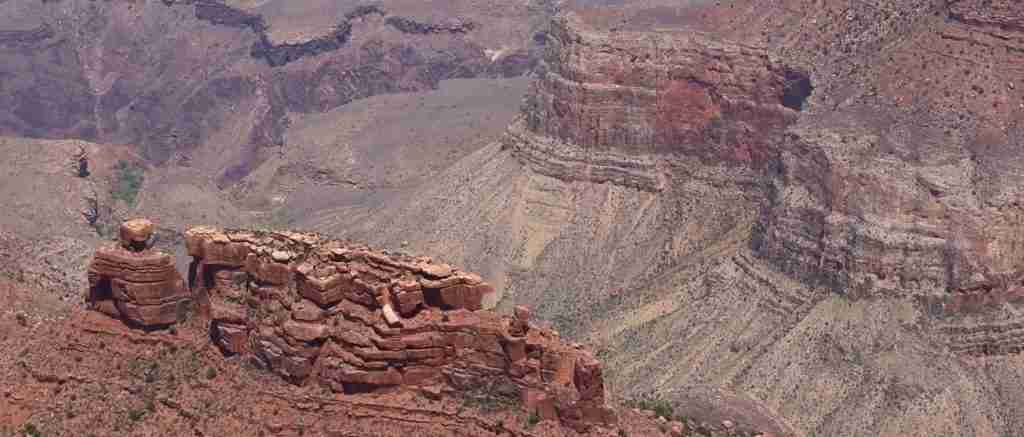
Day trip tours extend Las Vegas exploration to surrounding natural wonders and engineering landmarks, with pricing reflecting distance, duration, and included amenities. Grand Canyon tours represent the most popular excursion category, with West Rim tours costing $100-150 including transportation and entry fees for 10-12 hour experiences, while South Rim tours command $150-200 for 13-14 hour journeys covering the more famous but distant canyon viewpoints. MaxTour operates highly rated small group experiences in 14-passenger vans with TripAdvisor Best of the Best Awards, offering signature Grand Canyon tours at competitive pricing with included breakfast, lunch, and exclusive Hoover Dam walk-on-top access.
Hoover Dam tours range from $75-125 depending on depth of access and group size. Basic tours include exterior viewing and visitor center admission, while premium experiences add power plant tours 500 feet below the dam and extended time for photography and exploration. Combination tours pairing Hoover Dam with Lake Mead, the Colorado River, or the Grand Canyon provide better value than booking separate experiences, typically saving $20-40 per person versus individual tour pricing.
Red Rock Canyon Conservation Area tours cost $100-150 for guided van experiences or $150-200 for Pink Jeep off-road adventures exploring scenic loop drives, ancient petroglyphs, and geological features. Self-drive options reduce costs to $15 entrance fee plus vehicle costs but eliminate guided narration and inside knowledge about best photo opportunities and hidden trails. Valley of Fire State Park tours from $150-250 showcase dramatic red sandstone formations and 3,000-year-old petroglyphs in Nevada’s oldest state park located 50 miles northeast of Las Vegas.
Multi-day tour packages combining several Southwest destinations offer economies of scale versus booking separate day trips. Three-day tours visiting Zion National Park, Bryce Canyon, and Antelope Canyon cost $400-600 per person including accommodations, most meals, entrance fees, and transportation, while seven-day comprehensive tours covering Grand Canyon, Monument Valley, Arches, and Canyonlands command $1,200-1,800 per person with similar inclusions. These extended tours suit visitors using Las Vegas as a regional exploration base rather than the primary destination.
Specialty and Theme Tours 2026
Helicopter and airplane tours provide aerial perspectives of the Strip, Downtown, and surrounding desert landscapes from $150-600 per person depending on flight duration and routing. Basic 10-15 minute Strip overflights cost $150-200, while extended tours adding Hoover Dam and Lake Mead command $250-350. Grand Canyon helicopter tours represent premium experiences at $400-600 including canyon landings, champagne service, and 3-4 hours total tour time. Sunset flights add $50-100 premium pricing for golden hour lighting and illuminated Strip return flights.
Food tours explore Las Vegas’s culinary evolution from buffet culture to celebrity chef restaurants. Downtown and Chinatown food tours cost $65-95 per person for 3-hour experiences including 4-5 restaurant tastings, chef interactions, and cultural narratives connecting food to Las Vegas history. Strip food tours command $100-150 reflecting higher restaurant costs and transportation requirements between resorts. All food tours include enough tastings to constitute a full meal while providing restaurant recommendations for independent dining during the remainder of the visit.
Neon Museum tours showcase retired casino signs in an outdoor exhibition space called the Neon Boneyard, with guided tours costing $25-30 per person for 60-minute experiences. Evening Brilliant light shows combine restored neon signs with projected animations and musical soundtracks for enhanced visual impact at $35-40 per person. The museum operates separate from standard walking tours and requires dedicated transportation to its North Las Vegas location approximately 3 miles from Downtown Fremont Street.
Mob Museum tours cost $30-35 for self-guided admission to three floors documenting organized crime history in an interactive format within a former federal courthouse. Guided tours and special exhibitions add $10-15 per person. The museum’s Downtown location at 300 Stewart Avenue integrates naturally into Fremont Street walking tour itineraries either as an add-on extension or separate afternoon activity.
Self-Guided Walking Routes in Las Vegas
Self-guided walking routes deliver zero-cost exploration requiring only comfortable footwear, adequate water, and basic navigation using smartphone maps or printed guides. The independence of self-guided exploration enables personalized pacing, spontaneous detours, extended photography sessions, and flexible scheduling impossible within structured tour groups. Free downloadable maps and smartphone apps provide route guidance and landmark information rivaling paid guided experiences for visitors comfortable with independent navigation.
The Complete Strip Walking Route
The comprehensive Strip walking route begins at the Welcome to Fabulous Las Vegas sign located at 5100 Las Vegas Boulevard South, approximately 0.5 miles south of Mandalay Bay resort. This iconic photo opportunity erected in 1959 marks the official southern boundary of the Las Vegas Strip and attracts continuous crowds from sunrise to midnight. Small parking areas adjacent to the sign accommodate vehicles for brief photo stops, while pedestrians access the location via sidewalks from nearby resorts or rideshare drop-offs.
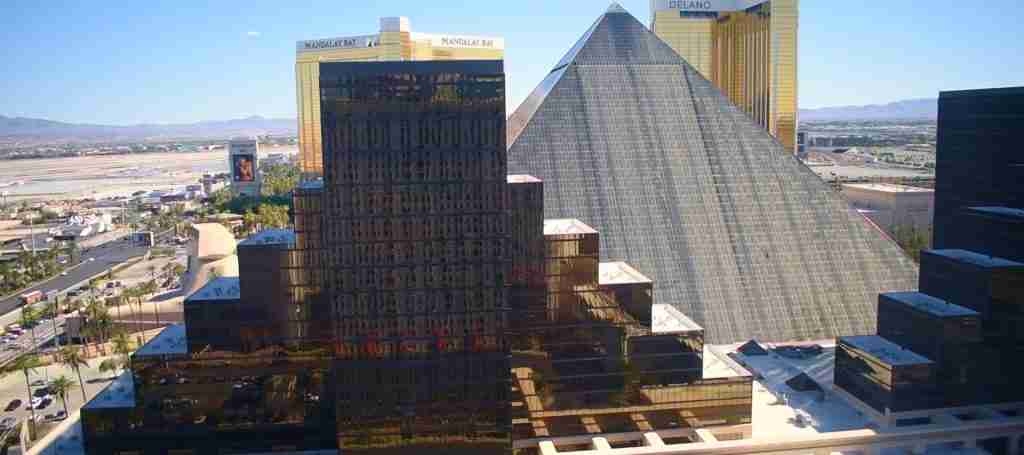
From the Welcome sign, proceed north along the west side of Las Vegas Boulevard passing Mandalay Bay, Luxor Pyramid with its powerful skyward light beam, Excalibur’s castle architecture, and New York-New York’s condensed Manhattan skyline replica. The pedestrian bridge connecting New York-New York to MGM Grand provides excellent elevated photography angles capturing southward views toward the pyramid and northward perspectives of the central Strip. This initial 1.2-mile segment requires 25-30 minutes of continuous walking or 45-60 minutes with brief casino interior explorations.
Continue north past Park MGM, Aria, and the Cosmopolitan, crossing to the east side of the Strip via the Bellagio pedestrian bridge to witness the choreographed fountain shows running every 15-30 minutes from 3 PM to midnight Monday through Friday and from noon to midnight on weekends. The fountains present peak visual impact during evening hours when illumination enhances water effects. Paris Las Vegas’s half-scale Eiffel Tower replica rises across the street offering observation deck access at $25-30 per person for panoramic city views from 460 feet elevation.
The central Strip from Bellagio to the Venetian represents the route’s most photographed segment spanning approximately 0.8 miles. Caesars Palace sprawls across both sides of Las Vegas Boulevard connected by pedestrian tunnels and bridges, while the Venetian’s Grand Canal Shoppes recreate Venice’s streetscapes complete with gondola rides at $29 per person or $116 for private gondola accommodations up to 4 passengers. The LINQ Promenade offers open-air dining and entertainment leading to the High Roller observation wheel reaching 550 feet at its apex with 30-minute rotations costing $25-40 depending on time of day.
Northern Strip landmarks from the Venetian to the Stratosphere spread across the route’s final 1.5 miles presenting greater walking distances between attractions. Wynn and Encore showcase upscale retail and dining, while Treasure Island and the Mirage maintain themed entertainment despite recent ownership changes and planned renovations. The Stratosphere Tower marks the northern terminus at 2000 Las Vegas Boulevard South, standing 1,149 feet as the tallest structure in Las Vegas with observation decks and thrill rides from $20-40 per person depending on attraction combinations.
The complete 4-mile route from Welcome sign to Stratosphere requires 90 minutes of continuous walking at moderate pace or 4-6 hours with reasonable stops for photos, casino exploration, and refreshments. Interior casino routes add substantial distance with some resorts like Venetian, Caesars Palace, and MGM Grand requiring 10-15 minutes to traverse from entrance to exit. Pedestrian bridges and underground tunnels eliminate most street-level crossings but add vertical elevation changes via escalators and stairs potentially challenging for visitors with mobility limitations.
Downtown Fremont Street Self-Guided Route
Downtown Fremont Street’s compact 1-mile pedestrian district delivers concentrated historical attractions and vintage aesthetics within easy walking distance. Begin at the former Union Station site at the corner of Main Street and Fremont Street where Las Vegas was officially established in 1905. While the original station building no longer exists, historical markers and plaza elements commemorate the city’s founding location. The adjacent Plaza Hotel and Casino occupies this historic corner maintaining connections to Las Vegas’s railroad heritage.
Proceed east along Fremont Street beneath the LED canopy spanning four blocks from Main Street to 4th Street. This $70 million Viva Vision display contains 12.5 million LED lights creating immersive light shows every hour on the hour from dusk to midnight, while street performers, musicians, and zip-line riders on Slotzilla create continuous entertainment throughout the pedestrian zone. The Golden Gate Hotel at 1 East Fremont Street opened in 1906 as Las Vegas’s first hotel, now offering free historical displays in its lobby alongside the famous $2.99 shrimp cocktail served since 1959.
The Golden Nugget at 129 East Fremont Street warrants extended exploration for its shark tank pool featuring a transparent tube slide passing through the aquarium and the Hand of Faith gold nugget display showcasing the world’s largest gold nugget specimen at 61 pounds 11 ounces. Public areas remain accessible without gaming or accommodation commitments, making the Golden Nugget an essential stop on any Fremont Street walking route regardless of budget level.
Beyond 4th Street, Fremont East represents Downtown’s revitalized entertainment district spanning three blocks to 8th Street. This formerly deteriorated area transformed through intentional urban renewal into a concentration of craft cocktail bars, independent restaurants, vintage neon sign installations, and the Downtown Container Park at 707 Fremont Street constructed from recycled shipping containers housing boutique shops, dining options, and a children’s play area. The 40-foot tall fire-breathing praying mantis sculpture created from reclaimed materials serves as the Container Park’s iconic focal point, with hourly flame shows after dark.
Complete the route by visiting the Mob Museum at 300 Stewart Avenue, one block north of Fremont Street’s main canopy. This former federal courthouse and post office building houses three floors of interactive exhibits documenting organized crime history, prohibition, and law enforcement evolution. Self-guided admission costs $30-35 per person with average visit durations of 90-120 minutes, while combination tickets bundling the Mob Museum with Fremont Street walking tour packages provide modest savings of $5-10 per person.
The entire 1-mile Downtown route requires 30 minutes of continuous walking or 2-4 hours with reasonable stops for attractions, dining, and casino exploration. Fremont Street’s pedestrian-only status eliminates vehicle traffic concerns while concentrated attractions prevent the exhausting distances characterizing Strip exploration. Evening visits from 7-11 PM capture peak energy with LED canopy shows, street performers, and restaurant activity, while morning walks from 9-11 AM offer empty streets perfect for photography and peaceful exploration before afternoon crowds arrive.
Recommended Self-Guided Walking Combinations
Combining Strip and Downtown walking routes within a single day creates exhausting schedules unsuited to most visitors. The 3-mile distance between central Strip and Fremont Street plus the 4-mile Strip route and 1-mile Downtown route total 8+ miles of walking before accounting for interior casino navigation. Dedicate separate days to each area, or limit same-day combinations to either southern Strip plus Downtown via transportation, or northern Strip plus Downtown via the Las Vegas Monorail connecting both areas.
Half-day walking itineraries provide realistic frameworks for thorough exploration without exhaustion. Morning Strip walks from 7-11 AM begin at the Welcome sign progressing north to Bellagio fountains, covering 2.5 miles over 3-4 hours with casino stops and breakfast at properties like Paris Las Vegas or Cosmopolitan. Afternoon Strip walks from 3-7 PM start at Bellagio progressing north to the Stratosphere, capturing 1.5 miles over 2-3 hours with timing aligned for fountain shows and early evening illumination as natural light fades.
Downtown half-day itineraries concentrate Fremont Street exploration into focused 2-4 hour experiences. Midday Downtown walks from 10 AM-2 PM avoid peak heat while accessing restaurants and attractions before evening crowds, with the Mob Museum serving as an air-conditioned midpoint break from outdoor walking. Evening Downtown experiences from 7-11 PM maximize LED canopy shows, street performer energy, and restaurant activity representing Fremont Street at its most vibrant.
Theme-based walking routes create specialized experiences targeting specific interests. Architecture enthusiasts concentrate on Strip mega-resorts examining exterior facades, interior design elements, and public art installations at Aria, Cosmopolitan, Wynn, and Bellagio. Photography-focused routes prioritize optimal shooting times and locations including sunrise at the Welcome sign, golden hour at Bellagio fountains, and blue hour capturing illuminated buildings against twilight skies. Budget walks emphasize free attractions like Bellagio Conservatory seasonal displays, Venetian Grand Canal ambiance without gondola costs, and Mirage volcano shows preceding property transformation.
Hop-On Hop-Off Bus Tours in Las Vegas 2026
Hop-on hop-off bus tours provide flexible transportation with unlimited rides eliminating walking fatigue while delivering professional commentary and strategic routing connecting major landmarks. The model suits visitors prioritizing efficiency over budget economy, with multi-day passes justifying costs through extensive use and time savings compared to assembling equivalent experiences through public transportation and walking.
Big Bus Tours Las Vegas Operations 2026
Big Bus Tours operates Las Vegas’s primary hop-on hop-off service with 24-hour passes costing approximately $30 and 48-hour passes at $57 in 2026. Check the official Big Bus Tours website for current rates as pricing varies seasonally and promotional offers provide occasional discounts of 10-15% for advance online booking. The service runs daily except during special events like the Rock N Roll Marathon, Thanksgiving, Christmas, and New Year’s Eve when operations suspend or modify schedules.
The Red Route covers 9 strategically positioned stops spanning the Strip and Downtown Las Vegas. Stop 1 begins at MGM Grand’s west entrance at 3791 South Las Vegas Boulevard, with subsequent stops at the High Roller observation wheel at 3973 LINQ Lane, Bellagio Fountains, Fashion Show Mall, Stratosphere Tower, Downtown Fremont Street, and the Welcome to Fabulous Las Vegas sign. Buses run at 30-60 minute intervals from 10 AM to 5 PM daily, with frequency depending on demand levels and operational capacity.
The complete loop requires approximately 2.5 hours without disembarking, providing comprehensive city orientation with open-top upper deck views and climate-controlled lower deck seating. Digital audio commentary operates in English and Spanish through provided earbuds offering souvenir status post-tour. Live guides supplement recorded commentary on select buses, particularly during peak season operations, adding personalized insights and answering specific visitor questions unavailable through automated systems.
Night tour additions included with 48-hour passes depart at 7 PM from the High Roller bus loading zone for 2-hour panoramic experiences showcasing the illuminated Strip without hop-off privileges. These evening circuits provide enhanced photography opportunities and atmospheric perspectives impossible during daytime operations. The illuminated cityscape from the open upper deck creates signature Las Vegas experiences justifying the premium 48-hour pass pricing over basic 24-hour options for visitors staying multiple days.
Using Hop-On Hop-Off Tours Effectively 2026
Maximize hop-on hop-off value through strategic planning and realistic expectations about timing and coverage. The 30-60 minute frequency between buses means each hop-off stop consumes 45-90 minutes minimum when accounting for attraction visit time plus return wait, limiting realistic daily stops to 3-4 locations rather than attempting all 9 stops within single-day passes. Prioritize must-see attractions requiring dedicated time like the Stratosphere observation deck or Fremont Street exploration while using the bus as primary transportation between distant landmarks.
Download the Big Bus Tours mobile app before tour commencement to track real-time bus locations and arrival estimates at each stop. The app eliminates uncertainty about wait times and enables better stop-duration planning when understanding the next bus arrives in 20 versus 55 minutes. Walking to the next stop rather than waiting becomes viable when buses show 45+ minute delays and the distance spans only 0.5-0.8 miles between consecutive stops.
Coordinate hop-on hop-off touring with specific attraction timing requirements. Bellagio fountain shows run every 15-30 minutes during afternoon and evening hours allowing flexible arrival times, while Stratosphere thrill rides and observation decks operate continuously during business hours without timed entry. Plan Fremont Street stops during evening hours from 7-11 PM when LED canopy shows run hourly and street activity peaks, while visiting the Welcome to Fabulous Las Vegas sign during morning hours from 7-9 AM minimizes crowd competition for photos.
Compare hop-on hop-off costs against alternatives before purchasing. The Las Vegas Monorail operates along the east side of the Strip from MGM Grand to the Sahara with 7 stations and 15-minute frequency for $13 single rides or $31 unlimited 24-hour passes. Public RTC buses serve the Strip and Downtown for $8 24-hour passes with more frequent service but less tourist-oriented routing and no commentary. Rideshare services via Uber or Lyft cost $8-15 per ride depending on distance and surge pricing, making 3-4 rides daily comparable to hop-on hop-off pricing without the commentary and orientation benefits.
Alternative Bus Tour Options 2026
Specialized bus tours provide alternatives to hop-on hop-off flexibility for visitors seeking specific experiences without transportation logistics. Night bus tours operate as fixed-route experiences without hop-off privileges, typically costing $30-45 for 2-3 hour illuminated Strip circuits with professional narration. These dedicated evening tours provide superior commentary depth compared to hop-on hop-off night additions since guides focus exclusively on nighttime narratives rather than serving daytime operational requirements.
Day trip bus tours to Grand Canyon, Hoover Dam, and regional attractions operate on fixed schedules with predetermined stops and durations. These experiences suit visitors without vehicles seeking guided access to destinations beyond Las Vegas proper. Pricing from $100-200 per person typically includes transportation, entry fees, and meals depending on destination and tour operator, with small group luxury coach options commanding premium pricing over large bus tours accommodating 40-50 passengers.
Getting Around for Tours in Las Vegas 2026
Transportation between tour starting points, hotel accommodations, and attraction locations influences daily logistics and budgets. Las Vegas offers multiple transportation modes ranging from free resort trams to premium rideshare services, each suited to different scenarios and cost tolerances. Understanding transportation options prevents unexpected expenses and time losses from inefficient routing decisions.
Public Transportation Options 2026
The Regional Transportation Commission operates public bus service throughout Las Vegas including the Strip and Downtown. The Deuce double-decker buses run 24 hours daily along Las Vegas Boulevard from the South Strip Transfer Terminal to Downtown Fremont Street, with buses arriving every 15-20 minutes during peak hours and 30-40 minutes overnight. Single rides cost $6 with 2-hour transfer privileges, while 24-hour unlimited passes cost $8 providing better value for visitors making 2+ trips daily. Three-day passes at $20 suit extended stays with regular public transportation usage.
The Las Vegas Monorail operates elevated trains along the east side of the Strip from MGM Grand to the Sahara with 7 stations and 15-minute frequency from 7 AM to midnight Monday through Thursday, extending to 2 AM Friday through Sunday. Single ride tickets cost $13, while 24-hour unlimited passes at $31 and multi-day passes from $38-76 provide value for visitors making 3+ trips daily. The monorail connects major resorts and the Las Vegas Convention Center but misses several central Strip properties and provides no direct Downtown access.
Free resort trams connect select properties eliminating costs for specific routes. The Mandalay Bay tram links Mandalay Bay, Luxor, and Excalibur covering the southern Strip’s 1-mile corridor. The Bellagio tram connects Bellagio, Aria, and Park MGM serving the central Strip. The Mirage tram links Treasure Island and the Mirage on the northern Strip. These free options reduce transportation expenses when routing aligns with resort locations but provide limited flexibility outside their specific corridors.
Rideshare and Taxi Services 2026
Uber and Lyft operate extensively throughout Las Vegas with pickup and drop-off zones at all major resorts. Typical ride costs from mid-Strip to Downtown range $12-18 during normal periods, while airport transfers from Harry Reid International Airport to Strip hotels cost $15-25 depending on specific resort location and traffic conditions. Surge pricing during peak demand periods including Friday and Saturday evenings, convention events, and major concerts increases costs by 50-200% above base rates.
Traditional taxi service remains available at all resort taxi stands with meter-based pricing starting at $3.50 plus $2.76 per mile. Airport to Strip trips average $20-30 depending on destination resort and traffic delays. Taxis accept credit cards but cash payment avoids potential processing fees and tipping complications. Rideshare services typically provide lower costs than taxis for equivalent trips while offering price transparency through app-based estimates before ride confirmation.
Walking remains viable and economical for many Strip movements despite distances. The 0.5-mile segment between neighboring resorts like Bellagio and Caesars Palace requires 10-12 minutes of walking versus 15-20 minutes total time including rideshare wait and travel when accounting for pickup coordination and resort navigation to designated rideshare zones. Reserve rideshare and taxi use for distances exceeding 1 mile, extreme weather conditions, or time-sensitive arrival requirements where walking proves impractical.
Rental Car Considerations 2026
Rental cars provide maximum flexibility for day trips to regional attractions and multi-day explorations beyond Las Vegas proper. Daily rental rates range $40-80 for economy vehicles through major agencies at Harry Reid International Airport, while resort parking fees from $15-30 daily add hidden costs absent from initial rate calculations. The Strip’s congested traffic, limited free parking, and short distances between most attractions make rental cars inefficient for visitors focusing exclusively on Las Vegas city exploration.
Reserve rental cars for specific day trip itineraries to destinations like Red Rock Canyon, Valley of Fire, or Lake Mead where tour costs from $100-150 per person exceed rental and fuel expenses for groups of 2-4 travelers. Self-drive trips to these locations require $15-20 entrance fees plus fuel costs approximately $15-25 for round-trip driving, totaling $30-45 per vehicle versus $200-300 for two people on guided tours. Groups of 3-4 travelers achieve even greater savings through self-drive approaches when comfortable with independent navigation and route planning.
Booking and Planning Tips for Las Vegas Tours 2026
Strategic booking and planning maximize tour experiences while controlling costs and minimizing logistical complications. Advance research, flexible scheduling, and selective splurging on high-impact experiences create superior outcomes compared to spontaneous decisions and uniform budget allocation across all touring options.
Advance Booking Strategies 2026
Book guided walking tours 2-4 weeks in advance during peak season from March through May and September through November when small group tours reach capacity limits of 12-15 participants. Popular time slots including late morning departures from 10-11 AM and early evening tours from 6-7 PM fill first, leaving only midday and early morning slots for last-minute bookings. Off-season from June through August and December through February typically accommodates same-day bookings with available capacity, though extreme summer heat limits midday tour viability regardless of availability.
Hop-on hop-off bus passes accept same-day purchases at major stops including MGM Grand and the High Roller without advance booking requirements. However, online booking through official Big Bus Tours website saves 10% versus on-site purchases while eliminating ticket counter wait times and enabling direct bus boarding upon arrival. Multi-day passes purchased in advance lock in pricing and begin on first use rather than purchase date, allowing flexible activation timing aligned with planned touring days.
Day trip tours to Grand Canyon, Hoover Dam, and regional attractions require 1-2 weeks advance booking during peak season for preferred departure times and vehicle types. Small group luxury van tours with 10-14 passengers fill faster than large bus tours accommodating 40-50 participants, while helicopter tours command earliest booking due to weather-dependent operations and limited daily flight slots. Last-minute cancellations occasionally create same-day availability, but relying on cancellation availability risks excluding popular tours from itineraries entirely.
Package Deals and Combination Tickets 2026
Tourist attraction discount passes bundle multiple experiences at reduced combined pricing, with Las Vegas-specific passes including the Go City All-Inclusive Pass, Explorer Pass, and sightseeing day passes. These passes include hop-on hop-off bus tours, Fremont Street walking tours, observation wheel tickets, and other attractions for single bundled prices ranging $80-150 per day depending on included experiences and pass duration. The passes provide value when planning 3+ paid attractions daily but require aggressive touring schedules and strategic selection of high-value inclusions.
Combination tickets pairing complementary experiences save $10-25 per person versus separate purchases. Fremont Street walking tour plus Mob Museum admission bundles cost $50-60 versus $67-72 purchased separately, while hop-on hop-off bus plus High Roller observation wheel packages provide similar modest savings. Evaluate combination values by comparing bundled pricing against individual attraction costs, recognizing that bundled savings only materialize when genuinely interested in all included components rather than adding unwanted experiences for perceived value.
Tour operator direct booking through official websites eliminates third-party commission fees while enabling direct communication for special requests, dietary restrictions, and accessibility requirements. Booking platforms like Viator, GetYourGuide, and TripAdvisor aggregate multiple operators enabling price comparison and review access but add $2-8 service fees per ticket offsetting convenience benefits. Review cancellation policies carefully, as third-party platforms sometimes impose stricter cancellation terms than tour operators’ direct policies.
Optimal Touring Schedules 2026
Structure daily touring around temperature management and crowd avoidance rather than attempting maximum attraction volume. Summer visitors limit outdoor walking to early morning hours from 7-9 AM and evening periods from 7-11 PM when temperatures moderate below 90°F, using midday hours for air-conditioned casino exploration, museum visits, and rest periods preventing heat exhaustion. Spring and fall enable full-day touring from 9 AM to 9 PM with comfortable temperatures supporting extended walking and outdoor photography.
Front-load physically demanding experiences including long walking routes and outdoor attractions during early trip days when energy levels peak and jet lag effects diminish. Reserve lighter activities like hop-on hop-off bus tours, indoor museums, and entertainment for later trip days when walking fatigue accumulates and less demanding experiences prove welcome. This progression prevents exhaustion from derailing final days while accommodating natural energy decline over multi-day visits.
Balance guided tours with self-guided exploration days preventing tour fatigue and schedule monotony. Alternate between structured guided experiences providing expert knowledge and free-form walking days enabling spontaneous discoveries and flexible pacing. This rhythm prevents the tunnel vision that develops when every day follows identical patterns while ensuring adequate coverage of both essential landmarks and personal interests discovered during the visit.
Budget Planning for Las Vegas Tours 2026
Las Vegas tour budgets range from $30-40 per person daily for self-guided walking with occasional paid attractions to $125+ per person for comprehensive guided experiences combining multiple tours and transportation options. Budget planning requires distinguishing between essential experiences delivering maximum value and optional additions providing diminishing returns relative to costs.
Self-Guided Budget Travelers 2026
Self-guided budget travelers minimize tour costs by prioritizing free walking routes supplemented with strategic single attraction purchases. Hotel accommodation $60 per person (two sharing budget hotel), meals $50, self-guided walking with Bellagio Conservatory and welcome sign photos $0, High Roller observation wheel or Stratosphere tower $25, public transportation $8. Total approximately $145 per person daily. This approach suits independent travelers comfortable with smartphone navigation and willing to research routes and attractions without professional guidance.
Enhance budget touring through free attraction timing and strategic photography. Bellagio fountain shows run continuously during afternoon and evening hours at no charge, while the Mirage volcano shows provide free nightly entertainment preceding property transformation. The Welcome to Fabulous Las Vegas sign offers iconic photo opportunities without admission fees, though morning visits from 7-9 AM avoid afternoon crowd competition. Downtown Fremont Street LED canopy shows run hourly during evening hours providing free visual spectacles rivaling paid entertainment options.
Mid-Range Touring Budget 2026
Mid-range touring budgets incorporate 1-2 guided experiences daily combined with self-guided exploration and hop-on hop-off transportation. Hotel accommodation $90 per person (two sharing mid-range hotel), meals $75, Fremont Street walking tour $37, hop-on hop-off bus 24-hour pass $30, single attraction admission $25. Total approximately $255 per person daily. This allocation enables professional guidance for historical context while maintaining flexibility for independent discovery and spontaneous detours.
Optimize mid-range budgets by concentrating guided tour spending on experiences delivering maximum knowledge transfer and access to locations difficult to navigate independently. Fremont Street walking tours provide superior value through concentrated historical narratives and hidden detail revelations, while day trips to Grand Canyon or Red Rock Canyon justify premium pricing through specialized knowledge, logistical efficiency, and transportation elimination. Reserve self-guided approaches for straightforward Strip walking where professional guidance adds minimal value beyond route optimization.
Comprehensive Touring Budget 2026
Comprehensive touring budgets support multiple daily guided experiences, premium transportation, and specialized attractions without significant cost constraints. Hotel accommodation $180 per person (two sharing luxury hotel), meals $125, two guided experiences $75-150, hop-on hop-off bus 48-hour pass with night tour $57, specialty attractions or shows $50-100. Total approximately $485-610 per person daily. This level enables helicopter tours, specialty walking tours, premium day trips, and exclusive experiences unavailable at budget price points.
Comprehensive budgets justify costs through time efficiency, expertise access, and exclusive experiences impossible to replicate through self-guided exploration. Helicopter tours revealing aerial perspectives, small group luxury van tours with expert naturalist guides to regional parks, behind-the-scenes resort access programs, and VIP nighttime experiences deliver unique value proportional to premium pricing. These investments suit visitors prioritizing maximum experience quality over budget economy and willing to pay premiums for superior guides, transportation comfort, and exclusive access.
Multi-Day Tour Budget Planning 2026
Week-long Las Vegas visits benefit from budget allocation varying daily based on planned activities rather than maintaining uniform daily spending. Dedicate higher budgets to day trip days when guided tour costs spike from $100-200 per person for Grand Canyon or regional excursions, while allocating lower budgets to self-guided walking days emphasizing free attractions and budget dining. This variable approach prevents budget exhaustion during early trip days while ensuring adequate funding for high-impact experiences scheduled throughout the visit duration.
Sample 5-day budget allocation for flexible travelers demonstrates variable daily spending mixing budget and mid-range strategies: Day 1 arrival with late check-in, limited meals, and evening Strip walk $75 per person. Day 2 full day Downtown with Fremont Street guided walking tour $37, Mob Museum $30, mid-range meals $75, budget hotel $60 totaling $200 per person. Day 3 Grand Canyon day trip $150 with tour including lunch, evening only at hotel reducing accommodation and meal costs to $90 combined, totaling $240 per person. Day 4 self-guided Strip walking with budget meals $50, budget hotel $60, free attractions $0, totaling $110 per person. Day 5 departure morning with checkout and light breakfast $15 per person. Week total approximately $640 per person for 5 days, averaging $128 daily with range from $15-240 based on daily activity intensity and partial-day accommodations on arrival and departure days.
Best Time for Las Vegas Tours 2026
Seasonal timing influences tour comfort, pricing, crowd levels, and availability. Las Vegas experiences three distinct touring seasons, each offering advantages and drawbacks for walking tours, outdoor excursions, and general sightseeing activities.
Spring Season March through May 2026
Spring represents optimal touring season with comfortable daytime temperatures from 70-85°F supporting full-day walking without heat stress. Warm spring days enable early morning tours from 7 AM through late evening explorations extending past 10 PM, maximizing daily touring hours and attraction coverage. Occasional spring rainfall occurs 2-4 days monthly requiring rain contingency planning but rarely disrupting full-day itineraries.
Spring brings moderate crowds between winter low season and summer peak, with Easter weekend and spring break weeks from mid-March through April showing elevated visitor numbers. Hotel rates increase 20-40% above winter baseline pricing while remaining 10-20% below summer peaks. Tour availability expands with operators adding departure times and increasing vehicle capacity responding to spring demand growth without reaching summer maximums.
Summer Season June through August 2026
Summer delivers extreme heat with daytime temperatures from 100-115°F limiting outdoor walking tours to early morning hours from 7-9 AM and evening periods after 7 PM when temperatures moderate below 95°F. Midday outdoor activity from 11 AM-5 PM presents heat exhaustion risks for walking tours exceeding 30 minutes duration, while air-conditioned bus tours and indoor attractions provide comfortable alternatives during peak heat hours.
Summer represents peak tourist season with maximum crowds, highest hotel rates increasing 30-50% above shoulder season pricing, and expanded tour operations running maximum frequency and capacity. Popular guided tours require 3-4 weeks advance booking securing preferred time slots, while same-day availability becomes limited or nonexistent for small group experiences. Despite heat challenges, summer offers longest daylight hours enabling extended evening touring from 8-10 PM when illuminated attractions reach peak visual impact.
Fall Season September through November 2026
Fall delivers comfortable touring conditions rivaling spring with temperatures from 75-90°F in September declining to 60-75°F by November. September maintains summer heat residual requiring morning and evening outdoor activity scheduling, while October and November enable comfortable all-day touring matching spring conditions. Fall experiences minimal rainfall with occasional October storms providing brief interruptions without sustained wet periods.
Fall brings moderate crowds between summer peak and winter low season, though major convention events including technology conferences and automotive shows spike specific weeks to summer crowd levels. Hotel rates decline 15-30% from summer peaks while remaining 10-20% above winter minimums. Tour operators maintain robust schedules through October before reducing November frequency as winter approaches, making fall ideal for visitors seeking spring-like conditions with slightly reduced prices and crowds.
Winter Season December through February 2026
Winter delivers mild daytime temperatures from 50-65°F comfortable for walking tours without heat concerns but requiring light jacket layers for morning and evening periods when temperatures drop to 35-45°F. Occasional winter rainfall occurs 4-6 days monthly with brief showers rather than sustained precipitation, while rare winter snowfall creates temporary disruptions without accumulating meaningful amounts.
Winter represents low season with smallest crowds, lowest hotel rates declining 30-50% below peak summer pricing, and reduced tour operations running minimum frequencies and limited departure times. December maintains elevated activity levels through New Year’s with holiday visitors creating temporary peak conditions and pricing, while January and February show true off-season characteristics with available capacity and competitive rates. Winter’s shorter daylight hours from 7 AM-5:30 PM compress daily touring windows reducing total attraction coverage compared to extended spring and summer days.
Frequently Asked Questions About Las Vegas Tours and Walking Routes 2026
Do you need a guided tour in Las Vegas or can you explore on your own?
Las Vegas supports both guided tours and self-guided exploration depending on visitor priorities, time availability, and interest in historical context. Self-guided walking using free online maps and smartphone apps provides zero-cost exploration at personalized pacing, ideal for independent travelers comfortable navigating unfamiliar cities and researching attractions through online resources. The Strip’s linear 4-mile corridor and Downtown’s compact 1-mile pedestrian district enable straightforward self-guided routes without complex navigation or hidden access points requiring local knowledge. Guided tours justify costs for visitors seeking concentrated historical narratives, insider recommendations, and efficient time use within limited Las Vegas stays. The $32-37 investment for two-hour Fremont Street walking tours delivers expert knowledge about mob history, architectural details, and vintage neon stories impossible to discover through casual self-guided observation, while hop-on hop-off buses at $30-57 provide transportation efficiency and commentary depth exceeding what independent travelers assemble through personal research.
How long does it take to walk the Las Vegas Strip from end to end?
Walking the complete Las Vegas Strip from the Welcome to Fabulous Las Vegas sign at the southern end to the Stratosphere Tower at the northern boundary covers approximately 4 miles requiring 90 minutes of continuous walking at moderate pace without stops. Realistic Strip walks including brief casino interior explorations, photo opportunities, and refreshment breaks extend to 4-6 hours for thorough coverage from south to north. Individual resort interiors add substantial distance with properties like Caesars Palace, Venetian, and MGM Grand requiring 10-15 minutes to traverse from entrance to exit through expansive casino floors and shopping corridors. Pedestrian bridges connecting resorts across Las Vegas Boulevard introduce vertical elevation changes via escalators and stairs adding 5-10 minutes to direct walking times between properties on opposite sides. Midday summer heat from June through August makes continuous 4-mile walks impractical, requiring early morning or evening timing when temperatures moderate below 90°F for comfortable outdoor activity extending beyond 30 minutes.
What is the best free walking tour in Las Vegas?
Las Vegas offers multiple free self-guided walking routes rather than truly free guided tours with professional guides. The Strip walking route from the Welcome to Fabulous Las Vegas sign to Bellagio fountains covers 2.5 miles of premier landmarks including Luxor pyramid, New York-New York skyline, MGM Grand lion, and the choreographed Bellagio fountain shows, all accessible without admission charges. Downtown Fremont Street’s 1-mile pedestrian corridor provides concentrated free attractions including the LED canopy light shows running hourly, vintage neon signs, the Golden Gate Hotel’s historical displays, and street performer entertainment from musicians to zip-line riders. Free smartphone audio tour apps like GPSmyCity and Action Tour Guide offer downloadable narrated routes for $6-15 permanent access providing professional commentary rivaling paid guided tours at minimal cost. These self-guided audio experiences eliminate recurring tour fees while enabling personalized pacing and repeat visits using the same content across multiple Las Vegas trips. True free guided tours with professional guides exist only as promotional offerings by tour companies hoping to convert participants into paid customers for additional experiences, making these free options primarily sales presentations rather than genuine no-cost guided services.
Can you walk between casinos on the Las Vegas Strip?
Walking between casinos on the Las Vegas Strip remains completely viable and represents the most common transportation method for visitors exploring the resort corridor. Direct sidewalk connections link all major properties along both sides of Las Vegas Boulevard, while elevated pedestrian bridges at major intersections eliminate dangerous street-level crossings requiring waiting for traffic signals or navigating vehicle traffic. Walking distances between neighboring resorts like Bellagio and Caesars Palace or Venetian and Palazzo span 0.3-0.5 miles requiring 8-12 minutes, while longer segments like MGM Grand to the Venetian cover 1-1.2 miles requiring 20-25 minutes continuous walking. Interior casino routes through properties like Caesars Palace or Venetian add 10-15 minutes to direct exterior sidewalk times but provide air-conditioned comfort and opportunities for brief gaming or dining stops. Summer daytime temperatures from 100-115°F between June and August make extended walking between multiple distant casinos uncomfortable during midday hours from 11 AM-5 PM, when hop-on hop-off buses, the monorail, or rideshare services provide more comfortable transportation alternatives. Evening walks after 7 PM and morning walks before 10 AM offer comfortable temperatures year-round supporting multi-casino exploration without heat-related discomfort.
What are the best times to do the Fremont Street walking tour?
Evening tours from 7-9 PM provide optimal Fremont Street experiences when the LED canopy light shows activate hourly and street performer energy peaks with musicians, artists, and Slotzilla zip-line riders creating maximum atmospheric intensity. The illuminated vintage neon signs reveal full visual impact impossible during daylight hours, while restaurants and bars reach peak activity levels attracting both tourists and local residents. Morning tours from 10 AM-noon offer comfortable temperatures and empty streets perfect for photography and peaceful exploration before afternoon crowds arrive, though the LED canopy and neon signs lose visual impact under harsh midday sunlight. Guided walking tours typically operate twice daily with morning departures at 11 AM and afternoon starts at 2 PM during peak season, while evening tours may operate as specialty offerings from select tour operators focusing specifically on nighttime illumination and bar culture. Summer visitors should avoid midday tours from noon-4 PM when temperatures exceed 100°F and direct sun exposure on Fremont Street’s open pedestrian area creates uncomfortable conditions for two-hour walking experiences. Winter evening tours require light jacket layers as temperatures drop to 45-55°F after sunset, while spring and fall maintain comfortable 65-75°F evening temperatures supporting extended outdoor activity without weather concerns.
How much should I budget for tours in Las Vegas for a 3-day trip?
A 3-day Las Vegas trip requires $90-375 per person total for tour experiences depending on chosen combination of self-guided walks, guided tours, and premium excursions. Budget travelers spending $30-40 per person daily total $90-120 for three days using primarily free self-guided walking routes supplemented with single attraction admissions like the High Roller observation wheel or Stratosphere tower. Mid-range travelers allocating $75-125 per person daily total $225-375 for three days incorporating 1-2 guided experiences such as Fremont Street walking tours, hop-on hop-off bus passes, or half-day excursions to regional attractions. Premium travelers budgeting $150-250+ per person daily total $450-750+ for three days enabling helicopter tours, luxury small group day trips to the Grand Canyon, multiple guided specialty tours, and exclusive experiences beyond standard sightseeing. These tour budgets exist separate from accommodation, dining, entertainment, and gaming expenses which add substantially to comprehensive daily costs. Three-day visits benefit from variable daily allocation dedicating higher tour budgets to one major excursion day while reserving lower budgets for self-guided walking days and arrival/departure days with limited touring time. Sample mid-range 3-day tour budget: Day 1 Strip orientation via hop-on hop-off bus $30, Day 2 Fremont Street guided walking tour plus Mob Museum $67, Day 3 Red Rock Canyon guided tour $125, totaling $222 per person for three days averaging $74 daily with strategic allocation across varied experience types.
Are hop-on hop-off buses worth it in Las Vegas?
Hop-on hop-off buses deliver value for visitors prioritizing orientation, transportation efficiency, and professional commentary over budget economy. The $30-57 pricing for 24-48 hour passes eliminates walking fatigue between distant Strip landmarks while providing expert narration revealing historical details and insider recommendations unavailable through independent exploration. Visitors planning 3-4 stops daily at locations like the Welcome to Fabulous Las Vegas sign, Stratosphere, and Downtown Fremont Street benefit from unlimited rides eliminating $40-60 in equivalent rideshare costs while gaining commentary value justifying the premium over basic public transportation. Hop-on hop-off buses prove less valuable for visitors focusing on concentrated areas like central Strip from Bellagio to Venetian where walking distances between attractions span only 10-15 minutes, or for those comfortable using public RTC buses costing $8 for 24-hour unlimited passes with more frequent service but no commentary. The 30-60 minute frequency between Big Bus Tours arrivals limits practical daily stops to 3-4 locations when accounting for attraction visit time plus return wait, requiring strategic planning rather than attempting all 9 stops within single-day passes. Night tour inclusions with 48-hour passes add significant value through illuminated Strip circuits unavailable via other transportation modes, while the open-top upper deck provides photography perspectives impossible from ground level or enclosed vehicles. Budget travelers comfortable walking and using public transportation save $20-50 daily by avoiding hop-on hop-off costs, while comfort-focused visitors and those with limited time find the premium pricing justified through convenience, commentary, and orientation benefits.
What is the difference between the Strip and Fremont Street?
The Strip and Fremont Street represent geographically separate and culturally distinct Las Vegas destinations located 3 miles apart. The Strip emerged in the 1940s as a resort corridor outside city limits along Las Vegas Boulevard, evolving into a 4-mile concentration of themed mega-resorts like Bellagio, Caesars Palace, Venetian, and MGM Grand featuring modern architecture, high-end retail, celebrity chef restaurants, and contemporary entertainment. Fremont Street constitutes Downtown Las Vegas’s original 1905 founding location where the city began as a railroad town, preserving vintage 1950s-1960s casinos like the Golden Gate and Golden Nugget alongside the 1,500-foot LED canopy covering four pedestrian blocks. The Strip emphasizes luxury, scale, and modern spectacle with fountains, observation wheels, and resort theming, while Fremont Street showcases authentic Las Vegas history through preserved neon signs, classic casino architecture, and storytelling about mob influence and vintage entertainment eras. Walking the complete Strip requires 4 miles and 4-6 hours covering distances between individual resorts spanning 5-15 minutes each, while Downtown Fremont Street concentrates attractions within a compact 1-mile pedestrian district thoroughly explorable in 2-4 hours. Strip dining and entertainment skew toward premium pricing with many restaurants exceeding $50-100 per person, while Fremont Street offers broader price ranges including budget-friendly options under $20 per person alongside upscale choices. Most Las Vegas visitors explore both areas during multi-day stays, dedicating separate days to each rather than attempting same-day coverage requiring transportation and time allocation between the distinct destinations.
Do I need to book Las Vegas tours in advance for 2026?
Advance booking requirements depend on tour type, season, and group size preferences. Small group guided walking tours with 10-15 participant limits require 2-4 weeks advance reservation during peak season from March through May and September through November when popular morning and evening time slots fill to capacity. Hop-on hop-off bus tours accept same-day purchases without advance booking though online reservation saves 10% versus on-site prices. Day trip tours to Grand Canyon, Hoover Dam, and regional attractions need 1-2 weeks advance booking for preferred operators and luxury small group van options accommodating 10-14 passengers versus large bus tours with 40-50 capacity. Helicopter tours command earliest booking due to weather-dependent operations and limited daily flight slots particularly during spring and fall when atmospheric conditions optimize visibility and comfort. Off-season from June through August and December through February typically accommodates same-day bookings for most tour types except specialty experiences and premium operators maintaining high demand regardless of season. Online booking through official tour operator websites enables direct communication for special requests, dietary restrictions, and accessibility requirements while eliminating third-party commission fees, though booking platforms like Viator and GetYourGuide provide price comparison and review access adding value through aggregated information. Cancellation policies vary by operator with most allowing full refunds for cancellations 24-48 hours before departure, making advance booking low-risk when planning remains flexible and weather uncertainties exist.
Can you do self-guided tours of the Las Vegas Strip at night?
Night walking tours of the Las Vegas Strip provide superior visual experiences compared to daytime exploration as illuminated buildings, neon signs, and attractions like Bellagio fountains reach peak impact after sunset. Evening walks from 7-11 PM offer comfortable temperatures year-round with spring and fall maintaining 65-75°F, summer moderating to 85-95°F after the 100-115°F daytime extremes, and winter cooling to 45-55°F requiring light jacket layers. The Strip’s pedestrian infrastructure including sidewalks and elevated bridges remains fully lit and actively monitored by resort security and Las Vegas Metropolitan Police creating safe navigation conditions throughout nighttime hours. Crowds peak during evening hours particularly Friday and Saturday nights when pedestrian traffic reaches maximum density, requiring patient navigation through congested sidewalks near popular properties like Bellagio, Cosmopolitan, and Venetian. Night photography captures illuminated building facades, fountain light shows, and neon signage impossible to photograph during daylight hours, though crowds and limited tripod space challenge long-exposure techniques requiring elevated ISO settings accepting some image noise. The Bellagio fountain shows run every 15 minutes during evening hours from 8 PM-midnight providing reliable timed attractions anchoring night walking routes, while the Mirage volcano shows operated until the property’s 2024 transformation. Free smartphone apps including GPSmyCity and Action Tour Guide offer audio-guided night routes providing historical narration and landmark identification supporting independent exploration without printed maps or professional guides. Safety considerations remain minimal as the Strip maintains continuous activity and visibility throughout nighttime hours, though standard urban precautions including awareness of surroundings and securing valuables apply as in any major tourist destination.