Best Day Trips from Las Vegas 2026: Complete Guide
Las Vegas sits surrounded by spectacular natural wonders and engineering marvels accessible within hours, transforming a casino-focused visit into a comprehensive Southwest adventure. The Grand Canyon West Rim lies 120 miles away offering helicopter landings, Hoover Dam anchors 30 miles southeast showcasing Depression-era ingenuity, Valley of Fire’s ancient red sandstone formations glow 55 miles northeast, and Red Rock Canyon’s dramatic escarpment rises just 17 miles west. Death Valley’s otherworldly landscapes sprawl 140 miles northwest, while Zion National Park’s towering canyon walls stand 160 miles northeast, each destination providing distinct experiences ranging from quick half-day escursions to full-day adventures requiring advance planning and early departures.
Key Takeaways for Las Vegas Day Trips 2026
- Distance and Time Planning 2026: Closest destinations including Hoover Dam (30 miles, 35-45 minutes), Red Rock Canyon (17 miles, 25-30 minutes), and Valley of Fire (55 miles, 60 minutes) work well as half-day trips departing morning or afternoon. Full-day destinations including Grand Canyon South Rim (270 miles, 4.5 hours each way), Death Valley (140 miles, 2-2.5 hours), and Zion National Park (160 miles, 2.5-3 hours) require pre-dawn departures around 6-7 AM for maximum sightseeing time before returning to Las Vegas for evening activities.
- Tour versus Self-Drive Economics 2026: Organized tours from Las Vegas range $70-150 for bus excursions to Hoover Dam and Valley of Fire, $195-300 for bus trips to Grand Canyon, and $459-739 for helicopter tours with canyon landings. Self-driving costs $40-120 daily for rental cars plus fuel ($40-80 roundtrip for distant destinations) and entrance fees ($15-35 per vehicle at national parks), making organized tours competitive for solo travelers while self-driving saves money for groups of three or more sharing vehicle costs.
- Entrance Fees and Passes 2026: Individual site fees include Red Rock Canyon $20 per vehicle, Valley of Fire $15 out-of-state vehicles, Death Valley and Zion $30-35 per vehicle, plus Hoover Dam tours $25-40 per person. The America the Beautiful Annual Pass ($80 for U.S. residents, $250 for non-U.S. residents) covers all national parks and federal recreation areas, paying for itself with three visits. Starting January 2026, non-U.S. residents ages 16 and older pay an additional $100 per person surcharge at major parks including Grand Canyon South Rim and Zion.
- Seasonal Timing Strategies 2026: Spring (March-May) and fall (September-November) deliver optimal conditions with temperatures 65-85°F making outdoor hiking comfortable across all destinations. Summer (June-August) requires heat management with temperatures exceeding 100°F at lower elevation sites including Valley of Fire, Death Valley, and Grand Canyon West Rim, necessitating morning departures before 6 AM and afternoon returns by 2 PM. Winter (December-February) offers cooler but manageable conditions 45-65°F, though higher elevation destinations including Zion and Grand Canyon South Rim may experience snow affecting road conditions.
- Required Advance Planning 2026: Red Rock Canyon requires timed entry reservations October through May for scenic drive access (available 30 days ahead via Recreation.gov). Grand Canyon helicopter tours sell out 1-3 weeks ahead during peak season requiring early booking. Hoover Dam guided tours ($40) sell on-site only first-come-first-served, often filling by 11 AM on weekends. Zion shuttle season (March-November) requires arriving before 8 AM for parking at visitor center, with afternoon arrivals often finding lots full requiring shuttle from Springdale town.
- Multi-Day Trip Extensions 2026: Combining destinations creates efficient multi-day circuits: Grand Canyon South Rim with overnight in Williams or Flagstaff allows sunrise/sunset viewing impossible on day trips; Death Valley paired with Zion creates a 2-3 day loop through desert and canyon landscapes; Valley of Fire combined with Lake Mead and Hoover Dam forms a comprehensive one-day circle tour. Spring Mountain Ranch State Park and Mount Charleston provide cooler elevation alternatives during summer heat, both accessible as quick add-ons to Red Rock Canyon visits.
People Also Ask About Las Vegas Day Trips 2026
What is the best day trip from Las Vegas in 2026?
The Grand Canyon represents the most iconic day trip from Las Vegas, with the West Rim offering the closest access (120 miles, 2.5 hours) featuring the Skywalk glass bridge, Eagle Point, and Guano Point viewpoints accessible via bus tours ($70-150) or helicopter tours with canyon floor landings ($459-739). The South Rim delivers more dramatic canyon vistas and classic viewpoints including Mather Point and Desert View Watchtower, though requiring longer travel (270 miles, 4.5 hours each way) making 14-hour bus tours ($195-300) necessary for day-trip feasibility. Starting January 2026, non-U.S. residents ages 16 and older pay an additional $100 per person fee for South Rim access beyond the $35 vehicle entrance fee, while West Rim (Hualapai tribal land) avoids this surcharge.
How far is the Grand Canyon from Las Vegas in 2026?
Grand Canyon West Rim sits 120 miles southeast of Las Vegas requiring 2.5 hours driving via US-93 and Pierce Ferry Road, while Grand Canyon South Rim lies 270 miles southeast requiring 4.5 hours via US-93, I-40 East, and AZ-64 North. West Rim tours depart Las Vegas 7-8 AM returning 3-5 PM creating 8-10 hour total experiences, while South Rim tours require 6-6:30 AM departures and 8-9 PM returns for 14-15 hour days. Helicopter tours from Las Vegas to West Rim take 35-45 minutes flight time each direction, compressing total trip duration to 4-5 hours including ground time at canyon viewpoints and landing experiences.
Is Hoover Dam worth visiting from Las Vegas in 2026?
Hoover Dam merits visiting as a half-day trip combining impressive Depression-era engineering, stunning desert canyon views, and convenient proximity just 30 miles (35-45 minutes) from Las Vegas. Visitor Center admission costs $15 providing exhibits, observation deck, and power plant views, while guided Power Plant Tour ($25) or Guided Dam Tour ($40, sold on-site only) add interior access to massive generators, original construction tunnels, and elevator rides to dam top. The Mike O’Callaghan-Pat Tillman Memorial Bridge viewpoint 900 feet above the Colorado River provides free dam photography without paying park entrance fees, accessible via short pedestrian path from Nevada-side parking areas. Combined Hoover Dam and Valley of Fire tours maximize value, visiting both destinations in single-day circuits available through organized operators ($120-180) or self-driving.
How much does a Las Vegas day trip cost in 2026?
Day trip costs vary significantly by destination and tour type. Budget self-drive trips to nearby destinations including Red Rock Canyon or Valley of Fire cost $70-100 per vehicle (rental $40-60 daily, fuel $15-20 roundtrip, entrance fee $15-20), dividing among passengers for per-person costs of $35-50 for two people or $18-25 for four people. Mid-range organized bus tours to Hoover Dam cost $70-150 per person, Grand Canyon West bus tours $120-195 per person, and Grand Canyon South Rim bus tours $195-300 per person including transportation, guide, and some meals. Premium helicopter tours to Grand Canyon West with canyon floor landing range $459-739 per person. Multi-day trips extending to Zion or Death Valley with overnight stays cost $280-450 per person for two days including basic hotel, meals, fuel, and entrance fees when two people share driving and accommodation expenses.
Extended multi-day tours – 5+ days
Featured Las Vegas Multi-Day Tour Packages
1 days
Antelope Canyon and Horseshoe Bend – 1 Day
- ✓ Comprehensive Las Vegas tour
- ✓ Expert local guides included
- ✓ All accommodation arranged
- ✓ Transportation provided
2 days
Grand Canyon, Antelope Canyon, Horseshoe Bend and Lake Powell Small Groups Overnight Tour
- ✓ Comprehensive Las Vegas tour
- ✓ Expert local guides included
- ✓ All accommodation arranged
- ✓ Transportation provided
1 days
Death Valley Day Tour from Las Vegas- Hosted By Kristy
- ✓ Comprehensive Las Vegas tour
- ✓ Expert local guides included
- ✓ All accommodation arranged
- ✓ Transportation provided
1 days
Grand Canyon South Rim Private Tour
- ✓ Booking needs min. 2 travelers
Multi-day tour packages powered by TourRadar. Prices and availability subject to change.
Introduction: Las Vegas Day Trip Planning for 2026
Las Vegas’s desert location in southern Nevada positions the city as an ideal base for exploring the American Southwest’s most spectacular natural and human-created landmarks. Within a three-hour drive radius, visitors access seven distinct destination categories ranging from ancient geological formations and desert ecosystems to modern engineering marvels and indigenous cultural sites. The region’s geography creates accessibility patterns where closer destinations including Hoover Dam, Red Rock Canyon, and Valley of Fire serve morning or afternoon half-day excursions, while distant sites including Grand Canyon South Rim, Death Valley, and Zion National Park demand full commitment as dawn-to-dusk adventures.
The 2026 travel landscape for Las Vegas day trips includes several significant changes affecting planning and budgeting. Starting January 1, 2026, the National Park Service implements a $100 per-person surcharge for non-U.S. residents ages 16 and older at eleven major parks including Grand Canyon National Park and Zion National Park, substantially increasing costs for international visitors unless purchasing the $250 annual America the Beautiful Pass for non-residents. Red Rock Canyon maintains its timed entry reservation system for scenic drive access October through May, requiring advance booking via Recreation.gov to guarantee entrance during peak visitation windows. Tour operators continue adapting to post-pandemic travel patterns with smaller group sizes, enhanced flexibility in booking policies, and diversified offerings combining multiple destinations in single-day itineraries.
Transportation decisions significantly impact day trip experiences and economics. Rental cars from Las Vegas start around $40-60 daily for economy vehicles during non-convention periods, rising to $80-120 daily during peak demand windows including spring break, summer weekends, and major convention weeks. Fuel costs for distant destinations add $40-80 roundtrip based on current Nevada gas prices averaging $3.40-3.80 per gallon. Organized tours eliminate driving stress and provide expert narration but limit flexibility and photography time at individual viewpoints, while self-driving offers complete schedule control and unlimited photo stops but requires navigation, parking management, and driver fatigue consideration on long-distance routes.
Seasonal timing dramatically affects day trip feasibility and comfort. Spring months March through May deliver ideal conditions across all destinations with daytime temperatures 65-85°F, blooming wildflowers at Valley of Fire and Red Rock Canyon, and manageable crowds before summer peak season. Summer June through August creates challenging heat particularly at lower elevation sites where temperatures regularly exceed 105°F, requiring predawn departures, midday indoor breaks, and afternoon returns. Fall September through November offers renewed comfort with cooling temperatures, autumn colors at higher elevation destinations, and decreased tourist numbers post-Labor Day. Winter December through February provides the year’s coolest conditions averaging 45-65°F in valleys and 30-50°F at mountain elevations, with occasional snow affecting access to Zion, Mount Charleston, and Grand Canyon South Rim.
This guide provides comprehensive planning information for Las Vegas’s top day trip destinations, organized by distance from the city and covering transportation options, costs, optimal visit timing, and specific site highlights. Each destination section includes practical details on entrance fees, required reservations, recommended visit duration, and seasonal considerations to support informed decision-making aligned with individual interests, physical capabilities, and schedule constraints.
Hoover Dam Tours and Visits 2026
Hoover Dam Access and Fees 2026
Hoover Dam sits 30 miles southeast of Las Vegas at the Nevada-Arizona border, accessible via US-93 South in 35-45 minutes depending on Las Vegas Strip departure point and security checkpoint wait times. The dam itself remains open to public crossing daily 5 AM to 9 PM, while the Visitor Center and tours operate daily 9 AM to 5 PM (doors close 4:15 PM, last tour departs 4:10 PM) except Thanksgiving and Christmas. Parking costs $10 cash only at the multi-level garage adjacent to the visitor center, with elevators and walkways leading to tour ticket counters and exhibits.
Three visit options accommodate different interests and budgets. Visitor Center admission costs $15 for all visitors (children 3 and under free). This self-guided option includes museum exhibits, educational videos, observation deck views, and access to walk across dam top (weather permitting). Guided Power Plant Tour costs $25 for adults, $15 for children ages 4-16, and free for children 3 and under, adding interior access to massive generators, original construction facilities, and detailed engineering explanations over approximately 2-hour duration. Guided Dam Tour costs $40 for all ages (children under 8 not permitted) and includes Power Plant Tour content plus deeper access to original elevator systems, ventilation shafts with Colorado River views, and construction tunnel remnants, requiring physically capable participants for 1.5 miles of walking on concrete and gravel surfaces.
Booking logistics differ by tour type. Visitor Center admission and Power Plant Tour tickets can be purchased online in advance through the Bureau of Reclamation website or on-site at the visitor center. Guided Dam Tour tickets sell exclusively on-site first-come-first-served, typically filling by 11 AM on weekends and holidays during peak season (March-October) making early arrival essential for guaranteed access. Tours accommodate visitors with wheelchairs and mobility devices for Power Plant Tours, while Dam Tour includes stairs and narrow passages unsuitable for wheelchairs or claustrophobic individuals.
Organized Hoover Dam Tours from Las Vegas 2026
Numerous tour operators provide Hoover Dam excursions from Las Vegas, typically combining transportation, narration, and Power Plant Tour admission in packages ranging $70-150 per person for half-day experiences. Standard bus tours depart Las Vegas hotels 8-9 AM, reach Hoover Dam by 9:30-10:30 AM allowing 1.5-2 hours for visitor center exploration and guided tours, photograph the dam from multiple viewpoints including the bypass bridge, and return to Las Vegas by 1-2 PM. Premium options add stops at Boulder City for lunch or shopping, Lake Mead Visitor Center for desert ecosystem exhibits, or Seven Magic Mountains art installation for additional photography opportunities.
Combination tours pairing Hoover Dam with Grand Canyon West, Valley of Fire, or Red Rock Canyon create full-day experiences costing $120-250 per person depending on destinations and inclusions. These extended itineraries typically depart Las Vegas 6-7 AM, visit Hoover Dam first for morning photography and tours, continue to secondary destinations for 2-3 hours afternoon exploration, and return to Las Vegas by 6-8 PM. Helicopter operators offer Hoover Dam flyovers as add-ons to Grand Canyon air tours, though dam-only helicopter experiences remain rare due to flyover restrictions near the facility.
Tour comparison considerations include group size (smaller groups under 14 passengers provide more personalized experiences and easier boarding/parking), guide expertise (professional comedian guides, licensed naturalists, or standard driver-guides), and meal inclusions (some operators provide sit-down restaurant lunches while others offer box lunches or exclude meals requiring participants to bring food). Reading recent reviews on platforms including Viator, GetYourGuide, and TripAdvisor helps identify operators maintaining quality standards for vehicles, punctuality, and guide knowledge.
Self-Driving to Hoover Dam 2026
Self-driving from Las Vegas to Hoover Dam requires 30-35 miles via US-93 South (also called Boulder Highway), following clear signage through Boulder City to the dam access road. Traffic flows steadily most hours except weekend mornings 9-11 AM when outbound volume increases and security checkpoint processing creates occasional backups. The Nevada Security Checkpoint inspects all vehicles entering the dam area, requiring trunk opening, hood inspection, and passenger compartment review. Oversized vehicles, trailers, and commercial trucks face additional restrictions detailed on the Bureau of Reclamation website.
Parking at the multi-level garage costs $10 cash only with no credit card acceptance, making cash preparation essential. The garage accommodates standard passenger vehicles, SUVs, and pickup trucks, while larger RVs and vehicles towing trailers must use alternative parking areas farther from the visitor center requiring longer walks in desert heat. Arrive before 9 AM on weekends and holidays during peak season (March-October) to secure garage parking; later arrivals often find the garage full requiring overflow lot use or delayed entry waiting for departures.
The Mike O’Callaghan-Pat Tillman Memorial Bridge provides spectacular free views of Hoover Dam from 900 feet above the Colorado River without paying entrance or parking fees. Access the pedestrian walkway from Nevada-side pullouts just before reaching the dam security checkpoint, with parking available in small lots often filling by 10 AM weekends. The bridge walk spans approximately 0.5 miles one-way taking 20-30 minutes for photography and dam viewing from above, creating ideal quick stops for travelers continuing to Grand Canyon or other destinations who want Hoover Dam views without tour commitments.
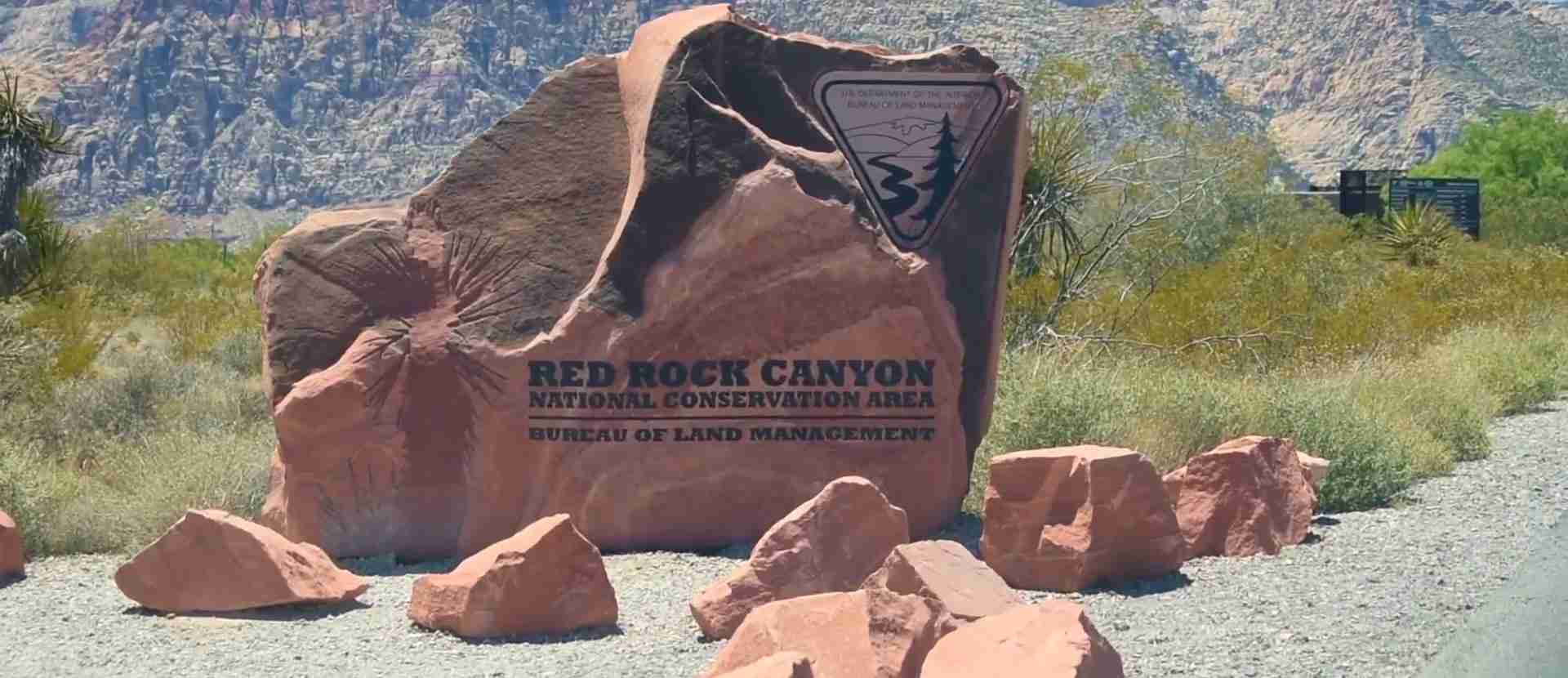
Red Rock Canyon National Conservation Area Day Trips 2026
Red Rock Canyon Access and Fees 2026
Red Rock Canyon sits just 17 miles west of the Las Vegas Strip via Charleston Boulevard (State Route 159), making it the closest major natural attraction to the city with drive times around 25-30 minutes from most Strip hotels. The 13-mile scenic drive operates as a one-way loop accessing 12 parking areas with trailheads, viewpoints, and picnic facilities, requiring 30-60 minutes for complete driving without stops or 2-4 hours when including hikes and photography sessions. The Visitor Center opens daily 8 AM to 4:30 PM providing exhibits, trail maps, rangers for recommendations, and the Elements gift shop.
Timed entry reservations are required October 1 through May 31 for scenic drive access between 8 AM and 5 PM, available for purchase at Recreation.gov up to 30 days in advance. Reservations cost $20 per vehicle for standard entry (up to seven days validity) or apply the America the Beautiful Annual Pass ($80 U.S. residents, $250 non-U.S. residents). The reservation system allows one-hour entry windows (8-9 AM, 9-10 AM, etc.) requiring arrival within that timeframe, though visitors can remain inside the scenic drive entire day once entered. June 1 through September 30 requires no reservations, with entrance fees paid at the fee station upon arrival. Arrive early (before 8 AM) to enter without reservations even during October-May period, or after 5 PM when timed entry requirements end.
Hikers, climbers, and bicyclists arriving without vehicles pay $5 per person walk-in fees and face no reservation requirements. Rock climbers pursuing multi-pitch routes requiring late exits can obtain special late-exit permits through the Bureau of Land Management. Annual pass holders must still obtain timed entry reservations during October-May but pay no additional entrance fees beyond their pass cost. Ensure advance reservation confirmation is downloaded to phone or printed as cell service inside Red Rock Canyon proves unreliable for last-minute ticket display.
Red Rock Canyon Hiking and Activities 2026
Red Rock Canyon offers 26 different trails ranging from easy 0.5-mile nature walks to strenuous 6-8 mile canyon ascents, accommodating all fitness levels and available time. Popular short hikes include Calico Tanks (2.5 miles roundtrip, moderate difficulty, 350-foot elevation gain leading to natural water tank with desert views), Lost Creek Children’s Discovery Trail (0.7 miles, easy loop through willow grove and seasonal waterfall), and Moenkopi Loop (2 miles, easy exploration of ancient sand dunes and Native American petroglyphs). Moderate to strenuous options include Ice Box Canyon (2.6 miles roundtrip climbing into narrow slot canyon ending at seasonal waterfall), Pine Creek Canyon (3 miles exploring riparian habitat with ponderosa pines and historic Wilson homestead ruins), and Turtlehead Peak (5 miles roundtrip gaining 2,000 feet to summit with panoramic Las Vegas and Spring Mountains views).
Hiking recommendations vary by season and temperature. Spring (March-May) and fall (September-November) provide ideal conditions with 65-85°F temperatures making midday hiking comfortable across all trails. Summer (June-August) requires early morning starts before 7 AM or late afternoon departures after 4 PM to avoid midday heat exceeding 100°F, with shaded canyon routes including Ice Box Canyon and Pine Creek Canyon providing cooler options. Winter (December-February) offers pleasant daytime temperatures 50-65°F though early morning starts may encounter freezing conditions requiring layers. All trails require carrying minimum one liter water per person per hour of hiking, with no water sources available inside the conservation area except at the visitor center.
Rock climbing attracts enthusiasts worldwide to Red Rock Canyon’s 2,000+ established routes spanning traditional crack climbing, sport climbing, and multi-pitch adventures on Aztec sandstone faces. Climbing requires specialized knowledge, equipment, and safety practices beyond recreational hiking, with guidebooks and local guide services available for newcomers. Mountain biking is permitted on the paved scenic drive and designated trails including the Cottonwood Valley Loop and Mustang Trail, though prohibited on hiking-only paths. Road cycling on the scenic drive attracts riders early mornings before vehicle traffic increases, though sharing the narrow road with cars requires caution.
Red Rock Canyon Organized Tours 2026
Guided tours to Red Rock Canyon from Las Vegas cost $80-150 per person for half-day excursions typically departing 7-8 AM or 1-2 PM and lasting 4-5 hours including transportation, scenic drive access, short guided hikes (1-2 miles), and professional narration about geology, ecology, and cultural history. Small group tours (under 14 passengers) in luxury vans or SUVs command premium pricing ($120-150) compared to larger motorcoach tours ($80-100) but provide more personalized experiences, easier hiking group coordination, and better photo access at crowded viewpoints. Combination tours pairing Red Rock Canyon with Valley of Fire or Hoover Dam create full-day experiences costing $140-200 per person, maximizing value for visitors wanting multiple destinations without multiple driving days.
Specialty tours include sunrise photography excursions departing Las Vegas 5-6 AM to reach Red Rock Canyon for golden hour light on red sandstone formations, rock climbing intro courses with certified guides providing equipment and instruction for beginner-friendly routes, and e-bike tours combining motorized cycling with hiking and photography stops. These specialized options cost $150-250 per person reflecting smaller group sizes, expert guides, and equipment provision.
Valley of Fire State Park Excursions 2026
Valley of Fire Access and Fees 2026
Valley of Fire State Park lies 55 miles northeast of Las Vegas accessible via I-15 North and State Route 169, requiring approximately 60 minutes drive time. The park features two entrance stations (west entrance via Moapa Valley and east entrance via Lake Mead area) both staffed during peak hours 8 AM to 4 PM where fees are collected. Entrance costs $10 per vehicle for Nevada license plates and $15 per vehicle for out-of-state plates, valid for day use from sunrise to sunset. The National Parks Pass (America the Beautiful) does not apply to Nevada state parks as they receive no federal funding, requiring separate payment regardless of federal pass ownership.
The Visitor Center located near the middle of the park where the two main access roads converge opens daily 8:30 AM to 4:30 PM providing exhibits on geology, ecology, and prehistoric inhabitants, along with rangers offering trail recommendations based on visitor interests, fitness levels, and available time. Restroom facilities exist at the visitor center, Atlatl Rock picnic area, Seven Sisters pullout, Cabins area, Mouse’s Tank trailhead, and White Domes parking, though none provide water except at the visitor center requiring visitors to bring sufficient supplies for desert hiking.
Camping costs $20 per vehicle per night for Nevada residents and $25 for non-residents at the park’s two campgrounds (Atlatl Rock and Arch Rock) offering 72 total sites equipped with shaded tables, grills, water access, and restrooms with showers. Sites operate first-come-first-served with no advance reservations, typically filling Friday-Sunday during spring (March-May) and fall (September-November) but showing availability midweek. An additional $10 fee applies for sites with RV utility hookups (water and electric). Group camping areas accommodate up to 45 people each, available by advance reservation only through Nevada State Parks.
Valley of Fire Hiking and Geology 2026
Valley of Fire’s hiking trails range from easy roadside walks to moderate canyon explorations, with most routes measuring under 2 miles allowing visitors to experience multiple hikes in single-day visits. Popular easy trails include Mouse’s Tank (0.8 miles roundtrip following sandy wash to natural water collection area with abundant petroglyphs), Fire Wave (1.5 miles roundtrip crossing striped sandstone formations resembling frozen waves), and Elephant Rock (0.3 miles from parking to distinctive rock formation perfect for photos). Moderate options include White Domes Loop (1.2 miles through narrow slot canyon, colorful badlands, and petrified wood deposits) and Seven Sisters (2.3 miles exploring red sandstone fins and hidden alcoves).
The park’s geology showcases 150-million-year-old Aztec sandstone formed from ancient desert sand dunes, with iron oxide creating spectacular red, orange, and white coloring patterns. Wind and water erosion carved the sandstone into dramatic formations including arches, slots, domes, and balanced rocks. Petrified wood scattered throughout the park dates to ancient forests predating the sandstone deposition, while limestone formations visible in outlying areas preserve marine fossils from even older ocean environments. The Visitor Center exhibits explain these geological processes and display fossil samples, cross-section models, and timeline charts contextualizing the landscape’s formation.
Ancient petroglyphs created by indigenous peoples 2,000-4,000 years ago appear throughout the park, with highest concentrations along Mouse’s Tank trail, Atlatl Rock (accessible via metal stairs to viewing platform), and Petroglyph Canyon. These rock carvings depict bighorn sheep, human figures, geometric patterns, and abstract symbols relating to hunting, ceremony, and cosmology. Viewing petroglyphs requires respectful behavior including no touching rock surfaces (oils damage ancient carvings), no recreating or tracing images, and maintaining awareness that these sites hold spiritual significance for contemporary Native American communities including Southern Paiute tribes.
Valley of Fire Tour Options and Self-Drive Planning 2026
Organized tours from Las Vegas to Valley of Fire cost $90-150 per person for half-day excursions typically departing 7-8 AM or 12-1 PM and lasting 5-6 hours including transportation, entrance fees, guided hikes to major formations, and narration about geology and cultural history. Some operators combine Valley of Fire with stops at Lake Mead Visitor Center or Seven Magic Mountains art installation, while others focus exclusively on extended time inside the park allowing 3-4 hours for multiple hikes and photography. Small group tours (12-14 passengers maximum) in luxury vans command premium pricing versus standard motorcoach tours but provide more hiking flexibility and personalized guide attention.
Self-driving allows maximum flexibility for photography and hiking at individual pace without group schedule constraints. Most visitors spend 3-5 hours inside the park completing 3-4 short hikes, photographing signature formations including Elephant Rock and Seven Sisters, exploring the Visitor Center exhibits, and driving both main park roads for comprehensive landscape viewing. Fuel up in Las Vegas before departing as gas stations near Valley of Fire charge premium prices ($0.50-0.80 per gallon above Las Vegas rates) and may experience supply issues during busy weekends. Bring substantial food and water as the park’s sole food option at the Visitor Center gift shop offers only limited snacks and drinks, with no restaurants or convenience stores within the park boundaries.
Optimal timing for Valley of Fire visits prioritizes early morning or late afternoon for photography as midday overhead sun creates harsh shadows on red rocks, while golden hour light 1-2 hours before sunset produces spectacular color saturation on sandstone formations. Spring wildflower blooms (March-April following wet winters) add color contrast against red rocks, though bloom timing and intensity vary annually based on winter rainfall. Summer visits (June-August) require departing Las Vegas by 6 AM to reach the park before temperatures exceed 95°F, completing hiking before 11 AM heat peaks, and returning to air-conditioned vehicles or Las Vegas by early afternoon.
Grand Canyon Day Trips from Las Vegas 2026
Grand Canyon West Rim versus South Rim 2026
Two distinct Grand Canyon areas serve Las Vegas day-trippers, each offering different experiences, travel times, and costs. Grand Canyon West Rim sits on Hualapai tribal land 120 miles (2.5 hours drive) from Las Vegas featuring the Skywalk glass bridge extending 70 feet over canyon edge, Eagle Point and Guano Point viewpoints, and helicopter/boat tour options descending to the Colorado River. The West Rim is NOT part of Grand Canyon National Park, operates under tribal management with separate fees and regulations, and showcases different canyon geology appearing less grand than the iconic South Rim views familiar from photographs. West Rim access requires purchasing Hualapai Legacy Package (approximately $50-60) plus optional Skywalk admission (approximately $30), with most tour packages bundling these fees into total pricing.
Grand Canyon South Rim represents the classic Grand Canyon experience with dramatic viewpoints including Mather Point, Yavapai Point, Desert View Watchtower, and trails descending into the canyon including Bright Angel Trail and South Kaibab Trail. South Rim lies 270 miles (4.5 hours drive) from Las Vegas within Grand Canyon National Park requiring $35 vehicle entrance fee plus the new $100 per-person surcharge for non-U.S. residents ages 16 and older starting January 2026. The significantly longer distance makes South Rim day trips demanding 14-16 hour days departing Las Vegas by 6 AM and returning after 8 PM, limiting time at the canyon to 3-4 hours afternoon arrival despite the lengthy driving investment.
Choosing between rims depends on priorities and constraints. West Rim suits travelers seeking helicopter experiences, Skywalk access, shorter travel times allowing more Las Vegas evening activities, and avoiding the new non-resident surcharge. South Rim delivers superior canyon vistas, extensive trail networks, comprehensive visitor facilities including multiple lodges and restaurants, and the “authentic” Grand Canyon experience matching expectations from photographs and media. Visitors with 2-3 days available should overnight near the South Rim in Williams or Flagstaff enabling sunrise/sunset viewing and extended hiking impossible on day trips.
Grand Canyon West Rim Tours from Las Vegas 2026
Bus tours to Grand Canyon West from Las Vegas cost $120-195 per person for full-day excursions departing hotels 7-8 AM and returning 5-6 PM. Standard packages include roundtrip transportation in air-conditioned motorcoach, Hualapai Legacy Package admission providing access to viewpoints and shuttle buses within the West Rim area, lunch at viewpoint cafeterias, and tour guide narration. Premium options add Skywalk access ($30 supplement), professional photos, or upgraded meal options. Tours stop at Arizona Joshua Tree Forest for brief photo opportunities and roadside viewpoint for Hoover Dam photography before continuing to the canyon.
Helicopter tours from Las Vegas to Grand Canyon West range $459-739 per person depending on flight time, landing options, and additional experiences. Standard helicopter tours include 35-45 minute flights each direction over Hoover Dam, Lake Mead, and Mojave Desert before descending into the canyon, with most packages featuring canyon floor landings for champagne toasts and 20-30 minutes ground time approximately 3,500 feet below the rim. Round-trip experiences last 4-5 hours total including hotel pickups, preflight briefings, flight time, and canyon ground exploration. Some operators combine helicopter flights with boat rides on the Colorado River or extended ground time at rim viewpoints, creating 6-7 hour comprehensive experiences.
Small plane tours offer middle-ground options between bus and helicopter pricing, typically costing $250-400 per person for flights to Grand Canyon West Airport followed by ground tours via coach to viewpoints, with return flights to Las Vegas. These airplane-plus-ground combinations provide aerial views during approach and departure while offering extended walking time at rim viewpoints, creating hybrid experiences appealing to visitors wanting both perspectives without premium helicopter costs.
Grand Canyon South Rim Tours from Las Vegas 2026
Bus tours to Grand Canyon South Rim from Las Vegas cost $195-300 per person for extended day trips requiring 14-16 hours total time including driving. Tours typically depart Las Vegas Strip hotels 6-6:30 AM to reach the canyon by 10:30-11 AM, provide 3-4 hours for viewpoint walking, lunch, and gift shop browsing, then depart the canyon 2:30-3 PM arriving back to Las Vegas 7:30-8:30 PM. Routes follow US-93 south to Kingman, Arizona, then I-40 east through Williams to Arizona State Route 64 north into the park, with brief stops at Route 66 historic sites including Seligman for photographs and restroom breaks.
Package inclusions vary by operator but typically feature roundtrip motorcoach transportation, park entrance fees (including the new $100 non-resident surcharge for international visitors), boxed or buffet lunch, multiple viewpoint stops including Mather Point and Bright Angel Lodge, and professional guide narration. Some premium tours add optional helicopter flights over the canyon departing from Grand Canyon Airport in Tusayan (approximately $200-270 additional per person for 30-45 minute flights), IMAX theater visits showing Grand Canyon formation documentaries, or extended time (4-5 hours) at the canyon allowing short rim trail hikes.
Self-driving to Grand Canyon South Rim from Las Vegas requires extremely early departures (5-5:30 AM) to reach the park by 10 AM, offering flexibility for sunrise viewing at Desert View Watchtower and extended hiking time impossible on organized tours. However, the 270-mile each-direction distance totaling 9+ hours pure driving time makes South Rim day trips exhausting for solo drivers. Consider sharing driving duties among multiple licensed drivers, breaking the return journey with overnight stops in Williams or Kingman, or selecting West Rim for day-trip practicality while reserving South Rim for dedicated multi-day Grand Canyon vacations.
Death Valley National Park Adventures 2026
Death Valley Access and Entrance Fees 2026
Death Valley National Park lies 140 miles northwest of Las Vegas accessible via US-95 North through Amargosa Valley, requiring 2-2.5 hours drive time to reach Furnace Creek visitor area. The park entrance fee costs $30 per vehicle valid for seven consecutive days, payable at entrance stations near park boundaries or at the Furnace Creek Visitor Center if entering through unstaffed roads. The America the Beautiful Annual Pass ($80 U.S. residents, $250 non-U.S. residents) covers Death Valley admission along with all other national parks, though Death Valley is NOT among the eleven parks charging the additional $100 non-resident surcharge starting January 2026.
Death Valley operates as a vast 3.4 million acre park where many access roads lack entrance stations, making self-payment at visitor centers on the honor system essential for visitors arriving through remote routes. The park remains open 24 hours daily year-round, though visitor center hours vary seasonally with longer operations (8 AM-5 PM daily) November through April during peak visiting season and reduced hours (8 AM-4 PM) or closures during extreme summer heat May through October. Cell phone coverage exists only at Furnace Creek and Stovepipe Wells developed areas, making downloaded offline maps and full fuel tanks mandatory before entering remote park sections.
Death Valley’s extreme conditions require significant preparation beyond typical national park visits. Summer temperatures June through September regularly exceed 120°F at Badwater Basin (282 feet below sea level, lowest point in North America) making daytime hiking dangerous and vehicle breakdowns potentially fatal. Winter December through February provides comfortable 65-75°F daytime temperatures ideal for hiking and exploration, though nighttime lows drop to 40°F requiring layers. Spring (March-May) and fall (October-November) offer moderate temperatures and occasional wildflower blooms following wet winters, representing optimal visiting windows for extensive hiking and backcountry exploration.
Death Valley Highlights and Recommended Stops 2026
Death Valley day trips from Las Vegas should prioritize Furnace Creek area attractions accessible via single-day loops without extensive backcountry driving. Zabriskie Point (25 miles east of Furnace Creek) provides spectacular sunrise views over golden badlands and eroded mudstone hills, accessible via short paved walk from parking area. Badwater Basin (17 miles south of Furnace Creek) offers the Western Hemisphere’s lowest elevation at 282 feet below sea level, where vast salt flats create surreal white landscapes and distance markers on cliff faces show sea level height 282 feet overhead. Artists Palette (9 miles south of Furnace Creek via one-way scenic drive) showcases multicolored mineral deposits painting hillsides in pink, green, purple, and yellow tones best viewed during late afternoon light.
Mesquite Flat Sand Dunes near Stovepipe Wells (26 miles northwest of Furnace Creek) provide classic desert dune landscapes accessible via roadside parking and short walks, with sunrise and sunset creating dramatic shadows and textures across wind-sculpted sand. Dante’s View (25 miles southeast of Furnace Creek via mountain road) delivers panoramic vistas from 5,475 feet elevation overlooking Badwater Basin far below and the Panamint Range across the valley, requiring 25-mile side trip on winding mountain roads adding 45 minutes to day trip durations. Devils Golf Course (12 miles south of Furnace Creek) features bizarre salt crystal formations creating jagged landscape resembling crystalline battlefields, accessible via short dirt spur road and brief walking.
Hiking options for day-trippers focus on shorter trails near Furnace Creek and main park roads. Golden Canyon Trail (3 miles roundtrip, moderate) explores colorful badlands with optional extension to Red Cathedral alcove. Mosaic Canyon (1-4 miles roundtrip depending on turnaround point) follows polished marble narrows carved by flash floods. Natural Bridge Canyon (1.5 miles roundtrip, easy) reaches 35-foot natural bridge carved through canyon wall. All Death Valley hikes require carrying minimum one gallon of water per person, wearing sun protection including wide-brimmed hats, and avoiding midday hours during hot months.
Death Valley Tour Options and Self-Drive Planning 2026
Organized tours from Las Vegas to Death Valley remain relatively scarce compared to Grand Canyon or Hoover Dam options, with available operators charging $200-300 per person for full-day excursions departing 6-7 AM and returning 6-7 PM. Tours typically include roundtrip transportation, park entrance fees, stops at 4-6 major viewpoints (Zabriskie Point, Badwater Basin, Artists Palette, Mesquite Flat Dunes), lunch provisions, and guide narration about geology and ecology. Limited tour availability reflects Death Valley’s extreme conditions requiring specialized knowledge for safe guiding and lower tourist demand compared to Grand Canyon’s universal appeal.
Self-driving provides greatest flexibility for Death Valley exploration, allowing sunrise photography at Zabriskie Point (requiring 5 AM Las Vegas departure), extended time at favorite locations, and route modifications based on conditions and interests. Fill fuel tanks in Las Vegas or Pahrump before entering the park as gas stations inside Death Valley at Furnace Creek and Stovepipe Wells charge premium prices ($1-1.50 per gallon above Las Vegas rates) and may experience supply disruptions. Pack substantial food and water as dining options inside the park limit to expensive restaurants at Furnace Creek Ranch and Stovepipe Wells Village, with no grocery stores or convenience stores for supply purchases.
Death Valley makes excellent two-day trip destinations when combined with overnight stays at Furnace Creek resorts or nearby Beatty, Nevada (35 miles east of park boundary), allowing sunrise at Zabriskie Point, sunset at Dante’s View, and extended hiking impossible on rushed day trips. Multi-day visitors can explore more remote areas including Ubehebe Crater, Scotty’s Castle (currently closed for flood repairs), and backcountry canyons requiring 4WD vehicles and advanced navigation skills.
Zion National Park Expeditions 2026
Zion Access and New Fees 2026
Zion National Park sits 160 miles northeast of Las Vegas accessible via I-15 North through St. George, Utah, requiring 2.5-3 hours drive time depending on traffic through the Virgin River Gorge and St. George corridor. Park entrance fees cost $35 per private vehicle valid for seven consecutive days, with additional $100 per-person surcharge for non-U.S. residents ages 16 and older starting January 1, 2026. The America the Beautiful Annual Pass ($80 U.S. residents, $250 non-U.S. residents) covers both the base entrance fee and the non-resident surcharge for pass holders plus all vehicle passengers, making the annual pass financially advantageous for international visitors planning two or more national park visits during their U.S. travels.
Zion Canyon Shuttle operates free for all park visitors during the mandatory shuttle season March 7 through November 28, 2026, with additional holiday operations December 26 through January 2, 2027. Private vehicles cannot drive Zion Canyon Scenic Drive during shuttle season, requiring all visitors to park at the visitor center and ride shuttles to trailheads and viewpoints. First shuttle buses depart 7 AM with final buses returning around 9 PM, running every 6-10 minutes during peak hours. Parking at Zion Canyon Visitor Center fills completely by 8-9 AM on spring and fall weekends, requiring earlier arrivals or use of Springdale town shuttles connecting to park shuttles from overflow parking areas along Zion Park Boulevard.
The park’s spectacular scenery concentrates along Zion Canyon Scenic Drive where sheer sandstone cliffs rise 2,000-3,000 feet above the Virgin River, accessible via shuttle stops at Court of the Patriarchs, Zion Lodge, Grotto picnic area, Weeping Rock (currently closed for rockfall), Big Bend, and Temple of Sinawava. Most visitors spend 4-6 hours riding shuttles between stops, short walks to viewpoints, and hikes on paved Riverside Walk or challenging Angel’s Landing trail. Day-trippers from Las Vegas face challenging logistics requiring 5:30-6 AM departures to reach the park before parking fills, allowing only 3-4 hours inside Zion before needing to depart by 1-2 PM for return to Las Vegas by dinner time.
Zion Hiking and Activities 2026
Zion offers hiking ranging from easy paved riverside walks to strenuous all-day canyon ascents, with most popular trails accessible via Zion Canyon Shuttle stops. Riverside Walk (2.2 miles roundtrip, paved, wheelchair accessible) follows the Virgin River to canyon narrows, providing gentle introduction to Zion’s scale and geology. Emerald Pools trails (1.2-3 miles depending on pools visited, easy to moderate) reach waterfall-fed pools and hanging gardens via paved then sandy paths, becoming slippery when wet. Weeping Rock trail remains closed indefinitely due to August 2019 rockfall damage requiring extensive repairs with no reopening timeline announced.
Angel’s Landing represents Zion’s most famous hike, climbing 1,488 feet over 2.5 miles to dramatic ridgetop viewpoint 1,488 feet above canyon floor via steep switchbacks and final 0.5-mile exposed ridge section with chain handholds. Starting April 1, 2024, Angel’s Landing requires advance permits obtained through lottery system costing $9 per application (three attempts allowed per month) or day-before lottery at $6 per application, with permits granting access to six hikers per group. The permit requirement creates planning complications for Las Vegas day-trippers unable to guarantee lottery success for specific dates, though applications open months ahead allowing advance planning for committed visitors.
The Narrows bottom-up hike from Temple of Sinawava follows the Virgin River through dramatic slot canyon with walls towering 1,000+ feet overhead, requiring wading and sometimes swimming through river sections. Most day hikers complete 2-4 miles roundtrip of the 16-mile through-canyon route, turning back before reaching major obstacles. The Narrows requires neoprene socks, water shoes, and walking sticks (rentable in Springdale for $30-50 daily) plus dry bags for cameras and valuables, with spring runoff (April-May) and summer monsoon flash flood risks (July-August) creating seasonal closures when river flows exceed safe levels.
Zion Tour Options from Las Vegas 2026
Organized tours from Las Vegas to Zion National Park cost $150-250 per person for full-day excursions departing 6-7 AM and returning 7-8 PM. Standard packages include roundtrip transportation, park entrance fees (including the new non-resident surcharge), shuttle access within Zion Canyon, 3-4 hours free time for self-guided hiking and viewpoint walking, and tour guide providing route narration and park overview. Some operators offer guided hikes on specific trails including Emerald Pools or Riverside Walk, while others provide complete freedom for passengers to explore at individual pace using park shuttle system.
Multi-day tours combining Zion with Bryce Canyon and sometimes Grand Canyon North Rim create 2-3 day comprehensive southern Utah experiences, addressing the logistics challenges of attempting Zion as Las Vegas day trip while adding spectacular neighboring destinations. These extended tours cost $400-650 per person including overnight accommodation in Springdale or Kanab, most meals, all park entrance fees, and professional guides. Such tours allow sunrise at Bryce Canyon’s famous hoodoos, sunset at Zion, and extended hiking time impossible when rushing back to Las Vegas same day.
Self-drivers from Las Vegas should plan overnight stays in Springdale, Hurricane, or St. George enabling early morning park entry before parking fills and evening explorations impossible on day trips. The Zion-Mount Carmel Tunnel on State Route 9 (eastern park entrance) prohibits large RVs and requires special permits ($15) and traffic control for oversized vehicles, making the southern entrance via I-15 and State Route 9 through Springdale preferred for standard passenger vehicles.
Additional Day Trip Destinations from Las Vegas 2026
Lake Mead National Recreation Area 2026
Lake Mead sits just 24 miles east of Las Vegas accessible via Lake Mead Boulevard or US-93/166, creating convenient half-day excursions combining water recreation, desert hiking, and Hoover Dam proximity. The recreation area entrance fee costs $25 per vehicle valid for seven days (covered by America the Beautiful Annual Pass), providing access to lake viewpoints, beaches, boat launches, and Historic Railroad Trail following Boulder City to Hoover Dam construction route. Alan Bible Visitor Center (open 9 AM-4:30 PM daily except Thanksgiving and Christmas) provides desert ecology exhibits, lake level monitoring displays showing dramatic water decline over past decades, and rangers offering activity recommendations.
Lake Mead’s water level has dropped significantly since 2000 due to prolonged drought, exposing former lakebed areas and creating access challenges for boating and swimming. However, the changing landscape reveals fascinating geological formations and historic sites including submerged town ruins occasionally becoming visible during extreme low water periods. Boulder Beach remains the most accessible swimming and picnicking area near Las Vegas (30 miles via Lake Mead Boulevard), offering designated swimming beach, picnic ramadas, boat launch, and campground. Historic Railroad Trail provides easy 3.7-mile paved walk through five massive tunnels carved during Hoover Dam construction, delivering outstanding dam views without crowds or entrance fees required at the dam itself.
Mount Charleston and Spring Mountains 2026
Mount Charleston rises 11,916 feet just 35 miles northwest of Las Vegas via US-95 and State Route 156/157/158, providing dramatic temperature relief from desert heat with conditions typically 20-30°F cooler than the valley. Spring Mountains National Recreation Area (encompassing Mount Charleston area) requires no entrance fees for standard access, though Lee Canyon Ski and Snowboard Resort (formerly Las Vegas Ski and Snowboard) operates November through April charging $50-90 daily lift tickets for downhill skiing and snowboarding when snowpack permits. Summer and fall hiking attracts Las Vegas residents escaping heat, with trails including Cathedral Rock (2.8 miles roundtrip to limestone viewpoint), Mary Jane Falls (2.5 miles to seasonal waterfall and meadow), and Charleston Peak via South Loop (17 miles strenuous summit climb gaining 4,278 feet).
Mount Charleston Resort and cabins provide overnight options creating two-day escapes combining cooler temperatures, forest environments, and Las Vegas proximity impossible at distant destinations. The area experiences winter snow November through March occasionally closing roads and requiring chains or 4WD vehicles, though State Route 156 (Kyle Canyon Road) and State Route 157 (Lee Canyon Road) receive regular plowing. Fall aspen color peaks late September to mid-October depending on elevation and weather, transforming normally green forests into golden displays contrasting against limestone cliffs and evergreen pines.
Seven Magic Mountains and Jean Dry Lake 2026
Seven Magic Mountains art installation sits 10 miles south of Las Vegas along I-15 near Jean, featuring seven colorful 30-foot-tall stacked boulder towers created by artist Ugo Rondinone. The installation originally scheduled as temporary exhibit has gained permanent status due to overwhelming popularity, attracting hundreds of daily visitors for photographs contrasting neon-painted stones against desert landscape. Access requires no fees with parking areas provided adjacent to I-15, though weekend crowds necessitate patience for photography without other visitors in frame.
Jean Dry Lake (Roach Dry Lake) adjacent to the Seven Magic Mountains area offers bizarre landscape experiences when winter rains create temporary lakes covering square miles of desert valley floor, then evaporate leaving cracked mud patterns and alkaline flats. Spring wildflower blooms (March-April following wet winters) transform normally barren desert into colorful displays though bloom timing varies annually based on winter precipitation. Combined Seven Magic Mountains and dry lake exploration requires 1-2 hours creating ideal morning or afternoon excursions when paired with Hoover Dam or other destinations.
Day Trip Planning Strategies for Las Vegas 2026
Multi-Destination Combinations 2026
Strategic route planning allows visiting multiple destinations in single-day circuits, maximizing sightseeing efficiency while minimizing backtracking. The Hoover Dam-Valley of Fire-Lake Mead loop creates comprehensive day covering engineering marvel, geological wonder, and water recreation via route: Las Vegas → Hoover Dam (30 miles, view from bridge) → Lake Mead (10 miles, Historic Railroad Trail or Boulder Beach) → Valley of Fire (35 miles via Northshore Road) → Las Vegas (55 miles via I-15). Total driving approximates 130 miles completing in 8-10 hours with 2 hours at Hoover Dam, 1 hour at Lake Mead, and 3 hours at Valley of Fire.
Red Rock Canyon-Spring Mountain Ranch-Mount Charleston combination provides elevation diversity experiencing desert canyon, historic ranch, and mountain forest environments within single day. Route: Las Vegas → Red Rock Canyon scenic drive (17 miles, 2-3 hours) → Spring Mountain Ranch State Park (6 miles, 1 hour tour of historic ranch buildings and grounds, $10 entrance) → Kyle Canyon Road to Mount Charleston (25 miles, 2 hours hiking and lunch) → return to Las Vegas (35 miles). Total driving 83 miles completing in 7-9 hours depending on hiking commitments at each stop.
Grand Canyon West-Hoover Dam combinations popular on organized tours create full-day experiences though self-drivers should note the route requires 3+ hours Hoover Dam to Grand Canyon West with limited services en route. Most organized tours visit Hoover Dam first for morning photography and tours, continue to Grand Canyon West for afternoon rim viewing and optional Skywalk, then return to Las Vegas by early evening. These extended itineraries require 12-14 hours total including all transportation and sightseeing.
Seasonal Planning and Weather Considerations 2026
Spring months March through May deliver ideal day trip conditions across nearly all destinations with temperatures 65-85°F making outdoor hiking comfortable, moderate crowds allowing parking access without extreme early arrivals, and occasional wildflower blooms adding color to desert landscapes. Spring break weeks (typically mid-March) see increased visitor numbers requiring advance reservations for popular destinations including Red Rock Canyon timed entry. Late spring May temperatures begin climbing toward summer heat requiring earlier departures and abbreviated hiking plans at lower elevation sites.
Summer June through August creates challenging conditions at desert destinations where temperatures regularly exceed 100°F, requiring predawn departures completing hiking before 10 AM and returning to air-conditioned environments or Las Vegas by early afternoon. Higher elevation destinations including Mount Charleston and Zion’s upper plateaus provide temperature relief remaining 15-25°F cooler than valley floors, though afternoon monsoon thunderstorms July through August create flash flood risks in slot canyons and wash crossings. Summer offers advantage of extended daylight hours with sunsets after 8 PM allowing evening photography and cooler hiking at Red Rock Canyon and Valley of Fire accessible after 6 PM when heat moderates.
Fall September through November renews comfortable conditions with temperatures dropping from summer peaks, autumn colors appearing at higher elevations (aspens at Mount Charleston, cottonwoods in Zion), and decreased tourist numbers post-Labor Day creating easier parking access. Fall represents optimal window for ambitious day trips including Death Valley and Zion where summer heat created dangerous hiking conditions and winter cold may bring snow to higher elevations. October specifically delivers peak conditions balancing comfortable temperatures, manageable crowds, and reliable weather before winter storm patterns begin affecting mountain destinations November onward.
Winter December through February provides coolest conditions ideal for desert hiking at Valley of Fire, Red Rock Canyon, and Grand Canyon West where summer heat prohibits comfortable exploration. However, winter brings challenges including short daylight hours (sunset around 4:30-5 PM), cold mornings requiring layers (freezing temperatures common at sunrise), and snow affecting access to Zion, Mount Charleston, and Grand Canyon South Rim requiring advance road condition checks. Winter offers advantages of lowest accommodation costs in Las Vegas, smallest crowds at most destinations except major holiday weeks, and sunrise/sunset timing aligning with comfortable waking hours rather than requiring 4-5 AM departures for summer heat management.
Photography and Golden Hour Planning 2026
Photography enthusiasts should prioritize golden hour timing when soft angled light dramatically enhances landscape colors and textures compared to harsh midday overhead sun. Sunrise golden hour begins approximately 45-60 minutes before sunrise continuing through 30-45 minutes after sunrise, requiring arrivals at destinations 30 minutes before sunrise for setup and composition. Optimal sunrise destinations include Zabriskie Point in Death Valley (facing east), Valley of Fire’s Fire Wave and White Domes (east-facing formations), and Red Rock Canyon’s Calico Tanks trail (morning light on west-facing cliffs).
Sunset golden hour spans approximately 45-60 minutes before sunset through 30 minutes after sunset, creating warm light on west-facing formations and cliffs. Top sunset destinations include Valley of Fire’s Atlatl Rock and Elephant Rock (west-facing), Red Rock Canyon scenic drive western viewpoints (light on main escarpment), and Grand Canyon West rim viewpoints (sunset over canyon depths). Midday photography works better at locations featuring slot canyons, shaded areas, or water features where overhead sun doesn’t create problems, including Ice Box Canyon at Red Rock Canyon, The Narrows at Zion, and Natural Bridge at Death Valley.
Milky Way and night sky photography opportunities excel at dark sky locations far from Las Vegas light pollution including Valley of Fire (designated International Dark Sky Park), Death Valley (extensive dark sky areas away from Furnace Creek), and remote sections of Red Rock Canyon. Optimal night photography windows occur during new moon phases when moon interference minimizes, typically 5-7 nights per month. Winter provides longest night hours for extended shooting, though cold temperatures require proper clothing and equipment protection. Spring and fall offer moderate temperatures and seasonal Milky Way positions across southern sky creating dramatic compositions incorporating desert and canyon landscapes.
Practical Tips for Las Vegas Day Trips 2026
Vehicle Rental and Fuel Planning 2026
Rental car selection for day trips should prioritize fuel efficiency over vehicle size unless planning to transport groups of 5+ passengers or extensive camping gear. Economy and compact cars achieve 30-35 MPG highway mileage reducing fuel costs for long-distance destinations including Grand Canyon and Zion, while full-size SUVs and trucks delivering 18-22 MPG highway increase fuel expenses by 40-50%. All destinations in this guide remain accessible via standard passenger cars with paved road access requiring no 4WD or high clearance vehicles, though some backcountry Death Valley and Lake Mead areas beyond day-trip scope require specialized vehicles.
Fuel prices in Las Vegas average $3.40-3.80 per gallon with lowest prices typically found at large truck stops on Boulder Highway near Sam’s Town or along I-15 near outlet malls. Fill tanks before departing Las Vegas as fuel costs increase substantially near remote destinations: Furnace Creek in Death Valley charges approximately $4.50-5.00 per gallon, Springdale near Zion $3.80-4.20 per gallon, and small stations near Valley of Fire $4.00-4.50 per gallon. Budget $40-80 for fuel roundtrips to distant destinations (Grand Canyon South Rim, Death Valley, Zion) in fuel-efficient vehicles, or $60-120 in larger SUVs and trucks.
Rental car insurance and policies deserve review before booking, as personal auto insurance may not extend to rental vehicles and credit card coverage contains exclusions and limitations. Comprehensive collision damage waiver through rental companies costs $15-30 daily adding significantly to multi-day trip budgets, though potentially worthwhile for peace of mind on remote desert roads where roadside assistance may require hours to arrive. Verify rental agreements permit driving to all intended destinations as some companies restrict Death Valley and remote desert areas due to extreme conditions risking vehicle damage and passenger safety.
Safety and Emergency Preparedness 2026
Desert day trips require serious safety preparation as cell phone coverage drops to zero in many locations and help may sit hours away even after reaching authorities. Minimum safety equipment includes one gallon of water per person beyond hiking needs (stored in vehicle for emergencies), spare tire verification and jack testing before departure, basic first aid kit, flashlight with fresh batteries, and emergency blanket or jacket even during summer (desert nights drop 40-50°F below daytime highs). Inform someone of detailed itinerary including specific destinations, expected return time, and vehicle description/license plate enabling search initiation if overdue.
Vehicle breakdowns in remote desert areas create genuine emergencies requiring preparation and decision-making under stress. If vehicle becomes disabled, remain with the vehicle rather than walking for help as vehicles provide shade, visibility for rescuers, and emergency supplies while walking distances deceive in desert environments where landmarks appear closer than actual miles. Run engine and air conditioning only 10-15 minutes per hour to conserve fuel, use emergency flashers to signal distress, and employ mirrors or shiny objects to reflect sunlight toward passing aircraft if visible. During summer heat, create maximum shade using blankets draped over open doors or windows and wet clothing to enhance evaporative cooling.
Flash floods represent serious danger in desert canyons during summer monsoon season (July-September) when thunderstorms miles away send walls of water through narrow canyons and washes within minutes. Never enter slot canyons or narrow wash areas when weather forecasts predict thunderstorms anywhere in the region, and exit immediately if water begins flowing or sky darkens suggesting approaching storms. Monitor National Weather Service flash flood warnings through vehicle radio or downloaded weather apps before losing cell service, and observe official closure notices posted at trailheads warning of dangerous conditions.
Timing and Crowd Management 2026
Strategic departure timing separates frustrated experiences fighting crowds from peaceful sightseeing at popular destinations. Red Rock Canyon sees peak parking demand 9 AM-2 PM on weekends during October-May requiring 7:30 AM arrivals for reliable scenic drive access during timed entry periods. Valley of Fire fills parking at major trailheads including Fire Wave and Mouse’s Tank 10 AM-3 PM on spring/fall weekends, making 8 AM arrivals advisable for stress-free parking. Grand Canyon West experiences heaviest helicopter and bus tour concentrations 11 AM-2 PM when multiple Las Vegas tour operators converge simultaneously, suggesting self-drive departures before 7 AM or after 1 PM to avoid maximum crowding.
Weekday visits to all destinations reduce crowding substantially compared to weekends, with Tuesday-Thursday showing lowest visitor numbers. Major holiday weekends including Memorial Day, Independence Day, Labor Day, and Thanksgiving see 2-3X normal visitation creating parking challenges, extended wait times for shuttles and tours, and diminished wilderness experiences even at typically quiet locations. Shoulder seasons (March-April and October-November) balance comfortable weather with moderate crowds falling between summer family vacation peaks and winter holiday rushes.
Sunrise and sunset timing creates natural crowd distribution as most visitors arrive mid-morning (9-11 AM) and depart mid-afternoon (2-4 PM), leaving early morning and late afternoon windows relatively quiet. Photographers and serious hikers dominating sunrise hours create compatible communities respecting quiet and sharing viewpoints, while late afternoon visitors often represent locals or experienced travelers understanding golden hour value. However, sunset creates parking challenges at popular viewpoints as departing midday visitors overlap with arriving evening photographers, making arrivals 90 minutes before sunset advisable for prime parking spots.
Frequently Asked Questions About Las Vegas Day Trips 2026
Can I visit the Grand Canyon from Las Vegas in one day?
Yes, both Grand Canyon West Rim (120 miles, 2.5 hours) and Grand Canyon South Rim (270 miles, 4.5 hours) are accessible from Las Vegas as day trips, though requiring different time commitments and offering distinct experiences. West Rim day trips via organized bus tours ($120-195) or helicopter tours ($459-739) create 8-10 hour total experiences departing Las Vegas 7-8 AM and returning 5-6 PM, providing comfortable pacing with 3-4 hours at canyon viewpoints and lunch. South Rim day trips require 14-16 hour commitments departing Las Vegas 6-6:30 AM and returning 8-9 PM, with only 3-4 hours actual canyon time despite extensive driving investment. For optimal South Rim experiences including sunrise/sunset viewing and extended hiking, overnight stays in Williams or Flagstaff transform rushed day trips into relaxed multi-day adventures.
What is the closest national park to Las Vegas?
Death Valley National Park sits closest to Las Vegas at 140 miles (2-2.5 hours drive) via US-95 North and various approach roads to Furnace Creek visitor area. However, Lake Mead National Recreation Area lies even closer at 24 miles (30-35 minutes) east of Las Vegas, though recreational areas differ from national parks in designation and management. For the classic “national park” experience featuring dramatic landscapes and established infrastructure, Death Valley represents the nearest option accessible as comfortable day trip from Las Vegas allowing 4-6 hours exploration time before return. The park’s entrance fee ($30 per vehicle) and absence of the new non-U.S. resident surcharge makes Death Valley cost-effective compared to more distant parks including Grand Canyon South Rim and Zion requiring longer drives and higher fees.
Do I need a 4WD vehicle for Las Vegas day trips?
No, all major day trip destinations including Grand Canyon, Hoover Dam, Red Rock Canyon, Valley of Fire, Death Valley, and Zion remain fully accessible via standard passenger cars with two-wheel drive on paved roads. Red Rock Canyon’s 13-mile scenic drive, Valley of Fire’s main park roads, and Death Valley’s primary attractions including Badwater Basin, Zabriskie Point, and Artists Palette all feature paved access requiring no specialized vehicles. However, some backcountry Death Valley destinations beyond typical day-trip routes including Titus Canyon, Racetrack Playa, and remote canyons require high-clearance 4WD vehicles and advanced navigation skills not recommended for casual visitors. Self-drivers should verify rental car agreements permit intended destinations as some companies restrict Death Valley access regardless of vehicle type due to extreme conditions and breakdown risks.
How much water should I bring on desert day trips?
Minimum water requirements for desert day trips equal one gallon (four liters) per person for day-long excursions including moderate hiking, with increased amounts necessary for extended hiking, extreme heat, or children who dehydrate more rapidly than adults. Distribute water between hiking pack (carried quantity sufficient for specific trail duration) and vehicle emergency reserves (one gallon per person stored in vehicle for breakdowns or unexpected delays). During summer months June through August when temperatures exceed 100°F, increase carried hiking water to one liter per hour of activity and ensure vehicle reserves include extra gallons covering potential overnight emergencies if breakdowns occur. Purchase water in Las Vegas where prices remain reasonable ($3-6 for 24-bottle cases) rather than paying premium prices at remote destination gift shops charging $2-4 per bottle. Freeze water bottles overnight before trips, creating ice supplies maintaining cold temperatures through hot desert hours while providing drinkable water as melting progresses.
Are Las Vegas day trip tours worth the cost versus self-driving?
Tour versus self-drive economics depend significantly on group size and trip priorities. Solo travelers or couples find organized tours ($70-150 for Hoover Dam/Valley of Fire, $120-300 for Grand Canyon) often cost-competitive with self-driving when factoring rental car ($40-60 daily), fuel ($15-80 roundtrip), parking fees ($10-20), and entrance fees ($15-35), particularly when tours include lunch and eliminate driving stress. Groups of 3-4 people sharing rental car costs make self-driving substantially cheaper ($20-40 per person total) versus $100-200 per person tour costs, while gaining flexibility for extended time at favorite locations and photography stops impossible on group schedules. Tours provide expert narration, no navigation concerns, and ability to relax or nap during driving hours, while self-driving offers complete schedule control, unlimited photo stops, and ability to modify routes based on weather or interests. Helicopter tours ($459-739) justify costs only for travelers valuing aerial perspectives and canyon landing experiences impossible via any self-drive option, representing bucket-list splurges rather than practical transportation.
What are the best Las Vegas day trips for families with children?
Valley of Fire State Park ranks highest for family day trips combining short easy hikes (Mouse’s Tank 0.8 miles, Elephant Rock 0.3 miles), dramatic rock formations sparking children’s imagination, ancient petroglyphs providing cultural education, and convenient proximity (55 miles, 60 minutes) avoiding extensive driving exhausting young passengers. Red Rock Canyon follows closely with scenic drive eliminating hiking requirements for tired children, short trails including Lost Creek Children’s Discovery Trail (0.7 miles) specifically designed for families, and wild burro sightings creating wildlife encounters. Hoover Dam appeals to older children (ages 8+) interested in engineering and history, with visitor center exhibits, dam top walking, and massive generator rooms providing educational experiences holding attention spans better than pure nature destinations. Grand Canyon tours work well for families willing to commit to full-day experiences, though helicopter tours’ high costs multiply rapidly for family groups of 4-6 people ($1,800-4,400 total family cost) making self-drive to Grand Canyon West or organized bus tours more economical alternatives.
Can I see multiple day trip destinations in one day from Las Vegas?
Yes, strategic route planning enables visiting 2-3 destinations in single-day circuits though requiring early departures, disciplined time management, and acceptance of shorter stays at each location versus single-destination focus allowing extended exploration. The most practical combinations include Hoover Dam-Lake Mead-Valley of Fire loop (130 total miles, 8-10 hours allowing 2 hours Hoover Dam, 1 hour Lake Mead, 3 hours Valley of Fire), Red Rock Canyon-Spring Mountain Ranch-Mount Charleston elevation tour (83 total miles, 7-9 hours with hiking), and Hoover Dam-Seven Magic Mountains-basic Valley of Fire visit (120 miles, 6-8 hours). Attempting distant combinations including Grand Canyon with other destinations creates rushed unsatisfying experiences spending 8+ hours driving for minimal actual sightseeing time, better served by overnight trips or dedicated single-destination days allowing thorough exploration without racing between locations.
What Las Vegas day trips work well during summer heat?
Mount Charleston provides best summer escape rising to 11,916 feet elevation where temperatures remain 20-30°F cooler than Las Vegas valley, offering comfortable hiking and forest environments when desert destinations become dangerously hot. Valley of Fire and Red Rock Canyon remain accessible summer mornings with predawn departures reaching destinations by 6-7 AM allowing hiking completion before 10 AM when temperatures exceed 95°F, then returning to Las Vegas or transitioning to indoor activities during midday heat. Higher elevation Zion canyon areas maintain relatively cooler conditions than low desert though still requiring heat management and substantial water, with shaded riverside walks including Riverside Walk and The Narrows providing water-proximity cooling. Avoid Death Valley, Grand Canyon West rim, and low-elevation desert hikes during summer June-August as temperatures regularly exceeding 110°F create genuine medical emergencies including heat exhaustion and heat stroke even for fit hikers carrying water.
Do I need advance reservations for Las Vegas day trips?
Several destinations require or strongly benefit from advance reservations. Red Rock Canyon mandates timed entry reservations October through May for scenic drive access between 8 AM-5 PM (available 30 days ahead via Recreation.gov), though June-September operates without reservations. Grand Canyon helicopter tours sell out 1-3 weeks ahead during peak season (March-May, September-October) requiring early booking for preferred dates and times. Zion Angel’s Landing hikes require permits obtained through lottery system ($9 per application) with applications opening months ahead, though lottery success proves uncertain making advance planning challenging for specific dates. Hoover Dam guided tours, Valley of Fire, and Death Valley require no advance reservations, operating first-come-first-served though early arrivals secure better parking and tour availability before capacity limits reached on busy weekends.
How does the new 2026 non-resident fee affect international visitors?
Starting January 1, 2026, non-U.S. residents ages 16 and older pay an additional $100 per person surcharge at eleven major national parks including Grand Canyon National Park (South Rim) and Zion National Park, substantially increasing costs for international visitors. This surcharge applies in addition to standard vehicle entrance fees ($35 per vehicle at most affected parks), meaning a vehicle with two international adult passengers pays $35 vehicle fee plus $200 surcharge ($100 × 2 adults) totaling $235 versus $35 for U.S. residents. The $250 annual America the Beautiful Pass for non-residents waives this surcharge plus vehicle entrance fees at all federal recreation areas, becoming financially advantageous when visiting two or more surcharge parks during U.S. travels. Grand Canyon West Rim on Hualapai tribal land avoids this surcharge operating independently from National Park Service, making West Rim relatively more attractive for international visitors versus South Rim despite less dramatic canyon views.