
Lanzarote Travel Guide 2026: Timanfaya, César Manrique & Biosphere Reserve
Key Takeaways:
- Lanzarote combines dramatic volcanic landscapes with César Manrique’s visionary art-architecture fusion across the UNESCO Biosphere Reserve
- Daily costs range €85-130 per person excluding accommodation, with strategic planning reducing expenses by 30-40%
- Visit September-November 2026 for optimal weather (22-26°C), fewer crowds, and 25% lower accommodation rates than summer peak
- Advance booking for Timanfaya National Park tours (€12) and Jameos del Agua (€10) ensures access during high-demand periods
- Rent a car (€25-40 daily) to access remote beaches, volcanic attractions, and La Geria wine region independently
- Combine natural wonders (Timanfaya geothermal demonstrations, Los Hervideros cliffs) with cultural sites (Fundación César Manrique, Teguise market) for comprehensive island experience
Introduction: Planning Your Lanzarote Experience in 2026
Lanzarote stands as Spain’s most otherworldly Canary Island, where César Manrique’s artistic vision transformed volcanic destruction into architectural harmony. This UNESCO Biosphere Reserve showcases 300 volcanic cones, black sand beaches, and underground lava tubes across 845 square kilometers, creating landscapes that feel more Martian than Mediterranean. The island’s commitment to sustainable tourism preserves its raw volcanic beauty while providing exceptional access to geological wonders, world-class diving, and innovative art installations built into ancient lava flows.
Planning your 2026 Lanzarote visit requires understanding the island’s unique geography and climate patterns. The northeast experiences more wind and surf, attracting windsurfers to Famara Beach and Costa Teguise, while the southern resorts of Playa Blanca and Puerto del Carmen offer calmer waters and extensive beach infrastructure. The central volcanic zone remains protected within Timanfaya National Park, where geothermal activity still reaches 400°C just meters below the surface. Manrique’s architectural interventions at Jameos del Agua, Mirador del Río, and Jardín de Cactus demonstrate how human creativity can enhance rather than damage natural environments.
The island’s year-round mild climate makes 2026 planning flexible, though autumn months deliver the sweet spot of pleasant temperatures, lower accommodation costs, and manageable tourist numbers. Strategic booking of key attractions, car rental reservations, and accommodation choices in shoulder seasons maximize value while ensuring access to Lanzarote’s most spectacular volcanic landscapes and cultural experiences. This guide provides comprehensive 2026 planning information to navigate costs, timing, transportation, and booking strategies for your Canary Islands adventure.
People Also Ask About Lanzarote 2026
How much does a Lanzarote trip cost in 2026?
Daily costs in Lanzarote range €85-130 per person excluding accommodation in 2026. Budget travelers manage with €85-100 daily using apartment self-catering (saving €15-25 on meals), free beaches, and selective paid attractions. Mid-range visitors spend €110-130 with restaurant dining (€35-45 daily), car rental (€25-40), and comprehensive attraction passes. Accommodation adds €60-90 nightly for budget options, €100-150 for mid-range hotels, and €180-280 for luxury resorts in Puerto del Carmen or Playa Blanca.
Weekly budgets total €950-1,400 per person including accommodation for budget travelers, €1,500-2,100 for mid-range experiences, and €2,400-3,500 for luxury stays. Car rental (essential for island exploration) costs €175-280 weekly with full insurance. Major expenses include Timanfaya bus tour €12, Jameos del Agua €10, Cueva de los Verdes €10, and Mirador del Río €5. The Centers of Art, Culture and Tourism pass costs €30 for all Manrique sites, saving €17 versus individual tickets. Check official websites for current pricing as rates may vary seasonally.
When is the best time to visit Lanzarote in 2026?
September through November 2026 offers optimal Lanzarote conditions with temperatures 22-26°C, minimal rainfall (averaging 8mm monthly), and 25-30% lower accommodation rates than July-August peak season. These autumn months provide comfortable beach weather without summer’s intense heat (which reaches 30-32°C) or winter’s occasional wind. Tourist numbers drop significantly after school holidays end in early September, making popular attractions like Timanfaya and Jameos del Agua considerably less crowded.
Spring months March-May 2026 provide another excellent window with temperatures 20-24°C and wildflower blooms transforming volcanic landscapes. However, spring accommodation rates remain 15-20% higher than autumn due to European Easter holidays and school breaks. Winter months December-February see the lowest prices but bring stronger winds affecting northern beaches and outdoor activities. Summer July-August delivers guaranteed sunshine and warmest sea temperatures (23-24°C) but peak pricing and maximum crowds at all major attractions.
Do you need a car to explore Lanzarote in 2026?
Car rental becomes essential for comprehensive Lanzarote exploration in 2026, as public transport serves only major resort areas and misses key volcanic attractions, remote beaches, and interior villages. Bus routes connect Arrecife (capital) to Puerto del Carmen, Costa Teguise, and Playa Blanca but require multiple transfers and extended travel times to reach Timanfaya, La Geria wine region, or northern beaches like Famara. Car rental costs €25-40 daily with full insurance, providing freedom to visit geological wonders, coastal viewpoints, and Manrique sites at your own pace.
Cyclists find Lanzarote’s compact size (60km north-south) manageable, though volcanic terrain and wind exposure challenge casual riders. Organized tours offer alternative access to Timanfaya National Park (mandatory for entry), wine region tastings, and multi-site day trips, but limit flexibility and cost €45-75 per person daily. Scooter rental (€20-30 daily) works for coastal exploration but struggles with interior volcanic roads and lacks cargo space for beach equipment. Most visitors rent cars for 5-7 days to access the island’s full diversity while using taxis or walking within resort areas.
What are the must-see attractions in Lanzarote for 2026?
Timanfaya National Park leads Lanzarote’s essential experiences, where guided bus tours (€12, advance booking required) traverse 51 square kilometers of volcanic badlands created by 1730-1736 eruptions. The El Diablo restaurant demonstrates geothermal heat reaching 400°C just six meters underground, cooking food over volcanic vents while offering panoramic views across the Fire Mountains. Jameos del Agua (€10) showcases César Manrique’s masterpiece of lava tube transformation, where underground concert halls and pools feature unique blind albino crabs found nowhere else on Earth.
Cueva de los Verdes (€10) extends the volcanic tube experience with 6-kilometer guided tours through formations created by Monte Corona’s eruption 3,000-5,000 years ago. Fundación César Manrique (€10) preserves the artist’s former home built into volcanic bubbles, displaying his paintings, sculptures, and architectural philosophy. Mirador del Río (€5) provides spectacular views over La Graciosa island from Manrique’s dramatic clifftop design. La Geria wine region offers unique viticulture in volcanic ash pits (zoco cultivation), with bodegas providing free tastings and bottles starting €8-12. Papagayo beaches near Playa Blanca deliver pristine golden sand coves accessible via dirt roads, requiring €3 parking fees.
Extended multi-day tours – 5+ days
Featured Tenerife Multi-Day Tour Packages
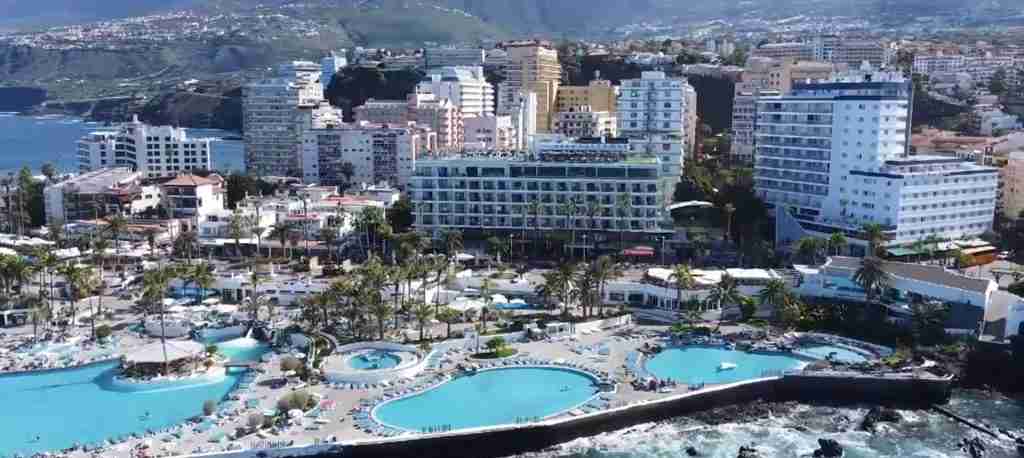
3 days
Tenerife 3-Day Discovery Tour
- ✓ Comprehensive Tenerife experience
- ✓ Expert local guides included
- ✓ All accommodation included
- ✓ Transportation provided
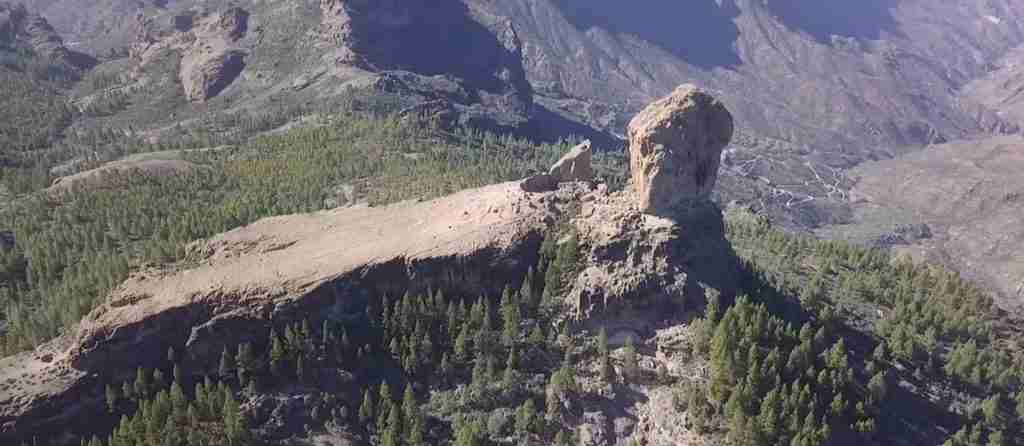
5 days
Tenerife 5-Day Highlights Experience
- ✓ Comprehensive Tenerife experience
- ✓ Expert local guides included
- ✓ All accommodation included
- ✓ Transportation provided

7 days
Tenerife 7-Day Cultural Journey
- ✓ Comprehensive Tenerife experience
- ✓ Expert local guides included
- ✓ All accommodation included
- ✓ Transportation provided

10 days
Tenerife 10-Day Complete Adventure
- ✓ Comprehensive Tenerife experience
- ✓ Expert local guides included
- ✓ All accommodation included
- ✓ Transportation provided
Multi-day tour packages powered by TourRadar. Prices and availability subject to change.
Essential Planning Information 2026
Current Costs and Pricing Breakdown for 2026
Lanzarote attraction pricing in 2026 follows the Centers of Art, Culture and Tourism network structure. Individual site tickets cost: Jameos del Agua €10, Cueva de los Verdes €10, Fundación César Manrique €10, Jardín de Cactus €6.50, Mirador del Río €5, and Castillo de San José (MIAC modern art museum) €5. The comprehensive pass costs €30 for all six sites, providing €16.50 savings versus individual purchases. Timanfaya National Park charges €12 for mandatory guided bus tours (Route of the Volcanoes), with additional €3 parking fees. Check centrosturisticos.com for current official rates as pricing may vary.
Dining costs span wide ranges based on location and style. Supermarket self-catering ingredients cost €8-12 daily per person, enabling budget management through apartment stays. Casual lunch menus (menu del día) range €10-15 in local areas, €15-20 in tourist zones. Restaurant dinners cost €25-35 per person in local spots, €35-50 in resort restaurants, and €50-75 in upscale establishments like La Tegala in Mácher or Lilium in Puerto del Carmen. Wine tastings in La Geria bodegas range free to €15 for premium experiences, with bottles €8-25.
Water sports and activities show significant price variation. Surf lessons cost €35-45 for two hours, stand-up paddleboard rental €15-20 hourly, and kayak tours €30-40 for half-day excursions. Diving packages range €45-60 for single dives, €250-350 for PADI Open Water certification courses, with Puerto del Carmen and Playa Blanca offering best dive center infrastructure. Catamaran cruises to Papagayo beaches cost €45-65 including lunch and drinks, while La Graciosa ferry day trips run €20-25 return from Órzola.
Transportation Costs and Options for 2026
Car rental represents the most cost-effective transportation for island exploration in 2026, with prices €25-40 daily depending on vehicle size and insurance coverage. Weekly rentals (€175-280) provide better value than daily rates, with pickup at Lanzarote Airport (ACE) avoiding additional taxi costs to resort areas. Full insurance coverage adds €8-12 daily but eliminates excess liability concerns. Fuel costs run €60-80 weekly for typical island touring covering 400-600 kilometers. Book car rentals 2-3 months ahead for 2026 summer visits to secure availability and better rates.
Public bus (Intercity Bus Lanzarote) operates routes between major towns with single tickets €1.40-3.70 depending on distance. The Bono Bus card offers 30% discounts with €15 and €30 denominations, worthwhile for extended stays using public transport. However, buses serve primarily resort-to-capital routes, missing volcanic interior attractions and remote beaches. Arrecife to Puerto del Carmen costs €1.70 and runs every 20-30 minutes, while Arrecife to Playa Blanca costs €3.70 with hourly service.
Taxis charge metered rates starting €3.15 base fare plus €0.55 per kilometer, with airport transfers costing €18-25 to Puerto del Carmen, €25-32 to Costa Teguise, and €35-45 to Playa Blanca. Pre-booked transfers (€15-35 depending on destination) eliminate meter uncertainty and provide fixed pricing. Bicycle rental costs €10-15 daily, €50-70 weekly, suitable for fit cyclists tackling volcanic terrain and coastal winds. Scooter rental runs €20-30 daily for 50cc models, requiring appropriate license for larger engine capacities.
Best Time to Visit Lanzarote in 2026
Seasonal Analysis for 2026 Travel
Autumn months September-November 2026 deliver optimal Lanzarote conditions across weather, pricing, and crowd factors. September maintains summer warmth (24-26°C) with significantly reduced tourist numbers after European school holidays end early in the month. October offers perfect balance at 22-24°C with sea temperatures still comfortable at 22-23°C for swimming and water sports. November sees slight cooling to 21-23°C but maintains excellent beach weather with minimal rainfall (averaging 8-15mm monthly across the season). Accommodation prices drop 25-30% from July-August peaks while restaurants, attractions, and beaches become noticeably less congested.
Spring season March-May 2026 provides alternative timing with wildflower blooms transforming volcanic landscapes into unexpected color displays. March temperatures reach 19-21°C with occasional wind and brief rainfall (15-20mm monthly), while April-May warm to 20-23°C with more stable conditions. Easter holidays (April 20-21, 2026) create peak-season pricing and crowds despite spring classification. Sea temperatures remain cooler than autumn at 18-20°C, less comfortable for extended swimming. Spring accommodation rates run 15-20% higher than autumn due to European holiday patterns.
Summer July-August 2026 guarantees maximum sunshine (11-12 hours daily) and warmest conditions (28-32°C) but brings peak pricing and maximum tourist density. Beaches, Timanfaya tours, and Manrique sites experience longest queues and advance booking requirements. Accommodation costs reach annual peaks with limited availability in preferred properties. However, summer delivers warmest sea temperatures (23-24°C) ideal for water sports and diving, with persistent northeast trade winds providing relief from heat and powering windsurfing conditions at Famara and Costa Teguise.
Weather Patterns and Seasonal Recommendations for 2026
Lanzarote’s desert climate creates year-round visitation potential with minimal rainfall (averaging 140mm annually) concentrated November-February. Winter months December-February 2026 see temperatures 17-21°C with strongest winds affecting northern and eastern coasts. Famara Beach experiences particular wind exposure making winter swimming challenging, while southern Playa Blanca and Puerto del Carmen remain more sheltered. Winter delivers lowest accommodation rates (35-40% below summer peaks) and smallest crowds, ideal for hiking volcanic landscapes and exploring Manrique sites without queues.
Monthly temperature patterns show remarkable stability: January-February 17-19°C, March-April 19-21°C, May-June 21-24°C, July-August 24-28°C, September-October 24-26°C, November-December 20-22°C. This consistency enables flexible 2026 planning based primarily on pricing and crowd preferences rather than weather avoidance. Rainfall remains negligible outside November-January, with even these wetter months rarely seeing more than 3-4 rainy days monthly. Northeast trade winds blow consistently year-round, strongest May-August, creating natural air conditioning but occasionally affecting beach comfort and outdoor dining.
Specific activity timing varies by interest: diving conditions peak September-November when visibility reaches 25-30 meters and sea temperatures remain warm; windsurfing thrives June-August with consistent northeast winds 15-25 knots; cycling suits winter months when temperatures favor exertion; wine tourism works year-round though harvest activities (late August-September) add vineyard interest. Photography benefits from winter’s lower sun angle creating dramatic volcanic landscape shadows, while summer’s extended daylight (until 9:30 PM in June-July) enables sunset shoots at western coastal viewpoints.
Accommodation Strategies for 2026
Budget Accommodation Options for 2026
Budget accommodation in Lanzarote ranges €60-90 nightly for apartment rentals and hostels across the three main resort areas. Puerto del Carmen offers largest selection with one-bedroom apartments €60-75 nightly in older complexes 10-15 minute walks from Playa Grande. These self-catering units include kitchen facilities enabling €8-12 daily food costs through supermarket shopping, reducing dining expenses by €15-25 daily compared to restaurant meals. Costa Teguise provides similar pricing (€65-80 nightly) with better wind conditions for water sports enthusiasts but less nightlife infrastructure.
Playa Blanca commands slightly higher budget rates (€75-90 nightly) due to newer development and proximity to Papagayo beaches and La Graciosa ferry access. Book apartments 3-4 months ahead for summer 2026 to secure best locations near beaches while maintaining budget pricing. September-November and February-April shoulder seasons see rates drop 15-20% with better availability. Arrecife capital offers cheapest accommodation (€50-70 nightly) but requires car rental for beach and attraction access, potentially negating savings.
Hostel options remain limited on Lanzarote compared to mainland Spain, with primary budget choice being Lanzarote Surf House in Caleta de Famara (dorm beds €25-35 nightly). This suits surfers and windsurfers prioritizing beach access over resort amenities. Camping is permitted only in designated areas, with camping gear rental and site fees totaling €15-25 nightly but requiring transportation to remote locations. Budget travelers maximize value through apartment weekly rentals (typically discounted 10-15% versus nightly rates), strategic meal planning, and free beach/hiking activities balancing paid attraction costs.
Mid-Range and Luxury Accommodation for 2026
Mid-range hotels in Lanzarote cost €100-150 nightly for three-star properties with pools, breakfast, and prime beach locations. Puerto del Carmen’s Los Jameos Playa (€110-135 nightly) provides beachfront access, multiple pools, and buffet breakfast 200 meters from Playa de los Pocillos. Costa Teguise’s Hotel Lanzarote Village (€100-125 nightly) offers apartment-style accommodation with kitchen facilities and resort pool complex. Playa Blanca’s H10 Rubicon Palace (€130-160 nightly) delivers all-inclusive options reducing daily food costs to zero while providing extensive resort amenities.
Four-star properties range €150-220 nightly with enhanced facilities and locations. Hotel Beatriz Playa & Spa in Puerto del Carmen (€160-195 nightly) combines direct beach access with spa facilities and half-board dining options. THB Flora in Playa Blanca (€170-210 nightly) provides adults-only environment with premium pool areas and proximity to marina restaurants. Book mid-range properties 2-3 months ahead for summer 2026, with shoulder season rates 20-25% lower and winter rates 30-35% below peak.
Luxury accommodation reaches €220-400 nightly for five-star resorts and boutique properties. Princesa Yaiza Suite Hotel Resort in Playa Blanca (€280-380 nightly) offers multiple pools, thalassotherapy spa, and direct Papagayo beach access. Secrets Lanzarote Resort & Spa (€300-400 nightly) provides adults-only all-inclusive luxury with clifftop ocean views. Casa Emblemática in Haría (€220-280 nightly) delivers boutique rural experience in restored traditional property, ideal for couples seeking authentic village atmosphere versus resort environment. Luxury properties require 4-6 months advance booking for summer 2026 peak season.
Transportation Guide for 2026
Getting to Lanzarote in 2026
Lanzarote Airport (ACE – Arrecife) receives direct flights from major European cities with flight times 4-5 hours from UK, 3-4 hours from mainland Spain, and 2.5-3 hours from Germany. Budget carriers Ryanair, easyJet, and Jet2 operate extensive summer schedules with round-trip fares €80-180 from UK airports, €60-140 from Spanish mainland cities (Madrid, Barcelona, Valencia), and €90-200 from German hubs (Berlin, Düsseldorf, Frankfurt). Book 3-4 months ahead for summer 2026 to secure best fares, with shoulder seasons offering 25-35% lower prices.
Inter-island ferries connect Lanzarote to Fuerteventura and Gran Canaria operated by Naviera Armas and Fred Olsen Express. Playa Blanca to Corralejo (Fuerteventura) runs 8-10 times daily with crossing time 25-40 minutes depending on ferry type. Passenger fares cost €20-35 return, vehicle transport €60-90 return, enabling multi-island exploration. Arrecife to Las Palmas (Gran Canaria) operates less frequently with 5-6 hour crossing times and higher costs (€80-120 return per passenger).
Airport transfers to resort areas use taxi (€18-45 depending on destination), pre-booked transfers (€15-35), or car rental (pickup at terminal). Public bus Line 22 connects airport to Arrecife (€1.40, every 30-45 minutes) where connections reach other resort areas, though multiple transfers extend total journey to 90+ minutes. Most visitors rent cars immediately at airport to begin island exploration, with major companies (Europcar, Hertz, Avis, Cicar) operating terminal desks and pre-booking ensuring vehicle availability during peak periods.
Island Transportation Options for 2026
Car rental dominates Lanzarote transportation with vehicles essential for accessing volcanic interior, remote beaches, and comprehensive Manrique site visits. Compact cars cost €25-35 daily with full insurance, while SUVs run €35-45 daily for improved comfort on unpaved beach access roads (Papagayo beaches, El Golfo). Automatic transmission adds €5-8 daily versus manual options. Fuel costs average €1.40-1.55 per liter with full tanks €50-65 for typical compact cars, requiring €60-80 weekly for standard island touring.
Road conditions vary from excellent coastal highways (LZ-2 circumference route) to narrow interior roads through volcanic landscapes and wine regions. Parking in resort areas costs €1-2 hourly in paid zones, free in many areas outside peak season. Timanfaya National Park, Jameos del Agua, and other major attractions provide free parking. Speed limits reach 100 km/h on highways, 50 km/h in towns, with police enforcement focusing on speeding and mobile phone use. International driving licenses accepted, right-hand drive, and standard European road rules apply.
Alternative transport includes bicycle rental for experienced cyclists comfortable with volcanic terrain and wind exposure. E-bikes (€20-30 daily) ease climbing but battery range limits full-island tours. Scooters (€20-30 daily for 50cc) work for coastal resort connections but lack power for mountain roads and cargo capacity for beach equipment. Organized day tours (€45-75 per person) provide hassle-free access to Timanfaya, wine regions, and multiple attraction combinations but limit flexibility and independence compared to self-drive exploration.
Money-Saving Strategies for 2026
Advance Booking Benefits for 2026
Accommodation booking 3-4 months ahead for summer 2026 saves 20-30% versus last-minute reservations, with best properties and locations securing early. Shoulder season bookings (September-November, March-May) require only 6-8 weeks advance notice while still capturing 15-20% early-bird discounts from flexible properties. Car rental reservations 8-12 weeks ahead guarantee vehicle availability during peak periods and lock rates 15-25% below walk-up pricing. Flight bookings 10-16 weeks prior to travel typically deliver optimal pricing, though budget carrier sales occasionally offer better deals 4-6 weeks out.
The Centers of Art, Culture and Tourism combination pass (€30 for six sites) saves €16.50 versus individual tickets and remains valid for 14 days, enabling distributed visits across trip duration. Purchase passes online ahead of travel to skip ticket lines at popular sites like Jameos del Agua and Fundación César Manrique during peak hours. Timanfaya National Park tours cannot be pre-booked online but arrive early (9-10 AM) during summer months to avoid 11 AM-2 PM peak queues when buses fill and waits extend to 45-60 minutes.
Restaurant reservations at popular spots like La Tegala (Mácher), Lilium (Puerto del Carmen), or Amura (Puerto Calero marina) guarantee seating during high season while avoiding tourist-trap establishments near beaches. Many restaurants offer early-bird menus (6-7:30 PM service) at 15-20% discounts versus standard evening pricing. Water sports activities booked directly with operators rather than hotel concierges save 10-15% commission markups, with multi-day packages (3-5 dive packages, weekly surf lessons) discounted 20-30% versus single sessions.
Seasonal Optimization for 2026 Savings
September-November 2026 delivers maximum value with accommodation 25-30% cheaper than July-August, restaurants less crowded enabling better menu del día access (€10-15 versus €15-20 tourist menus), and rental car agencies offering promotional rates to fill inventory after summer rush. October specifically combines pleasant weather (22-24°C), warm seas (22-23°C), and lowest seasonal crowds, making it the value-optimization sweet spot for quality-conscious budget travelers.
Self-catering accommodation enables €8-12 daily food costs through supermarket shopping (Hiperdino, Mercadona, Spar chains) versus €35-50 daily restaurant dining. Prepare breakfasts and lunches in apartments, splurge on dinner at local restaurants away from resort centers where prices run 20-30% lower than beachfront establishments. Local markets in Teguise (Sunday), Haría (Saturday), and Costa Teguise (Wednesday evening) offer fresh produce, cheeses, and local products at better value than supermarkets while providing cultural experiences.
Free attractions balance paid experiences: beaches (Papagayo, Famara, Playa Blanca) cost nothing except €3 parking at some locations; volcanic landscape drives through La Geria wine region and coastal routes provide spectacular scenery without admission fees; hiking Caldera Blanca volcano (4-kilometer round trip) delivers panoramic volcanic views freely; El Golfo green lagoon visit requires only parking costs; coastal walks along Puerto del Carmen’s promenade or Playa Blanca’s marina combine exercise with sunset viewing without expenses. Budget one paid attraction (€5-12) daily balanced with free activities to manage costs while experiencing Lanzarote’s full diversity.
Sample 2026 Itineraries
Five-Day Lanzarote Highlights Budget Itinerary
Day 1: Arrival and Puerto del Carmen Beach Orientation
Morning arrival at Lanzarote Airport, collect rental car (€30 daily), drive 15 minutes to Puerto del Carmen apartment accommodation (€70 nightly). Supermarket shop for breakfast and lunch supplies (€25), afternoon relaxation at Playa Grande (free). Evening walk along Avenida de las Playas promenade (free), dinner at local tapas bar El Tomate (€20-28 per person). Car rental €30, groceries €25, accommodation €70, dinner €24. Total day cost: €79 per person (excluding accommodation €70).
Day 2: Timanfaya National Park and La Geria Wine Region
Morning drive to Timanfaya National Park Visitor Center, guided bus tour through volcanic landscapes (€12), geothermal demonstrations at El Diablo restaurant. Lunch at restaurant using volcanic heat cooking (€25-35), afternoon drive through La Geria wine region with stops at two bodegas for tastings (free-€5). Purchase three bottles Malvasía wine (€24), return to accommodation. Apartment-prepared dinner (€8). Timanfaya €12, lunch €30, wine purchase €24, dinner €8, fuel €8. Total day cost: €82 per person (excluding accommodation).
Day 3: César Manrique Sites Circuit
Purchase Centers of Art, Culture and Tourism pass online (€30), visit Jameos del Agua morning when lighting optimal for photography (included in pass), explore underground pools and concert hall. Lunch picnic at Jameos gardens (€10 supermarket supplies), afternoon visit to Cueva de los Verdes lava tube tour (included in pass). Drive to Mirador del Río clifftop viewpoint for La Graciosa island sunset views (included in pass). Dinner at Haría village local restaurant (€18-25). Pass €30, lunch supplies €10, dinner €22, fuel €10. Total day cost: €72 per person (excluding accommodation).
Day 4: Beach Day and Playa Blanca Exploration
Morning drive to Papagayo beaches (45 minutes), park at beach access point (€3), spend morning at Playa Mujeres and Playa del Pozo. Picnic lunch from apartment supplies (€8), afternoon exploration of additional coves. Drive to Playa Blanca marina for evening walk (free), dinner at marina-area restaurant Brisa Marina (€22-32). Beach parking €3, lunch supplies €8, dinner €27, fuel €8. Total day cost: €46 per person (excluding accommodation).
Day 5: Fundación César Manrique and Departure
Morning visit to Fundación César Manrique in Tahíche (included in Centers pass), explore volcanic bubble architecture and art collection (2-3 hours). Final supermarket stop for departure snacks (€8), drive to airport returning rental car. Lunch at airport before departure (€12-18). Snacks €8, airport lunch €15. Total day cost: €23 per person (excluding accommodation).
Five-Day Budget Total: Accommodation €280 (four nights at €70), daily costs €302 per person (€79+€82+€72+€46+€23), car rental €150 (five days at €30), fuel €26. Grand total: €758 per person for complete five-day Lanzarote experience including accommodation, all meals, major attractions, and transportation.
Seven-Day Comprehensive Lanzarote Mid-Range Itinerary
Day 1: Arrival and Costa Teguise Settlement
Afternoon arrival, rental car collection (€35 daily mid-range vehicle), drive to Costa Teguise hotel (€120 nightly with breakfast included). Evening beach walk at Playa de las Cucharas (free), dinner at local seafood restaurant Acatife (€35-45 per person). Car rental €35, dinner €40. Total day cost: €75 per person (excluding accommodation €120).
Day 2: Northern Circuit – Jameos del Agua and Cueva de los Verdes
Centers of Art pass purchase (€30), morning visit Jameos del Agua (included), mid-morning Cueva de los Verdes lava tube tour (included). Lunch at Órzola fishing village El Amanecer (€20-28), afternoon Mirador del Río visit (included in pass), sunset at Famara Beach. Dinner at Teguise Casa Museo del Timple restaurant (€28-38). Centers pass €30, lunch €24, dinner €33, fuel €12. Total day cost: €99 per person (excluding accommodation).
Day 3: Timanfaya and Western Coast
Early morning Timanfaya National Park bus tour (€12), late morning El Golfo green lagoon visit (free, parking €3), lunch at El Golfo village seafood restaurant Lago Verde (€30-42). Afternoon Los Hervideros coastal cliffs (free), Salinas de Janubio salt pans photo stop (free). Evening La Geria wine region drive with bodega tastings (€10-15), wine purchases (€35). Dinner at Yaiza village La Era (€32-45). Timanfaya €12, lunch €36, wine tasting €12, wine purchase €35, dinner €38, parking €3, fuel €15. Total day cost: €151 per person (excluding accommodation).
Day 4: Water Sports and Beach Activities
Morning surf lesson at Famara Beach (€40 for two hours), lunch at Famara beachfront café El Risco (€18-26). Afternoon stand-up paddleboard rental at Costa Teguise (€20 for two hours), evening relaxation at hotel pool. Dinner at Costa Teguise marina restaurant Neptuno (€35-48). Surf lesson €40, SUP rental €20, lunch €22, dinner €41, fuel €8. Total day cost: €131 per person (excluding accommodation).
Day 5: Fundación César Manrique and Central Exploration
Morning Fundación César Manrique visit (included in Centers pass), late morning Jardín de Cactus exploration (included). Lunch at Guatiza village Casa Museo del Campesino restaurant (€22-30), afternoon Teguise town exploration and crafts shopping (free). Evening Castillo de San José modern art museum visit (included in pass), sunset viewing from castle ramparts. Dinner at Arrecife capital Lilium restaurant (€38-52). Lunch €26, dinner €45, crafts purchases €30, fuel €12. Total day cost: €113 per person (excluding accommodation).
Day 6: Playa Blanca and Papagayo Beaches
Morning drive to Papagayo beaches, explore multiple coves (parking €3), swimming and sunbathing. Picnic lunch at beach (€15 supermarket supplies purchased previous evening). Afternoon visit Playa Blanca marina, optional catamaran cruise to Papagayo from sea perspective (€55 including drinks and snacks, or continue beach time for free). Dinner at Playa Blanca beachfront restaurant La Cocina de Colacho (€40-55). Beach parking €3, catamaran cruise €55, lunch supplies €15, dinner €47, fuel €12. Total day cost: €132 per person (excluding accommodation).
Day 7: Relaxation and Departure
Morning hotel breakfast included, pool relaxation or final beach visit. Late morning checkout, souvenir shopping in Costa Teguise (€25), lunch at Aquarium Lanzarote café (€20-28) before airport departure. Car return, afternoon flight home. Shopping €25, lunch €24, fuel €8. Total day cost: €57 per person (excluding accommodation).
Seven-Day Mid-Range Total: Accommodation €720 (six nights at €120 with breakfast), daily costs €758 per person (€75+€99+€151+€131+€113+€132+€57), car rental €245 (seven days at €35), fuel included in daily costs. Grand total: €1,723 per person for comprehensive seven-day Lanzarote experience including quality accommodation with breakfast, restaurant dining, comprehensive attractions, water sports activities, and full transportation.
Booking and Reservations for 2026
Official Booking Channels for 2026
Centers of Art, Culture and Tourism sites (Jameos del Agua, Cueva de los Verdes, Fundación César Manrique, Jardín de Cactus, Mirador del Río, Castillo de San José) book through centrosturisticos.com with online ticket purchasing eliminating queues at popular sites. The website offers individual tickets and combination passes, with confirmation emails providing QR codes for direct entry. Timanfaya National Park operates through mandatory guided bus tours departing from visitor center without advance online booking, requiring arrival during operating hours (9 AM-5:45 PM, last tour 5 PM) to join next available departure.
Accommodation booking platforms include Booking.com with largest Lanzarote selection (2,000+ properties), Airbnb for apartment rentals and unique stays (800+ listings), and direct hotel websites often offering 10-15% better rates than aggregator platforms. Enable free cancellation filters when booking 3-4 months ahead to maintain flexibility for 2026 plans while securing optimal properties and pricing. Specialized sites like Lanzarote-online.com curate quality properties with detailed owner communication facilitating questions about specific needs.
Car rental books through major aggregators (Rentalcars.com, AutoEurope.com) comparing multiple companies, or directly with local operators like Cicar (cicar.com) offering competitive rates and extensive Canary Islands knowledge. Always select full insurance coverage (€8-12 daily extra) to eliminate excess liability despite higher upfront costs. Confirm pickup location matches your arrival plans – airport terminal collection avoids taxi costs to off-site depots. Ferry bookings to Fuerteventura process through navieraarmas.com and fredolsen.es with online purchasing and mobile ticket presentation eliminating physical ticket pickup.
Tour Operator Recommendations for 2026
Organized tours provide hassle-free access to attractions without car rental needs, though limiting flexibility compared to independent exploration. Excursiones Lanzarote offers comprehensive day tours combining multiple sites: Timanfaya-La Geria-El Golfo circuit (€45-55 including park entry and wine tasting), Northern Tour covering Jameos del Agua-Cueva de los Verdes-Mirador del Río (€48-58 with entries), and full-island tours visiting 6-8 locations (€55-68). Book directly through their website or hotel reception desks, with hotel pickup included in pricing.
Water sports operators specialize by location and activity type. Calima Surf in Famara provides surf lessons (€35-45), surf camps (€280-350 weekly including accommodation), and equipment rental (€15-20 daily). Costa Teguise Water Sports Center offers stand-up paddleboarding (€20-30 hourly), kayaking (€25-35 for two hours), and windsurfing lessons (€45-60). Diving centers in Puerto del Carmen (Manta Diving Lanzarote, Catlanza Diving Center) and Playa Blanca (Aquatis Diving) provide PADI courses (€280-380 for Open Water certification) and dive trips (€45-60 single dive, €250-320 for 10-dive packages).
Catamaran and boat tours depart from Puerto del Carmen, Costa Teguise, and Playa Blanca marinas. Biosfera Express operates catamaran cruises to Papagayo beaches (€45-60 including lunch, drinks, snorkeling equipment) with morning and afternoon departures. Líneas Romero provides La Graciosa island ferry service from Órzola (€20-25 return) with optional guided island tours (€15 extra). Book water-based activities 1-2 weeks ahead during summer 2026 to ensure availability, with last-minute bookings possible during shoulder seasons.
Planning Your 2026 Lanzarote Visit
Pre-Departure Preparation Checklist
Documentation requirements for Lanzarote include valid passport or EU national ID card for European visitors, with US citizens requiring passport valid for duration of stay (no visa needed for visits under 90 days). Travel insurance covering medical emergencies, trip cancellation, and rental car damage excess provides comprehensive protection, with annual multi-trip policies (€80-150) offering better value than single-trip coverage (€35-60) for travelers taking multiple European trips yearly.
Pack lightweight clothing for year-round mild climate, with layers essential for winter evenings and air-conditioned restaurants. Reef-safe sunscreen (SPF 30-50) protects against intense UV exposure even during winter months when cloud-free skies prevail. Comfortable walking shoes suit volcanic terrain exploration, while water shoes enable comfortable swimming at rocky beach areas. Snorkel equipment brings savings versus daily rental (€8-12) if planning multiple beach days, though quality rental gear available at all resort areas.
Download offline maps (Maps.me, Google Maps offline) before departure as mobile data costs €8-15 daily for roaming without EU agreements. Spanish SIM cards (Vodafone, Orange, Movistar) purchased at airport or resort areas cost €15-25 for 2-4 weeks coverage with 5-10GB data and calling. Centers of Art, Culture and Tourism app provides detailed site information, though physical combination pass remains necessary for entry. Restaurant apps like TheFork offer reservation booking and occasional 20-30% discount promotions at participating establishments.
2026 Health and Safety Considerations
Lanzarote presents minimal health risks with modern medical facilities available in Arrecife (Hospital Universitario Insular de Lanzarote) and private clinics in major resort areas. European Health Insurance Card (EHIC) provides EU visitors access to public healthcare, while private medical insurance covers all visitors for comprehensive protection. Pharmacies (farmacias) operate in all towns with extended hours and English-speaking staff, stocking common medications and providing basic health consultations.
Sun exposure demands consistent protection even during winter months when clear skies and reflective volcanic surfaces intensify UV radiation. Apply SPF 50 sunscreen every two hours during beach and outdoor activities, with reef-safe formulations (without oxybenzone and octinoxate) protecting marine ecosystems while preventing sunburn. Hydration requires 2-3 liters daily in summer heat, with bottled water (€0.50-1.50) widely available though tap water is safe for drinking after desalination treatment.
Swimming safety varies by beach with lifeguarded areas at major resort beaches (Playa Grande, Playa de los Pocillos, Playa de las Cucharas) operating 10 AM-6 PM during summer, reduced hours in winter. Northern beaches like Famara experience strong currents and surf unsuitable for weak swimmers, with clear flag systems indicating conditions (green safe, yellow caution, red prohibited). Volcanic rock pools and reef areas require water shoes preventing cuts from sharp lava formations. Ocean temperature ranges 18-24°C annually, with winter swimming comfortable for cold-water enthusiasts but challenging for those preferring tropical warmth.
2026 Updates and Current Information
Infrastructure Developments for 2026
Lanzarote continues infrastructure improvements balancing tourism growth with Biosphere Reserve conservation commitments. Airport expansion completed in 2024 increases capacity to 8.5 million annual passengers, reducing peak-season congestion during summer months. New terminal facilities include additional rental car agencies, improved baggage handling, and expanded food court options, though car rental pre-booking remains advisable for guaranteed vehicle availability during July-August 2026.
Coastal path development connects Puerto del Carmen to Playa Blanca via 30-kilometer paved promenade completed in phases through 2024-2025, enabling scenic walking and cycling between southern resort areas. The path passes through Puerto Calero marina and multiple beach access points, creating car-free recreation corridor suitable for families and fitness enthusiasts. Bicycle rental stations planned at 5-kilometer intervals throughout 2026 enable one-way cycling with return bus transport options.
Renewable energy expansion continues with wind farms and solar installations targeting 100% renewable electricity generation by 2030. This aligns with Biosphere Reserve sustainable tourism goals while maintaining visitor infrastructure standards. Desalination plant upgrades ensure reliable water supply despite limited natural freshwater resources, with conservation messaging encouraging visitor participation in sustainable practices through towel reuse programs and reduced water consumption.
Sustainable Tourism Initiatives for 2026
Lanzarote’s UNESCO Biosphere Reserve designation since 1993 commits the island to sustainable development balancing tourism, conservation, and local community needs. The Responsible Tourism Code established by island authorities encourages visitors to minimize environmental impact through reef-safe sunscreen use, water conservation, waste reduction, and respect for protected natural areas. Signage throughout volcanic landscapes and beach areas provides education about fragile ecosystems and appropriate visitor behavior.
Single-use plastic reduction initiatives implemented across resort areas include mandatory reusable bag policies at supermarkets (paper and reusable fabric bags €0.20-0.50), water refill stations at major attractions eliminating bottled water needs, and restaurant commitments to eliminate plastic straws and stirrers. Visitors support these efforts by carrying reusable water bottles (refill stations at Centers of Art sites, beaches, and town plazas), declining unnecessary plastic packaging, and choosing accommodation with strong environmental policies.
Marine protected areas around Lanzarote safeguard critical ocean ecosystems while enabling sustainable diving and snorkeling tourism. The Marine Reserve of La Graciosa and Los Islotes prohibits fishing and limits visitor numbers protecting biodiversity hotspots. Licensed dive operators follow strict protocols minimizing reef contact and marine life disturbance. Visitors contribute to conservation by choosing certified operators, maintaining proper buoyancy control, and avoiding touching or feeding marine species. Beach cleanup initiatives welcome volunteer participation, with regular organized events posted on municipality social media accounts and tourist information centers.
Frequently Asked Questions About Lanzarote 2026
Is Lanzarote expensive compared to other Canary Islands?
Lanzarote pricing falls in the mid-range among Canary Islands, more expensive than Fuerteventura but less costly than Tenerife’s upscale resort areas. Daily costs €85-130 per person excluding accommodation compare favorably with Gran Canaria (€90-140) and significantly undercut Tenerife’s southern resorts (€100-160). Accommodation rates match Gran Canaria at similar quality levels, while restaurant pricing runs 10-15% lower than Tenerife due to less intensive tourism development and stronger local dining culture.
Can you visit Lanzarote year-round?
Lanzarote’s desert climate enables comfortable year-round visitation with temperatures ranging 17-28°C across seasons. Winter months December-February see coolest conditions (17-21°C) with occasional wind affecting northern beaches, while summer July-August reaches warmest temperatures (24-28°C) but never becomes oppressively hot due to northeast trade winds. Rainfall remains minimal annually (140mm total) with even wettest months November-January averaging only 3-4 rainy days monthly. This stability makes Lanzarote ideal for flexible 2026 planning based on pricing and crowd preferences rather than weather avoidance.
How many days do you need in Lanzarote?
Five days provides adequate time for major highlights including Timanfaya National Park, César Manrique sites circuit, Papagayo beaches, and La Geria wine region while maintaining relaxed pacing. Seven days enables comprehensive exploration adding northern beaches (Famara), La Graciosa island day trip, water sports activities, and multiple César Manrique site visits without rushed scheduling. Extended stays of 10-14 days suit diving certification courses, in-depth photography projects, and thorough beach exploration while maintaining budget-friendly accommodation weekly rental rates.
Do you need to speak Spanish in Lanzarote?
English serves as primary tourism language in resort areas (Puerto del Carmen, Costa Teguise, Playa Blanca) with hotels, restaurants, and tour operators maintaining English-speaking staff. German follows as second tourism language due to extensive German visitor numbers. Interior villages and local establishments away from coastal resorts benefit from basic Spanish phrases (greetings, numbers, food terms), though residents generally accommodate English speakers with patience and goodwill. Restaurant menus typically provide English translations, while attraction signage offers multilingual information.
What should I pack for Lanzarote?
Essential packing includes lightweight clothing for year-round mild temperatures, with layers necessary for winter evenings and air-conditioned environments. High SPF sunscreen (30-50, reef-safe formulations) protects against intense UV exposure even during winter months. Comfortable walking shoes suit volcanic terrain hiking, while sandals suffice for beach and casual resort wear. Water shoes enable comfortable swimming at rocky beach areas. Snorkel equipment brings savings versus rental if planning multiple beach days, though quality gear available at all resort areas. Winter visits (November-March) require light jacket for evening temperature drops to 15-17°C.
Are Lanzarote beaches good for swimming?
Lanzarote beaches vary significantly in swimming suitability based on location and wave exposure. Southern beaches (Playa Blanca, Puerto del Carmen, Playa de los Pocillos) offer calm, sheltered waters ideal for families and less confident swimmers, with lifeguard supervision during peak hours. Northern beaches like Famara experience Atlantic swells creating excellent surf conditions but challenging swimming due to currents and wave power. Papagayo coves provide protected swimming in crystal-clear waters though requiring dirt road access. Eastern Costa Teguise beaches deliver moderate wave action suitable for body boarding and water sports.
Can you drink tap water in Lanzarote?
Tap water in Lanzarote comes from desalination plants producing safe drinking water meeting EU standards, though many visitors prefer bottled water (€0.50-1.50) due to slight mineral taste from desalination process. Restaurants serve tap water upon request without charge, with quality identical to bottled options despite taste differences. Environmental considerations favor tap water consumption reducing plastic waste, with reusable bottles refillable at accommodation and public fountains. Sensitive stomachs may prefer bottled water during initial days while adjusting to local mineral content.
What is the best area to stay in Lanzarote?
Puerto del Carmen suits first-time visitors seeking comprehensive resort infrastructure with extensive beach access (Playa Grande, Playa de los Pocillos), abundant restaurants, and central location for island exploration. Costa Teguise attracts water sports enthusiasts with consistent wind conditions, golf course access, and family-friendly beaches. Playa Blanca offers newer development, proximity to Papagayo beaches and Fuerteventura ferries, and quieter atmosphere than Puerto del Carmen. Famara appeals to surfers and nature lovers with dramatic beach landscapes and authentic village atmosphere. Arrecife provides budget accommodation but requires car rental for beach access, suiting independent travelers prioritizing cost savings.
Are there direct flights to Lanzarote from the US?
No direct flights connect US cities to Lanzarote, requiring connections through European hubs. Typical routing involves flights to Madrid, Barcelona, or London followed by 3-4 hour connecting flights to Lanzarote Airport. Total journey times range 12-16 hours depending on connection efficiency. European connections also serve from Frankfurt, Amsterdam, Paris, and Lisbon with multiple daily Lanzarote flights during summer season. Winter frequencies reduce but maintain regular service from major European gateways. Book connecting flights with 2-3 hour minimum layovers accounting for customs clearance and terminal transfers in European connection cities.
Is Lanzarote suitable for families with children?
Lanzarote offers excellent family destinations with southern resort beaches (Puerto del Carmen, Playa Blanca) providing calm swimming conditions and lifeguard supervision. Rancho Texas Lanzarote Park combines zoo exhibits with water attractions and shows appealing to younger children. Aquarium Lanzarote in Costa Teguise showcases marine life through 33 tanks including shark tunnel. Jameos del Agua and Cueva de los Verdes provide unique educational experiences exploring volcanic formations. Accommodation options include family-friendly hotels with kids’ clubs, pools, and connecting rooms. However, extensive driving required for comprehensive island exploration challenges families with very young children preferring concentrated beach resort stays. Volcanic terrain hikes suit older children comfortable with physical activity.