
Fuerteventura Travel Guide 2026: Beaches, Dunes & Biosphere Reserve
Key Takeaways:
- Fuerteventura offers 150 kilometers of pristine beaches across the Canary Islands’ second-largest island, designated UNESCO Biosphere Reserve since 2009
- Daily costs range €70-115 per person excluding accommodation, with strategic self-catering reducing expenses by 35-45%
- Visit April-June or September-October 2026 for optimal conditions (21-26°C), consistent wind for water sports, and 20-30% lower accommodation rates than summer peak
- Corralejo Natural Park’s 10-kilometer sand dunes and Cofete Beach’s remote wilderness require 4WD vehicles (€40-55 daily) or organized tours (€45-65)
- Water sports dominate island activities with world-class kitesurfing at Sotavento (July-August championships), windsurfing at Flag Beach, and surfing at El Cotillo year-round
- Advance booking for water sports courses (€280-380 for week-long programs) and beachfront accommodation (€90-160 nightly) secures availability during peak wind season
Introduction: Planning Your Fuerteventura Beach Adventure in 2026
Fuerteventura combines the Canary Islands’ finest beaches with powerful Atlantic winds creating global water sports destinations. This 100-kilometer long island showcases dramatic contrasts: the north’s volcanic landscape transitions into central mountains reaching 807 meters at Pico de la Zarza, while the south extends into endless golden beaches and turquoise lagoons. UNESCO Biosphere Reserve designation since 2009 protects diverse ecosystems spanning arid interior badlands, coastal dune systems, and marine environments supporting rare species found nowhere else on Earth.
The island’s strategic position 100 kilometers off Morocco’s coast channels northeast trade winds year-round, establishing Fuerteventura as Europe’s premier destination for wind-powered sports. Corralejo in the north offers extensive tourism infrastructure with ferry connections to Lanzarote, while southern Costa Calma and Jandía attract serious water sports athletes to championship competition sites. The interior preserves authentic Canarian culture in whitewashed villages like Betancuria, Pájara, and La Oliva, where traditional agriculture and crafts continue despite coastal tourism development.
Planning 2026 visits requires understanding Fuerteventura’s unique character: this island attracts active travelers seeking beaches, water sports, and natural landscapes rather than cultural attractions or nightlife. The scarcity of trees and vegetation creates stark desert beauty enhanced by dramatic volcanic formations, coastal cliffs, and shifting sand dunes. Strategic timing around wind patterns, accommodation selection balancing beach access with budget considerations, and transportation planning for remote beach exploration determine trip success. This comprehensive guide provides detailed 2026 planning information covering costs, optimal timing, water sports options, and booking strategies for your Canarian island experience.
People Also Ask About Fuerteventura 2026
How much does a Fuerteventura vacation cost in 2026?
Daily costs in Fuerteventura range €70-115 per person excluding accommodation in 2026. Budget travelers achieve €70-85 daily through apartment self-catering (€8-12 daily food costs), free beach activities, and selective paid attractions. Mid-range visitors spend €95-115 with restaurant dining (€30-40 daily), car rental (€30-45), and water sports lessons. Accommodation adds €50-75 nightly for budget apartments, €90-140 for mid-range hotels with pools, and €150-250 for beachfront resorts in Corralejo or Costa Calma.
Weekly budgets total €840-1,250 per person including accommodation for budget travelers, €1,400-1,900 for mid-range experiences, and €2,100-3,200 for luxury resort stays. Car rental (strongly recommended for beach exploration) costs €210-315 weekly with full insurance. Major expenses include kitesurfing courses €320-420 for week-long programs, surfing lessons €35-45 per two-hour session, and catamaran trips to Lobos Island €35-45 including equipment. Check official websites and operator platforms for current pricing as rates may vary seasonally.
When is the best time to visit Fuerteventura in 2026?
April-June and September-October 2026 deliver optimal Fuerteventura conditions balancing weather, wind, and pricing factors. Spring months April-June offer temperatures 21-25°C with consistent northeast trade winds (15-25 knots) ideal for kitesurfing and windsurfing without summer’s peak heat. September-October maintains warm conditions (24-27°C) with continued wind reliability and 20-30% lower accommodation rates than July-August. These shoulder periods see reduced crowds at popular beaches while maintaining excellent water sports conditions and comfortable temperatures for beach activities.
Summer July-August 2026 provides warmest temperatures (26-29°C) and strongest winds (20-30 knots) attracting professional water sports athletes to championship events at Sotavento and Flag Beach. However, peak season brings highest accommodation costs, maximum tourist density, and advance booking requirements for quality beachfront properties. Winter November-March offers coolest conditions (18-22°C) with occasional calmer wind periods less suitable for advanced water sports, though still providing excellent surfing at northern breaks and budget-friendly pricing with accommodation 30-40% below summer peaks.
Do you need a car in Fuerteventura for 2026?
Car rental becomes essential for comprehensive Fuerteventura beach exploration in 2026, as the island’s best beaches spread across 100 kilometers with limited public transport connections. Bus service (Tiadhe) connects major towns (Corralejo, Puerto del Rosario, Caleta de Fuste, Morro Jable) but misses spectacular remote beaches like Cofete, Ajuy black sand beach, and northwestern surf spots around El Cotillo. Standard cars (€30-45 daily) access most beaches via paved roads, while 4WD vehicles (€50-65 daily) enable reaching Cofete Beach and interior mountain tracks.
Public buses cost €2-5 per journey between main towns with 30-60 minute frequencies, requiring extended travel times and multiple transfers for cross-island trips. Taxis charge metered rates starting €3.50 base fare plus €1.10 per kilometer, making beach excursions expensive (€40-60 for Corralejo to El Cotillo return). Organized tours (€45-75 daily) provide alternative access to highlights like Cofete Beach, Betancuria village, and dune systems, but limit flexibility and personal beach discovery. Most visitors rent cars for 5-7 days enabling independent exploration of Fuerteventura’s diverse coastline and interior villages.
What are Fuerteventura’s best beaches for 2026?
Cofete Beach ranks as Fuerteventura’s most spectacular shoreline, extending 12 kilometers along the southwestern Jandía Peninsula with powerful Atlantic surf, dramatic cliff backdrops, and complete wilderness atmosphere. Access requires 4WD vehicles or organized tours navigating unpaved mountain roads, rewarding visitors with pristine isolation and breathtaking natural beauty. Swimming conditions prove challenging due to strong currents and waves, making Cofete primarily a scenic and photography destination rather than safe swimming beach.
Corralejo beaches span 10 kilometers of golden sand dunes within the Natural Park, offering protected swimming areas and consistent winds for kitesurfing and windsurfing. Playa de Sotavento near Costa Calma creates natural lagoons at low tide providing shallow, warm water ideal for beginners learning kitesurfing, while outer areas attract advanced riders with wave jumping conditions. El Cotillo’s northern beaches combine reef-protected coves (Los Charcos, Los Lagos) offering calm swimming with excellent surf breaks attracting experienced wave riders. Playa de Ajuy showcases dramatic black volcanic sand with adjacent sea caves accessible via coastal paths.
Extended multi-day tours – 5+ days
Featured Tenerife Multi-Day Tour Packages
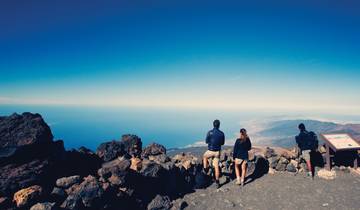
6 days
Hiking the Canary Islands: Tenerife, Anaga, and Beyond
- ✓ Comprehensive Tenerife tour
- ✓ Expert local guides included
- ✓ All accommodation arranged
- ✓ Transportation provided

8 days
Tenerife North & South, Self-drive
- ✓ Comprehensive Tenerife tour
- ✓ Expert local guides included
- ✓ All accommodation arranged
- ✓ Transportation provided
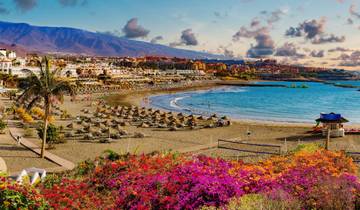
7 days
Hike The Canary Islands
- ✓ Comprehensive Tenerife tour
- ✓ Expert local guides included
- ✓ All accommodation arranged
- ✓ Transportation provided

6 days
Tasting the South of Tenerife
- ✓ Booking needs min. 2 travelers
Multi-day tour packages powered by TourRadar. Prices and availability subject to change.
Essential Planning Information for 2026
Current Costs and Budget Breakdown for 2026
Fuerteventura’s budget-friendly reputation among Canary Islands makes it accessible for cost-conscious travelers while offering luxury options for premium experiences. Supermarket self-catering costs €8-12 daily per person using apartment kitchens, with major chains (Mercadona, HiperDino, Lidl) operating in all resort towns. Restaurant lunch menus range €10-15 in local areas away from beachfronts, €15-22 in tourist zones. Dinner costs €20-30 per person at casual restaurants, €35-50 at mid-range establishments, and €50-75 at upscale venues like Mahayana in Corralejo or La Marquesina in La Oliva.
Water sports dominate activity budgets with varied pricing structures. Kitesurfing lessons cost €60-75 for three-hour beginner sessions, €320-420 for week-long courses including equipment. Windsurfing lessons run €45-60 for two hours, €280-360 for week-long programs. Surfing lessons charge €35-45 per two-hour session at El Cotillo and Corralejo surf schools. Stand-up paddleboard rental costs €15-20 hourly, kayak rental €12-18 hourly. Catamaran trips to Lobos Island charge €35-45 including snorkeling equipment and drinks, while sunset cruises run €40-55 per person.
Attraction costs remain minimal as Fuerteventura’s appeal centers on natural landscapes and beaches. Oasis Park Zoo entry costs €32 for adults, €21 for children, with camel safaris and shows included. Betancuria Museum and Church charge €3-5 combined entry. Ecomuseo La Alcogida traditional village costs €5 adults. Most visitors spend primarily on accommodation, dining, and water sports rather than paid attractions. Car rental represents the significant fixed cost at €210-315 weekly with full insurance, essential for beach access and island exploration.
Transportation Costs and Logistics for 2026
Fuerteventura Airport (FUE – El Matorral) receives direct flights from major European cities with journey times 4 hours from UK, 2.5 hours from mainland Spain, and 4-5 hours from Germany and Scandinavia. Budget carriers Ryanair, easyJet, Vueling, and TUI operate extensive schedules with round-trip fares €70-160 from UK airports, €50-120 from Spanish cities (Madrid, Barcelona, Seville), and €90-180 from German hubs during peak season. Book 3-4 months ahead for summer 2026 to secure optimal fares, with shoulder seasons offering 20-30% lower prices.
Inter-island ferries connect Fuerteventura to Lanzarote (Corralejo-Playa Blanca route) and Gran Canaria operated by Naviera Armas and Fred Olsen Express. Corralejo to Playa Blanca runs 8-12 times daily with 25-40 minute crossings depending on vessel type. Passenger fares cost €18-32 return, vehicle transport €55-85 return. Morro Jable to Gran Canaria operates 2-3 weekly with 2.5-3 hour journey times and higher costs (€70-110 passenger return). These connections enable multi-island Canaries exploration during extended visits.
Airport transfers to resort areas use taxis (€15-35 depending on destination), pre-booked transfers (€12-30), or rental cars (terminal pickup). Public bus Line 3 connects airport to Puerto del Rosario capital (€1.45, every 30 minutes) and Line 10 to Corralejo (€4.20, hourly), though car rental immediately at airport provides maximum flexibility for beach-focused itineraries. Rental vehicles require full insurance coverage (€8-15 daily) eliminating excess liability, with 4WD upgrades (€50-65 daily versus €30-45 standard cars) necessary only for Cofete access or serious off-road exploration.
Best Time to Visit Fuerteventura in 2026
Seasonal Weather Analysis for 2026
Fuerteventura’s subtropical desert climate creates year-round beach conditions with minimal rainfall (averaging 110mm annually) and consistent temperatures 18-29°C across seasons. Spring April-June 2026 delivers ideal conditions with temperatures 21-25°C, moderate northeast winds (15-20 knots) perfect for learning kitesurfing and windsurfing, and wildflower blooms transforming interior landscapes. Sea temperatures reach 19-21°C, comfortable for water sports though cooler than summer for extended swimming. Accommodation rates remain 15-20% below July-August peaks while beaches maintain comfortable crowd levels.
Summer July-August 2026 brings warmest air temperatures (26-29°C) and sea temperatures (22-24°C) with strongest, most consistent winds (20-30 knots). These peak conditions attract professional athletes to championship events including PWA Fuerteventura World Cup at Sotavento (typically late July). However, summer creates maximum tourist density, highest accommodation costs (€120-180 nightly mid-range versus €90-130 shoulder season), and advance booking requirements 3-4 months out for quality beachfront properties. Extreme heat occasionally reaches 32-35°C during calima (Saharan wind) events bringing dust and reduced visibility.
Autumn September-October maintains warm conditions (24-27°C) with reliable winds (18-25 knots) and significantly reduced crowds after European school holidays end early September. This period offers the best value proposition combining excellent weather, strong water sports conditions, and 20-30% accommodation discounts versus summer. Sea temperatures peak at 23-24°C in September, gradually cooling through October. Winter November-March sees coolest temperatures (18-22°C) with occasional wind lulls less suitable for kitesurfing, though consistent surf breaks maintain appeal for wave riders. Winter accommodation costs drop 30-40% below summer with excellent availability.
Wind Patterns and Water Sports Seasons for 2026
Northeast trade winds blow with remarkable consistency year-round across Fuerteventura, strongest April-September (averaging 18-28 knots) and moderating slightly October-March (12-20 knots). This reliability establishes the island as Europe’s premier year-round wind sports destination, with specific locations optimized for different activities and skill levels. Corralejo’s Flag Beach experiences direct wind exposure ideal for advanced kitesurfing and windsurfing, while Sotavento’s lagoon provides sheltered progression zones for intermediates alongside wave riding areas for experts.
Kitesurfing season peaks May-September when consistent 18-25 knot winds combine with warm conditions and maximum daylight (sunset 8:30-9 PM). Beginners benefit from September-October’s reliable but slightly gentler winds (15-22 knots) and reduced beach crowds improving learning environments. Sotavento hosts major competitions typically in July-August when professional athletes demonstrate cutting-edge freestyle and wave riding. Winter months November-March see more variable winds with some calm days unsuitable for kiting, though experienced riders still find excellent sessions most weeks.
Surfing thrives year-round with northern beaches (El Cotillo, Los Lobos Island) receiving Atlantic swells independent of wind patterns. Winter November-March delivers largest swells (2-4 meters) attracting experienced surfers to challenging reef breaks, while summer maintains smaller, more manageable waves (1-2 meters) suitable for intermediate riders. El Cotillo’s reef-protected lagoons (Los Charcos) provide beginner-friendly environments with gentle waves and sandy bottoms. Southern beaches see less consistent surf due to island shadowing effects, though Cofete occasionally produces excellent waves during winter swells.
Accommodation Strategies for 2026
Budget Accommodation Options for 2026
Budget accommodation in Fuerteventura ranges €50-75 nightly for apartments and hostels, concentrated primarily in Corralejo, Caleta de Fuste, and Morro Jable. Corralejo offers largest budget selection with studio apartments €50-65 nightly located 10-15 minute walks from main beaches and town center. These self-catering units include kitchenettes enabling €8-12 daily food costs through supermarket shopping (Mercadona, HiperDino within walking distance), reducing dining expenses by €20-30 daily compared to restaurant meals.
Caleta de Fuste provides similar pricing (€55-70 nightly) with newer apartment complexes and family-friendly beaches, though less vibrant nightlife than Corralejo. Morro Jable in the south offers budget apartments €60-75 nightly with excellent beach access and proximity to Sotavento kitesurfing areas, ideal for water sports enthusiasts prioritizing beach time over town amenities. Book 2-3 months ahead for summer 2026 to secure best-located apartments near beaches while maintaining budget pricing. September-November shoulder season sees rates drop 20-25% with immediate availability.
Hostel options include Surfing Colors Hostel in Corralejo (dorm beds €22-30 nightly) targeting surfers and kitesurfers with equipment storage, social atmosphere, and organized beach activities. Cotillo Beach Hostel (dorm beds €20-28) suits budget travelers prioritizing El Cotillo’s authentic fishing village character and excellent surf conditions over resort amenities. Weekly apartment rentals provide 10-15% discounts versus nightly rates, worthwhile for stays exceeding five days. Budget travelers maximize value combining self-catering with strategic restaurant splurges at local spots away from beachfront tourist areas where prices run 25-35% lower.
Mid-Range and Luxury Accommodation for 2026
Mid-range hotels in Fuerteventura cost €90-140 nightly for three-star properties with pools, buffet breakfast, and prime beach locations. Corralejo’s Waikiki Hotel (€95-125 nightly) provides adults-only environment 150 meters from main beach with rooftop pool and buffet breakfast. Riu Palace Tres Islas in Corralejo (€110-145 nightly all-inclusive) offers comprehensive resort facilities eliminating additional food costs while providing multiple pools, restaurants, and entertainment. Caleta de Fuste’s Elba Sara Beach & Golf Resort (€100-135 nightly) combines beachfront location with golf course access and family facilities.
Four-star properties range €140-200 nightly with enhanced amenities and locations. H10 Tindaya in Costa Calma (€150-190 nightly) delivers direct beach access, adult-focused atmosphere, and proximity to Sotavento kitesurfing areas. Sheraton Fuerteventura Golf & Spa Resort in Caleta de Fuste (€160-210 nightly) provides luxury facilities including championship golf course, thalassotherapy spa, and multiple dining venues. Book mid-range and four-star properties 3-4 months ahead for summer 2026, with shoulder seasons offering 20-30% rate reductions and winter seeing 30-40% discounts.
Luxury accommodation reaches €200-380 nightly for five-star resorts and boutique properties. Secrets Bahía Real Resort & Spa in Corralejo (€250-350 nightly adults-only all-inclusive) offers premium beachfront position with extensive spa facilities and gourmet dining. Fuerteventura Princess in Esquinzo (€220-300 nightly) provides family-luxury combination with kids’ facilities and adult relaxation zones. Casa Isaitas boutique hotel in Villaverde (€180-240 nightly) delivers intimate rural experience in restored traditional finca with personalized service, ideal for couples seeking authentic Canarian atmosphere versus resort environments. Luxury properties require 4-6 months advance booking for July-August 2026 peak season.
Transportation Guide for 2026
Getting to Fuerteventura in 2026
Fuerteventura Airport (FUE) 5 kilometers south of Puerto del Rosario handles 5.5 million annual passengers with direct connections from UK (London Gatwick, Manchester, Birmingham, Bristol, Edinburgh), Spain (Madrid, Barcelona, Seville, Bilbao), Germany (Frankfurt, Düsseldorf, Hamburg, Munich), and Scandinavian cities. Flight frequencies peak June-September with multiple daily departures from major hubs, reducing October-May to 3-5 weekly services from secondary airports. Budget carriers dominate routes with Ryanair, easyJet, and TUI offering competitive fares €70-180 return when booked 3-4 months ahead.
Inter-island connections link Fuerteventura to Lanzarote via Corralejo-Playa Blanca ferry (25-40 minutes, €18-32 passenger return, 8-12 daily departures) and Gran Canaria via Morro Jable route (2.5-3 hours, €70-110 return, 2-3 weekly). Naviera Armas operates larger slower ferries while Fred Olsen Express provides faster catamarans at premium pricing. Vehicle transport costs €55-85 return to Lanzarote, enabling multi-island road trips during extended Canaries visits. Ferry schedules increase summer months with reduced winter frequencies requiring advance schedule verification.
Airport ground transportation includes taxis charging €15-25 to Corralejo, €8-12 to Puerto del Rosario, €18-28 to Caleta de Fuste, and €40-55 to Morro Jable. Pre-booked transfers reduce costs 20-30% versus taxi meters with fixed pricing eliminating surprises. Public buses (Tiadhe Lines 3, 10, 16) connect airport to major towns for €1.45-4.20 though limited luggage space and infrequent service (hourly to Corralejo) make rental cars more practical for beach-focused trips. All major rental companies (Europcar, Hertz, Avis, Cicar, Plus Car) operate airport desks with pre-booking ensuring vehicle availability and better rates than walk-up rentals.
Island Transportation Options for 2026
Car rental dominates Fuerteventura transportation with vehicles essential for accessing diverse beaches spread across the island’s 100-kilometer length. Standard cars (€30-45 daily with full insurance) suffice for paved beach roads reaching Corralejo dunes, El Cotillo, Costa Calma, and Morro Jable. 4WD vehicles (€50-65 daily) become necessary for Cofete Beach access via unpaved mountain track, interior exploration around Betancuria mountain roads, and remote northwestern beaches requiring dirt road navigation. Weekly rentals (€210-315 standard, €350-455 4WD) provide better value than daily rates.
Fuel costs average €1.35-1.50 per liter with full tanks €45-60 for typical compact cars. Weekly island exploration covering 500-700 kilometers consumes €55-75 fuel, reasonable given beach access benefits. Road conditions range from excellent coastal highways (FV-1 main north-south route) to challenging unpaved tracks (Cofete access, interior mountain roads). Parking remains free at virtually all beaches and most town areas, with only Corralejo center requiring paid parking €1-1.50 hourly during peak season. Speed limits reach 90 km/h on main roads, 50 km/h in towns, with police enforcement focusing on speeding and alcohol limits (0.25mg/L, lower than many European countries).
Public bus network (Tiadhe) connects major towns with lines 1, 3, 6, 8, 10, 16, 25 covering Corralejo-Puerto del Rosario-Caleta de Fuste-Morro Jable route and some interior villages. Single fares cost €2-5 depending on distance with Bono Bus cards offering 30% discounts through €15 and €30 denominations. However, buses run 1-2 hourly with no Sunday service on many routes, limited beach access, and extended journey times (Corralejo to Morro Jable requires 2.5-3 hours with transfers versus 90 minutes driving). Organized tours (€45-75 daily) provide alternative for non-drivers accessing highlights like Cofete Beach, Betancuria village circuit, and northern beaches, though sacrificing flexibility inherent in car rental.
Water Sports and Activities for 2026
Kitesurfing and Windsurfing for 2026
Fuerteventura ranks among the world’s premier kitesurfing and windsurfing destinations with consistent winds, varied conditions from flat-water lagoons to wave-riding spots, and extensive infrastructure supporting all skill levels. Sotavento Beach near Costa Calma creates natural lagoons at low tide providing shallow warm water ideal for beginners, while outer reef areas deliver wave jumping and freestyle conditions for advanced riders. Flag Beach in Corralejo offers direct wind exposure and wave conditions attracting experienced kiters and windsurfers, though proving challenging for beginners due to wave power and currents.
Kitesurfing courses cost €60-75 for three-hour beginner sessions covering safety, kite control, and body dragging fundamentals. Week-long programs (€320-420) progress students from basic kite handling to independent riding including equipment rental throughout the week. Private lessons run €80-100 hourly providing personalized instruction accelerating learning curves. Popular schools include Surf Center Corralejo, Flag Beach Windsurf Centre, and René Egli in Sotavento, all offering IKO (International Kiteboarding Organization) certified instruction and modern equipment.
Windsurfing follows similar pricing with beginner lessons €45-60 for two hours, €280-360 for week-long courses including board and sail rental. Equipment rental for independent riders costs €25-35 for three hours, €40-55 full day, €200-280 weekly. Advanced riders frequent northern spots (El Cotillo reefs, Flag Beach) during summer’s strongest winds while beginners benefit from southern lagoons (Sotavento, Esquinzo) providing forgiving flat-water environments. Competitive events including PWA World Cup at Sotavento (typically late July) showcase professional freestyle and slalom racing, open for spectators.
Surfing and Beach Activities for 2026
Surfing thrives at northern Fuerteventura beaches with consistent Atlantic swells creating year-round wave conditions. El Cotillo hosts multiple surf schools offering lessons €35-45 for two hours including wetsuit and board rental. Beginner-friendly reef-protected lagoons (Los Charcos, Los Lagos) provide gentle waves over sandy bottoms, while outer reefs deliver challenging breaks for experienced surfers during winter swells. Corralejo’s rocky point breaks produce quality waves though requiring reef-awareness and intermediate-plus skill levels.
Stand-up paddleboarding costs €15-20 hourly rental, €40-55 for half-day sessions including instruction for beginners. Caleta de Fuste’s calm bay provides ideal SUP conditions for learning and coastal exploration. Kayaking rentals run €12-18 hourly with guided tours €30-45 for 2-3 hour coastal explorations accessing sea caves and secluded coves. Snorkeling centers on Lobos Island (accessible via ferry from Corralejo €12-15 return or catamaran trips €35-45) where clear waters and abundant marine life create excellent underwater visibility.
Diving operations in Corralejo and Morro Jable provide access to rocky reefs, walls, and occasional shark sightings (angel sharks, stingrays). Single dives cost €40-55, 10-dive packages €280-350, with PADI Open Water certification courses €280-380 over 3-4 days. Underwater visibility averages 15-25 meters year-round with best conditions September-November. Cycling attracts road cyclists to interior routes offering volcanic landscape views and challenging climbs, though strong winds and limited shade make summer rides demanding. E-bike rentals (€25-35 daily) ease climbing while standard bikes cost €12-18 daily from shops in Corralejo and Caleta de Fuste.
Money-Saving Strategies for 2026
Advance Booking Benefits for 2026
Accommodation booking 3-4 months ahead for summer 2026 saves 25-35% versus last-minute reservations, particularly crucial for beachfront properties in Corralejo and Costa Calma which sell out during July-August peak. Shoulder season bookings (April-June, September-October) require only 6-8 weeks advance notice while still capturing 15-20% early-bird discounts from flexible properties. All-inclusive resort packages often provide better value than room-only rates when factoring €30-45 daily dining costs eliminated through buffet inclusion.
Flight bookings 12-16 weeks prior typically deliver optimal pricing for summer 2026 travel, with budget carrier sales occasionally offering superior deals 6-8 weeks out requiring price monitoring. Car rental reservations 8-12 weeks ahead guarantee availability during peak periods and secure rates 20-30% below walk-up pricing. Comprehensive insurance (€8-15 daily) adds cost upfront but eliminates €800-1,500 excess liability in damage scenarios, worthwhile for unfamiliar island roads and parking situations.
Water sports courses booked directly with schools rather than hotel concierges save 10-15% commission markups, with week-long packages (kitesurfing, windsurfing, surfing) discounted 25-35% versus single sessions. Multi-activity combinations (3-day kite + 2-day surf courses) often include equipment rental deals and accommodation partnerships reducing total costs. Early season bookings (March-April course reservations for May-June participation) occasionally receive promotional discounts 15-20% versus peak July-August pricing.
Seasonal Optimization and Budget Tactics for 2026
September-October 2026 delivers maximum value with accommodation 20-30% cheaper than July-August, excellent weather conditions (24-27°C), reliable winds for water sports, and dramatically reduced crowds at beaches and restaurants. October specifically combines all benefits while maintaining warm sea temperatures (23-24°C) and consistent wind patterns, making it the optimization sweet spot for quality-conscious budget travelers. Early November extends savings further (30-35% below summer peaks) though slightly cooler conditions (21-23°C) and reduced wind consistency.
Self-catering apartment stays enable €8-12 daily food costs through supermarket shopping versus €30-45 restaurant dining. Prepare breakfasts and lunches, splurge on dinners at local restaurants away from resort centers where menu del día lunches cost €10-15 and dinner mains €12-18 (versus €18-25 beachfront tourist menus). Mercadona, HiperDino, and Lidl supermarkets offer identical products to mainland Spain at similar pricing, with weekly shopping trips €40-60 per person covering breakfast, lunch, and apartment dinners.
Free activities balance paid water sports: beaches (Corralejo dunes, El Cotillo, Cofete) cost nothing except occasional €3 parking; coastal walks along Morro Jable promenade or El Cotillo village provide exercise and sunset viewing without expenses; hiking Montaña Tindaya (400-meter volcanic cone) delivers panoramic island views freely; exploring Ajuy sea caves requires only parking costs; swimming and snorkeling at reef-protected lagoons (Los Charcos, Los Lagos) need just mask purchase (€15-25) versus daily rental (€8-12). Budget one water sports session (€35-75) every 2-3 days balanced with free beach and hiking activities to manage costs while experiencing Fuerteventura’s full outdoor appeal.
Sample 2026 Itineraries
Five-Day Fuerteventura Beach and Water Sports Budget Itinerary
Day 1: Arrival and Corralejo Beach Orientation
Afternoon arrival at Fuerteventura Airport, collect rental car (€32 daily standard vehicle), drive 35 minutes to Corralejo apartment accommodation (€65 nightly self-catering studio). Supermarket shop at HiperDino for week supplies (€35), evening beach walk at Playa de Corralejo Viejo (free). Dinner at local pizzeria El Trastero (€15-22 per person). Car rental €32, groceries €35, accommodation €65, dinner €18. Total day cost: €85 per person (excluding accommodation €65).
Day 2: Corralejo Natural Park Dunes and Flag Beach
Morning drive through Corraljo Natural Park exploring 10 kilometers of sand dunes and beaches (free access, parking included). Apartment-prepared picnic lunch on dunes (€8). Afternoon visit to Flag Beach observing kitesurfers and windsurfers (free), swim at sheltered beach areas. Return to apartment for prepared dinner (€10). Fuel €6, lunch supplies €8, dinner supplies €10. Total day cost: €24 per person (excluding accommodation).
Day 3: El Cotillo Surf Lesson and Beach Exploration
Morning drive to El Cotillo (30 minutes north), surf lesson at Los Lagos reef-protected lagoon (€40 for two hours including equipment). Lunch at El Cotillo village café El Roque (€12-18), afternoon free beach time at Los Charcos lagoon (free). Evening return to Corralejo, apartment-prepared dinner (€10). Surf lesson €40, lunch €15, dinner supplies €10, fuel €8. Total day cost: €73 per person (excluding accommodation).
Day 4: Lobos Island Catamaran Trip and Snorkeling
Morning catamaran trip to Lobos Island from Corralejo marina (€38 including snorkeling equipment, drinks, and light lunch). Guided snorkeling in clear waters around protected island, beach time on Lobos. Afternoon return to Corralejo, evening walk through town center (free), dinner at local tapas bar La Vaca Azul (€18-26 per person). Catamaran trip €38, dinner €22. Total day cost: €60 per person (excluding accommodation).
Day 5: Betancuria Interior Tour and Departure
Morning drive through interior to historic Betancuria village (45 minutes), visit church and museum (€5 combined entry). Coffee and pastry at village café (€6), scenic drive through volcanic landscapes to Ajuy black sand beach and sea caves (free, parking €3). Final supermarket stop for departure snacks (€8), afternoon drive to airport returning rental car. Lunch at airport café (€12-15). Museum €5, coffee €6, parking €3, snacks €8, lunch €13, fuel €10. Total day cost: €45 per person (excluding accommodation).
Five-Day Budget Total: Accommodation €260 (four nights at €65), daily costs €287 per person (€85+€24+€73+€60+€45), car rental €160 (five days at €32), fuel included in daily costs. Grand total: €707 per person for complete five-day Fuerteventura beach and water sports experience including accommodation, meals, surf lesson, catamaran trip, and comprehensive beach exploration.
Seven-Day Comprehensive Fuerteventura Mid-Range Itinerary
Day 1: Arrival and Corralejo Resort Settlement
Afternoon arrival, rental car collection (€38 daily mid-range automatic), drive to Corralejo beachfront hotel (€110 nightly with breakfast buffet included). Evening beach walk along Corralejo main beach (free), dinner at marina restaurant La Gaviota (€28-38 per person). Car rental €38, dinner €33. Total day cost: €71 per person (excluding accommodation €110).
Day 2: Kitesurfing Lesson and Corralejo Dunes
Morning three-hour beginner kitesurfing lesson at Flag Beach (€65 including equipment), lunch at beachfront café Waikiki Beach Club (€18-25). Afternoon exploration of Corralejo Natural Park dunes via scenic drive (free), sunset photography session. Dinner at Corralejo town center Casa Marcos (€30-42). Kitesurfing lesson €65, lunch €21, dinner €36, fuel €8. Total day cost: €130 per person (excluding accommodation).
Day 3: El Cotillo and Northern Beaches Circuit
Morning drive to El Cotillo, surf session at Los Charcos reef lagoon (board rental €15, wetsuit €8), late morning exploration of El Faro lighthouse area (free). Lunch at El Cotillo seafood restaurant Laja (€22-32), afternoon visit to coastal Los Lagos lagoons and beach relaxation (free). Evening return to Corralejo, dinner at Italian restaurant Il Cappero (€32-45). Surf rental €23, lunch €27, dinner €38, fuel €10. Total day cost: €98 per person (excluding accommodation).
Day 4: Lobos Island Catamaran and Snorkeling Day
Full-day catamaran cruise to Lobos Island (€45 including equipment, lunch, and drinks), guided snorkeling at multiple reef sites, beach time on protected island. Return late afternoon to Corralejo, evening relaxation at hotel pool. Dinner at marina-area restaurant Muelle Chico (€35-48). Catamaran cruise €45, dinner €41. Total day cost: €86 per person (excluding accommodation).
Day 5: Southern Transfer – Costa Calma and Sotavento
Morning checkout from Corralejo hotel, drive south to Costa Calma (90 minutes), check into beachfront hotel (€125 nightly with breakfast). Afternoon visit to Sotavento Beach observing kitesurfers at championship lagoon (free), swimming in turquoise lagoons. Evening walk along Costa Calma promenade, dinner at beachfront restaurant El Barranco (€30-42). Fuel €12, dinner €36. Total day cost: €48 per person (excluding accommodation €125, includes breakfast so no lunch cost).
Day 6: Cofete Beach 4WD Adventure
Morning 4WD excursion to Cofete Beach via organized tour (€55 including transport and guide), traverse Jandía mountain pass with spectacular viewpoints. Three hours at remote Cofete Beach exploring 12-kilometer pristine shoreline (tour includes picnic lunch). Afternoon return to Costa Calma, evening relaxation. Dinner at local restaurant La Laja (€28-38). Cofete tour €55, dinner €33, fuel €8. Total day cost: €96 per person (excluding accommodation).
Day 7: Morro Jable and Departure
Morning drive to Morro Jable (20 minutes south), visit port area and promenade walk (free), final beach swim at Playa del Matorral (free). Lunch at Morro Jable beachfront café Cofradia de Pescadores (€22-30), afternoon shopping for local products and souvenirs (€30). Drive to airport (75 minutes), return rental car, evening departure. Lunch €26, shopping €30, fuel €15. Total day cost: €71 per person (excluding accommodation).
Seven-Day Mid-Range Total: Accommodation €685 (four nights Corralejo at €110, two nights Costa Calma at €125, includes breakfast six days), daily costs €600 per person (€71+€130+€98+€86+€48+€96+€71), car rental €266 (seven days at €38), fuel included in daily costs. Grand total: €1,551 per person for comprehensive seven-day Fuerteventura experience including quality accommodation with breakfast, restaurant dining, kitesurfing and surf sessions, catamaran cruise, Cofete adventure, and full island exploration.
Booking and Reservations for 2026
Official Booking Channels and Platforms for 2026
Accommodation booking utilizes major platforms including Booking.com with largest Fuerteventura selection (1,800+ properties), Airbnb for apartments and unique stays (650+ listings), and direct hotel websites often providing 10-15% better rates than aggregators. Enable free cancellation options when booking 3-4 months ahead for summer 2026 to maintain flexibility while securing optimal beachfront properties. Specialized sites like Fuerteventura-online.com curate quality accommodations with detailed property information and owner communication supporting specific requirement discussions.
Water sports booking processes through individual school websites for best rates avoiding third-party markups. Surf Center Corralejo (surfcentercanarias.com), Flag Beach Windsurf Centre (flagbeach.com), and René Egli (rene-egli.com) accept online reservations with deposit payments securing course slots during peak July-August season. Many schools offer package deals combining accommodation with multi-day courses, valuable for week-long water sports focused trips. Walk-up availability exists during shoulder seasons (April-June, September-October) though summer courses fill weeks ahead requiring advance planning.
Car rental aggregators (Rentalcars.com, AutoEurope.com) compare multiple operators, while local companies like Cicar (cicar.com), Plus Car (pluscar.es), and Orlando (orlando.es) often provide competitive direct booking rates. Always select comprehensive insurance coverage (€8-15 daily) eliminating €800-1,500 excess liability despite higher upfront costs. Confirm pickup location matches arrival logistics – airport terminal collection avoids transfer costs to off-site depots. Ferry bookings to Lanzarote and Gran Canaria process through navieraarmas.com and fredolsen.es with online purchasing and mobile ticket options eliminating physical collection requirements.
Tour Operator and Activity Recommendations for 2026
Organized tours provide access to remote locations without car rental requirements, though sacrificing flexibility versus independent exploration. Fuerte Aventuras offers comprehensive island tours combining multiple highlights: Cofete Beach 4WD adventure (€55-65 including guide and lunch), Northern Circuit covering El Cotillo and Corralejo dunes (€45-55), and Betancuria interior tour with traditional village visits (€40-50). Hotel pickup included in pricing with advance booking available through website or reception desks.
Water sports specialists organize multi-activity days and courses beyond standard lessons. Ion Club Fuerteventura provides kitesurfing camps (€380-480 weekly including 15 hours instruction, equipment, and some meals), surf camps (€320-420 weekly with accommodation options), and SUP/yoga combination programs (€280-350 weekly). These intensive programs suit dedicated improvement goals versus casual single-session experiences. Booking 2-3 months ahead for summer 2026 ensures availability and sometimes captures early-bird discounts 10-15%.
Catamaran and boat operators include Biosfera Express running trips to Lobos Island (€35-45 with lunch, drinks, snorkeling equipment), Oceanis Sailing offering sunset cruises (€40-55), and fishing charters (€350-450 for half-day boat charter accommodating 4-6 people). Diving centers in Corralejo (Deep Blue Diving, Punta Amanay Diving Center) and Morro Jable provide PADI certification courses (€280-380) and recreational dive trips (€40-55 single dive, €250-320 for 10-dive packages). Book water-based activities 1-2 weeks ahead during summer to ensure availability, with shoulder seasons offering greater last-minute flexibility.
Planning Your 2026 Fuerteventura Visit
Pre-Departure Preparation and Packing
Documentation requirements include valid passport or EU national ID card for European visitors, with US citizens requiring passport valid throughout stay duration (no visa needed for visits under 90 days within Schengen area). Travel insurance covering medical emergencies, trip cancellation, and rental car damage excess provides comprehensive protection, with policies costing €35-60 for single trips or €80-150 annually for frequent European travelers. European Health Insurance Card (EHIC) grants EU visitors access to public healthcare though private coverage ensures broader protection and faster service.
Pack lightweight, quick-drying clothing suitable for beach-focused activities and consistent winds. Reef-safe sunscreen (SPF 30-50) protects against intense year-round UV exposure while preserving marine ecosystems. Water shoes enable comfortable swimming at rocky beach areas and reef protection. Windbreaker jackets prove essential even during summer as constant trade winds create wind-chill effects. Wetsuits rent at surf and dive shops (€8-12 daily) though serious water sports enthusiasts benefit from bringing personal suits avoiding rental costs during week-long stays.
Download offline maps (Maps.me, Google Maps offline) before departure as mobile data roaming costs €8-15 daily without EU agreements. Spanish SIM cards (Vodafone, Orange, Movistar) purchased at airport or resort towns cost €15-25 for 2-4 week coverage with 5-10GB data. Restaurant booking apps (TheFork, ElTenedor) enable reservation management and occasional discount promotions at participating establishments, though most casual dining operates walk-in basis. Weather apps (Windfinder, Windguru) provide crucial wind forecasts for water sports planning, with local knowledge suggesting morning sessions (9 AM-12 PM) offering cleaner conditions before afternoon thermal wind strengthens.
2026 Health, Safety, and Environmental Considerations
Fuerteventura presents minimal health risks with modern medical facilities in Puerto del Rosario (Hospital General de Fuerteventura) and private clinics in major resort areas (Corralejo, Caleta de Fuste, Morro Jable). European Health Insurance Card grants EU citizens public healthcare access, while comprehensive travel insurance covers all visitors for complete medical protection and evacuation if necessary. Pharmacies (farmacias) operate in all towns with English-speaking staff and extended hours, stocking common medications and providing basic health consultations.
Sun protection demands vigilance year-round as clear skies, reflective sand surfaces, and proximity to Africa intensify UV radiation. Apply SPF 50 sunscreen every two hours during beach activities with reef-safe formulations (avoiding oxybenzone and octinoxate) protecting marine ecosystems. Hydration requires 2-3 liters daily particularly during water sports activities and summer heat, with bottled water (€0.40-1.20) widely available though tap water is safe for drinking after desalination treatment. Wind exposure creates dehydration risks even without apparent heat, requiring consistent fluid intake.
Ocean safety varies dramatically by beach location. Southern protected beaches (Sotavento lagoons, Costa Calma) provide safe swimming conditions suitable for all abilities, while northern Atlantic-facing beaches (El Cotillo outer reefs, Flag Beach) experience strong currents, powerful waves, and challenging conditions requiring intermediate-plus swimming skills. Lifeguarded beaches operate 10 AM-6 PM during summer with reduced winter hours, displaying flag systems (green safe, yellow caution, red prohibited). Water sports activities require appropriate instruction – attempting kitesurfing, windsurfing, or reef surfing without proper training creates injury risks from equipment, reef contact, or ocean conditions.
2026 Updates and Current Information
Infrastructure and Development Updates for 2026
Fuerteventura continues sustainable infrastructure improvements balancing tourism growth with Biosphere Reserve conservation commitments. Airport expansion completed in 2023-2024 increased capacity to 6 million annual passengers with improved terminal facilities, expanded car rental areas, and enhanced baggage handling systems reducing peak-season congestion. New restaurant and retail options in departure areas provide better pre-flight amenities, though advance car rental booking remains advisable for guaranteed summer availability.
Coastal path development extends pedestrian and cycling infrastructure connecting major southern resorts. The completed Morro Jable to Costa Calma promenade (12 kilometers paved path) enables scenic walking and cycling between resort areas, with future extensions planned northward toward Caleta de Fuste by 2027. Bicycle rental stations established at 3-4 kilometer intervals support car-free recreation, though persistent winds make cycling challenging for casual riders. The path provides protected route away from FV-2 highway traffic, safer for families and leisure cyclists.
Renewable energy expansion accelerates with wind farms and solar installations targeting 80% renewable electricity generation by 2030. These developments align with Biosphere Reserve sustainable tourism goals while maintaining visitor infrastructure reliability. Desalination capacity upgrades ensure adequate water supply despite limited natural resources, with conservation campaigns encouraging visitor participation through towel reuse programs, shorter showers, and mindful consumption. Beach facilities improvements include additional shaded areas at popular beaches (Corralejo, Costa Calma) and upgraded changing/shower facilities responding to increased visitor numbers.
Sustainable Tourism and Environmental Initiatives for 2026
UNESCO Biosphere Reserve designation since 2009 commits Fuerteventura to sustainable development principles balancing tourism economic benefits with ecological protection and local community needs. The island’s arid ecosystems prove particularly fragile, requiring visitor awareness about water conservation, waste management, and sensitive habitat protection. Signage throughout natural areas provides education about endemic species (Fuerteventura chat bird, Canary Island lizard) and appropriate visitor behavior minimizing disturbance.
Single-use plastic elimination progresses across resort areas with mandatory reusable bag policies at supermarkets (cloth bags €0.20-0.60), restaurant commitments removing plastic straws and stirrers, and water refill stations at major beaches reducing bottled water consumption. Visitors support initiatives by carrying reusable water bottles (fountain access at beaches and towns), declining unnecessary packaging, and selecting accommodation demonstrating environmental policies (solar heating, waste recycling, water conservation measures).
Marine protected areas safeguard critical ocean ecosystems particularly around Lobos Island where fishing prohibitions and visitor number limits protect biodiversity. Licensed water sports operators follow protocols minimizing environmental impact including proper waste disposal, equipment maintenance preventing pollution, and education programs teaching ocean ecosystem respect. Visitors contribute through choosing certified operators, avoiding marine life feeding or touching during snorkeling/diving, and participating in beach cleanup initiatives. Regular organized cleanup events welcome volunteer participation with schedules posted on municipality websites and local dive shop noticeboards.
Frequently Asked Questions About Fuerteventura 2026
Is Fuerteventura cheaper than other Canary Islands?
Fuerteventura ranks as one of the most affordable Canary Islands, with daily costs €70-115 per person excluding accommodation comparing favorably to Tenerife (€100-160) and Lanzarote (€85-130). Accommodation rates run 15-20% lower than Tenerife’s southern resorts at equivalent quality levels, while restaurant pricing undercuts Gran Canaria by 10-15% particularly in local establishments away from beachfront tourist zones. Budget apartments cost €50-75 nightly versus €70-100 in Gran Canaria or €80-120 in Tenerife southern areas. The island’s beach-focused appeal reduces attraction costs as most activities center on free natural landscapes rather than paid museums or tours.
What is Fuerteventura known for?
Fuerteventura gained international recognition for world-class kitesurfing and windsurfing conditions created by consistent northeast trade winds (averaging 15-28 knots year-round). Sotavento Beach hosts PWA World Cup competitions attracting professional athletes, while Flag Beach in Corralejo provides challenging wave-riding conditions. Beyond water sports, the island showcases 150 kilometers of diverse beaches ranging from golden sand dunes (Corralejo Natural Park) to remote wilderness shorelines (Cofete) and protected reef lagoons (El Cotillo). UNESCO Biosphere Reserve status since 2009 recognizes fragile desert ecosystems, endemic species, and sustainable tourism development balancing conservation with visitor access.
How many days should you spend in Fuerteventura?
Five days provides adequate time for beach exploration, water sports introduction, and northern-southern area sampling while maintaining relaxed pacing. Seven days enables comprehensive island coverage including multiple water sports sessions, Cofete 4WD adventure, interior village exploration, and thorough beach discovery without rushed scheduling. Extended stays of 10-14 days suit serious water sports progression (kitesurfing or windsurfing courses), diving certification programs, and in-depth coastal exploration while benefiting from weekly accommodation rental discounts and avoiding daily activity pressure.
Do you need a 4WD vehicle in Fuerteventura?
Standard cars (€30-45 daily) access 90% of Fuerteventura’s highlights including Corralejo dunes, El Cotillo, Costa Calma, Morro Jable, and paved beach roads throughout the island. 4WD vehicles (€50-65 daily) become necessary primarily for Cofete Beach access via unpaved 18-kilometer mountain track crossing Jandía Peninsula, and optional for interior mountain roads around Betancuria during wet weather. Most visitors manage perfectly with standard vehicles, renting 4WD only if Cofete represents essential destination or booking organized 4WD tours (€55-65) instead of self-drive access to remote southwestern beaches.
Is Fuerteventura good for non-water sports travelers?
Fuerteventura suits beach lovers, hikers, and nature photographers even without water sports interest. Spectacular beaches (Corralejo dunes, Cofete wilderness, El Cotillo lagoons) provide swimming, sunbathing, and coastal walking without activity pressure. Interior villages (Betancuria, Pájara, La Oliva) showcase traditional Canarian architecture and culture, while volcanic landscape hiking around Calderón Hondo crater or Montaña Tindaya delivers exercise and panoramic views. However, visitors prioritizing museums, historical sites, nightlife, or cultural attractions find Fuerteventura limited compared to Tenerife or Gran Canaria, making it best suited for nature-focused, beach-oriented travelers comfortable with quieter island atmosphere.
Can you swim in the ocean year-round in Fuerteventura?
Ocean swimming remains comfortable year-round for most visitors with sea temperatures ranging 18-24°C across seasons. Summer months July-September provide warmest water (22-24°C) ideal for extended swimming without wetsuits. Winter December-February sees coolest temperatures (18-20°C) requiring wetsuits for comfortable extended immersion, though brief swimming proves manageable for cold-water enthusiasts. Spring and autumn maintain pleasant 19-22°C supporting regular swimming activities. However, swimming suitability varies dramatically by beach location – southern protected areas (Sotavento, Costa Calma) offer calm conditions year-round while northern Atlantic-facing beaches experience powerful surf and currents requiring strong swimming abilities regardless of season.
What should I know about Fuerteventura’s wind?
Northeast trade winds blow consistently year-round across Fuerteventura, strongest April-September (averaging 18-28 knots) and moderating slightly October-March (12-20 knots). These persistent winds create world-class water sports conditions but affect other activities: beach comfort varies with wind-protected southern coves (Sotavento lagoons) offering calmer environments versus exposed northern beaches requiring windbreakers even during summer. Wind influences restaurant dining with sheltered patios preferred over open terraces, and affects photography through sand movement creating haze. Visitors planning hiking or cycling should schedule morning activities (7-11 AM) before afternoon thermal winds strengthen, while water sports enthusiasts target midday-evening (12-6 PM) when winds peak for optimal kitesurfing and windsurfing conditions.
Are there cultural attractions in Fuerteventura?
Fuerteventura offers limited cultural attractions compared to Tenerife or Gran Canaria, with appeal centering on traditional village preservation and local crafts. Betancuria (historic capital founded 1404) showcases colonial architecture with church/museum (€3-5 entry) and authentic village atmosphere. Ecomuseo La Alcogida in Tefia (€5) demonstrates traditional Canarian rural life through restored farmhouses and artisan workshops. La Oliva’s Casa de los Coroneles (free entry) presents 18th-century military architecture and rotating art exhibitions. Cheese museums (Museo del Queso Majorero) explain traditional goat cheese production unique to Fuerteventura. However, visitors prioritizing museums, historical sites, and cultural programs find offerings sparse compared to beach and nature attractions.
Is Fuerteventura family-friendly for 2026?
Fuerteventura provides excellent family destinations particularly for beach-focused holidays with children comfortable in ocean environments. Southern resort beaches (Caleta de Fuste, Costa Calma) offer calm swimming conditions, lifeguard supervision, and family hotels with kids’ clubs and pool complexes. Corralejo Natural Park dunes enable sandcastle construction and exploration without admission fees. However, consistent wind creates challenges for young children sensitive to sand-blowing and cooler temperatures, while remote beach access requires extensive car travel potentially difficult with small children. Oasis Park Zoo (€32 adults, €21 children) provides family activity option though limited compared to mainland attractions. Families with teenagers interested in water sports find excellent instruction programs and safe learning environments at protected lagoon beaches.
How is Fuerteventura different from Lanzarote?
Fuerteventura emphasizes beaches and water sports while Lanzarote focuses on art-architecture fusion through César Manrique’s legacy and volcanic landscape attractions. Fuerteventura offers 150 kilometers of sandy beaches versus Lanzarote’s rockier coastline, with stronger consistent winds favoring kitesurfing and windsurfing. Lanzarote provides more cultural attractions (Jameos del Agua, Cueva de los Verdes, Fundación César Manrique) and wine region tourism, while Fuerteventura centers on natural beach beauty and active sports. Accommodation costs run 15-20% lower in Fuerteventura though restaurant quality and variety prove superior in Lanzarote. Both islands suit different traveler profiles: Fuerteventura for water sports enthusiasts and beach lovers, Lanzarote for visitors seeking architectural interest and volcanic landscape diversity alongside beach access.