
Lake Garda Budget Guide 2026: Complete Cost Breakdown
Lake Garda combines Alpine grandeur with Mediterranean warmth at Italy’s largest lake, where accommodation ranges from €40 budget guesthouses to €400+ luxury resorts, dining spans €5 street food to €60 fine cuisine, and ferry services connect dozens of picturesque towns for just €3-15 per journey. Planning your 2026 Lake Garda budget requires understanding seasonal price variations, regional cost differences between the exclusive southern peninsula towns and more affordable northern villages, and strategic timing to maximize value without sacrificing the quintessential Italian lakeside experience.
Key Takeaways
- Lake Garda accommodations in 2026 range from €40-80 budget options to €120-200 mid-range hotels and €300-500+ luxury lakeside resorts, with significant seasonal variations between peak summer and shoulder season rates.
- Daily food costs span €30-50 for budget travelers eating primarily at pizzerias and markets, €60-90 for mid-range dining at trattorias, and €120-180+ for upscale lakeside restaurants with local wine pairings.
- Public ferry transportation provides exceptional value at €3-15 per journey, with day passes offering unlimited travel, while buses cost just €1.50-1.80 per ride throughout the Lake Garda region.
- Southern peninsula towns like Sirmione and Desenzano command 15-25% higher prices than northern villages such as Riva del Garda and Limone for comparable accommodations and dining experiences.
- Visiting in May-June or September-October 2026 reduces accommodation costs by 30-40% compared to July-August peak season while maintaining excellent weather and full service availability.
- Strategic budget management combining mid-range accommodation with selective splurge meals and comprehensive ferry passes enables comfortable Lake Garda experiences for €100-150 daily per person in 2026, excluding accommodation.
People Also Ask About Lake Garda Budget 2026
How much does Lake Garda cost per day in 2026?
Lake Garda costs €100-150 per day per person in 2026 for mid-range travel, excluding accommodation. Budget travelers spending €60-90 daily enjoy hostel dormitories, pizzeria meals, and public transportation, while mid-range visitors allocating €120-180 daily experience comfortable hotels, trattoria dining, and selective activities. Luxury travelers exceeding €250 daily access lakeside resorts, fine dining, and private boat tours. Accommodation adds €40-80 nightly for budget, €120-200 for mid-range, and €300-500+ for luxury options. These totals vary significantly by season, with shoulder periods (May-June, September-October) offering 30-40% savings compared to peak July-August rates while maintaining excellent weather and full service availability across the lake’s fifty-kilometer shoreline.
Is Lake Garda expensive compared to other Italian lakes in 2026?
Lake Garda costs slightly less than Lake Como in 2026 but exceeds Lake Maggiore prices by approximately 10-15% for comparable services. Como’s celebrity-studded western shore commands premium rates €50-80 higher daily, while Maggiore’s quieter atmosphere delivers similar quality at modestly lower prices. Lake Garda balances accessibility and prestige effectively, offering Venice-level dining costs (€15-25 trattoria meals) combined with Florence-comparable hotel rates (€120-180 mid-range doubles). The lake’s larger size provides more budget accommodation options in less-touristed northern towns like Torbole and Malcesine compared to Como’s concentrated luxury market. Regional price variations within Lake Garda itself span 20-30%, with southern peninsula towns like Sirmione pricing comparably to Como’s Bellagio, while northern villages match or undercut Maggiore’s rates substantially.
What is the cheapest month to visit Lake Garda in 2026?
November and March represent the cheapest months for Lake Garda in 2026, delivering accommodation savings of 50-60% compared to peak summer rates, with mid-range hotels dropping to €70-120 nightly from €180-250 July rates. However, many lakeside restaurants, ferry routes, and cable cars operate reduced schedules or close entirely during these shoulder-edge months. The optimal budget-value balance occurs in May and September 2026, when accommodation costs 30-35% less than July-August peaks while weather remains excellent (20-25°C), ferry services run comprehensive schedules, and crowds diminish substantially. Early October extends this value window before services begin seasonal reductions. April offers moderate savings but brings unpredictable weather and incomplete service availability. The absolute cheapest period, January-February 2026, sees hotels at 60-70% discounts but faces widespread closures of tourist facilities, limited ferry operations, and cold mountain weather that diminishes the lakeside experience significantly.
Do I need a car at Lake Garda or can I rely on public transport in 2026?
Lake Garda functions excellently without a car in 2026 through comprehensive ferry networks connecting all major towns for €3-15 per journey and extensive bus routes costing €1.50-1.80 per ride. Ferry day passes (€23-30 for unlimited travel) enable complete lakeside exploration more economically than rental cars costing €40-70 daily plus €15-25 parking fees at popular destinations. Public transportation also provides superior views compared to the congested Gardesana coastal road where summer traffic creates 30-60 minute delays between towns just 10 kilometers apart. However, cars prove beneficial for reaching mountain villages beyond the shoreline, visiting multiple wineries in Bardolino or Valpolicella regions, or maximizing time with young children requiring frequent stops. The car-free approach works best when basing yourself centrally in towns like Desenzano, Garda, or Riva del Garda with excellent ferry connections, while northern or western shore locations with limited ferry service favor car rentals for greater mobility.
Extended multi-day tours – 5+ days
Featured Lake Garda Multi-Day Tour Packages

3 days
Lake Garda 3-Day Discovery Tour
- ✓ Comprehensive Lake Garda experience
- ✓ Expert local guides included
- ✓ All accommodation included
- ✓ Transportation provided
5 days
Lake Garda 5-Day Highlights Experience
- ✓ Comprehensive Lake Garda experience
- ✓ Expert local guides included
- ✓ All accommodation included
- ✓ Transportation provided

7 days
Lake Garda 7-Day Cultural Journey
- ✓ Comprehensive Lake Garda experience
- ✓ Expert local guides included
- ✓ All accommodation included
- ✓ Transportation provided
10 days
Lake Garda 10-Day Complete Adventure
- ✓ Comprehensive Lake Garda experience
- ✓ Expert local guides included
- ✓ All accommodation included
- ✓ Transportation provided
Multi-day tour packages powered by TourRadar. Prices and availability subject to change.
Introduction
Lake Garda stretches fifty-two kilometers through three Italian regions, creating Italy’s largest lake where Alpine mountains descend to Mediterranean shores, medieval castles crown peninsulas, and Venetian harbors shelter beneath dramatic limestone cliffs. This geographical diversity produces corresponding budget variations, with exclusive southern spa towns commanding premium prices while northern mountain villages offer exceptional value, and seasonal fluctuations shifting accommodation rates by 40-60% between summer peaks and spring shoulders. Understanding these cost dynamics enables travelers to experience Lake Garda’s full splendor—the thermal baths of Sirmione, the windsurfing beaches of Torbole, the lemon terraces of Limone, the Venetian elegance of Malcesine—without exceeding realistic 2026 budgets that acknowledge Italy’s position as Western Europe’s most affordable major destination.
The 2026 Lake Garda budget landscape reflects post-pandemic tourism recovery combined with Italy’s controlled inflation, producing price stability for travelers while maintaining the quality that distinguishes northern Italian hospitality. Mid-range hotels averaging €140-180 nightly deliver lakefront balconies, generous breakfast buffets, and swimming pools that would cost €300+ at comparable Swiss or Austrian Alpine lakes. Restaurant meals costing €20-30 per person feature locally-caught lake fish, DOC Bardolino wines, and olive oils pressed from centuries-old groves surrounding the shoreline. Public ferry networks operated by Navigazione Laghi connect virtually every lakeside town for modest fares that make car rentals financially unnecessary, while cable cars ascending Monte Baldo provide spectacular Alpine perspectives accessible to all budget levels through strategic timing and advance booking.
Budget planning for Lake Garda in 2026 requires distinguishing between the lake’s distinct regions, each offering different value propositions and cost structures. The southern shore, anchored by Desenzano del Garda and dominated by Sirmione’s thermal peninsula, provides comprehensive services, luxury hotels, and Michelin-recognized restaurants at premium rates reflecting proximity to Milan and Venice. The eastern Riviera degli Olivi, stretching from Bardolino through Malcesine, balances moderate prices with excellent ferry connections and family-friendly beaches. The quieter western shore from Salò to Limone sul Garda offers boutique charm at mid-range rates, while the dramatic northern section around Riva del Garda and Torbole combines mountain grandeur with adventure sports infrastructure at prices 15-20% below southern equivalents. Strategic travelers exploit these regional variations, perhaps basing themselves affordably in Bardolino while taking day-ferry trips to Sirmione’s exclusive attractions, or choosing budget Riva del Garda accommodation while accessing southern Gardaland theme parks through public transportation.
The seasonal rhythm profoundly impacts Lake Garda budgets, with July-August peak season delivering full service availability and guaranteed sunshine at prices 40-60% above shoulder periods. May-June and September-October represent the optimal budget-value windows, combining 30-35% accommodation savings with excellent weather (daily highs 22-26°C), comprehensive ferry schedules, and substantially reduced crowds at major attractions. April and early November extend potential savings to 40-50% but risk weather unpredictability and reduced service hours. Understanding these seasonal dynamics enables budget-conscious travelers to capture Lake Garda’s essence—morning cappuccinos overlooking azure waters, afternoon ferry cruises past Venetian villas, evening passeggiata along flower-lined promenades—during periods when locals reclaim the lake from summer crowds and prices reflect actual value rather than peak demand premiums.
Understanding Lake Garda Costs in 2026
Lake Garda operates within Italy’s broader northern pricing structure, positioning itself approximately 15-20% above Rome or Florence for comparable services while remaining 30-40% below equivalent Swiss or Austrian lake destinations across the nearby border. The lake’s integration into mainstream Italian tourism rather than ultra-luxury international circuits produces pricing transparency where posted menu prices outside restaurants accurately reflect total costs, accommodation rates include substantial breakfast buffets rather than charging separately, and service charges incorporate standard gratuities without expectation of American-style tipping percentages. This pricing philosophy enables accurate budget forecasting where daily expenditures closely match advance planning assumptions, unlike destinations where hidden fees, service charges, and expected gratuities inflate actual costs substantially above advertised rates.
The euro’s strength against the US dollar in 2026 impacts budget calculations for American travelers, with exchange rates fluctuating between $1.05-1.15 per euro throughout the year. British visitors face post-Brexit exchange rate volatility where pounds purchase €1.15-1.25 depending on market conditions, while Australian and Canadian travelers typically encounter €0.60-0.65 per dollar rates. These currency fluctuations affect real purchasing power by 10-15% across typical planning horizons, making advance currency exchange or favorable credit card conversion rates material budget considerations. European Union visitors using euros naturally avoid these currency complications, enjoying price stability and eliminating exchange-related transaction costs that can reduce spending power by 2-3% through unfavorable airport exchanges or foreign transaction fees on standard credit cards.
Seasonal pricing variations at Lake Garda follow predictable patterns tied to Italian school holidays, European vacation schedules, and weather reliability. Peak season extends from late June through early September 2026, when hotels command premium rates, restaurants require reservations, and ferry services run maximum schedules accommodating summer crowds. Shoulder seasons span May-June and September-October, delivering 30-35% accommodation savings while maintaining nearly full service availability and weather comparable to peak summer in quality if not quite matching July-August heat intensity. Low season encompasses November-March (excluding Christmas-New Year week), when accommodation costs plummet 50-60% but many establishments close entirely, ferry schedules contract dramatically, and mountain weather patterns dominate the northern lake sections previously enjoying Mediterranean microclimates during warmer months.
Regional price differentials within Lake Garda itself create strategic opportunities for budget optimization. Southern towns like Sirmione, Desenzano, and Peschiera del Garda charge 20-25% premiums for equivalent accommodations and meals compared to northern Riva del Garda or Torbole, reflecting proximity to Milan airports, concentration of luxury facilities, and historical prestige as aristocratic spa destinations. Eastern shore towns including Bardolino, Garda, and Malcesine occupy the middle ground, offering good value with excellent ferry connections and family appeal. Western shore villages from Salò to Limone sul Garda provide boutique charm at moderate rates, though some locations require cars for efficient exploration due to limited public transportation compared to better-connected eastern alternatives. Understanding these geographic price variations enables strategic budget allocation where perhaps visitors base themselves in affordable Bardolino (€100-140 mid-range hotels) while making day trips to expensive Sirmione (€180-250 equivalent hotels), capturing experiences at both ends of the quality-price spectrum without committing entire budgets to premium locations.
Accommodation Costs Around Lake Garda 2026
Lake Garda accommodation in 2026 spans from €40 hostel dormitories and budget guesthouses to €500+ nightly luxury lakefront suites, with mid-range options clustering €120-200 for comfortable doubles including breakfast buffets, swimming pools, and lake or mountain views. This diversity enables travelers at all budget levels to find appropriate lodging, though location and timing profoundly impact value propositions within each category. Peak July-August rates exceed shoulder season May-June and September-October pricing by 40-60% for identical properties, while southern peninsula locations command 20-25% premiums over northern lake accommodations offering comparable quality and amenities.
Budget accommodation options (€40-80 per night) include hostel dormitory beds from €40-60 in Riva del Garda and Peschiera del Garda, basic guesthouses and family-run B&Bs offering private rooms with shared bathrooms at €50-75, and no-frills hotels positioned away from lakefront premium zones at €60-80. These budget properties typically include breakfast, provide clean comfortable rooms without luxury amenities, and occupy locations requiring 10-20 minute walks to lakeside promenades and ferry terminals. Budget travelers should prioritize properties with positive recent reviews confirming cleanliness and hot water reliability, as Lake Garda’s budget segment includes aging facilities where deferred maintenance occasionally compromises guest comfort despite attractive posted rates.
Mid-range hotels (€120-200 per night) dominate Lake Garda’s accommodation landscape, delivering exceptional value through lakefront or lake-view locations, swimming pools, generous breakfast buffets featuring local cheeses and cured meats, air-conditioned rooms with private balconies, and often-included wellness facilities with saunas or small spas. Properties in this range typically occupy renovated historic buildings or modern structures designed to complement traditional lakeside architecture, providing authentic Italian hospitality without luxury-segment premium pricing. Mid-range options perform best in less-touristed towns like Bardolino, Garda, Lazise, Malcesine, and Riva del Garda, where €140-170 secures excellent lakefront positions that would cost €250-300 in premium Sirmione or Desenzano locations.
Luxury accommodations (€300-500+ per night) cluster heavily around Sirmione’s thermal spa peninsula and Gardone Riviera’s Belle Époque grand hotels, offering five-star service, Michelin-recognized restaurants, expansive thermal pools fed by natural hot springs, premium spa treatments, and architectural significance in properties dating from early 20th-century aristocratic tourism eras. These luxury hotels justify premium rates through unique experiences impossible to replicate at lower price points—direct thermal spring access, private lake beaches, historic villa settings with frescoed ceilings, and service standards maintaining Italy’s grand hotel traditions. Luxury travelers should focus budgets on properties offering genuine distinctive experiences rather than simply expensive standard hotels charging premium rates based solely on location.
Vacation rentals and apartments provide alternative accommodation models particularly valuable for families, groups, or travelers planning week-plus stays where cooking some meals generates food budget savings offsetting higher nightly rental rates. Lakefront apartments range €100-180 nightly for one-bedroom units sleeping 2-3 people to €250-400+ for three-bedroom properties accommodating 6-8 guests, with best values emerging in week-long bookings during shoulder seasons. These rentals work particularly well in residential towns like Toscolano Maderno, Moniga del Garda, and Manerba del Garda, where apartment density provides ample selection while locations remain well-connected to ferry services enabling easy exploration without requiring constant restaurant meals that inflate family budgets substantially.
Accommodation booking strategy significantly impacts 2026 Lake Garda costs. Properties typically release next-season rates in November-December preceding the target year, allowing advance bookers to secure shoulder-season rates before seasonal demand pricing activates. Booking 4-6 months ahead for peak July-August visits proves essential, as desirable mid-range lakefront properties frequently sell out entirely while remaining options escalate to premium pricing. Shoulder season visitors benefit from 6-8 week advance booking windows that secure favorable rates without requiring year-ahead commitments. Extremely late booking (within 2 weeks) occasionally produces deals when properties discount rather than sitting empty, though this strategy risks limited selection and requires flexibility regarding specific towns and hotel choices.
Food and Dining Expenses 2026
Lake Garda dining costs in 2026 range from €5 pizza slices and market sandwiches to €60+ multi-course fine dining experiences, with mid-range trattoria meals averaging €20-30 per person including wine. The lake’s position at the intersection of Lombardy, Veneto, and Trentino-Alto Adige regions produces culinary diversity spanning Milanese risottos, Venetian seafood, and Austrian-influenced northern mountain cuisine, all featuring ingredients from immediately surrounding areas—lake fish caught that morning, olive oil from hillside groves visible from restaurant terraces, and wines from Bardolino and Valpolicella appellations minutes away. This farm-to-table authenticity combined with Italy’s cultural resistance to fast-food standardization ensures excellent quality across all price ranges, from €8 pizzeria margheritas to €45 lake-fish entrees at upscale establishments.
Budget dining options (€5-15 per meal) include pizza by the slice at €3-5 from takeaway shops, panini sandwiches at €5-8 from alimentari grocers or bakeries, and gelato at €3-5 for generous servings from artisanal gelaterias found in every lakeside town. These budget meals provide authentic Italian quality while enabling travelers to allocate dining budgets strategically toward occasional restaurant splurges rather than routine expenditures. Market shopping for picnic components—local cheeses at €8-12 per kilo, cured meats at €15-25 per kilo, fresh bread at €2-4 per loaf, and seasonal fruits at €3-6 per kilo—enables couples or families to assemble memorable lakeside lunches for €15-25 total, substantially below restaurant equivalents while offering superior settings on public beaches or ferry-deck picnics between towns.
Mid-range dining (€20-35 per meal) at traditional trattorias and osterias delivers two-course meals with house wine or beer, providing authentic regional cuisine in family-run establishments where English menus accommodate international visitors without compromising local character. Typical mid-range pricing includes pasta primi at €12-16, lake fish secondi at €16-22, meat mains at €14-20, house wine carafes at €8-12 per liter, and desserts at €5-7, producing total costs for couples of €45-70 including cover charges and service. These establishments represent Lake Garda’s dining sweet spot, balancing quality, authenticity, and value while avoiding both budget monotony and luxury-segment premium pricing.
Upscale restaurants (€40-70+ per person) cluster around Sirmione, Gardone Riviera, and Riva del Garda’s historic centers, offering refined interpretations of traditional dishes, extensive wine lists emphasizing local DOC productions, lakefront or castle-view terraces, and service standards approaching Michelin recognition. These restaurants justify premium pricing through ingredient quality—hand-made pasta, line-caught lake fish, aged local cheeses, organic vegetables from named farm suppliers—and culinary expertise elevating regional recipes through modern techniques while maintaining traditional flavor profiles. Upscale dining works best as selective splurges celebrating special occasions rather than routine expenditures, perhaps once or twice during week-long visits to experience Lake Garda’s gastronomic peak without overwhelming overall dining budgets.
Breakfast costs vary dramatically between accommodation types and personal preferences. Hotel-included buffets typically provide generous spreads featuring pastries, breads, cold cuts, cheeses, yogurts, fruits, and unlimited coffee, representing €15-20 value per person included in room rates. Self-catering visitors purchasing breakfast components from supermarkets spend €3-5 daily per person for coffee, pastries, yogurt, and fruit, while those patronizing cafes for traditional Italian breakfast of cappuccino and cornetto pay €4-6 total. These breakfast variations impact daily food budgets by €10-15 per person, making hotel breakfast inclusions material financial considerations when comparing accommodation options.
Coffee and beverage costs follow standard Italian pricing structures: espresso €1.20-1.70 standing at bars, cappuccino €1.70-2.50, table service adding €1-2 per beverage, aperitivo drinks €6-10 with included snacks during 6-8 PM hours, and restaurant wine ranging €4-8 per glass or €15-35 per bottle for house selections to €40-100+ for premium regional bottles. Water costs deserve mention—restaurants typically offer both free tap water (acqua di rubinetto) if requested and paid bottled water (acqua naturale or frizzante) at €2-4 per liter, with budget-conscious diners simply requesting tap water without social stigma.
Alcohol costs at Lake Garda remain moderate by Western European standards, with local Bardolino and Chiaretto wines available by the glass (€4-7) or bottle (€12-25) at restaurants, and premium Amarone or Lugana selections commanding €8-12 glasses or €35-80 bottles. Supermarket wine shopping produces exceptional value, with drinkable local wines available €5-8 per bottle and quality selections at €10-18 that would cost €35-55 at restaurants. Beer costs €4-6 for 0.4L servings at restaurants, €2-3 at casual bars, and €1-2 per can at supermarkets, with Italian lagers dominating but craft beer availability increasing throughout the lake region.
Transportation Costs Around Lake Garda 2026
Lake Garda’s public transportation network provides exceptional budget value through comprehensive ferry services connecting all major lakeside towns and efficient bus routes linking interior villages to coastal hubs. The Navigazione Laghi ferry system operates year-round with expanded summer schedules, offering single journey tickets from €3 for short hops between adjacent towns to €15.10 for full-lake traverses from Desenzano to Riva del Garda. Day passes at €23-30 provide unlimited ferry travel for entire days, enabling budget-conscious visitors to explore multiple towns while enjoying scenic lake crossings that function simultaneously as transportation and sightseeing experiences worth far more than their modest costs suggest.
Ferry pricing in 2026 follows distance-based structures where Desenzano-Sirmione costs €3.40, Sirmione-Garda €6.80, Garda-Malcesine €8.50, and Malcesine-Riva del Garda €7.20 for adult single journeys. Children aged 4-12 receive 50% discounts, while those under 4 travel free. Fast hydrofoil services command supplements of €3-6 over standard ferry rates, reducing journey times by approximately 40% while sacrificing open-air deck experiences that represent much of ferry travel’s appeal. Bicycles incur €3.60 supplements, while small dogs under 50cm height travel free and larger dogs pay reduced child fares.
Ferry day passes eliminate per-journey cost concerns for travelers planning to visit 3+ towns daily, paying for themselves after just 2-3 standard ferry rides while enabling spontaneous exploration without calculating each leg’s cost. Whole-lake day passes (€29-32) provide access to all routes including fast services, half-lake passes (€23-26) cover either northern or southern sections, and multi-day passes offer incremental savings for extended stays. Strategic travelers purchase passes for intensive exploration days while using single tickets for focused visits to 1-2 specific destinations, optimizing transportation budgets through flexible approach matching daily itineraries to ticket types.
Bus transportation complements ferry networks by connecting interior towns and villages to lakeside hubs where ferry services concentrate. Single bus journeys cost €1.50-€1.80 depending on distance, with tickets purchased from tabacchi shops, newsstands, or increasingly from automated machines at major bus stops. Bus networks prove particularly valuable for reaching hilltop towns like San Zeno di Montagna, accessing cable car stations at Malcesine and Prada, and connecting to regional destinations including Verona (€4-6, 60-90 minutes from various lake towns). Regional bus operators ATV (Verona province), Brescia Trasporti (Brescia province), and Trentino Trasporti (Trentino province) maintain separate networks requiring distinct tickets, though coverage overlaps sufficiently that visitors rarely encounter gaps in service to major tourist destinations.
Car rental costs at Lake Garda range €35-60 daily for compact vehicles to €80-120 for larger SUVs, with weekly rates providing 15-25% per-day savings compared to daily rentals. Additional costs include fuel at €1.70-1.90 per liter (approximately €60-80 to fill typical rental car tanks), parking fees of €2-4 hourly or €15-25 daily at popular destinations like Sirmione and Malcesine, and potential ZTL (limited traffic zone) fines of €80-150 if accidentally entering restricted historic centers without proper permits. The financial calculation favors public transportation for visitors staying in well-connected towns and focusing on lakeside destinations, while cars prove economical for groups of 3-4 splitting costs, travelers venturing extensively into surrounding wine regions, or those visiting multiple non-lakeside destinations requiring complex public transit connections.
Taxi services at Lake Garda charge €1.50 base fares plus €1.30-1.50 per kilometer during daytime hours, with 20% surcharges for nighttime (10 PM-6 AM) service and additional fees for luggage or calling rather than using taxi stands. Typical costs include Riva del Garda to Malcesine cable car €35-45, Desenzano train station to Sirmione €25-35, and Garda to Bardolino €15-20. These rates make taxis expensive for routine transportation but reasonable for specific situations like luggage transfers, late-night returns, or airport connections where public transportation proves impractical. Uber and similar ride-sharing services operate minimally around Lake Garda compared to major Italian cities, with traditional licensed taxis maintaining dominance in the regional transportation market.
Bicycle rentals provide enjoyable transportation alternatives for flat southern and eastern shore sections where dedicated bike paths follow lakeside routes through dozens of kilometers connecting multiple towns. Standard city bike rentals cost €15-25 daily, electric bikes €30-45 daily, and multi-day rentals receive 20-30% per-day discounts. The 140-kilometer shoreline path network enables multi-day bike touring where cyclists carry minimal luggage in panniers, stay at sequential towns each night, and cover 25-40 kilometers daily through relatively flat terrain. Budget implications favor bikes for active travelers staying in one location and making day trips to adjacent towns, while those planning to explore the full lake region find ferry networks more practical and comparably priced when accounting for multi-day bike rental costs.
Attractions and Activities Costs 2026
Lake Garda attractions span free public beaches and historic town centers to paid admission sites including castles, cable cars, thermal baths, and Italy’s largest theme park. Strategic visitors balance free exploration with selective paid experiences, perhaps allocating €20-40 daily for admission fees while saving major expenses like Gardaland (€44-56 adult admission) for single dedicated days rather than repeated visits. The lake’s natural beauty—mountain vistas, colorful harbors, medieval architecture—provides substantial free entertainment accessible simply by wandering town streets, riding public ferries between destinations, and swimming from numerous free beach access points along the entire shoreline.
Gardaland theme park represents Lake Garda’s single most expensive attraction, with 2026 admission ranging €44-56 for adults and €39-50 for children depending on advance purchase timing and season, plus optional SEA LIFE Aquarium combination tickets adding €15-20. Two-day tickets at €65-75 provide better per-day value for families planning extended visits, while discounted advance online purchases save €5-10 per ticket compared to gate prices. Gardaland warrants budget allocation for families with children but remains entirely optional for adults focused on cultural, culinary, and natural Lake Garda experiences beyond theme park attractions.
Cable car excursions on the Malcesine-Monte Baldo rotating gondola cost €30-36 roundtrip for adults in 2026, delivering spectacular Alpine panoramas from 1,800-meter summits accessible within 15-minute rides from lakeside departure stations. The Prada Costabella cable car offers alternative Monte Baldo access at similar pricing from different starting points. These cable car experiences provide exceptional value for mountain enthusiasts unable to undertake demanding hikes, delivering Alpine environments and photography opportunities comparable to Swiss mountain railways costing €80-120 for similar elevation gains. Budget-conscious visitors should prioritize one cable car ascent during Lake Garda stays, with morning departures offering clearest visibility before afternoon thermal clouds obscure summit views.
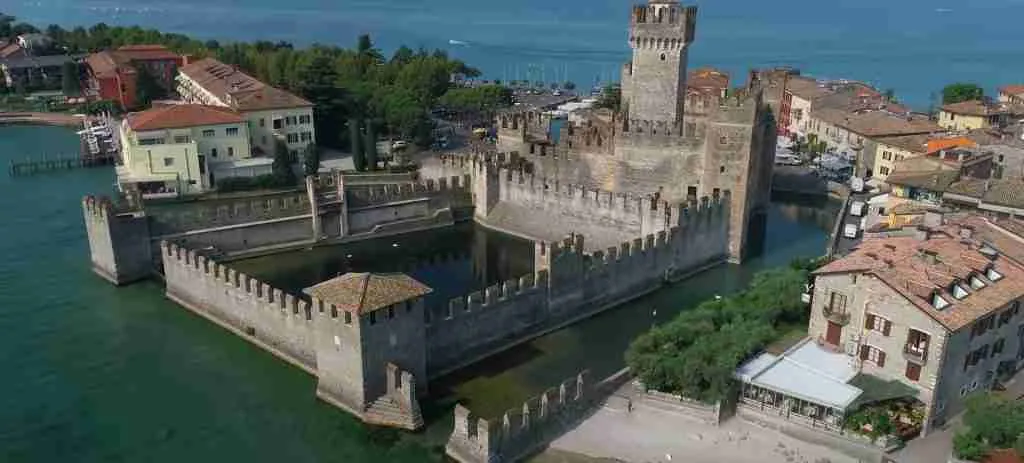
Castle and museum admission fees remain modest throughout Lake Garda, with Sirmione’s Scaliger Castle charging €6 adults, Malcesine’s Castello Scaligero €6 adults, and various small museums requesting €3-5 entry. These historic sites provide cultural depth to Lake Garda visits while imposing minimal budget impact, particularly for couples or families where €12-15 total castle admission delivers 1-2 hours of exploration through medieval fortifications offering superior lake and mountain vistas from battlements and towers. Many castle courtyards and external areas remain accessible without admission charges, enabling photography and partial experience for extremely budget-limited visitors.
Thermal spa experiences at Sirmione’s Aquaria thermal center cost €39-65 for 3-hour sessions including access to thermal pools, saunas, and relaxation areas. Hotel spa facilities at properties like Grand Hotel Terme in Sirmione offer day-use packages €80-150 including spa access, treatments, and meals. These thermal experiences command premium prices but provide unique attractions impossible to replicate elsewhere around the lake, deriving from natural hot springs that attracted Roman aristocrats two millennia ago. Budget allocation for spa visits makes sense for travelers specifically drawn to thermal tourism as Lake Garda’s distinctive offering, while those prioritizing outdoor activities or cultural tourism can skip spa expenses entirely without missing essential lake experiences.
Watersport equipment rentals range €15-25 hourly for kayaks and stand-up paddleboards to €40-70 hourly for windsurfing equipment or small sailboats, with half-day and full-day rates providing 30-40% per-hour savings. Northern lake towns Riva del Garda and Torbole concentrate watersport offerings where reliable thermal winds create ideal conditions, while calmer southern waters favor recreational paddling and swimming. These activity costs remain optional for budget-conscious visitors enjoying free swimming from public beaches, though active travelers might allocate €30-50 once or twice during week-long stays for equipment rental enabling water exploration beyond simple swimming.
Wine tasting experiences vary from free tastings at winery shops when purchasing bottles to €15-30 guided cellar tours with comparative tastings of 4-6 wines and regional food pairings. The Bardolino wine region east of Lake Garda and Valpolicella vineyards north of Verona provide accessible destinations for budget wine tourism, with many small producers offering informal tastings during regular shop hours without requiring expensive organized tour bookings. Budget wine enthusiasts can create DIY tasting experiences by visiting 2-3 wineries during single afternoons, purchasing 1-2 bottles at each stop (€10-18 per bottle for quality selections), and enjoying comparative home tastings that provide similar educational value to formal tours at fraction of organized experience costs.
Beach and Waterfront Access Costs 2026
Lake Garda provides extensive free beach access through public swimming areas (spiagge libere) in virtually every lakeside town, enabling travelers to enjoy the lake’s primary attraction without admission fees or mandatory beach club memberships. These free beaches offer lake swimming, sunbathing areas, and typically basic amenities like changing facilities and public restrooms, though visitors provide their own umbrellas, chairs, and beach equipment. Free beach quality varies by location, with best options found in Bardolino, Lazise, Garda, Malcesine, and Riva del Garda where municipalities maintain pleasant public access areas with grass lawns, pebble beaches, and clear swimming zones distinct from ferry and boat traffic.
Private beach clubs (stabilimenti balneari) charge day-use fees €15-30 per person in 2026, providing reserved sunbed and umbrella combinations, bar service, changing facilities with showers, and often swimming pools, water slides, or beach volleyball courts. These beach clubs concentrate around southern towns like Sirmione, Desenzano, and Peschiera del Garda, offering families with children enhanced amenities and facilities justifying admission costs through superior comfort, shade provision during peak summer heat, and activity options beyond simple lake swimming. Budget travelers can skip beach club fees entirely by using free public beaches and bringing portable umbrellas purchased at local supermarkets for €15-25, creating comparable setups without recurring daily charges.
Lakeside promenades and waterfront walkways throughout Lake Garda provide free access to scenic shoreline views, harbors, and medieval town centers where evening passeggiata strolls represent quintessential Italian lake experiences costing nothing beyond gelato or aperitivo drinks purchased from waterfront cafes. These pedestrian zones often extend for kilometers between towns, enabling extended walks with constantly changing perspectives on lake, mountains, and historic architecture. The Garda-Bardolino lakeside path, Riva del Garda’s harbor promenade, and Sirmione’s peninsula walkway offer particularly scenic free experiences where simply wandering delivers many of Lake Garda’s visual and cultural pleasures without requiring paid admission to specific attractions.
Swimming platform access at various points around the lake remains free, with wooden platforms and ladders enabling easy lake entry from rocky or steep shoreline sections otherwise difficult for swimming access. These platforms cluster particularly around northern towns like Malcesine and Limone sul Garda where mountainous terrain plunges directly to deep water without creating sandy or pebble beach formations. The platforms provide alternatives to beach club fees for budget travelers prioritizing swimming over sunbathing, though they lack shade provision or comfortable lounging areas that make extended lake-side relaxation pleasant during hottest summer afternoon hours.
Regional Price Variations Around Lake Garda 2026
Lake Garda’s geographical divisions create distinct pricing zones reflecting accessibility, prestige, and service concentration. The southern shore towns of Sirmione, Desenzano del Garda, and Peschiera del Garda command premium rates 20-30% above lake averages, justified by proximity to Verona and Milan airports, comprehensive service infrastructure, and historical status as aristocratic destinations attracting wealthy visitors for centuries. Mid-range hotels that cost €140-160 in Bardolino or Garda escalate to €180-220 for equivalent quality in Sirmione, while restaurant meals averaging €25 per person elsewhere reach €32-40 for comparable cuisine and service in southern premium zones. These southern towns justify budget allocation for day visits to experience Sirmione’s Scaliger Castle, thermal springs, and Grotte di Catullo Roman ruins, but work less effectively as multi-night accommodation bases for price-sensitive travelers.
Eastern shore towns from Bardolino north through Garda, Torri del Benaco, and Malcesine offer Lake Garda’s best value proposition, balancing moderate prices with excellent ferry connections, family-friendly beaches, and comprehensive service availability. This Riviera degli Olivi (Olive Tree Riviera) provides mid-range accommodation €100-140 for properties that would cost €160-200 in southern premium zones, restaurant meals €18-28 versus €28-38 southern equivalents, and generally 15-20% lower costs across all categories while maintaining quality and lakeside access. Budget-conscious travelers should prioritize eastern shore accommodation, particularly Bardolino and Garda for southern lake access or Malcesine for northern mountain scenery, using superior ferry connections to visit more expensive areas without paying premium accommodation rates.
Western shore villages including Salò, Gardone Riviera, Toscolano Maderno, and Limone sul Garda occupy middle pricing ground, offering boutique charm and D’Annunzio villa attractions at rates slightly above eastern shore averages but below southern premium zones. This western shore particularly appeals to travelers seeking quieter, more Italian-resident atmosphere compared to heavily-touristed eastern towns, though ferry connections run less frequently requiring more careful schedule coordination or consideration of rental cars for maximum flexibility. Western shore pricing averages €120-170 for mid-range accommodation, €22-32 for restaurant meals, and approximately 10% above eastern equivalents across most categories, justified by distinctive character and reduced commercialization.
Northern lake towns Riva del Garda and Torbole combine dramatic mountain scenery with adventure sports infrastructure at prices 10-15% below southern shore rates, creating excellent value for active travelers prioritizing hiking, mountain biking, windsurfing, and sailing over thermal spa experiences or extensive restaurant dining. These northern towns provide mid-range accommodation €110-150, restaurant meals €20-30, and generally competitive pricing while delivering Alpine lake character distinct from Mediterranean southern ambiance. The tradeoff involves reduced off-season accessibility as mountain weather impacts northern lake areas more dramatically than southern sections, and longer travel times to attractions like Gardaland located near the southern shore.
Understanding these regional price variations enables strategic budget allocation where travelers might base themselves in affordable Bardolino (€120 mid-range hotel, €25 restaurant meal) while making day ferry trips to expensive Sirmione (€200+ hotel, €35 restaurant meal), capturing experiences across Lake Garda’s geographical diversity without committing entire accommodation budgets to premium locations. This approach also matches Lake Garda’s compact scale—the entire lake measures just 52 kilometers end-to-end, making any lakeside location viable as a base for exploring all regions through day trips using efficient ferry networks costing €3-15 per journey regardless of accommodation location chosen.
Sample Daily Budget Breakdowns 2026
Budget-level daily costs (€60-90 per person excluding accommodation) enable Lake Garda exploration through hostel dormitories, market-assembled meals, free beach access, and public transportation. A typical budget day includes morning cappuccino and cornetto at cafe €5, picnic lunch from market ingredients €12, pizzeria dinner €15, gelato €4, ferry day pass €28, and museum admission €6, totaling €70 per person. This budget level requires discipline avoiding restaurant meals beyond occasional pizzerias, utilizing free beaches rather than beach clubs, and prioritizing free walking exploration over paid activities. Budget travelers add €40-80 nightly accommodation for hostel beds or basic guesthouses, producing total daily expenditures €100-170 per person including lodging.
Mid-range daily costs (€120-180 per person excluding accommodation) provide comfortable Lake Garda experiences through trattoria meals, selective paid activities, and stress-free exploration without constant budget monitoring. A representative mid-range day includes hotel breakfast (included), coffee break €8, trattoria lunch €25, afternoon gelato €5, aperitivo drinks €10, restaurant dinner with wine €40, ferry tickets €12, castle admission €6, and cable car roundtrip €34, totaling €140 per person. This budget level enables authentic Italian dining experiences twice daily, selective cultural attractions, and comfortable pace without sacrificing quality or resorting to budget shortcuts that diminish overall experience value. Mid-range travelers allocate €120-200 nightly accommodation for good hotels with lake views and pools, producing total daily expenditures €240-380 per person all-inclusive.
Luxury daily costs (€250-400+ per person excluding accommodation) deliver Lake Garda’s finest dining, comprehensive spa experiences, private tours, and premium activity access. A luxury-level day might include five-star hotel breakfast (included), mid-morning coffee with pastries at premium cafe €15, upscale restaurant lunch with wine €65, afternoon spa treatment €80, aperitivo at Michelin-recognized hotel bar €25, fine dining dinner with premium wine pairing €120, private boat tour €150 (shared cost), totaling €305 per person. This budget level provides access to Lake Garda’s most refined offerings while eliminating financial constraints that might limit spontaneous experiences or require advance planning to capture deals. Luxury travelers book €300-500+ nightly accommodation at five-star lakeside resorts with thermal facilities, producing total daily expenditures €550-900+ per person depending on activity intensity and dining selections.
Family daily costs require distinct calculations accounting for children’s reduced admission fees and different activity priorities. A family of four (two adults, two children aged 6 and 9) planning mid-range Lake Garda visit might budget: accommodation €160 for family room, breakfast included, beach club day use €80 for four sunbed-umbrella sets, lunch at casual restaurant €70, afternoon gelato €16, Gardaland admission (one day during week) €180 for family, regular restaurant dinner €85, totaling €591 daily including lodging and amortizing Gardaland across week-long stay. This produces effective costs €148 per person daily when including children in count, though parental budgets typically calculate €300 daily for couples plus €140-160 for both children combined.
These sample budgets demonstrate Lake Garda’s accessibility across spending levels, with budget-conscious travelers experiencing authentic Italian lake culture for €100-170 daily per person all-inclusive, mid-range visitors enjoying comprehensive quality experiences at €240-380 daily, and luxury travelers accessing premium offerings at €550-900+ daily. The key budget insight involves Lake Garda’s value retention across categories—even luxury-level expenditures deliver exceptional quality compared to equivalent Swiss or French alpine lake destinations where similar experiences command 40-60% premiums over Lake Garda’s already-premium Italian pricing structures.
Weekly Budget Estimates 2026
One-week Lake Garda budgets for couples or solo travelers range from €700-1,200 budget level to €1,700-2,700 mid-range and €3,800-6,300+ luxury tier, all figures per person including accommodation, meals, transportation, activities, and incidental expenses. These weekly projections assume relatively consistent daily spending without major variations beyond perhaps one upscale dining splurge or expensive activity like Gardaland admission. Budget calculations exclude international flights to Italy and ground transportation from airports to Lake Garda, focusing exclusively on costs incurred at the lake destination itself.
Budget week (€700-1,200 per person) combines hostel dormitory accommodation €280-420 for seven nights, breakfast from markets €25, lunches primarily from markets and takeaway €85, pizzeria and budget restaurant dinners €105-150, ferry day passes for three exploration days plus additional single tickets €110, one cable car ascent €32, two castle admissions €12, gelato and coffee €60, totaling €709-1,004. This budget enables authentic Lake Garda experience visiting 8-10 different towns via ferry, swimming from free beaches, exploring medieval castles, ascending Monte Baldo, and dining on Italian pizza and pasta while maintaining discipline regarding restaurant frequency and accommodation comfort levels. Budget travelers should add 15-20% contingency padding (€105-180) for unexpected expenses, spontaneous gelato splurges, or bus transportation supplementing ferry networks, producing realistic total budget range €815-1,184 per person weekly.
Mid-range week (€1,700-2,700 per person) provides comfortable hotels €840-1,400 for seven nights with breakfast included, lunches at casual restaurants and trattorias €180-245, dinners at good restaurants including wine €280-400, coffee and afternoon aperitivos €70, ferry tickets and local bus transportation €85, Gardaland day admission €50, two cable car ascents €68, three castle/museum admissions €18, one wine tasting experience €25, spa half-day €45, gelato and miscellaneous €60, totaling €1,701-2,696. This budget level delivers stress-free Lake Garda vacation where financial decisions focus on preferences rather than constraints, enabling spontaneous restaurant choices, comfortable accommodation with lake views and pools, and comprehensive activity participation without requiring constant budget calculations. Mid-range travelers should add 10-15% contingency (€170-405) producing realistic budgets €1,870-3,100 per person weekly.
Luxury week (€3,800-6,300 per person) features five-star lakeside resorts €2,100-3,500 for seven nights including premium breakfast buffets, upscale restaurant lunches €455-630, fine dining dinners with premium wine pairings €840-1,260, morning coffees and afternoon aperitivos at premium locations €140, private boat tours or charters €420, spa treatments and wellness experiences €350, Gardaland admission €50, premium wine tasting experiences with estate tours €150, castle admissions €18, gelato and miscellaneous €100, totaling €4,623-6,528. Luxury budgets enable Lake Garda’s finest offerings including thermal spa resorts with natural hot spring access, Michelin-recognized restaurant experiences, private boat exploration avoiding public ferry schedules, and comprehensive wellness facilities. Luxury travelers typically maintain 5-10% contingency (€230-650) though spontaneous upgrades often expand rather than contract from initial budget projections.
Family weekly budgets require separate calculations recognizing children’s reduced costs but increased food consumption and activity preferences. A family of four planning mid-range week allocates: accommodation €1,120-1,750 for seven nights family rooms or apartments, breakfast included or self-catered, lunches €490-630, dinners €595-840, Gardaland family admission €180, beach club days €120 (two days), cable car family tickets €100, ferry tickets €200, gelato and snacks €140, totaling €2,945-4,130 for entire family or €736-1,033 per person when dividing equally across four members. Family budgets benefit from apartment rentals enabling some self-catered meals that reduce per-person food costs while maintaining overall experience quality, with market shopping and picnic lunches saving €200-300 weekly versus consistent restaurant dining for four people.
Money-Saving Strategies for Lake Garda 2026
Shoulder season timing delivers Lake Garda’s most significant savings opportunity, with May-June and September-October visits reducing accommodation costs 30-40% compared to July-August peak season while maintaining excellent weather (20-25°C daily highs), comprehensive ferry schedules, and substantially reduced crowds at major attractions. A mid-range hotel charging €220 nightly in late July drops to €140-160 in early June or late September for identical lakefront room with pool access, producing savings €560-800 over week-long stays. Shoulder season advantages extend beyond accommodation pricing to include restaurant availability without reservations, shorter ferry queues, and more authentic local atmosphere as Italian residents reclaim the lake from international summer tourist peaks. The tradeoff involves slightly lower temperature reliability and occasional rainy days, though Lake Garda’s protected Alpine location maintains generally stable weather patterns through shoulder seasons.
Advance booking secures favorable rates across accommodation, Gardaland tickets, and certain activities while enabling careful comparison shopping and deal identification. Hotels typically release next-season rates 6-8 months ahead, allowing advance bookers to lock shoulder-season pricing before seasonal demand adjustments activate. Gardaland advance online tickets save €5-10 per admission versus gate prices, producing family savings of €20-40 that cover gelato budgets for multiple days. Cable car operators occasionally offer advance-purchase discounts during slower periods, though these remain less consistent than accommodation and theme park advance advantages. The booking strategy balances securing deals through early commitment against maintaining flexibility for spontaneous itinerary adjustments, with optimal approach involving booking accommodation and major activities (Gardaland) while leaving daily activity choices flexible for weather and mood considerations.
Base location selection significantly impacts transportation costs and daily convenience, with ferry-connected eastern shore towns like Bardolino, Garda, and Malcesine providing superior value compared to southern premium zones or western shore locations requiring cars for efficient exploration. Basing in Bardolino enables €25-30 daily ferry exploration reaching Sirmione south, Malcesine north, and Limone west without €50-70 daily car rental costs or €15-25 parking fees at destinations. The accommodation savings from choosing Bardolino over Sirmione (€120 versus €200 mid-range hotels) produces €560 weekly savings that more than covers ferry tickets for comprehensive lake exploration, delivering superior overall value despite requiring 20-minute ferry ride for Sirmione castle visits versus staying within walking distance.
Market shopping and picnic assembly creates substantial food budget savings while providing authentic Italian market experiences and superior lunch settings compared to tourist-zone restaurants. A couple assembling picnic from Bardolino or Garda market stalls spends €18-25 for local cheeses (€10), cured meats (€8), fresh bread (€3), and seasonal fruit (€4), plus purchasing house wine bottle (€7-10) from winery shop or supermarket, producing complete lakeside lunch for two totaling €25-35 versus €50-70 for equivalent restaurant meal quality. These picnic lunches work particularly well between ferry trips or during beach days, with some visitors creating memorable dining experiences on ferry sun decks during multi-hour lake crossings that simultaneously save money while enhancing overall vacation enjoyment through creative approach to routine food consumption.
Free activity prioritization captures Lake Garda’s essence without admission fees through town exploration, beach swimming, harbor promenades, and sunset viewpoint hiking. A full day walking Malcesine’s medieval center, swimming from public beach, riding public ferry to Limone for harbor stroll and gelato, then returning via sunset ferry creates memorable experiences costing only €12 ferry tickets plus €8 gelato, totaling €20 per person versus €60-80 days requiring multiple attraction admissions and cable car rides. Strategic travelers might allocate 2-3 low-cost days weekly focused on free activities, saving budget capacity for 1-2 expensive days including Gardaland admission, spa treatments, or fine dining experiences that justify costs through unique offerings impossible to replicate through free alternatives.
Wine purchasing directly from producers rather than restaurants generates significant alcohol budget savings while supporting small family wineries maintaining Lake Garda’s viticulture traditions. Bardolino and Valpolicella region wineries sell quality wines €8-18 per bottle that restaurants price €25-45, with many producers offering free informal tastings when purchasing. Visitors buying wine at source and enjoying evening aperitivo on hotel terraces or lakeside benches reduce alcohol spending from €30-50 daily for restaurant wine to €10-15 for comparable consumption from purchased bottles, producing weekly savings €140-245 that fund additional activities or upgrade accommodations. This approach also enables discovering small-production wines unavailable at restaurants while learning directly from winemakers about regional viticulture and family traditions maintaining multi-generational estates.
Ferry day passes justify costs only when planning 4+ ferry rides in single days, otherwise single tickets provide better value for focused 1-2 town visits. Travelers visiting just Sirmione from Bardolino base pay €13.60 roundtrip via single tickets versus €28 day pass, saving €14.40 while maintaining flexibility to remain in Sirmione all day without feeling compelled to maximize pass value through excessive ferry riding. However, ambitious exploration days visiting Sirmione, Garda, and Malcesine from Bardolino base justify day pass purchases through €8.50 + €6.80 + €8.50 = €23.80 single-ticket equivalents versus €28 pass, with additional value from stress-free spontaneous boarding without calculating each journey’s incremental cost. Strategic travelers mix day passes for intensive exploration days with single tickets for focused visits, optimizing transportation budgets through approach matching ticket types to daily itinerary intensity.
Seasonal Cost Variations 2026
Peak summer season (July-August 2026) commands Lake Garda’s highest prices across all categories, with mid-range hotels reaching €180-250 nightly compared to €120-160 shoulder season rates, restaurants requiring reservations and sometimes imposing per-person minimums absent during quieter periods, and beach clubs charging premium €25-35 daily rates versus €15-20 shoulder pricing. These peak season premiums reflect maximum demand as European school holidays concentrate visitors during July-August weeks, producing booking competition that enables establishments to charge top rates while maintaining full occupancy. Peak season advantages include guaranteed sunshine (28-32°C daily highs), maximum ferry schedules with departures every 30-60 minutes on popular routes, and comprehensive service availability as every restaurant, shop, and attraction operates full hours. The budget calculation weighs 40-60% cost premiums against weather certainty and service maximization, with conclusion favoring peak summer for travelers prioritizing beach activities and families constrained by school vacation schedules.
Shoulder season (May-June, September-October 2026) delivers Lake Garda’s optimal budget-value balance through 30-40% accommodation savings, excellent weather reliability (22-26°C daily highs), comprehensive ferry schedules nearly matching peak summer frequency, and dramatically reduced crowds enabling spontaneous restaurant dining and shorter attraction queues. Mid-range hotels averaging €220 in late July drop to €140-170 in early June or late September for identical properties, producing weekly savings €560-800 versus peak summer visits while maintaining nearly equivalent experience quality. Shoulder season disadvantages include slightly higher rain probability (15-20% versus 8-12% peak summer), occasional cooler evenings requiring light jackets for outdoor dining, and reduced hours at some minor attractions and restaurants in smaller towns. Budget-conscious travelers should prioritize May-June or September-October visits, accepting minor weather tradeoffs while capturing 35% cost savings that fund additional travel days or upgrade experiences within existing budgets.
Christmas-New Year week (late December 2026) represents Lake Garda’s secondary peak season when mountain towns like Riva del Garda and Limone sul Garda attract winter sports enthusiasts and Italian families celebrating holidays at lakeside locations. Accommodation pricing during this week approaches July-August peak levels despite cold weather (5-10°C daily highs) and limited ferry schedules operating reduced winter service. This week appeals primarily to visitors seeking special holiday atmosphere and winter mountain activities rather than budget optimization, with costs reaching €200-280 for mid-range hotels hosting festive celebrations and special menus commanding €80-120 per person for Christmas and New Year’s Eve dinners. Budget travelers should avoid this week unless specifically drawn to winter holiday celebrations, as pricing approaches peak summer levels without delivering comparable weather or service availability.
Low season (November-March 2026 excluding Christmas week) sees dramatic price reductions with mid-range hotels dropping to €70-120 nightly, representing 50-60% savings versus peak summer rates. However, these apparent bargains come with significant limitations as many lakeside restaurants close entirely November through March, ferry services contract to minimal schedules serving primarily commuters rather than tourists, and mountain weather patterns create frequent rain and occasional snow at lake level. Northern lake sections particularly suffer during low season as Alpine influences dominate previously-Mediterranean microclimates, producing cold temperatures (2-8°C daily highs) and reduced sunshine that eliminate beach activities entirely. Low season visits make sense only for visitors specifically drawn to quiet atmosphere, willing to accept limited service availability, and planning stays in southern towns like Sirmione or Desenzano where larger populations support year-round restaurant and service availability absent in smaller northern villages that essentially hibernate November-March.
Seasonal timing strategy for 2026 Lake Garda budgets prioritizes shoulder seasons unless specific circumstances dictate alternatives. May-June visits capture spring flower displays and comfortable temperatures without summer heat intensity, while September-October delivers autumn colors, grape harvest celebrations, and warm lake water from summer heat accumulation. These shoulder periods provide 30-40% cost savings while maintaining 85-90% of peak season service availability and experience quality, making them objectively superior choices for budget-conscious travelers unconstrained by school vacation schedules. Families with children attending school must accept July-August peak pricing as unavoidable, though booking 4-6 months ahead and choosing affordable base towns like Bardolino or Garda rather than premium Sirmione helps mitigate peak season cost impacts through strategic planning and location selection.
Hidden Costs and Budget Surprises 2026
Tourist tax (tassa di soggiorno) applies to all Lake Garda accommodations, charging €1-4 per person per night depending on hotel category and municipal regulations. This tax appears separately from quoted hotel rates, adding €14-56 to weekly stays for couples depending on accommodation type chosen. Budget travelers should request total pricing including tourist tax when comparing accommodation options, as €2 nightly tax difference between similar properties produces €28 weekly variance that could fund multiple meals or ferry tickets. Some booking platforms include tourist tax in displayed prices while others add it during checkout or require payment directly to hotels upon arrival, creating confusion when comparing rates across different booking channels.
Coperto (cover charge) at restaurants ranges €1.50-3.50 per person, covering bread, table setup, and basic service regardless of meal ordered. This charge appears as separate line item on bills, adding €6-14 to couple dinners beyond food and beverage costs. Coperto represents standard Italian restaurant practice rather than tourist exploitation, though visitors unfamiliar with this custom sometimes perceive it as hidden fee rather than transparent cultural norm. Budget calculations should include coperto when estimating restaurant meal costs, recognizing that advertised €15 pasta prices actually cost €18 per person after adding €2.50 cover charge and rounding for service acknowledgment.
Service charges appear inconsistently on Lake Garda restaurant bills, with some establishments including servizio €2-4 per person while others leave tipping discretion to diners. Italian tipping culture differs substantially from American expectations, with rounding bills up €2-5 or leaving 5-8% for exceptional service considered generous rather than 15-20% American norms. Budget travelers should review bills carefully to identify whether servizio appears as line item before adding additional tips, avoiding double-payment situations where included service charge receives supplementary tipping from unfamiliarity with Italian restaurant customs.
ATM withdrawal fees from non-network machines reach €3-6 per transaction, making frequent small withdrawals expensive versus strategic larger amounts covering several days’ expenses. Budget travelers should identify fee-free ATMs affiliated with their home banks’ partner networks or plan €200-300 withdrawals covering 3-4 days rather than daily €50-80 amounts that compound transaction fees unnecessarily. Credit card foreign transaction fees of 2-3% on non-specialized travel cards add hidden costs to restaurant meals and hotel payments, though many modern banking products offer no-foreign-fee features worth researching before departure to avoid 2.5% surcharges inflating all Italian purchases.
Parking costs at popular destinations like Sirmione and Malcesine reach €3-5 hourly or €20-30 daily during peak season, substantially increasing car rental cost-effectiveness calculations for visitors choosing vehicle transportation. These parking fees often require coins or specific payment apps rather than credit cards, creating practical complications for foreign visitors without appropriate payment methods prepared. Budget travelers should factor €15-25 daily parking into car rental calculations, recognizing that public ferry transportation costing €12-28 daily becomes more economical when avoiding parking fees while simultaneously delivering superior sightseeing value through open-air lake crossings impossible to replicate from car interiors.
ZTL (limited traffic zone) fines for unauthorized entry into historic town centers reach €80-150, catching unwary rental car drivers unfamiliar with Italian traffic restriction systems. Many Lake Garda town centers implement ZTL restrictions during daytime hours, permitting only resident vehicles or those with special permits to enter medieval cores where narrow streets create pedestrian-priority zones. Rental car companies add administrative fees €25-40 beyond actual fines when processing violations, compounding total costs to €105-190 for single unauthorized entry incidents. Budget travelers renting cars should research ZTL locations in advance, confirm hotel parking arrangements before arrival, and consider leaving vehicles at accommodation while using public transportation for town center exploration.
Minibar and hotel extras at Lake Garda properties charge premium rates where €2 supermarket waters cost €5 from minibars, €8 restaurant beers reach €12 from hotel bars, and €15 laundry service charges €25 at resort facilities. Budget-conscious travelers should purchase drinks and snacks from supermarkets stocking hotel refrigerators themselves rather than consuming minibar contents at 150-250% premiums, and investigate self-service laundromats (€5-8 per load) in larger towns like Desenzano and Riva del Garda rather than using expensive hotel laundry services. These seemingly minor cost differences compound over week-long stays where €20 daily minibar and convenience charges accumulate to €140 weekly amounts that could fund full additional travel days.
Frequently Asked Questions
What payment methods work best at Lake Garda in 2026?
Credit cards with no foreign transaction fees provide optimal payment flexibility at Lake Garda in 2026, accepted at 85-90% of hotels, restaurants, and shops while avoiding 2-3% foreign transaction surcharges that standard cards impose. However, cash remains essential for small purchases including market vendors, some pizzerias, bus tickets from drivers, and tips, with €200-300 weekly cash withdrawals from fee-free ATMs covering incidental expenses while minimizing transaction fees. Contactless payment works extensively throughout Lake Garda region, though small family businesses occasionally maintain cash-only policies or impose €10-15 minimum purchase requirements for card acceptance. Travelers should carry mixed payment options—primary no-fee credit card, backup card from different network, and €100-150 cash reserves—avoiding payment disruptions if primary card encounters issues while preventing excessive cash carrying creating security concerns.
Can I visit Lake Garda on a budget of €50 per day in 2026?
Lake Garda visits on €50 daily budgets prove challenging but possible through hostel dormitory accommodation €20-30 nightly, market-purchased food €15-20 daily, and strategic free activity prioritization, though this extremely constrained budget eliminates most restaurant dining, limits ferry usage to essential transportation rather than sightseeing, and requires discipline avoiding gelato and coffee shop spending that typically enhances Italian travel experiences. Visitors attempting €50 daily budgets should consider increasing to €70-90 that enables occasional pizzeria meals, comprehensive ferry exploration through day passes, and gelato treats without creating stress from constant penny-counting that diminishes vacation enjoyment. The €50 budget calculation excludes accommodation entirely—including lodging requires minimum €90-120 daily for sustainable Lake Garda visits maintaining reasonable experience quality while avoiding uncomfortable limitations that transform budget consciousness into budget suffering.
How much should I budget for food per day at Lake Garda in 2026?
Food budgets at Lake Garda in 2026 range from €30-50 daily for budget travelers eating market picnics, takeaway pizza, and occasional pizzeria meals, to €60-90 daily for mid-range visitors enjoying trattoria lunches and restaurant dinners with wine, to €120-180+ daily for upscale dining at lakeside restaurants with premium wine selections and multiple courses. Mid-range food allocation of €70 daily per person provides comfortable Italian dining experiences including breakfast cafe stops with cappuccino and cornetto (€5), casual lunch at pizzeria or light trattoria meal (€18-25), afternoon gelato (€4-5), and restaurant dinner with house wine or beer (€35-45), capturing authentic Lake Garda culinary culture without requiring excessive budget discipline or limiting dining choices through financial concerns. These food budgets assume hotel breakfast inclusion common at mid-range and luxury properties—self-catered breakfast adds €5-8 daily while cafe breakfast routines increase costs €8-12 beyond stated estimates.
Is Lake Garda more expensive in 2026 than 2025?
Lake Garda costs in 2026 increase approximately 3-5% compared to 2025 levels, reflecting Italy’s controlled inflation and tourism sector price adjustments following post-pandemic recovery period stabilization. Mid-range hotels averaging €135-165 in summer 2025 reach €140-175 in summer 2026, restaurant meals increasing from €24-32 to €25-34 for equivalent quality and service, while public ferry fares remain stable with no increases planned by Navigazione Laghi for 2026 season. These modest price increases track below Western European inflation averages, maintaining Lake Garda’s competitive value proposition versus Swiss or Austrian alpine lake destinations where comparable services command 35-50% premiums over Italian equivalents. Budget travelers should plan 2026 trips using 2025 cost estimates with 5% contingency padding, providing realistic planning figures without significantly underestimating actual 2026 expenditure requirements.
What’s included in Lake Garda hotel rates in 2026?
Lake Garda hotel rates in 2026 typically include breakfast buffets at mid-range and luxury properties, WiFi throughout facilities, air conditioning in rooms, and swimming pool access where properties feature pools, while excluding tourist tax (€1-4 per person nightly), parking at most establishments (€10-20 daily where offered), minibar consumption, spa treatments beyond basic pool access, and restaurant meals beyond breakfast. Some resort properties offer half-board or full-board packages including dinner or all meals at supplements €25-45 per person daily, potentially delivering value for families planning extensive on-site dining but limiting flexibility to explore diverse restaurant options throughout lake region. Budget travelers should clarify exactly what rates include when booking, particularly breakfast inclusion which adds €12-18 daily value per person versus purchasing equivalent food from cafes or markets, making breakfast-included rates competitive even when posted prices initially appear higher than breakfast-excluded alternatives.
Do prices vary between different Lake Garda towns in 2026?
Lake Garda prices vary significantly by location in 2026, with southern peninsula towns Sirmione and Desenzano charging 20-30% premiums over northern Riva del Garda or eastern shore Bardolino for equivalent accommodation and dining quality. Mid-range hotels costing €120-140 in Bardolino or Garda reach €160-200 for comparable properties in Sirmione, while restaurant meals averaging €22-28 elsewhere escalate to €30-38 in premium southern zones. These geographic price differentials reflect varying prestige levels, accessibility from major airports, and historical development patterns where aristocratic spa tourism concentrated around Sirmione’s thermal springs while northern mountain towns evolved later serving outdoor recreation markets. Strategic budget travelers base themselves in affordable eastern shore towns like Bardolino (€120 mid-range hotels, €25 average meals) while making day ferry trips to expensive destinations like Sirmione, capturing diverse Lake Garda experiences across price spectrum without committing entire accommodation budgets to premium-location properties.
Should I book Lake Garda accommodation in advance for 2026?
Lake Garda accommodation requires advance booking 4-6 months ahead for peak July-August 2026 visits to secure preferred properties and rates, with desirable lakefront mid-range hotels selling out entirely by May while remaining options escalate to premium last-minute pricing. Shoulder season May-June and September-October visits benefit from 6-10 week advance booking securing favorable rates without requiring year-ahead commitments, balancing deal access against maintaining itinerary flexibility. Extremely spontaneous booking within 2 weeks occasionally produces deals when properties discount rather than facing empty rooms, though this strategy risks very limited selection and forces acceptance of whatever remains available rather than choosing optimal locations matching specific preferences. Budget travelers should book accommodations first after confirming travel dates, then maintaining flexibility for daily activities and restaurant choices while ensuring essential lodging secures at planned rates avoiding last-minute premium pricing that can inflate costs 40-80% beyond advance-booking alternatives.
Are Lake Garda prices negotiable in 2026?
Lake Garda operates on fixed pricing structures where negotiation rarely succeeds for standard hotel rooms, restaurant meals, or attraction admissions, though some flexibility exists for extended stays, group bookings, or shoulder season visits where occupancy concerns motivate management to offer unpublished discounts. Hotels occasionally reduce rates 10-15% for direct bookings avoiding booking platform commissions, particularly for week-plus stays or returning guests establishing relationships with family-run properties. Budget travelers should request best available rates when contacting hotels directly after initial booking platform research identifies target properties, occasionally securing reductions that booking sites cannot offer due to rate parity agreements. However, aggressive negotiation typically proves unsuccessful and potentially counterproductive in Italian hospitality culture valuing courtesy and relationship-building over transactional price minimization, making polite inquiries about possible discounts more effective than demanding rate reductions implying current pricing exceeds fair value.
How much money should I bring to Lake Garda for one week in 2026?
One-week Lake Garda visits in 2026 require €800-1,200 total spending money per person for budget travel, €1,800-2,800 for mid-range experiences, and €4,000-6,500+ for luxury visits, all figures covering accommodation, meals, transportation, activities, and incidentals while excluding international flights to Italy. Mid-range travelers should plan €2,200 per person for week-long Lake Garda stays including €900 accommodation (seven nights €130 average), €500 food and dining, €400 activities and attractions, €150 local transportation, €250 contingency for unexpected expenses or spontaneous splurges. These amounts represent realistic budgets maintaining comfortable experiences without constant financial stress or limiting choices through budget constraints, though disciplined travelers can reduce costs 20-25% through strategic planning including shoulder season timing, affordable base town selection, market shopping supplementing restaurant meals, and free activity prioritization. Couples combining resources reduce per-person costs approximately 10-15% through shared accommodation and transportation while maintaining individual food and activity budgets relatively constant across solo or partnered travel configurations.
What is the most expensive part of visiting Lake Garda in 2026?
Accommodation represents the single largest expense for Lake Garda visits in 2026, typically consuming 35-45% of total vacation budgets through nightly rates ranging €120-200 mid-range to €300-500+ luxury for seven-night stays producing weekly costs €840-1,400 mid-range or €2,100-3,500 luxury. Food and dining constitute the second-largest expense category at 25-35% of budgets, with restaurant meals averaging €60-90 daily for mid-range travelers producing weekly totals €420-630 that can escalate substantially when including upscale dining experiences or extensive wine consumption. Activities and attractions combine for 10-15% of budgets through Gardaland admission, cable car rides, spa visits, and boat tours, while local transportation typically represents just 5-8% through ferry tickets and occasional bus fares. Budget optimization focuses primarily on accommodation through shoulder season timing (30-40% savings), affordable base town selection (15-25% savings), and strategic property selection balancing location against nightly rates, as accommodation flexibility delivers greater total budget impact than marginal food savings from excessive market shopping versus occasional restaurant enjoyment enhancing overall vacation satisfaction.