
Lake Garda Best Tours & Walking Routes 2026: Complete Travel Guide
Lake Garda’s 2026 touring landscape combines guided cultural excursions to UNESCO cities, boat cruises across alpine waters, wine region explorations, and spectacular clifftop hiking trails spanning difficulty levels from casual lakeside strolls to challenging mountain ascents. This comprehensive guide delivers verified current tour pricing, strategic route selection advice, seasonal timing recommendations, and safety protocols to help you navigate Lake Garda’s 300+ kilometers of marked trails and dozens of professional tour operators while maximizing both experience quality and budget efficiency.
Key Takeaways
- Guided tours range €35-150 per person: Half-day boat tours €35-60, full-day Verona/Venice excursions €80-120, wine tours €60-90, multi-day packages €180-280 per day including accommodation
- Sentiero del Ponale represents Lake Garda’s iconic walking route: 10-kilometer round trip from Riva del Garda, free access, dramatic cliff-carved path with 400-meter elevation gain, 3-4 hours complete circuit
- Walking routes operate free year-round with seasonal closures: Major trails accessible April-November, winter maintenance periods January-March for specific sections, all routes require sturdy footwear and water supplies
- Book guided tours 2-4 weeks ahead for 2026 peak season: July-August availability tightens significantly, shoulder months May-June and September offer better pricing and smaller group sizes
- Self-guided walking provides budget alternative to tours: Marked trails cost nothing versus €60-150 guided hiking tours, though guides offer safety supervision, local knowledge, and transportation logistics
- Combination tour-walking itineraries optimize Lake Garda experiences: Morning guided cultural tours plus afternoon self-paced trail exploration balance structured learning with independent discovery
People Also Ask About Lake Garda Tours & Walking Routes 2026
What are the best guided tours on Lake Garda in 2026?
The best guided tours on Lake Garda in 2026 include boat cruises to Sirmione and Malcesine (€35-60 half-day, €60-80 full-day with lunch), Verona day trips combining Roman amphitheater visits with walking tours (€80-100 including transport and entry fees), Valpolicella wine region excursions featuring 2-3 winery tastings and traditional lunch (€70-90), Venice full-day tours from Lake Garda hotels (€100-120 with ferry access and guided walking), and Monte Baldo guided hiking experiences (€60-80 including cable car access and mountain guide). Small-group tours (6-12 participants) typically cost 15-20% more than larger groups but deliver personalized attention and flexible pacing. Private tours start €200-300 for couples, €150-200 per person for groups of 4-6. Multi-day packages combining accommodation, meals, and daily guided excursions average €180-280 per person daily depending on hotel tier. Book 2-4 weeks ahead for peak July-August dates; shoulder season May-June and September offers same tours at 10-15% discounts with better availability.
How difficult are Lake Garda walking routes in 2026?
Lake Garda walking routes in 2026 span easy lakeside promenades to challenging mountain trails, categorized by elevation gain, technical difficulty, and required fitness levels. Easy routes (suitable for families and casual walkers) include lakeside paths in Bardolino, Garda, and Sirmione featuring flat terrain, paved surfaces, 1-3 kilometer distances, and minimal elevation change—these require only comfortable walking shoes and basic fitness. Moderate routes like Sentiero del Ponale (10-kilometer round trip, 400-meter elevation gain, 3-4 hours) and Sentiero Busatte-Tempesta (8 kilometers, 350-meter gain, 2-3 hours) demand sturdy hiking boots, reasonable fitness allowing 2-4 hour sustained walking, and comfort with exposed cliff paths featuring safety railings. Difficult routes including Monte Baldo summit trails (12-16 kilometers, 800-1,200 meter gains, 5-7 hours) require excellent fitness, mountain hiking experience, proper equipment (trekking poles, layered clothing, navigation tools), and ability to handle steep rocky sections and potential weather changes at 2,000+ meter elevations. Always verify current trail conditions at local tourism offices before attempting any route; weather can close trails with short notice particularly April-May and October-November.
What is the best time for walking tours on Lake Garda in 2026?
The best time for walking tours on Lake Garda in 2026 is May-June or September-early October when temperatures range 18-26°C ideal for sustained hiking, trails remain uncrowded compared to July-August peak season, wildflowers bloom (May-June) or autumn colors emerge (September-October), and accommodation costs run 20-30% below summer rates. May-June offers spring blooms transforming mountainsides, longer daylight hours (sunrise 5:30 AM, sunset 8:30 PM) enabling early morning or evening walks, and snow-free high-altitude trails by late May. September-early October maintains summer warmth without oppressive heat, delivers stable weather with minimal rainfall, provides harvest season wine tour combinations, and sees significantly reduced trail congestion. July-August brings guaranteed sunshine and maximum daylight but temperatures exceeding 30°C make midday hiking uncomfortable, popular routes like Sentiero del Ponale experience crowding requiring 7-8 AM starts for peaceful experiences, and accommodation/tour costs peak. Winter November-March sees most mountain trails closed by snow above 800 meters though lakeside paths remain accessible; this period suits only experienced winter hikers with proper equipment.
How much do Lake Garda walking tours cost in 2026?
Lake Garda walking tours in 2026 cost €60-150 per person for guided full-day hiking experiences including professional mountain guide, safety equipment, transportation to trailheads, and often lunch or snacks. Half-day guided walks cost €35-60 covering 3-4 hours, 5-8 kilometers, and easier terrain like coastal paths or vineyard trails. Specialty walking tours command premium pricing: photography-focused hikes €80-120 including professional photographer guidance and image critique, botanical walks €70-90 with expert flora identification, and historical trails €65-85 featuring cultural commentary on WWI fortifications and ancient Roman routes. Private guided walks start €150-200 for couples, €100-120 per person for groups of 4-6. Multi-day trekking packages combining 3-5 consecutive guided hikes with accommodation and meals average €250-400 per person daily. Self-guided walking costs nothing for trail access though optional equipment rentals (trekking poles €8-12 daily, GPS devices €10-15) and guidebook purchases (€15-25) add modest expenses. The value proposition: guided tours provide safety supervision particularly on exposed routes, local ecological and historical knowledge, and logistics handling versus free self-guided walking offering flexibility and budget advantages for experienced hikers comfortable with independent navigation.
Extended multi-day tours – 5+ days
Featured Lake Garda Multi-Day Tour Packages
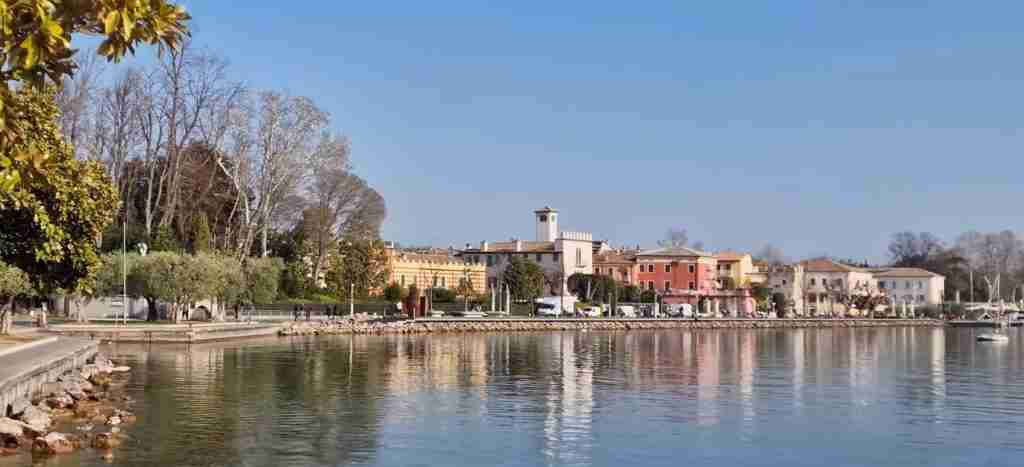
3 days
Lake Garda 3-Day Discovery Tour
- ✓ Comprehensive Lake Garda experience
- ✓ Expert local guides included
- ✓ All accommodation included
- ✓ Transportation provided

5 days
Lake Garda 5-Day Highlights Experience
- ✓ Comprehensive Lake Garda experience
- ✓ Expert local guides included
- ✓ All accommodation included
- ✓ Transportation provided
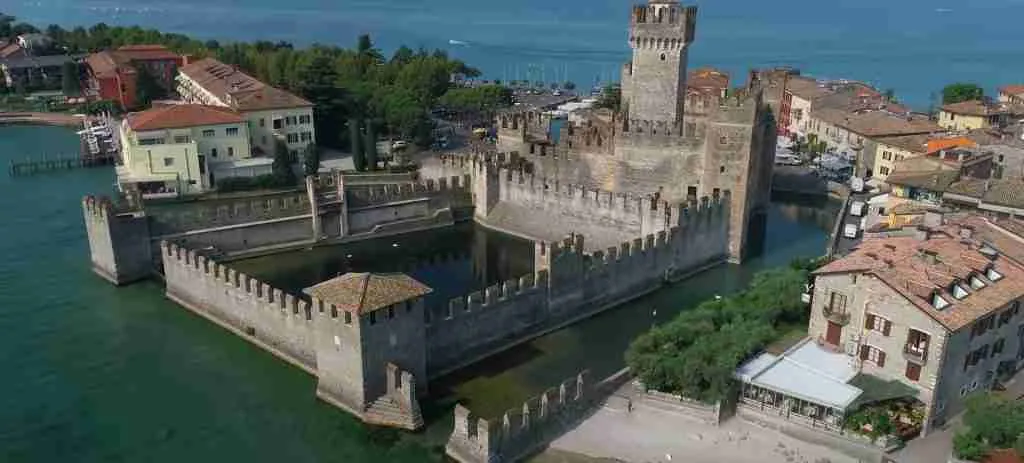
7 days
Lake Garda 7-Day Cultural Journey
- ✓ Comprehensive Lake Garda experience
- ✓ Expert local guides included
- ✓ All accommodation included
- ✓ Transportation provided

10 days
Lake Garda 10-Day Complete Adventure
- ✓ Comprehensive Lake Garda experience
- ✓ Expert local guides included
- ✓ All accommodation included
- ✓ Transportation provided
Multi-day tour packages powered by TourRadar. Prices and availability subject to change.
Introduction to Lake Garda Tours and Walking Routes 2026
Lake Garda’s touring infrastructure in 2026 encompasses over 50 professional operators offering guided cultural excursions, wine region experiences, boat cruises, and multi-day packages, complemented by 300+ kilometers of marked walking trails ranging from gentle lakeside promenades to challenging alpine ascents reaching 2,200-meter peaks. The combination creates unparalleled opportunities for travelers seeking both structured cultural immersion through expert-led tours and independent exploration via self-paced hiking across landscapes where Mediterranean vegetation meets Alpine topography.
The guided tour landscape divides into distinct categories serving different traveler priorities. Cultural day trips target UNESCO World Heritage cities Verona and Venice accessible within 60-90 minutes, delivering professional guides, skip-the-line entry arrangements, and comprehensive historical commentary at €80-120 per person. Wine and culinary tours concentrate on Valpolicella and Bardolino appellations offering intimate winery visits, traditional lunch pairings, and olive oil tastings at €60-90. Boat-based excursions range from 2-hour sunset cruises (€35-45) to full-day circumnavigations with multiple town stops (€60-80). Activity-focused tours combine cycling, kayaking, or hiking with cultural elements, typically priced €70-120 depending on equipment requirements and duration.
Lake Garda’s walking route network spreads across three geographical zones each offering distinct hiking characters. The northern lake features dramatic cliff paths like Sentiero del Ponale carved into sheer rock faces 200 meters above water, delivering spectacular panoramas while requiring caution on exposed sections. The eastern shore presents gentler vineyard trails and coastal walks through olive groves connecting medieval towns via ancient mule paths. The western shore and Monte Baldo massif provide serious mountain hiking with elevation gains exceeding 1,000 meters, challenging terrain demanding proper equipment and mountain experience, and high-altitude trails open only June-October due to snow conditions.
Strategic planning for Lake Garda’s tours and walks in 2026 requires understanding seasonal variations affecting both availability and experience quality. May-June shoulder season delivers optimal walking conditions with comfortable temperatures, spring blooms, and uncrowded trails while guided tours operate full schedules at 10-15% below peak rates. July-August peak season sees maximum tour frequency and longest operating hours but brings trail crowding, midday heat unsuitable for hiking, and premium pricing. September-early October maintains excellent weather while reducing congestion significantly. Winter November-March limits mountain trails to experienced snow hikers though cultural tours and lakeside walking continue year-round.
Guided Tours on Lake Garda 2026: Types and Pricing
Lake Garda’s guided tour landscape in 2026 encompasses cultural excursions, adventure activities, culinary experiences, and multi-day packages, each serving distinct traveler interests while providing professional expertise, logistical coordination, and enhanced access to attractions and experiences challenging to arrange independently.
Cultural day tours to nearby cities represent the most popular guided excursion category. Verona tours departing Lake Garda hotels between 8-9 AM cost €80-100 per person including round-trip coach transport, professional English-speaking guide, and skip-the-line arena access. The typical itinerary covers 6-7 hours featuring Roman arena exterior and interior (entry €10 included in tour price), Juliet’s House courtyard and balcony, Piazza delle Erbe market square, Castelvecchio bridge, and 2-3 hours free time for independent lunch and shopping. Venice full-day tours run €100-120 including coach to Peschiera followed by direct train to Venice (45 minutes), 3-4 hour guided walking tour covering St. Mark’s Square, Doge’s Palace exterior, Rialto Bridge, and major canals, plus 2 hours independent time. These tours depart 7-7:30 AM returning 7-8 PM creating long but comprehensive experiences. Small-group cultural tours (maximum 12 participants) cost €110-140, offering more personalized attention and flexibility versus standard 40-50 person coach tours.
Boat tours and water-based excursions operate in multiple formats and price tiers. Standard 2-hour afternoon boat cruises departing Desenzano, Sirmione, or Garda cost €35-45 per person, circling the southern lake with commentary on historic villas, Sirmione castle, and Roman ruins while including one 30-minute stop at a lakeside town. Half-day morning cruises (3-4 hours) to Malcesine via eastern shore towns run €50-65 including two town stops for brief exploration. Full-day boat tours circumnavigating major portions of the lake cost €75-90 with lunch included, departing 9 AM returning 5 PM, making 4-5 stops at Sirmione, Limone, Malcesine, Garda, and return. Private boat charters accommodating 6-12 passengers start €350-500 for half-day, €600-900 full-day, appealing to families or groups seeking customized itineraries and flexible timing. Sunset aperitivo cruises (2 hours, 6-8 PM) cost €40-55 including prosecco and light snacks, creating romantic experiences particularly popular May-September.
Adventure and activity tours combine guided expertise with outdoor pursuits. Mountain biking tours through vineyard routes and lakeside trails cost €65-85 for half-day including bike rental, helmet, guide, and often winery stop with tasting. Full-day cycling tours covering 35-50 kilometers cost €90-120 including lunch. Kayaking tours exploring hidden coves and swimming spots run €55-75 for half-day, €85-110 full-day with equipment and instruction included. Rock climbing and via ferrata experiences with certified mountain guides start €80-100 for half-day introductory sessions, €120-160 for full-day challenging routes. Paragliding tandem flights from Monte Baldo summit (weather permitting) cost €120-180 for 15-30 minute flights with GoPro video footage available €30-40 additional.
Multi-day tour packages combining accommodation, daily guided excursions, some meals, and transportation between locations represent premium touring options. Three-day Lake Garda packages staying in Sirmione or Riva del Garda hotels cost €450-750 per person (double occupancy) including two nights 3-4 star accommodation, daily breakfast, one guided boat tour, one Verona excursion, and one wine region visit. Five-day packages exploring Lake Garda plus Dolomites or Venice combinations run €900-1,500 per person including four nights accommodation, daily breakfast, three guided tours, some dinners, and inter-destination transfers. Seven-day comprehensive northern Italy packages incorporating Lake Garda, Venice, Verona, and Dolomites start €1,400-2,400 per person depending on hotel tier and included meals. These packages appeal to travelers prioritizing convenience and comprehensive experiences over budget optimization.
Wine and Food Tours Lake Garda 2026
Lake Garda’s wine and culinary touring landscape in 2026 focuses on Valpolicella and Bardolino denominations surrounding the lake’s eastern and southern shores, combining vineyard visits, cellar tours, structured tastings, and regional meal experiences that illuminate northern Italian food culture while supporting small family-operated producers and traditional agricultural practices.
Half-day Valpolicella wine tours departing Lake Garda towns 2-3 PM cost €60-75 per person including transportation to hillside wine region 15-25 kilometers inland, visits to two family-operated wineries, guided cellar tours explaining Amarone production via grape-drying appassimento method, structured tastings of 4-6 wines per winery (Valpolicella Classico, Ripasso, Amarone, Recioto), light appetizers of local cheeses and salumi, and return to Lake Garda hotels by 7 PM. Full-day wine tours (9 AM-5 PM) cost €85-110 including three winery visits, comprehensive 8-10 wine tastings, traditional lunch at osteria or winery featuring local pasta, polenta, and meat dishes paired with estate wines, and often stops at historic villa or Romanesque church. These tours operate small groups (8-12 participants maximum) ensuring intimate experiences and direct interaction with winemakers.
Bardolino wine and olive oil combination tours emphasize the lake’s immediate agricultural landscape. Half-day experiences (€55-70) visit one Bardolino winery producing light reds and rosés, one olive mill demonstrating extra virgin oil production from Garda DOP-certified groves, include tastings of 3-4 wines plus 4-5 olive oil varieties paired with bread and vegetables, and provide opportunities to purchase bottles at producer-direct prices typically 20-30% below retail. These tours operate year-round though olive pressing demonstrations occur only October-December harvest season; other months feature cellar and grove walks explaining annual cycles.
Culinary tours and cooking classes create hands-on food experiences. Traditional pasta-making classes held at lakeside restaurants or countryside villas cost €75-95 per person for 3-4 hour sessions including instruction in preparing fresh tagliatelle, tortellini, or gnocchi, cooking techniques for classic sauces (ragù, carbonara, pesto), shared meal of prepared dishes with wine pairings, and recipe booklets. Market-to-table experiences starting with morning market visits in Desenzano or Riva del Garda followed by cooking class preparation of purchased ingredients run €90-120. Multi-course tasting menus at Michelin-recommended restaurants featuring seasonal Lake Garda ingredients cost €80-140 per person for 5-7 courses with wine pairings, offering refined interpretations of regional cuisine. Food walking tours through historic town centers combining tastings at bakeries, salumerie, gelaterias, and wine bars with cultural commentary cost €45-65 for 2.5-3 hours sampling 6-8 local specialties.
Truffle hunting experiences operate October-December (white truffle season) and year-round for black truffles. Half-day excursions (€90-120) include forest walks with trained truffle dogs, explanation of sustainable harvesting, lunch featuring truffle-enhanced dishes (pasta, risotto, eggs), and opportunities to purchase fresh truffles at harvest prices. These specialized tours book weeks ahead during peak October-November white truffle season.
Boat Tours and Water-Based Experiences 2026
Lake Garda’s boat touring landscape in 2026 combines public ferry services offering economical independent travel with private and semi-private guided cruises delivering commentary, exclusive access, and curated experiences across the lake’s 51-kilometer length and 370-square-kilometer surface area.
Public ferry services operated by Navigazione Laghi provide the most budget-conscious boat touring option. Day passes (€25-35) enable unlimited ferry travel creating self-guided multi-town exploration combining boat transportation with independent walking. Strategic routes include the southern lake circuit Desenzano-Sirmione-Lazise-Garda-Bardolino (3-4 hours complete loop, departures every 30-60 minutes peak season), eastern shore route Garda-Torri del Benaco-Malcesine (90 minutes, hourly departures), and full-lake traverse Desenzano-Riva del Garda (4.5 hours standard service, 2.5 hours fast hydrofoil with €4.80 surcharge). Ferry decks provide excellent photography platforms and onboard cafeterias serve espresso, sandwiches, and snacks €3-8. This independent approach suits travelers comfortable navigating schedules and creating their own town exploration itineraries.
Guided boat tours with commentary and structured itineraries operate March-October with peak frequency July-August. Two-hour afternoon cruises along specific lake sections (southern basin, northern gorge, western shore) cost €35-45 per person including multilingual recorded or live commentary covering historic villas, geographic formations, and local legends. These tours typically operate larger vessels (50-100 passenger capacity) departing fixed schedules from major towns. Half-day guided cruises (3-4 hours) cost €55-70 including 1-2 extended town stops allowing 45-60 minutes for castle visits, gelato breaks, or shopping. Full-day tours (€75-95) combine boat cruising with lunch at lakeside restaurant, visiting 3-4 towns, and comprehensive guide narration throughout 6-7 hour experiences.
Sunset and aperitivo cruises create evening experiences popular with couples and special occasions. Two-hour sunset cruises (typically 6-8 PM May-September adjusting for changing sunset times) cost €40-55 including prosecco or aperol spritz service, light appetizer boards (local cheeses, olives, breadsticks), and prime viewing of alpenglow on northern mountains and golden-hour lake reflections. Some operators offer dinner cruises (€75-110) featuring 3-4 course meals served onboard during 3-hour evening sailings. These romantic options book quickly; reserve 1-2 weeks ahead for weekend dates.
Private boat charters accommodate 4-12 passengers depending on vessel size and offer maximum flexibility for customized itineraries. Half-day charters (4 hours) cost €400-600 for entire boat depending on capacity and luxury level, enabling families or friend groups to visit preferred towns on flexible schedules, request specific route variations, and enjoy private experiences versus shared public tours. Full-day private charters (8 hours) run €750-1,200 including captain services, fuel, and basic refreshments. Some private operators provide water sports equipment (stand-up paddleboards, snorkeling gear) included in charter rates. Split among 6-8 participants, private charters become cost-competitive with premium guided tours while delivering superior flexibility and privacy.
Top Walking Routes Lake Garda 2026
Lake Garda’s walking route network in 2026 encompasses over 300 kilometers of marked trails distributed across difficulty levels from casual lakeside promenades to demanding mountain ascents, all accessible free of charge though requiring appropriate footwear, weather preparation, and realistic fitness assessment to ensure safe enjoyable experiences.
Sentiero del Ponale stands as Lake Garda’s most iconic walking route, carved into cliffsides 200 meters above the northern lake connecting Riva del Garda to Ledro Valley via 19th-century engineering marvel. The complete route covers 10 kilometers round-trip from Riva del Garda hydroelectric plant to Ponale Alto belvedere restaurant and return, requiring 3-4 hours at moderate pace with 400-meter elevation gain. The path features wide gravel surfaces (separate pedestrian and cyclist lanes), dramatic tunnel sections hewn through rock, continuous lake panoramas, and remains of WWI-era Tagliata del Ponale fortifications. The route presents no technical climbing challenges but demands caution on exposed cliff sections and comfort with heights; safety barriers line most dangerous areas. Free parking near the trailhead fills quickly summer weekends; arrive before 8 AM or use public bus from Riva center. The Ponale Alto restaurant at route midpoint (5 kilometers from start) serves meals and refreshments €15-30, providing logical turnaround for shorter 2-hour walks. Trail closes annually January-March for rockfall cleanup and maintenance; verify current status before visiting.
Sentiero Busatte-Tempesta along the eastern shore near Torbole delivers 8-kilometer point-to-point route featuring dramatic iron stairways, forest sections, and continuous lake views. Starting from Torbole, the trail ascends through olive groves via steep stone steps before entering mixed Mediterranean and alpine forest. The signature feature consists of four metal staircases totaling 400 steps attached to cliff faces, creating thrilling exposed sections (not recommended for those uncomfortable with heights or young children). Total elevation gain reaches 350 meters with 2.5-3 hour completion time. The trail ends at Tempesta hamlet where bus service returns to Torbole (line 484, €2-3, runs May-September; verify current schedules). Alternatively, walk the route in reverse starting Tempesta and descending to Torbole, reducing knee strain on steep sections. This moderate-difficulty trail requires sturdy hiking boots, carries no access fees, and operates year-round though winter ice makes sections dangerous November-March without traction devices.
Monte Baldo ridge trails accessible via Malcesine cable car (€27 round-trip) offer high-altitude walking with minimal climbing effort. From the 1,760-meter summit station, marked trails fan across alpine meadows and rocky ridges. The Sentiero del Ventrar (5 kilometers, 1-2 hours, easy-moderate) follows the ridge south providing 360-degree panoramas of Lake Garda, Dolomites, and Po Valley without technical challenges beyond altitude effects. The route to Cima Valdritta (8 kilometers round-trip, 3-4 hours, moderate) adds 200-meter elevation gain reaching 1,960-meter peak. These high-altitude routes require warm layers (temperatures 10-15°C cooler than lakeside even summer), sun protection, and monitoring weather as conditions change rapidly above 1,500 meters. Trails remain snow-free June-October; cable car operates year-round except March and November maintenance periods. Mountain refuges serve meals and hot drinks €10-25.
Lakeside promenade walking provides easy low-elevation alternatives suitable for all fitness levels. The Bardolino-Garda coastal path (7 kilometers one-way, 1.5-2 hours, flat) follows paved and gravel surfaces through olive groves and vineyards with continuous lake access. The Limone sul Garda waterfront promenade (2 kilometers, 30-45 minutes) connects the historic center to neighboring coves via traffic-free path perfect for sunset strolls. Sirmione peninsula circuit (3 kilometers, 1 hour) loops the historic center on paved walkways passing castle, thermal springs, and Roman ruins. These gentle routes require only comfortable walking shoes, operate year-round, and combine well with town exploration, gelato stops, and café breaks.
Guided Hiking Tours Lake Garda 2026
Guided hiking tours on Lake Garda in 2026 provide professional mountain guide supervision, safety equipment, transportation logistics, local ecological and historical knowledge, and group social experiences that transform standard trail walking into comprehensive cultural-natural immersions while accommodating varying fitness levels and hiking experience through tiered difficulty offerings.
Half-day guided hikes (3-4 hours, €40-60 per person) target moderate trails like Sentiero del Ponale or Monte Brione loops, including professional certified mountain guide, safety briefing, transportation from lakeside hotels to trailheads when needed, and detailed commentary on local flora, geology, and history throughout the walk. These experiences suit hikers comfortable with 5-8 kilometer distances and 200-400 meter elevation gains but appreciating expert guidance on route finding, pacing, and interpretation. Group sizes typically range 8-15 participants; small-group options (maximum 8) cost €55-75 but deliver more personalized attention and flexible pacing adjusting to slowest participants rather than maintaining fixed schedules.
Full-day guided mountain hikes (6-8 hours, €80-120) tackle challenging routes like Monte Baldo ridge traverses, Sentiero della Forra gorge trails, or multi-peak circuits requiring sustained climbing, technical scrambling sections, and 800-1,200 meter elevation gains. These serious mountain experiences include certified alpine guide, safety equipment (via ferrata gear when needed, available helmets), packed lunch or mountain refuge stop, and comprehensive instruction in mountain safety, weather assessment, and navigation techniques. Participants should possess strong fitness enabling 6+ hours continuous hiking, previous mountain experience, and appropriate personal gear (broken-in hiking boots, trekking poles, layered clothing, 2-liter water capacity). Guide-to-participant ratios of 1:6-8 ensure adequate supervision on technical terrain.
Specialty themed hiking tours combine walking with specific cultural or natural focuses. Botanical hikes with expert naturalists (€70-90, half-day) emphasize Monte Baldo’s exceptional biodiversity featuring over 1,000 plant species including rare orchids and alpine flowers; these May-July experiences include field guides, species identification instruction, and photography opportunities. Historical WWI fortification hikes (€65-85) explore extensively preserved Austrian trenches, bunkers, and artillery positions built 1915-1918 along strategic mountain ridges, featuring guide commentary on military history and fortress architecture. Photography-focused walks (€80-120) with professional photographer guides target golden-hour lighting, composition techniques, and signature viewpoint access at optimal times; these experiences suit serious photography enthusiasts carrying proper camera equipment.
Multi-day guided trekking packages create comprehensive mountain experiences with overnight mountain refuge stays. Three-day Alto Garda ridge trek (€450-650 per person) covers 35-45 kilometers across Monte Baldo summits with two nights in alpine refuges, daily guided walks of 5-7 hours, all meals, and luggage transfer between refuges. Five-day Garda-Ledro-Brenta circuit (€850-1,200) combines Lake Garda trails with Dolomites approaches, features three refuge nights plus one valley hotel, and delivers total distance of 60-80 kilometers with significant daily elevation changes. These serious undertakings require strong fitness, mountain experience, and commitment to consecutive full hiking days in variable weather conditions.
Self-Guided Walking Strategies 2026
Self-guided walking on Lake Garda in 2026 provides maximum flexibility, zero tour costs, and opportunities for spontaneous exploration while requiring independent navigation skills, safety awareness, proper equipment selection, and realistic assessment of personal fitness and experience levels to ensure rewarding rather than stressful or dangerous experiences.
Route selection begins with honest fitness and experience evaluation. Novice hikers or those uncertain about capabilities should start with easy lakeside promenades (Bardolino-Garda, Sirmione peninsula) allowing quick abandonment if tired without being committed to mountain descents. Moderate hikers comfortable with sustained 2-4 hour walks can tackle Sentiero del Ponale, Busatte-Tempesta, or lower Monte Baldo trails, recognizing these routes involve real elevation gain and exposed sections requiring proper footwear and caution. Experienced mountain hikers familiar with navigation, weather assessment, and self-rescue can attempt serious Monte Baldo ridge routes, understanding that help may be hours away and weather changes rapidly at altitude.
Essential equipment for Lake Garda walking includes sturdy hiking boots with ankle support and aggressive tread (running shoes insufficient for anything beyond paved lakeside paths), 2-liter water capacity recognizing limited refill points on mountain routes, sun protection (hat, sunglasses, SPF 30+ sunscreen critical in high-UV alpine environment), layered clothing allowing adjustment to temperature changes with elevation and weather shifts, basic first aid supplies (bandages, pain relievers, blister treatment), charged mobile phone with emergency numbers programmed (universal EU emergency 112), and detailed trail map or GPS device as backup to trail markers. Trekking poles (€8-12 daily rental at outdoor shops) significantly reduce knee strain on steep descents and improve stability on uneven terrain.
Navigation on marked trails follows standard European hiking trail systems. Red-white-red painted blazes on rocks and trees indicate main routes; junctions feature wooden signposts listing destinations and estimated times. Download offline maps via apps like Maps.me or AllTrails before leaving WiFi access; cellular coverage remains good on major routes but disappears in remote valleys and north-facing slopes. Trail estimate times assume 4-kilometer-per-hour pace on flat terrain, 300-meter-per-hour ascent rate, and 500-meter-per-hour descent rate; add 30-50% to official times if hiking slowly, stopping for photos, or managing fitness limitations. Always inform hotel reception or companions of planned route and expected return time; solo hikers should consider joining online hiking groups or hostel walking partners to avoid isolated mountain travel.
Weather monitoring proves critical for safe mountain walking. Morning clear skies can deteriorate to afternoon thunderstorms particularly July-August; start early (7-8 AM) completing exposed ridges before weather develops. Check mountain weather forecasts specifically rather than lake valley predictions as conditions differ significantly at altitude. Abandon routes if dark clouds form, lightning threatens, or visibility drops below 50 meters in fog. Afternoon Ora wind intensifies around northern lake 2-4 PM creating challenging conditions on exposed paths; plan accordingly or avoid high-exposure routes during wind hours. Winter and shoulder season (November-April) bring snow and ice to trails above 800 meters making them extremely dangerous without crampons, ice axes, and winter mountain experience; stick to low-elevation lakeside routes during these months unless properly equipped and trained.
Emergency preparedness includes carrying basic first aid knowledge, recognizing signs of heat exhaustion (dizziness, nausea, confusion) requiring immediate rest and hydration, understanding altitude sickness symptoms (headache, nausea at 1,500+ meters) necessitating descent, and knowing when to turn back rather than pushing through exhaustion or worsening conditions. Mountain rescue (112 emergency number) operates throughout the region but response times vary by location accessibility; helicopter evacuation available for serious injuries but costs €3,000-8,000 typically requiring travel insurance or direct payment. Prevention through proper preparation, conservative route selection, and willingness to abandon plans when conditions deteriorate prevents most serious situations.
Day Trip Tours from Lake Garda 2026
Lake Garda’s central northern Italian location enables numerous day trip tours to UNESCO World Heritage cities, alpine regions, and coastal destinations within 1-3 hours, combining efficient transportation logistics with professional guide services to create comprehensive experiences difficult to arrange independently while maximizing limited vacation time.
Verona day tours represent the most popular cultural excursion given the city’s 30-kilometer proximity to southern Lake Garda. Standard coach tours (€80-100 per person, 8:30 AM-5 PM) include round-trip transportation from Lake Garda hotels, English-speaking guide throughout the day, skip-the-line entry to Arena di Verona (€10 included), guided walking tour covering Juliet’s House, Piazza delle Erbe market square, Castelvecchio bridge, and Romanesque churches, plus 2-3 hours free time for independent lunch (not included in tour price, budget €15-30) and shopping. The guide provides historical context on Roman origins, medieval Scaliger dynasty, and Shakespeare connections while navigating efficient routes avoiding crowds. Premium small-group tours (€110-130, maximum 12 participants) offer more personalized experience and flexibility for photo stops. Return to Lake Garda occurs 5-5:30 PM allowing full day without overnight accommodation costs. Some operators combine Verona with Valpolicella wine region, adding afternoon winery visit (€100-125 total).
Venice full-day tours deliver comprehensive Serenissima experiences despite 120-kilometer distance. Tours (€100-120 per person) typically use coach transport to Peschiera del Garda train station (30 minutes) followed by direct regional train to Venice Santa Lucia (75 minutes), meeting guides at station for 3-4 hour walking tour covering St. Mark’s Square and Basilica exterior, Doge’s Palace exterior, Rialto Bridge, Grand Canal views, and hidden neighborhood streets illustrating daily Venetian life. Tours provide 2 hours independent time for lunch (€20-40 typical restaurant costs), shopping, or optional gondola rides (€80-100 for 6 passengers, 30 minutes, arrange independently). Return journey reverses morning route arriving Lake Garda 8-8:30 PM after full 12-hour day. These marathon tours suit visitors prioritizing comprehensive experiences over relaxed pacing; alternative overnight Venice extensions available adding hotel costs.
Dolomites mountain tours (€90-120) target dramatic alpine scenery 80-100 kilometers north of Lake Garda. Full-day excursions (8 AM-6 PM) travel via coach through Val di Ledro and Val di Non to accessible Dolomite valleys and passes featuring vertical limestone walls, alpine lakes, and mountain villages. Routes typically include photo stops at Lago di Ledro and Lago di Tenno (turquoise glacial lakes), traverse scenic Passo Pordoi or Passo Sella (2,200+ meter passes offering panoramic viewpoints), and visit mountain resort villages like Madonna di Campiglio with free time for cable car rides (€15-25 additional) or short walks. June-September timing ensures snow-free road access; winter tours target Christmas markets or skiing but focus more on valley villages than high passes. These tours appeal to photography enthusiasts and mountain scenery lovers though involve substantial coach time (4-5 hours total) accessing distant locations.
Milan day trips (€85-110) combine urban sophistication with cultural landmarks 120 kilometers west. Tours include high-speed train or coach transportation, guided walking tour of Duomo cathedral and Piazza del Duomo (Duomo interior entry €15-20 additional or included depending on tour tier), Galleria Vittorio Emanuele shopping arcade, La Scala opera house exterior, and Sforzesco Castle park. Leonardo da Vinci’s Last Supper requires advance booking weeks ahead (€15 entry, limited daily slots); tours including this masterpiece cost €120-150 and book quickly. Free time allows shopping in fashion district or aperitivo in Navigli canal zone. Return to Lake Garda occurs late evening 9-10 PM after full cultural immersion day.
Walking Safety and Trail Conditions 2026
Lake Garda walking safety in 2026 requires understanding terrain-specific hazards, seasonal weather patterns, emergency protocols, and equipment requirements that transform potentially dangerous mountain environments into manageable calculated risks through proper preparation, conservative decision-making, and realistic capability assessment.
Terrain hazards vary by trail category. Lakeside promenades present minimal risks beyond sun exposure and dehydration; wear sunscreen, carry water, and avoid midday July-August heat. Moderate cliff paths like Sentiero del Ponale introduce exposure to vertical drops where safety barriers line most dangerous sections but gaps exist requiring care particularly with children or balance-challenged individuals; stay on marked trails, avoid trail edges in wet conditions or strong winds, and supervise children constantly. Mountain trails above 1,500 meters add altitude effects (shortness of breath, dizziness in some individuals), rapid weather changes, and technical scrambling sections requiring both hands for stability; attempt these only with mountain experience, proper equipment, and conservative turnaround decisions if conditions deteriorate.
Weather considerations demand attention year-round but particularly May-September. Summer thunderstorms develop rapidly especially July-August afternoons; start mountain routes 7-8 AM completing exposed ridges by 1-2 PM before storms build. Lightning poses serious danger on ridges and summit areas; abandon routes immediately if storms approach seeking lower elevations and avoiding isolated trees, cliff edges, and metal fixtures. Spring and autumn bring temperature variations of 15-20°C between lakeside and 2,000-meter summits; carry insulating layers and rain protection even if valley starts warm and sunny. Winter (November-March) makes mountain trails extremely dangerous without specialized equipment (crampons, ice axes) and winter mountaineering experience; stick to lakeside routes or consult local guides for current conditions before attempting any elevation gain.
Emergency protocols begin with prevention: inform hotel reception or companions of planned route and expected return time, carry charged mobile phone with emergency number 112 programmed (universal EU emergency response), and maintain awareness of nearest populated areas for help access. If injury occurs, assess severity: minor issues (blisters, mild sprains) may allow slow self-evacuation; significant injuries (fractures, severe bleeding, loss of consciousness) require professional rescue via 112 call providing exact location (GPS coordinates, trail markers, visible landmarks). Mountain rescue services operate efficiently but response times vary 30 minutes to several hours depending on location accessibility and helicopter availability. Most rescue operations cost €3,000-8,000 charged to injured party unless comprehensive travel insurance covers mountain rescue evacuation; verify insurance terms before attempting serious mountain routes.
First aid preparation includes carrying bandages for blister treatment and wound coverage, pain relievers for headaches or muscle pain, personal prescription medications with extras, electrolyte tablets or sports drinks for hydration maintenance particularly in summer heat, and basic knowledge of heat exhaustion recognition (confusion, nausea, dizziness requiring immediate rest and cooling) versus heat stroke (medical emergency requiring 112 call). Snake encounters occur rarely on Lake Garda trails; European adders inhabit rocky slopes but avoid humans; in unlikely bite event, remain calm, immobilize affected limb, and seek immediate medical attention rather than attempting folk remedies.
Trail condition monitoring uses local tourism office resources. Before attempting any route, visit information offices in Riva del Garda, Malcesine, Limone, Garda, or other towns to check current trail status, recent rockfall reports, weather forecasts, and any temporary closures. Major trails post status updates on official websites (gardatrentino.it, gardatourism.it); check these before leaving hotels. Seasonal closures affect specific routes: Sentiero del Ponale closes January-March annually for rockfall cleanup; high-altitude Monte Baldo routes remain snow-covered November-May except occasional warm windows; Busatte-Tempesta metal staircases become dangerously slippery in rain or ice. Park rangers and mountain guides provide current condition assessments free via tourism offices; use this local knowledge rather than relying on months-old trail guide information.
Tour and Walking Budget Guide 2026
Planning realistic budgets for Lake Garda tours and walking experiences in 2026 requires understanding cost structures across guided tour types, self-guided walking equipment needs, combination strategies balancing convenience with economy, and seasonal pricing variations that see costs fluctuate 15-30% between peak July-August and shoulder May-June or September periods.
Guided tour daily budgets vary significantly by tour intensity and type. Budget-conscious travelers limiting guided experiences to 1-2 tours weekly can allocate €80-150 per person across a Lake Garda stay: one half-day boat cruise €40-50, one Verona day trip €85-100, leaving other days for self-guided exploration via public ferries (€10-15 daily) and free walking. Mid-range tour participants seeking guided experiences 3-4 days weekly budget €250-400 total: two full-day cultural tours to Verona and Venice €180-220, one wine region half-day €70-85, one boat tour €40-55, supplemented by independent ferry travel and walking on remaining days. Intensive guided tour travelers joining daily organized activities budget €500-800 weekly: five full-day tours (cultural cities, wine region, Dolomites, boat cruise, guided hiking) at €80-120 each, plus 1-2 half-day activities €40-70. These budgets exclude accommodation and meals which add €50-180 daily depending on hotel tier and dining choices.
Self-guided walking represents the most economical Lake Garda activity with most costs frontloaded in equipment rather than daily use. One-time equipment purchases include quality hiking boots €80-150 (essential for anything beyond paved paths), trekking poles €30-60 (highly recommended for knee protection on descents), daypack €40-80 (carrying water, layers, snacks), and technical clothing (moisture-wicking shirts €25-40, hiking pants €50-80, rain jacket €60-120). These investments serve multiple trips beyond Lake Garda. Budget equipment rental alternatives include trekking poles €8-12 daily, daypacks €5-8 daily, and GPS devices €10-15 daily from outdoor shops in Riva del Garda, Malcesine, and other towns. Daily walking costs remain minimal: trail access free, water refills from public fountains free (carry reusable bottles), packed lunches from supermarkets €8-15 versus mountain refuge meals €15-30. A week of daily self-guided walking costs essentially nothing beyond initial equipment investment versus €400-800 weekly for equivalent guided hiking tours.
Combination budget strategies balance guided expertise on complex routes with self-guided economy on straightforward trails. Allocate guided tours to highest-value experiences: wine region requiring transportation and winery access difficult to arrange independently, Venice or Verona day trips where guides provide skip-the-line benefits and historical context, or challenging mountain routes where professional guidance improves safety. Self-guide on well-marked routes like Sentiero del Ponale or lakeside promenades where navigation proves straightforward and trail conditions present manageable risks. This hybrid approach might budget €200-350 weekly: two guided experiences (one cultural city tour €85-110, one wine region €70-85) plus daily self-guided walking with occasional paid elements (Monte Baldo cable car €27, mountain refuge lunch €15-25).
Seasonal pricing variations affect tour costs but not walking expenses (trails remain free year-round). July-August peak season sees tour operators charging maximum rates with limited discounting; expect to pay full published prices €80-120 for day trips, €60-90 for wine tours, €35-60 for boat cruises. May-June and September shoulder seasons bring 10-15% discounts as operators compete for bookings: €70-100 Verona tours, €55-80 wine experiences, €30-50 boat trips. October-April low season (outside summer tourism period) offers deepest discounts 20-30% below peak but operates reduced schedules and weather proves less reliable particularly for mountain activities. Booking 2-4 weeks ahead for summer dates rarely yields discounts but ensures availability; last-minute bookings 48-72 hours ahead can occasionally secure discounted unsold seats particularly shoulder season weekdays.
Multi-Day Walking Routes and Trekking 2026
Lake Garda’s multi-day trekking routes in 2026 create comprehensive mountain experiences combining consecutive full hiking days, overnight mountain refuge stays, significant cumulative elevation gains, and self-sufficient wilderness travel requiring advanced planning, strong fitness, and mountain experience to safely navigate challenging terrain across 2-4 days of sustained physical effort.
The Alto Garda ridge trek represents Lake Garda’s classic multi-day route, traversing Monte Baldo’s entire 40-kilometer crest from Malcesine north to Passo Ballino near Riva del Garda. The complete route typically divides into three days: Day 1 Malcesine cable car to Bocca Tratto Spino (1,760m) then ridge walk north to Rifugio Chierego (1,911m, 6 hours, 600m elevation gain), Day 2 Rifugio Chierego to Rifugio Graziani (1,635m, 7 hours, 800m gain/900m loss across multiple peaks), Day 3 Rifugio Graziani to Passo Ballino descent (6 hours, 400m gain/1,200m loss) meeting pre-arranged transport to Lake Garda. Total distance approximately 35 kilometers with 1,800 meters cumulative elevation gain. This challenging route demands strong fitness for consecutive 6-7 hour hiking days, comfort with exposed ridge sections and some scrambling, and basic navigation skills following red-white-red trail markers. Rifugio accommodation costs €30-45 per person dormitory-style, dinner €20-30, breakfast €8-12; reservations essential July-August, recommended all summer months. Luggage transfer services unavailable; carry all clothing, toiletries, and emergency supplies in backpacks (8-12 kilograms typical). Attempt June-September only when trails remain snow-free; verify conditions with rifugi before starting.
The Garda-Ledro-Brenta circuit connects Lake Garda with Ledro Valley and approaches Brenta Dolomites across 4-5 days covering 60-70 kilometers. Standard routing: Day 1 Riva del Garda to Rifugio San Pietro (1,473m) via Sentiero del Ponale and forest ascent (7 hours, 1,100m gain), Day 2 circular route to Cima Parì (2,091m) and return Rifugio San Pietro (6 hours, 650m gain), Day 3 descend to Ledro Valley and valley walk to Mezzolago hotel (5 hours, minimal elevation change), Day 4 ascend to Rifugio Tuckett in Brenta Dolomites (6 hours, 1,400m gain), Day 5 return to valley and transport to Lake Garda (variable hours depending on route). This more ambitious trek combines lake trails, forest paths, high alpine terrain, and Dolomite approaches, requiring strong fitness, mountain experience, and comfort with variable alpine weather. Costs include 3 rifugio nights (€90-135 accommodation plus €75-100 meals), 1 valley hotel (€60-100), and transport arrangements (€30-50); total €255-385 plus food reserves for trail days.
Self-guided multi-day options create flexible trekking without guide costs but require comprehensive planning. Purchase detailed hiking maps (Kompass or Tabacco 1:25,000 scale, €10-12 at bookshops and outdoor retailers), confirm rifugio reservations weeks ahead for summer dates, arrange transportation for route start/end points differing from accommodation base, pack appropriate equipment (sleeping bag liner often required even though rifugi provide blankets, headlamp for early starts, comprehensive first aid, emergency shelter/space blanket), and develop bailout plans identifying points where routes intersect roads or cable cars enabling emergency evacuation if weather deteriorates, injury occurs, or participants underestimate route difficulty. Many hikers complete 1-2 day warm-up walks before attempting multi-day routes to assess fitness and equipment before committing to remote overnight travel.
Guided multi-day treks eliminate planning complexity while adding professional supervision and group social dynamics. Mountain guide services for 3-4 day treks cost €600-900 total for groups of 4-8 participants (€150-225 per person when fully booked), including daily route guidance, safety supervision, logistics coordination with rifugi, emergency response protocols, and evening route briefings. Participants still pay individual rifugio accommodation and meals (€110-140 per person per overnight) and arrange own transportation to/from route endpoints. Guide services particularly valuable for less-experienced mountain travelers attempting first multi-day alpine routes or those uncomfortable with independent navigation and emergency protocols at elevation.
Family-Friendly Walking and Tour Options 2026
Lake Garda’s family walking and tour landscape in 2026 accommodates children and varied age groups through easy terrain selections, shortened distances, engaging activity combinations, and strategic timing that balance educational cultural experiences with energy management for younger participants while avoiding routes presenting safety challenges for families.
Easy family walks concentrate on lakeside promenades and gentle vineyard paths. The Bardolino to Cisano coastal route (3 kilometers one-way, 45-60 minutes, completely flat) follows paved and packed gravel paths with continuous lake access enabling swim breaks, playground stops at Cisano park, and gelato rewards at Bardolino gelateria (€2.50-4 per child). The Sirmione peninsula circuit (2.5 kilometers, 45 minutes) combines historic castle views, thermal spring observation, and swan feeding at waterfront while remaining stroller-accessible on paved surfaces. Limone sul Garda promenade (1.5 kilometers, 30 minutes each direction) connects historic center to northern coves via flat waterfront path ideal for young children needing frequent rest stops. These gentle routes require only comfortable walking shoes for children, operate year-round, and combine naturally with town exploration, beach time, and café stops for parent rest and refreshment.
Moderate family trails demand assessment of children’s hiking experience and stamina. The first section of Sentiero del Ponale from Riva del Garda to first viewpoint (2 kilometers round-trip, 45-60 minutes, 100-meter elevation gain) provides impressive cliff-edge walking suitable for supervised children 8+ comfortable with heights while avoiding full route commitment. The Rocca di Manerba nature park trails (various routes 1-3 kilometers, easy terrain through archaeological park) combine gentle walking with historical site exploration maintaining child interest through Roman ruins and medieval fortifications. Monte Baldo cable car ascent plus easy summit meadow walks (1-2 kilometers on gentle terrain) create mountain experiences without sustained hiking; children enjoy rotating cable car novelty and mountain playgrounds near summit station. These intermediate options work well for families with children 6-12 possessing basic hiking experience and ability to walk 1-2 hours with rest breaks.
Family-oriented guided tours adapt pacing and content for varied age groups. Half-day Sirmione boat and walking combinations (€35-45 adults, €20-25 children 6-12, under-6 free) feature 1-hour gentle boat cruise followed by 1-hour easy castle area walk with guide emphasizing entertaining stories over detailed history maintaining child attention. Verona family tours (€75-90 adults, €40-50 children) focus on Juliet’s House and arena gladiator stories appealing to younger audiences while providing regular rest stops and truncating overall walking versus standard adult tours. Lake Garda cycling tours with child trailers or tag-along bikes (€70-90 adults including bike, €30-40 children) enable family participation across fitness levels while covering more territory than walking alone. Family tour scheduling typically targets morning 9 AM-12 PM or late afternoon 3-6 PM avoiding midday heat and aligning with children’s energy patterns.
Equipment considerations for family hiking include properly-fitted children’s hiking boots for anything beyond paved paths (€40-80, sized carefully as ill-fitting boots create blisters ending outings prematurely), child-sized daypacks enabling kids to carry their own water and snacks building independence (€25-40), sun protection including hats and children’s sunscreen SPF 50 (higher than adult requirements), and entertainment items like nature identification cards or photography challenges maintaining engagement during longer walks. Avoid attempting exposure routes like full Sentiero del Ponale or Busatte-Tempesta metal staircases with children uncomfortable with heights or under 10 years old regardless of fitness. Stroller accessibility on Lake Garda trails remains limited to paved lakeside promenades; serious walking with infants/toddlers requires child carrier backpacks (€8-15 daily rental) though these limit parents to easy-moderate terrain given weight burden.
Seasonal Walking and Tour Considerations 2026
Lake Garda’s seasonal variations in 2026 profoundly affect both tour operations and walking conditions, with distinct advantages and limitations across spring, summer, autumn, and winter periods requiring strategic planning to optimize experiences for preferred activities while managing weather risks, crowd levels, and service availability fluctuations.
Spring season (April-May) brings gradually warming temperatures (15-22°C), wildflower blooms transforming hillsides, and tour operations ramping to full schedules by early May. Walking advantages include comfortable temperatures for sustained hiking avoiding summer heat, fewer trail users creating peaceful experiences, and spring green landscapes photographing beautifully. Spring challenges encompass unpredictable weather with rain probability 30-40% versus summer’s 15-20%, mountain trails above 1,200 meters remaining snow-covered through late April restricting high-altitude routes, and some rifugi and mountain restaurants not opening until late May reducing lunch stop options. Tour operations begin limited April schedules focusing on cultural cities (Verona, Venice) operating year-round, expand boat tours mid-April, and reach full summer frequency including wine tours and adventure activities by early May. Accommodation and tour prices run 15-25% below July-August peak; booking 2-3 weeks ahead for May dates secures good availability.
Summer season (June-August) delivers maximum tour frequency, longest operating hours, guaranteed trail access to all elevations, and warmest weather but brings peak crowds, highest prices, and midday heat challenging for sustained hiking. June offers optimal balance: full service availability, comfortable temperatures (22-28°C), minimal crowds before July school holidays, and lower accommodation costs than July-August (15-20% discounts typical). July-August advantages include longest daylight (5:30 AM sunrise, 9 PM sunset enabling early-morning or evening hiking avoiding midday heat), maximum tour departures with multiple daily options for popular excursions, and guaranteed snow-free mountain trail access. July-August disadvantages encompass maximum trail crowding requiring 7-8 AM starts for peaceful Sentiero del Ponale experiences, oppressive midday temperatures (often 30-35°C) making walking uncomfortable noon-4 PM, peak accommodation and tour pricing with limited discounting, and afternoon thunderstorm risks particularly in mountains. Summer walking strategies emphasize early starts (6-8 AM) completing hikes by 1-2 PM before heat peaks and storms develop, carrying substantial water (3-4 liters for full-day walks), and selecting shaded forest routes over exposed ridges during July-August heat.
Autumn season (September-October) provides arguably Lake Garda’s best walking and touring window combining summer weather persistence, harvest season cultural additions, dramatically reduced crowds, and lower costs. September advantages include continued warm temperatures (20-26°C), stable weather with low rain probability, full tour and trail operations maintaining summer schedules through late September, and 15-25% accommodation discounts versus July-August. Wine tour enhancements occur during September-October harvest season enabling vineyard work observation and fresh must tastings impossible other seasons. October brings autumn color emergence transforming deciduous forests, further crowd reductions as European school terms restart, and additional pricing advantages (20-30% below summer) though mountain weather becomes more unpredictable after mid-October and some rifugi close late October. Walking conditions remain excellent through mid-October with comfortable temperatures and reliable weather; late October introduces increased rain probability and potential early snow above 1,800 meters requiring condition checks before attempting high routes.
Winter season (November-March) sees most mountain trails closed by snow, limited tour operations focusing on cultural cities and Christmas markets, but opportunities for experienced winter hikers and budget travelers tolerant of weather uncertainty. Lakeside promenade walking continues year-round at lower elevations (Bardolino, Garda, Sirmione) though mountain routes above 800 meters require winter mountaineering equipment (crampons, ice axes) and experience. Tour operations reduce to Verona and Venice cultural excursions running year-round, Milan shopping trips popular December holidays, and special Christmas market tours November-December. Accommodation costs drop to annual lows (40-50% below summer) though many hotels close November-March. Winter suits budget-conscious travelers comfortable with limited hiking options, indoor cultural focus, and occasional excellent-weather windows enabling peaceful low-elevation walking experiences absent summer crowds.
Frequently Asked Questions About Lake Garda Tours & Walking Routes 2026
Do I need to book Lake Garda tours in advance for 2026?
Yes, booking Lake Garda tours 2-4 weeks in advance for 2026 peak season (July-August) is strongly recommended to secure preferred dates and avoid sold-out disappointment, while shoulder season (May-June, September-October) bookings can succeed 1-2 weeks ahead with good availability. Popular tours like Verona day trips, Venice excursions, and Valpolicella wine experiences fill quickly during summer weekends and Italian holiday periods (Ferragosto mid-August particularly tight). Small-group tours (6-12 participants maximum) book faster than standard coach tours given limited capacity. Private tours and specialty experiences (cooking classes, photography walks, truffle hunting) require earliest booking 3-6 weeks ahead. Some tour operators offer 5-10% early booking discounts for reservations made 6+ weeks ahead though this practice varies by company. Last-minute bookings (24-48 hours ahead) occasionally secure discounted unsold seats particularly weekdays and shoulder season but risk complete unavailability for first-choice dates. Walking routes require no advance booking as trails operate free access first-come first-served, though Monte Baldo cable car tickets can be purchased online in advance saving queue time during busy summer weekends. Guided hiking tours book like other guided experiences (2-4 weeks peak season, 1-2 weeks shoulder season).
Can I walk Lake Garda trails solo safely in 2026?
Yes, solo walking on Lake Garda trails in 2026 is generally safe on well-marked popular routes like Sentiero del Ponale, Busatte-Tempesta, and lakeside promenades, provided you inform hotel staff of planned route and expected return time, carry charged mobile phone with emergency number 112 programmed, possess appropriate equipment and fitness for chosen route, and make conservative turnaround decisions if weather deteriorates or you feel uncomfortable. Lake Garda trails see substantial foot traffic May-October with frequent encounters with other hikers creating informal safety network; complete isolation rarely occurs on major routes. Women report comfortable solo hiking experiences though standard precautions apply (start early for daylight completion, avoid remote trail sections near dusk, trust instincts about situations feeling uncomfortable). Solo hiking risks increase on serious mountain routes above 1,800 meters where help may be hours away, weather changes rapidly, and injuries could leave you stranded; consider joining hiking groups, hostel walking partners, or guided tours for these challenging routes rather than solo attempts. Download offline maps and share GPS location with friends/family before starting. Many solo travelers join informal walking groups organized through hotels, hostels, or online forums (Lake Garda hiking Facebook groups active May-October), providing social experiences and shared safety while maintaining independent travel flexibility. Solo guided tour participation works well as operators accept individual bookings without surcharges, creating opportunities to meet fellow travelers.
What fitness level do I need for Lake Garda walking routes in 2026?
Lake Garda walking routes in 2026 require fitness levels ranging from minimal (comfortable walking 30-60 minutes for easy lakeside promenades) to high (sustained 6-8 hours hiking with significant elevation gains for serious mountain routes), with most popular trails like Sentiero del Ponale demanding moderate fitness enabling 3-4 hours walking including uphill sections without excessive exhaustion. Assess fitness honestly: can you walk continuously 2-3 hours on varied terrain while carrying daypack? If yes, moderate routes are accessible. Uncertain about capability? Start with easy flat paths (Bardolino-Garda coastal, Sirmione peninsula) building confidence before attempting elevation gain. Red flags suggesting routes exceed current fitness include: requiring rest breaks every 10-15 minutes on gentle slopes, inability to walk 5 kilometers without significant fatigue, or shortness of breath climbing 2-3 flights of stairs. Build fitness for Lake Garda walking through regular training walks 4-6 weeks before trips: progress from flat 5-kilometer walks to 10-kilometer routes with hills, practice with loaded daypack matching planned hiking weight (8-10 kilograms), and include stair climbing simulating elevation gain. Trekking poles significantly reduce knee strain on descents enabling less-fit walkers to tackle moderate routes comfortably. Age matters less than general fitness; well-conditioned 60-70 year olds complete challenging routes while sedentary 30-year olds struggle on easy trails. Previous hiking experience helps with pacing, but Lake Garda routes accommodate first-time mountain walkers on appropriate difficulty tiers. Consider one guided walk early in trip allowing professional assessment of capabilities before committing to longer independent routes.
Are Lake Garda walking routes suitable for children in 2026?
Yes, Lake Garda offers numerous walking routes suitable for children in 2026, ranging from easy paved lakeside promenades perfect for young children and strollers to moderate trails appropriate for active kids 8-12 with hiking experience, though challenging mountain routes with exposure should be avoided with children regardless of fitness. Easy family routes include Bardolino coastal path (flat, 3 kilometers, playground stops), Limone promenade (flat, 1.5 kilometers, gelato incentives), and Sirmione peninsula circuit (paved, 2.5 kilometers, castle views maintaining interest). These gentle options work for children as young as 4-5 with rest breaks and distraction techniques (nature scavenger hunts, photography challenges). Moderate family trails like first section of Sentiero del Ponale to viewpoint (2 kilometers round-trip, cliff exposure requiring close supervision) or Rocca di Manerba nature park (gentle terrain, Roman ruins and fortifications engaging curious kids) suit children 8-12 possessing basic hiking experience and comfort with 1-2 hour sustained walking. Challenging routes with exposure, metal staircases (Busatte-Tempesta), or serious elevation gain should wait until children reach teenage years and develop mountain judgment. Success strategies: start walks early morning when children have most energy, pack substantial snacks and drinks (hunger/thirst derail children’s willingness quickly), build in frequent rest stops rather than pushing continuous movement, and choose routes featuring interest points (castles, animals, playground) beyond pure scenery. Stroller accessibility on Lake Garda trails limits to paved lakeside promenades; serious family walking with infants/toddlers requires child carrier backpacks restricting parents to easy-moderate terrain. Many families find one easy walk daily combined with afternoon beach time or gelato exploration creates better experiences than forcing long challenging hikes.
Can I do Lake Garda tours and walks without a car in 2026?
Yes, you can successfully complete most Lake Garda tours and walks in 2026 without a car using combination of organized tours providing transportation, public ferries accessing lakeside trails, and local buses serving select routes, though having a car increases convenience for independent wine region exploration and accessing remote trail starting points. Guided tours eliminate car needs as virtually all operators provide hotel pickup/dropoff or meeting points accessible via public transport: Verona tours, Venice excursions, wine tours, boat cruises, and adventure activities all include transportation in tour pricing. Popular walking routes like Sentiero del Ponale start from Riva del Garda town center (walkable from hotels), Busatte-Tempesta begins in Torbole (ferry accessible from any lakeside town), and lakeside promenades connect directly to accommodations. Public ferry day passes (€25-35) enable reaching trailheads in different towns: stay in Garda, take morning ferry to Malcesine for Monte Baldo trails, return via ferry afternoon. Bus service (line 484 connecting Riva-Torbole-Malcesine, line 483 serving Peschiera-Malcesine eastern shore) supplements ferry access though summer traffic makes bus journey times unpredictable. Car advantages include flexibility for remote trailhead access, independent wine region touring impossible via public transport, and ability to start trails early morning before ferry service begins (first ferries typically 8-9 AM). Car disadvantages encompass summer lakeside traffic congestion, limited historic center parking (€2-4 hourly where available), and unnecessary costs for pure lakeside tourism. Most visitors without cars achieve comprehensive Lake Garda tour and walking experiences through strategic tour selections, public ferry utilization, and central accommodation choices enabling walking access to multiple trails.
What should I wear for Lake Garda walking in 2026?
For Lake Garda walking in 2026 wear sturdy hiking boots with ankle support and aggressive tread for anything beyond paved lakeside paths, moisture-wicking synthetic or merino wool layers (avoid cotton retaining sweat and causing chafing), sun protection including hat and sunglasses, and season-appropriate clothing ranging from light summer gear to insulating layers for spring/autumn or high-altitude routes. Footwear determines comfort and safety: running shoes insufficient for gravel trails, exposed cliff paths, or uneven mountain terrain where ankle support prevents sprains and deep tread provides traction; invest in proper hiking boots €80-150 or rent locally €8-12 daily. Clothing layers enable adaptation to changing conditions and elevation: base layer (synthetic t-shirt or long-sleeve), insulating layer (fleece or lightweight puffy jacket for mountain routes even summer), waterproof shell (rain jacket essential as mountain weather changes quickly), hiking pants or shorts (avoid jeans restricting movement and absorbing water), and spare warm layer in pack. Summer (June-August) requires light breathable fabrics, SPF 30+ sunscreen reapplied every 2 hours, hat for sun protection, and sunglasses; even July heat demands warm layer for Monte Baldo summit (10-15°C cooler than lakeside at 1,760+ meters). Spring/autumn (April-May, September-October) needs additional insulating layers as temperatures fluctuate 10-20°C during single walks ascending elevation. Winter (November-March) demands full cold-weather gear for any serious walking. Avoid new unworn boots creating blisters; break in hiking boots on 2-3 shorter walks before attempting full-day routes. Gaiters (€20-40) prevent gravel entering boots on loose-surface trails. Trekking poles (€30-60 or rent €8-12 daily) reduce knee strain significantly on steep descents though many hikers skip them on easy routes. Check weather forecast before selecting clothing; layers beat single heavy garments for adaptation flexibility.
How long do Lake Garda walking routes take in 2026?
Lake Garda walking routes in 2026 take anywhere from 30 minutes for short lakeside promenades to 6-8 hours for challenging mountain circuits, with popular routes like Sentiero del Ponale requiring 3-4 hours round-trip and Busatte-Tempesta taking 2.5-3 hours one-way at moderate pace including rest stops and photo breaks. Official trail time estimates assume 4-kilometer-per-hour pace on flat terrain, 300-meter-per-hour climbing rate, and 500-meter-per-hour descent rate; add 30-50% to these times if you walk slowly, stop frequently for photos, or manage fitness limitations. Easy routes: Bardolino-Garda coastal path 1.5-2 hours, Sirmione peninsula circuit 45-60 minutes, Limone promenade 30-45 minutes each direction. Moderate routes: Sentiero del Ponale to Ponale Alto restaurant and return 3-4 hours (10 kilometers round-trip, 400-meter elevation gain), Busatte-Tempesta Torbole to Tempesta 2.5-3 hours one-way (8 kilometers, 350-meter gain), first Monte Baldo summit trails 2-3 hours from cable car station. Challenging routes: Full Monte Baldo ridge traverse 6-8 hours (15+ kilometers, 800+ meter cumulative gains), multi-peak circuits 7-9 hours. Time planning should include: actual walking time, rest breaks (10-15 minutes per hour for moderate routes), lunch stop (30-60 minutes if carrying picnic or visiting mountain refuge), and photo stops (potentially significant on scenic routes like Ponale where dramatic viewpoints tempt extended photography). Start early especially summer when afternoon heat and thunderstorms develop; 7-8 AM departures enable completing most routes by 1-2 PM avoiding weather risks and midday temperature peaks. Always inform hotel of expected return time; if you’re more than 2 hours overdue from estimate, they may initiate welfare checks.
What is the best guided tour from Lake Garda in 2026?
The best guided tour from Lake Garda in 2026 depends on personal interests: Verona day trips (€80-100) suit history and culture enthusiasts seeking comprehensive Roman amphitheater access and Shakespeare-connection experiences, Valpolicella wine tours (€70-90) appeal to food and wine lovers wanting authentic winery visits impossible to arrange independently without car and tasting appointment complications, Venice excursions (€100-120) deliver bucket-list city experiences for first-time visitors to northern Italy, and boat cruises (€35-80) provide relaxed lake perspectives ideal for photography and scenic appreciation. For first-time Lake Garda visitors with single tour budget, Verona day trips offer best value combining UNESCO World Heritage city, manageable 30-kilometer distance enabling full-day experience without marathon travel, cultural depth through expert guide, and practical skip-the-line arena access saving 60+ minute queues. Verona’s proximity allows 8:30 AM departures and 5 PM returns versus Venice’s 7 AM starts and 8:30 PM arrivals creating less exhausting experiences. Wine tour advantages include intimate winery access, guaranteed English-speaking hosts arranged by tour operators, lunch featuring regional specialties difficult to find in lake resort restaurants, and purchasing bottles at producer-direct prices. Venice tour strengths encompass professional guide navigation through labyrinthine streets, water taxi efficiency over public vaporetto delays, and skip-the-line arrangements at major attractions when included in tour tier. Combination tours exist: Verona plus wine region (€100-125), Venice with Dolomites scenery (€120-150), or boat cruise plus Sirmione walking tour (€50-70), offering variety though potentially feeling rushed versus single-focus experiences. Read reviews carefully as guide quality varies dramatically; top-rated guides transform good tours into excellent experiences through engaging storytelling and insider knowledge.
Are Lake Garda trails well-marked in 2026?
Yes, Lake Garda’s main walking trails in 2026 are generally well-marked using standard European hiking trail systems (red-white-red painted blazes on rocks and trees, wooden signposts at junctions listing destinations and estimated times), though marking quality varies between popular routes receiving regular maintenance and remote paths where weather may have damaged or faded markers requiring navigation skills and offline maps for safety. Major routes like Sentiero del Ponale, Busatte-Tempesta, and Monte Baldo networks feature excellent signage: clear painted blazes every 50-100 meters, comprehensive junction signposts listing multiple destinations with distances and times, and often supplementary information boards explaining geological, historical, or ecological features. These high-traffic routes receive annual maintenance refreshing faded markers and repairing damaged signs. Secondary routes and connecting paths between major trails may have less frequent markers (200-300 meters between blazes) and older signposts with weathered text, requiring more attentive navigation and willingness to backtrack if you realize you’ve missed a junction. Remote high-altitude routes above 2,000 meters can have sparse marking where exposure, snow, or rockfall removes blazes; these routes demand map and compass or GPS navigation skills. Never rely solely on trail marking regardless of route popularity: download offline maps via apps like Maps.me, AllTrails, or Kompass before leaving WiFi access (cellular coverage spotty in valleys and north-facing slopes), carry detailed printed maps as backup (Kompass or Tabacco 1:25,000 scale €10-12), and learn basic navigation including using sun position for direction orientation. Trail junctions sometimes feature multiple directional signs creating confusion; take photos of junction signposts for reference if you need to backtrack. Most getting-lost situations occur when hikers miss turnoff junctions continuing on main paths versus taking smaller side trails; watch carefully at marked junctions rather than assuming obvious path is correct route.
Can I combine Lake Garda walking with other activities in 2026?
Yes, Lake Garda’s diverse activity landscape in 2026 enables excellent walking combinations with water sports, cultural touring, wine experiences, and cycling creating varied itineraries preventing activity fatigue while maximizing destination exploration across different modalities. Popular morning walk plus afternoon activity combinations include: early Sentiero del Ponale hike 7-11 AM followed by afternoon boat cruise or beach swimming, morning lakeside promenade walk supplemented by afternoon wine tasting at local cantina, cultural town exploration walk combined with evening sunset kayak tour, or morning vineyard trail walk paired with afternoon cooking class. These combinations work well as morning walks capture cooler temperatures and better light while providing afternoon flexibility for less physically demanding activities. Multi-day patterns might alternate intensive walking days (8-10 hour mountain hikes) with recovery days featuring cultural tours, wine experiences, or water activities preventing cumulative fatigue and overuse injuries from consecutive hard hiking. Water sports complement walking excellently: kayaking explores hidden coves inaccessible on foot, stand-up paddleboarding provides low-impact core workout balancing hiking’s leg focus, and swimming delivers refreshing afternoon recovery after morning trail efforts. Cultural activities like Verona day trips provide fascinating contrasts to natural trail experiences while requiring different physical and mental engagement preventing repetitive activity burnout. Wine tours and cooking classes add culinary dimensions to active itineraries. Cycling shares trail access on routes like Sentiero del Ponale where separate bike/hiker lanes enable combination walking days with cycling days using same infrastructure. Strategic combination approaches: active travelers might walk 4-5 days weekly integrating cultural tour day and water sports day, moderate activity levels could walk 3 days weekly with cultural touring, wine experiences, and rest days filling remaining time, while casual walkers do 1-2 walks weekly making these accents to primarily cultural or beach-focused itineraries.