
Lake Garda Travel Guide 2026: Complete Planning Resource
Lake Garda, Italy’s largest lake stretching 51 kilometers between the Alps and Po Valley, combines dramatic mountain scenery with Mediterranean charm across three regions—Lombardy, Veneto, and Trentino-Alto Adige. This comprehensive 2026 planning guide delivers verified current costs, strategic accommodation advice, and insider transportation strategies to help you navigate the lake’s 25+ lakeside towns efficiently while maximizing your budget and experience.
Key Takeaways
- Budget €70-180 per day: Accommodation €50-150, meals €30-50, attractions €15-35, transport €10-20 depending on season and travel style
- Ferry system connects all major towns: Single fares €3-15.10, day passes €25-35, operating March-November with reduced winter service
- Three distinct regions offer different experiences: North (mountains, sports, Riva/Malcesine), East (historic towns, Bardolino/Garda), South (thermal spas, castles, Sirmione/Desenzano)
- Peak season July-August brings crowds and highest prices: May-June and September offer better weather-to-crowd ratios with 20-30% lower accommodation costs
- Base strategically for multi-town exploration: Central locations like Garda, Bardolino, or Malcesine provide optimal ferry access to both northern and southern attractions
- Pre-book major attractions in 2026: Monte Baldo cable car, Sirmione castle, and popular boat tours fill quickly during peak season
People Also Ask About Lake Garda 2026
How much does a Lake Garda trip cost in 2026?
A Lake Garda trip in 2026 costs €70-180 per person daily excluding accommodation, or €120-330 including mid-range hotels. Budget travelers spending €70-100 daily stay in hostels (€25-45) or budget hotels (€50-80), eat at pizzerias and trattorias (€25-35 for meals), use public ferries (€10-15), and visit free attractions. Mid-range travelers at €120-180 daily book 3-star hotels (€80-150), dine at lakeside restaurants (€40-60), take occasional tours (€30-50), and visit paid attractions like Monte Baldo cable car (€27). Luxury travelers exceeding €250 daily stay in 4-5 star hotels (€200-400+), enjoy fine dining (€80-120), book private boat tours (€200-500), and experience premium activities. Costs peak in July-August, dropping 20-30% in shoulder seasons May-June and September-October.
What is the best time to visit Lake Garda in 2026?
The best time to visit Lake Garda in 2026 is May-June or September-early October for optimal weather, manageable crowds, and lower prices. May-June offers temperatures 20-26°C, blooming landscapes, full ferry schedules starting mid-March, and hotel rates 20-30% below peak season. September-early October delivers warm water temperatures from summer heating (20-24°C), harvest season wine experiences, September still registers 23-27°C air temperatures, and similar pricing advantages to spring. July-August provides guaranteed sunshine and warmest water but brings maximum crowds, highest accommodation costs (€150-300 vs €80-180 in shoulder months), and long queues at major attractions. Winter November-March sees most hotels and ferries closed, though Riva del Garda and Sirmione maintain limited year-round operations.
How do I get around Lake Garda in 2026?
Getting around Lake Garda in 2026 combines public ferries (primary method), buses (supplementary), and car ferries (strategic shortcuts). The Navigazione Laghi ferry network operates March-November connecting all major towns with single fares €3-15.10 depending on distance, fast service surcharges €4.80, and full-day passes €25-35 for unlimited travel. The main route Desenzano-Riva takes 4.5 hours regular service or 2.5 hours hydrofoil. Car ferries cross east-west at Maderno-Torri (€6.50, hourly) and seasonally Limone-Malcesine (€9.80, May-October weekends). ATV buses circle the lake via Strada Gardesana coastal road, useful for towns without ferry stops, with single tickets €2-8. Renting a car provides flexibility for hilltop villages and wine regions but summer lakeside traffic is heavy and parking limited in historic centers.
Which Lake Garda town is best to stay in for 2026?
The best Lake Garda town to stay in for 2026 depends on your priorities. Garda or Bardolino suit first-time visitors seeking central ferry access to both north and south, balanced town amenities, good restaurant variety (€15-40 meals), and moderate pricing (€80-150 hotels). Malcesine appeals to mountain enthusiasts with Monte Baldo cable car access (€27), dramatic scenery, and active sports opportunities, though northern location requires longer travel to southern attractions. Sirmione attracts history lovers with its iconic castle and thermal spas but suffers from extreme crowds and premium pricing (€120-250 hotels). Riva del Garda offers mountain-backed grandeur and windsurfing culture ideal for active travelers. Limone sul Garda provides postcard beauty and relative tranquility despite tourist popularity. Desenzano del Garda delivers best rail connections for day trips to Verona/Venice and southern gateway location.
Extended multi-day tours – 5+ days
Featured Lake Garda Multi-Day Tour Packages

3 days
Lake Garda 3-Day Discovery Tour
- ✓ Comprehensive Lake Garda experience
- ✓ Expert local guides included
- ✓ All accommodation included
- ✓ Transportation provided
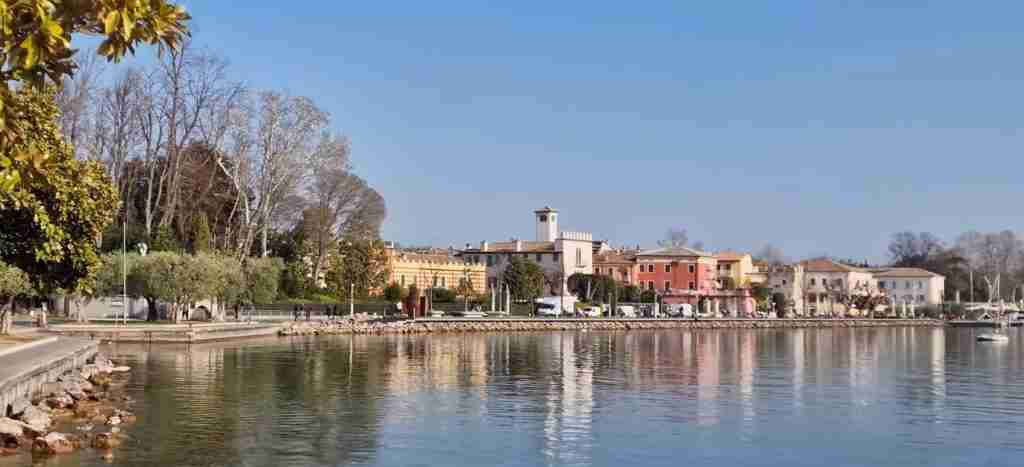
5 days
Lake Garda 5-Day Highlights Experience
- ✓ Comprehensive Lake Garda experience
- ✓ Expert local guides included
- ✓ All accommodation included
- ✓ Transportation provided

7 days
Lake Garda 7-Day Cultural Journey
- ✓ Comprehensive Lake Garda experience
- ✓ Expert local guides included
- ✓ All accommodation included
- ✓ Transportation provided
10 days
Lake Garda 10-Day Complete Adventure
- ✓ Comprehensive Lake Garda experience
- ✓ Expert local guides included
- ✓ All accommodation included
- ✓ Transportation provided
Multi-day tour packages powered by TourRadar. Prices and availability subject to change.
Introduction to Lake Garda in 2026
Lake Garda stands as Italy’s largest and most diverse lake, stretching 51 kilometers from the dramatic alpine north to the gentle rolling hills of the south, shared across Lombardy, Veneto, and Trentino-Alto Adige regions. The 2026 travel season presents an exceptional opportunity to explore this varied landscape, from medieval castles perched on peninsulas to rotating cable cars ascending 1,760-meter peaks, all connected by Italy’s most extensive lake ferry network operating 28 vessels across 25+ lakeside communities.
Planning a Lake Garda journey in 2026 requires understanding the lake’s distinct geographical character. The narrow northern section between towering mountains creates conditions prized by windsurfers and sailors, where towns like Riva del Garda and Malcesine cling to steep shores beneath Monte Baldo’s alpine ridges. The wider southern basin opens into gentle Mediterranean landscapes where Sirmione’s thermal springs and Scaliger castles attract history enthusiasts, while Desenzano del Garda serves as the primary rail gateway from Milan and Venice.
This guide addresses the practical challenges facing 2026 visitors: navigating complex ferry schedules that vary monthly, choosing strategic accommodation bases that maximize multi-town access while minimizing costs, understanding seasonal price fluctuations that see July rates double May’s pricing, and timing visits to balance weather reliability against crowd levels. The information draws from verified 2025-2026 operational data, current pricing from official sources, and strategic planning frameworks developed through extensive regional analysis.
Lake Garda’s appeal extends beyond scenic beauty to encompass Roman thermal baths, medieval fortifications, Renaissance gardens, and modern adventure sports infrastructure. The 2026 season brings enhanced ferry services following 2025’s investment in two new vessels, refined booking systems for popular attractions, and continued development of cycling paths connecting lakeside communities. Whether planning a three-day weekend exploring signature towns or a ten-day comprehensive circuit, understanding Lake Garda’s transportation networks, accommodation strategies, and regional characteristics transforms a beautiful destination into an efficiently navigated, budget-conscious, and deeply rewarding Italian experience.
Understanding Lake Garda’s Geography and Regions 2026
Lake Garda divides into three distinct geographical and administrative regions, each offering different landscapes, climates, and visitor experiences that fundamentally shape accommodation choices, activity planning, and daily itineraries for 2026 travelers.
The northern section (Trentino-Alto Adige) extends from Riva del Garda to Malcesine, characterized by narrow shores squeezed between 2,000-meter peaks creating a fjord-like environment. This alpine microclimate generates the Ora and Pelèr winds that make Torbole and Riva del Garda international windsurfing and kitesurfing centers, with consistent afternoon breezes April-October. Towns here feature Germanic architectural influences, mountain-facing orientations limiting afternoon sun, and cooler temperatures 2-4°C below southern shores. The Monte Baldo cable car from Malcesine represents this region’s defining experience, lifting visitors from lakeside to 1,760-meter alpine meadows in 15 minutes.
The eastern shore (Veneto) from Malcesine south through Torri del Benaco, Garda, and Bardolino to Peschiera del Garda offers the most balanced Lake Garda experience. Medieval harbor towns maintain authentic character despite tourism development, combining historic centers accessible to pedestrians with modern amenities, extensive waterfront promenades, and gentle hillside olive groves and vineyards. This region captures afternoon and evening sun, creating pleasant terrace dining conditions. The Bardolino wine region produces light reds and rosés available at dozens of family-operated wineries within cycling distance of lakeside towns.
The southern and western shores (Lombardy) from Desenzano del Garda around through Salò to Limone sul Garda transition from wide, gently-sloped terrain to dramatic cliffsides. Sirmione dominates southern tourism with its thermal springs and 13th-century Scaliger Castle built on a narrow peninsula jutting into the lake. Desenzano functions as Lake Garda’s primary transportation hub, offering the most frequent rail connections to Milan (70 minutes) and Venice (90 minutes). The western shore’s Strada Gardesana coastal road, carved into cliffs between Gargnano and Limone, ranks among Italy’s most scenic drives, though summer traffic congestion challenges travelers without early morning timing.
Understanding these regional distinctions helps 2026 visitors make strategic base selections. Northern bases suit active travelers prioritizing mountain sports, accepting higher costs and limited restaurant variety for dramatic scenery. Eastern shore towns balance accessibility, amenities, and authentic Italian atmosphere ideal for first-time visitors. Southern locations offer thermal spa experiences and best rail connections for multi-destination Italy itineraries.
Best Time to Visit Lake Garda in 2026
Lake Garda’s 2026 season divides into four distinct periods, each offering different advantages for weather, crowds, pricing, and operational services that significantly impact the visitor experience and daily budget.
The peak summer season July through August delivers guaranteed warm weather with daytime temperatures 28-32°C and water temperatures reaching 24-26°C, creating ideal swimming conditions. However, this period brings maximum crowds especially at signature attractions like Sirmione Castle where queue times exceed 90 minutes mid-July, hotel rates reaching €150-300 for mid-range properties that cost €80-150 in shoulder months, and ferry services operating at capacity requiring early boarding to secure seats. Restaurants in popular towns like Malcesine and Limone require reservations 2-3 days ahead for desirable waterfront tables. August sees domestic Italian tourism peak during Ferragosto (August 15) when many businesses close for vacation.
The shoulder seasons May-June and September-early October offer optimal conditions for 2026 visits. May and June present spring blooms, temperatures 20-26°C perfect for hiking and cycling, water temperatures 18-22°C suitable for swimming by late May, and hotel rates 20-30% below peak summer. Ferry services reach full summer schedules by mid-May, operating until early November. September through early October maintains summer warmth (23-27°C air, 20-24°C water) while delivering fewer crowds, harvest season wine experiences at Bardolino and Valpolicella vineyards, and similar pricing advantages to spring. Late October brings increasing rain probability and ferry schedule reductions.
The extended shoulder periods April and mid-October through early November appeal to budget travelers and photographers. April offers temperatures 15-20°C, blooming fruit trees and wildflowers, dramatically reduced accommodation costs (€50-100 for properties costing €150-250 in summer), and minimal crowds except Easter week. Water remains too cold for swimming (14-16°C) and mountain activities above 1,500 meters face snow conditions. Late October through early November sees hotels and restaurants closing for winter with limited ferry services, but provides autumn colors and rates 40-50% below peak season for open properties.
Winter November through March sees most tourist infrastructure closed. Riva del Garda, Sirmione, and Desenzano maintain year-round operations with limited hotel and restaurant choices. Ferries operate reduced schedules, often only the Maderno-Torri car ferry crossing. Winter temperatures range 5-12°C with frequent rain. This period suits only travelers specifically seeking thermal spa experiences at Sirmione’s resorts or using Lake Garda as a base for Dolomites skiing.
Getting Around Lake Garda 2026: Transportation Guide
Lake Garda’s transportation in 2026 centers on the Navigazione Laghi public ferry network, supplemented by regional buses, seasonal car ferries, and rental car options, each serving different strategic purposes for efficient multi-town exploration.
The Navigazione Laghi ferry system operates the primary passenger network with 28 vessels connecting Desenzano del Garda in the south to Riva del Garda in the north via the eastern shore route through Sirmione, Lazise, Garda, Bardolino, Torri del Benaco, and Malcesine. Single journey fares range €3-15.10 depending on distance traveled. Short hops between adjacent towns cost €3-5, mid-distance routes like Garda to Malcesine cost €8-10, and the full Desenzano to Riva route costs €13.70 standard service. Fast hydrofoil service available on major routes adds a €4.80 surcharge per journey, reducing Sirmione-Riva travel time from 4.5 hours to 2.5 hours.
Day passes provide unlimited ferry travel and represent the best value for visitors exploring multiple towns in a single day. The full lake pass costs approximately €25-35 and includes both regular and fast services across the entire network. Regional passes cover specific zones (northern lake, southern lake, eastern shore) at reduced costs €18-25. The “Happy Family” package allows two children ages 4-11 to travel free when two adults purchase full-price day tickets. Tickets can be purchased at pier ticket offices (opening 20 minutes before departures), online via the Navigazione Laghi website, or onboard with a small surcharge at locations without ticket offices.
Ferry schedules operate on seasonal patterns. Full summer service mid-May through early October provides departures every 30-60 minutes between major towns from 8:00 AM to 7:00 PM. Spring and autumn shoulder seasons (April-mid-May, October-early November) run reduced schedules with 1-2 hour intervals and earlier final departures. Winter schedules November-March operate minimal service, primarily the Maderno-Torri car ferry. Weather conditions, particularly strong winds, can suspend ferry services with short notice; travelers should check the official website or toll-free number 800-551801 for real-time status updates.
Car ferry services provide strategic east-west shortcuts avoiding the 100+ kilometer drive around the lake’s perimeter. The year-round Maderno-Torri del Benaco crossing costs €6.50 per car and operates hourly 8:00 AM-6:00 PM, taking 20 minutes to cross the lake’s widest point. The seasonal Limone-Malcesine route costs €9.80 and operates weekends May-October, serving the northern section. Both ferries accommodate motorcycles, bicycles, and foot passengers at reduced rates.
ATV Verona operates regional bus services circling the entire lake via the Strada Gardesana coastal road. Bus line 483 serves the eastern shore from Peschiera to Malcesine, while line 484 connects Riva del Garda to Malcesine. Single bus fares cost €2-8 depending on distance, with day passes available €8-12. Buses serve towns without ferry stops and continue operating during winter ferry closures, but summer traffic congestion makes journey times unpredictable, often 2-3 times longer than ferry service for equivalent routes.
Rental cars provide flexibility for exploring hilltop villages, wine regions, and attractions away from lakeside towns. However, summer lakeside traffic congests the Strada Gardesana significantly, parking in historic town centers proves limited and expensive (€2-4 per hour), and many lakeside roads feature narrow, winding sections challenging for nervous drivers. Cars make strategic sense for visitors planning extensive wine touring in Valpolicella or day trips to Verona, Venice, or the Dolomites, but provide limited advantage for pure lakeside exploration where ferries offer superior access and stress-free travel.
Top Attractions and Experiences on Lake Garda 2026
Lake Garda’s 2026 attractions span medieval fortifications, alpine cable cars, thermal spas, and Roman archaeological sites, distributed across the lake’s distinct regions requiring strategic planning for efficient multi-day itineraries.
The Monte Baldo cable car from Malcesine represents Lake Garda’s signature mountain experience. The Funivia Malcesine operates two connected sections: Malcesine to San Michele (580m elevation) and San Michele to Tratto Spino (1,760m). The upper section features rotating cabins providing 360-degree panoramic views during the 15-minute ascent. Round-trip tickets cost €27 for the full Malcesine-Monte Baldo route (adult rates), €19 one-way, with reduced fares for children and seniors. The cable car operates year-round except March and November maintenance closures, with departures every 30 minutes from 8:30 AM, increasing frequency during peak traffic. At the summit, hiking trails range from gentle 1-hour loops to challenging 4-hour ridge walks, with the Sentiero del Ventrar offering spectacular lake views along a 5-kilometer moderate trail. Mountain restaurants serve local specialties €15-25 per meal. Winter months add skiing to 1,760-meter slopes with lake views.
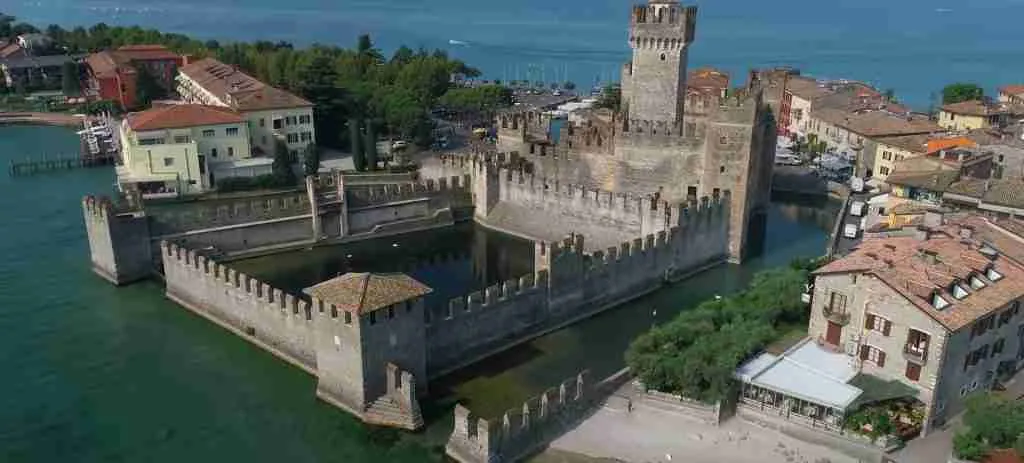
Sirmione’s Scaliger Castle (Rocca Scaligera) dominates the southern lake’s skyline as a 13th-century fortification built on a peninsula. The castle charges entry fees approximately €8-12 (check official Castello Scaligero website for current 2026 rates) and permits visitors to climb the 146-step tower for panoramic views over Sirmione’s rooftops and the lake. Peak season July-August sees queue times of 60-90 minutes; purchasing tickets online in advance when available or arriving at 8:30 AM opening reduces wait times significantly. The castle’s interior houses small archaeological exhibits and weapon displays. The adjacent Grotte di Catullo Roman villa ruins cost separate admission €8-10, featuring extensive 1st-century remains with olive groves and lake views.
Aquaria Thermal Spa in Sirmione offers Lake Garda’s premium wellness experience, built around natural thermal waters rich in sulfur and minerals. The complex features indoor and outdoor thermal pools (33-36°C year-round), saunas, steam rooms, and relaxation areas with lake views. Day admission costs approximately €35-45 weekdays, €45-55 weekends (verify current rates at official Aquariadelsirmione.it), with massage and treatment packages available €60-120 additional. The outdoor pools provide unique winter experiences, swimming in warm water while surrounded by winter landscapes. Advance booking is essential July-August; shoulder season visitors often secure same-day admission.
Gardaland theme park near Peschiera del Garda operates as Italy’s largest amusement park. Single-day tickets cost approximately €40-45 adults purchased online in advance (gate prices €45-50), with children’s tickets €35-40. The park features 40+ attractions including roller coasters, water rides, shows, and themed areas based on popular entertainment properties. July-August weekends bring maximum crowds with 60-90 minute waits for popular rides; weekday visits or June/September timing reduces queues to 20-40 minutes. The adjacent Gardaland SEA LIFE aquarium costs separate admission €15-18 or combination tickets with the main park €50-55.
Vittoriale degli Italiani in Gardone Riviera preserves the extravagant estate of Italian poet Gabriele D’Annunzio, featuring his mansion, amphitheater, museum ship, and elaborate gardens. Admission costs €16-18 for complete access including guided mansion tours (Italian with occasional English options), with grounds-only tickets €12-14. The site requires 2-3 hours for thorough exploration. D’Annunzio’s eclectic collections and Art Deco interiors attract architecture and history enthusiasts; the hillside setting provides excellent lake views from multiple terraces.
Free and low-cost experiences complement paid attractions. Lakeside promenades in every town provide walking and cycling paths, many illuminated for evening strolls. Historic town centers like Malcesine, Limone, and Torri del Benaco charge no admission to wander medieval streets, stone harbors, and public piazzas. Beaches range from pebble coves to larger lakefront areas with free access, though lounger and umbrella rentals cost €10-20 daily. Sunset ferry rides, particularly the evening Desenzano-Sirmione route, offer photographic opportunities and romantic experiences for the standard ferry fare €3-5.
Where to Stay on Lake Garda 2026: Accommodation Guide
Lake Garda’s 2026 accommodation ranges from €25 hostel dormitories to €400+ luxury resorts, with strategic location selection as important as budget tier for maximizing the multi-town exploration experience while managing daily transportation costs and time.
Budget accommodation €50-80 per night includes hostels, guesthouses, and 2-star hotels primarily located in Peschiera del Garda, Desenzano, and residential areas outside historic town centers. Hostel dormitories cost €25-45 per bed in establishments like those in Peschiera del Garda near the train station, offering basic amenities, shared facilities, and social atmospheres appealing to backpackers and young travelers. Budget hotels €50-80 provide private rooms with en-suite bathrooms, typically 500-1,000 meters from lakefronts requiring 10-15 minute walks to ferry piers. These properties often lack air conditioning, offer limited breakfast options, and operate seasonally closing November-March. August availability becomes scarce; booking 2-3 months ahead proves necessary.
Mid-range accommodation €80-180 per night represents the sweet spot for most Lake Garda visitors, encompassing 3-star hotels and well-appointed guesthouses in favorable locations. Properties in this tier typically feature lakeside or lake-view positions, air conditioning, balconies, buffet breakfasts with local specialties, swimming pools (particularly important June-August), and concierge services for booking tours and restaurant reservations. Towns offering best mid-range value include Bardolino, Garda, and Malcesine where €100-150 secures quality lake-view rooms in peak season. Sirmione’s mid-range properties start €120-180 for equivalent quality due to premium location pricing. Shoulder season May-June and September-October sees these same properties available €80-120, representing the best value-to-experience ratio.
Luxury and boutique accommodation €200-400+ per night includes 4-5 star hotels, boutique properties, and historic villas converted to hospitality. These establishments deliver lake-view rooms with premium furnishings, spa facilities, infinity pools, fine dining restaurants, private beach areas, and often historic architecture or designer interiors. The northern lake’s Park Hotel Imperial in Limone sul Garda and southern lake’s thermal spa resorts in Sirmione represent this category’s upper tier. Luxury properties maintain higher year-round operations than budget tiers, though still reduce rates 30-40% during November-March. Many offer package deals combining accommodation with spa treatments, romantic dinners, or adventure activities.
Strategic location selection determines daily transportation costs and exploration efficiency. Central eastern shore bases in Garda, Bardolino, or Torri del Benaco provide optimal ferry access to both northern attractions (Malcesine cable car 30-45 minutes) and southern sights (Sirmione 45-60 minutes), balanced restaurant variety, and moderate pricing. Northern bases in Malcesine or Riva del Garda suit mountain enthusiasts willing to accept 2-hour ferry rides to southern lake attractions and limited off-season restaurant options. Southern locations in Desenzano offer best rail connections for Venice/Verona day trips but require 3-4 hour ferry journeys to reach northern lake experiences. Sirmione provides iconic setting and thermal spa access but suffers from extreme crowds, limited parking, and premium pricing that sees mid-range hotels costing €120-250 versus €80-150 in equally attractive but less famous towns.
Booking strategies for 2026 include securing accommodation 3-4 months ahead for July-August dates, particularly for specific property preferences in competitive towns like Malcesine, Limone, or Sirmione. Shoulder season bookings 4-6 weeks ahead generally find good availability. Properties offer best rates when booked directly via their websites, often 10-15% below booking platforms, though platforms provide easier cancellation terms. Package holiday operators like TUI offer competitive rates combining flights, transfers, and accommodation that often beat independent bookings for UK travelers. Always verify whether quoted rates include breakfast (colazione inclusa) and tourist taxes typically €1-3 per person nightly paid separately on checkout.
Lake Garda Food and Dining Guide 2026
Lake Garda’s culinary landscape in 2026 blends northern Italian regional traditions from Trentino, Veneto, and Lombardy, emphasizing fresh lake fish, local olive oils, wines from surrounding hillsides, and mountain-influenced meat dishes, with dining costs varying significantly by establishment type and location.
Budget dining €15-30 per person daily centers on takeaway pizzerias, small trattorias, and supermarket purchases. Pizzerias offer individual pizzas €8-12 with beverages €3-4, providing filling meals for €10-15 per person. Small family-run trattorias serve pasta dishes €10-14, secondi (main courses) €12-18, and local wines €4-6 per glass or €15-20 per bottle. The €15-20 meal formula typically includes pasta or risotto, bread, water, and shared wine. Supermarkets like Conad, Despar, or Eurospin provide picnic supplies: fresh bread €2-3, local cheeses and salumi €6-10 combined, fruits and vegetables €3-5, creating €12-15 self-catered meals for two. Gelaterias charge €2.50-4 for generous cones, serving as afternoon treats or light desserts.
Mid-range dining €30-50 per person covers traditional restaurants with lake views, local specialties, and wine pairings. Lakeside restaurants charge premium pricing for waterfront positions; expect €35-50 for full meals including antipasto or primo, secondo with contorno (side dish), dessert or coffee, and half-bottle wine. Signature Lake Garda dishes to seek include lavarello (whitefish) €16-22, lake trout €18-24, bigoli pasta with sardines €12-16, risotto with perch €14-18, and beef with olives €20-26. Restaurants 2-3 streets inland from waterfront promenades offer identical quality at €25-35 per meal. Tipping remains discretionary in Italy; leaving 5-10% satisfies exceptional service, though €1-2 per person suffices for standard experiences.
Upscale dining €50-80+ per person encompasses Michelin-starred establishments and gourmet trattorias emphasizing contemporary interpretations of regional cuisine, premium wine lists featuring Amarone and Valpolicella superiore selections, and refined dining atmospheres. Towns like Gargnano, Gardone Riviera, and Riva del Garda host notable restaurants where tasting menus €60-90 showcase chef creativity with local ingredients. Wine pairings add €25-40. These establishments require reservations days or weeks ahead during peak season.
Regional specialties reflect Lake Garda’s multi-regional character. The northern Trentino section emphasizes mountain influences: polenta with mushrooms or game, canederli (bread dumplings) in broth, and apple strudel desserts. The Veneto eastern shore features risottos, lake fish preparations, and Bardolino wines. The Lombardy western shore highlights freshwater fish, spit-roasted meats, and olive oils from hillside groves. Extra virgin olive oil from Garda DOP (protected designation) rivals Tuscany’s production and appears at every table; purchasing bottles €12-25 from local producers makes excellent souvenirs.
Wine experiences range from casual enoteca tastings to guided vineyard tours. Bardolino and Bardolino Chiaretto (rosé) dominate the eastern shore at €5-8 per glass or €15-25 per bottle in restaurants, €8-15 retail. Valpolicella appellations including Amarone and Ripasso come from vineyards 20-30 kilometers inland, accessible via car or organized tours €40-60 including tastings and lunch. Many wineries offer free tastings with purchases; calling ahead ensures English-speaking staff availability during shoulder seasons.
Lake Garda Budget Planning 2026: Daily Costs
Planning a realistic Lake Garda budget for 2026 requires understanding three expense tiers (budget, mid-range, luxury), seasonal variations that see costs fluctuate 30-50% between peak and shoulder periods, and strategic spending allocation across accommodation, dining, transportation, and activities.
Budget travelers can experience Lake Garda for €70-100 per person daily including accommodation. This breakdown allocates budget hotel or hostel accommodation €50-80 nightly, meals €25-35 daily through pizzerias, trattorias, and partial self-catering from supermarkets, transportation €10-15 combining strategic ferry day passes with walking between adjacent towns, and activities €15-25 selecting free town explorations, beaches, and hiking with occasional paid attractions. A budget-conscious three-day Lake Garda visit totals approximately €210-300 per person covering two nights accommodation, nine meals, local ferry travel exploring 3-4 towns, and one major paid attraction like Monte Baldo cable car or Sirmione castle. Budget travelers maximize value by visiting May-June or September-October when accommodation costs drop 30-40%, preparing picnic lunches, using regional day passes for unlimited ferry travel, and focusing on free lakeside promenades and historic town centers.
Mid-range travelers spending €120-180 per person daily balance comfort with comprehensive experiences. This budget allocates 3-star lake-view hotels €100-150 nightly, restaurant meals €40-60 daily mixing lakeside dining with inland trattorias, transportation €15-25 including ferry day passes and occasional car ferry crossings, and activities €30-50 covering 1-2 paid attractions daily such as cable cars, castles, boat tours, or wine tastings. A mid-range five-day Lake Garda experience costs approximately €600-900 per person including four nights quality accommodation, fifteen meals at varied establishments, comprehensive ferry travel exploring 6-8 towns, Monte Baldo cable car, Sirmione thermal spa entry, wine region tour, and castle visits. Mid-range budgets achieve best value during shoulder seasons when €120-150 secures properties costing €180-250 in July-August.
Luxury travelers exceeding €250 per person daily prioritize premium accommodations, fine dining, private experiences, and minimal budget constraints. This tier includes 4-5 star hotels or boutique properties €200-400 nightly, fine dining and Michelin-starred restaurants €80-120 daily, private boat tours and personalized wine experiences €100-200, and spa treatments or premium adventure activities €50-150. A luxury week-long Lake Garda stay totals €2,000-3,500 per person covering six nights prestigious accommodation, gourmet dining throughout, private boat tour, helicopter flight over the lake, comprehensive spa day, guided wine tour with sommelier, and unrestricted attraction access.
Sample daily budget breakdowns demonstrate practical spending:
Budget Day (€85 total): Hostel dormitory €35, breakfast at hostel €5, picnic lunch from supermarket €8, afternoon gelato €3, pizzeria dinner with wine €16, ferry day pass eastern shore €18. Activities: free walking tours of Malcesine and Torri del Benaco, lakeside promenade, public beach swimming.
Mid-Range Day (€150 total): 3-star hotel lake-view room €110, hotel breakfast included, lakeside trattoria lunch €22, aperitivo with snacks €8, waterfront restaurant dinner €38, full-lake ferry day pass €28, Monte Baldo cable car €27. Activities: cable car ascent with summit hiking, ferry-hopping between Garda, Bardolino, and Sirmione.
Luxury Day (€340 total): Boutique 5-star hotel €280, gourmet breakfast included, Michelin-starred lunch tasting menu €65, afternoon wine tasting €25, fine dining dinner €85, private boat tour three hours €150, Aquaria spa day admission €45. Activities: private boat to Isola del Garda, thermal spa experience, sunset cocktails at exclusive terrace.
These budget estimates exclude international flights, travel insurance, and shopping but include all on-ground expenses for comprehensive Lake Garda experiences. Couples sharing accommodation reduce per-person costs significantly, with budget couples achieving full experiences for €60-70 daily each and mid-range couples at €100-130 daily each.
Lake Garda Sample Itineraries 2026
Strategic Lake Garda itineraries in 2026 balance geographical variety, transportation efficiency, and experience diversity, varying by available time from quick weekend escapes to comprehensive week-long explorations covering the lake’s distinct northern, eastern, and southern characters.
Three-Day Weekend Itinerary: Essential Lake Garda
Day 1 – Southern Lake Discovery: Arrive Desenzano del Garda by train from Milan or Venice, morning visit to lakefront promenade and historic center (free), ferry to Sirmione €4, explore Scaliger Castle €10, lunch at lakeside trattoria €20, afternoon Grotte di Catullo Roman ruins €8, return ferry to Desenzano €4, dinner €25. Overnight Desenzano. Day cost: €71 plus accommodation.
Day 2 – Eastern Shore Circuit: Morning ferry Desenzano to Bardolino €6, explore wine town and lakefront, mid-morning ferry to Garda €4, lunch €18, afternoon ferry to Malcesine €8, evening cable car ascent Monte Baldo €27, summit dinner €20, cable car descent, overnight Malcesine. Day cost: €83 plus accommodation.
Day 3 – Northern Lake Experience: Morning Malcesine old town and castle (free), midday ferry to Limone sul Garda €5, lunch €22, afternoon exploration of lemon houses and promenades, late afternoon ferry to Riva del Garda €5, evening town center visit, dinner €25, return to accommodation base or depart. Day cost: €57 plus accommodation.
Three-day total excluding accommodation: approximately €211 per person covering comprehensive town exploration, one major mountain experience, all ferry transport, and nine restaurant meals.
Five-Day Comprehensive Itinerary: Multi-Regional Experience
Day 1 – Arrival and Southern Exploration: Arrive Peschiera del Garda, settle accommodation, afternoon Lazise medieval town visit (free), dinner €22, evening lakeside walk. Day cost: €22 plus accommodation.
Day 2 – Sirmione and Thermal Experience: Ferry to Sirmione €5, castle visit €10, Grotte di Catullo €8, lunch €25, afternoon Aquaria Thermal Spa €42, early dinner €20, return ferry €5. Day cost: €115 plus accommodation.
Day 3 – Eastern Shore Wine Region: Ferry to Bardolino €4, morning wine tasting at local cantina €15, lunch €18, afternoon ferry to Garda €4, explore town center, evening ferry to Torri del Benaco €4, castle visit €5, dinner at historic osteria €28, return ferry €4. Day cost: €82 plus accommodation.
Day 4 – Northern Alpine Adventure: Ferry to Malcesine €8, cable car Monte Baldo €27, hiking and lunch at summit refuge €20, descent, afternoon old town exploration, dinner €25, overnight Malcesine. Day cost: €80 plus accommodation.
Day 5 – Northern Circuit and Western Shore: Ferry Malcesine to Limone €5, morning exploration, ferry to Riva del Garda €5, lunch €20, afternoon Torre Apponale and waterfront, car ferry Limone to Malcesine to access western shore €10, visit Gargnano, dinner €25, return to base or depart. Day cost: €65 plus accommodation.
Five-day total excluding accommodation: approximately €364 per person including comprehensive multi-regional exploration, thermal spa experience, mountain cable car, wine tasting, and fifteen restaurant meals.
Seven-Day Complete Lake Circuit
A week-long itinerary adds depth through wine region day trips (Valpolicella tour €55), Vittoriale degli Italiani visit (€18), additional mountain activities (hiking, paragliding €120), Gardaland theme park day (€45), leisurely town days without packed schedules, and exploration of lesser-visited communities like Toscolano Maderno or Brenzone. Seven-day experiences total approximately €550-750 excluding accommodation depending on activity intensity and dining choices, providing comprehensive Lake Garda immersion across all regions with balanced pacing avoiding tourist fatigue.
Practical Tips for Lake Garda 2026
Lake Garda travel in 2026 benefits from advance knowledge of regional logistics, cultural expectations, seasonal considerations, and strategic planning approaches that transform good visits into exceptionally smooth experiences.
Language and Communication: Italian remains the primary language though tourism centers like Sirmione, Malcesine, and Riva del Garda maintain English proficiency in hotels, restaurants, and major attractions. Smaller towns and family-run establishments may have limited English; basic Italian phrases (buongiorno, grazie, per favore, quanto costa) enhance interactions significantly. Restaurant menus increasingly offer English translations; when absent, Google Translate’s camera function provides instant translations. Germans and Austrians frequent northern lake resorts; German signage and German-speaking staff appear commonly in Riva del Garda and Limone.
Money and Payment: Italy uses euros. ATMs appear in every town dispensing euros with international card fees typically €3-5 per withdrawal; withdrawing larger amounts €200-300 minimizes fee frequency. Credit cards work at most hotels, larger restaurants, and major attractions, though smaller establishments and trattorias often operate cash-only (contanti solo). Carrying €50-100 cash handles incidental expenses, small purchases, and cash-preferred vendors. Tipping remains discretionary; €1-2 per person at casual restaurants or rounding up taxi fares to nearest €5 satisfies expectations.
Mobile Connectivity: EU roaming regulations allow EU citizens to use domestic mobile plans throughout Italy without surcharges. Non-EU visitors should verify international roaming costs which can be prohibitive (€10-15 per day) or purchase Italian SIM cards available at tobacconists (tabacchi), phone stores, or airports for €10-20 including data. Major carriers TIM, Vodafone, and Wind offer prepaid tourist SIMs with 10-20GB data. Public WiFi appears at most accommodations, cafes (usually with purchase), and town squares, though connection quality varies. Download offline Google Maps for Lake Garda region before arrival ensuring navigation without data connection.
Weather Preparation: Lake Garda’s weather varies significantly by season and location. Summer July-August requires sun protection (SPF 30+ essential), light breathable clothing, sunglasses, and hats; evening temperatures 20-24°C need light sweaters for outdoor dining. Spring and autumn shoulder seasons demand layered clothing accommodating 15-25°C range; light rain jackets prove useful for occasional showers particularly April and October. Northern lake towns experience afternoon Ora winds reaching 25-30 km/h making waterfront dining cooler than expected; bringing windbreakers helps. Winter visits require warm coats, though southern lake stays milder than northern European winters.
Health and Safety: Lake Garda presents minimal safety concerns. Tap water is safe drinking throughout the region. Emergency services dial 112 (universal EU emergency number). Pharmacies (farmacie identified by green cross signs) provide over-the-counter medications and professional health advice; at least one pharmacy in larger towns maintains rotating 24-hour service posted on pharmacy doors. European Health Insurance Cards (EHIC) provide EU citizens access to Italian public healthcare; non-EU visitors should verify travel insurance coverage includes Italian medical care. Summer heat requires hydration; carrying water bottles and refilling at public fountains (abundant in town squares) prevents dehydration during walking tours.
Swimming and Water Safety: Lake Garda’s water quality rates excellent for swimming throughout summer months. Public beaches charge no admission though lounger and umbrella rentals cost €10-20 daily. Water temperatures reach comfortable 22-26°C July-August, cooling to 18-20°C in June and September. Northern lake waters remain cooler by 2-3°C. Pebble beaches dominate though some southern areas feature sand or grass waterfront areas. Water depths increase quickly from shore; supervising children remains essential. Strong afternoon winds particularly in northern sections create choppy conditions unsuitable for weak swimmers.
Sustainable Tourism Practices: Lake Garda faces overtourism pressure particularly July-August in Sirmione and Malcesine. Visiting shoulder seasons May-June and September-October reduces environmental strain and improves visitor experiences through smaller crowds. Supporting local businesses over international chains, purchasing regional wines and olive oils directly from producers, using public ferries rather than rental cars, and respecting pedestrian-only zones all contribute to sustainable tourism. Many towns implement strict parking limitations and traffic zones (ZTL – Zona Traffico Limitato) where unauthorized vehicles face €100+ fines; always verify hotel parking arrangements before driving into historic centers.
Day Trips from Lake Garda 2026
Lake Garda’s central northern Italian location enables numerous compelling day trips to UNESCO World Heritage cities, wine regions, alpine destinations, and cultural landmarks accessible within 1-3 hours by train, car, or organized tour.
Verona lies 30 kilometers southeast of Lake Garda’s southern shore, accessible in 20-30 minutes by train from Peschiera or Desenzano (€5-8 round trip). This UNESCO-listed city offers Roman arena (Arena di Verona entry €10), Juliet’s House (Casa di Giulietta entry €6), medieval bridges crossing the Adige River, and exceptional historic center perfect for walking tours. Summer visitors can attend spectacular opera performances in the ancient arena (tickets €25-300 depending on seats). A Verona day trip costs approximately €30-50 total including rail transport, attraction entries, and lunch at Veronese osteria. The city warrants 5-6 hours exploring major sights plus dining, making morning departure and evening return to Lake Garda feasible for comprehensive visits.
Venice reaches Lake Garda’s southern towns (Peschiera, Desenzano) in 70-90 minutes by direct regional trains (€8-12 each way). This iconic lagoon city requires no introduction though first-time visitors should note summer crowds reach overwhelming levels and advance planning proves essential. Day trips should target 8-9 hours in Venice allowing comprehensive exploration of St. Mark’s Basilica, Doge’s Palace, Rialto Bridge, and gondola rides. Venice day trip costs total €70-120 including rail transport €20, vaporetto (water bus) day pass €25, major attraction entries €40-50, and meals €30-40. Booking Doge’s Palace and St. Mark’s Basilica skip-the-line tickets online saves 60-90 minute queues. Many Lake Garda visitors allocate 1-2 nights in Venice rather than attempting rushed day visits; this allows evening exploration after day-tripper crowds depart.
Dolomites alpine scenery sits 60-80 kilometers north of Riva del Garda, accessible via car (rental necessary, 90 minutes to major valleys) or organized bus tours (€55-75 including guide). Val di Sole, Val di Non, and accessible Dolomite passes like Passo Pordoi offer dramatic mountain landscapes, alpine lakes, and hiking opportunities. Day trips work well June-September when mountain roads remain snow-free; winter visits target skiing at Madonna di Campiglio or Canazei resorts. Organized tours from Lake Garda include transportation, guide commentary, and strategic photo stops while independent driving provides flexibility for hiking or extended village explorations.
Valpolicella wine region spreads across hills 15-30 kilometers northeast of Lake Garda’s eastern shore. This renowned denomination produces Amarone, Ripasso, and Valpolicella wines in family estates and modern wineries open for tastings. Organized wine tours (€60-85) include transportation from Lake Garda hotels, visits to 2-3 wineries with guided tastings, lunch featuring local specialties, and often stops at Romanesque churches or viewpoints. Independent visitors renting cars can create custom itineraries visiting smaller producers; calling ahead ensures English-speaking hosts and avoids closed days. Wine region visits require designated drivers or tour transportation as tastings involve substantial alcohol consumption.
Mantova (Mantua) lies 40 kilometers south of Lake Garda, reachable by car in 45 minutes or train (requiring change at Peschiera or Desenzano) in 60-90 minutes. This UNESCO-listed Renaissance city features Palazzo Ducale, Palazzo Te’s extraordinary frescoes, and medieval center largely overlooked by international tourists despite exceptional cultural significance. Entry fees €8-15 per palace with combined tickets available. Mantova rewards half-day visits (4-5 hours) allowing leisurely palace tours and lakeside lunches by the city’s three encircling lakes. Total costs approximate €35-50 including transport and entries.
Milan reaches Lake Garda’s southern shore in 60-75 minutes by frequent regional trains from Desenzano (€8-12 each way). Italy’s fashion and financial capital offers Duomo cathedral, Galleria Vittorio Emanuele shopping arcade, Leonardo da Vinci’s Last Supper (advance booking essential weeks ahead, €15 entry), Navigli canal district, and contemporary art museums. Milan day trips require 8-10 hours allowing major sight visits, shopping, and dining in sophisticated urban atmosphere contrasting Lake Garda’s resort character. Costs total €60-100 including transport €20, attraction entries €25-35, and meals €30-50.
Lake Garda with Kids and Families 2026
Lake Garda ranks among Italy’s premier family destinations in 2026, combining safe swimming beaches, theme parks, interactive attractions, and ferry adventures that engage children while providing parent-friendly logistics and accommodation infrastructure supporting family travel.
Gardaland theme park near Peschiera del Garda operates as Lake Garda’s signature family attraction. Italy’s largest amusement park features 40+ rides spanning gentle children’s attractions in Prezzemolo Land to intense roller coasters like Raptor inverted coaster and Oblivion black hole drop tower. Single-day tickets cost €40-45 adults and €35-40 children (4-10 years, under 4 free) with 5-10% discounts purchasing online advance tickets. Peak season July-August weekends bring 60-90 minute waits for popular rides; arriving at opening (typically 10 AM) or visiting June, September weekdays reduces queues to manageable 20-30 minutes. The adjacent Gardaland SEA LIFE aquarium costs separate admission €15-18 or combination tickets €50-55. Families should budget 6-8 hours for comprehensive park experiences including lunch at onsite restaurants €10-15 per person. Many Lake Garda accommodations offer Gardaland package deals combining hotel nights with park tickets at 15-20% discounts versus separate bookings.
Movieland Studios and Canevaworld water parks in Lazise provide additional themed entertainment. Movieland features stunt shows, 4D cinema experiences, and movie-themed attractions (admission €30-35), while Canevaworld includes Caribbean-themed water slides, wave pools, and children’s splash areas (admission €28-33). Combination tickets covering both parks cost €45-50. These parks appeal to slightly older children (8+) versus Gardaland’s broader age range, operate June-September only, and require full days 9 AM-6 PM for value maximization.
Beach activities provide free or low-cost family entertainment throughout summer months. Southern lake beaches in Lazise, Bardolino, and Peschiera offer gradual depth increases safer for younger swimmers than northern lake’s steeper profiles. Pebble beach conditions mean water shoes enhance comfort; purchasing inexpensive pairs €5-10 at lakeside shops prevents foot discomfort. Many beaches provide designated swimming areas marked by buoys separating swimmers from boats. Paddle boat and pedal boat rentals cost €15-25 per hour offering family water adventures. Beach clubs in southern towns feature organized children’s activities, supervised play areas, and lounger rentals with beach access €15-25 daily.
Ferry rides function as affordable family entertainment while providing practical transportation. Children ages 4-11 receive 50% fare reductions, under-4s travel free. The Happy Family ferry pass allows two children free travel when two adults purchase full-price day tickets, representing excellent value for family groups. Long ferry routes like Desenzano to Riva (4.5 hours regular service) become afternoon adventures featuring onboard cafeteria snacks, panoramic views from sun decks, and opportunities to visit multiple towns in single days. Fast hydrofoil services reduce journey times appealing to shorter attention spans though surcharges €4.80 per person add costs for families.
Monte Baldo cable car from Malcesine combines transportation with mountain experience appealing to children 6+. The rotating cabin’s 360-degree views fascinate younger passengers while summit hiking trails, playground areas, and mountain refuges serving hot chocolate and pastries engage older children. The €27 adult round-trip rate makes this pricey for larger families though reduced child rates €15-20 help; many families ride to summit, enjoy 1-2 hour walks and playground time, then descend, creating €80-120 family experiences lasting 3-4 hours. Summit weather can be significantly cooler than lakeside (10-15°C difference); bringing layers prevents discomfort.
Family-friendly accommodations emphasize swimming pools, family rooms or suites, buffet breakfast flexibility for picky eaters, and locations near beaches or towns with safe traffic-free promenades. Towns like Peschiera, Lazise, and Bardolino offer best family infrastructure with traffic-free historic centers, extensive lakeside parks, children’s playgrounds, gelaterias, and casual dining options. Northern lake towns while scenic feature more challenging topography with hills and stairs potentially tiring for small children and limiting stroller accessibility. Multi-generational family groups benefit from apartment rentals or hotel suites allowing communal spaces and kitchen facilities for preparing children’s meals, available €120-250 nightly accommodating 4-6 people in shoulder seasons, €200-400 July-August.
Events and Festivals on Lake Garda 2026
Lake Garda’s 2026 cultural calendar spans music festivals, historic celebrations, food events, and sporting competitions distributed across seasons and lakeside communities, offering visitors opportunities to engage with regional traditions and contemporary cultural life beyond standard tourism experiences.
Summer music festivals dominate June-August programming. The Arena di Verona Opera Festival (20 kilometers from Lake Garda, June-September 2026) presents world-class opera performances in the 2,000-year-old Roman amphitheater with tickets €25-300 depending on seating (check Arena.it for exact 2026 program and dates). Lake Garda communities host smaller-scale concerts and cultural events: Riva del Garda’s Rive Festival (typically June) features electronic music along lakefront venues, while Torri del Benaco presents jazz evenings in medieval castle settings July-August. These local events often charge no admission or nominal fees €5-10, creating accessible cultural experiences.
Food and wine festivals celebrate regional products throughout growing and harvest seasons. Bardolino Wine Festival (Festa dell’Uva e del Vino, typically late September/early October) represents Lake Garda’s premier wine event featuring tastings from dozens of local producers, food stands serving regional specialties, live music, and fireworks spanning four days. The festival attracts 100,000+ visitors, charges no admission to street tastings though paid wine tasting cards €8-12 access premium pours. Bardolino hotels book months ahead for festival weekend; visiting neighboring Garda or Lazise provides accommodation alternatives. Lemon festivals in Limone sul Garda (typically May) celebrate the town’s historic lemon cultivation with product demonstrations, lemon-based dishes, and cultural programming.
Easter Week (March/April depending on calendar, 2026 dates: April 17-20) brings religious processions and cultural events to Lake Garda communities. Torri del Benaco stages dramatic Passion play reenactments, while many towns host Palm Sunday processions and Good Friday candlelight ceremonies. Easter Monday (Pasquetta) sees Italian families flooding to Lake Garda for outdoor picnics and first spring swimming attempts, creating crowded conditions and typically better hotel availability Easter Sunday itself.
Sporting events leverage Lake Garda’s natural advantages for water and mountain sports. The Garda Trentino Half Marathon (typically November in Riva del Garda) attracts international runners to lakeside and mountain routes with €40-50 registration fees. Malcesine hosts numerous mountain biking competitions May-September taking advantage of Monte Baldo’s extensive trail network. Sailing regattas occur throughout summer months particularly in windswept northern lake sections. These sporting events create festive atmospheres with spectator opportunities, associated food stalls, and evening celebrations though they can also generate accommodation shortages requiring advance booking.
Christmas markets (Mercatini di Natale, late November-December) transform select Lake Garda towns into winter wonderlands featuring wooden stalls selling crafts, seasonal foods, mulled wine, and decorations. Riva del Garda and Arco host notable Christmas markets typically late November through December with free admission, creating reasons to visit during otherwise quiet winter months when most tourism infrastructure closes. Markets operate weekends and select weekdays 10 AM-8 PM; combining market visits with thermal spa experiences at Sirmione creates compelling winter weekend itineraries.
Frequently Asked Questions About Lake Garda 2026
Do I need a car to visit Lake Garda in 2026?
A car is not necessary for visiting Lake Garda in 2026; the extensive Navigazione Laghi ferry network and ATV bus services provide comprehensive public transportation connecting all major lakeside towns. Ferries operate March-November with peak summer service offering departures every 30-60 minutes between primary destinations like Sirmione, Garda, Malcesine, and Riva del Garda. Day ferry passes (€25-35) enable unlimited travel making multi-town exploration economical without driving. Cars prove useful for Valpolicella wine region day trips, accessing hilltop villages away from lakeshores, and visiting Verona or Venice with luggage flexibility. However, summer lakeside traffic congestion, limited parking in historic centers (€2-4 hourly where available), and strict traffic restriction zones (ZTL) with €100+ fines make cars disadvantageous for pure lakeside tourism. Most visitors find ferry-bus combinations more enjoyable, less stressful, and often faster than driving comparable routes during peak season.
Is Lake Garda crowded in 2026 and how can I avoid crowds?
Lake Garda experiences significant crowds July-August 2026, particularly in signature destinations Sirmione, Malcesine, and Limone sul Garda where narrow historic centers reach capacity midday. Avoiding crowds requires strategic timing and location choices. Visit during shoulder seasons May-June or September-early October when visitor numbers drop 40-60% while weather remains excellent and most services operate fully. Within peak season, time attractions for early morning (before 10 AM) or late afternoon (after 4 PM); Sirmione Castle sees 90-minute queues at 2 PM reducing to 15-20 minutes at 9 AM opening. Explore lesser-known towns like Torri del Benaco, Brenzone, Gargnano, or Toscolano Maderno offering authentic experiences with fraction of crowds facing Sirmione or Malcesine. Schedule ferry travel for mid-morning or mid-afternoon departures rather than peak 11 AM-1 PM periods when tour groups dominate. Consider weekday visits versus weekends when domestic Italian tourism spikes. These strategic approaches enable peaceful Lake Garda experiences even during theoretically busy periods.
What should I pack for Lake Garda in 2026?
Pack for Lake Garda 2026 based on season and planned activities. Summer July-August essentials include lightweight breathable clothing (shorts, t-shirts, sundresses), swimwear and beach towel, sun protection (SPF 30+ sunscreen, sunglasses, wide-brimmed hat), comfortable walking shoes for cobblestone streets, sandals for casual wear, and light sweater or windbreaker for evening ferry rides and air-conditioned restaurants. Spring/autumn shoulder seasons May-June and September-October require layered clothing accommodating 15-25°C temperature range, light rain jacket for occasional showers, closed-toe walking shoes, and warmer evening layer. Universal items across seasons include day backpack for water bottles and purchases, adapter plug (Italy uses Type L sockets 230V), any prescription medications plus basic first aid supplies, and modest clothing covering shoulders and knees for church visits. Specific activities demand specialized items: hiking boots for Monte Baldo trails, water shoes for pebbly beaches, cycling clothes if planning extensive biking, and nicer dinner outfits for upscale lakeside restaurants. Most items forgotten can be purchased at Lake Garda shops though at premium tourist-area pricing; sunscreen costs €12-18 versus €5-8 at home.
Can I swim in Lake Garda and is the water clean in 2026?
Lake Garda water quality rates excellent for swimming throughout the 2026 season with consistent testing showing compliance with EU bathing water standards. Swimming is popular and safe at designated beaches around the lake from June through September when water temperatures reach comfortable 20-26°C. Water temperatures follow seasonal patterns: June 18-20°C (refreshing but swimmable), July-August 22-26°C (warm and pleasant), September 20-24°C (still comfortable from summer heat retention). Northern lake sections around Riva del Garda and Malcesine maintain cooler temperatures 2-3°C below southern areas due to alpine influences and greater depths. Most beaches consist of pebbles rather than sand; water shoes (purchased locally €5-10) enhance comfort walking on shorelines and entering water. Public beaches charge no admission though lounger and umbrella rentals cost €10-20 daily at equipped beaches. Water depths increase relatively quickly from shore; supervise children and non-confident swimmers carefully. Strong afternoon winds particularly in northern lake create choppy conditions unsuitable for weak swimmers; morning swimming offers calmer conditions. Blue Flag certifications at several Lake Garda beaches confirm both water quality and beach facility standards.
What is the best way to experience Lake Garda on a tight budget in 2026?
Experiencing Lake Garda on a tight budget in 2026 succeeds through strategic timing, accommodation selection, transportation maximization, and balancing paid attractions with free experiences. Visit during shoulder seasons May-June or September-October when accommodation costs drop 30-40% (€50-80 versus €100-150 mid-range rooms). Stay in budget hotels or hostels in less tourist-focused towns like Peschiera, Desenzano, or residential areas 1 kilometer from lakefronts where €50-70 secures decent rooms. Purchase full-day ferry passes (€25-35) enabling unlimited travel versus individual tickets adding up quickly; spend entire days ferry-hopping between towns maximizing the pass value. Prepare picnic lunches from supermarkets (bread, cheese, salumi, fruit totaling €8-12 for two) versus €15-25 per person restaurant lunches. Focus on free activities: lakeside promenades in every town, historic center wandering, public beaches, sunset viewing from ferry decks, and free town museums (many small museums charge no admission). Select 1-2 paid attractions (Monte Baldo cable car €27, Sirmione Castle €10) rather than attempting everything. Dine at pizzerias and small trattorias 2-3 streets inland from waterfront charging €10-15 versus €20-30 lakeside equivalent meals. A budget-conscious three-day Lake Garda visit achieves comprehensive experiences for €200-270 per person total including accommodation, meals, ferry passes, and signature attractions.
How many days do I need for Lake Garda in 2026?
Lake Garda warrants minimum three days for satisfying first-time experiences covering essential highlights, with 5-7 days enabling comprehensive multi-regional exploration without rushed pacing. Three days allows visiting southern lake attractions (Sirmione castle and thermal areas), eastern shore wine towns (Bardolino, Garda), and northern mountain experiences (Malcesine Monte Baldo cable car), covering approximately 6-8 towns via strategic ferry routing. Five days adds depth through Valpolicella wine region touring, western shore communities (Gargnano, Limone), additional mountain activities, theme park visits if traveling with children, and leisurely town days without compressed schedules. Seven days enables complete lake circuit exploration, Verona or Venice day trips, multiple mountain experiences (hiking, paragliding), comprehensive wine touring, and relaxed pacing allowing spontaneous discoveries and longer stays in favored locations. Weekend visitors (2 days) should focus on single regions rather than attempting lake-wide coverage: southern lake weekend featuring Sirmione and Desenzano, or northern weekend combining Malcesine and Riva del Garda. Lake Garda rewards slower travel; spending 2-3 nights in single bases rather than daily hotel changes reduces packing stress and enables afternoon returns to familiar accommodations between morning-evening exploration periods.
What are the main differences between northern and southern Lake Garda?
Northern and southern Lake Garda differ dramatically in geography, climate, activities, and tourism character, fundamentally shaping visitor experiences. Northern Lake Garda (Riva del Garda to Malcesine) features narrow lake sections squeezed between 2,000-meter mountain peaks creating alpine scenery, cooler temperatures 2-4°C below southern areas, consistent afternoon winds favoring windsurfing and sailing, dramatic cable car access to Monte Baldo (1,760m), and Germanic architectural influences reflecting historical Austro-Hungarian connections. Northern towns emphasize active sports (hiking, mountain biking, watersports), mountain restaurants and refuges, and seasonal operations with many businesses closing November-March. Accommodations trend toward mountain lodges and sports-oriented hotels. The northern lake appeals to adventure travelers, mountain enthusiasts, and active sports participants willing to accept higher costs and limited off-season services for spectacular alpine-lake landscapes. Southern Lake Garda (Desenzano to Sirmione) offers wide gentle lake sections with rolling hills, Mediterranean climate with warmer temperatures, thermal springs around Sirmione, extensive Roman archaeological sites, better rail connections for Verona/Venice/Milan day trips, and Italian architectural character. Southern towns feature more year-round operations, diverse dining scenes, accessible historic centers, sandy/grass beaches versus northern pebbles, and family-friendly infrastructure. The southern lake suits history-culture travelers, families with children, thermal spa enthusiasts, and first-time visitors seeking classic Italian lakeside experiences. Eastern and western shores blend northern-southern characteristics creating transitional zones with balanced attributes.
Are there any free activities and attractions at Lake Garda in 2026?
Lake Garda offers extensive free activities and attractions in 2026 that enable comprehensive experiences without paid admission fees. Every lakeside town features free waterfront promenades perfect for walking, jogging, cycling, and sunset viewing, often illuminated for evening strolls. Historic town centers in communities like Malcesine, Limone, Torri del Benaco, and Garda charge no admission to wander medieval streets, stone harbors, public piazzas, and historic building exteriors (interiors may require tickets). Public beaches provide free swimming access around the entire lake though lounger and umbrella rentals cost €10-20; bringing beach towels eliminates these charges. Many small town museums operate on free admission or donation basis, particularly local history collections in medieval buildings. Churches throughout Lake Garda welcome visitors at no charge (modest dress required – shoulders and knees covered); notable examples include historic parish churches with Renaissance frescoes. Hiking trails above lakeside towns like the Sentiero del Ponale from Riva del Garda or paths from Malcesine into Monte Baldo foothills require no fees and deliver spectacular panoramic views. Wine regions like Bardolino feature self-guided vineyard walks through countryside connecting multiple towns. Farmers markets in larger towns (Desenzano Saturday morning, Riva del Garda Wednesday) provide cultural experiences and picnic supply shopping without admission charges. Sunday evening concerts and cultural programs in summer months often operate as free public events in town piazzas. Strategic visitors combining free activities with selective paid attractions (1-2 signature experiences like Monte Baldo cable car or Sirmione Castle) achieve rich Lake Garda experiences on minimal budgets.
What is the food like at Lake Garda and are there vegetarian options in 2026?
Lake Garda food in 2026 reflects northern Italian regional cuisines from Trentino, Veneto, and Lombardy, emphasizing fresh lake fish, pasta and risotto dishes, polenta, local olive oils, regional wines, and mountain-influenced meat preparations. Signature dishes include lavarello (lake whitefish) grilled or pan-fried €16-22, lake trout €18-24, bigoli pasta with sardines €12-16, risotto with perch €14-18, polenta with mushrooms or game €14-18, and beef with local olive oil €20-26. Vegetarian options appear readily available at virtually all restaurants though require awareness of Italian culinary traditions where meat broths may flavor supposedly vegetarian pasta and risotto dishes. Reliable vegetarian choices include pizza margherita and vegetable varieties (widely available €8-12), pasta pomodoro (tomato sauce) or aglio e olio (garlic and oil) €8-12, risotto ai funghi (mushroom risotto – verify vegetable rather than meat broth) €12-16, grilled vegetable plates €10-14, caprese salad (tomato and mozzarella) €8-12, and abundant side dishes (contorni) of seasonal vegetables €4-8. Vegan options prove more challenging outside major towns; vegans should learn key Italian phrases (“sono vegano/a” – I am vegan, “senza latticini” – without dairy) and seek restaurants advertising vegetarian menus where staff better understands plant-based requirements. Fresh produce markets in every sizeable town enable self-catering options for strict dietary needs. Supermarkets stock international vegetarian products though at premium pricing versus home countries. Gelaterias increasingly offer vegan sorbetto options alongside traditional cream-based gelato. Overall, vegetarians find Lake Garda dining accessible and enjoyable particularly appreciating fresh vegetable quality, local cheeses, and olive oil-based preparations; vegans require more intentional planning but achieve satisfying experiences through market shopping and careful restaurant selection.
Is Lake Garda safe for solo travelers in 2026?
Lake Garda ranks as very safe for solo travelers in 2026, presenting minimal security concerns beyond typical tourist-area petty crime requiring standard urban awareness. Violent crime affecting tourists remains extremely rare throughout the region. Pickpocketing and bag snatching occur occasionally in crowded areas like Sirmione peninsula, Malcesine old town during peak season, and busy ferry boarding queues; solo travelers should maintain awareness of belongings, use anti-theft bags or money belts for valuables, and avoid displaying expensive jewelry or electronics. Solo female travelers report comfortable independent experiences; standard precautions include avoiding isolated areas after dark, trusting instincts about situations feeling uncomfortable, and staying in accommodations with good reviews regarding solo traveler experiences. The extensive daylight hours May-August (sunset 8:30-9 PM) enable evening activities without darkness concerns. Lake Garda’s tourism infrastructure accommodates solo travelers well with single-occupancy hotel rooms (though often charging 70-80% of double rate), communal hostel spaces facilitating social connections, and tour operators accepting solo participants without surcharges. Ferry travel suits solo exploration, providing mobile base for reaching multiple towns independently while enjoying scenery and onboard cafeteria facilities. Solo travelers should inform accommodation providers of single status for safety; front desk staff provide local area guidance and security awareness. Emergency services respond efficiently to 112 universal emergency number with English-speaking operators. Solo travelers benefit from Lake Garda’s walkable town scales, pedestrian-friendly historic centers, and daytime activity focus versus nightclub-heavy destinations. Overall, Lake Garda presents fewer challenges than major cities for solo exploration while delivering rich cultural experiences, natural beauty, and opportunities for both solitude and social interaction based on personal preferences.