Lake Bled Travel Guide 2026: Slovenia’s Iconic Alpine Lake
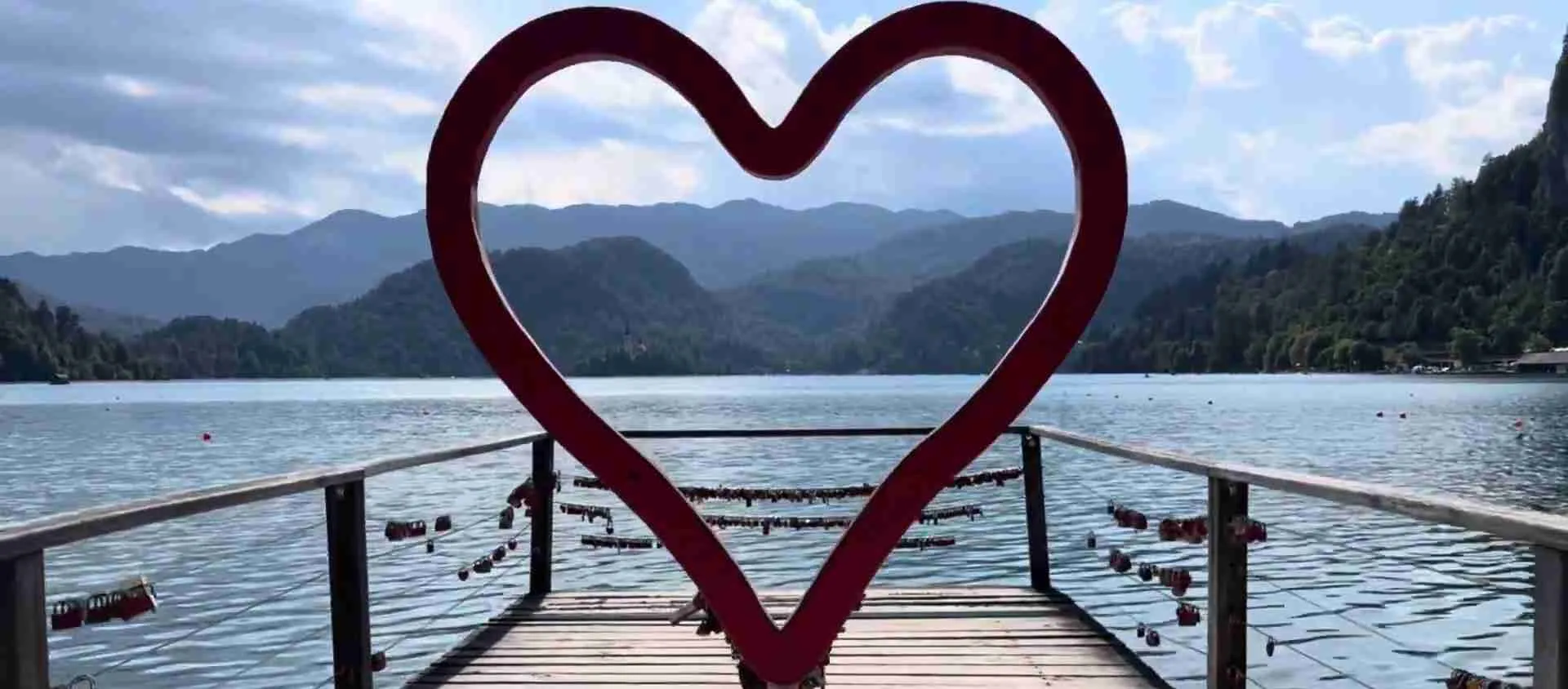
Lake Bled stands as Slovenia’s most photographed destination, where emerald waters cradle a tiny island topped with a baroque church while a medieval castle watches from clifftop heights. This comprehensive 2026 guide equips you with verified pricing, strategic planning insights, and insider knowledge to experience the Julian Alps’ crown jewel without crowds or confusion.
Key Takeaways for Lake Bled 2026
- Budget Reality 2026: Daily costs range €56-94 per person for budget travelers staying in hostels, €180-260 for mid-range comfort with two sharing hotel accommodation, and €370-530 for luxury lakefront experiences with two sharing premium hotels.
- Essential Costs: Bled Castle entrance €16, Pletna boat to island €20 per person, island church €12, Vintgar Gorge €10—budget €58-70 total for core attractions or explore free alternatives including the complete 6-kilometer lake circuit.
- Seasonal Strategy 2026: May-June and September-October deliver 18-22°C weather with €40-60 lower nightly hotel rates compared to July-August peaks, while avoiding extreme crowds at iconic viewpoints and Pletna boat queues.
- Transportation Intelligence: Direct buses from Ljubljana run every 15-30 minutes costing €5.90 weekdays or €1.90 weekends for the 75-minute journey, with Bled’s compact center making rental cars unnecessary for most visitors.
- Hidden Cost Alert: Tourist tax adds €3.13 per person nightly, lakefront parking costs €3 per hour, and restaurant prices run 40-60% above Slovenian averages—factor €280-320 weekly for mid-range travelers beyond basic accommodation and meals.
- Strategic Timing: Arrive before 8 AM for crowd-free photography at Ojstrica viewpoint, book Pletna boats for 7 AM departures avoiding tour group waves, and reserve fine dining restaurants 2-3 weeks ahead during June-September 2026.
People Also Ask About Lake Bled 2026
How Much Does Lake Bled Cost Per Day in 2026?
Lake Bled daily costs range €56-94 per person for budget travelers, €180-260 for mid-range visitors, and €370-530 for luxury experiences in 2026, with all tiers assuming two people sharing accommodation. Budget travelers staying in hostel dormitories spend €16-25 for beds, €27-41 for meals at pizzerias and budget spots, €3-8 for local transport, and €10-20 selecting free attractions like the lake circuit with occasional paid entry. Mid-range travelers allocate €80-110 per person for hotel shares, €63-90 for restaurant meals including the famous cream cake, €8-15 for mixed transportation, and €30-45 for castle, island, and Vintgar Gorge admissions. Luxury visitors invest €175-250 per person for lakefront hotel shares, €128-180 for fine dining at Michelin-mentioned restaurants, €15-25 for private transfers, and €50-75 for premium guided experiences.
Is Lake Bled Worth Visiting in 2026?
Lake Bled absolutely merits 2026 travel plans despite tourism popularity, offering genuine alpine beauty combining accessible 6-kilometer flat walking loops with dramatic mountain backdrops, medieval castle exploration, and unique Pletna boat traditions dating to the 16th century. The destination delivers exceptional photography opportunities from free viewpoints like Ojstrica and Mala Osojnica capturing the iconic island-church-castle composition, while nearby Vintgar Gorge, Triglav National Park access, and Lake Bohinj day trips provide wilderness escapes within 30 minutes. Value increases during shoulder seasons when May-June and September-October weather remains warm enough for swimming at 18-22°C while hotel prices drop €40-60 nightly and attractions operate without July-August queue congestion. First-time Slovenia visitors should prioritize Bled as the country’s signature landscape, while repeat visitors find depth exploring surrounding Julian Alps trails and traditional villages within easy reach.
What Is the Best Month to Visit Lake Bled in 2026?
May and September represent optimal Lake Bled visiting months in 2026, delivering reliably warm 18-22°C temperatures comfortable for swimming and hiking while avoiding peak-season crowds and pricing that plague July-August. May brings wildflower blooms across surrounding mountains, longer daylight for evening photography, and mid-range hotels priced €160-220 per night compared to €220-280 summer peaks. September offers stable weather after summer storm season, autumn colors beginning in late month, and restaurants operating full menus before winter closures while tourist numbers drop significantly after schools resume. June works excellently for weather reliability and extended daylight despite growing crowds, while October provides budget advantages with hotels dropping to €140-200 per night though some mountain trails close and swimming becomes challenging at 12-15°C water temperatures. Avoid late July during Bled Days festival when hotels book six months ahead and weekend visitors from Austria and Italy quadruple local capacity.
How Many Days Should I Spend at Lake Bled in 2026?
Two to three days provide ideal Lake Bled duration in 2026, allowing unhurried exploration of core attractions while incorporating day trips to Vintgar Gorge, Lake Bohinj, or Triglav National Park without feeling rushed through Slovenia’s premier destination. First-time visitors accomplish essentials in two full days: day one covers the complete lake circuit walk, castle visit, Ojstrica viewpoint climb, and evening Pletna boat ride, while day two explores Vintgar Gorge morning visit, afternoon relaxation at swimming areas, and sunset photography from Mala Osojnica viewpoint. Three days adds breathing room for wellness spa experiences, e-bike rental to surrounding villages, or extended Triglav National Park hiking while avoiding single-day rushing between photogenic spots. Solo travelers and photography enthusiasts benefit from three-day stays capturing different lighting conditions, while families with children appreciate extra time for swimming, ice cream breaks, and traditional rowboat rentals without packed schedules. Budget one day if Lake Bled serves as Ljubljana day trip, though this schedule forces choosing between castle or island rather than experiencing both attractions properly.
Extended multi-day tours – 5+ days
Featured Bled Multi-Day Tour Packages
7 days
Slovenia Discovery
- ✓ Comprehensive Bled tour
- ✓ Expert local guides included
- ✓ All accommodation arranged
- ✓ Transportation provided

3 days
Best of Alpe Adria Trail
- ✓ Booking needs min. 2 travelers
7 days
Discover Croatia & Slovenia (Multi country)
- ✓ Comprehensive Bled tour
- ✓ Expert local guides included
- ✓ All accommodation arranged
- ✓ Transportation provided
3 days
3 days Boutique – green – diverse tour in sLOVEnia from Zagreb
- ✓ Comprehensive Bled tour
- ✓ Expert local guides included
- ✓ All accommodation arranged
- ✓ Transportation provided
Multi-day tour packages powered by TourRadar. Prices and availability subject to change.
Introduction to Lake Bled 2026
Lake Bled occupies a singular position in European alpine tourism—a glacial lake so photographically perfect that first-time visitors often suspect image manipulation when viewing their own photographs. The 2-kilometer-long body of water emerged roughly 14,000 years ago when Bohinj Glacier retreated from the Julian Alps, carving a tectonic depression that filled with snowmelt to create what Slovenians call the “Image of Paradise.” A solitary island rises from these emerald waters, crowned by the baroque Church of the Assumption whose origins trace to the 9th century, while Bled Castle perches 130 meters above the shore on a rocky precipice mentioned in written records from 1011 CE.
This combination of natural grandeur and cultural heritage transformed a remote alpine settlement into Slovenia’s most internationally recognized destination, attracting approximately 1.5 million annual visitors to a town of just 8,000 permanent residents. The tourism infrastructure developed dramatically since Yugoslav-era days when President Josip Broz Tito maintained a summer villa here, evolving from domestic holiday destination to international alpine resort. Modern Bled balances accessibility with preservation—the lake remains swimmable with excellent water quality, traditional Pletna boats continue operating under hereditary licenses passed father to son, and surrounding mountains provide wilderness hiking despite the town center’s resort character.
Planning Lake Bled visits in 2026 requires understanding seasonal crowd dynamics, strategic attraction timing, and realistic budget expectations for Slovenia’s most expensive destination outside Ljubljana. Summer months deliver reliable weather and full operational hours but bring intense crowding at iconic photography spots, fully-booked accommodation requiring months-advance reservations, and pricing that reflects heavy demand from Austrian, Italian, and German weekend visitors. Shoulder seasons offer superior value-to-experience ratios when May-June and September weather supports swimming and hiking while hotel rates drop 30-40 percent and restaurants seat walk-in diners. Winter transforms Bled into a different destination entirely—frozen lake surfaces, Christmas markets, thermal spa appeal—though reduced operational hours and cold-weather limitations affect outdoor activities.
Geographic positioning 55 kilometers northwest of Ljubljana places Lake Bled within easy day-trip range from Slovenia’s capital, though overnight stays prove essential for experiencing the destination properly. The compact town center, flat lake-circuit walking path, and concentrated attraction cluster make Bled exceptionally walkable once arrived, with rental cars providing minimal advantage for visitors focusing on the lake itself. Extended stays unlock day-trip potential to Vintgar Gorge 4 kilometers northwest, Lake Bohinj 30 minutes southwest, and Triglav National Park hiking trails radiating from multiple access points within 45-minute drives.
This guide provides comprehensive 2026 planning intelligence across accommodation strategy by neighborhood and budget tier, detailed daily cost breakdowns preventing budget surprises, attraction-by-attraction tactical advice for avoiding crowds while maximizing photographic opportunities, transportation options from Ljubljana and international airports, seasonal weather analysis with month-by-month recommendations, sample itineraries for 2-5 day visits, and insider knowledge on free alternatives to expensive tourist experiences. All pricing reflects 2026 verified rates from official sources, all budget calculations use range-based figures acknowledging seasonal and property variation, and all strategic recommendations derive from on-ground research rather than generic travel advice.
Understanding Lake Bled Costs in 2026
Lake Bled operates as Slovenia’s most expensive destination, with daily costs running 40-60 percent above Ljubljana and 70-90 percent above rural Slovenian regions due to concentrated tourism demand in a small geographic area. The economic reality shapes every aspect of visiting—hotels command premium rates despite modest amenities compared to similar-priced Austrian or Italian alpine resorts, restaurants serve tourist-focused menus at prices that shock Slovenian residents, and activities cluster around relatively few paid attractions with limited free alternatives. Understanding this cost structure helps travelers budget appropriately while identifying strategic savings opportunities that don’t sacrifice experience quality.
Accommodation represents the largest single expense category at Bled, consuming 45-55 percent of total daily budgets for mid-range and luxury travelers. The lakefront hotel concentration along the northern and eastern shores commands highest rates—€220-400 per night for properties with direct water views—while identical-quality hotels 300-400 meters inland drop to €160-250 per night solely due to view differences. Budget travelers find extremely limited hostel inventory, with just 4-5 properties offering dormitory accommodations at €16-32 per bed compared to Ljubljana’s abundant €15-25 hostel scene. This accommodation scarcity drives many budget-conscious visitors toward Ljubljana base locations with Bled day trips, though this strategy incurs €12-18 daily bus costs while missing sunrise photography and evening atmosphere opportunities.
Dining expenses at Lake Bled reflect resort pricing psychology where €45-50 per person three-course dinners become standard at mid-range restaurants, compared to €25-35 for equivalent meals in Ljubljana or €18-25 in rural Slovenia. The famous Bled cream cake illustrates this pricing gradient: Park Hotel’s original version costs €7.50 per slice at the lakefront café, while identical quality versions at town-center bakeries sell for €5.50, and supermarket variations drop to €3.50. Budget travelers who embrace self-catering from Mercator supermarket in town center achieve meal costs of €18-25 daily versus €50-75 for restaurant-every-meal approaches, though picnic opportunities around the lake circuit make this strategy more pleasant than typical hostel kitchen drudgery.
Attraction and activity costs accumulate quickly when experiencing Bled’s signature offerings: Bled Castle entrance €16, Pletna boat round-trip €20 per person, island church admission €12, Vintgar Gorge €10, rowboat rental €25 per hour, e-bike rental €25-35 per day. A visitor attempting all major paid experiences within 2-3 days easily spends €90-120 per person on admissions and activities alone, not including meals or accommodation. Strategic free alternatives exist—the complete lake circuit walk provides exceptional photography angles, Ojstrica and Mala Osojnica viewpoint hikes deliver superior perspectives compared to castle views, and St. Martin’s Church near the castle offers architectural interest without admission fees—allowing budget-conscious visitors to experience Bled’s essence while spending €20-30 on selective paid attractions rather than €90-120 for comprehensive tourist itineraries.
Hidden costs catch unprepared visitors: tourist tax adds €3.13 per person per night regardless of accommodation type, lakefront parking meters charge €3 per hour with 8-hour maximums requiring midday meter feeding, hotel breakfast supplements run €12-18 per person when not included, and tipping expectations of 5-10 percent apply at sit-down restaurants though not at quick-service venues. Transportation within Bled itself costs minimally given the walkable layout, but day trip expenses accumulate—Vintgar Gorge shuttle €5 round-trip, Lake Bohinj bus €8 round-trip, Postojna Cave tour €60-80 including transport. Budget an additional €15-25 daily beyond accommodation and basic meals for these supplementary costs when planning realistic trip budgets.
Seasonal price variation affects Lake Bled dramatically, with mid-range hotels swinging between €140-200 per night during January-March and November-December, €160-250 during April-May and October, €220-280 during June and September, and €250-350 during July-August peak season. These fluctuations make shoulder-season visits 30-40 percent more affordable while weather remains cooperative for outdoor activities. Restaurant prices stay relatively static year-round, but special event weekends—Bled Days in late July, Christmas markets in December—trigger temporary rate spikes across all categories when demand overwhelms supply.
Daily Budget Breakdown Lake Bled 2026
Understanding realistic daily costs prevents budget surprises while enabling strategic spending decisions that maximize value during Lake Bled visits. The following breakdowns reflect per-person expenses assuming two travelers sharing accommodation, with solo traveler adjustments noted where applicable. All figures represent ranges acknowledging seasonal variation, individual spending patterns, and the difference between minimum sufficient budgets and comfortable spending levels.
Budget Traveler Daily Costs 2026 (€56-94 per person)
Budget-conscious visitors staying in hostel dormitories or shared budget guesthouse rooms spend €56-94 per person daily at Lake Bled in 2026. Accommodation in 4-6 bed dormitories costs €16-25 per bed at properties like Lake Bled Hostel, Hostel Bledec, and Bus Station Beds, with prices climbing toward the high end during June-September and dropping in shoulder months. These hostels cluster near the bus station 300-500 meters from lakefront, requiring 5-8 minute walks but offering basic kitchens enabling self-catering savings. Private budget guesthouse rooms run €40-70 per night, translating to €20-35 per person when sharing, found in family-run properties along Ljubljanska cesta and residential neighborhoods south of the lake.
Meal costs for budget travelers range €27-41 daily by mixing supermarket self-catering with occasional restaurant meals. Morning breakfast assembled from Mercator supermarket items costs €3-5, featuring local bread, cheese, yogurt, and fruit. Lunch at budget-friendly spots like Pizzeria Rustika, Simoncinka fast food, or Grill Bled runs €10-15 for filling portions, with margherita pizza €8-11, kebab wraps €7-9, and čevapčiči platters €12-15. Dinner requires similar €12-18 allocations at these same venues or through supermarket meal assembly. Budget travelers skip the €7.50 Park Hotel cream cake in favor of €5.50 town-center bakery versions or €3.50 supermarket alternatives, achieving the cultural experience at 50-70 percent savings.
Transportation costs €3-8 daily for budget travelers who walk the majority of Bled’s compact geography while using occasional local buses for Vintgar Gorge access or evening returns from distant viewpoints. The flat lake circuit walk covers 6 kilometers requiring 75-90 minutes at casual pace, eliminating need for paid transport to major photography spots. Attraction expenses run €10-20 daily when budget travelers select one paid entry—either Bled Castle OR island boat-plus-church OR Vintgar Gorge—while prioritizing free alternatives like Ojstrica viewpoint climb, complete lake circuit, St. Martin’s Church, and swimming at designated beach areas.
Total budget tier breakdown: hostel bed €16-25, meals €27-41, transport €3-8, attractions €10-20 equals €56-94 per person daily for travelers willing to stay in dormitories, prepare some meals, walk extensively, and choose selectively among paid attractions. Solo budget travelers face hostel bed prices identical to shared travelers, making this tier more solo-friendly than mid-range or luxury categories where room-sharing creates significant per-person savings. Three-day Bled visit on budget tier costs €170-280 per person total, while week-long stays reach €390-660 per person.
Mid-Range Comfort Daily Costs 2026 (€180-260 per person)
Mid-range travelers enjoying standard 3-star hotels, restaurant meals, and comprehensive attraction access spend €180-260 per person daily at Lake Bled in 2026 when two people share accommodation. Hotel costs range €160-220 per room for properties like Hotel Triglav, Hotel Savica, Penzion Mlino, and Garden Village Bled, with lakefront-view premiums adding €40-80 to these base rates. Dividing room cost by two yields €80-110 per person accommodation expense. These hotels typically include breakfast buffets, eliminating separate morning meal costs, though properties offering room-only rates require €10-15 breakfast supplements at nearby cafés.
Lunch expenditure for mid-range diners runs €18-25 per person at restaurants like Restavracija Central Bled, Oštarija Peglez’n, or Gostilna Murka, where traditional Slovenian dishes like žlikrofi dumplings, kranjska sausage, and beef goulash range €15-22 as mains. Dinner represents larger investment at €35-50 per person for three-course meals at establishments including Restavracija Sova Bled, Old Cellar Bled, or Penzion Berc, with starters €8-12, mains €18-28, and desserts €6-9. Mid-range travelers budget €8-12 for afternoon coffee and the mandatory Bled cream cake at quality venues like Slascicarna Smon. Total daily meal allocation reaches €63-90 including hotel breakfast, sit-down lunch and dinner, and afternoon refreshments.
Transportation costs remain modest at €8-15 daily for mid-range travelers who mix walking with occasional taxis, Vintgar Gorge shuttles, and parking fees if driving rental cars. The walkable lake circuit handles most movement, with taxis costing €8-12 for evening restaurant returns or rainy-day convenience. Attraction budgets expand to €30-45 daily, covering Bled Castle €16, Pletna boat €20, island church €12, and selective participation in activities like traditional rowboat rental €25 per hour or e-bike rental €30 full day.
Complete mid-range breakdown: hotel share €80-110 per person for two sharing, meals €63-90 including hotel breakfast, transport €8-15, attractions €30-45 totals €180-260 per person daily. Solo travelers in this category pay full hotel room rates €160-220 rather than split costs, raising their daily totals to €280-380 per person when adding identical meal, transport, and attraction expenses. Three-day mid-range Bled visit costs €540-780 per person when sharing accommodation, while week-long stays reach €1,260-1,820 per person for comfortable hotel experiences with full restaurant dining and comprehensive attraction access.
Luxury Experience Daily Costs 2026 (€370-530 per person)
Luxury travelers selecting 4-5 star lakefront properties, fine dining, and premium guided experiences invest €370-530 per person daily at Lake Bled in 2026 when two share accommodation. Top-tier hotels including Grand Hotel Toplice, Vila Bled (Tito’s former villa), Hotel Park, and Rikli Balance Hotel command €350-500 per room for superior lake-view rooms, with suites reaching €600-800 per night. These properties offer included breakfast spreads, spa facility access, and prime lakefront positioning eliminating transport needs. Per-person accommodation costs range €175-250 when splitting room rates between two travelers.
Fine dining lunch at restaurants like Bled Castle Restaurant or Vila Preseren runs €40-60 per person for multi-course meals with wine pairings, where signature dishes feature local game, lake fish, and seasonal ingredients presented at elevated Michelin-guide standards. Dinner escalates to €70-95 per person at Restavracija Julijana in Grand Hotel Toplice or evening tasting menus at Bled Castle Restaurant, where 4-6 course seasonal offerings showcase Slovenian culinary creativity with international technique refinements. Total daily meal investment including hotel breakfast reaches €128-180 per person for two restaurant meals, afternoon cream cake at Park Hotel lakefront café, and quality coffee or aperitif experiences.
Private transportation and premium activities distinguish luxury budgets, with €15-25 daily covering private driver services, premium parking locations, or e-bike guided tour upgrades. Activity expenses reach €50-75 daily when engaging private Pletna boat charters €180 per hour, professional photography guided tours €85-120 per person, Triglav National Park guided climbing €250 per day, or exclusive castle wine cellar experiences with personal sommelier guidance. Luxury travelers often arrange multi-activity packages combining castle entrance, private boat, island visit, and cream cake tasting for €100-140 per person comprehensive experiences.
Total luxury breakdown: lakefront hotel share €175-250 per person for two sharing, fine dining meals €128-180, private transport €15-25, premium activities €50-75 equals €370-530 per person daily. Solo luxury travelers absorb full €350-500 room rates, pushing daily costs to €565-780 per person when maintaining equivalent dining and activity standards. Three-day luxury Bled experience totals €1,110-1,590 per person when sharing rooms, while week-long stays reach €2,590-3,710 per person for premier alpine resort experiences at Slovenia’s most photographed destination.
Accommodation Strategy Lake Bled 2026
Selecting optimal accommodation at Lake Bled balances location proximity to key attractions, view quality, seasonal availability, and cost efficiency within limited inventory compared to major European destinations. The small town’s concentrated hotel district along lakefront promenade creates clear geographical tiers, while seasonal demand swings produce dramatic rate variations requiring advance booking strategies adapted to travel timing. Understanding neighborhood characteristics, property types, and booking windows helps travelers secure ideal accommodations within budget parameters.
Lakefront Promenade Premium Zone
The northeastern lakefront stretch between Grand Hotel Toplice and Hotel Park represents Bled’s most coveted accommodation zone, where €220-400 per night buys direct lake views from private balconies, 30-second walks to Pletna boat departure points, and sunrise visibility without leaving your room. Grand Hotel Toplice anchors this premium tier with €320-450 per night for lake-view rooms featuring belle-époque elegance, direct thermal spring water in bathrooms, and Michelin-mentioned Restavracija Julijana. Vila Bled, positioned slightly west, offers €280-420 per night in Tito’s renovated former summer residence, combining historical significance with understated luxury and exceptional privacy.
Hotel Park and neighboring Hotel Golf provide mid-premium options at €240-320 per night, delivering lakefront positioning and included wellness facilities at lower rates than five-star neighbors. These properties suit travelers prioritizing location over luxury details, accepting slightly dated room décor in exchange for identical proximity to core attractions. The premium zone trades €60-140 nightly surcharges for convenience and views, a worthwhile investment for photography enthusiasts capturing sunrise over the island, visitors with limited mobility who minimize walking distances, and travelers maximizing precious 2-3 day visits where location efficiency matters most.
Book lakefront premium properties 4-6 months ahead for June-September visits, 2-3 months for May and October, and 3-4 weeks for winter stays when inventory loosens. Last-minute availability occasionally emerges during shoulder seasons, but gambling on this strategy risks settling for less-preferred options or daily commutes from Ljubljana after sell-outs.
Town Center Mid-Range Cluster
The town center zone extending 200-400 meters south and east from lakefront captures majority of mid-range hotel and guesthouse inventory, offering €140-220 per night for properties like Hotel Triglav, Hotel Savica, Penzion Mlino, and Garden Village Bled. These hotels deliver 5-10 minute walks to lakefront attractions, evening access to town-center restaurants without taxi costs, and bus station proximity enabling easy Ljubljana day trips or Vintgar Gorge excursions. Rooms lack direct lake views but often feature mountain vistas toward Karavanke range or charming garden settings.
Hotel Triglav stands out in this category with €160-220 per night for recently renovated rooms, included breakfast buffets, wellness center access, and Restaurant 1906 serving quality Slovenian cuisine at reasonable prices. Garden Village Bled offers unique experience with glamping tents and treehouses €180-250 per night, appealing to families and eco-conscious travelers seeking novelty without sacrificing comfort. Penzion Mlino and similar family-run guesthouses provide €140-190 per night traditional hospitality with personal service, though facilities remain basic compared to chain hotels.
Town center accommodations suit budget-conscious couples willing to walk 8-12 minutes reaching lakefront photography spots, families who appreciate supermarket proximity and residential neighborhood tranquility away from tourist promenade density, and solo travelers who value evening options for dining and socializing within safe walking distance. Book these properties 2-3 months ahead for summer, 4-6 weeks for shoulder seasons, and 2-3 weeks for winter visits.
Budget Hostel and Guesthouse Options
Lake Bled’s extremely limited budget accommodation scene concentrates in four main hostels near bus station and residential neighborhoods 400-800 meters from lakefront. Lake Bled Hostel offers €18-28 per bed in 4-8 person dormitories with basic kitchens and common areas, positioning itself 500 meters from lake requiring 7-10 minute walks to waterfront. Hostel Bledec and Bus Station Beds provide similar €16-25 per bed rates with minimal frills but adequate cleanliness and functional spaces for backpackers prioritizing cost over comfort.
Hostels book solid during July-August requiring 6-8 week advance reservations, while shoulder seasons offer walk-in availability most nights. The limited bed count—approximately 80-100 total hostel beds in entire Bled—creates scarcity compared to destinations of similar tourism volume. Budget travelers finding hostels full often pivot to Ljubljana hostel stays with daily Bled bus trips, spending €12-18 daily on transportation but saving €8-15 nightly on accommodation compared to cheapest Bled guesthouse private rooms.
Alternative budget strategies include Airbnb private rooms €35-60 per night in residential neighborhoods, camping at nearby campgrounds €15-25 per tent, or couchsurfing opportunities with locals offering free accommodation in exchange for cultural exchange. These options require flexibility regarding location and amenities but enable budget travelers to experience Bled overnight rather than day-tripping from Ljubljana.
Seasonal Booking Windows and Rate Fluctuations
Lake Bled accommodation rates swing 60-80 percent between low and peak seasons, with mid-range hotels at €140-200 per night during January-March and November-December climbing to €220-280 during July-August. May-June and September-October shoulder periods hit sweet spots at €160-240 per night, delivering favorable weather with moderate pricing. Understanding these fluctuations helps travelers select optimal visiting windows balancing cost with experience quality.
Book peak-season accommodation (July-August) 5-6 months ahead to secure preferred properties at published rates before sell-outs force expensive last-minute alternatives or Ljubljana daily commutes. Shoulder seasons (May-June, September-October) allow 2-3 month booking windows with some flexibility, while winter visits (December-March) work with 3-4 week advance reservations except Christmas markets and New Year periods requiring 2-3 month planning. Last-minute deals occasionally emerge 1-2 weeks before shoulder-season dates when properties discount unsold inventory, though this strategy suits flexible travelers comfortable gambling on availability.
Dining and Restaurant Guide Lake Bled 2026
Lake Bled’s dining landscape caters to international resort visitors with pricing reflecting tourist demand rather than Slovenian norms, creating meal costs 40-60 percent above Ljubljana and rural regions. Understanding restaurant tiers, strategic dining times, and local favorites helps visitors balance cultural food experiences with budget realities while avoiding tourist-trap establishments serving mediocre food at premium prices.
Budget Dining Options (€8-15 per meal)
Budget-conscious diners find limited but viable options at Lake Bled focusing on quick-service venues and takeaway meals. Pizzeria Rustika serves Bled’s most popular budget meal with margherita pizza €8-11, quattro stagioni €11-14, and calzone €9-13, located on Riklijeva cesta near town center drawing consistent local crowds. Grill Bled offers Balkan grilled-meat plates including čevapčiči with ajvar €12-15, pljeskavica burgers €10-13, and chicken skewers €11-14, providing filling protein-focused meals popular with Eastern European visitors.
Simoncinka fast-food stand on Ljubljanska cesta delivers cheapest hot meals with fried chicken €7-9, burgers €6-8, and french fries €3-4, suitable for quick refueling between activities rather than cultural dining experiences. Picnic supplies from Mercator supermarket in town center enable even lower meal costs, with fresh bread €1.50-2.50, local cheese €3-5 per 200g, yogurt €1-2, seasonal fruit €2-4 per kilogram, and prepared salads €3-5 allowing €15-20 daily meal assembly for two people sharing portions around lake circuit benches.
Budget dessert strategy targets town-center bakeries like Slascicarna Smon selling authentic Bled cream cake €5.50 per slice versus €7.50 at Park Hotel lakefront café, achieving identical taste at 25-percent savings. Skip overpriced lakefront ice cream vendors charging €3.50-4.50 per scoop in favor of €2-2.50 scoops at inland shops.
Mid-Range Traditional Restaurants (€15-35 per main)
Mid-range dining at Lake Bled splits between traditional Slovenian eateries serving authentic regional cuisine and Italian-influenced restaurants reflecting Slovenia’s historical ties and geographic proximity. Gostilna Murka offers traditional Slovenian dishes including žlikrofi potato dumplings €14-18, kranjska sausage with sauerkraut €16-20, and beef goulash €18-22 in cozy family-run atmosphere away from lakefront tourist density.
Restavracija Central Bled provides solid mid-range choice with štruklji rolled dumplings €15-19, trout from local waters €22-26, and venison stew €24-28, accompanied by Slovenian wine selections €18-35 per bottle. Oštarija Peglez’n blends Slovenian and Italian influences with homemade pasta €16-22, risotto preparations €18-24, and grilled meats €22-32, positioned lakeside with pleasant terrace seating.
Typical three-course mid-range dinner costs €35-50 per person including appetizer €8-12, main €18-28, dessert €6-9, and shared house wine. Lunch at these same venues runs €18-25 per person for single main course with side salad and coffee, representing better value than dinner while offering identical food quality. Make reservations 2-3 days ahead for dinner during June-September, while lunch generally accommodates walk-ins except Sunday crowds.
Fine Dining Experiences (€50-95+ per person)
Lake Bled hosts several fine dining establishments delivering Michelin-guide-quality experiences at prices competitive with similar European alpine resorts. Restavracija Julijana in Grand Hotel Toplice represents Bled’s premier dining destination, mentioned in Michelin guides with €70-95 per person tasting menus showcasing seasonal Slovenian ingredients through French-influenced technique. Floor-to-ceiling windows provide stunning lake views accompanying dishes like venison with forest fruits, lake fish preparations, and creative dessert compositions.
Bled Castle Restaurant offers equally impressive €60-85 per person tasting menus in medieval setting with panoramic castle views, though admission requires €16 castle entry for à la carte diners while tasting menu reservations include castle access. Vila Preseren delivers €50-75 per person multi-course experiences emphasizing local sourcing and wine pairings from Slovenian producers. Restavracija Sova Bled provides €45-65 per person elevated dining with truffle-focused menu incorporating Istrian ingredients and Japanese technique elements.
Book fine dining reservations 2-3 weeks ahead for June-September visits, especially weekends when demand peaks. Lunch tasting menus at these venues often cost €40-55 per person versus €70-95 dinner prices, offering identical food quality with better natural light for photography enthusiasts documenting their meals.
The Famous Bled Cream Cake (Kremšnita)
No Lake Bled visit completes without tasting kremšnita, the vanilla custard and cream cake that became destination signature since Park Hotel created the recipe in 1953. The original remains available at Park Hotel café on lakefront promenade for €7.50 per slice, served on outdoor terrace with direct lake views. The cake features two layers of puff pastry surrounding thick vanilla custard beneath whipped cream topping, dusted with powdered sugar—deceptively simple composition requiring precise execution for proper texture balance.
Slascicarna Smon in town center produces nearly identical cream cake at €5.50 per slice, with slightly larger portions and identical taste quality making this the smart-value choice for budget-conscious visitors. Supermarket versions from Mercator cost €3.50-4.50 per slice, maintaining adequate quality though texture suffers compared to fresh-made versions at dedicated pastry shops. Vila Bled offers cream cake €6-7 per slice in quieter garden setting away from Park Hotel crowds.
Cream cake consumption strategies: visit Park Hotel once for cultural authenticity and photographs, then return to Slascicarna Smon for subsequent tastings saving €2 per slice. Avoid purchasing cream cake for takeaway transport—the delicate cream layer doesn’t survive backpack compression or warm temperatures, requiring consumption within 15 minutes of service.
Essential Attractions and Activities 2026
Lake Bled’s core attractions cluster around the lake itself, medieval castle, and island church, with nearby Vintgar Gorge and Triglav National Park access expanding activity options beyond the immediate lakefront. Strategic timing, crowd-avoidance tactics, and selective participation in paid versus free experiences determine whether visitors feel the destination delivers value or falls victim to over-tourism frustrations.
Bled Castle (€16 Entrance)
Bled Castle perches 130 meters above lake surface on rocky cliff, with written records dating to 1011 CE when German Emperor Henry II gifted the land to Bishop Albuin of Brixen. The current structure represents numerous renovations and reconstructions through centuries, with Renaissance and Baroque elements dominating the fortress walls, courtyards, and chapel visitors explore today. Entrance costs €16 for adults in 2026, with family and Julian Alps Guest Card discounts available.
The castle houses modest museum exhibitions covering local history, temporary art displays, and traditional printing press demonstrations in lower courtyard. Upper courtyard offers restaurant with panoramic views, wine cellar where visitors bottle personal wine with wax seals €35-45, and blacksmith forge demonstrating medieval metalworking techniques. Castle terraces provide elevated lake perspectives popular with photographers, though viewpoints fail to deliver the classic island-centered composition that makes Ojstrica and Mala Osojnica free viewpoints more photographically valuable.
Access the castle via steep footpath climbing 15-20 minutes from lakefront, or drive to parking area €5 for 3 hours just below castle gates. Arrive before 9 AM or after 4 PM avoiding tour bus crowds that flood courtyards 10 AM-3 PM, particularly July-August when groups claim all viewing terrace space. Budget 90-120 minutes for thorough castle exploration including museum, chapel, terraces, and wine cellar experience. Skip castle entirely if budget limited—free viewpoint alternatives provide superior lake photography while saving €16 admission.
Pletna Boat to Bled Island (€20 per person round-trip)
Traditional wooden Pletna boats have transported visitors to Bled Island since the 16th century, operating under hereditary licenses passed from father to son among 23 authorized families. These 7-meter-long vessels carry 12-18 passengers, powered by standing oarsman using single long oar in technique unique to this lake. Round-trip costs €20 per person in 2026, including 15 minutes on island allowing church visit before return journey.
Three Pletna departure points serve different lake sections: Park Hotel area offers longest route requiring 30-40 minutes round-trip water time, Mlino provides mid-length option, while Velika Zaka sits closest to island reducing water time to 20 minutes round-trip. Boats depart when full rather than fixed schedule, creating 5-60 minute waits depending on passenger accumulation rate. Early morning 7-8 AM departures guarantee minimal waits and calm water conditions, while afternoon periods see queue backlogs during peak season.
Alternative access to island uses rental rowboats €25 per hour or kayak rentals €15-20 per hour, offering flexibility for photography timing and exercise benefits while costing slightly more than Pletna for solo travelers or couples. Swimming to island from designated beach areas remains technically possible for strong swimmers on calm days, though 600-meter distance and pleasure boat traffic make this inadvisable for most visitors.
Church of the Assumption on Bled Island (€12 entrance)
The baroque church crowning Bled Island traces origins to 9th-century wooden chapel, with current structure dating to 17th century following earthquake damage. Visitors climb 99 stone steps from boat landing to church entrance, tradition holding that grooms carry brides up these steps for luck. Church admission costs €12 in 2026, providing access to ornate interior featuring baroque frescoes, golden altar, and the famous wishing bell.
The wishing bell legend dates to 1534 when widow Maria Vilfan cast the bell in memory of her husband, only to have it sink during transport when the carrying boat capsed in a storm. Subsequently, the Pope blessed a new bell for the church, establishing tradition that ringing it three times while making a wish grants divine consideration of your request. The bell hangs in tower accessible via €12 admission, though viewing platforms disappoint with bars and netting obscuring photography attempts.
Church visits require 15-20 minutes including bell ringing, interior photography, and architectural examination. Combine €20 Pletna boat with €12 church admission for €32 total island experience, worthwhile for cultural completeness though not essential for travelers on tight budgets who capture island views from free mainland viewpoints instead. Island church sees heaviest crowding 11 AM-2 PM when tour groups dominate limited interior space—visit before 9 AM or after 3 PM for reasonable crowd conditions.
Lake Circuit Walking Path (Free, 6 kilometers)
The flat paved and gravel path circling Lake Bled’s 6-kilometer perimeter ranks among Slovenia’s most popular walks, requiring 75-90 minutes at casual pace without stops or 45-60 minutes for fitness-focused hikers. The circuit provides constantly changing perspectives on island, castle, and mountain backdrops while passing through beech and oak forests, waterfront promenades, and traditional neighborhoods. This walk costs nothing, operates 24 hours, and offers wheelchair accessibility along majority of the route.
Clockwise from town center starting point encounters Vila Bled garden entrance, swimming beach areas with paid changing facilities €3-5, romantic walking bridges perfect for proposals, Velika Zaka Pletna departure point, western shore forest section providing shade during hot days, Mlino area with restaurants and boat rentals, then returning to town center via lakefront promenade. Counter-clockwise reverses this sequence, with either direction delivering equivalent experiences.
Stop for photography at designated viewpoint areas rather than attempting shots from moving positions—stationary camera work produces superior compositions. Budget 2-2.5 hours for circuit including photography stops, coffee break, and relaxed pace appreciating surroundings. Walk counterclockwise during morning for front-lit photography on eastern shore, clockwise during afternoon for western shore lighting. Sunrise and sunset circuits require flashlight assistance during forest sections, though rewards include absence of crowds and dramatic golden-hour lighting.
Ojstrica and Mala Osojnica Viewpoints (Free, steep climbs)
Ojstrica viewpoint delivers Lake Bled’s most iconic elevated perspective, the bird’s-eye composition featuring island, castle, and mountain backdrop that dominates Slovenia tourism promotion worldwide. The viewpoint sits 685 meters elevation reached via steep 20-25 minute climb from northern lake shore, ascending through forest on dirt trail with exposed roots and occasional rocky sections. This hike costs nothing, remains accessible year-round when snow-free, and provides superior photography angles compared to €16 castle entry.
Mala Osojnica viewpoint positioned slightly higher at 756 meters requires additional 15 minutes climbing from Ojstrica fork, delivering different perspective emphasizing Julian Alps backdrop. The trail remains moderately challenging with steep sections requiring reasonable fitness, though not technically difficult for accustomed hikers. Families with young children manage Ojstrica with patience, while Mala Osojnica proves challenging for those under age 10 or with mobility limitations.
Arrive at viewpoints before 8 AM or after 6 PM avoiding photographer crowds that cluster limited viewing platforms during 9 AM-5 PM periods. The tiny Ojstrica platform accommodates 8-10 people maximum, creating waits during peak times when 20-30 people queue for photographs. Sunrise visits guarantee solitude and dramatic lighting, though require flashlight-assisted trail navigation during predawn darkness. Sunset provides equally impressive lighting with daylight descent advantages, though afternoon clouds sometimes obscure mountain visibility during this season.
Vintgar Gorge (€10 entrance, 4 kilometers from Bled)
Vintgar Gorge opened to tourists in 1893, featuring 1.6-kilometer boardwalk winding through narrow canyon carved by Radovna River. Crystal-clear turquoise water flows beneath wooden walkways, with waterfalls, rapids, and smooth stone walls creating otherworldly natural beauty. Entrance costs €10 for adults in 2026, with children €5, including access to complete gorge trail and return walking path.
Access Vintgar Gorge via €5 shuttle bus from Bled town center during May-October operating season, or walk/bike 4 kilometers uphill in 45-60 minutes saving shuttle costs. The gorge closes November-April when winter conditions make boardwalks unsafe, limiting visits to warmer months. Complete gorge exploration requires 2-3 hours including 1.6-kilometer boardwalk out, return via forest trail or shuttle, and photography stops at dramatic waterfall and pool formations.
Arrive at Vintgar Gorge when gates open at 8 AM for crowd-free experience, or wait until after 4 PM when tour buses depart and light conditions improve in narrow canyon. Midday visits during July-August see queues backing up on narrow boardwalk sections where passing oncoming foot traffic becomes challenging. Buy tickets online ahead during June-September avoiding entrance queue delays. Combine Vintgar Gorge with morning Bled Castle or afternoon viewpoint hikes creating full-day itineraries without repetitive lake-circuit walks.
Transportation Guide Lake Bled 2026
Reaching Lake Bled from Ljubljana, international airports, and surrounding Julian Alps destinations requires understanding bus schedules, train connections, rental car economics, and local navigation options. The compact town layout makes most travel plans car-free friendly once arrived, though day trip ambitions to Bohinj, Triglav, or Postojna Cave benefit from vehicle access.
Ljubljana to Lake Bled Direct Buses
Direct buses from Ljubljana Bus Station to Bled operate every 15-30 minutes throughout the day, covering 55 kilometers in 75-80 minutes via highway and mountain roads. Tickets cost €5.90 on weekdays, dropping to subsidized €1.90 on weekends in 2026, with children receiving 50 percent discounts. Purchase tickets from station counter, automated kiosks, or online at Ljubljana Bus Station website, noting that mobile tickets require printed copies since bus drivers lack smartphone verification capability.
First morning departure leaves Ljubljana at 5:50 AM, enabling arrival at Bled before 7:30 AM for sunrise photography and crowd-free attraction access. Final evening return from Bled to Ljubljana departs around 10 PM, allowing full dinner and evening walk options. Peak-hour buses fill completely during summer weekends—board 10-15 minutes before departure guaranteeing seats rather than standing 75-minute rides. Buses stop at Bled’s main station 350 meters from lakefront, requiring 5-minute walk reaching town center or 8 minutes to lakefront promenade hotels.
Train Connection via Lesce-Bled Station
Train service from Ljubljana to Lesce-Bled station operates hourly during daytime, covering distance in 55-65 minutes at costs similar to bus fares. However, Lesce-Bled station sits 4 kilometers from Lake Bled town center, requiring connection bus, taxi, or arranged pickup reaching actual destination. The inconvenient two-stage journey makes direct buses superior choice for majority of travelers, though train fans appreciate railway scenery through Slovenian countryside.
Connection bus from Lesce-Bled station to Bled center costs €2-3, operating on reduced schedule coordinating imperfectly with train arrivals. Taxis charge €12-15 for the 4-kilometer transfer, effectively doubling transportation costs compared to direct Ljubljana-Bled bus while adding connection complexity. Use trains only when bus schedules conflict with flight arrival times or when overnight sleeper service from distant European cities arrives Lesce-Bled early morning.
Airport Transfers from Ljubljana Jože Pučnik
Ljubljana Jože Pučnik Airport (LJU) positions 35 kilometers from Lake Bled, requiring 45-60 minutes transfer time by various methods. GoOpti shuttle service operates door-to-door transfers from airport to Bled hotels, costing €9-15 per person when shared with other passengers or €40-60 for private vehicle. Book GoOpti 24-48 hours ahead for optimal pricing and guaranteed space, particularly during summer peak season.
Alternative airport transfer combines public bus from airport to Ljubljana Bus Station €4, followed by Ljubljana-Bled bus €5.90, totaling €10 per person but requiring 2.5-3 hours including connection wait time. This budget option suits solo travelers and couples comfortable managing luggage through transfers, while families and groups find direct shuttles worth premium pricing eliminating connection hassles. Private taxi from airport to Bled costs €60-80, worthwhile when splitting among 3-4 passengers creating per-person costs competitive with shuttles while offering door-to-door convenience.
Rental Car Economics and Necessity
Rental cars provide flexibility exploring surrounding Julian Alps region, though prove unnecessary for visitors focusing exclusively on Lake Bled itself where compact walkable geography eliminates driving needs. Rental costs range €30-50 daily for economy vehicles during summer, dropping to €20-35 during winter, with mandatory insurance adding €12-18 daily. Parking at Bled hotels costs €8-15 per night when not included, while lakefront public lots charge €3 per hour with 8-hour daily maximums.
Cars become worthwhile for visitors planning Lake Bohinj day trips 30 minutes southwest, Triglav National Park trailhead access requiring 30-45 minute drives, or multi-day Slovenia road trips connecting Bled with Postojna Cave, Piran coast, or Ljubljana. Solo travelers and couples spending 2-3 days exclusively at Bled should skip rental cars, saving €80-120 total while using buses for all transportation needs. Families with children and groups benefit from rental car flexibility enabling spontaneous schedule adjustments and avoiding per-person bus fare multiplication.
Local Navigation Within Bled
Lake Bled town center spans roughly 1 kilometer diameter, requiring 10-15 minute walks maximum between any two points including hotels, restaurants, bus station, and lakefront promenade. The flat lake circuit path extends this walkable zone to complete 6-kilometer perimeter manageable in 75-90 minutes casual pace. Zero public transportation operates within Bled itself—walking handles all movement for able-bodied visitors.
Bicycle and e-bike rentals cost €15-25 per day at shops near bus station and lakefront, providing faster navigation around lake circuit while enabling easy Vintgar Gorge access via 4-kilometer uphill ride. E-bikes particularly benefit visitors tackling steep castle approach or viewpoint climbs without excessive physical exertion. Taxi service exists for rainy-day convenience or late-evening returns, with €8-12 covering any in-town route.
Best Time to Visit Lake Bled 2026
Lake Bled experiences dramatic seasonal variation affecting weather, crowd levels, pricing, and operational hours, with optimal visiting windows balancing these factors based on individual priorities. Understanding month-by-month patterns helps travelers select ideal timing matching their weather tolerance, budget constraints, and crowd aversion levels.
Peak Season: July-August 2026
July and August deliver reliable 22-28°C daytime temperatures, minimal rainfall risk, longest daylight hours extending until 9 PM, and full operational status for all attractions and restaurants. However, peak season brings intense crowding at Ojstrica viewpoint with 30-50 person queues during 10 AM-4 PM, fully-booked hotels requiring 4-6 month advance reservations, and premium pricing with mid-range hotels reaching €220-280 per night compared to €140-200 shoulder-season rates.
Late July sees Bled Days festival when hotels book completely six months ahead and town population quintuples with Austrian and Italian weekend visitors. Tour buses dominate attraction parking lots, Pletna boat queues extend 45-60 minutes during midday, and restaurant reservations become essential even at casual venues. July-August suits visitors who require guaranteed warm weather for swimming, don’t mind crowds, and book well ahead securing preferred accommodation.
Optimal Shoulder: May-June 2026
May and June represent ideal Lake Bled visiting windows, combining 18-24°C comfortable temperatures warm enough for swimming by mid-May, moderate crowd levels allowing walk-up restaurant seating, and hotel rates €40-60 lower than peak season at €160-240 per night. Wildflower blooms across surrounding Julian Alps reach peak during this period, photography benefits from longer daylight without harsh summer sun, and attraction queues remain manageable with 10-15 minute Pletna boat waits versus 45-60 minutes in August.
June weather proves most reliable with minimal rainfall compared to May’s occasional stormy periods. Both months see reduced Italian and Austrian weekend visitor numbers since schools remain in session, creating weekday-weekend distinctions where Friday-Sunday brings noticeably higher crowds than Monday-Thursday calm. Book accommodation 2-3 months ahead for this period, with flexibility remaining compared to peak-season rigidity.
Optimal Shoulder: September-October 2026
September delivers weather quality nearly matching summer at 18-23°C, with stable patterns after August storm season and swimming comfortable through mid-September when water temperatures stay 18-20°C. Crowds drop dramatically as schools resume across Europe, restaurants return to walk-in availability most nights, and hotel rates fall to €160-240 per night matching late-spring shoulder pricing. Early autumn colors emerge in late September enhancing photography, while October sees golden beech forests creating spectacular backdrops though water temperatures drop to 12-15°C ending swimming season for most visitors.
October weather becomes less predictable with occasional rainy periods, though compensation arrives via €140-200 per night hotel rates and near-empty attractions. Some mountain hiking trails close due to snow by late October, limiting high-elevation day trip options. September stands out as potentially best single month combining reliable weather, manageable crowds, comfortable temperatures, and reasonable pricing creating optimal value-to-experience ratio.
Winter Season: December-February 2026
Winter transforms Lake Bled into different destination, with occasional frozen lake surfaces enabling ice skating, Christmas markets in December creating festive atmosphere, and thermal spa facilities becoming primary attractions. However, temperatures drop to -5 to 5°C, daylight shortens to 8-9 hours, and many restaurants plus Vintgar Gorge close completely. Hotel rates fall to €100-160 per night at mid-range properties, with luxury lakefront hotels dropping to €200-280 creating exceptional value for visitors embracing cold-weather Alpine experiences.
New Year and Christmas weeks see temporary rate spikes to summer-level pricing as central European families book traditional holiday getaways. The romantic snow-covered landscape attracts couples seeking peaceful winter retreats, while outdoor enthusiasts access nearby ski resorts within 20-30 minute drives. Winter suits budget travelers comfortable with cold temperatures, photographers seeking dramatic snowy compositions, and visitors prioritizing spa relaxation over hiking and swimming activities.
Early Spring and Late Autumn: March-April, November 2026
March, April, and November represent lowest-cost visiting periods with hotel rates €120-180 per night and minimal tourism competition, though weather unpredictability and reduced operational hours create trade-offs. Spring weather swings between sunny 15°C days and snowy 2°C storms, making activity planning challenging. November brings frequent rain and gray skies, with many businesses transitioning to winter schedules reducing dining and activity options.
April particularly frustrates with unreliable conditions—some years deliver pleasant spring weather enabling hiking and outdoor dining, while others remain cold and wet limiting activities to castle and museum visits. These months suit extremely budget-focused travelers and locals visiting during off-peak periods, but rarely recommended for first-time international visitors investing significant travel costs reaching Slovenia.
Sample Itineraries Lake Bled 2026
Structured multi-day itineraries balance core attraction visits with free activities, strategic timing avoiding crowds, and realistic daily budgets preventing overspending. The following schedules provide starting frameworks adaptable to individual interests, fitness levels, and budget constraints.
2-Day Essential Itinerary (Mid-Range Budget)
Day 1 begins with 7 AM Pletna boat departure from Velika Zaka for island visit €20, Church of the Assumption entrance €12, completed before 8:30 AM tour group arrivals. Return to mainland for breakfast at town-center café €10-15, followed by complete lake circuit walk starting 9:30 AM requiring 90 minutes with photography stops. Afternoon Bled Castle visit €16 from 1-3 PM avoiding midday heat, with castle restaurant lunch €25-35. Late afternoon free time for swimming at beach areas, followed by dinner at Gostilna Murka €35-45 and evening Mala Osojnica viewpoint climb for sunset photography.
Day 2 morning departure 8 AM for Vintgar Gorge via shuttle €5, entrance €10, spending 2-3 hours exploring boardwalks and waterfall areas. Return to Bled by noon for lunch at Pizzeria Rustika €12-18, afternoon e-bike rental €30 for leisurely ride around lake and to nearby villages. Conclude with cream cake at Park Hotel €7.50 and relaxed lakefront promenade walk before evening bus departure to Ljubljana.
Total 2-day mid-range costs per person when two share accommodation: hotel €160-220 per room equals €80-110 per person for two nights, meals €120-150, attractions €70-85, transport €12-18, totaling €280-360 per person for complete Lake Bled experience including major attractions and quality dining.
3-Day Comprehensive Itinerary (Mid-Range to Luxury)
Day 1 focuses on lake circuit and viewpoints: sunrise Ojstrica hike 6:30-7:30 AM for optimal lighting and solitude, followed by lakefront hotel breakfast. Complete lake circuit walk 9-11 AM from eastern starting point, lunch at Oštarija Peglez’n €25-35 with terrace lake views. Afternoon swimming and relaxation at designated beach areas, followed by Bled Castle visit €16 during 3-5 PM avoiding midday crowds. Dinner at Restavracija Sova Bled €45-60, evening walk along western shore watching sunset colors.
Day 2 dedicates to Vintgar Gorge and surrounding area: 8 AM departure via rental car or organized tour, Vintgar Gorge entrance €10 with 2-3 hours boardwalk exploration. Continue to nearby Radovna Valley for scenic drive and traditional village lunch €15-25. Return to Bled mid-afternoon for spa treatment at Rikli Balance Hotel €35-45, followed by early dinner at Vila Preseren €50-70 and evening Mala Osojnica sunset hike.
Day 3 explores beyond immediate Bled vicinity: morning departure for Lake Bohinj 30 minutes southwest, combining scenic drive with cable car €25 to Vogel ski area for mountain panoramas. Lunch at Bohinj lakefront €20-30, return to Bled by 3 PM for final cream cake purchases and souvenir shopping. Conclude with farewell dinner at Bled Castle Restaurant €60-85 for tasting menu overlooking lake one final time.
Total 3-day mid-range to luxury costs per person when two share: hotel €450-660 per room equals €225-330 per person for three nights, meals €220-300, attractions and activities €130-180, transport €35-50, totaling €610-860 per person for comprehensive Lake Bled experience including day trips and premium dining.
5-Day Slovenia Base Itinerary
Day 1-2 follow 2-day essential itinerary detailed above. Day 3 executes Postojna Cave and Predjama Castle day trip: 9 AM departure via rental car or organized tour €60-80, Postojna Cave visit 2 hours €45, Predjama Castle entrance €15, lunch at traditional restaurant €20-30, return to Bled by 6 PM for casual dinner.
Day 4 ventures to Triglav National Park: early departure for Savica Waterfall entrance €3, followed by hiking Mostnica Gorge free access, picnic lunch with supermarket supplies €15-20, afternoon visit to Ukanc village at Lake Bohinj western end. Return to Bled for final night accommodation, packing and preparation for next destination.
Day 5 allows flexible schedule: morning departure to Ljubljana via bus €5.90, or relaxed final Bled lake circuit before afternoon travel connections. Optional morning activities include traditional rowboat rental €25, final viewpoint photography, or souvenir shopping at local artisan shops.
Total 5-day costs per person when two share: accommodation €400-600 per room equals €200-300 per person for five nights, meals €280-380, attractions and day trips €180-240, transport €60-90, totaling €720-1,010 per person for extended Lake Bled stay with comprehensive Slovenia regional exploration.
Money-Saving Strategies Lake Bled 2026
Strategic spending decisions at Lake Bled achieve significant savings without sacrificing essential experiences, focusing budget resources on irreplaceable activities while finding free alternatives for generic tourist offerings. The following tactics help budget-conscious travelers maximize value during visits to Slovenia’s most expensive destination.
Accommodation Cost Reduction
Book mid-range hotels during shoulder seasons May-June or September-October when rates drop €40-60 per night compared to July-August peaks, achieving 25-30 percent savings while weather remains excellent for all activities. Alternatively, base yourself in Ljubljana hostels €18-28 per bed and execute daily Bled bus trips costing €5.90 weekday or €1.90 weekend, trading €12-18 daily transportation for €25-40 nightly accommodation savings and gaining Ljubljana evening entertainment access.
Consider Airbnb private rooms €35-60 per night in residential Bled neighborhoods rather than paying €140-220 for equivalent hotel private rooms, accepting basic amenities and lack of breakfast in exchange for 40-50 percent cost reductions. Split multi-bedroom apartments among 3-4 travelers creating per-person costs competitive with hostel dormitories while providing private bathrooms and kitchens enabling meal-preparation savings.
Strategic Free Activity Prioritization
Skip €16 Bled Castle entrance and instead hike free Ojstrica viewpoint delivering superior photography angles for island-castle composition that defines Lake Bled imagery. The viewpoint climb requires identical 20-minute effort as castle approach while saving admission costs and avoiding indoor museum sections holding minimal interest for nature-focused visitors. Allocate saved €16 toward quality dinner or Pletna boat experience providing greater trip value.
Walk complete lake circuit twice during different lighting conditions rather than renting €30 e-bikes or paying €25 per hour rowboat rentals, achieving equivalent scenery exposure at zero cost while improving fitness. Supplement circuit walks with free Mala Osojnica viewpoint hike for elevated perspectives, creating comprehensive Lake Bled experience spending only €20 for selective Pletna boat ride to island rather than €60-70 for castle-boat-island combination.
Dining Cost Management
Assemble supermarket picnics from Mercator costing €10-15 per person rather than paying €35-50 for equivalent restaurant lunch calories. Local bread, cheese, sausage, seasonal fruit, and yogurt create satisfying lakefront meals consumed on circuit-walk benches with superior views compared to crowded restaurant terraces charging premium pricing for identical lakefront access. Save restaurant budgets for single dinner at traditional Slovenian venue rather than all three daily meals at tourist-focused establishments.
Purchase Bled cream cake at town-center Slascicarna Smon €5.50 rather than Park Hotel lakefront café €7.50, achieving identical taste quality while saving 25 percent. Skip overpriced lakefront ice cream vendors charging €3.50-4.50 per scoop in favor of €2-2.50 town-center shops selling identical products. These small savings multiply across multi-day visits creating €15-25 total dining budget reductions.
Transportation Optimization
Visit Lake Bled on weekends utilizing €1.90 subsidized bus fares from Ljubljana rather than €5.90 weekday prices, saving €8 round-trip per person making this timing adjustment worthwhile when flexibility exists. Alternatively, split rental car costs among 3-4 travelers creating €8-15 per person daily expenses competitive with bus fares while providing day-trip flexibility to Bohinj and Triglav without schedule constraints.
Walk or bike the 4 kilometers to Vintgar Gorge rather than paying €5 shuttle bus, saving €10 per person round-trip while adding 90 minutes travel time. This strategy works well for active travelers comfortable with uphill cycling or hiking, combining transportation savings with additional exercise benefits.
Hidden Cost Avoidance
Book accommodation including breakfast rather than paying €10-15 daily supplements at hotels or €12-18 at cafés, typically saving €5-8 per person when negotiating room-plus-breakfast packages. Request free parking when booking hotels rather than paying €8-15 nightly garage fees, particularly valuable for 3-4 night stays creating €25-60 total savings. Fill water bottles at public fountains around lake circuit rather than purchasing €2-3 bottled water at kiosks, and pack snacks from supermarkets rather than buying €4-6 energy bars at convenience stores.
Lake Bohinj and Triglav Day Trips 2026
Lake Bled’s strategic position provides gateway access to spectacular Julian Alps destinations within 30-60 minute travel radius, enabling day trips that diversify Slovenia experience beyond single-location focus. Understanding logistics, costs, and strategic timing for these excursions helps travelers maximize limited vacation days.
Lake Bohinj (30 minutes, less crowded alternative)
Lake Bohinj sits 26 kilometers southwest of Bled, offering larger, wilder alpine lake within Triglav National Park boundaries attracting fraction of Bled’s tourist numbers. The glacial lake spans 4 kilometers length surrounded by 2,000-meter peaks, with traditional villages, pristine swimming beaches, and extensive hiking trails radiating from shoreline access points. Direct buses from Bled to Bohinj operate hourly during summer costing €5-8 per person round-trip, or rental cars enable flexible exploration of multiple lakefront areas.
Essential Bohinj experiences include Savica Waterfall €3 entrance featuring 78-meter cascade reached via 20-minute uphill walk, Vogel cable car €25 round-trip ascending to 1,540 meters with panoramic Julian Alps views, and traditional lunch at family-run gostilna €15-25 per person. The lake circuit walk spans 12 kilometers requiring 3-4 hours, or concentrate on eastern shore from Ribcev Laz village accessing swimming beaches, church with frescoes, and lake views without Bled’s commercialization.
Dedicate full day to Bohinj when combining cable car, waterfall, and lake circuit activities, or execute half-day trip focusing on waterfall and lakefront relaxation. Avoid Bohinj as quick 2-hour stopover—the larger lake requires time for proper appreciation. Budget €35-50 per person for Bohinj day trip including bus transport, lunch, cable car, and waterfall entrance.
Triglav National Park Hiking
Triglav National Park encompasses 840 square kilometers of Julian Alps wilderness, with Lake Bled and Bohinj serving as primary eastern access points. Day hiking options range from easy valley walks requiring minimal fitness to challenging mountain ascents demanding experience and preparation. Vintgar Gorge technically falls within park boundaries as easiest introduction, while Pokljuka Plateau, Mostnica Gorge, and various waterfall trails provide intermediate options requiring 2-4 hours round-trip effort.
Popular day hikes from Bled include Pokljuka Plateau forest walks starting 15 kilometers southwest with free parking and flat 5-10 kilometer trail networks, Mostnica Gorge near Stara Fuzina village combining river canyon scenery with 2-hour round-trip accessibility, and Slap Pericnik waterfall requiring 45-minute uphill hike reaching impressive 52-meter cascade. All these options charge zero entrance fees, operate year-round when snow-free, and accommodate moderate fitness levels without technical climbing skills.
Serious hikers tackling Mount Triglav’s 2,864-meter summit require 2-day commitment with mountain hut overnight, professional guide €250 per day, and advanced alpine experience managing exposed ridges and via ferrata sections. This undertaking exceeds day-trip scope but represents ultimate Julian Alps achievement for capable mountaineers.
Radovljica Medieval Town
Radovljica sits 7 kilometers from Bled, preserving beautifully-maintained medieval town center with Gothic and Renaissance architecture, museums, and traditional restaurants away from tourist density. The compact old town requires 1-2 hours exploration visiting Beekeeping Museum €4, Linhart Museum €4, town square with pastel buildings, and chocolate shops selling local products. Direct buses operate hourly costing €2-3, or combine with cycling route from Bled enabling scenic countryside experience.
Radovljica works excellently as half-day morning excursion before afternoon Bled activities, or as rainy-day alternative when weather limits outdoor options. The town hosts traditional restaurant Gostilna Lectar serving authentic Slovenian cuisine €18-28 per main in 15th-century building, providing cultural dining experience rivaling Bled’s tourist-focused establishments. Budget €25-35 per person for Radovljica visit including transport, museum entries, and coffee-pastry break.
Practical Planning Tips Lake Bled 2026
Essential logistical details covering connectivity, safety, health services, and local customs help travelers navigate Lake Bled smoothly while avoiding common frustrations experienced by unprepared visitors.
Internet and Mobile Connectivity
Lake Bled town center, lakefront promenade, and all hotels provide reliable WiFi coverage adequate for navigation, restaurant research, and standard internet needs. Mobile network coverage from Telekom Slovenije, A1, and Telemach extends throughout Bled and surrounding valleys, though mountain hiking trails lose signal beyond main corridors. Visitors requiring constant connectivity for work or emergency contact should purchase local SIM cards €15-20 with 5-10GB data packages, or use international roaming if costs remain reasonable.
Free public WiFi operates at bus station, tourist information center, and lakefront café areas, though security-conscious travelers should avoid sensitive transactions on open networks. Download offline Google Maps for entire Lake Bled region before departing hotels, enabling navigation during signal-free hiking excursions to viewpoints and Triglav trails.
Weather and Packing Essentials
Lake Bled weather shifts rapidly due to mountain proximity, requiring layered clothing strategy even during summer visits. July-August days reach 25-28°C but evenings drop to 12-15°C, necessitating light jacket for after-dark activities. Rain showers arrive without warning year-round—pack waterproof jacket and quick-dry clothing regardless of forecast. Comfortable walking shoes with grip handle lake circuit’s mixed pavement-gravel surfaces, while dedicated hiking boots prove unnecessary for viewpoint climbs unless tackling serious Triglav trails.
Swimming equipment including towel and swimsuit enables beach area access May-September when water temperatures reach 18-23°C. Sunscreen and hat provide essential sun protection during viewpoint climbs where tree cover disappears, and reusable water bottle cuts costs while reducing plastic waste. Photography enthusiasts should pack neutral-density filters managing bright reflections off lake surface, and tripod if attempting long-exposure dawn or dusk compositions.
Safety and Emergency Services
Lake Bled maintains extremely low crime rates with negligible theft risk and zero violent crime affecting tourists. Standard precautions securing valuables in hotel safes and monitoring belongings in crowded areas suffice. The primary safety concerns involve hiking accidents on steep viewpoint trails and swimming risks from cold water temperatures or boat traffic near island.
Bled Health Center provides medical services for injuries and illness, located at Mladinska cesta with English-speaking staff available during business hours. Emergency services dial 112 for ambulance, fire, or police assistance throughout Slovenia. European Health Insurance Card holders receive treatment at public facilities, while non-EU visitors should verify travel insurance covers Slovenia medical costs. Pharmacies operate in town center dispensing over-counter medications for common ailments.
Local Customs and Etiquette
Slovenians appreciate basic greeting attempts in local language—”dober dan” (good day) and “hvala” (thank you) demonstrate respect even when conversations continue in English. Restaurant tipping remains optional rather than mandatory, with 5-10 percent appreciated for good service at sit-down venues but not expected at quick-service establishments or cafés. Pay at table rather than leaving tips on tables, and round up bills to convenient amounts rather than calculating exact percentages.
Swimming occurs only at designated beach areas marked by signs and lifeguard presence during summer season, with random swimming along lake circuit discouraged due to private property restrictions and Pletna boat traffic. Viewpoint trails require quiet voices respecting other visitors’ photography and nature appreciation, and camping outside designated campgrounds violates regulations. Church visits demand modest clothing covering shoulders and knees, particularly at island Church of the Assumption where standards are enforced.
Tourist Information Resources
Bled Tourist Information Center operates at Cesta svobode 10 near bus station, providing free maps, activity booking, accommodation assistance, and English-speaking staff answering questions. Opening hours extend 8 AM-7 PM daily during summer, reduced to 9 AM-5 PM during winter months. The center distributes Julian Alps Guest Card to overnight visitors, providing discounts at attractions, free local bus usage, and special offers at participating restaurants.
Official website at bled.si publishes current event calendars, weather forecasts, and attraction operating hours updated regularly. Download Bled mobile app for offline maps and self-guided walking tour audio commentary covering history and architecture along lake circuit. Tourist information also maintains physical notice board posting upcoming festivals, temporary closures, and special events affecting visitor planning.
Frequently Asked Questions Lake Bled 2026
Is Lake Bled suitable for families with young children?
Lake Bled accommodates families excellently with flat lake circuit paths suitable for strollers, designated swimming beaches with lifeguard supervision during summer, and relatively short attraction visits maintaining child attention spans. The 6-kilometer lake walk breaks naturally into 30-minute segments with playgrounds, ice cream stops, and duck feeding opportunities at multiple points preventing boredom. Pletna boat rides captivate children with traditional rowing technique and island church bells offering interactive experience. However, steep viewpoint climbs to Ojstrica prove challenging for children under age 7-8, and castle’s primarily historical exhibits hold limited interest for very young kids who prefer outdoor activities. Budget €20-30 additional daily for child-specific expenses including extra food, activity costs at reduced children’s rates, and possible stroller rentals if not traveling with your own. Family-friendly hotels often provide connecting rooms, children’s menus at restaurants, and babysitting services enabling parent evening activities.
Can I swim in Lake Bled, and is the water clean?
Lake Bled maintains excellent swimming water quality monitored regularly by Slovenian authorities, with designated swimming beaches along northern and western shores operating May-September when water temperatures reach 18-23°C. The glacial-fed lake stays colder than Mediterranean destinations, with peak swimming comfort occurring July-August when surface temperatures hit 22-24°C. Public beaches offer free water access with paid changing facilities €3-5 and sunbed rentals €5-8, while hotels with lakefront positioning provide private beach areas exclusively for guests. Swimming outside designated areas violates local regulations due to Pletna boat traffic safety concerns and private property restrictions along shoreline. The lake’s emerald color derives from calcium carbonate creating non-toxic appearance, and 19 fish species inhabit waters including carp and trout confirming ecological health. Avoid swimming immediately after heavy rainfall when temporary runoff affects clarity, and monitor children carefully since lake reaches 30-meter depths in central areas beyond beach zones. Wetsuit usage remains uncommon except early season when May-June temperatures stay 16-18°C challenging for extended swimming sessions.
What is the best way to photograph Lake Bled?
Optimal Lake Bled photography requires strategic viewpoint selection, proper timing for lighting conditions, and understanding iconic compositions defining destination imagery. Ojstrica viewpoint delivers the classic elevated bird’s-eye shot with island, castle, and mountain backdrop best captured during sunrise 6-7 AM when soft lighting and mist create ethereal atmosphere. Arrive 30 minutes before sunrise securing platform position before photographer crowds accumulate. Mala Osojnica provides alternative angle emphasizing Julian Alps backdrop, particularly effective during afternoon when western sun illuminates mountain faces. Ground-level photography works excellently from eastern shore promenade during sunset when warm light bathes castle cliffs, or from western shore during morning for front-lit island compositions. Traditional Pletna boats add foreground interest when positioned between camera and island, best captured from lakefront benches near Vila Bled during late afternoon. Wide-angle lenses 16-24mm capture complete scene including surrounding mountains, while telephoto lenses 70-200mm compress perspective emphasizing island church and castle relationship. Neutral density filters manage bright reflections off water surface enabling longer exposures smoothing wave patterns, and tripod proves essential for sharp dawn and dusk shots in low light conditions. Avoid harsh midday lighting during 11 AM-3 PM when shadows flatten compositions and tourists crowd viewpoints, instead scheduling photography for golden hours flanking sunrise and sunset.
How physically fit do I need to be for Lake Bled activities?
Lake Bled’s core experiences accommodate minimal fitness levels with flat 6-kilometer lake circuit suitable for elderly visitors and families with strollers, requiring no significant physical capability beyond walking 75-90 minutes at slow pace. Pletna boat rides, castle museum visits, and island church exploration involve zero cardio demands beyond climbing 99 steps to church entrance. However, popular viewpoint hikes demand moderate fitness—Ojstrica requires 20-25 minute steep ascent with 130-meter elevation gain over rocky trail featuring exposed roots and uneven surfaces, manageable for average fitness adults but challenging for young children under 8 years or elderly with mobility limitations. Mala Osojnica adds 15 minutes steeper climbing reaching 756 meters elevation, entering difficult category for sedentary visitors unaccustomed to hiking. Castle approach via footpath climbs 130 meters in 15-20 minutes on paved but steep path, presenting cardio challenge for very unfit individuals though driving access eliminates this requirement. Extended activities like Lake Bohinj 12-kilometer circuit, Triglav hiking trails, and Vintgar Gorge 3-4 hour explorations demand higher fitness levels sustaining 2-4 hour outdoor activity periods. Visitors with significant mobility restrictions should focus on lake-level experiences including circuit walk segments, boat rides, and castle access via vehicle, while accepting that elevated viewpoint photography requires fitness investment or alternative angles from accessible locations.
Is Lake Bled overcrowded, and how can I avoid the crowds?
Lake Bled experiences significant crowding during July-August peak season and sunny weekend days throughout May-September, with Ojstrica viewpoint, Pletna boat queues, and castle courtyards becoming uncomfortably dense during 10 AM-4 PM periods. However, strategic timing and lesser-known alternatives enable crowd avoidance without sacrificing experience quality. Arrive at popular attractions before 8 AM or after 5 PM—sunrise visits to Ojstrica guarantee platform solitude, early Pletna boats depart without waits, and castle visits during opening hour or final hour avoid tour group peaks. Walk lake circuit clockwise from town center during early morning encountering minimal foot traffic compared to counterclockwise afternoon direction when crowds surge. Visit during shoulder seasons May-June or September-October when weekday visitor numbers drop 40-50 percent compared to summer peaks while weather remains excellent. Prioritize lesser-known viewpoints like Mala Osojnica receiving fraction of Ojstrica crowds, or explore Velika Osojnica continuing beyond standard routes where 90 percent of visitors turn back. Schedule Vintgar Gorge visits immediately at 8 AM opening or after 4 PM when tour buses depart, avoiding midday boardwalk congestion where passing oncoming traffic becomes challenging. Base yourself in quieter Lake Bohinj 30 minutes away, day-tripping to Bled for specific attractions rather than staying amid constant tourist activity. Accept that some crowding remains unavoidable at premier destinations—manage expectations rather than expecting solitude at Slovenia’s most visited location.
What are the hidden costs I should budget for at Lake Bled?
Lake Bled’s apparent expense transparency masks several hidden costs accumulating during multi-day visits. Tourist tax adds €3.13 per person nightly across all accommodation types including hostels, collected separately from quoted room rates and easy to overlook when booking. Lakefront parking meters charge €3 per hour with 8-hour daily maximums requiring midday returns feeding meters, and many hotels charge €8-15 nightly parking fees not included in published room rates. Hotel breakfast supplements run €12-18 per person when not included in initial booking, while restaurant service charges occasionally appear on bills despite tipping being optional. Luggage storage at bus station costs €3-5 per bag for travelers arriving early or departing late needing secure storage during final activity hours. Museum photography permits demand €3-5 fees at some attractions beyond general admission, and Pletna boat group bookings require minimum passenger numbers sometimes forcing individual travelers to wait extended periods or pay partial costs for unfilled seats. Vintgar Gorge parking charges €5 for those driving rather than using shuttle, and winter equipment rentals including ice skates €8-12 per hour add costs to cold-weather visits. Credit card foreign transaction fees of 2-3 percent multiply across hundreds of euros in expenses, while ATM withdrawals at non-bank Euronet machines incur €4-5 fees plus poor exchange rates. Budget €15-25 daily buffer beyond accommodation and meal costs covering these supplementary expenses preventing budget overruns from unexpected charges throughout visit.
How much should I budget for a week at Lake Bled in 2026?
Week-long Lake Bled stays in 2026 require €390-660 per person for budget travelers staying hostels, €1,260-1,820 for mid-range comfort with two sharing hotels, and €2,590-3,710 for luxury experiences with two sharing lakefront properties. Budget tier allocates €112-175 for seven hostel nights, €190-285 for meals mixing supermarket self-catering with occasional restaurant meals, €20-55 for local transport and day-trip buses, and €70-140 for selective attraction entries prioritizing free viewpoints while including one or two paid experiences like Pletna boat or Vintgar Gorge. Mid-range tier divides €560-770 for hotel accommodation when two share €160-220 per night rooms, €440-630 for restaurant dining at traditional Slovenian establishments three times daily, €55-105 for mixed transport including taxis and day trips, and €210-315 for comprehensive attraction access including castle, island, gorge, and activity rentals. Luxury tier invests €1,225-1,750 for lakefront hotel shares when splitting €350-500 per night rooms, €900-1,260 for fine dining experiences at Michelin-mentioned restaurants, €105-175 for private transportation and premium logistics, and €350-525 for guided experiences, wine tastings, and exclusive activities. All tiers include additional €105-175 buffer for hidden costs including tourist tax €22 weekly, parking fees, shopping, and unexpected expenses. Solo travelers face identical meal, transport, and attraction costs but absorb full hotel room rates rather than split expenses, raising mid-range weekly totals to €1,960-2,700 and luxury totals to €4,565-6,460 per person when traveling alone. Extended week-long stays enable deeper Julian Alps exploration including Lake Bohinj overnights, Triglav hiking expeditions, and Ljubljana cultural experiences rather than exclusively Bled focus.
What should I do if it rains during my Lake Bled visit?
Rainy days at Lake Bled shift focus from outdoor activities to indoor attractions, cultural experiences, and regional museums maintaining travel momentum despite weather limitations. Bled Castle museum exhibitions provide 2-3 hours exploration including history displays, chapel with frescoes, wine cellar bottling experience, and covered restaurant with lake views from sheltered terraces. The castle’s extensive covered areas and indoor spaces enable comprehensive visits independent of precipitation. Drive to nearby Radovljica 7 kilometers away exploring Beekeeping Museum showcasing traditional Slovenian apiculture, or visit Lectar Gingerbread Museum demonstrating historical baking techniques. Ljubljana lies just 55 kilometers southeast accessible via €5.90 bus, offering National Gallery, National Museum, and numerous cafés for extended urban exploration escaping mountain weather.
Restaurant-hopping strategy transforms rainy days into culinary adventures sampling cream cake variations across multiple establishments, conducting wine tastings at hotel cellars, and experiencing sit-down lunches at traditional gostilnas that typically receive less attention during sunny weather when outdoor activities dominate. Book spa treatments at Rikli Balance Hotel wellness center €35-65 per service including massage, sauna circuits, and heated pools overlooking rain-soaked lake creating atmospheric relaxation. Indoor climbing facilities near Bled provide activity outlets for energetic travelers frustrated by cancelled hiking plans. Alternatively, embrace temporary weather pause catching up on rest, trip planning for upcoming destinations, or leisurely hotel lounge reading while waiting for typical Slovenian mountain weather pattern where afternoon clearings often follow morning rain showers enabling evening photography opportunities during dramatic cloud-break lighting.
Can I visit Lake Bled as a day trip from Ljubljana?
Ljubljana-based day trips to Lake Bled prove entirely feasible using direct buses operating every 15-30 minutes covering 55 kilometers in 75-80 minutes for €5.90 weekdays or €1.90 weekends. Depart Ljubljana by 7-8 AM arriving Bled before 9 AM, enabling core activities including lake circuit walk 90 minutes, castle visit 90 minutes, Pletna boat and island 90 minutes, lunch break 60 minutes, and viewpoint climb 90 minutes before catching 6-7 PM return bus reaching Ljubljana by 8-9 PM. This schedule delivers comprehensive Bled experience hitting major attractions while avoiding overnight accommodation costs, though sacrificing sunrise and sunset photography opportunities plus evening atmosphere that overnight stays provide. Day trippers miss optimal early-morning lighting at viewpoints before crowds arrive, cannot leisurely enjoy multiple restaurant experiences, and face compressed timelines reducing relaxation quotient.
Day-trip strategy works excellently for budget travelers staying Ljubljana hostels €18-28 per bed avoiding Bled’s €16-32 hostel premiums or €140-220 hotel costs, and for visitors with extremely limited Slovenia time who cannot dedicate multiple days to single destination. However, serious photographers, couples seeking romantic ambiance, and travelers prioritizing depth over breadth should allocate 2-3 nights at Bled enabling unhurried exploration, optimal timing flexibility, and evening experiences impossible during rushed day trips. Calculate economics: day trip saves €50-80 accommodation costs but incurs €12 transportation plus compressed experience value, while overnight stays invest more money extracting maximum destination potential through strategic timing and relaxed pacing.
What makes Lake Bled different from other European alpine lakes?
Lake Bled distinguishes itself among European alpine lakes through unique combination of accessible central island, medieval castle cliff positioning, traditional Pletna boat culture, and compact geography enabling complete circuit walks within 90 minutes. No other major European alpine lake features a permanently inhabited island—Switzerland’s lakes lack islands entirely, Lake Hallstatt in Austria contains only small rocky outcrops, and Lake Como’s islands lack Bled’s church centerpiece. The Pletna hereditary boat licenses passed father-to-son since the 16th century create living cultural tradition absent at larger commercialized destinations where tour boats replace historical watercraft. Bled’s 2-kilometer length and 6-kilometer perimeter maintain intimacy contrasting sharply with sprawling Lake Geneva 72 kilometers or Lake Garda 52 kilometers where shoreline circuit walks prove impossible.
Slovenia’s tourism development trajectory preserved Bled’s character avoiding overdevelopment plaguing Swiss and Austrian counterparts—building heights remain restricted, architectural harmony maintained, and aggressive commercialization resisted compared to destinations like Interlaken where modern chain hotels dominate historic centers. The surrounding Julian Alps provide immediate mountain wilderness access within 15-30 minute drives rather than requiring cable car infrastructure distancing visitors from nature. Year-round accessibility including winter ice-skating and thermal spa culture distinguishes Bled from purely summer-season destinations. These factors combine creating European alpine lake experience balancing accessibility with authenticity, intimacy with infrastructure, and natural beauty with cultural heritage rare among major tourist destinations.