
Lake Bled Tours & Walking Routes 2026: Boat Rides, Castle Tours & Excursions
Lake Bled transforms into Slovenia’s outdoor adventure capital in 2026, where medieval castles perch on clifftops 130 meters above emerald waters, traditional wooden boats glide toward fairytale islands, and forest trails climb to viewpoints showcasing one of Europe’s most photographed panoramas. This alpine jewel in the Julian Alps combines accessible walking routes with curated tours that reveal centuries of history, natural beauty, and the distinctive traditions that make Bled unforgettable.
Key Takeaways: Essential Lake Bled 2026 Tour Planning
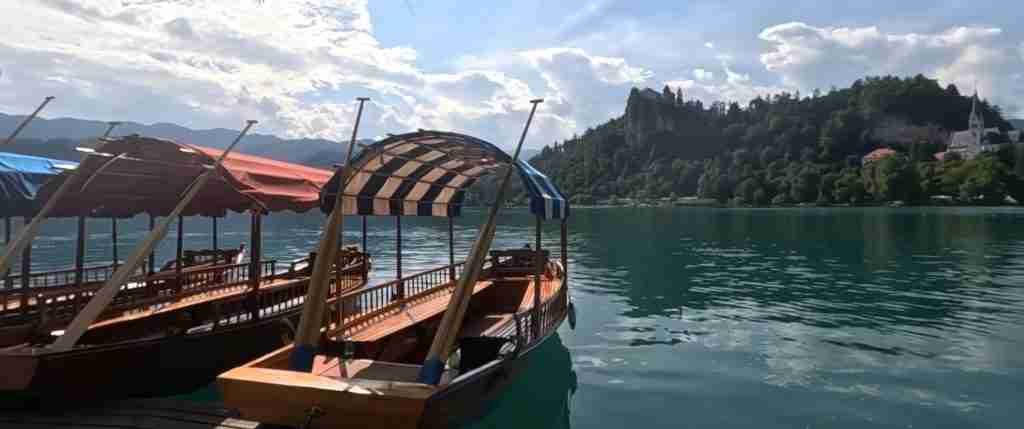
- Traditional Pletna Boat Experience 2026: Historic wooden boats transport visitors to Bled Island for €20 per person roundtrip, including 40 minutes on the island to explore the Church of the Assumption (€12 entry) and ring the legendary wishing bell — these hand-rowed vessels operated by hereditary pletnarji families date to 1590 and represent the authentic way to reach Slovenia’s only natural island
- Bled Castle Access 2026: Slovenia’s oldest castle charges €19 adult admission and perches dramatically on a precipice offering unobstructed lake views, medieval museum exhibits, working printing press demonstrations, wine cellar tours, and restaurant terraces — the steep 20-minute walk from town rewards visitors with commanding panoramas worth every step of the 130-meter elevation gain
- Self-Guided Lake Circuit Walking Route: The completely flat 6-kilometer paved promenade encircling Lake Bled requires 90-120 minutes at leisurely pace and passes swimming platforms, rowboat rentals, restaurants, and the famous Bled Heart photo spot — this free accessible route works for strollers, wheelchairs, and families while offering constantly changing perspectives of island, castle, and mountain backdrop
- Viewpoint Hiking Routes 2026: Three connected forest trails climb western hillsides to elevated panoramas — Ojstrica (20 minutes moderate, most photographed angle), Mala Osojnica (30 minutes steep with metal stairs, fenced overlook), and Velika Osojnica (60 minutes challenging, highest vantage at 756 meters) — these free trails reward hikers with Instagram-famous views but demand proper footwear for rocky uneven terrain
- Guided Tour Options 2026: Official 1-hour walking tours with local guides cost €10 and cover lakeside promenade plus old town history, while private operators offer combinations including castle entry, pletna rides, Vintgar Gorge excursions, and full-day Julian Alps explorations — booking online secures spots during peak summer months when availability tightens
- Best Times for Lake Bled Tours 2026: Early morning departures between 7:00-9:00 avoid tour bus crowds and capture golden sunrise light on island church, while late afternoon 16:00-18:00 slots provide softer photography conditions and smaller groups — weekday visits throughout May-June and September-October balance pleasant weather with manageable tourist numbers compared to July-August peaks
People Also Ask About Lake Bled Tours 2026
How much does a pletna boat ride cost in Lake Bled 2026?
Traditional pletna boat rides to Bled Island cost €20 per person for the roundtrip journey in 2026, paid directly in cash to the pletnar (boat operator). This price includes approximately 40 minutes on the island, allowing sufficient time to climb the 99 stone steps, visit the Church of the Assumption, ring the wishing bell, and explore the small museum. The 20-minute crossing each direction aboard these historic flat-bottomed wooden boats offers scenic views of Bled Castle, surrounding Alps, and the distinctive colored awnings protecting passengers from weather. Boats depart from three main locations around the lake — Mlino on the south shore, the rowing center on the north shore, and near the tourist office on the east end — and operate year-round except during severe weather conditions when lake access becomes unsafe.
What’s included in Bled Castle admission tickets 2026?
Bled Castle’s €19 adult admission in 2026 (€12 students, €7 children aged 6-14, €16 seniors 65+, free for children under 6) grants access to all castle grounds including the medieval museum documenting regional history from earliest settlements through modern era, functioning printing press with live demonstrations of 16th-century typography techniques, blacksmith’s forge displaying traditional metalworking, wine cellar offering tastings of local vintages, baroque chapel with religious artwork, castle courtyard with commanding lake overlooks, and multiple terrace viewpoints providing unobstructed panoramas. The ticket remains valid throughout castle opening hours (8:00-20:00 summer months, 8:00-18:00 winter season) and includes complimentary audio guide access explaining architecture, historical transitions, and cultural significance. Group discounts apply for parties of 10 or more visitors, while Julian Alps Card holders receive 10% reduction upon presentation of valid documentation.
Are Lake Bled walking routes suitable for beginners in 2026?
Lake Bled’s main 6-kilometer lakeside circuit walking route perfectly suits beginners with completely flat paved paths, consistent boardwalk sections over water, regular benches every few hundred meters, and zero elevation gain throughout the entire loop. This accessible route accommodates strollers, wheelchairs, and visitors of all fitness levels while delivering spectacular views of island, castle, and mountains from constantly changing angles. In contrast, the three hillside viewpoint hikes demand moderate-to-challenging fitness despite relatively short distances — Ojstrica’s 20-minute ascent tackles steep forest terrain with rocky sections near the summit, Mala Osojnica’s 30-minute climb incorporates near-vertical metal staircase-ladders requiring hand cables for stability, and Velika Osojnica’s 60-minute route gains 216 meters elevation over uneven root-filled paths. Beginners should start with the flat lake circuit and Ojstrica viewpoint before attempting more strenuous routes, always wearing proper hiking shoes with grip since trails become slippery after rain or during autumn leaf coverage.
Can you visit Lake Bled attractions independently without guided tours in 2026?
Lake Bled’s major attractions operate independently without mandatory guided tour requirements throughout 2026, allowing self-directed exploration at personal pace. Pletna boats accept walk-up passengers at three lakeside departure points with no advance reservation needed (though early morning and late afternoon visits encounter shorter waits), Bled Castle sells admission tickets directly at entrance gate or online without tour bundling, and all hiking trails remain free-access public routes requiring no permits or guides. Independent visitors simply purchase individual tickets for desired attractions, follow clearly marked trailhead signs around the lake, and navigate using standard smartphone maps or printed materials available at tourist information centers. However, organized tours add value through expert commentary revealing historical context and local legends difficult to discover independently, priority access avoiding ticket queues during peak hours, transportation coordination for multi-site itineraries beyond walking distance, and small-group camaraderie enhancing the experience for solo travelers seeking social connection.
Extended multi-day tours – 5+ days
Featured Slovenia Multi-Day Tour Packages

3 days
Slovenia 3-Day Discovery Tour
- ✓ Comprehensive Slovenia experience
- ✓ Expert local guides included
- ✓ All accommodation included
- ✓ Transportation provided
5 days
Slovenia 5-Day Highlights Experience
- ✓ Comprehensive Slovenia experience
- ✓ Expert local guides included
- ✓ All accommodation included
- ✓ Transportation provided

7 days
Slovenia 7-Day Cultural Journey
- ✓ Comprehensive Slovenia experience
- ✓ Expert local guides included
- ✓ All accommodation included
- ✓ Transportation provided

10 days
Slovenia 10-Day Complete Adventure
- ✓ Comprehensive Slovenia experience
- ✓ Expert local guides included
- ✓ All accommodation included
- ✓ Transportation provided
Multi-day tour packages powered by TourRadar. Prices and availability subject to change.
Understanding Lake Bled’s Tour Landscape in 2026
Lake Bled’s compact geography concentrates extraordinary attractions within walking distance, yet strategic tour choices unlock layers of history, culture, and natural beauty invisible to casual observers. The 2-kilometer-long glacial lake formed during Ice Age retreat occupies a tectonic basin surrounded by forested hillsides rising to alpine peaks, creating the dramatic vertical relief that defines Bled’s visual character. Bled Island — Slovenia’s only natural island — sits near the western end crowned by the Church of the Assumption, while medieval Bled Castle commands clifftops on the northern shore. Three forest-covered hills west of the lake (Ojstrica, Mala Osojnica, Velika Osojnica) provide elevated viewpoints that have made Lake Bled Slovenia’s most photographed destination.
Tours and walking routes serve different purposes in experiencing this alpine jewel. Traditional pletna boat rides perpetuate centuries-old transportation methods using vessels unchanged since Habsburg times, operated by families holding hereditary rights dating to Empress Maria Theresa’s 1740s land reforms. Castle visits combine medieval architecture exploration with museum exhibits spanning Celtic settlements through Slovenian independence. Guided walking tours decode the resort town’s transformation from ecclesiastical property to royal retreat to mass tourism destination. Self-guided hiking routes reward physical effort with panoramic views impossible to achieve from lake level. The 2026 season brings enhanced infrastructure including improved trail signage, expanded castle exhibits, and digital audio guides available in multiple languages, while maintaining the authentic character that distinguishes Bled from over-commercialized alpine destinations.
Planning tour participation requires understanding seasonal patterns. Summer months July-August bring maximum crowds with pletna boats departing continuously from 8:00-20:00, castle terraces packed with visitors throughout midday hours, and viewpoint trails experiencing traffic jams during prime photography times. Shoulder seasons May-June and September-October offer ideal conditions combining warm weather, manageable visitor numbers, and spectacular autumn foliage or spring wildflower displays. Winter November-March presents a quieter Bled with reduced tour frequency but opportunities for snow-dusted castle photography and peaceful island visits without summer throngs. The 2026 calendar marks peak congestion around Easter weekend, Slovenian Independence Day (June 25), and Christmas markets, when advance booking becomes essential for popular guided tours.
Traditional Pletna Boat Experiences 2026
The pletna boat represents Lake Bled’s most distinctive cultural heritage, combining practical transportation with living tradition maintained across generations. These flat-bottomed wooden vessels measure precisely 7.3 meters long and 2.3 meters wide, covered by colorful awnings protecting passengers from alpine weather while maintaining stability for up to 18 occupants. Construction follows specifications established in 1902 when master boatbuilder Anton Zupan standardized designs that optimized rowing efficiency and passenger comfort. Each pletna emerges from workshops of skilled craftsmen using traditional joinery techniques passed through family lineages, creating vessels that serve decades with proper maintenance.
Twenty-three pletna boats operate on Lake Bled in 2026, a number fixed by Habsburg-era regulations granting exclusive navigation rights to specific families. The title “pletnar” (boat operator) passes from generation to generation within these lineages, many tracing their privileges to the 1740s when Empress Maria Theresa compensated farmers receiving inferior land by awarding lake transportation monopolies. Pletnarji undergo rigorous training mastering the distinctive standing rowing technique using two oars simultaneously, generating smooth propulsion despite carrying maximum passenger loads. This specialized skill requires years to perfect, explaining why pletna operation remains restricted to hereditary rights holders rather than open commercial licensing.
Boarding pletna boats occurs at three designated locations around Lake Bled. The Mlino departure point on the southern shore near Hotel Park provides the shortest crossing distance to the island at approximately 15 minutes, making it popular for time-constrained visitors. The rowing center on the northern shore offers slightly longer 20-minute journeys with superior views of Bled Castle’s clifftop position. The eastern end near the tourist office provides convenient access for visitors arriving by bus or train, though the 25-minute crossing represents the longest route. Boats depart when they fill to capacity (typically 12-16 passengers despite 18-person maximum), creating variable wait times ranging from immediate departure during peak hours to 15-30 minute intervals during quieter periods.
The €20 per person fare in 2026 (children under 6 often ride free at pletnar’s discretion, though unofficial) includes roundtrip transportation and 40 minutes on Bled Island. This allocation provides sufficient time for the key island experiences — climbing 99 stone steps from dock to church courtyard, exploring the Church of the Assumption interior with its baroque frescoes and golden altars, ascending the freestanding bell tower for elevated views, visiting the small museum in the Provost’s House displaying ecclesiastical artifacts, and most importantly, ringing the famous wishing bell by pulling the rope three times while making a single wish according to local tradition. The 40-minute limit creates gentle pressure encouraging efficient exploration without rushed photography, though pletnarji show flexibility when boats aren’t waiting for return passengers.
Payment occurs directly aboard the pletna in cash euros only — credit cards and other currencies aren’t accepted by individual pletnarji who operate as independent contractors rather than employees of a unified company. Bringing exact or small bills (€20, €10, €5 notes) expedites the process, as change-making with large bills can delay boarding. The pletnar collects fares after all passengers settle into their seats and before casting off from shore, allowing final headcounts and payment verification before the crossing begins.
Optimal pletna boarding times in 2026 balance weather conditions, lighting quality, and crowd density. Early morning departures between 7:00-9:00 offer several advantages — calm water reflecting island and mountains like mirror glass, golden sunrise illumination painting church tower in warm tones, minimal wait times with boats departing frequently despite smaller crowds, and peaceful island visits before tour buses arrive around 10:00. Late afternoon slots from 16:00-18:00 provide softer photography lighting compared to harsh midday sun, though slightly longer waits as daily visitor flows remain strong. Midday hours 11:00-15:00 see maximum congestion with 20-30 minute waits common during summer peaks, though boats cycle continuously minimizing total delay. Sunset departures after 18:00 create romantic atmospheric crossings but compressed island time as church closing hours approach.
Weather considerations impact pletna operations significantly since these open boats (despite awning coverage) expose passengers to wind, rain, and temperature extremes. Mild rain doesn’t halt service as awnings provide reasonable protection, but thunderstorms trigger immediate suspension for safety. Strong winds creating whitecaps on the lake also ground pletna fleets since the boats lack keels and motors, making them vulnerable to drift and capsizing in rough conditions. Winter operations continue year-round except during hard freezes when ice coverage makes navigation impossible — frozen lake winters occur roughly every 3-5 years in Bled, most recently in 2017. Cold weather passengers should dress warmly as awnings don’t prevent wind chill during the 20-minute exposed crossing.
Alternative water transportation supplements pletna boats for visitors seeking different experiences. Electric motorboats operate scheduled service between shore and island charging €16-18 per person for quicker 10-minute crossings, though lacking the traditional charm and cultural authenticity of pletna vessels. Rowboat rentals from multiple lakeshore locations cost €15-20 per hour for self-powered exploration, allowing unlimited time on the island and photography flexibility impossible with timed pletna trips. Stand-up paddleboard and kayak rentals enable active fitness-oriented island approaches, though require moderate skill and aren’t recommended for inexperienced paddlers given the 500-meter open-water distance. During summer months (June-September only), strong swimmers occasionally make the 20-minute crossing from western shore beaches, though church staff prohibit entry without proper clothing requiring advance arrangement for changing facilities.
Pletna rides combine naturally with other Lake Bled attractions for efficient full-day itineraries. The classic sequence starts with early morning pletna crossing (7:00-8:00) during optimal lighting, followed by 90-minute island exploration including church interior and tower climb, return crossing by 9:30, then immediate climb to Bled Castle (20 minutes uphill) arriving around 10:00 before tour groups pack terraces, followed by late morning viewpoint hike to Ojstrica (40 minutes roundtrip) for elevated photography, and afternoon lake circuit walk or Vintgar Gorge excursion. This sequencing maximizes morning light quality while distributing physical exertion (island steps, castle climb, viewpoint hike) across the day with rest intervals between efforts.
Bled Castle Tours & Self-Guided Visits 2026
Bled Castle occupies a precipitous clifftop position 130 meters above lake level, creating the dramatic vertical silhouette that defines Bled’s skyline. First mentioned in 1011 CE when German Emperor Henry II donated the estate to Brixen bishops, the castle evolved across nine centuries from simple Romanesque tower to complex fortified residence incorporating Gothic, Renaissance, and Baroque architectural elements. The site’s strategic location provided defensive advantages controlling the Sava River valley and alpine passes connecting Carinthia with interior Slovenia, explaining its continuous occupation through Habsburg rule, brief French Illyrian administration, and post-WWI Yugoslav period until modern museum conversion.
The €19 adult admission fee in 2026 (check official website blejski-grad.si for current rates as pricing may vary) grants access to all castle sections during operating hours 8:00-20:00 April-October and 8:00-18:00 November-March, with last entry 30 minutes before closing. Student discounts reduce admission to €12 upon presentation of valid international student cards, while children aged 6-14 pay €7 and seniors 65+ or disabled visitors pay €16. Children under 6 enter free, and family tickets (2 adults + 1 child) provide modest savings at standard pricing. Group rates apply for parties of 10+ booking together, dropping adult admission to €16 per person. Julian Alps Card holders receive 10% discounts — these regional tourism cards cost €35 for one week unlimited use and include discounts at 180+ alpine attractions across northwestern Slovenia, potentially worthwhile for visitors planning extensive exploration beyond Bled alone.
Online advance purchase through the castle website expedites entry during peak hours when ticket office queues stretch 15-20 minutes, though online booking fees add €1 per ticket. Purchased tickets remain valid throughout the calendar day with no specific time slots, allowing flexible arrival within operating hours. The castle never reaches capacity requiring closure, so walk-up same-day purchase always remains possible even during summer peaks, merely requiring queue patience during midday rushes 11:00-15:00.
Three approach routes reach Bled Castle from town center. The most popular pedestrian path starts near Hotel Bled on the eastern lakeshore, following steep switchback trails through forest that gain 130 meters elevation over 1 kilometer distance in approximately 20 minutes at moderate pace. This route rewards the climb with excellent photography angles of the castle emerging through trees as altitude increases, though the steep gradient challenges visitors with limited mobility or cardiovascular fitness. The path surface alternates between asphalt, gravel, and stone steps depending on section, requiring proper walking shoes rather than sandals or flip-flops. Regular benches allow rest stops every 100 vertical meters.
The vehicular road to the castle accommodates cars, taxis, and tour buses via a winding route from Grajska cesta that reaches the upper parking area 50 meters below castle entrance. This option suits visitors avoiding uphill walks or traveling with young children, elderly family members, or mobility-impaired companions. Parking capacity limits to approximately 30 vehicles, filling rapidly during summer mornings 9:00-11:00 when tour buses and independent drivers compete for spaces. The parking fee charges €3 per hour (payment via machines accepting cards and cash), making extended castle visits expensive compared to the free forest trail approach. Many visitors arriving by car encounter full parking and must descend to find street parking in town, then walk the forest trail anyway, negating the driving advantage. Weekday visits and early/late arrivals improve parking availability.
Taxi service from Bled town center to castle entrance costs approximately €8-12 for the 2-kilometer trip, convenient for visitors prioritizing time efficiency over budget consciousness or seeking relief from uphill walking. Local taxi companies congregate near the bus station and major hotels, accepting cash or card payment. Taxis can drop passengers at the castle upper lot even when parking fills, then depart without requiring space, making them more reliable than self-driving during congestion periods.
Castle exploration follows a logical progression through connected courtyards and buildings occupying two terraced levels. The lower courtyard entrance passes through the Gothic gatehouse displaying medieval defensive features including machicolations for dropping stones on attackers and arrow slits commanding approach roads. This courtyard houses the printing press workshop where demonstrations showcase 16th-century movable type technology — craftsmen in period costume cast lead letters, compose text layouts, ink forms, and pull impressions on replica Gutenberg presses, explaining how printed materials revolutionized information distribution. Visitors can purchase custom certificates stamped with historical seals and personalized text as unique souvenirs, priced €5-8 depending on design complexity.
The adjacent blacksmith’s forge displays traditional metalworking techniques with live demonstrations (scheduled hourly 10:00-16:00 during summer, reduced winter frequency) showing hammer forging, fire management, and tool creation. The forge doubles as retail space selling handcrafted ironwork including keys, hooks, and decorative pieces made on-site using historical methods. The wine cellar occupies vaulted chambers carved into bedrock, maintaining constant cool temperatures ideal for aging Slovenian vintages from Brda, Vipava Valley, and Štajerska regions. Guided tastings (€12 including 5 wines and local cheeses) run at set times throughout the day, requiring separate booking at the entrance desk.
Stone staircases connect the lower courtyard to the upper terrace level housing the main castle museum. This exhibit chronicles Lake Bled’s human history from Bronze Age lake dwellers through Celtic Hallstatt settlements, Roman occupation, Slavic migration, medieval Christian consolidation, Habsburg administration, and modern tourism development. Archaeological artifacts include tools, weapons, jewelry, ceramics, and coins excavated from lakeside sites, displayed alongside interpretive panels explaining cultural transitions and technological evolution. Particular emphasis falls on the castle’s changing role from military fortress to administrative center to aristocratic residence to tourist attraction, illustrated through architectural models, historical paintings, and period furnishings.
The baroque castle chapel preserves original 16th-century frescoes and gilt altarpiece despite Protestant and Catholic conflicts that destroyed many regional religious artworks. The intimate space accommodates modern weddings and baptisms, continuing the building’s ceremonial functions beyond museum purposes. Adjacent residential rooms display period furniture, tapestries, and decorative arts representing aristocratic living standards during Habsburg golden age, when bishops and noble families occupied the castle as countryside retreat from Vienna court politics.
Castle terraces provide the primary attraction for many visitors, offering unobstructed 270-degree panoramas spanning Lake Bled, the island church, surrounding villages, and alpine ranges forming the northern horizon. The viewing platforms extend beyond building footprints creating dramatic cantilever positions above sheer cliffs, secured by modern railings meeting safety codes while preserving visual openness. Photography enthusiasts favor morning hours 8:00-10:00 when eastern sunlight illuminates the island and castle shadows don’t obscure lake waters, though afternoon 15:00-17:00 provides softer backlighting and fewer crowds compared to midday peaks. Sunset visits capture golden-hour colors painting mountains and reflected lake surfaces, though require arriving at least one hour before closing to allow adequate exploration time before staff clear the premises.
The castle restaurant occupies prime terrace real estate on the upper level, serving traditional Slovenian cuisine at premium prices (€18-28 mains, €35-45 tasting menus) justified by the extraordinary views accompanying every meal. Reservations recommended during summer weekends when the 60-seat capacity fills entirely, though walk-ins often secure terrace tables during weekday lunches. Some visitors strategically book restaurant reservations to gain castle entry without admission fees (a policy loophole the restaurant tolerates), though this workaround only functions when dining occurs, not for pre- or post-meal castle exploration requiring separate tickets.
Audio guides included with admission provide detailed commentary in 15 languages (English, German, Italian, French, Spanish, Chinese, Japanese, Korean, Russian, Croatian, Serbian, Czech, Polish, Hungarian, Dutch) accessible via smartphone scanning QR codes posted throughout exhibits. The self-paced system allows lingering at points of interest without group tour constraints, though lacks the spontaneous question-answering and anecdote-sharing that live guides provide. Private guided tours can be arranged through the castle office with advance booking (€80-120 for groups up to 20, various languages available), worthwhile for school groups, corporate outings, or history enthusiasts seeking deeper context beyond standard exhibit labels.
Castle visit duration averages 90-120 minutes for thorough exploration including all museum exhibits, terrace photography, and optional demonstrations. Rushed visitors completing only terrace views and chapel can exit within 45 minutes, while comprehensive visits incorporating wine tasting, printing press demonstrations, and extended terrace time stretch to 2-3 hours. Most visitors fall somewhere between, spending adequate time to feel they’ve experienced the castle thoroughly without lingering to exhaustion. Combining castle visits with other attractions requires realistic time budgeting — attempting castle, pletna ride, and viewpoint hike in a single morning creates rushed itinerary stress, while distributing across two half-days allows relaxed enjoyment.
Lake Circuit Walking Route: The Classic 6-Kilometer Loop 2026
Lake Bled’s perimeter walking path delivers the quintessential introduction to this alpine jewel, combining accessibility with visual diversity across its complete 6-kilometer circumference. The entirely flat paved route accommodates strollers, wheelchairs, and visitors of all mobility levels while offering constantly shifting perspectives on the lake’s starring attractions — island church silhouetted against mountain backdrops, castle perched on precipitous clifftop, traditional villages dotting shorelines, and Julian Alps peaks defining the northern horizon. Walking the complete circuit at leisurely pace with photography stops and brief rest breaks requires 90-120 minutes, making it ideal for morning or afternoon excursions that don’t consume the entire day.
Starting points around the circuit occur naturally near major hotels, parking areas, and bus stops, though the official tourist recommendation begins at the eastern end near Bled town center and proceeds counterclockwise. This direction provides gradual introduction to lake views rather than immediate confrontation with the most dramatic vistas, saving island and castle perspectives for the western shore crescendo after eyes have adjusted to alpine beauty. However, no practical disadvantage accompanies clockwise circumnavigation — the route’s circular nature means all viewpoints eventually appear regardless of direction, and many visitors simply begin wherever their accommodation or parking situation places them on the lakeshore.
The eastern shore section passes through Bled’s commercial core with hotels, restaurants, cafes, and tourist services lining the promenade. Multiple pletna departure docks punctuate this shore, offering convenient boat access without long walks from town center. The famous Bled cream cake (kremšnita) originates from Hotel Park’s pastry shop on this stretch — the vanilla custard and whipped cream confection between flaky pastry layers deserves its reputation, costing €5-7 per slice at the original source. Small beaches and swimming platforms appear at intervals, popular with locals during summer months when lake water warms to 22-24°C (72-75°F) by July-August.
The northern shore delivers the most intimate castle perspectives as the medieval fortress looms directly above the path, creating dramatic elevation contrast. This section includes longer boardwalk stretches extending over water where reeds and aquatic vegetation grow thick near shore. The boardwalks provide excellent photography platforms for foreground interest incorporating natural elements with background castle and mountains. Vila Bled occupies a prominent position on this shore — this elegant mansion served as Josip Broz Tito’s summer residence during Yugoslavia’s socialist era, now operating as luxury hotel where guests sleep in the dictator’s former chambers overlooking the lake he cherished.
The western shore reaches the circuit’s scenic climax where island, church, and castle align in perfect visual composition that launched a thousand postcards. Multiple benches invite extended contemplation of this view, explaining their consistent occupation during peak hours. The western shore also marks trailhead access points for the hillside viewpoint hikes (Ojstrica, Mala Osojnica, Velika Osojnica) that climb forested slopes to elevated panoramas. The path passes Velika Zaka parking area serving Camping Bled, the largest car park near viewpoint access though still modest capacity requiring early arrival during summer weekends.
The southern shore presents quieter character with fewer commercial establishments and more residential properties, offering glimpses of local life beyond tourist infrastructure. Small private docks extend from lakeside homes, sometimes occupied by rowboats, paddleboards, or fishing platforms. This section provides excellent morning light angles for photography when eastern sun illuminates the island and castle across the water. The Mlino pletna departure point serves this shore, offering the shortest boat crossing to the island appealing to visitors prioritizing efficiency over scenic routes.
Seasonal variations dramatically transform lake circuit experiences despite the path remaining consistently walkable year-round. Spring months April-May bring wildflower blooms in lakeside meadows and trees budding after winter dormancy, creating fresh green landscapes and moderate temperatures (15-20°C / 59-68°F) ideal for comfortable walking without summer heat. Summer July-August delivers maximum warmth (25-30°C / 77-86°F) encouraging swimming breaks at beach platforms, though crowds peak during school holidays when path capacity sometimes feels constrained during midday hours. Autumn September-October provides spectacular foliage displays as deciduous forests transition through gold, orange, and red hues, complemented by cooler comfortable temperatures and reduced tourist density. Winter November-March sees snow-dusted mountains framing the lake while path surfaces remain clear through regular maintenance, creating photogenic alpine winter scenes for cold-weather walkers willing to brave temperatures hovering near freezing.
Path amenities distributed around the circuit include benches every 200-300 meters, public restrooms at major parking areas and hotel clusters, water fountains near tourist information center and sports facilities, and numerous restaurants and cafes offering refreshment breaks. Emergency phones positioned at 500-meter intervals provide direct connection to local services, though mobile coverage blankets the entire lake making personal phones reliable for communication. The path stays lit during darkness via streetlamps on most sections, though western shore forest segments lack illumination requiring flashlights for evening or early morning walks outside daylight hours.
Wildlife encounters along the circuit include swans, ducks, and coots paddling near shores aggressively pursuing bread handouts from generous walkers (feeding allowed and encouraged with proper grain bread, not processed white bread that provides poor nutrition). Fish surface occasionally in clear shallow waters near boardwalk sections — the lake contains common carp, pike, and introduced rainbow trout, with organized sport fishing requiring permits available at tourist office. Kingfishers dart between perches hunting small fish, while great crested grebes perform elaborate mating dances during spring breeding season. The surrounding forests harbor deer, foxes, and wild boar, though these larger mammals rarely venture to lake edges during high-traffic daylight hours.
The lake circuit combines naturally with other Bled activities for comprehensive day itineraries. Active visitors can complete the circuit as warm-up exercise before tackling viewpoint hikes or castle climbs, using the flat path to stretch legs and assess weather conditions before committing to steeper terrain. Families with young children appreciate the circuit’s accessibility for stroller-pushing, often breaking the 6-kilometer distance into shorter segments with playground stops and beach breaks dispersed throughout. Photography enthusiasts walk the circuit multiple times during single visits, capturing how changing light conditions and weather patterns transform identical scenes from morning through evening — storm clouds building over mountains, fog lifting from water surface, sunset alpenglow painting peaks, and blue-hour dusk settling on island church create entirely different images from the same physical locations.
The circuit’s popularity creates congestion during peak summer midday hours (11:00-15:00) when tour groups, independent tourists, and local recreational walkers share limited path width. Stepping aside frequently to allow faster walkers to pass and choosing off-peak hours (early morning before 9:00, late afternoon after 17:00) reduces friction and enhances enjoyment. Weekday visits encounter lighter traffic than weekends when Ljubljana residents make day trips to their nearest alpine resort. Shoulder seasons (May, September, October) provide optimal conditions balancing pleasant weather with manageable crowds that allow claiming prime bench positions without competition.
Viewpoint Hiking Routes 2026: Ojstrica, Mala Osojnica & Velika Osojnica
Three connected forest trails ascending western hillsides deliver elevated Lake Bled panoramas that transform perspective from immersive lakeside experience to comprehensive geographic understanding. These viewpoints — Ojstrica (611 meters elevation), Mala Osojnica (685 meters), and Velika Osojnica (756 meters) — progressively increase height and hiking difficulty while rewarding effort with Instagram-famous views that have made Lake Bled Slovenia’s most photographed destination. The trails remain free-access public routes requiring no permits or reservations, open year-round during daylight hours (winter snow increases difficulty), and maintained by local volunteer organizations keeping paths clear of fallen trees and excessive vegetation.
Trailhead access begins from the western lakeshore near Velika Zaka parking area and Camping Bled. Two main trailheads serve different starting points — the Ojstrica trailhead sits on the main road approximately 200 meters east of the camping ground entrance (GPS coordinates: 46.36135, 14.08301), marked by small green wooden signs reading “Ojstrica 20 minutes” and “Velika Osojnica 40 minutes” attached to fence posts across from a small farm driveway. The Mala Osojnica trailhead sits slightly west near a large bicycle rack and marked by similar green signs. Both trailheads connect via the lake circuit path, requiring only a few minutes walk between them.
Parking for viewpoint hikes utilizes the Velika Zaka lot charging €3 per hour (payment via machine accepting cards and coins), though spaces fill rapidly during summer mornings 9:00-11:00 when overnight campers depart simultaneously with day-trippers arriving. Alternative parking exists in Bled town center followed by the 40-minute walk clockwise around the lake to reach trailheads, adding 80 minutes roundtrip walking but saving parking fees and congestion frustration. Public buses serve the Mlino stop near trailheads, though schedules run infrequently (hourly during peak season, less frequent off-season) making return timing uncertain unless schedule carefully consulted. Many visitors staying in Bled accommodations simply walk the lake circuit to reach trailheads, treating the entire experience as comprehensive 3-4 hour excursion combining flat lakeside walking with elevated viewpoint climbing.
Ojstrica Viewpoint Route Details
Ojstrica represents the most accessible elevated viewpoint, delivering the classic Lake Bled photograph featuring island church centered in frame with Bled Castle and Karawanks mountains providing background. The 20-minute ascent (plus 15 minutes descent) gains approximately 110 meters elevation over 800 meters horizontal distance, rating as moderate difficulty suitable for reasonably fit hikers wearing proper footwear. The trail begins gently through mixed forest on wide dirt paths before steepening significantly during the final approach where rocky terrain and tree roots create uneven footing requiring careful step placement.
The route follows green marker blazes painted on trees at regular intervals, though the well-trodden path rarely creates navigation uncertainty during clear conditions. The initial forest section provides shade appreciated during summer heat, though limited views until the final ascent. Approximately 10 minutes into the hike, the path forks with right branch leading to Ojstrica and left branch continuing toward Mala and Velika Osojnica — green signs clearly indicate directions at this junction. The Ojstrica branch climbs steadily through forest before emerging onto rocky outcrops requiring short scramble over boulders to reach the viewpoint platform. A steel cable attached to trees provides handholds during the final rocky section, particularly helpful when descending since downhill travel on smooth stone surfaces exceeds uphill difficulty.
The Ojstrica viewpoint occupies a natural rock ledge approximately 4 meters by 6 meters with multiple flat surfaces accommodating 8-10 people comfortably. A wooden bench provides seating for rest and extended photography sessions, though competition for bench occupation during peak hours means standing room predominates. The view encompasses the entire lake with island church perfectly centered, Bled Castle occupying the right frame, and Karawanks mountain range including Stol peak (2236 meters) defining the northern horizon. Julian Alps peaks including Triglav (2864 meters, Slovenia’s highest) appear in northwestern distance on clear days when atmospheric clarity extends 50+ kilometers.
Photography at Ojstrica benefits from morning hours (7:00-10:00) when eastern sunlight illuminates the island church and surrounding waters create mirror reflections, while afternoon sun backlights the scene reducing color saturation and creating harsh shadows. Sunrise arrivals around 6:30 (summer) or 7:30 (winter) capture alpenglow painting mountains in pink and orange hues before tourists arrive, though require flashlight navigation on dark forest trails and cold temperatures at elevation. The viewpoint faces southwest meaning sunset light warms the scene beautifully, though castle and mountains fall into shadow while island remains lit — this creates interesting compositional opportunities emphasizing church isolation. Autumn fog frequently fills the lake basin during early morning, creating ethereal scenes with church tower emerging from white cloud layers while surrounding peaks pierce clear sky above.
Ojstrica crowds peak during summer mornings 9:00-12:00 when tour groups and independent hikers converge simultaneously, creating viewpoint congestion where 20-30 people compete for limited space. Patience and courtesy govern the unwritten protocol — arriving visitors wait turns for unobstructed photography angles, limiting viewpoint occupation to 5-10 minutes before yielding position to waiting hikers. Early morning arrivals before 8:00 often encounter empty viewpoints allowing extended sessions without pressure, while late afternoon post-16:00 sees crowds thin as visitors return to town for dinner. Weekday visits experience lighter traffic than weekends when Ljubljana residents make day trips specifically for this hike.
Mala Osojnica Viewpoint Route Details
Mala Osojnica occupies higher elevation than Ojstrica at 685 meters, providing expanded views encompassing not only the lake but also the Sava River valley and surrounding alpine ranges. The approach requires 30-40 minutes of steep climbing gaining 185 meters elevation, rated as moderately challenging due to near-vertical sections incorporating metal staircase-ladders attached to rock faces. These stairs — essentially steep ladders with handrails — demand upper body engagement pulling upward while legs push, creating cardiovascular strain exceeding typical hiking intensity. The descent poses equal challenge since downward-facing stair navigation requires leg muscles controlling body weight against gravity’s pull while maintaining three-point contact for stability.
Two route options reach Mala Osojnica — the direct ascent from the Mala Osojnica trailhead, or continuation from Ojstrica via connecting forest trails. The direct route encounters the challenging staircase section early during the climb, making ascent safer than descent since most hikers feel more confident climbing stairs than descending them. The connecting route from Ojstrica approaches Mala Osojnica from above, placing the staircase section on the descent where gravity pulls downward against handrail grips. Most experienced hikers prefer ascending via the direct staircase route and descending via the Ojstrica connector, distributing difficulty across the circuit rather than concentrating it in single direction.
The Mala Osojnica viewpoint occupies a fenced platform carved from clifftop bedrock, approximately 3 meters by 5 meters accommodating 6-8 people maximum. The fence — installed for safety after several near-miss incidents — limits photography angles compared to unfenced Ojstrica, requiring composition through vertical railings that sometimes intrude into frame edges. However, the elevated perspective provides unobstructed views spanning the entire Bled basin including lake, island, castle, town, and surrounding agricultural valleys extending toward Radovljica and beyond. The northwestern vista captures Julian Alps peaks including Triglav’s distinctive pyramid shape, while southern angles reveal forested ridges rolling toward interior Slovenia.
Many hikers debate whether Mala Osojnica’s views justify the additional effort beyond Ojstrica’s more accessible panorama. The elevated perspective creates comprehensive geographic context showing how Lake Bled fits within its alpine valley, appealing to visitors seeking intellectual understanding of landscape formation and settlement patterns. However, the lower Ojstrica angle provides more intimate romantic views emphasizing the lake itself rather than regional geography, often producing superior photography for typical postcard compositions. The honest assessment concludes both viewpoints merit visits if time and fitness allow, though visitors choosing only one should prioritize Ojstrica for its classic perspective and moderate accessibility.
Velika Osojnica Summit Route Details
Velika Osojnica represents the highest and most challenging viewpoint at 756 meters elevation, requiring 50-60 minutes steady climbing gaining 256 meters from trailhead. The route extends beyond Mala Osojnica via forest trails that remain relatively gradual compared to the lower staircase sections, though distance and cumulative elevation create endurance demands separating casual hikers from determined trekkers. The path remains well-marked with green blazes throughout, though autumn leaf coverage sometimes obscures trail surface requiring careful navigation to avoid straying onto side paths created by shortcuts and animal tracks.
The summit clearing occupies forested ridgetop with limited viewpoint platforms requiring 5-10 minutes exploration to find optimal photography angles. Trees obstruct many potential vista directions, concentrating usable views toward specific gaps in canopy coverage. A wooden bench positioned at the main viewpoint provides rest and photography staging, though this single-bench resource becomes contested during crowded periods. The elevated perspective encompasses vast mountain panoramas extending 70+ kilometers on clear days, revealing how alpine ranges ripple across northern Slovenia into Austria and Italy. Lake Bled appears diminished from this altitude — recognizable but not dominating the frame like at lower viewpoints where proximity creates intimacy.
Most hikers reach Velika Osojnica as part of a complete circuit combining all three viewpoints in single multi-hour excursion. The logical sequence starts at the Mala Osojnica trailhead, ascends the challenging staircase section, continues to Velika Osojnica, then descends via Ojstrica before returning to trailhead via forest connector paths. This circular route totals approximately 5 kilometers with 308 meters cumulative elevation gain, requiring 2.5-3.5 hours moving time plus photography and rest breaks. The complete circuit delivers comprehensive viewpoint experiences while avoiding repetitive terrain, maximizing satisfaction for effort invested.
Essential Viewpoint Hiking Considerations 2026
Footwear represents the most critical equipment decision for viewpoint hikes. Proper hiking boots or trail running shoes with aggressive tread provide essential traction on steep sections where smooth-soled casual shoes slip dangerously on loose dirt, wet rocks, and polished tree roots. The terrain punishes inadequate footwear with twisted ankles, bruised knees from falls, and general discomfort that ruins the experience. Tennis shoes or athletic trainers work adequately during dry conditions, though specialized hiking footwear dramatically improves confidence and safety. Sandals, flip-flops, and fashion shoes absolutely don’t work — attempting viewpoint hikes in inappropriate footwear creates safety hazards for the unprepared wearer and frustration for other hikers delayed by their slow hesitant progress.
Weather timing influences trail conditions significantly. Rain transforms dirt paths into slippery mud where traction disappears and footing becomes treacherous, while the rocky Ojstrica summit becomes dangerously slick when wet. The metal staircase to Mala Osojnica gains frost during cold mornings creating ice-rink conditions until sun melts surface moisture. Autumn leaf coverage — picturesque in photographs — conceals trail surface irregularities that trip unwary hikers stepping confidently on what appears to be smooth ground but actually hides rocks, roots, and holes. Early morning dew wets vegetation and ground surfaces even without overnight rain, requiring extra caution during sunrise hikes. Post-storm periods see increased fallen branches and occasional trail damage requiring extra attention to path conditions.
Hydration and nutrition matter for these relatively short hikes despite modest distances. The steep sections create cardiovascular demands burning calories and producing sweat that requires replacement to maintain energy and comfort. Carrying a water bottle (0.5-1 liter sufficient) prevents dehydration-induced fatigue, while small snacks (energy bars, nuts, fruit) maintain blood sugar during extended viewpoint photography sessions. The viewpoints lack facilities — no bathrooms, water fountains, or services exist until returning to lake level — so plan accordingly before starting the climb.
Mobile phone service blankets the viewpoint trails enabling emergency communication and navigation apps if needed, though battery conservation becomes important if planning multiple photography stops that drain charge through screen use and camera operation. Portable battery packs provide insurance against dead batteries preventing emergency calls or crucial photographs. The viewpoints receive intermittent cell tower line-of-sight creating excellent reception for calls and data, unlike deep forest valleys where signals weaken.
Guided Tour Options Operating in Lake Bled 2026
Professional guided tours supplement self-directed exploration by providing expert commentary, logistical coordination, and social structure appealing to solo travelers and time-constrained visitors. Lake Bled’s compact geography means most attractions lie within walking distance, reducing the transportation value guides provide in more dispersed destinations, but local expertise reveals historical context and cultural nuances invisible to independent visitors reading guidebook summaries. The 2026 season brings expanded tour offerings from both municipal organizations and private operators, creating diverse options matching different interests, fitness levels, and budget constraints.
Official Municipality Guided Walking Tours
The Bled Tourist Board operates daily guided walking tours departing from the tourist information center on Cesta svobode charging €10 per person (free for children under 6 and Julian Alps Card holders). These 60-minute tours follow the eastern lakeside promenade and old town streets, led by licensed local guides providing historical narratives, architectural insights, and cultural anecdotes in English or Slovenian depending on group composition. The route covers key highlights including former Tito residences, oldest hotels establishing Bled’s tourism heritage, sacred sites connecting medieval pilgrimage traditions, and natural features explaining the glacial lake’s formation.
Tours depart at fixed times throughout the day (typically 11:00 and 15:00 during peak season, reduced winter frequency), requiring no advance reservation beyond arriving at the information center 10 minutes before scheduled start. Group sizes cap at 25 participants maintaining adequate guide-participant ratio for question answering and individual attention. The flat accessible route suits all mobility levels including wheelchair users and strollers, removing fitness barriers that exclude some visitors from hillside viewpoint hikes. Commentary emphasizes local perspective distinguishing these walks from generic tour operator offerings — guides often share family histories spanning generations of Bled residence, providing authentic insider knowledge rather than memorized scripts.
Private Tour Operator Full-Day Excursions
Multiple private companies offer comprehensive full-day tours combining Lake Bled with nearby attractions, particularly appealing to visitors based in Ljubljana lacking rental cars for independent exploration. These packages typically include hotel pickup in Ljubljana (30 minutes by car or bus), transportation to Bled, guided lake circuit walks, pletna boat rides to the island, Bled Castle visits with skip-the-line access, cream cake tasting, and optional extensions to Vintgar Gorge or Lake Bohinj. Prices range €65-95 per person depending on inclusions, group size (small groups 8-12 people versus larger buses 25+ passengers), and premium features like lunch or upgraded boat experiences.
The value proposition centers on convenience and comprehensive coverage — door-to-door service eliminates transportation logistics, pre-purchased attraction tickets avoid queue waiting, and professional guides provide running commentary during travel segments filling knowledge gaps about Slovenian history and culture. However, the structured itinerary removes spontaneity and personal pacing control, with fixed time allocations at each stop (typically 30-40 minutes at castle, 60 minutes for pletna and island visit) feeling rushed compared to self-directed exploration. Photography enthusiasts particularly chafe at predetermined schedules that don’t accommodate golden hour lighting or clearing crowds for optimal shots.
Popular full-day tour combinations include the Bled and Postojna Cave package pairing alpine beauty with Slovenia’s famous karst caverns (€85-110), the Bled and Ljubljana city tour covering both major attractions in single day (€75-95), and the Alps day tour visiting Bled, Lake Bohinj, and Triglav National Park waterfalls (€90-120). Booking through reputable platforms (GetYourGuide, Viator, TripAdvisor Experiences) provides customer protection including cancellation policies and review transparency, though booking directly through operator websites sometimes saves 10-15% by eliminating platform commission fees.
Specialized Activity Tours
Activity-focused tours cater to specific interests beyond standard sightseeing. E-bike tours follow cycling paths around Lake Bled and into surrounding villages (€45-65 for 3-4 hours including bike rental and guide), combining moderate exercise with expanded geographic coverage compared to walking. Kayak and paddleboard tours explore the lake from water level (€35-55 for 2 hours), appealing to visitors seeking active engagement with the environment. Photography tours led by professional photographers teach composition techniques while visiting prime shooting locations during optimal lighting conditions (€80-120 for 3-4 hours, advance booking essential given limited availability).
Stand-up paddleboard yoga sessions on floating platforms offer unique experiences combining fitness with scenic backdrop (€30-40 per class), though weather dependence creates frequent last-minute cancellations when wind disturbs water surface. Hot air balloon flights over Lake Bled and Julian Alps provide spectacular aerial perspectives (€180-250 per person, 1 hour flight time), operating early mornings when stable atmospheric conditions permit safe launches. These premium experiences deliver Instagram-worthy content and memorable stories but require budget flexibility beyond typical tour expenditures.
Private Custom Tours
Private guides offering personalized itineraries accommodate specific interests, mobility limitations, or scheduling preferences that group tours can’t match. These bespoke services arrange around client requests, whether emphasizing photography time at specific locations, adjusting pace for elderly participants, incorporating special dietary needs during meal stops, or focusing on particular historical periods or architectural styles. Prices reflect this flexibility and personal attention, typically starting around €150-200 for 4-hour tours covering Lake Bled area, increasing to €300-400 for full-day excursions including multiple destinations.
Private tour value extends beyond customization to include efficiency advantages — bypassing group tour waiting times while slower participants catch up, accessing locations during optimal conditions rather than fixed schedules, and maintaining conversation with knowledgeable guide throughout rather than competing with 20+ other tourists for attention. Families with young children appreciate private tours’ flexibility accommodating nap schedules, bathroom needs, and energy fluctuations that standard tours can’t pause for. Solo travelers sometimes split private tour costs with other individuals via tour operators that match compatible clients, reducing per-person expense while maintaining small-group benefits.
Combination Attraction Packages & Multi-Day Itineraries 2026
Lake Bled’s position within broader northwestern Slovenia attractions creates natural combination opportunities extending single-day visits into multi-day alpine explorations. The regional tourism infrastructure recognizes these patterns, offering packaged experiences that bundle complementary sites while providing logistical support via transportation coordination and discounted admission arrangements. Understanding these combinations helps visitors maximize limited vacation time while avoiding backtracking inefficiencies common among independently planned itineraries.
Bled and Bohinj Alpine Lakes Circuit
Lake Bohinj sits 30 kilometers southwest of Lake Bled at higher elevation (525 meters versus 475 meters) within Triglav National Park’s boundaries, offering wilder less-developed character compared to Bled’s resort infrastructure. The dramatic contrast between Bled’s manicured accessibility and Bohinj’s raw mountain-rimmed shorelines makes combining both lakes rewarding for visitors seeking comprehensive Julian Alps lake experiences. Public buses connect the lakes in 40 minutes (€4 each direction, hourly departures during summer), while rental cars or taxis provide flexible timing and enable stops at intermediate attractions.
Typical combination itineraries devote morning hours to Bled (pletna ride and castle visit), then transfer to Bohinj for afternoon exploring including the lakeside walk to Savica Waterfall (30 minutes each direction, €4 admission to waterfall viewing platform) and optional Vogel Cable Car ascending 1535 meters for alpine panoramas (€17 one-way, €30 roundtrip adult tickets). Overnight stays near Bohinj allow sunrise photography at the pristine lake before return to Bled for afternoon viewpoint hikes, creating balanced 2-day itinerary that captures distinct alpine lake characters without rushing.
Bled and Vintgar Gorge Natural Pairing
Vintgar Gorge lies 4 kilometers northwest of Lake Bled, offering spectacular 1.6-kilometer boardwalk suspended above the Radovna River as it carves through 250-meter-deep limestone canyon. The wooden walkways traverse vertical rock walls, cross-bridges span rushing rapids, and culminate at Šum Waterfall (13 meters high) creating dramatic natural scenery complementing Lake Bled’s serene beauty. Combined tickets bundling Bled attractions with Vintgar Gorge entry provide modest savings compared to separate purchases, while organized tours handle transportation logistics between sites.
The gorge opens seasonally May-October when weather permits safe boardwalk maintenance (winter closures protect infrastructure from ice damage and avalanche risks), with peak crowds mid-July through August when school holidays bring maximum visitors. Early morning entrance slots (8:00-9:00) avoid congestion allowing peaceful gorge walks before tour groups arrive, though the €15 admission fee (2026 All-in-One Pass including conservation fee and shuttle logistics) remains consistent regardless of timing. Allocating 2-3 hours for roundtrip gorge visit (1.6 kilometers in each direction plus photography stops and waterfall viewing) creates realistic time budgets when planning combination days with other Bled activities.
Three-Day Lake Bled Base Itinerary
Visitors establishing Bled as multi-day base can structure comprehensive exploration without rushed daily packing and hotel changes. Day one focuses exclusively on Lake Bled core attractions — morning pletna ride and island visit, castle tour during midday when lighting improves, afternoon lake circuit walk, and sunset viewpoint hike to Ojstrica. Day two ventures to Vintgar Gorge for morning boardwalk experience, returns to Bled for lunch and relaxation, then completes afternoon Mala and Velika Osojnica viewpoint circuits. Day three expands geography visiting Lake Bohinj and Triglav National Park highlights including Savica Waterfall and optional Vogel Cable Car, before return to Bled for farewell cream cake and evening departure.
This pacing distributes physical exertion across days preventing exhaustion from attempting everything simultaneously, incorporates rest periods maintaining enjoyment rather than creating vacation-becomes-work stress, and allows weather flexibility rescheduling outdoor activities when conditions deteriorate. Three days also permits relaxed dining at quality restaurants rather than rushed convenience meals between attractions, shopping for local crafts and souvenirs without feeling pressured by departure schedules, and spontaneous decisions to repeat favorite activities or extend particularly enjoyable experiences.
Seasonal Tour Considerations & Optimal Timing 2026
Lake Bled’s alpine location creates distinct seasonal characteristics affecting tour availability, crowd density, weather reliability, and visual aesthetics. Strategic timing maximizes enjoyment by aligning visits with personal priorities whether emphasizing optimal photography conditions, avoiding summer crowds, experiencing seasonal events, or balancing weather reliability against tourist infrastructure availability.
Peak Summer Season (July-August 2026)
Summer peaks deliver guaranteed warm weather (average daily highs 25-27°C / 77-81°F), full tourism infrastructure operation including all tours and attractions at maximum frequency, extended daylight hours (sunrise 5:30, sunset 21:00) providing ample exploration time, and swimming-temperature lake waters (22-24°C / 72-75°F) by late July. However, these advantages accompany maximum crowds creating congestion at pletna boat docks (30-minute waits common midday), packed castle terraces diminishing photography opportunities, viewpoint trails becoming continuous pedestrian traffic streams, and accommodation prices reaching annual peaks.
Summer visitors should book accommodations and guided tours 2-3 months advance securing preferred options before sell-outs, plan major activities during early morning hours (7:00-9:00) or late afternoon slots (17:00-19:00) avoiding peak congestion, and mentally prepare for crowded conditions accepting them as inevitable rather than frustration-inducing surprises. The shoulder days surrounding major holiday weekends (Slovenian Independence Day June 25, European vacation peak weeks mid-July through mid-August) see particularly intense crowding as regional visitors supplement international tourists.
Shoulder Seasons (May-June and September-October 2026)
Shoulder months provide optimal balance between weather reliability and manageable crowds, making them preferred timing for visitors prioritizing quality experiences over guaranteed swimming conditions. May through early June brings spring wildflowers, comfortable temperatures (18-22°C / 64-72°F), and tourism infrastructure fully operational despite lighter crowds compared to summer peaks. September through mid-October delivers spectacular autumn foliage as deciduous forests transition through gold and red hues, continued warm days with cooler evenings, and significantly reduced tourist density allowing relaxed attraction access without queue waiting.
Weather becomes slightly less predictable during shoulders compared to summer’s reliable patterns, with occasional rainy days (May and October average 10-12 rainy days per month versus July-August’s 8-9 days) requiring flexible itineraries prepared to shift outdoor activities when precipitation arrives. However, rain’s dramatic effects on landscape — fog shrouding mountains, mist rising from lake surface, waterfalls swelling with runoff — create moody atmospheric photography opportunities impossible during stable summer conditions. Tour availability reduces slightly during shoulders with some operators cutting daily frequency or combining groups, though all major attractions and standard pletna service continue without significant limitations.
Winter Season (November-March 2026)
Winter transforms Lake Bled into quieter destination where solitude replaces summer crowds, snow-covered Julian Alps create pristine alpine backdrops, and cold clear days deliver exceptional photography clarity. Temperatures hover near freezing (daily highs 2-5°C / 36-41°F, overnight lows -5 to 0°C / 23-32°F) requiring proper clothing but remaining tolerable for outdoor exploration. Pletna boats continue operating except during severe storms or rare lake freezing events, castle maintains standard hours with heated interior spaces providing respite from cold, and viewpoint trails remain passable though requiring traction devices (micro-spikes) when ice and snow accumulate on steep sections.
Winter tourism infrastructure operates at reduced capacity with some hotels closed December-March, restaurants limiting hours or closing entirely certain weekdays, and tour operators offering weekend-only service rather than daily departures. This creates challenges for visitors expecting summer-level service availability, though spontaneity increases when accommodation and tours don’t require advance booking due to light demand. Winter sports enthusiasts combine Bled visits with skiing at nearby Vogel (30 minutes) or Krvavec (45 minutes) resorts, creating active vacation combinations beyond standard sightseeing.
Tour Safety Protocols & Visitor Responsibilities 2026
Lake Bled’s generally safe environment occasionally presents risks that proper precautions minimize. Tour operators maintain insurance coverage and safety equipment meeting Slovenian tourism regulations, while self-guided visitors bear personal responsibility for assessing conditions and making informed risk decisions.
Water safety considerations apply primarily to pletna boat passengers and swimmers. Pletna boats’ flat-bottomed design and hand-rowing propulsion create inherent stability, though sudden movements by passengers can disturb balance requiring cautious boarding and disembarking. Life jackets aren’t routinely provided aboard pletna boats (historical tradition and generally calm conditions make them seem unnecessary), though operators keep emergency flotation equipment aboard meeting legal requirements. Non-swimmers should mention this to pletnarji who can position them near exits and provide extra attention during crossing. Lake swimming presents hypothermia risks when water temperature falls below 18°C / 64°F (spring and autumn conditions), though summer months’ warm waters rarely create thermal danger for healthy adults.
Hiking trail safety depends primarily on appropriate footwear and honest fitness assessment. The viewpoint routes’ steep sections, uneven surfaces, and exposure create falling hazards that inadequate shoes or overestimating capabilities can trigger. Hikers should turn back without shame if trails exceed comfort levels — reaching viewpoints isn’t mandatory for meaningful Lake Bled experiences. The metal staircase to Mala Osojnica deserves particular caution since handrails bear significant body weight during steep sections, occasionally showing looseness from repetitive stress requiring extra grip strength compensation. Thunderstorms make exposed viewpoints dangerous due to lightning strike risk in these elevated forest clearings surrounded by conductive wet trees — immediately descend at first thunder rumble rather than waiting for storm center arrival.
Castle visit safety involves standard cliff-edge precautions since viewing terraces overlook sheer drops to lake level 130 meters below. Modern railings meet safety codes providing adequate protection from accidental falls, though deliberate climbing or leaning over barriers creates preventable dangers. Parents with young children should maintain hand contact throughout terrace visits, as curious exploration can lead toward railings faster than adult reaction times prevent. The castle’s stone staircases connecting levels become slippery when wet from rain or melting snow, requiring cautious descents holding handrails throughout.
Practical Information for Lake Bled Tours 2026
Getting to Lake Bled
Ljubljana Airport (officially Jože Pučnik Airport) serves as primary international gateway, located 35 kilometers from Lake Bled with 45-minute transfer by car or 90 minutes via public bus requiring connection in Lesce. Direct airport shuttle buses operate seasonal service during peak months (June-September), reducing connection hassle but running only 3-4 times daily requiring schedule coordination. Rental cars from Ljubljana Airport provide maximum flexibility for multi-day alpine exploration, though Bled’s town center parking limitations and viewpoint trailhead congestion sometimes negate driving advantages for visitors planning to remain within walking distance of accommodations.
Ljubljana city center connects to Bled via hourly buses (€6 one-way, 70-80 minutes depending on route, more frequent during summer) departing from Ljubljana bus station adjacent to the central train station. These buses serve Bled town center with convenient stop locations near major hotels and tourist information, making public transit viable for car-free visitors. Trains also connect Ljubljana to Lesce-Bled station (€4-7 depending on service class, 50-60 minutes), though this station sits 4 kilometers from Lake Bled requiring onward local bus or taxi transfer adding complexity compared to direct bus service to lakeside.
Accommodation Location Considerations
Bled accommodations cluster in several distinct zones affecting convenience for tour participation and self-guided exploration. Lakeside hotels on the northern and eastern shores provide premium location for immediate lake circuit access, pletna departure proximity, and walking distance to castle and viewpoint trailheads, though commanding correspondingly higher rates (€120-250 per night for midrange hotels during summer). Town center accommodations 500-800 meters from lakeside cost less (€70-120 per night) while maintaining reasonable walking access to attractions. Suburban guesthouses and apartments 1-2 kilometers from lake offer budget options (€50-90 per night) but require bus use or longer walks reaching tour departure points.
Vila Bled occupies special status as former Tito residence now operating as luxury boutique hotel, offering historical character and exclusive lake position despite premium pricing (€200-400 per night). Budget travelers find hostel options (€25-40 dormitory beds, €60-80 private rooms) several kilometers from lake center, acceptable for active visitors comfortable walking or cycling but inconvenient for families or those prioritizing location over cost savings.
Local Currency & Payment Methods
Slovenia adopted the euro upon European Union accession in 2007, eliminating currency exchange hassles for visitors from eurozone countries. ATMs throughout Bled accept international cards dispensing euros, though avoiding ATM fees requires using bank-affiliated machines rather than independent operators charging high commission. Credit cards work at most establishments including hotels, restaurants, and tour operators, though pletna boat operators and some small vendors remain cash-only requiring adequate euro notes and coins.
Typical daily expenditure for mid-range visitors budgeting comprehensive experiences runs €80-120 per person including accommodation share, meals, attraction admission, and one guided tour or activity. Budget-conscious visitors minimizing dining expenses and selecting free activities (lake circuit walk, viewpoint hikes) can manage €40-60 daily, while luxury travelers emphasizing upscale restaurants, premium tours, and exclusive experiences easily exceed €200-300 daily per person.
Frequently Asked Questions: Lake Bled Tours 2026
Do I need to book pletna boat rides in advance for 2026?
Pletna boat rides operate on walk-up basis without advance reservation system in 2026, allowing spontaneous boarding at any of three departure points around the lake. Boats depart when they fill to capacity (typically 12-16 passengers though maximum 18 possible), creating variable wait times ranging from immediate departure during peak hours when multiple boats cycle continuously, to 15-30 minutes during quieter periods when accumulating enough passengers for economically viable crossing takes time. Early morning arrivals before 9:00 and late afternoon slots after 17:00 generally encounter minimal waits regardless of season, while midday hours 11:00-15:00 during July-August peaks see longest queues though rarely exceeding 30 minutes total delay. No reservation system exists because the hereditary pletnarji operate as independent contractors rather than unified company, maintaining traditional first-come-first-served boarding that has functioned successfully for centuries.
Can I walk to all Lake Bled viewpoints in a single day in 2026?
Combining all three major viewpoints (Ojstrica, Mala Osojnica, Velika Osojnica) into comprehensive circuit hike remains entirely feasible for moderately fit visitors, requiring approximately 2.5-3.5 hours moving time plus photography stops and rest breaks. The typical approach walks from Bled town center to western trailheads (40 minutes), ascends to Mala Osojnica via challenging staircase route (30 minutes), continues to Velika Osojnica (20 minutes), descends through connecting trails to Ojstrica (25 minutes), then returns to trailhead (15 minutes) before walking back to town (40 minutes). Total distance approximates 10 kilometers with 308 meters cumulative elevation gain, representing moderate full-morning excursion rather than extreme endurance challenge. The circuit works best starting early (7:00-8:00 departure from town) when trails remain uncrowded and morning light provides optimal photography at each viewpoint reached in sequence. Visitors with limited time or fitness can prioritize Ojstrica alone as the single most rewarding viewpoint balancing effort versus scenic payoff, completing this shortened route in 90 minutes roundtrip from lake level.
Are Lake Bled guided tours worth the additional cost compared to independent exploration in 2026?
Guided tours provide maximum value for first-time visitors unfamiliar with Bled’s history and lacking confidence navigating independently, for solo travelers seeking social interaction rather than solitary exploration, and for time-constrained tourists prioritizing efficient comprehensive coverage over spontaneous discovery. Professional guides reveal historical context and cultural nuances invisible to independent visitors reading guidebook summaries — explaining how Tito’s summer residence influenced Bled’s socialist-era development, describing traditional pletna boat hereditary rights systems dating to Habsburg land reforms, interpreting castle architectural evolution reflecting changing defensive technologies, and sharing local legends surrounding the island wishing bell. Tours also coordinate logistics including transportation between dispersed attractions, skip-the-line castle access avoiding ticket queues, and meal reservations at popular restaurants that walk-up diners struggle securing during peaks. However, independent exploration offers flexibility adjusting pace and time allocation matching personal interests, spontaneity pursuing unexpected discoveries rather than following predetermined schedules, and cost savings keeping tour guide fees for other experiences. The honest assessment suggests combining both approaches — booking one guided tour for comprehensive orientation and context learning, then exploring independently other days applying that knowledge to self-directed adventures.
What accessibility accommodations exist for Lake Bled tours in 2026?
Lake Bled’s flat 6-kilometer lakeside circuit provides excellent wheelchair accessibility with smooth paved paths, minimal grade changes, and regular rest benches throughout, making this core attraction fully available to mobility-impaired visitors. Pletna boats pose boarding challenges since the rocking vessels and narrow entry points complicate wheelchair transfer, though pletnarji experienced with disabled passengers can assist careful boarding if notified in advance — bring companions providing extra support during transitions between dock and boat. The island’s 99 stone steps to church level create insurmountable barrier for wheelchair users and many visitors using mobility aids, limiting island exploration to lower level around landing dock. Bled Castle’s clifftop position reached via steep forest trails or narrow winding vehicle road creates access difficulties, though driving to upper parking area brings entrance within 50 meters on paved surface, and interior exhibits occupy single level with limited stair sections (15-20 steps between courtyards) that strong companions can assist navigating. Viewpoint hikes remain inaccessible to wheelchairs given steep uneven forest terrain, though photography enthusiasts with mobility limitations can achieve excellent lake views from castle terraces, lakeside benches, and the Bled Heart pier on eastern shore. Tour operators occasionally offer specialized accessible tours with adapted vehicles and mobility-friendly itineraries, though these require advance booking to arrange appropriate equipment and trained guides.
How much time should I allocate for a pletna boat ride and island visit in 2026?
Complete pletna experience including boarding, roundtrip crossing, and island exploration requires approximately 90-120 minutes from arriving at departure dock to returning to shore. The breakdown allocates 5-15 minutes waiting for boat to fill with passengers before departure, 20 minutes crossing from mainland to island (variable depending on departure point — Mlino shortest at 15 minutes, eastern shore longest at 25 minutes), 40 minutes on island provided by standard pletna fare (sufficient for climbing 99 steps, visiting church interior including €12 separate admission if entering rather than viewing exterior only, ringing wishing bell, exploring small museum, taking photographs, and brief rest), 20 minutes return crossing, and 5-10 minutes disembarking and settling accounts. Visitors desiring extended island time can negotiate with pletnarji for longer stays, though this requires waiting for subsequent boat with availability rather than guaranteed return on the original pletna, or choosing rowboat rental option providing unlimited island time within hourly rental period. Most visitors find the standard 40-minute allocation adequate for core island experiences without feeling rushed, though photography enthusiasts pursuing specific lighting conditions or compositions sometimes prefer extended time that pletna schedules don’t naturally accommodate.
Can I visit Lake Bled attractions without a car in 2026?
Lake Bled functions excellently as car-free destination with accommodation walkable to major attractions, eliminating driving necessity for core experiences. The lake circuit, castle approach trail, viewpoint hikes, pletna departure points, and town center all connect via pedestrian paths covering 2-6 kilometer distances manageable by anyone comfortable walking 30-90 minutes. Public buses link Bled to regional attractions including Lake Bohinj (40 minutes, €4), Vintgar Gorge access road (15 minutes, €2), and Radovljica historic town (10 minutes, €2), creating viable car-free itineraries for expanded exploration. Bicycle rentals (€10-15 per day from multiple town center shops) accelerate movement around lake and surrounding valleys while maintaining active engagement with landscape. Taxis supplement public transit for targeted transfers when bus schedules don’t align with desired timing, charging €8-15 for typical in-town trips and €15-25 for regional attractions. Organized tours from Ljubljana or other base cities include transportation eliminating personal vehicle requirements, though limiting flexibility compared to self-directed travel. The main car advantage involves reaching trailheads at optimal early morning times when buses haven’t yet started service and carrying equipment or supplies that pedestrian travel would render cumbersome, though most visitors manage these logistics successfully without automotive access.
What weather conditions cancel Lake Bled tours in 2026?
Pletna boats suspend operations during thunderstorms with lightning risk, heavy rain creating dangerous slippery conditions on rowing platforms, and strong winds generating whitecaps that destabilize flat-bottomed boats lacking keels and motors. Operators make cancellation decisions individually based on current conditions at their specific departure locations since lake weather varies across the 2-kilometer length, creating situations where northern shore boats continue operating while southern shore pletnarji ground their fleets. Winter hard freezes forming ice coverage halt all boat service until thaw, though modern climate patterns make complete lake freezing rare events occurring approximately every 3-5 years rather than reliable annual occurrence. Castle remains open during rain and moderate weather since covered passages connect buildings and museum exhibits occupy interior spaces providing shelter, though viewpoint terraces lose appeal when clouds obscure mountain vistas and precipitation prevents comfortable outdoor photography — visitors often abbreviate castle visits during poor weather, satisfying curiosity about interior spaces while deferring extended terrace time until conditions improve. Viewpoint hikes become inadvisable during thunderstorms due to lightning strike risk in exposed forest clearings, and trails turn dangerously slippery when wet with mud coating surfaces and rocks losing traction — attempting viewpoint ascents during or immediately following significant rain creates unnecessary safety hazards that prudent hikers avoid by rescheduling for drier conditions.
Do children receive discounted admission for Lake Bled attractions in 2026?
Age-based discounts apply consistently across Lake Bled attractions favoring family visitors managing multiple children’s admission costs. Bled Castle charges €7 for children aged 6-14 compared to €19 adult admission, while children under 6 enter free providing significant savings for families with preschoolers. The island church admission costs €5 for children up to 15 years versus €12 adult pricing. Pletna boat operators traditionally allow children under 6 to ride free (though this remains pletnar’s discretion rather than official policy since these independent contractors set individual terms), while older children pay full €20 adult fare since boat capacity limitations create per-passenger costs regardless of age. Family tickets bundling admissions for 2 adults plus 1-2 children provide incremental savings at castle and church, though calculating whether family ticket or separate admission yields better value requires counting actual family composition since deals optimize for specific household configurations. Student discounts ranging 20-40% off adult admission apply with valid international student ID cards at castle and major attractions, though pletna boats don’t offer student rates. Senior discounts (typically requiring age 65+) reduce castle admission to €16 from €19 standard rate, providing modest savings for older travelers willing to present passport or identification verifying eligibility.
What’s the best month to visit Lake Bled for tours in 2026?
September stands as optimal single month balancing multiple competing priorities for Lake Bled tours in 2026, combining reliably pleasant weather (average daily high 20°C / 68°F with low rainfall probability), dramatically reduced crowds compared to July-August peaks while maintaining full tourism infrastructure operation, spectacular autumn foliage beginning its golden transformation creating enhanced landscape beauty, still-warm lake water enabling swimming for hardy visitors (18-20°C / 64-68°F), and shoulder-season pricing for accommodation and tours saving 20-30% compared to summer rates. May provides similar advantages from opposite seasonal direction with spring wildflowers replacing autumn colors and slightly cooler conditions (average 18°C / 64°F) appealing to visitors uncomfortable with summer heat. October extends shoulder benefits through mid-month before November transitions toward winter closure patterns, though increasing rainfall probability (40% chance of precipitation any given day) requires flexible itineraries prepared to shift outdoor plans when storms arrive. Visitors prioritizing guaranteed swimming conditions and maximum daylight hours (sunset 21:00 versus September’s 19:00) accept July-August crowds and heat as necessary tradeoffs, while winter enthusiasts valuing solitude and snow-covered alpine backdrops deliberately choose December-February despite reduced service availability and cold temperatures requiring substantial cold-weather gear. The honest answer acknowledges no universally perfect month exists — each season delivers distinct advantages and disadvantages with optimal choice depending on individual priorities balancing weather, crowds, costs, and available activities against personal tolerance for compromise on less-important factors.
Can I swim in Lake Bled after viewpoint hiking in 2026?
Lake Bled’s glacial-fed waters maintain refreshing temperatures appealing to post-hike swimmers seeking cool relief after hot sweaty viewpoint climbs, particularly during summer months July-September when surface temperatures reach 22-24°C (72-75°F). Multiple swimming areas with wooden platforms, beach access points, and changing facilities distribute around the lakeshore, with particularly popular spots near western shore close to viewpoint trailheads. The lake’s excellent water quality (regular testing confirms swimming safety meeting EU standards) and shallow gradual depth transitions near shores create family-friendly swimming conditions rather than intimidating deep-water plunges. Public swimming areas operate free of charge unlike some alpine lakes requiring paid beach access, though facilities remain basic with simple platforms and grass lounging areas rather than resort-style amenities. The western shore beaches near Velika Zaka camping ground provide convenient post-hike swimming access directly adjacent to viewpoint trailheads, allowing seamless transition from forest hiking to lake cooling without walking back to town center. Swimmers should bring towels and spare clothing since changing facilities consist of basic structures offering privacy without showers or extensive amenities — most swimmers change clothes, dry briefly, then dress for return walks to accommodations where proper showering occurs. Early season (May-June) and late season (September-October) swimming appeals to hardy individuals comfortable with cooler water temperatures (16-20°C / 61-68°F) that many find refreshing rather than forbiddingly cold, though wetsuits aren’t necessary for brief recreational swimming as distinct from extended training sessions.