Lake Balaton Travel Guide 2026: Ultimate Planning Resource
Lake Balaton, Central Europe’s largest freshwater lake, offers travelers a distinctive blend of natural beauty, cultural heritage, and outdoor recreation just 90 minutes from Budapest. This comprehensive guide provides verified 2026 planning information to help you navigate Hungary’s beloved inland sea, from choosing between the north and south shores to budgeting your trip effectively.
Key Takeaways for Lake Balaton 2026
- North vs South Shore: North shore features volcanic hills, wine country, and elegant spa towns like Balatonfüred; south shore offers shallow family-friendly beaches, nightlife in Siófok, and flat terrain ideal for cycling
- Transportation from Budapest: Direct trains run 1.5-2 hours with tickets from €6-11.50 (2,375-3,700 HUF); buses take 2-3 hours but sometimes cost less
- Best Time to Visit: Summer (June-August) for swimming with water temperatures 23-26°C; September for wine harvest; spring and autumn for hiking and fewer crowds
- Budget Planning: Mid-range travelers spend €95-105 per day including accommodation, meals, and activities; budget options start from €40-45 daily
- Essential Destinations: Tihany Peninsula with 1055 Benedictine Abbey, Balatonfüred’s elegant promenade, Badacsony wine region, and Keszthely’s Festetics Palace
- Accommodation Strategy: Book 2-3 months ahead for summer; mid-range hotels range €120-180 per night, budget guesthouses from €45, luxury resorts €300-450
People Also Ask About Lake Balaton 2026
How much does Lake Balaton cost per day in 2026?
Budget travelers spend €40-45 per day on accommodation, meals, and local transport. Mid-range travelers budget €95-105 daily for comfortable hotels, restaurant meals, and activities. Luxury travelers should plan for €210-230 per day including higher-end accommodations, fine dining, and premium experiences. Accommodation represents the largest expense: budget guesthouses start from €45 per night, mid-range hotels cost €120-180, while luxury properties command €300-450 nightly.
Which shore of Lake Balaton is better to visit in 2026?
Choose the north shore for wine touring, cultural attractions, and sophisticated atmospheres. Towns like Balatonfüred maintain 19th-century elegance, while volcanic Badacsony produces exceptional wines. The Tihany Peninsula offers historic abbeys and lavender fields. Select the south shore for family-friendly shallow beaches, where water stays knee-deep for considerable distances. Siófok delivers nightlife and party atmosphere, while towns like Balatonlelle provide relaxed family environments. The shores deliver completely different experiences—cultural depth versus beach resort vibes.
How do I get from Budapest to Lake Balaton in 2026?
Direct trains depart Budapest-Déli station regularly for major Balaton towns. Journey times run 1.5-2 hours with second-class tickets costing €6-11.50 (2,375-3,700 HUF). Balatonfüred takes roughly 1 hour 50 minutes, Siófok about 1 hour 30 minutes. Purchase tickets at the station or through the MÁV-Start app. FlixBus and Volánbusz operate Budapest-Balaton routes taking 2-3 hours but sometimes costing less than trains. Driving via the M7 motorway takes 1.5-2 hours depending on destination.
Is Lake Balaton worth visiting in 2026?
Lake Balaton rewards travelers seeking diverse experiences beyond typical beach destinations. The lake offers wine regions producing exceptional whites, thermal spa traditions dating back centuries, UNESCO-recognized volcanic landscapes, and beaches suitable for families. Summer delivers swimming, water sports, and festivals. Spring and autumn provide ideal hiking conditions with fewer crowds. Winter brings thermal wellness experiences in Hévíz. The lake’s 197-kilometer shoreline ensures you can find your preferred atmosphere, from elegant Balatonfüred to party-focused Siófok to wine-village authenticity in Badacsony.
Extended multi-day tours – 5+ days
Featured Hungary Multi-Day Tour Packages
3 days
Hungary 3-Day Discovery Tour
- ✓ Comprehensive Hungary experience
- ✓ Expert local guides included
- ✓ All accommodation included
- ✓ Transportation provided
5 days
Hungary 5-Day Highlights Experience
- ✓ Comprehensive Hungary experience
- ✓ Expert local guides included
- ✓ All accommodation included
- ✓ Transportation provided
7 days
Hungary 7-Day Cultural Journey
- ✓ Comprehensive Hungary experience
- ✓ Expert local guides included
- ✓ All accommodation included
- ✓ Transportation provided
10 days
Hungary 10-Day Complete Adventure
- ✓ Comprehensive Hungary experience
- ✓ Expert local guides included
- ✓ All accommodation included
- ✓ Transportation provided
Multi-day tour packages powered by TourRadar. Prices and availability subject to change.
Understanding Lake Balaton in 2026
Lake Balaton stretches 77 kilometers across western Hungary, varying in width from 1.3 to 12.7 kilometers. The lake’s two shores deliver contrasting personalities. The north shore rises in volcanic hills where ancient basalt soil produces distinctive wines. Historic spa towns like Balatonfüred maintain 19th-century elegance, and the Tihany Peninsula juts into the lake crowned by an abbey watching over these waters since 1055. This represents cultural depth, wine cellars tunneled into hillsides, and thermal bath traditions spanning millennia.
The south shore sprawls flat and family-friendly, where water stays shallow enough for toddlers to wade considerable distances from shore. Resort towns deliver beaches, water activities, and in Siófok’s case, nightlife drawing crowds from across Hungary. The M7 motorway runs along the southern shore providing easy access, while the north shore requires exiting onto regional roads winding through villages and vineyards.
Lake Balaton serves as Hungary’s primary summer destination, yet the lake transforms with seasons. Summer (June-August) brings warm swimming with water temperatures reaching 23-26°C, operating beaches, and peak crowds. September delivers wine harvest season with ideal weather for touring vineyards. Spring and autumn offer comfortable temperatures for hiking volcanic formations and exploring historic towns without summer congestion. Winter brings thermal wellness experiences, particularly in Hévíz where natural hot springs maintain bathing temperatures year-round.
Best Time to Visit Lake Balaton 2026
Summer Season 2026 (June-August)
Summer delivers everything Lake Balaton promises: warm swimming, festivals, lavender fields in bloom, and infrastructure operating at full capacity. Air temperatures range 25-30°C with water temperatures 23-26°C. The Tihany Lavender Festival typically runs from mid-June through early July—in 2026, expect dates around June 17-July 2 (verify on the official festival website closer to your visit). Strand Festival usually occurs around Hungary’s St. Stephen’s Day national holiday (August 20) at Zamárdi’s free beach, with expected 2026 dates approximately August 20-23.
Water sports conditions peak during summer months. Sailing, stand-up paddleboarding, kayaking, and windsurfing centers operate full schedules. The south shore’s shallow water makes it ideal for learning, while the north shore’s deeper waters suit experienced sailors. Beaches get crowded particularly on weekends. Siófok can feel overwhelmed with visitors. Parking becomes difficult in popular towns. Prices hit annual peaks—book accommodation 2-3 months ahead and expect premium rates for everything from hotels to beachside food.
Shoulder Seasons 2026 (April-May, September-October)
Spring brings blooming landscapes and comfortable temperatures for outdoor activities, though water remains too cold for swimming until June. September offers wine harvest season with ideal weather for touring vineyards. Temperatures stay pleasant for hiking, cycling, and exploring historic towns. Many restaurants and attractions maintain full operations through September, while October sees some closures as the season winds down.
Shoulder seasons deliver significant advantages: fewer crowds, lower accommodation rates (20-30% less than summer peaks), available parking in popular towns, and authentic experiences as international tourists thin out. Wine touring proves particularly rewarding in September when harvest activities animate the vineyards. The north shore maintains stronger appeal during shoulder seasons when beach activities lose relevance.
Winter Season 2026 (November-March)
Winter transforms Lake Balaton into a different destination. Water temperatures drop unsuitable for swimming, though the lake occasionally freezes (skating prohibited due to ice safety concerns). Most beaches close completely. Many hotels shut down. Restaurants operating year-round keep weekend-only winter hours. Public transport runs on reduced schedules.
However, winter offers unique experiences for specific interests. Hévíz maintains year-round thermal bathing in natural hot springs. Balatonfüred’s ice rink with 1-kilometer ice corridor provides guaranteed skating. Cultural attractions in Keszthely, including Festetics Palace, operate throughout winter. Accommodation costs drop dramatically—often 40-50% below summer rates. Choose Hévíz for thermal focus or Keszthely for cultural attractions with better restaurant options.
North Shore vs South Shore Planning 2026
North Shore Character and Towns
The north shore rises in volcanic hills creating terroir that produces minerally white wines with character. Historic spa towns maintain elegant atmospheres rather than resort-town commercialization. Villages feel authentically Hungarian with German-speaking visitors who have vacationed here for decades.
Balatonfüred serves as the north shore’s anchor town. The Tagore Promenade stretches along the waterfront lined with plane trees, 19th-century villas, and cafés where sailboats drift past. The town’s sailing culture dates back generations. The State Hospital of Cardiology, established in 1810, created the spa town tradition still defining the atmosphere. Multiple train connections from Budapest make access convenient.
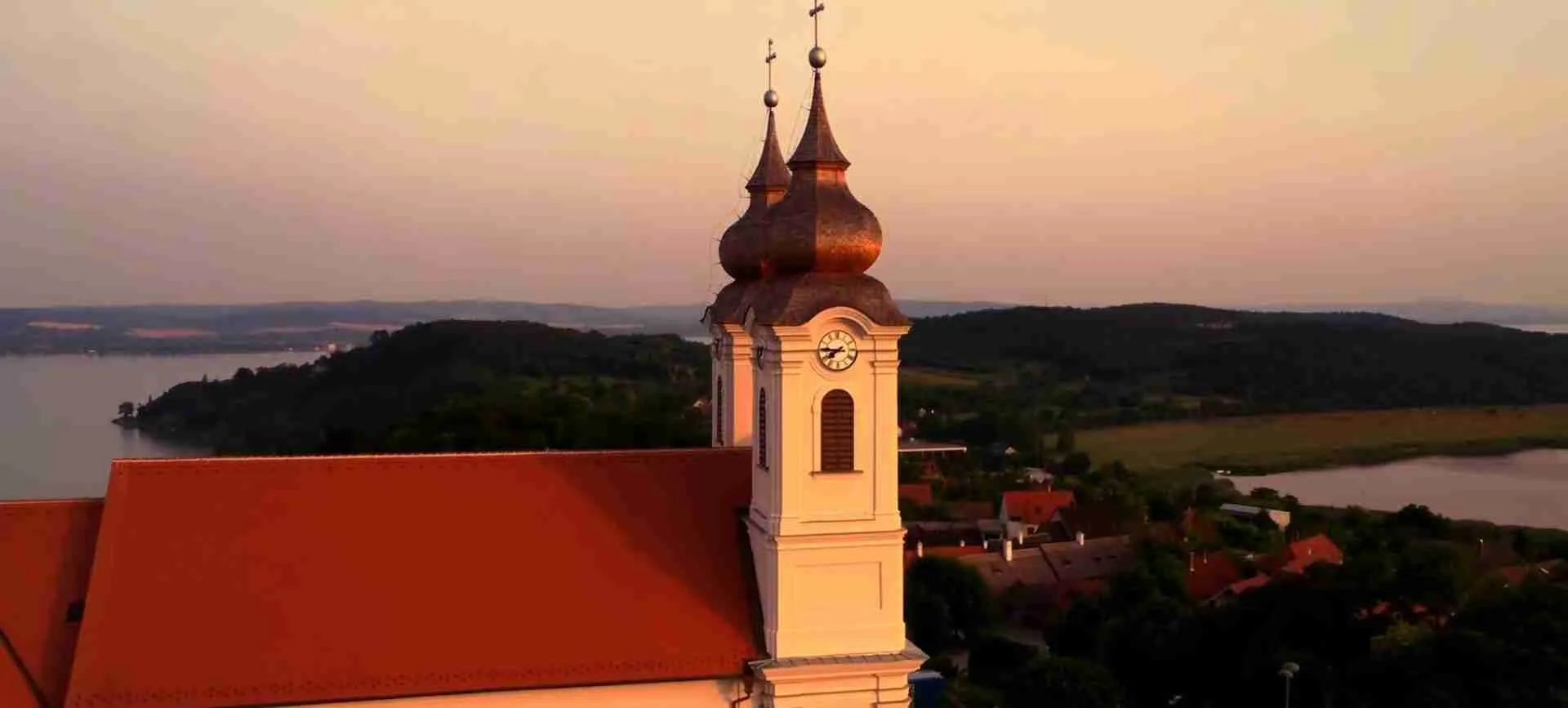
The Tihany Peninsula juts into the lake like a volcanic fist, crowned by the Benedictine Abbey founded in 1055. The village clustered around the abbey has become touristy—expect crowds during summer and lavender season—but the peninsula’s hiking trails, lavender fields (peak bloom July-early August), and volcanic formations justify dealing with fellow visitors. The ferry connection to the south shore (10-minute crossing between Tihany and Szántód) saves significant driving time when moving between shores.
Badacsony and surrounding villages form the heart of north shore wine country. The volcanic formation rises 437 meters with hiking trails to the summit providing panoramic lake views. Basalt soil and microclimate created by the lake reflecting sunlight onto south-facing slopes produce wines rarely leaving the region. Small family cellars offer tastings—having basic German helps significantly as English proficiency drops in wine villages.
South Shore Character and Towns
The south shore sprawls flat along the M7 motorway with easy access to all major towns. Shallow water extends considerable distances from shore making it ideal for families with young children. Beach infrastructure operates at full capacity during summer with water slides, rental equipment, and extensive food options. The atmosphere skews younger and more party-oriented, particularly around Siófok.
Siófok functions as the south shore’s entertainment capital. The Petőfi promenade area fills with lively bars and clubs. Major festivals and concerts take place here throughout summer. Direct trains from Budapest deliver visitors in under 1.5 hours making spontaneous weekend trips feasible. The town gets very crowded during peak season—book accommodation well ahead and expect noise if staying near the promenade.
Balatonlelle and Balatonboglár offer family-friendly beaches with shallow water, playgrounds, and more relaxed atmospheres than Siófok. These towns feel traditionally Hungarian rather than international resort destinations. Zamárdi hosts the annual Strand Festival and provides free beach access, making it popular with budget-conscious travelers. The town maintains a laid-back vibe compared to Siófok’s intensity.
Transportation to Lake Balaton 2026
Train Travel from Budapest
Direct trains depart Budapest-Déli station regularly for major Balaton towns. Journey times run 1-2 hours depending on destination. The train journey transitions from urban sprawl to the volcanic hills of the Balaton Highlands. Purchase tickets at the station or through the MÁV-Start app. Second-class tickets cost €6-8.50 (2,375-3,700 HUF) one-way depending on destination, though prices adjust annually. Check official MÁV (Hungarian State Railways) website for most current schedules and fares before your trip.
Balatonfüred takes roughly 1 hour 50 minutes with 5-9 direct connections daily. First departure typically around 6:30 AM, last around 9:00 PM. Siófok requires about 1 hour 30 minutes with frequent service throughout the day. Keszthely at the western tip takes 2.5-3 hours on direct routes, though some slower options may require 5 hours with multiple changes.
Reserve seats during summer weekends and holidays when trains fill with Hungarian families heading to the lake. Intercity trains offer more comfort and speed with air conditioning, WiFi, and refreshments. Regional trains provide affordable options with frequent stops at smaller towns. Anyone over 65 travels free anywhere on the Hungarian railway network regardless of citizenship—this applies to all visitors in that age range.
Bus Travel from Budapest
FlixBus and Volánbusz operate Budapest-Balaton routes. Buses take longer than trains (2-3 hours) due to road conditions and traffic but sometimes cost less. Bus travel works well for reaching smaller villages not on rail lines. Services make several stops along the way, which proves convenient for accessing smaller villages but extends total travel time. Space can be limited during peak seasons—arrive early at the bus station and travel light if possible.
Driving to Lake Balaton
The M7 motorway connects Budapest directly to Lake Balaton’s south shore. Drive time runs 1.5-2 hours depending on destination. North shore towns require exiting the M7 and taking regional roads winding through villages and vineyards. Parking challenges emerge during summer, particularly in Balatonfüred, Tihany, and Siófok. Many towns charge for parking (approximately €1.30-3.80 per day). Some accommodations include parking, many don’t—confirm before booking.
A rental car provides maximum flexibility for exploring wineries, small villages, and moving between shores. Roads are well-maintained and navigation straightforward. Fuel prices run similar to Western European averages. Consider a car if planning extensive wine touring or wanting to explore smaller villages. Skip it if basing yourself in one town and making occasional day trips by public transport.
Local Transportation Around the Lake 2026
Local trains run along both shores connecting most major towns. Service frequency drops significantly outside summer months—check schedules in advance during shoulder and winter seasons. The north shore line offers particularly scenic views. Tickets cost approximately €1.10 (375 HUF) for single journeys.
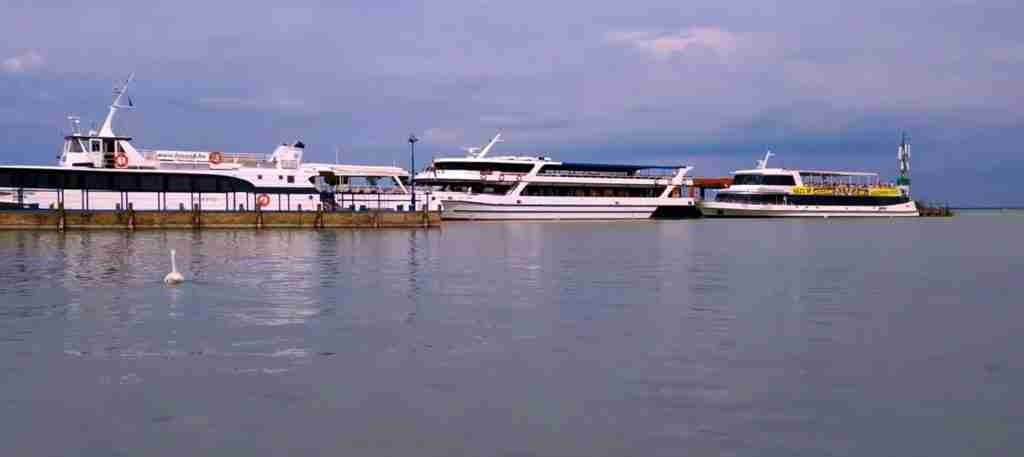
Ferries connect Tihany and Szántód across the lake’s narrowest point during main season (typically April-October). The 10-minute crossing saves significant driving time when moving between shores. Ferries accommodate cars, bikes, and foot passengers. Service frequency varies by season—check BAHART ferry operator website for current schedules and fares before your visit.
The Balaton Bike Ring circumnavigates the entire lake on dedicated cycling paths covering approximately 200 kilometers. Many towns offer bicycle rentals. The south shore’s flat terrain makes cycling easy and pleasant.
Accommodation Guide for Lake Balaton 2026
Budget Accommodations
Budget travelers find limited hostel options around Lake Balaton, as the destination caters more to families and couples. Budget guesthouses and pensions start from €45 per night. Smaller villages away from prime lakefront locations offer more affordable options than major resort towns. Booking 1-2 months ahead secures better availability and rates even in the budget category.
Camping provides another budget option with several campgrounds operating around the lake. Facilities range from basic to well-equipped sites with pools and restaurants. Prices vary by location and season but typically run more affordable than hotels.
Mid-Range Hotels 2026
Mid-range hotels represent Lake Balaton’s accommodation core, ranging €120-180 per night during summer season. Properties typically include breakfast, WiFi, and sometimes wellness facilities like pools and saunas. Location significantly impacts pricing—lakefront properties command premiums over those located inland.
Balatonfüred offers elegant mid-range options maintaining the town’s historic character. Siófok’s mid-range hotels focus more on modern amenities and proximity to nightlife. Smaller south shore towns like Balatonlelle provide family-friendly mid-range properties with direct beach access.
Book 2-3 months ahead for summer peak season (July-August). Prices drop 20-30% during shoulder seasons (May-June, September-October) and can fall 40-50% during winter months for properties remaining open year-round.
Luxury Properties
Luxury hotels and resorts range €300-450 per night offering comprehensive spa facilities, fine dining, direct lake access, and premium services. Properties concentrate around Balatonfüred (maintaining elegant traditions), Hévíz (thermal spa focus), and select locations on the south shore.
Five-star properties include extensive wellness centers with thermal pools, saunas, massage services, and beauty treatments. Restaurants showcase regional cuisine paired with Balaton wines. Many luxury properties offer private beach areas avoiding crowded public beaches.
Budget Planning for Lake Balaton 2026
Daily Budget Categories
Budget travelers spend €40-45 per day including budget guesthouse accommodation, supermarket meals supplemented with occasional restaurant dining, and local public transport. This requires staying in smaller villages, cooking most meals, seeking free beaches, and limiting paid attractions. One week costs approximately €280-315 per person.
Mid-range travelers budget €95-105 per day for comfortable hotel accommodation, regular restaurant meals, local transport including occasional taxis, and entry to attractions. This allows staying in popular towns, dining out for most meals, and participating in activities without constant budget monitoring. One week costs approximately €665-735 per person.
Luxury travelers plan for €210-230 per day including high-end hotels, fine dining, private transportation options, and premium experiences like exclusive wine tastings or spa treatments. One week costs approximately €1,470-1,610 per person.
Accommodation Costs 2026
Accommodation represents 40-50% of total daily costs for most travelers. Budget guesthouses start from €45 per night. Mid-range hotels cost €120-180 nightly during summer, dropping to €84-126 during shoulder seasons. Luxury properties range €300-450 per night with limited seasonal variation.
Smaller towns away from prime tourist areas like Siófok and Balatonfüred offer 20-30% lower accommodation costs. Properties located inland rather than directly lakefront provide additional savings while remaining walking distance from beaches.
Dining Costs 2026
Restaurant meals cost €11-12.50 (4,500-5,000 HUF) per person for sit-down dining at mid-range establishments. Beachside lángos (Hungarian fried dough) with cheese and sour cream costs €5-7.50 (1,900-2,400 HUF). Fast food meals run approximately €7.50 (2,500 HUF). A beer costs €3.80-4.80 (1,500-1,900 HUF), while wine spritzers or cocktails range €5-8.80 (2,000-3,500 HUF).
Supermarket shopping proves significantly cheaper. A liter of milk costs €1.20 (389 HUF), local cheese €9.90 (3,300 HUF) per kilogram, and bottled beer €1.30 (437 HUF). Budget travelers bringing coolers with food and drinks save thousands of forints daily.
Tipping follows standard European practice of rounding up or leaving 10% for good service. Unlike some European countries, tips represent appreciated but not mandatory gestures.
Activity and Attraction Costs 2026
Beach entry varies by location. Many towns offer free public beaches, including Fonyód, Alsóörs, and Balatonfűzfő. Popular beaches charge entry—a family pass in Balatonalmádi costs approximately €15.80 (6,300 HUF) for two adults and children. Afternoon tickets offer 30-40% discounts and some locations provide free entry after certain hours.
Tihany Abbey charges approximately €8 (3,100 HUF) for adults with single tickets granting access to the church, crypt, and museum. Student discounts and reduced rates apply November-March. Festetics Palace in Keszthely costs similar amounts for palace and museum access.
Water sports equipment rentals run €7.50-17.50 (3,000-7,000 HUF) per hour for pedal boats. Kayak and stand-up paddleboard rentals cost similar amounts. Sailing lessons and multi-hour boat rentals command higher rates starting from €40-50.
Essential Destinations Around Lake Balaton 2026
Tihany Peninsula
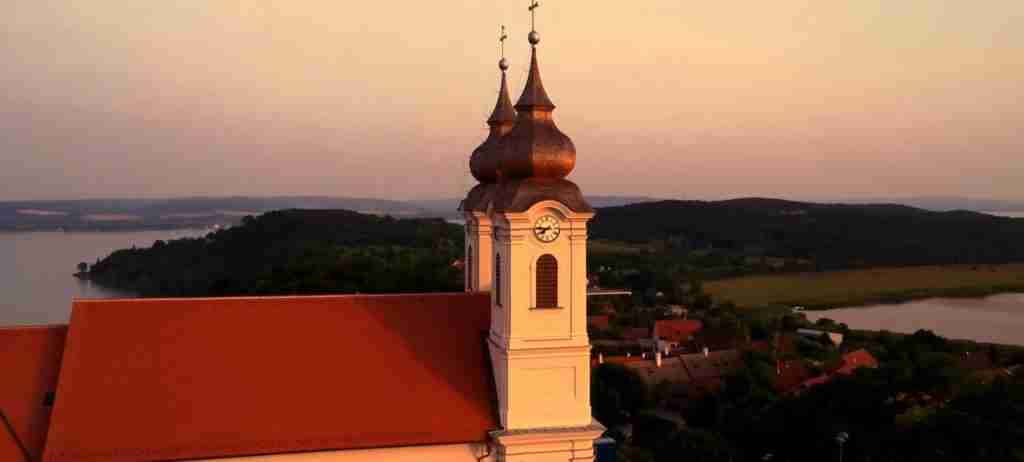
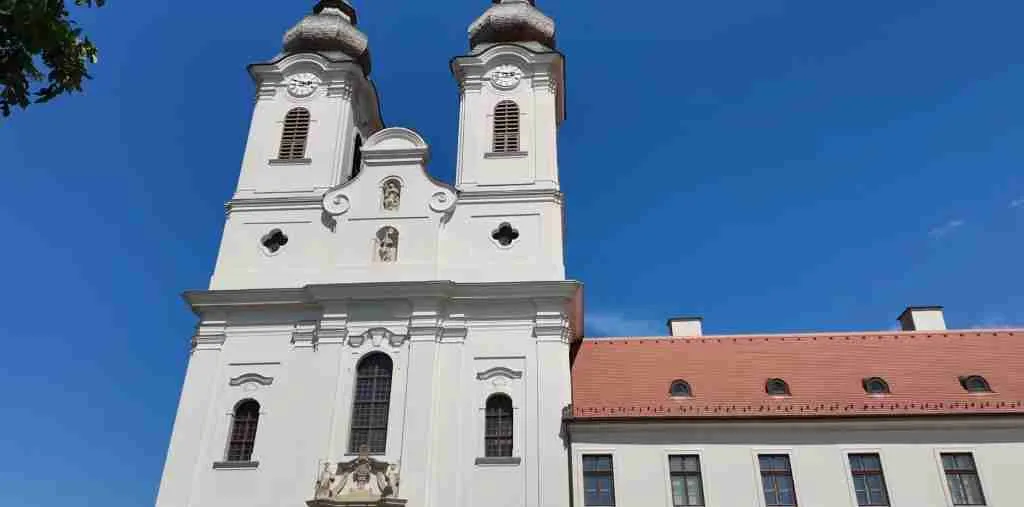
The Tihany Peninsula remains Lake Balaton’s most iconic destination where volcanic hills meet Benedictine history. The abbey, founded in 1055, sits at the peninsula’s highest point overlooking the lake from every direction. The Baroque interior dates to the 18th century, but the crypt contains the tomb of King Andrew I who founded the monastery nearly a millennium ago. The church organ built in 1872 hosts summer concerts. The terrace provides panoramic views across the lake toward Badacsony’s volcanic hills.
The village clustered around the abbey has grown touristy with souvenir shops and restaurants catering to day-trippers. However, the peninsula’s hiking trails, lavender fields (peak bloom July-early August), and geological features justify sharing the space with other visitors. Inner Lake (Belső-tó) offers tranquil walking just minutes from the abbey. Geyser fields dating back three million years provide unique geological attractions.
Access Tihany via ferry from Szántód (10 minutes) or drive/bus from Balatonfüred (20 minutes). Plan minimum 3-4 hours to visit abbey, walk lavender fields, and explore the village. Abbey hours: Monday-Thursday 10:00-16:00, Thursday-Sunday 10:00-16:00, Sunday 11:15-16:00 (ticket office closes 15:30). Admission €8 (3,100 HUF) covers church, crypt, and museum.
Balatonfüred
Balatonfüred functions as the north shore’s elegant anchor combining sailing culture, thermal spa traditions, and 19th-century architecture. The Tagore Promenade stretches along the waterfront lined with plane trees and historic villas. The State Hospital of Cardiology established in 1810 created the spa town tradition still defining the atmosphere. Multiple beaches provide swimming access with less crowding than south shore resorts.
Vaszary Villa hosts rotating art exhibitions in a beautifully restored historic building. The town serves as an excellent base for exploring the north shore with frequent train connections to Budapest (1 hour 50 minutes) and easy access to Tihany (20 minutes) and wine regions. Marina facilities accommodate visiting sailors and boats available for charter.
Badacsony Wine Region
Badacsony rises from the north shore as a volcanic monument to terroir. The basalt soil, microclimate created by the lake reflecting sunlight onto south-facing slopes, and winemaking traditions spanning centuries create wines rarely leaving the region. Key grape varieties include Kékfrankos (Blaufränkisch), Zweigelt, and local whites. Small family cellars offer tastings—English proficiency varies, so basic German proves helpful.
The volcanic formation itself offers hiking trails to the 437-meter summit where panoramic views stretch across the lake. Basalt columns near Szent György Hill display geometric precision resembling architecture. Spring and autumn provide ideal hiking temperatures as summer trails get busy and hot. Plan full day visits combining wine tasting with hiking—designated drivers essential as tastings occur at multiple cellars.
Keszthely and Hévíz
Keszthely at the western tip anchors cultural attractions with Festetics Palace, museums, and better year-round restaurant options than many seasonal resort towns. The palace’s library and grounds reward visits. The town maintains authentic Hungarian character with fewer international tourists than eastern shore destinations.
Hévíz, located just beyond Keszthely, contains Europe’s largest thermal lake with natural hot springs maintaining bathing temperatures year-round. The thermal lake operates continuously—even during winter when steam rises above 30°C waters while snow falls. Purpose-built hotels surround the thermal lake offering comprehensive spa treatments. Hévíz represents the premium choice for thermal wellness experiences.
Siófok
Siófok delivers Lake Balaton’s party atmosphere concentrated along the Petőfi promenade packed with clubs, bars, and restaurants. The town attracts younger crowds seeking nightlife rather than cultural experiences. Beaches provide typical resort amenities—shallow water, rental equipment, food vendors. The Siófok Ferris Wheel offers lake views while the Water Tower provides countryside vistas.
Direct trains from Budapest (under 1.5 hours) enable spontaneous weekend trips. Book accommodation well ahead for summer weekends as the town fills completely. Expect noise if staying near the promenade—consider locations slightly inland for better sleep while maintaining walking distance to nightlife.
Food and Wine Experiences 2026
Regional Cuisine
Lake Balaton specializes in freshwater fish dishes. Fogas (pike-perch or zander) represents the lake’s signature fish with white flaky flesh. Other common varieties include keszeg (bream), ponty (carp), and harcsa (catfish). Halászlé, a spicy fish soup generously seasoned with paprika, appears on most restaurant menus as a regional specialty.
Hungarian classics beyond fish include goulash (gulyás), stuffed peppers, and various paprika-seasoned dishes. Lángos—deep-fried dough topped with sour cream and cheese—functions as the quintessential beach food though prices have risen significantly (€5-7.50 in 2026). Most accommodations include breakfast in rates, though some charge additional fees.
Wine Regions and Tastings
The Balaton wine region encompasses both shores with distinct characters. North shore volcanic soils produce minerally whites and distinctive reds. Badacsony, Balatonfüred-Csopak, and surrounding areas offer small family cellars for tastings. Appointments often unnecessary but helpful, particularly if English needed. Many cellars charge modest tasting fees (€5-10) sometimes waived with purchases.
South shore vineyards produce more approachable wines in flatter terrain. Balatonboglár represents the main south shore wine center. The region produces primarily whites suited to lake fish dishes—Olaszrizling, Chardonnay, and local varieties. September harvest season brings special events, open cellar days, and opportunities to see winemaking processes.
Practical Information for Lake Balaton 2026
Currency and Payment
Hungary uses the Hungarian Forint (HUF), not the Euro despite EU membership. Exchange rates fluctuate but expect approximately 390-400 HUF = €1 when budgeting for 2026. Always check current rates closer to travel dates. Contactless payment works throughout cities and major towns. Carry cash (10,000-20,000 HUF / approximately €25-50) for small museums, market vendors, and paid toilets (200-300 HUF per use).
Use bank-affiliated ATMs (OTP Bank, K&H, Erste Bank) for best exchange rates. Avoid Euronet ATMs entirely as they use predatory exchange rates costing 10%+ compared to bank ATMs. When prompted to “accept conversion,” always decline and choose HUF to avoid poor exchange rates.
Language Considerations
In major tourist centers like Balatonfüred, Siófok, Tihany, and Keszthely, English is widely spoken at hotels, restaurants, and attractions. German proves even more common, particularly on the north shore where German tourists have visited for decades. In smaller wine villages and rural areas, English proficiency drops significantly though younger generations generally know some English.
Basic Hungarian phrases help everywhere and locals appreciate the effort. Most restaurant menus in tourist areas include English or German translations. For wine cellar visits in smaller villages, having some German or booking through accommodations (who can help with translation) smooths the experience considerably.
Climate and Packing for 2026
Summer temperatures range 25-30°C with occasional heat waves exceeding 35°C. Pack light breathable clothing, sun protection, and swimwear. Water temperatures reach 23-26°C making swimming comfortable June through August. Shoulder seasons (April-May, September-October) require layered clothing as temperatures vary 15-25°C. Rain gear proves useful as spring showers occur frequently.
Winter visits need warm clothing as temperatures hover around freezing. Thermal spa visits require swimwear year-round. Comfortable walking shoes essential for exploring towns, hiking volcanic hills, and navigating cobblestone streets in historic areas.
Health and Safety
Lake Balaton presents minimal safety concerns. Water quality maintains high standards with regular testing. Shallow south shore waters prove very safe for children though supervision always necessary. North shore deeper waters require stronger swimming skills. Designated swimming areas marked clearly at all public beaches.
European Health Insurance Card (EHIC) covers EU citizens for necessary medical care. Non-EU visitors should secure travel insurance covering medical emergencies. Pharmacies (gyógyszertár) well-distributed around the lake stocking common medications. Hospitals available in Balatonfüred and Keszthely for serious medical needs.
Sample Lake Balaton Itineraries 2026
Weekend Escape (2-3 Days)
Base yourself in Balatonfüred for elegant north shore experience or Siófok for beach and nightlife focus. Day 1: Arrive via train from Budapest (1.5-2 hours), check into accommodation, explore waterfront promenade, dinner at lakeside restaurant. Day 2: Morning visit to Tihany Peninsula (abbey, lavender fields, village exploration), afternoon beach time or wine tasting in Badacsony. Day 3: Morning beach activities or wellness spa, afternoon return to Budapest.
Costs excluding Budapest transport: accommodation €240-360 (2 nights mid-range), meals €60-80, Tihany Abbey entry €8, local transport €10-15. Total approximately €318-463 per person.
Comprehensive Tour (5-7 Days)
Experience both shores with multi-base approach. Days 1-3: North shore based in Balatonfüred—explore town, day trip to Tihany, full day Badacsony wine touring with hiking. Days 4-5: Transfer to south shore (Siófok or Balatonlelle)—beach activities, water sports, evening entertainment. Days 6-7: Western end based in Keszthely—Festetics Palace, day trip to Hévíz thermal lake, explore less-touristed western shore.
This itinerary provides comprehensive lake experience including cultural attractions, wine regions, beach activities, and thermal wellness. Costs excluding transport: accommodation €600-900 (6 nights mid-range), meals €180-250, attractions and activities €80-120, local transport €30-50. Total approximately €890-1,320 per person.
Wine and Culture Focus (4-5 Days)
Concentrate on north shore cultural and wine experiences. Base in Balatonfüred with day trips. Day 1: Arrive, explore Balatonfüred’s historic center and thermal spa traditions. Day 2: Tihany Peninsula comprehensive visit—abbey, museum, lavender fields, village, Inner Lake walk. Day 3: Full day Badacsony wine region—multiple cellar visits, summit hike, lunch at vineyard restaurant. Day 4: Keszthely Festetics Palace and town exploration. Day 5: Leisure morning, departure.
This itinerary suits wine enthusiasts and culture seekers avoiding beach-resort atmosphere. Costs excluding transport: accommodation €480-720 (4 nights mid-range), meals €120-180 (including wine tastings), attractions €50-80, local transport €25-40. Total approximately €675-1,020 per person.
Money-Saving Strategies for Lake Balaton 2026
Accommodation Savings
Book accommodations in smaller villages rather than major resort towns for 20-30% savings while maintaining lake access. Properties located slightly inland rather than directly lakefront cost less. Visit during shoulder seasons (May-June, September-October) when prices drop 20-30% below summer peaks. Book 1-2 months ahead for best availability and rates even in budget category.
Consider apartment rentals for groups or families enabling cooking meals—supermarket shopping costs significantly less than restaurant dining. Some pensions offer kitchenette access reducing meal expenses substantially.
Dining Economically
Bring coolers with food and drinks—one of the biggest money-savers at Lake Balaton. Supermarkets stock everything needed for beach days and picnics. Many public beaches allow outside food and drinks. Restaurant lunch menus offer better value than dinner prices. Markets in larger towns sell fresh produce, cheeses, and bread at good prices.
Seek free public beaches avoiding entry fees—locations include Fonyód, Alsóörs, and Balatonfűzfő. Afternoon beach tickets offer 30-40% discounts at paid beaches, and some locations provide free entry after certain hours.
Transportation Savings
Book train tickets in advance though Hungarian Railways prices remain relatively stable. Anyone over 65 travels free on Hungarian trains—take advantage if eligible. Use local trains and buses rather than taxis for local transport. Bicycle rentals cost less than car rentals while providing excellent mobility on flat south shore terrain.
Consider staying in one location rather than moving between towns—accommodation changes add transport costs and time. Base selection based on primary interests (wine touring, beaches, or cultural attractions) minimizes travel needs.
Frequently Asked Questions About Lake Balaton 2026
Do I need a car to visit Lake Balaton in 2026?
A car provides maximum flexibility but remains unnecessary for visiting Lake Balaton. Direct trains from Budapest reach major towns in 1.5-2 hours. Local trains connect north and south shore destinations. Buses serve smaller villages. Ferries cross between shores. Bicycles work excellently on flat terrain. Consider a car only if planning extensive wine region touring or visiting multiple small villages off public transport routes.
Can I swim in Lake Balaton throughout summer 2026?
Lake Balaton swimming season runs mid-June through early September with water temperatures 23-26°C. July and August provide warmest conditions. The south shore’s shallow water stays warmer than the north shore’s deeper sections. Water quality maintains high standards with regular testing. All public beaches have designated swimming areas marked clearly. Swimming outside these areas not recommended.
Are beaches free at Lake Balaton in 2026?
Many towns offer free public beaches including Fonyód, Alsóörs, Balatonfűzfő, and Zamárdi. Popular beaches charge entry with family passes costing approximately €15.80 (6,300 HUF) for two adults and children. Afternoon tickets provide 30-40% discounts. Some locations offer free entry after certain evening hours. Check specific town websites for current beach entry policies and prices.
What’s the difference between Lake Balaton and Lake Hévíz?
Lake Balaton represents Central Europe’s largest lake spanning 197 kilometers of shoreline used for swimming, sailing, and water sports during summer. Lake Hévíz contains Europe’s largest thermal lake with natural hot springs maintaining 30°C bathing temperatures year-round. Hévíz operates as a dedicated wellness destination with spa hotels surrounding the thermal lake. The two lakes sit near each other—Hévíz located just beyond Keszthely at Lake Balaton’s western end.
Is Lake Balaton suitable for families with young children in 2026?
The south shore proves exceptionally family-friendly with shallow water extending considerable distances from shore. Toddlers can safely wade while remaining visible to parents. Many south shore beaches feature playgrounds, water slides, and rental equipment. Towns like Balatonlelle and Balatonboglár offer relaxed family atmospheres. Accommodation options include family-friendly hotels and pensions. Free beaches reduce costs for families. The north shore with deeper water and fewer child-specific amenities suits older children better.
When does lavender bloom in Tihany for 2026?
Tihany lavender fields peak from early July through early August. The Tihany Lavender Festival typically runs mid-June through early July—in 2026, expect dates around June 17-July 2 though verify on the official festival website closer to your visit. The peninsula becomes very crowded during lavender season. Visit early morning or late afternoon to avoid peak crowds. Lavender products available year-round in village shops though visiting during bloom provides the best photographic opportunities.
Can I visit Lake Balaton as a day trip from Budapest in 2026?
Day trips from Budapest prove feasible though rushed. Trains reach Siófok in 1.5 hours or Balatonfüred in 2 hours allowing 5-6 hours at the lake before evening return trains. This suits single-town beach visits or quick Tihany Peninsula tours. Comprehensive lake exploration requires overnight stays. Weekend trips provide better experiences allowing relaxed exploration without constant clock-watching.
What wildlife can I see at Lake Balaton?
Lake Balaton and particularly Balaton Uplands National Park support diverse wildlife. Bird species include ferruginous ducks, purple herons, and long-legged buzzards around reed-covered areas. Inner Lake (Belső-tó) on Tihany Peninsula attracts various waterfowl. Grey cattle graze on the peninsula. Ground squirrels inhabit hiking areas. The lake itself contains multiple fish species beyond those commercially harvested. Best wildlife viewing occurs early morning or evening during shoulder seasons when tourist activity diminishes.
Are credit cards widely accepted at Lake Balaton in 2026?
Contactless payment works throughout major towns at hotels, restaurants, and shops. Smaller establishments in villages may prefer cash. Markets and some small museums operate cash-only. Beach vendors and food stalls often cash-only though larger beach facilities accept cards. Carry 10,000-20,000 HUF (€25-50) cash for flexibility. ATMs widely available in all towns—use bank-affiliated machines avoiding Euronet ATMs with poor exchange rates.
How crowded does Lake Balaton get in summer 2026?
July and August bring peak crowds, particularly weekends when Budapest residents join international tourists. Siófok and Tihany experience heaviest congestion. Parking becomes difficult in popular towns. Beaches get crowded especially during hot weather. Trains fill on Friday afternoons and Sunday evenings. Prices hit annual peaks. Book accommodation 2-3 months ahead. Consider visiting June or September for better weather than shoulder seasons while avoiding worst summer crowds. Smaller villages remain quieter even during peak season.