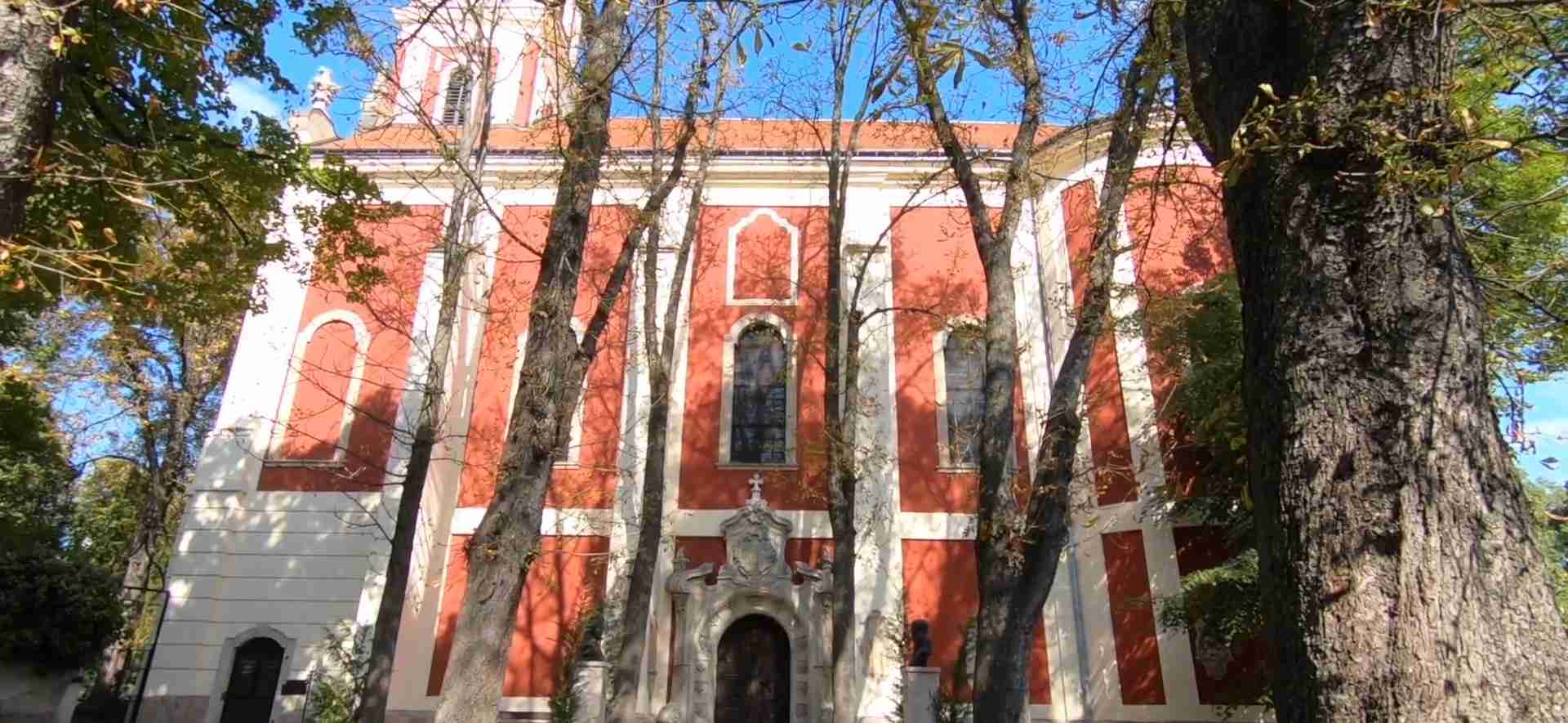
Szentendre Art Galleries & Museums: Complete Guide
Szentendre stands as Hungary’s artistic heart, a riverside town where cobblestone streets wind past dozens of galleries, museums, and artist studios that have drawn creative spirits since the early 20th century. This comprehensive guide explores the institutions and independent spaces that transformed a historic market town into Central Europe’s most concentrated artistic community, where Renaissance ceramics, contemporary paintings, and avant-garde installations coexist within baroque architecture along the Danube Bend.
Key Takeaways: Understanding Szentendre’s Art Scene
- Artistic Heritage: Known as Hungary’s “Artist Village” since the early 20th century, Szentendre attracted painters, sculptors, and craftspeople drawn by the Danube’s beauty, affordable living, and supportive creative community that coalesced into the influential Szentendre School artistic movement.
- Major Museum Complex: The Ferenczy Museum Center operates multiple venues showcasing the Ferenczy family artistic dynasty, whose contributions spanning painting, sculpture, and tapestry profoundly shaped Hungarian art across generations and established Szentendre’s reputation as a cultural destination.
- Ceramic Masterworks: The Margit Kovács Ceramic Museum celebrates Hungary’s most celebrated ceramic artist through over 300 figurative sculptures that blend folk traditions with modernist expression, creating narrative works that capture Hungarian cultural identity through clay.
- Contemporary Exhibition Spaces: The Art Mill (Művészetmalom) and numerous independent galleries host rotating exhibitions featuring both established Hungarian masters and emerging contemporary artists, ensuring Szentendre remains a living artistic center rather than historical artifact.
- Serbian Heritage: The Serbian Orthodox Ecclesiastical Art Collection preserves icons, vestments, and liturgical objects reflecting the significant Serbian community that settled here following Ottoman expansion, contributing distinctive cultural dimensions to Szentendre’s artistic character.
- Specialty Museums: Beyond traditional fine art, Szentendre houses unique collections including the Szamos Marzipan Museum showcasing edible sculptures, the Micro Wonder Museum displaying microscopic art visible only through magnification, and the Transport Museum preserving regional railway history.
People Also Ask About Szentendre Art Galleries & Museums
What is the Szentendre School and why is it historically significant?
The Szentendre School emerged as a distinctive artistic movement during the early 20th century when Hungarian artists, seeking escape from Budapest’s urban environment and inspiration from natural surroundings, established studios in Szentendre’s picturesque setting along the Danube. This wasn’t a formal academy with strict rules but rather a loose association of artists who shared common environment and spirit of innovation. The movement gained momentum following World War I when artists including Károly Ferenczy, Jenő Barcsay, and Lajos Vajda settled permanently in the town, attracted by affordable living costs, proximity to Budapest’s galleries and patrons, and the supportive creative community developing among like-minded individuals. These artists pioneered approaches to landscape painting that captured Hungarian countryside with fresh perspective, combining impressionist color techniques with compositional strategies drawn from post-impressionism and early modernism. The Szentendre School’s significance extends beyond individual artistic achievements to its role in establishing Hungarian modernist painting as distinct tradition worthy of international recognition. The movement influenced subsequent generations of Hungarian artists while establishing Szentendre’s identity as artistic center, leading to the concentration of galleries and museums that continues defining the town’s character today.
How many museums and galleries are there in Szentendre?
Szentendre houses dozens of museums and galleries ranging from large institutional spaces to intimate artist-run studios, creating one of Europe’s densest concentrations of visual art venues relative to population size. The Ferenczy Museum Center alone operates multiple buildings including the Károly Ferenczy Museum, Barcsay Museum, Czóbel Museum, Vajda Museum, and Art Mill, each focusing on specific artists or movements while collectively preserving Szentendre School heritage. Major institutions include the Margit Kovács Ceramic Museum, Szamos Marzipan Museum, Serbian Orthodox Ecclesiastical Art Collection, and several specialty museums covering topics from microscopic art to regional transportation history. Beyond these established venues, dozens of independent galleries line Fő tér (Main Square) and surrounding streets, many operated by working artists who sell directly from studio spaces while exhibiting contemporary work. The exact count fluctuates as galleries open, close, or relocate, but visitors typically encounter 15-20 major museums and 30-40 smaller galleries and artist studios during comprehensive exploration. This remarkable density means walking virtually any street in the historic center leads past multiple exhibition spaces, creating immersive artistic environment where galleries function as integral elements of urban fabric rather than isolated destinations. The concentration reflects deliberate cultural policy supporting arts as economic development strategy, with municipal authorities encouraging gallery development through favorable zoning and promotional efforts that position Szentendre as Hungary’s premier art town.
What makes Margit Kovács such an important Hungarian ceramic artist?
Margit Kovács achieved recognition as Hungary’s foremost ceramic artist through her distinctive approach combining technical mastery with narrative depth that transformed clay into vehicles for storytelling and cultural expression. Born in 1902, Kovács studied at Budapest’s School of Applied Arts before traveling to Vienna, Munich, and Denmark to learn advanced ceramic techniques. She developed a unique style characterized by figurative sculptures that blend Hungarian folk art traditions with modernist sculptural principles, creating works that feel simultaneously ancient and contemporary. Her pieces often depict biblical scenes, Hungarian legends, everyday village life, and maternal themes with emotional intensity and psychological insight rare in ceramic art. The technical quality of her work demonstrates exceptional skill in modeling human figures, controlling glazes to achieve subtle color effects, and creating narrative compositions that function as three-dimensional illustrations. Kovács received Hungary’s highest artistic honor, the Kossuth Prize, recognizing her contributions to Hungarian cultural identity through ceramic art. Her work resonates because it addresses universal human experiences—love, motherhood, faith, community—through specifically Hungarian visual vocabulary drawn from folk traditions and Catholic imagery. The whimsical yet deeply serious quality of her sculptures captures tensions between tradition and modernity that defined 20th-century Hungarian experience. The museum dedicated to her work in Szentendre preserves over 300 pieces spanning her entire career, allowing visitors to trace her artistic development while understanding ceramic art’s potential for profound emotional and narrative expression beyond merely decorative function.
Is Szentendre better visited as a day trip or overnight stay?
The optimal duration for experiencing Szentendre’s artistic offerings depends on visitor interests and desired depth of engagement with the town’s museums and galleries. A focused day trip from Budapest allows visiting 3-4 major museums including the Ferenczy Museum, Margit Kovács Ceramic Museum, and Art Mill, with time for walking Main Square, browsing several independent galleries, and enjoying lunch at a riverside restaurant. This compressed schedule provides satisfying introduction to Szentendre’s artistic character while fitting within typical tourist itineraries. However, serious art enthusiasts and those seeking comprehensive museum coverage benefit significantly from overnight stays that allow more leisurely exploration without time pressure. Szentendre’s museums deserve careful attention rather than rushed viewing, particularly the Ferenczy complex where multiple buildings require 1-2 hours each for thorough appreciation. An overnight stay enables visiting museums during less crowded morning hours before tour buses arrive from Budapest, returning for evening exploration when galleries host opening receptions or special events, and dedicating second day to smaller specialty museums and independent galleries often overlooked during day trips. The town’s charming accommodations, from boutique hotels to family-run pensions, enhance the experience by allowing visitors to experience Szentendre’s rhythm beyond tourist hours when day-trippers depart and the town reveals its authentic character. Additionally, overnight visitors can venture to the Open-Air Ethnographic Museum on Szentendre’s outskirts, a sprawling 60-acre site preserving traditional Hungarian rural architecture that requires minimum half-day visit. For casual visitors with limited time, a well-planned day trip suffices, but those passionate about Hungarian art, ceramic traditions, or the Szentendre School movement will find overnight stay rewarding through deeper engagement with the town’s exceptional artistic resources.
Extended multi-day tours – 5+ days
Featured Szentendre Multi-Day Tour Packages
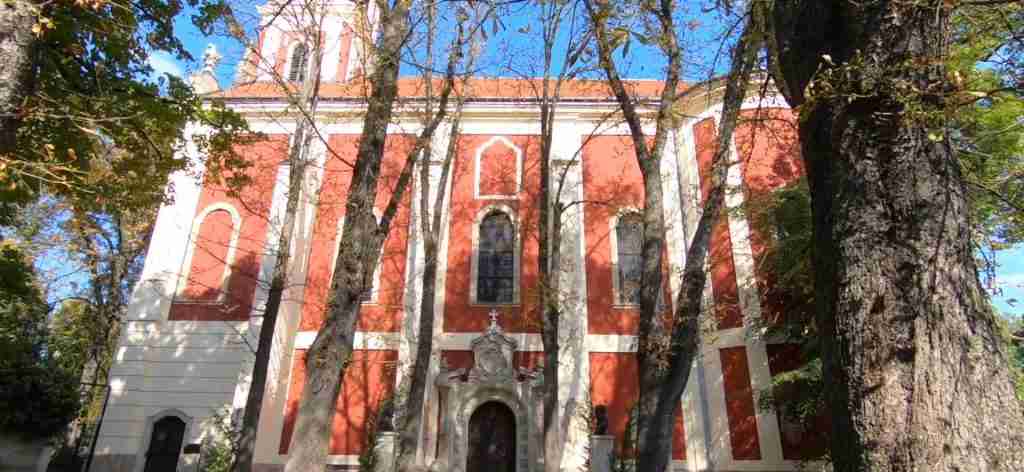
3 days
Szentendre 3-Day Discovery Tour
- ✓ Comprehensive Szentendre experience
- ✓ Expert local guides included
- ✓ All accommodation included
- ✓ Transportation provided
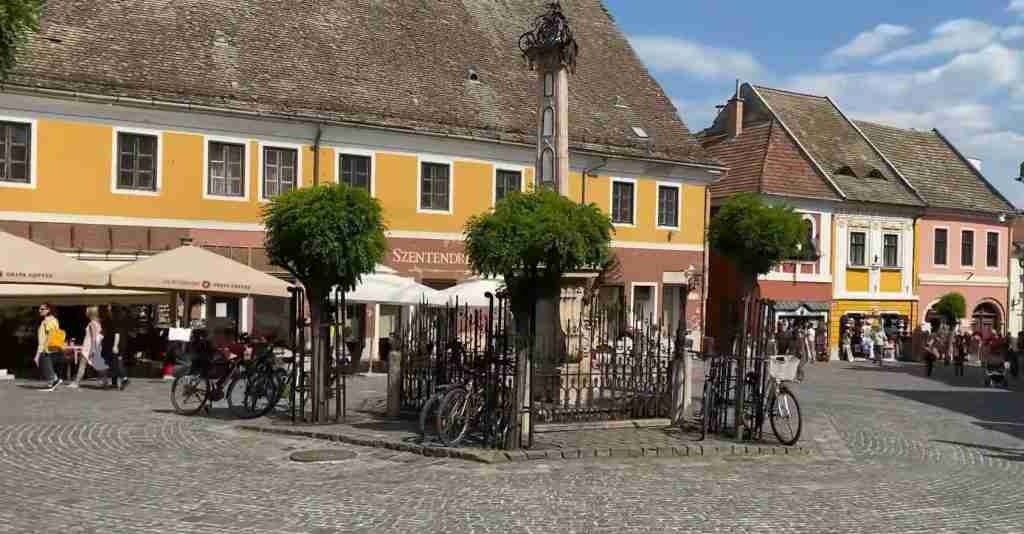
5 days
Szentendre 5-Day Highlights Experience
- ✓ Comprehensive Szentendre experience
- ✓ Expert local guides included
- ✓ All accommodation included
- ✓ Transportation provided
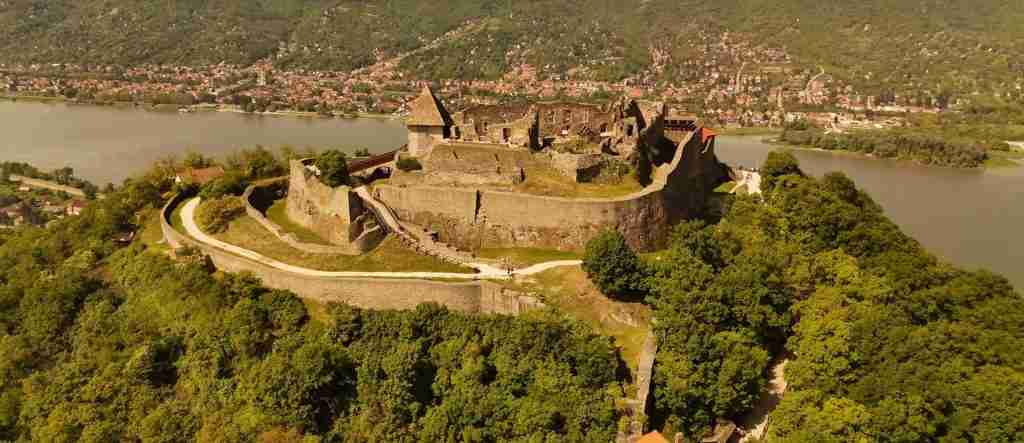
7 days
Szentendre 7-Day Cultural Journey
- ✓ Comprehensive Szentendre experience
- ✓ Expert local guides included
- ✓ All accommodation included
- ✓ Transportation provided
10 days
Szentendre 10-Day Complete Adventure
- ✓ Comprehensive Szentendre experience
- ✓ Expert local guides included
- ✓ All accommodation included
- ✓ Transportation provided
Multi-day tour packages powered by TourRadar. Prices and availability subject to change.
Introduction: Hungary’s Living Canvas Along the Danube
Szentendre emerges from the Danube Bend like a baroque painting brought to life, its rust-red tile roofs and pastel-colored facades cascading down hillsides toward the river. Just 19 kilometers north of Budapest, this compact town of approximately 26,000 residents houses one of Central Europe’s most remarkable concentrations of visual art, with dozens of museums and galleries transforming historic merchant houses into exhibition spaces that preserve Hungarian artistic heritage while nurturing contemporary creative production.
The town’s artistic identity traces to geographic and cultural factors that converged during the early 20th century. Artists fleeing Budapest’s urban intensity discovered in Szentendre a picturesque riverside setting with affordable housing, inspiring natural surroundings, and developing community of like-minded creative individuals. The Danube’s changing moods, surrounding hills’ pastoral beauty, and historic architecture’s visual richness provided endless subject matter for painters and sculptors seeking authentic Hungarian landscape untainted by industrialization.
Serbian refugees who settled Szentendre following Ottoman expansion in the Balkans established the town’s multicultural character, building Orthodox churches whose distinctive architecture and icon collections contributed visual diversity. This Serbian heritage, preserved through museums and active religious communities, adds layers to Szentendre’s artistic narrative beyond purely Hungarian traditions.
The Ferenczy family represents Szentendre’s artistic foundation. Károly Ferenczy, patriarch of Hungarian Impressionism, chose Szentendre as his permanent home, influencing his children—Valér, Noémi, and Béni—to pursue artistic careers that profoundly shaped Hungarian painting, sculpture, and tapestry across the 20th century. The Ferenczy Museum Center, operating multiple venues dedicated to this artistic dynasty and the broader Szentendre School movement, anchors the town’s institutional art infrastructure.
Margit Kovács transformed ceramic art from decorative craft to serious artistic medium through her emotionally powerful figurative sculptures. The museum dedicated to her work showcases how a single artist’s vision can elevate entire artistic discipline while expressing distinctly Hungarian cultural themes through universal human experiences. Her legacy influences contemporary Hungarian ceramic artists who continue working in Szentendre’s numerous pottery studios.
Contemporary galleries maintain Szentendre’s artistic vitality beyond historical preservation. The Art Mill hosts large-scale temporary exhibitions featuring established and emerging Hungarian artists, while dozens of independent galleries along Main Square and surrounding streets display paintings, sculptures, textiles, jewelry, and mixed-media works by artists working in studios throughout the town. This living creative community ensures Szentendre functions as active artistic center rather than museum piece frozen in early 20th-century glory.
Specialty museums add whimsical touches to Szentendre’s serious artistic credentials. The Szamos Marzipan Museum transforms edible almond paste into intricate sculptures ranging from famous buildings to historical figures, demonstrating confectionery’s artistic potential. The Micro Wonder Museum displays Ukrainian artist Mykola Syadristy’s astonishing microscopic creations—camel caravans inside needle eyes, portraits on rice grains—visible only through powerful microscopes. These unique venues complement traditional fine art museums by expanding definitions of what constitutes artistic achievement.
Szentendre’s pedestrian-friendly historic center facilitates museum-hopping, with most venues located within 10-15 minutes’ walk of Main Square. Cobblestone streets connecting galleries create atmospheric transitions between exhibition spaces, with baroque architecture, outdoor cafes, and Danube views enhancing the experience beyond museum interiors. This walkable urban scale allows spontaneous gallery discoveries, as visitors wandering charming streets unexpectedly encounter exhibition spaces tucked into courtyards or basement levels.
The town’s proximity to Budapest via frequent bus and train service makes it accessible for day trips while offering sufficient artistic depth to reward overnight stays. Szentendre attracts domestic Hungarian visitors seeking connection to national artistic heritage alongside international tourists drawn by the town’s picturesque beauty and cultural offerings. This mix of audiences supports diverse galleries ranging from commercial spaces selling decorative art to experimental venues exhibiting challenging contemporary work.
This guide explores Szentendre’s major museums and galleries, examining their collections, historical significance, and roles within Hungary’s broader artistic landscape. From the Ferenczy family’s multi-generational achievements to contemporary galleries nurturing emerging talents, Szentendre’s artistic institutions reveal how a single town became synonymous with Hungarian visual art across more than a century of creative production.
The Ferenczy Museum Center: Dynasty and Movement
The Ferenczy Museum Center functions as Szentendre’s cultural anchor, operating multiple buildings that collectively preserve the Szentendre School movement while honoring the Ferenczy family whose artistic achievements profoundly influenced Hungarian art. This decentralized museum structure allows focused examination of individual artists while maintaining connections between their shared environment and mutual influences.
Károly Ferenczy, born 1862, established Hungarian Impressionism through landscape and genre paintings that captured Hungarian countryside with light-filled canvases influenced by French Impressionist techniques learned during Paris studies. His decision to settle permanently in Szentendre during the 1890s reflected his belief that authentic Hungarian art must emerge from direct engagement with Hungarian landscape rather than academic studio exercises. Ferenczy’s Szentendre paintings demonstrate sophisticated understanding of how sunlight transforms color and atmosphere across seasons and times of day, technical skills combined with deep emotional connection to the land he depicted.
The Károly Ferenczy Museum displays the patriarch’s major works alongside pieces by his three children, creating family portrait through paintings, sculptures, and tapestries that span nearly a century of Hungarian art. Valér Ferenczy pursued sculpture, creating works ranging from intimate portrait busts to monumental public commissions. Noémi Ferenczy pioneered modern Hungarian tapestry, elevating textile art from decorative craft to serious artistic medium through designs that translated painterly concerns into woven threads. Béni Ferenczy continued his father’s painting tradition while developing distinctive style incorporating modernist abstraction with figurative elements.
This multi-generational artistic achievement demonstrates how artistic talent and training can transmit across family lines while allowing individual voices to emerge. Each Ferenczy family member pursued distinct path within visual arts, yet their shared foundation in Károly’s teaching and Szentendre’s environment created aesthetic continuities that connect their diverse works. The museum’s presentation allows visitors to trace these connections, understanding how shared heritage influences individual artistic development.
The Barcsay Museum focuses on Jenő Barcsay, whose analytical approach to form and composition influenced generations of Hungarian artists through his teaching and theoretical writings. Barcsay’s paintings demonstrate rigorous structural analysis underlying seemingly spontaneous compositions, with geometric frameworks organizing natural forms into coherent pictorial spaces. His books on anatomy and composition remain influential texts in Hungarian art education, extending his impact beyond paintings to pedagogical legacy that shaped how Hungarian artists understand visual structure.
The Czóbel Museum celebrates Béla Czóbel, an expressionist painter whose bold color and emotional intensity contrasted with Ferenczy’s more restrained Impressionism while sharing commitment to authentic Hungarian artistic voice. Czóbel’s work demonstrates Fauvism’s influence on Hungarian painting, with color used expressively rather than descriptively to convey emotional and psychological states. His portraits capture psychological depth through color relationships and gestural brushwork rather than photographic accuracy.
The Vajda Museum preserves Lajos Vajda’s experimental work combining surrealist influences with Hungarian folk art elements and religious imagery. Vajda’s tragically short career—he died in 1941 at age 35—produced extraordinary body of work exploring identity, spirituality, and Hungarian cultural roots through innovative collage and drawing techniques. His incorporation of Byzantine icon traditions, Jewish mysticism, and folk motifs created distinctly Hungarian surrealism that addressed psychological and spiritual concerns during Europe’s darkest period.
These individual artist museums collectively document the Szentendre School’s diversity, demonstrating that the movement encompassed multiple aesthetic approaches united by commitment to Hungarian cultural expression and the inspiring environment Szentendre provided. Visiting all venues provides comprehensive understanding of early 20th-century Hungarian art’s development, with each artist contributing unique perspective while participating in broader artistic dialogue.
The Art Mill (Művészetmalom) complements the historical focus by hosting large-scale temporary exhibitions featuring contemporary Hungarian artists. This multi-story venue provides flexible gallery spaces accommodating installations, video art, and experimental work that might not fit traditional museum formats. The programming balance established historical artists with emerging talents, creating continuity between Szentendre’s artistic past and present creative production.
Exhibition schedules rotate throughout the year, with major shows typically running 2-3 months before changing to fresh programming. Visitors should check current exhibition details before visiting to ensure desired shows remain on display. The Art Mill also hosts artist talks, workshops, and educational programs that deepen public engagement with contemporary Hungarian art beyond passive viewing.
Admission policies offer combined tickets covering multiple Ferenczy Museum Center venues, providing better value than individual admissions while encouraging comprehensive exploration of the complex. Many visitors find allocating full day to the Ferenczy venues rewarding, allowing 1-2 hours per museum for thorough examination without rushing between locations.
The Ferenczy Museum Center’s decentralized structure reflects Szentendre’s urban character, with museum buildings scattered throughout the historic center rather than concentrated in single complex. This distribution encourages exploration of Szentendre’s charming streets while creating natural pacing that prevents museum fatigue. Walking between venues provides opportunity to browse independent galleries, enjoy coffee breaks, and absorb the town’s atmosphere between focused museum visits.
Margit Kovács Ceramic Museum: Folk Traditions Meet Modernist Expression
The Margit Kovács Ceramic Museum occupies a beautifully restored building just steps from Main Square, housing over 300 figurative ceramic sculptures that demonstrate how one artist transformed clay into vehicle for profound narrative and emotional expression. The museum, opened in 1973, celebrates Hungary’s most celebrated ceramic artist while elevating ceramic art from decorative craft to serious artistic medium worthy of museum exhibition and scholarly study.
Margit Kovács developed distinctive style combining technical mastery with deeply personal vision that expressed Hungarian cultural identity through universal human themes. Her sculptures depict biblical narratives, Hungarian legends, village life scenes, and maternal relationships with emotional intensity and psychological insight that transcend ceramic medium’s decorative associations. The works function as three-dimensional narratives, with each sculpture telling stories through figures’ postures, facial expressions, and spatial relationships.
The museum’s chronological organization allows tracing Kovács’ artistic development from early experimental pieces through her mature masterworks. Early works show her learning fundamental ceramic techniques while developing personal visual vocabulary. Mature pieces demonstrate confident handling of complex compositions, sophisticated glaze effects creating subtle color variations, and ability to convey psychological states through clay modeling.
Folk art influences appear throughout Kovács’ work, with decorative patterns, simplified forms, and narrative directness drawn from Hungarian peasant traditions. However, she transformed these folk elements through modernist sensibility that emphasized emotional expression and formal innovation over literal reproduction of traditional motifs. This synthesis created distinctly modern Hungarian art rooted in cultural heritage while speaking to contemporary concerns.
Religious themes receive particular attention, with numerous sculptures depicting Madonna and Child, biblical scenes, and Catholic devotional subjects. Kovács’ treatment of these traditional themes brings fresh perspective through emphasis on maternal love’s universal dimension rather than merely religious iconography. Her Madonnas appear as real mothers experiencing joy and anxiety of childrearing, making sacred narratives accessible through human emotional connection.
The museum’s presentation includes detailed explanatory materials discussing Kovács’ techniques, thematic concerns, and place within Hungarian art history. These interpretive resources help visitors unfamiliar with Hungarian cultural context understand references and appreciate artistic achievement beyond surface beauty. Audio guides or printed materials provide deeper engagement for those seeking comprehensive understanding.
One circuit guides visitors through chronologically organized galleries, ensuring systematic exposure to different periods and themes in logical sequence. This careful curation creates narrative arc that helps visitors understand artistic development while preventing overwhelming sense that sometimes results from encountering hundreds of works without organizing framework.
The museum shop offers ceramic reproductions, books about Kovács, and contemporary Hungarian ceramic art, providing opportunities to take home pieces inspired by the collection. These commercial offerings support museum operations while allowing visitors to acquire affordable reminders of their experience.
Visiting duration varies based on engagement level, with casual visitors completing tours in 20-30 minutes while serious students of ceramic art or Hungarian culture may spend 1-2 hours examining works closely and reading interpretive materials. The museum’s compact size makes it manageable addition to Szentendre itineraries without demanding excessive time commitment.
The building itself contributes to the experience, with well-designed exhibition spaces providing appropriate lighting and viewing distances for appreciating ceramic sculptures’ details. The intimate scale feels appropriate for personal, emotionally intense works that require close examination rather than monumental gallery spaces.
Photography without flash is generally permitted, allowing documentation while protecting light-sensitive glazes from cumulative damage. Visitors should verify current photography policies upon entry, as restrictions may apply to specific pieces or temporary exhibitions.
For those interested in broader ceramic art traditions, the museum provides context for understanding how Hungarian ceramic artists built on folk pottery traditions while incorporating international modernist influences. Kovács’ achievement demonstrates ceramic art’s potential for serious narrative and emotional content beyond utilitarian or merely decorative functions, influencing subsequent generations of Hungarian ceramicists who continue working in Szentendre’s numerous pottery studios.
Independent Galleries and Contemporary Art Spaces
Beyond major museums, Szentendre’s artistic vitality manifests through dozens of independent galleries occupying ground floors, courtyards, and converted spaces throughout the historic center. These galleries range from commercial operations selling decorative art to experimental venues exhibiting challenging contemporary work, creating diverse ecosystem that supports artists at various career stages while offering visitors multiple entry points into Hungarian visual art.
Main Square (Fő tér) and radiating streets concentrate the highest density of galleries, with many occupying historic buildings whose baroque architecture creates atmospheric exhibition settings. Ground-level windows display artworks visible from sidewalks, encouraging spontaneous gallery visits as visitors explore the town. This integration of galleries into urban fabric makes art encountering inevitable during Szentendre wandering rather than requiring deliberate museum-seeking.
The Erdész Gallery, opened in 1992 by László Erdész, occupies a prominent position near Main Square and functions as museum for classic and contemporary Hungarian art. The multi-floor building includes rooftop garden offering panoramic views over Szentendre’s historic center. Exhibition programming balances established Hungarian masters with emerging contemporary artists, creating dialogue between artistic generations. Special exhibitions throughout the year focus on specific artists or thematic concerns, with opening receptions providing opportunities to meet artists and engage with local art community.
Commercial galleries selling paintings, prints, ceramics, textiles, jewelry, and mixed-media works cater to tourists seeking affordable Hungarian art. These spaces often feature multiple artists, allowing comparison of styles and approaches within single visit. Quality varies significantly, from mass-produced decorative items to serious artworks by trained professionals, requiring discernment to distinguish genuine artistic merit from tourist kitsch.
Artist-run studios functioning as galleries allow meeting working artists and discussing their creative processes. These intimate encounters provide insights into contemporary Hungarian art practice beyond finished artworks’ polished presentation. Artists often demonstrate techniques, explain conceptual frameworks, or discuss challenges of sustaining creative careers in small-town contexts. Such interactions enrich understanding while supporting artists directly through purchases that bypass commercial gallery commissions.
Textile artists maintain strong presence, reflecting Szentendre’s tradition of fiber arts established by Noémi Ferenczy’s pioneering tapestry work. Contemporary weavers create wall hangings, decorative textiles, and wearable art using traditional hand-weaving techniques combined with modern design sensibilities. Workshops attached to gallery spaces allow visitors to observe weaving processes and understand labor-intensive nature of textile production.
Jewelry galleries showcase contemporary Hungarian metalwork, with artisans creating pieces ranging from delicate silver earrings to bold statement necklaces. These wearable artworks combine technical metalworking skills with sculptural sensibilities, producing functional objects that transcend mere adornment to achieve artistic significance.
Photography galleries remain less common than painting and sculpture venues but offer important documentation of Hungarian landscape, urban environments, and social conditions. Contemporary Hungarian photographers working in documentary and fine art traditions present work addressing identity, memory, environmental change, and post-Communist social transformations.
Gallery visiting strategies depend on available time and specific interests. Comprehensive survey requires multiple hours wandering systematically through Main Square area and extending exploration to quieter side streets where smaller galleries occupy less prominent locations. Selective visiting focusing on specific media or aesthetic approaches allows deeper engagement with fewer galleries rather than superficial browsing through many spaces.
Gallery hours vary, with most opening late morning and closing early evening. Weekend hours often extend later to accommodate tourist traffic, while weekday mornings may find some galleries closed or operating reduced schedules. Calling ahead or checking online ensures desired galleries will be open, avoiding disappointment from arriving at closed doors.
Purchasing considerations include shipping logistics for visitors traveling internationally, as larger artworks or fragile ceramics require careful packing and potentially significant shipping costs. Many galleries provide shipping services or can recommend reliable art transport companies. For smaller pieces, personal transportation in luggage becomes feasible with appropriate packing materials.
Price ranges span orders of magnitude, from affordable prints and small ceramics under €50 to significant paintings and sculptures costing thousands. Gallery staff generally speak English and can discuss prices, artist backgrounds, and artwork details. Negotiation customs vary, with some galleries maintaining fixed prices while others entertain polite offers, particularly for multiple purchases.
Supporting local artists through gallery purchases contributes directly to Szentendre’s creative economy, enabling artists to continue production while taking home unique pieces unavailable elsewhere. Unlike mass-produced souvenirs, original artworks or limited-edition prints provide lasting connections to travel experiences while supporting cultural production.
Specialty Museums: Marzipan, Microscopic Art, and Cultural Diversity
Szentendre’s museum landscape extends beyond fine art to include specialty venues offering unique perspectives on creativity, craftsmanship, and cultural heritage. These institutions add whimsical and educational dimensions that complement serious art museums while appealing to diverse visitor interests.
The Szamos Marzipan Museum celebrates confectionery as artistic medium, showcasing intricate sculptures created entirely from almond paste. The museum displays edible masterpieces ranging from famous Hungarian landmarks to historical figures, cartoon characters, and elaborate decorative compositions. The level of detail achieved in marzipan sculpting demonstrates patient craftsmanship and artistic vision applied to perishable materials.
Live demonstrations allow watching confectioners at work, revealing techniques for coloring marzipan, modeling fine details, and assembling complex compositions. These performances make abstract artistic processes concrete and accessible, particularly engaging for children who might find traditional art museums less immediately appealing.
The museum shop offers marzipan products ranging from simple candies to elaborate gift sculptures, allowing visitors to taste the medium they’ve observed in artistic form. The quality of Szamos confections extends beyond novelty to genuine culinary achievement, with almond paste’s subtle flavor and smooth texture justifying the products’ premium positioning.
Visiting duration typically ranges 30-45 minutes, making the Marzipan Museum manageable addition to Szentendre itineraries without demanding extensive time. The museum appeals particularly to families with children, who respond enthusiastically to edible art’s novelty and the opportunity to sample products afterward.
The Micro Wonder Museum presents astonishing works by Ukrainian artist Mykola Syadristy, whose microscopic creations require powerful magnification to appreciate. Exhibition pieces include camel caravan meticulously placed inside needle eye, detailed portrait painted on single rice grain, and other infinitesimally small artworks that challenge understanding of human manual dexterity and visual acuity.
The experience of viewing through microscopes transforms gallery visiting into interactive exploration, as visitors adjust focus and lighting to reveal details invisible to naked eye. This hands-on dimension engages visitors differently than traditional artwork contemplation, emphasizing discovery and wonder at technical achievement.
The museum’s compact size and specialized focus make it quick visit—typically 20-30 minutes—but the impression lingers as visitors contemplate patience and precision required for such work. The museum highlights artistic achievement’s diversity, demonstrating that significance doesn’t correlate with physical scale.
The Serbian Orthodox Ecclesiastical Art Collection preserves icons, vestments, and liturgical objects reflecting Szentendre’s significant Serbian heritage. Serbian refugees fleeing Ottoman expansion in the Balkans settled Szentendre during the 17th and 18th centuries, establishing Orthodox churches and maintaining distinct cultural identity within predominantly Catholic Hungary.
The collection includes beautifully painted icons following Byzantine artistic traditions, with gold-leaf backgrounds and stylized figures representing sacred narratives through highly codified visual language. Embroidered vestments demonstrate textile arts’ importance in Orthodox liturgy, with intricate stitching creating rich decorative surfaces appropriate for sacred ceremonies.
The museum’s small scale reflects Serbian community’s reduced contemporary presence, as assimilation and emigration diminished what was once substantial minority population. However, the preserved objects testify to Serbian cultural contributions to Szentendre’s character and the religious pluralism that enriched Hungarian cultural landscape.
For visitors interested in religious art and Orthodox traditions, the collection provides accessible introduction to aesthetic principles and symbolic systems differing from Western Catholic and Protestant traditions. The icons’ spiritual intensity and formal beauty transcend specific religious affiliation, appealing to anyone appreciating sacred art’s capacity for profound expression.
The Open-Air Ethnographic Museum, located on Szentendre’s outskirts, preserves traditional Hungarian rural architecture through reconstructed villages representing different regions. This 60-acre site functions more as cultural heritage park than conventional museum, with authentic buildings relocated from original locations and reassembled to create comprehensive picture of pre-industrial Hungarian village life.
Visitors walk through farmhouses, churches, workshops, and agricultural buildings experiencing spatial arrangements and material culture of Hungarian peasant communities. Demonstrations of traditional crafts—weaving, pottery, blacksmithing—occur regularly, showing how artisans produced essential objects before industrial manufacturing.
The museum requires minimum half-day visit due to extensive grounds and numerous buildings. The outdoor setting makes weather consideration important, with sunny days providing pleasant exploration while rain creates muddy conditions and limits comfort. Spring through early autumn offers optimal visiting conditions, while winter visits face reduced hours and closed buildings.
For families with children, the ethnographic museum provides educational entertainment through interactive elements that traditional art museums often lack. Children can enter buildings, touch reproductions, and participate in craft demonstrations, creating engaging learning experiences about Hungarian cultural heritage.
Practical Visiting Information and Cultural Context
Successfully navigating Szentendre’s artistic offerings requires understanding practical logistics, cultural context, and strategic planning that maximizes limited time while respecting the town’s character as living community rather than theme park.
Transportation from Budapest via suburban railway line 5 (HÉV) provides frequent, affordable service with journey times approximately 40 minutes from Budapest’s Batthyány tér station. Trains depart every 20-30 minutes during peak hours, allowing flexible scheduling without advance reservations. The railway terminus sits 10-15 minutes’ walk from Main Square, with clearly marked pedestrian routes leading through Szentendre’s charming streets.
Bus service offers alternative transportation, with multiple companies operating Budapest-Szentendre routes departing from Árpád híd bus station. Buses may offer slightly faster service than trains depending on traffic conditions, with similar pricing and frequency. Some bus routes terminate closer to Main Square than the train station, potentially saving walking time.
Driving from Budapest takes approximately 30-45 minutes via Route 11 along the Danube’s western bank, though parking in Szentendre’s historic center presents challenges during peak tourist seasons. Pay parking lots near Main Square fill quickly on weekends and holidays, requiring patience or willingness to park farther from the center and walk. Street parking in residential areas farther from tourist zones offers free alternatives for those comfortable walking 10-15 minutes.
Boat services operate during summer months, providing scenic Danube journey combining transportation with sightseeing. Journey times exceed train or bus options significantly—typically 90-120 minutes—but the riverine perspective offers unique views of Danube Bend landscape and Szentendre’s approach from the water. Boat services operate limited schedules, requiring advance planning to coordinate with return transportation.
Admission fees vary by institution, with major museums typically charging 1,000-2,000 Hungarian forints for adults, reduced rates for students and seniors, and free admission for young children. Combined tickets covering multiple Ferenczy Museum Center venues offer better value than individual admissions. Some galleries maintaining free admission support themselves through artwork sales rather than entry fees.
Museum hours follow Hungarian cultural institution standards, generally opening late morning (9:00-10:00 AM) and closing early evening (5:00-6:00 PM). Many museums close Mondays, following European museum convention of weekly closure for maintenance and staff rest. Seasonal variations see extended summer hours accommodating tourist demand while winter brings earlier closings. Checking current schedules online prevents disappointment from arriving at closed museums.
Walking Szentendre’s cobblestone streets requires appropriate footwear, as uneven surfaces and irregular paving stones challenge those wearing inappropriate shoes. Comfortable walking shoes with good traction prevent twisted ankles while allowing enjoyment of extended exploration without foot fatigue.
Dining options abound, from riverside restaurants offering traditional Hungarian cuisine with Danube views to casual cafes providing coffee and pastries between museum visits. Local specialties include Hungarian stews, freshwater fish from the Danube, and traditional desserts. Many restaurants accept credit cards, though carrying some cash proves useful for smaller establishments or market purchases.
Shopping extends beyond art galleries to include craft shops selling handmade textiles, pottery, jewelry, and folk art items. Quality varies, with discerning shoppers distinguishing authentic handcrafted items from mass-produced imports. Engaging shopkeepers in conversation often reveals provenance and production methods, helping identify genuine local crafts.
Language considerations note that English proficiency varies, with tourist-oriented businesses generally staffing English speakers while smaller galleries or shops may require basic Hungarian phrases or gestures. Museum labels and interpretive materials increasingly include English translations, though some smaller venues maintain Hungarian-only signage. Smartphone translation apps provide backup communication tools when language barriers arise.
Photography policies vary by institution, with most permitting non-flash photography for personal use while prohibiting commercial photography or professional equipment without prior arrangement. Respecting these policies protects artworks from cumulative light damage while allowing personal documentation of visits.
Seasonal considerations affect visitor experience significantly, with summer bringing peak crowds that fill museums and restaurants while creating vibrant street atmosphere. Spring and autumn offer pleasant weather with reduced tourist pressure, allowing more intimate museum experiences and easier restaurant seating. Winter sees minimal crowds but reduced hours and closed attractions, appealing to those valuing solitude over comprehensive access.
Cultural sensitivity involves respecting Szentendre as functioning community where residents navigate daily life amid tourist activity. Noise levels, respectful behavior, and awareness of private property boundaries contribute to positive local-tourist relations. Supporting local businesses through purchases and dining choices channels tourist expenditure toward community benefit rather than external corporate profits.
Frequently Asked Questions
How do I get from Budapest to Szentendre?
Multiple transportation options connect Budapest to Szentendre, each offering different advantages regarding speed, cost, and experience. The suburban railway line 5 (HÉV) provides the most frequent and reliable service, departing from Batthyány tér station in Buda every 20-30 minutes during peak hours with journey times around 40 minutes. This electric railway follows the Danube’s western bank through scenic countryside, arriving at Szentendre’s dedicated terminus approximately 10-15 minutes’ walk from Main Square. Ticket purchases occur at station vending machines or ticket windows, with standard Budapest public transport passes valid for the Budapest portion only—requiring supplemental tickets for the zone extending to Szentendre. Buses operated by Volánbusz and other companies depart from Árpád híd bus station, offering slightly faster service during off-peak hours when traffic flows smoothly. Bus routes vary, with some terminating closer to Main Square than the train station. Driving via Route 11 takes 30-45 minutes under normal conditions, though parking challenges in Szentendre’s historic center during peak seasons may negate time savings. Summer boat services provide scenic alternative, trading speed for leisurely Danube cruise with journey times around 90-120 minutes one way. Most visitors find the HÉV train optimal for balancing frequency, reliability, affordability, and convenience, while those prioritizing scenic experience prefer summer boat services despite longer travel times.
What are the must-see museums in Szentendre?
Prioritizing museums depends on personal interests, but certain institutions offer exceptional insight into Hungarian art and Szentendre’s cultural significance. The Károly Ferenczy Museum provides essential foundation for understanding the Ferenczy family’s multi-generational artistic achievements and the Szentendre School movement that established the town’s artistic identity. This venue deserves priority for anyone seeking comprehensive understanding of Hungarian modern art’s development. The Margit Kovács Ceramic Museum showcases Hungary’s most celebrated ceramic artist through over 300 emotionally powerful figurative sculptures that elevate ceramic art beyond decorative craft. This museum appeals particularly to those interested in folk art traditions meeting modernist expression and demonstrates ceramic medium’s narrative potential. The Art Mill (Művészetmalom) hosts rotating contemporary exhibitions featuring established and emerging Hungarian artists, offering perspective on current artistic production beyond historical focus. Visitors seeking engagement with living artistic traditions rather than purely historical collections should prioritize this venue. The Serbian Orthodox Ecclesiastical Art Collection preserves icons, vestments, and liturgical objects reflecting Szentendre’s multicultural heritage, appealing to those interested in religious art and Orthodox traditions. For specialty interests, the Szamos Marzipan Museum delights those appreciating confectionery craftsmanship, while the Micro Wonder Museum astonishes through Ukrainian artist Mykola Syadristy’s microscopic creations visible only through magnification. Time-constrained visitors should focus on Ferenczy Museum and Margit Kovács Ceramic Museum as essential Szentendre artistic experiences, adding Art Mill if contemporary art interests or specialty museums if unique perspectives appeal more than traditional fine art.
How much time should I allocate for visiting Szentendre’s museums?
Optimal time allocation depends on museum visiting intensity and breadth of coverage desired. Comprehensive exploration of major museums including multiple Ferenczy Museum Center venues, Margit Kovács Ceramic Museum, Art Mill, and several independent galleries requires full day minimum, allowing 1-2 hours per major institution with time for walking between locations, lunch breaks, and spontaneous gallery browsing. This packed schedule suits serious art enthusiasts seeking thorough engagement with Szentendre’s artistic offerings. Selective visiting focusing on 2-3 major museums fits comfortably within half-day framework, appealing to visitors balancing museum time with other Szentendre attractions or combining art museums with riverside dining and general town exploration. Each major museum deserves minimum 45-60 minutes for meaningful engagement, though some visitors complete tours faster while others linger significantly longer examining details and reading interpretive materials. The Ferenczy Museum complex alone could occupy 4-5 hours for thorough coverage of all venues, though many visitors select 2-3 buildings matching their particular interests rather than attempting comprehensive tour. Casual day-trippers from Budapest typically allocate 3-4 hours total Szentendre time, visiting 2 museums, walking Main Square area, enjoying lunch, and browsing a few galleries before returning to Budapest. Overnight visitors benefit from distributing museum visits across two days, allowing morning sessions before crowds arrive, afternoon breaks, and evening exploration when galleries host opening receptions or special events. The Open-Air Ethnographic Museum on Szentendre’s outskirts requires separate half-day allocation due to extensive grounds and numerous buildings, typically visited by those with specific interest in Hungarian cultural heritage rather than general tourists seeking quick Szentendre overview.
Are Szentendre’s museums suitable for children and families?
Szentendre’s museum offerings include family-friendly options alongside venues primarily appealing to adult art enthusiasts. The Szamos Marzipan Museum delights children through edible art’s novelty, live confectioner demonstrations, and opportunity to sample products afterward. Children respond enthusiastically to elaborate marzipan sculptures depicting familiar characters and buildings, making this venue particularly successful for family visits. The Micro Wonder Museum engages children through hands-on microscope operation revealing astonishing miniature artworks invisible to naked eye, combining education with wonder at technical achievement. The Open-Air Ethnographic Museum provides outdoor exploration through reconstructed village buildings children can enter and touch, with craft demonstrations offering interactive learning experiences about Hungarian cultural heritage. Traditional fine art museums including the Ferenczy Museum and Margit Kovács Ceramic Museum present greater challenges for maintaining young children’s attention, though teenagers with emerging art appreciation may find them rewarding. The Kovács museum’s narrative ceramic sculptures depicting biblical stories and village life provide more accessible entry points than abstract contemporary art. The town’s pedestrian-friendly nature and numerous outdoor cafes allow breaks between museum visits, preventing the sustained indoor time that exhausts children. Ice cream shops, playgrounds near the Danube, and boat-watching opportunities provide child-friendly diversions balancing museum visits. Parents visiting with children might prioritize the Marzipan Museum, Micro Wonder Museum, and Open-Air Ethnographic Museum while treating traditional art museums as brief visits or choosing selective engagement based on children’s patience and interest levels. The overall experience combining museum visits with charming town exploration, riverside walks, and dining creates balanced family day trip accommodating diverse age ranges and attention spans.
What is the best time of year to visit Szentendre’s galleries and museums?
Optimal visiting seasons balance weather conditions, tourist crowds, and museum programming considerations. Spring months from April through May offer pleasant weather with mild temperatures ideal for walking between museums, blooming gardens enhancing town aesthetics, and reduced tourist crowds compared to peak summer season. Museums operate full schedules with extended hours while avoiding summer’s overwhelming visitor numbers that create long queues and crowded exhibition spaces. Early autumn from September through October provides similar advantages with comfortable temperatures, beautiful fall foliage in surrounding hills, and manageable tourist levels as families return to school schedules. Museum programming often peaks during spring and autumn with major exhibition openings and cultural events scheduled to attract visitors during shoulder seasons. Summer from June through August brings peak tourist crowds that fill museums and restaurants, creating vibrant atmosphere but potentially compromising intimate art appreciation. However, summer offers extended museum hours, outdoor events, and liveliest street scene with maximum gallery openings and artist activity. Those prioritizing solitude and contemplative museum experiences should avoid summer weekends while accepting that some galleries may maintain reduced schedules or close entirely. Winter months from November through March see minimal tourist crowds allowing peaceful museum visits, though reduced museum hours, closed attractions, and cold weather limit overall experience. Some independent galleries close seasonally during winter when tourist traffic doesn’t justify operating costs. Winter appeals to those valuing uncrowded museums over comprehensive access or those combining Szentendre visits with Budapest trips during Christmas market season. Weather unpredictability affects any season, with spring bringing occasional rain, summer heat waves challenging walking between museums, autumn temperature variations requiring layered clothing, and winter cold making extended outdoor exploration uncomfortable. Most visitors find spring or early autumn optimal for balancing pleasant weather, manageable crowds, full museum access, and vibrant cultural programming.
Can I buy artwork directly from Szentendre galleries?
Many Szentendre galleries function as commercial sales venues where visitors can purchase original artworks, prints, ceramics, textiles, and other creative productions directly from galleries or artist studios. This direct purchasing supports local artists while acquiring unique pieces unavailable through typical retail channels. Gallery staff generally speak English and can discuss artwork details, artist backgrounds, pricing, and purchasing logistics including international shipping for larger pieces. Payment methods vary, with established galleries accepting credit cards while smaller artist studios may prefer cash transactions. Prices span enormous range from affordable prints under 10,000 forints to significant paintings costing hundreds of thousands or millions of forints, with corresponding quality variations reflecting artist reputation, work complexity, and market positioning. Negotiation customs differ among galleries, with some maintaining fixed prices while others entertain polite offers, particularly for multiple purchases or when buying directly from artists rather than through commercial galleries. International shipping for larger artworks or fragile ceramics requires careful packing and potentially significant costs, with many galleries providing shipping services or recommending reliable art transport companies. Smaller pieces suitable for luggage transport need protective packing materials galleries typically provide or sell. Authentication and provenance documentation accompany purchases from reputable galleries, important for valuable pieces potentially qualifying as investment acquisitions. Tax implications vary by country, with EU visitors potentially exempt from Hungarian VAT through tax-free shopping programs while non-EU international buyers should understand customs duties applicable to art imports in their home countries. Supporting local artists through gallery purchases contributes directly to Szentendre’s creative economy, enabling artists to continue production while providing collectors with unique pieces reflecting Hungarian artistic traditions and contemporary practice. The purchasing experience often includes conversation with artists or knowledgeable gallery staff providing insights into creative processes and artistic intentions beyond what casual viewing reveals, enriching appreciation while establishing personal connections to acquired works.
Are there guided tours available for Szentendre’s art museums?
Guided tour availability varies by institution and season, with major museums including the Ferenczy Museum Center and Margit Kovács Ceramic Museum offering group tour services by advance arrangement. These guided experiences provide expert interpretation of collections, historical context, and artistic significance beyond what independent visiting reveals, particularly valuable for those unfamiliar with Hungarian art history or specific artists’ biographical details. Tour guides typically speak English and other major European languages, accommodating international visitors though Hungarian-language tours predominate for domestic audiences. Private tours for small groups or individuals can be arranged through direct museum contact, allowing customized itineraries focusing on particular interests. Pricing varies based on group size, tour duration, and language requirements, with advance booking essential during peak seasons when guide availability becomes limited. Some independent tour operators based in Budapest offer Szentendre day trips including transportation and guided museum visits, convenient for visitors preferring comprehensive organized experiences over independent exploration. These package tours typically visit 2-3 major museums with lunch included, though predetermined itineraries may not match individual preferences as precisely as self-guided visits. The town’s compact size and well-marked museums make independent visiting feasible for those comfortable navigating without formal guidance, with museum labels and interpretive materials increasingly providing English translations. Audio guide availability varies by institution, with some museums offering recorded tours providing similar interpretive benefits as human guides while allowing self-paced exploration. Walking tours focusing on Szentendre’s artistic heritage and architecture operate regularly during tourist season, providing broader town context that enhances subsequent museum visits by situating individual institutions within larger artistic narrative. These general orientation tours typically last 90-120 minutes and cover outdoor sites, architectural highlights, and brief museum introductions rather than comprehensive collection tours. Visitors seeking deep engagement with specific collections benefit from guided museum tours, while those preferring flexibility and spontaneous discovery find self-guided exploration rewarding, particularly when combining museum visits with independent gallery browsing and general town wandering.
What makes Szentendre different from other Hungarian art towns?
Szentendre distinguishes itself through exceptional concentration of museums and galleries relative to population size, creating artistic density unmatched elsewhere in Hungary or Central Europe. The town houses dozens of exhibition venues within compact walkable historic center, allowing comprehensive art immersion impossible in larger cities where galleries scatter across extensive urban areas requiring significant travel time between locations. This clustering creates critical mass where artistic identity dominates town character rather than functioning as one component among many urban attractions. The Szentendre School movement established historical foundation connecting the town to significant chapter in Hungarian modern art development, providing narrative coherence often lacking in collections assembled without organic relationship to location. Szentendre’s museums preserve not merely individual artworks but entire artistic movement rooted in specific place, allowing understanding of how environment influences creative production. The Ferenczy family’s multi-generational artistic achievement centered in Szentendre provides unique dynasty narrative spanning painting, sculpture, and tapestry across nearly a century, demonstrating how artistic traditions transmit through family lines while allowing individual voices to emerge. The living artistic community of contemporary artists maintaining studios and exhibiting in galleries ensures Szentendre functions as active creative center rather than museum preserving past glory, with ongoing artistic production continuing traditions while exploring new directions. The town’s manageable scale creates intimate atmosphere where visitors encounter artists directly, browse multiple galleries casually, and absorb artistic environment through general wandering rather than requiring deliberate museum-seeking. Szentendre’s proximity to Budapest via frequent public transport makes it accessible for day trips while offering sufficient depth to reward overnight stays, balancing convenience with substantial artistic resources. The combination of major institutional museums, specialty collections, independent galleries, artist studios, and supportive infrastructure creates comprehensive artistic ecosystem serving diverse interests from casual tourists to serious collectors and scholars. The picturesque setting along the Danube with baroque architecture and cobblestone streets enhances the experience beyond museum interiors, making art appreciation inseparable from broader aesthetic engagement with beautiful historic environment. This synthesis of historical significance, contemporary vitality, institutional resources, accessible scale, and environmental beauty creates unique character distinguishing Szentendre from other European art towns.
Do Szentendre’s museums have English information available?
English language support has improved significantly in Szentendre’s museums as international tourism grows, though comprehensiveness varies by institution. Major museums including the Ferenczy Museum Center venues and Margit Kovács Ceramic Museum typically provide English translations for wall labels and interpretive panels, allowing self-guided visitors to understand artworks and historical context without Hungarian language knowledge. Some museums offer printed English guides or brochures providing overview information and highlighting collection strengths, available free or for nominal fees at admission desks. Audio guide availability remains limited, with few museums maintaining recorded English tours though this service expands gradually as tourism infrastructure develops. Gallery staff at major institutions increasingly speak English and can answer questions, provide directions within exhibition spaces, or offer brief informal guidance when asked. Smaller independent galleries may have limited English capabilities, particularly artist-run studios where older generation artists may speak only Hungarian. Younger gallery staff and contemporary artists generally possess better English skills reflecting improved language education in recent decades. Smartphone translation apps provide backup communication tools when language barriers arise, allowing reading signs or engaging in basic conversations through real-time translation. Museum websites increasingly publish English content including current exhibition information, collection highlights, and practical visiting details, allowing advance research that reduces on-site language challenges. Special exhibitions sometimes include bilingual catalogs or extended English wall texts when international audience interest justifies additional translation expense. The trend toward improved English support continues as museums recognize international visitor importance to cultural economy and institutional sustainability. Visitors should expect reasonable English availability at major museums while being prepared for limited support at smaller venues, with friendly gestures, patience, and translation technology bridging remaining communication gaps. The visual nature of art appreciation means language limitations pose less severe barriers than at history museums requiring extensive text comprehension, allowing meaningful engagement with artworks even when interpretive materials remain primarily Hungarian.
Are there any free museums or galleries in Szentendre?
While most major museums charge admission fees to support operations and conservation costs, some galleries maintain free entry, particularly commercial spaces selling artworks where gallery sales generate revenue making admission charges unnecessary. Independent artist studios functioning as exhibition spaces typically welcome visitors without fees, viewing gallery browsing as potential sales opportunity rather than revenue-generating activity itself. These artist-run spaces provide authentic encounters with working artists and their creative processes, offering valuable experiences beyond what formal museums provide. Walking Szentendre’s charming streets and viewing artworks displayed in gallery windows costs nothing, allowing appreciation of the town’s artistic character without museum admissions. Main Square and surrounding streets create outdoor gallery atmosphere where art encounter becomes inevitable during general town exploration, democratizing access regardless of museum budget. Churches including the Serbian Orthodox Cathedral and Catholic parish church preserve religious art accessible during visiting hours, combining architectural appreciation with liturgical art viewing. The riverfront promenade offers scenic walking with views across the Danube, providing free aesthetic experiences complementing paid museum visits. Public sculptures and architectural details throughout the historic center create outdoor museum atmosphere where art appreciation happens incidentally during navigation between locations. Some galleries host opening receptions for new exhibitions, typically free to attend and providing opportunities to meet artists, engage with local art community, and view new works in social contexts with complimentary refreshments. Tourist information centers sometimes coordinate free guided walking tours during peak season, providing town orientation and artistic heritage introduction without charge. Budget-conscious visitors can experience significant portions of Szentendre’s artistic character through strategic combination of free galleries, church visits, outdoor art observation, and general town wandering, reserving limited museum budget for 1-2 priority institutions offering experiences unavailable through free options. This approach allows meaningful engagement with Szentendre’s artistic identity while respecting financial constraints that might otherwise prevent visiting entirely.