
Best Villages Around Lake Atitlan 2026: San Pedro, San Juan & More
Key Takeaways
- San Pedro La Laguna dominates budget travel with Q80-120 ($10.25-15.40) hostel dorms, Q60-80 ($7.70-10.25) daily Spanish lessons, party atmosphere on Calle Principal, and Volcán San Pedro hiking access attracting backpackers and language students
- San Marcos La Laguna specializes in wellness tourism with 15+ yoga studios offering Q40-60 ($5.10-7.70) drop-in classes, holistic healing centers, meditation retreats, vegetarian restaurants, and tranquil environment prohibiting loud music and encouraging contemplative atmospheres
- Santiago Atitlán preserves the strongest Maya traditions with Tz’utujil language, traditional backstrap weaving cooperatives, Maximón ceremonies, Q200-300 ($26-38) cultural homestays, and minimal tourist infrastructure maintaining authentic village character
- Santa Cruz La Laguna serves adventurous travelers with boat-only access, cliff jumping at La Iguana (10 meters), Indian Nose sunrise hikes, swimming locations, and hiking trails connecting to neighboring villages through scenic lakeside paths
- Village selection fundamentally shapes Lake Atitlan experiences: San Pedro for social backpacker scenes, San Marcos for spiritual development, Santiago for cultural immersion, Santa Cruz for adventure activities, San Juan for artisan crafts, Panajachel for convenience and services
- Multi-village stays combining 2-3 locations provide comprehensive lake experiences in 2026, with lancha transportation at Q25-30 ($3.20-3.85) per village hop enabling easy repositioning between different atmosphere and activity offerings around the lake
Choosing Your Perfect Lake Atitlan Village in 2026
Lake Atitlan’s twelve principal villages create fundamentally different experiences despite proximity, with cultural traditions, tourist infrastructure, accommodation options, activity focus, traveler demographics, and village atmosphere varying dramatically within 30-minute lancha rides around the lake. Understanding these distinctions proves essential for matching accommodation location with travel priorities, whether seeking budget social scenes, authentic Maya culture, wellness retreats, adventure activities, or convenient full-service tourism infrastructure. The village choice determines daily rhythms, available activities, food options, social opportunities, and overall trip character more significantly than any other planning decision.
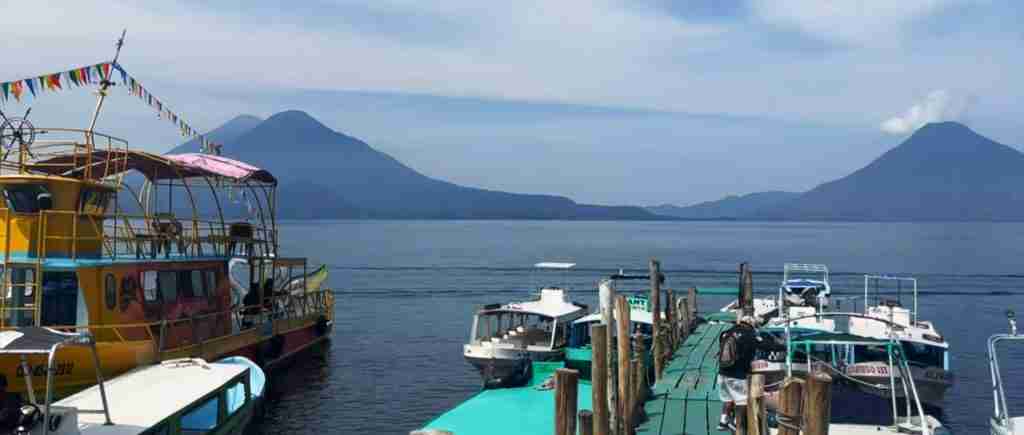
The northern shore villages including Panajachel, Santa Catarina Palopó, and San Antonio Palopó maintain road connections to the rest of Guatemala, creating different development patterns than boat-access-only southern shore communities. Western villages like San Pedro, San Marcos, and Santa Cruz evolved distinct specializations attracting specific traveler types: San Pedro’s budget backpackers and Spanish students, San Marcos’s wellness seekers and yoga practitioners, Santa Cruz’s adventurers and nature lovers. Eastern villages including Santiago Atitlán and San Lucas Tolimán preserve stronger indigenous traditions with less tourism influence reshaping local culture.
First-time visitors often struggle selecting villages from limited online information and confusing traveler reports mixing personal preferences with objective characteristics. This comprehensive guide analyzes each major village systematically, comparing costs, atmospheres, activities, strengths, weaknesses, and ideal visitor profiles. The analysis enables confident village selection matching your specific travel style, budget parameters, and experience priorities for 2026 Lake Atitlan adventures.
Most successful lake experiences combine stays in 2-3 villages rather than single-location commitments, capitalizing on easy lancha transportation at Q25-30 ($3.20-3.85) per hop to sample different atmospheres while building comprehensive understanding of the lake’s geographical, cultural, and tourism diversity. Planning multi-village itineraries requires understanding each location’s signature characteristics, optimal stay durations, scheduling activities requiring specific villages, and managing logistics of moving accommodation bases around the lake.
People Also Ask About Lake Atitlan Villages 2026
Which village should I stay in at Lake Atitlan in 2026?
San Pedro La Laguna suits budget travelers, backpackers, and Spanish language students seeking Q80-120 ($10.25-15.40) accommodation, active social scenes, party nightlife, and Q60-80 ($7.70-10.25) Spanish lessons with homestays. San Marcos La Laguna attracts wellness travelers wanting yoga classes at Q40-60 ($5.10-7.70), meditation retreats, healing therapies, vegetarian dining, and peaceful environments supporting personal development work. Panajachel provides maximum convenience with banks, supermarkets, medical clinics, broadest accommodation options at all price points, and frequent lancha departures to all villages despite being the most commercialized and least authentic location. Santiago Atitlán offers the strongest cultural experiences with traditional Maya ceremonies, Tz’utujil language, backstrap weaving demonstrations, and Q200-300 ($26-38) homestays living with indigenous families. Santa Cruz La Laguna serves adventurous types seeking cliff jumping, swimming spots, hiking trails, and tranquil atmosphere with boat-only access requiring comfortable logistics planning. Your ideal village depends entirely on whether you prioritize budget social scenes, cultural authenticity, wellness activities, adventure sports, or convenient services.
How long should I stay in each Lake Atitlan village in 2026?
San Pedro and San Marcos warrant 3-5 night stays for travelers engaging deeply with Spanish schools or yoga retreats, while 2 nights suffice for visitors sampling atmospheres and signature activities. Santiago Atitlán benefits from 2-3 nights allowing weaving cooperative visits, Maximón ceremonies, market experiences, and unhurried cultural absorption. Santa Cruz works well for 2-4 nights depending on hiking and adventure activity schedules. Panajachel functions effectively as single-night gateway for arrivals and departures rather than extended stays given limited appeal beyond convenient services. San Juan La Laguna requires only 4-6 hours for artisan cooperative tours and coffee farm visits, making it ideal day trip destination rather than overnight base. Most successful lake experiences allocate 7-10 total nights distributed across 2-3 villages, providing depth at each location while building comprehensive lake understanding through varied atmospheres and perspectives.
Can you walk between Lake Atitlan villages in 2026?
Walking paths connect some adjacent villages with varying terrain difficulty and time requirements. The San Marcos to Jaibalito trail takes one hour along lakeside paths with minimal elevation change, continuing another 30 minutes to Santa Cruz through sometimes steep sections. Panajachel to Santa Catarina Palopó follows paved road for 45 minutes with vehicle traffic but excellent lake views. San Pedro to San Juan requires 2.5-3 hours on unpaved paths crossing ridges with significant elevation gain, rewarding fit hikers with spectacular views but challenging those unaccustomed to steep tropical hiking. Santiago Atitlán to San Lucas Tolimán follows 90 minutes of road and trail combination rarely traveled by tourists. Most villages lack direct walking connections, requiring boat transportation at Q25-30 ($3.20-3.85) per segment or private boat charters at Q300-500 ($38-64) per hour for multi-village visiting. Walking between villages saves transportation costs while providing exercise, photographic opportunities, and cultural encounters impossible from water transport, though afternoon heat and steep terrain challenge unfit travelers.
Is San Pedro or San Marcos better for Lake Atitlan in 2026?
San Pedro excels for budget travelers, social backpackers, party seekers, and Spanish students with Q80-120 ($10.25-15.40) hostel accommodation, active nightlife operating until 1:00-2:00 AM, Q60-80 ($7.70-10.25) language schools with homestays, and budget restaurants at Q40-60 ($5.10-7.70) per meal. The village attracts 20-35 year old travelers wanting international social scenes, organized group activities, and lively atmosphere. San Marcos suits wellness travelers, yoga practitioners, meditation seekers, and those desiring peaceful environments with Q40-60 ($5.10-7.70) yoga classes, holistic healing services, vegetarian restaurants, and quiet regulations prohibiting loud music. The village draws older travelers (30-55), digital nomads, spiritual seekers, and anyone prioritizing contemplative experiences over party scenes. Both villages offer excellent value, reliable services, and beautiful lake settings, making the choice depend entirely on whether you want social backpacker energy (San Pedro) or wellness retreat tranquility (San Marcos). Many travelers visit both, spending 2-3 nights in each location sampling different atmospheres during week-long lake stays.
Extended multi-day tours – 5+ days
Featured Guatemala Multi-Day Tour Packages
3 days
Guatemala 3-Day Discovery Tour
- ✓ Comprehensive Guatemala experience
- ✓ Expert local guides included
- ✓ All accommodation included
- ✓ Transportation provided
5 days
Guatemala 5-Day Highlights Experience
- ✓ Comprehensive Guatemala experience
- ✓ Expert local guides included
- ✓ All accommodation included
- ✓ Transportation provided

7 days
Guatemala 7-Day Cultural Journey
- ✓ Comprehensive Guatemala experience
- ✓ Expert local guides included
- ✓ All accommodation included
- ✓ Transportation provided

10 days
Guatemala 10-Day Complete Adventure
- ✓ Comprehensive Guatemala experience
- ✓ Expert local guides included
- ✓ All accommodation included
- ✓ Transportation provided
Multi-day tour packages powered by TourRadar. Prices and availability subject to change.
San Pedro La Laguna: Budget Backpacker Central 2026
San Pedro Atmosphere and Demographics 2026
San Pedro La Laguna attracts the lake’s highest concentration of budget travelers, backpackers, gap year students, and Spanish language learners, creating international social scenes connecting travelers through hostel common areas, Spanish school activities, bar gatherings, and organized group excursions. The village population of approximately 12,000 residents splits distinctly between traditional Maya neighborhoods uphill where families maintain indigenous customs, traditional dress, and coffee farming, and the tourist zone along the lakeshore where hostels, bars, restaurants, language schools, and travel services dominate commercial activity catering to foreign visitors.
Calle Principal forms the main tourist artery, lined with hostels advertising competitive dorm rates, bars promoting happy hour specials, restaurants serving international cuisines, travel agencies organizing tours, and shops selling souvenirs and travel essentials. The atmosphere skews young and social, with 20-35 year old travelers predominating and group activities like pub crawls, volleyball tournaments, salsa nights, and organized excursions creating opportunities for solo travelers meeting companions. Conversations mix English, Spanish, French, German, and other languages as international travelers congregate in communal spaces exchanging information about onward destinations, cost-saving strategies, and Lake Atitlan recommendations.
The traditional Maya section uphill preserves local culture largely separate from tourism activity, with families speaking Tz’utujil language, women wearing traditional huipiles, men farming coffee on volcano slopes, and daily life following patterns minimally influenced by the tourist economy transforming the lakeshore. This separation creates interesting dynamics where travelers experience international backpacker culture rather than authentic Guatemalan or Maya culture despite staying in indigenous village. Some Spanish schools arrange homestays connecting students with local families, providing cultural immersion opportunities beyond the tourist bubble atmosphere dominating most visitor experiences.
San Pedro Accommodation Options 2026
Budget hostels proliferate along the lakeshore and Calle Principal, with Q80-120 ($10.25-15.40) dorm beds in 6-12 bed rooms offering the lake’s most economical accommodation. These hostels emphasize social atmosphere with communal kitchens, rooftop bars, hammock lounges, pool tables, organized activities, and staff focused on creating party-friendly environments where travelers easily meet companions for activities and adventures. Facilities vary from basic beds and shared bathrooms to nicer properties with private reading lights, lockers, power outlets near beds, and cleaner bathroom facilities justifying higher Q100-120 ($12.80-15.40) rates.
Private rooms at hostels cost Q150-250 ($19-32) per night, providing escape from dorm noise while maintaining hostel social access and shared kitchen facilities reducing food costs through self-catering. These rooms typically feature double beds, private or ensuite bathrooms, basic furniture, and minimal decoration, functioning purely as sleeping spaces rather than comfortable lounging areas. Budget hotels and guesthouses at Q200-300 ($26-38) offer similar private room pricing with quieter locations away from party hostels, better maintenance standards, and more privacy though without communal social opportunities attracting solo travelers to hostel environments.
Mid-range options at Q350-500 ($45-64) provide significant comfort upgrades with lakefront positions, private terraces, better furnishings, cable TV, WiFi in rooms, and Continental breakfast inclusion. These properties attract older travelers, couples, and anyone desiring comfort beyond backpacker basics while maintaining San Pedro’s budget-friendly pricing compared to San Marcos or luxury Panajachel hotels. Properties at Q500-700 ($64-90) approach the village’s accommodation ceiling, with Casa Lobo and similar boutique options offering design elements, pools, yoga spaces, and upscale amenities that seem incongruous with San Pedro’s fundamental backpacker character. Check current rates at booking platforms as prices vary with season and availability.
San Pedro Activities and Attractions 2026
Volcán San Pedro dominates activity offerings, with the 3,020-meter summit accessible via three-hour climbs starting village at 5:00-6:00 AM, ascending through coffee plantations and cloud forest to volcanic peak offering 360-degree views across the lake toward Volcán Atitlán and Volcán Tolimán. Guided hikes cost Q150-200 ($19-26) per person including transportation to trailhead (15 minutes uphill from village center), guide services, entrance fees to nature reserve protecting the volcano, and basic trail snacks. Independent hikers pay Q100 ($12.80) park entrance and save guide fees, though security concerns about occasional robberies on isolated trail sections and navigation challenges in forest zones make guided ascents safer choices, particularly for solo travelers.
Spanish language schools throughout San Pedro offer the lake’s most economical instruction at Q60-80 ($7.70-10.25) per day for four hours of one-on-one lessons, significantly cheaper than Antigua or Guatemala City rates while maintaining quality instruction. Schools arrange homestays at Q700-900 ($90-115) per week including three meals daily with local families, providing cultural immersion supplementing language instruction. Some families speak primarily Tz’utujil with Spanish as second language, creating interesting trilingual dynamics as students practice Spanish with family members also learning. Week-long packages combining 20 hours instruction plus homestay accommodation and meals total Q1,200-1,600 ($154-205), representing exceptional value for intensive language learning with cultural components impossible in classroom-only environments.
Nightlife centers around Calle Principal with Buddha Bar, Alegre Pub, Freedom Bar, and Zoola Gastro Bar operating until midnight-2:00 AM on weekends, offering Q15-25 ($1.90-3.20) beers, Q30-50 ($3.85-6.40) cocktails, live music, DJ sets, and social atmospheres attracting backpackers seeking party scenes. Tuesday and Thursday represent peak party nights with organized pub crawls, ladies nights, trivia competitions, and special events drawing crowds of 50-100+ travelers creating lively social scenes. The party atmosphere feels relatively tame compared to genuine party destinations like Cancún or Bangkok, with most venues closing by 1:00-2:00 AM and crowds dispersing rather than continuing all-night celebrations characteristic of harder party scenes elsewhere.
San Pedro Dining and Cuisine 2026
Budget dining options abound with local comedores serving traditional Guatemalan breakfasts at Q25-30 ($3.20-3.85) including eggs, beans, plantains, tortillas, and coffee. Lunch and dinner plates cost Q35-50 ($4.50-6.40) at these same establishments, with grilled chicken, pork stews, or vegetarian bean preparations accompanied by rice, tortillas, and simple salads. These authentic dining experiences provide the most economical sustenance while introducing traditional flavors and ingredients central to highland Guatemalan cuisine, though menus remain Spanish-only and cultural barriers affect ordering for travelers with limited language skills.
International restaurants targeting backpackers proliferate along tourist streets, with Israeli food, Thai cuisine, Italian pastas, Mexican tacos, and American burgers all represented at Q50-80 ($6.40-10.25) per main course. These establishments serve familiar flavors for travelers suffering local food fatigue after weeks in Guatemala, though quality varies considerably and prices exceed authentic local options without necessarily providing better taste or value. Vegetarian and vegan options concentrate in these international restaurants, as traditional Guatemalan comedores rarely accommodate non-meat diets beyond basic bean plates lacking variety or nutritional completeness.
Hostel communal kitchens enable self-catering for maximum budget optimization, with market shopping at Q100-150 ($12.80-19.20) per week providing ingredients for simple meals reducing daily food costs from Q150-200 ($19-26) eating restaurants to Q50-80 ($6.40-10.25) cooking basics. Tuesday and Friday market days bring expanded produce selections from surrounding villages, though Panajachel offers superior market shopping with greater variety, lower prices, and better quality justifying lancha trips for serious grocery expeditions. Cooking facilities vary significantly between hostels, from basic two-burner stoves with minimal cookware to proper kitchens with refrigerators, ovens, and complete cooking equipment supporting more ambitious meal preparations.
San Pedro Strengths and Weaknesses 2026
San Pedro excels at budget accommodation density, Spanish school affordability, social hostel atmosphere, volcano hiking access, and international backpacker culture creating easy social connections for solo travelers. The concentration of budget services creates competitive pricing and abundant options at every price point, while the critical mass of travelers ensures activities, tours, and group excursions run regularly with companions readily available. Spanish schools provide exceptional value combining quality instruction with cultural homestay immersion at prices unmatched elsewhere around the lake or throughout Guatemala.
The village suffers from limited cultural authenticity in tourist zones, with international backpacker atmosphere dominating rather than genuine Guatemalan or Maya experiences. Party noise affects sleep quality at hostels near bars, with Wednesday-Saturday nights particularly disruptive for light sleepers or those prioritizing rest over social scenes. Tourist infrastructure saturation creates commercialized feeling, with aggressive sales tactics, restaurant touts, and tour operators pursuing tourists more persistently than elsewhere around the lake. The separation between Maya residents uphill and tourist zone along the shore means most visitors experience international traveler culture rather than authentic local life.
Ideal San Pedro visitors include budget backpackers age 20-35, solo travelers seeking social connections, Spanish language students wanting affordable immersion programs, and first-time Guatemala visitors comfortable with international traveler atmospheres. The village works poorly for travelers seeking authentic cultural experiences, couples wanting romantic settings, families with children, wellness seekers desiring tranquility, and anyone prioritizing peaceful environments over social party scenes. Understanding these dynamics enables realistic expectations and appropriate village selection matching travel priorities with location characteristics.
San Marcos La Laguna: Wellness Retreat Hub 2026
San Marcos Wellness Culture and Demographics 2026
San Marcos La Laguna established itself as Central America’s leading wellness tourism destination, attracting yoga practitioners, meditation seekers, holistic healing clients, spiritual adventurers, and conscious living advocates drawn by 15+ yoga studios, abundant healing modalities, vegetarian restaurants, tranquil village regulations, and community values prioritizing personal development over conventional tourism entertainment. The village population of approximately 2,500 permanent residents expands during peak season as international yoga teachers, energy workers, bodyworkers, and spiritual practitioners establish temporary or permanent practices serving the wellness tourism market.
Quiet regulations prohibit loud music, limit nightlife, and encourage contemplative environments supporting meditation, yoga, healing sessions, and personal reflection. This creates dramatically different atmosphere from San Pedro’s party scene despite only 15-minute lancha separation, with evening tranquility, minimal commercial activity, and emphasis on natural beauty, lake views, and internal experiences rather than external entertainment. Conversations focus on spiritual practices, healing modalities, personal transformation, consciousness exploration, and intentional living rather than party plans, onward destinations, and budget travel strategies dominating backpacker discussions elsewhere.
Demographics skew older than San Pedro, with 30-55 year old travelers predominating alongside younger spiritual seekers and older retirees drawn to wellness offerings. Digital nomads establish significant presence, attracted by peaceful environments supporting focused work, reliable WiFi at key properties, reasonable accommodation costs for extended stays, and community of remote workers sharing information about visa processes, coworking strategies, and work-life balance approaches. Women outnumber men significantly in San Marcos compared to more balanced ratios elsewhere, reflecting yoga and healing modalities attracting primarily female practitioners and clients globally.
San Marcos Accommodation Landscape 2026
Accommodation emphasizes character, garden settings, meditation spaces, and wellness-supportive environments over luxury amenities, with Q250-400 ($32-51) guesthouses offering peaceful gardens, yoga platforms, hammock lounges, and conscious hospitality creating retreat atmospheres. These properties attract wellness travelers prioritizing tranquil environments over facilities like TVs, pools, or premium furnishings that feel incongruous with spiritual development focus. Budget options reach Q150-200 ($19-26) for simple rooms with shared bathrooms, though these maintain quieter atmospheres than equivalent San Pedro hostels given different guest demographics and village-wide tranquility emphasis.
Las Pirámides represents San Marcos’s most distinctive lodging option, with Q250-350 ($32-45) per night including vegetarian meals and meditation instruction in a complex designed around geometric pyramid structures believed to enhance spiritual energy and meditation depth. The property attracts serious spiritual practitioners seeking intensive retreat experiences, though unconventional accommodations including dormitory-style sleeping arrangements and shared facilities deter travelers wanting private rooms and modern comfort standards. Guests report profound experiences or complete dissatisfaction depending on alignment with the property’s esoteric philosophy and communal living model.
Mid-range options at Q400-600 ($51-77) provide better facilities with private lake access, ensuite bathrooms, WiFi in rooms, and professional service standards while maintaining wellness-oriented atmospheres. Properties at Q600-1,000 ($77-128) approach San Marcos’s accommodation ceiling, offering boutique design, yoga platforms, massage services, organic gardens, and upscale amenities that still maintain the village’s fundamental wellness character rather than conventional luxury hotel approaches. Extended stay discounts of 15-25% become available for week-long or month-long bookings, particularly valuable for yoga retreat participants or digital nomads establishing temporary residence.
San Marcos Wellness Activities 2026
Yoga classes proliferate throughout the day across 15+ studios, with Q40-60 ($5.10-7.70) drop-in rates for 60-90 minute sessions covering Vinyasa, Ashtanga, Yin, Kundalini, Hatha, and other styles taught by international instructors establishing temporary or permanent teaching practices. Weekly unlimited passes at Q200-300 ($26-38) provide better value for extended stays, while monthly passes at Q600-800 ($77-102) suit digital nomads and long-term visitors integrating regular practice into daily routines. Class quality varies significantly between instructors, with community reputation and word-of-mouth recommendations guiding visitors toward teachers matching their style preferences and skill levels.
Holistic healing services include massage therapy, acupuncture, energy healing, Reiki, sound baths, breathwork sessions, plant medicine ceremonies, tarot readings, astrology consultations, and various alternative modalities charging Q150-300 ($19-38) for hour-long sessions. Practitioners range from professionally trained bodyworkers with decades of experience to recently certified energy workers exploring healing modalities as spiritual calling. Quality assessment proves challenging without local knowledge, making referrals from trusted sources or accommodation hosts valuable for identifying skilled practitioners versus ineffective or potentially harmful operators lacking adequate training or ethical standards.
Meditation retreats operate through various centers including Las Pirámides, Yoga Forest, and independent teachers offering programs from single-day intensives at Q200-300 ($26-38) to week-long silent retreats at Q2,000-3,500 ($256-448) including accommodation, meals, and instruction. These range from Buddhist vipassana techniques to eclectic mix-and-match approaches combining multiple traditions, requiring clarity about specific methodology and teacher background before committing time and resources. Serious practitioners seek traditional training and authentic lineage, while casual seekers appreciate accessible introduction to meditation without dogmatic religious framework.
San Marcos Dining and Social Scene 2026
Vegetarian and vegan restaurants dominate dining options, with Q50-80 ($6.40-10.25) typical for healthy meals featuring organic ingredients, superfoods, conscious preparation, and attractive presentation emphasizing nutrition and energy quality over pure taste optimization. Moonfish, Il Forno, and other established restaurants serve quality vegetarian cuisines incorporating international influences while maintaining health-focused approaches. Smoothie bowls, fresh juices, salads, grain bowls, and plant-based adaptations of international dishes comprise most menus, with organic, local sourcing, and sustainable practices emphasized in restaurant marketing and philosophy.
Meat and fish options appear on some menus catering to non-vegetarian visitors, though these remain minority selections and vegetarian alternatives always receive equal or greater menu emphasis. Traditional Guatemalan cuisine appears rarely in San Marcos restaurants, with international wellness-oriented cooking dominating rather than local food traditions. This creates situations where travelers spend entire San Marcos stays without encountering traditional Guatemalan flavors or ingredients central to highland cuisine elsewhere around the lake and throughout the country.
Nightlife remains minimal by design, with village regulations limiting noise and most establishments closing by 9:00-10:00 PM rather than operating bars and nightclubs. Social scenes center around sunset viewing from lakeside platforms, informal gatherings in hostel common areas, organized ecstatic dance events combining movement and music without alcohol, cacao ceremonies providing community connection through ritual chocolate consumption, and other wellness-aligned social formats replacing conventional nightlife entertainment. Visitors seeking party atmospheres or active bar scenes find San Marcos completely unsuitable, requiring lancha trips to San Pedro for nightlife activities incompatible with San Marcos’s tranquil wellness focus.
San Marcos Ideal Visitor Profile 2026
San Marcos attracts wellness travelers age 30-55, yoga practitioners seeking quality instruction in beautiful settings, meditation students wanting retreat experiences, holistic healing clients open to alternative therapies, digital nomads balancing work with wellness activities, and spiritual seekers exploring consciousness through various modalities. The village works beautifully for solo travelers comfortable with wellness community culture, couples sharing wellness interests, and anyone prioritizing personal development and spiritual exploration over conventional tourism activities.
The village proves unsuitable for party seekers, budget backpackers wanting hostel social scenes, families with children lacking age-appropriate activities, cultural tourists seeking authentic Maya experiences, and adventure travelers focused on physical challenges over internal development. Travelers allergic to wellness culture, skeptical of alternative healing modalities, uncomfortable with spiritual language and practices, or seeking conventional tourism experiences find San Marcos frustrating and incomprehensible rather than inspiring and transformative. Understanding whether wellness tourism resonates with personal values and interests determines whether San Marcos represents ideal village selection or complete mismatch with travel priorities.
Santiago Atitlán: Authentic Maya Culture 2026
Santiago Cultural Authenticity and Traditions 2026
Santiago Atitlán preserves the lake’s strongest Maya cultural traditions, with 35,000-40,000 population primarily Tz’utujil Maya maintaining indigenous language, traditional dress, religious syncretism, and cultural practices minimally influenced by modern tourism despite the town’s accessibility and visitor numbers. Tz’utujil language remains the primary communication medium in traditional neighborhoods, with Spanish as second language and English spoken rarely outside tourist-focused businesses near the boat dock. Women wear elaborately embroidered huipiles featuring purple backgrounds with colorful bird and flower motifs unique to Santiago, while men increasingly adopt Western clothing though ceremonial occasions still see traditional dress.
Cofradía religious brotherhoods maintain ceremonial calendar combining Catholic saints with Maya deities, managing the controversial Maximón cult worship representing syncretic fusion of Maya gods, Catholic saints, and folk traditions. Maximón resides in rotating private homes managed by different cofradías throughout the year, with offerings of cigarettes, alcohol, candles, and flowers honoring the deity while petitioners request assistance with health, love, prosperity, and protection concerns. The practice continues despite Catholic Church disapproval, representing living spiritual tradition rather than tourist performance, with genuine believers conducting rituals regardless of visitor presence or absence.
Backstrap weaving represents Santiago’s most significant artisan tradition, with women creating stunning textiles using techniques unchanged for centuries, producing huipiles requiring 2-6 months continuous work for completion. Weaving cooperatives welcome visitors at Q30-50 ($3.85-6.40) for demonstrations showing natural dye preparation from indigo, cochineal insects, avocado pits, and local plants producing the vibrant colors characterizing traditional textiles. Finished huipiles sell at Q300-800 ($38-102) depending on complexity, size, and hours invested, representing fair prices supporting artisans directly while providing authentic cultural souvenirs impossible to replicate through industrial production.
Santiago Accommodation and Logistics 2026
Accommodation options remain limited compared to tourist-heavy villages, with Q200-300 ($26-38) homestays providing the most authentic cultural experiences including meals with local families, insights into daily life, language practice opportunities, and intimate cultural exchange impossible in standard hotels. Host families range from Tz’utujil-speaking elders maintaining traditional lifestyles to younger families adopting modern conveniences while preserving cultural identity, creating diverse homestay experiences depending on family assignment and individual family characteristics. Standards vary from basic sleeping mats in simple homes to comfortable beds with private rooms and modern bathrooms, requiring clear communication about expectations and acceptance of conditions sometimes challenging for travelers accustomed to hotel amenities.
Small hotels and guesthouses at Q250-400 ($32-51) offer private rooms with basic facilities for travelers requiring more autonomy than homestays provide while accepting limited amenities compared to larger tourism centers. These properties cluster near the boat dock area where tourist infrastructure concentrates, with restaurants, souvenir shops, and services catering to day visitors arriving by lancha from Panajachel. Mid-range options at Q400-700 ($51-90) provide better comfort with private bathrooms, hot water, WiFi, and locations slightly removed from dock area congestion and noise, though still lacking the range of choices available in Panajachel, San Pedro, or San Marcos.
Boat transportation from Panajachel costs Q30 ($3.85) per person, taking 30-40 minutes across open water that becomes choppy during afternoon wind patterns creating uncomfortable rides for those prone to seasickness. Morning departures from Panajachel run 6:00 AM-12:00 PM with 60-90 minute frequency, while afternoon returns from Santiago operate 1:00 PM-5:30 PM on similar schedules. The town sprawls significantly beyond the dock area, with traditional neighborhoods requiring tuk-tuk transport at Q10-20 ($1.30-2.55) from the landing to reach markets, churches, and residential areas where authentic cultural encounters occur away from tourist-focused waterfront commerce.
Santiago Cultural Activities 2026
Maximón shrine visits provide encounters with syncretic spirituality, with Q10-20 ($1.30-2.55) entrance fees to the current shrine location allowing observation of rituals conducted by cofradía members serving as the deity’s guardians. Photography receives mixed reception, with some shrines permitting photos for additional Q20-30 ($2.55-3.85) while others request respectful observation without cameras. Understanding Maximón requires cultural sensitivity recognizing the practice represents living spiritual tradition rather than tourist performance, with genuine believers conducting rituals for personal petitions rather than visitor entertainment. Guides available at the dock offer Q100-150 ($12.80-19.20) services explaining Maximón history, cofradía structures, and cultural context enriching understanding beyond simple shrine visits.
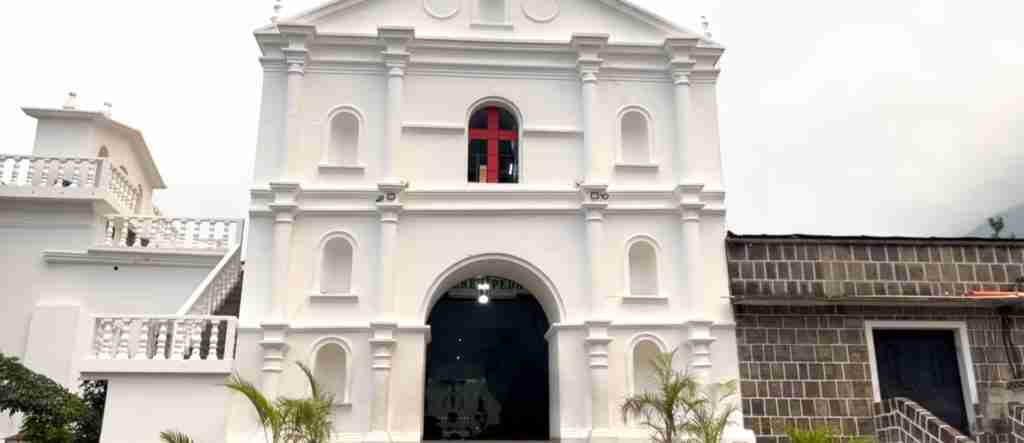
Church of Santiago Apostol anchors the town plaza, featuring stunning colonial architecture, religious artworks depicting Maya-influenced Catholic imagery, and altars where mass combines Catholic liturgy with Maya spiritual elements creating unique syncretic expressions. The church remains active for worship rather than functioning as museum, requiring respectful behavior, modest dress, and quiet observation during religious services when photography becomes inappropriate. Memorial plaques commemorating civil war violence when the church priest was murdered provide sobering historical context about Guatemala’s brutal internal conflict affecting indigenous communities particularly severely through systematic violence and cultural suppression.
Weaving cooperative tours at Q30-50 ($3.85-6.40) demonstrate backstrap weaving techniques, natural dye preparation, and traditional textile patterns while supporting women’s economic empowerment through fair trade sales. Demonstrations last 45-60 minutes showing the complete process from cotton preparation through design creation to finished textile production, with opportunities purchasing authentic pieces directly from artisans at fair prices ranging Q200-800 ($26-102) depending on item size, complexity, and hours required. Some cooperatives offer hands-on lessons at Q150-250 ($19-32) teaching basic weaving techniques during 2-3 hour sessions providing deeper appreciation for the skill and labor intensive process creating traditional Maya textiles.
Santiago Market Days and Festivals 2026
Tuesday and Friday market days transform the town plaza and surrounding streets into vibrant commercial scenes, with vendors from surrounding villages bringing produce, textiles, chickens, household goods, and traditional foods for sale in patterns largely unchanged for centuries. These markets serve local residents rather than tourists, with authenticity levels impossible to replicate in tourist-focused markets like Panajachel’s daily souvenir bazaar. Visitors willing to arrive early (7:00-9:00 AM) and navigate crowds experience genuine highland Guatemalan commercial culture including traditional barter negotiations, Tz’utujil language transactions, and community social interactions woven into market activities beyond pure commerce.
Patron saint festival honoring Santiago Apostol runs July 21-28, representing the lake’s largest single cultural event with religious processions, traditional dances, cofradía ceremonies, marimba music, and massive market expansions drawing visitors from throughout the highlands. Accommodation booking becomes essential 30-45 days ahead as limited Santiago lodging fills completely, with day visitors arriving by lancha from Panajachel and San Pedro creating crowded boat conditions and elevated fares during festival peak days. Photography opportunities abound with traditional Maya-Christian ceremonies, colorful traditional dress, dance performances, and authentic cultural expressions showcasing living traditions rather than staged tourist performances.
All Saints Day and Day of the Dead (November 1-2) sees families decorating graves with flowers, bringing traditional foods to cemeteries, and celebrating deceased relatives in Maya-Catholic syncretic traditions combining indigenous ancestor veneration with Catholic saint veneration. Santiago’s cemetery becomes particularly photogenic as families gather creating vibrant displays with marigolds, chrysanthemums, and traditional offerings while marimba musicians perform throughout the grounds. Understanding the sacred nature of these celebrations requires respectful observation and photography with permission rather than intrusive tourist behavior disrupting genuine religious and cultural practices.
Santiago Ideal Visitor Considerations 2026
Santiago attracts cultural tourists seeking authentic Maya experiences, anthropology enthusiasts interested in religious syncretism and traditional textiles, photographers documenting indigenous cultures, Spanish-speaking travelers comfortable navigating limited English infrastructure, and adventurous visitors accepting basic accommodation and services for cultural immersion rewards. The town works beautifully for travelers prioritizing cultural learning over comfort, accepting minimal tourist infrastructure as tradeoff for authenticity, and possessing cultural sensitivity navigating complex indigenous community dynamics with respect and humility.
The destination proves challenging for travelers requiring English communication, expecting tourist-oriented services and amenities, uncomfortable with basic accommodation standards, seeking nightlife or entertainment beyond cultural observation, or wanting convenient transportation and dining options abundant in more developed villages. Budget backpackers sometimes arrive expecting San Pedro-style infrastructure and social scenes, discovering instead a working indigenous town where tourism remains secondary economic activity rather than primary community focus. Understanding these dynamics enables appropriate expectations and appreciation for Santiago’s unique position preserving authentic Maya culture while accommodating tourists interested in genuine cultural exchange rather than commodified indigenous performances.
Santa Cruz La Laguna: Adventure Base 2026
Santa Cruz Adventure Activities and Access 2026
Santa Cruz La Laguna attracts adventurous travelers seeking hiking access, cliff jumping opportunities, swimming locations, and peaceful environments away from commercialized villages, with tiny population of approximately 1,500 residents maintaining traditional Maya culture while welcoming tourists to locally-run guesthouses and restaurants operating seasonally based on demand. Boat-only access requires planning logistics carefully, as the village lacks road connections beyond the lake transportation network, with lancha service from Panajachel at Q25 ($3.20) taking 20-25 minutes to reach three different pier areas serving various properties spread along the shoreline.
Cliff jumping at La Iguana provides the village’s signature adrenaline activity, with 10-meter platforms launching jumpers into deep lake water under supervision of property staff ensuring safe conditions and proper technique. The jump requires confidence, reasonable fitness, and acceptance of impact forces and lake water immersion, with injuries occurring when jumpers use improper form or misjudge landing positions. La Iguana Perdida hostel charges Q120 ($15.40) dorm accommodation while organizing group activities including the cliff jumping, sunset kayaking, and family-style dinners bringing travelers together in social atmosphere similar to San Pedro’s backpacker scene but scaled to smaller intimate community.
Indian Nose (Rostro Maya) sunrise hikes draw early risers who start 5:00 AM from Santa Cruz for two-hour climbs to 2,200-meter summit, where the lake spreads below in morning light with volcano silhouettes visible across the water. Guided hikes cost Q100-150 ($12.80-19.20) per person providing flashlights for pre-dawn sections, trail knowledge preventing wrong turns, and cultural context about the hill’s name deriving from its profile resembling a Maya face in repose. Independent hikers manage the trail successfully with decent navigation skills and early starts, though steep sections and sometimes confusing junctions benefit from guide assistance particularly for first attempts in darkness preceding dawn arrivals at summit viewpoints.
Santa Cruz Accommodation Landscape 2026
Accommodation clusters around three distinct zones along the shoreline, with properties accessible only by boat even from within the village given steep terrain and minimal path connectivity between hotel areas. Budget options at Q200-300 ($26-38) provide simple rooms with shared bathrooms, communal areas, and basic facilities adequate for adventurous travelers prioritizing location and activities over accommodation comfort. La Iguana Perdida creates social hub at Q120 ($15.40) dorm beds, organizing group activities and attracting backpackers seeking adventure combined with hostel social atmosphere in more tranquil setting than San Pedro’s party scene.
Mid-range properties at Q400-600 ($51-77) offer better positions with direct lake access, private facilities, upgraded comfort, and professional service standards while maintaining intimate scale and personal attention characteristic of Santa Cruz’s small tourism infrastructure. Hotel Arca de Noé and Villa Sumaya represent quality mid-range options combining comfortable accommodation with yoga platforms, swimming areas, and peaceful environments attracting wellness travelers and couples seeking romantic lakeside settings. These properties emphasize natural beauty and tranquility over luxury amenities, with garden settings, hammock lounges, and lake platforms creating relaxed atmospheres supporting contemplative experiences.
Luxury options remain limited in Santa Cruz compared to Panajachel or San Marcos, with Q600-900 ($77-115) representing the village’s accommodation ceiling. These premium properties provide boutique design, excellent meals, personalized service, and exclusive locations, though still maintaining relatively modest scale and intimate character rather than resort-style infrastructure. The boat-only access creates natural selection favoring adventurous travelers comfortable with logistics requiring lancha coordination, absence of road connections, and acceptance of isolation from services and amenities abundant in more developed villages around the lake.
Santa Cruz Hiking Trails and Nature Access 2026
Walking paths connect Santa Cruz to neighboring villages, with the one-hour lakeside trail to Jaibalito offering scenic walking, cultural encounters in tiny villages along the way, and relatively flat terrain suitable for casual hikers. Continuing from Jaibalito to San Marcos requires another 45 minutes including some steeper sections climbing ridges and descending to San Marcos village center. These trails provide budget transportation alternatives saving Q25-30 ($3.20-3.85) lancha fares while offering exercise, photography opportunities, and intimate engagement with lake geography impossible from water transport.
The trail network extends to more challenging routes including paths to San Pedro requiring 3-4 hours with significant elevation gain, and connections toward Panajachel involving road walking and sometimes confusing junctions testing navigation skills. Independent hiking proves realistic for fit travelers with decent orientation capabilities, though afternoon heat creates challenging conditions from 12:00-3:00 PM making early morning departures preferable. Carrying water, sun protection, snacks, and basic first aid supplies proves essential given limited services along trails and absence of support infrastructure outside village centers. Trail conditions vary with season, as rainy period May-October creates muddy sections and occasional washouts requiring careful footing and acceptance of dirty shoes and clothes.
Swimming locations near Santa Cruz include ATM Caves with spring-fed crystal clear water, rocky bottoms requiring water shoes, and jumping spots at 3-6 meters for adventurous swimmers comfortable with impact forces. The natural swimming holes provide better water quality than open lake areas near populated villages, though cold spring water temperatures surprise some swimmers expecting warmer conditions. Private hotel properties maintain swimming platforms and lake access, with some allowing day use for Q50-100 ($6.40-12.80) fees providing changing facilities, bathrooms, and safe water entry points for non-guests wanting swimming access without overnight accommodation investment.
Santa Cruz Dining and Services 2026
Dining options concentrate at accommodation properties rather than independent restaurants, with most hotels and hostels operating restaurants serving guests and walk-in visitors. Meals cost Q50-90 ($6.40-11.50) for main courses, with breakfast plates at Q40-60 ($5.10-7.70) and dinner options ranging from simple pastas to grilled fish and chicken preparations. Cuisine leans international rather than traditional Guatemalan, catering to foreign visitors expecting familiar flavors and menu options rather than local food culture. Some properties offer family-style dinners at fixed Q80-120 ($10.25-15.40) prices including multiple courses, dessert, and communal dining experiences bringing guests together in social settings.
Shopping and services remain minimal in Santa Cruz, with tiny village stores selling basic supplies at marked-up prices compared to Panajachel supermarket costs. Travelers staying multiple days benefit from bringing supplies purchased in larger villages, as selection and prices in Santa Cruz justify stocking up elsewhere before arriving. ATM access requires boat trips to Panajachel, making cash withdrawal planning essential before committing to Santa Cruz stays. Medical services beyond basic first aid necessitate lancha trips to Panajachel clinics or Guatemala City hospitals for serious conditions, making travel insurance with medical evacuation coverage valuable for adventurous activities inherently carrying injury risks.
WiFi quality varies significantly between properties, with some hotels providing reliable connectivity while others suffer slow speeds and frequent outages given infrastructure limitations in boat-access-only village. Mobile data coverage through Tigo and Claro functions adequately for messaging and basic browsing though streaming and large uploads prove frustratingly slow. The limited connectivity appeals to travelers seeking digital detox opportunities, though frustrates remote workers and constant-connectivity-dependent travelers requiring reliable internet for work obligations or habitual social media engagement.
Comparing Villages for Different Traveler Types 2026
Budget Backpackers: Village Rankings 2026
1. San Pedro La Laguna: Unbeatable for budget travelers with Q80-120 ($10.25-15.40) hostel dorms, Q40-60 ($5.10-7.70) meals at comedores, social atmosphere, Spanish schools, and critical mass of backpackers creating easy social connections and organized activities. 2. Panajachel: Wide accommodation range includes budget options, though lacks hostel social scenes and costs 20-30% more than San Pedro for equivalent facilities. 3. Santa Cruz La Laguna: La Iguana Perdida offers backpacker social atmosphere at Q120 ($15.40) dorms, though higher prices and boat-access isolation increase overall costs. 4. San Marcos La Laguna: Budget accommodation exists at Q150-200 ($19-26), but village atmosphere attracts wellness travelers rather than backpackers creating different social dynamics. 5. Santiago Atitlán: Homestays at Q200-300 ($26-38) provide value, but cultural focus and basic facilities suit specific travelers rather than conventional backpacker priorities.
Wellness Travelers: Village Rankings 2026
1. San Marcos La Laguna: Dominant wellness destination with 15+ yoga studios, holistic healing abundance, meditation retreats, vegetarian dining, and tranquil atmosphere specifically designed for personal development focus. 2. Santa Cruz La Laguna: Villa Sumaya and other properties offer yoga programs, peaceful settings, and natural beauty supporting wellness activities in more intimate scale than San Marcos. 3. Panajachel: Several yoga studios and wellness services exist, though commercialized atmosphere and busy tourist activity create less supportive environments for contemplative practices. 4. San Pedro La Laguna: Minimal wellness infrastructure and party atmosphere make it unsuitable for serious wellness focus. 5. Santiago Atitlán: Lacks wellness infrastructure entirely, though some visitors find cultural immersion and traditional spirituality personally transformative in unexpected ways.
Cultural Enthusiasts: Village Rankings 2026
1. Santiago Atitlán: Strongest Maya traditions, Tz’utujil language, traditional dress, Maximón ceremonies, weaving cooperatives, and minimal tourist influence creating authentic cultural experiences. 2. San Juan La Laguna: Artisan cooperatives, coffee farms, naive art galleries, and community-based tourism showcase traditional culture with organized presentation for visitors. 3. San Antonio Palopó: Traditional weaving culture with stunning onion-themed textiles worn by local women, though tiny village offers limited infrastructure beyond textile purchasing. 4. Santa Catarina Palopó: Similar to San Antonio with traditional textiles and minimal tourism infrastructure. 5. Panajachel: Market offers cultural exposure, though commercialization and tourist focus dilute authentic experiences available in less developed villages.
Families with Children: Village Rankings 2026
1. Panajachel: Best infrastructure with medical services, supermarkets, wide accommodation options, and convenient services supporting family logistics. 2. San Pedro La Laguna: Adequate services and lake access provide family-friendly environment, though party atmosphere affects some properties. 3. Santa Cruz La Laguna: Natural beauty and swimming appeal to children, though boat-access logistics and steep terrain complicate family travel. 4. San Marcos La Laguna: Peaceful environment suits families, though minimal entertainment and adult-focused wellness culture limit children’s activity options. 5. Santiago Atitlán: Cultural experiences interest older children, though basic facilities and limited tourist infrastructure challenge families with young kids.
Multi-Village Itinerary Strategies 2026
Five-Day Two-Village Base: Budget Combination
Days 1-3: San Pedro La Laguna: Arrive Antigua shuttle Q110, check into hostel dorm Q100 per night, Day 1 volcano hike Q180, Days 2-3 Spanish lessons Q60-80 daily with practice time between, meals at comedores Q120 per day, evening socializing at hostels and bars Q50 nightly. Day trip to San Juan artisan cooperatives Q25 boat plus Q40 cooperative tours. Subtotal: Q970-1,050 ($124-135) excluding accommodation Q300 ($38).
Days 4-5: San Marcos La Laguna: Lancha transfer Q25, yoga-focused guesthouse Q250 per night, two yoga classes daily at Q50 each, vegetarian meals Q70 breakfast and Q80 lunch and dinner totaling Q230 daily, sunset paddleboard Q180, meditation session Q60. Subtotal: Q790 ($101) excluding accommodation Q500 ($64).
Five-Day Total: Q1,760-1,840 ($226-236) excluding accommodation (Q800/$102) = Q2,560-2,640 ($328-338) complete cost. This combination maximizes value through budget San Pedro base with authentic experiences and cultural activities, while sampling San Marcos wellness offerings during shorter stay minimizing higher costs.
Seven-Day Three-Village Circuit: Cultural Immersion
Days 1-2: Panajachel Gateway: Guatemala City shuttle Q170, mid-range hotel Q400 per night, orientation day with market shopping Q150, restaurant meals Q250 daily, boat tour setup Q50. Days 1-2 subtotal: Q1,270 ($163) excluding accommodation Q800 ($102).
Days 3-4: Santiago Atitlán Cultural Deep Dive: Boat Q30, homestay Q250 per night including three meals, Maximón ceremony Q20, weaving cooperative Q45, church visit Q10, extended market exploration, cultural guide Q150. Days 3-4 subtotal: Q255 ($33) excluding accommodation Q500 ($64).
Days 5-7: San Marcos Wellness Recovery: Boat Q25, wellness hotel Q450 per night, three days yoga Q300 total, massage Q200, meditation retreat Q250, vegetarian meals Q230 daily, peaceful relaxation and integration time. Days 5-7 subtotal: Q1,465 ($188) excluding accommodation Q1,350 ($173).
Seven-Day Total: Q2,990 ($383) excluding accommodation (Q2,650/$340) = Q5,640 ($723) complete experience. This circuit provides cultural authenticity in Santiago, wellness recovery in San Marcos, with Panajachel bookends handling logistics and providing complete Guatemala lake immersion through three distinct village characters.
Ten-Day Four-Village Comprehensive: Maximum Diversity
Days 1-2: Panajachel Setup: Arrival and orientation as above: Q1,270 ($163) excluding accommodation Q800 ($102).
Days 3-4: San Pedro Spanish & Summit: Budget hotel Q200 per night, Spanish lessons Q150 total, volcano hike Q180, meals Q180, socializing Q60. Subtotal: Q570 ($73) excluding accommodation Q400 ($51).
Days 5-6: Santiago Culture: Homestay Q500 ($64) for two nights including meals, activities Q225 as in seven-day plan.
Days 7-9: San Marcos Wellness: Extended stay Q1,200 ($154) accommodation three nights, activities Q1,200 as in seven-day plan but three days instead of three.
Day 10: Santa Cruz Adventure: Boat Q25, mid-range hotel Q500, Indian Nose sunrise hike Q130, cliff jumping Q0, swimming afternoon Q0, departure Panajachel Q25. Subtotal: Q180 ($23) excluding accommodation Q500 ($64).
Ten-Day Total: Q3,245 ($416) excluding accommodation (Q3,200/$410) = Q6,445 ($826) complete comprehensive experience maximizing village diversity, cultural understanding, activity range, and Lake Atitlan geographical coverage.
Practical Village Selection Guide 2026
Decision Framework Questions
Budget Considerations: Daily budget under Q500 ($64) points toward San Pedro, Q500-1,000 ($64-128) accommodates most villages comfortably, Q1,000-1,500+ ($128-192+) enables luxury options and premium activities anywhere. Extended stays receive discounts: week-long bookings reduce daily costs 15-20%, month-long arrangements drop rates 30-40% particularly in San Marcos and Santa Cruz where long-term travelers concentrate.
Activity Priorities: Volcano hiking emphasizes San Pedro proximity to trailhead, Spanish schools concentrate in San Pedro with best pricing, yoga and wellness dominate San Marcos infrastructure, cultural immersion maximizes in Santiago, adventure activities center on Santa Cruz, convenient services require Panajachel despite minimal village character. Multi-village strategies combining 2-3 locations allow sampling different specialties during comprehensive lake exploration.
Social Atmosphere Preferences: Solo travelers seeking companions thrive in San Pedro’s hostel scenes and organized activities, couples appreciate romantic settings in Santa Cruz and quiet San Marcos properties, families require Panajachel’s infrastructure and services, digital nomads establish communities in San Marcos’s work-life balance environments. Age demographics vary dramatically: San Pedro skews 20-30, San Marcos 30-50, Santiago families and older travelers, Santa Cruz mixed adventurous ages.
Cultural Comfort Zones: International backpacker culture in San Pedro feels familiar but inauthentic, wellness community in San Marcos embraces spiritual language and alternative practices requiring openness or avoidance, Santiago’s authentic Maya culture demands cultural sensitivity and Spanish language capabilities, Santa Cruz’s boat-access isolation suits adventurous spirits accepting logistical complications. Honest self-assessment about comfort with unfamiliar cultures, basic amenities, and logistics challenges prevents mismatch disappointments.
Seasonal Timing Impacts Village Selection 2026
December-March peak season sees all villages operating full infrastructure, though San Pedro and San Marcos experience maximum crowds affecting accommodation availability, restaurant reservations, and activity booking requirements. Santiago maintains more consistent character year-round given cultural tourism rather than beach-style seasonal patterns, while Santa Cruz closes some properties November-April during low season when visitor numbers don’t justify operation costs.
April-May and November shoulder periods provide optimal value with 20-30% accommodation discounts, reduced crowds at activities and tours, and more intimate village experiences when tourism infrastructure scales to lower demand levels. San Marcos particularly shines during shoulder months with yoga retreats running smaller groups and personal attention increasing compared to packed December-February programs. Santiago remains consistent, though festival timing (July) creates exceptional but crowded cultural experiences requiring advance accommodation booking.
June-October rainy season dramatically affects village atmospheres, with San Pedro maintaining backpacker flow through language school enrollments, San Marcos attracting serious practitioners accepting weather tradeoffs for low prices and intensive practice opportunities, Santiago continuing authentic cultural life regardless of tourist presence, Santa Cruz reducing services significantly with some properties closing entirely. Morning activity focus becomes essential during rainy season, requiring village selection considering what operates effectively before 2:00 PM afternoon storm arrivals.
FAQ Section
Which is better, San Pedro or San Marcos?
San Pedro suits budget travelers, social backpackers, party seekers, and Spanish students with Q80-120 ($10.25-15.40) accommodation, active nightlife, Q60-80 ($7.70-10.25) language schools, and international social atmosphere. San Marcos attracts wellness travelers, yoga practitioners, meditation seekers, and those wanting peaceful environments with Q40-60 ($5.10-7.70) yoga classes, holistic healing, vegetarian dining, and tranquil atmosphere. The choice depends entirely on whether you prioritize social backpacker energy or wellness retreat tranquility, with most travelers benefiting from visiting both during week-long lake stays sampling different atmospheres.
Is Santiago Atitlan worth visiting?
Santiago provides the lake’s most authentic Maya cultural experiences, with Tz’utujil language, traditional dress, Maximón ceremonies, backstrap weaving, and indigenous traditions minimally influenced by tourism. Visitors interested in genuine cultural immersion, anthropology, traditional textiles, religious syncretism, and authentic village life find Santiago absolutely essential. Travelers seeking tourist amenities, English communication, nightlife, or convenient services discover Santiago challenging and potentially disappointing. The town works as full-day excursion from Panajachel or overnight cultural deep dive for 2-3 nights with homestays, but requires cultural sensitivity, Spanish language basics, and acceptance of minimal tourist infrastructure.
Can you stay in Santa Cruz La Laguna?
Santa Cruz offers accommodation ranging Q200-600 ($26-77) per night across hostels, mid-range hotels, and boutique properties, though boat-only access requires comfortable planning given absence of road connections. The village attracts adventurous travelers seeking cliff jumping, Indian Nose hiking, swimming, and peaceful environments away from commercialized locations. Logistics require coordinating lancha arrivals with hotel pickup at correct pier, accepting limited dining beyond property restaurants, bringing cash as no ATMs exist, and managing supplies purchased elsewhere. Travelers comfortable with adventure and isolation love Santa Cruz’s natural beauty and tranquil character, while those wanting convenience and services find the boat-access complications frustrating.
How many nights should I spend in San Marcos?
Three to five nights provides adequate time experiencing San Marcos’s wellness offerings including multiple yoga classes, healing sessions, meditation practices, and the tranquil village atmosphere supporting personal development work. Serious yoga retreat participants often stay 1-2 weeks for intensive programs, while digital nomads establish month-long or longer residence balancing remote work with wellness activities. Brief 1-2 night visits allow sampling the village’s character and basic yoga classes, though deeper wellness benefits require extended stays permitting accumulated practice effects and integration time. Your wellness practice depth, retreat program requirements, and scheduling flexibility determine optimal duration.
What is the best village for first-time Lake Atitlan visitors?
Panajachel provides the easiest first base with banks, supermarkets, medical services, wide accommodation options, and frequent lancha departures to all villages enabling day trip explorations before committing to specific village stays. San Pedro offers the strongest backpacker infrastructure and social opportunities for solo travelers seeking companions and organized activities. San Marcos suits wellness-focused visitors prioritizing yoga and peaceful environments over tourist services. Starting with 2 nights in Panajachel or San Pedro, then relocating to 3-4 nights in another village after reconnaissance, allows informed decisions based on direct experience rather than online research alone.
Are villages around Lake Atitlan connected by road?
Northern shore villages including Panajachel, Santa Catarina Palopó, and San Antonio Palopó connect via paved road to each other and to Sololá above the lake, providing tuk-tuk, chicken bus, and tourist shuttle options. Southern and western shore villages including San Pedro, San Marcos, Santiago, and Santa Cruz access only by boat, with no road connections beyond village boundaries creating fundamental infrastructure differences. This boat-access requirement shapes village character, tourism development, accommodation logistics, and visitor experiences significantly compared to road-accessible locations. Walking paths connect some adjacent villages like San Marcos-Jaibalito-Santa Cruz, though most village-to-village transportation requires lanchas at Q25-30 ($3.20-3.85) per segment.
Which Lake Atitlan village has the best nightlife?
San Pedro dominates nightlife with bars operating until 1:00-2:00 AM on weekends, live music, DJ sets, organized pub crawls, and social atmospheres attracting backpacker crowds. Buddha Bar, Alegre Pub, and Freedom Bar anchor the scene with Q15-25 ($1.90-3.20) beers and Q30-50 ($3.85-6.40) cocktails. Panajachel offers more subdued nightlife with restaurants and bars closing by midnight, serving more mature crowds than San Pedro’s backpacker party scene. San Marcos prohibits loud music and maintains tranquil evenings, with most establishments closing by 9:00-10:00 PM. Santiago and Santa Cruz lack nightlife infrastructure entirely, functioning primarily as daytime cultural and adventure destinations. Travelers prioritizing party scenes must stay in San Pedro or accept Q25 ($3.20) evening lanchas returning from San Pedro bars to quieter villages.
What is the most authentic village at Lake Atitlan?
Santiago Atitlán preserves the strongest authentic Maya culture with Tz’utujil language, traditional dress, indigenous religious practices, and community life minimally influenced by tourism despite visitor numbers. San Juan La Laguna maintains traditional artisan culture through weaving cooperatives and coffee farming while developing community-based tourism model. San Antonio Palopó and Santa Catarina Palopó preserve traditional textile cultures with stunning regional weaving patterns and minimal tourism infrastructure. San Pedro’s tourist zone creates international backpacker culture rather than authentic Guatemalan experiences, though traditional Maya neighborhoods uphill maintain indigenous character separate from tourism activity. Understanding that tourism inevitably influences village character helps appreciate varying authenticity levels across different locations and community responses to visitor economic opportunities.
Can I visit multiple villages in one day from Panajachel?
Multi-village day trips prove realistic with efficient planning, starting early morning lanchas at 7:00-8:00 AM from Panajachel, visiting 2-3 villages for 1-2 hours each, and returning by late afternoon. Example itinerary: Panajachel-San Pedro (Q25, 25 minutes) for volcano views and coffee, San Pedro-San Juan (Q25, 15 minutes) for artisan cooperatives, San Juan-Santiago (Q30, 20 minutes) for Maximón shrine and weaving, Santiago-Panajachel return (Q30) arriving 4:00-5:00 PM. Total cost Q110 ($14) transportation plus Q100-150 ($12.80-19.20) activities and meals. Private boat charters at Q1,200-1,500 ($154-192) for 6-8 hour tours provide more flexibility with photography stops and timing control, worthwhile for groups of 4-6 passengers splitting costs.
Which villages require advance booking in 2026?
San Marcos accommodation during December-March peak season sells out 30-60 days ahead, particularly for mid-range and premium properties hosting yoga retreats and digital nomads. San Pedro hostels maintain availability closer to arrival dates given abundance of budget options, though preferred social hostels book 1-2 weeks ahead during peak periods. Santiago hotels require advance reservations during patron saint festival July 21-28 and less urgently during other peak season weekends. Santa Cruz properties benefit from advance booking given limited inventory and boat access complications. Panajachel maintains broadest last-minute availability given accommodation density, though Christmas-New Year and February-March periods see even mainstream hotels filling 2-4 weeks ahead. Rainy season May-October allows spontaneous travel with same-day booking possible at most villages.