
Labuan Bajo Travel Guide 2026: Gateway to Komodo National Park
Labuan Bajo transformed from a sleepy fishing village into Indonesia’s premier adventure destination, serving as the main gateway to Komodo National Park where ancient dragons roam volcanic islands surrounded by coral-rich waters. This comprehensive guide provides verified 2026 pricing, booking strategies, and practical planning information to help you navigate accommodations, tours, transportation, and daily costs in this rapidly developing coastal town on Flores Island.
Key Takeaways for Planning Your Labuan Bajo Trip 2026
- New Quota System: Komodo National Park implements a strict 1,000 daily visitor limit starting April 2026, requiring advance permit booking to guarantee entry
- Consolidated Entry Fees: Standard park entrance costs IDR 650,000 ($40) per person covering Komodo Island and Padar Island for your entire multi-day visit, with the Rinca Island route priced at IDR 900,000 ($56)
- Tour Price Range: Budget-conscious travelers find shared liveaboard tours from IDR 3,334,000 ($205) for 3 days/2 nights, while luxury Phinisi cruises reach IDR 8,800,000+ ($545+) per person
- Accommodation Spectrum: Hostel dormitories start at $11 nightly, mid-range hotels average $48-75, and luxury beachfront resorts command $200-366+ per night
- Flight Accessibility: Direct flights from Bali take just 75 minutes starting from $27 one-way, while Jakarta routes begin at $60 one-way with multiple daily departures
- Daily Budget Planning: Budget travelers manage on $35-50 daily, mid-range visitors spend $80-150, and luxury travelers invest $250-500+ per day excluding major tour costs
People Also Ask About Labuan Bajo 2026
How much does a Komodo tour from Labuan Bajo cost in 2026?
Komodo tours from Labuan Bajo range from IDR 3,334,000 ($205) per person for basic 3-day/2-night shared liveaboards to IDR 8,800,000+ ($545+) for luxury Phinisi cruises with air-conditioned cabins and premium amenities. One-day speedboat tours operate daily starting around $50-80 per person for shared group trips, visiting 4-6 destinations including Padar Island, Pink Beach, and Komodo Island for dragon trekking. Private charters provide more flexibility with pricing calculated per boat rather than per person, typically ranging IDR 19,000,000-53,500,000+ ($1,200-3,300+) per day depending on vessel quality and group size. These tour prices exclude Komodo National Park entrance fees, which must be paid separately directly to park authorities.
What is the Komodo National Park entrance fee for 2026?
Komodo National Park entrance fees for 2026 are IDR 650,000 ($40) per person for the standard route covering Komodo Island and Padar Island, or IDR 900,000 ($56) per person for itineraries including Rinca Island. This consolidated fee covers your entire visit regardless of trip duration, meaning a 3-day liveaboard requires just one payment rather than daily fees. The entrance fee includes ranger services, trekking permits, snorkeling access, local conservation contributions, and wildlife protection funding. Additional charges apply for specific activities like scuba diving (IDR 25,000 per day diving surcharge) and harbor fees (IDR 25,000 per person for port usage). Starting April 2026, the park enforces a strict daily quota of 1,000 visitors requiring advance permit booking through the official system, with trial implementation beginning January 2026.
Is it better to visit Komodo from Bali or stay in Labuan Bajo in 2026?
Staying in Labuan Bajo provides significantly better value and experience for Komodo National Park exploration in 2026 compared to Bali-based day trips. Multi-day liveaboard tours departing from Labuan Bajo allow comprehensive exploration of 10-15 destinations across Komodo, Padar, Rinca, Pink Beach, and numerous snorkeling sites, with overnight stays maximizing time in the park for sunrise hikes and sunset viewpoints. Bali-to-Komodo logistics require either expensive speedboat charters (8+ hours each way) or flight connections through Labuan Bajo anyway, making the detour inefficient. Accommodation in Labuan Bajo costs $11-366+ nightly depending on comfort level, while local restaurants serve meals from $2-15, creating affordable home base options. The town itself offers diving centers, tour operators, restaurants, and evening entertainment, transforming it from pure transit point into worthwhile destination. Budget 2-4 nights in Labuan Bajo for optimal Komodo exploration without rushed schedules.
When is the best time to visit Labuan Bajo and Komodo in 2026?
April through October 2026 represents peak season for Labuan Bajo with calm seas, minimal rainfall, and optimal visibility for diving and snorkeling, though prices increase 20-40% during July-August European summer holidays. The dry season guarantees safer boat conditions for liveaboard cruises, clearer underwater photography opportunities, and more comfortable dragon trekking on Komodo and Rinca islands under sunny skies. November through March brings Indonesia’s wet season with afternoon thunderstorms, rougher seas, and reduced tour schedules, but accommodation rates drop 30-50% and crowds thin significantly at popular viewpoints like Padar Island. March and early April offer sweet-spot timing with improving weather, lower shoulder-season prices, and the new April 2026 quota system just beginning implementation. Book 2-3 months ahead for peak season (May-September) to secure preferred liveaboard vessels and guarantee Komodo permits under the new 1,000-daily-visitor limit.
Extended multi-day tours – 5+ days
Featured Komodo Multi-Day Tour Packages
1 days
Private: Day Trip Komodo from Labuan Bajo Airport
- ✓ Booking needs min. 2 travelers

5 days
Highlights of Flores & Komodo – 5 days
- ✓ Comprehensive Komodo tour
- ✓ Expert local guides included
- ✓ All accommodation arranged
- ✓ Transportation provided

6 days
Komodo & Flores Sail
- ✓ Comprehensive Komodo tour
- ✓ Expert local guides included
- ✓ All accommodation arranged
- ✓ Transportation provided
3 days
3 Days Fascinating Flores
- ✓ Comprehensive Komodo tour
- ✓ Expert local guides included
- ✓ All accommodation arranged
- ✓ Transportation provided
Multi-day tour packages powered by TourRadar. Prices and availability subject to change.
Introduction: Why Labuan Bajo Became Indonesia’s Adventure Capital
Labuan Bajo occupies a unique position in Indonesia’s tourism landscape, evolving from obscure fishing port to internationally recognized adventure hub in barely two decades. The town sits on the western tip of Flores Island in East Nusa Tenggara province, commanding the strategic gateway to Komodo National Park, a UNESCO World Heritage Site protecting the world’s largest lizards and some of Southeast Asia’s most biodiverse marine environments. What began as basic backpacker infrastructure supporting budget dragon-watching trips has matured into a sophisticated destination offering everything from $11 hostel dormitories to $500-per-night luxury beachfront villas.
The 2026 travel landscape in Labuan Bajo reflects Indonesia’s broader tourism development patterns, with improved international flight connections, upgraded hotels and restaurants, and professionalized tour operations raising service standards across all price categories. Komodo International Airport now handles direct flights from Singapore and Kuala Lumpur alongside domestic routes from Jakarta, Bali, and Surabaya, eliminating the multi-day overland journeys that once characterized Flores travel. The harbor infrastructure expanded to accommodate both traditional Phinisi schooners and modern speedboats, creating tour options ranging from rustic sailing adventures to air-conditioned luxury cruises.
Beyond its Komodo gateway function, Labuan Bajo itself developed into a destination worth exploring, with waterfront restaurants serving fresh seafood against sunset harbor views, dive shops offering PADI certification courses in world-class sites, and cultural connections to traditional Manggarai villages in the surrounding hills. The town’s compact size concentrates most services along a single main street (Jalan Soekarno Hatta) running parallel to the waterfront, making orientation straightforward for first-time visitors. Evening activities center on harbor-view dining, rooftop bars, and tour planning for the following day’s adventures.
The April 2026 implementation of Komodo National Park’s visitor quota system represents a watershed moment for sustainable tourism management in the region. The 1,000-daily-visitor cap, combined with mandatory advance permit booking, shifts planning requirements from casual walk-up access to structured reservation systems more common in popular global parks. This change rewards early planners while potentially disappointing spontaneous travelers expecting last-minute availability during peak season. Understanding these new booking dynamics, alongside verified pricing for accommodations, tours, meals, and park access, enables effective budget planning and trip optimization for your 2026 Labuan Bajo adventure.
Komodo National Park Entry Fees and Permits 2026
Komodo National Park entrance fees underwent significant consolidation for 2026, replacing the complex multi-component payment system with simplified all-inclusive pricing designed to reduce visitor confusion and streamline park access. The standard entrance fee is IDR 650,000 ($40) per person, covering access to Komodo Island, Padar Island, all trekking routes, ranger services, snorkeling permits, and conservation contributions for your entire visit regardless of duration. Visitors choosing itineraries that include Rinca Island instead of or in addition to Komodo Island pay IDR 900,000 ($56) per person for the enhanced route accessing both major dragon habitats.
This consolidated fee structure represents a substantial simplification from previous years when travelers paid separate charges for entrance (IDR 250,000), conservation tax (IDR 100,000), trekking fees (IDR 5,000-10,000 per island), snorkeling permits (IDR 15,000), and various administrative levies. The 2026 system bundles all these components into a single payment collected at park ranger stations before beginning your tour. The fee applies once per visit, meaning a 3-day/2-night liveaboard cruise requires just one IDR 650,000 payment rather than daily charges, though some tour operators may describe it as “per trip” to avoid confusion.
Additional charges beyond the base entrance fee include scuba diving surcharges of IDR 25,000 per person per day for certified divers engaging in underwater activities beyond basic snorkeling. Harbor fees of IDR 25,000 per person cover port usage and docking charges for boats entering protected marine zones. Ranger guide fees, mandatory for all dragon trekking on Komodo and Rinca islands, typically cost IDR 120,000-150,000 per group (1-5 people) and are shared among tour participants. Most organized liveaboard and day tours include ranger fees in their package pricing, but private charters may require separate payment directly to rangers at trailheads.
The revolutionary quota system beginning April 2026 limits Komodo National Park to 1,000 visitors daily, requiring advance permit booking through an official online platform launched in January 2026 during the trial phase. This cap applies to all visitors regardless of nationality, tour type, or itinerary, counting each individual including children toward the daily limit. The system follows global park management best practices seen in destinations like Machu Picchu and Galapagos, where uncontrolled visitation threatened ecosystem integrity. Permits become bookable several months before travel dates, with full enforcement starting April 1, 2026.
Booking strategy for the quota system requires planning 2-3 months ahead during peak season (May-September) when European summer holidays and Asian festivals drive demand. Shoulder months (March-April, October-November) offer more flexible booking timelines with permits often available 2-4 weeks before travel. Most reputable tour operators handle permit reservations as part of their service, including the quota allocation in liveaboard packages, but independent travelers must secure permits directly through the official platform before booking accommodations or flights. Cash payment remains necessary at ranger posts for actual fee collection despite online permit reservation, as Indonesia’s national park system maintains cash-based accounting at remote locations.
Getting to Labuan Bajo: Flights and Transportation 2026
Komodo International Airport (LBJ) serves as Labuan Bajo’s main air gateway, located just 2 kilometers (1.2 miles) from the town center with 10-15 minute transfer times making it among Indonesia’s most conveniently positioned airports. Direct flight connections in 2026 operate from major Indonesian hubs including Jakarta (2 hours), Bali/Denpasar (75 minutes), Surabaya, Makassar, and Lombok, with regional international routes from Singapore and Kuala Lumpur providing Southeast Asian access. The airport handles both full-service carriers (Garuda Indonesia, Singapore Airlines) and budget airlines (AirAsia, Citilink, Batik Air, Super Air Jet), creating competitive pricing across service levels.
Flight costs from Bali to Labuan Bajo start at $27 one-way on budget carriers like Indonesia AirAsia, with advance booking 1-2 months ahead securing fares in the $30-50 range. Check official airline websites for current rates as pricing fluctuates seasonally. Full-service carriers offering checked baggage, meals, and seat selection typically price $60-100 one-way from Denpasar. Jakarta routes begin at approximately $60 one-way (IDR 957,900) on budget airlines, with round-trip fares from IDR 1,814,995 ($115) representing better value than separate one-way bookings. Peak season (July-August) and holiday weekends command premium pricing 30-50% above shoulder-season rates.
Booking timing significantly impacts flight costs, with Tuesday-Thursday departures typically 10-20% cheaper than Friday-Sunday travel according to historical pricing data. Thursday represents the statistically cheapest travel day, potentially saving 16% compared to Sunday’s peak pricing. Sunday booking (purchasing tickets on Sunday for future travel) generates 6-13% lower fares than Friday booking according to airline industry data. These patterns reflect business travel dynamics and weekend leisure demand, creating opportunities for flexible travelers to optimize costs through strategic scheduling.
Airport transfer options from Komodo International Airport include complimentary hotel shuttles (most mid-range and luxury accommodations offer free pickup with advance notice), airport taxis charging IDR 50,000-75,000 ($3-5) for the short journey to town, or pre-arranged tour operator pickups included in liveaboard packages. Labuan Bajo lacks ride-hailing apps like Gojek or Grab, making hotel shuttles or pre-booked taxis the most reliable transfer methods. Walking from the airport to central Labuan Bajo is theoretically possible given the 2-kilometer distance, but heavy luggage, tropical heat, and limited sidewalk infrastructure make it impractical for most travelers.
Alternative access routes to Labuan Bajo include overland journeys from other Flores destinations, ferry connections from Lombok and Sumbawa (integrated into some 4-day/3-night liveaboard itineraries), and private boat charters from nearby islands. The Flores overland route from Ende or Maumere takes 8-12 hours on public buses traversing mountain roads with spectacular scenery but challenging comfort levels. Most international visitors prioritize direct flights given time constraints and relatively modest fare differences compared to multi-day surface travel. Domestic Indonesian travelers sometimes choose ferry routes for adventure or budget considerations, particularly when combining Komodo visits with Lombok exploration.
Accommodation Options and Costs in Labuan Bajo 2026
Labuan Bajo’s accommodation spectrum expanded dramatically over the past decade, now offering everything from basic backpacker hostels to ultra-luxury beachfront resorts with international management standards. Budget travelers find hostel dormitories starting at $11 per night at properties like Komodo Indah Hotel and basic guesthouses, providing clean beds, shared bathrooms, and social atmospheres ideal for meeting fellow adventurers. These budget options concentrate along Jalan Soekarno Hatta within walking distance of restaurants, tour operators, and the harbor, maximizing convenience for independent travelers.
Mid-range hotels occupy the $48-75 per night category, offering private rooms with air conditioning, ensuite bathrooms, WiFi, and often small pools or waterfront locations. Properties like Harbour Komodo Hotel ($41 average), Green Hill Boutique Hotel ($40), and Bintang Flores Hotel ($60) deliver solid value with professional service, complimentary breakfast, and tour booking assistance. These hotels typically provide airport transfers, motorcycle rentals, and laundry services, streamlining logistics for guests focused on Komodo exploration rather than accommodation luxury.
Upper mid-range and boutique properties in the $100-180 range include Zasgo Hotel, Meruorah Komodo, and Seaesta Komodo Hotel, featuring elevated design, superior locations with panoramic harbor views, rooftop restaurants, and concierge services. This category attracts couples seeking romantic settings, divers wanting proximity to dive shops, and travelers valuing contemporary comfort after boat-based adventures. Many properties in this segment opened 2020-2024, bringing modern construction standards, faster WiFi, and Instagram-worthy aesthetics to Labuan Bajo’s accommodation market.
Luxury resorts command $200-366+ per night, led by properties like AYANA Komodo Waecicu Beach, Plataran Komodo Resort & Spa, and TA’AKTANA, a Luxury Collection Resort & Spa (Marriott’s premium brand in Labuan Bajo). These beachfront estates offer private villas, infinity pools, full-service spas, fine dining restaurants, butler service, and direct boat access for private charters. AYANA’s overwater bar and TA’AKTANA’s spider-web-inspired architecture reflecting traditional Manggarai design create signature experiences justifying premium pricing. Luxury guests often book private liveaboard charters ($3,000-8,000+ for multi-day trips) matching their resort’s service standards.
Seasonal pricing fluctuations affect all accommodation categories, with July-August commanding peak rates 20-40% above shoulder-season levels. November-March wet season generates discounts of 30-50% at many properties as rainfall reduces visitor numbers. Advance booking becomes critical during Indonesian national holidays (Eid al-Fitr in particular, moving dates based on lunar calendar) when domestic tourists fill hotels regardless of Western school holiday timing. The new Komodo quota system may shift demand patterns as travelers coordinate accommodation with secured park permits, potentially creating occupancy spikes corresponding to high-quota days.
Location considerations within Labuan Bajo center on proximity to the harbor (tour departure point), restaurant concentration along Jalan Soekarno Hatta, and hillside properties trading walkability for panoramic views. Harbor-adjacent hotels minimize transfer times for early-morning liveaboard departures but experience more noise from boat engines and waterfront activity. Hillside properties like Golo Hilltop Hotel ($34) and Bayview Gardens offer spectacular sunset vistas and peaceful atmospheres at the cost of steep walks or motorcycle taxi rides to restaurants and tour offices. Most travelers prioritize central locations given Labuan Bajo’s compact size making most destinations reachable within 10-15 minutes.
Komodo Tours: Options and Pricing 2026
Komodo tour options divide into three primary categories: one-day speedboat trips, multi-day liveaboard cruises, and private charters, each serving different time constraints, budgets, and experience preferences. One-day speedboat tours depart Labuan Bajo around 6:30 AM and return by 5:00 PM, visiting 4-6 destinations including Padar Island (iconic three-bay viewpoint), Pink Beach (coral-sand snorkeling), Komodo or Rinca Island (dragon trekking), and 1-2 additional snorkeling stops at sites like Manta Point or Taka Makassar. Shared speedboat tours cost approximately $50-80 per person, while private charters range $200-500 per boat depending on vessel quality and passenger capacity.
Multi-day liveaboard cruises represent the quintessential Komodo experience, with 3-day/2-night itineraries serving as the most popular format covering 10-15 destinations across Komodo National Park. Shared liveaboard pricing starts at IDR 3,334,000 ($205) per person for basic accommodations on traditional Phinisi wooden schooners like Naturalia Cruise, with shared cabins, fan cooling, and simple Indonesian meals. Mid-range liveaboards with air-conditioned private cabins, ensuite bathrooms, and enhanced meal service cost IDR 4,500,000-6,000,000 ($280-370) per person. Luxury Phinisi boats featuring premium cabins, jacuzzis, professional photography services, and gourmet dining reach IDR 8,800,000+ ($545+) per person.
Typical 3-day/2-night liveaboard itineraries depart Labuan Bajo Friday or Monday mornings at 10:00-10:30 AM, visiting Padar Island for sunset hikes (Day 1), morning dragon trekking on Komodo or Rinca (Day 2), Pink Beach, Manta Point, Kanawa or Sebayur Island for snorkeling and beach time, with return to Labuan Bajo around noon-1:00 PM on Day 3. Sleeping arrangements on liveaboards range from shared dormitory-style cabins (4-8 bunks) reducing costs through group accommodation, to private queen-bed cabins with ocean-view balconies and bathtubs commanding premium pricing. All meals, drinking water, coffee, tea, snorkeling equipment, and ranger fees are typically included, while Komodo National Park entrance fees ($40-56) are paid separately.
Extended liveaboard options include 2-day/1-night compressed itineraries for time-limited travelers, 4-day/3-night journeys from Labuan Bajo to Lombok (or reverse) incorporating whale shark encounters near Sumbawa, and 5-7 day expedition cruises reaching remote eastern Komodo sites rarely visited by standard tours. The Labuan Bajo-Lombok crossing appeals to travelers combining Flores and Lombok exploration in a single trip, with boats departing Labuan Bajo on Sundays and Lombok on Thursdays, costing $250-400 per person depending on cabin selection. These multi-island routes eliminate backtracking flights, though travelers must consider one-way flight logistics from different airports.
Private liveaboard charters provide ultimate flexibility for families, groups, or travelers wanting customized itineraries, vessel exclusivity, and control over departure dates and destinations. Private charter pricing shifts from per-person to per-boat calculation, with standard Phinisi boats accommodating 8-12 guests costing IDR 12,000,000-25,000,000 ($750-1,550) per day. Luxury vessels like those operated by Komodo Luxury or IndonesiaJuara Trip’s premium fleet range IDR 19,000,000-53,500,000+ ($1,200-3,300+) daily for 10-25 passengers. Groups of 8-12 people often find private charters cost-competitive with luxury shared tours while gaining schedule autonomy and privacy.
Booking strategy for 2026 liveaboards requires securing Komodo permits under the new quota system before finalizing tour reservations, as operators cannot guarantee park access without confirmed permits. Reputable operators include permit procurement in their service, handling the administrative burden for clients, but independent bookers must verify permit availability before paying tour deposits. Peak season (May-September) liveaboards fill 1-3 months ahead, particularly popular boats with strong TripAdvisor reviews or social media presence. Shoulder season (March-April, October-November) offers more flexibility with some same-week bookings possible, though the April 2026 quota implementation may reduce last-minute availability even during quieter months.
Diving and Snorkeling in Komodo National Park 2026
Komodo National Park ranks among the world’s premier diving and snorkeling destinations, situated at the confluence of the Indian and Pacific Oceans where nutrient-rich currents support extraordinary marine biodiversity. The park protects over 1,000 fish species, 260+ coral species, whales, dolphins, sea turtles, and seasonal manta ray aggregations that draw underwater photographers from across the globe. Water temperatures range 25-28°C (77-82°F) year-round, though thermoclines can drop temperatures to 20°C (68°F) at depth during upwelling periods, requiring 3mm wetsuits for thermal comfort on multi-dive days.
Certified scuba divers access 30+ named dive sites across Komodo National Park, divided geographically into northern sites (calmer conditions, suitable for beginners), central sites (moderate currents, diverse topography), and southern sites (strong currents, advanced diving only). Signature sites include Batu Bolong (pinnacle dive with sharks, turtles, and massive schools), Castle Rock (cleaning stations attracting mantas and sharks), Manta Alley (year-round manta encounters), and Cannibal Rock (macro photography paradise). Current strength varies with tidal cycles and monsoon seasons, with dive operators timing departures to catch slack water periods at current-sensitive sites.
Dedicated dive liveaboards operate 3-4 day itineraries completing 6-12 dives across varied sites, costs ranging IDR 8,000,000-18,000,000 ($495-1,115) per person depending on vessel quality, cabin selection, and inclusion of equipment rental. Operators like Maika Komodo Tour & Diving, Red Whale Dive Center, and Dragon Dive Komodo maintain professional PADI/SSI standards, modern equipment fleets, and experienced dive guides familiar with Komodo’s challenging conditions. Divers pay the standard Komodo National Park entrance fee ($40-56) plus a separate diving surcharge of IDR 25,000 per person per day, collected at ranger stations to fund marine conservation programs.
Snorkelers enjoy many of the same marine environments without scuba certification, with most liveaboard tours incorporating 4-6 snorkeling stops at sites like Pink Beach (shallow coral gardens), Manta Point (surface manta encounters), Kanawa Island (protected bays), and Taka Makassar (coral sandbar). Snorkeling equipment is included in standard tour packages, though travelers preferring personal masks or prescription lenses should bring their own gear. Underwater visibility averages 15-25 meters during dry season (April-October), dropping to 8-15 meters during wet season when plankton blooms reduce clarity while increasing manta ray activity through expanded food availability.
Learn-to-dive courses from PADI Open Water through Advanced certifications operate from Labuan Bajo dive shops, with 3-4 day programs costing $300-450 including theory, pool sessions, and open water certification dives in Komodo National Park. Discovery dives for uncertified travelers wanting introductory scuba experiences cost $80-120 per person, featuring 20-30 minute shallow dives under direct instructor supervision at calm sites. These introductory dives can be integrated into liveaboard cruises at additional cost, though serious certification courses require shore-based time for classroom theory and pool practice before open water progression.
Dining and Food Costs in Labuan Bajo 2026
Labuan Bajo’s restaurant scene expanded from basic warungs (family-run eateries) serving Indonesian standards to diverse international cuisine reflecting the town’s cosmopolitan visitor base. Budget travelers eating at local warungs like Warung Mama and Blue Corner pay IDR 20,000-50,000 ($1.30-3.10) per meal for generous portions of nasi goreng (fried rice), mie goreng (fried noodles), nasi campur (mixed rice with sides), or gado-gado (vegetable salad with peanut sauce). The night market (Pasar Malam) on Jalan Soekarno Hatta operates evenings from 6 PM onwards, offering street food starting at IDR 20,000 ($1.30) where travelers mingle with locals over grilled fish, satay skewers, and fresh fruit juices.
Mid-range restaurants serving Indonesian and Western fusion cuisine charge IDR 60,000-150,000 ($4-10) per main course, with properties like La Moringa specializing in moringa-infused healthy dishes, Copper Bonnet Bistro offering smoothie bowls and salads, and Cafe.In.Hit Coffee Shop serving breakfast variations with reportedly the best WiFi in town. These establishments provide air-conditioned comfort, English menus, vegetarian options, and Instagram-worthy presentation appealing to international travelers balancing budget consciousness with dining experience quality. Add 10-15% for beverages (local beer IDR 35,000-50,000, fresh juices IDR 25,000-40,000).
Italian restaurants dominate Labuan Bajo’s Western dining category, with authentic pizzerias and trattorias operated by Italian expatriates or trained local chefs. La Cucina and Mediterraneo represent the category’s gold standard, serving wood-fired pizzas (IDR 80,000-150,000), fresh pasta (IDR 90,000-180,000), and classic Italian desserts in harbor-view settings perfect for sunset dining. Altomare elevates the Italian experience with refined presentations, extensive wine selections, and Mediterranean-inspired seafood dishes, with meals averaging $15-25 per person before drinks. These restaurants provide Western comfort food after days of Indonesian cuisine or boat-based meals.
Seafood specialists like Kampung Ujung, Fish Market Restaurant Paradise Beach, and Le Pirate Restaurant capitalize on Labuan Bajo’s fishing heritage, displaying fresh catches on ice for guests to select before grilling preparation. Expect to pay IDR 180,000-350,000 ($11-22) for whole grilled fish with rice and vegetables, IDR 250,000-450,000 ($15-28) for lobster, and IDR 150,000-280,000 ($9-17) for prawns depending on market prices and seasonal availability. Higher-end seafood restaurants at resort properties like Plataran’s Atlantis on the Rock or AYANA’s waterfront venues charge premium prices ($25-50+ per person) for refined preparations and spectacular ambiance.
Breakfast options span from Indonesian hotel buffets (typically included in room rates at mid-range and luxury properties) featuring fresh tropical fruits, nasi goreng, eggs, toast, and coffee, to Western-style cafes like Happy Banana serving acai bowls, avocado toast, and specialty coffee drinks at IDR 50,000-90,000 ($3-6) per item. Budget travelers minimize breakfast costs by purchasing fresh fruit, bread, and bottled water at minimarkets (Indomaret, Alfamart) for DIY morning meals at $2-3 total. Coffee culture thrives in Labuan Bajo with numerous specialty coffee shops offering quality Indonesian single-origin beans in espresso-based drinks (IDR 25,000-45,000 for cappuccinos and lattes).
Alcohol pricing reflects Indonesia’s high sin taxes, with local beers (Bintang, Bali Hai) costing IDR 35,000-70,000 ($2-4.50) at restaurants, domestic spirits IDR 60,000-100,000 per cocktail, and imported wines starting IDR 400,000+ ($25+) per bottle. Rooftop bars like Tree Top and waterfront venues charge premium prices for sunset views and atmospheric settings. Budget-conscious travelers purchase beer at minimarkets (IDR 25,000-35,000 per can) for hotel room consumption, as restaurant markups reach 100-150% retail pricing. Most liveaboard cruises exclude alcohol from all-inclusive packages, allowing passengers to purchase beverages on board at marked-up prices or BYOB within operator policies.
Sample Daily Budgets for Different Travel Styles 2026
Budget backpacker daily costs in Labuan Bajo average $35-50 per person excluding major tour expenses, allocated across hostel dormitory accommodation ($11-15), local warung meals for breakfast and dinner ($4-6 total), night market street food lunch ($2-3), bottled water and snacks ($2-3), and local transport via motorcycle taxi ($3-5). This budget assumes self-guided exploration of Labuan Bajo town, free beach time, and evening socializing at budget traveler hangouts rather than expensive waterfront bars. Adding a one-day shared speedboat tour to Komodo ($50-80) or allocating funds toward a 3-day liveaboard ($205+ spread across trip duration) requires additional budget planning beyond daily baseline costs.
Mid-range travelers spend $80-150 daily covering private hotel rooms with air conditioning and breakfast included ($48-75), lunch at mid-range restaurants ($8-12), dinner at Italian restaurants or seafood spots ($15-25), afternoon coffee or smoothie bowl ($5-8), occasional beer or cocktail ($4-8), and transportation including airport transfers and local motorcycle rentals ($10-15). This category affords comfort, dietary variety, and convenience without luxury pricing, appealing to couples, solo travelers over 30, and families wanting reliable standards. Typical daily expenses breakdown: Accommodation $60, meals $35, drinks $10, transport $8, incidentals $12, totaling approximately $125 per person excluding major tours and park fees.
Luxury travelers invest $250-500+ daily encompassing beachfront resort accommodation ($200-366), resort breakfast buffets (included), gourmet lunch at hotel restaurants ($20-35), fine dining dinner with wine ($40-80), spa treatments or resort amenities ($30-80), private boat transfers or tours ($50-150 split among group), and premium experiences like sunset cocktails or photography services. This budget delivers five-star service standards, private settings, and curated experiences matching international luxury resort expectations. Luxury travelers often book private liveaboard charters ($1,200-3,300 per boat daily) rather than shared tours, integrated with resort stays creating seamless high-end adventures.
Sample 4-day Labuan Bajo itinerary costs for mid-range travelers: Day 1 arrival includes airport transfer (free hotel shuttle), hotel check-in ($65), lunch at Copper Bonnet ($12), afternoon town exploration (free), dinner at La Cucina with one beer ($28), totaling $105. Day 2 features 3-day/2-night liveaboard departure (prepaid $280 excluding park fee), covering all meals and activities aboard. Day 3 continues liveaboard cruise (included in prepaid package). Day 4 morning liveaboard return (included), hotel final night ($65), lunch at warung ($5), relaxation at hotel pool (free), farewell dinner at seafood restaurant ($22), totaling $92. Four-day trip total: $105 + $280 + $92 = $477 plus Komodo park fee ($40), flights, and incidentals, reaching approximately $700-900 total per person depending on flight costs.
Hidden costs often underestimated by first-time visitors include tips for liveaboard crews (customary IDR 200,000-500,000 or $12-30 per passenger for multi-day trips), departure taxes or airport fees (usually included in ticket prices but verify for charter flights), laundry services for multi-day trips ($5-10 per load), SIM cards and data packages for local connectivity ($5-15 for 2-4 week validity), and replacement snorkeling equipment if provided gear proves inadequate (mask $15-30 to purchase). Budget buffers of 15-20% beyond planned expenses accommodate spontaneous activities, price fluctuations, or unexpected opportunities like joining additional diving sessions or upgrading tours.
Practical Information and Travel Tips 2026
Indonesian visa policies grant most Western nationalities visa-free entry for 30 days (including Americans, Canadians, Europeans, Australians), with visa-on-arrival (VOA) available for 60-day stays at IDR 500,000 ($31) paid at immigration upon landing at major Indonesian airports. Extensions beyond 60 days require advance visa procurement from Indonesian embassies abroad. Verify current visa requirements through official Indonesian immigration websites or your nationality’s foreign ministry, as policies update periodically. Passport validity must extend at least 6 months beyond entry date with blank pages for stamps.
Currency in Labuan Bajo operates exclusively in Indonesian Rupiah (IDR), with limited acceptance of US dollars at higher-end hotels and tour operators. ATMs concentrate along Jalan Soekarno Hatta dispensing maximum IDR 3,000,000-4,000,000 ($185-250) per transaction with foreign transaction fees typically IDR 25,000-40,000 ($1.50-2.50) per withdrawal. Many liveaboard operators and smaller businesses operate cash-only, requiring adequate Rupiah reserves before embarking on multi-day tours. Credit cards work at luxury resorts and larger hotels, but backup cash remains essential given periodic internet outages affecting card processing systems in remote locations.
Mobile connectivity in Labuan Bajo town operates on 4G LTE networks through Telkomsel, Indosat, and XL Axiata providers, with SIM cards purchasable at airport kiosks, minimarkets, or cellular shops for IDR 50,000-100,000 ($3-6) including initial data packages. Telkomsel provides the most reliable coverage extending to remote areas and islands within Komodo National Park where other carriers lose signal. Data packages cost approximately IDR 50,000-150,000 ($3-9) for 10-30GB validity periods of 1-4 weeks, sufficient for navigation, communication, and social media posting. WiFi availability at hotels and restaurants varies widely, with luxury properties offering high-speed connections while budget accommodations struggle with bandwidth limitations.
Health considerations for Labuan Bajo include sun protection (SPF 50+ sunscreen, hats, rash guards for snorkeling), seasickness medication for boat-sensitive travelers facing potential rough seas, basic first aid supplies for minor cuts from coral or rocks, and antimalarial consultation with travel medicine physicians (Flores has low malaria risk but some travelers choose prophylaxis). No required vaccinations exist for Indonesia entry, though tetanus, hepatitis A, hepatitis B, and typhoid immunizations represent recommended travel medicine protocols. Bottled water should be used for drinking and tooth brushing, as tap water throughout Indonesia is non-potable for unaccustomed digestive systems.
Safety in Labuan Bajo rates as relatively high for solo travelers, women, and families compared to many Southeast Asian tourist destinations, with low violent crime and friendly local populations accustomed to international visitors. Standard precautions apply: avoid displaying expensive electronics or jewelry, use hotel safes for passports and excess cash, remain aware of surroundings when walking at night, and book tours only through reputable operators with verifiable online reviews. Ocean safety requires attention to currents during swimming and snorkeling, adherence to dive guide instructions in challenging sites, and honest assessment of personal swimming abilities before participating in water activities.
Environmental responsibility expectations have risen significantly in Komodo National Park following UNESCO concerns about overtourism impacts. Follow park regulations strictly: maintain 5-meter distance from Komodo dragons, never feed wildlife, stay on marked trails during island treks, use only reef-safe sunscreen (zinc oxide or titanium dioxide based, no oxybenzone), avoid touching coral while snorkeling, collect all trash generated during tours, and decline single-use plastics when reusable options exist. Many liveaboard operators now provide refillable water bottles and discourage plastic water bottle purchases, aligning with Indonesia’s broader plastic reduction initiatives.
Beyond Komodo: Other Labuan Bajo Activities 2026
Labuan Bajo’s surrounding region offers terrestrial and cultural experiences complementing marine-focused Komodo tours, with Flores Island’s interior featuring traditional villages, volcanic landscapes, and coffee plantations accessible via day trips or multi-day overland expeditions. The Mirror Cave (Gua Cermin) located 4 kilometers from town showcases limestone formations with stalactites and underground pools, accessible via guided tours costing IDR 20,000 ($1.30) entrance plus IDR 100,000-150,000 ($6-9) guide fees. Cunca Wulang Waterfall requires a 1-hour drive followed by 30-minute hike through canyon terrain, rewarding adventurers with swimming opportunities beneath cascade curtains.
Traditional Manggarai village visits provide cultural immersion into indigenous highland communities maintaining customary practices, distinctive conical thatched houses (mbaru niang), and animist religious traditions coexisting with Christianity. Wae Rebo village, requiring a 4-hour trek from road access, represents the most authentic traditional settlement with seven sacred houses and complete village integrity, though 2-day/1-night trips cost $80-120 per person including guides, porters, village fees, homestay, and meals. Closer options like Melo village or Compang Ruteng offer partial traditional architecture and weaving demonstrations on single-day trips at $40-60 per person.
Land-based wildlife viewing beyond Komodo dragons includes endemic bird species, monkeys, and the Flores Giant Rat at sites like Liang Bua (cave where Homo floresiensis fossils were discovered). Birdwatching appeals to ornithology enthusiasts seeking the Flores Crow, Flores Monarch, and other endemic species, with specialized guides available through tour operators at $60-100 per day. Spider rice fields (lingko fields) create geometric agricultural patterns reflecting traditional Manggarai land management systems, particularly photogenic during planting or harvesting seasons when terraces fill with water or golden rice stalks.
Adventure activities within Labuan Bajo proper include sunset sailing on traditional boats ($25-40 per person for 2-hour cruises), kayaking in protected bays ($15-25 hourly rentals), stand-up paddleboarding from resort beaches, and hiking Sylvia Hill for panoramic town and harbor views (free, 30-minute steep trail). Motorcycle rentals cost IDR 70,000-100,000 ($4-6) daily, enabling independent exploration of coastal roads, beaches, and nearby viewpoints at personal pace. International driver’s licenses are theoretically required but rarely verified by rental shops offering automatic scooters to inexperienced riders (proceed cautiously on hilly terrain with unpredictable traffic).
Spa and wellness options developed alongside luxury resort construction, with properties like AYANA, Plataran, and TA’AKTANA offering full-service spas featuring traditional Indonesian massage, body scrubs using local ingredients, and facial treatments in beachfront pavilions. Treatments cost $40-120 for 60-90 minute sessions, discounted during shoulder season or when booked as packages. Budget massage parlors along Jalan Soekarno Hatta provide basic Indonesian massage at IDR 100,000-150,000 ($6-9) per hour, lacking luxury resort ambiance but delivering effective therapeutic benefits after strenuous hiking or diving days.
Photography and Instagram Spots in Labuan Bajo 2026
Padar Island’s iconic viewpoint ranks among Indonesia’s most photographed landscapes, featuring three distinct bays (one pink sand, one black sand, one white sand) visible from the summit after 30-45 minute hikes ascending 700+ steps carved into volcanic ridges. Sunrise shoots (requiring overnight anchorage nearby or 4 AM liveaboard departures) capture golden hour light illuminating dramatic topography with minimal tourist congestion, while late afternoon shoots benefit from softer shadows and warmer tones though increased visitor presence. Wide-angle lenses (16-24mm full-frame equivalent) best capture the panoramic composition, with drone footage (requiring IDR 2,100,000 or $130 daily permits) adding cinematic aerial perspectives.
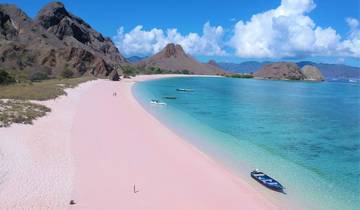
Pink Beach photography capitalizes on coral-sand coloration ranging from soft rose to vibrant magenta depending on lighting conditions, time of day, and tidal water levels exposing or submerging the sand. Midday overhead sun produces the most vibrant pink tones but harsh light and shadows, while morning or afternoon side-lighting creates dimensional texture in the sand composition. Underwater photography flourishes at Pink Beach’s fringing reef with colorful soft corals, tropical fish schools, and sea turtles, requiring waterproof housing or action cameras (GoPro, DJI Osmo Action) to document snorkeling experiences.
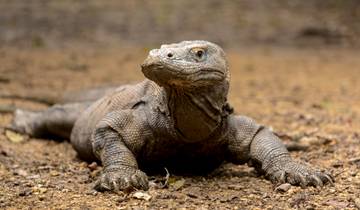
Komodo dragon photography requires telephoto lenses (70-200mm minimum, 100-400mm preferred) to maintain safe 5-meter distances while filling frames with these prehistoric reptiles. Rangers position groups at den areas or feeding sites where dragons congregate, creating opportunities for behavioral shots of basking, walking, or tongue-flicking. Early morning treks (7-8 AM starts) catch dragons active before midday heat drives them to shade, with better light quality and fewer tour groups competing for prime positions. Video capability enhances dragon documentation as movement brings these creatures to life more effectively than still images.
Underwater photography equipment ranges from basic waterproof point-and-shoot cameras ($200-400) suitable for snorkeling documentation, to advanced mirrorless systems in professional housings ($3,000-8,000+) optimized for scuba diving. Rental options exist at Labuan Bajo dive shops for GoPros ($15-25 daily) and entry-level underwater cameras, though serious photographers should bring personal equipment given rental limitations. Manta ray encounters benefit from wide-angle lenses capturing graceful wingspans and blue-water backgrounds, while macro photography targets nudibranchs, pygmy seahorses, and coral polyp details requiring 60-105mm macro lenses and specialized lighting.
Sunset photography opportunities concentrate along Labuan Bajo’s waterfront promenade and harbor-view restaurants, with traditional Phinisi boats silhouetted against orange-purple skies creating classic compositions. Sylvia Hill’s elevated viewpoint provides comprehensive town and harbor panoramas including sunset light painting fishing boats and islands across the Flores Sea. Hotels with rooftop bars or infinity pools overlooking the water (Katamaran Hotel, Zasgo Hotel) combine sunset photography with evening cocktails, appealing to travelers wanting both images and atmospheric experiences.
Sustainable Tourism and Conservation Awareness 2026
Komodo National Park’s UNESCO World Heritage status stems from unique terrestrial and marine biodiversity threatened by uncontrolled tourism growth, fisheries pressure, and climate change impacts on coral reefs. The 2026 quota system limiting 1,000 daily visitors represents Indonesia’s commitment to sustainable tourism management, though enforcement effectiveness depends on coordination between multiple government agencies, tour operators, and park staff. Travelers contribute to conservation success by adhering strictly to regulations, choosing operators with environmental credentials, and participating in responsible tourism practices that minimize ecological footprints.
Reef-safe sunscreen policies implemented across marine protected zones prohibit chemical sunscreens containing oxybenzone, octinoxate, and other coral-damaging compounds proven to cause coral bleaching and reproductive disruption. Travelers should pack mineral-based sunscreens (zinc oxide or titanium dioxide formulations) before arrival, as availability in Labuan Bajo remains limited despite growing awareness. UV-protective rash guards reduce sunscreen dependence entirely while providing superior sun protection during extended snorkeling sessions, representing the most environmentally friendly option for marine activities.
Single-use plastic reduction initiatives gained momentum across Indonesian tourism sectors following government pledges to reduce marine plastic pollution by 70% by 2025. Many liveaboard operators now provide refillable water bottles discouraging bottled water purchases, install water filtration systems for safe drinking water, and eliminate plastic straws, bags, and disposable cutlery. Travelers amplify these efforts by bringing reusable water bottles (with filtration if concerned about local water quality), declining plastic bags at shops, and patronizing businesses demonstrating waste reduction commitment.
Responsible wildlife viewing protocols require maintaining prescribed distances from Komodo dragons (5 meters minimum), avoiding flash photography that disturbs nocturnal or cave-dwelling species, never feeding wildlife (disrupts natural behaviors and food chains), and following ranger instructions without deviation during trekking. Manta ray encounters specifically prohibit touching mantas, chase swimming to pursue animals, or surrounding individual rays limiting their movement freedom. Conscientious snorkelers and divers maintain neutral buoyancy avoiding coral contact, refrain from collecting shells or marine organisms, and report any wildlife injuries or illegal fishing observed during tours.
Local economic benefits from tourism depend on choosing tour operators employing local staff, eating at Indonesian restaurants owned by Flores residents rather than exclusively expat-owned establishments, purchasing handicrafts directly from village artisans rather than souvenir shops in tourist areas, and engaging cultural tours visiting traditional communities where tourism income supports village development. Tipping practices (customary but not mandatory) direct additional income to liveaboard crews, restaurant servers, and guides whose base salaries remain modest despite tourism sector growth. Customary tip ranges: IDR 200,000-500,000 ($12-30) per passenger for multi-day liveaboard crews, 10% for restaurant bills where service charge isn’t included, and IDR 50,000-100,000 ($3-6) for exceptional day tour guides.
Frequently Asked Questions About Labuan Bajo 2026
Do I need travel insurance for Labuan Bajo and Komodo National Park?
Travel insurance is strongly recommended for Labuan Bajo trips given the remote location, adventure activities (snorkeling, diving, hiking), and limited advanced medical facilities. Comprehensive policies should cover emergency medical evacuation to Bali or Jakarta (critical for serious injuries or illnesses), scuba diving if you plan underwater activities (standard policies often exclude diving), trip cancellation if flights or tours are disrupted, and lost luggage during multi-leg journeys. Indonesia’s healthcare system functions adequately for minor issues but serious conditions require medical evacuation costing $25,000-100,000 without insurance coverage. Policies specifically covering adventure sports and marine activities cost approximately $40-80 for two-week trips depending on coverage limits and deductibles.
Can I visit Komodo National Park during Indonesia’s rainy season?
Komodo National Park remains accessible November through March during Indonesia’s wet season, though conditions differ significantly from dry season experiences with afternoon thunderstorms, rougher seas, and reduced tour schedules. Liveaboard operators run fewer trips during this period and may cancel departures if weather creates unsafe conditions, particularly December-January peak rainfall months. Benefits include 30-50% lower accommodation rates, dramatically reduced crowds at popular sites, and increased manta ray activity due to plankton blooms providing abundant food sources. Travelers with flexible schedules tolerating weather uncertainty find wet season offers excellent value, while those with fixed dates or seeking guaranteed calm seas should target April-October dry season.
How physically demanding is hiking on Komodo and Padar islands?
Physical demands vary by chosen trekking routes, with Padar Island’s summit hike representing the most strenuous standard tour component requiring 30-45 minutes uphill climbing across 700+ steps with minimal shade in tropical heat. Basic fitness suffices for this hike, though travelers with knee problems, respiratory conditions, or cardiovascular issues should consult physicians before attempting steep ascents. Komodo Island and Rinca Island offer multiple trek options: short routes (1 kilometer, 30-45 minutes, relatively flat), medium routes (2-3 kilometers, 1.5-2 hours, moderate hills), and long routes (4+ kilometers, 2.5-3 hours, challenging terrain). Rangers accommodate fitness levels within tour groups, though very long routes may not be offered if group capabilities don’t match. Bring water, sun protection, and closed-toe shoes with good grip for rocky volcanic trails.
What should I pack for a Labuan Bajo and Komodo trip?
Essential packing items include reef-safe mineral sunscreen (zinc oxide or titanium dioxide based), lightweight long-sleeve rash guard for sun protection while snorkeling, quick-dry towel for boat trips, waterproof phone case or dry bag for valuables, seasickness medication if prone to motion sickness, insect repellent for evening mosquitoes, first aid kit with bandages and antiseptic for minor coral cuts, and comfortable walking shoes with grip for volcanic island trails. Bring sufficient Indonesian Rupiah cash as ATMs are limited beyond Labuan Bajo town and liveaboards operate cash-only for additional purchases. Pack light as boat storage is compact, prioritizing versatile quick-dry clothing suitable for both water activities and modest cultural site visits. Personal snorkeling masks fit better than rental equipment for those preferring optimal vision underwater.
Are there ATMs and money exchange facilities in Labuan Bajo?
Labuan Bajo’s main street (Jalan Soekarno Hatta) features 6-8 ATMs operated by major Indonesian banks (BCA, Mandiri, BNI) dispensing maximum IDR 3,000,000-4,000,000 ($185-250) per transaction with foreign card fees of IDR 25,000-40,000 ($1.50-2.50) per withdrawal. ATMs frequently run out of cash during peak tourism periods (July-August, Indonesian holidays), so withdraw funds early in the day and maintain backup reserves. Money exchange facilities offer poor rates compared to Jakarta or Bali, making ATM withdrawals the preferred method for obtaining Rupiah. Some luxury hotels and tour operators accept US dollars at unfavorable exchange rates; using Rupiah consistently results in better value. Credit cards work at upscale hotels and restaurants but remain unreliable for smaller businesses, tours, and daily expenses.
Can I extend my stay in Labuan Bajo if I like it more than planned?
Extending Labuan Bajo stays is usually possible during shoulder and low seasons (March-June, September-November) when hotel availability remains high and tour operators have open slots for last-minute bookings. July-August peak season and Indonesian holiday periods see hotels fully booked weeks ahead, limiting flexibility for spontaneous extensions. The April 2026 Komodo quota system complicates extensions since park permits must be secured in advance, potentially blocking additional Komodo visits even if hotel rooms and tours are available. Travelers wanting flexibility should build buffer days into initial itineraries rather than relying on extensions, particularly if visiting during peak season when both accommodations and Komodo permits face capacity constraints. Return flight flexibility depends on airline policies and ticket types, with budget carriers often charging substantial change fees ($50-100+) for date modifications.
Is Labuan Bajo safe for solo female travelers?
Labuan Bajo rates as relatively safe for solo female travelers compared to many Southeast Asian destinations, with low violent crime rates, tourist-oriented infrastructure, and friendly local populations accustomed to international visitors. Standard precautions apply: book accommodations with positive solo female traveler reviews, avoid walking alone late at night in poorly lit areas, dress modestly when visiting local markets or religious sites (covered shoulders and knees), use hotel safes for valuables, and join group tours rather than hiring private guides for remote areas. The backpacker hostel scene creates natural opportunities for solo travelers to meet companions for shared tours or meals, reducing solo experiences for those preferring group social dynamics. Indonesia’s predominantly Muslim culture means modest dress expectations exist outside beach and tourist zones, though Labuan Bajo’s tourism orientation creates more relaxed norms than conservative areas elsewhere in the country.
What language do people speak in Labuan Bajo and Komodo tours?
Indonesian (Bahasa Indonesia) serves as the national language, though English proficiency is widespread in tourism sectors including hotels, restaurants, tour operators, and liveaboard crews. Tour guides on Komodo trips typically speak functional English sufficient for activity explanations, wildlife information, and basic communication, though complex conversations may require simplified vocabulary. Local markets, street food vendors, and budget warungs outside main tourist areas have limited English, making basic Indonesian phrases helpful for ordering food or negotiating prices. Younger Indonesians generally speak better English than older generations, reflecting improved English education in schools. Download translation apps (Google Translate with offline Indonesian language pack) for menu translation, price negotiations, or emergency medical communication. The Manggarai language is spoken by indigenous Flores populations but rarely necessary for tourists staying in Labuan Bajo.
How do I choose between visiting Komodo Island or Rinca Island for dragon viewing?
Komodo Island offers larger dragon populations (approximately 1,700 individuals versus 1,300 on Rinca), more dramatic volcanic landscapes for photography, and the prestige of visiting the species’ namesake location. Rinca Island provides higher probability dragon encounters due to concentration around ranger stations and water sources, shorter boat travel time from Labuan Bajo (approximately 2 hours versus 4 hours to Komodo), and generally smaller tour group crowds. Most 3-day/2-night liveaboards visit one or the other based on routing efficiency, with some itineraries offering both islands at premium pricing ($56 park entrance versus $40 for single-island access). Dragon behavior, size, and appearance are identical across islands; the primary decision factors are travel time priorities, photography landscape preferences, and crowd tolerance. First-time visitors satisfied with dragon viewing choose either island confidently, while photographers or natural history enthusiasts justify visiting both for landscape variety.
What is the best way to book Komodo tours and liveaboards for 2026?
Booking Komodo tours for 2026 requires securing park permits under the new quota system before finalizing liveaboard reservations, creating a two-step process: first obtain permits through the official platform (launching January 2026 trial, fully enforced April 2026), then book tours with operators who can accommodate your confirmed permit dates. Reputable operators increasingly handle permit procurement as part of their service, streamlining the process but requiring advance planning 2-3 months before travel during peak season. Direct booking with established operators (IndonesiaJuara Trip, Komodo Touristic, Maika Komodo Tour, Golden Island Cruises) through their websites or WhatsApp provides better value than third-party aggregators charging commission premiums. Read recent TripAdvisor and Google reviews focusing on actual guest experiences rather than promotional descriptions, verify what’s included in quoted prices (meals, equipment, park fees, permits), confirm boat safety equipment and crew qualifications, and request references from recent passengers for expensive luxury charters. Avoid booking through unvetted social media contacts or street touts in Labuan Bajo offering unrealistic low prices that often signal substandard vessels or hidden costs.