
La Fortuna Food & Coffee Tour 2026: Local Cuisine Guide
Key Takeaways
- Coffee plantation tours cost $35-55 per person in 2026, while comprehensive food and coffee combination experiences range $75-120 including tastings, cooking classes, and farm visits
- Half-day coffee tours (3-4 hours) include bean-to-cup processing demonstrations, roasting experiences, cupping sessions, and plantation walks through shade-grown coffee groves
- Traditional Costa Rican cooking classes cost $65-95 per person, teaching authentic dishes including gallo pinto, casado, arroz con pollo, and tres leches desserts with market visits
- Food tours combining multiple restaurants and street vendors range $45-75 per person for 3-4 hour walking experiences sampling 6-8 different local specialties
- Coffee harvest season (November-February) offers peak experiences with active picking, processing demonstrations, and opportunities to participate in harvest activities
- Booking combination packages pairing coffee tours with chocolate or sugar cane experiences saves 15-20% compared to booking activities separately
Introduction to La Fortuna Culinary Experiences 2026
La Fortuna’s volcanic soil and microclimate create exceptional conditions for coffee cultivation, with dozens of family-owned fincas producing high-quality arabica beans sold throughout Costa Rica and internationally. The 2026 food and coffee tour season brings expanded access to working plantations, enhanced agrotourism infrastructure, and increasingly sophisticated culinary experiences that combine traditional Costa Rican cooking with modern farm-to-table concepts. These tours provide authentic insights into Costa Rican food culture, agricultural practices, and the economic importance of coffee to local communities.
Coffee tours in La Fortuna range from basic plantation visits with simple tastings to comprehensive experiences including processing demonstrations, roasting workshops, cupping sessions, and hands-on harvest participation during season. Most fincas operate as working farms rather than tourist attractions, maintaining authentic agricultural operations while welcoming visitors to learn about coffee production from planting through final cup. The proximity to Arenal Volcano creates unique terroir characteristics, with volcanic mineral content and elevation (400-800 meters) producing coffee with distinctive flavor profiles including chocolate notes, bright acidity, and smooth body.
Food tours and cooking classes explore traditional Costa Rican cuisine beyond the typical tourist restaurant experience, incorporating market visits, family-run sodas (small local restaurants), and home cooking demonstrations. Participants learn to prepare iconic dishes including gallo pinto (rice and beans), casado (traditional lunch plate), arroz con pollo (chicken and rice), and picadillo (vegetable hash), using techniques passed through generations of Costa Rican cooks. The emphasis remains on fresh local ingredients, simple preparation methods, and the cultural significance of sharing meals in Costa Rican family and community life.
Combination tours pairing coffee with chocolate, sugar cane, or tropical fruit cultivation provide comprehensive agricultural experiences showcasing the diversity of Costa Rican farming. These multi-crop tours explain how volcanic soil fertility supports various agricultural products and demonstrate traditional processing methods for multiple crops in single day experiences. The integration of culinary and agricultural education creates memorable experiences that connect visitors with Costa Rica’s farming heritage and contemporary sustainable agriculture practices.
People Also Ask About La Fortuna Food & Coffee Tours 2026
How much do La Fortuna coffee tours cost in 2026?
Standard coffee plantation tours cost $35-45 per person for 2-3 hour experiences including plantation walks, processing demonstrations, and coffee tastings in 2026. Premium coffee experiences with roasting workshops, professional cupping sessions, and extended farm time range $55-75 per person for 3.5-4 hour tours. Check tour operator websites for current official rates as pricing varies by season and included activities. Combination tours pairing coffee with chocolate or sugar cane cost $75-95 per person, while comprehensive full-day experiences including cooking classes and multiple farm visits reach $110-140 per person including lunch and all tastings.
Private coffee tours for couples or families cost $120-180 total for 2-4 people, providing flexible timing and customized focus on specific interests including detailed processing explanations, photography opportunities, or extended tasting sessions. Children ages 5-12 receive 20-30% discounts with most operators. Transportation from La Fortuna hotels is included in tour prices, with pickups beginning 15-30 minutes before stated departure times.
What’s included in a typical coffee tour in La Fortuna?
Coffee tours include transportation from La Fortuna hotels, guided plantation walk through coffee groves, detailed explanation of growing and harvesting processes, processing facility tour showing pulping, fermenting, washing, and drying stages, roasting demonstration with explanation of roast levels and flavor development, coffee tasting session with 3-5 different roasts or varieties, and educational materials about coffee cultivation and Costa Rican coffee history. Many tours add traditional Costa Rican snacks or light refreshments served with coffee tastings.
Premium tours enhance basic experiences with hands-on roasting where participants roast their own beans, professional cupping sessions using standardized tasting protocols, take-home coffee samples (250-500 grams), and extended interaction time with farm owners or master roasters. Harvest season tours (November-February) include opportunities to pick coffee cherries, observe processing of fresh harvest, and experience the increased farm activity during peak production periods. Tours run 2-4 hours depending on included components and depth of agricultural education provided.
When is the best time for coffee tours in La Fortuna in 2026?
November through February represents peak coffee harvest season when plantations show maximum activity with active picking, fresh processing, and opportunities to participate in harvest activities. January and February provide the height of harvest operations with daily picking and processing visible throughout tours. These months offer the most comprehensive coffee experiences as farms operate at full capacity and visitors observe complete bean-to-cup processes in action.
March through October (outside harvest season) maintains excellent tour quality with detailed explanations of coffee cultivation, processing demonstrations using stored beans, and comprehensive tastings, though active harvest activities aren’t visible. Farms focus more on plantation maintenance, replanting, and preparation for upcoming harvest during these months. The agricultural education remains thorough, and coffee tastings showcase the previous harvest’s best beans. Tours cost the same year-round with no seasonal price variations despite different farm activity levels.
Can you buy coffee directly from plantations during tours?
All coffee tour operators sell their beans directly to visitors, with prices of $12-18 per pound (454 grams) for high-quality arabica coffee roasted on-site. This pricing undercuts retail shops in La Fortuna town ($15-22 per pound) and tourist gift shops ($18-25 per pound) while ensuring freshness and direct farm support. Most fincas offer multiple roast levels (light, medium, dark) and sometimes single-origin micro-lots highlighting specific plantation sections or processing methods.
Purchasing during tours provides opportunities to taste before buying, ask detailed questions about roasting and brewing recommendations, and learn about storage and preparation methods for optimal flavor. Many farms package coffee in vacuum-sealed bags suitable for international travel or shipping. Some plantations arrange international shipping for visitors wanting to purchase larger quantities (5-10 pounds) without luggage weight concerns, though shipping costs ($25-45 to USA/Europe) add significantly to total expenses.
Extended multi-day tours – 5+ days
Featured Costa Rica Multi-Day Tour Packages
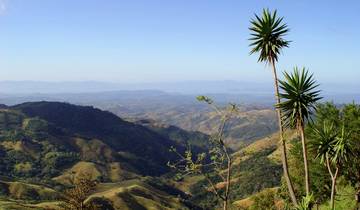
10 days
Essential Costa Rica – Package with Manuel Antonio National Park
- ✓ Comprehensive Costa Rica tour
- ✓ Expert local guides included
- ✓ All accommodation arranged
- ✓ Transportation provided
10 days
Costa Rica Adventure
- ✓ Comprehensive Costa Rica tour
- ✓ Expert local guides included
- ✓ All accommodation arranged
- ✓ Transportation provided
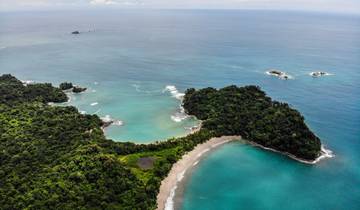
9 days
Costa Rica Quest
- ✓ Comprehensive Costa Rica tour
- ✓ Expert local guides included
- ✓ All accommodation arranged
- ✓ Transportation provided
10 days
Essential Costa Rica – Package with Guanacaste
- ✓ Comprehensive Costa Rica tour
- ✓ Expert local guides included
- ✓ All accommodation arranged
- ✓ Transportation provided
Multi-day tour packages powered by TourRadar. Prices and availability subject to change.
Planning Your 2026 Coffee Tour Experience
Selecting Coffee Tour Operators 2026
Don Juan Coffee Tour operates one of La Fortuna’s most comprehensive coffee experiences, with 3.5-hour tours costing $55 per person including coffee, chocolate, and sugar cane demonstrations on a working family farm. Tours depart 8:00 AM, 10:00 AM, 1:00 PM, and 3:00 PM daily with maximum 12 people per group. The experience includes walking through coffee groves, witnessing traditional ox-cart processing demonstrations, roasting coffee over wood fire, hand-grinding beans, and tasting multiple crops. The farm produces organic coffee using traditional methods passed through three generations, with tour guides (often family members) providing personal insights into farm operations and Costa Rican agricultural heritage.
Coffee & Chocolate Tour El Toledo operates tours on a certified organic farm producing both coffee and cacao. Half-day experiences cost $65 per person for 4-hour tours including plantation walks, processing demonstrations for both crops, hands-on chocolate making from cacao beans, coffee roasting and tasting, and traditional Costa Rican snack with coffee service. Tours depart 8:30 AM and 1:30 PM daily, limited to 10 participants maximum. The organic certification and dual-crop focus appeal to visitors interested in sustainable agriculture and comprehensive tropical crop education.
Vida Campesina Coffee Tour provides immersive farm experiences on a small family-owned finca, with tours costing $45 per person for 3-hour morning (8:00 AM) or afternoon (2:00 PM) experiences. The intimate setting (maximum 8 people per tour) allows extended interaction with farm owners and detailed questions about coffee cultivation, processing, and business operations. Tours include coffee and banana plantation walks, traditional processing demonstrations using hand-cranked pulpers and manual drying racks, and extended tasting sessions with 5-6 different coffee preparations.
Arenal Coffee Tour Adventures offers coffee experiences combined with wildlife observation, costing $75 per person for 4-hour tours including coffee plantation visit, processing demonstration, tasting session, and guided nature walk through farm property where sloths, toucans, and other wildlife appear regularly. The combination appeals to visitors wanting both agricultural education and natural history experiences without booking separate tours. Departures at 7:00 AM and 2:00 PM provide flexibility for itinerary planning around other activities.
Understanding Coffee Production Processes
Coffee cultivation in La Fortuna begins with seedling propagation in shade nurseries, where young plants develop for 6-9 months before transplanting to plantation fields. Mature coffee trees require 3-4 years from planting to first harvest, with productive lifespan of 20-30 years under proper care. The volcanic soil provides natural fertility and drainage, while elevation of 400-800 meters creates optimal temperature ranges (15-24°C annually) for arabica coffee development. Shade trees including banana, citrus, and native forest species protect coffee plants from excessive sun while providing habitat for birds and beneficial insects.
Harvest occurs November through February when coffee cherries ripen to deep red color indicating optimal sugar content and flavor development. Traditional selective hand-picking ensures only ripe cherries are harvested, with pickers returning to the same trees multiple times during season as cherries ripen progressively. Mechanical harvesting doesn’t work in Costa Rica’s hilly terrain and small farm structure, maintaining hand-picking traditions that provide employment for thousands of seasonal workers annually.
Processing begins within 24 hours of harvest to prevent fermentation and quality degradation. The wet processing method (used by most La Fortuna farms) involves pulping to remove outer fruit layer, fermentation for 12-48 hours to break down remaining mucilage, washing to remove fermentation residues, and sun-drying on patios or raised beds for 10-15 days until beans reach 10-12% moisture content. Some farms use mechanical dryers during rainy periods to prevent mold development. The dried parchment coffee is milled to remove final layers, sorted by size and quality, and prepared for roasting or export.
Roasting develops coffee’s final flavor characteristics through carefully controlled heating that causes chemical changes converting green beans into aromatic brown coffee. Roast levels from light (preserving origin characteristics and bright acidity) through dark (developing smoky, bold flavors with reduced acidity) suit different taste preferences and brewing methods. La Fortuna farms typically roast in small batches using drum roasters, allowing precise temperature control and consistent results. Tours demonstrate roasting processes and explain how roast level affects flavor profile, aroma, and optimal brewing approaches.
Food Tour Experiences in La Fortuna 2026
Walking Food Tours and Restaurant Experiences
La Fortuna Food Tour operates 3-hour walking experiences costing $65 per person, departing 10:00 AM and 5:00 PM daily with maximum 10 participants. Tours visit 5-6 local establishments including traditional sodas, family restaurants, and street food vendors, sampling gallo pinto, ceviche, empanadas, tropical fruit preparations, traditional desserts, and locally roasted coffee. Guides provide cultural context about Costa Rican food traditions, ingredient sourcing, and the social importance of sharing meals. Total food quantity equals substantial lunch or dinner, with variety emphasizing authentic local preparations over tourist-oriented restaurants.
The tours begin at central La Fortuna market where vendors sell tropical fruits, vegetables, fresh fish, and prepared foods. Guides explain seasonal produce, traditional ingredients, and shopping practices of local families. Sampling proceeds through several stops: traditional soda for gallo pinto and casado, street cart for empanadas or tamales, juice stand for fresh batidos (fruit smoothies), seafood spot for ceviche, bakery for traditional sweets, and final coffee stop for locally roasted beans paired with tres leches cake or other desserts. Walking between stops covers approximately 2 kilometers through La Fortuna’s commercial district and residential neighborhoods.
Arenal Gourmet Food Experience offers upscale food tours costing $85-95 per person for 4-hour experiences including market visit, artisan cheese maker, craft brewery or coffee roaster, and fine dining restaurant. These tours target food enthusiasts interested in Costa Rica’s emerging gourmet scene, with emphasis on local ingredients prepared using modern techniques. The higher price reflects premium restaurant stops and more substantial portions approaching full meal sizes rather than tasting samples. Maximum 8 participants ensures intimate atmosphere and detailed interaction with chefs and food producers.
Cooking Class Experiences 2026
Tropical Cooking Class La Fortuna operates hands-on cooking experiences costing $75 per person for 4-hour morning (9:00 AM) or afternoon (2:00 PM) sessions. Classes begin with market tour where participants select fresh ingredients guided by instructor who explains produce selection, price negotiation, and seasonal availability. The cooking component teaches preparation of 4-5 traditional dishes including gallo pinto, casado components (rice, beans, plantains, picadillo), ceviche or fish preparation, and traditional dessert. Participants work in teams preparing different dishes under instructor guidance, with final shared meal including all prepared foods.
Classes operate in professional kitchen facility or sometimes at instructor’s home, depending on operator and class size. Maximum 10-12 participants allows adequate hands-on involvement and individual attention for cooking techniques. Recipes are provided as take-home materials, including ingredient lists with metric/imperial measurements and detailed preparation instructions. Classes emphasize traditional methods including hand-pressing tortillas, traditional spice combinations, and cooking techniques using basic equipment accessible in home kitchens worldwide.
Costa Rican Kitchen Experience offers farm-to-table cooking classes costing $95 per person, combining market visit with cooking instruction and farm tour at organic vegetable producer. The 5-hour experience includes transportation to rural farm property, harvest of vegetables and herbs used in cooking, traditional outdoor cooking demonstration using wood fire, preparation of complete traditional meal, and dining in farm setting. Maximum 8 participants maintains intimate learning environment. The farm focus appeals to visitors interested in sustainable agriculture and direct connections between food production and preparation.
Private cooking classes cost $200-280 for groups of 2-6 people, providing customized menus, flexible timing, and personalized instruction pace. Private classes allow focus on specific dishes of interest, dietary accommodation (vegetarian, vegan, allergen-free), and photography opportunities throughout cooking process. Some operators arrange private classes in vacation rental properties for groups wanting convenient locations and home kitchen practice.
Traditional Costa Rican Cuisine Guide 2026
Essential Dishes and Preparations
Gallo pinto (literally “spotted rooster”) forms the foundation of Costa Rican cuisine, appearing at breakfast tables throughout the country. The dish combines rice and beans (typically black beans in urban areas, red beans in rural regions) sautéed together with onions, peppers, and cilantro, seasoned with Lizano sauce (Costa Rica’s signature condiment combining vegetables, spices, and slight sweetness). Traditional preparation uses leftover rice and beans from previous day’s dinner, making gallo pinto economical and reducing food waste. Served with eggs, tortillas, sour cream, and cheese, gallo pinto provides sustaining breakfast for farm workers and families alike.
Casado represents the standard Costa Rican lunch plate, its name meaning “married” to reflect the marriage of multiple components on one plate. The typical casado includes rice, beans, salad (usually cabbage slaw with tomato), protein (chicken, beef, fish, or pork), picadillo (vegetable hash often made with chayote, potatoes, or green beans), and maduros (fried sweet plantains). Sodas serve casados for $4-7, providing filling, balanced meals emphasizing fresh local ingredients and simple preparation methods. Casado variations appear throughout Costa Rica with regional ingredient differences, but the basic structure remains consistent.
Arroz con pollo (chicken with rice) features chicken pieces cooked with rice, vegetables, and spices in one-pot preparation similar to Spanish paella but simpler in seasoning. The dish uses chicken stock, carrots, peas, peppers, and cilantro, creating colorful presentation and combining protein and starch in single dish. Families serve arroz con pollo for Sunday dinners and special occasions, with recipes passed through generations and individual cooks adding personal variations. Food tours and cooking classes frequently include arroz con pollo due to its cultural significance and achievable home preparation.
Ceviche in Costa Rican style emphasizes fresh fish (typically corvina or tilapia) marinated in citrus juice with cilantro, onions, and peppers, served with crackers or tortilla chips. The coastal variation includes coconut milk creating richer, creamier texture than traditional Latin American preparations. La Fortuna’s inland location means ceviche uses fresh tilapia from local aquaculture farms rather than ocean fish. Restaurants prepare ceviche fresh daily, serving it as appetizer or light meal particularly during hot afternoons.
Regional Specialties and Seasonal Foods
Tamales appear prominently during December holidays, when families spend days preparing corn masa dough filled with pork, rice, vegetables, and spices, wrapped in banana leaves and steamed. Traditional tamal preparation involves entire extended families with specialized tasks: masa mixing, filling preparation, leaf cutting and cleaning, wrapping, and cooking. While tamales appear year-round in markets and sodas, December represents peak production and consumption with tamales served on Christmas Eve and throughout holiday season.
Olla de carne, a hearty beef soup with multiple vegetables including yuca, plantain, corn, chayote, and potatoes, provides warming comfort food during rainy season months. The dish requires slow cooking to tenderize tough beef cuts and develop rich broth flavor. Restaurants serve olla de carne in large bowls as complete meal, popular during wet season when visitors and locals seek substantial, warming food after rain-soaked activities.
Tropical fruits including papaya, pineapple, mango, watermelon, cantaloupe, and numerous varieties unfamiliar to visitors outside tropical regions appear in fresh juices, smoothies, fruit salads, and desserts. Markets sell seasonal fruits that cooking classes and food tours incorporate into preparations. Pineapple particularly associates with La Fortuna region where pineapple plantations operate extensively throughout nearby lowlands. Fresh pineapple appears sliced as snack, blended into smoothies, grilled as dessert, and incorporated into savory dishes.
Tres leches cake (three milk cake) represents Costa Rica’s favorite dessert, featuring sponge cake soaked in mixture of evaporated milk, condensed milk, and cream, topped with whipped cream or meringue. The resulting ultra-moist texture and sweet milk flavor makes tres leches extremely popular for birthdays, celebrations, and restaurant dessert menus. Bakeries throughout La Fortuna sell tres leches by the slice ($3-4) or whole cakes for special occasions. Cooking classes sometimes include tres leches preparation due to its cultural significance and relative simplicity.
Coffee Tasting and Cupping Basics 2026
Understanding Coffee Flavor Profiles
La Fortuna coffee exhibits flavor characteristics influenced by volcanic soil mineral content, elevation, processing methods, and roast levels. Common descriptors include chocolate notes (both milk chocolate and dark chocolate depending on roast), caramel sweetness, nutty qualities (particularly almond and hazelnut), bright acidity (citrus or fruity notes), and smooth body with low bitterness. The volcanic soil contributes minerals that develop during roasting into subtle earthy or mineral undertones distinguishing Arenal region coffee from other Costa Rican production areas.
Acidity in coffee tasting refers to bright, tangy, or fruity sensations rather than sour or unpleasant tastes. High acidity coffees display lively, crisp flavors often compared to citrus fruits, apples, or berries. Medium acidity provides balance between brightness and smoothness, while low acidity creates mellow, gentle flavors. La Fortuna coffees typically show medium to medium-high acidity depending on roast level, with lighter roasts preserving more natural acidity and darker roasts reducing acidity through caramelization of sugars.
Body describes the physical sensation or weight of coffee in the mouth, ranging from light and tea-like through heavy and syrupy. Medium body coffees (characteristic of La Fortuna production) provide balanced texture neither thin nor overwhelmingly heavy. Processing methods affect body significantly, with wet processing (used locally) typically producing cleaner, brighter coffees compared to natural processing’s heavier, fruitier characteristics.
Professional Cupping Protocol
Professional cupping follows standardized protocol developed by Specialty Coffee Association, allowing consistent evaluation across different coffees. The process begins with coffee grounds in cupping bowls, hot water poured to standardize extraction, followed by crust breaking after 4 minutes where grounds floating on surface are stirred to release aromatics. Tasters smell the released aromatics (the “break”) noting intensity and quality of fragrance.
Tasting involves using special cupping spoons to slurp coffee with sufficient force to spray liquid across entire palate, activating taste receptors throughout mouth and allowing volatile compounds to reach nasal passages. Tasters evaluate aroma, flavor, aftertaste, acidity, body, balance, and overall impression using standardized scoring sheets. Multiple coffees are tasted simultaneously for direct comparison, with clear water and plain crackers used to cleanse palate between samples.
Premium coffee tours offering professional cupping experiences teach participants this protocol, providing scoring sheets and guidance in identifying flavor notes and quality characteristics. The structured approach helps develop tasting vocabulary and recognition of subtle differences between coffees. Participants learn that coffee tasting, like wine tasting, benefits from practice and attention to sensory details often overlooked during casual drinking.
Sample 2026 Food & Coffee Itineraries
Half-Day Coffee and Chocolate Experience
8:00 AM: Hotel pickup from La Fortuna accommodations with transportation to coffee and chocolate farm (20-30 minute drive depending on property location). Guide provides overview of day’s activities and farm history during transportation.
8:30 AM: Coffee plantation walk through shade-grown groves, with guide explaining plant growth stages, harvest timing, and shade tree integration. Depending on season (harvest November-February or growth period March-October), either observe active picking or examine coffee cherries at various ripeness stages. Duration 30-40 minutes covering 1-2 kilometers at leisurely pace with frequent stops for photographs and detailed explanations.
9:15 AM: Processing demonstration covering pulping, fermentation, washing, and drying stages with hands-on participation operating hand-cranked pulper if harvest season. Guide shows dried parchment coffee and explains milling process removing final protective layers. Duration 30 minutes with opportunity to handle beans at various processing stages.
9:45 AM: Coffee roasting demonstration using traditional wood-fire method or modern drum roaster depending on farm equipment. Participants observe color changes from green beans through progressive roast levels, with explanation of first and second crack sounds indicating roast development. Small batch roasting allows taking some freshly roasted beans to cool and grind for upcoming tasting. Duration 20-25 minutes.
10:10 AM: Coffee tasting session with 4-5 different preparations including light, medium, and dark roasts of same beans, plus sometimes single-origin micro-lots or different processing methods. Guide explains how to evaluate aroma, flavor, acidity, body, and finish. Traditional Costa Rican snack (often homemade bread, cookies, or cake) accompanies tasting. Duration 30-40 minutes.
10:50 AM: Cacao plantation walk showing cacao trees, pod development, and traditional harvest methods. Guide demonstrates opening cacao pod to reveal beans surrounded by sweet white pulp that participants taste. Explanation of cacao fermentation and drying processes similar to coffee but with different timing and techniques. Duration 25-30 minutes.
11:20 AM: Chocolate making demonstration and hands-on workshop where participants roast cacao beans (if using traditional method), remove shells, grind beans into paste, and create chocolate bars with various additions (sugar, cinnamon, vanilla). Modern farm methods may use pre-processed cacao for faster chocolate making. Duration 30-40 minutes with take-home chocolate samples.
12:00 PM: Return transportation to La Fortuna hotels arriving 12:20-12:30 PM. Tour cost: $65 per person including all demonstrations, tastings, chocolate-making, take-home samples, and transportation. No meals included but substantial snacks provided during coffee tasting. Total morning cost: $65 per person plus tip $10-15 for guide.
Full-Day Culinary Immersion Experience
8:30 AM: Hotel pickup for comprehensive food and coffee tour combining market visit, cooking class, and coffee plantation experience. Transportation to La Fortuna central market (5-10 minute drive from most hotels).
8:45 AM: Guided market tour with cooking class instructor showing tropical fruits, vegetables, fresh fish, and prepared foods. Instructor explains ingredient selection for upcoming cooking class, price negotiation customs, and seasonal produce availability. Participants purchase ingredients for cooking class while sampling fruits and fresh juices. Duration 45 minutes.
9:30 AM: Transportation to cooking class facility (10-15 minutes from market). Brief orientation covering kitchen equipment, recipe overview, and task distribution among participants working in teams.
9:50 AM: Hands-on cooking class preparation of traditional Costa Rican meal including gallo pinto, casado components (rice, beans, picadillo, maduros), protein preparation (chicken, fish, or vegetarian option), and tres leches dessert. Instructor demonstrates techniques while participants prepare dishes under guidance, with emphasis on traditional methods and authentic flavors. Duration 2-2.5 hours allowing adequate time for multiple dish preparation.
12:30 PM: Lunch serving all prepared dishes family-style with participants sharing meal together. Fresh fruit, salad, and beverages complement prepared foods creating complete traditional meal. Discussion of Costa Rican food culture, family dining traditions, and recipe variations. Duration 45 minutes-1 hour for relaxed dining experience.
1:30 PM: Transportation to coffee plantation (20-30 minutes) for afternoon coffee tour.
2:00 PM: Coffee plantation walk, processing demonstration, roasting experience, and extended tasting session as described in morning itinerary but with additional focus after having experienced cooking class providing broader agricultural and culinary context. Duration 2 hours covering all coffee production stages.
4:00 PM: Return transportation to La Fortuna hotels arriving 4:20-4:30 PM. Full day tour cost: $120 per person including market tour, all cooking class ingredients, communal lunch, coffee tour with tastings, take-home recipes, take-home coffee sample, and all transportation. Total day cost: $120 per person plus tip $15-20 for guides (divided between cooking instructor and coffee tour guide).
Evening Food Tour and Dining Experience
5:00 PM: Hotel pickup for evening walking food tour through La Fortuna’s restaurant and street food scene. Meet at central location with maximum 10 participants for intimate group experience.
5:15 PM: First stop at traditional soda for empanadas and fresh fruit batidos (smoothies), with guide explaining soda culture and role in Costa Rican daily life. Sampling 2-3 different empanada varieties (cheese, bean, potato, meat) with traditional accompaniments. Duration 25-30 minutes.
5:45 PM: Walking transition through La Fortuna commercial district (10 minutes) to juice stand for fresh sugar cane juice or tropical fruit juice, with street vendor demonstration of juice preparation using traditional equipment. Discussion of tropical fruits and their uses in Costa Rican cuisine.
6:00 PM: Ceviche stop at seafood spot for freshly prepared tilapia ceviche with local style including cilantro, onion, and sometimes coconut milk. Guide explains ceviche preparation and coastal vs. inland variations. Served with plantain chips or tortillas. Duration 20-25 minutes.
6:30 PM: Walking transition (15 minutes) to family restaurant for casado sampling with all traditional components. Guide discusses casado variations across Costa Rica and cultural significance of this standard meal. Portions are moderate “tasting” sizes rather than full meals. Duration 30 minutes.
7:15 PM: Dessert stop at bakery for traditional sweets including tres leches cake, arroz con leche (rice pudding), or seasonal specialties. Paired with locally roasted coffee for complete dessert experience. Duration 20 minutes.
7:40 PM: Final stop at artisan chocolate shop or coffee roaster for take-home treats and final educational component about Costa Rican specialty food products. Opportunity to purchase gifts or additional coffee/chocolate. Duration 15-20 minutes.
8:00 PM: Return walk to meeting point (10 minutes) with tour conclusion and farewells. Total food quantity equals substantial dinner spread across multiple courses. Tour cost: $65 per person including all food and beverage tastings, bilingual guide, educational components. Total evening cost: $65 per person plus tip $10 for guide (excluding any personal purchases at final shop).
Booking Food and Coffee Tours for 2026
Advance Planning Strategies
Book coffee tours 2-3 days in advance during high season (December-April) to secure preferred departure times and operators. Harvest season (November-February) sees increased demand due to enhanced experience quality, making 3-5 day advance booking advisable for top-rated farms. Green season (May-November outside harvest) allows more flexible booking with 1-2 days notice typically sufficient for most operators. Private tours and cooking classes require 4-7 days advance booking during peak periods due to limited daily capacity and instructor availability.
Combination packages pairing coffee with chocolate, cooking classes, or multiple farms need advance coordination of scheduling and transportation, making 5-10 day booking windows appropriate for complex multi-component experiences. Last-minute bookings sometimes work during low season but risk missing preferred operators or desired tour times. Online booking through operator websites provides guaranteed confirmation and sometimes modest discounts ($5-10 per person) compared to hotel tour desk bookings.
Cooking classes operating with market visits require morning bookings (8:00-9:00 AM starts) to access markets during peak freshness and selection periods. Afternoon classes (2:00-3:00 PM) work better for visitors with morning activities planned or those preferring later schedules. Class timing affects what market components can be included, with morning classes offering more comprehensive market experiences when vendors display fullest selections.
Weather and Seasonal Considerations 2026
Coffee tours operate year-round with harvest season (November-February) providing peak experiences including active picking, fresh processing, and maximum farm activity. January and February represent harvest height with daily operations in full swing. March through October tours maintain quality with stored bean processing demonstrations and comprehensive tastings, though active harvest isn’t visible. Coffee quality remains consistent year-round as farms roast for freshness regardless of season.
Cooking classes and food tours operate daily regardless of weather, with cooking class facilities indoors and protected from rain. Food walking tours may be affected by heavy rain but continue during light precipitation, with covered stops providing shelter. Rainy season afternoon showers (May-November) sometimes disrupt food tours temporarily, but operators adjust timing or wait out brief storms. Dry season (December-April) provides more comfortable walking conditions for food tours spanning multiple blocks.
Market visits work best during morning hours (7:00 AM-11:00 AM) when vendors display fullest selections and freshest produce. Afternoon market visits find reduced selection as vendors sell through inventory, though staple ingredients remain available. Cooking classes scheduling market components typically depart early (8:00-9:00 AM) to capitalize on optimal market conditions.
Money-Saving Strategies for 2026 Food Tours
Budget Optimization Approaches
Standard coffee plantation tours at $35-45 per person provide authentic experiences at lowest price points, with comprehensive coverage of growing, processing, and roasting even in basic tours. The educational value and coffee quality match premium operators, with price differences reflecting group size, tour duration, and included extras (take-home coffee, snacks) rather than fundamental experience quality. Budget-conscious travelers receive excellent value from standard tours without paying premiums for extended time or luxury amenities.
Combination packages pairing coffee with chocolate, sugar cane, or other crops save 15-20% compared to booking separate single-crop tours. A coffee-and-chocolate combo at $75 per person costs less than booking independent coffee tour ($45) plus chocolate tour ($45) totaling $90 separately. Multi-crop packages additionally save transportation time and coordination effort, fitting more experiences into single morning or afternoon time blocks.
Group bookings for families or friend groups sometimes negotiate reduced per-person rates for private tours, particularly during green season when daily capacity may not fill. A private tour quoted at $160 total for 4 people ($40 per person) becomes more economical than group tour at $45 per person while providing personalized attention and flexible timing. Contact operators directly to inquire about group rates for parties of 4-6 people.
Visiting sodas and local restaurants independently rather than joining food tours saves substantial money while experiencing authentic Costa Rican cuisine. A full casado at traditional soda costs $5-7 versus $65 food tour, though the independent approach lacks educational context, cultural interpretation, and exposure to multiple establishments. Budget travelers can combine one food tour for education with subsequent independent dining applying learned knowledge for best value balance.
Free and Low-Cost Food Experiences
La Fortuna central market provides free browsing and low-cost tasting opportunities with fruit vendors offering samples, juice stands preparing fresh drinks ($2-3), and prepared food stalls selling traditional snacks ($1-3 each). Self-guided market exploration lacks expert interpretation but allows budget travelers to experience local food shopping and sample authentic products at minimal cost. Market operates daily 6:00 AM-5:00 PM with peak activity 7:00 AM-12:00 PM.
Attending cooking demonstrations or coffee tastings at specialty shops sometimes provides free or low-cost exposure to Costa Rican food culture. Some coffee roasters in La Fortuna offer free tastings with informal presentations about coffee processing and roasting, particularly for potential customers considering purchases. While lacking comprehensive farm tour experiences, these brief encounters provide basic education at no cost beyond potential purchases.
Farmers markets and weekend produce sales feature local vendors selling tropical fruits, vegetables, and sometimes prepared foods at prices lower than supermarkets or tourist restaurants. Purchasing and preparing meals using market ingredients in vacation rental accommodations provides budget-friendly authentic food experiences. Tropical fruits including pineapple ($2-3 each), papaya ($3-4), mango ($1-2 each), and watermelon ($4-6) offer fresh, healthy options at minimal cost.
FAQ: La Fortuna Food & Coffee Tours 2026
Are coffee tours suitable for children?
Coffee tours welcome children ages 5 and older who can walk independently through farm terrain and maintain attention during 2-3 hour experiences. The agricultural and processing demonstrations interest children curious about how food products are made, while tasting components allow trying different flavors in educational context. Most operators provide child-friendly beverages (chocolate milk, juice) instead of coffee tastings for young children. Children ages 5-12 receive 20-30% discounts with most operators. Very young children (under 5) may struggle with tour duration and agricultural focus, though private family tours provide flexibility to adjust pace and include breaks as needed.
Can vegetarians and vegans participate in cooking classes?
Cooking classes accommodate vegetarians with advance notice by substituting plant-based proteins for meat components in traditional dishes. Vegan modifications require more substantial adjustments but most operators provide options using local vegetables, beans, rice, and tropical fruits as recipe foundations. Costa Rican cuisine includes numerous naturally vegetarian dishes (gallo pinto, bean preparations, picadillos, fruit-based desserts) that translate easily to cooking class formats. Notify instructors during booking about dietary requirements to ensure appropriate ingredient selection and recipe planning.
Do you need Spanish language skills for food tours?
Food tour guides and cooking class instructors speak English fluently, providing all demonstrations, explanations, and cultural context in English for international visitors. Bilingual guides facilitate market interactions with vendors, translate menu items, and explain ingredient names in both Spanish and English. Independent market visits benefit from basic Spanish (numbers, food terms, polite phrases) but are manageable without language skills using gestures and smartphone translation apps. Cooking class recipe materials are provided in English.
How much coffee can you bring home from Costa Rica?
United States and Canada allow unlimited coffee imports for personal use without duty charges, making purchasing several pounds of coffee during tours practical for gift-giving or personal consumption. European Union permits coffee imports without customs issues for reasonable personal quantities (5-10 pounds). Vacuum-sealed bags provided by farms maintain freshness and are suitable for checked luggage. Weight restrictions on airlines (typically 50 pounds/23 kg per checked bag) become the limiting factor rather than customs regulations. Consider shipping arrangements for larger purchases (10+ pounds) to avoid luggage weight concerns.
What’s the difference between La Fortuna coffee and other Costa Rican regions?
La Fortuna coffee (Arenal region) grows at 400-800 meters elevation producing medium-bodied coffee with chocolate notes and moderate acidity. Higher elevation regions including Tarrazú (1200-1800 meters) and Central Valley (1200-1400 meters) produce brighter, more acidic coffees with complex flavor profiles. Lower elevations around Guanacaste (200-600 meters) yield coffees with heavier body and less acidity. The volcanic soil throughout Arenal region contributes mineral content developing into subtle earthy characteristics distinguishing local production. Processing methods (wet processing predominates in Costa Rica) create more impact on final flavor than regional differences, though enthusiasts detect terroir variations.
Can you buy chocolate directly from farms during tours?
Farms operating chocolate tours sell their chocolate products directly to visitors, typically at $8-15 per bar (100 grams) for handmade chocolate with various inclusions (nuts, spices, dried fruits). Farm prices undercut retail shops while ensuring product freshness and farm support. Chocolate-making workshops often include take-home portions of chocolate created during class. Vacuum-sealed or well-wrapped chocolate travels safely in luggage, though high temperatures during transport may cause melting, making climate-controlled checked luggage storage advisable.
Are food tours walking tours or vehicle-based?
La Fortuna food tours operate as walking experiences covering 2-3 kilometers through central town areas visiting multiple sodas, restaurants, and street vendors within walking proximity. Walking allows better interaction with food vendors, flexible timing at each stop, and exposure to La Fortuna’s street life beyond restaurant interiors. Participants should wear comfortable walking shoes and prepare for 3-4 hours of standing, walking, and eating. Cooking classes and coffee tours include vehicle transportation to farms or cooking facilities outside central town, with walking limited to plantation tours and market visits.
How much food is provided during food tours?
Food tours provide substantial tasting portions across 5-6 stops totaling meal-equivalent quantity distributed over 3-4 hours. The variety and frequency of tastings means most participants feel satisfied without needing additional meals immediately before or after tours. However, tastings emphasize sampling diverse items rather than full-sized portions of any single dish. Participants with very large appetites might want light snacks before tours, while those with smaller appetites may find quantity more than adequate. Cooking classes include full meals of prepared dishes providing complete lunch or dinner.
Can you visit coffee farms independently without tours?
Most coffee farms require tour bookings and don’t accept drop-in visitors due to working farm operations and liability concerns. A few farms near La Fortuna town allow independent visits with admission fees ($5-10) providing access to trails and self-guided information but lacking detailed demonstrations and expert interpretation that guided tours offer. The educational value and processing demonstrations make guided tours worthwhile despite higher costs, as independent visits miss the agricultural education and coffee production insights that constitute tours’ primary value.
What should you wear for coffee and food tours?
Coffee tours require closed-toe shoes (sneakers or light hiking shoes) for walking on potentially muddy farm trails, long lightweight pants protecting legs from vegetation, and light layers for changing temperatures on shaded plantations. Rain jacket during rainy season (May-November) protects against afternoon showers. Sun hat and sunscreen help during sunny plantation walking segments. Cooking classes need comfortable casual clothing that can withstand minor food splashes, with hair ties for long hair and willingness to wear provided aprons. Food walking tours work with casual town clothing and comfortable walking shoes for several kilometers of urban walking.