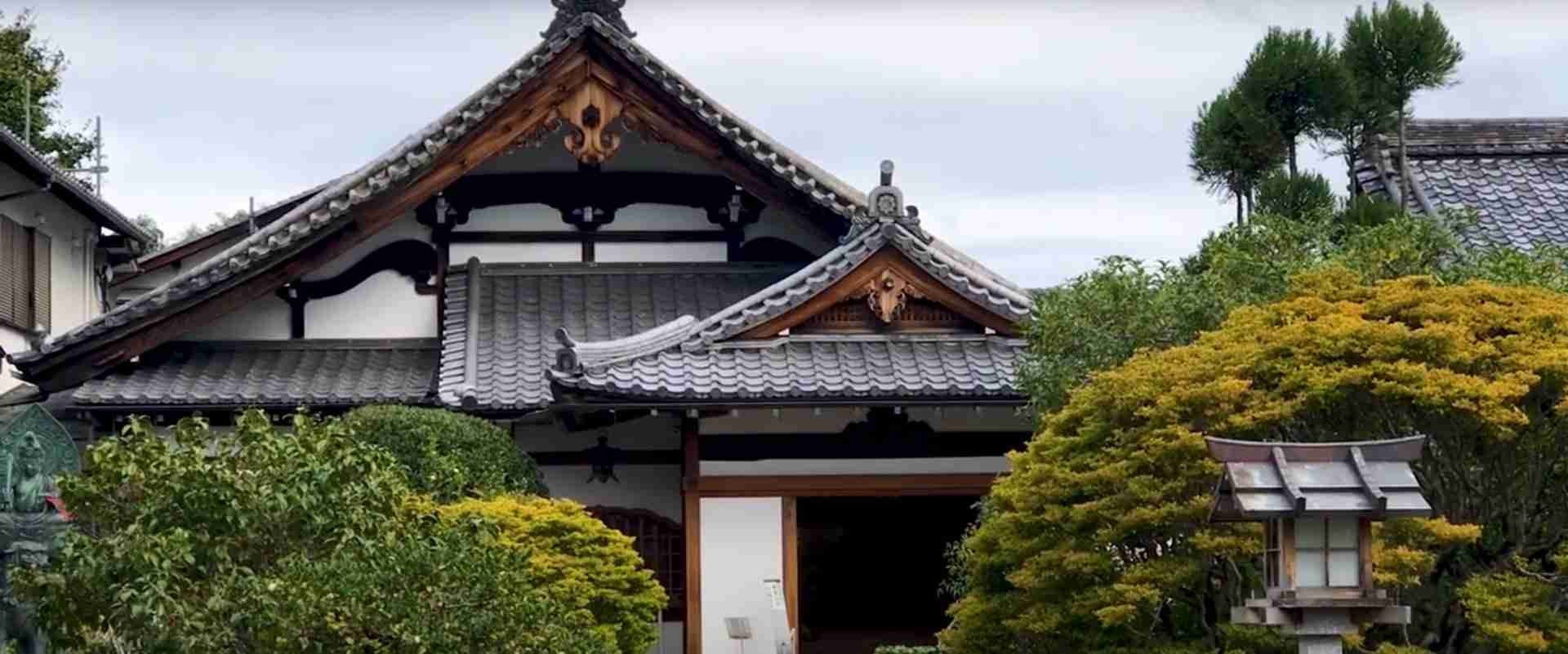
Budget Travel Guide to Kyoto’s UNESCO World Heritage Sites: See More While Spending Less 2026
Explore all 17 UNESCO World Heritage Sites in Kyoto on a budget. Money-saving tips, free attractions, and budget accommodation strategies for cultural travelers
Key Takeaways
- Free UNESCO Access: 3 Shinto shrines (Shimogamo, Kamigamo, Ujigami) offer free admission, saving 1,500+ yen while providing authentic cultural experiences
- Transportation Savings: Kyoto City Bus Day Pass (600 yen) covers 15 UNESCO sites – massive savings over individual tickets at 200 yen each
- Budget Accommodation: Stay in Fushimi district (3,000-5,000 yen/night) with easy UNESCO access vs expensive central Kyoto (8,000-15,000 yen)
- Timing Strategy: Visit during off-peak seasons (December-February, June-August) for 50% accommodation savings and fewer crowds
- Food Budget Hacks: Convenience store meals (300-500 yen) and temple area food stalls offer quality options vs restaurant prices (1,500-3,000 yen)
- Total Daily Budget: Experience 4-5 UNESCO sites for 2,500-4,000 yen including transportation, admission, and basic meals
Experiencing Kyoto’s 17 UNESCO World Heritage Sites doesn’t require a luxury budget or expensive tour packages. Strategic planning, smart timing, and insider knowledge can reduce UNESCO touring costs by 60-70% while actually enhancing cultural experiences through deeper local engagement and authentic encounters away from tourist crowds.
The key to budget UNESCO touring lies in understanding the cost structure of temple visits, leveraging free alternatives, and optimizing accommodation and transportation choices that provide excellent value without compromising cultural depth. Many budget strategies actually lead to more authentic experiences than expensive approaches.
This comprehensive budget guide reveals proven strategies for exploring all UNESCO sites affordably, from accommodation hacks and transportation optimization to free cultural experiences and insider dining tips that stretch your travel budget while maximizing cultural impact.
Understanding UNESCO Site Costs and Free Alternatives
Admission Fee Structure and Patterns
Kyoto’s UNESCO sites follow predictable pricing patterns that enable strategic budget planning and cost optimization through selective visiting and timing coordination. Understanding these patterns helps prioritize high-value experiences while controlling costs.
Buddhist temples typically charge 300-500 yen for basic admission, with premium sites like Kinkaku-ji charging 400 yen and garden temples like Ryoan-ji charging 500 yen. Special viewing periods during cherry blossom or autumn seasons can increase fees to 600-800 yen at popular locations.
Shinto shrines traditionally offer free admission to shrine grounds and basic worship areas, though some may charge for special buildings or garden areas. The three UNESCO Shinto shrines (Shimogamo, Kamigamo, Ujigami) provide completely free access with authentic spiritual experiences.
Seasonal pricing affects several UNESCO sites during peak viewing periods, particularly Daigo-ji (1,500 yen during cherry blossom season) and sites offering special illuminations. Understanding seasonal variations enables budget-conscious timing decisions.
Free UNESCO Sites: Maximum Cultural Value
Three UNESCO shrines provide completely free access while offering profound cultural experiences equal to or exceeding paid temple visits. These locations demonstrate that admission fees don’t correlate directly with cultural value or authenticity.
Shimogamo Shrine offers one of Kyoto’s most authentic spiritual experiences with its ancient architecture, sacred forest setting, and active religious practices. The shrine ranks among Japan’s oldest religious sites while providing free access to all major areas including the main worship halls.
Kamigamo Shrine pairs with Shimogamo as part of an ancient religious complex that predates most Buddhist temples in Kyoto. The shrine’s architectural style established patterns followed throughout Japan, providing educational value typically associated with expensive museum visits.
Ujigami Shrine in nearby Uji claims status as Japan’s oldest surviving Shinto shrine structure, offering unique architectural insights and peaceful contemplation away from Kyoto’s tourist crowds. The location combines UNESCO site visits with exploring traditional Uji’s tea culture.
Extended multi-day tours – 5+ days
Featured Tokyo to Kyoto Japan Multi-Day Tour Packages
11 days
Japan´s Landscapes end Kyoto (18 destinations)
- ✓ Comprehensive Tokyo to Kyoto Japan tour
- ✓ Expert local guides included
- ✓ All accommodation arranged
- ✓ Transportation provided

14 days
Simply Japan
- ✓ Comprehensive Tokyo to Kyoto Japan tour
- ✓ Expert local guides included
- ✓ All accommodation arranged
- ✓ Transportation provided

17 days
Japan Adventure 17 Day
- ✓ Comprehensive Tokyo to Kyoto Japan tour
- ✓ Expert local guides included
- ✓ All accommodation arranged
- ✓ Transportation provided
8 days
8 Day Highlights of Japan Small Group Tour Package
- ✓ Comprehensive Tokyo to Kyoto Japan tour
- ✓ Expert local guides included
- ✓ All accommodation arranged
- ✓ Transportation provided
Multi-day tour packages powered by TourRadar. Prices and availability subject to change.
Budget-Friendly Paid Sites
Among paid UNESCO sites, several offer exceptional value through comprehensive experiences, multiple viewing areas, or included amenities that justify admission costs. Strategic selection maximizes cultural impact per yen spent.
Toji Temple (500 yen) provides extensive grounds, Japan’s tallest pagoda, multiple halls, and monthly flea markets that offer cultural shopping experiences. The temple’s proximity to Kyoto Station eliminates transportation costs for visitors staying nearby.
Tenryu-ji Temple (500 yen) includes both temple buildings and spectacular gardens designed by master garden designer Muso Soseki. The comprehensive experience provides architectural, artistic, and natural beauty in a single admission fee.
Nijo Castle (600 yen) offers extensive palace buildings, multiple gardens, and historical exhibits that provide hours of exploration. The admission includes access to normally restricted areas during special opening periods.
Transportation Budget Optimization
Kyoto City Bus Day Pass: Essential Budget Tool
The Kyoto City Bus Day Pass represents the single most important budget tool for UNESCO site touring, providing unlimited transportation for 600 yen compared to 3,000+ yen for individual tickets to reach all major sites. The pass pays for itself after just three bus rides.
The pass covers routes to 15 of 17 UNESCO sites, enabling comprehensive temple touring without additional transportation costs. Only Enryaku-ji and Ujigami Shrine require train supplements beyond the bus pass coverage.
Strategic pass utilization involves planning 4+ site days to maximize value realization while clustering sites geographically to reduce travel time and increase cultural exploration time. The pass enables spontaneous temple visiting without cost concerns.
Multi-day UNESCO touring benefits from purchasing consecutive daily passes (600 yen each) rather than expensive multi-day tourism passes that include unnecessary services. The focused approach provides better value for UNESCO-specific touring.
Walking and Bicycle Budget Strategies
Walking connections between nearby UNESCO sites eliminate transportation costs while providing authentic neighborhood exploration and cultural experiences often missed during bus-only touring. Several districts support efficient walking strategies.
Eastern Kyoto enables walking connections between Kiyomizu-dera, traditional Higashiyama streets, and cultural attractions without additional transportation costs. The Philosopher’s Path provides free cultural experiences linking multiple temple areas.
Bicycle rental (600-800 yen/day) offers flexible transportation that pays for itself when replacing 4+ bus rides while providing door-to-door convenience. Electric-assist bicycles handle Kyoto’s hills efficiently and enable spontaneous exploration.
Free bicycle options include some budget accommodations that provide guest bicycles and cycling advocacy organizations that offer short-term loans. These options eliminate transportation costs entirely for budget-conscious travelers.
Strategic Accommodation Location
Accommodation location dramatically affects transportation costs and UNESCO site accessibility, with strategic choices reducing daily travel expenses while providing authentic local experiences away from expensive tourist districts.
Fushimi district accommodation provides excellent value (3,000-5,000 yen/night) with direct train access to central Kyoto and convenient connections to southern UNESCO sites. The area offers authentic local atmosphere with traditional restaurants and cultural attractions.
Northern suburb accommodations near university areas offer budget-friendly options (2,500-4,000 yen/night) with good bus connections to northern UNESCO sites like Kinkaku-ji and Ryoan-ji. Student neighborhoods provide affordable dining and cultural experiences.
Eastern district budget accommodations enable walking access to multiple UNESCO sites while providing traditional neighborhood experiences. Higher per-night costs may be offset by reduced transportation expenses and enhanced cultural access.
Accommodation Budget Strategies
Budget Accommodation Categories and Value
Kyoto offers diverse budget accommodation options that provide comfortable stays while dramatically reducing overall trip costs compared to luxury or standard tourist hotels. Understanding options enables strategic selection based on priorities and UNESCO touring plans.
Hostels (2,000-4,000 yen/night) provide the most economical accommodation with shared facilities, social environments, and often helpful staff who provide local touring advice. Many hostels offer kitchen facilities that enable meal cost savings.
Budget ryokan (4,000-8,000 yen/night) offer authentic Japanese accommodation experiences at reasonable costs while providing cultural education and traditional breakfast options. These family-run establishments often provide personal service and local insights.
Capsule hotels (3,000-5,000 yen/night) provide unique Japanese accommodation experiences with compact but comfortable facilities and convenient locations near transportation hubs. The experience itself becomes a cultural attraction.
Business hotels (4,000-7,000 yen/night) offer Western-style comfort with efficient service and typically include basic breakfast. These establishments provide reliable accommodation without luxury pricing.
Neighborhood Selection for UNESCO Access
Strategic neighborhood selection can reduce accommodation costs by 40-60% compared to central tourist areas while providing equal or better UNESCO site access through efficient transportation connections and authentic local experiences.
Fushimi district offers excellent value with traditional atmosphere, sake brewing heritage, and convenient access to multiple UNESCO sites. The area provides authentic local dining, traditional architecture, and peaceful environments away from tourist crowds.
University neighborhoods (near Kyoto University, Doshisha University) provide budget-friendly options with young, international atmospheres and excellent restaurant selections. Student areas offer affordable dining and cultural activities that complement UNESCO touring.
Residential areas with good bus connections enable authentic local experiences while maintaining efficient UNESCO site access. These neighborhoods provide insight into contemporary Japanese life alongside historical cultural exploration.
Alternative Accommodation Options
Creative accommodation strategies can dramatically reduce costs while providing unique cultural experiences and enhanced local engagement. Alternative options often deliver better value than traditional tourist accommodation.
Temple lodging (shukubo) at selected Buddhist temples provides authentic spiritual experiences with meals and cultural programs at costs competitive with budget hotels. The experience includes meditation sessions, vegetarian meals, and temple life participation.
House-sitting and cultural exchange programs offer free accommodation in exchange for language exchange, cultural sharing, or light assistance. These arrangements provide authentic local experiences and potential long-term connections.
Couchsurfing and homestay platforms connect budget travelers with local hosts interested in cultural exchange. The arrangements provide free accommodation plus insider local knowledge and friendship opportunities.
Food and Dining Budget Strategies
Affordable Dining Near UNESCO Sites
UNESCO site touring provides excellent opportunities for affordable dining through food stalls, local restaurants, and temple dining options that offer authentic cuisine at budget-friendly prices while enhancing cultural experiences.
Convenience stores (konbini) provide excellent meal options for 300-500 yen including hot foods, fresh preparations, and seasonal specialties. These ubiquitous stores offer reliable, affordable dining with surprising quality and variety.
Food stalls and street vendors near popular UNESCO sites offer authentic local specialties and traditional snacks at reasonable prices. These vendors provide cultural experiences alongside affordable dining without restaurant premium pricing.
Local neighborhood restaurants away from main tourist areas offer excellent value with authentic cuisine and welcoming atmospheres. Walking 10-15 minutes from major UNESCO sites often reveals excellent dining at 50% tourist area prices.
Temple Dining and Cultural Food Experiences
Several UNESCO sites and nearby temples offer dining experiences that combine cultural education with affordable meal options, providing value beyond simple food consumption through cultural learning and authentic experiences.
Temple vegetarian restaurants (shojin ryori) near UNESCO sites provide authentic Buddhist cuisine experiences with carefully prepared seasonal ingredients and philosophical presentations. These meals offer cultural education alongside affordable dining.
Tea house experiences near temple districts provide traditional sweets and tea service that complement UNESCO visits while offering affordable cultural experiences. Many tea houses welcome casual visitors alongside formal tea ceremony participants.
Seasonal food festivals and temple markets provide excellent opportunities for affordable dining while experiencing local community culture. These events offer authentic local foods at community prices rather than tourist markups.
Self-Catering and Picnic Strategies
Self-catering options enable significant food cost savings while providing flexibility for extended UNESCO site touring and cultural exploration. Many accommodation options include kitchen facilities that enable meal preparation.
Supermarket shopping provides authentic cultural experiences while enabling meal preparation at 30-50% restaurant costs. Japanese supermarkets offer prepared foods, seasonal ingredients, and cultural insights through product selection and shopping customs.
Picnic opportunities near UNESCO sites enable affordable dining with scenic or cultural backdrops. Many temple districts include parks or rest areas that welcome visitors for outdoor dining and contemplation.
Convenience store meal assembly creates affordable dining options with extensive variety and convenience. The technique involves combining store-prepared items to create satisfying meals at budget prices with minimal preparation.
Free Cultural Experiences and Activities
Free UNESCO Site Enhancements
Many UNESCO sites offer free cultural experiences beyond basic admission that enhance visits without additional costs. Understanding these opportunities maximizes cultural value while controlling expenses.
Free cultural performances, seasonal festivals, and traditional demonstrations occur regularly at UNESCO sites. These events provide authentic cultural experiences that exceed typical tourist presentations without additional charges.
Free guided tours, cultural lectures, and educational programs available at selected UNESCO sites provide deeper cultural understanding and historical context normally available only through expensive guide services.
Free meditation sessions, cultural workshops, and traditional craft demonstrations offered at Buddhist temples provide hands-on cultural experiences and spiritual insights without commercial tourism pricing.
Traditional Neighborhood Exploration
UNESCO site visits integrate excellently with free neighborhood exploration that provides authentic cultural experiences and historical insights unavailable through formal tourism offerings.
Traditional craft districts near UNESCO sites offer workshop visits, artisan observations, and cultural shopping without entrance fees. These areas provide insight into continuing cultural traditions and contemporary artisan work.
Historical neighborhood preservation areas feature traditional architecture, cultural sites, and authentic local life that complement UNESCO visits with broader cultural understanding. Walking exploration provides free cultural education.
Seasonal cultural events in traditional neighborhoods include festivals, ceremonies, and community celebrations that welcome respectful visitors without charges. These events provide authentic cultural experiences often superior to formal tourist presentations.
Cultural Learning Opportunities
Budget travelers can access numerous free cultural learning opportunities that provide educational depth comparable to expensive courses or guided tours. These experiences enhance UNESCO site appreciation while developing broader cultural understanding.
Free language exchange meetups in Kyoto provide opportunities to practice Japanese while learning about local culture from native speakers interested in cultural exchange. These gatherings often include cultural activities and local restaurant visits at community prices.
University cultural events, public lectures, and academic presentations frequently welcome visitors interested in Japanese culture, history, and arts. These educational opportunities provide scholarly insights without academic enrollment costs.
Community cultural centers offer free workshops, cultural demonstrations, and traditional craft instruction that complement UNESCO site visits with hands-on learning experiences. These programs connect visitors with local communities and cultural practitioners.
Seasonal Budget Optimization
Off-Peak Season Advantages
Strategic timing during off-peak seasons can reduce accommodation costs by 40-60% while providing superior UNESCO site experiences through smaller crowds, better photography conditions, and more authentic encounters with local culture.
Winter months (December-February) offer the lowest accommodation rates and minimal crowds at UNESCO sites while providing unique experiences like snow-covered temples and New Year cultural events. Cold weather requires appropriate clothing but enables budget savings.
Summer months (June-August) provide moderate savings with fewer international tourists despite domestic visitor presence. The season offers extended daylight hours, summer festivals, and authentic cultural experiences during traditional holiday periods.
Shoulder seasons (late May, early September) balance good weather with moderate pricing while avoiding extreme peak season crowds and costs. These periods provide optimal UNESCO touring conditions at reasonable costs.
Peak Season Budget Strategies
Even during expensive peak seasons, strategic approaches can control costs while maintaining access to UNESCO sites during optimal viewing periods. Advanced planning and flexibility enable peak season visits within budget constraints.
Early booking accommodations 3-6 months in advance secures better rates before peak season price increases. Budget accommodations fill quickly during cherry blossom and autumn seasons, making advance planning essential.
Alternative accommodation areas outside central Kyoto maintain reasonable pricing while providing efficient UNESCO site access through public transportation. Nearby cities like Otsu or Uji offer significant savings with train connections.
Flexible arrival and departure dates enable optimization around peak period pricing. Arriving before or departing after peak crowds can reduce costs while maintaining access to seasonal attractions.
Seasonal Free Activities
Each season provides unique free cultural activities and natural attractions that complement UNESCO site visits while enhancing overall cultural experiences without additional costs.
Spring cherry blossom viewing in public parks and along rivers provides spectacular experiences without UNESCO site entrance fees. Many free viewing locations offer equal or superior blossom displays compared to paid temple locations.
Autumn foliage viewing along public paths, in community parks, and on hiking trails provides dramatic seasonal beauty without entrance fees. Free locations often offer better photography opportunities and fewer crowds.
Winter illumination events, New Year festivals, and seasonal cultural celebrations provide authentic cultural experiences and community participation opportunities without tourism pricing.
Smart Shopping and Souvenir Strategies
Authentic Souvenirs on a Budget
Cultural souvenir shopping can provide meaningful mementos and authentic local products without excessive tourist pricing through strategic shopping location selection and understanding of local pricing patterns.
Temple markets and local festivals offer authentic crafts and cultural items at community prices rather than tourist markups. These venues provide direct artisan contact and cultural education alongside affordable shopping.
Traditional craft districts enable direct purchase from artisans and small workshops without retail intermediaries. Many craftspeople welcome visitors and offer reasonable prices for authentic, locally-made items.
Convenience stores and supermarkets provide authentic Japanese products and cultural items at local prices without tourist markup. These venues offer insight into contemporary Japanese culture alongside practical souvenirs.
Free Cultural Souvenirs
Many cultural experiences provide meaningful mementos and souvenirs without purchase requirements. These items often carry more personal significance than expensive commercial souvenirs.
Temple stamps (goshuin) provide authentic religious souvenirs for minimal cost (300 yen) while supporting temple operations and providing personalized mementos of UNESCO site visits. The calligraphy creates unique, meaningful souvenirs.
Free cultural materials, brochures, and educational resources from UNESCO sites provide lasting educational value and authentic documentation of cultural experiences. These materials often include historical information unavailable elsewhere.
Photography, journaling, and cultural documentation create personal souvenirs that capture authentic experiences and personal insights. These creative approaches provide lasting value without commercial costs.
Daily Budget Breakdowns and Sample Itineraries
Ultra-Budget Daily Itinerary (2,500 yen)
An ultra-budget approach enables visiting 3-4 UNESCO sites daily for approximately 2,500 yen including transportation, admission, and basic meals. This approach prioritizes free sites and budget optimization.
Transportation: Bus Day Pass (600 yen) provides unlimited access to 15 UNESCO sites with comprehensive route coverage. Single daily pass enables multiple site visits without additional transportation costs.
UNESCO Admissions: Free sites plus 1 paid temple (500 yen) – Focus on free Shinto shrines (Shimogamo, Kamigamo) plus one premium temple experience. Strategic selection maximizes cultural variety within budget constraints.
Meals: Convenience store breakfast and lunch (800 yen), local restaurant dinner (1,200 yen) – Affordable dining with authentic flavors and cultural experiences. Self-prepared meals enable savings for enhanced temple experiences.
Activities: Free neighborhood exploration, temple photography, cultural observation – Walking tours of traditional districts provide cultural education and authentic experiences without additional costs.
Moderate Budget Daily Itinerary (4,000 yen)
A moderate budget approach allows comprehensive UNESCO site coverage with enhanced experiences and dining flexibility while maintaining cost consciousness and value optimization.
Transportation: Bus Day Pass plus train supplements (800 yen) – Includes access to all UNESCO sites including distant locations like Daigo-ji and Enryaku-ji with train connections.
UNESCO Admissions: 3-4 temple visits (1,500-2,000 yen) – Enables visiting major paid sites like Kinkaku-ji, Ryoan-ji, and Kiyomizu-dera with comprehensive cultural experiences.
Meals: Traditional breakfast (600 yen), lunch near temples (1,000 yen), cultural dinner experience (1,500 yen) – Includes authentic cuisine experiences that complement cultural education.
Activities: Optional cultural workshops, tea ceremony participation, or guided tour supplements – Enhanced cultural experiences that provide deeper understanding and authentic engagement.
Weekly Budget Planning (15,000-25,000 yen)
Weekly UNESCO touring enables comprehensive site coverage with cultural depth, authentic experiences, and strategic cost management. Extended stays provide opportunities for relationship building and deeper cultural understanding.
Accommodation: Budget options (3,000-5,000 yen/night) – Hostels, budget ryokan, or alternative accommodations in strategic locations with UNESCO site access.
Transportation: Weekly bus passes and strategic planning (4,000-5,000 yen) – Comprehensive coverage including all UNESCO sites plus regional day trips and cultural exploration.
UNESCO Admissions: Complete site coverage (5,000-7,000 yen) – Visiting all 17 sites with adequate time for cultural appreciation and photography.
Meals and Cultural Activities: Authentic experiences (6,000-10,000 yen) – Balanced approach including self-catering savings, local restaurant experiences, and cultural dining programs.
Money-Saving Technology and Resources
Essential Budget Apps and Tools
Technology resources can significantly reduce UNESCO touring costs through real-time information, discount opportunities, and efficient planning tools. Strategic app usage optimizes budgets while enhancing cultural experiences.
Transportation apps provide real-time cost optimization, route planning, and alternative option identification that minimize transportation expenses while maximizing UNESCO site access. Google Maps, Hyperdia, and local transit apps offer complementary capabilities.
Restaurant and dining apps offer discount coupons, budget option identification, and local recommendation systems that connect budget travelers with authentic, affordable dining experiences near UNESCO sites.
Accommodation apps enable real-time price comparison, last-minute booking discounts, and alternative accommodation discovery that optimize lodging costs while maintaining UNESCO site access convenience.
Free Cultural Resources and Information
Comprehensive cultural information and educational resources available at no cost provide educational depth typically associated with expensive guide services or cultural tours. These resources enhance UNESCO site appreciation while controlling expenses.
Official tourism websites, UNESCO site information portals, and cultural education platforms provide detailed historical, architectural, and cultural information that enhances site visits without guide service costs.
Free walking tour maps, cultural trail guides, and self-guided exploration resources enable independent cultural education and authentic neighborhood discovery without commercial tour pricing.
Language learning apps and translation tools enable enhanced local communication and cultural engagement that enriches UNESCO site experiences while developing personal capabilities.
Group Travel and Social Budget Strategies
Group Cost Sharing Opportunities
Group travel provides numerous opportunities for cost sharing and collaborative budget optimization while enhancing cultural experiences through shared discovery and mutual support.
Accommodation sharing through multiple-bed rooms, group hostels, or rental houses can reduce per-person lodging costs by 30-50% while providing social experiences and collaborative planning opportunities.
Transportation cost sharing through taxi services for distant UNESCO sites, private tour booking, or bicycle rental groups enables access to premium services at budget prices through collective purchasing power.
Meal sharing through group cooking, restaurant dining, or cultural experience participation reduces individual food costs while creating social dining experiences and cultural exchange opportunities.
Meeting Other Budget Travelers
Connecting with other budget-conscious cultural travelers provides opportunities for cost sharing, experience exchange, and enhanced cultural exploration through collaborative approaches and shared knowledge.
Hostel social areas, budget accommodation common spaces, and traveler gathering locations provide natural opportunities for meeting like-minded budget travelers interested in UNESCO site exploration and cultural experiences.
Online travel communities, budget travel forums, and cultural interest groups enable advance connection with other travelers planning Kyoto UNESCO site visits during similar timeframes.
Free walking tours, cultural events, and community gatherings provide opportunities for meeting other travelers while participating in authentic cultural experiences and local community engagement.
Advanced Budget Optimization Techniques
Credit Card and Payment Optimization
Strategic payment methods and financial planning can reduce overall UNESCO touring costs through rewards programs, favorable exchange rates, and fee avoidance while providing financial security during travel.
Travel rewards credit cards with no foreign transaction fees provide optimal exchange rates and potential reward earnings that offset travel expenses. Cash back or point earning programs effectively reduce overall trip costs.
IC card systems (Suica, ICOCA) for transportation payments provide convenience and slight discounts compared to individual ticket purchases while enabling efficient temple touring without payment delays.
Cash management strategies that minimize ATM fees and optimize currency exchange reduce financial overhead while ensuring adequate funding for cultural experiences and UNESCO site exploration.
Long-Term Budget Planning
Extended advance planning enables significant cost savings through early booking discounts, seasonal optimization, and strategic resource allocation that maximize cultural experiences within budget constraints.
Flexible travel date planning around off-peak periods and seasonal variations can reduce accommodation and transportation costs by 40-60% while providing authentic cultural experiences during less crowded periods.
Advance skill development in Japanese language, cultural knowledge, and travel planning enables more authentic experiences, better local communication, and enhanced cultural understanding that enriches UNESCO site visits.
Financial goal setting and systematic saving for cultural travel enables higher-quality experiences and enhanced cultural engagement through adequate resource allocation for meaningful cultural exploration.
Frequently Asked Questions
How much does it cost to visit all 17 UNESCO sites in Kyoto?
Total admission costs range from 4,000-6,000 yen for all sites, with three Shinto shrines being free. Add transportation (600 yen daily bus pass) and you can visit all sites over 4-5 days for 6,400-8,600 yen total. Budget meals and accommodation bring daily totals to 2,500-4,000 yen depending on choices.
Which UNESCO sites are free to visit?
Three Shinto shrines offer completely free admission: Shimogamo Shrine, Kamigamo Shrine, and Ujigami Shrine in Uji. These provide authentic spiritual experiences, ancient architecture, and peaceful settings without any costs. They represent some of Japan’s oldest religious sites with profound cultural significance.
What’s the cheapest way to get between UNESCO sites?
The Kyoto City Bus Day Pass (600 yen) covers routes to 15 of 17 UNESCO sites with unlimited rides. This represents massive savings over individual bus tickets at 200 yen each. Walking connections in eastern districts and bicycle rental (600-800 yen/day) provide additional budget-friendly options.
Where should budget travelers stay for UNESCO site access?
Fushimi district offers excellent value accommodation (3,000-5,000 yen/night) with easy train access to central Kyoto and UNESCO sites. University neighborhoods provide budget options (2,500-4,000 yen/night) with good bus connections. Avoid expensive central tourist areas that can cost 8,000-15,000 yen/night.
How can I save money on food while temple touring?
Convenience stores offer excellent meals for 300-500 yen with surprising quality and variety. Food stalls near temples provide authentic local specialties at reasonable prices. Local neighborhood restaurants (not tourist areas) offer authentic cuisine at 50% less than tourist district pricing.
Is it worth visiting UNESCO sites during off-peak seasons?
Absolutely! Winter (December-February) offers 40-60% accommodation savings, minimal crowds, and unique experiences like snow-covered temples. Summer provides moderate savings with authentic festival experiences. You’ll often have sites nearly to yourself for better photography and contemplation.
Can I visit UNESCO sites on a backpacker budget?
Yes, with strategic planning you can visit 3-4 sites daily for around 2,500 yen including transportation, admission, and basic meals. Focus on free Shinto shrines, use the bus day pass, eat from convenience stores, and stay in hostels. Budget hostels start around 2,000 yen/night.
What free cultural experiences complement UNESCO sites?
Traditional neighborhood exploration, temple festivals, free cultural performances, and community events provide authentic experiences without costs. Walking the Philosopher’s Path, exploring craft districts, and attending seasonal celebrations enhance UNESCO visits while maintaining budget constraints.
How much should I budget for transportation between all sites?
Budget 600-1,200 yen daily for comprehensive UNESCO site coverage using bus day passes. Add 200-400 yen for train supplements to reach distant sites like Daigo-ji. A 5-day pass covering all sites costs approximately 3,000-4,000 yen total including train connections.
Are there any hidden costs at UNESCO sites?
Most costs are transparent, but watch for seasonal premium pricing (up to 1,500 yen at Daigo-ji during cherry blossoms), special illumination events requiring separate tickets, and parking fees if driving. Photography restrictions may limit professional equipment use. Always check current pricing before visiting.