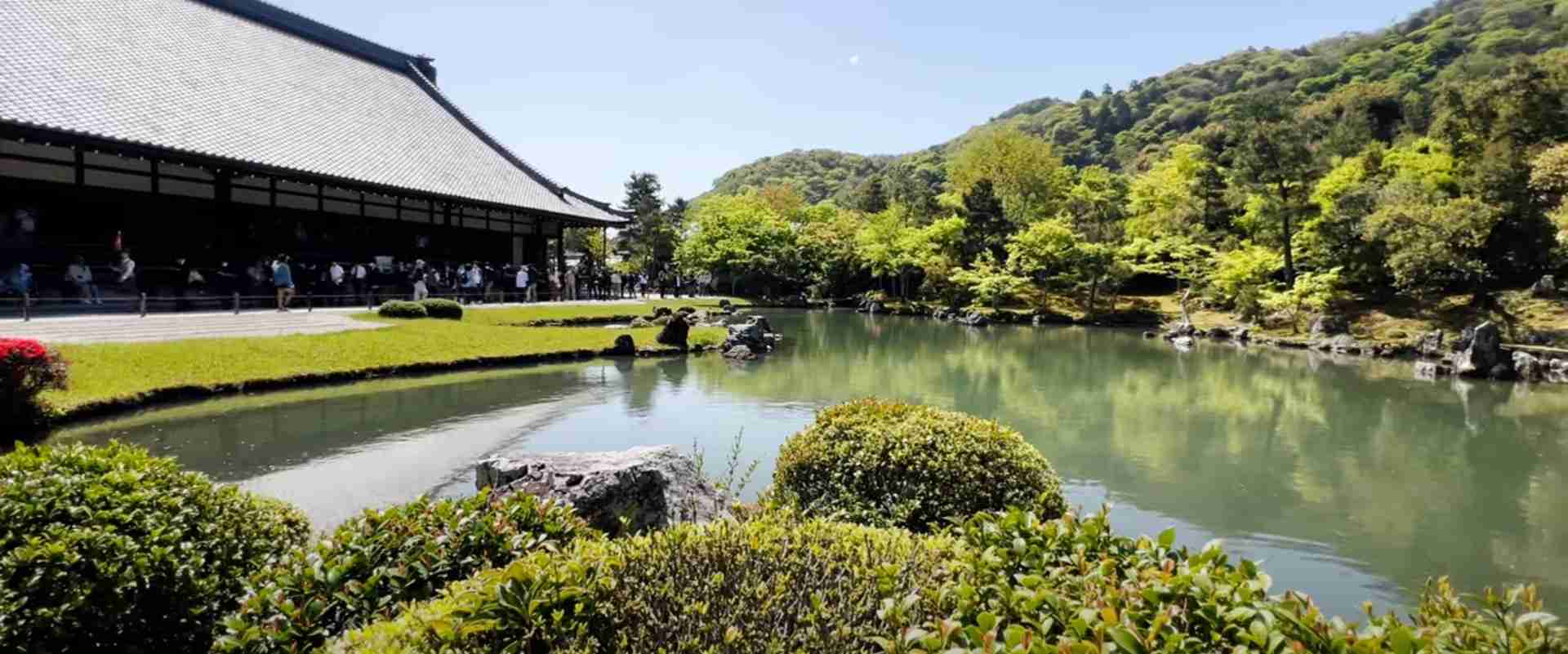
Cultural Experiences at Kyoto’s UNESCO Sites: Tea Ceremony, Meditation & Authentic Local Encounters
Kyoto’s 17 UNESCO World Heritage sites offer far more than architectural beauty—they serve as living laboratories for experiencing authentic Japanese culture through centuries-old traditions that continue to thrive within these sacred spaces. From intimate tea ceremonies conducted by masters whose lineages span generations to meditation sessions that connect visitors with Buddhist spiritual practices, these cultural experiences provide profound insights into the philosophical and aesthetic principles that define Japanese civilization.
🎯 Key Takeaways
- Authentic Tea Ceremonies: Book formal ceremonies at Urasenke Foundation or intimate experiences at historic temples like Kodai-ji
- Meditation Opportunities: Join morning zazen sessions at Shunko-in Temple starting at 6:00 AM for genuine Buddhist practice
- Cultural Timing: Visit during traditional festivals (Gion Matsuri in July, autumn moon viewing) for deeper cultural immersion
- Local Insights: Connect with temple monks through formal introduction letters or cultural center programs for meaningful exchanges
- Seasonal Experiences: Hanami (cherry blossom viewing) and momiji-gari (autumn leaf hunting) offer culturally significant seasonal activities
- Respectful Participation: Understanding wa (harmony) and bushido principles enhances meaningful cultural engagement at sacred sites
This comprehensive guide reveals how to access authentic cultural experiences at Kyoto’s UNESCO sites, moving beyond surface-level tourism to engage meaningfully with traditional practices, seasonal celebrations, and spiritual encounters that illuminate the deep cultural significance of these extraordinary places. Whether participating in formal tea ceremony training or joining morning meditation with resident monks, these experiences transform visits from observation to participation in living cultural heritage.
The Art of Tea Ceremony at UNESCO Temple Sites
Tea ceremony (sadō or chadō) represents one of Japan’s most refined cultural arts, combining aesthetic philosophy, spiritual practice, and social interaction within carefully choreographed movements that embody Japanese values of harmony, respect, purity, and tranquility. Kyoto’s UNESCO sites provide unparalleled opportunities to experience authentic tea ceremony within the historic settings where these traditions developed over centuries.
Understanding Tea Ceremony Philosophy
The tea ceremony philosophy centers on the concept of ichigo ichie—”one time, one meeting”—emphasizing that each tea gathering represents a unique, unrepeatable moment worthy of complete presence and appreciation. This philosophy aligns perfectly with the Buddhist and Zen principles embedded in many of Kyoto’s UNESCO temple sites, creating natural connections between architectural spaces and cultural practices.
Wabi-sabi aesthetics, celebrating the beauty of imperfection and impermanence, permeate both tea ceremony and temple architecture. Understanding these shared aesthetic principles enhances appreciation for how cultural practices and sacred spaces reinforce each other within Japanese spiritual and artistic traditions.
The four cardinal principles of tea ceremony—wa (harmony), kei (respect), sei (purity), and jaku (tranquility)—mirror the spiritual values cultivated within Buddhist temple environments. Participants in temple-based tea ceremonies experience how these philosophical concepts translate into concrete actions and mindful awareness that extends far beyond the tea ceremony itself.
Ma, the concept of meaningful pause and negative space, plays crucial roles in both tea ceremony choreography and temple garden design. Experiencing tea ceremony within UNESCO temple settings reveals how spatial design and cultural performance work together to create contemplative environments that foster spiritual reflection and aesthetic appreciation.
Authentic Tea Ceremony Locations
Kodai-ji Temple offers one of Kyoto’s most atmospheric tea ceremony experiences within its historic temple grounds overlooking traditional gardens designed by renowned landscape artist Kobori Enshu. The temple’s tea houses, built in the early 17th century, provide authentic settings where visitors can experience tea ceremony surrounded by the same architectural and natural elements that inspired tea masters for centuries.
The Urasenke Foundation, while not technically within a UNESCO site, maintains the longest continuous tea ceremony lineage and offers formal training programs that provide deep understanding of tea ceremony philosophy and technique. Advanced practitioners can arrange special ceremonies within temple settings through foundation connections and cultural partnerships.
Kennin-ji Temple, Japan’s oldest Zen temple, occasionally hosts special tea ceremony demonstrations that illustrate the historical connections between Zen Buddhism and tea ceremony development. These rare events provide insights into how Buddhist meditation practices influenced tea ceremony development and continue to inform contemporary tea culture.
Private tea ceremony experiences can be arranged at smaller temple sites through cultural organizations and traditional arts schools. These intimate settings allow for personalized instruction and deeper cultural exchange while supporting temple maintenance and cultural preservation efforts.
Participating in Tea Ceremony
Proper preparation for tea ceremony participation begins with understanding dress requirements that demonstrate respect for cultural traditions. Wear conservative, dark-colored clothing without strong patterns or bright colors that might distract from the contemplative atmosphere. Avoid jewelry that might create noise during the ceremony’s quiet moments.
Physical preparation includes practicing seiza (formal sitting position) if unfamiliar with this traditional posture. While many tea ceremony venues accommodate Western participants with chairs or modified seating, understanding traditional positions enhances cultural appreciation and physical comfort during longer ceremonies.
Mental preparation involves approaching tea ceremony with beginner’s mind (shoshin), setting aside preconceptions and cultural judgments to fully experience the ceremony’s contemplative qualities. This openness allows for genuine cultural exchange and deeper appreciation of aesthetic principles that might differ from Western artistic traditions.
Etiquette fundamentals include entering the tea space with bows that acknowledge both the space’s sanctity and fellow participants’ presence. Follow the host’s movements carefully, ask questions respectfully when appropriate, and maintain awareness of group dynamics that contribute to the ceremony’s harmonious atmosphere.
Extended multi-day tours – 5+ days
Featured Tokyo to Kyoto Japan Multi-Day Tour Packages
11 days
Japan´s Landscapes end Kyoto (18 destinations)
- ✓ Comprehensive Tokyo to Kyoto Japan tour
- ✓ Expert local guides included
- ✓ All accommodation arranged
- ✓ Transportation provided

14 days
Simply Japan
- ✓ Comprehensive Tokyo to Kyoto Japan tour
- ✓ Expert local guides included
- ✓ All accommodation arranged
- ✓ Transportation provided

17 days
Japan Adventure 17 Day
- ✓ Comprehensive Tokyo to Kyoto Japan tour
- ✓ Expert local guides included
- ✓ All accommodation arranged
- ✓ Transportation provided
8 days
8 Day Highlights of Japan Small Group Tour Package
- ✓ Comprehensive Tokyo to Kyoto Japan tour
- ✓ Expert local guides included
- ✓ All accommodation arranged
- ✓ Transportation provided
Multi-day tour packages powered by TourRadar. Prices and availability subject to change.
Seasonal Tea Ceremony Experiences
Spring tea ceremonies incorporate cherry blossom themes through seasonal sweets, flower arrangements, and architectural elements that celebrate renewal and natural beauty. Temple gardens provide spectacular backdrops for outdoor tea ceremonies that combine cultural practice with seasonal appreciation traditions central to Japanese aesthetic philosophy.
Summer tea ceremonies emphasize cooling elements including special preparation techniques, seasonal ingredients, and garden settings that provide relief from Kyoto’s intense heat and humidity. These ceremonies demonstrate how cultural practices adapt to environmental conditions while maintaining essential philosophical and aesthetic principles.
Autumn tea ceremonies celebrate harvest themes and moon viewing traditions that connect cultural practice with natural cycles. Temple settings enhance these seasonal connections by providing garden spaces designed specifically for autumn appreciation and contemplative viewing of seasonal changes.
Winter tea ceremonies create intimate atmospheres within temple tea houses where architectural elements like sunken hearths (ro) provide warmth while emphasizing the season’s contemplative qualities. These ceremonies demonstrate how cultural practices create community and spiritual connection during challenging seasonal conditions.
Buddhist Meditation and Spiritual Practices
Meditation opportunities at Kyoto’s UNESCO temple sites provide authentic introduction to Buddhist spiritual practices within settings where these traditions have been maintained continuously for over a millennium. These experiences offer profound insights into the philosophical foundations underlying Japanese culture while providing practical tools for personal spiritual development.
Zazen Meditation in Temple Settings
Zazen (seated meditation) sessions at temples like Shunko-in provide authentic introduction to Zen Buddhist practice within spaces specifically designed to support contemplative awareness. Morning sessions typically begin at 6:00 AM, allowing participants to experience temples in their most peaceful state while joining daily spiritual routines that have continued for centuries.
Proper zazen posture involves specific physical alignment that supports mental clarity and spiritual awareness. Temple instructors provide detailed guidance on sitting position, breathing technique, and mental approach that transforms meditation from simple relaxation into profound spiritual practice rooted in Buddhist philosophy and methodology.
The role of environmental factors in zazen includes temple architecture designed to minimize distractions while providing acoustic and visual elements that support contemplative awareness. Understanding how physical space influences spiritual practice enhances appreciation for temple design principles and their continuing relevance to contemporary meditation practice.
Group meditation dynamics within temple settings create supportive environments where individual practice benefits from collective spiritual energy while maintaining the personal introspection essential to authentic Buddhist meditation. These experiences demonstrate how spiritual practice creates community while honoring individual spiritual development.
Walking Meditation in Temple Gardens
Kinhin (walking meditation) opportunities within UNESCO temple gardens provide moving meditation experiences that integrate spiritual practice with appreciation for traditional landscape design. These gardens were specifically created to support contemplative walking while illustrating Buddhist principles through natural and architectural elements.
Temple garden design incorporates specific pathways, viewing points, and seasonal elements that guide contemplative movement while providing opportunities for meditation on impermanence, interconnection, and natural beauty. Understanding these design principles enhances both spiritual practice and cultural appreciation.
Seasonal walking meditation experiences change dramatically with natural cycles, offering different contemplative opportunities throughout the year. Spring walking meditation focuses on renewal and growth, while autumn sessions emphasize impermanence and letting go—fundamental Buddhist teachings illustrated through natural phenomena.
Silent walking protocols maintain contemplative atmosphere while respecting other visitors and temple activities. Understanding appropriate behavior and timing ensures positive experiences while supporting temple communities that generously share their spaces with cultural visitors.
Sutra Chanting and Temple Ceremonies
Sutra chanting sessions allow visitors to participate in fundamental Buddhist practice that combines meditation, philosophical study, and community worship within authentic temple settings. These experiences provide insights into how Buddhist teachings are transmitted and maintained through oral tradition and communal practice.
Understanding basic sutra content and chanting techniques enhances participation while demonstrating respect for spiritual traditions. Many temples provide phonetic guides and basic translations that allow meaningful participation even for visitors unfamiliar with Japanese language or Buddhist terminology.
Daily temple ceremony schedules include morning and evening services that welcome respectful observers and occasional participants. These regular ceremonies provide glimpses into daily spiritual life within temple communities while offering opportunities for spiritual reflection and cultural learning.
Special ceremony participation during Buddhist holidays and seasonal celebrations provides deeper cultural immersion within spiritual contexts. Events like Buddha’s Birthday celebrations or autumn memorial services combine religious observance with cultural education and community participation.
Spiritual Retreats and Extended Programs
Weekend and week-long retreat programs at temples like Myoshin-ji provide immersive experiences in Buddhist spiritual practice within authentic monastic settings. These programs combine meditation instruction, philosophical study, traditional arts training, and community service that illustrate how spiritual practice integrates with daily life.
Overnight temple stays (shukubo) offer unique opportunities to experience temple daily routines including early morning ceremonies, community meals, and evening meditation sessions. These experiences provide insights into monastic life while supporting temple communities through respectful cultural exchange.
Private meditation instruction with experienced teachers provides personalized guidance in Buddhist spiritual practice while fostering meaningful cross-cultural relationships. These arrangements require advance planning and cultural introduction but offer unparalleled opportunities for spiritual learning and cultural understanding.
Integration challenges help visitors apply spiritual insights gained through temple experiences to daily life in contemporary contexts. Many programs include discussion sessions and follow-up resources that support continuing spiritual development beyond the immediate temple experience.
Traditional Arts and Crafts Workshops
Kyoto’s UNESCO sites provide unique opportunities to learn traditional Japanese arts and crafts within the cultural contexts where these practices developed and continue to thrive. These hands-on experiences reveal the philosophical principles, aesthetic values, and technical mastery that define Japanese artistic traditions while providing practical skills and cultural insights unavailable through observation alone.
Calligraphy (Shodō) in Temple Settings
Japanese calligraphy workshops within temple environments provide authentic introduction to this essential cultural art while connecting participants with Buddhist and Confucian philosophical traditions that inform calligraphic practice. Temple settings enhance learning by providing spiritual atmosphere and cultural context that inspire contemplative approach essential to masterful calligraphy.
Basic technique instruction covers proper brush handling, ink preparation, and fundamental stroke techniques that form the foundation for all calligraphic expression. Temple instructors often emphasize spiritual dimensions of calligraphy including mindful awareness, breath coordination, and meditation principles that transform writing practice into spiritual discipline.
Character selection for beginning practitioners typically includes Buddhist terms, seasonal references, and philosophical concepts that provide cultural education alongside artistic instruction. Understanding character meanings enhances appreciation for how visual aesthetics and philosophical content work together in Japanese artistic expression.
Advanced workshops explore connection between calligraphy and temple architecture through projects that create works inspired by temple inscriptions, garden elements, or seasonal themes. These experiences illustrate how traditional arts reinforce and extend cultural values embedded in UNESCO World Heritage sites.
Incense Ceremony (Kōdō)
Incense ceremony instruction at temples provides introduction to one of Japan’s most refined sensory arts while exploring Buddhist traditions that use incense for spiritual purification and contemplative practice. These workshops combine aesthetic education with spiritual insight in ways that illuminate connections between sensory experience and cultural meaning.
Historical background covers incense ceremony development within court culture and Buddhist temple traditions, providing context for understanding how aesthetic practices served both artistic and spiritual functions within traditional Japanese society. This knowledge enhances appreciation for cultural continuity between historical and contemporary practice.
Sensory training develops ability to distinguish subtle fragrance differences while cultivating mindful awareness and aesthetic sensitivity central to Japanese cultural arts. These skills translate beyond incense ceremony to enhance general aesthetic appreciation and cultural understanding.
Ceremonial components include specific rituals, social protocols, and seasonal variations that demonstrate how cultural practices create community bonds while honoring natural cycles and spiritual traditions. Understanding these elements reveals how aesthetic activities function as cultural preservation and transmission methods.
Traditional Garden Design Principles
Garden design workshops at UNESCO temple sites provide hands-on introduction to landscape principles that have influenced global garden design while expressing fundamental Japanese aesthetic and philosophical values. These experiences combine practical skills with cultural education through direct engagement with living cultural landscapes.
Design philosophy instruction covers key concepts including borrowed scenery (shakkei), asymmetrical balance, and seasonal progression that inform traditional garden creation. Understanding these principles enhances appreciation for temple gardens while providing frameworks for applying Japanese aesthetic principles in contemporary contexts.
Practical workshops include stone placement, plant selection, and water feature design that allow participants to experience physical challenges and artistic decisions involved in garden creation. These hands-on activities reveal technical mastery required for creating landscapes that appear naturally beautiful while serving contemplative and spiritual functions.
Maintenance practices demonstrate ongoing care required to sustain traditional gardens while illustrating philosophical concepts about impermanence, interdependence, and human responsibility within natural systems. These insights connect garden appreciation with broader environmental and spiritual awareness.
Traditional Music and Performance
Traditional music workshops at temple sites introduce instruments like shakuhachi (bamboo flute) and taiko (drums) within cultural contexts where these musical forms developed and continue to serve spiritual and artistic functions. These experiences provide insights into how music supports meditation, ceremony, and cultural expression within Japanese traditions.
Gagaku (court music) demonstrations occasionally available at major temples provide exposure to Japan’s oldest musical traditions while illustrating connections between religious ceremony, artistic expression, and cultural preservation. These rare performances offer glimpses into cultural practices that continue largely unchanged for over a millennium.
Noh theater workshops explore movement, voice, and mask traditions that embody Japanese aesthetic principles while telling stories that transmit cultural values and spiritual insights. Understanding noh performance enhances appreciation for how traditional arts serve both entertainment and educational functions within Japanese culture.
Folk music traditions connected to specific temple festivals and seasonal celebrations provide opportunities to learn songs and dances that express community identity while maintaining connections to historical cultural practices. These activities demonstrate how traditional arts remain vital parts of contemporary Japanese cultural life.
Seasonal Festivals and Cultural Celebrations
Kyoto’s UNESCO sites serve as focal points for seasonal festivals and cultural celebrations that have maintained continuous traditions for centuries, offering visitors opportunities to experience living cultural heritage through community participation rather than passive observation. These events reveal how sacred spaces continue to serve vital roles in contemporary Japanese cultural and spiritual life.
Spring Celebrations and Hanami Culture
Cherry blossom viewing (hanami) at UNESCO temple sites represents one of Japan’s most significant cultural traditions, combining aesthetic appreciation, seasonal awareness, and community celebration within spaces specifically designed to enhance natural beauty. Understanding hanami philosophy reveals connections between Buddhist impermanence teachings and cultural practices that find profound meaning in transient beauty.
Traditional hanami activities include poetry composition, musical performance, and contemplative viewing that transform simple flower appreciation into comprehensive cultural experience. Temple settings enhance these activities by providing spiritual context and architectural frameworks that complement natural beauty while supporting community gathering.
Festival preparation involves understanding appropriate behavior, gift-giving customs, and community protocols that allow meaningful participation in local cultural celebrations. These preparations demonstrate respect for cultural traditions while providing opportunities for genuine cross-cultural exchange and friendship development.
Historical significance of hanami includes connections to court culture, literary traditions, and spiritual practices that span over a millennium of Japanese cultural development. Understanding this history enhances contemporary experience while illustrating cultural continuity that makes hanami celebration particularly meaningful within UNESCO World Heritage contexts.
Summer Festivals and Community Celebrations
Gion Matsuri, Kyoto’s most famous summer festival, includes numerous events at UNESCO temple sites that demonstrate how religious traditions, community identity, and cultural celebration intersect within sacred spaces. Participation in festival activities provides insights into how temples serve community functions beyond individual spiritual practice.
Bon festival observances at temples reveal connections between Buddhist teachings about death and rebirth and community practices that honor ancestors while maintaining family and cultural continuity. These celebrations illustrate how spiritual beliefs translate into concrete cultural practices that create meaning and community support.
Summer evening festivals often include traditional music, dance, and food that demonstrate regional cultural variations while maintaining connections to historical traditions. Understanding local customs and participating respectfully provides opportunities for cultural learning and community connection that enhance travel experiences significantly.
Festival volunteer opportunities allow visitors to contribute to community celebrations while gaining insider perspectives on cultural traditions and local social dynamics. These experiences create meaningful connections between visitors and local communities while supporting cultural preservation and transmission efforts.
Autumn Traditions and Moon Viewing
Tsukimi (moon viewing) traditions at temple sites combine astronomical appreciation with aesthetic contemplation and spiritual reflection within garden settings specifically designed to frame natural phenomena. These celebrations demonstrate how Japanese culture finds spiritual and artistic meaning through careful attention to natural cycles and seasonal changes.
Autumn foliage appreciation (momiji-gari) represents another fundamental Japanese cultural practice that temples enhance through garden design and architectural elements that frame seasonal beauty while providing spaces for contemplative appreciation. Understanding aesthetic principles underlying foliage viewing enhances both cultural appreciation and personal experience.
Harvest celebrations at temples often include traditional food preparation, community meals, and thanksgiving ceremonies that illustrate connections between spiritual practice and practical gratitude for natural abundance. These events demonstrate how religious traditions remain relevant to contemporary community life and environmental awareness.
Poetry and artistic activities during autumn celebrations provide opportunities to engage with traditional cultural forms while expressing personal responses to seasonal beauty and spiritual experience. These creative expressions connect visitors with literary and artistic traditions while fostering cross-cultural understanding and friendship.
Winter Solstice and New Year Preparations
Winter solstice observances at Buddhist temples include meditation sessions, ceremonial activities, and community gatherings that mark seasonal transitions while providing spiritual support during challenging winter conditions. These events demonstrate how religious traditions serve practical community functions while maintaining spiritual significance.
New Year preparation activities at temples include cleaning ceremonies, bell ringing traditions, and community preparation that illustrate how spiritual practices create social bonds while honoring cultural traditions. Participation in these activities provides insights into Japanese community values and spiritual practices.
Traditional crafts workshops during winter months often focus on New Year decorations, calligraphy for greeting cards, and artistic projects that combine practical skills with cultural education. These activities demonstrate how traditional arts remain integrated with contemporary cultural life while preserving historical techniques and aesthetic principles.
Winter illumination events at some temple sites provide contemporary interpretations of traditional seasonal celebrations while maintaining respect for sacred space and spiritual atmosphere. These modern additions demonstrate how cultural traditions adapt to contemporary contexts while preserving essential spiritual and aesthetic values.
Local Insights and Hidden Gems
Discovering authentic local experiences at Kyoto’s UNESCO sites requires understanding cultural nuances, seasonal timing, and community connections that distinguish meaningful cultural exchange from surface-level tourism. These insights provide access to temple life and cultural practices that remain largely hidden from casual visitors while offering profound opportunities for genuine cultural understanding and personal transformation.
Connecting with Temple Communities
Building relationships with temple communities requires understanding Japanese social protocols, cultural gift-giving practices, and appropriate introduction methods that demonstrate genuine respect and cultural sensitivity. These connections often develop through consistent attendance at public ceremonies, respectful behavior, and demonstrated interest in Buddhist philosophy and practice.
Language exchange opportunities with temple communities provide mutual benefits while fostering cross-cultural understanding and friendship. Many younger monks and temple staff appreciate opportunities to practice English while sharing cultural knowledge, creating natural foundations for meaningful cultural exchange that extends beyond single visits.
Volunteer opportunities at temples during seasonal festivals, maintenance activities, or community events provide insider perspectives on temple life while contributing to cultural preservation efforts. These experiences often require advance arrangement through cultural organizations or personal introductions but offer unparalleled opportunities for cultural immersion and community connection.
Cultural introduction protocols include understanding proper gift selection, business card exchange, and formal introduction methods that demonstrate cultural knowledge while expressing genuine respect for temple communities and Buddhist traditions. These protocols open doors to experiences unavailable through conventional tourism channels.
Off-Season Temple Experiences
Winter temple visits reveal different aspects of UNESCO site beauty while providing opportunities for intimate cultural experiences without the crowds that can overwhelm popular destinations during peak seasons. Snow-covered temple gardens create contemplative atmospheres perfect for meditation and spiritual reflection while reducing distractions from tourist activity.
Early morning temple visits during any season provide opportunities to experience sites in their most peaceful state while observing daily routines and ceremonies that illustrate contemporary temple life. These visits require understanding temple schedules and appropriate behavior but offer authentic glimpses into spiritual community life.
Weekday temple experiences differ significantly from weekend visits, providing quieter environments for contemplation and cultural learning while allowing more personal interaction with temple staff and community members. Understanding optimal timing enhances both personal experience and opportunities for meaningful cultural exchange.
Seasonal transition periods offer unique photographic and cultural opportunities while avoiding peak crowding associated with major seasonal events like cherry blossom season or autumn foliage viewing. These periods provide access to natural beauty and cultural activities while maintaining intimate atmosphere essential to meaningful temple experiences.
Local Dining and Cultural Immersion
Temple vegetarian cuisine (shojin ryori) represents sophisticated culinary tradition that embodies Buddhist principles while demonstrating culinary artistry and seasonal awareness central to Japanese food culture. Understanding shojin ryori philosophy enhances appreciation for how spiritual beliefs translate into practical life choices and aesthetic expression.
Traditional neighborhood restaurants near UNESCO sites often maintain family recipes and cultural practices that provide authentic local experiences while supporting community businesses that preserve cultural traditions. These establishments offer opportunities for cultural exchange and local insight unavailable in tourist-oriented dining venues.
Tea house traditions in temple neighborhoods maintain cultural practices associated with tea ceremony while providing casual opportunities to experience Japanese hospitality and aesthetic principles. Understanding tea house etiquette and cultural significance enhances these experiences while demonstrating cultural sensitivity and appreciation.
Local market visits near temple sites provide insights into daily life, seasonal food traditions, and community relationships that support temple communities while maintaining cultural practices. These markets often include traditional crafts, seasonal foods, and cultural items that enhance understanding of local cultural life.
Artisan Workshops and Cultural Learning
Traditional craft workshops in temple neighborhoods provide hands-on learning opportunities with master artisans who maintain cultural techniques and aesthetic principles passed down through generations. These experiences offer insights into cultural preservation methods while providing practical skills and artistic appreciation.
Pottery workshops near temples often incorporate Buddhist aesthetic principles and traditional techniques that connect artistic practice with spiritual development. Understanding these connections enhances both artistic learning and cultural appreciation while supporting traditional craft preservation efforts.
Textile arts associated with temple communities include traditional dyeing techniques, fabric design, and clothing construction that embody cultural values while serving practical and ceremonial functions. Learning these techniques provides insights into how cultural values manifest through material culture and artistic expression.
Traditional garden maintenance training provides practical skills while illustrating philosophical principles underlying Japanese landscape design. These workshops combine physical activity with cultural education while supporting garden preservation efforts essential to maintaining UNESCO site integrity and beauty.
Planning Your Cultural Journey
Creating meaningful cultural experiences at Kyoto’s UNESCO sites requires strategic planning that balances authentic cultural engagement with practical travel considerations while respecting cultural protocols and community values that make these experiences possible. This planning process transforms casual tourism into profound cultural exchange that benefits both visitors and local communities.
Advance Preparation and Cultural Research
Cultural preparation begins with understanding Japanese social values, Buddhist philosophy, and historical context that inform contemporary temple life and cultural practices. This background knowledge enhances experience quality while demonstrating respect for cultural traditions and community values that make authentic cultural exchange possible.
Language preparation includes learning basic Japanese phrases, cultural terminology, and polite expressions that facilitate communication while demonstrating cultural respect and genuine interest in meaningful exchange. Even basic language skills significantly enhance cultural experiences and community relationships.
Etiquette education covers temple behavior, gift-giving protocols, business card exchange, and social interaction guidelines that prevent cultural misunderstandings while opening opportunities for genuine cultural exchange and community acceptance. Understanding these protocols enhances both personal experience and community relationships.
Seasonal research helps optimize timing for specific cultural activities, natural phenomena, and community events that enhance UNESCO site visits while avoiding peak crowding that can compromise authentic cultural experiences. This research maximizes opportunities while ensuring respectful and sustainable cultural tourism.
Budget Planning for Cultural Experiences
Authentic cultural experiences often require budget allocation beyond basic tourism expenses, including fees for tea ceremony instruction, meditation retreat programs, traditional arts workshops, and community event participation. Understanding these costs allows proper budget planning while ensuring access to meaningful cultural opportunities.
Quality cultural experiences justify higher costs through expert instruction, authentic materials, and intimate settings that provide value unavailable through conventional tourism activities. These investments create lasting knowledge, skills, and relationships that extend far beyond immediate travel experiences.
Cultural gift budgeting includes traditional items for temple donations, hostess gifts for community members, and appreciation tokens that demonstrate cultural understanding while supporting local artisans and traditional craft preservation efforts. These gifts facilitate cultural exchange while contributing to community economic sustainability.
Long-term value considerations include skills, knowledge, and relationships gained through cultural experiences that provide continuing benefits and opportunities for further cultural engagement and personal development. These long-term benefits justify initial investment in authentic cultural experiences over surface-level tourism activities.
Creating Meaningful Itineraries
Balanced itinerary planning includes adequate time for deep cultural experiences rather than rushed site visits that prevent meaningful engagement with cultural practices and community members. Quality cultural experiences require time investment that allows for genuine learning and relationship development.
Seasonal activity coordination maximizes opportunities for specific cultural experiences while respecting natural cycles and community schedules that govern traditional cultural practices. Understanding optimal timing enhances experience quality while demonstrating cultural sensitivity and awareness.
Community event integration includes local festivals, temple ceremonies, and seasonal celebrations that provide authentic cultural experiences while supporting community traditions and cultural preservation efforts. These events offer unparalleled opportunities for cultural immersion and community connection.
Flexibility planning allows for spontaneous cultural opportunities while maintaining structured learning experiences that ensure meaningful cultural engagement. This balance provides security and purpose while remaining open to unexpected cultural discoveries and relationship opportunities.
Sustainable Cultural Tourism
Respectful tourism practices include understanding visitor impact on temple communities, cultural preservation needs, and sustainable practices that support rather than exploit cultural traditions. These practices ensure that cultural tourism benefits local communities while preserving cultural integrity for future generations.
Community contribution includes volunteering, skill sharing, and financial support that provides value to temple communities while creating meaningful exchange relationships. These contributions transform tourism from extraction to mutual benefit while supporting cultural preservation efforts.
Cultural preservation awareness includes understanding threats to traditional practices, community challenges, and preservation efforts that maintain cultural authenticity while adapting to contemporary realities. This awareness informs responsible tourism choices that support rather than compromise cultural integrity.
Long-term relationship building includes maintaining connections with temple communities, continued cultural learning, and ongoing support for cultural preservation efforts that extend beyond immediate travel experiences. These relationships create lasting benefits for both visitors and communities while supporting sustainable cultural tourism development.
🙋♀️ Frequently Asked Questions
How can I book an authentic tea ceremony at a Kyoto temple?
Contact temples directly or through cultural organizations like the Urasenke Foundation. Kodai-ji Temple offers regular ceremonies, while smaller temples may arrange private sessions with advance notice. Expect to pay ¥3,000-8,000 for authentic experiences.
What meditation experiences are available for beginners?
Shunko-in Temple offers English-language zazen sessions starting at 6:00 AM. Many temples welcome beginners but require advance arrangement. Some programs include instruction in sitting posture, breathing techniques, and basic Buddhist philosophy.
Can I participate in temple festivals as a foreigner?
Yes, most temple festivals welcome respectful participation. Dress conservatively, follow local customs, and ask permission before photographing. Some festivals offer volunteer opportunities that provide deeper cultural immersion and community connection.
What traditional crafts can I learn at UNESCO temple sites?
Popular options include calligraphy (shodō), incense ceremony (kōdō), traditional garden design, and temple vegetarian cooking. Many workshops combine artistic instruction with cultural education and philosophical insights into Japanese aesthetic principles.
How do I arrange overnight temple stays (shukubo)?
Contact temples directly or use specialized booking services. Mount Koya offers the most options, but some Kyoto temples provide overnight experiences. Expect to participate in morning prayers, vegetarian meals, and temple routines during your stay.
What’s the best time of year for cultural experiences in Kyoto?
Each season offers unique opportunities: spring for hanami celebrations, summer for festivals like Gion Matsuri, autumn for moon viewing and foliage appreciation, and winter for intimate temple experiences with fewer crowds and contemplative atmosphere.
How much Japanese should I learn before visiting temples?
Basic greetings, thank you phrases, and cultural terms enhance experiences significantly. Many temples have English-speaking staff, but language effort demonstrates respect and opens opportunities for deeper cultural exchange and community connection.
Are there age restrictions for temple cultural activities?
Most activities welcome all ages with appropriate supervision. Some meditation retreats or advanced workshops may have minimum age requirements. Children often enjoy calligraphy, garden activities, and festival participation with proper cultural preparation.
How do I find authentic local experiences beyond tourist activities?
Build relationships through consistent temple attendance, cultural organizations, and respectful behavior. Language exchange, volunteer opportunities, and cultural workshops provide natural connections with temple communities and local cultural practitioners.
What cultural gifts are appropriate for temple visits?
Traditional items include incense, flowers, small monetary donations in proper envelopes, or quality items from your home country presented respectfully. Avoid personal gifts unless relationships are established through multiple visits and cultural exchange.