
Cherry Blossoms at Kyoto’s UNESCO World Heritage Sites: The Ultimate Sakura Season Guide 2026
Discover the best cherry blossom spots among Kyoto’s UNESCO World Heritage Sites. Expert timing, photography tips, and seasonal itineraries for perfect sakura.
Key Takeaways
- Peak Timing: Cherry blossoms typically bloom late March-early April, with 2025 predictions suggesting peak bloom around April 1-7 based on current weather patterns
- Top UNESCO Sakura Sites: Daigo-ji offers the most spectacular display with 1,000+ trees, followed by Ninna-ji’s late-blooming Omuro cherries extending season into May
- Photography Strategy: Visit Kinkaku-ji at 8:00 AM for golden pavilion framed by pink blossoms, Kiyomizu-dera for hillside views with city backdrop
- Extended Season Planning: Early cherries bloom from mid-March, peak varieties early April, late bloomers like Omuro cherries continue through early May
- Crowd Management: UNESCO sites experience 300% visitor increases during peak bloom – arrive early, consider weekdays, book accommodations months ahead
- Cultural Experiences: Combine hanami (flower viewing) with traditional tea ceremonies, night illuminations, and seasonal kaiseki cuisine at temple restaurants
When spring arrives in Kyoto, the city’s 17 UNESCO World Heritage Sites transform into scenes of breathtaking beauty as thousands of cherry trees burst into bloom. This ephemeral spectacle, known as sakura season, represents one of Japan’s most cherished cultural traditions and attracts millions of visitors seeking to witness nature’s most spectacular seasonal display.
Among Kyoto’s UNESCO sites, several temples and shrines offer world-class cherry blossom viewing that combines natural beauty with profound cultural significance. From the golden reflections of Kinkaku-ji framed by delicate pink petals to the ancient slopes of Daigo-ji carpeted with over 1,000 cherry trees, these sacred spaces provide the perfect setting for hanami—the traditional Japanese practice of contemplating the transient beauty of flowers.
This comprehensive guide reveals the secrets of experiencing cherry blossom season at Kyoto’s UNESCO World Heritage Sites, providing expert timing predictions, photography strategies, and cultural insights that transform a simple visit into an unforgettable encounter with Japan’s most celebrated seasonal phenomenon.
Understanding Sakura Season: Timing and Varieties
Cherry Blossom Calendar and 2025 Predictions
Cherry blossom timing varies annually based on winter temperatures, spring warmth, and rainfall patterns, making accurate prediction both crucial and challenging for visitors. The 2025 season is predicted to begin with early varieties blooming around March 20-25, peak bloom for most species occurring April 1-7, and late varieties extending through early May based on current meteorological data.
The progression follows a predictable pattern despite annual variations. Kawazu cherries and other early varieties typically bloom 2-3 weeks before the famous Somei-yoshino that dominates most viewing locations. Understanding this sequence allows strategic planning for extended cherry blossom experiences across multiple UNESCO sites.
Peak bloom (mankai) occurs when 80% of buds have opened and typically lasts 4-7 days under ideal conditions. However, wind, rain, and temperature fluctuations can shorten this period dramatically, making flexible travel planning essential. The most reliable viewing period spans approximately 10-14 days from first bloom to petal fall.
Climate change has gradually affected traditional timing, with recent years showing earlier blooming dates and more variable weather patterns during the season. Modern forecasting combines traditional observation methods with satellite imagery and computer modeling to provide increasingly accurate predictions available from late January onward.
Cherry Tree Varieties at UNESCO Sites
Kyoto’s UNESCO sites feature diverse cherry tree varieties that extend the viewing season and create distinct aesthetic experiences. Somei-yoshino, with its pale pink flowers that fade to pure white, dominates most locations and defines the classic cherry blossom aesthetic. These trees bloom simultaneously across the city, creating the dramatic peak season spectacle.
Shidarezakura (weeping cherries) provide the most dramatic individual specimens, with cascading branches that create natural flower curtains. These trees, often centuries old, serve as focal points at temples like Daigo-ji and create spectacular photography opportunities with their graceful forms and intense pink coloration.
The famous Omuro cherries at Ninna-ji bloom 1-2 weeks later than standard varieties, offering a second chance for visitors who miss peak season. These relatively short trees (2-3 meters) create intimate viewing experiences and extend the cherry blossom season into early May, providing cooler weather and smaller crowds.
Other notable varieties include the double-petaled Yaezakura with their fuller, more elaborate flowers, and the bright pink Kanhizakura that blooms earliest in late February to early March. Each variety contributes to the complex seasonal progression that makes Kyoto’s cherry blossom season uniquely extended and diverse.
Extended multi-day tours – 5+ days
Featured Tokyo to Kyoto Japan Multi-Day Tour Packages
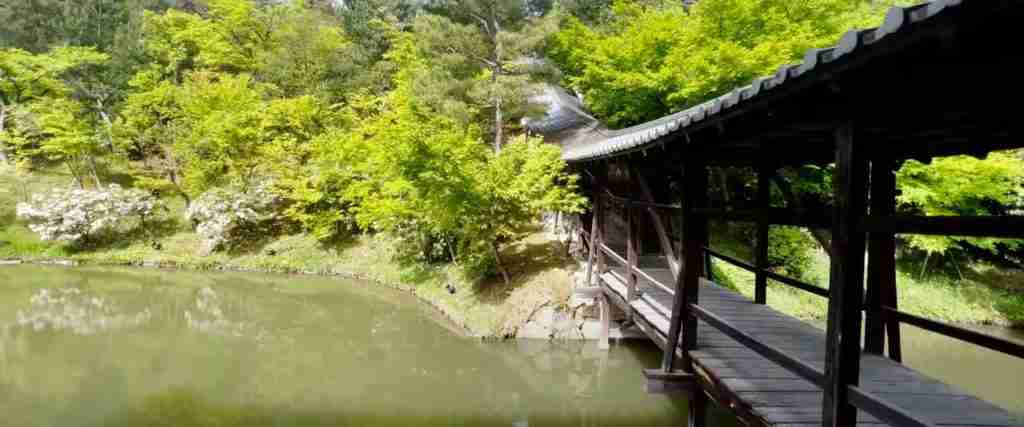
3 days
Tokyo to Kyoto Japan 3-Day Discovery Tour
- ✓ Comprehensive Tokyo to Kyoto Japan experience
- ✓ Expert local guides included
- ✓ All accommodation included
- ✓ Transportation provided
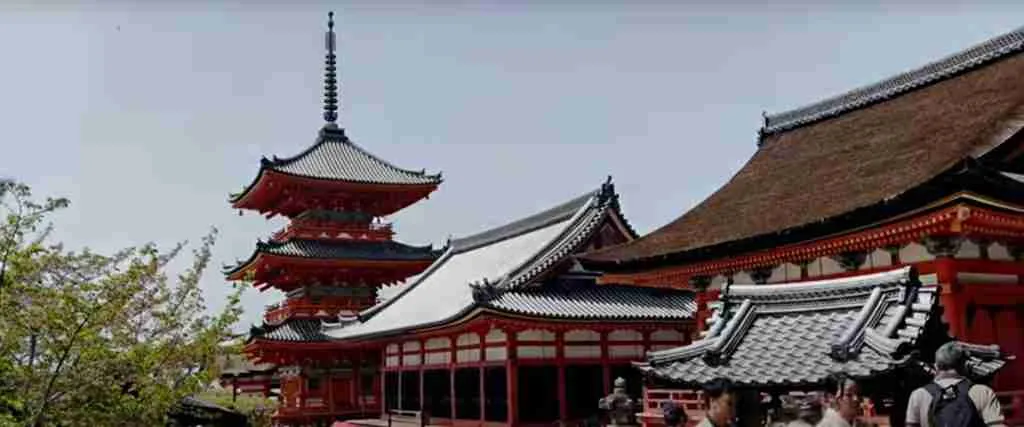
5 days
Tokyo to Kyoto Japan 5-Day Highlights Experience
- ✓ Comprehensive Tokyo to Kyoto Japan experience
- ✓ Expert local guides included
- ✓ All accommodation included
- ✓ Transportation provided
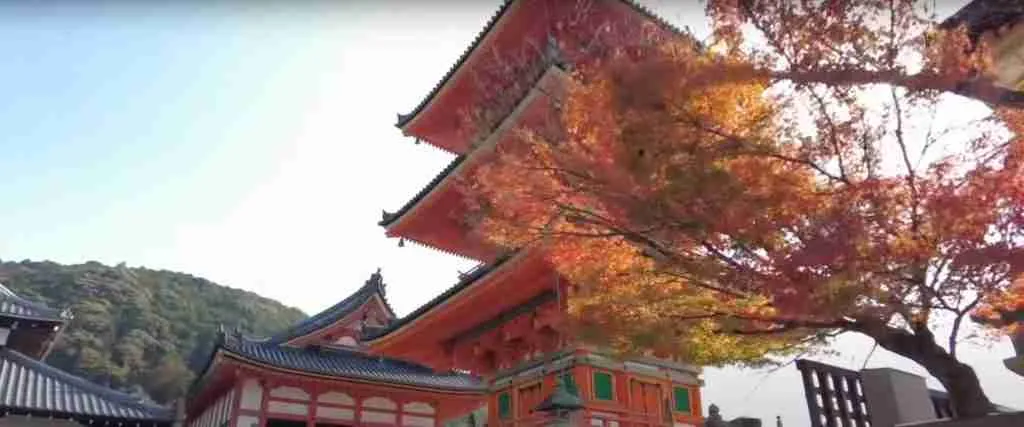
7 days
Tokyo to Kyoto Japan 7-Day Cultural Journey
- ✓ Comprehensive Tokyo to Kyoto Japan experience
- ✓ Expert local guides included
- ✓ All accommodation included
- ✓ Transportation provided
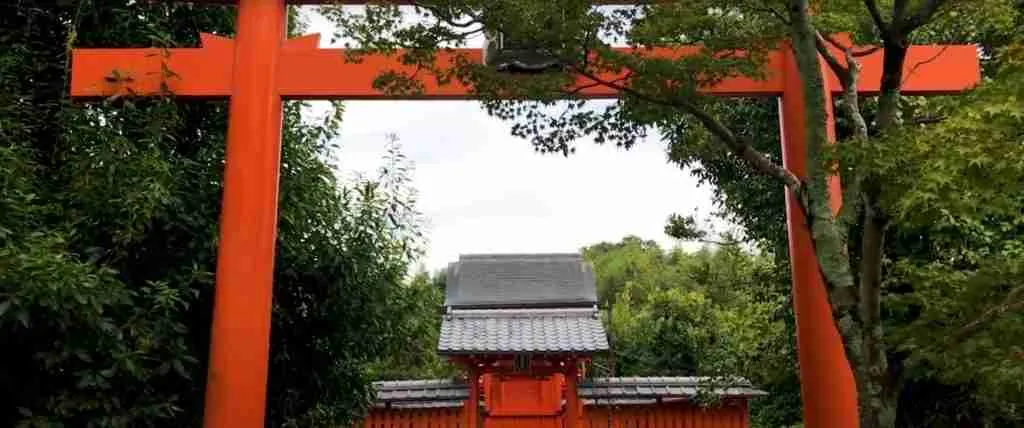
10 days
Tokyo to Kyoto Japan 10-Day Complete Adventure
- ✓ Comprehensive Tokyo to Kyoto Japan experience
- ✓ Expert local guides included
- ✓ All accommodation included
- ✓ Transportation provided
Multi-day tour packages powered by TourRadar. Prices and availability subject to change.
Premier UNESCO Cherry Blossom Destinations
Daigo-ji Temple: The Ultimate Sakura Experience
Daigo-ji stands as Kyoto’s premier cherry blossom destination with over 1,000 trees representing multiple varieties across its vast mountain complex. This UNESCO site gained legendary status when Toyotomi Hideyoshi hosted his famous hanami party here in 1598, establishing a tradition of elaborate spring celebrations that continues today.
The temple complex divides into Shimo-Daigo (lower temple) and Kami-Daigo (upper temple), with the lower area providing the most accessible and spectacular cherry blossom viewing. The main approach features tunnel-like archways of cherry blossoms that create cathedral-like spaces during peak bloom. The famous five-story pagoda, dating from 951 CE and the oldest structure in Kyoto, provides a stunning focal point framed by pink and white blossoms.
Daigo-ji’s cherry trees represent multiple varieties that bloom sequentially, extending the viewing season from mid-March through early May. The weeping cherries around the Bentendo Hall create some of Japan’s most photographed spring scenes, while the hillside locations offer elevated views across the blossom-covered landscape toward Kyoto city.
Peak visiting strategy requires early arrival during cherry blossom season, as Daigo-ji implements special viewing fees (1,500 yen during peak season) and extended hours to manage the massive influx of visitors. The temple opens at 6:00 AM during peak bloom periods, allowing dedicated photographers and hanami enthusiasts to experience the gardens in pristine morning light before crowds arrive.
Kinkaku-ji: Golden Pavilion Framed by Sakura
The iconic Golden Pavilion creates one of Japan’s most spectacular spring scenes when delicate pink and white cherry blossoms frame the brilliant gold structure against the mirror pond. The contrast between the architectural magnificence and ephemeral natural beauty embodies the Japanese aesthetic principle of mono no aware—the poignant awareness of impermanence.
Kinkaku-ji’s cherry trees, while not as numerous as Daigo-ji’s, are strategically positioned to enhance the famous reflection views that define most visitors’ experience. The trees around the pond create natural frames for photography while their fallen petals carpet the water surface with pink and white, doubling the visual impact through reflection.
The temple’s popularity during cherry blossom season requires careful timing for optimal experiences. Arriving at 8:30 AM (30 minutes before opening) ensures first entry and the best photography opportunities before tour groups arrive around 10:00 AM. Morning light enhances both the golden pavilion and the soft pastels of cherry blossoms while providing mirror-like pond conditions.
Strategic photography positions include the main viewing platform for classic reflection shots and the elevated areas along the garden path for wider compositions that include more cherry trees. The one-way path design means each viewpoint offers unique perspectives on the relationship between architecture and seasonal beauty.
Ninna-ji Temple: The Late-Blooming Omuro Cherries
Ninna-ji offers a unique cherry blossom experience with its famous Omuro cherries that bloom 1-2 weeks after the main season, extending sakura viewing into early May. These distinctive trees, relatively short at 2-3 meters in height, create intimate groves where visitors can walk among blossoms at eye level rather than viewing them from below.
The Omuro cherry tradition dates back over 1,000 years to the temple’s imperial connections, when these trees were specially cultivated for the enjoyment of emperors and court nobles. The grove contains approximately 200 trees that create tunnel-like pathways lined with pink and white flowers, offering a completely different aesthetic from the towering cherry trees found at other locations.
The late blooming period provides significant advantages including cooler temperatures, smaller crowds, and the psychological relief of a “second chance” for visitors who missed the main season. Peak Omuro cherry season typically occurs from late April through the first week of May, coinciding with Golden Week holidays but offering more manageable viewing conditions.
Photography opportunities at Ninna-ji include close-up flower portraits due to the low tree height, tunnel-like pathway compositions, and the integration of cherry blossoms with the temple’s traditional architecture including its five-story pagoda. The temple also offers special evening illuminations during peak bloom that create magical nighttime viewing experiences.
Kiyomizu-dera: Hillside Sakura Spectacle
Perched on Kyoto’s eastern mountains, Kiyomizu-dera provides dramatic hillside cherry blossom viewing with spectacular city panoramas as backdrop. The temple’s famous wooden stage, projecting 13 meters above the hillside, offers elevated perspectives across a landscape transformed by thousands of blooming trees.
The approach to Kiyomizu-dera through the historic Higashiyama district provides cherry blossom experiences before reaching the temple itself. Traditional streets lined with cherry trees create authentic cultural contexts that enhance the overall hanami experience, combining natural beauty with centuries-old architecture and contemporary cultural activities.
Kiyomizu-dera implements special evening illuminations during cherry blossom season, creating one of Kyoto’s most spectacular nighttime viewing experiences with thousands of lights highlighting both the blossoms and the temple’s architectural elements. The illumination events require separate tickets and advance reservations due to overwhelming popularity.
The temple’s main hall provides multiple viewing levels and perspectives, from the wooden stage overlook to ground-level garden areas. The hillside location creates natural amphitheater effects where cherry blossoms cascade down the mountainside toward the city below, offering unique photographic compositions unavailable at flat temple sites.
Strategic Cherry Blossom Itinerary Planning
Optimal Multi-Day Sakura Schedules
Successful cherry blossom viewing requires strategic planning that accounts for weather variability, crowd patterns, and the different blooming schedules across UNESCO sites. A well-planned 4-5 day itinerary allows coverage of premier locations while providing flexibility for optimal timing based on real-time bloom conditions.
Day 1 should prioritize Daigo-ji Temple for the most comprehensive cherry blossom experience, arriving early (6:00 AM opening during peak season) to avoid crowds and capture optimal lighting conditions. The extensive temple complex requires 3-4 hours for thorough exploration, making it ideal as a single-day focus destination.
Day 2 combines Kinkaku-ji (early morning) with nearby northern district temples including Ryoan-ji and potentially Ninna-ji if Omuro cherries are blooming. This geographic clustering minimizes transportation time while maximizing cultural variety through different architectural styles and garden designs.
Day 3 focuses on eastern Kyoto temples including Kiyomizu-dera and the broader Higashiyama district for integrated cultural experiences that combine UNESCO sites with traditional neighborhoods, craft shops, and authentic cuisine options. Evening illumination viewing requires separate planning and reservations.
Days 4-5 provide flexibility for revisiting peak locations under different lighting conditions, exploring secondary UNESCO sites, or extending to regional destinations like Himeji Castle or Nara if local conditions aren’t optimal. Weather contingency planning becomes crucial during the variable spring season.
Early Morning Photography Strategies
Professional-quality cherry blossom photography at UNESCO sites requires understanding optimal lighting conditions, crowd patterns, and seasonal timing. The golden hour immediately following sunrise provides the most dramatic lighting for cherry blossoms, with soft, warm light that enhances the delicate flower colors while creating gentle shadows.
Early morning visits (arriving 30-60 minutes before opening) allow positioning for first entry and optimal photography locations before crowds impact composition possibilities. Many sites open early during cherry blossom season specifically to accommodate photography enthusiasts and provide better crowd management.
Equipment considerations include polarizing filters to enhance sky contrast and reduce glare from water surfaces, telephoto lenses for compressed compositions that emphasize flower density, and wide-angle lenses for architectural context shots. Tripods may be restricted during busy periods, making image stabilization and higher ISO capabilities essential.
Composition techniques specific to cherry blossom photography include using foreground branches to frame architectural elements, capturing fallen petals on water surfaces for reflection effects, and waiting for brief wind moments that create petal shower effects. The ephemeral nature of peak bloom makes timing more critical than in other photography genres.
Weather Contingency Planning
Spring weather in Kyoto presents significant variability that can dramatically impact cherry blossom viewing experiences. Rain can accelerate petal fall and reduce bloom duration, while strong winds can strip trees overnight during peak flower periods. Successful planning requires multiple scenarios and flexible scheduling.
Light rain actually enhances cherry blossom photography by saturating colors, reducing crowds, and creating atmospheric conditions with misty backgrounds. Waterproof camera protection and appropriate clothing allow continued exploration during weather that deters casual visitors. Covered viewing areas at temples provide shelter while maintaining visual access.
Temperature fluctuations affect both bloom timing and visitor comfort. Unseasonably warm weather accelerates blooming and petal fall, while cold snaps can preserve flowers longer but require appropriate clothing for extended outdoor viewing. Layered clothing systems accommodate changing conditions throughout the day.
Backup indoor cultural activities complement outdoor cherry blossom viewing during adverse weather. Traditional tea ceremony experiences, museum visits, craft workshops, and covered shopping areas provide cultural continuity while waiting for improved outdoor conditions. Many traditional restaurants feature cherry blossom-themed seasonal menus that extend the cultural experience beyond pure sightseeing.
Cultural Context: Understanding Hanami Traditions
Historical and Spiritual Significance
Cherry blossom viewing transcends simple nature appreciation to embody profound cultural and spiritual concepts central to Japanese worldview. The tradition of hanami (flower viewing) dates back over 1,000 years to the Heian period when court nobles gathered to compose poetry and contemplate the transient beauty of spring blossoms.
The Buddhist concept of impermanence (mujo) finds perfect expression in cherry blossoms’ brief flowering period, typically lasting only 7-10 days from bloom to petal fall. This ephemeral beauty teaches acceptance of life’s transitory nature while encouraging full appreciation of present moments. UNESCO temple settings amplify this spiritual dimension through their religious contexts.
The aesthetic principle of mono no aware—often translated as “the pathos of things”—describes the poignant awareness of impermanence that cherry blossoms evoke. This complex emotion combines melancholy for passing beauty with joy in its temporary perfection, creating the bittersweet appreciation that characterizes mature Japanese aesthetic sensibility.
Modern hanami practices maintain connections to historical traditions while adapting to contemporary life. Group picnics under cherry trees, seasonal food specialties, and community celebrations continue ancient customs of social gathering around natural beauty. UNESCO sites provide formal settings that complement casual park celebrations with cultural depth.
Traditional Arts and Seasonal Celebrations
Cherry blossom season brings special cultural events and traditional arts performances that enhance the viewing experience with authentic cultural context. Tea ceremony demonstrations utilizing cherry-themed implements and seasonal sweets provide intimate cultural experiences that complement large-scale natural spectacles.
Traditional poetry forms like haiku and tanka find their most popular subject matter in cherry blossoms, with contemporary practitioners continuing centuries-old traditions of capturing fleeting impressions in precise, economical language. Many temples host poetry gatherings where visitors can participate in traditional verse composition while viewing blossoms.
Seasonal kaiseki cuisine celebrates cherry blossom season through both ingredients and presentation, with dishes designed to echo the colors, textures, and ephemeral quality of spring flowers. Temple restaurants and traditional establishments near UNESCO sites offer special cherry blossom menus that extend the cultural experience beyond visual appreciation.
Traditional performing arts including dance, music, and theater often feature cherry blossom themes during spring season. Outdoor performances in temple grounds or traditional venues provide authentic cultural experiences that integrate multiple art forms with natural beauty.
Practical Planning and Logistics
Accommodation and Transportation
Cherry blossom season represents Kyoto’s peak tourism period, requiring advance booking and premium pricing for all accommodation categories. Hotel reservations should be made 3-6 months in advance, with rates typically increasing 200-300% above normal levels during peak bloom periods. Alternative accommodations in neighboring cities may provide better availability and value.
Transportation systems experience severe overcrowding during cherry blossom season, particularly on weekends and during peak bloom periods. The Kyoto City Bus Day Pass (600 yen) provides essential value but requires patience for significantly longer travel times due to traffic and crowds. Early morning and late evening travel times offer better conditions.
Bicycle rental provides excellent flexibility for cherry blossom viewing, allowing stops at multiple locations and avoiding crowded public transportation. Electric-assist bicycles handle Kyoto’s hilly terrain while providing efficient transportation between UNESCO sites. Many rental shops offer special cherry blossom season packages with maps and timing recommendations.
Parking becomes extremely limited near popular UNESCO sites during cherry blossom season, making public transportation or bicycle rental preferable to driving. Remote parking areas with shuttle service may be available but require advance research and additional time allowances.
Crowd Management and Timing
Successful cherry blossom viewing requires strategic timing that balances optimal bloom conditions with manageable crowd levels. Weekday visits, particularly Tuesday through Thursday, offer significantly better experiences than weekends when domestic tourism peaks dramatically.
Time-of-day planning becomes crucial during peak season. Early morning visits (6:00-9:00 AM) provide the best photography conditions and most peaceful experiences, while late afternoon and evening offer different lighting but larger crowds. Many sites implement crowd control measures including timed entry during peak periods.
Advanced reservations for special events like evening illuminations require booking immediately when tickets become available, often months in advance. Popular events like Kiyomizu-dera’s night illumination sell out within hours of ticket release. Backup plan development becomes essential given the unpredictable nature of optimal bloom timing.
Alternative timing strategies include focusing on early and late blooming varieties to extend the season and reduce competition for peak bloom viewing. Early cherry varieties bloom with fewer crowds, while late bloomers like Omuro cherries provide second opportunities with better weather and crowd conditions.
Photography and Documentation
Cherry blossom photography at UNESCO sites requires specialized techniques and equipment considerations beyond standard travel photography. The combination of delicate flowers, architectural elements, and varying light conditions demands technical versatility and cultural sensitivity.
Lens selection should include macro capabilities for flower details, wide-angle options for architectural context, and telephoto lenses for compressed compositions that emphasize flower density. Image stabilization becomes crucial given restrictions on tripod use during crowded periods. Fast apertures help with early morning and evening shooting when light levels are low.
Composition techniques specific to cherry blossom photography include using fallen petals as foreground elements, capturing reflection shots in temple ponds, and waiting for natural wind movements that create petal shower effects. Understanding the interaction between architectural elements and seasonal beauty requires patience and multiple viewing positions.
Cultural sensitivity regarding photography includes respecting ongoing religious activities, avoiding disruption of other visitors’ contemplative experiences, and following posted restrictions about flash photography or commercial equipment. Many temples appreciate donations when photographers use their grounds extensively for professional or semi-professional work.
Expert Tips for Cherry Blossom Success
Advanced Planning Strategies
Successful cherry blossom viewing requires monitoring multiple information sources and maintaining flexible planning as the season approaches. Official bloom forecasts begin appearing in late January, with accuracy improving throughout February and March as actual weather patterns develop.
Professional travel planning services specializing in cherry blossom season can provide real-time updates, alternative location recommendations, and backup itinerary options. These services prove particularly valuable for international visitors with limited flexibility in travel dates.
Weather monitoring should include not just temperature and precipitation forecasts but wind predictions that can dramatically affect petal retention during peak bloom. Mobile apps providing real-time bloom status updates from local observers offer more current information than official forecasts.
Backup planning should include indoor cultural activities, regional destinations accessible by day trip, and extended season locations that provide cherry blossom experiences beyond the main peak period. Flexibility in expectations and willingness to adapt plans based on real conditions often leads to more satisfying experiences than rigid adherence to predetermined schedules.
Cultural Immersion Opportunities
Enhancing cherry blossom viewing with authentic cultural experiences provides deeper understanding and memorable contexts beyond pure sightseeing. Traditional tea ceremony participation in temple settings during cherry blossom season offers intimate cultural engagement with seasonal themes.
Local festival participation during cherry blossom season provides community-level cultural experiences often unavailable to casual tourists. Neighborhood celebrations, traditional music performances, and seasonal craft demonstrations add authentic cultural dimensions to natural beauty appreciation.
Traditional craft workshops featuring cherry blossom themes, from pottery painting to textile dyeing, provide hands-on cultural experiences and meaningful souvenirs that capture the season’s essence. Many workshops near UNESCO sites offer programs specifically designed for cherry blossom season visitors.
Culinary experiences featuring seasonal ingredients and traditional presentations extend cherry blossom appreciation beyond visual elements. Traditional sweets shaped like cherry blossoms, spring vegetable preparations, and sake tastings featuring flower-themed varieties provide multi-sensory cultural engagement.
Frequently Asked Questions
When is the best time to see cherry blossoms at Kyoto’s UNESCO sites in 2025?
Based on current weather patterns, cherry blossoms are predicted to reach peak bloom around April 1-7, 2025. However, timing varies annually based on winter and spring temperatures. Early varieties begin blooming around March 20-25, while late bloomers like Ninna-ji’s Omuro cherries extend into early May. Monitor official forecasts from late January for the most accurate timing.
Which UNESCO site has the best cherry blossoms in Kyoto?
Daigo-ji Temple offers the most spectacular cherry blossom experience with over 1,000 trees of multiple varieties, extending the season from mid-March through early May. The temple’s historical significance (Toyotomi Hideyoshi’s famous hanami party in 1598) and diverse landscape make it the premier destination. Kinkaku-ji provides iconic golden pavilion framed by sakura, while Ninna-ji offers unique late-blooming Omuro cherries.
How crowded do UNESCO sites get during cherry blossom season?
Visitor numbers increase 300% during peak cherry blossom season, with weekends being particularly crowded. Early morning visits (arriving 30-60 minutes before opening) provide the best experience with minimal crowds. Weekdays, especially Tuesday-Thursday, offer better conditions. Special viewing fees and extended hours are implemented at popular sites like Daigo-ji during peak bloom.
Do I need advance reservations for cherry blossom viewing?
Most UNESCO sites don’t require advance reservations for daytime viewing, but special events like evening illuminations at Kiyomizu-dera sell out immediately when tickets become available. Accommodations should be booked 3-6 months in advance as rates increase 200-300% during peak season. Restaurant reservations are also recommended for popular establishments.
What should I wear for cherry blossom viewing in Kyoto?
Spring weather varies significantly, so dress in layers. Temperatures range from 7°C to 24°C (44°F to 76°F) with frequent light rain. Comfortable walking shoes are essential for temple grounds. Bring a light rain jacket as spring showers are common and can actually enhance photography by saturating colors. Consider traditional kimono rental for cultural immersion and memorable photos.
Can I have picnics at UNESCO temple sites during cherry blossom season?
Traditional hanami picnics are generally not permitted within UNESCO temple grounds due to preservation requirements and religious considerations. However, many sites have designated areas or nearby parks where picnicking is allowed. Temple restaurants often offer special cherry blossom menus that provide cultural dining experiences within the temple complexes.
How do I get the best cherry blossom photos at UNESCO sites?
Arrive early (6:00-8:00 AM) for soft lighting and minimal crowds. Use polarizing filters to enhance sky contrast and reduce water glare. Include architectural elements like pagodas or temple buildings to provide context and scale. Focus on details like fallen petals on water surfaces or close-ups of individual blossoms. Respect photography restrictions and other visitors’ experiences.
What if cherry blossoms bloom early or late during my visit?
Maintain flexible planning and monitor real-time bloom reports. Early blooming means focusing on peak varieties first, while late blooming allows exploration of early varieties and traditional gardens. Ninna-ji’s Omuro cherries provide a “second chance” 1-2 weeks after main season. Consider extending your trip or exploring nearby regions like Yoshino (Nara) for different blooming schedules.
Are there special cultural events during cherry blossom season?
Many temples host traditional cultural events including tea ceremonies, poetry readings, traditional music performances, and seasonal festivals. Evening illuminations at sites like Kiyomizu-dera create magical nighttime viewing experiences. Check individual temple websites for special programming during cherry blossom season, as events often require advance booking.
How expensive is cherry blossom season in Kyoto?
Costs increase significantly during peak season. Hotel rates rise 200-300%, while some temples implement special viewing fees (up to 1,500 yen at Daigo-ji). Restaurant prices may also increase, and popular venues require reservations. Budget travelers should consider staying in neighboring cities or visiting during early/late bloom periods when prices are more moderate.