
Autumn Colors at Kyoto’s UNESCO World Heritage Sites: The Ultimate Fall Foliage Experience 2026
Experience spectacular autumn foliage at Kyoto’s UNESCO World Heritage Sites. Expert timing, best viewing spots, and photography guide for fall colors in Japan.
Key Takeaways
- Peak Timing: Autumn colors reach peak intensity from mid-November to early December, with 2025 predictions suggesting optimal viewing November 15-30
- Top Fall Foliage Sites: Daigo-ji offers the most spectacular mountain displays, while Kiyomizu-dera provides iconic hillside views with city panoramas
- Photography Excellence: Early morning (7:00 AM) and late afternoon golden hour create optimal lighting conditions for vibrant maple colors
- Weather Advantages: Autumn provides stable weather, comfortable temperatures (14-22°C), and clear skies ideal for extended temple exploration
- Extended Season: Colors begin appearing mid-October and continue through early December, allowing flexible timing unlike brief cherry blossom season
- Night Illuminations: Special autumn lighting events at multiple UNESCO sites create magical evening viewing experiences unavailable in other seasons
When autumn descends upon Kyoto, the city’s 17 UNESCO World Heritage Sites undergo one of nature’s most spectacular transformations as thousands of maple trees ignite in brilliant shades of crimson, gold, and amber. This breathtaking seasonal display, known as koyo in Japanese, rivals the famous cherry blossoms for sheer visual impact while offering the distinct advantage of a longer, more stable viewing season.
The autumn foliage at Kyoto’s UNESCO sites represents centuries of deliberate landscape design where temple gardens were planned specifically to showcase seasonal color changes. From the mountainside temples like Daigo-ji where entire hillsides burn with color, to the refined garden compositions at Tenryu-ji where every tree was positioned for optimal seasonal effect, these sacred spaces provide the world’s finest examples of autumn beauty integrated with architectural mastery.
This comprehensive guide reveals the secrets of experiencing autumn colors at their peak, providing expert timing predictions, optimal viewing strategies, and cultural insights that transform a simple fall foliage trip into a profound encounter with Japan’s most sophisticated seasonal artistry.
Understanding Koyo: The Science and Art of Autumn Colors
Autumn Color Progression and 2025 Predictions
Autumn foliage timing follows more predictable patterns than cherry blossoms, making it easier to plan successful viewing trips. The 2025 autumn season is predicted to begin with early color changes in mid-October, reach peak intensity from November 15-30, and conclude with late varieties extending into early December based on current climate modeling and historical patterns.
The color progression follows elevation and species patterns that create extended viewing opportunities. Mountain temples like Enryaku-ji and upper Daigo-ji begin showing colors in early November, while lowland sites like Nijo Castle peak 1-2 weeks later. This natural sequence allows strategic planning for multiple peak experiences across different UNESCO locations.
Peak color intensity (momiji) occurs when 80% of leaves have changed and typically lasts 10-14 days under optimal conditions. Unlike cherry blossoms, autumn colors fade gradually over several weeks rather than falling suddenly, providing more flexible timing for visits. The most reliable viewing period spans approximately 3-4 weeks from first color change to leaf fall.
Weather factors affecting color intensity include cool nights (below 10°C), sunny days, and adequate rainfall during summer growth periods. The 2025 season benefits from ideal summer growing conditions and is predicted to produce exceptional color intensity across most maple species that dominate temple landscapes.
Tree Species and Color Palettes at UNESCO Sites
Kyoto’s UNESCO sites feature carefully curated tree species that create sophisticated color combinations reflecting centuries of landscape design expertise. Japanese maple (momiji) varieties provide the signature red colors that define autumn viewing, with over 20 different cultivars creating subtle variations in timing and intensity.
The dominant Iroha-momiji creates the brilliant crimson colors most associated with Japanese autumn, while Yamomiji provides deeper burgundy shades and Osaki-momiji offers bright orange transitions. These varieties were specifically chosen by temple garden designers to create harmonious color progressions that peak simultaneously.
Complementary species add complexity to the autumn palette. Ginkgo trees contribute brilliant yellow that contrasts dramatically with red maples, while evergreen pines provide dark green backgrounds that make autumn colors appear even more vibrant. Cherry trees, famous for spring blossoms, offer subtle yellow and orange autumn contributions.
Advanced garden design incorporates color timing to extend the viewing season. Early-changing varieties provide October interest, peak species dominate November, and late-changing trees extend beauty into December. This sophisticated planning ensures UNESCO sites offer consistent autumn interest across extended periods.
Extended multi-day tours – 5+ days
Featured Tokyo to Kyoto Japan Multi-Day Tour Packages
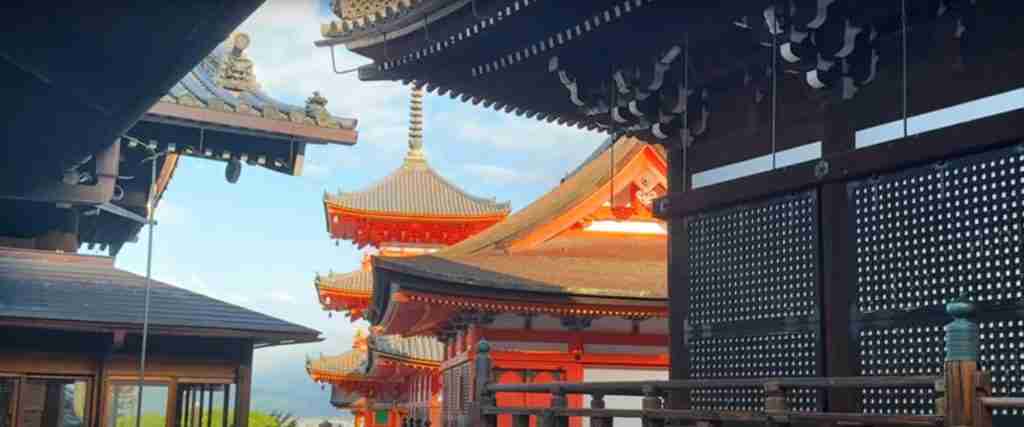
3 days
Tokyo to Kyoto Japan 3-Day Discovery Tour
- ✓ Comprehensive Tokyo to Kyoto Japan experience
- ✓ Expert local guides included
- ✓ All accommodation included
- ✓ Transportation provided
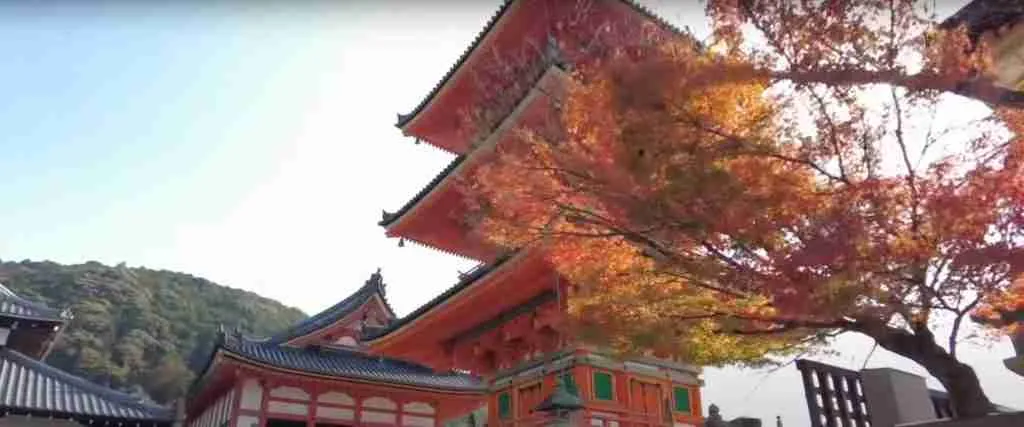
5 days
Tokyo to Kyoto Japan 5-Day Highlights Experience
- ✓ Comprehensive Tokyo to Kyoto Japan experience
- ✓ Expert local guides included
- ✓ All accommodation included
- ✓ Transportation provided
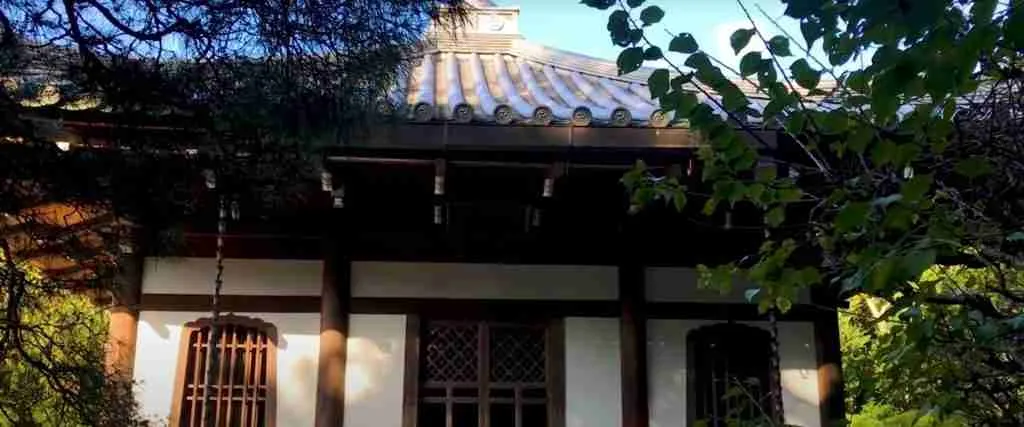
7 days
Tokyo to Kyoto Japan 7-Day Cultural Journey
- ✓ Comprehensive Tokyo to Kyoto Japan experience
- ✓ Expert local guides included
- ✓ All accommodation included
- ✓ Transportation provided
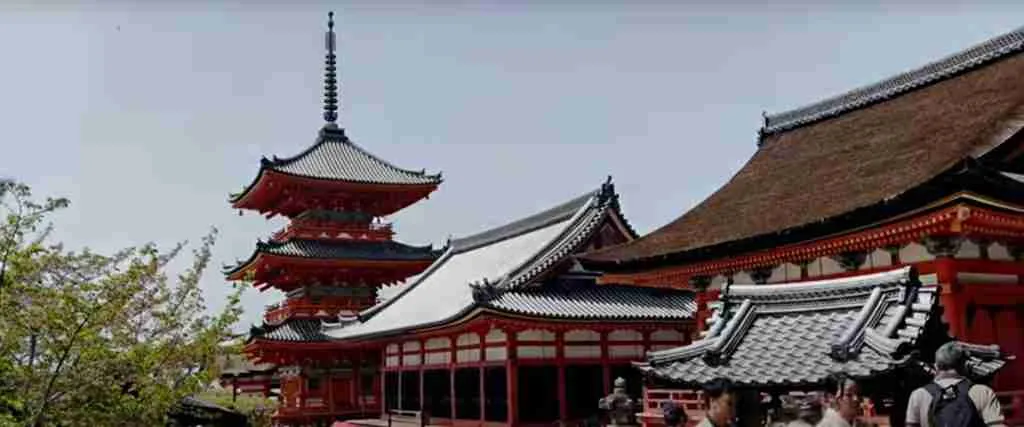
10 days
Tokyo to Kyoto Japan 10-Day Complete Adventure
- ✓ Comprehensive Tokyo to Kyoto Japan experience
- ✓ Expert local guides included
- ✓ All accommodation included
- ✓ Transportation provided
Multi-day tour packages powered by TourRadar. Prices and availability subject to change.
Premier UNESCO Autumn Foliage Destinations
Daigo-ji Temple: Mountain Autumn Spectacle
Daigo-ji stands as Kyoto’s premier autumn destination with over 1,000 trees creating one of Japan’s most spectacular mountain foliage displays. The temple’s location across different elevation levels means autumn colors appear gradually from the mountaintop down, extending the viewing season and providing multiple peak experiences.
The approach through Shimo-Daigo (lower temple) features tunnel-like pathways lined with maple trees that create cathedral-like spaces filled with filtered red and gold light during peak color periods. The famous five-story pagoda, framed by brilliant autumn foliage, represents one of Japan’s most photographed autumn scenes.
Upper Daigo areas accessible by hiking trail offer elevated perspectives across entire valleys filled with autumn color, with views extending across Kyoto city surrounded by colored mountains. The hiking component adds adventure to cultural sightseeing while providing unique photographic opportunities unavailable at flat temple sites.
Daigo-ji implements special autumn viewing programs including extended hours, night illuminations, and guided tours that explain the historical and cultural significance of autumn appreciation in Japanese culture. Peak season entrance fees increase to 1,000 yen but include access to special viewing areas and cultural presentations.
Kiyomizu-dera: Hillside Autumn Drama
Perched on Kyoto’s eastern mountains, Kiyomizu-dera provides dramatic hillside autumn viewing with spectacular city panoramas as backdrop for brilliant foliage displays. The temple’s famous wooden stage offers elevated perspectives across landscape transformed by thousands of trees in peak autumn color.
The temple’s hillside location creates natural amphitheater effects where autumn colors cascade down the mountainside in layers of red, orange, and gold toward the city below. Multiple viewing levels from the wooden stage to ground-level gardens provide varied perspectives on the same magnificent landscape.
Kiyomizu-dera’s autumn illumination events rank among Kyoto’s most spectacular nighttime experiences with sophisticated lighting systems highlighting both architectural elements and autumn foliage. The illuminations run from mid-November through early December, requiring advance reservations due to overwhelming popularity.
The approach through historic Higashiyama district provides authentic cultural context with traditional streets lined with autumn-colored trees leading to the temple complex. Traditional craft shops, tea houses, and restaurants offer seasonal specialties that complement the visual autumn experience with authentic cultural immersion.
Tenryu-ji Temple: Garden Design Masterpiece
Located in Arashiyama, Tenryu-ji showcases 700 years of garden design refinement in its autumn color displays, where every tree was positioned specifically for optimal seasonal viewing effects. The famous Sogenchi Garden demonstrates the sophisticated Japanese principle of shakkei (borrowed scenery) by incorporating distant mountains into the designed landscape.
The garden’s central pond creates perfect reflections of autumn foliage that double the visual impact while adding temporal elements as wind creates ripple effects across the colored surface. Strategic viewing positions around the pond provide constantly changing perspectives on the relationship between architecture, landscape design, and natural beauty.
Tenryu-ji’s autumn colors benefit from protection provided by surrounding mountains that shelter the garden from strong winds while creating ideal growing conditions for maple trees. The microclimate results in more intense colors and longer retention periods compared to exposed urban locations.
The temple offers special autumn programs including traditional tea ceremony experiences in pavilions overlooking peak foliage, meditation sessions in garden settings, and cultural lectures about Japanese aesthetic principles demonstrated through seasonal landscape design. These programs provide deeper understanding beyond visual appreciation.
Toji Temple: Urban Autumn Oasis
Despite its urban location near Kyoto Station, Toji Temple creates spectacular autumn experiences centered around Japan’s tallest wooden pagoda (57 meters) dramatically framed by brilliant maple foliage. The pagoda serves as a vertical focal point that organizes the entire autumn landscape composition.
The temple grounds feature carefully planned maple groves that create intimate spaces for contemplation while providing dramatic views of the pagoda rising through autumn colors. The monthly flea market (21st of each month) during autumn season combines cultural shopping with peak foliage viewing.
Toji’s accessibility makes it ideal for travelers with limited time or mobility constraints while still providing authentic autumn temple experiences. The flat terrain allows easy navigation while maintaining the spiritual atmosphere that characterizes Kyoto’s UNESCO sites.
Evening illumination events at Toji create unique urban autumn experiences where the lit pagoda rises through colored trees against the city skyline. The contrast between historical architecture, natural beauty, and contemporary urban environment provides unique photographic opportunities.
Strategic Autumn Viewing Itineraries
Peak Color Multi-Day Schedules
Successful autumn foliage viewing requires strategic planning that maximizes peak color encounters while accommodating weather variability and crowd patterns. A well-designed 5-7 day itinerary allows comprehensive coverage of premier locations while providing flexibility for optimal timing based on real-time color conditions.
Day 1 should prioritize mountain locations like Daigo-ji and Enryaku-ji that typically reach peak colors first and offer the most dramatic large-scale displays. Early arrival (7:00 AM opening during peak season) ensures optimal lighting and manageable crowds for photography and contemplation.
Day 2 focuses on Arashiyama district combining Tenryu-ji with the famous bamboo groves that provide contrasting green textures against autumn colors. The western location offers different lighting conditions and mountain backdrop views that complement eastern mountain temple experiences.
Day 3 centers on eastern Kyoto temples including Kiyomizu-dera for hillside viewing and traditional neighborhood exploration through areas where autumn colors frame historical architecture. Evening illumination viewing requires separate planning and advance reservations.
Days 4-5 allow for detailed exploration of garden-focused sites like Ryoan-ji (for contrast between minimalist rock garden and traditional autumn gardens) and Ginkaku-ji for refined landscape design. These sites provide more intimate autumn experiences compared to large-scale mountain displays.
Days 6-7 provide flexibility for revisiting peak locations under different lighting conditions, exploring secondary UNESCO sites, or extending to regional destinations like Himeji Castle or Nara if local conditions warrant. Weather contingency planning becomes important during variable autumn weather.
Photography-Focused Strategies
Professional autumn foliage photography at UNESCO sites requires understanding optimal lighting conditions, color theory, and technical approaches specific to fall colors. The golden hour periods (7:00-8:30 AM and 4:00-5:30 PM) provide warm, angled light that enhances color saturation while creating dimensional shadows.
Equipment considerations include polarizing filters to reduce glare and enhance sky contrast, graduated neutral density filters to balance bright skies with shadowed foregrounds, and telephoto lenses for compressed compositions that emphasize color density and eliminate distracting elements.
Composition techniques specific to autumn photography include using foreground elements like fallen leaves or stone lanterns, framing architectural elements with colored branches, and capturing reflection shots in temple ponds. Understanding color theory helps create harmonious compositions that avoid overwhelming visual chaos.
Advanced timing strategies involve monitoring weather patterns for optimal conditions including overcast skies that provide even lighting for forest scenes, clear conditions that enhance sky contrast, and post-rain atmospheres that saturate colors and create misty backgrounds.
Cultural Integration and Local Experiences
Enhancing autumn foliage viewing with authentic cultural experiences provides deeper understanding and memorable contexts beyond pure sightseeing. Traditional tea ceremony participation in temple settings during peak color periods offers intimate cultural engagement with seasonal aesthetic principles.
Seasonal food experiences celebrate autumn through local specialties including maple leaf tempura, persimmon-based sweets, and seasonal kaiseki cuisine that echo autumn colors through ingredient selection and presentation. Temple restaurants and traditional establishments offer special autumn menus.
Traditional craft experiences include pottery workshops featuring autumn-inspired glazes, textile arts incorporating fall colors, and calligraphy sessions focusing on autumn-themed poetry and seasonal expressions. These hands-on activities provide deeper cultural engagement beyond visual appreciation.
Local festival participation during autumn season provides community-level cultural experiences including harvest celebrations, traditional music performances, and seasonal cultural demonstrations that connect visitors with contemporary Japanese seasonal traditions.
Advanced Autumn Photography Techniques
Lighting and Technical Considerations
Autumn foliage photography presents unique technical challenges including extreme contrast ranges between bright skies and shadowed forest floors, color saturation management, and capturing fine detail in complex natural compositions. Understanding these challenges and developing specific technical approaches dramatically improves photographic results.
HDR (High Dynamic Range) techniques prove essential for capturing the full contrast range present in autumn temple landscapes where bright foliage contrasts with dark architectural elements and deep shadows. Bracketed exposures allow post-processing flexibility while maintaining natural color relationships.
Color management requires careful attention to white balance settings that accurately represent autumn color temperatures, which shift throughout the day from cool morning light to warm afternoon conditions. Custom white balance settings or RAW processing flexibility become crucial for authentic color reproduction.
Focus stacking techniques help achieve sharp detail throughout complex compositions where foreground elements like fallen leaves combine with distant architectural features. This advanced technique proves particularly valuable for temple garden photography where multiple depth planes require attention.
Composition and Artistic Vision
Creating compelling autumn photography requires understanding both technical execution and artistic vision that captures the emotional impact of seasonal beauty. Successful compositions balance color intensity with compositional structure while avoiding visual chaos that can overwhelm viewers.
The rule of thirds applies particularly well to autumn temple photography where architectural elements provide strong vertical or horizontal lines that organize colorful but potentially chaotic natural elements. Pagodas, temple gates, and garden bridges serve as excellent compositional anchors.
Depth creation through foreground, middle ground, and background elements helps organize complex autumn scenes while creating visual journey through the composition. Stone lanterns, temple stairs, and garden pathways provide excellent foreground elements that lead viewers into the scene.
Color harmony principles help manage potentially overwhelming autumn palettes by focusing on complementary color relationships and using neutral elements like stone architecture or evergreen trees to provide visual rest areas within intense color compositions.
Weather and Timing Optimization
Meteorological Factors Affecting Color Quality
Understanding weather patterns and their effects on autumn color development helps predict optimal viewing conditions and plan successful photography expeditions. Ideal autumn color development requires specific combinations of temperature, sunlight, and moisture that vary significantly from year to year.
Temperature patterns during autumn directly affect color intensity and timing, with cool nights (below 10°C) and warm sunny days providing optimal conditions for anthocyanin production that creates the brilliant reds characteristic of Japanese maples. Extended warm periods delay color change and reduce intensity.
Precipitation affects both color development and viewing conditions, with adequate summer rainfall supporting healthy leaf development while autumn moisture enhances color saturation during viewing periods. However, heavy rains can accelerate leaf fall and shorten peak viewing windows.
Wind conditions dramatically impact both photography opportunities and color retention, with strong winds stripping leaves during peak color periods while gentle breezes create natural movement that adds dynamic elements to photographic compositions.
Micro-Climate Considerations at UNESCO Sites
Each UNESCO site features unique micro-climatic conditions that affect autumn color timing and intensity. Understanding these local variations allows strategic planning for optimal timing across multiple locations during extended visits.
Mountain temples like Daigo-ji and Enryaku-ji experience earlier color changes due to elevation and exposure, typically reaching peak colors 1-2 weeks before lowland sites. Sheltered valley locations may retain colors longer due to wind protection.
Urban heat island effects around central Kyoto locations like Nijo Castle and Toji Temple can delay color changes and reduce intensity compared to mountain or suburban locations. However, urban locations often provide extended seasons due to protection from extreme weather.
Garden orientation affects both color development and optimal viewing times, with south-facing slopes receiving maximum sunlight for color development while north-facing areas may retain colors longer due to reduced sun exposure and cooler conditions.
Cultural Context: Autumn Appreciation in Japanese Culture
Historical Traditions and Aesthetic Principles
Autumn appreciation in Japanese culture extends far beyond simple nature viewing to embody sophisticated aesthetic and philosophical concepts central to Japanese worldview. The tradition of momiji-gari (autumn leaf hunting) dates back over 1,000 years to the Heian period when court nobles developed refined practices of seasonal appreciation.
The concept of mono no aware (awareness of impermanence) finds perfect expression in autumn foliage viewing, where the beauty of changing and falling leaves teaches acceptance of life’s transitory nature. UNESCO temple settings amplify this spiritual dimension through their religious and cultural contexts.
Japanese aesthetic principles of wabi-sabi (finding beauty in imperfection and impermanence) appear throughout autumn temple landscapes where asymmetrical compositions and natural decay create profound beauty. Fallen leaves become integral design elements rather than debris to be removed.
Traditional arts including poetry, painting, and garden design drew inspiration from autumn colors, creating sophisticated cultural frameworks for understanding and appreciating seasonal change. Contemporary autumn viewing continues these historical traditions while adapting to modern contexts.
Modern Autumn Celebrations and Cultural Events
Contemporary autumn celebrations at UNESCO sites maintain connections to historical traditions while incorporating modern educational and cultural programming. Many temples offer special autumn cultural events including traditional music performances, poetry readings, and seasonal craft demonstrations.
Autumn illumination events represent modern innovations that extend traditional appreciation into evening hours using sophisticated lighting design to highlight both natural beauty and architectural elements. These events require advance planning but provide unique experiences unavailable during historical periods.
Educational programs during autumn season include guided tours focusing on garden design principles, botanical education about tree species and color development, and cultural lectures about autumn’s role in Japanese literature and arts.
Community involvement in temple maintenance and autumn preparation provides opportunities for visitors to participate in authentic cultural practices including leaf management, garden preparation, and seasonal decoration activities.
Practical Planning and Logistics
Accommodation and Transportation During Peak Season
Autumn foliage season represents Kyoto’s second-peak tourism period after cherry blossoms, requiring advance planning but offering more availability and moderate pricing compared to spring. Hotel reservations should be made 1-2 months in advance, with rates increasing 50-100% above normal levels during peak color periods.
Transportation systems experience moderate increases in usage during autumn season, particularly on weekends and during peak color periods. The Kyoto City Bus Day Pass (600 yen) provides excellent value with manageable crowds compared to cherry blossom season chaos. Early morning and late afternoon travel times offer optimal conditions.
Bicycle rental provides excellent flexibility for autumn viewing, allowing efficient movement between sites and stops for photography opportunities. Electric-assist bicycles handle Kyoto’s terrain while providing comfortable transportation during ideal autumn weather conditions.
Regional transportation to nearby autumn destinations like Mount Fuji, Nikko, or the Japan Alps becomes practical during extended stays, as autumn colors progress northward and to higher elevations throughout October and November.
Budget Considerations and Value Optimization
Autumn season offers excellent value for cultural tourism with moderate accommodation costs, stable weather reducing clothing and equipment needs, and extended daylight hours maximizing sightseeing time. Temple admission fees remain standard without the special seasonal surcharges common during cherry blossom season.
Dining costs during autumn remain reasonable with seasonal menu specialties providing authentic cultural experiences without premium pricing. Traditional restaurants near UNESCO sites offer autumn-themed kaiseki menus and seasonal specialties that enhance cultural immersion.
Photography equipment rental provides cost-effective access to specialized gear including telephoto lenses, tripods, and filters specifically useful for autumn foliage photography. Local camera shops near tourist areas offer competitive rental rates and expert advice.
Group tour options during autumn provide value for travelers seeking guided cultural experiences, transportation coordination, and expert commentary about historical and cultural contexts of autumn temple viewing.
Expert Tips for Autumn Success
Advanced Planning and Real-Time Adjustments
Successful autumn foliage viewing requires both advance planning and flexibility to adapt to real-time conditions during the variable autumn season. Monitoring multiple information sources including official temple websites, local weather services, and real-time visitor reports provides optimal timing information.
Professional photography planning involves scouting locations during off-peak periods, understanding sun angles and lighting conditions throughout the day, and developing backup plans for weather contingencies. Digital mapping tools help optimize routes and timing between multiple UNESCO sites.
Cultural preparation enhances autumn viewing experiences through background reading about Japanese aesthetic principles, seasonal traditions, and temple histories that provide context for visual experiences. Understanding cultural significance deepens appreciation beyond surface beauty.
Equipment preparation includes appropriate clothing for variable autumn weather, photography gear suited to specific lighting conditions, and cultural accessories like traditional elements that enhance both comfort and cultural engagement during extended temple visits.
Creating Memorable and Meaningful Experiences
Transforming autumn temple visits into profound cultural encounters requires intention, preparation, and openness to deeper engagement beyond casual sightseeing. Allowing adequate time for contemplation and cultural absorption rather than rushing between multiple locations creates more meaningful experiences.
Documenting experiences through multiple media including photography, journaling, sketching, or video creates lasting memories while encouraging deeper observation and cultural reflection. Many visitors find that active documentation enhances rather than detracts from immediate experience.
Engaging with local guides, temple staff, and cultural interpreters provides insider perspectives and authentic cultural insights unavailable through independent exploration. These interactions often become highlight memories that extend far beyond visual impressions.
Sharing experiences through social media, travel blogs, or community presentations helps preserve memories while inspiring others to engage with Japanese cultural heritage and seasonal appreciation traditions that UNESCO sites represent and preserve.
Frequently Asked Questions
When is the best time to see autumn colors at Kyoto’s UNESCO sites in 2025?
Peak autumn colors are predicted for November 15-30, 2025, based on current weather patterns. Mountain sites like Daigo-ji and Enryaku-ji reach peak colors first (early November), while lowland sites peak 1-2 weeks later. Unlike cherry blossoms, autumn colors develop gradually and last 3-4 weeks, providing more flexible timing for visits.
Which UNESCO site has the most spectacular autumn colors?
Daigo-ji Temple offers the most dramatic autumn experience with over 1,000 trees across different elevations creating spectacular mountain displays. Kiyomizu-dera provides iconic hillside views with city panoramas, while Tenryu-ji showcases 700 years of refined garden design. Each site offers unique autumn perspectives and photographic opportunities.
Are autumn colors better than cherry blossoms at UNESCO sites?
Autumn colors offer several advantages over cherry blossoms: longer viewing season (3-4 weeks vs 7-10 days), more stable weather, fewer crowds, and no premium pricing. Colors are equally spectacular but different in character – autumn provides warm reds and golds versus spring’s soft pink and white. Both seasons offer profound beauty and cultural significance.
Do I need special equipment for autumn foliage photography?
Essential equipment includes polarizing filters to enhance color contrast and reduce glare, telephoto lenses for compressed compositions, and graduated neutral density filters for high contrast scenes. Tripods help with low-light conditions during golden hour. Most smartphones can capture excellent autumn photos with proper timing and composition techniques.
How crowded are UNESCO sites during autumn foliage season?
Autumn crowds are significantly more manageable than cherry blossom season, typically 50-75% of spring levels. Weekdays offer the best experiences, while weekends see moderate increases. Early morning visits (7:00 AM) provide optimal conditions with minimal crowds and excellent lighting for photography.
What should I wear for autumn temple visits in Kyoto?
Autumn weather is ideal for outdoor exploration with temperatures ranging 14-22°C (57-72°F). Dress in layers including light jacket for morning/evening, comfortable walking shoes with good grip for fallen leaves, and bring light rain protection. Consider traditional elements like scarves in autumn colors for cultural immersion and photography.
Are there special autumn events at UNESCO temples?
Many temples offer special autumn programming including night illuminations, traditional tea ceremonies in garden pavilions, cultural lectures about seasonal aesthetics, and guided tours focusing on garden design principles. Popular illumination events like those at Kiyomizu-dera require advance reservations but provide magical evening experiences.
How do I plan an efficient autumn foliage itinerary?
Start with mountain sites (Daigo-ji, Enryaku-ji) that peak earlier, then progress to lowland temples. Allow 5-7 days for comprehensive coverage including both dramatic mountain displays and refined garden experiences. Monitor real-time color reports and maintain flexible scheduling to optimize timing based on actual conditions.
Can I combine autumn foliage with other cultural experiences?
Autumn season offers excellent opportunities for cultural integration including traditional craft workshops, seasonal cuisine experiences, tea ceremony participation, and local festival attendance. The stable weather and extended daylight hours allow combining outdoor temple visits with indoor cultural activities for comprehensive cultural immersion.
Is autumn foliage viewing suitable for families with children?
Autumn viewing is excellent for families due to comfortable weather, stable conditions, and manageable crowds. Children enjoy collecting colorful fallen leaves, and many temples offer educational programs about nature and seasonal change. The extended season allows flexible timing around school schedules and provides multiple opportunities for successful family visits.