
Kuala Lumpur Budget Guide 2026: Complete Cost Breakdown & Free Things to Do
Kuala Lumpur ranks among Southeast Asia’s most affordable major capitals in 2026, with daily travel costs ranging RM 80-300 ($18-70 USD) depending on accommodation choices and dining preferences, while offering exceptional value through modern infrastructure, world-class attractions, and diverse street food scenes. This comprehensive financial planning guide provides verified current pricing for accommodation, transportation, meals, and entertainment to help travelers maximize their Malaysian experience without overspending on Kuala Lumpur’s iconic Petronas Towers, vibrant hawker centers, and cultural landmarks.
Key Takeaways
- Daily Budget Range 2026: Budget travelers can explore Kuala Lumpur for RM 80-120 ($18-28) daily, mid-range travelers spend RM 200-350 ($46-81), while luxury budgets exceed RM 500+ ($115+) per day
- Accommodation Costs 2026: Hostel dormitories start from RM 25-50 ($6-11), budget hotels RM 80-150 ($18-35), mid-range hotels RM 150-300 ($35-70), and luxury properties RM 300-600+ ($70-140+) per night
- Food Budget 2026: Street food meals cost RM 4-10 ($0.90-2.30), local restaurants RM 10-20 ($2.30-4.60), mid-range dining RM 25-50 ($5.70-11.50), with daily food budgets averaging RM 30-60 ($7-14) for budget travelers
- Transportation Savings 2026: Public transport costs RM 1.20-6.40 ($0.25-1.50) per ride via MRT/LRT/Monorail, with unlimited 30-day MY50 passes at RM 50 ($11.50) offering exceptional value for extended stays
- Free Attractions: Batu Caves, KLCC Park, Merdeka Square, Thean Hou Temple, Sri Mahamariamman Temple, Perdana Botanical Gardens, Lake Symphony fountain shows, and National Art Gallery provide world-class experiences at zero cost
- Paid Attraction Costs 2026: Petronas Twin Towers observation deck RM 98 ($22) for non-Malaysians, KL Tower RM 52-105 ($12-24), Aquaria KLCC RM 72-90 ($17-21), with combination tickets offering savings
People Also Ask About Kuala Lumpur Budget 2026
How Much Money Do I Need Per Day in Kuala Lumpur in 2026?
Daily costs in Kuala Lumpur in 2026 range RM 80-500+ ($18-115+) depending on travel style and accommodation choices. Budget backpackers spending RM 80-120 ($18-28) daily stay in hostel dormitories (RM 25-50), eat street food and local restaurants (RM 30-40), use public transportation (RM 10-15), and visit free attractions. Mid-range travelers allocate RM 200-350 ($46-81) daily for budget hotels (RM 100-180), restaurant meals (RM 60-100), occasional taxis or Grab rides (RM 20-30), and paid attractions (RM 50-80). Luxury travelers exceed RM 500 ($115+) daily with upscale hotels (RM 300-600+), fine dining (RM 150-300+), private transportation, and premium experiences.
These estimates exclude one-time costs like airport transfers or day trips to nearby destinations. Smart budgeting strategies including cooking occasional meals in hostel kitchens, using the MY50 unlimited transport pass (RM 50 for 30 days), focusing on free attractions like Batu Caves and KLCC Park, and eating where locals eat at hawker centers substantially reduce daily expenses while maintaining quality experiences.
Is Kuala Lumpur Cheap for Tourists in 2026?
Kuala Lumpur remains exceptionally affordable for tourists in 2026 compared to Singapore, Hong Kong, Tokyo, or Western capitals, offering comparable modern infrastructure and world-class attractions at 40-60% lower costs. A three-course mid-range restaurant meal for two costs approximately RM 100 ($23) compared to Singapore’s RM 250+ ($58+), while comprehensive public transportation networks charge RM 1.20-6.40 ($0.25-1.50) per ride versus Singapore’s RM 4-12 ($0.93-2.79).
Budget advantages extend across categories: hostel dormitories start RM 25 ($6) nightly, street food meals cost RM 4-10 ($0.90-2.30), and major attractions like Batu Caves require zero entrance fees. Malaysia’s ringgit exchange rate provides additional purchasing power for visitors holding USD, EUR, GBP, or SGD currencies. However, international brand shopping, imported goods, and Western chain restaurants approach global price parity, so prioritizing local establishments maximizes value.
What Are the Best Money-Saving Strategies for Kuala Lumpur in 2026?
The most effective money-saving strategies in Kuala Lumpur in 2026 include purchasing a Touch ‘n Go card (RM 10 card cost plus top-up) or MY50 unlimited pass (RM 50 for 30 days) for transportation, eating at hawker centers and food courts where complete meals cost RM 5-15 ($1.15-3.50), and prioritizing the extensive roster of free attractions including Batu Caves, KLCC Park with Lake Symphony fountain shows, Thean Hou Temple, Merdeka Square, Perdana Botanical Gardens, and multiple free museums.
Additional savings strategies include booking accommodation in neighborhoods slightly outside KLCC and Bukit Bintang centers where prices drop 30-50% while remaining well-connected by public transport, visiting paid attractions on weekday mornings when advance online booking often provides 10-15% discounts, utilizing the free GO KL City Bus covering four routes through major tourist zones, and timing visits during shoulder seasons (March, April, September-October) when hotel rates decrease 20-30% compared to peak periods of July-August and December.
How Much Does Food Cost in Kuala Lumpur in 2026?
Food costs in Kuala Lumpur in 2026 vary dramatically by venue type and location, with street food and hawker stalls offering complete meals for RM 4-10 ($0.90-2.30), local restaurants charging RM 10-20 ($2.30-4.60), food court meals ranging RM 8-20 ($1.85-4.60), mid-range restaurants averaging RM 25-50 ($5.70-11.50) per person, and upscale dining reaching RM 100-300+ ($23-70+) per person. A realistic daily food budget for budget travelers totals RM 30-60 ($7-14) covering three meals plus snacks, mid-range travelers allocate RM 60-100 ($14-23), while luxury diners exceed RM 150+ ($35+).
Specific iconic food experiences include nasi lemak breakfast packets for RM 3-5 ($0.70-1.15) from morning stalls, roti canai with curry RM 2-4 ($0.45-0.90) at mamak shops, banana leaf rice meals RM 10-18 ($2.30-4.15) with unlimited rice refills, and Jalan Alor street food dinners RM 20-40 ($4.60-9.20) per person. Mall food courts charge premium rates (RM 15-30 per meal) but offer air-conditioned comfort and consistently high food safety standards. Shopping at local wet markets for fruits, snacks, and prepared foods costs 50-70% less than convenience stores or supermarkets.
Extended multi-day tours – 5+ days
Featured Kuala Lumpur Multi-Day Tour Packages
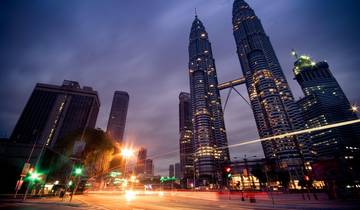
7 days
7 Day Best of Kuala Lumpur Attractions
- ✓ Comprehensive Kuala Lumpur tour
- ✓ Expert local guides included
- ✓ All accommodation arranged
- ✓ Transportation provided

5 days
5 Days Through Malaysia: Experience KL, Malacca & Port Dickson
- ✓ Booking needs min. 2 travelers
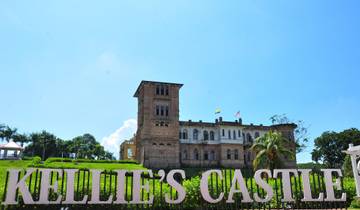
3 days
Delights of Ipoh
- ✓ Booking needs min. 2 travelers

4 days
Wild Taman Negara Discovery – 4 days
- ✓ Comprehensive Kuala Lumpur tour
- ✓ Expert local guides included
- ✓ All accommodation arranged
- ✓ Transportation provided
Multi-day tour packages powered by TourRadar. Prices and availability subject to change.
Introduction to Kuala Lumpur Budget Planning for 2026
Kuala Lumpur’s unique position as Southeast Asia’s most developed yet affordable capital creates exceptional value opportunities for travelers in 2026. While Malaysia’s economic growth has elevated infrastructure quality, healthcare standards, and tourism services to rival Singapore or Hong Kong, the Malaysian ringgit’s favorable exchange rates and lower cost of living preserve accessibility for budget-conscious visitors. Understanding this economic context enables strategic financial planning that maximizes experiences without unnecessary expenditure.
The city’s cosmopolitan character reflects Malaysia’s multicultural population, with Malay, Chinese, and Indian communities creating distinct neighborhoods where cultural authenticity and affordability intersect. Budget travelers gain authentic cultural immersion by eating where locals eat at hawker centers, using public transportation alongside Malaysian commuters, and exploring temples and heritage sites that charge minimal or zero entrance fees. This grassroots approach contrasts sharply with sanitized tourist zones, providing richer experiences at lower costs.
Kuala Lumpur’s public transportation networks expanded significantly through major infrastructure investments completed between 2017-2023, creating integrated MRT (Mass Rapid Transit), LRT (Light Rail Transit), Monorail, and KTM Komuter systems covering all major tourist zones and surrounding suburbs. The 2026 infrastructure landscape eliminates previous reliance on expensive taxis, making budget travel genuinely practical. Strategic accommodation selection near MRT/LRT stations anywhere in greater Kuala Lumpur provides seamless access to attractions while avoiding premium KLCC and Bukit Bintang hotel prices.
This comprehensive budget guide provides verified 2026 pricing across all major expense categories, detailed breakdown strategies for different budget levels, neighborhood-specific accommodation recommendations, and insider knowledge about hidden costs versus genuine savings opportunities. Financial transparency enables confident decision-making rather than anxious uncertainty, allowing travelers to allocate resources toward experiences that matter most to their individual travel priorities.
Accommodation Costs Breakdown in Kuala Lumpur 2026
Accommodation represents the largest single expense category for most Kuala Lumpur visitors in 2026, with nightly rates ranging from RM 25 ($6) hostel dormitory beds to RM 1,000+ ($230+) luxury suite rooms. Strategic accommodation selection considering location, amenities, booking timing, and quality standards directly impacts both daily budgets and overall travel experiences. Understanding the accommodation landscape across price tiers and neighborhoods enables optimal value decisions.
Budget Accommodation Options in Kuala Lumpur 2026 (RM 25-150 / $6-35 Per Night)
Budget accommodation in Kuala Lumpur in 2026 centers on hostel dormitories starting from RM 25-50 ($6-11) per night in areas like Chinatown, Bukit Bintang, and near KL Sentral. Popular budget hostels including Sunshine Bedz KL, Reggae Mansion, Dorms KL, and Chinatown Hostel by Mingle offer shared dormitories (4-12 beds) with air conditioning, free WiFi, lockers, common areas, and sometimes basic breakfast. These properties cater specifically to backpackers and budget solo travelers seeking social atmospheres and minimal amenities.
Private rooms in budget guesthouses cost RM 60-100 ($14-23) nightly, providing basic double occupancy accommodation without luxury amenities but offering privacy advantages over dormitories. These rooms typically include private bathrooms, air conditioning, and WiFi, located in older buildings or converted shophouses throughout Chinatown, Chow Kit, and Masjid India neighborhoods. Cleanliness standards and facility age vary significantly, making review research essential before booking.
Budget hotels in the RM 80-150 ($18-35) nightly range include chains like OYO, Tune Hotels, and Metro Hotels, offering standardized rooms with private bathrooms, air conditioning, WiFi, and minimal additional services. These properties occupy the value segment, providing clean, functional accommodation without pretense toward luxury. Locations span the city, with best value typically found slightly outside premium KLCC and Bukit Bintang zones while remaining well-connected by public transport.
Mid-Range Accommodation Costs 2026 (RM 150-400 / $35-92 Per Night)
Mid-range accommodation in Kuala Lumpur in 2026 encompasses comfortable hotels offering enhanced amenities, professional service, and convenient locations at RM 150-300 ($35-70) per night. This segment includes international chains (Ibis, Citadines, Holiday Inn Express), Malaysian brands (Hotel Stripes), and independent boutique properties. Standard features include well-appointed rooms, fitness centers, swimming pools, on-site restaurants, and concierge services.
Properties in this category concentrate around Bukit Bintang, KLCC periphery, KL Sentral, and Mid Valley, providing walking access to shopping malls, restaurants, and MRT/LRT stations. Room quality substantially exceeds budget tier, with modern furnishings, larger floor areas (18-25 square meters), improved bathrooms, and reliable amenities. Daily housekeeping, 24-hour reception, and English-speaking staff represent standard expectations.
Upper mid-range accommodation approaching RM 300-400 ($70-92) includes properties like Aloft Kuala Lumpur Sentral, citizenM Kuala Lumpur Bukit Bintang, and selected serviced apartments offering separate living spaces, kitchenettes, and enhanced amenities. These properties bridge the gap toward luxury tier while maintaining relative value, particularly for extended stays where kitchen facilities reduce dining costs.
Luxury Accommodation in Kuala Lumpur 2026 (RM 400-1,000+ / $92-230+ Per Night)
Luxury accommodation in Kuala Lumpur in 2026 starts at RM 400 ($92) nightly and extends upward through five-star international brands (Mandarin Oriental, Shangri-La, Four Seasons, Grand Hyatt) commanding RM 600-1,000+ ($138-230+). These properties deliver comprehensive luxury experiences with spacious rooms (35+ square meters), premium bedding, marble bathrooms, multiple dining venues, executive lounges, full-service spas, and attentive personalized service.
Prime locations include KLCC (direct Petronas Towers views), Golden Triangle (Bukit Bintang shopping district), and select heritage districts. Luxury tier amenities extend beyond physical spaces to include concierge services arranging private experiences, in-room dining, laundry services, business facilities, and complimentary benefits for elite loyalty program members.
Ultra-luxury options exceeding RM 1,000+ ($230+) nightly include suites at The Ritz-Carlton, Banyan Tree, and Regent Kuala Lumpur, targeting luxury travelers prioritizing premium experiences over budget considerations. These rates position Kuala Lumpur luxury accommodation at 40-60% below comparable Singapore, Hong Kong, or Tokyo luxury hotels, creating relative value even within premium segments.
Neighborhood Accommodation Value Analysis 2026
KLCC and Bukit Bintang command premium accommodation rates (20-40% higher) due to central locations, walking access to attractions, and concentration of upscale properties. Budget travelers sacrifice these location advantages for significant savings by selecting neighborhoods like Chow Kit, Masjid India, Brickfields, or areas near Titiwangsa, Ampang Park, or Bangsar stations where identical room quality costs RM 50-100 ($11-23) less nightly.
The public transportation network’s comprehensive coverage in 2026 makes peripheral locations practical, with 15-25 minute MRT/LRT rides connecting budget accommodation zones to KLCC, Bukit Bintang, and major attractions. Areas near KL Sentral offer particular value, combining excellent transportation connectivity (all rail lines converge here) with lower accommodation costs compared to premium tourist zones.
Booking Strategies and Timing for 2026
Booking accommodation 30-60 days advance for 2026 Kuala Lumpur stays typically secures 10-20% better rates compared to last-minute bookings, with greater property selection and preferred room availability. Comparison across multiple platforms (Booking.com, Agoda, Expedia, Hotels.com, direct hotel websites) reveals significant price variations, sometimes 15-25%, for identical rooms and dates.
Seasonal pricing fluctuates substantially, with peak periods (July-August school holidays, December year-end holidays, Chinese New Year) commanding 30-50% premiums while shoulder months (March, April, September-October) offer lower base rates. Weekday rates (Sunday-Thursday) run 15-30% below weekend pricing (Friday-Saturday) in business-oriented hotels, while leisure properties reverse this pattern.
Package deals combining accommodation with airport transfers, attraction tickets, or tours sometimes provide value, though comparing component prices separately verifies genuine savings versus marketing tactics. Loyalty program membership with major chains (Marriott Bonvoy, IHG Rewards, Accor Live Limitless) delivers members-only rates, free WiFi, room upgrades, and points accrual offsetting slightly higher base rates.
Food and Dining Budget in Kuala Lumpur 2026
Kuala Lumpur’s extraordinary culinary diversity in 2026 spans from RM 3 ($0.70) street food packets to RM 500+ ($115+) per person fine dining experiences, with the city’s multicultural heritage creating authentic Malay, Chinese, Indian, and fusion cuisine across all price points. Understanding where locals eat versus tourist-oriented venues directly impacts daily food budgets, with authentic experiences often costing less than sanitized tourist alternatives.
Street Food and Hawker Center Costs 2026
Street food represents Kuala Lumpur’s ultimate budget dining opportunity in 2026, with complete meals costing RM 4-10 ($0.90-2.30) at hawker stalls and food courts throughout the city. Morning nasi lemak (coconut rice with sambal, anchovies, peanuts, cucumber, and boiled egg) costs RM 3-5 ($0.70-1.15) from roadside vendors, providing filling breakfast portions. Mamak stalls serving roti canai (flatbread) with curry charge RM 2-4 ($0.45-0.90) per piece, often accompanied by teh tarik (pulled tea) for RM 2-3 ($0.45-0.70).
Lunch and dinner at hawker centers like Jalan Alor, Lot 10 Hutong, Madras Lane, and neighborhood food courts cost RM 8-15 ($1.85-3.50) per person for substantial portions. Popular dishes include char kuey teow (stir-fried noodles), Hokkien mee, curry laksa, chicken rice, and assam laksa. Drinks add RM 2-4 ($0.45-0.90), bringing total meal costs to RM 10-20 ($2.30-4.60).
Tourist-oriented areas like Jalan Alor’s restaurant section (versus pure street stalls) charge 50-100% premiums, with meals costing RM 20-40 ($4.60-9.20) per person for identical dishes available elsewhere at RM 10-15. Budget travelers maximize value by venturing beyond obvious tourist zones to neighborhood hawker centers where locals actually eat.
Local Restaurant Dining Costs 2026
Local restaurants in Kuala Lumpur in 2026 occupying the tier above street food charge RM 10-25 ($2.30-5.75) per person for complete meals in air-conditioned comfort with table service. Banana leaf rice restaurants provide unlimited rice and vegetable sides with meat/fish portions for RM 12-18 ($2.80-4.15). Nasi kandar establishments offer self-service rice with multiple curry and side dish selections totaling RM 15-25 ($3.50-5.75).
Chinese kopitiam (coffee shops) serve breakfast and lunch sets (noodles or rice with side dishes plus drink) for RM 8-15 ($1.85-3.50). Indian Muslim restaurants throughout Brickfields and Masjid India provide biryani, tandoori, and curry meals for RM 12-20 ($2.80-4.60). Malay restaurants in Kampung Baru and Ampang serve traditional dishes like nasi kerabu, ayam percik, and rendang for RM 15-25 ($3.50-5.75).
These local restaurants maintain food safety standards while offering authentic cuisine in comfortable environments, representing the sweet spot between street food savings and mid-range restaurant costs. A daily budget of RM 30-45 ($7-10) covers three satisfying meals at this tier.
Mid-Range Restaurant Dining Budget 2026
Mid-range restaurants in Kuala Lumpur in 2026 charge RM 25-50 ($5.75-11.50) per person, encompassing mall food courts (premium end), casual dining chains, and independent sit-down restaurants. Food court meals in upscale malls like Pavilion KL, Suria KLCC, and The Gardens Mall cost RM 15-30 ($3.50-7) per person, offering diverse cuisine options in air-conditioned comfort with modern facilities but at 50-80% premiums over neighborhood food courts.
Chain restaurants (Old Town White Coffee, Secret Recipe, PappaRich) charge RM 20-35 ($4.60-8) per person for main courses plus drinks. Independent restaurants serving Japanese, Korean, Thai, Vietnamese, Western, or fusion cuisine range RM 30-50 ($7-11.50) per person. These establishments provide comfortable environments, extensive menus, English-speaking staff, and predictable quality standards appealing to travelers seeking familiar dining experiences.
A three-course meal for two at mid-range restaurants typically totals RM 100-150 ($23-35) including appetizers, main courses, desserts, and non-alcoholic beverages. Adding alcohol increases costs substantially, with beer RM 15-25 ($3.50-5.75) per glass and wine RM 40-80+ ($9-18+) per glass due to Malaysia’s alcohol taxation policies.
Fine Dining and Upscale Restaurant Costs 2026
Fine dining in Kuala Lumpur in 2026 starts at RM 100 ($23) per person and extends upward through prestigious establishments charging RM 300-500+ ($70-115+) for tasting menus and premium experiences. Upscale hotel restaurants, celebrity chef venues, and award-winning establishments deliver exceptional quality with sophisticated ambiance, wine pairings, and impeccable service.
Notable fine dining destinations include Nobu Kuala Lumpur, Cantaloupe at Troika Sky Dining, Marble 8, and DC Restaurant by Darren Chin, where multi-course dinners with wine pairings easily exceed RM 500+ ($115+) per person. These experiences position Kuala Lumpur fine dining at 30-50% below comparable Singapore, Hong Kong, or Tokyo establishments, creating relative value within luxury segments.
Realistic Daily Food Budget Estimates for 2026
Budget travelers eating primarily street food and local restaurants allocate RM 30-60 ($7-14) daily: breakfast RM 5-10, lunch RM 10-20, dinner RM 15-25, snacks/drinks RM 5-10. Mid-range travelers mixing food courts, casual restaurants, and occasional upscale meals budget RM 60-120 ($14-28) daily. Luxury travelers prioritizing fine dining, hotel restaurants, and imported beverages exceed RM 150-300+ ($35-70+) daily.
Grocery shopping at local markets and cooking occasional meals in hostel/apartment kitchens reduces daily food costs by 40-60%, with wet market ingredients costing 50-70% less than supermarkets. A kilogram of rice costs RM 4-8 ($0.90-1.85), chicken RM 12-18 ($2.80-4.15), and vegetables RM 3-8 ($0.70-1.85) per kilogram, making self-catering extremely economical for extended stays.
Transportation Costs and Strategies in Kuala Lumpur 2026
Kuala Lumpur’s extensive public transportation network in 2026 provides exceptional value, with single-ride fares ranging RM 1.20-6.40 ($0.25-1.50) covering distances that would cost RM 15-40 ($3.50-9.20) by taxi or Grab. Understanding the integrated rail system, payment options, and strategic route planning minimizes transportation costs while maximizing mobility across the sprawling metropolitan area.
Public Transportation System Overview and Costs 2026
The Klang Valley Integrated Transit System in 2026 comprises MRT (Mass Rapid Transit), LRT (Light Rail Transit), Monorail, KTM Komuter, and RapidKL buses, with integrated faring allowing seamless transfers between modes. MRT fares range RM 1.10-6.40 ($0.25-1.50) depending on distance traveled, LRT charges RM 0.80-8.00 ($0.19-1.90), Monorail costs RM 1.60-4.70 ($0.37-1.09), and KTM Komuter runs RM 1.00-8.00 ($0.23-1.85).
Payment options include single-journey tokens purchased at station vending machines, reloadable Touch ‘n Go cards (RM 10 card cost plus top-up amounts), or MyKad integration for Malaysian citizens. Touch ‘n Go cards provide 10-20% fare discounts compared to cash tokens, making them essential for budget-conscious travelers planning multiple trips. Cards remain valid indefinitely and can be topped up at any station, convenience stores, or through mobile apps.
The MY50 unlimited travel pass costs RM 50 ($11.50) for 30 days of unlimited rides on LRT, MRT, Monorail, BRT, and RapidKL buses throughout the Klang Valley. This pass delivers exceptional value for travelers staying 7+ days making 3-4 trips daily, breaking even against individual fares within the first week. Activating MY50 requires Malaysian MyKad or can be programmed onto Touch ‘n Go cards at customer service offices.
Strategic Route Planning and Key Connections 2026
KL Sentral serves as the central transportation hub in 2026, connecting all major rail lines (MRT Kajang Line and Putrajaya Line, LRT Kelana Jaya Line, KTM Komuter, KLIA Ekspres, KLIA Transit) enabling transfers between any line combination. Key tourist destinations and their nearest stations include: Petronas Twin Towers (KLCC station, Kelana Jaya LRT), Batu Caves (Batu Caves KTM Komuter), Bukit Bintang (Bukit Bintang Monorail), Merdeka Square (Masjid Jamek LRT), and Central Market (Pasar Seni LRT/MRT).
Travel times from KL Sentral to major destinations typically run 15-25 minutes: KLCC 8 minutes, Bukit Bintang 12 minutes, Batu Caves 30 minutes, Mid Valley 5 minutes. Trains operate 6:00 AM to 11:30 PM daily, with peak hour frequencies of 3-7 minutes and off-peak frequencies of 7-15 minutes. Weekend and holiday schedules mirror weekday operations, maintaining consistent service.
The free GO KL City Bus operates four color-coded routes (Purple, Red, Green, Blue) through central Kuala Lumpur covering KLCC, Bukit Bintang, Chinatown, KL Sentral, and surrounding areas. Buses run 6:00 AM to 11:00 PM at 5-15 minute frequencies, providing zero-cost transportation within the city center tourist zone. Route maps are available at major hotels and tourist information centers.
Taxi and Ride-Hailing Costs 2026
Traditional taxis in Kuala Lumpur charge metered fares starting RM 3.00 ($0.70) flag fall plus RM 0.30-0.50 per 200 meters, though many drivers refuse to use meters and quote inflated fixed prices to tourists. Budget travelers should avoid taxis entirely in favor of Grab (Malaysia’s dominant ride-hailing app) or public transport to prevent overcharging situations.
Grab fares in 2026 vary by service tier: GrabCar Economy RM 8-15 ($1.85-3.50) for short trips (3-5 km), RM 15-30 ($3.50-7) for medium distances (5-10 km), and RM 30-60 ($7-14) for longer journeys (10-20 km). Surge pricing during peak hours (7:00-9:00 AM, 5:00-7:00 PM) and rain increases fares 20-80%. GrabShare (carpool service) reduces costs 30-40% in exchange for potential passenger pickups and route deviations.
For airport transfers, KLIA Ekspres train from KL Sentral to KLIA/KLIA2 costs RM 55 ($12.70) one-way, taking 28-33 minutes non-stop. Budget alternatives include KLIA Transit train (RM 55 with intermediate stops, 35-40 minutes), Airport Coach buses (RM 18-20, 60-75 minutes), or Grab (RM 80-120, 45-70 minutes depending on traffic). Budget travelers prioritizing savings over time select bus or KLIA Transit options.
Sample Transportation Budget for Kuala Lumpur 2026
A typical 5-day Kuala Lumpur visit in 2026 generates transportation costs of RM 15-25 ($3.50-5.75) daily using exclusively public transport, totaling RM 75-125 ($17-29) for the trip excluding airport transfers. This budget covers 3-4 MRT/LRT/Monorail rides daily (RM 10-20) plus occasional RapidKL buses or GO KL free buses. Adding one airport transfer via KLIA Ekspres (RM 55 one-way) increases the total to RM 130-180 ($30-42).
Travelers purchasing MY50 passes for extended stays (7+ days) cap transportation costs at RM 50 ($11.50) for unlimited 30-day travel, dramatically reducing per-day transportation expenses while enabling spontaneous exploration without fare calculations. This pass transforms budget constraints into freedom, encouraging comprehensive city discovery.
Attraction and Entertainment Costs in Kuala Lumpur 2026
Kuala Lumpur balances free world-class attractions with reasonably priced paid experiences in 2026, allowing budget travelers to create comprehensive itineraries while controlling entertainment expenses. Strategic prioritization of free sites supplemented by selective paid attractions maximizes value while ensuring access to iconic landmarks.
Major Paid Attraction Costs 2026
The Petronas Twin Towers observation deck charges RM 98 ($22) for non-Malaysian adult admission in 2026, including access to the 41st-floor Skybridge and 86th-floor observation deck. Malaysian citizens pay discounted rates of RM 45-55 ($10-12.70). Advance online booking recommended as daily visitor quotas sell out, particularly on weekends and holidays. The experience lasts 45-60 minutes including queue time, elevator rides, and deck visits.
KL Tower observation deck costs RM 52 ($12) standard admission or RM 105 ($24) for Sky Box experience (glass-floor viewing platform). Combination tickets bundling Petronas Towers and KL Tower offer 10-15% savings, totaling RM 140-160 ($32-37) versus RM 150+ ($35+) purchased separately. Both observation decks provide similar cityscape perspectives; budget travelers select one rather than both to control costs.
Aquaria KLCC underwater aquarium charges RM 72-90 ($17-21) adult admission for its 5,000+ aquatic species collection including sharks, stingrays, and sea turtles in a 100-meter underwater tunnel. The 90-minute self-guided experience appeals to families and marine life enthusiasts. Advance online booking provides 5-10% discounts compared to walk-up ticket windows.
Berjaya Times Square Theme Park (indoor amusement park) charges RM 38-52 ($8.80-12) for unlimited rides, providing air-conditioned entertainment for families with children. Sunway Lagoon (major water and theme park complex) costs RM 180-240 ($42-55) full-day admission, positioning it as a premium splurge experience rather than budget activity.
Museum and Cultural Attraction Entry Fees 2026
The National Museum of Malaysia charges RM 5 ($1.15) adult foreign visitor admission, providing comprehensive Malaysian history and cultural exhibitions across multiple galleries. The Islamic Arts Museum Malaysia costs RM 14-20 ($3.25-4.60), showcasing one of Southeast Asia’s finest Islamic art collections with 12 permanent galleries. Bank Negara Malaysia Museum (formerly Bank Negara Museum and Art Gallery) offers free admission with interactive exhibits on Malaysian economics, currency design, and financial history.
The National Art Gallery features rotating contemporary and traditional Malaysian art exhibitions with free general admission, though special exhibitions may charge RM 5-10 ($1.15-2.30) entry. Petrosains Discovery Centre (interactive science museum within Petronas Towers) charges RM 35-55 ($8-12.70) admission, targeting families with children through hands-on educational exhibits.
Most temples, mosques, and religious sites maintain free admission policies, requesting only modest dress standards (shoulders and knees covered). Donations are appreciated but not mandatory at religious sites including Sri Mahamariamman Temple, Thean Hou Temple, and Masjid Jamek.
Day Trip and Tour Costs 2026
Organized day tours from Kuala Lumpur range RM 150-350 ($35-81) per person depending on destinations and inclusions. Popular excursions include Batu Caves, Malacca historical city (RM 180-250), Cameron Highlands tea plantations (RM 200-300), Genting Highlands casino resort (RM 150-220), and Putrajaya government complex (RM 120-180). These prices typically include transportation, English-speaking guides, entrance fees, and sometimes lunch.
Budget-conscious travelers bypass organized tours by using public transportation independently, reducing costs 60-80%. Batu Caves costs RM 4 ($0.93) round-trip KTM Komuter fare from KL Sentral, Putrajaya charges RM 6-10 ($1.40-2.30) via MRT/ERL trains, and Malacca runs RM 20-25 ($4.60-5.75) each way via bus from TBS (Terminal Bersepadu Selatan). Independent travel requires more planning and time but substantially reduces expenses.
Sample Entertainment Budget for 5-Day Trip 2026
A balanced 5-day Kuala Lumpur itinerary in 2026 might allocate RM 150-250 ($35-58) total for paid attractions: Petronas Towers RM 98, one museum RM 15, Aquaria KLCC RM 80, supplemented by extensive free attractions (Batu Caves, KLCC Park, temples, Merdeka Square, street art neighborhoods) comprising 60-70% of sightseeing time. Budget travelers focusing exclusively on free attractions eliminate entertainment costs entirely while experiencing authentic cultural landmarks. Luxury travelers adding premium experiences (revolving restaurant dinners, helicopter tours, private guided experiences) exceed RM 500+ ($115+) entertainment budgets.
Comprehensive Free Things to Do in Kuala Lumpur 2026
Kuala Lumpur’s extensive roster of free attractions in 2026 enables budget travelers to experience the city’s cultural diversity, architectural heritage, natural beauty, and urban dynamism without spending a single ringgit on admission fees. Strategic itinerary planning around these free experiences creates memorable trips while preserving budgets for selective paid highlights.
Free Religious and Cultural Landmarks 2026
Batu Caves, Kuala Lumpur’s most iconic attraction, requires zero entrance fee for the main Temple Cave accessed via 272 rainbow-colored steps. This spectacular Hindu shrine dedicated to Lord Murugan attracts over 1.5 million visitors annually during Thaipusam festival, while daily visitors experience the dramatic limestone formations, 42.7-meter golden Murugan statue, and active religious worship. The climb takes 15-25 minutes; arrive early morning (before 9:00 AM) to avoid crowds and heat.
Thean Hou Temple ranks among Southeast Asia’s oldest and largest Chinese temples, featuring stunning six-tiered architecture dedicated to the goddess Mazu. Free admission allows exploration of ornate prayer halls, traditional Chinese gardens, zodiac animal statues, and panoramic Kuala Lumpur skyline views from the elevated hilltop location. Evening visits showcase illuminated lanterns creating ethereal atmospheres.
Sri Mahamariamman Temple in Chinatown represents Kuala Lumpur’s oldest Hindu temple, founded in 1873, with free entry to witness the spectacular five-tiered gopuram (entrance tower) covered in intricate deity carvings. The temple houses the silver chariot used during annual Thaipusam processions, with active worship creating authentic cultural experiences. Visitors must remove shoes before entering and dress modestly.
Masjid Jamek, Kuala Lumpur’s oldest mosque built in 1909, welcomes non-Muslim visitors outside prayer times with free admission to appreciate Moorish-influenced architecture featuring distinctive white domes and minarets at the scenic confluence of Klang and Gombak rivers. The National Mosque (Masjid Negara) similarly offers free guided tours outside prayer times, showcasing contemporary Islamic architecture with a 73-meter-high minaret and star-shaped roof.
Free Parks and Green Spaces 2026
KLCC Park surrounding the Petronas Twin Towers provides 50 acres of landscaped urban oasis with walking paths, children’s playgrounds, wading pools, and the spectacular Lake Symphony featuring free water and light shows at 8:00 PM, 9:00 PM, and 10:00 PM nightly (10-minute choreographed performances with music). The park offers optimal Petronas Towers photography angles, jogging routes popular with locals, and peaceful green spaces for picnics and relaxation.
Perdana Botanical Gardens (formerly Lake Gardens) encompasses 227 acres of tropical landscaping with themed gardens, deer park, orchid garden, and hibiscus garden. Free admission provides access to walking paths, picnic areas, and serene lake views. The Orchid Garden and Hibiscus Garden charge minimal entry fees (RM 1-2), though surrounding botanical gardens remain free.
Taman Tasik Titiwangsa offers lakeside recreation with paddle boat rentals (paid), playgrounds, exercise equipment, and walking/jogging paths encircling the lake. Free admission makes this popular local weekend destination ideal for experiencing authentic Kuala Lumpur leisure culture away from tourist zones. Evening visits capture sunset reflections and cooler temperatures.
Free Historical and Heritage Sites 2026
Merdeka Square (Dataran Merdeka) represents Malaysia’s independence declaration site, featuring the 95-meter flagpole where the Malaysian flag first flew in 1957. Free access surrounds visitors with colonial-era architecture including the Sultan Abdul Samad Building with distinctive Moorish design, former British administrative buildings, and St. Mary’s Anglican Cathedral. The square hosts national celebrations and provides iconic photography opportunities.
Chinatown (Petaling Street area) offers free wandering through vibrant streets lined with Chinese shophouses, temples, traditional medicine halls, and cultural landmarks. Daytime visits encounter busy market activities, while evening strolls reveal illuminated red lanterns and bustling night market atmospheres. Sri Mahamariamman Temple, Sin Sze Si Ya Temple, and Guan Di Temple provide cultural immersion at no cost.
Kwai Chai Hong (Chinatown alleyway) features Instagram-worthy street art, restored heritage architecture, traditional installations, and interactive cultural elements celebrating Kuala Lumpur’s Chinese heritage. This photogenic alley off Petaling Street requires no entrance fee, offering authentic heritage atmosphere enhanced by murals, vintage props, and atmospheric lighting.
Free Museums and Galleries 2026
National Art Gallery showcases Malaysian contemporary and traditional art across permanent collections and rotating exhibitions, with free general admission (special exhibitions may charge minimal fees). The gallery provides air-conditioned cultural immersion, educational value, and appreciation of Malaysian artistic heritage. Located near Hospital Kuala Lumpur MRT station, easily accessible via public transport.
Bank Negara Malaysia Museum offers free admission to interactive exhibits exploring Malaysian economic history, currency design evolution, financial literacy, and children’s learning galleries. Modern facility design, engaging displays, and educational programming create valuable experiences particularly for families with children interested in economics and finance.
Ilham Gallery within Ilham Tower features rotating contemporary art exhibitions with free admission, focusing on Southeast Asian artists and cultural themes. Compact gallery space (two floors) enables 30-45 minute visits, convenient for travelers near KLCC exploring between other activities.
Free Viewpoints and Photography Locations 2026
While accessing the Petronas Towers observation deck requires payment, photographing the towers from KLCC Park, Suria KLCC mall surroundings, or surrounding streets costs nothing. Optimal angles include lake reflections, fountain foregrounds, and various street perspectives. Evening visits after sunset capture illuminated towers against night skies, creating dramatic photography opportunities.
Saloma Bridge connecting Kampung Baru to KLCC features distinctive curved architecture with LED lighting, providing free pedestrian access and city skyline views including Petronas Towers perspectives. Evening walks showcase the bridge’s illumination, creating futuristic visual experiences photographed extensively on social media.
Menara KL (KL Tower) observation deck requires payment, but photographing the tower from Bukit Nanas Forest Reserve trails or surrounding neighborhoods costs nothing. The tower’s distinctive shape and hilltop location create recognizable Kuala Lumpur skyline elements visible throughout the city.
Free Walking Tours and Neighborhood Exploration 2026
Several operators offer free walking tours operating on tip-based models, where guides work for gratuities rather than fixed fees. Tours typically cover Chinatown, Merdeka Square, colonial architecture, and cultural neighborhoods, lasting 2-3 hours. While “free,” participants customarily tip RM 30-50 ($7-11.50) per person based on tour quality and group size.
Self-guided neighborhood walks through Brickfields (Little India), Chow Kit (local markets), Bukit Bintang (shopping and entertainment), Kampung Baru (traditional Malay village), and Bangsar (upscale residential) provide authentic cultural immersion at zero cost. Each neighborhood offers distinct character, culinary specialties, and local atmospheres differing markedly from sanitized tourist zones.
Sample Daily Budget Breakdowns for Kuala Lumpur 2026
Comprehensive daily budget planning combines accommodation, food, transportation, and entertainment expenses to calculate realistic total costs for different travel styles in Kuala Lumpur in 2026. These sample breakdowns illustrate how strategic choices across expense categories create sustainable budgets matching financial constraints.
Ultra-Budget Backpacker Day in Kuala Lumpur 2026: RM 80 ($18) Daily
Accommodation RM 30-40 (separate mention before costs). Hostel dormitory bed RM 35 in Chinatown area.
Breakfast nasi lemak from street vendor RM 4, roti canai at mamak stall RM 3, lunch hawker center noodles RM 10, dinner banana leaf rice RM 15, snacks and drinks RM 8. Total day cost: RM 40 per person (excluding accommodation).
Transportation Touch ‘n Go public transport covering MRT/LRT rides to attractions RM 12.
Entertainment exclusively free attractions including KLCC Park, Batu Caves (RM 4 KTM Komuter fare included in transportation budget), Thean Hou Temple, walking tours, RM 0.
Daily total RM 52 (excluding RM 35 accommodation) or RM 87 including accommodation. This ultra-budget level requires discipline prioritizing street food over restaurants, using public transport exclusively, focusing entirely on free attractions, and accepting basic hostel dormitory accommodation.
Budget Traveler Day in Kuala Lumpur 2026: RM 120-150 ($28-35) Daily
Accommodation RM 60-80 (separate mention before costs). Budget hotel private room RM 70 near Masjid Jamek.
Breakfast kopitiam breakfast set RM 8, lunch local restaurant RM 15, afternoon snack RM 5, dinner food court meal RM 18, drinks RM 6. Total day cost: RM 52 per person (excluding accommodation).
Transportation Touch ‘n Go card covering 4 MRT/LRT trips RM 15, one short Grab ride RM 10.
Entertainment one paid attraction (National Museum) RM 5, otherwise free sites (Merdeka Square, temples, KLCC Park).
Daily total RM 82 (excluding RM 70 accommodation) or RM 152 including accommodation. This budget level allows comfortable travel with private accommodation, mix of street food and casual restaurants, primarily public transport with occasional taxis, and selective paid attractions.
Mid-Range Traveler Day in Kuala Lumpur 2026: RM 250-350 ($58-81) Daily
Accommodation RM 150-200 (separate mention before costs). Mid-range hotel near Bukit Bintang RM 180.
Breakfast hotel breakfast or cafe RM 20, lunch mall food court or casual restaurant RM 30, afternoon coffee and snack RM 15, dinner mid-range restaurant RM 50, drinks RM 10. Total day cost: RM 125 per person (excluding accommodation).
Transportation MY50 unlimited pass (daily equivalent RM 10), supplemental Grab rides RM 25.
Entertainment Petronas Towers observation deck RM 98, museum visit RM 15, free attractions for remainder.
Daily total RM 273 (excluding RM 180 accommodation) or RM 453 including accommodation. This mid-range level provides comfortable hotels with amenities, restaurant dining in air-conditioned venues, transportation flexibility mixing public transit and taxis, and access to major paid attractions without budget stress.
Luxury Traveler Day in Kuala Lumpur 2026: RM 500+ ($115+) Daily
Accommodation RM 400-800 (separate mention before costs). Five-star hotel KLCC area RM 600.
Breakfast hotel buffet RM 80, lunch upscale restaurant RM 120, afternoon tea RM 60, dinner fine dining RM 200, alcoholic beverages RM 80. Total day cost: RM 540 per person (excluding accommodation).
Transportation private car rental or premium Grab rides RM 100.
Entertainment premium attraction experiences, private tours, spa treatments RM 300.
Daily total RM 940 (excluding RM 600 accommodation) or RM 1,540 including accommodation. Luxury travelers prioritize premium experiences, fine dining, five-star accommodation, and private transportation without budget constraints, though Kuala Lumpur luxury costs remain 40-60% below comparable Singapore or Hong Kong luxury travel.
Money-Saving Strategies and Insider Tips for Kuala Lumpur 2026
Strategic budget optimization in Kuala Lumpur in 2026 extends beyond baseline cost awareness to encompass insider knowledge about timing, location selection, local practices, and hidden savings opportunities that substantially reduce expenses while enhancing rather than compromising travel experiences.
Accommodation Savings Strategies 2026
Booking accommodation in neighborhoods like Chow Kit, Masjid India, Brickfields, Titiwangsa, or near Ampang Park stations saves RM 50-150 ($11-35) nightly compared to equivalent properties in KLCC or Bukit Bintang, while remaining excellently connected via 15-25 minute MRT/LRT rides. The public transportation network’s comprehensiveness eliminates previous justification for premium location costs.
Extended stay discounts (7+ nights) typically offer 15-25% reductions compared to daily rates, whether negotiated directly with properties or secured through booking platforms. Monthly rates for serviced apartments or budget hotels can approach 40-50% savings versus daily rate multiplication. Travelers spending 2-3 weeks exploring Malaysia with Kuala Lumpur as a base benefit dramatically from weekly/monthly negotiations.
Loyalty program membership with major chains provides consistent 5-15% discounts, free WiFi (otherwise RM 15-30 daily surcharge at some properties), complimentary breakfast (RM 30-50 value), and occasional room upgrades. Programs like Marriott Bonvoy, IHG Rewards, and Accor Live Limitless require free registration and deliver immediate savings even without elite status.
Food and Dining Budget Optimization 2026
Eating where locals eat rather than tourist-oriented restaurants reduces food costs 40-70% while often improving food quality and authenticity. Neighborhood food courts in residential areas (Taman Desa, Kepong, Puchong) charge RM 6-12 ($1.40-2.80) per meal versus RM 15-30 ($3.50-7) in KLCC or Pavilion KL mall food courts for identical cuisine quality.
Lunch specials at restaurants typically cost 30-40% less than identical dinner menu items, making lunch the optimal timing for trying mid-range or upscale restaurants. Many establishments offer RM 20-35 ($4.60-8) lunch sets including main course, soup, drink, and sometimes dessert—excellent value for sampling cuisine styles prohibitively expensive at dinner.
Shopping at local wet markets (pasar basah) for fresh produce, prepared foods, and snacks costs 50-70% less than convenience stores or supermarkets. Morning market visits (6:00-9:00 AM) offer freshest selection and best prices, with vendors willing to bargain on bulk purchases. Tropical fruits like mangosteen, rambutan, and durian cost RM 5-15 ($1.15-3.50) per kilogram at markets versus RM 15-30 ($3.50-7) in supermarkets.
Transportation Cost Reduction Strategies 2026
The MY50 unlimited monthly pass (RM 50 / $11.50) breaks even after 10-15 individual MRT/LRT rides, making it automatic value for travelers staying 7+ days making 3-4 daily trips. The pass enables spontaneous exploration without fare calculations, transforming budget constraint into freedom. Even 5-6 day visitors making extensive use of public transport may find MY50 pass value comparable to individual fare accumulation.
Walking between adjacent attractions in areas like Chinatown, Merdeka Square, KL Sentral, and Bukit Bintang saves RM 3-8 ($0.70-1.85) per trip compared to short MRT/LRT rides. The KLCC to Bukit Bintang elevated walkway (1.2 km) provides air-conditioned pedestrian connection eliminating RM 3-5 transport costs while offering shopping center access, rest facilities, and weather protection.
Traveling during off-peak hours (10:00 AM – 4:00 PM) avoids Grab surge pricing that increases fares 20-80% during morning/evening rush hours and rain periods. Booking Grab rides 5-10 minutes ahead rather than immediate pickup sometimes avoids surge multiplication. Alternatively, public transport maintains fixed fares regardless of demand peaks.
Attraction and Entertainment Value Maximization 2026
Advance online booking for Petronas Towers, KL Tower, and major attractions typically provides 10-15% discounts compared to walk-up ticket window purchases. Combination tickets bundling multiple attractions offer additional 10-20% savings versus individual admission purchases. Planning paid attraction visits in advance enables price comparison across platforms (Klook, GetYourGuide, Viator, official websites) revealing sometimes substantial rate variations.
Visiting museums and cultural sites on free admission days or during promotional periods eliminates entrance costs. Bank Negara Malaysia Museum, National Art Gallery, and Ilham Gallery maintain consistent free admission, while Islamic Arts Museum occasionally offers free entry during special events or Malaysian holidays.
Creating itineraries balancing 60-70% free attractions with 30-40% selective paid highlights enables comprehensive Kuala Lumpur experience while controlling entertainment budgets. Allocating RM 100-200 ($23-46) toward 2-3 premium paid experiences (Petronas Towers, Aquaria KLCC, organized day trip) supplemented by extensive free content creates satisfying trips without budgetary stress.
Seasonal Timing and Advance Planning Benefits 2026
Shoulder season visits during March, April, September, and October encounter 20-30% lower hotel rates, reduced attraction crowding, and moderate weather compared to peak July-August and December periods. Chinese New Year (late January/early February depending on lunar calendar) brings price spikes, limited restaurant availability, and attraction closures, making this period least value-oriented for budget travelers.
Booking flights, accommodation, and major activities 60-90 days advance typically secures 20-40% better rates than last-minute bookings, with substantially greater selection. Budget airlines serving Kuala Lumpur (AirAsia, Scoot, Jetstar) release promotional fares 3-6 months ahead, sometimes offering 50-70% discounts from standard fares for flexible date travelers.
Currency Exchange and Money Management in Kuala Lumpur 2026
Kuala Lumpur’s Malaysian ringgit (MYR/RM) in 2026 typically exchanges at approximately RM 4.30-4.60 per 1 USD, though rates fluctuate based on economic conditions. Understanding optimal currency exchange strategies, ATM networks, credit card acceptance, and payment practices directly impacts travel budgets through exchange rate margins and transaction fees.
Best Currency Exchange Practices 2026
Licensed money changers throughout Kuala Lumpur (concentrated in Mid Valley, Pavilion KL, Bukit Bintang, Chinatown) provide better exchange rates than banks or airport counters, with margins typically 2-4% from mid-market rates versus 5-8% at banks and 8-15% at airport kiosks. Comparing rates across multiple changers before exchanging large amounts captures best available rates, with Chinatown’s Petaling Street area often offering competitive rates alongside convenient downtown location.
ATMs connected to international networks (Cirrus, Plus, Visa, Mastercard) dispense ringgit at exchange rates within 1-3% of mid-market, though foreign transaction fees (1-3%) and ATM operator surcharges (RM 12-18 per withdrawal) apply. Withdrawing larger amounts less frequently (RM 1,000-1,500 per transaction) minimizes fixed fee impact. Banks including Maybank, CIMB, Public Bank, and Hong Leong provide extensive ATM networks throughout the city.
Credit cards incur foreign transaction fees (typically 1-3%) but offer convenience, security, and purchase protection benefits. Visa and Mastercard acceptance reaches near-universal levels at hotels, restaurants, malls, and chain retailers, though street vendors, hawker stalls, and small local businesses operate cash-only. Carrying sufficient ringgit cash (RM 200-500 daily) ensures payment capability at cash-preferred venues while minimizing security risks from excessive cash holdings.
Daily Cash Requirements and Safety Practices 2026
Budget travelers carrying RM 100-200 ($23-46) daily cash covers hawker meals, public transport top-ups, temple donations, and small purchases, with credit cards handling hotel bills and major attraction tickets. Mid-range travelers maintain RM 200-400 ($46-92) cash for restaurant meals, shopping, and transportation flexibility. Luxury travelers rely predominantly on credit cards with minimal cash (RM 200-300) for occasional street food sampling or vendor purchases.
Kuala Lumpur maintains relatively low petty crime rates compared to regional cities, though pickpocketing occurs in crowded areas (Bukit Bintang, Chinatown, public transport). Using hotel safes for passport, excess cash, and valuables, carrying only daily requirements, and maintaining awareness in crowds prevents most theft incidents. Money belts or secure internal pockets provide additional security for larger cash holdings during extended walking tours.
Frequently Asked Questions About Kuala Lumpur Budget 2026
Is Kuala Lumpur Cheaper Than Bangkok or Singapore in 2026?
Kuala Lumpur costs approximately 15-25% less than Bangkok and 40-60% less than Singapore for comparable quality accommodation, dining, and experiences in 2026. While Bangkok offers marginally cheaper street food (RM 3-8 vs RM 4-10 in KL), Kuala Lumpur provides better value in accommodation and transportation through newer infrastructure at similar price points. Singapore consistently costs 40-60% more across all categories, making Kuala Lumpur dramatically more budget-friendly while offering comparable modern amenities.
How Many Days Should I Budget for Kuala Lumpur in 2026?
A comprehensive first-time Kuala Lumpur visit requires 3-5 days in 2026 to experience major attractions (Petronas Towers, Batu Caves, KLCC Park, Merdeka Square), explore diverse neighborhoods (Chinatown, Bukit Bintang, Kampung Baru), sample multicultural cuisine, and include one day trip (Malacca, Putrajaya, or Cameron Highlands). Budget travelers spending RM 100-150 ($23-35) daily allocate RM 300-750 ($70-173) total for 3-5 days excluding flights. Mid-range travelers at RM 250-350 ($58-81) daily budget RM 750-1,750 ($173-404) total.
Can I Use Credit Cards Everywhere in Kuala Lumpur in 2026?
Major hotels, shopping malls, chain restaurants, tour operators, and attraction ticketing accept credit cards (Visa, Mastercard) universally in 2026, though many impose 2-3% surcharges for credit payments. However, street food vendors, hawker centers, local restaurants, small shops, public transportation, and traditional markets operate cash-only, requiring sufficient ringgit cash for budget-oriented activities. Travelers balancing credit cards for major expenses with cash for street-level transactions achieve optimal payment flexibility.
Are There Hidden Costs I Should Know About in Kuala Lumpur in 2026?
Tourism tax of RM 10-20 ($2.30-4.60) per room per night applies to all foreign visitors at hotels and guesthouses, typically added during checkout rather than included in quoted room rates. Some restaurants impose 10% service charges and 6% government taxes (total 16.6% markup) not included in menu prices, particularly at mid-range and upscale establishments. ATM withdrawal fees of RM 12-18 per transaction plus 1-3% foreign transaction fees from home banks create cumulative costs when making frequent small withdrawals. Budget these additional costs as 10-15% surcharges on base expenses.
What’s the Best Area to Stay in Kuala Lumpur on a Budget in 2026?
Chinatown offers optimal budget value in 2026 with hostel dormitories RM 25-40 ($6-9), budget hotels RM 60-100 ($14-23), excellent food options, walking access to Merdeka Square and Central Market, and Pasar Seni LRT/MRT station connectivity. Alternative budget areas include Chow Kit (local atmosphere, low prices, Chow Kit Monorail), Masjid India (Little India character, budget accommodation, walking to Chinatown), and Brickfields (Tamil neighborhood, budget hotels near KL Sentral transportation hub). Areas slightly outside downtown like Titiwangsa or Ampang Park offer 30-40% cheaper accommodation with good MRT connectivity.
How Much Should I Budget for Street Food in Kuala Lumpur in 2026?
A realistic street food budget in Kuala Lumpur in 2026 totals RM 30-50 ($7-11.50) daily covering three meals plus snacks: breakfast nasi lemak or roti canai RM 3-8, lunch hawker center meal RM 10-15, dinner at food court or street stalls RM 15-20, drinks and snacks RM 5-10. Eating exclusively at the cheapest street vendors reduces costs to RM 20-30 ($4.60-7) daily, while mixing hawker food with occasional local restaurant meals increases budgets to RM 40-60 ($9-14) daily. Street food provides exceptional value, often surpassing restaurant quality while costing 50-70% less.
Is the MY50 Travel Pass Worth It for Tourists in 2026?
The MY50 unlimited 30-day travel pass (RM 50 / $11.50) delivers exceptional value for tourists staying 7+ days making 3-4 public transport trips daily in 2026. The pass breaks even after approximately 10-15 individual rides (depending on distances), typically achieved within 5-7 days of active sightseeing. Benefits include unlimited travel freedom without fare calculations, spontaneous exploration capability, and dramatic transportation cost savings. Shorter visits (3-5 days) may find individual Touch ‘n Go card top-ups more practical unless making extensive daily transport use (5+ trips).
What Are the Must-Pay Attractions Worth the Cost in Kuala Lumpur in 2026?
Petronas Twin Towers observation deck (RM 98 / $22) represents the single must-pay attraction delivering iconic cityscape perspectives and architectural appreciation justifying costs for most first-time visitors in 2026. Aquaria KLCC (RM 72-90 / $17-21) provides unique underwater tunnel experiences appealing particularly to families with children. The Islamic Arts Museum (RM 14-20 / $3.25-4.60) offers world-class collections at minimal cost. Budget travelers can skip KL Tower (redundant with Petronas Towers), theme parks, and generic attractions, focusing budgets on Petronas Towers plus extensive free cultural sites providing comprehensive Kuala Lumpur experiences.
How Can I Experience Kuala Lumpur on RM 100 Per Day in 2026?
Experiencing Kuala Lumpur on RM 100 ($23) daily in 2026 requires hostel dormitory accommodation (RM 30-40), exclusive street food and hawker meals (RM 30-40), public transport only with Touch ‘n Go card (RM 12-15), and focusing on free attractions (Batu Caves, KLCC Park, temples, markets, walking tours). This budget excludes paid attraction admission, restaurant meals, taxis, alcohol, and shopping beyond necessities. Sustainable for short trips (3-5 days) with disciplined spending, though RM 120-150 ($28-35) daily provides more comfortable budget travel with occasional restaurant meals and one paid attraction.
Does Kuala Lumpur Have Free WiFi for Tourists in 2026?
Free WiFi availability in Kuala Lumpur in 2026 varies by location: shopping malls (Pavilion KL, Suria KLCC, Mid Valley) provide free WiFi with registration, major hotels offer free WiFi to guests (some budget properties charge RM 15-30 daily), cafes and restaurants frequently provide free WiFi for customers, and public spaces like KLCC Park have limited free hotspots. Mobile data proves more reliable, with tourist SIM cards (Maxis, Celcom, Digi, U Mobile) costing RM 25-50 ($5.75-11.50) for 7-30 day unlimited data packages available at KLIA airport or retail shops throughout the city.