Ksamil Albania Travel Guide 2026: Maldives of Europe Beach Resort
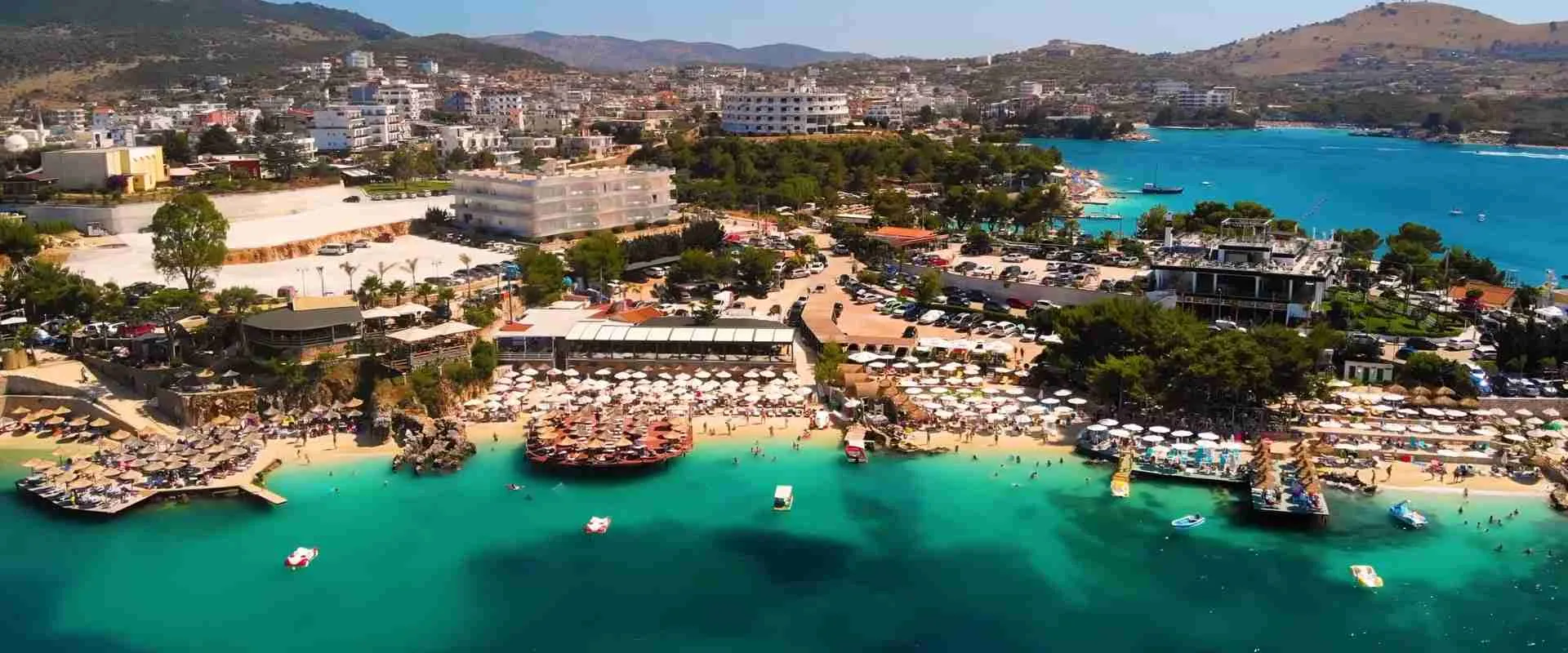
Ksamil stands as Albania’s premier beach destination where crystal-clear turquoise waters lap against white sandy shores and four small islands float within swimming distance of the mainland. This former fishing village on the Albanian Riviera has emerged as the country’s most photographed coastal retreat, drawing travelers seeking Mediterranean beauty at prices significantly below neighboring Greece and Italy.
Key Takeaways: Essential Ksamil Planning Facts 2026
- Location and Access 2026: Ksamil sits 17 kilometers south of Saranda on Albania’s southern coast, accessible via frequent buses from Saranda for ALL 150 ($2) or taxis for ALL 1,500-2,500 ($15-25), with the closest international airport in Corfu, Greece, requiring a ferry crossing to Albanian territory.
- Daily Budget Requirements 2026: Budget travelers need $45-67 per person daily assuming two sharing budget accommodation, mid-range visitors spend $86-125 per person daily with comfortable hotels and restaurant dining, while luxury travelers invest $190-350 per person daily for boutique properties and premium beach experiences.
- Beach Infrastructure Costs 2026: All beaches in Ksamil operate under private management requiring sunbed rentals, with two chairs and umbrella costing ALL 1,000-1,500 ($10-15) during shoulder season, ALL 1,500-2,500 ($15-25) at standard peak-season locations, and ALL 3,000-7,000 ($30-70) at premium beachfront spots with superior positioning.
- Seasonal Price Variations 2026: Peak summer months July-August see accommodation prices double compared to shoulder seasons May-June and September, with hotels ranging ALL 6,500-20,000 ($65-200) per night in summer versus ALL 3,500-10,000 ($35-100) during spring and fall, making shoulder season visits substantially more economical.
- Island Access and Activities 2026: The four Ksamil Islands sit 50-200 meters offshore and are reachable by swimming, pedal boat rental at ALL 1,200 ($12) per hour, or organized boat tours starting at ALL 1,300 ($16) for basic island circuits, with longer snorkeling excursions to Pulëbardha Beach and Pigeon Cave priced at ALL 3,000 ($37) for two-hour experiences.
- Dining Costs and Cuisine 2026: Budget meals at local eateries cost ALL 800-1,000 ($10-12) per person, mid-range restaurant dining including fresh seafood runs ALL 1,500-2,500 ($18-30) per person, while upscale establishments charge ALL 3,000-5,000 ($35-60) per person, with byrek pastries from bakeries available for ALL 200 ($2) for economical breakfast options.
People Also Ask About Ksamil Albania 2026
How much does a week in Ksamil cost in 2026?
A week in Ksamil costs $315-470 per person for budget travelers using guesthouses and local restaurants, $605-875 per person for mid-range comfort with 3-star hotels and varied dining, or $1,330-2,450 per person for luxury experiences at boutique properties with premium beach access. These ranges assume two people sharing hotel accommodation and include lodging, meals, local transportation, beach rental costs, and moderate activity participation. Budget travelers staying in ALL 2,700-4,300 ($27-43) nightly guesthouses and eating primarily at local tavernas reach the lower end, while those choosing ALL 6,500-10,000 ($65-100) mid-range hotels with restaurant meals land mid-range, and luxury visitors in ALL 15,000-30,000 ($150-300) boutique properties with fine dining experiences hit premium pricing. Week-long stays benefit from negotiated accommodation rates, with many properties offering discounts for bookings of five nights or longer particularly during shoulder seasons.
Is Ksamil Albania expensive in 2026?
Ksamil operates as Albania’s most expensive beach destination in 2026 due to its “Maldives of Europe” reputation, yet remains substantially cheaper than comparable Mediterranean resorts in Greece, Italy, or Croatia. Daily costs of $45-67 for budget travel, $86-125 for mid-range comfort, or $190-350 for luxury experiences represent significant savings versus $120-180 budget, $180-280 mid-range, or $350-600+ luxury costs in Greek islands. The primary expense drivers are mandatory beach chair rentals at ALL 1,000-3,000 ($10-30) daily since free beach space essentially does not exist, and summer accommodation commanding ALL 8,000-20,000 ($80-200) per night at quality properties. Compared to other Albanian destinations like Saranda or Himara, Ksamil charges 40-60% higher prices during peak season, though shoulder-season visits in May-June or September-October deliver better value with prices dropping 30-50% below summer peaks.
When is the best time to visit Ksamil in 2026 to avoid crowds?
The optimal balance between weather and crowd levels occurs during May 15-June 20 and September 1-30 in 2026, when air temperatures reach comfortable 22-28°C (72-82°F), sea temperatures warm to 20-24°C (68-75°F) for pleasant swimming, and beach occupancy runs 40-60% of peak capacity allowing space for towels between sunbeds. These shoulder periods offer accommodation at 30-50% below July-August rates, restaurant service without hour-long waits, and beach chair availability past 10:00 AM compared to peak summer when prime spots fill by 8:30 AM. The absolute quietest period runs late September through early October when temperatures remain pleasant at 23-26°C (73-79°F) but European school holidays have concluded and beach clubs reduce hours, creating a more relaxed atmosphere with sunbed prices dropping to ALL 1,000-1,500 ($10-15). Winter months November-March see most beach infrastructure closed, though a handful of year-round restaurants and hotels accommodate off-season visitors seeking budget rates and near-empty beaches despite cooler 8-15°C (46-59°F) temperatures unsuitable for swimming.
What are the Ksamil Islands and how do you visit them in 2026?
The Ksamil Islands comprise four small limestone islands ranging 50-200 meters offshore from the main beaches, characterized by white pebble beaches, turquoise waters, and vegetation-covered rocky surfaces creating the photogenic tropical appearance that earned Ksamil its “Maldives of Europe” nickname. The nearest island sits just 50 meters from shore and is accessible by strong swimmers in calm conditions, though the 100-200 meter distances to the three outer islands require either pedal boat rental at ALL 1,200 ($12) per hour from multiple beach operators, kayak rental at similar rates, or organized boat tours departing from Ksamil Beach starting at ALL 1,300 ($16) per person for basic 60-minute circuits. Island visits allow beach exploration on less crowded shores, snorkeling in clear waters around rocky edges where fish populations thrive, and photography from elevated rocky viewpoints overlooking the mainland coastline. No permanent structures or facilities exist on any island, making visitors responsible for bringing water, snacks, and sun protection, while choppy afternoon winds can make return crossings challenging for inexperienced paddlers suggesting morning departures between 8:00-11:00 AM when conditions remain calmest.
Extended multi-day tours – 5+ days
Featured Albania Multi-Day Tour Packages

3 days
Albania 3-Day Discovery Tour
- ✓ Comprehensive Albania experience
- ✓ Expert local guides included
- ✓ All accommodation included
- ✓ Transportation provided
5 days
Albania 5-Day Highlights Experience
- ✓ Comprehensive Albania experience
- ✓ Expert local guides included
- ✓ All accommodation included
- ✓ Transportation provided

7 days
Albania 7-Day Cultural Journey
- ✓ Comprehensive Albania experience
- ✓ Expert local guides included
- ✓ All accommodation included
- ✓ Transportation provided

10 days
Albania 10-Day Complete Adventure
- ✓ Comprehensive Albania experience
- ✓ Expert local guides included
- ✓ All accommodation included
- ✓ Transportation provided
Multi-day tour packages powered by TourRadar. Prices and availability subject to change.
Introduction: Understanding Ksamil as Albania’s Premier Beach Destination 2026
Ksamil emerged from relative obscurity to international fame over the past decade as social media transformed this former fishing village into the most photographed destination along Albania’s 450-kilometer coastline. The combination of white sandy beaches, crystalline turquoise waters, four offshore islands within swimming distance, and dramatic mountain backdrops creates a visual spectacle that earns comparisons to more expensive Mediterranean destinations while maintaining Albanian affordability. Located in southern Albania just 17 kilometers from the port city of Saranda and 14 kilometers from the UNESCO World Heritage Site of Butrint, Ksamil occupies a strategic position where the Ionian Sea meets Albania’s southern border with Greece, with the Greek island of Corfu visible on clear days just 25 kilometers offshore.
The destination’s infrastructure has evolved rapidly to accommodate growing tourism, with over 100 hotels, guesthouses, and apartments now operating alongside dozens of restaurants, beach clubs, and tour operators. This rapid development has fundamentally changed the character of what was once a quiet village of 3,000 residents into a seasonal resort accommodating 15,000-20,000 daily visitors during July-August peak periods. The transformation brings both benefits in improved facilities and dining options alongside challenges including crowded beaches, traffic congestion, higher prices compared to other Albanian coastal areas, and environmental pressures from construction and visitor numbers.
Planning a successful Ksamil visit in 2026 requires understanding these dynamics and making strategic choices about timing, accommodation location, and budget allocation. The village extends roughly 2 kilometers along the coast with three distinct beach zones, each offering different atmospheres and price points. The northern entrance area near Puerto Rico Beach and Lori Beach provides slightly more space and marginally lower prices, the central zone around Mirror Beach and Bora Bora Beach sits closest to the photogenic four islands and commands premium rates, while the southern beaches near Last Bay and Augusto Beach offer quieter alternatives though requiring longer walks or taxi rides from most accommodations.
Transportation access has improved with the 2019 completion of the coastal road renovation, reducing driving time from Tirana to 4.5 hours and from Saranda to 25 minutes in normal traffic. International visitors typically arrive via Corfu International Airport in Greece followed by ferry to Saranda, or increasingly through Tirana International Airport followed by a scenic but lengthy mountain drive through the Albanian interior. The planned 2027 opening of Vlora International Airport will provide an Albanian alternative just 120 kilometers north, though Corfu remains the most convenient international gateway for 2026 visitors.
The beaches that define Ksamil’s appeal are all privately managed by hotels, restaurants, or dedicated beach clubs, creating a system where free beach space essentially does not exist during peak season. This beach privatization represents the most significant cultural difference from traditional Mediterranean beach destinations where public access remains standard, and it’s the primary driver of why Ksamil costs more than other Albanian coastal areas. Understanding that sunbed rental represents a mandatory rather than optional expense is crucial for accurate budget planning, with daily costs of ALL 1,000-3,000 ($10-30) per couple adding substantially to weekly totals.
The local economy operates predominantly on cash with Albanian Lek (ALL) the standard currency, though euros are accepted at most hotels and restaurants at slightly unfavorable exchange rates. ATMs exist in Ksamil but frequently run empty during peak periods, making Saranda the more reliable location for cash withdrawal. Credit cards see acceptance at mid-range and upscale hotels plus some restaurants, but budget properties and beach clubs remain cash-only operations. The exchange rate of approximately ALL 100 to $1.23 or ALL 95 to €1 remained relatively stable through early 2026, though visitors should verify current rates as the lek fluctuates against major currencies.
Mobile phone connectivity has improved dramatically with 4G LTE coverage now reliable throughout the village from the three main Albanian carriers Vodafone, ALBtelecom, and One, though data speeds slow considerably when thousands of tourists simultaneously stream content during peak hours. Most hotels and many restaurants offer WiFi though quality varies significantly, with budget properties frequently providing barely functional connections while mid-range and upscale establishments maintain reliable service. Visitors planning to work remotely or requiring consistent connectivity should verify internet quality before booking.
The village maintains a safe environment with low crime rates typical of Albanian destinations, though visitors should exercise standard precautions against pickpocketing in crowded beach areas and ensure valuables remain secured in hotel safes rather than left unattended on beaches. The local police presence increases substantially during summer months, and English-speaking officers are typically available to assist tourists. Swimming safety deserves attention as the beaches lack lifeguard services, with afternoon winds creating waves and currents that challenge weaker swimmers, and rocky areas near the islands posing risks of cuts and scrapes without proper footwear.
Environmental consciousness is gradually improving with recycling bins appearing at major beaches and some restaurants eliminating single-use plastics, though waste management infrastructure struggles to handle peak-season volumes. Visitors contribute to sustainable tourism by bringing reusable water bottles, refusing plastic bags, and choosing restaurants demonstrating environmental responsibility. The surrounding area includes the Butrint National Park, a protected wetland ecosystem hosting 246 bird species and the ancient Butrint archaeological site, making day trips that combine beach relaxation with cultural and natural heritage exploration an enriching complement to pure beach tourism.
Getting to Ksamil Albania 2026: Transportation and Access Guide
Reaching Ksamil requires navigating Albania’s developing transportation infrastructure, with multiple route options depending on starting location, budget, and time constraints. The village itself lacks an airport or train station, making Saranda the primary transportation hub for final-leg connections, while international access routes vary significantly in convenience and cost.
The most common international access route combines flights to Corfu International Airport in Greece with ferry service to Saranda, Albania. Corfu Airport receives year-round connections from Athens plus seasonal direct flights from major European cities including London, Frankfurt, Milan, and Vienna during April-October, with ticket prices ranging $80-280 depending on booking timing and origin city. From Corfu town, travelers take taxis to the ferry port for ALL 2,000-3,000 ($20-30), with ferries departing to Saranda 2-4 times daily depending on season at costs of €30-40 per person for the 30-minute crossing. This Greek route adds approximately €80-120 ($95-145) to total travel costs beyond flights, but the convenience of the nearby airport and short transfer times makes it the preferred option for visitors focused specifically on southern Albanian coastal areas.
The fully Albanian alternative flies into Tirana International Airport, Albania’s only commercial airport receiving year-round international service from throughout Europe. Flights to Tirana from major European cities cost $120-420 depending on origin and season, typically running $40-80 more expensive than comparable Corfu flights. From Tirana, the overland journey to Ksamil spans 285 kilometers requiring 4.5-5 hours by bus or private transfer. Direct buses from Tirana to Saranda operated by carriers including Gjergj Luli Transport and Berat Tours depart 2-3 times daily at costs of ALL 2,000-2,500 ($20-25) per person, with the journey following the recently improved SH4 highway through dramatic mountain scenery including passages through Llogara National Park. Private taxi transfers from Tirana directly to Ksamil cost ALL 14,000-20,000 ($140-200) for vehicles accommodating up to four passengers, offering door-to-door convenience at premium pricing suitable for groups or travelers carrying significant luggage.
Regional travelers already in Albania or neighboring countries access Ksamil via Saranda as the final connection point. From Tirana, the aforementioned direct buses provide the most economical option, while rental cars cost approximately $35-60 per day for compact vehicles through international agencies like Hertz and Europcar or $25-40 daily from local Albanian companies. The drive from Tirana follows scenic but challenging mountain roads with steep grades, narrow sections, and occasionally aggressive local driving requiring confidence and attention. From northern Albanian cities including Shkodra, the journey extends to 6-7 hours, while from central locations like Berat or Gjirokaster, travel times run 2.5-4 hours depending on route and road conditions.
From Saranda to Ksamil, frequent local buses provide the most economical connection at ALL 150 ($2) per person one-way, departing approximately every 30-60 minutes during peak summer months from the main bus station near the ferry terminal at coordinates 39.8753°N, 20.0111°E. Spring 2026 schedules show departures at 6:30 AM, 7:00 AM, 8:00 AM, 8:30 AM, 9:30 AM, 10:30 AM, 11:30 AM, 12:30 PM, 1:30 PM, 2:30 PM, 3:30 PM, and 4:30 PM, with summer months adding hourly service through 8:30 PM. Buses stop at multiple points along Ksamil’s main road, allowing passengers to request their preferred beach or hotel area. The 17-kilometer journey takes 25-35 minutes in normal traffic, though peak-season congestion can extend travel times to 45-60 minutes during mid-morning and late afternoon rush periods. Passengers must carry exact change in ALL cash as ticket collectors circulating through buses cannot accommodate large bills or foreign currency.
Taxi service between Saranda and Ksamil operates at official rates of ALL 1,500 ($15) though drivers commonly quote ALL 2,000-2,500 ($20-25) to tourists, making advance price negotiation essential. For groups of three or four travelers, taxi costs split among passengers approach bus pricing while offering door-to-door convenience and flexibility. The trip takes 12-15 minutes in light traffic, making taxis the practical choice for travelers with significant luggage or arriving late evening when bus frequency reduces. Shared taxi services advertised at some Saranda hotels and hostels cost ALL 300-500 ($3-5) per person when vehicles fill with multiple parties heading to Ksamil, though departure times remain subject to passenger availability rather than fixed schedules.
Rental cars provide maximum flexibility for exploring the broader Albanian Riviera beyond Ksamil, with costs of $25-60 daily depending on vehicle class and rental agency. International companies require drivers to be minimum age 21 with one year’s driving experience, though some local agencies accept drivers age 19 or older. Albanian driving presents challenges including aggressive local drivers, limited road signage in English, unpaved rural roads, and parking shortages in Ksamil during peak season when beach areas become severely congested. Vehicles left on main roads may receive parking tickets or be towed, while designated parking areas near beaches charge ALL 300-500 ($3-5) daily. The flexibility to visit nearby attractions including Butrint archaeological site, Blue Eye natural spring, and coastal villages like Himara justifies rental costs for visitors planning multi-destination itineraries rather than beach-focused stays.
For travelers continuing south into Greece, the border crossing at Kakavia/Ktismata sits 30 kilometers southeast of Ksamil and processes vehicles and pedestrians during 24-hour operations, though wait times can extend to 2-3 hours during summer weekends. Direct buses from Saranda to Athens via this crossing operate 3-4 times weekly at costs around €35-45 per person for the 8-hour journey, providing an overland alternative to return ferry connections through Corfu for visitors completing circular routes through Albania and Greece.
Best Time to Visit Ksamil 2026: Seasonal Weather and Crowd Analysis
Ksamil’s Mediterranean climate delivers hot dry summers and mild wet winters, creating distinct seasonal patterns that dramatically affect both visitor experience and pricing. The optimal visit timing balances weather suitability for beach activities, crowd density at beaches and attractions, accommodation availability and pricing, and cultural atmosphere of the village.
Peak summer season spanning July 1-August 31 delivers guaranteed beach weather with air temperatures consistently 28-34°C (82-93°F), sea temperatures reaching comfortable 24-26°C (75-79°F), virtually zero rainfall averaging just 10-15mm monthly, and 12-14 hours of daily sunshine. These ideal beach conditions attract maximum visitor numbers, with beaches reaching full capacity by 10:00 AM requiring arrival by 8:30 AM to secure preferred sunbed locations. Accommodation during this period books weeks or months in advance with prices at seasonal peaks, hotels charging ALL 8,000-25,000 ($80-250) per night compared to ALL 4,000-12,000 ($40-120) during shoulder seasons. Restaurants experience hour-long wait times during 7:00-9:00 PM dinner rush, beach bars operate at maximum volume creating constant music and activity, and the village takes on a crowded resort atmosphere with minimal connection to traditional Albanian culture. Budget travelers find peak summer challenging as even basic guesthouses command ALL 5,000-7,000 ($50-70) nightly compared to ALL 2,500-4,000 ($25-40) during May or September, while dining costs rise 20-30% as restaurants reduce budget options in favor of higher-margin tourist menus.
Shoulder season periods in late May to mid-June and September through early October provide the optimal visit window for most travelers, balancing favorable weather with manageable crowds and moderate pricing. Late May typically sees air temperatures 22-26°C (72-79°F) with sea temperatures reaching swimmable 19-21°C (66-70°F) by month’s end, though occasional cool days require layers and may limit extended water time. June builds toward summer conditions with 25-29°C (77-84°F) air temperatures and 21-23°C (70-73°F) sea temperatures creating comfortable all-day beach weather, while maintaining 40-60% lower beach occupancy than July-August allowing spontaneous sunbed availability through mid-morning. Accommodation costs during June run 30-40% below peak summer rates with negotiation possible for multi-night stays, while restaurants maintain full menus without excessive wait times and demonstrate greater willingness to accommodate special requests or language barriers.
September delivers the year’s finest weather-to-crowd ratio, with early-month temperatures remaining summer-warm at 26-30°C (79-86°F), sea temperatures at annual peaks of 24-26°C (75-79°F) from months of solar heating, and substantially reduced visitor numbers as European school holidays conclude. Beaches maintain comfortable but not overwhelming occupancy through 11:00 AM, hotels drop rates 40-50% below August prices while maintaining full amenities and service, and restaurants shift focus back toward Albanian clientele creating opportunities to experience more authentic regional cuisine. Mid-to-late September sees gradual temperature declines to 23-27°C (73-81°F) with increasing possibilities of rain though still averaging 70-80% sunny days, while October brings 20-24°C (68-75°F) temperatures and rising rainfall as the Mediterranean transitions toward winter patterns.
Early season April and late-season October through November appeal to budget-conscious travelers comfortable with variable weather and reduced services. April temperatures of 16-21°C (61-70°F) allow pleasant beach lounging but 16-18°C (61-64°F) sea temperatures deter most swimmers, while unpredictable weather patterns alternate sunny beach days with cloudy or rainy periods unsuitable for outdoor activities. Many beach clubs and seasonal restaurants remain closed through mid-April, though those operating offer sunbed rentals at bottom-tier ALL 500-1,000 ($5-10) pricing and hotels charge as little as ALL 2,000-3,500 ($20-35) nightly for rooms costing triple during summer. October maintains reasonable 20-24°C (68-75°F) temperatures with 21-23°C (70-73°F) sea temperatures still comfortable for swimming, though rainfall increases to 80-100mm monthly requiring flexible planning around weather windows. November enters the off-season with 15-19°C (59-66°F) temperatures, 19-21°C (66-70°F) sea temperatures challenging for most swimmers, and 120-150mm rainfall making beach days uncertain. Budget adventurers visiting during October-November secure the year’s lowest accommodation rates at ALL 1,500-3,000 ($15-30) nightly, often negotiating direct with property owners for extended stays, while experiencing Ksamil’s village character without tourism influence though accepting limited dining options and closed beach infrastructure.
Winter months December through March see the village essentially shuttered for tourism, with most hotels, restaurants, and all beach clubs closed for the season. Temperatures of 8-15°C (46-59°F), heavy rainfall averaging 130-180mm monthly, and 16-18°C (61-64°F) sea temperatures unsuitable for swimming make beach tourism impractical. The handful of year-round residents and the few open properties maintain a quiet village atmosphere appealing to travelers seeking solitude and rock-bottom pricing, with the open hotels charging ALL 1,000-2,000 ($10-20) nightly and the operating restaurants serving traditional Albanian cuisine to local clientele. Winter visitors come for the nearby Butrint archaeological site, hiking in surrounding hills, or simply experiencing coastal Albania without tourism infrastructure, accepting that beach activities will play minimal role in the experience.
Weather unpredictability requires flexible planning particularly during shoulder seasons, with summer’s reliable sunshine giving way to variable conditions where weekly forecasts prove unreliable beyond 2-3 days. The Mediterranean climate periodically produces multi-day wind events particularly during spring and fall transitions, creating choppy seas unsafe for island visits and uncomfortable beach conditions despite air temperatures remaining pleasant. These wind periods typically last 1-3 days before calmer conditions return, making week-long visits more resilient to weather disruptions than short 2-3 day stays.
Albanian national holidays and long weekends bring domestic tourism surges with notable impacts during Orthodox Easter week in late April or early May, Independence Day weekend November 28-30, and summer weekends throughout July-August when Albanian families from Tirana and other cities flood coastal areas. These periods see accommodation prices spike 30-50% above baseline rates, beaches reaching uncomfortable overcrowding, and restaurants overwhelmed with diners. Advance booking becomes essential during major holidays, with many properties setting 3-5 night minimum stays to maximize revenue during high-demand windows.
Accommodation Guide Ksamil 2026: Hotels, Guesthouses, and Where to Stay
Ksamil’s accommodation infrastructure expanded rapidly over the past decade from a handful of family guesthouses to over 100 properties ranging from budget rooms to boutique beach resorts. The village’s compact geography creates distinct location zones, each offering different trade-offs between beach proximity, pricing, and atmosphere. Understanding these geographic divisions proves essential for selecting accommodation matching individual priorities and budgets.
The northern entrance area encompassing streets near Puerto Rico Beach and Lori Beach provides the easiest vehicle access from Saranda, slightly lower average pricing than central zones, and somewhat more available parking, though requiring 10-15 minute walks to reach the photogenic central beaches and four islands. Hotels in this area operate primarily at budget and mid-range tiers with properties like Hotel Meta Ksamil and Hotel Vathi offering clean comfortable rooms at ALL 4,000-7,000 ($40-70) per night during shoulder seasons, increasing to ALL 8,000-12,000 ($80-120) during July-August peaks. The neighborhood maintains a marginally more residential feel with several year-round Albanian families living among tourist properties, providing access to authentic local bakeries and small grocery stores serving community rather than exclusively tourist needs. The downside involves heavier vehicle traffic as this area serves as the main entrance route, creating noise during daylight hours though quieting after 9:00 PM when most arrivals complete.
Central Ksamil surrounding Mirror Beach, Bora Bora Beach, and the beach roads facing the four islands commands the highest accommodation prices due to superior beach access and the most photogenic coastal views. Premium boutique properties including Muze Hotel, Hotel Arsenal, and Poda Boutique Hotel cluster in this zone, offering sea-view rooms at ALL 12,000-25,000 ($120-250) per night during peak summer, dropping to ALL 6,000-12,000 ($60-120) during May-June or September shoulder periods. These properties typically include breakfast, maintain pools, provide complimentary beach chair service at affiliated beach clubs, and deliver superior amenities including air conditioning that actually cools effectively, modern bathrooms with consistent hot water, and WiFi capable of supporting video calls. Mid-range options in the central area including Hotel Four Islands and Hotel Natica charge ALL 7,000-14,000 ($70-140) during summer, offering comfortable rooms without luxury finishes but benefiting from prime locations within 2-minute walks of the main beaches. Budget travelers struggle to find accommodation in this central zone during peak season as properties upgrade toward mid-range positioning to capture higher per-night rates from visitors willing to pay premiums for location.
The southern beach area extending toward Last Bay and Augusto Beach provides the quietest atmosphere with marginally fewer tourists, easier parking access, and proximity to less crowded beach sections though requiring 15-20 minute walks to reach the central beaches and four islands. Properties in this area span budget to mid-range categories with options like Sunlight Hotel and Hotel Danel offering solid value at ALL 5,000-9,000 ($50-90) per night during summer, dropping to ALL 3,000-5,000 ($30-50) during shoulder seasons. The trade-off involves accepting that the iconic Ksamil photos showcasing turquoise waters and nearby islands are taken from the central beaches rather than southern areas, making this zone more suitable for visitors prioritizing peaceful beach relaxation over Instagram moments or those planning to explore the broader region by rental car rather than focusing exclusively on Ksamil’s beaches.
Budget accommodation options have contracted as property owners renovate toward mid-range categories pursuing higher revenue, but determined travelers still find basic rooms at family-run guesthouses for ALL 2,500-4,500 ($25-45) during shoulder seasons, increasing to ALL 4,500-7,000 ($45-70) during July-August when even basic properties charge summer premiums. These budget options typically lack English-speaking staff, provide minimal amenities beyond a bed and bathroom, feature aging air conditioning units struggling in summer heat, and require cash payment upon arrival without advance booking confirmations. The value proposition works for travelers spending full days at beaches and using rooms exclusively for sleeping, though comfort-sensitive visitors find the quality gaps compared to mid-range hotels significant enough to justify the $20-40 daily premium for superior properties.
Apartment rentals through booking platforms including Booking.com and Airbnb provide alternatives to hotels, particularly for groups, families, or extended stays where kitchen facilities reduce dining costs. One-bedroom apartments cost ALL 4,500-8,000 ($45-80) nightly during summer, two-bedroom units suitable for families run ALL 7,000-12,000 ($70-120) nightly, while larger three-bedroom apartments accommodating 6-8 people cost ALL 10,000-18,000 ($100-180) nightly. Apartment advantages include more living space than equivalent-priced hotels, kitchen facilities enabling self-catering, and multiple bedrooms allowing families to avoid paying for multiple hotel rooms, though disadvantages involve hit-or-miss quality, limited or absent on-site management for problem resolution, variable WiFi quality, and sometimes deceptive photos showing spaces larger or better-maintained than reality. Rental periods during peak summer frequently require 5-7 night minimums, while shoulder seasons offer more flexibility with 2-3 night minimums or even nightly rentals when demand softens.
Booking strategy significantly impacts costs and availability. Direct booking by contacting hotels via phone, email, or WhatsApp often yields better rates than booking platforms, particularly for multi-night stays where properties discount 10-15% for week-long reservations or offer complimentary extra nights. Many smaller properties lack sophisticated online booking systems, making direct contact the only reservation method while allowing negotiation impossible through automated platforms. Major booking sites including Booking.com provide advantages of user reviews, instant confirmation, and sometimes free cancellation, though their 15-20% commission fees get passed to consumers through higher published rates. Early booking 3-5 months before arrival secures both availability and lower rates as properties use early-bird discounts to lock guaranteed summer revenue, while last-minute bookings during shoulder seasons occasionally produce deals when properties reduce rates to avoid empty rooms, though gambling on last-minute availability during July-August typically results in either fully booked properties or only premium-priced rooms remaining available.
Accommodation quality varies dramatically with price tiers. Budget properties at ALL 2,500-4,500 ($25-45) provide basic rooms often showing wear, inconsistent hot water, air conditioning struggling in peak heat, thin walls transmitting noise from adjacent rooms and street traffic, and minimal English communication. Mid-range hotels at ALL 6,000-12,000 ($60-120) deliver reliable modern amenities including effective climate control, comfortable bedding, clean well-maintained bathrooms, breakfast often included, pools at many properties, and staff capable of English communication. Luxury boutique properties at ALL 12,000-25,000 ($120-250) offer superior rooms with sea views, designer furnishings, powerful air conditioning, excellent bathrooms, quality breakfast buffets, beach service at affiliated clubs, pools with comfortable lounging areas, and professional management addressing issues promptly. The mid-range category represents optimal value for most visitors, providing reliable comfort without luxury premiums, though budget-conscious travelers comfortable with basic amenities save $30-60 daily accepting older facilities.
Breakfast inclusion varies by property and season, with many mid-range and upscale hotels including breakfast in nightly rates particularly during shoulder seasons when they compete more aggressively for guests, while peak summer frequently converts breakfast from included to optional add-on at ALL 800-1,500 ($8-15) per person. Quality ranges from minimal continental offerings of bread, jam, cheese, and instant coffee at budget properties to substantial buffets with eggs, meats, cheeses, pastries, fresh fruits, and proper coffee at quality hotels. Travelers eating breakfast at hotels spend approximately ALL 800-1,200 ($8-12) less daily on food versus those dining at cafes and bakeries, though hotels without breakfast rarely sit more than 5-minute walks from bakeries selling byrek, pastries, and coffee for ALL 200-400 ($2-4) per person.
Ksamil Beaches Guide 2026: Best Beaches, Sunbed Costs, and Beach Selection
Ksamil’s 15 named beaches stretch along 2 kilometers of coastline, each presenting distinct characteristics, pricing, and atmospheres. Understanding beach differences proves essential for selecting locations matching individual preferences regarding crowds, facilities, music volume, and costs. The universal factor across all Ksamil beaches remains private management requiring sunbed rental as beaches offer virtually no free space for personal towels or beach blankets during peak season, with beach clubs and affiliated restaurants controlling access and setting their own pricing and policies.
Mirror Beach occupies the central position facing directly toward the four islands and claims status as Ksamil’s most iconic beach, appearing in the majority of promotional photos and Instagram posts that established the destination’s “Maldives of Europe” reputation. The beach delivers stunning turquoise water clarity, white sandy bottom visible through 3-4 meters of water depth just 10 meters from shore, and perfect framing of the nearest island just 50 meters offshore creating the archetypal Ksamil photograph. These advantages attract maximum visitor numbers, with sunbeds packed densely to accommodate demand and the beach reaching full capacity by 9:30-10:00 AM during July-August requiring early arrival to secure positions. Sunbed pricing at Mirror Beach runs ALL 2,000-2,500 ($20-25) for two chairs and umbrella during peak summer, dropping to ALL 1,500-2,000 ($15-20) during June and September shoulder periods. Multiple beach clubs operate along Mirror Beach including sections managed by Bora Bora Beach Club and Mirror Beach Bar, each maintaining their own pricing and music volume with the southern sections toward the main beach access point playing louder dance music while northern sections near the islands offer marginally quieter atmospheres. The beach provides shallow water extending 40-50 meters offshore making it suitable for families with children, though the dense concentration of swimmers creates safety concerns for young children as adults swimming, standing, and playing with water toys create congestion difficult for parents to monitor effectively.
Bora Bora Beach sits immediately south of Mirror Beach, offering similar water quality and views of the four islands while operating as a distinct beach club with its own management and pricing. The beach club atmosphere emphasizes music, cocktails, and social environment targeting younger visitors and party-oriented travelers, with DJ sets and organized activities including paddleboard races and beach volleyball creating lively but potentially overwhelming noise levels. Sunbed costs run ALL 2,500-3,000 ($25-30) for premium first-row positioning with some sections charging up to ALL 4,000 ($40) for deluxe cabana-style arrangements accommodating small groups. The food and beverage offerings exceed most Ksamil beaches with full restaurant menus including seafood platters, grilled meats, salads, and extensive cocktail lists, though prices reflect the upscale positioning at ALL 1,500-2,500 ($18-30) per main dish and ALL 800-1,500 ($10-18) per cocktail. Bora Bora Beach works well for social travelers wanting active beach club atmosphere but proves overwhelming for visitors seeking peaceful beach relaxation, with music volume persisting from 11:00 AM through 7:00 PM at levels preventing easy conversation and requiring raised voices.
Ksamil Beach 9 occupies the northern end of the main beach strip near the village center, providing easy access from most central accommodations and slightly more space between sunbed rows compared to Mirror Beach and Bora Bora. The beach operates under management by Hotel Seadel and affiliated properties, offering sunbed rentals at ALL 1,500-2,000 ($15-20) during peak season with somewhat more availability past 10:00 AM compared to the most popular beaches. Water depth increases more quickly here with 2-3 meter depths beginning just 5-7 meters from shore, making it more suitable for confident swimmers and less ideal for young children. The beach maintains a calmer atmosphere than Bora Bora though still experiencing music from adjacent beach bars, with several small restaurants along the beach road providing quick lunch options at moderate prices around ALL 1,000-1,800 ($12-22) per person. Beach 9’s main advantage lies in its central location making it the default choice for visitors staying in central accommodations who prioritize convenience over pursuing the absolutely optimal beach conditions found at Mirror Beach or quieter alternatives.
Puerto Rico Beach anchors the northern beach area near the main entrance to Ksamil, characterized by slightly coarser sand, excellent water clarity, and views toward the islands from a different angle compared to central beaches. The beach operates as a beach club with affiliated restaurant offering solid food quality at moderate pricing, with sunbed rentals running ALL 1,500-2,000 ($15-20) during peak periods. Puerto Rico Beach historically suffered from excessive music volume that deterred visitors seeking relaxation, though recent management changes in 2025-2026 reduced volume levels to more tolerable ranges. The beach maintains strong appeal for visitors staying in northern accommodations as it sits within 2-3 minute walks from that area, eliminating the 10-15 minute trek to central beaches. Water depth and rocky patches require swimming shoes for comfortable entry, with the beach composed of mixed sand and pebbles rather than pure white sand found at Mirror Beach. Families with young children find the deeper water less suitable, but adult swimmers appreciate clear water and somewhat reduced crowding compared to the most popular beaches.
Lori Beach sits adjacent to Puerto Rico Beach, offering similar water conditions with marginally quieter atmosphere and slightly lower pricing at ALL 1,500-2,000 ($15-20) for sunbeds during peak season, dropping to ALL 1,000-1,500 ($10-15) during shoulder periods. The beach operates as an independent beach club with its own restaurant serving standard beach food at reasonable prices, maintaining a more relaxed vibe compared to party-oriented Bora Bora or crowded Mirror Beach. Lori Beach delivers particularly strong value during September when shoulder-season pricing meets continued excellent weather, with first-row sunbeds available for ALL 1,000-1,500 ($10-15) compared to the ALL 2,000-2,500 ($20-25) charged at Mirror Beach during the same period. The view encompasses both the four main islands and glimpses of the southern coastline, creating photogenic scenarios while avoiding the intense crowding that diminishes Mirror Beach’s experience during peak hours. Swimmers appreciate the gradual depth increase allowing comfortable wading 20-30 meters offshore before requiring swimming, making the beach functional for mixed-ability groups including non-swimmers and children.
Last Bay represents the quietest beach in the main Ksamil area, positioned at the southern end of the village near the road toward Butrint. The beach operates as a mellow beach club focusing on relaxation over party atmosphere, with minimal music volume, spacious sunbed arrangement, and professional service at ALL 1,000-1,500 ($10-15) for two sunbeds and umbrella even during peak summer when other beaches charge double. The trade-off involves 15-20 minute walks from central accommodations, no direct views of the four islands, and somewhat coarser sand with more pebbles mixed in, though water clarity equals the premium beaches and the peaceful atmosphere appeals strongly to visitors frustrated by crowds and noise at more popular locations. Last Bay works particularly well for rental car users who park directly at the beach, extended-stay visitors who rotate between beaches rather than visiting the same spot daily, and anyone prioritizing tranquility over social atmosphere or iconic Instagram backdrops. The affiliated restaurant serves solid food at reasonable prices with mains around ALL 1,200-1,800 ($15-22), and the staff demonstrates notably friendlier, less harried service compared to overwhelmed teams at the busiest beaches.
Augusto Beach operates adjacent to Last Bay, offering nearly identical conditions, pricing, and atmosphere while functioning as a separate beach club with its own management. The beach provides another quiet alternative at ALL 1,000-1,500 ($10-15) for sunbeds with the same peaceful vibe and distance from village center. Visitors to Last Bay or Augusto essentially choose between two neighboring quiet beaches based on which has availability or better sunbed positioning on any given day, as water quality and overall experience remain virtually identical. Both beaches maintain year-round operations unlike some seasonal beach clubs, making them reliable choices during shoulder seasons when other facilities may close unpredictably.
Coco Beach sits on the mainland side opposite the four islands, operated by a restaurant of the same name as a smaller intimate beach serving primarily the restaurant’s clients. Sunbed rental runs ALL 1,500-2,000 ($15-20) with the beach featuring pebble rather than sand surface, adequate but not exceptional water clarity, and views across the channel toward the village and islands from the opposite perspective. The beach appeals mainly to guests dining at Coco Beach Restaurant who spend afternoon hours relaxing at the beach included with their restaurant visit, rather than functioning as a primary beach destination for general visitors.
The four Ksamil Islands themselves offer beach experiences distinct from mainland beaches. The nearest island just 50 meters offshore features small white pebble beaches accessible to strong swimmers, while the three outer islands 100-200 meters from shore require pedal boats, kayaks, or organized boat tours to reach safely. Island beaches lack any facilities, rental equipment, or shade structures, making visitors responsible for bringing water, food, sunscreen, and umbrellas if sun protection is desired. The advantage lies in substantially lower crowding with island beaches typically hosting 20-30 people compared to hundreds at mainland locations, though the lack of facilities and potential difficulty returning if wind conditions change makes island visits more adventurous than relaxing for many visitors. Swimming around island edges provides excellent snorkeling with clear water and small fish populations, though no rental equipment exists requiring visitors to bring their own masks and fins.
Beach selection strategy depends heavily on priorities and visiting patterns. First-time visitors typically prioritize Mirror Beach for iconic photos and turquoise water despite accepting crowds and premium pricing, while repeat visitors gravitate toward quieter Last Bay, Augusto Beach, or Lori Beach where more relaxed atmospheres and lower costs offset the loss of perfect Instagram backdrops. Visitors staying a week often rotate between beaches, experiencing the popular spots early in the visit for photographs and novelty before settling into quieter alternatives for the majority of their time. Party-oriented visitors specifically seek Bora Bora Beach for the social atmosphere, while families with young children benefit from Mirror Beach’s gentle gradual depth or Beach 9’s central convenience. Rental car users enjoy maximum flexibility to sample different beaches daily and escape to alternative locations including Saranda beaches or more remote coastal spots when Ksamil crowds become overwhelming.
Beach arrival timing dramatically impacts experience quality particularly during July-August when popular beaches reach full sunbed capacity. Arriving 8:00-8:30 AM guarantees choice of positioning at any beach, while 9:00-9:30 AM secures decent spots at all except Mirror Beach and Bora Bora which fill earliest, and post-10:00 AM arrivals face limited or no availability at premium beaches though quieter alternatives like Last Bay typically maintain openings through 11:00 AM. Some beach clubs accept advance sunbed reservations by phone or WhatsApp for regular customers, though most operate strictly first-come first-served requiring physical presence to claim spots. Afternoon beach availability occasionally opens as morning arrivals depart around 3:00-4:00 PM, though sunbed rentals still charge full daily rates regardless of arrival time.
Ksamil Food and Dining Costs 2026: Restaurant Guide and Budget Strategies
Ksamil’s dining scene expanded dramatically alongside tourism growth, evolving from a handful of family tavernas to over 50 restaurants, cafes, and beach bars offering cuisines ranging from traditional Albanian seafood to international pizza, pasta, and Mediterranean fusion. Pricing varies substantially based on location, ambiance, and target market, with budget travelers able to eat for $10-15 daily while mid-range diners spend $35-55 daily and those seeking quality seafood at upscale establishments invest $60-90 daily per person.
Budget dining centers on local bakeries and simple tavernas serving traditional Albanian dishes. Bakeries including Primera Food House near the village entrance open early at 7:00 AM offering byrek, the ubiquitous Albanian savory pastry filled with cheese, spinach, or meat, at ALL 150-250 ($2-3) per generous portion alongside proper espresso for ALL 100-150 ($1-2). This combination provides substantial breakfast for ALL 300-400 ($3-4) per person, delivering far better value than hotel breakfast buffets charging ALL 800-1,500 ($8-15). Multiple bakeries scattered through the village offer virtually identical products and pricing, making location convenience rather than quality differences the primary selection factor. Budget travelers eating bakery breakfast save $5-10 daily compared to restaurant or hotel options, a meaningful reduction over week-long stays.
Local tavernas concentrated away from beachfront locations in the village interior serve traditional Albanian cuisine at prices substantially below tourist-oriented restaurants. Tavë kosi (baked lamb with yogurt), fergese (peppers with cheese and meat), grilled fish, and meat dishes cost ALL 800-1,200 ($10-15) per main course at these establishments, with meal totals including bread, salad, and beverage running ALL 1,000-1,500 ($12-18) per person. Garden Mix Grill exemplifies this category, operating a pleasant garden dining area serving excellent traditional dishes at fair prices with generous portions and friendly service. These local establishments lack English menus requiring some Albanian language navigation or translation apps, though pointing at neighboring tables and hand gestures accomplish ordering at establishments accustomed to international guests. Budget travelers eating lunch and dinner at local tavernas spend approximately ALL 2,000-2,800 ($24-33) daily on food, combined with bakery breakfast reaching total daily food costs of ALL 2,300-3,200 ($27-38), significantly below the $45-65 spent dining primarily at tourist restaurants.
Mid-range restaurants along the beach road and in the central village serve Mediterranean cuisine combining Albanian dishes with international options including Italian pastas, pizzas, Greek salads, and grilled seafood. These establishments offer English menus, attractive outdoor seating, professional service, and higher quality ingredients and preparation compared to budget tavernas. Main courses cost ALL 1,200-2,000 ($15-25) per person with full meals including appetizers, mains, desserts, and beverages totaling ALL 2,000-3,000 ($25-36) per person. Restaurant Fredi Fresh Fish represents quality mid-range dining focused on seafood, offering catch displays where diners select fish priced by weight then prepared to specification with cooking charges around ALL 500-800 ($6-10) beyond market-price seafood costs typically running ALL 1,500-2,500 ($18-30) per kilogram for popular species. The result produces excellent fresh seafood meals for ALL 2,500-3,500 ($30-42) per person, premium pricing justified by quality and freshness.
Beachfront restaurants attached to beach clubs charge the highest prices reflecting prime locations and captive audiences of sunbed renters disinclined to walk 15-20 minutes to village restaurants for lunch. Beach restaurant pricing runs ALL 1,500-2,500 ($18-30) for main courses, ALL 800-1,200 ($10-15) for salads and appetizers, and ALL 500-800 ($6-10) for soft drinks or coffee, with full lunch including appetizer and main course costing ALL 2,500-3,500 ($30-42) per person. The convenience premium adds 30-50% versus equivalent meals at village restaurants, though the ability to eat without leaving the beach and returning to secured sunbeds justifies the surcharge for many visitors. Beach restaurant quality varies from adequate to excellent with no reliable correlation between pricing and quality, making user reviews on Google Maps or TripAdvisor valuable for identifying which beach venues deliver value versus which exploit captive audiences with mediocre food at high prices.
Seafood represents Ksamil’s culinary highlight, with fresh catch brought daily from local fishing boats and Saranda markets providing excellent quality at prices favorable compared to Western European coastal destinations. Grilled whole fish including sea bass, sea bream, and red mullet cost ALL 1,800-3,000 ($22-36) per kilogram at quality restaurants, with typical fish serving 2-3 people producing per-person costs of ALL 800-1,200 ($10-15) for the fish plus sides and drinks bringing total meals to ALL 1,500-2,200 ($18-26) per person. Seafood pasta dishes cost ALL 1,200-1,800 ($15-22), while calamari, octopus, and mixed seafood platters run ALL 1,500-2,500 ($18-30). The seafood quality and preparation at Ksamil restaurants equals or exceeds most Greek island establishments while charging 20-30% less, making seafood dining a highlight worth budget splurges for visitors who eat simply most meals to afford occasional upscale seafood experiences.
International cuisine options expanded substantially in recent years, with several Italian restaurants serving authentic pizzas and pastas, Greek tavernas offering moussaka and souvlaki, and fusion establishments combining multiple Mediterranean influences. Pizza costs ALL 800-1,400 ($10-17) for personal-sized pies, pasta dishes run ALL 900-1,500 ($11-18), and Greek mixed plates cost ALL 1,200-1,800 ($15-22). These options provide familiar comfort food for visitors wary of Albanian cuisine or families with children preferring recognizable dishes, though quality varies widely from excellent authentic preparations to mediocre tourist versions with Albanian ingredients approximating Italian or Greek originals.
Breakfast options beyond bakery byrek include hotel breakfast buffets when included in room rates, cafe breakfast menus offering eggs, omelets, pancakes, and fruit plates at ALL 600-1,200 ($7-15) per person, or self-catering for apartment renters using small grocery stores selling bread, cheese, yogurt, fruit, and basic breakfast supplies. The village lacks large supermarkets, but several small markets provide adequate selection for simple meal preparation at costs approximately 40-50% below restaurant dining. Preparing breakfast and occasional lunches at apartments while dining out for dinners allows mid-range budgets to stretch further or enables budget travelers to allocate saved funds toward other experiences.
Beverage costs add meaningfully to dining expenses, with water costing ALL 150-300 ($2-4) per liter at restaurants compared to ALL 50-80 ($0.60-1) at grocery stores, domestic beer ALL 300-500 ($4-6) per glass, wine ALL 400-800 ($5-10) per glass, cocktails ALL 800-1,500 ($10-18), and soft drinks ALL 200-400 ($2-5). Beach club cocktails reach premium pricing at ALL 1,200-1,800 ($15-22) particularly at party-oriented venues like Bora Bora Beach, while simple village cafes charge ALL 600-800 ($7-10) for equivalent drinks. Budget-conscious diners bring their own water bottles refilled at accommodations, significantly reducing beverage expenses over multi-day stays.
Tipping practices in Albania remain informal with no mandatory service charges, though appreciative diners round up bills or leave 5-10% for good service particularly at mid-range and upscale establishments. Budget tavernas receive minimal tips of just rounding to convenient ALL amounts, while quality restaurants earning exceptional ratings merit 10% tips matching international norms. Beach club servers hustling in hot conditions managing hundreds of sunbed clients appreciate ALL 200-500 ($2-5) tips particularly for attentive service through full-day beach stays.
Food quality varies substantially between establishments with no reliable correlation between pricing and quality except at the extremes where rock-bottom prices reliably produce mediocre food and premium pricing usually delivers at least adequate quality. The middle ground contains both excellent value establishments serving quality traditional cuisine at fair prices and tourist traps offering mediocre food at inflated costs in prime locations. Reading recent Google Maps and TripAdvisor reviews proves essential for identifying current quality leaders, as restaurant management and chef changes create shifting quality hierarchies where last year’s excellent venue becomes this year’s disappointment and vice versa.
Activities and Experiences in Ksamil 2026: Beyond the Beach
While beach lounging dominates most Ksamil itineraries, the destination offers diverse activities and nearby attractions providing variation from pure beach tourism. The compact village geography, proximity to significant cultural and natural sites, and expanding tour infrastructure create options for visitors seeking active experiences or cultural enrichment alongside beach relaxation.
Boat tours represent the most popular organized activity, with numerous operators offering various formats exploring the Ksamil Islands, nearby coastline, and hidden beaches inaccessible by land. Basic island circuit tours departing from the main beaches cost ALL 1,300-2,000 ($16-24) per person for 60-90 minute trips circling the four islands with brief swimming stops at secluded coves. These short tours provide island perspectives, swimming opportunities at less-crowded spots, and convenient experiences for visitors uncomfortable with the 100-200 meter swims required for independent island access. Longer excursions to Pulëbardha Beach and Pigeon Cave including snorkeling equipment and drinks cost ALL 3,000-4,000 ($37-48) per person for 2-3 hour experiences exploring dramatic limestone cliffs, cave swimming, and remote white pebble beaches away from main tourist areas. The most comprehensive tours combining Ksamil Islands, Pigeon Cave, Mirror Beach, and extended coastline exploration with lunch or snacks run ALL 5,000-7,000 ($60-85) per person for 4-5 hour full-day experiences aboard comfortable speedboats or traditional wooden vessels.
Private boat rentals offer flexibility and privacy for groups, families, or couples wanting customized experiences without joining group tours. Small motorboats accommodating 4-6 passengers rent for ALL 10,000-15,000 ($120-180) for half-day charters including fuel and captain, rising to ALL 18,000-25,000 ($220-300) for full-day rentals with itinerary customization visiting preferred locations at desired paces. These private options work economically for groups of 4-6 splitting costs to approximate ALL 2,500-4,000 ($30-48) per person for half-day experiences, delivering substantially superior flexibility and comfort compared to crowded group tours at comparable per-person costs. Sunset cruises combining coastal exploration with drinks and snacks timed to golden hour photography and sunset viewing cost ALL 10,000-12,000 ($120-145) per couple for 2-3 hour romantic experiences, representing premium pricing justified for special occasions or celebrating milestones.
Water sports available from beach operators include pedal boat rentals at ALL 1,200 ($12) per hour, kayak rentals at similar rates, and stand-up paddleboards renting for ALL 1,000-1,500 ($12-18) per hour. These human-powered options provide island access for those uncomfortable swimming the distances or simply wanting leisurely floating exploration. Jet ski rentals at some beaches cost ALL 5,000-8,000 ($60-95) per 30 minutes, premium pricing that reflects expensive equipment maintenance and insurance rather than representing practical transportation, as jet ski use remains restricted to designated areas preventing actual exploration beyond immediate beach vicinities. Snorkeling equipment rentals from beach shops cost ALL 500-800 ($6-10) daily for mask and fins, though visitors planning multiple snorkeling days save money bringing their own gear from home. The underwater environment around Ksamil offers moderate interest with rocky areas near islands hosting small fish populations, though the region lacks the dramatic marine biodiversity of dedicated snorkeling destinations like Red Sea or Caribbean locations.
Butrint National Park and archaeological site represents the premier cultural attraction within easy reach of Ksamil, sitting just 8 kilometers south with access via ALL 150 ($2) bus from Ksamil’s main road, ALL 2,000-2,500 ($20-25) taxi, or straightforward drive for rental car users. The UNESCO World Heritage Site encompasses extensive Greek, Roman, Byzantine, and Venetian ruins spanning 2,500 years of history, with highlights including the 4th-century BC Greek theater, Roman forum and baths, Byzantine baptistry with intricate floor mosaics, and medieval castle offering panoramic lagoon views. Entry costs ALL 1,000 ($12) for adults with student discounts available, and the 2-3 hour site visit combines well with Ksamil beach days either as morning cultural activity before afternoon beach time or as afternoon escape when beach crowds or heat become excessive. The site maintains excellent condition with clear signage in English explaining historical significance, though hiring official guides at the entrance for ALL 3,000-4,000 ($36-48) for groups substantially enriches the experience through detailed historical context and architectural explanations not captured by signage alone.
Blue Eye natural spring (Syri i Kaltër) 30 kilometers north of Ksamil draws visitors to its dramatic deep blue pool where underwater springs create mesmerizing color gradients and constant water temperature of 10-12°C (50-54°F) year-round. The site charges ALL 50 ($0.60) entry and provides elevated viewing platform plus swimming access for brave visitors tolerating icy water. The spring sits in pleasant forested setting with simple restaurant serving traditional Albanian food at moderate prices. Organized tours from Ksamil combining Blue Eye with other attractions cost ALL 5,000-8,000 ($60-95) per person for full-day experiences, while independent visitors with rental cars make the 50-minute drive easily, often combining Blue Eye with stops at Gjirokastër’s UNESCO castle town creating full-day cultural excursions from Ksamil.
Gjirokastër UNESCO World Heritage city 60 kilometers north of Ksamil presents Albania’s best-preserved Ottoman town, with dramatic stone houses cascading down hillsides below an imposing medieval castle. The town rewards half-day or full-day visits exploring narrow cobblestone streets, Ottoman-era mansions converted to museums including the birthplace of Albanian dictator Enver Hoxha and castle housing military museum and stunning valley views. Organized tours from Ksamil cost ALL 6,000-10,000 ($70-120) per person including transportation, guide, and entry fees, while independent travelers with rental cars make the 1.5-hour drive and explore independently for just ALL 1,000-1,500 ($12-18) per person in entry fees plus ALL 1,500-2,500 ($18-30) for lunch at traditional restaurants. Gjirokastër makes compelling day trip for visitors spending week-long stays in Ksamil and wanting cultural depth beyond beach experiences.
Saranda itself offers urban alternative to Ksamil’s beach village atmosphere, with waterfront promenade restaurants, larger supermarkets and shopping, Lëkurësi Castle ruins overlooking the bay, and livelier nightlife scene. The 17-kilometer distance makes evening Saranda visits practical via ALL 1,500-2,000 ($15-20) taxi or ALL 150 ($2) bus if catching final departures around 8:30-9:00 PM. Day trips to Saranda combine practical errands including ATM cash withdrawal, larger grocery shopping, or replacement beach gear purchases with leisure activities including extended harborfront meals or sunset drinks at castle viewpoint cafes.
Hiking opportunities exist in surrounding hills though infrastructure remains limited with few marked trails. Independent hikers with topographic maps or GPS devices explore coastal paths and olive grove tracks, while organized hiking tours to locations including the Kakome Peninsula and remote coastal viewpoints operate through adventure tour companies in Saranda at costs around ALL 5,000-7,000 ($60-85) per person including guide and transportation. These hiking options appeal primarily to active travelers planning multi-week Albania trips who want to balance coastal beach time with mountain activities, though single-destination Ksamil visitors typically find beach days, boat excursions, and cultural sites like Butrint provide sufficient activity variety without requiring strenuous hiking.
Cooking classes showcasing Albanian cuisine emerged as newer activity options, with experiences held at local restaurants or farms teaching traditional dishes including byrek, fergese, tave kosi, and baklava. These 3-4 hour experiences cost ALL 4,000-6,000 ($48-72) per person including instruction, ingredients, and eating the prepared meal, providing cultural immersion and practical culinary skills alongside enjoyable social experiences. Classes typically require 4-6 person minimums making them most practical for couples finding other interested travelers to reach minimum group sizes.
Wine tours visiting Albanian wineries in the surrounding Vlorë region operate from Saranda tour companies, though distances involved make these full-day commitments at costs around ALL 8,000-12,000 ($95-145) per person including transportation, winery visits, tastings, and lunch. Albanian wine quality improved dramatically over the past decade with indigenous grape varieties producing distinctive wines deserving exploration by enthusiasts, though casual drinkers find adequate wine experiences sampling Albanian wines at Ksamil restaurants without committing full days to winery visits.
Mussel farm tours on Butrint Lake offer unique local experiences where guides explain blue mussel cultivation, demonstrate harvesting techniques, and prepare fresh mussels for tasting. These 2-3 hour experiences cost ALL 3,000-4,000 ($36-48) per person and provide insight into traditional aquaculture while combining education with delicious fresh seafood. Tours operate from several providers with boats departing from points near Butrint, and experiences work well as morning or late afternoon activities bracketing beach time rather than requiring full-day commitments.
Ksamil Daily Budget Breakdown 2026: Three Budget Tier Examples
Understanding realistic daily costs across different budget tiers enables accurate trip planning and prevents the disappointment of underestimating expenses. The following detailed breakdowns show actual costs for budget, mid-range, and luxury travelers assuming two people sharing hotel accommodation throughout, with prices covering accommodation, meals, beach facilities, transportation, and moderate activity participation. All calculations pre-divide hotel room rates by 2 before adding to per-person costs, presenting true per-person daily expenses.
Budget Daily Costs 2026: $45-67 Per Person
Budget travelers staying in basic guesthouses, eating primarily at local tavernas and bakeries, using only essential beach facilities, and limiting organized activities spend $45-67 per person daily assuming two sharing accommodation. Accommodation at simple family-run guesthouses during shoulder seasons costs ALL 2,700-4,300 ($27-43) per room, translating to $14-22 per person when two share. Meals combine bakery breakfast with byrek and coffee for ALL 300 ($3), lunch at local tavernas for ALL 800-1,000 ($10-12), dinner at similar establishments for ALL 1,000-1,500 ($12-18), and bringing refillable water bottles while minimizing other beverages, producing total food costs of $24-32 daily. Transportation remains minimal within Ksamil’s walkable geography, though occasional bus trips to Saranda or Butrint add $2-5 daily when averaged across weekly stays. Beach costs include sunbed rental at quieter beaches like Last Bay or Augusto charging ALL 1,000-1,500 ($10-15) for two sunbeds and umbrella, split equally producing $5-8 per person daily. Activities remain limited to self-guided swimming, perhaps one budget boat tour during the week, and independent Butrint visit, averaging $3-8 daily when distributed across the stay.
Budget travelers minimize costs through strategic choices including visiting during May-June or September shoulder seasons when accommodation runs 40-60% below peak rates, eating most meals at inland tavernas rather than expensive beachfront restaurants, bringing beach towels and snorkel gear from home rather than renting, choosing quieter beaches with lower sunbed costs and better availability, walking throughout Ksamil rather than taking taxis, and self-catering occasional meals at apartments when possible. These strategies deliver meaningful savings, with budget-conscious weeks in Ksamil achievable for $315-470 per person compared to $605-875 for mid-range comfort or $1,330-2,450 for luxury experiences. Budget travel remains viable and enjoyable in Ksamil but requires accepting basic accommodation, simple dining, and limited organized activities while focusing on beach enjoyment, swimming, and scenery appreciation as primary activities.
Mid-Range Daily Costs 2026: $86-125 Per Person
Mid-range travelers staying in comfortable 3-star hotels, eating varied meals including quality seafood, using premium beach positions, and enjoying moderate activity participation spend $86-125 per person daily assuming two sharing accommodation. Accommodation at solid mid-range properties offering pools, breakfast, and modern amenities costs ALL 6,500-10,000 ($65-100) per room during shoulder seasons and ALL 10,000-15,000 ($100-150) during peak summer, producing per-person shares of $33-50 when split between two occupants. Meals include breakfast either provided by hotels or at cafes for ALL 600-1,000 ($7-12), lunch at mid-range restaurants for ALL 1,200-1,600 ($15-20), and dinner featuring quality seafood or upscale preparations for ALL 2,000-3,000 ($25-35), with beverages and occasional desserts bringing daily food totals to $40-55. Transportation includes occasional taxis for Saranda trips or evening returns from restaurants adding $5-10 daily. Beach costs rise to ALL 1,500-2,000 ($15-20) for better sunbed positioning at popular beaches, split producing $8-10 per person. Activities expand to include organized boat tours to Pigeon Cave, paid Butrint entry with guide, and perhaps Blue Eye visit, averaging $12-18 daily when distributed across weekly stays.
Mid-range travelers balance comfort and cost, staying in properties with reliable air conditioning and hot water while avoiding luxury premiums, eating some meals at local tavernas to offset splurge seafood dinners, choosing beach locations strategically to balance quality and costs, and booking some but not all activities through organized tours versus independent exploration. This tier delivers comfortable Ksamil experiences with quality accommodation, excellent food, and comprehensive beach access while maintaining reasonable total costs, representing the optimal value zone for most visitors who want comfort without luxury extravagance.
Luxury Daily Costs 2026: $190-350 Per Person
Luxury travelers staying in boutique beachfront properties, dining at upscale restaurants, securing premium beach positions or private cabanas, and enjoying extensive organized activities spend $190-350 per person daily assuming two sharing accommodation. Accommodation at boutique hotels and luxury resorts offering sea views, superior amenities, included breakfast buffets, pools, and beach service costs ALL 15,000-30,000 ($150-300) per room, producing per-person shares of $75-150 when split between two occupants. Meals begin with substantial hotel buffet breakfasts when included or quality cafe breakfasts for ALL 1,000-1,500 ($12-18), continue with upscale lunch at premium beach restaurants for ALL 2,500-4,000 ($30-48), and culminate in fine dining featuring premium seafood and extensive wine selections for ALL 4,000-6,000 ($50-75), with daily food totals reaching $80-125. Transportation includes liberal taxi use and possibly private transfers adding $20-40 daily. Beach costs escalate to ALL 3,000-7,000 ($30-70) for first-row positioning or private cabanas at premium locations, split producing $15-35 per person. Activities expand substantially to include private boat charters, premium guided tours, water sports, and comprehensive cultural excursions averaging $35-60 daily when distributed across stays.
Luxury travelers prioritize convenience, comfort, and experience quality above cost considerations, staying in the finest available properties, eating wherever menus appeal without price concerns, booking preferred beach positions without price comparison, and participating in organized activities freely rather than carefully budgeting each excursion. This tier delivers exceptional Ksamil experiences with minimal compromise, though the premium over mid-range comfort appears substantial given that the destination remains fundamentally beach-focused rather than offering extensive luxury infrastructure like Michelin-starred dining or designer shopping found at Mediterranean luxury destinations.
Sample Ksamil Itineraries 2026: Day-by-Day Budget Planning
The following sample itineraries demonstrate realistic daily costs and activities for different traveler types, showing how budget allocations translate into actual experiences. These examples assume two people sharing accommodation and split all costs equally.
Budget 3-Day Ksamil Weekend: $140-200 Per Person Total
Day 1 focuses on arrival and beach orientation. Take morning ALL 150 ($2) bus from Saranda to Ksamil after ferry arrival from Corfu. Check into basic guesthouse at ALL 3,000 ($30) per room, split $15 per person. Walk to Last Bay for sunbed rental ALL 1,000 ($10) split $5 per person. Lunch at beach taverna ALL 1,200 ($14). Afternoon swimming and relaxation. Dinner at Garden Mix Grill ALL 1,800 ($22). Day 1 total approximately $48-58 per person.
Day 2 emphasizes independent exploration. Bakery breakfast ALL 300 ($3). Morning at Puerto Rico Beach with sunbed ALL 1,200 ($12) split $6 per person. Packed lunch from grocery store ALL 600 ($7). Afternoon ALL 150 ($2) bus to Butrint with ALL 1,000 ($12) entry. Return to Ksamil for dinner at local taverna ALL 1,500 ($18). Day 2 total approximately $46-52 per person.
Day 3 allows final beach time before departure. Bakery breakfast ALL 300 ($3). Morning at Lori Beach with sunbed ALL 1,200 ($12) split $6 per person. Basic boat tour of islands ALL 1,300 ($16). Lunch at beach ALL 1,000 ($12). Afternoon swimming and packing. Early dinner at local restaurant ALL 1,200 ($15) before evening bus to Saranda ALL 150 ($2). Day 3 total approximately $46-54 per person.
Three-day budget weekend totals approximately $140-165 per person excluding the guesthouse costs for nights 1 and 2 which add another $30-35 per person, reaching $170-200 total for the complete budget weekend experience. This budget level delivers genuine Ksamil experiences with quality beach time, cultural site visits, and adequate food while accepting basic accommodation and simple dining.
Mid-Range 5-Day Ksamil Stay: $440-625 Per Person Total
Day 1 begins with taxi from Saranda ALL 2,000 ($25) split $13 per person. Check into mid-range hotel with pool ALL 7,000 ($70) per room, split $35 per person. Afternoon at Mirror Beach sunbed ALL 1,800 ($18) split $9 per person. Lunch at beach restaurant ALL 2,400 ($30). Explore village and sunset drinks. Dinner at Fredi Fresh Fish ALL 3,000 ($36). Day 1 total approximately $115-130 per person.
Day 2 focuses on beach and boat activities. Hotel breakfast included. Morning at Bora Bora Beach sunbed ALL 2,000 ($20) split $10 per person. Lunch at beach club ALL 2,800 ($34). Afternoon 2-hour boat tour to Pigeon Cave ALL 3,000 ($37). Dinner at mid-range restaurant ALL 2,400 ($30). Day 2 total approximately $96-111 per person.
Day 3 allows cultural exploration. Hotel breakfast included. Morning taxi to Butrint ALL 2,000 ($25) split $13 per person with ALL 1,000 ($12) entry and ALL 3,500 ($43) guide for two people split $22 per person. Lunch at Butrint restaurant ALL 1,800 ($22). Afternoon at Last Bay sunbed ALL 1,200 ($12) split $6 per person. Dinner at upscale seafood restaurant ALL 3,200 ($39). Day 3 total approximately $102-114 per person.
Day 4 combines relaxation with local experiences. Hotel breakfast included. Morning at Lori Beach sunbed ALL 1,500 ($15) split $8 per person. Lunch at village taverna ALL 1,600 ($20). Afternoon pedal boat rental to islands ALL 1,200 ($12) split $6 per person. Evening Saranda taxi ALL 2,000 ($25) split $13 per person for dinner and drinks ALL 3,000 ($36) before return taxi. Day 4 total approximately $78-83 per person.
Day 5 provides final beach morning before departure. Hotel breakfast included. Morning at Beach 9 sunbed ALL 1,500 ($15) split $8 per person. Lunch at mid-range restaurant ALL 2,000 ($25). Afternoon packing and relaxation. Early dinner at local restaurant ALL 1,800 ($22) before taxi to Saranda ALL 2,000 ($25) split $13 per person. Day 5 total approximately $56-68 per person.
Five-day mid-range stay totals approximately $447-506 per person excluding four nights accommodation costs at $140-175 per person, reaching $587-681 total. This mid-range experience delivers comfortable accommodation, quality dining including excellent seafood, comprehensive beach access, organized activities, and cultural site visits representing strong value for travelers seeking comfort without luxury premiums.
Luxury 3-Day Ksamil Getaway: $600-1,050 Per Person Total
Day 1 emphasizes luxury comfort and premium positioning. Private transfer from Saranda ALL 5,000 ($60) split $30 per person. Check into boutique hotel with sea view and pool ALL 18,000 ($220) per room, split $110 per person. Afternoon at Mirror Beach premium front-row sunbed ALL 3,000 ($36) split $18 per person. Lunch at upscale beach restaurant ALL 3,500 ($43). Sunset cocktails at hotel. Dinner at finest seafood restaurant ALL 5,000 ($60). Day 1 total approximately $241-261 per person.
Day 2 delivers comprehensive private experiences. Hotel breakfast buffet included. Morning private boat charter ALL 12,000 ($145) for couple exploring coastline, islands, and Pigeon Cave with drinks and snacks. Lunch at Pulëbardha Beach included in charter. Afternoon spa service at hotel ALL 8,000 ($95) for couple split $48 per person. Evening dinner at premium restaurant with wine ALL 6,000 ($73). Day 2 total approximately $266-286 per person.
Day 3 provides final luxurious beach day. Hotel breakfast buffet included. Morning at Bora Bora Beach private cabana ALL 4,000 ($48) split $24 per person. Champagne and seafood lunch at beach club ALL 4,500 ($55). Afternoon couples massage at beach ALL 10,000 ($120) split $60 per person. Early evening departure with private transfer to Saranda ALL 5,000 ($60) split $30 per person. Day 3 total approximately $93-169 per person.
Three-day luxury getaway totals approximately $600-716 per person excluding two nights accommodation costs at $220-330 per person, reaching $820-1,046 total. This luxury experience delivers maximum comfort, premium beach positioning, private activities, comprehensive services, and finest dining representing the upper limits of what Ksamil infrastructure supports, though falling short of true luxury destination standards found at developed Mediterranean resorts given the village’s fundamentally simple character and limited luxury service infrastructure.
Money-Saving Strategies for Ksamil 2026
Strategic planning and tactical choices substantially reduce Ksamil costs without significantly compromising experience quality. The following proven strategies deliver meaningful savings across accommodation, food, beach facilities, and activities.
Shoulder season visits during May-June or September produce the largest single savings opportunity, with accommodation costs dropping 40-60% below July-August peaks while weather remains highly suitable for beach activities. Hotels charging ALL 12,000-18,000 ($120-180) during peak summer fall to ALL 6,000-9,000 ($60-90) during June or September, saving $60-90 per night or $420-630 weekly for couples. Beach sunbed pricing similarly decreases from peak ALL 2,000-2,500 ($20-25) to shoulder-season ALL 1,000-1,500 ($10-15), saving $10-15 daily or $70-105 weekly. Restaurant crowd reductions mean less waiting, better service, and occasionally more flexible pricing as establishments compete for business rather than exploiting demand excess. The weather trade-off remains minimal, with June delivering 25-29°C (77-84°F) temperatures ideal for extended beach time and September maintaining summer warmth while benefiting from months of solar heating producing year-peak 24-26°C (75-79°F) sea temperatures.
Direct hotel booking by contacting properties via phone, email, or WhatsApp often yields rates 10-20% below booking platform pricing particularly for multi-night stays where owners can negotiate without paying platform commissions. Properties lacking online booking systems or English-language interfaces may resist direct booking attempts from international visitors, but those maintaining basic communication infrastructure welcome direct reservations and frequently offer perks including free room upgrades, complimentary breakfast additions, or late checkout unavailable through booking platforms. Building rapport with property owners can produce invitation for return visits at reduced rates, creating long-term value for visitors who anticipate regular Ksamil trips.
Accommodation location selection balancing price and convenience allows budget optimization. Properties in northern or southern areas charge 20-30% less than equivalent quality central locations while requiring 10-15 minute walks to reach premium beaches, a trade-off favoring cost-conscious travelers comfortable walking or those with rental cars eliminating walk requirements. Budget travelers accepting basic guesthouses save $20-40 nightly compared to mid-range hotels, meaningful reductions over weekly stays though requiring acceptance of older facilities, minimal amenities, and language barriers. Apartment rentals become economical for groups or families, with per-person costs of $15-30 nightly for 4-6 people sharing two-bedroom units compared to $40-80 per person at equivalent-quality hotels requiring multiple rooms.
Dining strategies produce substantial savings without eliminating quality experiences. Bakery breakfasts at ALL 300-400 ($3-4) versus hotel or cafe breakfasts at ALL 800-1,500 ($8-15) save $5-11 daily or $35-77 weekly. Eating lunch at inland tavernas charging ALL 800-1,200 ($10-15) versus beachfront restaurants at ALL 1,500-2,500 ($18-30) saves $8-15 per meal, though requiring brief beach departures. Budget at least one quality seafood dinner at upscale restaurants for the full Ksamil culinary experience while eating simply other days to balance total food costs, achieving overall budgets around $30-40 daily compared to $50-65 for consistent mid-range dining. Bringing refillable water bottles from accommodations rather than purchasing bottled water at ALL 200-400 ($2-4) per liter at beaches saves $3-6 daily. Self-catering occasional meals at apartments using grocery store ingredients cuts food costs by 50-60% for those meals, though requiring time and effort balancing against vacation relaxation.
Beach selection dramatically impacts daily costs with minimal quality compromise. Last Bay, Augusto Beach, and Lori Beach charge ALL 1,000-1,500 ($10-15) for sunbed setups compared to ALL 2,000-3,000 ($20-30) at Mirror Beach and Bora Bora while delivering essentially equivalent water quality, sand quality, and swimming experiences. The trade-off involves accepting less photogenic island backdrops and somewhat longer walks from central accommodations, minor inconveniences compared to 40-60% sunbed cost savings. Visiting popular beaches during late afternoon after morning renters depart occasionally allows negotiating reduced rates for 3-4 hour stays, though success depends on individual beach club policies and manager discretion. Some properties including Hotel Denoel and Manta Hotel provide complimentary beach service to guests, delivering further value for visitors who select accommodation based partially on included beach access.
Activity cost optimization balances independent exploration and organized tours. Butrint visits via ALL 150 ($2) public bus plus ALL 1,000 ($12) entry cost $14 per person compared to ALL 6,000 ($73) per person organized tours, with self-guided visits delivering satisfactory experiences for travelers comfortable navigating independently and reading site signage. Boat tours booked directly with beach operators rather than through hotel concierges save 20-30% commission markups, with prices negotiable particularly during shoulder seasons when demand softens. Private boat charters become economical when groups reach 4-6 people splitting ALL 12,000-15,000 ($145-180) costs to approximate ALL 2,500-3,000 ($30-36) per person comparable to group tour pricing while providing superior flexibility and privacy. Swimming to the nearest island eliminates pedal boat or kayak rental costs for strong swimmers comfortable with 50-80 meter crossings, though safety requires calm conditions and buddy system adherence.
Transportation economies include using ALL 150 ($2) buses between Saranda and Ksamil rather than ALL 1,500-2,000 ($15-20) taxis when schedule flexibility allows, walking throughout Ksamil’s compact village rather than taking taxis, and organizing rental cars for groups of 3-4 where daily $40-60 costs split multiple ways approach per-person bus costs while enabling efficient multi-destination trips. Visitors spending entire stays in Ksamil without exploring surrounding areas often find rental cars unnecessary, saving $200-350 weekly compared to rental and fuel costs for vehicles sitting idle most days.
Pre-trip preparation delivers savings across multiple categories. Bringing beach towels, snorkel gear, sun umbrellas, and reusable water bottles from home eliminates $30-60 in rental and purchase costs over weekly stays. Loading translation apps, offline maps, and restaurant/hotel reviews before arrival reduces data roaming charges and enables better informed decisions without expensive mobile data use. Booking flights, accommodation, and activities months in advance secures better availability and pricing compared to last-minute arrangements, particularly for July-August peak season when desirable properties book out months ahead and remaining inventory commands premium pricing.
Shared costs strategies benefit traveling couples or small groups through economies of scale. Taxi rides split 3-4 ways approach per-person bus costs while delivering door-to-door convenience. Private boat charters become economical for groups of 4-6. Apartment rentals deliver best per-person value for 4+ occupants. Restaurant meal sharing allows sampling diverse dishes while reducing per-person costs. Finding compatible travelers through hostels or online forums to split activities like private tours or rental cars creates budget flexibility unavailable to solo travelers or couples.
Ksamil Travel Tips and Practical Advice 2026
Successful Ksamil visits require understanding local conditions, cultural norms, and practical logistics that substantially impact experience quality. The following essential guidance addresses common challenges and questions encountered by first-time visitors.
Cash remains king throughout Ksamil with Albanian Lek the standard currency and most budget establishments operating cash-only. ATMs exist in the village but frequently run empty during peak season making Saranda the more reliable cash withdrawal location. Visitors should arrive with adequate lek cash or plan prompt Saranda trips for ATM access rather than assuming easy village cash availability. Exchange rates of approximately ALL 100 to $1.23 remained relatively stable through early 2026, though visitors should verify current rates before travel. Euros are accepted at many hotels and restaurants though typically at unfavorable exchange rates 5-10% below official bank rates, making lek preferable for all transactions. Credit cards see acceptance at mid-range and upscale hotels plus some restaurants, but budget properties, beach clubs, and small vendors operate cash-only requiring visitors to maintain adequate lek reserves.
Mobile phone connectivity via Albanian carriers Vodafone, ALBtelecom, and One delivers reliable 4G LTE service throughout the village, though data speeds slow during peak hours when thousands of tourists simultaneously stream content. International visitors can purchase Albanian SIM cards at Saranda shops or Tirana airport for approximately ALL 500-1,000 ($6-12) with data packages offering 5-20GB for ALL 1,000-2,000 ($12-25) providing cost-effective connectivity versus international roaming charges. EU visitors benefit from roaming-free policies allowing use of home country plans without surcharges, though visitors from USA, UK, and other non-EU countries face expensive roaming rates making local SIM cards essential for cost-conscious data access. Most hotels and many restaurants offer WiFi though quality varies dramatically, with budget properties providing barely functional connections while mid-range and upscale establishments maintain service adequate for email and messaging though often insufficient for video streaming or large file downloads.
Language barriers present moderate challenges as English proficiency among locals remains limited compared to Western European destinations. Hotels and restaurants serving international tourists typically maintain English-speaking staff, while local tavernas, shops, and service providers often lack English capabilities requiring basic Albanian phrases, translation apps, or gesture communication. Key phrases include: “Mirëdita” (hello), “Faleminderit” (thank you), “Sa kushton?” (how much?), “Ku është?” (where is?). Google Translate’s camera function proves invaluable for reading menus, signs, and written communications, though internet connectivity remains required for translation functionality. Younger Albanians increasingly speak English learned through education and tourism exposure, while older generations rely primarily on Albanian with limited foreign language skills.
Safety standards in Ksamil meet typical European norms with low violent crime rates and minimal risk to tourists exercising standard precautions. Petty theft including pickpocketing can occur in crowded beach areas particularly during peak season, requiring vigilance with valuables and use of hotel safes for passports, extra cash, and electronics not needed at beaches. Beach belongings require attention as theft from unattended sunbeds occurs occasionally when swimmers leave valuables visible during extended water time, suggesting use of waterproof bags carried during swimming or having one person remain at sunbeds while others swim. Swimming safety deserves attention as beaches lack lifeguard services, with afternoon winds creating waves and currents challenging weaker swimmers and requiring supervision of children at all times. Rocky areas near islands pose cut and scrape risks without proper water shoes. The overall safety environment allows comfortable independent exploration though maintaining awareness of surroundings and securing valuables appropriately.
Environmental considerations include the village’s developing waste management infrastructure struggling with peak season volumes and visible litter accumulation at some beaches despite increasing recycling bin availability. Visitors contribute to sustainability by bringing reusable water bottles, refusing plastic bags, disposing of trash properly, choosing restaurants demonstrating environmental responsibility, and participating in occasional beach cleanups organized by local groups. The surrounding Butrint National Park represents protected wetland ecosystem hosting 246 bird species making environmental preservation crucial for long-term destination sustainability.
Health and medical services in Ksamil remain limited to basic pharmacies stocking common medications and treating minor ailments, with serious medical needs requiring trips to Saranda’s larger medical facilities or return to home countries for significant issues. Travel insurance covering medical evacuation proves essential for international visitors given limited local medical infrastructure. Pharmacies sell common medications including pain relievers, antibiotics, anti-diarrheal treatments, and basic first aid supplies without prescriptions in most cases, though visitors with specific medication requirements should bring adequate supplies from home. Tap water quality in Albania generally does not meet drinking standards for visitors from developed countries, making bottled water purchases or water filtration devices necessary. Food safety at established restaurants meets acceptable standards though budget establishments and street food vendors warrant cautious assessment before ordering.
Cultural norms in Albania include conservative dress expectations outside beach areas with shoulders and knees covered when visiting restaurants, shops, or cultural sites, though beach attire remains acceptable at beach clubs and coastal areas. Tipping remains informal with no mandatory service charges though 5-10% tips appreciated at restaurants providing good service. Albanians generally display warm hospitality toward international visitors with genuine interest in sharing their culture and country, though tourism infrastructure development means some friction occurs between traditional local culture and tourist expectations around service standards, punctuality, and communication.
Photography opportunities abound throughout Ksamil with the four islands creating the iconic backdrop for countless Instagram posts. Best photography timing occurs during early morning 7:00-9:00 AM when beach crowds remain minimal and lighting creates soft warm tones, or late afternoon 5:00-7:00 PM for golden hour lighting though accepting beach occupancy. The elevated viewpoint parking area on the road from Saranda provides panoramic Ksamil views ideal for overview photography. Drone flying requires permits and faces restrictions near populated areas, though enforcement remains inconsistent. Respectful photography avoiding intrusive images of other beachgoers maintains positive atmosphere.
Weather unpredictability during shoulder seasons requires flexible planning with backup indoor activities for occasional rainy days. The village lacks significant museums or indoor attractions making rainy days challenging to fill productively, though the nearby Butrint site remains visitable in light rain with covered archaeological structures, and Saranda offers shopping and restaurant options when beach days prove impossible. Summer weather reliability means July-August visitors rarely encounter rain requiring contingency planning.
Border crossing considerations apply for visitors planning to continue into Greece via the Kakavia/Ktismata border 30 kilometers southeast, with processing times extending 1-3 hours during peak summer weekends though typically flowing quickly during weekdays or shoulder seasons. Rental cars rented in Albania require verification that insurance covers Greek travel, as some policies restrict cross-border journeys. Walking across the border remains possible though impractical given the remote location and lack of public transportation on the Greek side immediately after crossing.
Frequently Asked Questions About Ksamil Albania 2026
Do you need a visa to visit Ksamil Albania in 2026?
Albania maintains visa-free entry for citizens of USA, Canada, UK, EU countries, Australia, New Zealand, and many other developed nations for stays up to 90 days within 180-day periods, making Ksamil accessible without advance visa arrangements for most international tourists. Passport validity requirements mandate passports remain valid for at least 6 months beyond intended departure date from Albania. Travelers from countries requiring visas should verify requirements through Albanian embassy websites or official government sources, as visa-free policies can change with limited notice. The visa situation remains straightforward for Western tourists with Ksamil visits requiring no special documentation beyond valid passports and return tickets showing intention to depart within permitted timeframes.
Is Ksamil suitable for families with young children in 2026?
Ksamil works well for families with young children offering shallow beach waters at Mirror Beach and Beach 9 where gentle depth gradients allow safe paddling within parental supervision distance, though the crowded beach conditions during peak summer create challenges for monitoring active children among dense sunbed arrangements and large numbers of other swimmers. Family considerations include accommodations offering family rooms or apartments with multiple bedrooms, restaurants serving child-friendly menu options beyond seafood and Mediterranean cuisine, and relatively safe village environment allowing casual walking though requiring attention near road traffic. The limited organized children’s activities mean families create their own entertainment through beach play, swimming, and simple boat tours, making Ksamil more suitable for families comfortable with unstructured beach vacation format rather than those seeking children’s clubs, playgrounds, or supervised activity programs. Most hotels welcome children without age restrictions though some boutique properties position themselves as adult-oriented with minimums of 12 or 16 years requiring verification before booking.
Can you swim to the Ksamil Islands in 2026?
Strong swimmers can reach the nearest Ksamil Island sitting approximately 50 meters offshore from Mirror Beach in calm conditions, though attempting the swim requires honest assessment of swimming ability, current water conditions, and absence of respiratory or cardiac issues that could create emergencies in open water. The outer three islands sitting 100-200 meters offshore present substantially greater challenges requiring confident open-water swimming skills and buddy system adherence for safety. Afternoon winds frequently create choppy conditions with currents making return swims difficult, suggesting morning crossings between 8:00-11:00 AM when water remains calmest. Alternative island access via pedal boat rental at ALL 1,200 ($12) per hour, kayak rental at similar rates, or organized boat tours starting at ALL 1,300 ($16) eliminates swimming requirements while providing safer transportation particularly for families with children or less confident swimmers. Island visits reward effort with less-crowded beaches and excellent snorkeling around rocky edges, though visitors must bring water, snacks, and sun protection as no facilities exist on the islands.
What is the best beach in Ksamil for avoiding crowds in 2026?
Last Bay and Augusto Beach at Ksamil’s southern end provide the quietest beach experiences with substantially lower visitor numbers compared to central Mirror Beach and Bora Bora, offering sunbed availability through mid-morning even during peak July-August when popular beaches fill by 9:30 AM. These southern beaches charge lower sunbed rates at ALL 1,000-1,500 ($10-15) compared to ALL 2,000-3,000 ($20-30) at central locations while delivering excellent water clarity and comfortable swimming despite less photogenic backdrops without direct four-island views. The trade-off involves 15-20 minute walks from central accommodations and accepting that the iconic Ksamil photographs showcasing turquoise waters with nearby islands are taken from Mirror Beach rather than southern alternatives. Shoulder season visits during May-June or September provide additional crowd reduction even at popular beaches, with all locations maintaining comfortable occupancy and sunbed availability through 11:00 AM compared to overwhelming peak-summer density.
How much does a week in Ksamil cost in 2026?
A week in Ksamil costs $315-470 per person for budget travelers staying in guesthouses and eating at local tavernas, $605-875 per person for mid-range visitors in comfortable hotels with varied dining, or $1,330-2,450 per person for luxury travelers at boutique properties with upscale experiences. These ranges assume two people sharing accommodation and include lodging, meals, local transportation, beach rentals, and moderate activities. Budget weeks feature basic ALL 2,700-4,300 ($27-43) nightly guesthouses, simple taverna dining, quieter beach choices with lower sunbed costs, and limited organized activities. Mid-range weeks include ALL 6,500-10,000 ($65-100) hotels, quality restaurant dining including seafood, premium beach positions, and boat tours plus cultural site visits. Luxury weeks occupy ALL 15,000-30,000 ($150-300) boutique properties, upscale dining throughout, first-row beach cabanas, and comprehensive activities including private tours and water sports. Shoulder season timing during May-June or September reduces costs 30-50% below peak July-August pricing across all categories.
Is Ksamil better than Saranda for beach holidays in 2026?
Ksamil delivers superior beach quality compared to Saranda with white sandy beaches and turquoise waters creating more attractive visual appeal than Saranda’s mixed sand-and-pebble beaches and less dramatic water clarity, making Ksamil the preferred destination for beach-focused holidays prioritizing water quality and scenic beauty. Saranda counters with more developed urban infrastructure including larger supermarkets, varied restaurants, active nightlife, easier transportation connections, and more accommodation options spanning budget to luxury categories, making it more suitable for travelers wanting beaches combined with urban amenities and using the coast as a base for regional exploration rather than pure beach tourism. Most visitors staying week-long periods choose Ksamil for primary accommodation while making day trips to Saranda for urban variety, shopping, and nightlife, combining both destinations’ strengths. Budget travelers sometimes select Saranda accommodation for lower prices and better off-season availability while taking daily buses to Ksamil beaches, though the ALL 300 ($3) daily round-trip bus costs plus time investments offset accommodation savings.
When is Ksamil least crowded in 2026?
The least crowded periods combining reasonable weather and minimal visitor numbers occur during late September through early October and the May 1-20 window, when European school holidays have concluded or not yet begun while temperatures remain pleasant at 20-26°C (68-79°F) creating comfortable though not guaranteed beach weather. These windows see beach occupancy at 20-40% of peak summer capacity allowing spontaneous sunbed selection, restaurant service without waits, and peaceful village atmosphere while maintaining most facilities and services operational unlike deeper off-season November-March when beach clubs close and accommodation options contract dramatically. The absolute quietest period runs November through March when the village essentially shuts down for winter with most hotels and restaurants closed, though the handful of open properties accommodate off-season visitors seeking rock-bottom pricing and near-empty beaches despite 8-15°C (46-59°F) temperatures unsuitable for swimming and 130-180mm monthly rainfall making beach days uncertain.
Are there free beaches in Ksamil in 2026?
Free beach space essentially does not exist in Ksamil during peak season as all beaches operate under private management by hotels, restaurants, or beach clubs requiring sunbed rental for access, with attempts to spread personal towels typically met with staff requests to either rent sunbeds or leave. The beach privatization system represents Ksamil’s most significant departure from traditional Mediterranean public beach access, with visitors requiring budgets for mandatory daily sunbed costs of ALL 1,000-3,000 ($10-30) per couple depending on beach and season. The rocky coastline areas between formal beaches technically allow free access though offer uncomfortable conditions with large rocks unsuitable for lounging and limited swimming access, while the four islands provide free beaches once reached though requiring swimming, pedal boats, or boat tours to access. Shoulder season and off-season periods occasionally see relaxed enforcement with some beaches allowing towel placement without rental, though this remains inconsistent and subject to individual beach club policies rather than guaranteed public access rights.
What language is spoken in Ksamil and do locals speak English?
Albanian serves as the universal local language with English proficiency limited compared to Western European tourist destinations, though improving rapidly among tourism industry workers. Hotels and restaurants serving international visitors typically maintain English-speaking staff capable of handling bookings, orders, and basic tourist questions, while local tavernas, small shops, and service providers often lack English abilities requiring translation apps, basic Albanian phrases, or gesture communication. Younger Albanian residents increasingly speak functional English learned through education and tourism exposure, particularly those working in tourism industry, while older generations rely primarily on Albanian with limited foreign language background. Key survival Albanian phrases include “Mirëdita” (hello), “Faleminderit” (thank you), “Sa kushton?” (how much?), and “Ku është?” (where is?). The language barrier presents moderate rather than severe challenges, with most situations navigable through translation apps, patience, and goodwill, though travelers should not expect the comprehensive English proficiency found in Scandinavian countries or Netherlands.
Is Ksamil safe for solo female travelers in 2026?
Ksamil maintains safe environment for solo female travelers with low crime rates, minimal harassment, and welcoming local culture typical of Albanian destinations, though standard precautions apply including avoiding isolated areas after dark, securing valuables in hotel safes, maintaining awareness on crowded beaches where theft from unattended belongings occasionally occurs, and using registered taxis rather than informal vehicles. Albanian culture generally respects solo travelers with local women commonly moving independently, creating social norms where female tourists attract minimal unwanted attention beyond normal curiosity about foreign visitors. Solo female travelers report comfortable experiences walking around the village, dining alone at restaurants without awkward treatment, and using beaches without harassment, though connecting with other solo travelers at hostels or through online forums provides social opportunities and shared activity options for those preferring group experiences. The compact village geography, constant presence of other tourists during peak season, and visibility of police and security personnel contribute to safe atmosphere conducive to independent female travel.