Kronborg Castle Day Trip from Copenhagen: Hamlet’s Castle & Helsingør Guide
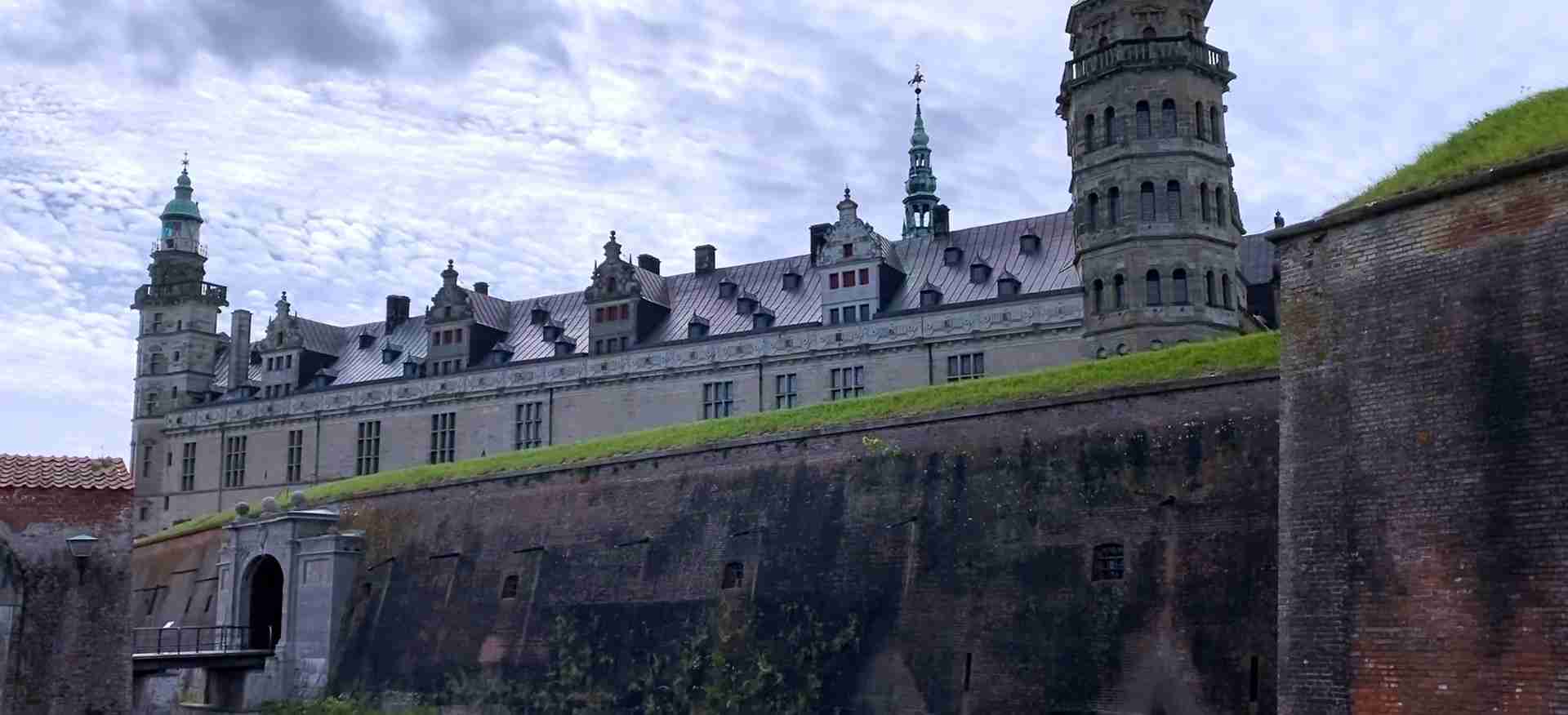
Kronborg Castle rises majestically at the narrowest point of the Øresund strait, where Denmark and Sweden nearly touch across four kilometers of water. This Renaissance fortress, immortalized as the setting for Shakespeare’s Hamlet, combines strategic military importance with cultural significance that earned UNESCO World Heritage status. Beyond the castle walls, the maritime town of Helsingør offers medieval charm, modern museums, and the authentic atmosphere of Denmark’s seafaring heritage.
Key Takeaways
- UNESCO Recognition: Kronborg achieved World Heritage status in 2000 for its architectural significance and role in Northern European Renaissance history
- Shakespeare Connection: While Shakespeare never visited Kronborg, he set Hamlet at “Elsinore Castle” making this fortress literature’s most famous fictional location
- Strategic Importance: Built where the Øresund strait narrows to its tightest point, Kronborg controlled Baltic Sea access through the Sound Dues taxation system
- Architectural Evolution: The fortress transformed from medieval stronghold (1420s) to Renaissance palace (1574-1585) to military fortress (1630s-1900s)
- Cultural Symbol: The legend of Holger Danske (Ogier the Dane) sleeping beneath the castle represents Denmark’s mythical defender ready to awaken in national crisis
- Complete Experience: A full visit encompasses the castle’s grand halls, underground casemates, Helsingør’s old town, and the adjacent M/S Maritime Museum
People Also Ask About Kronborg Castle
Why is Kronborg Castle famous?
Kronborg Castle gained international fame as the setting for William Shakespeare’s Hamlet, though Shakespeare called it “Elsinore Castle” in the play. This literary connection made Kronborg recognizable worldwide far beyond Denmark’s borders. Beyond Hamlet, Kronborg represents one of Northern Europe’s most important Renaissance fortresses, controlling the strategic Øresund strait where it narrows to just four kilometers between Denmark and Sweden. The castle collected the Sound Dues – mandatory tolls from all ships entering or leaving the Baltic Sea – making it central to European maritime trade for centuries. UNESCO recognized this combined cultural and strategic significance with World Heritage designation in 2000, acknowledging Kronborg as an outstanding example of Renaissance military architecture and a site of exceptional universal value.
Did Shakespeare ever visit Kronborg Castle?
No historical evidence suggests Shakespeare ever visited Denmark or Kronborg Castle. Hamlet was written around 1600-1601 based on an earlier Danish legend about Prince Amleth recorded by chronicler Saxo Grammaticus in the 1200s. Shakespeare likely learned of Kronborg through accounts from English actors who performed at the castle in the 1580s-1590s, when traveling theater companies toured Northern Europe. The fortress’s reputation as a powerful Renaissance court and its strategic location were well-known in Elizabethan England through diplomatic and commercial channels. Shakespeare transformed the medieval Danish revenge tale into his psychological masterpiece while setting it at “Elsinore” (the English name for Helsingør), giving the actual Kronborg Castle immortal literary associations despite the playwright’s probable ignorance of its specific architectural details or internal layout.
What is Holger Danske and where is the statue at Kronborg?
Holger Danske (Ogier the Dane) represents Denmark’s legendary national hero, a mythical warrior-knight who supposedly fought alongside Charlemagne in the 8th-9th centuries. According to Danish folklore, Holger Danske sits sleeping in stone beneath Kronborg Castle, his beard growing into the table before him. He will awaken whenever Denmark faces mortal danger to defend the realm, then return to sleep once the crisis passes. This legend became particularly powerful during periods of national uncertainty or foreign occupation, embodying Danish resilience and eternal vigilance. A large stone statue of the sleeping Holger Danske sits in the castle’s casemates (underground chambers) created by sculptor Hans Peder Pedersen-Dan in 1907. Visitors descend into the atmospheric underground passages to find this imposing figure, which has become one of Kronborg’s most photographed and symbolically significant features beyond the castle’s physical defenses.
How long should you spend at Kronborg Castle?
A comprehensive Kronborg Castle visit requires 2.5-3 hours to fully experience the grand halls, royal apartments, chapel, casemates, and ramparts. The Great Hall alone merits 20-30 minutes to appreciate its 62-meter length and Renaissance ceiling paintings. The King’s and Queen’s chambers contain period furniture and decorative arts worth careful examination. The underground casemates wind through dark passages leading to the Holger Danske statue, creating an atmospheric contrast to the elegant upper chambers. The chapel preserves original Renaissance architecture and ornate wooden carvings. Walking the ramparts provides strategic perspectives over the Øresund strait to Sweden. Visitors focusing only on highlights can complete a basic tour in 1.5-2 hours, while history enthusiasts or photography buffs may extend to 3-4 hours including multiple circuits of courtyards, detailed exhibit reading, and extensive photography sessions. Add another 1-2 hours if exploring Helsingør’s town center and harbor area beyond the castle itself.
Extended multi-day tours – 5+ days
Featured Copenhagen Multi-Day Tour Packages
7 days
Explore Berlin to Stockholm (9 destinations)
- ✓ Comprehensive Copenhagen tour
- ✓ Expert local guides included
- ✓ All accommodation arranged
- ✓ Transportation provided

4 days
Copenhagen and Malmö: Two Countries in One Quick Trip
- ✓ Booking needs min. 2 travelers
6 days
6 Days in Copenhagen: Day Trips to Helsingør, Lund & Malmö, and Hop-On Hop-Off Sightseeing
- ✓ Comprehensive Copenhagen tour
- ✓ Expert local guides included
- ✓ All accommodation arranged
- ✓ Transportation provided
3 days
Copenhagen City Stay – 3 days
- ✓ Comprehensive Copenhagen tour
- ✓ Expert local guides included
- ✓ All accommodation arranged
- ✓ Transportation provided
Multi-day tour packages powered by TourRadar. Prices and availability subject to change.
Understanding Kronborg’s Historical Significance
Kronborg Castle occupies one of Northern Europe’s most strategic locations, controlling maritime access to the Baltic Sea through the narrow Øresund strait. This geographical advantage shaped five centuries of Danish power, European trade relations, and military history. The fortress evolved through multiple incarnations from medieval stronghold to Renaissance palace to military garrison, each transformation reflecting changing political realities and architectural fashions while maintaining the core function of controlling sea traffic through the Sound.
Medieval Origins: Krogen Fortress
The original fortress on this site, called Krogen (The Hook), was built by Danish King Eric VII in the 1420s-1430s. This medieval stronghold served a straightforward purpose: enforcing the Sound Dues, a toll system requiring all commercial ships passing through the Øresund to pay taxes to the Danish Crown. Ships attempting to avoid payment faced seizure by Danish naval vessels stationed at Krogen.
The Sound Dues generated enormous wealth for Denmark from the 1400s through the 1800s. Every merchant vessel entering or leaving the Baltic Sea – carrying grain from Poland, timber from Sweden, furs from Russia, or manufactured goods from Western Europe – paid tolls based on cargo value. This mandatory taxation made Denmark wealthy far beyond what its small size and population would otherwise permit, funding the elaborate Renaissance courts and architectural projects that followed.
Krogen remained a relatively modest fortification for 150 years, fulfilling its commercial-military function without architectural pretensions. The medieval castle was functional rather than beautiful, designed for garrison troops and customs officials rather than royal residence or ceremony.
Renaissance Transformation: King Frederik II’s Vision
King Frederik II inherited Krogen in 1559 and immediately recognized its potential as both strategic fortress and symbol of royal power. Between 1574-1585, Frederik commissioned a complete reconstruction transforming the medieval stronghold into one of Northern Europe’s most magnificent Renaissance palaces. The king recruited Flemish architects and craftsmen, particularly Anthonis van Obbergen and Hans Hendrik van Paesschen, to create a fortress-palace combining military strength with Renaissance elegance.
The new Kronborg (named after the medieval Krogen) incorporated the latest developments in military architecture including bastions capable of resisting cannon fire, while simultaneously creating lavish royal apartments, soaring ceremonial halls, and a chapel of extraordinary beauty. Frederik II spared no expense on materials – sandstone facades, copper-clad spires, elaborate stone carvings, and imported marble for interior decoration.
The castle’s Renaissance design followed the principles of symmetry and proportion valued in 16th-century European architecture. Four wings surround a central courtyard, with identical corner towers creating visual balance. The external walls present an imposing military face to the sea while the interior courtyard displays refined Renaissance details with arcaded galleries, sculptural ornaments, and delicate stonework.
Frederik II died in 1588 shortly after Kronborg’s completion. His son, Christian IV, inherited both the throne and this spectacular fortress that would define Danish royal power for generations.
The 1629 Fire and Christian IV’s Rebuilding
Tragedy struck in September 1629 when fire swept through Kronborg, destroying most of the interior including the Great Hall, royal apartments, and elaborate decorations. Only the castle chapel survived largely intact, its thick stone walls and vaulted ceiling protecting it from the flames. The fire resulted from negligence during maintenance work rather than military action, but the destruction was catastrophic nonetheless.
King Christian IV, one of Denmark’s most ambitious and culturally sophisticated monarchs, immediately ordered reconstruction. Working from 1631-1637, Christian rebuilt the interior in Baroque style while preserving the Renaissance exterior structure. The new Great Hall featured even more elaborate decorations than its predecessor, with ceiling paintings by Dutch masters and new tapestries commissioned from the finest Flemish weavers.
Christian IV’s reconstruction maintained Kronborg’s dual character as fortress and palace. He strengthened the military fortifications while ensuring the ceremonial spaces matched or exceeded the grandeur of any European court. This rebuilding established the castle essentially as it appears today, blending Frederik II’s Renaissance architecture with Christian IV’s Baroque interior vision.
Military Fortress Period and Swedish Occupation
During the 17th-18th centuries, Kronborg’s military function intensified as Denmark fought numerous wars with Sweden for Baltic supremacy. The fortress underwent continuous upgrades to defensive capabilities including deeper moats, stronger bastions, and expanded casemates (underground chambers) for storing gunpowder, weapons, and housing soldiers during sieges.
In 1658-1660, Swedish forces captured and briefly occupied Kronborg during the devastating Second Northern War. The Swedish removed many of the castle’s finest treasures including artwork, tapestries, and the magnificent fountain from the courtyard (which was never returned, eventually making its way to Drottningholm Palace in Sweden). This occupation humiliated Denmark and demonstrated that even Europe’s strongest fortresses could fall to determined assault.
Following Swedish withdrawal, Denmark further strengthened Kronborg’s defenses. The castle transformed from Renaissance palace into serious military installation with the royal family preferring to reside at other palaces while Kronborg housed garrison troops. The elaborate interiors suffered from military occupation as soldiers bivouacked in former royal chambers and ceremonies gave way to barracks life.
19th-20th Century Decline and Restoration
Kronborg’s strategic importance declined through the 1800s as military technology evolved. Fortress walls designed to resist 17th-century cannon became obsolete against modern artillery. The Sound Dues ended in 1857 under international pressure, eliminating the castle’s economic function. The Danish military continued using portions of Kronborg as garrison and prison facilities, but the grand halls stood mostly empty and neglected.
In the early 1900s, Denmark recognized Kronborg’s cultural value beyond its obsolete military purpose. Restoration efforts beginning in the 1920s-1930s aimed to preserve the Renaissance and Baroque architecture while making portions accessible to the public as a museum. The process continued through the century, removing later military additions, restoring damaged decorative elements, and researching the castle’s historical configurations to guide accurate reconstruction.
UNESCO World Heritage designation in 2000 acknowledged both these restoration efforts and Kronborg’s outstanding universal value. The castle now operates as a major cultural attraction, combining museum functions, special events (including annual Hamlet performances), and ongoing conservation work to preserve this irreplaceable monument to Renaissance art, architecture, and Northern European history.
Architectural Features and Design Elements
Kronborg Castle represents one of Northern Europe’s finest examples of Renaissance military architecture, demonstrating how 16th-century designers balanced defensive requirements with aesthetic ambitions. The fortress combines practical military features – thick walls, strategic positioning, defensive bastions – with Renaissance artistic principles including symmetry, proportion, and elaborate decorative programs. Understanding these architectural elements enhances appreciation for the castle’s complexity and the sophisticated thinking behind its design.
Renaissance Fortress Design Principles
The transition from medieval castle to Renaissance fortress reflected fundamental changes in military technology and architectural theory. Medieval castles relied on height – tall towers and walls that archers could defend from above. Renaissance fortresses responded to gunpowder artillery by emphasizing breadth and depth rather than height, creating low, thick walls that could absorb cannon fire while providing platforms for the fortress’s own artillery.
Kronborg’s design incorporates these Renaissance military innovations. The outer walls stand relatively low compared to medieval fortifications but measure several meters thick. The corner bastions project outward allowing defenders to create crossfire zones covering all approaches. The star-shaped plan eliminated blind spots where attackers might shelter from defensive fire.
The moat surrounding Kronborg provided both physical barrier and fire zone. Any attacking force attempting to cross faced exposure to cannon and musket fire from multiple angles. The moat could be flooded or drained depending on tactical requirements, and its width prevented enemies from easily bridging the gap.
Despite these military features, Kronborg never actually withstood a serious siege beyond the Swedish capture in 1658-1660. The fortress’s primary purpose remained symbolic and economic (controlling the Sound Dues) rather than purely defensive. This allowed architects to emphasize aesthetic elements alongside military functionality, creating what amounts to a palatial fortress rather than a purely utilitarian military installation.
The Great Hall (Riddersalen)
The Great Hall represents Kronborg’s most spectacular interior space, measuring 62 meters long, 12 meters wide, and soaring through the upper floors of the north wing. When constructed in the 1580s, it ranked among Northern Europe’s largest Renaissance halls, designed to overwhelm visitors with the Danish Crown’s power and cultural sophistication.
The hall served multiple ceremonial functions including state banquets, diplomatic receptions, dancing, and theatrical performances. The enormous space could accommodate hundreds of courtiers, nobles, and foreign dignitaries during major celebrations. The acoustics, enhanced by the vaulted ceiling, suited musical performances and ceremonial proclamations.
The current ceiling paintings date to Christian IV’s 1630s reconstruction following the 1629 fire. Painted by Dutch masters, the ceiling depicts scenes from Danish history and classical mythology arranged in elaborate frames with decorative motifs. The paintings showcase Baroque artistic style’s dramatic compositions, rich colors, and allegorical complexity. Light entering through large windows along both long walls illuminates the paintings while creating atmospheric effects as sun angles change throughout the day.
The hall’s wooden floor, replaced numerous times over centuries, follows traditional Danish patterns. The walls display reproductions of the original tapestries (the originals were destroyed in the 1629 fire; some later 17th-century tapestries survive in Danish collections). These enormous woven works depicted Danish military victories, royal hunting scenes, and classical subjects, serving both decorative and propagandistic purposes by celebrating Danish power and cultural refinement.
Modern visitors experience the Great Hall much as Renaissance courtiers would have, though without the original furnishings that lined the walls during ceremonies. The empty space actually enhances appreciation for the hall’s proportions and allows unobstructed views of the architectural details and painted ceiling.
The Chapel
Kronborg’s chapel miraculously survived the 1629 fire almost completely intact, making it one of Denmark’s finest preserved Renaissance religious spaces. Built during Frederik II’s 1574-1585 reconstruction, the chapel demonstrates the sophistication of Northern European Renaissance ecclesiastical architecture and decoration.
The two-story chapel occupies a prominent position in the castle’s southeast corner. The lower level served common soldiers and servants, while the upper gallery accommodated the royal family and nobility during services. This vertical separation reinforced social hierarchies while allowing all castle residents to attend the same religious ceremonies.
The chapel’s decorative program combines religious imagery with royal propaganda. The ornate altar features carved and gilded woodwork depicting biblical scenes while incorporating Danish royal insignia and coats of arms. The pulpit, equally elaborate, demonstrates the woodcarvers’ virtuosity in creating intricate three-dimensional religious narratives within relatively small spaces.
The ceiling vaults display painted decorations including biblical scenes, floral motifs, and geometric patterns characteristic of Northern Renaissance aesthetics. Natural light enters through arched windows, creating dramatic effects across the carved surfaces and painted elements as sun positions change.
The chapel continues to host occasional religious services, concerts, and special ceremonies. Its remarkable acoustics make it particularly suitable for choral music and chamber concerts. The preservation of original Renaissance features provides invaluable insights into 16th-century Danish religious practice, artistic patronage, and the cultural synthesis of Protestant Christianity with Renaissance artistic traditions.
Royal Apartments
The King’s and Queen’s chambers occupy the castle’s east and west wings respectively, demonstrating how Renaissance monarchs balanced public ceremony with private domestic life. These apartments combine formal reception rooms where the king and queen met courtiers and foreign dignitaries with more intimate private chambers for family life.
The King’s Chambers include the audience room where the monarch received visitors, conducted government business, and held small-scale ceremonies. The room’s decoration emphasized royal power through painted ceilings, elaborate plasterwork, and expensive materials including marble and rare woods. Furniture arrangements (based on historical records and contemporary accounts though the current furnishings are later additions or reproductions) segregated the room into zones – the king’s elevated position at one end, seating for highest-ranking nobles nearer the king, and standing positions for lower-status attendees.
The Queen’s Chambers mirror this arrangement with decorations emphasizing feminine virtues and classical goddesses rather than masculine military imagery. The queen managed significant portions of court life including ceremonies, cultural patronage, and aristocratic women’s affairs, making her apartments important political and social spaces beyond mere residence.
Between the formal reception rooms and completely private bedchambers lay intermediate spaces for smaller gatherings, informal meetings, and daily activities. These gradations from public to private reflected Renaissance court protocol where access to increasingly intimate royal spaces marked rising status and favor.
The apartments demonstrate Renaissance domestic architecture’s integration of functionality with symbolic display. Every architectural detail – ceiling heights, decorative programs, furniture arrangements, even window placements – communicated messages about royal authority, cultural sophistication, and Denmark’s place in European civilization.
The Casemates
Beneath Kronborg’s elegant Renaissance halls lies a network of dark, atmospheric underground chambers called casemates. Originally built as storage spaces for gunpowder, weapons, and provisions during sieges, the casemates also housed soldiers when the fortress prepared for attack. The underground galleries extend throughout the castle’s footprint, creating a shadowy counterpoint to the bright ceremonial spaces above.
The casemates demonstrate military architecture’s practical requirements divorced from aesthetic considerations. The vaulted ceilings, necessary to support the enormous weight of buildings above, create oppressive low spaces where soldiers lived in cramped, dark conditions during military operations. Narrow passages connecting larger chambers allowed defensive positioning if enemies breached the outer walls and penetrated the underground levels.
Modern visitors descend stone staircases from the courtyard into increasingly dim passages lit by electric lights that approximate (but cannot fully replicate) the smoky, flickering illumination of torches and oil lamps that soldiers relied upon. The temperature drops noticeably underground, remaining cool even during summer, while winter visits reveal the numbing cold that garrison troops endured during winter months.
The casemates’ primary attraction is the statue of Holger Danske (Ogier the Dane), Denmark’s legendary sleeping hero. The large stone figure sits with sword at his side and long beard growing into the table before him, embodying the myth that this warrior will awaken whenever Denmark faces mortal danger. Created by sculptor Hans Peder Pedersen-Dan in 1907, the statue has become one of Kronborg’s most iconic images, representing Denmark’s resilience and mythical dimensions of national identity.
The atmospheric underground spaces appeal to visitors’ imaginations in ways the elegant upper halls cannot. The casemates feel haunted by history, echoing with imagined sounds of soldiers’ footsteps, whispered conversations, and the grinding of artillery wheels across stone floors. This visceral connection to military history complements the cultural and aesthetic experiences of the Renaissance chambers above.
The Hamlet Connection: Literature and Legend
Kronborg’s association with Shakespeare’s Hamlet elevates the fortress beyond architectural and historical significance into the realm of universal cultural mythology. The play, probably written around 1600-1601, transformed Kronborg from a powerful but regionally significant Danish fortress into “Elsinore Castle,” one of literature’s most famous settings. Understanding this relationship requires examining both historical fact and creative fiction, recognizing how Shakespeare’s dramatic imagination permanently altered the castle’s meaning.
Historical Prince Amleth vs. Shakespeare’s Hamlet
The Hamlet story predates Shakespeare by centuries. Danish chronicler Saxo Grammaticus recorded the legend of Prince Amleth in his Gesta Danorum (Deeds of the Danes) written around 1200. Saxo’s tale describes a Danish prince who feigns madness to survive his uncle’s treachery, eventually avenging his murdered father. This medieval revenge narrative circulated through Northern European oral traditions long before reaching written form.
French writer François de Belleforest adapted Saxo’s Latin chronicle into French in his Histoires Tragiques (1570), making the story accessible to broader European audiences. This French version likely provided Shakespeare’s source material, though the English playwright may also have known of earlier English dramatic versions now lost to history.
Shakespeare transformed this straightforward revenge tale into profound psychological drama exploring themes of mortality, conscience, action versus inaction, appearance versus reality, and the human condition’s fundamental uncertainties. The Danish prince became Hamlet, the fortress became Elsinore, and the simple plot of vengeance became one of world literature’s most complex and analyzed texts.
No evidence suggests Shakespeare ever visited Denmark or knew Kronborg’s specific architectural details. His “Elsinore” functions more as atmospheric setting than accurate geographical description. The play’s scenes could occur in any castle, and many elements reflect Elizabethan English court culture more than Danish realities. Yet Shakespeare’s choice of Denmark and “Elsinore” was deliberate, trading on Kronborg’s reputation as a powerful Renaissance court at the edge of the known world.
Why Shakespeare Chose Kronborg
Several factors explain Shakespeare’s decision to set Hamlet at “Elsinore” (the English name for Helsingør) even without personal knowledge of the location. First, English actors had performed at Kronborg in the 1580s-1590s, touring Northern Europe and bringing back tales of the magnificent Danish court. These traveling players would have described Kronborg’s grandeur, making it familiar to London theatrical circles.
Second, Denmark represented a liminal space in English imagination – recognizably Christian and European, yet distant and exotic enough for dramatic purposes. Setting Hamlet in Denmark rather than England allowed Shakespeare to explore dangerous political themes (corrupt courts, murdered kings, political intrigue) without seeming to comment directly on Elizabeth I’s court or English politics.
Third, Kronborg’s strategic position controlling maritime trade routes lent itself to themes of power, commerce, and political calculation that run through Hamlet. The castle’s reputation as gateway between Baltic and Atlantic worlds provided metaphorical richness for a play exploring boundaries between life and death, sanity and madness, action and contemplation.
Fourth, the Sound Dues taxation system made Kronborg wealthy and powerful, creating the kind of prosperous Renaissance court where Shakespeare’s sophisticated characters (Hamlet, Claudius, Polonius) could plausibly exist. A minor provincial castle wouldn’t support the cultural and intellectual atmosphere the play requires; Kronborg’s actual historical significance as a center of power and culture made it dramatically credible.
Hamlet Performances at Kronborg
The natural connection between Kronborg and Shakespeare’s play has inspired numerous theatrical productions at the castle itself. Performing Hamlet at its supposed setting creates unique resonance, with the fortress’s actual architecture and atmosphere enhancing the play’s dramatic power.
Major productions have occurred in Kronborg’s courtyard, on the ramparts, and even in the casemates, using the castle’s spaces to illuminate different aspects of Shakespeare’s text. Courtyard performances emphasize the public, political dimensions of the play with Hamlet confronting Claudius’s corrupt court. Rampart scenes gain haunting atmosphere when actually performed on fortress walls overlooking the sea, particularly the Ghost’s appearances in Act I. Casemate scenes create claustrophobic intensity for interior psychological moments.
International theater companies have brought Hamlet to Kronborg since the early 1900s, establishing a performance tradition that continues today. Summer festivals sometimes feature the play annually, with varying directorial approaches exploring different interpretations. These performances attract theater enthusiasts from across Europe and beyond, combining tourism with high-quality Shakespeare production in uniquely appropriate setting.
The performances themselves comment on the relationship between historical reality and literary fiction. Audiences experience the play in a “real” castle while simultaneously recognizing that this castle never actually witnessed the events Shakespeare dramatized. This layering of history, literature, and contemporary performance creates complex artistic experiences where meaning multiplies through interaction between different chronological and imaginative levels.
Literary Pilgrimage and Cultural Tourism
Kronborg attracts visitors worldwide primarily because of Hamlet, making it perhaps the world’s most famous example of literature driving tourism to historical sites. Many visitors know little about Frederik II, Christian IV, or Renaissance military architecture, but they know Hamlet. The play’s universal themes and canonical status in Western literature transform Kronborg from a nationally significant Danish monument into an internationally important cultural destination.
This literary pilgrimage raises interesting questions about historical authenticity and cultural meaning. Visitors seeking “Hamlet’s castle” find a real fortress with rich history completely independent of Shakespeare’s fiction. The actual Kronborg tells stories of royal ambition, military strategy, economic power, and artistic patronage. The fictional Elsinore explores moral corruption, existential doubt, and revenge tragedy.
Rather than contradicting each other, these layers enrich the visitor experience. Understanding Kronborg’s real history illuminates why Shakespeare chose this setting – the castle’s actual power and cultural sophistication made it appropriate for the play’s themes. Simultaneously, Shakespeare’s dramatic transformation gives the historical fortress resonance beyond its physical walls and specific historical events. Literature and history enhance rather than diminish each other.
Modern Kronborg has embraced this dual identity. Exhibits acknowledge the Hamlet connection while presenting accurate historical information. Audio guides discuss both Renaissance politics and Shakespeare’s play. Special events include both historical reenactments of court life and dramatic performances of Hamlet. This integration recognizes that fiction and fact both contribute to cultural monuments’ significance, creating meaning through interaction rather than competition.
Exploring Helsingør Beyond the Castle
While Kronborg dominates Helsingør’s skyline and tourist attention, the town itself merits exploration as a well-preserved example of Danish maritime heritage. Helsingør developed primarily because of Kronborg, serving the castle’s administrative, commercial, and cultural needs while functioning as a busy port town collecting Sound Dues and supporting international trade. The medieval and Renaissance town center, maritime museums, and coastal atmosphere create experiences complementing castle visits while providing authentic Danish small-town character.
Medieval Town Center and Historic Streets
Helsingør’s old town preserves medieval street patterns with narrow lanes, half-timbered houses, and cobblestoned squares. Unlike larger Danish cities that suffered extensive modernization, Helsingør maintained much of its historic character, allowing visitors to experience urban environments similar to what Renaissance merchants and craftspeople knew.
Strandgade (Beach Street) runs parallel to the harbor, lined with merchants’ houses dating from the 1500s-1600s. These buildings demonstrate Danish Renaissance domestic architecture’s practical elegance, with stepped gables, decorative brickwork, and ground-floor shops supporting upper residential floors. Many houses still function commercially, maintaining the street’s living history rather than frozen museum quality.
St. Olai’s Church (Sankt Olai Kirke) represents Helsingør’s parish church, built in Gothic style during the 1400s and expanded through subsequent centuries. The church served town residents including castle garrison troops, merchants, and sailors. The interior contains medieval altarpieces, Renaissance tombs, and architectural elements spanning centuries of Danish religious practice. Unlike Kronborg’s chapel which served the royal court, St. Olai’s provides insights into ordinary Danish religious and community life during the same historical periods.
Axeltorv (Axel Square) forms the town center, named after Axel of Denmark who received Helsingør as a fief in the 1200s. The square hosts a statue of Han (Han Sailor), a memorial to Helsingør’s maritime heritage. Local markets occasionally occupy the square, selling produce, flowers, and crafts in tradition stretching back centuries.
Walking these streets provides context for understanding Kronborg’s relationship to its supporting community. The castle required extensive infrastructure – storehouses for provisions, workshops for craftsmen, housing for officials, churches for spiritual needs. Helsingør grew organically to provide these services while developing its own identity as a significant port beyond mere castle appendage.
M/S Maritime Museum
The M/S Maritime Museum of Denmark (Museet for Søfart) occupies a remarkable underground setting in a former dry dock adjacent to Kronborg. Designed by architect Bjarke Ingels and completed in 2013, the museum literally descends below ground level, with galleries built into the dry dock’s sides and bottom while preserving the historical structure’s character.
The museum chronicles Denmark’s maritime history from Viking voyages through modern merchant shipping. Exhibits cover shipbuilding techniques, navigation instruments, trade routes, naval warfare, and sailors’ daily lives across centuries. Interactive displays engage visitors with historical content through hands-on activities, multimedia presentations, and reconstructed ship environments.
Specific exhibitions explore Denmark’s role in global maritime trade during the age of sail, when Danish vessels carried goods worldwide despite Denmark’s small population. Other sections examine naval warfare including Denmark’s conflicts with Sweden, Britain, and Germany. The museum also addresses darker aspects of maritime history including Denmark’s participation in transatlantic slave trade and colonial exploitation, providing honest examination of historical realities rather than sanitized nationalism.
The architectural design itself merits attention. Visitors descend ramps into the dry dock, creating a physical experience of moving into maritime history. Glass walls separate galleries from the preserved dry dock structure, allowing views of massive industrial archaeology. Natural light filters down from above while artificial lighting creates dramatic effects highlighting exhibits. The entire experience demonstrates how contemporary museum design can integrate historical structures with modern exhibition techniques.
The Maritime Museum complements Kronborg visits by providing broader context for Helsingør’s development. The castle controlled the Sound, but the town’s economy depended on shipbuilding, trade, and maritime services. Understanding this maritime dimension enriches appreciation for why Kronborg mattered beyond military or royal prestige.
Harbor and Waterfront Areas
Helsingør’s harbor remains active with ferry services to Sweden, fishing boats, and pleasure craft. The waterfront offers pleasant walks with views across to Sweden just four kilometers away on clear days. Ferry connections to Helsingborg, Sweden run frequently, creating cross-border traffic that has characterized this strait for centuries.
The harbor promenade features cafés and restaurants serving Danish seafood specialties. Outdoor seating during warm months provides opportunities to watch harbor activity while enjoying traditional Danish cuisine. The atmosphere combines working port functionality with tourist amenities, maintaining authentic character while accommodating visitors.
Looking back from the harbor toward Kronborg reveals the castle’s commanding position and strategic advantages. The fortress towers over the waterfront, its copper spires visible from kilometers away across the Øresund. This perspective helps visitors understand how Kronborg controlled ship traffic – no vessel could pass without being observed and potentially fired upon from the castle’s artillery positions.
The waterfront also reveals Sweden’s proximity. On clear days, the Swedish coast appears close enough to swim, though currents and water temperature make this dangerous. This narrow strait represented one of Europe’s most strategic chokepoints, explaining centuries of military and economic importance that shaped both Kronborg and Helsingør.
Carmelite Monastery
The Carmelite Monastery (Karmeliterklosteret) represents one of Scandinavia’s best-preserved medieval monastic complexes. Founded in the 1400s, the monastery survived Denmark’s Protestant Reformation better than most Catholic institutions, retaining much of its original architecture and layout. The cloistered courtyard, church, monks’ cells, and refectory demonstrate monastic life during the medieval period.
The monastery church features late Gothic architecture with vaulted ceilings, pointed arches, and elaborate stonework. Wall paintings from the 1400s-1500s depict religious scenes and decorative motifs, providing rare examples of Danish medieval ecclesiastical art. The cloister walk allows visitors to circumambulate the courtyard garden, experiencing the contemplative atmosphere that defined monastic existence.
After the Reformation, the monastery served various institutional purposes including hospital, poorhouse, and school. This functional adaptation actually preserved the buildings where demolition might have occurred if they remained unused. Modern restoration has removed later alterations while maintaining structural integrity, creating a balance between authentic medieval character and necessary conservation measures.
The monastery hosts concerts, lectures, and special events, using the historical spaces for contemporary cultural programming. The church’s acoustics suit choral music and chamber concerts particularly well. These living uses prevent the monastery from becoming a static museum while respecting its historical character.
Practical Visitor Information
Getting to Kronborg and Helsingør
Trains connect Copenhagen to Helsingør with frequent departures throughout the day. The journey takes 47-52 minutes from Copenhagen Central Station or Nørreport with identical service frequency. Regional trains run every 20 minutes during peak hours, reducing to 30-minute intervals during evenings and weekends.
From Helsingør Station, Kronborg lies approximately one kilometer northeast, creating a pleasant 10-15 minute walk through the town center and along the harbor. Signage in English and Danish marks the route clearly. The walk passes St. Olai’s Church, historic streets, and harbor views, allowing visitors to begin experiencing Helsingør before reaching the castle.
Alternatively, bus services connect the station to Kronborg for visitors preferring not to walk or those with mobility limitations. Taxis wait at the station though walking is generally preferred for its atmospheric introduction to the town.
Visitors arriving by car will find paid parking near the castle. A public parking lot stands approximately 10 minutes walk north of the fortress. Parking costs vary seasonally but typically run 10-20 DKK per hour with maximum daily charges. The parking lot includes electric vehicle charging stations. Limited on-street parking exists closer to the castle but fills quickly during peak tourist season.
Castle Access and Navigation
Kronborg’s main entrance leads from the land-side approach across the moat via a stone bridge. Visitors enter through the fortified gate into the outer courtyard before accessing the inner castle proper. Ticket offices operate just inside the entrance selling admission and providing maps, audio guide rentals, and visitor information.
The castle layout follows a square plan with four wings surrounding the central courtyard. The Great Hall occupies most of the north wing, the chapel the southeast corner, and royal apartments the east and west wings. Staircases in the corners provide access to upper floors and towers. Casemate entry descends from the courtyard into underground galleries.
Audio guides available in multiple languages provide historical context and architectural explanations. The guided tour follows a suggested route ensuring visitors experience all major spaces without missing significant features. Those preferring self-guided exploration can navigate freely, though the audio guide’s commentary significantly enhances understanding of what would otherwise be empty rooms with limited interpretive signage.
The castle operates year-round though hours vary seasonally. Summer months (May-October) offer extended hours typically running 11:00-17:00 or 18:00, while winter reduces hours to 11:00-15:00 or 16:00. The castle closes certain holidays. Checking official opening times before visiting prevents disappointment particularly during winter when early closures cut short afternoon visits.
Accessibility Considerations
Kronborg presents accessibility challenges due to its historical construction. The castle was built centuries before accessibility concerns informed architectural design, creating barriers for visitors with mobility limitations. However, management has implemented accommodations where possible within conservation constraints.
Wheelchair access reaches the ground floor including the courtyard, chapel, and some chambers. Portable ramps assist with minor level changes and thresholds. However, the Great Hall on the upper floor and many royal apartments require climbing stairs without elevator access. The casemates similarly lack accessibility, descending via steep stone staircases into underground galleries.
Visitors with mobility concerns should contact the castle in advance to discuss specific needs and available accommodations. Staff can provide information about which areas remain accessible and suggest optimal routes through accessible spaces. Wheelchair loans are sometimes available on-site for those needing assistance.
Visual impairments can be partially accommodated through audio guide descriptions and tactile exploration of architectural elements where permitted. Hearing-impaired visitors benefit from the visual nature of most exhibits, though guided tours may prove challenging without interpretation services. Advance inquiry allows staff to arrange appropriate assistance when possible.
Photography and Recording
Personal photography for non-commercial purposes is permitted throughout Kronborg. Visitors may photograph architecture, interiors, and courtyard spaces freely using handheld cameras. Flash photography is allowed though natural light often produces better results given the castle’s large windows and dramatic natural illumination.
Tripods and professional camera equipment require advance permission and may incur fees. Professional photography intended for publication, commercial use, or promotional purposes must be arranged directly with castle administration, typically requiring payment and specific scheduling to avoid disrupting regular visitors.
Social media sharing is encouraged with the castle requesting that visitors tag @kronborgslot on Instagram or other platforms to share their experiences. This grassroots promotion helps maintain public interest while providing the castle with user-generated content demonstrating its appeal.
Wedding and event photography requires separate arrangements. Couples wishing to commemorate special occasions at Kronborg must coordinate with administration, as certain spaces may be available for private events including photography sessions, though this varies seasonally based on public visiting schedules and special programs.
Dining and Facilities
Café Sundtolden operates near the castle shop serving hot and cold beverages, snacks, and light meals. The café provides convenient refreshment during visits though menu options remain limited to basic café fare. Outdoor seating when weather permits offers views across the castle grounds.
The Old Kitchens within the castle provide space for consuming packed lunches. Visitors bringing their own food may use this area rather than café services, reducing meal costs while still enjoying castle grounds. This accommodation recognizes that admission prices and visit lengths make affordable dining options important for many visitors.
Helsingør’s town center offers substantially more dining variety including traditional Danish restaurants, international cuisines, and casual eateries. The walk from Kronborg to town center takes 10-15 minutes, making restaurant meals feasible for visitors planning extended stays beyond castle exploration alone. Harbor-front establishments provide particularly pleasant settings combining food with waterfront atmosphere.
Restroom facilities exist within the castle at multiple locations. Changing tables accommodate families with young children. Cloakrooms provide free storage for coats, bags, and other items not permitted in gallery spaces, particularly large backpacks that could damage artifacts or create crowding in narrow passages.
UNESCO World Heritage Significance
Kronborg achieved UNESCO World Heritage designation in 2000 under criteria recognizing its outstanding universal value as a masterpiece of Renaissance architecture and its association with important cultural traditions. Understanding this UNESCO status requires examining the specific values the fortress represents and its role in preserving cultural heritage for future generations.
Outstanding Universal Value
UNESCO identifies Kronborg’s “outstanding universal value” through several interconnected dimensions. First, the castle represents an exceptional example of Renaissance fortress architecture from a crucial period when military design evolved to address gunpowder artillery while maintaining ceremonial and residential functions. The synthesis of military efficiency with Renaissance aesthetic principles demonstrates sophisticated architectural thinking rare in Northern European contexts.
Second, Kronborg’s strategic location and role controlling the Sound Dues illustrates how architecture served economic and political purposes beyond pure military defense. The fortress physically embodied Danish power over vital maritime trade routes, making visible and concrete the otherwise abstract concept of commercial dominance. This integration of architecture, economics, and geopolitics provides valuable evidence of how built environments shape historical events.
Third, the Hamlet connection, while based on fiction, demonstrates how cultural associations can elevate historical sites beyond their original purposes into universal symbols. Shakespeare’s appropriation of Kronborg transformed a regionally important Danish fortress into a globally recognized cultural reference point, showing how literature and architecture interact to create layered meanings exceeding either medium alone.
Conservation Challenges and Responsibilities
UNESCO World Heritage status brings both recognition and responsibilities. Denmark must maintain Kronborg according to international conservation standards, protecting the fortress’s authentic character while allowing appropriate public access and contemporary use. This balancing act between preservation and accessibility creates ongoing challenges.
The castle’s coastal location exposes it to harsh weather including salt spray, wind, and moisture that accelerate deterioration of stone, copper, and painted surfaces. Ongoing maintenance addresses these environmental threats through careful cleaning, protective treatments, and replacement of damaged elements with materials matching original specifications.
Public access itself creates conservation challenges. Millions of footsteps wear floor surfaces, hands touching walls deposit oils and dirt, and environmental controls must balance preservation needs against visitor comfort. Kronborg manages these pressures through controlled visitor flows, protective barriers around fragile elements, and environmental monitoring systems tracking temperature, humidity, and light levels.
The UNESCO designation requires Denmark to submit periodic reports documenting conservation efforts, management plans, and threats to the site’s integrity. International experts review these reports, providing oversight and recommendations. This accountability ensures that Kronborg’s preservation meets global standards rather than varying with local political or economic pressures.
Educational and Cultural Programming
As a UNESCO World Heritage site, Kronborg bears responsibility for education and cultural programming beyond basic tourism. The castle develops programs explaining its historical significance, architectural innovations, and cultural associations to diverse audiences including school groups, scholars, and international visitors.
Educational initiatives include curriculum-aligned programs for Danish students exploring national history, architecture, and literature through Kronborg’s multiple stories. International scholar exchanges facilitate research on Renaissance architecture, military history, and cultural heritage conservation using Kronborg as case study. Public lectures, exhibitions, and special events make scholarly knowledge accessible to general audiences.
The Hamlet performances exemplify how cultural programming can honor UNESCO status while creating living cultural experiences. These theatrical productions aren’t merely entertainment but educational events demonstrating how literature and architecture interact, how historical spaces can serve contemporary artistic purposes, and how cultural heritage remains vital rather than ossified.
Frequently Asked Questions
What makes Kronborg different from other Scandinavian castles?
Kronborg uniquely combines Renaissance palace architecture with serious military fortifications, making it both aesthetically refined and strategically powerful. Most Scandinavian castles emphasize either defensive military purposes or ceremonial royal residence, but Kronborg successfully integrated both functions. The castle’s location controlling the Øresund strait gave it economic importance beyond typical fortresses through the Sound Dues taxation system. This combination of architectural sophistication, military capability, strategic position, and economic function made Kronborg exceptional among Northern European fortifications. Add the Shakespeare connection transforming the castle into global cultural icon, and Kronborg occupies a unique position transcending typical castle categories.
Can you see Sweden from Kronborg Castle?
Yes, Sweden is clearly visible from Kronborg on days with decent visibility. The Øresund strait narrows to just four kilometers at this point, making the Swedish coast distinctly visible from the castle ramparts and towers. On exceptionally clear days, individual buildings in Helsingborg (the Swedish town directly across the strait) can be distinguished. This proximity explains Kronborg’s strategic importance – no ship could pass through the Sound without being observed and potentially engaged by Danish forces stationed at the fortress. The view to Sweden provides dramatic context for understanding the castle’s role controlling maritime access to the Baltic Sea and enforcing the Sound Dues that enriched the Danish Crown for centuries.
How does Kronborg relate to Danish national identity?
Kronborg symbolizes multiple dimensions of Danish national identity. First, it represents Denmark’s historical status as a significant European power during the Renaissance, when the kingdom controlled critical sea routes and collected enormous wealth through the Sound Dues. This reminds Danes of periods when their small nation exercised influence far beyond its size. Second, the Holger Danske legend sleeping beneath the castle embodies Danish resilience and the national myth that Denmark will always rise to defend itself in times of crisis. This psychological dimension provides cultural continuity across centuries of political change. Third, the Hamlet connection demonstrates Denmark’s place in global culture, with a Danish setting becoming universally recognizable through Shakespeare’s genius. Finally, Kronborg’s UNESCO status confirms international recognition of Danish cultural heritage’s universal value, validating national pride through external validation.
What happened to the original Renaissance decorations and furnishings?
The original Renaissance decorations suffered multiple catastrophes. The 1629 fire destroyed most interior furnishings, tapestries, and decorative elements, though the chapel survived largely intact. King Christian IV’s rebuilding restored the castle with new Baroque decorations rather than attempting to recreate the lost Renaissance interiors. Swedish occupation in 1658-1660 resulted in looting of remaining treasures including the courtyard fountain, artworks, and tapestries, many of which ended up in Swedish royal collections and were never returned. Subsequent centuries of military use damaged surviving decorations as soldiers converted elegant chambers into barracks, storage, and utilitarian spaces. The 20th-century restoration created what visitors see today – a combination of authentic surviving elements (particularly the chapel), careful reconstructions based on historical records and surviving fragments, and new furnishings representing appropriate period styles though not necessarily original to Kronborg. This patchwork reflects the castle’s complex history of destruction, transformation, and preservation.
Why did the Sound Dues end and what happened to Kronborg afterward?
The Sound Dues ended in 1857 under international pressure as European powers and the United States demanded free maritime trade access. Denmark received compensation from maritime nations in exchange for abolishing the tolls, ending the economic function that had justified Kronborg’s existence for over 400 years. This economic shift coincided with military obsolescence as fortress design evolved beyond Renaissance bastions to accommodate modern artillery and rifled weapons. Kronborg continued housing Danish military garrisons and functioned as prison facilities, but its strategic and economic importance declined sharply. The castle might have deteriorated into ruin like many obsolete fortifications, but growing appreciation for historical architecture and emerging tourism in the late 1800s-early 1900s motivated preservation rather than demolition. The developing Hamlet association also helped maintain public interest. Gradual transition from military installation to museum and cultural site occurred throughout the 20th century, culminating in UNESCO designation in 2000 that recognized Kronborg’s value transcending its original military and economic purposes.
What seasonal differences affect visiting Kronborg?
Summer visits (May-September) offer longest daylight hours, warmest temperatures, and extended castle opening times typically until 17:00-18:00. The ramparts and outdoor areas prove most enjoyable during pleasant weather when visitors can fully appreciate sea views and explore grounds comfortably. Summer also brings Hamlet performances, special events, and maximum tourist services. However, summer also means largest crowds, potentially requiring patience navigating popular spaces and reducing atmospheric solitude some visitors prefer. Spring and autumn shoulder seasons (April, October) provide moderate weather, smaller crowds, and still-reasonable opening hours, though Denmark’s maritime climate makes rain likely requiring waterproof preparation. These months suit visitors preferring quieter experiences willing to accept occasional weather challenges. Winter (November-March) brings short opening hours (often closing 15:00-16:00), early darkness limiting photography, and cold temperatures particularly noticeable in stone chambers and underground casemates. However, winter offers atmospheric experiences with potential snow transforming the castle into fairytale scene, minimal crowds allowing intimate engagement with spaces, and opportunity to experience Kronborg as fortress rather than summer tourist attraction.
Are guided tours available in English?
Yes, guided tours in English run several times daily during summer season (May-October) and less frequently during winter months (November-April). These tours typically last 45-60 minutes covering major highlights including the Great Hall, chapel, royal apartments, and casemates with historical commentary from knowledgeable guides. The tours are included in standard admission price without additional fees. Specific tour schedules vary seasonally and should be confirmed on the official website before visiting or inquired about at the ticket office upon arrival. Audio guides in multiple languages (English, German, French, Spanish, and others) provide alternative self-guided experiences allowing visitors to explore at individual pace while receiving detailed information about architectural features, historical events, and cultural significance. These audio guides rent for modest fees and include substantially more content than live guided tours can cover in limited timeframes, making them excellent options for visitors who prefer flexibility or who cannot attend scheduled tour times.
How does Kronborg compare to Frederiksborg Castle?
Kronborg and Frederiksborg represent complementary rather than competing examples of Danish Renaissance architecture. Kronborg emphasizes military fortress design with defensive bastions, strategic coastal position, and martial character despite its elegant Renaissance details. The castle combines genuine military function with ceremonial purposes, creating architecture of power and defense. Frederiksborg, built slightly later, prioritizes palace grandeur over military necessity, with elaborate decorations, extensive gardens, and interior spaces designed primarily for court ceremony and royal residence. Kronborg feels austere and martial despite its beauty, while Frederiksborg embraces decorative excess and palatial splendor. Kronborg’s UNESCO status stems from strategic significance and Hamlet associations, while Frederiksborg’s distinction lies in architectural magnificence and role as Denmark’s National History Museum. Visiting both provides complete understanding of Danish Renaissance architecture’s range, showing how the same stylistic period produced buildings serving different primary purposes. Neither is “better” – they exemplify different approaches to royal power expressed through architecture.
Can you explore the castle ramparts and towers?
Yes, visitors can access the ramparts surrounding the castle providing elevated views over the Øresund strait, Helsingør town, and the fortress itself. The rampart walk offers perspectives on Kronborg’s defensive layout including the bastions, moat, and geometric fortification plan. Views extend to Sweden across the narrow strait, illustrating the strategic advantages this position provided Danish forces controlling ship traffic. The ramparts include information panels explaining military architecture features and defensive strategies. Some towers are accessible with narrow spiral staircases leading to upper levels, though these climbs require reasonable physical fitness and may not suit visitors uncomfortable with heights or confined spaces. The tower and rampart access varies seasonally and sometimes closes during inclement weather when wind and rain make the elevated walkways dangerous. The ramparts provide excellent photography opportunities particularly during golden hour when low-angle light illuminates the castle’s copper spires and stonework dramatically. Visitors should budget 20-30 minutes for rampart exploration beyond interior castle touring time.
What makes the chapel architecturally significant?
The chapel’s survival of the 1629 fire makes it Kronborg’s most authentic Renaissance space, preserving original decorative programs and architectural details lost in other parts of the castle. The two-story design with elaborate wooden carvings, painted ceiling vaults, and ornate altar represents peak Northern European Renaissance ecclesiastical architecture. The integration of Protestant religious function (Denmark converted to Lutheranism in the 1530s) with Renaissance artistic traditions demonstrates how Reformation Christianity developed distinctive aesthetic expressions different from Catholic Baroque grandeur. The chapel’s acoustic properties reflect sophisticated understanding of how architecture shapes sound, creating spaces where spoken word (Protestant emphasis on sermons) and choral music achieve optimal clarity and resonance. The surviving original furnishings including pulpit, altar, and wooden gallery provide rare examples of 16th-century Danish craftsmanship that disappeared from most contemporary churches through later renovations. Architecturally, the chapel demonstrates how religious spaces integrated with fortress design, serving both spiritual and social hierarchical functions as the royal family occupied upper galleries while common soldiers used lower level.