
Best Day Trips from Copenhagen 2026: Castles, Viking Sites & Sweden
Copenhagen’s location on Zealand makes it the perfect base for exploring Denmark’s most impressive UNESCO sites, Renaissance castles, Viking heritage, and even neighboring Sweden. Within an hour by train, you can discover Hamlet’s legendary Kronborg Castle, explore authentic Viking ships, or cross the iconic Øresund Bridge to Malmö, all while enjoying efficient Danish public transport and world-class attractions that bring Scandinavian history to life.
Key Takeaways
- Easy Access: All major day trips are 30-60 minutes from Copenhagen Central Station with frequent train departures every 10-30 minutes throughout the day
- Copenhagen Card Benefits: The 24-72 hour card includes unlimited transport plus free admission to Kronborg, Frederiksborg, Louisiana, Roskilde Cathedral, and the Viking Ship Museum
- Budget Planning 2026: Individual train tickets cost 77-110 DKK roundtrip to Danish destinations, €8-15 to Malmö, with attraction entries ranging 70-145 DKK per site
- Seasonal Timing: May-September offers extended hours (until 17:00-18:00) and summer Viking ship sailing experiences, while October-April has shorter hours (15:00-16:00 closures)
- Combination Routes: Kronborg and Louisiana work perfectly together on the same coastal line, while Frederiksborg and Roskilde create an excellent castle-and-Viking pairing
- International Excursions: Sweden day trips via the Øresund Bridge take just 38 minutes, requiring valid passports for border crossing between Denmark and Sweden
People Also Ask About Copenhagen Day Trips 2026
How much does a Copenhagen day trip cost in 2026?
A typical day trip from Copenhagen costs 300-500 DKK (€40-67) per person including transport and admission. Train tickets to Helsingør or Roskilde cost 77-110 DKK roundtrip, while Malmö tickets run €8-15. Attraction entries range 70-145 DKK each. The Copenhagen Card offers significant savings at 459 DKK for 24 hours (covers all transport and major attractions), 659 DKK for 48 hours, or 809 DKK for 72 hours. For a single day visiting two attractions, individual tickets often cost less, but the card becomes economical for three or more sites or multi-day exploration.
Can you visit Kronborg Castle and Frederiksborg Castle in one day 2026?
Yes, visiting both Kronborg and Frederiksborg in one day is achievable with proper planning. Start early at Kronborg in Helsingør (opens 11:00, allow 2-3 hours), then take the regional train to Hillerød via Copenhagen or Snekkersten (journey 1-1.5 hours with transfers). Arrive at Frederiksborg by 14:00 to enjoy 2-3 hours before the 17:00 closing (summer) or 15:00 closing (winter). This creates a 7-8 hour day. Alternatively, organized tours combine both castles with Roskilde for a comprehensive full-day experience departing Copenhagen at 9:00 and returning around 18:00.
Is the train to Malmö Sweden from Copenhagen easy in 2026?
The Copenhagen-Malmö train connection is exceptionally straightforward in 2026. Øresundståg trains depart Copenhagen Central Station every 20 minutes throughout the day, reaching Malmö Central in just 38 minutes while crossing the spectacular 8-kilometer Øresund Bridge. Tickets cost €8-15 and can be purchased via the DSB app, Øresundståg website, or ticket machines at Copenhagen Central Station. Note that passport controls may apply at the border, so carry valid identification. The service operates from early morning until late evening with no advance booking required for standard tickets.
What’s the best day trip from Copenhagen for families with kids 2026?
The Viking Ship Museum in Roskilde stands out as the top family day trip in 2026, offering hands-on experiences that engage children of all ages. Kids can explore five authentic Viking ships, watch craftspeople build boats using traditional methods, participate in interactive children’s activities during school holidays, and even sail on replica Viking boats from May to September. The museum’s outdoor setting with harbor views and activity-based learning keeps children entertained for 3-4 hours. Combined with nearby Roskilde Cathedral (free for under-18s), it creates an educational yet exciting full-day adventure just 25-30 minutes from Copenhagen.
Extended multi-day tours – 5+ days
Featured Copenhagen Multi-Day Tour Packages
3 days
Copenhagen 3-Day Discovery Tour
- ✓ Comprehensive Copenhagen experience
- ✓ Expert local guides included
- ✓ All accommodation included
- ✓ Transportation provided
5 days
Copenhagen 5-Day Highlights Experience
- ✓ Comprehensive Copenhagen experience
- ✓ Expert local guides included
- ✓ All accommodation included
- ✓ Transportation provided

7 days
Copenhagen 7-Day Cultural Journey
- ✓ Comprehensive Copenhagen experience
- ✓ Expert local guides included
- ✓ All accommodation included
- ✓ Transportation provided

10 days
Copenhagen 10-Day Complete Adventure
- ✓ Comprehensive Copenhagen experience
- ✓ Expert local guides included
- ✓ All accommodation included
- ✓ Transportation provided
Multi-day tour packages powered by TourRadar. Prices and availability subject to change.
Essential Planning Information for Copenhagen Day Trips 2026
Copenhagen’s position on the eastern edge of Zealand Island makes it an ideal launching point for day excursions across Denmark and into Sweden. The Danish rail network connects the capital to major historical sites, UNESCO World Heritage locations, and neighboring countries with remarkable efficiency. Understanding the logistics, timing, and costs helps maximize your day trip experiences while avoiding common pitfalls that can disrupt carefully planned itineraries.
The foundation of successful day trip planning begins with Copenhagen Central Station (København Hovedbanegård), where all regional and international routes originate. S-trains, regional trains, and Øresundståg services depart from clearly marked platforms with English signage and digital displays showing real-time departures. Most destinations discussed in this guide fall within the Greater Copenhagen transport zone system (zones 1-99), though Malmö requires a special cross-border ticket.
Timing your departure strategically impacts both your experience and your budget. Peak morning hours (7:00-9:00) see heavy commuter traffic but ensure you arrive at attractions when they open, maximizing daylight exploration time. Mid-morning departures (9:30-10:30) offer more comfortable travel with fewer crowds but cut into available sightseeing hours, particularly during winter when many sites close by 15:00-16:00.
Transportation Infrastructure and Ticketing Options 2026
The DSB (Danish State Railways) mobile app represents the most convenient ticketing method for 2026, offering digital tickets, real-time schedules, and automatic check-in functionality. Download the app before your first journey and register a payment method. Single journey tickets can be purchased on the spot, though advance booking sometimes offers modest discounts during off-peak periods.
For travelers planning multiple attractions in a single day or across several days, the Copenhagen Card provides comprehensive value. The 24-hour card (459 DKK) includes unlimited public transport across zones 1-99 plus free admission to over 80 attractions including all major day trip destinations except Malmö. The 48-hour (659 DKK) and 72-hour (809 DKK) versions extend these benefits proportionally. Calculate your planned itinerary carefully – visiting three or more paid attractions typically justifies the card’s cost, while single-destination trips often cost less with individual tickets.
Alternative ticketing includes the Rejsekort (travel card) for frequent visitors staying longer periods, though setup requires Danish address registration making it impractical for tourists. The 7-Eleven convenience stores at major stations sell paper tickets for travelers preferring not to use mobile technology, though lines can be lengthy during peak hours.
Seasonal Considerations and Weather Impact
Denmark’s maritime climate creates distinct seasonal patterns that significantly affect day trip experiences. Summer months (June-August) bring extended daylight hours with sunset around 21:00-22:00, allowing leisurely castle visits followed by evening strolls through medieval towns. Temperatures range 15-22°C with occasional rain showers requiring packable waterproof layers.
Spring (April-May) and autumn (September-October) offer shoulder season advantages including smaller crowds at popular sites, though shorter opening hours limit exploration time. October transitions to winter schedules with many attractions closing at 15:00-16:00 rather than summer’s 17:00-18:00. These months see more unpredictable weather with sunny periods alternating with rain systems moving in from the North Sea.
Winter day trips (November-March) require careful planning around limited daylight (sunset 15:30-16:30) and reduced attraction hours. Some outdoor experiences like Viking ship sailing cease entirely until spring. However, winter brings unique opportunities including atmospheric castle interiors with fewer visitors, Christmas markets in December, and occasional snow transforming historical sites into fairytale scenes. Indoor-focused trips to museums like Louisiana work particularly well during winter months.
Kronborg Castle and Helsingør Day Trip 2026
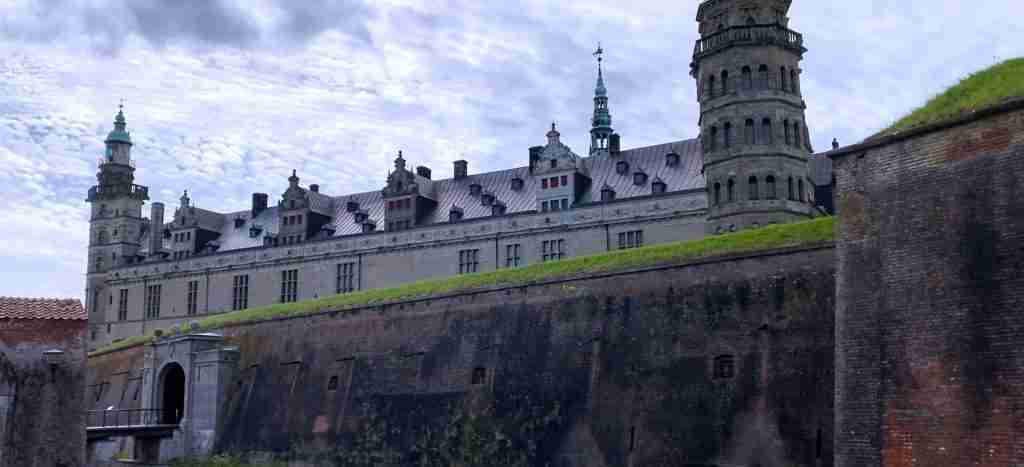
Kronborg Castle stands as Denmark’s most internationally recognized fortress, immortalized as the setting for Shakespeare’s Hamlet and designated a UNESCO World Heritage Site in 2000. Located in Helsingør at the narrowest point of the Øresund strait separating Denmark from Sweden, this Renaissance masterpiece combines architectural grandeur with strategic military significance. The castle’s commanding position offers stunning sea views across to the Swedish coast just 4 kilometers away, while the surrounding town of Helsingør provides cobblestoned streets, maritime museums, and authentic Danish atmosphere.
The journey from Copenhagen to Helsingør takes 47-52 minutes via regular trains departing every 20 minutes throughout the day. Trains run from Copenhagen Central Station or Nørreport with identical service frequency. Standard tickets cost approximately 80 DKK roundtrip, though Copenhagen Card holders travel free and also receive complimentary castle admission.
Exploring Kronborg Castle 2026
Kronborg Castle admission costs 145 DKK for adults in 2026 (check kronborg.dk for current official rates). Students with valid ID pay reduced rates, while children under 18 enter free. The Copenhagen Card provides free admission without advance reservation required.
Allow 2.5-3 hours for a comprehensive castle visit. The Great Hall (Riddersalen) spans 62 meters making it one of Northern Europe’s longest Renaissance halls, featuring magnificent ceiling paintings and period tapestries. The King’s and Queen’s Chambers showcase royal apartments with original furniture and decorative arts from the 16th-17th centuries.
The casemates beneath the castle create an atmospheric underground network where soldiers and supplies sheltered during sieges. Dark passages lead to the legendary statue of Holger Danske (Ogier the Dane), Denmark’s mythical defender who sleeps beneath Kronborg ready to awaken if Denmark faces mortal danger. The casemates maintain cool temperatures year-round, making a light jacket advisable even during summer.
The castle chapel survived a devastating 1629 fire that destroyed much of the fortress, preserving its original Renaissance interior including wooden carvings, ornate altar, and remarkable acoustics that still host occasional concerts. The chapel’s survival represents one of Denmark’s finest examples of 16th-century religious architecture.
From May through October, guided tours in English run several times daily at no extra charge (included in admission). These 45-minute tours provide historical context and access to areas not available during self-guided visits. Summer weekends sometimes feature special performances with actors in period costume performing Hamlet scenes in the castle courtyards.
Helsingør Town and Maritime Museum
After touring Kronborg, explore Helsingør’s medieval town center a 10-minute walk from the castle. The pedestrianized shopping streets maintain their historical character with half-timbered houses, independent shops, and cafes serving traditional Danish pastries and open-faced sandwiches (smørrebrød).
The M/S Maritime Museum (admission 110 DKK, free with Copenhagen Card) occupies a striking underground design by renowned architect Bjarke Ingels, literally built into a former dry dock adjacent to Kronborg. The museum chronicles Denmark’s maritime history from Viking voyages through modern shipping, with interactive exhibits particularly engaging for children. Plan 1.5-2 hours if including this attraction.
Helsingør’s harbor offers waterfront walks with views back toward Kronborg and across to Sweden. Several cafes and restaurants line the harbor front, providing lunch options ranging from casual fish and chips to upscale Nordic cuisine. Budget 120-180 DKK for casual lunch, 250-350 DKK for full restaurant meals.
Sample Kronborg Day Trip Budget 2026
Train to Helsingør 80 DKK, Kronborg admission 145 DKK, lunch 150-200 DKK, Maritime Museum (optional) 110 DKK, coffee and pastry 75 DKK. Total day cost: 450-535 DKK per person without museum, 560-645 DKK with Maritime Museum (excluding dinner in Copenhagen). Copenhagen Card (24-hour, 459 DKK) covers all transport and admissions making it economical for this itinerary.
Frederiksborg Castle and Hillerød 2026
Frederiksborg Castle represents Scandinavia’s largest Renaissance palace, built by King Christian IV between 1560-1630 as a symbol of absolute monarchy’s power and prestige. Set on three islands in the castle lake with meticulously maintained Baroque gardens, Frederiksborg combines architectural magnificence with Denmark’s National Museum of History housed within its chambers. The castle’s ornate interiors showcase centuries of Danish royal portraits, historical paintings, and decorative arts across more than 60 rooms spanning multiple floors.
The S-train Line A connects Copenhagen Central Station directly to Hillerød in approximately 40-45 minutes with departures every 10 minutes during daytime hours. Standard roundtrip tickets cost 90-110 DKK depending on departure station. From Hillerød Station, the castle lies 15 minutes walk through the town center or a brief bus ride on routes 301 or 302 (included in Copenhagen Card).
Castle Interior and Collections 2026
Frederiksborg Castle admission costs 90 DKK for adults in 2026 (check dnm.dk for current official rates as pricing may vary). Senior discounts (65+) reduce entry to 75 DKK, while children under 18 enter free. The Copenhagen Card provides complimentary admission.
Budget 2.5-3.5 hours for a thorough castle exploration. The Chapel showcases pristine Renaissance architecture with an intricate organ dating to 1610, ornate wooden carvings, and remarkable acoustics. Danish monarchs were crowned in this chapel from 1671-1840, adding layers of historical significance.
The Great Hall (Riddersalen) features elaborate ceiling paintings, enormous chandeliers, and the original coronation throne used by Danish kings. Floor-to-ceiling portraits of European royalty line the walls, documenting dynastic connections across centuries. The Knights’ Hall demonstrates the castle’s dual purpose as both residence and ceremonial center.
The Audience Chamber and King’s Wing contain Christian IV’s private apartments, demonstrating royal living standards during Denmark’s Golden Age. Furniture, tapestries, and decorative objects reflect the wealth and artistic patronage of Denmark’s most celebrated monarch. The museum’s chronological layout guides visitors through Danish history from medieval times through the 20th century via historical paintings, portraits, and artifacts.
The Rose Room and Princess’s Wing showcase 18th-19th century royal life including Queen Caroline Mathilde’s tragic story. These more intimate chambers contrast with the grand state rooms, revealing the human dimensions of royal existence beyond ceremonial splendor.
Castle Gardens and Grounds
The Baroque Garden extends behind the castle with geometric patterns, manicured hedges, and symmetrical flower beds reconstructed according to 1725 designs. Gravel paths lead to the small Bath House (Badstueslot), a miniature Renaissance building now used for special events. The gardens offer exceptional photo opportunities with the castle’s copper spires reflected in the lake.
During summer months (May-September), a small ferry crosses the castle lake every 30 minutes, providing unique views of Frederiksborg from the water. The 10-minute crossing costs 25 DKK (not included in Copenhagen Card) and docks near Hillerød’s town center, offering a scenic alternative to walking back.
The Castle Garden Café serves light lunches, coffee, and pastries with outdoor seating overlooking the lake (seasonal, May-September). Budget 100-150 DKK for café lunch, 60-80 DKK for coffee and cake.
Hillerød Town Exploration
Hillerød’s compact town center features pedestrian shopping streets, local bakeries, and authentic Danish atmosphere without tourist crowds. The walk from the station to the castle passes through these streets, allowing time to browse shops or stop for traditional pastries. The town’s main square hosts markets on Wednesdays and Saturdays.
Sample Frederiksborg Day Trip Budget 2026
S-train to Hillerød 100 DKK, Frederiksborg admission 90 DKK, café lunch 120 DKK, lake ferry (optional) 25 DKK, coffee 55 DKK. Total day cost: 365-390 DKK per person without ferry, 390-415 DKK with ferry (excluding dinner in Copenhagen). Copenhagen Card (24-hour, 459 DKK) covers all transport and admission.
Louisiana Museum of Modern Art Day Trip 2026
Louisiana Museum of Modern Art stands among Europe’s most celebrated contemporary art institutions, distinguished by its spectacular coastal setting overlooking the Øresund strait toward Sweden. The museum’s architecture integrates seamlessly with the landscape, featuring interconnected pavilions that create indoor-outdoor flow between galleries, sculpture gardens, and sea views. Louisiana’s permanent collection spans post-1945 modern and contemporary art including works by Giacometti, Picasso, Warhol, and major Scandinavian artists, while 6-8 temporary exhibitions annually showcase international contemporary movements.
Trains depart Copenhagen Central Station for Humlebæk Station every 20 minutes with a 35-minute journey time. Standard roundtrip tickets cost 85-95 DKK. From Humlebæk Station, Louisiana lies a pleasant 10-minute walk north along residential streets with occasional glimpses of the sea.
Museum Experience and Collections 2026
Louisiana admission costs 145 DKK for adults in 2026 (check louisiana.dk for current official rates). Students with valid ID pay 125 DKK, while children 0-17 enter free making it exceptionally family-friendly. The Copenhagen Card provides free admission.
Plan 3-4 hours for a comprehensive Louisiana visit allowing time for both indoor galleries and outdoor sculpture parks. The museum’s unusual name derives from the property’s first owner, Alexander Brun, who married three successive wives all named Louise.
The permanent collection occupies the South Wing with masterworks representing key 20th-century movements. Visitors encounter Giacometti’s elongated figures, Picasso ceramics, Warhol prints, and substantial holdings of Danish Golden Age painting. The collection’s Scandinavian focus includes major works by Asger Jorn, Per Kirkeby, and other CoBrA movement artists.
Special exhibitions rotate throughout the year, often featuring solo shows by internationally significant contemporary artists or thematic presentations exploring current art world trends. Past exhibitions have included retrospectives of Marina Abramović, Yayoi Kusama, and David Hockney. Check louisiana.dk before visiting to see current exhibition schedules as they significantly influence the visit experience.
The sculpture park descends terraced slopes toward the sea with works by Henry Moore, Alexander Calder, Richard Serra, and other modern masters integrated into the landscape. Grass lawns invite lounging while contemplating art against backdrops of water and sky. The park remains accessible year-round even during inclement weather thanks to covered walkways connecting outdoor spaces.
Extended Hours and Dining 2026
Louisiana offers unique extended hours Tuesday-Friday until 22:00, allowing after-work visits or romantic evening museum experiences. Saturday-Sunday hours run 11:00-18:00. The museum closes Mondays. Summer evenings feature particularly atmospheric visits with long Scandinavian twilight illuminating both art and seascapes.
The Louisiana Café provides stunning panoramic views across the Øresund while serving seasonal Nordic cuisine for lunch and dinner. Expect 180-280 DKK for lunch plates, 320-450 DKK for dinner entrees. The café’s terrace opens weather permitting, offering one of Denmark’s most scenic museum dining experiences. Advance reservations recommended for weekend lunch.
The Louisiana Shop spans two levels with carefully curated design objects, art books, Scandinavian crafts, and children’s items. It ranks among Denmark’s finest museum shops for quality and selection.
Combining Louisiana with Kronborg
Louisiana and Kronborg Castle lie on the same coastal train line just 15 minutes apart, making them excellent combination day trips. Visit Louisiana first (opens 11:00 Tuesday-Friday, allows leisurely morning/early afternoon) then continue north to Kronborg for afternoon castle exploration. Alternatively, start at Kronborg when it opens 11:00, tour for 2-3 hours, then backtrack to Louisiana for late afternoon and early evening (taking advantage of 22:00 closing Tuesday-Friday). This creates a full but manageable day combining Renaissance history with contemporary art.
Sample Louisiana Day Trip Budget 2026
Train to Humlebæk 90 DKK, Louisiana admission 145 DKK, café lunch 220 DKK, coffee 65 DKK. Total day cost: 520 DKK per person (excluding dinner in Copenhagen). Copenhagen Card (24-hour, 459 DKK) covers transport and admission but not café meals.
Roskilde Day Trip: Cathedral and Viking Ships 2026
Roskilde served as Denmark’s capital from the 10th to 15th centuries, leaving a legacy of extraordinary historical significance concentrated in two UNESCO World Heritage sites: Roskilde Cathedral where 40 Danish monarchs lie entombed, and the Viking Ship Museum showcasing five authentic 11th-century vessels recovered from the fjord. Located just 25-30 minutes west of Copenhagen, Roskilde combines royal history, Viking heritage, and contemporary Danish culture in a compact, walkable city.
Frequent trains connect Copenhagen Central Station to Roskilde every 10-20 minutes with journey times of 25-30 minutes. Standard roundtrip tickets cost 70-80 DKK. The Copenhagen Card covers this route and provides free admission to both the Cathedral and Viking Ship Museum, making it particularly economical for this day trip.
Roskilde Cathedral 2026
Roskilde Cathedral admission costs 70 DKK for adults (check roskildedomkirke.dk for current official rates). Seniors (67+) and students pay 50 DKK, while children 0-17 enter free. Groups of 10+ receive discounted rates at 50 DKK per person. The Copenhagen Card provides free admission.
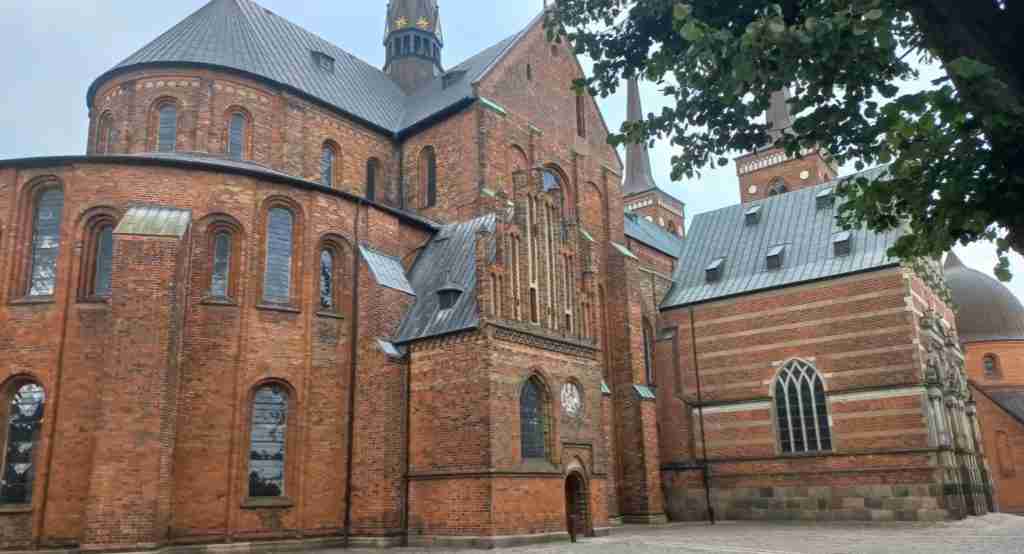
Allow 1.5-2 hours for cathedral exploration. As Denmark’s first Gothic brick cathedral (begun around 1170), Roskilde demonstrates remarkable architectural evolution across eight centuries. The building combines Romanesque foundations, Gothic nave and transepts, and various Renaissance and Baroque chapels added by successive monarchs.
The cathedral serves as Denmark’s royal burial church housing the tombs of 40 kings and queens from Harald Bluetooth (died 987) through modern monarchs. Each royal chapel features distinct architectural styles reflecting the period of construction. Queen Margrethe I (1353-1412), who united Denmark, Norway, and Sweden, rests in an ornate tomb behind the altar. More recent royals including King Frederik IX and Queen Ingrid occupy modernist chapels designed by contemporary architects.
The current Queen Margrethe II’s future tomb already stands completed in a minimalist chapel designed by Bjørn Nørgaard, allowing the unusual experience of sitting on the bench covering her eventual resting place during her lifetime. The cathedral’s two towers offer panoramic views over Roskilde (separate fee, weather dependent).
Free guided tours in English run daily during summer season, providing fascinating context about Danish royal history, Gothic architecture, and the cathedral’s role in national identity. Tour schedules vary seasonally; check the website before visiting.
Viking Ship Museum 2026
The Viking Ship Museum admission varies seasonally but typically costs 130-150 DKK for adults (check vikingeskibsmuseet.dk for current official rates as pricing changes). Children under 18 enter free. The Copenhagen Card provides free admission.
Plan 2.5-3.5 hours for a comprehensive museum visit. The centerpiece features five original Viking ships deliberately sunk in Roskilde Fjord around 1070 CE to block the channel against enemy attack. Archaeologists recovered and painstakingly reconstructed these vessels between 1962-1997, creating the world’s finest Viking ship collection. The five ships represent different vessel types: a warship, two merchant vessels, a ferry, and a smaller craft, collectively demonstrating Viking shipbuilding mastery and maritime culture.
The Museum Island contains active boatyards where craftspeople construct full-scale Viking ship replicas using traditional methods and tools. Visitors watch shipwrights shape oak planks, forge iron rivets, and weave rope from natural fibers exactly as Vikings did a millennium ago. The boatyard operates year-round (weekdays 10:00-16:00) with craftspeople happy to explain their work.
During summer season (May-September), the museum offers sailing trips on replica Viking ships in Roskilde Fjord. These 50-minute excursions allow participants to row and raise sails on vessels that are direct descendants of Viking Age designs. Sailing trips cost 90 DKK additional (not included in basic admission or Copenhagen Card) and require advance booking through the website. This hands-on experience particularly engages children and creates unforgettable memories of Viking seamanship.
The museum’s Children’s Village (Hamlet) provides activity-based learning for kids 4-12 with costume dress-up, Viking games, and interactive historical storytelling during all school holiday periods. Free guided tours in English run daily, offering insights into Viking seafaring, ship construction, and the dramatic Skuldelev ships’ discovery and recovery.
Café Knarr on the Museum Island serves Nordic-inspired lunch with fjord views, featuring salads, sandwiches, and hot dishes plus homemade cakes. Budget 140-180 DKK for lunch, 65-85 DKK for coffee and cake.
Walking Route Cathedral to Viking Ship Museum
The walk from Roskilde Cathedral to the Viking Ship Museum takes 20-25 minutes through the historic town center and along the harbor. Alternatively, bus 203 runs half-hourly between the cathedral and museum (included in Copenhagen Card, single tickets via DSB app). Walking allows you to explore Roskilde’s pedestrianized shopping streets, town square, and charming harbor area where modern boats bob beside restored historical vessels.
Sample Roskilde Day Trip Budget 2026
Train to Roskilde 75 DKK, Cathedral admission 70 DKK, Viking Ship Museum 140 DKK, museum café lunch 160 DKK, sailing trip (optional summer) 90 DKK, coffee 65 DKK. Total day cost: 510 DKK per person without sailing, 600 DKK with sailing (excluding dinner in Copenhagen). Copenhagen Card (24-hour, 459 DKK) covers all transport and admissions except sailing trip, making it highly economical for this itinerary.
Malmö, Sweden Day Trip 2026
Crossing from Copenhagen to Malmö creates Denmark’s easiest international day trip, taking just 38 minutes via the architectural marvel of the Øresund Bridge. Sweden’s third-largest city offers Scandinavian urban culture distinct from Copenhagen, with modern architectural landmarks, historic old town, waterfront parks, and Swedish cuisine. The dramatic bridge crossing itself provides spectacular views 57 meters above the Øresund strait, creating an unforgettable travel experience even before arriving in Sweden.
Øresundståg trains depart Copenhagen Central Station for Malmö Central every 20 minutes from early morning through late evening. Journey time is consistently 35-38 minutes. Tickets cost €8-15 (approximately 60-110 DKK) depending on booking method and travel class. Purchase tickets via the DSB app, Øresundståg website (oresundstag.se), or ticket machines at Copenhagen Central Station.
Border Crossing and Passport Requirements 2026
Denmark and Sweden both belong to the European Union and Schengen Area, but border controls between the countries can be reinstated based on current political and security situations. As of 2026, travelers should carry valid passports or national ID cards for EU citizens. Immigration officers may conduct random passport checks on trains or at Malmö Central Station. Non-EU visitors must ensure their Schengen visas cover both Denmark and Sweden.
The Øresund Bridge transition is dramatic as the train emerges from Copenhagen Airport’s underground station onto the bridge’s elevated roadway with panoramic water views extending in all directions. The bridge connects to the artificial island of Peberholm before entering the Drogden Tunnel under the main shipping channel, then emerges on Swedish soil for the final approach to Malmö.
Exploring Malmö 2026
Malmö Central Station places visitors in the heart of downtown. The city’s compact center makes walking the ideal exploration method, with major attractions within 15-20 minutes of the station.
The Turning Torso tower (completed 2005, designed by Santiago Calatrava) rises 190 meters with its distinctive twisting form dominating Malmö’s skyline. Located in the Western Harbour (Västra Hamnen) district 20 minutes walk from the station, this residential skyscraper represents Scandinavia’s tallest building. The surrounding sustainable urban development showcases contemporary Swedish architecture and waterfront regeneration with parks, beaches, and modern apartment complexes. The tower interior is residential and not open to public tours, but the exterior and waterfront setting provide striking photography opportunities.
Malmö Castle (Malmöhus) dates to the 15th century and now houses multiple museums including art collections, natural history, and city history exhibitions. Admission costs 60 SEK (approximately €5-6). The castle sits within a pleasant park 10 minutes walk from the station, offering a tangible connection to Swedish royal history and defensive architecture.
The Old Town (Gamla Staden) preserves medieval character with cobblestoned streets, half-timbered houses, and Stortorget (Great Square) at its center. The square features the Renaissance-era Town Hall and statue of King Karl X Gustav on horseback. Surrounding streets contain independent shops, Swedish design boutiques, and cafes serving traditional Swedish fika (coffee and pastries).
St. Peter’s Church (Sankt Petri Kyrka) represents Malmö’s oldest building, begun in the 14th century as a Baltic Gothic cathedral. The red brick exterior and ornate interior with vaulted ceilings demonstrate northern European medieval architecture. Entry is free with donation suggested.
Ribersborg Beach (Ribban) stretches two kilometers along Malmö’s western waterfront offering sandy beach, Baltic Sea swimming, beach volleyball courts, and the Ribersborgs Kallbadhus (open-air bath house with saunas and cold-water swimming, separate admission 90 SEK). The beach provides sunset views back across the Øresund toward Copenhagen, with the Turning Torso visible to the north.
Swedish Cuisine and Shopping
Malmö’s restaurant scene spans traditional Swedish fare to international cuisines reflecting the city’s multicultural character. Saluhallen (covered market hall) near Stortorget offers food stalls, delis, and casual eateries with Swedish specialties. Budget 120-180 SEK for casual lunch, 250-350 SEK for full restaurant meals (Swedish prices generally align with Danish).
Swedish grocery stores and design shops provide shopping opportunities unavailable in Denmark. Systembolaget (state alcohol monopoly) offers wines and spirits at lower prices than Danish equivalents, though selection and prices have narrowed differences in recent years. Design stores along Södergatan pedestrian street showcase Swedish brands like Svenskt Tenn, Iittala, and contemporary Scandinavian homeware.
Sample Malmö Day Trip Budget 2026
Train to Malmö €12 (90 DKK), Malmö Castle 60 SEK (€5-6), lunch 150 SEK (€13-14), fika and pastry 75 SEK (€7), beach and old town exploration free. Total day cost: approximately 350-400 DKK per person (excluding dinner in Copenhagen). Note: Copenhagen Card does NOT cover Sweden transport or attractions.
Organized Day Trip Tours from Copenhagen 2026
While independent travel via Denmark’s excellent public transport offers flexibility and cost-effectiveness, organized tours provide convenience, expert guidance, and efficient routing that combines multiple destinations in single days. Tour operators handle logistics, provide historical context through professional guides, and create structured experiences particularly valuable for visitors with limited time or those preferring group travel.
Multi-Castle Tours 2026
The most popular organized day trips combine Kronborg, Frederiksborg, and Roskilde in comprehensive 8-9 hour experiences. These tours typically depart Copenhagen at 9:00-9:30, visit Kronborg Castle first (1.5 hours including guided tour), continue to Frederiksborg Palace (1.5-2 hours), then conclude at Roskilde with Viking Ship Museum and/or Cathedral visits (1.5 hours total). Return to Copenhagen occurs around 17:00-18:00.
Prices range 950-1,250 DKK per person including transportation in modern coaches, English-speaking guides, and all admission fees. Some tours add lunch in Hillerød or Roskilde for an additional 150-200 DKK. Book through GetYourGuide, Viator, or local Copenhagen tour operators. These organized tours cost more than independent travel using the Copenhagen Card (which would cover the same attractions for 459-659 DKK) but provide guided commentary and eliminate navigation concerns.
Hamlet and Danish Riviera Tours
Specialized Kronborg-focused tours emphasize the Hamlet connection with professional actors sometimes performing scenes from Shakespeare’s play at the castle. These 5-6 hour tours include Helsingør town, the Maritime Museum, and scenic drives along the North Zealand coast called the “Danish Riviera.” Prices run 750-950 DKK per person. The coastal drive showcases Denmark’s exclusive residential areas, pristine beaches, and seaside villages between Copenhagen and Helsingør.
Swedish Connection Tours
Cross-border tours combine Copenhagen highlights with Malmö, traveling via the Øresund Bridge. Full-day versions (9-10 hours) visit Kronborg Castle and Helsingør before crossing to Sweden for Malmö’s Turning Torso, Old Town, and waterfront. These tours cost 1,100-1,400 DKK per person and handle passport/border logistics. Half-day Malmö-only tours focus exclusively on the Swedish city with 4-5 hours in Malmö preceded by bridge crossing narration, priced 650-850 DKK per person.
Booking Considerations
Reserve organized tours 3-7 days in advance during summer high season (June-August) when they often sell out. Shoulder seasons (April-May, September-October) typically allow 1-2 day advance booking. Winter tours run less frequently with some operators suspending service November-March due to limited daylight and reduced demand.
Read cancellation policies carefully as many tours impose 24-48 hour cancellation deadlines for full refunds. Weather-dependent elements (bridge views, coastal drives) may be obscured during overcast or rainy conditions, though tours proceed regardless of weather. Tour groups typically number 16-50 participants depending on operator and vehicle type, with smaller groups commanding premium prices.
Practical Day Trip Planning Tips 2026
Departure Timing Strategy
Start day trips early to maximize available time at destinations. The 8:00-9:00 departure window allows arrival at most attractions when they open (10:00-11:00), avoiding mid-day crowds that build 12:00-15:00. Morning light also enhances castle photography, particularly at waterside locations like Kronborg and Frederiksborg where reflections appear sharpest before afternoon wind roughens water surfaces.
Winter day trips require even earlier starts given 15:00-16:00 closing times at many attractions. Departing Copenhagen by 8:30 provides 5-6 hours of usable daylight for exploration and photography before return journeys during twilight hours.
Luggage and Storage
Copenhagen Central Station offers paid luggage storage (50-75 DKK per item per day) allowing hotel checkout before day trips if departing Copenhagen the same evening. Lockers also exist at the station though availability varies with demand. Most castles and museums prohibit large backpacks inside galleries, providing free cloakrooms for bags and coats. Carry small daypacks only with essential items.
Dining Strategies
Museum and castle cafés offer convenience but command premium prices. Pack snacks and bottled water to reduce meal costs, though note that Danish tap water is excellent quality and free at café/restaurant sinks if requesting water bottles. Grocery stores like Netto or Fakta near stations sell sandwiches, drinks, and fruit for picnic-style lunches at 50-80 DKK versus 150-220 DKK café meals.
The Viking Ship Museum and Louisiana Museum permit packed lunches in designated outdoor areas. Kronborg and Frederiksborg require café or restaurant use for on-site dining, though Hillerød and Helsingør towns offer grocery stores and bakeries a short walk from castles.
Photography Considerations
All attractions permit personal photography without tripods or flash. Professional equipment (defined as detachable lens cameras with large lenses or commercial intent) may require advance permission and occasionally incur fees. Respect “no photography” signs in specific castle chapels or museum galleries with sensitive artworks.
The Øresund Bridge offers spectacular photography opportunities from train windows. Sit on the left side when traveling Copenhagen to Malmö for optimal bridge and water views during the crossing. The reverse applies returning to Copenhagen. Window seats book quickly during peak hours; consider standing in vestibules for unobstructed views if necessary.
Weather Preparedness
Denmark’s weather changes rapidly requiring layered clothing and waterproof outer shells year-round. Castles can be cold inside during spring and autumn despite external temperatures, particularly in stone-walled chambers and underground casemates. Comfortable walking shoes prove essential as most day trips involve 5-10 kilometers of walking across castle grounds, museum galleries, and town centers.
Accessibility Considerations
Most major attractions offer wheelchair accessibility with limitations. Kronborg’s main floors are accessible though casemates require stairs. Frederiksborg has elevator access to many rooms but some upper levels remain stairs-only. The Viking Ship Museum provides full accessibility across its modern facilities. Contact attractions in advance to discuss specific mobility needs and available accommodations including wheelchair loans and accessible parking.
Family-Friendly Modifications
Children under 5-6 often lack attention spans for lengthy castle tours. Focus on single major attractions per day when traveling with young children rather than multi-site combinations. The Viking Ship Museum’s hands-on elements and outdoor setting engage children better than formal castle interiors. Louisiana Museum’s sculpture gardens and Children’s Wing provide excellent family experiences with interactive art installations designed for kids.
Many attractions offer family tickets bundling adult and child admissions at discounted rates (typically 2 adults + 2-3 children for slightly more than 2 adult tickets). Inquire at ticket counters rather than machines which may not display family options prominently.
Copenhagen Card vs. Individual Tickets: Maximizing Value 2026
The Copenhagen Card decision hinges on planned itinerary and trip duration. Calculate your intended attractions and transport needs, then compare against card prices.
When Copenhagen Card Makes Sense
The 24-hour card (459 DKK) breaks even visiting approximately three paid attractions or combining two attractions with extensive transport (zones beyond central Copenhagen). Examples of economical 24-hour card use:
- Kronborg Castle day trip: 80 DKK transport + 145 DKK admission + 110 DKK Maritime Museum = 335 DKK (saves 124 DKK versus 459 DKK card, but card allows additional Copenhagen attractions same day)
- Roskilde combination: 75 DKK transport + 70 DKK Cathedral + 140 DKK Viking Museum = 285 DKK (saves 174 DKK versus card, plus enables Copenhagen museums)
- Louisiana and Kronborg combination: 165 DKK transport + 145 DKK Louisiana + 145 DKK Kronborg = 455 DKK (immediate 4 DKK savings, plus covers any Copenhagen attractions)
The 48-hour card (659 DKK) suits visitors spreading multiple day trips across two days or combining day trips with intensive Copenhagen attraction touring. A sample 48-hour itinerary:
Day 1: Frederiksborg Castle morning (90 DKK admission + 100 DKK transport), Louisiana afternoon (145 DKK admission), Copenhagen evening attractions like Rosenborg Castle (120 DKK) = 455 DKK. Day 2: Roskilde Cathedral and Viking Museum (210 DKK admission + 75 DKK transport), Tivoli Gardens evening (165 DKK) = 450 DKK. Total value: 905 DKK versus 659 DKK card = 246 DKK savings.
When Individual Tickets Are Better
Single-destination day trips with limited Copenhagen sightseeing often cost less buying individual tickets:
- Malmö-only trip: 90 DKK train (Copenhagen Card doesn’t cover Sweden) = no card benefit
- Single castle visit (Kronborg OR Frederiksborg) with early morning departure and return: 170-190 DKK total versus 459 DKK card = significant overpayment
- Visitors staying longer than 72 hours with day trips spread across multiple days might buy individual tickets for each specific day rather than multi-day cards
Copenhagen Card Booking and Activation 2026
Purchase Copenhagen Cards via the official website (copenhagencard.com), the Copenhagen Card mobile app, or at Copenhagen Visitor Centre in Central Station. Digital cards activate on your phone when first used, triggering the countdown timer (24/48/72 hours). Physical cards require scratch-off activation but otherwise function identically.
Cards include an accompanying brochure listing all included attractions (80+ total) with addresses and opening hours. Keep this reference handy when planning daily routes. The mobile app includes interactive maps showing nearby included attractions and real-time transit directions.
Frequently Asked Questions About Copenhagen Day Trips 2026
Can you do multiple day trips in one day from Copenhagen?
Combining two smaller day trips in a single day is feasible with early starts and efficient planning. The most practical combination pairs Kronborg Castle with Louisiana Museum (both on the same coastal train line, 15 minutes apart). Start at Kronborg when it opens 11:00, tour for 2-2.5 hours, then continue to Louisiana for afternoon and early evening (open until 22:00 Tuesday-Friday). This creates a 9-10 hour day but remains manageable without excessive rushing. Roskilde’s Cathedral and Viking Museum also combine well as they’re located in the same city, though together they fill an entire day. Avoid attempting three separate destinations (like Kronborg + Frederiksborg + Roskilde) unless joining an organized tour specifically designed for that intensive routing.
How early should you book Copenhagen day trip tours in 2026?
Summer peak season (June-August) tours sell out 5-10 days in advance, particularly for weekends and Danish holidays. Book 7-14 days ahead for guaranteed availability during this period. Shoulder seasons (April-May, September-October) typically allow 2-5 day advance booking with reasonable availability. Off-season (November-March) often permits next-day or same-week booking given reduced tourist numbers, though some operators run limited winter schedules. Independent travel using public transport requires no advance booking except for special experiences like Viking ship sailing at Roskilde (book online 3-7 days ahead during summer).
Are Copenhagen day trips suitable for children and families 2026?
Day trips adapt well to family travel with appropriate attraction selection and age considerations. The Viking Ship Museum ranks as the most child-friendly destination with hands-on boatyard activities, sailing experiences (summer), and outdoor museum setting that allows movement and exploration. Children under 18 enter all major attractions free, making family travel economically advantageous. Louisiana Museum offers a dedicated Children’s Wing with interactive art installations perfect for ages 4-12, plus sculpture gardens where kids can run and play. Castle visits challenge younger children’s attention spans – limit internal tours to 1-1.5 hours and emphasize castle grounds, gardens, and exterior exploration where children can move freely. Pack snacks, allow extra time for breaks, and choose single-destination days rather than multi-site marathons when traveling with children under 8.
What happens if it rains during Copenhagen day trips?
All major day trip destinations function well during rain as they’re primarily indoor attractions. Castles, museums, and cathedrals provide sheltered environments though walks between train stations and attractions may require umbrellas and waterproof clothing. The Viking Ship Museum’s boatyard and outdoor elements become less enjoyable during heavy rain, though the main ship hall remains fully covered. Louisiana Museum’s covered walkways connecting pavilions allow gallery-to-gallery movement without outdoor exposure. Rain actually enhances certain experiences – Kronborg’s atmospheric casemates feel more dramatic during stormy weather, while Frederiksborg’s Renaissance interiors benefit from focused attention when gardens are inaccessible. Public transport operates normally during rain. Bring waterproof layers and accept that photography opportunities may be reduced but overall experiences remain valuable.
Can you visit Sweden day trips without a passport from Copenhagen 2026?
No, valid identification is required for Denmark-Sweden border crossing even though both countries participate in the Schengen Area. EU citizens must carry national ID cards or passports. Non-EU visitors need passports and must verify their Schengen visas cover both Denmark and Sweden (most Schengen visas permit travel throughout the zone, but country-specific restrictions occasionally apply). Border controls between Denmark and Sweden fluctuate based on immigration policy and security situations – random passport checks occur on trains or at Malmö Central Station. Attempting to cross without proper identification risks denial of entry or fines. Always bring passport documentation when planning Malmö day trips even if controls aren’t visible, as officers may board trains mid-route for verification checks.
Which day trip offers the best value for money in 2026?
Roskilde provides exceptional value combining two UNESCO World Heritage sites (Cathedral and Viking Ship Museum) in one city just 25-30 minutes from Copenhagen. Total costs run approximately 285-300 DKK for transport and admissions when buying individual tickets, or 100% coverage under the 24-hour Copenhagen Card (459 DKK, which also includes Copenhagen attractions the same day). The concentrated geography means minimal time spent in transit and maximum time exploring attractions. Children under 18 enter both sites free, making Roskilde particularly economical for families. The combination of royal burial history, Viking maritime heritage, active boatyards, and optional sailing experiences creates diverse, engaging content justifying an entire day of exploration without requiring multi-site combinations or extensive transportation costs.
How much Danish currency should you bring for day trips 2026?
Denmark operates primarily cashless with credit/debit cards accepted universally including trains, museums, cafés, and even street food vendors. The Danish krone (DKK) exists but cards dominate transactions. Bring credit cards with chip-and-PIN capability (North American magnetic stripe cards work but chip cards process faster). Budget 500-700 DKK in cash as backup for rare vendors requiring payment (occasional small bakeries or public bathrooms charging 5-10 DKK fees), but plan to conduct 90%+ of transactions via card. ATMs exist at all train stations and city centers if additional cash becomes necessary. Sweden uses Swedish kronor (SEK) not Danish kroner, though Swedish vendors also accept cards almost exclusively. Credit cards work seamlessly cross-border without currency exchange fees beyond standard international transaction charges (typically 1-3% depending on card issuer).
Are guided tours worth the extra cost versus independent travel 2026?
Guided tours cost 2-3 times more than independent travel using Copenhagen Card but offer specific advantages worth considering. Expert guides provide historical context and storytelling that self-guided visits miss – Kronborg’s Hamlet connections, Frederiksborg’s royal intrigue, and Viking ship construction techniques gain depth through professional narration. Tours handle all logistics eliminating planning stress and navigation concerns, particularly valuable for visitors uncomfortable with foreign public transport or limited travel time. Groups bond over shared experiences creating social elements absent from solo exploration. However, independent travel offers flexibility for personal pacing, photography opportunities without group constraints, and significant cost savings. Consider guided tours if traveling with limited time (2-3 days in Copenhagen total), seeking social interaction, or strongly valuing expert historical interpretation. Choose independent travel for longer stays, tighter budgets, or preferences for self-directed exploration at individual pace.
Can you use the same ticket to return to Copenhagen or must you buy separate tickets?
Danish train tickets purchased through DSB app or ticket machines include roundtrip validity within specified time windows. Standard tickets remain valid for outbound journey at specified departure time (or within flexible windows if indicated) and return journey any time the same calendar day until service ends (typically 23:00-00:30 depending on route). Copenhagen Card provides unlimited transport across all zones during its active period (24/48/72 hours) without separate return ticket requirements – simply board any train returning to Copenhagen while the card remains valid. Rejsekort (travel card) users check in and out at platforms for each journey leg, automatically calculating roundtrip costs. Only advance-purchase discount tickets (if available for specific routes/times) may carry restrictions requiring specific return departure times; standard tickets purchased day-of-travel allow flexible return any time the same day.
What’s the best day trip for architecture and design enthusiasts 2026?
Louisiana Museum of Modern Art offers unparalleled architecture and design experiences combining Jørgen Bo and Vilhelm Wohlert’s 1958 modernist architecture with contemporary additions, creating seamless indoor-outdoor flow between galleries and coastal landscapes. The permanent collection emphasizes 20th-century design including Danish modern furniture, architectural drawings, and design objects alongside fine art. The Louisiana Shop ranks among Scandinavia’s finest museum stores for design books and Scandinavian design objects. For architectural contrast, add Kronborg Castle representing Renaissance fortress architecture or Frederiksborg demonstrating Baroque palace design. Malmö’s Turning Torso showcases contemporary Scandinavian architecture (Santiago Calatrava, 2005) while the Western Harbour district exemplifies sustainable urban design. The combination of Louisiana (modernist museum architecture) with Malmö (contemporary urban development) creates an excellent architecture-focused day exploring both historic modernism and 21st-century Scandinavian design philosophy.