
Krka National Park Travel Guide 2026: Waterfalls, Swimming & Tours
Krka National Park protects 109 square kilometers of the Krka River canyon in northern Dalmatia, where seven major waterfalls cascade over travertine barriers formed by 10,000 years of mineral deposition. Located 15 kilometers inland from Šibenik, this UNESCO-aspirant park attracts over 800,000 annual visitors to Skradinski Buk’s 17-cascade complex, the longest waterfall system on the 72-kilometer Krka River that powers Europe’s second-oldest hydroelectric plant built in 1895.
Key Takeaways for Visiting Krka National Park in 2026
- Swimming Regulations Changed Since 2021: Swimming is banned at the famous Skradinski Buk waterfall to protect travertine ecosystems, but remains permitted at Roški Slap, Stinice, and Pisak from June 1-September 30
- Seasonal Pricing Structure: Entrance fees range from €20 per adult during shoulder months (April-May, October) to €40 during peak summer (June-September), with boat transport from Skradin to Skradinski Buk included in admission
- Multiple Access Points: Four park entrances serve different visitor goals—Lozovac for quick access, Skradin for scenic boat arrivals, Roški Slap for swimming opportunities, and Burnum/Puljane for archaeological sites
- Organized Tours from Split: Group tours cost €20-30 for transportation plus separate park admission (€20-40), totaling €40-70 per person depending on season, with tours departing daily at 10:00 AM year-round
- Self-Drive Advantages: Rental cars provide flexible timing for crowd avoidance, with the 90-kilometer drive from Split taking 60-75 minutes via toll highway (€4 one-way) or scenic coastal route
- Year-Round Operations: Unlike seasonal attractions, Krka operates daily throughout 2026 with reduced winter hours (November-March: 9:00 AM-4:00 PM) but complete facility access including restaurants and walking trails
People Also Ask About Krka National Park 2026
Can you swim at Krka waterfalls in 2026?
Swimming at Krka National Park in 2026 remains prohibited at Skradinski Buk waterfall where crowds once exceeded environmental capacity, but continues legally at three designated locations: Roški Slap downstream from the waterfall (the most accessible option), Stinice, and Remetić-Pisak. Swimming permission runs June 1 through September 30 at your own risk depending on weather conditions and water levels, though local residents maintain year-round swimming rights at these traditional bathing areas. The 2021 ban at Skradinski Buk protects fragile travertine formations from sunscreen chemicals, physical contact, and ecosystem disruption that degraded water quality when tens of thousands swam daily during peak seasons.
How much does Krka National Park cost to visit in 2026?
Krka National Park admission in 2026 costs €20 per adult during shoulder seasons (April 1-May 31 and October 1-31) and €40 per adult during peak summer (June 1-September 30), with afternoon discounts of 25% applying after 3:00 PM in summer months reducing peak tickets to €30. Students and youth ages 7-18 pay €12-15 depending on season, while children under 7 enter free. The entrance fee includes boat transportation from Skradin to Skradinski Buk, shuttle buses between parking areas and waterfalls, and access to all accessible terrestrial sites on a single-day ticket. Additional costs include optional boat excursions to Visovac Island monastery (€25-30) and parking at various entrances.
Is Krka better than Plitvice Lakes for a 2026 visit?
Krka National Park and Plitvice Lakes serve different visitor priorities rather than operating on a strict better-worse spectrum: Krka excels for day-trippers from coastal bases (Split, Šibenik, Zadar) requiring just 1-2 hours drive, permits swimming at designated areas unlike Plitvice’s complete ban, concentrates major attractions within compact walking circuits ideal for limited time or mobility constraints, and maintains Mediterranean rather than mountain climate. Plitvice offers superior scale with 16 interconnected lakes versus Krka’s river-focused landscape, provides more extensive hiking trail networks spanning upper and lower lake systems, delivers UNESCO World Heritage designation recognizing global significance, and attracts serious photographers seeking the iconic boardwalk perspectives. First-time Croatia visitors often include both parks in week-long itineraries rather than choosing exclusively between them.
What is the best time to visit Krka National Park in 2026?
The optimal Krka National Park visiting window in 2026 spans May, June, and September when pleasant temperatures (20-28°C), moderate crowds compared to July-August peaks, and full facility operations combine with lower entrance fees than peak summer. May brings spring wildflowers and maximum water flow from snowmelt creating most dramatic waterfalls, while September offers warm swimming conditions at Roški Slap without July-August congestion. Early morning arrivals (8:00-9:00 AM) before tour bus waves and weekday visits year-round reduce crowding significantly versus midday weekend surges. Winter months (November-March) attract minimal visitors and charge lowest fees (€7-10 adults) but sacrifice swimming opportunities and see reduced waterfall volume during dry periods, making them suitable only for hardcore photographers or budget travelers accepting these limitations.
Extended multi-day tours – 5+ days
Featured Dalmatia Multi-Day Tour Packages
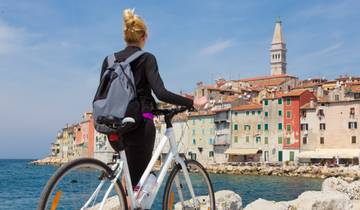
8 days
Cycle the Dalmatian Coast
- ✓ Comprehensive Dalmatia tour
- ✓ Expert local guides included
- ✓ All accommodation arranged
- ✓ Transportation provided

8 days
Croatia Explorer Deluxe Cruise Dubrovnik -Trogir
- ✓ Comprehensive Dalmatia tour
- ✓ Expert local guides included
- ✓ All accommodation arranged
- ✓ Transportation provided
8 days
Bike Cruise Dalmatia South Traditional Ensuite
- ✓ Comprehensive Dalmatia tour
- ✓ Expert local guides included
- ✓ All accommodation arranged
- ✓ Transportation provided
8 days
Dalmatian Highlights Split and Dubrovnik Region Cruise (Standard Boat Category)
- ✓ Booking needs min. 2 travelers
Multi-day tour packages powered by TourRadar. Prices and availability subject to change.
Introduction: Understanding Krka National Park as Northern Dalmatia’s Natural Centerpiece
Krka National Park occupies a unique niche in Croatia’s protected area network as the country’s most accessible major waterfall system for coastal visitors, combining dramatic natural features with convenient proximity to Dalmatia’s tourism infrastructure. Established January 24, 1985 as Croatia’s seventh national park, the protected area encompasses a 25-kilometer stretch of the Krka River from Knin to Skradin, including the river’s most spectacular geological features: seven major waterfalls formed over millennia as calcium carbonate precipitation created porous travertine barriers that water cascades over in multi-tiered complexes.
The park’s geological foundation began approximately 10,000 years ago during the Holocene epoch when mineral-rich spring waters deposited layers of travertine (tufa) at rates reaching 2-3 centimeters annually, building the massive barriers that now create Skradinski Buk’s 45-meter height differential across 17 individual cascades and Roški Slap’s 650-meter barrier system. This ongoing deposition process continues today, making Krka a living laboratory for travertine formation that attracts geologists studying karst hydrology and calcium carbonate dynamics. The travertine barriers’ fragility—easily damaged by physical contact, chemical pollution, or flow alterations—drives the strict 2021 swimming prohibitions at Skradinski Buk that protect millennia of natural construction.
Krka’s human history extends beyond natural processes to encompass strategic military positioning, early hydroelectric innovation, and monastic settlement. The river canyon hosted Roman military camps including Burnum fortress from the 1st century AD whose amphitheater ruins remain accessible within current park boundaries. Franciscan monks established Visovac Island monastery in 1445 on a tiny island mid-river, maintaining continuous religious presence for nearly 600 years while accumulating significant manuscript and artwork collections. The 1895 completion of Europe’s second hydroelectric power plant at Skradinski Buk (just two days after Niagara Falls) demonstrated Croatian engineering prowess, with original turbines serving Šibenik’s municipal electricity until 1981 before conversion to interpretive display.
The 2026 visitor encounters Krka through two primary scenarios: independent exploration via rental car allowing maximum scheduling flexibility and extended park time, or organized tours from Split, Zadar, and Šibenik providing transportation logistics and basic orientation but constraining time allocation to 2-3 hour windows. The park’s year-round operations contrast with seasonal island attractions that close November-March, making Krka particularly valuable for winter travelers accepting reduced waterfall volume and cooler temperatures in exchange for minimal crowds and discounted admission. Peak summer visitation exceeds 5,000 daily visitors during July-August when organized tours, cruise ship excursions, and independent travelers converge simultaneously, creating pedestrian congestion on wooden walkways and lengthy restaurant queues that strategic timing helps avoid.
This comprehensive 2026 guide addresses planning considerations spanning entrance selection, admission pricing strategies, swimming regulation compliance, tour versus independent visit decision-making, seasonal timing optimization, and practical logistics including transportation costs, parking arrangements, food options, and accommodation proximity for multi-day explorations combining Krka with Šibenik cultural tourism or coastal beach access.
Krka National Park Admission Costs and Ticketing System 2026
Krka National Park operates a dynamic pricing structure in 2026 where entrance fees fluctuate based on visiting month, visitor age category, and entry point selection. Understanding these variables allows budget optimization through strategic timing and entrance choice while ensuring full access to desired park sections.
Standard Admission Pricing by Season 2026
Park entrance fees for full access to all terrestrial sites including Skradinski Buk waterfall follow a three-tier seasonal structure: shoulder season rates (April 1-May 31 and October 1-31) charge €20 for individual adults, €12 for students with valid ID and youth ages 7-18, and free admission for children under 7. Peak summer season (June 1-September 30) increases fees to €40 adults and €15 students/youth, representing 100% premium over shoulder pricing. Winter season (November 1-March 31) offers lowest rates at €7-10 adults depending on specific entrance point, though reduced waterfall volume and cooler temperatures limit appeal for casual tourists.
The dramatic June-September pricing reflects peak demand when Mediterranean summer weather draws maximum coastal tourism and cruise ship shore excursions flood the park with organized groups. The €40 peak admission represents Croatia’s highest national park fee, exceeding even Plitvice Lakes’ summer pricing, justified by Krka’s more intensive infrastructure costs including boat operations, boardwalk maintenance over active travertine formations, and visitor management systems preventing environmental degradation. Budget-conscious visitors scheduling flexibility should target shoulder season visits capturing pleasant weather and full operations while saving 50% on admission versus July-August peaks.
Special pricing provisions include afternoon discounts reducing summer tickets 25% for entries after 3:00 PM (€30 instead of €40 adults), beneficial for visitors combining morning beach time with late afternoon waterfall exploration. Group discounts for 20+ visitors require advance reservation through park management, offering approximately 10% reduction from standard rates though minimum participant requirements limit usefulness for most independent travelers. Students must present valid international student ID cards for discounted rates, while Croatian hiking society members receive additional concessions unavailable to international visitors.
Included Services and Additional Costs
Standard entrance tickets include several significant value-added services often charged separately at other parks: boat transportation from Skradin entrance to Skradinski Buk operates continuously during peak hours at no additional cost, providing scenic 25-minute river cruise through the canyon; shuttle buses connect Lozovac parking area to Skradinski Buk waterfall when walking distances exceed comfortable limits for elderly or mobility-impaired visitors; and single-day tickets permit access to all accessible terrestrial sites including Skradinski Buk, Roški Slap, Burnum archaeological area, and Krka Eco Campus educational center when combined through multiple entrance coordination.
Additional costs beyond base admission include optional boat excursions to Visovac Island monastery (€25-30 per person depending on operator and season), bicycle rentals at Krka Eco Campus (€8-12 per hour including helmet and lock), guided tour services in multiple languages (€100-150 for groups up to 50 people), and parking fees at certain entrances (€5-7 per vehicle daily). Food and beverage purchases occur at concessionaire restaurants and cafes throughout the park at premium pricing typical of captive tourist markets: expect €12-18 for main courses, €6-10 for sandwiches, €3-5 for coffee, and €4-7 for beer. Water bottles cost €2-3 from vending machines and kiosks versus €1 at mainland supermarkets, making pre-visit provisioning economical for budget-conscious visitors.
Ticket Purchase Options and Advance Booking
Krka tickets can be purchased on-site at all four park entrances (Lozovac, Skradin, Roški Slap, Burnum) via cash or card payment, though peak summer periods (July-August weekends particularly) create queues exceeding 30-45 minutes during morning arrival surges between 10:00-11:30 AM when organized tours converge. Online advance purchase through the official park webshop (shop.np-krka.hr) allows electronic ticket presentation at entrance turnstiles, bypassing purchase queues but providing minimal actual cost savings (€1-2 maximum) over on-site pricing. The primary advance booking advantage lies in guaranteed entry during potential capacity control days when extreme crowds trigger temporary admission pauses rather than monetary discounts.
Organized tour operators typically bundle park admission with transportation packages, either including entrance fees in total tour price or collecting admission costs separately on arrival depending on operator business model. Tours advertising “entrance fees included” generally charge €55-75 total (€25-30 transport plus €20-40 admission varying by season), while “entrance fees extra” tours cost €20-30 base with visitors paying €20-40 park admission separately. Neither approach provides cost advantage, but “fees included” simplifies budgeting by eliminating cash management on tour day. Verify specific tour terms before booking to avoid surprise expenses at park entrance.
Strategic Pricing Recommendations for Different Visitor Types
Budget travelers should target shoulder season visits (May or early October ideally) when €20 admission combines with pleasant weather, reduced crowds, and full swimming season overlap at Roški Slap. The €20 shoulder fee represents 50% savings versus peak summer while delivering nearly identical experience quality beyond marginally cooler water temperatures. Families with children under 7 gain automatic savings through free child admission regardless of season, though older children (7-18) benefit from student/youth discount rates requiring age verification at entrance. Multi-day visitors should purchase Friends of Krka annual membership (€50-60) enabling unlimited year-round entry becoming cost-effective for three or more visits within 12 months, particularly valuable for Split or Zadar area residents planning repeated excursions.
Photography enthusiasts prioritizing optimal lighting and minimal crowds should consider winter low-season visits when €7-10 admission delivers empty boardwalks and dramatic low-sun angles impossible during crowded summer months, accepting reduced waterfall volume trade-off. Serious photographers find value in multiple seasonal visits capturing spring’s maximum flow, summer’s lush vegetation, autumn’s warm light, and winter’s exposed rock formations—scenarios where annual membership provides substantial savings. First-time visitors should not sacrifice peak summer experience solely for pricing concerns if July-August represents only available travel window, as the €40 admission remains reasonable value for 4-6 hour comprehensive park exploration including boat transport and multi-site access.
Swimming Policies and Permitted Locations in Krka 2026
Krka National Park’s swimming regulations underwent fundamental revision January 1, 2021 when park management implemented a comprehensive Skradinski Buk swimming ban to protect rapidly degrading travertine formations and water quality. Understanding the ban’s rationale, permitted alternative swimming locations, and enforcement realities proves essential for visitors planning 2026 itineraries that previously assumed waterfall swimming as a primary attraction.
The Skradinski Buk Swimming Ban: Environmental Protection Rationale
Swimming at Skradinski Buk waterfall—the park’s most famous and most-visited attraction—became prohibited January 2021 after extensive scientific studies documented accelerating environmental degradation linked directly to human swimming activity. The fundamental issue centers on travertine barrier integrity: these porous calcium carbonate formations develop through delicate mineral precipitation processes where even minor chemical or physical disturbances disrupt growth patterns accumulated over millennia. Tens of thousands of daily swimmers during peak seasons introduced sunscreen chemicals, body oils, physical abrasion from foot contact, and biological contamination that measurably inhibited new travertine deposition while degrading existing formations.
The scientific evidence supporting the ban includes documented reduction in travertine formation rates at high-traffic swimming areas compared to protected reference zones, water quality measurements showing elevated nutrient and chemical concentrations during swimming seasons, and visual documentation of travertine surface discoloration and structural weakening in areas experiencing heavy human contact. Park biologists noted declining populations of specialized aquatic invertebrates dependent on clean water flowing through intact travertine structures, while algae blooms increased in areas where swimmer-introduced nutrients disrupted ecological balance. The cumulative impact threatened the very geological processes that create and maintain the waterfalls, risking permanent damage to formations requiring thousands of years to develop.
The ban applies exclusively to visitors, while local residents from traditional riverside communities maintain swimming rights at three designated locations (Stinice, Remetić-Pisak, and Roški Slap downstream from the waterfall) recognizing centuries of human-river cohabitation predating park establishment. This distinction reflects pragmatic acknowledgment that moderate local use by small resident populations generates negligible environmental impact compared to mass tourism’s concentrated effects. Enforcement occurs through visible ranger presence, security camera surveillance, and posted regulations in multiple languages, with violators facing immediate expulsion from the park and potential bans from all Croatian national parks—penalties serious enough to deter most contemplated violations despite occasional social media reports of rule-breaking attempts.
Permitted Swimming Locations: Roški Slap, Stinice, and Pisak
Three locations within Krka National Park boundaries maintain legal swimming access for park visitors from June 1 through September 30, with Roški Slap offering the most practical option for typical tourists given accessibility and facilities. Roški Slap swimming occurs downstream from the 15-meter waterfall in designated areas marked by park signage, where calm pools and gentle current create safe conditions for average swimmers. The swimming zone features natural pebble bottom, clean water flowing from the waterfall cascade, and pleasant tree shade along banks, though facilities remain basic with minimal changing areas or amenities beyond natural setting. Access requires either driving to the Roški Slap entrance (separate from main Lozovac/Skradin entrances serving Skradinski Buk) or taking internal park boats from Skradinski Buk area to Roški Slap as part of extended park exploration.
Stinice and Remetić-Pisak represent more remote swimming locations primarily utilized by Croatian locals familiar with access routes rather than international tourists on tight day-trip schedules. These sites require specific navigation knowledge and often private vehicle access along secondary roads, making them impractical for most organized tour participants or visitors dependent on public transportation. Swimming quality at these locations matches or exceeds Roški Slap given lower visitor density, though facilities and accessibility limitations restrict use to determined swimmers willing to invest extra effort reaching them. Park rangers patrol less frequently at these remote locations compared to high-traffic Skradinski Buk area, though posted regulations apply equally and violation consequences remain identical.
All permitted swimming occurs “at your own risk” per park regulations, meaning no lifeguard supervision, emergency medical facilities located kilometers away at main visitor centers, and swimmers assume full responsibility for personal safety. Water levels and current strength vary seasonally and daily based on upstream rainfall and dam releases, with calm conditions during summer low-water periods occasionally transitioning to dangerous swift currents following storms. Park management reserves authority to close swimming areas temporarily when water conditions exceed safe parameters, with closure notices posted at entrance stations and ranger enforcement on-site. Swimming outside designated areas and dates (attempting Skradinski Buk swimming, off-season swimming, nighttime swimming) results in immediate ejection and potential national park system bans seriously compromising future Croatia nature tourism.
Alternative Swimming Options Near Krka National Park
Visitors disappointed by Skradinski Buk swimming restrictions find excellent alternatives immediately adjacent to park boundaries in the riverside town of Skradin and at various Šibenik-area beaches. Skradin features a public beach called Plaža Kremena at the confluence of Krka River and Prokljan Lake where visitors swim in the same turquoise-green water flowing from the national park without entering protected territory. This beach operates just 5 minutes’ walk from Skradin’s main square and boat departure point for park access, making it convenient for combining morning Skradinski Buk sightseeing with afternoon swimming. Facilities include changing cabins, cafe-bar, shallow entry areas suitable for children, and stunning views toward medieval Skradin old town making it superior recreational swimming venue compared to the natural wilderness swimming available at Roški Slap.
Šibenik’s coastal beaches including Banj Beach, Solaris Beach, and numerous coves along the Šibenik Riviera provide full Adriatic Sea swimming 20-30 minutes’ drive from Krka entrances. These beaches offer completely different experience from river swimming—saltwater versus freshwater, Mediterranean coastal atmosphere versus inland canyon setting, developed beach facilities versus natural landscapes—allowing visitors to experience both environments within single-day itineraries combining morning Krka exploration with afternoon beach time. Tour operators from Split increasingly structure itineraries incorporating Skradin beach time or brief Šibenik coastal stops, partially compensating for lost Skradinski Buk swimming while maintaining realistic time budgets for day-trip logistics.
Getting to Krka National Park: Transportation Options and Strategies 2026
Krka National Park’s location 80-90 kilometers from major Dalmatian tourism centers (Split, Zadar) and 15 kilometers inland from coastal Šibenik creates transportation decisions balancing convenience, cost, flexibility, and time efficiency. The park’s four separate entrance points further complicate logistics as visitors must select both transportation mode and specific destination depending on whether they prioritize Skradinski Buk’s famous waterfall, Roški Slap’s swimming opportunities, Burnum’s archaeological ruins, or comprehensive multi-site exploration.
Self-Drive Access from Split, Zadar, and Šibenik
Rental car self-drive represents the most flexible Krka access method, allowing customized timing for crowd avoidance, extended park stays without tour schedule constraints, multi-entrance visits within single days, and combination itineraries integrating Šibenik cultural tourism or coastal beach stops. From Split, the 90-kilometer drive to Lozovac entrance (main Skradinski Buk access point) takes 60-75 minutes via the E65/E71 toll highway at approximately €4 one-way, exiting at Šibenik then following clear “NP Krka” signage through secondary roads for final 15 kilometers to parking areas. Alternative toll-free routing via coastal D8 highway adds 20-30 minutes driving time but delivers scenic Adriatic views and free road access valuable for budget-conscious travelers willing to sacrifice time for savings.
From Zadar heading south, Krka lies 90 kilometers distant requiring 60-75 minutes via the same E65/E71 toll highway, though arriving from the north rather than south. Šibenik-based visitors face shortest access at just 15 kilometers (20-25 minutes) to Lozovac entrance via well-signed local roads, making Šibenik an excellent overnight base for multi-day Krka exploration combined with the medieval coastal city’s UNESCO-protected cathedral, fortresses, and old town atmosphere. All routes feature modern paved highways and adequate signage making navigation straightforward without GPS requirement, though smartphone mapping helps optimize routing and real-time traffic navigation during summer congestion periods.
Parking at Krka entrances operates on varying fee structures: Lozovac main entrance charges €5-7 daily parking in large paved lots 200 meters from shuttle bus pick-up points; Skradin offers town parking €5-8 daily before boarding boats to Skradinski Buk; Roški Slap entrance maintains smaller parking areas at similar rates; and Burnum archaeological entrance provides free parking given lower visitation levels. Free street parking appears sporadically near entrances but proves unreliable during peak summer when early arrivals claim limited spaces, making paid lots advisable for stress-free access assurance. Most lots accept card payment at automated stations, though cash backup remains prudent for occasional machine failures.
Organized Tours from Split, Zadar, and Trogir 2026
Group bus tours dominate Krka access for visitors without rental cars or preferring logistical simplicity over schedule flexibility, with dozens of operators running daily departures throughout 2026 from Split, Zadar, Trogir, and Šibenik. Tours from Split cost €20-30 for round-trip transportation in air-conditioned buses, departing typically 9:00-10:00 AM from meeting points at Diocletian’s Palace north gate or tour operator offices, then returning 4:30-6:00 PM after 5-7 hour total excursions. Park entrance fees (€20-40 depending on season) apply separately unless explicitly included in advertised tour pricing, making total costs €40-70 per person combining transportation and admission. Tours typically allocate 2-3 hours free time at Skradinski Buk for self-guided exploration, 30-45 minutes at Skradin for optional swimming or boat cruise, and occasional stops at local wineries or souvenir shops adding commercial elements some independent travelers prefer avoiding.
Zadar-origin tours follow similar structures at comparable pricing (€20-35 transportation, separate admission fees), though slightly shorter driving distances sometimes allow extended park time versus Split itineraries. Tours from smaller centers like Trogir or Biograd often utilize Split tour pick-up points rather than operating independent departures, requiring coordination with Split-based operators. Premium small-group tours or private tours cost €80-150 per person including admission and providing more personalized experiences, flexible timing, expert guides offering detailed natural history interpretation, and potential customization for photography-focused visitors or families with specific interests. These premium options prove cost-effective for groups of 4-6 people where private tour total costs (€400-600 typically) divide comparably to standard group tour per-person rates while delivering superior experience quality.
Tour advantages include zero driving stress, professional driver navigation, guides providing park orientation and Croatian cultural context, and no parking/navigation concerns allowing complete relaxation. Disadvantages involve rigid schedules restricting photography golden hours or extended site exploration, limited ability to visit multiple park entrances, commercial stops at souvenir shops and tasting rooms generating sales pressure, and crowd concentration as multiple tour buses arrive simultaneously creating pedestrian congestion on walkways. Budget-conscious solo travelers or couples find tours economical versus car rental costs for single-day use, while groups of 4+ passengers often find rental car costs (€40-60 daily plus fuel and tolls) competitive with combined tour expenses while gaining schedule control benefits.
Public Bus Transportation to Krka
Public intercity buses connect Split, Zadar, and Šibenik to towns near Krka National Park, though no direct service runs to park entrances requiring subsequent taxi transfers or walking distances impractical for most tourists. From Split, FlixBus and Arriva Croatia buses serve Skradin (€8-12, 90 minutes) approximately every 2-3 hours throughout the day, depositing passengers in town center 1.5 kilometers from Skradin park entrance and boat departure point—walkable distance but challenging with luggage or in summer heat. From Skradin, park boat transport (included in admission) ferries visitors 25 minutes to Skradinski Buk, though boat schedules concentrate around tour arrival times potentially creating waits for independent bus travelers arriving off-peak.
Šibenik serves as the main public transport hub for Krka access, with regular local buses connecting Šibenik center to Skradin and occasional services toward Lozovac entrance, though schedules prove irregular and Croatian-language timetables challenge non-speakers attempting navigation. The practical reality finds public bus access feasible but inefficient compared to organized tours or rental cars, consuming similar or greater time than tours while providing minimal cost savings (€8-12 each way bus fare plus €20-40 park admission totaling €36-64 versus €40-70 all-inclusive tour pricing). Public transport works best for budget backpackers based in Šibenik for multiple days allowing relaxed scheduling without time pressure, or for travelers combining Krka visits with other Northern Dalmatia destinations served by the same bus routes enabling partial routing cost distribution.
Skradinski Buk Waterfall Complex: Krka’s Primary Attraction
Skradinski Buk dominates Krka National Park’s visitor experience as the longest waterfall on the Krka River and the park’s most developed attraction, featuring wooden walkway systems permitting close waterfall approach, extensive photography opportunities, and interpretive exhibits explaining travertine geology and hydroelectric history. Understanding Skradinski Buk’s formation process, walkway circuit layout, optimal photography timing, and crowd pattern dynamics allows visitors to maximize their limited on-site hours while avoiding peak congestion.
Geological Formation and Waterfall Structure
Skradinski Buk extends 800 meters along the Krka River as a series of 17 distinct waterfalls and cascades descending a total 45.7 meters from top to bottom, making it both the longest individual waterfall complex on the Krka and one of Croatia’s most spectacular travertine barrier systems. The waterfall formed through millennia of calcium carbonate precipitation as mineral-rich spring water flowing over mosses and algae deposited layers of porous travertine (tufa) at average rates of 2-3 centimeters annually. This ongoing deposition continues today, meaning Skradinski Buk remains a living geological feature actively growing and evolving rather than a static historical formation—the primary reason swimming prohibitions now protect the fragile creation process from human interference.
The 17 individual cascades range from gentle 1-2 meter drops creating wide shallow pools to dramatic vertical plunges exceeding 15 meters where concentrated water volume pounds into deep basins churning white foam. The largest individual cascade appears two-thirds down the overall complex where the river narrows to 30-40 meters width forcing maximum flow through restricted channel creating the thunderous roar and mist cloud visible and audible from hundreds of meters away. The cascades’ arrangement in stair-step progression rather than single massive drop reflects the travertine’s gradual accumulation building multiple barriers at different elevations over different time periods, creating the distinctive multi-tiered appearance photographers prize for compositional variety.
Water flow volumes vary dramatically by season with spring snowmelt (March-May) generating maximum discharge often exceeding 300 cubic meters per second, while summer low-flow periods (August-September) may reduce discharge to 30-40 cubic meters per second—a 10-fold variation producing completely different waterfall appearances from thundering torrents to gentle cascades. Photography enthusiasts planning specific dramatic effect shots should research current water levels and recent rainfall patterns, as dry summer periods following drought years occasionally reduce Skradinski Buk to trickles disappointing visitors expecting full-force cascades seen in promotional materials shot during high-water seasons.
Walkway System and Visitor Circuit
The Skradinski Buk visitor experience centers on a 1900-meter wooden boardwalk circuit beginning at boat landing or bus drop-off points and circulating around the waterfall complex via both east and west banks before returning to starting locations. The one-way circuit requires 45-90 minutes depending on walking pace, photograph frequency, interpretive sign reading, and crowd density affecting movement speed. The pathway includes several distinct sections: lower cascades approach allowing water-level perspectives where spray reaches walkways during high-flow periods; mid-level viewpoints providing side-angle views showing multiple cascades simultaneously; upper section passing old watermills and ethnographic village displays demonstrating traditional river-powered industries; and return routes through forest shade offering respite from sun exposure on open waterfall sections.
The walkways themselves demonstrate remarkable engineering adapting wooden construction to constantly wet environments where normal materials deteriorate rapidly. Regular replacement sections appear throughout as park maintenance crews continuously upgrade wearing portions, though even well-maintained walkways become slippery when wet requiring careful footing especially after rain or in spray zones. Handrails appear on steeper sections and narrow passages but not universally, creating challenges for elderly visitors or those uncomfortable with heights where walkways span water channels 1-2 meters above flowing river. Wheelchair accessibility proves limited despite official accessibility claims, as various sections include steps, narrow passages under 90 centimeters width, and uneven surfaces preventing standard wheelchair navigation—a significant limitation for mobility-impaired visitors expecting full waterfall access.
Strategic circuit navigation emphasizes counter-clockwise travel starting on the east bank and finishing on the west, following the most common traffic flow and allowing progressive waterfall reveals building anticipation toward the largest cascades appearing mid-circuit. Photography-focused visitors should allocate minimum 90 minutes for the circuit permitting composition study, lighting evaluation, multiple vantage point exploration, and potential return visits to specific locations for optimal golden-hour light. Families with young children often require 60-75 minutes accounting for rest breaks, snack stops, and occasional detours to waterside observation points where children safely approach water under supervision. The circuit exits near cafes and restrooms, allowing post-walk refreshment before boat or bus return journeys to park entrances.
Photography Strategy and Optimal Lighting Conditions
Skradinski Buk photography succeeds through understanding the walkway’s orientation relative to sun angles throughout the day and seasons. The waterfall complex faces predominantly south, meaning morning light (8:00-10:00 AM) illuminates the cascades from east delivering warm angled light that emphasizes three-dimensional texture on travertine formations and creates rainbow effects in mist clouds. Midday sun (11:00 AM-2:00 PM) produces harsh overhead lighting creating strong shadows and blown highlights on white water, suitable only for documentary coverage rather than artistic interpretation. Late afternoon light (3:00-6:00 PM depending on season) arrives from west backlighting some cascades while side-lighting others, creating dramatic silhouettes and golden tones valued by landscape photographers though requiring careful exposure management to retain detail in shadowed areas.
The most dramatic lighting conditions occur during spring and autumn when lower sun angles generate extended golden hours compared to summer’s overhead intensity. Spring morning light combines with maximum water flow creating ideal conditions for powerful cascade photography, while autumn afternoon sessions capture warm tones on surrounding forest vegetation complementing the white water and gray travertine. Summer photography challenges include crowds obscuring viewpoints, harsh midday light during peak visiting hours, and reduced water flow diminishing drama, making summer sessions worthwhile primarily for visitors with limited schedule flexibility rather than serious photographers who can time visits seasonally.
Essential gear for Skradinski Buk photography includes wide-angle lenses (16-35mm equivalent) capturing complete cascade complexes within single frames, neutral density filters enabling long exposures creating silky water effects even in bright daylight, polarizing filters cutting water surface reflections and enhancing rainbow visibility in mist, and waterproof camera protection for spray zones where moisture damage risks increase significantly. Tripods prove valuable for long exposures though crowded walkways limit placement opportunities during peak hours, making handheld image stabilization or high-ISO capability important alternatives. Smartphone photographers achieve satisfying results given good light and proper positioning, though dynamic range limitations in bright-shadow contrast situations challenge smartphone sensors compared to interchangeable-lens cameras with RAW capture capability.
Roški Slap and Other Park Waterfalls
While Skradinski Buk dominates visitor attention and tourism marketing, Krka National Park contains six additional significant waterfalls offering quieter exploration opportunities, different geological characteristics, and in Roški Slap’s case, continued legal swimming access. Understanding these alternative locations allows visitors to escape Skradinski Buk crowds while discovering park areas most tourists never reach.
Roški Slap: The Swimming Alternative
Roški Slap extends 650 meters along the Krka River approximately 13 kilometers upstream from Skradinski Buk, consisting of a main 15.5-meter waterfall flanked by multiple smaller cascades creating a complex barrier system second only to Skradinski Buk in overall impressiveness. The waterfall’s name combines “Roš” (the medieval name for this river section) and “slap” (Croatian for waterfall), with local pronunciation emphasizing the first syllable: “ROSH-key slap.” Unlike Skradinski Buk’s concentrated vertical drama, Roški Slap spreads horizontally across the full river width creating a different aesthetic more subtle in individual cascade power but impressive in aggregate scale.
The critical distinction for 2026 visitors involves swimming access: Roški Slap maintains legal swimming downstream from the waterfall in designated areas from June 1-September 30, making it Krka’s most accessible swimming location for tourists unable to navigate remote Stinice and Pisak sites. The swimming area features calm pools with pebble bottoms, tree shade along banks, and safe conditions for average swimmers without dangerous currents or sudden depth changes. Water temperature reaches 20-24°C during summer months—refreshingly cool but not shocking—with visibility typically 2-3 meters through the clean river water flowing from the waterfall. Facilities remain basic compared to developed beaches, with minimal changing areas consisting of forest cover privacy and no lifeguard supervision requiring swimmers to assess personal capabilities realistically.
Access to Roški Slap requires either independent driving to the dedicated entrance (signed “Roški slap” along routes from Drniš or Skradin) with parking near the waterfall, or internal park boat services from Skradinski Buk area allowing multi-site visits within single park days though adding 60-90 minutes travel time each direction. Most organized tours from Split and Zadar focus exclusively on Skradinski Buk without Roški Slap stops, making swimming access practical primarily for rental car visitors or multi-day Krka explorers based locally. The waterfall walkway system proves less developed than Skradinski Buk’s extensive circuit but sufficient for good viewpoints, while surrounding area includes old watermills and traditional stone structures demonstrating historical river use patterns.
Manojlovac and Other Upper Krka Waterfalls
Manojlovac ranks as Krka’s highest waterfall at 59.6 meters total drop, exceeding even Skradinski Buk’s 45-meter descent, though its remote location and minimal accessibility infrastructure result in few tourist visits compared to the main park attractions. The waterfall sits in the upper Krka canyon section requiring 4WD vehicle access via rough tracks or guided park tours specifically targeting the site, with most casual visitors never realizing Krka contains a waterfall taller than its famous centerpiece. Manojlovac’s water flow proves highly seasonal with spectacular spring torrents following snowmelt contrasting with summer dryness when the waterfall sometimes reduces to trickles or stops completely during drought years.
Other Krka waterfalls including Bilušića Buk, Brljan, Ćorića (Rošnjak), and Miljacka supplement the main attractions though receiving minimal tourist attention given limited access and modest scale compared to Skradinski Buk and Roški Slap. These falls serve primarily specialized interests: serious hikers exploring the complete river system, fishermen accessing upper canyon sections, and naturalists studying undisturbed ecosystems away from developed tourism areas. The park trail system theoretically connects these various waterfalls for determined multi-day trekkers, though rough conditions, inadequate signage, and lack of facilities make such comprehensive exploration impractical for casual visitors focused on maximizing value during limited park time.
Visovac Island Monastery and Boat Excursions 2026
Visovac Island sits in Visovac Lake (actually a widened calm section of Krka River between Roški Slap and Skradinski Buk) hosting a Franciscan monastery established 1445 that continues religious functions while operating as a museum displaying centuries of accumulated manuscripts, artworks, and ecclesiastical artifacts. Boat excursions to Visovac provide cultural complement to Krka’s natural attractions while offering unique island perspectives impossible from mainland viewpoints.
Monastery History and Collections
Franciscan monks fled to Visovac Island in 1445 escaping Ottoman advances into mainland Bosnia, establishing both monastery and church (completed 1576) on the tiny island measuring just 200 meters by 100 meters. The community maintained continuous presence through subsequent centuries despite wars, occupations, and political upheavals affecting surrounding territories, developing into significant cultural repository preserving Croatian religious heritage when mainland institutions faced destruction or suppression. The monastery library contains over 800 rare volumes including illuminated manuscripts, incunabula (books printed before 1500), and first-edition Croatian religious texts, while artwork collections display Italian Renaissance paintings, Croatian medieval icons, and decorative liturgical items crafted in precious metals.
Modern Visovac functions simultaneously as active monastery housing small Franciscan community, museum open to guided tours, and peaceful spiritual retreat attracting pilgrims and contemplative visitors. The annual August 2nd and August 15th religious celebrations draw thousands of Croatian Catholics via free boat shuttles from surrounding shores, transforming the normally quiet island into festival atmosphere with outdoor masses, processions, and traditional music performances. Regular tourism periods maintain calmer character with guided tours explaining monastery history, allowing brief church visits, and showing selected treasury items without overwhelming the space or disrupting monastic routines.
Boat Tour Logistics and Costs 2026
Visovac boat excursions depart from several locations depending on visitor starting point: Skradinski Buk area boats connect to Roški Slap with Visovac intermediate stop; dedicated Visovac tours leave from Roški Slap entrance area; and some tours originate at Kistanje offering different river perspectives. Tour duration spans 2-3 hours total including 30-minute island stops for monastery visits, though extended versions allow more leisurely island exploration. Costs range €25-30 per person beyond base park admission, making Visovac an expensive optional addition pushing daily park expenses to €45-70 total combining admission and boat tour—budget impact requiring careful consideration against personal interest in religious history and island landscapes.
Boat schedules prove seasonal and weather-dependent with maximum frequency during June-August (hourly departures typical during peak hours) decreasing to 3-4 daily trips during shoulder seasons and potential suspension during winter low seasons or rough weather when lake conditions become unsafe for small boats. No advance reservation system exists for most services requiring on-site ticket purchase at park boat desks, though capacity limits during peak summer weekends occasionally fill boats requiring waits for subsequent departures. Groups of 10+ people can arrange private boat charters offering flexible timing and extended island stays at premium rates approximately double standard per-person costs, suitable for photography workshops or special interest groups wanting unrestricted monastery access time.
The island visit itself follows strict protocols: guided tours only (no independent wandering), photography permitted in designated areas but prohibited in church interior and certain treasury sections, modest dress required (covered shoulders and knees) for church entry, and 30-45 minute maximum island time preventing extended exploration. Some visitors find the regimented tour structure frustrating given the boat trip investment, while others appreciate professional interpretation explaining significance of items that would appear meaningless without historical context. The monastery shop sells religious items, postcards, and local products with proceeds supporting community maintenance, offering souvenir shopping opportunities unavailable elsewhere in the largely commercialized park.
Seasonal Operating Hours and Best Times to Visit 2026
Krka National Park operates year-round throughout 2026 though with significant seasonal variations in opening hours, facility availability, and experience quality that dramatically affect visitor satisfaction. Understanding these patterns enables strategic scheduling optimizing weather, crowds, costs, and natural conditions for individual priorities.
Operating Hours by Season
Summer season (April 1-October 31) brings extended operating hours accommodating maximum daylight and visitor demand: park entrances open 8:00 AM and close 7:00-8:00 PM depending on specific month and daylight duration. Boats from Skradin to Skradinski Buk operate continuously during peak hours (9:00 AM-6:00 PM) with 20-30 minute frequencies adjusting to demand, while shuttle buses from Lozovac parking run similar schedules. Visitor facilities including restaurants, cafes, souvenir shops, and restrooms maintain full operations with extended hours matching park access, creating complete tourism infrastructure supporting all-day visits from early morning through evening closure.
Winter season (November 1-March 31) contracts dramatically with 9:00 AM-4:00 PM operating hours reflecting shorter daylight, reduced demand, and seasonal maintenance priorities. Boat services may reduce frequency to hourly departures or potentially suspend entirely during extreme cold or low water conditions, while some cafes and shops close completely leaving minimal food service at main Skradinski Buk facilities. The abbreviated schedule suits photography-focused visitors targeting winter light and empty boardwalks but challenges families or casual tourists accustomed to summer’s generous timeframes and complete amenity access. Visitors planning winter visits should verify specific operating details directly through official park sources as online resources often display summer information without seasonal variation notation.
Crowd Patterns and Strategic Timing
Peak summer months July and August generate maximum crowding with daily visitor counts exceeding 5,000 during weekends and major national holidays when organized tours, cruise ship excursions, and independent travelers converge simultaneously. The morning surge 10:00-11:30 AM proves most problematic as tour buses from Split and Zadar arrive in waves depositing hundreds of visitors within 30-minute windows, creating human traffic jams on Skradinski Buk walkways where single-file passage through narrow sections backs up for 10-15 minutes. Photography becomes challenging as constant pedestrian movement through frame lines prevents clean compositions, while restaurant queues reach 20-30 minute waits for tables at peak lunch hours 12:30-1:30 PM.
Strategic crowd avoidance requires either very early arrival (8:00-8:30 AM park opening) preceding tour bus waves and securing 90-120 minutes of quiet waterfall exploration before masses arrive, or late afternoon entry (after 3:00 PM) when tour groups depart and day-trippers tire, leaving walkways progressively emptier through closing hours. The afternoon strategy gains additional value through 25% admission discounts applying after 3:00 PM during summer season, combining cost savings with superior crowd conditions though sacrificing optimal morning photography light. Weekday visits any time of year encounter notably fewer visitors than Friday-Sunday weekends when domestic Croatian tourists supplement international visitors, making Tuesday-Thursday ideal for maximum crowd avoidance regardless of specific hour.
Weather and Natural Conditions by Season
Spring season (March-May) delivers Krka’s most dramatic natural conditions combining maximum water flow from snowmelt with comfortable temperatures (15-22°C) and spring wildflower displays along walkways and forest sections. April typically shows peak waterfall volume though weather proves variable with periodic rain systems interrupting sunny periods and creating muddy trail conditions on unpaved sections. May represents the sweet spot balancing strong water flow, settled weather, emerging vegetation, and moderate crowds before June summer surge, making it arguably Krka’s single best visiting month for comprehensive experience quality.
Summer season (June-September) brings guaranteed sunshine, warm temperatures (25-35°C), full facility operations, and swimming season at Roški Slap, offset by maximum crowds, harsh midday photography light, and reduced waterfall volume during dry years following minimal spring rainfall. July-August heat occasionally becomes oppressive during midday hours when sun exposure on open walkway sections and minimal shade create uncomfortable conditions for extended exploration. September transitions toward autumn offering pleasant temperatures, reduced crowds as school returns limit family travel, and still-warm water for swimming, making it excellent shoulder season alternative for visitors with schedule flexibility.
Autumn (October) maintains comfortable daytime temperatures (18-24°C) with increasing rainfall probability and dramatically reduced crowds as summer tourism ends. Water flow increases from autumn rains revitalizing waterfalls after potential summer lows, while forest foliage develops warm tones photographing beautifully in afternoon light. The shoulder-season admission pricing (€20 versus summer’s €40) provides substantial savings, making October particularly attractive for budget-conscious visitors accepting increasing weather uncertainty. Winter (November-March) offers lowest crowds, minimal costs, and unique photography opportunities showing exposed rock formations and dramatic low-sun angles, but accepts cool temperatures (5-15°C), reduced waterfall volume, no swimming access, and limited facilities creating conditions suitable only for hardcore nature photographers or extreme budget travelers willing to endure discomfort for savings.
Organized Tours from Split, Zadar, and Šibenik 2026
Organized group tours dominate Krka access for visitors without rental vehicles or preferring logistical simplicity, with dozens of operators providing daily departures throughout 2026 peak season and reduced schedules during winter months. Tour structures, pricing, quality standards, and included amenities vary significantly across operators making informed selection critical for satisfying experiences.
Standard Tour Structure and Typical Itineraries
Split-origin tours follow consistent patterns: morning meeting at central locations (typically Diocletian’s Palace north gate near Golden Gate) between 9:00-10:00 AM, 90-minute coach transfer to Krka with guide providing basic orientation and Croatian cultural context, 2-3 hours free time at Skradinski Buk for self-guided waterfall exploration, optional Skradin stop for swimming or boat cruise (30-45 minutes), potential wine tasting or souvenir shop stops at local establishments (30-45 minutes), and return transfer arriving Split 4:30-6:00 PM completing 7-8 hour total excursions. Entrance fees typically cost separately from tour pricing unless explicit “all-inclusive” packages advertised, requiring budget planning for €20-40 admission beyond €20-30 transportation costs totaling €40-70 per person depending on season.
Zadar tours mirror this structure with slightly shorter transfer times given closer proximity to the park, while Šibenik-based tours offer abbreviated itineraries focusing exclusively on park time given 20-minute access drives. Premium small-group tours (8-15 participants versus standard 40-50 person coaches) add naturalist guides providing detailed geological and ecological interpretation, more flexible timing allowing extended photography opportunities or customized routing visiting Roški Slap or Visovac beyond standard Skradinski Buk focus, and superior coach comfort with guaranteed window seats versus potential standing room on oversold budget tours. Premium pricing reflects added value at €80-150 per person including admission, approximately double budget tour costs but delivering qualitatively superior experiences justifying premiums for serious nature enthusiasts versus casual waterfall sightseers.
Tour Operator Selection Criteria and Quality Indicators
Dozens of companies operate Krka tours creating selection challenges for first-time visitors lacking experience distinguishing quality operators from mediocre services. Positive indicators include: specific itinerary details rather than vague “visit Krka waterfalls” descriptions, clear communication of included/excluded elements (particularly entrance fee transparency), recent positive reviews on TripAdvisor and Google focusing on guide quality and timing reliability, licensed guide credentials and language capabilities, group size limitations preventing overselling, and responsive customer service answering pre-booking questions promptly. Negative signals include: pricing significantly below market rates (€15-18 tours versus €25-30 standard suggesting corners cut on coach quality or rushed schedules), vague itineraries hiding commercial stops or time constraints, poor review scores emphasizing disorganization or misleading advertising, and communication difficulties suggesting unprofessional operations.
Guide quality proves the most significant variable affecting tour satisfaction, with knowledgeable enthusiastic guides transforming bus transfers through entertaining storytelling and providing valuable park orientation, while disinterested or poorly-informed guides create dead time boring passengers and offering minimal value beyond basic transportation logistics. Reviews specifically mentioning guides by name generally indicate quality operations investing in professional staff training and retention, while reviews complaining about guide absence or inadequacy suggest budget operators minimizing labor costs at experience quality expense. Language capabilities matter particularly for non-English speakers, though most Dalmatian tours accommodate English as standard with guides offering Croatian, German, Italian, and sometimes French based on group composition.
Alternative Tour Formats: Private Tours, Photography Workshops, Multi-Day Packages
Private tours serve groups of 4-8 people at €400-600 total costs (€50-150 per person depending on group size) providing customized itineraries, flexible timing, personalized guide attention, and potential multi-site visits impossible in standard group contexts. Families with children benefit from private tour pacing allowing rest breaks without group schedule pressure, while photography enthusiasts gain extended shooting time and guide willingness to revisit locations for optimal light rather than rigid circuit progression. The per-person economics favor groups of 5+ where private tour costs approach or undercut group tour pricing while delivering superior flexibility, though solo travelers or couples face €200-300 per person rates making private options prohibitively expensive versus €40-70 group alternatives.
Photography workshops target serious amateur and professional photographers through specialized itineraries emphasizing golden hour timing, composition instruction, and technical guidance utilizing park landscapes. These specialized programs cost €150-250 per person for full-day sessions including instruction, though focusing exclusively on photography enthusiasts rather than general tourists. Multi-day packages combining Krka with other Northern Dalmatia attractions (Kornati Islands, Plitvice Lakes, Šibenik cultural sites) offer value for comprehensive regional exploration but require 3-5 day commitments impractical for visitors on tight Croatia itineraries already including other priority destinations. The multi-day format works best for first-time Croatia visitors lacking specific itinerary constraints and preferring organized logistics over independent planning complexity.
Practical Visitor Information for Krka National Park 2026
Beyond major planning decisions regarding timing, transportation, and entrance selection, successful Krka visits benefit from understanding practical details covering facilities, regulations, weather preparation, and on-site logistics that significantly affect comfort and experience quality when overlooked.
Food and Dining Options Within the Park
Restaurant and cafe facilities concentrate at Skradinski Buk main visitor area with several establishments offering full-service dining, quick-service cafes, and outdoor terrace seating overlooking waterfall areas. Menu offerings emphasize Croatian grilled meats (pljeskavica, ćevapi, roštilj), fresh-grilled fish from local catches, traditional Dalmatian specialties like peka (slow-cooked meat or seafood), pasta dishes, and basic pizza options, with vegetarian selections limited to salads and pasta beyond traditional meat-fish focus. Pricing reflects captive tourist market dynamics with main courses €12-18, simple dishes €8-12, beverages €3-7, and coffee €3-5—approximately 30-40% premium over equivalent mainland restaurant costs in Šibenik or Split.
Service quality and wait times vary dramatically by season and hour: winter low season or shoulder season weekdays deliver prompt service with pleasant atmosphere and reasonable value, while peak summer midday (12:30-2:00 PM) creates overwhelming demand generating 30-45 minute table waits, harried service, and quality degradation as kitchens struggle meeting volume. Budget-conscious visitors or those on tight tour schedules should bring packed lunches or snacks from mainland supermarkets, utilizing designated picnic areas with tables and benches distributed along walkways allowing pleasant outdoor dining without restaurant expenses or time consumption. Vending machines throughout the park sell bottled water (€2-3), soft drinks (€3-4), and basic snacks (€2-4), providing emergency provisions though at premium pricing compared to pre-visit shopping.
Restroom Facilities and Accessibility
Public restrooms appear at all major visitor points including park entrances, boat landing areas, main Skradinski Buk facilities, and Roški Slap, generally maintaining acceptable cleanliness given heavy usage though degrading notably during peak summer afternoon hours before evening cleaning. Some facilities charge small fees (€0.50-1) while others maintain free access, with exact policies varying by specific location and season. Wheelchair-accessible restrooms exist at main facilities though not universally throughout the park, creating challenges for mobility-impaired visitors requiring facilities during extended walkway circuits where accessible options may lie 500+ meters distant.
Baby changing facilities appear in main restrooms though provisions prove basic (wall-mounted changing tables only without dedicated rooms or extensive amenities), while nursing mothers find limited private space beyond restroom stalls or secluded outdoor bench areas. Families with young children should plan restroom stops strategically given irregular spacing and potential crowds during peak periods, while elderly visitors should identify facility locations at entrance points before beginning walkway circuits to avoid emergency situations during remote section exploration.
Weather Preparation and Seasonal Clothing Recommendations
Summer visits (June-September) require sun protection including wide-brimmed hats, high-SPF sunscreen, and sunglasses as extended walkway sections lack shade and limestone surfaces reflect intense UV radiation creating burn risk during midday hours. Lightweight breathable clothing prevents overheating during 25-35°C temperatures, though modest covering remains advisable for both sun protection and mosquito defense as riverside environments host persistent insect populations particularly problematic during summer evenings. Water consumption proves critical with at least 1-2 liters per person recommended for extended park exploration, whether purchased on-site at premium pricing or brought from outside at mainland costs.
Shoulder season visits (April-May, October) benefit from layered clothing accommodating morning cool (15-20°C) through potential midday warmth (22-28°C) and evening chill, while light rain jackets protect against periodic spring/autumn shower systems that interrupt sunny periods. Winter explorations require warm jackets, thermal layers, waterproof footwear, and potentially gloves/hats as temperatures range 5-15°C with limited sun warmth in shaded canyon sections and wind chill near exposed waterfall areas. All seasons demand sturdy walking shoes with good traction given wet slippery conditions on wooden walkways, uneven stone surfaces in ethnographic areas, and potentially muddy unpaved sections during rainy periods—fashion footwear or sandals prove inadequate creating discomfort and safety risks during multi-hour walking circuits.
Park Regulations and Prohibited Activities
Krka National Park regulations prohibit several activities visitors might assume permissible: swimming outside designated areas and permitted seasons (June 1-September 30 at Roški Slap, Stinice, Pisak only) results in immediate expulsion and potential bans from Croatian national parks; smoking outside designated areas threatens fire risk in vegetation-rich environments carrying serious penalties; drone flights require advance permits nearly impossible for tourists to obtain; fishing without expensive special permits reserved primarily for locals; camping or overnight stays except in designated accommodation facilities; and removal of any natural materials including rocks, plants, or water samples violating protected area statutes.
Dogs and pets maintain restricted access permitted only on leashes in designated areas but prohibited from waterfall boardwalks and swimming zones where animals might disturb wildlife or contaminate water quality. Bicycles restrict to specific paved trail sections excluding main waterfall areas where pedestrian congestion creates safety concerns. Alcohol consumption theoretically prohibits within park boundaries though enforcement proves relaxed for moderate responsible consumption at restaurant facilities, while public drunkenness or disruptive behavior generates immediate ranger intervention. Littering faces serious fines with rangers actively patrolling high-traffic areas, though provided trash/recycling receptacles throughout the park facilitate proper disposal eliminating excuses for improper waste management.
Frequently Asked Questions About Krka National Park 2026
How long should I spend at Krka National Park?
Minimum viable Krka visits consume 3-4 hours including transportation time, entrance logistics, and rushed Skradinski Buk waterfall circuit, suitable only for tightly scheduled visitors with competing priorities demanding efficient time allocation. Recommended minimum for satisfying experience spans 4-5 hours allowing 2-2.5 hours actual park time for complete Skradinski Buk walking circuit, photography opportunities, modest meal or snack break, and relaxed exploration without constant schedule pressure. Comprehensive visits targeting both Skradinski Buk and Roški Slap require 6-8 hours accounting for inter-site travel, dual waterfall circuits, swimming time at Roški Slap (summer only), and thorough facility exploration. Multi-day visitors combining Krka with Šibenik cultural tourism, Kornati Islands, or Primošten coastal access distribute exploration across 2-3 days eliminating single-day rushing while experiencing regional diversity beyond isolated park focus.
Can I visit Krka National Park independently without a tour?
Independent Krka visits work excellently for visitors with rental cars given straightforward highway access, clear signage, adequate parking facilities, and no complex navigation requirements creating dependency on guided assistance. The park’s well-developed infrastructure including marked walkway circuits, multilingual interpretive signage, visitor centers with maps and orientation materials, and standard admission procedures supports complete self-guided exploration without tour group structures. Public transportation proves less convenient but functionally viable through intercity buses reaching Skradin or Šibenik followed by taxis or local buses to park entrances, though time inefficiency and schedule coordination challenges compared to organized tours make this approach practical primarily for budget backpackers or multi-day area residents rather than time-limited tourists. Solo travelers without vehicles should weigh public transport complexity against organized tour convenience, as tour costs (€40-70 total) approach or undercut combined bus-taxi-admission expenses (€35-60) while eliminating schedule stress.
Is Krka National Park suitable for children and families?
Krka accommodates families excellently through flat boardwalk circuits eliminating strenuous hiking, compact site layouts preventing child exhaustion from excessive distances, waterfall spectacle maintaining young attention better than subtle natural features, swimming opportunities at Roški Slap (summer, school-age children), and family-friendly facilities including playgrounds, picnic areas, and child-appropriate restaurants. Very young children (under 3) may struggle with extended walking circuits though strollers navigate main paved sections adequately where wooden boardwalks provide smooth rolling surfaces, while children 4+ typically complete Skradinski Buk circuit enthusiastically given interesting water features and wildlife spotting opportunities. Families should plan breaks every 45-60 minutes for restrooms, snacks, and rest allowing children to maintain energy across multi-hour visits, while summer visits enable swimming at Roški Slap providing active recreation balancing passive waterfall viewing. The primary family challenges involve crowded summer peak periods creating safety concerns with children near unprotected water channels and narrow walkway passages, making shoulder season visits or early morning/late afternoon timing advisable for maximizing safety and reducing stress.
What wildlife can I see at Krka National Park?
Krka supports diverse wildlife populations though sightings prove highly variable depending on timing, location, noise levels, and luck. Bird species represent the most commonly observed wildlife with over 220 documented species including European bee-eaters recognizable by bright plumage and acrobatic flight, various heron species fishing river shallows, peregrine falcons nesting cliff faces, golden eagles soaring canyon thermals, and numerous smaller songbirds inhabiting riparian vegetation. Fish populations swimming visible in clear waters include endemic soft-mouthed trout, common nase, and European chub attracting fisher interest. Reptiles including European pond turtles, grass snakes, and various lizard species appear along sunny boardwalk sections during warm days, while amphibians emerge during spring breeding seasons creating chorus soundscapes around waterfall pools.
Mammals prove more elusive given crepuscular/nocturnal activity patterns avoiding daytime tourist crowds: wild boar occasionally appear during dawn or dusk hours in quieter park sections, roe deer utilize upstream canyon areas away from main visitor concentration, and smaller species including foxes, badgers, and stone martens remain largely hidden from casual observation. Serious wildlife watchers should consider dawn visits preceding tour bus waves or specialized naturalist-guided excursions targeting early morning when animal activity peaks before human disturbance drives wildlife into cover. Butterfly populations explode during spring-summer months creating colorful displays along sunny walkway sections, while dragonflies patrol water surfaces hunting smaller insects providing dynamic aerial shows for patient observers. All wildlife viewing requires quiet respectful behavior maintaining distance and avoiding feeding or attempts at physical contact that endanger both animals and visitors while violating park regulations.
Are there hotels or accommodations inside Krka National Park?
No conventional hotels operate within Krka National Park boundaries due to protected area regulations limiting commercial development, though several historic structures offer unique overnight accommodation for visitors seeking extended park immersion. The Visovac Monastery maintains limited guesthouse facilities accepting spiritual retreat participants by advance arrangement through monastery administration, while traditional stone houses at Roški Slap area operate as boutique eco-lodges preserving authentic architecture while providing modern amenities at premium pricing (€120-200 nightly). These in-park options serve specialized interests rather than general tourism given limited capacity, advance booking requirements, and premium costs exceeding area standards.
Practical accommodation bases for Krka visits concentrate in surrounding towns: Skradin offers charming waterfront hotels and guesthouses (€60-120 nightly) just 2 kilometers from park entrance with boat access included, making it ideal for multi-day exploration or visitors prioritizing morning/evening park access avoiding day-tripper crowds. Šibenik provides larger selection (€50-150 nightly depending on category) combining UNESCO cultural attractions with 20-minute Krka access making it excellent base for combined cultural-natural itineraries. Split serves visitors integrating Krka into broader Dalmatian coast exploration though 90-minute driving distances make it less convenient than Skradin or Šibenik for Krka-focused stays. Budget accommodation including hostels and campgrounds appears in all three towns at €20-40 per person nightly, while luxury boutique hotels and resorts reach €200-400 per night at upper range serving premium market.
Can I bring food and drinks into Krka National Park?
Visitors may bring outside food and non-alcoholic beverages into Krka National Park for personal consumption, with designated picnic areas providing tables, benches, and waste receptacles facilitating proper outdoor dining without environmental impact. This policy proves particularly valuable for budget travelers avoiding park restaurant premium pricing (€12-18 main courses versus €5-8 equivalent supermarket provisions) or families with specific dietary requirements, food preferences, or young children needing familiar meals rather than restaurant dependence. Adequate trash disposal remains mandatory with littering facing serious fines, making reusable containers preferable to disposable packaging generating waste requiring proper receptacle location.
Alcohol consumption technically prohibits throughout park boundaries beyond restaurant purchases though enforcement proves relaxed for moderate responsible consumption associated with packed lunches rather than public intoxication. Glass containers discourage due to breakage risk near water and on rocky surfaces, making plastic bottles advisable for beverages brought from outside. Barbecuing or open fires strictly prohibit given vegetation fire risk in Mediterranean climate conditions, while cooking equipment and camping stoves restrict to designated areas at facilities offering such provisions (limited within main park). Water refill stations appear at various points allowing bottle refills reducing need for extensive bottled water carrying, though water quality varies and cautious visitors prefer bottled supplies over fountain consumption. Ice coolers and insulated bags help maintain food safety during summer heat though add weight and bulk potentially challenging for extensive walking circuits without vehicle storage access.
Is Krka crowded compared to other Croatian national parks?
Krka ranks as Croatia’s second-most visited national park after Plitvice Lakes with approximately 800,000 annual visitors, creating substantial crowding during peak summer months (July-August) when daily counts exceed 5,000 at Skradinski Buk main waterfall area. Peak crowding proves roughly comparable to Plitvice’s high-traffic boardwalk sections though concentrated in smaller area creating more intense congestion per square meter. The advantage over Plitvice involves Krka’s proximity to coastal tourism centers enabling early morning or late afternoon timing strategies avoiding mid-day tour bus peaks, while Plitvice’s inland location and larger scale make timing less flexible for day-trippers with limited schedule control.
Compared to less-visited parks like Paklenica, Northern Velebit, or Kornati Islands, Krka experiences substantially heavier visitor pressure with corresponding infrastructure strain, walkway congestion, and diluted wilderness character during peak periods. However, Krka’s shoulder seasons (April-May, September-October) and off-peak hours deliver much lighter crowds approaching conditions at secondary parks while maintaining superior accessibility and facility development. Strategic visitors avoiding July-August peaks and midday tour arrival windows find Krka offers reasonable crowd balance delivering impressive natural features without overwhelming human presence, making timing and seasonal planning more critical than blanket conclusions about overall crowding independent of visit circumstances.
What is the difference between Krka’s waterfalls and Plitvice Lakes?
Krka and Plitvice represent different geological processes and landscape scales creating distinct visitor experiences: Krka focuses on river waterfalls cascading over travertine barriers in a confined canyon setting with single main attraction (Skradinski Buk) plus several secondary sites, while Plitvice showcases 16 interconnected lakes linked by hundreds of smaller waterfalls across expansive terrain requiring extensive hiking to experience comprehensively. Krka permits swimming at designated areas (Roški Slap primarily) versus Plitvice’s absolute swimming ban, making Krka more attractive for visitors prioritizing water recreation alongside sightseeing. Accessibility favors Krka with 60-90 minute drives from coastal bases versus Plitvice’s 2-3 hour inland access from Split or Zadar, suiting day-trippers with limited time budgets.
UNESCO World Heritage designation distinguishes Plitvice (inscribed 1979) from Krka (aspirant status without formal inscription), reflecting Plitvice’s greater global significance and more pristine natural conditions. Photography priorities differ with Krka offering concentrated waterfall drama ideal for powerful single compositions, while Plitvice provides varied lake vistas, extensive boardwalk perspectives, and greater landscape diversity requiring multi-hour shooting sessions capturing full scenic range. Budget considerations show similar admission pricing (both €20-40 seasonal range) though Plitvice requires more significant time investment (full day minimum versus Krka’s 3-4 hour viability) potentially necessitating overnight accommodation adding costs. Neither park supersedes the other in absolute terms—both merit inclusion in comprehensive Croatia itineraries serving complementary roles rather than competing alternatives forcing either-or choices.
Can I swim in Krka waterfalls in winter?
Winter swimming at Krka National Park faces dual prohibition: swimming at Skradinski Buk main waterfall remains banned year-round since January 2021 regardless of season, while designated swimming locations (Roški Slap, Stinice, Pisak) permit swimming only June 1-September 30 excluding winter months entirely. Even if regulations permitted winter swimming, practical considerations discourage the attempt: water temperatures drop to 8-12°C during November-March cold periods creating hypothermia risk for all but the hardiest cold-water swimmers, air temperatures range 5-15°C making post-swim warming difficult without immediate heated shelter access, and park facilities reduce operations limiting restroom access and emergency support if cold-water shock or other issues occur.
Local residents from traditional riverside communities technically maintain year-round swimming rights at the three designated locations though few exercise this privilege during winter given safety and comfort concerns affecting even acclimated locals. Visitors seeking winter swimming experiences in Croatia should target coastal Adriatic locations where hardy local “morž” (walrus) clubs organize supervised cold-water swimming events with safety protocols and warming facilities, or utilize heated indoor pools at hotels and sports centers providing temperature-controlled swimming without natural environment risks. Krka’s winter value lies in uncrowded waterfall photography, minimal admission costs, dramatic geological exposure during low-vegetation periods, and wildlife observation opportunities rather than recreational water access requiring warm-season timing.
Are there guided tours specifically for photographers?
Specialized photography tours and workshops targeting Krka National Park operate primarily during optimal lighting seasons (May-June, September-October) when workshop leaders schedule early morning golden hour sessions, extended park stays permitting multiple locations and lighting conditions, and technical instruction covering composition, exposure, and post-processing specific to waterfall landscapes. These programs cost €150-300 per person for full-day experiences including professional photographer instruction, small group sizes (typically 6-10 participants maximum), and flexible timing impossible in standard tourist groups, making them valuable for serious amateur and professional photographers seeking skill development beyond simple sightseeing. Workshop providers advertise through photography forums, Instagram photography communities, and specialized travel platforms rather than mainstream tour aggregators, requiring dedicated search to locate offerings.
Standard tour operators occasionally accommodate photography interests through early departure times or extended park stays when pre-requested by groups of 4+ photographers willing to book private tours, though this approach proves more expensive than dedicated photography workshops due to private tour premium pricing versus shared workshop costs. Independent photographers with rental cars achieve maximum flexibility for self-directed golden hour timing, multiple location visits, and weather-dependent schedule adjustments without tour constraints, making rental cars generally preferable to any tour format for accomplished photographers with clear technical goals. Beginners seeking basic waterfall photography introduction find standard tours adequate for initial skill development before investing in specialized workshops or independent rental car explorations requiring greater commitment.