
Krakow Travel Guide 2026: Ultimate Planning Resource
Krakow stands as Poland’s cultural heart, combining medieval architecture with vibrant contemporary culture in ways that captivate travelers from around the world. With its UNESCO-listed Old Town, compelling World War II history, and thriving food scene, planning your 2026 visit requires navigating everything from accommodation strategies to day trip logistics. This comprehensive guide provides verified pricing, seasonal insights, and practical tips to help you make the most of your Krakow adventure.
Key Takeaways
- UNESCO Heritage: Krakow’s Historic Centre was among the first 12 UNESCO sites worldwide (1978), encompassing Old Town, Wawel Castle, and Kazimierz Jewish Quarter
- Budget Planning 2026: Daily costs range €50-80 for budget travelers, €80-120 mid-range, with accommodation €30-180 per night depending on season and standard
- Best Timing: May-June and September-October offer ideal weather with fewer crowds; avoid July-August peak season for better prices and experiences
- Transportation: Krakow City Pass (€30-52 for 1-3 days) includes unlimited public transport plus entry to 40+ attractions, offering excellent value
- Day Trips: Wieliczka Salt Mine (30 minutes), Auschwitz-Birkenau (90 minutes), and Zakopane mountains (2 hours) make essential excursions from the city
- Free Experiences: Daily free walking tours at 10:15 (Old Town) and 15:00 (Jewish Quarter) provide excellent introductions with pay-what-you-wish tips
People Also Ask About Krakow Travel 2026
How many days do you need in Krakow in 2026?
Three to four days allows you to explore Krakow thoroughly in 2026. Spend two days discovering the Old Town, Wawel Castle, and Kazimierz, then dedicate additional days to essential day trips like Wieliczka Salt Mine and Auschwitz-Birkenau. Five days enables a more relaxed pace with time for Zakopane or other regional excursions. Weekend visitors can cover main highlights in two full days, though this means making difficult choices about what to skip.
What is the best month to visit Krakow in 2026?
May through June and September offer the best conditions for visiting Krakow in 2026. These shoulder seasons deliver pleasant weather (15-22°C), fewer crowds than summer, and reasonable accommodation prices. May brings spring blooms and outdoor cafe culture, while September features golden autumn colors and harvest festivals. Avoid July-August when temperatures reach 25-30°C, tourist numbers peak, and prices increase by 30-40%. Winter (December-February) attracts visitors seeking Christmas markets and budget rates, though temperatures drop to -5°C to 5°C.
Is Krakow expensive for tourists in 2026?
Krakow remains one of Europe’s more affordable destinations in 2026, though prices have increased from pre-pandemic levels. Budget travelers spend €50-80 daily (hostel accommodation, street food, free walking tours, some paid attractions). Mid-range visitors budget €80-120 per day (3-star hotels, restaurant meals, guided tours, comprehensive sightseeing). Luxury travelers allocate €150+ daily for upscale experiences. Restaurant meals cost €8-15 for main courses, beer €3-5, and major attractions €8-25 per entry. Compared to Western European cities, Krakow offers 40-50% lower costs overall.
Do I need to book Krakow tours in advance for 2026?
Booking major tours in advance for 2026 proves essential, particularly during peak season (June-August). Auschwitz-Birkenau tours sell out weeks ahead, requiring advance reservation. Wieliczka Salt Mine, Schindler’s Factory, and food tours fill quickly during high season. Free walking tours don’t require booking but benefit from online reservation to secure spots. Book 2-4 weeks ahead for summer visits, 1-2 weeks for shoulder season. Winter offers more flexibility, with most tours available for same-day booking. Private tours and special experiences (cooking classes, vodka tastings) need 1-2 weeks advance notice year-round.
Extended multi-day tours – 5+ days
Featured Krakow Multi-Day Tour Packages

3 days
Krakow 3-Day Discovery Tour
- ✓ Comprehensive Krakow experience
- ✓ Expert local guides included
- ✓ All accommodation included
- ✓ Transportation provided

5 days
Krakow 5-Day Highlights Experience
- ✓ Comprehensive Krakow experience
- ✓ Expert local guides included
- ✓ All accommodation included
- ✓ Transportation provided

7 days
Krakow 7-Day Cultural Journey
- ✓ Comprehensive Krakow experience
- ✓ Expert local guides included
- ✓ All accommodation included
- ✓ Transportation provided
10 days
Krakow 10-Day Complete Adventure
- ✓ Comprehensive Krakow experience
- ✓ Expert local guides included
- ✓ All accommodation included
- ✓ Transportation provided
Multi-day tour packages powered by TourRadar. Prices and availability subject to change.
Introduction to Krakow Travel Planning 2026
Krakow emerged from centuries of history as Poland’s former royal capital, a city that remarkably survived World War II’s devastation while surrounding areas faced destruction. This preservation blessed modern visitors with Europe’s largest medieval market square, Gothic churches with original interiors, and Renaissance architecture that remains largely intact. The Historic Centre of Kraków earned UNESCO World Heritage status in 1978 as one of the world’s first 12 protected sites, recognizing its exceptional cultural value.
Planning your 2026 visit requires understanding Krakow’s distinct character. Unlike purely tourist-focused destinations, this remains a living city where university students, professionals, and families create authentic urban energy. Jagiellonian University, founded in 1364, continues operating with 40,000 students bringing youthful vibrancy to historic streets. The Jewish Quarter of Kazimierz transformed from post-war abandonment to become the city’s cultural and nightlife hub, where synagogues stand alongside trendy cafes and galleries.
The city extends beyond medieval walls to encompass essential World War II memorial sites. Auschwitz-Birkenau, 70 kilometers west, represents humanity’s darkest chapter while serving as a crucial educational destination. Schindler’s Factory museum in the Podgórze district tells stories of occupation, resistance, and survival through powerful multimedia exhibitions. These experiences demand emotional preparation and respectful engagement.
Understanding Krakow’s Geography and Districts 2026
Krakow’s layout centers on Rynek Główny (Main Market Square), Europe’s largest medieval square at 200 by 200 meters. From this hub, the Old Town extends in concentric circles within the Planty park ring that replaced medieval fortifications in the 19th century. Understanding this geography helps visitors navigate efficiently and plan logical daily routes.
Stare Miasto (Old Town)
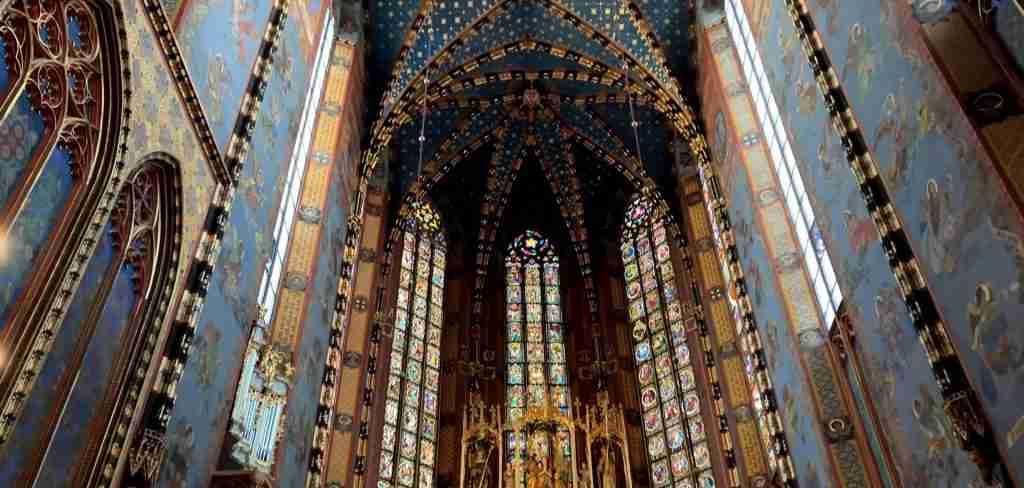
The UNESCO-protected Old Town contains Krakow’s primary historical attractions. St. Mary’s Basilica dominates the Main Square with its iconic twin towers, where a bugler plays the hejnał trumpet call hourly. The Cloth Hall (Sukiennice) occupies the square’s center, housing souvenir stalls on the ground floor and the Gallery of 19th-Century Polish Art above. Surrounding streets hold countless churches, museums, and historic townhouses.
Wawel Hill rises at the Old Town’s southern edge, crowned by the Royal Castle and Cathedral. This limestone outcrop served as Poland’s political and spiritual center for 500 years. The castle complex includes State Rooms, Royal Private Apartments, Crown Treasury, and Armory. Wawel Cathedral holds royal tombs and the famous Sigismund Bell.
Kazimierz (Jewish Quarter)
Located southeast of the Old Town, Kazimierz developed as an independent city in the 14th century before becoming Krakow’s Jewish district. Seven historic synagogues survived the war, along with the original street layout and architecture. Post-communist transformation turned abandoned buildings into cafes, bars, galleries, and restaurants. Szeroka Street forms the district’s heart, surrounded by Jewish heritage sites and contemporary culture.
The adjacent Podgórze district, across the Vistula River, housed the Jewish Ghetto during Nazi occupation. Ghetto Heroes Square preserves 68 empty chairs as a memorial sculpture. Schindler’s Factory museum occupies the original industrial building. This area receives fewer visitors than Kazimierz, offering quieter exploration of significant historical sites.
Nowa Huta
This Communist-era “new town” was built east of central Krakow in the 1950s as a socialist ideal city for steel workers. Wide boulevards, monumental architecture, and planned green spaces create a stark contrast to the medieval Old Town. Specialized tours explore this fascinating period of Polish history, including authentic milk bars and the Lenin Steelworks (now ArcelorMittal).
Essential Krakow Attractions and Pricing 2026
Krakow’s attractions span centuries of history, from medieval churches to World War II memorials. Understanding admission costs, opening hours, and booking requirements helps budget and schedule your 2026 visit effectively.
Wawel Royal Castle 2026
The Wawel complex offers multiple ticketed exhibitions. From March 1, 2026, the Castle First Floor (Royal Private Apartments, Porcelain Cabinet) costs 95 PLN regular admission and 71 PLN reduced (check wawel.krakow.pl for current official rates). The Castle Second Floor (State Rooms, Ottoman Turkish Tents) follows the same pricing. The Wawel Most Precious guided tour costs 155 PLN regular and 116 PLN reduced from March 2026.
Underground exhibitions (The Lost Wawel, Lapidarium) cost 47 PLN regular and 35 PLN reduced from March 1, 2026. The Crown Treasury and Armory maintain separate pricing. Free admission applies to selected exhibitions on Mondays (limited daily tickets). Book online in advance during peak season as daily visitor limits apply. Last entry occurs 90 minutes before closing.
St. Mary’s Basilica
Entry to St. Mary’s Basilica costs approximately 15 PLN for basic admission. The famous altarpiece by Veit Stoss opens at noon daily. Climbing the taller tower requires separate tickets and advance booking, costing around 18 PLN. The hourly trumpet call (hejnał) plays from the tower at the top of each hour, a tradition dating to medieval times when it warned of fire or invasion.
Main Market Square and Cloth Hall
The Main Market Square (Rynek Główny) requires no admission. The ground floor Cloth Hall souvenir market opens freely. The upstairs Gallery of 19th-Century Polish Art charges entrance fees. The underground Rynek Museum, accessed from the square, costs approximately 24 PLN and requires timed tickets. This archaeological exhibition reveals medieval market foundations and interactive displays.
Krakow City Pass 2026
The Krakow City Pass provides excellent value for comprehensive sightseeing. The 1-day pass with transport costs €30, 2-day €45, and 3-day €52 (check official sources for current rates). These passes include unlimited public transport plus free entry to 40+ attractions including major museums, churches, and galleries. Without transport, passes cost approximately €23-30 depending on duration. Calculate whether the pass saves money based on your planned itinerary.
Day Trips from Krakow 2026
Krakow’s location enables essential day trips to UNESCO sites and natural attractions. Planning these excursions forms a crucial part of your 2026 itinerary.
Wieliczka Salt Mine 2026
Located 13 kilometers southeast of Krakow, Wieliczka ranks among Poland’s most visited attractions. This UNESCO World Heritage site has produced table salt since the 13th century. The standard tourist route descends 135 meters underground, covering 3.5 kilometers through chambers, chapels, and underground lakes carved entirely from salt.
Guided tours in 2026 cost approximately €30 per adult (check official website for current pricing). Tours last 2-3 hours and require moderate fitness (378 steps down, elevator up). Book online in advance, especially during peak summer months when tours sell out days ahead. Trains depart Krakow Główny station for Wieliczka every 30 minutes (20-minute journey, approximately 6 PLN). Local buses also connect the sites.
Auschwitz-Birkenau Memorial 2026
The former Nazi concentration and extermination camps lie 70 kilometers west of Krakow near Oświęcim. Visiting requires careful planning and emotional preparation. The memorial site includes Auschwitz I (the original camp) and Auschwitz II-Birkenau (the extermination center).
Organized tours from Krakow in 2026 cost €60 for full-day experiences including transport and guided tour (verify current rates with tour operators). Self-visit entry remains free but requires advance online reservation. Guided tours inside the memorial cost €25 with headsets. Tours last 3.5 hours for Auschwitz I only, or 6-7 hours including Birkenau. Book 2-4 weeks ahead during peak season. Buses from Krakow’s main bus station reach Oświęcim in 1.5-2 hours for approximately 15 PLN.
Zakopane and Tatra Mountains 2026
Poland’s mountain resort Zakopane sits 100 kilometers south of Krakow at the foot of the Tatra Mountains. This destination offers hiking, skiing (winter), traditional wooden architecture, and regional highlander culture. Krupówki Street provides shopping and dining with mountain views.
Organized day trips cost €40-60 including transport and sometimes cable car tickets. Independent travel via bus from Krakow’s main bus station takes 2 hours and costs approximately 25 PLN one-way. Cable cars to Gubałówka peak cost around 30 PLN return. Allocate a full day for this excursion, departing Krakow early morning and returning evening.
Krakow Accommodation Guide 2026
Accommodation choices significantly impact your Krakow budget and experience. Understanding neighborhood characteristics and seasonal pricing helps optimize your selection.
Budget Accommodation Options 2026
Hostels in central Krakow cost €15-30 per bed in dormitories. Private rooms in hostels range €40-60. Mosquito Hostel, Greg & Tom Hostel, and Pink Panther’s Hostel consistently receive excellent reviews. Budget hotels and guesthouses charge €40-70 for double rooms with private bathrooms. Location impacts pricing, with Old Town commanding premiums while Kazimierz offers better value.
Book hostels 2-3 weeks ahead for summer visits. Weekends typically cost more than weekdays. Consider locations near the Old Town but outside the immediate center for better value. Check reviews carefully as quality varies significantly in this price range.
Mid-Range Hotels 2026
Three-star hotels cost €70-120 per night for double rooms in 2026. Four-star properties range €100-180. Excellent mid-range options include Hotel Unicus, Aparthotel Stare Miasto, and Hotel Saski Kraków. These provide comfortable rooms, professional service, and central locations without luxury price tags.
Kazimierz typically offers better value than Old Town locations. Podgórze presents emerging options with good transport connections at lower rates. Book 3-4 weeks ahead for best selection and pricing during peak season. Off-season (November-March excluding Christmas) brings rates 30-40% lower.
Luxury Accommodation 2026
Five-star hotels charge €150-300+ per night. Properties like Hotel Copernicus, Hotel Stary, and Hotel Pod Różą occupy historic buildings with exceptional service and prime locations. Boutique hotels offer character and personalized experiences at €120-200 nightly.
Luxury travelers should book 6-8 weeks ahead for summer dates. These properties fill quickly despite higher prices. Consider shoulder season visits for better availability and occasional rate reductions while maintaining excellent weather conditions.
Neighborhood Selection Strategy 2026
Old Town (Stare Miasto) provides walking access to major attractions but costs 20-30% more than other areas. Noise from bars and restaurants affects some properties. Kazimierz balances accessibility with better value and excellent dining options. It’s quieter than Old Town but requires 10-15 minute walks or short tram rides.
Podgórze offers emerging boutique properties with authentic atmosphere and lower costs. Public transport connects easily to central attractions. Avoid locations far from the center unless you have specific reasons, as savings rarely justify transportation time and costs.
Krakow Transportation Guide 2026
Krakow’s compact center makes walking the primary transportation method, but understanding public transport and other options optimizes your experience.
Public Transport 2026
Trams and buses operate extensively throughout Krakow. Single tickets cost approximately 5 PLN for 20 minutes or 6 PLN for 60 minutes. Day passes cost around 20 PLN, 48-hour passes 36 PLN, and 72-hour passes 56 PLN. Purchase tickets from vending machines at stops, ticket offices, or mobile apps (Jakdojade recommended).
The Krakow City Pass with transport (€30-52 for 1-3 days) often provides better value than separate public transport passes plus attraction tickets. Calculate based on your planned activities. Trams operate 5 AM to 11 PM, with night buses covering reduced routes thereafter. Validate tickets immediately upon boarding using machines inside vehicles.
Taxis and Ride-Sharing 2026
Licensed taxis charge approximately 8-10 PLN starting fare plus 2-3 PLN per kilometer. Airport to city center costs 90-120 PLN depending on destination. Use apps (Uber, Bolt) or official taxi ranks. Avoid unlicensed drivers who target tourists at airports and train stations with inflated rates.
Walking from the main train station to Old Town takes 15 minutes. From the airport, bus 208 or 252 reaches the center in 40-50 minutes for standard ticket prices. Night buses operate when regular services stop.
Bicycle Rental 2026
Krakow’s bike-sharing system (Wavelo) provides 24-hour access for approximately 20 PLN initial fee plus small per-minute charges. Dedicated bike paths connect major areas though some streets lack cycling infrastructure. The Planty park ring around Old Town offers pleasant cycling on wide paths.
Private bike rentals cost €10-15 daily from numerous shops. Guided bike tours exploring different routes cost €25-40 per person. Cycling works well for reaching Kazimierz, Podgórze, and areas along the Vistula River. Less practical for very short Old Town distances where walking proves faster.
Best Time to Visit Krakow 2026
Seasonal variations significantly impact your Krakow experience, from weather and crowds to event calendars and pricing.
Spring (March-May) 2026
March brings unpredictable weather (3-12°C) with occasional snow early in the month. Easter festivities (exact dates vary) include traditional celebrations and markets. Accommodation rates remain reasonable as peak season hasn’t started.
April and May emerge as excellent visit months. Temperatures rise to 10-20°C, spring flowers bloom throughout parks, and outdoor cafes reopen. Jewish Culture Festival typically occurs in late June/early July but planning begins in spring. Book 3-4 weeks ahead for best selection.
Summer (June-August) 2026
June offers ideal conditions before peak crowds arrive. Temperatures reach 18-24°C, daylight extends to 9 PM, and most festivals begin. Prices increase but remain below July-August levels. The Jewish Culture Festival (late June/early July) attracts international visitors.
July and August bring peak tourism. Temperatures reach 25-30°C (occasionally higher), crowds fill major attractions, and prices peak 30-40% above shoulder season. Old Town becomes very busy during midday and early evening. Book everything 6-8 weeks ahead. Consider early morning or late afternoon sightseeing to avoid crowds.
Autumn (September-November) 2026
September stands as the second-best visit month after May. Weather remains pleasant (15-22°C), crowds diminish significantly, and autumn colors beautify parks and surrounding countryside. Festival season continues with cultural events and harvest celebrations.
October sees temperatures dropping (8-16°C) but offers golden foliage and fewer tourists. Book 2-3 weeks ahead for reasonable selection. November brings colder weather (2-8°C), shorter days, and occasional rain. Prices drop considerably but some attractions reduce hours.
Winter (December-February) 2026
December attracts visitors to Christmas markets on the Main Square and smaller squares throughout the city. The market operates from late November through December 26. Temperatures range 0-5°C with occasional colder snaps. Book ahead for the Christmas period as hotels fill despite cold weather.
January and February offer rock-bottom prices (40-50% below summer) but face challenging weather (-5 to 5°C, snow, ice). Museums and indoor attractions become primary activities. Wawel Castle closes certain exhibitions for conservation. Budget travelers find excellent deals, but shorter days (sunset around 4 PM) limit sightseeing time.
Krakow Food Scene 2026
Polish cuisine combines hearty traditional dishes with emerging contemporary interpretations. Understanding options helps balance authentic experiences with modern culinary exploration.
Traditional Polish Restaurants 2026
Traditional restaurants serve pierogi (dumplings with various fillings, €6-10 per portion), żurek (sour rye soup, €5-7), bigos (hunter’s stew, €8-10), and kotlet schabowy (pork schnitzel, €10-14). Pod Aniołami, Starka, and Wesele offer authentic environments with reliable quality.
Milk bars (bar mleczny) provide Communist-era cafeteria-style Polish food at bargain prices. Meals cost €4-7. Bar Górnik and Milkbar Tomasza maintain this tradition. Order at the counter, pay, and collect your meal. Limited English but pointing at menu items works.
Kazimierz Dining 2026
Kazimierz transformed into Krakow’s culinary hotspot, offering everything from Jewish heritage cuisine to vegan cafes and international fusion. Hamsa serves modern Israeli food, while Klezmer Hois provides traditional Jewish dishes with live klezmer music evenings.
Szeroka Street and surrounding blocks hold dozens of restaurants, cafes, and bars. Prices range €10-20 for mains. Reservations help during peak season, especially Thursday-Saturday evenings. The area combines dining with nightlife, many venues transitioning to bars after 10 PM.
Food Tours and Tastings 2026
Guided food tours provide excellent introductions to Polish cuisine while exploring different neighborhoods. Tours cost €65-75 per person for 3-4 hour experiences including 10-13 tastings plus vodka samples (check operator websites for current pricing). Delicious Poland, Krakow Urban Adventures, and Eat Polska lead well-reviewed tours.
Tours typically visit 4-5 venues, combining traditional milk bars, contemporary restaurants, and street food spots. Guides explain Polish culinary history, communist-era eating habits, and modern food trends. Book 1-2 weeks ahead during summer, though last-minute spots sometimes available.
Street Food and Quick Bites 2026
Zapiekanka (open-faced baguette pizzas) cost €3-5 from Plac Nowy food stalls in Kazimierz, operating daily until late. Obwarzanek (Krakow’s answer to bagels) sell from street vendors for €1-2, best when fresh and warm.
Food trucks gather at various locations offering everything from pierogi to burgers. Hala Targowa (Stary Kleparz market) provides produce, prepared foods, and local specialties. Budget €5-10 for market meals. Open Tuesday-Saturday with reduced Sunday hours.
Sample Krakow Itineraries 2026
Structured itineraries help maximize your time while balancing major sights with authentic experiences. Adapt these suggestions to your interests and energy levels.
Three-Day Krakow Itinerary 2026
Day 1: Old Town and Wawel
Begin with the free Old Town walking tour at 10:15 (meet at St. Mary’s Basilica, tip €10-15 expected). The 2.5-hour tour covers Main Market Square, St. Mary’s Basilica, Cloth Hall, and ends at Wawel Hill. After the tour, explore Wawel Castle independently. Castle First Floor tickets cost 95 PLN (book online in advance). Allow 2-3 hours for castle exploration including State Rooms and cathedral.
Lunch at Pod Aniołami (żurek €7, main courses €12-16), then visit underground Rynek Museum (24 PLN, 1 hour). Evening in the Main Square area enjoying the illuminated buildings. Dinner at a traditional restaurant. Daily cost: Museum 24 PLN, lunch €15, castle 95 PLN, dinner €18-25. Total €75-90 per person excluding accommodation.
Day 2: Jewish Quarter and Schindler’s Factory 2026
Join the Jewish Quarter free walking tour at 15:00 (meet at Old Synagogue, tip €10-15). Morning free for Schindler’s Factory Museum (book timed ticket online, approximately €12, allow 2-3 hours). This powerful museum requires emotional preparation. Lunch in Kazimierz (€10-15).
After the afternoon walking tour (ending around 17:30), explore Kazimierz’s cafes and bars. Visit multiple synagogues if interested (some charge small admission). Dinner at Hamsa or traditional Jewish restaurant (€15-22). Evening drinks in Kazimierz’s bar scene. Daily cost: Museum €12, lunch €12, dinner €18, drinks €10-15. Total €52-67 per person excluding accommodation.
Day 3: Day Trip to Wieliczka or Auschwitz 2026
Option A: Wieliczka Salt Mine. Book guided tour online (€30), depart Krakow early (train from Główny station, 6 PLN, 20 minutes). 3-hour underground tour. Return to Krakow for late lunch. Afternoon free for shopping, visiting smaller museums, or relaxing in Planty park. Evening farewell dinner.
Option B: Auschwitz-Birkenau. Join organized tour (€60 including transport and guide) departing 8-9 AM, returning 5-6 PM. This full-day experience leaves limited time for evening activities. Light dinner near your accommodation. Daily cost for Wieliczka option: Tour €30, transport 12 PLN, lunch €12, dinner €15-20. Total €58-63. Auschwitz option: Tour €60, dinner €15. Total €75.
Three-Day Total Cost Estimate 2026: Museums and attractions €115-135, food and drink €110-145. Total €225-280 per person excluding accommodation (€90-270 for 3 nights). Combined budget €315-550 depending on accommodation choices.
Five-Day Krakow Itinerary 2026
Follow the three-day itinerary above, adding two additional days for:
Day 4: Zakopane and Tatra Mountains day trip (€50 organized tour or €35 independent travel with cable car). Full-day excursion departing early morning, returning evening. Pack lunch or plan mountain restaurant meal (€15-20). Alternatively, explore Nowa Huta on a specialized Communist-era tour (€25-35, half-day).
Day 5: Krakow’s museums and galleries. Visit the National Museum (approximately 30 PLN), Czartoryski Museum featuring Leonardo da Vinci’s “Lady with an Ermine” (30 PLN), or explore smaller galleries. Take a food tour (€65-75) for deeper culinary immersion. Alternatively, enjoy a relaxed day shopping at Cloth Hall, visiting smaller churches, and experiencing neighborhood cafes.
Practical Krakow Travel Tips 2026
Understanding practical details helps avoid common difficulties and enhances your Krakow experience.
Money and Payments 2026
Poland uses the złoty (PLN), not the euro. Exchange rates fluctuate around 4.3-4.5 PLN per euro. ATMs (Bankomat) offer best exchange rates. Major credit cards accepted widely but small cafes and milk bars may require cash. Carry 100-200 PLN cash for minor purchases, tips, and cash-only venues.
Avoid currency exchange booths in tourist areas offering poor rates. Use bank ATMs or official exchange offices (kantor) comparing rates. Tipping 10% appreciated in restaurants for good service, though not mandatory. Round up taxi fares. Free walking tour guides expect €10-15 tips per person.
Language and Communication 2026
Polish remains the primary language. English widely spoken in hotels, restaurants, and tourist sites, especially by younger people. Download Google Translate with offline Polish pack. Learn basic phrases: Dzień dobry (hello), Dziękuję (thank you), Przepraszam (excuse me/sorry).
Restaurant menus typically include English translations. Ask “Czy mówisz po angielsku?” (Do you speak English?) when needed. Poles appreciate attempts to speak their language even if limited to greetings.
Safety and Security 2026
Krakow ranks as very safe for tourists. Pickpocketing occurs occasionally on crowded trams and in tourist areas. Keep valuables secure, avoid displaying expensive cameras unnecessarily, and remain aware in crowds. Unlicensed taxis at the airport and train station represent the main scam risk.
Emergency numbers: 112 (general emergency), 997 (police), 999 (ambulance). Tourist Police office operates near the Main Square providing assistance in multiple languages. Solo female travelers report feeling safe walking at night in central areas. Standard urban precautions apply.
Weather Preparation 2026
Pack layers for shoulder season visits as temperatures vary significantly throughout the day. Comfortable walking shoes essential as you’ll cover 10-15 kilometers daily on cobblestones and uneven surfaces. Rain gear advisable April-October. Winter requires proper warm clothing, waterproof boots, and accessories (gloves, hat, scarf).
Summer afternoons can reach 28-32°C occasionally. Bring sun protection, water bottle, and light clothing. Many churches require covered shoulders and knees for entry. Pack accordingly if visiting religious sites.
Internet and Connectivity 2026
Free WiFi available in most hotels, restaurants, cafes, and some public spaces including Main Market Square. Purchase local SIM cards from Play, Orange, or T-Mobile shops (around 30-40 PLN for tourist data packages). EU roaming regulations allow EU residents to use home data allowances.
Download offline maps (Maps.me or Google Maps) before arrival. Essential apps include Jakdojade (public transport), mobile banking apps accepting international cards, and restaurant/attraction booking platforms.
Krakow Cultural Events and Festivals 2026
Timing your visit around festivals adds unique experiences though requires advance planning and booking.
Jewish Culture Festival
Typically held late June/early July for 9-10 days, this international celebration features concerts, workshops, exhibitions, and performances throughout Kazimierz. Book accommodation 2-3 months ahead as the festival attracts global visitors. Many events free or low-cost. Check festival website for exact 2026 dates.
Summer Jazz Festival
Various jazz events occur throughout summer months. The Krakow Summer Jazz Festival typically runs July-August with performances in historic courtyards and venues. Tickets range €10-30 depending on performers. International jazz stars alongside Polish musicians create memorable evenings.
Christmas Markets
The Main Market Square transforms from late November through December 26 with wooden stalls selling crafts, food, and mulled wine. Free to visit though purchases add costs. The market draws both tourists and locals. Hotels book months ahead for December weekends.
Easter Traditions
Holy Week services in Krakow’s churches showcase Catholic traditions. Easter Sunday features special masses and celebrations. Święconka (blessing of Easter baskets) occurs Saturday before Easter. Many restaurants close Easter Sunday though hotels maintain service.
Sustainable and Responsible Travel in Krakow 2026
Mindful travel choices help preserve Krakow’s heritage while supporting local communities.
Overtourism Awareness
The Old Town faces significant visitor pressure, especially July-August middays. Visit major attractions early morning (8-10 AM) or late afternoon (4-6 PM) to avoid peak crowds. Explore lesser-known neighborhoods like Podgórze, Nowa Huta, or areas beyond the center.
Consider visiting shoulder seasons (May-June, September-October) when tourism pressure decreases while weather remains excellent. Book accommodation in Kazimierz or Podgórze rather than Old Town to distribute economic benefits more widely.
Supporting Local Businesses
Choose locally-owned restaurants and guesthouses over international chains when possible. Shop at Stary Kleparz market for produce and local specialties. Support artisan craftspeople at the Cloth Hall rather than buying mass-produced souvenirs.
Free walking tours, while “free,” rely on guide tips for income. Pay fairly (€10-15 per person) for the service provided. Book small-group tours over mass tourism operators when selecting paid experiences.
Auschwitz-Birkenau Etiquette
This memorial site demands respectful behavior. Dress modestly (avoid shorts, tank tops, revealing clothing). Remain silent in gas chambers and crematoriums. Photography allowed in most areas but prohibited in specific sensitive locations. Follow guide instructions precisely. This isn’t a tourist attraction but a cemetery and memorial to 1.1 million victims.
Take time to reflect rather than rushing through. Read survivor testimonies. Consider visiting the Jewish cemetery and synagogues to understand the vibrant community that was destroyed. Avoid thoughtless selfies or inappropriate photos.
Frequently Asked Questions About Visiting Krakow 2026
Can I use euros in Krakow?
No, Poland uses the złoty (PLN) as its currency. While some hotels and tourist-oriented businesses may accept euros, they offer poor exchange rates. Use ATMs (Bankomat) to withdraw złoty at market rates, or exchange at official kantor offices. Credit cards accepted widely in restaurants and shops, though cash needed for small purchases, tips, and traditional milk bars.
How far is Auschwitz from Krakow?
Auschwitz-Birkenau lies 70 kilometers (43 miles) west of Krakow near the town of Oświęcim. Organized tours take 1.5 hours each way including pickup times. Public buses from Krakow’s main bus station (Dworzec Autobusowy MDA) reach Oświęcim in 1.5-2 hours for approximately 15 PLN. Trains also connect the cities but require a bus from Oświęcim station to the memorial site. Allocate a full day for this visit including 3.5-6 hours at the memorial.
Is tap water safe to drink in Krakow?
Yes, Krakow’s tap water meets EU standards and is safe to drink. Restaurants serve tap water on request though this isn’t traditional Polish custom. Carry a refillable water bottle to save money and reduce plastic waste. Some visitors find the taste slightly different from home water due to different mineral content, but it poses no health risks.
Do I need travel insurance for Poland?
Travel insurance highly recommended for any international trip. EU citizens with European Health Insurance Cards (EHIC) receive emergency medical treatment in Poland, but insurance still covers trip cancellation, lost luggage, and other issues. Non-EU visitors should definitely purchase comprehensive travel insurance including medical coverage. Costs typically run €20-50 for a week-long trip depending on age and coverage levels.
What electrical outlets does Poland use?
Poland uses Type C and Type E electrical outlets with 230V/50Hz current. North American devices require both voltage converters and plug adapters. UK travelers need only plug adapters. Most modern electronics (phones, cameras, laptops) handle 110-240V automatically, requiring only plug adapters. Check your device specifications before traveling. Purchase adapters before departure as airport prices run higher.
Can I visit Krakow with young children in 2026?
Yes, Krakow welcomes families with children. The Main Market Square provides safe open space for kids. Wawel Hill offers castle exploration children enjoy. The dragon sculpture by the Vistula River includes fire-breathing effects. Planty park provides green space and playgrounds. Many restaurants offer children’s menus and high chairs.
Auschwitz-Birkenau isn’t recommended for children under 14 due to emotionally difficult content. Wieliczka Salt Mine accepts children but involves significant stair climbing. Consider your children’s ages and interests when planning itineraries. Museums often offer reduced admission for children under certain ages.
How walkable is Krakow?
Krakow’s compact center is highly walkable. The Old Town measures roughly 800 by 800 meters. Walking from the main train station to the Main Market Square takes 15 minutes. Reaching Kazimierz from the Old Town requires 15-20 minutes on foot. Comfortable walking shoes essential as you’ll cover 10-15 kilometers daily on cobblestone streets.
Wawel Hill involves uphill walking and stairs. Some attractions include multiple floor levels without elevators. Travelers with mobility limitations should research specific sites in advance. Public transport (trams, buses) provides alternatives for longer distances or when tired. The city generally accommodates wheelchairs on public transport though some older buildings lack accessibility features.
What should I buy as souvenirs in Krakow?
Popular authentic souvenirs include Polish pottery from Boleslawiec (ceramics with distinctive blue patterns), amber jewelry (Poland’s “gold of the north”), Krakow’s smok (dragon) merchandise, obwarzanek (edible but also decorative versions), Polish vodka (Żubrówka with bison grass popular), salt lamps from Wieliczka mine, and traditional folk crafts from Kazimierz galleries.
Shop at the Cloth Hall’s ground floor market for variety, though compare prices as quality varies. Stary Kleparz market offers local products. Kazimierz galleries sell artisan work. Avoid mass-produced items claiming to be “handmade.” Budget €20-50 for quality souvenirs. Alcohol purchased at airport duty-free offers better value than city center shops.
Is Krakow good for solo travelers?
Yes, Krakow suits solo travelers extremely well. Free walking tours provide easy opportunities to meet other travelers. Hostels offer social atmospheres with organized pub crawls and group activities. The city ranks as very safe for solo exploration. Many restaurants welcome single diners, and bar culture encourages conversation.
Solo travelers save money staying in hostel dorms (€15-25 per night) compared to hotels. Group tours to Auschwitz, Wieliczka, and other destinations provide companionship without requiring advance coordination. Kazimierz’s nightlife offers casual environments for socializing. Consider joining a food tour or cooking class to meet others with similar interests.
How many UNESCO sites can I visit from Krakow?
Seven UNESCO World Heritage sites lie within day-trip distance of Krakow. The Historic Centre of Kraków itself (inscribed 1978) includes the Old Town, Wawel Castle, and Kazimierz. Wieliczka Salt Mine (1978, later expanded to include Bochnia) sits 13 kilometers away. Auschwitz-Birkenau (1979) lies 70 kilometers west. Kalwaria Zebrzydowska Mannerist complex (1999) reaches 40 kilometers southwest. The Wooden Churches of Southern Małopolska (2003) scatter across the region. This concentration makes Krakow exceptional for UNESCO heritage tourism.