
Krakow Best Tours & Walking Routes 2026: Complete Guide
Experiencing Krakow through guided tours and self-paced walking routes reveals layers of history, culture, and local life that independent sightseeing often misses. From pay-what-you-wish walking tours led by passionate local guides to specialized food experiences and carefully planned walking routes through medieval streets, 2026 visitors benefit from diverse options that match every interest and budget. This comprehensive guide helps you select the best tours, plan rewarding walking routes, and maximize your Krakow exploration.
Key Takeaways
- Free Walking Tours 2026: Daily tours departing 10:15-11:00 (Old Town & Wawel) and 15:00-15:30 (Jewish Quarter), tip-based with €10-15 expected per person for 2-2.5 hour experiences
- Food Tours: Polish cuisine tours cost €65-75 for 3-4 hours including 10-13 tastings, vodka samples, and cultural insights; book 1-2 weeks ahead for summer 2026
- Day Trip Tours 2026: Auschwitz-Birkenau €60 (7 hours with transport), Wieliczka Salt Mine €30-35 (2.5 hours), Zakopane mountains €40-60 full day
- Self-Guided Routes: Royal Route (2 kilometers, 1.5-2 hours), Kazimierz Loop (3 kilometers, 2-3 hours), and Planty Park Circuit (4 kilometers, 1 hour) offer excellent independent exploration
- Booking Strategy: Free tours don’t require advance reservation but benefit from online booking; food tours need 1-2 weeks notice; Auschwitz tours book 2-4 weeks ahead during peak season
- Small Group Advantages: Tours limited to 8-15 participants provide better guide interaction, flexible pacing, and personalized recommendations compared to large groups of 30+
People Also Ask About Krakow Tours 2026
Are free walking tours in Krakow really free in 2026?
Free walking tours in Krakow operate on a pay-what-you-wish model rather than being completely free. Tours don’t charge upfront fees or require advance payment, but guides rely on tips for income. Expected contributions range €10-15 per person for 2-2.5 hour tours, though you determine the final amount based on your satisfaction. This model allows budget travelers to access quality guided experiences while ensuring guides earn fair compensation. Some operators offer both free tours and paid specialized experiences. The “free” aspect makes tours accessible to everyone regardless of budget constraints.
What is the best food tour in Krakow for 2026?
Several excellent food tour operators receive consistent praise in 2026. Delicious Poland specializes in small-group experiences (maximum 12 participants) visiting 4-5 venues for 11-13 tastings including traditional dishes, contemporary interpretations, and vodka samples. City Walks Krakow offers “The Full Polish Food & Vodka Tour” as a complete dining experience rather than sampling tour, visiting 2 traditional restaurants plus street food. Krakow Urban Adventures and Eat Polska provide similar quality with slight route variations. All cost €65-75 for 3-4 hours. Choose based on schedule convenience and specific focus (traditional vs. contemporary cuisine, Jewish heritage food, or general Polish cuisine overview).
How far in advance should I book Auschwitz tours for 2026?
Book Auschwitz-Birkenau tours 2-4 weeks ahead during peak season (June-August) in 2026, as organized tours from Krakow sell out quickly. For shoulder season visits (April-May, September-October), 1-2 weeks advance booking typically secures spots. Winter months (November-March) offer more flexibility with potential for same-week or even same-day bookings. However, specific time slots fill even off-season, so earlier booking provides better departure time selection. The memorial site itself requires advance online reservation for entry, even without organized tours. Book as early as possible if traveling during major holidays, weekends, or special commemoration dates.
Can I do walking tours in Krakow if I have limited mobility?
Krakow’s walking tours present challenges for people with limited mobility due to cobblestone streets, uneven surfaces, and stairs at various attractions. However, several options exist. The Old Town walking tour covers relatively flat ground with the exception of Wawel Hill, which involves uphill walking and stairs. Some operators offer private customized tours that can be adapted for wheelchairs or limited walking ability, using trams for longer distances and selecting accessible routes. Contact tour operators directly before booking to discuss specific mobility needs and possible accommodations. The Jewish Quarter tour covers flatter ground than the Old Town tour. Self-guided routes allow you to set your own pace, take frequent breaks, and skip difficult sections.
Extended multi-day tours – 5+ days
Featured Krakow Multi-Day Tour Packages
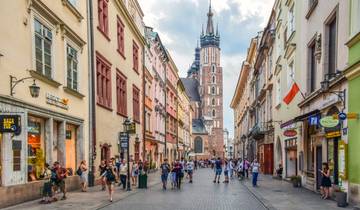
4 days
Krakow, Poland
- ✓ Comprehensive Krakow tour
- ✓ Expert local guides included
- ✓ All accommodation arranged
- ✓ Transportation provided
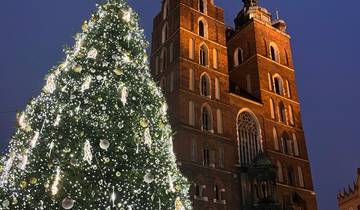
3 days
Christmas Spirit in Krakow
- ✓ Booking needs min. 2 travelers
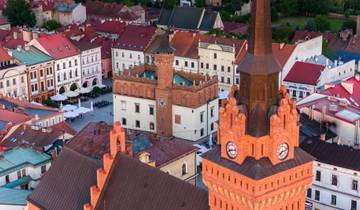
5 days
Journey into Polish History and Culture
- ✓ Comprehensive Krakow tour
- ✓ Expert local guides included
- ✓ All accommodation arranged
- ✓ Transportation provided
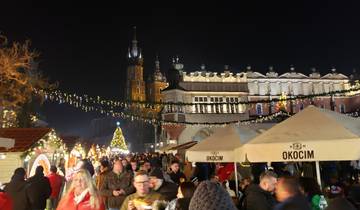
4 days
Krakow, Poland Christmas Markets
- ✓ Comprehensive Krakow tour
- ✓ Expert local guides included
- ✓ All accommodation arranged
- ✓ Transportation provided
Multi-day tour packages powered by TourRadar. Prices and availability subject to change.
Introduction to Krakow Tours and Walking Routes 2026
Krakow’s tour landscape evolved significantly over the past decade, transforming from basic historical overviews to specialized experiences that dive deep into specific aspects of Polish culture, cuisine, and heritage. This evolution benefits 2026 visitors who can select from free walking tours, food and drink experiences, World War II memorial visits, Communist-era explorations, and countless niche options addressing everything from street art to Jewish heritage cooking classes.
Understanding the distinction between tour types helps match experiences to your interests and budget. Free walking tours provide excellent city introductions with knowledgeable local guides who share both historical facts and contemporary insights. Food tours offer cultural immersion through Polish cuisine while visiting neighborhoods you might otherwise miss. Day trip tours to UNESCO sites like Wieliczka Salt Mine and Auschwitz-Birkenau provide transportation, skip-the-line access, and expert context that self-visits can’t match.
Walking routes complement guided tours by allowing self-paced exploration of specific areas. The Royal Route follows the path Polish kings traveled from the medieval city gates to Wawel Castle. The Kazimierz Loop reveals layers of Jewish heritage alongside contemporary café culture. The Planty Park circuit offers green respite encircling the Old Town. These routes work perfectly for morning or evening walks, between organized tours, or when you prefer independent discovery.
Free Walking Tours Krakow 2026
Free walking tours revolutionized Krakow tourism by making quality guided experiences accessible regardless of budget. Multiple operators now offer daily tours covering different aspects of the city’s history and neighborhoods.
Old Town and Wawel Castle Free Tour 2026
This essential tour operates daily at 10:15-11:00 AM depending on the operator. Tours depart from St. Mary’s Basilica on the Main Market Square. Look for guides holding colored umbrellas (orange, yellow, or blue depending on company). Duration runs 2-2.5 hours covering the Main Square, Cloth Hall, St. Mary’s Basilica exterior, University Quarter, and ending at Wawel Hill.
Guides explain Krakow’s transformation from medieval trading center to royal capital, the significance of the UNESCO designation, architectural evolution through Gothic, Renaissance, and Baroque periods, and stories behind major landmarks. The tour concludes at Wawel Castle where guides provide recommendations for exploring the complex independently. Expected tips range €10-15 per person though participants determine final amounts.
Major operators include Walkative (yellow umbrellas), Krakow Explorers (orange umbrellas), Good Cracow Tours (lime green), and City Walks Krakow (blue umbrellas). Quality remains consistent across operators, with individual guide personality mattering more than company differences. No advance booking required though online reservation helps operators estimate group sizes. Tours run in all weather conditions so dress appropriately.
Jewish Quarter and Ghetto Free Tour 2026
Daily departures at 11:00 AM and 15:00-15:30 PM explore Kazimierz and Podgórze districts. Meeting points typically at Old Synagogue on Szeroka Street (24 Szeroka Street). Duration runs 2-2.5 hours covering seven historic synagogues, the Jewish Quarter’s transformation through centuries, wartime ghetto history, Schindler’s Factory exterior, and contemporary cultural renaissance.
This tour requires emotional awareness as it addresses Holocaust history, wartime occupation, and loss of Krakow’s 65,000-strong Jewish community. Guides balance difficult history with stories of resilience, cultural contributions, and post-communist revival. The tour ends in Kazimierz’s café district where guides recommend restaurants, bars, and galleries worth visiting.
Expected tips match the Old Town tour (€10-15 per person). The afternoon departure (15:00-15:30) works well for visitors who joined the morning Old Town tour. Consider both tours on different days to avoid guide fatigue and information overload. The Jewish Quarter tour covers more ground with less crowding than Old Town, providing different pacing experiences.
Specialized Free Tours 2026
Beyond the standard routes, operators offer specialized free tours with varied schedules. The Communist Nowa Huta tour explores the socialist ideal city built in the 1950s, visiting monumental squares, authentic milk bars, and the former Lenin Steelworks. This tour typically operates Friday-Sunday departing Old Town or meeting directly in Nowa Huta.
Ghost and legends tours share spooky stories about medieval Krakow, operating select evenings during tourist season. Street food and street art tours combine contemporary culture with culinary exploration. Krakow by night tours showcase illuminated architecture and evening atmosphere. These specialized tours may require advance booking and sometimes charge small fees (€5-10) beyond standard tips.
Free Tour Best Practices 2026
Arrive 10-15 minutes before scheduled departure to secure a spot near the guide for better hearing and interaction. Bring small bills (20-50 PLN or €5-10 notes) for tipping as guides often can’t break large denominations. Wear comfortable walking shoes and weather-appropriate clothing. Bring water bottles, especially during summer.
Ask questions throughout the tour rather than saving them for the end. Guides appreciate engaged participants and often extend tours slightly when groups show particular interest. Take notes on recommendations for restaurants, attractions, and hidden spots guides mention. These insider tips prove invaluable for planning remaining time in Krakow.
Consider tipping at the higher end (€15-20) if guides provided exceptional service, personalized attention, or went significantly overtime sharing extra information. Remember guides rely on tips as primary income. Budget the expected tip amount when planning your daily spending rather than viewing tours as completely free.
Krakow Food and Drink Tours 2026
Polish cuisine deserves dedicated exploration beyond standard restaurant dining. Specialized food tours provide context, access to local favorites tourists rarely discover independently, and cultural insights that transform eating into learning experiences.
Traditional Polish Food Tours 2026
Comprehensive food tours last 3-4 hours visiting 4-5 venues for 11-13 tastings. Tours cost €65-75 per person (check operator websites for current pricing). Expect to try pierogi (dumplings with various fillings), żurek (sour rye soup), kiełbasa (sausages), traditional Polish desserts, and 2-3 vodka samples paired with appropriate foods.
Delicious Poland operates highly-rated tours emphasizing authenticity and cultural context. Groups remain small (maximum 12 participants) allowing conversation with guides and fellow participants. Tours visit combinations of traditional milk bars, contemporary restaurants reviving historical recipes, and street food vendors. Vegetarian options available with advance notice, though vegan adaptations prove difficult given Polish cuisine’s meat-heavy nature.
City Walks Krakow’s “Full Polish Food & Vodka Tour” differs by providing complete meal courses rather than sampling portions. This 3-hour experience (275 PLN / €65) visits 2 traditional restaurants plus one street food stop, with 6 food courses from starter through dessert plus 4 different vodka varieties. This format suits travelers who prefer full meals over multiple small tastings.
Jewish Heritage Food Tours 2026
Specialized tours explore Jewish culinary traditions in Kazimierz. These experiences explain kosher food concepts, Ashkenazi cuisine’s Eastern European roots, and how recipes survived despite community devastation during World War II. Tours visit restaurants reviving traditional Jewish dishes, bakeries making challah bread, and venues serving contemporary interpretations of historical recipes.
Prices match general food tours (€65-75 for 3-4 hours). Tours typically include Jewish-style pierogi, gefilte fish, matzo ball soup, and traditional desserts paired with explanations of religious and cultural significance. Live klezmer music sometimes accompanies meals at select venues. These tours provide deeper context for Kazimierz’s history beyond standard walking tour coverage.
Vodka Tasting Tours 2026
Poland’s vodka culture extends far beyond the clear spirits familiar internationally. Specialized vodka tours (€40-60 for 2-3 hours) visit 3-4 traditional bars or specialized vodka venues. Participants taste 6-8 varieties including flavored vodkas (Żubrówka with bison grass, cherry, honey), premium pure vodkas, and lesser-known regional styles.
Tours explain proper vodka drinking etiquette, the difference between drinking vodka cold versus room temperature, traditional food pairings (herring, pickles, bread with lard), and vodka’s role in Polish social customs. Guides share toasts in Polish and stories about vodka’s cultural importance. These tours aren’t pub crawls aimed at intoxication but cultural education through spirits.
Food pairings accompany tastings to moderate alcohol absorption. Tours attract diverse participants from vodka enthusiasts to curious cultural learners. Book at least one week ahead as group sizes remain deliberately small (8-12 participants) for intimate bar experiences.
Food Tour Booking Strategy 2026
Book food tours 1-2 weeks ahead during peak season (June-August), one week for shoulder season (April-May, September-October). Winter bookings often available same-week. Afternoon/evening tours (typically 14:00 or 19:00 starts) prove more popular than morning options when available.
Arrive hungry as portions total one full meal’s worth of food or more. Skip lunch before afternoon food tours. Notify operators of dietary restrictions when booking, though some limitations (vegan, kosher) prove difficult to accommodate given tour structures. Most operators can modify for vegetarians with advance notice.
Private food tours cost €200-300 for 2-4 participants, offering customization, flexible timing, and personalized attention. These work well for families with children, groups with specific dietary needs, or visitors seeking deeper culinary immersion with professional chefs or sommeliers.
Day Trip Tours from Krakow 2026
Organized day trips solve transportation challenges, provide skip-the-line access, and offer expert guiding that enhances understanding of complex historical sites.
Auschwitz-Birkenau Tours 2026
Tours to the Auschwitz-Birkenau memorial operate daily with multiple departure times. Standard tours (€60) include round-trip transport from central Krakow pickup points, admission tickets, required guided tour inside the memorial with headsets, and 6-7 hours total duration. Tours typically depart 8-9 AM, returning 5-6 PM.
The memorial site requires guided tours for groups, making organized tours from Krakow the practical choice over independent visits. Guides provide historical context essential for understanding the site’s significance beyond what plaques and exhibits alone convey. Tours visit both Auschwitz I (original camp) and Auschwitz II-Birkenau (extermination center) with bus transport between sites.
Extended tours (€75-90) add visits to surrounding sites like the town of Oświęcim, additional contextual stops, or smaller memorial sites. Private tours (€300-400 for small groups) allow flexible timing and personalized attention. All tours require emotional preparation for confronting Holocaust history and bearing witness to humanity’s darkest chapter.
Book 2-4 weeks ahead during peak season as tours sell out regularly. The site receives maximum 70,000 visitors weekly with strict hourly limits, necessitating advance reservation. Tours run year-round though winter visits face cold weather challenges. Dress respectfully (avoid shorts, tank tops, revealing clothing) and prepare for significant walking on uneven surfaces.
Wieliczka Salt Mine Tours 2026
The UNESCO-listed Wieliczka Salt Mine lies 13 kilometers southeast of Krakow. Organized tours (€30-35) include pickup from central locations, admission ticket, and 2.5-3 hour underground guided tour. Tours operate throughout the day with departures every 30-60 minutes.
The tourist route descends 135 meters underground via 378 wooden steps, covering 3.5 kilometers through chambers, chapels carved from salt, and underground lakes. The highlight Chapel of St. Kinga features chandeliers, altarpieces, and sculptures all carved from salt. Return to the surface via elevator rather than stairs.
Tours suit most fitness levels though involve significant stair descent (elevator returns you to surface). Temperature remains constant 14°C year-round so bring light jacket even during summer. Salt dust creates unique atmosphere but can irritate respiratory conditions. Photography permitted throughout most areas.
Book 1-2 weeks ahead during summer as the mine welcomes over 1 million visitors annually. Early morning tours (8-10 AM) face fewer crowds than midday visits. Combined tours visiting both Wieliczka and Bochnia salt mines (the smaller, less-visited UNESCO partner site) cost €50-65 for full-day experiences.
Zakopane and Tatra Mountains Tours 2026
Full-day tours to Poland’s mountain resort Zakopane cost €40-60 including transport, guide, and sometimes cable car tickets. Departures typically 8-9 AM, returning 6-7 PM. Tours travel 100 kilometers south to the Tatra Mountains foothills through scenic countryside.
Itineraries include Zakopane’s main pedestrian street Krupówki with traditional wooden architecture and shopping, cable car to Gubałówka peak for mountain views (or hiking alternatives), traditional highlander lunch, and sometimes stops at thermal pools or cheese-making demonstrations. Winter tours may include brief skiing or snow activities.
These tours provide mountain scenery contrast to Krakow’s urban environment. Summer visits offer hiking and alpine meadows, winter delivers skiing and winter sports. Tours suit families and visitors seeking nature experiences. Book one week ahead during peak season, though last-minute availability often exists outside July-August.
Other Regional Day Tours 2026
Kalwaria Zebrzydowska Mannerist pilgrimage complex tours (€35-45, half-day) visit this lesser-known UNESCO site 40 kilometers southwest of Krakow. The 42-chapel complex modeled on Jerusalem’s holy sites offers unique architectural and spiritual experiences.
Czech Republic border towns (Český Krumlov, Olomouc) appear in some tour programs though involve 4-5 hours travel each way. Slovakia’s capital Bratislava sits 4 hours away, reachable via organized tours (€80-100). These international tours work for travelers with extra time seeking regional exploration beyond Poland.
Self-Guided Walking Routes Krakow 2026
Independent walking routes complement guided tours by allowing self-paced exploration, photography stops, and spontaneous diversions into intriguing side streets or cafes.
The Royal Route
Distance: 2 kilometers | Duration: 1.5-2 hours | Difficulty: Easy
This historic route follows the path Polish kings traveled from medieval city gates to Wawel Castle for coronations and state occasions. Begin at the Barbican and St. Florian’s Gate, the only surviving city gate from 14th-century fortifications. Walk south along Florianska Street through the former medieval trading route lined with townhouses, galleries, and shops.
Emerge onto Rynek Główny (Main Market Square). Walk clockwise around the square to appreciate perspectives of St. Mary’s Basilica, Cloth Hall, and surrounding architecture. Exit the square via Grodzka Street, passing churches of St. Peter and St. Paul (Baroque) and St. Andrew (Romanesque). Note the transition from merchant district to religious quarter.
Grodzka Street becomes Kanonicza Street, historically home to church officials. This beautifully preserved street features Renaissance and Baroque townhouses with decorative doorways and courtyards. The street ascends toward Wawel Hill. Enter Wawel complex through Herbowa Gate. Explore the castle courtyard, cathedral exterior, and panoramic city views.
Best timing: Morning (8-10 AM) or late afternoon (4-6 PM) avoids peak crowds. The route works year-round though winter ice requires caution. Download offline maps as the route involves minimal navigation complexity. Budget 2-3 hours including stops at attractions requiring tickets.
Kazimierz Jewish Quarter Loop
Distance: 3 kilometers | Duration: 2-3 hours | Difficulty: Easy
Start at Plac Nowy (New Square), Kazimierz’s commercial heart with food stalls and Sunday antique market. Walk north on Estery Street to Szeroka Street, the Jewish Quarter’s widest street and historical center. Visit the Old Synagogue (now Jewish museum) and Remuh Synagogue with adjacent cemetery still in use.
Continue along Szeroka exploring side streets. Turn south on Miodowa Street toward the Isaac Synagogue and adjacent Austeria restaurant. Walk east to discover the Tempel Synagogue (Reform Jewish tradition, ornate interior). Circle back via Józefa Street with its cafes, galleries, and street art.
Cross Stradom Street into Podgórze district to visit Ghetto Heroes Square with its empty chair memorial. Walk to Schindler’s Factory museum (plan 2-3 hours if visiting interior). Return to Kazimierz via Father Bernatek Footbridge across the Vistula River, decorated with circus performer sculptures.
This route reveals layers of Jewish heritage from pre-war community through devastation to contemporary revival. Many synagogues charge small admission fees (10-15 PLN). Cafes along the route provide rest stops. Best timing: Afternoon allowing morning for Old Town exploration. Sunday morning includes the antique market at Plac Nowy.
Planty Park Circuit
Distance: 4 kilometers | Duration: 1 hour walking, 2-3 hours leisurely | Difficulty: Very easy
The Planty park replaced medieval fortifications in the 19th century, creating a green belt encircling the Old Town. This flat, well-maintained path offers respite from crowded streets while providing architectural views and multiple entry/exit points for Old Town attractions.
Begin anywhere on the circuit (Barbican makes logical starting point). Walk clockwise or counterclockwise through tree-lined paths punctuated by gardens, monuments, and fountains. The park varies in width from narrow strips to wider sections with benches and lawns. Locate 21 different gardens each with distinct character.
Notable spots include: Floriańska Garden near the Barbican, Collegium Maius garden by the university, gardens near the Philharmonic Hall, and the modern sculpture installation near the Archaeological Museum. Multiple cafes have terraces backing onto the park, perfect for breaks.
This route works excellently for morning jogs, evening strolls, or any time you need escape from tourist crowds. The park never closes and is well-lit after dark. Particularly beautiful during spring blossoms (April-May) and autumn colors (September-October). Use the circuit to navigate between different Old Town sectors without fighting tourist crowds on main streets.
Vistula River Boulevards
Distance: Variable 3-8 kilometers | Duration: 1-3 hours | Difficulty: Easy
The Vistula River provided Krakow’s trade route and strategic defense. Modern boulevards along both banks offer pleasant walking and cycling routes connecting multiple attractions. Start at Wawel Castle, descending to the riverside path below the castle hill. Walk east past the Dragon’s Cave entrance toward the Father Bernatek Footbridge.
Cross to Podgórze’s river boulevard continuing to the Cricoteka Center for Theatrical Documentation with striking modern architecture. Return via the same route or cross Grunwaldzki Bridge back to the Kazimierz side. The Kazimierz riverfront features cafes, summer beach clubs, and boat rental kiosks.
This route provides open space, river views, and relief from Old Town density. Summer evenings see locals gathering for riverside socializing. Multiple bridges allow route customization and loop creation. Less suitable in winter when riverside paths may be icy and exposed to wind. Bicycle rentals available along the route for extending range.
Walking Route Planning Tips 2026
Download offline maps (Maps.me, Google Maps offline) before starting walks. Mobile data provides real-time navigation but don’t rely on it exclusively. Mark points of interest in advance for reference during walks. Krakow’s historic center layout can confuse even with maps as medieval streets don’t follow logical grid patterns.
Combine self-guided routes with guided tours strategically. Start your visit with free walking tours to gain orientation and context, then explore routes independently with better understanding. Use walking routes during early mornings or evenings when tours aren’t scheduled. Rainy days suit museum-heavy modifications to outdoor routes.
Comfortable footwear absolutely essential for extensive walking on cobblestones and uneven surfaces. Bring water bottles and snacks though Krakow’s café density means refreshment opportunities every few hundred meters. Public restrooms limited so use café facilities (purchase something in return). Many historic churches welcome visitors but expect respectful silence and modest clothing.
Specialized Tours Krakow 2026
Beyond standard historical and culinary tours, specialized experiences address niche interests and provide unique perspectives on Polish culture.
Bike Tours 2026
Guided bike tours (€25-35, 3-4 hours) cover more ground than walking tours while providing enjoyable alternative transport. Routes typically include Old Town perimeter via Planty park, Kazimierz, Vistula riverbanks, and sometimes Nowa Huta. Bike and helmet rental included.
Tours suit moderately fit participants comfortable cycling on streets shared with cars and pedestrians. Krakow lacks extensive dedicated bike lanes though traffic moves relatively slowly in tourist areas. Summer tours prove most popular, though spring and autumn offer pleasant cycling conditions. Winter tours rarely operate due to weather and safety concerns.
Segway Tours 2026
Segway tours (€40-60, 2-3 hours) provide novelty factor and efficient ground coverage. Operators provide training before departure as most participants haven’t used Segways previously. Routes visit major Old Town and Kazimierz highlights with time for photos and guide explanations.
Segways handle cobblestones reasonably well though some participants find them uncomfortable on very uneven surfaces. Tours attract mixed reviews with some finding them fun and efficient, others preferring walking’s more intimate pace. Consider your comfort with learning new technology while trying to sightsee and listen to guides simultaneously.
Photo Tours 2026
Photography-focused tours (€50-80, 3-4 hours) guide participants to photogenic locations while teaching composition, lighting, and technical camera skills. Tours accommodate various skill levels from smartphone photographers to DSLR users. Small groups (4-8 participants) allow individual instruction.
Early morning and golden hour (late afternoon) tours capture the best light on Gothic and Renaissance architecture. Night photography tours explore illuminated buildings and long-exposure techniques. Specialized tours focus on street photography, architectural details, or portraiture with local models in historical settings.
Cooking Classes 2026
Polish cooking classes (€60-90, 3-4 hours) teach participants to make pierogi, żurek soup, or other traditional dishes. Classes typically start with market visits to purchase ingredients, then move to teaching kitchens (private homes or restaurant kitchens) for hands-on preparation and cooking. Meals shared at the end.
Classes suit travelers seeking interactive cultural experiences beyond sightseeing. Vegetarian variations possible with advance notice. Small groups (6-10 participants) ensure hands-on participation rather than passive watching. Book 1-2 weeks ahead as available spaces limited. Some classes include vodka pairing lessons as part of the experience.
Pub Crawls 2026
Evening pub crawls (€15-25, 4-5 hours) visit 4-5 bars in Kazimierz or Old Town with drink specials and social atmosphere. These attract younger travelers seeking nightlife introduction and social opportunities. Departure typically 9-10 PM, ending 2-3 AM at a final club with free entry.
Pub crawls provide safe way to explore Krakow’s nightlife with groups of fellow travelers. Quality varies significantly by operator. Read recent reviews carefully as some crawls prioritize alcohol consumption over cultural experience or safety. Better operators include cultural context about Polish drinking customs and balance fun with responsibility.
Tour Selection Strategy 2026
Choosing among Krakow’s numerous tour options requires matching experiences to your interests, schedule, and budget while avoiding redundancy and overload.
Building Tour Itineraries 2026
Combine free walking tours (2-4 tours over 3-5 days) with 1-2 paid specialty experiences matching your strongest interests (food, photography, cooking, etc.). Add 1-2 essential day trips (Auschwitz highly recommended, Wieliczka or Zakopane as second choice). Fill remaining time with self-guided walking routes and spontaneous exploration.
Avoid scheduling tours on consecutive days as information overload and physical fatigue diminish enjoyment. Alternate guided tour days with independent exploration days. Morning tours leave afternoons free for museums or relaxation. Afternoon tours allow relaxed mornings for sleeping in or cafe time.
Tour vs. Independent Visits
Tours provide maximum value when: accessing restricted sites (Auschwitz requires guided tours for groups), learning complex history (World War II sites benefit enormously from expert context), discovering local food spots tourists rarely find independently, or when logistics prove complicated (Wieliczka transport and timing, Zakopane distance).
Independent visits work best when: visiting well-signed museums with excellent English information (Schindler’s Factory works independently), exploring at your own pace photographing architecture, shopping in markets or galleries, or experiencing spontaneous discoveries wandering historic streets. Combine both approaches for optimal Krakow experiences.
Budget Optimization 2026
Free walking tours plus self-guided routes minimize tour costs while providing solid foundation for understanding Krakow. Add one day trip tour (Auschwitz or Wieliczka, €30-60) and potentially one specialty experience (food tour €65-75) for well-rounded visit on moderate budget. Total guided experience costs: €105-150 for comprehensive week-long visit.
Splurge budget allows multiple specialty tours (food, photography, cooking class, bike tour, €200-300 total) plus all day trips (Auschwitz, Wieliczka, Zakopane, €130-160) while still participating in free walking tours for value. Total: €330-460 for comprehensive guided exploration.
Reading Reviews Effectively 2026
Check multiple review sources (TripAdvisor, Google, specialized platforms) for balanced perspectives. Recent reviews (past 6 months) matter most as guides change and quality fluctuates. Read 3-star reviews as they often provide most honest assessments balancing positives and negatives.
Watch for consistent complaints about specific issues (late departures, rushed pacing, poor audio equipment) versus one-off problems (individual guide having bad day, weather impacts). Note reviewer demographics matching your profile (solo travelers, families, age groups) for relevant perspectives. Beware extremely enthusiastic 5-star reviews and overly negative 1-star complaints as both may be outliers.
Frequently Asked Questions About Krakow Tours 2026
What should I wear for walking tours in Krakow?
Comfortable, supportive walking shoes with good grip on cobblestones absolutely essential. Avoid new shoes causing blisters or sandals providing insufficient support. Dress in layers as tours start in shade, move through sunny squares, and visit cool churches with 10-15°C temperature variations. Bring rain jacket or umbrella April-October when showers occur without warning. Modest clothing (covered shoulders, knees) required for church interiors though you can carry a light scarf or shawl to cover up when needed rather than wearing conservative clothes throughout tours. Summer sunscreen and hat essential as Krakow’s market square offers minimal shade. Winter requires warm coat, gloves, hat, and waterproof boots as tours run regardless of weather.
Are Krakow food tours suitable for vegetarians?
Most Krakow food tours accommodate vegetarians with advance notice, substituting vegetarian pierogi for meat versions, providing vegetable-based soups, and selecting restaurants offering vegetarian options. However, traditional Polish cuisine relies heavily on meat and dairy, so vegetarian alternatives sometimes feel like afterthoughts rather than highlights. Vegans face significant challenges as many Polish dishes use butter, cream, or eggs even in seemingly plant-based items. Some operators (Delicious Poland, Eat Polska) handle dietary restrictions better than others. Contact tour operators before booking to discuss specific needs and determine if they can provide satisfying vegetarian experience rather than just accommodation of restrictions. Jewish heritage food tours often include more fish and dairy options that vegetarians can enjoy.
Do I need to book private tours or are group tours sufficient?
Group tours work excellently for most Krakow visitors. Free walking tours and standard food tours keep group sizes reasonable (12-20 participants) allowing guide interaction and question opportunities. Private tours (€200-400 depending on type and duration) provide value primarily when: traveling with young children requiring flexible pacing and frequent breaks, having very specific niche interests demanding customized routes, needing language guides for less common languages, or combining multiple family members with varying mobility levels requiring accommodation. For couples or solo travelers without special needs, group tours offer better value and social interaction opportunities. Small group tours (maximum 6-8 participants) split the difference, costing €100-150 per person but providing more personalized experience than large groups.
Can children join free walking tours?
Yes, children can join free walking tours though suitability varies by child’s age and interest level. Tours last 2-2.5 hours with minimal breaks, requiring sustained attention to guide narration. Children under 8 typically struggle with duration and history-heavy content. Ages 8-12 manage duration but may lose interest in architectural details and political history. Teenagers often enjoy tours if previously interested in history. Jewish Quarter tours addressing Holocaust content require parental judgment about age-appropriateness and emotional maturity. Some operators offer family-focused tours with shorter durations, interactive elements, and age-appropriate content. Consider whether your children will genuinely enjoy the experience or if independent exploration with playground breaks might suit them better. Private family tours allow customization for children’s interests and attention spans.
How much should I tip on free walking tours?
€10-15 per person represents standard expectations for 2-2.5 hour free walking tours in Krakow. This amount reflects that guides rely on tips as primary income, usually splitting earnings with tour company (typically 60-70% to guide, 30-40% to company). Exceptional guides who provide extra time, enthusiastic delivery, or particularly helpful recommendations deserve €15-20. Mediocre tours warrant lower amounts (€5-8) though this rarely occurs with established operators. Base tips on actual value received and guide effort rather than treating tours as truly free. Groups and families calculate per-person rather than per-group. For example, a family of four should budget €40-60 total for a quality tour. Have small bills ready (20-50 PLN notes or €5-10 notes) as guides can’t make change easily.
Are Auschwitz tours appropriate for teenagers?
Auschwitz-Birkenau tours suit mature teenagers (ages 14+) who demonstrate interest in history and can handle emotionally difficult content. The memorial site itself recommends visits for people 14 and older. Tours provide crucial historical education about the Holocaust, World War II, and consequences of hatred and indifference. Many high schools organize educational trips to Auschwitz recognizing its importance for historical understanding. Parents should prepare teenagers beforehand by discussing what they’ll see, the emotional impact of confronting genocide evidence, and appropriate respectful behavior. Some teenagers find the experience profoundly meaningful and educational. Others may struggle with emotional weight or attention span for the lengthy tour. Judge based on your specific teenager’s maturity, historical interest, and emotional readiness rather than age alone. Consider whether they’ve previously shown interest in Holocaust history through books or films as indication of readiness.
Can I leave walking tours early if needed?
Yes, you can leave free walking tours at any point without obligation or penalty. Guides understand some participants need to depart early for various reasons (fatigue, other commitments, less interest than expected). Simply notify the guide quietly you’re leaving to avoid disrupting the group or having them worry you got lost. If you leave very early (within the first 30 minutes), tipping isn’t expected as you didn’t receive most of the service. If you stay for most of the tour but leave 20-30 minutes before the end, tip proportionally to the time you participated. Tours follow relatively fixed routes making rejoining difficult if you take breaks, so plan accordingly. Paid tours present more complicated situations as you’ve prepaid, but most operators don’t penalize early departures for legitimate reasons. Free tours’ flexible nature allows you to test whether you enjoy the guide’s style and tour pace before committing to the full duration.
What time of day works best for food tours?
Afternoon food tours (departing 14:00-15:00) and evening tours (18:00-19:00 starts) both work well depending on your schedule and preferences. Afternoon tours allow you to skip lunch beforehand and the tour provides your midday meal. Evening tours work if you prefer having days free for sightseeing and aren’t concerned about late dinners (tours ending 21:00-22:00). Evening tours often include livelier atmospheres in venues as locals dine and socialize. Afternoon tours sometimes access venues before evening rush crowds arrive. Food tours generally include enough food to constitute one complete meal, so adjust your eating schedule accordingly. Avoid eating heavily before tours as you’ll be uncomfortably full early in the experience. Tours rarely operate in mornings (most don’t start before 12:00) as traditional Polish eating patterns favor late lunches and dinners rather than early dining.
Do tour guides expect tips beyond free tour tips?
Paid tours (Auschwitz, Wieliczka, food tours, etc.) include guide compensation in the tour price, so additional tipping isn’t required though appreciated for exceptional service. If guides provide significantly better experience than expected, tips of €5-10 per person indicate appreciation without being obligatory. Driver-only transport (airport shuttles, day trip buses without guides) typically receives €2-5 tips for helpful service. Food tours already cost €65-75, so the price should cover excellent guiding without expecting additional tips on top. Private tours costing €200-400 include comprehensive guide compensation, though tips for outstanding service (€10-20) remain at your discretion. Essentially, tip when you feel services exceeded expectations or when guides went beyond contracted duties, but don’t feel obligated to tip 10-15% on already expensive paid tours. Free tours operate differently with tips being the primary compensation method. For paid tours, focus tips on truly exceptional experiences rather than viewing them as automatic additions to every service.
Can I combine multiple day trips into one long tour?
Yes, some operators offer combined day trips packing multiple destinations into extended tours, though these create very long exhausting days with limited depth at each location. Common combinations include Auschwitz + Wieliczka Salt Mine (10-12 hours, €90-120) allowing you to visit both major sites in one day rather than dedicating two separate days. The trade-off involves rushed schedules, fatigue from 12-hour days, and reduced time at each destination compared to dedicated tours. Another combination pairs Zakopane mountains with Dunajec River rafting or Niedzica Castle (€70-90, full day). These combinations work for visitors with very limited time (2-3 days in Krakow) who prioritize seeing multiple sights over deep exploration. Travelers with 4+ days in Krakow benefit from separate dedicated day trips allowing proper time at each destination with less exhausting schedules. Combined tours typically depart very early (7-8 AM) and return late (7-9 PM), leaving no time for other activities those days. Consider your stamina and whether you’ll actually enjoy rushed visits versus dedicating proper time to fewer destinations.