
Krakow Budget Guide 2026: Complete Cost Breakdown
Krakow offers exceptional value for travelers in 2026, combining world-class history, stunning architecture, and vibrant culture at prices significantly lower than Western European capitals. Understanding the costs upfront helps you plan effectively, avoid surprises, and maximize your experience in Poland’s cultural heartland while staying within your budget.
Key Takeaways: Krakow Budget 2026
- Daily budget ranges: Budget travelers €30-50 per day, mid-range €75-110 per day, luxury €155+ per day
- Accommodation: Hostels from €14-40 per night, mid-range hotels €66-125, upscale properties €150-450
- Dining costs: Milk bar meals €4-6, mid-range restaurants €10-20 per main course, fine dining €38+ per person
- Transportation: Public transport extremely affordable at €1-2 per ride, 72-hour passes available for extended stays
- Major attractions: Wieliczka Salt Mine €31, Schindler’s Factory €5-6, Wawel Castle €8, Auschwitz tours from €10-25
- Money-saving tips: Visit in shoulder seasons (April-May, September-October), use public transport, explore free walking tours, dine at milk bars
People Also Ask About Krakow Budget 2026
How much does Krakow cost per day in 2026?
Daily costs in Krakow for 2026 range from €30-50 for budget travelers to €75-110 for mid-range visitors. Budget travelers staying in hostels, eating at milk bars and local restaurants, and using public transport spend €30-50 daily. Mid-range travelers in comfortable hotels with restaurant meals and attraction visits spend €75-110 daily. Luxury travelers enjoying upscale hotels, fine dining, and private tours budget €155+ per day. These estimates exclude major day trips like Auschwitz-Birkenau, which add €40-90 to your daily costs.
What’s the average hotel price in Krakow 2026?
Accommodation prices in Krakow for 2026 vary significantly by category and season. Hostel dormitory beds cost €14-40 per night, budget hotels range €40-65, mid-range hotels €66-125, and upscale properties €150-450 per night. Prices increase 15-25% during peak season (June-August) and major holidays, while shoulder seasons (April-May, September-October) offer 20-30% savings. Location significantly impacts pricing, with Old Town properties commanding premium rates while areas like Kazimierz or Podgórze offer better value.
Is food expensive in Krakow 2026?
Food remains remarkably affordable in Krakow throughout 2026. Traditional milk bars (bar mleczny) serve hearty Polish meals for €4-6, local restaurants charge €5-10 for main courses, mid-range establishments €10-20, and fine dining restaurants €38+ per person. Street food like zapiekanka costs €2.50-5, while obwarzanek (traditional bagels) sell for €0.75-1.25. A complete meal for two at a mid-range restaurant with drinks typically costs €38-50, making Krakow significantly cheaper than cities like Vienna, Prague, or Berlin.
How much is public transport in Krakow 2026?
Public transportation in Krakow offers excellent value in 2026. Single tickets cost 4 PLN (€1) for 20 minutes, 6 PLN (€1.50) for 60 minutes, and 8 PLN (€2) for 90 minutes. Multi-day passes include 24-hour tickets for better value, 72-hour passes, and 7-day passes at 56 PLN (€13) for Zone I. Airport train tickets cost 9 PLN (€2) for standard fare. Taxis and ride-sharing services like Bolt and Uber remain inexpensive, with typical Old Town to Kazimierz rides costing €3-5.
Extended multi-day tours – 5+ days
Featured Krakow Multi-Day Tour Packages
3 days
Krakow 3-Day Discovery Tour
- ✓ Comprehensive Krakow experience
- ✓ Expert local guides included
- ✓ All accommodation included
- ✓ Transportation provided

5 days
Krakow 5-Day Highlights Experience
- ✓ Comprehensive Krakow experience
- ✓ Expert local guides included
- ✓ All accommodation included
- ✓ Transportation provided

7 days
Krakow 7-Day Cultural Journey
- ✓ Comprehensive Krakow experience
- ✓ Expert local guides included
- ✓ All accommodation included
- ✓ Transportation provided

10 days
Krakow 10-Day Complete Adventure
- ✓ Comprehensive Krakow experience
- ✓ Expert local guides included
- ✓ All accommodation included
- ✓ Transportation provided
Multi-day tour packages powered by TourRadar. Prices and availability subject to change.
Introduction: Planning Your Krakow Budget for 2026
Krakow stands as one of Europe’s most budget-friendly destinations, offering travelers exceptional value without compromising on experience or quality. As Poland’s cultural capital, the city combines UNESCO World Heritage architecture, world-class museums, vibrant nightlife, and outstanding cuisine at prices that remain 40-60% lower than Western European capitals. Understanding the cost structure helps you maximize your experience while maintaining financial control.
The city’s compact historic center means minimal transportation costs, while the competitive restaurant and hospitality markets keep prices remarkably reasonable. From €4 milk bar meals to Michelin-quality dining experiences costing less than a single course in Paris or London, Krakow rewards budget-conscious travelers with authentic Polish experiences and world-class cultural offerings. This comprehensive guide breaks down every expense category, providing verified 2026 pricing to help you plan accurately and confidently.
Understanding Krakow Costs in 2026
Krakow’s cost structure in 2026 remains significantly lower than most European capitals while offering comparable or superior cultural attractions, dining quality, and accommodation standards. The city’s membership in the European Union combined with Poland’s own currency (Polish Złoty) creates a favorable exchange situation for international visitors, with the euro typically exchanging at approximately 4.3-4.5 PLN.
Compared to neighboring capitals, Krakow costs 30-40% less than Prague, 50-60% less than Vienna, and 60-70% less than cities like Paris or London. A €100 daily budget in Krakow provides experiences that would cost €180-250 in Prague or €300-400 in Western European cities. This value extends across all spending categories, from accommodation and dining to cultural attractions and entertainment.
The competitive market created by Krakow’s popularity as a tourist destination keeps prices reasonable even in high-traffic areas. Unlike many European cities where tourist zones command significant premiums, Krakow maintains relatively consistent pricing throughout the Old Town, Kazimierz, and residential areas. Even restaurants on the Main Market Square, while slightly more expensive, remain accessible compared to equivalent locations in other European capitals.
Accommodation Costs Krakow 2026
Budget Accommodation (€14-65 per night)
Budget travelers find excellent options throughout Krakow, with hostel dormitory beds starting from €14 per night in quality establishments. Popular hostels like Greg & Tom Hostel, Let’s Rock Party Hostel, and The Little Havana Party Hostel offer social atmospheres, central locations, and basic amenities. Private rooms in budget hostels range €40-60 per night, providing affordable privacy for couples or friends traveling together.
Budget hotels and guesthouses charge €40-65 per night for double rooms with private bathrooms, breakfast often included. Properties like Ibis Budget Stare Miasto, located near the main railway station, offer modern conveniences and excellent public transport connections. These establishments provide clean, comfortable accommodation without luxury amenities, perfect for travelers spending most time exploring the city.
Location significantly impacts budget pricing. Properties in residential areas like Grzegórzki, Ludwinów, or Zabłocie cost 15-25% less than equivalent Old Town locations while remaining within 10-15 minutes by tram. This trade-off makes sense for budget-conscious travelers comfortable using public transport.
Mid-Range Hotels (€66-125 per night)
Mid-range accommodation in Krakow delivers exceptional value, with comfortable three-star and four-star hotels averaging €66-125 per night. This category includes boutique properties in restored historic buildings, modern business hotels with full amenities, and well-located chain hotels offering consistent quality. Average nightly rates hover around €66 for standard mid-range properties, increasing to €95-125 for superior locations or amenities.
Hotels like Hotel Wielopole, Best Western Plus Krakow Old Town, and Metropolitan Boutique Hotel provide excellent central locations, complimentary breakfast, free WiFi, and modern conveniences. Many mid-range properties occupy beautifully restored buildings in Kazimierz or near the Old Town, combining historic charm with contemporary comfort. Room sizes typically exceed Western European standards, with many offering 25-30 square meters.
The mid-range category represents Krakow’s accommodation sweet spot, delivering quality, location, and amenities without luxury pricing. Properties in this range often include features like fitness centers, spa facilities, on-site restaurants, and 24-hour reception, providing comprehensive services at reasonable rates.
Upscale and Luxury Hotels (€150-450 per night)
Luxury accommodation in Krakow ranges €150-450 per night, offering five-star service, premium locations, and exceptional facilities. Properties like Hotel Saski Krakow Curio Collection by Hilton, located directly on the Main Market Square, provide historic elegance and modern luxury. Sheraton Grand Krakow at the foot of Wawel Castle offers riverside views, wellness facilities with 24/7 pools, and upscale Italian dining.
Boutique luxury hotels like Bonerowski Palace, dating to the 14th century, combine authentic historical settings with contemporary five-star amenities. These properties feature individually designed rooms, exceptional service, and prime Old Town locations. Even at the luxury level, Krakow pricing remains 40-50% below equivalent properties in Western European capitals.
Luxury travelers find comprehensive spa facilities, fine dining restaurants, concierge services, and exclusive experiences at prices that would secure only upper-mid-range properties elsewhere in Europe. The combination of historic settings, modern amenities, and competitive pricing makes Krakow’s luxury segment particularly attractive for special occasions or travelers prioritizing comfort.
Seasonal Price Variations 2026
Accommodation pricing fluctuates significantly throughout 2026, with peak season (June-August) commanding 15-25% premiums above shoulder season rates. Easter week, Christmas markets (late November-December), and New Year periods also see increased pricing and limited availability. Budget travelers benefit substantially from visiting during shoulder seasons (April-May, September-October), when prices drop 20-30% while weather remains pleasant and attractions stay open.
Winter months (January-March, excluding Christmas and New Year) offer the lowest accommodation rates, with budget hotels available from €30-45 and mid-range properties €50-85 per night. However, shorter daylight hours and cold temperatures make winter less appealing for extensive sightseeing. Booking 2-3 months in advance secures better rates and availability, particularly for summer travel or major holiday periods.
Food and Dining Budget 2026
Budget Dining Options (€3-10 per meal)
Budget dining in Krakow centers on milk bars (bar mleczny), traditional cafeteria-style eateries serving homemade Polish classics at remarkably low prices. A complete meal at establishments like Bar Mleczny Tomasza costs €4-6, including substantial portions of pierogi, bigos (hunter’s stew), or żurek (sour rye soup). Main dishes rarely exceed 20 PLN (€5), with many options available for 15-25 PLN (€3.50-6).
Street food provides excellent value, with zapiekanka (open-faced baguette sandwiches) costing €2.50-5 at stands throughout the city. Plac Nowy in Kazimierz serves as Krakow’s street food center, offering diverse options from traditional Polish to international cuisines. Obwarzanek krakowski, the city’s traditional bagel, sells for €0.75-1.25 from street vendors, perfect for quick breakfast or snacks.
Budget-friendly restaurants like Pierogi MR Vincent in Kazimierz serve complete meals under €5, while Vegab offers vegan kebabs for €4. These establishments maintain quality while keeping prices accessible, using fresh ingredients and traditional preparation methods. Supermarket shopping for self-catering travelers costs approximately €20-30 per day for groceries, with markets like Stary Kleparz offering fresh produce, local cheeses, and meats at competitive prices.
Mid-Range Restaurants (€10-25 per person)
Mid-range dining delivers exceptional quality and value, with main courses costing €10-20 at restaurants throughout the city. Three-course meals with drinks for two typically cost €38-50, significantly less than equivalent dining in Western Europe. Restaurants like Miód Malina serve traditional Polish specialties averaging 40 PLN (€9) for main courses, while Hamsa in Kazimierz offers European dishes like sea bass with kashotto and prawns for 65 PLN (€15).
This category encompasses most traditional Polish restaurants, many international cuisines, and quality casual dining. Kuchnia u Doroty, Kuchnia Polska Gaska, and Bar Grodzki provide authentic Polish cooking with generous portions at reasonable prices. Mid-range establishments typically include appetizers costing €5-10, main courses €10-20, and desserts €4-8, with complete meals ranging €20-38 per person including drinks.
The mid-range category offers tremendous variety, from traditional Polish taverns to contemporary European bistros, Italian trattorias, and Asian restaurants. Quality remains consistently high, with fresh ingredients, skilled preparation, and attentive service standard across this price range. Even restaurants on the Main Market Square, while charging modest premiums, remain accessible at €15-25 for main courses.
Fine Dining (€38+ per person)
Fine dining in Krakow costs €38-100+ per person for complete multi-course meals with wine, representing exceptional value compared to equivalent experiences in Western European cities. Tasting menus at upscale restaurants range €60-120, featuring innovative Polish cuisine, seasonal ingredients, and creative presentations that would cost €150-250 in Paris or London.
Restaurants offering traditional Polish fine dining experiences, such as elaborate presentations of duck, pork knuckle, or venison with dumplings, typically charge €30-60 per person for three courses. Contemporary fine dining establishments experimenting with molecular gastronomy, fusion concepts, or seasonal tasting menus command €60-120, still representing significant value compared to international standards.
Wine lists at fine dining restaurants offer reasonable markups, with quality bottles available from €25-60 and premium selections €60-150. The combination of skilled chefs, quality ingredients, elegant settings, and attentive service at these prices makes fine dining surprisingly accessible in Krakow.
Cafés, Bars, and Drinks
Coffee culture thrives in Krakow, with excellent espresso drinks costing €2.50-4 at quality cafés. Traditional Polish cafés and modern specialty coffee shops offer similar pricing, with cakes and pastries adding €3-5. Beer remains remarkably affordable, with local brews like Tyskie costing €2.50-4 for 500ml in bars and restaurants, rising to €4-6 in trendy establishments or tourist locations.
Cocktails range €5-9 in most bars, increasing to €10-15 in upscale venues or hotel bars. Wine by the glass costs €4-8, with bottles starting from €15-25 in restaurants. The vibrant bar scene in Kazimierz offers excellent value, with many establishments offering happy hour specials and student-friendly pricing.
A typical evening out including dinner at a mid-range restaurant, a few drinks in Kazimierz bars, and perhaps a cocktail costs €40-65 per person, substantially less than equivalent experiences in most European cities.
Transportation Costs 2026
Public Transport Within Krakow
Krakow’s public transport system offers exceptional value and efficiency. The extensive tram and bus network uses a zone-based, time-limited ticket system that allows unlimited transfers within the validity period. Zone I covers the entire city center and most attractions, serving 99% of tourist needs. Zone II extends to locations like the airport and Wieliczka Salt Mine.
Standard single-journey tickets cost 4 PLN (€1) for 20 minutes, 6 PLN (€1.50) for 60 minutes, and 8 PLN (€2) for 90 minutes (check official MPK website for current rates). The 60-minute ticket suffices for most journeys, including Old Town to Kazimierz, Nowa Huta, or Schindler’s Factory. Multi-day passes offer better value for extended visits, with 24-hour, 48-hour, 72-hour, and 7-day options available. The 7-day pass costs 56 PLN (€13) for Zone I.
Tickets can be purchased through mobile apps like Jakdojade (most convenient), ticket machines at major stops, or kiosks throughout the city. Seniors over 70 travel free regardless of nationality upon showing valid identification. The system operates efficiently, with trams and buses running frequently throughout the day and night buses serving major routes after 11 PM.
Airport Transfers
Transportation from Krakow Airport (KRK) to the city center offers multiple affordable options. The train provides the most convenient and cost-effective choice, running 24/7 between the airport and Krakow Main Station with tickets costing 9 PLN (€2) for standard fare and 4.50 PLN (€1) for reduced rates. Journey time averages 18-20 minutes, with departures every 30 minutes during peak hours.
Public buses 208, 252, and night bus 902 connect the airport to the city center for standard public transport ticket prices (6 PLN/€1.50 for 60 minutes). Journey times range 35-50 minutes depending on traffic and route. These options work well for budget travelers comfortable with public transport.
Taxis and ride-sharing services like Bolt and Uber cost €15-25 for airport transfers, providing door-to-door convenience for groups or travelers with significant luggage. Pre-booking airport transfers through hotels or tour operators typically costs €25-35, offering reliability and English-speaking drivers.
Taxis and Ride-Sharing
Taxis remain relatively inexpensive in Krakow, with official taxis charging approximately 2.50 PLN (€0.60) starting fare and 4 PLN (€1) per kilometer. Typical journeys within the Old Town or to nearby districts cost €3-8, making taxis viable for occasional use or late-night travel. Ride-sharing apps Bolt and Uber often provide 15-25% lower fares than traditional taxis while offering transparent pricing and English-language interfaces.
Popular routes and approximate costs: Old Town to Kazimierz €3-5, Old Town to Podgórze €5-7, city center to Nowa Huta €8-12. Late-night surcharges typically add 25-50% to daytime rates. Using apps ensures fair pricing and eliminates language barriers, while official taxi ranks at the Main Railway Station and Main Market Square provide reliable service.
Bicycle Rentals and Walking
Krakow’s compact historic center makes walking the primary mode of transportation for most visitors. The entire Old Town spans less than 2 kilometers in diameter, with major attractions within 10-15 minutes’ walk of each other. Walking remains free, healthy, and the best way to appreciate the city’s architectural beauty and vibrant street life.
Bicycle rentals cost €8-15 per day, with city bike-sharing systems offering hourly rates from €1-3. Cycling suits exploring districts like Podgórze, Nowa Huta, or the Vistula Boulevards. However, cobblestone streets in the Old Town and busy tram tracks make cycling less practical in the historic center. Electric scooter rentals through apps like Lime or Bird cost €0.20-0.30 per minute plus €1 unlock fee.
Major Attractions and Activities Budget 2026
UNESCO World Heritage Sites
Wieliczka Salt Mine, one of Krakow’s top attractions, charges 134 PLN (€31) for standard tickets covering the Tourist Route guided tour (check official website for current official rates as pricing may vary). Reduced tickets cost 112 PLN (€26) for students and seniors, while family tickets (two adults plus two children) cost 402 PLN (€94). The €31 ticket includes a comprehensive 2-3 hour guided tour through underground chambers, chapels, and salt sculptures, plus access to the Saltworks Museum. Tours operate in multiple languages with English departures throughout the day.
Wawel Royal Castle offers various exhibitions with separate ticketing. Entry to permanent exhibitions like State Rooms, Royal Private Apartments, or Crown Treasury costs from 30 PLN (€8), varying by exhibition and season. The Wawel Cathedral charges separate admission for the cathedral interior, royal tombs, and bell tower. Combined castle visits including multiple exhibitions typically cost €15-25, providing access to Poland’s most historically significant royal residence.
The Historic Centre of Krakow, a UNESCO World Heritage site, requires no admission fee for exploring streets, squares, and external architecture. St. Mary’s Basilica charges 21 PLN (€5) for entry, with reduced rates for students. The Cloth Hall (Sukiennice) ground floor remains free to enter, while the Gallery of 19th-Century Polish Art on the upper floor charges admission. Planty Park, encircling the Old Town, provides free green space for walking and relaxation.
Museums and Cultural Attractions
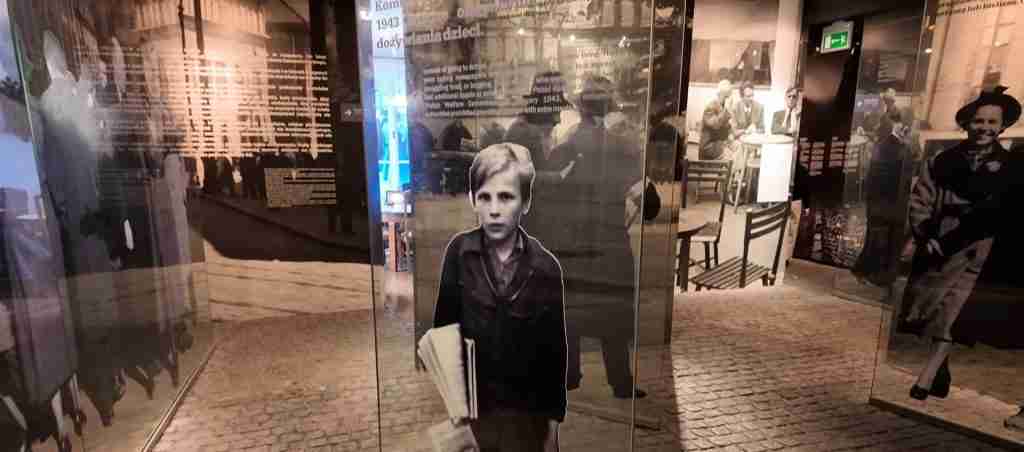
Oskar Schindler’s Factory Museum charges 21 PLN (€5-6) for standard admission, with family passes (two adults plus two youths) costing 50 PLN (€13.50) (check official website for current official rates). Admission is free on Mondays, though visitor numbers are limited and tickets should be reserved in advance. The €5-6 ticket provides access to the comprehensive “Krakow under Nazi Occupation 1939-1945” exhibition, featuring multimedia displays, recreated streets, and authentic artifacts spanning 1.5-2 hours.
Rynek Underground Museum, located beneath the Main Market Square, costs from 125 PLN (€29) for skip-the-line tickets with multimedia exhibitions showcasing medieval Krakow’s history. The National Museum’s main building and branches charge varying admission fees, typically €5-12 depending on exhibitions. Many museums offer free admission on specific days, usually Sundays or Tuesdays, though these attract larger crowds.
The MOCAK Museum of Contemporary Art in the former Schindler Factory complex charges separate admission from the historical museum, offering modern and contemporary art exhibitions. Galicia Jewish Museum in Kazimierz provides photography exhibitions and cultural programs documenting Jewish heritage.
Day Trips from Krakow
Auschwitz-Birkenau Memorial and Museum offers free admission to the site itself, though guided tours are mandatory for most visitors and strongly recommended for understanding the historical context. Guided tours with transportation from Krakow start from 96 PLN (€25), including round-trip transfers and expert guides. Full-day tours last 6-7 hours total, with 3.5 hours spent at Auschwitz I and Birkenau. Budget €25-40 for standard guided tours with transportation, rising to €60-90 for combined Auschwitz-Wieliczka Salt Mine full-day tours.
Zakopane and the Tatra Mountains can be reached by public bus for €5-8 one-way, with organized tours costing €45-65 including transportation, funicular rides, and optional thermal bath visits. The journey takes 2 hours each way, with tour durations spanning 8-10 hours total. Independent travelers using public transport and paying attraction fees separately spend €25-40, while organized tours offer convenience and comprehensive experiences at €45-65.
Czestochowa and Jasna Góra Monastery tours cost €35-55, combining Poland’s most significant Catholic pilgrimage site with the opportunity to see the Black Madonna icon. Regional destinations like Ojcow National Park, Pieskowa Skała Castle, or the medieval towns of Sandomierz and Kazimierz Dolny make excellent day trips for €30-60 with organized tours or €15-30 using public transportation.
Walking Tours and Activities
Free walking tours operate throughout Krakow, covering the Old Town, Kazimierz Jewish Quarter, and Podgórze former ghetto. While nominally free, guides work for tips with €5-10 per person considered appropriate for 2-2.5 hour tours. These tours provide excellent introductions to the city’s history, architecture, and culture without straining budgets.
Paid walking tours offer specialized experiences: Jewish heritage tours cost €25-40, food tours €45-75 including tastings, pub crawls €20-35 including drinks, and ghost tours or legend walks €20-30. Private guides charge €120-180 for half-day tours, providing personalized experiences and flexible scheduling.
Vistula River cruises cost €10-20 for standard sightseeing cruises lasting 45-60 minutes. Evening cruises with audio guides or dinner cruises increase to €25-45. These provide relaxing perspectives on Wawel Castle, the historic riverfront, and the Kazimierz district from the water.
Sample Daily Budgets 2026
Budget Traveler (€30-50 per day)
Accommodation in hostel dormitory €20, milk bar breakfast €4, lunch at budget restaurant €6-8, dinner at local eatery €10-12, public transport day ticket €3-5, one major attraction or free walking tour €5-10, beer or coffee €3-5. Total day cost: €35-48 per person (excluding accommodation in the total, or €55-68 including accommodation).
Budget travelers prioritize hostel stays, milk bars and inexpensive restaurants, public transportation, free attractions, and free walking tours. Shopping at supermarkets for some meals reduces food costs further. This budget allows visiting major attractions selectively while experiencing authentic Polish culture and cuisine. Drinking at bars adds €10-20 to daily costs.
Weekly budget travelers spending €35-48 daily total €245-336 excluding accommodation, or €385-476 including hostel costs. This covers meals, transportation, attractions, and entertainment while maintaining comfortable budget travel standards without excessive restrictions.
Mid-Range Traveler (€75-110 per day)
Accommodation in mid-range hotel €85, breakfast at hotel or café €8-12, lunch at restaurant €12-18, dinner at mid-range restaurant €20-30, public transport or occasional taxi €8-15, two major attractions with tickets €20-40, drinks at bars €12-20. Total day cost: €80-105 per person (excluding accommodation), or €165-190 including accommodation.
Mid-range travelers enjoy comfortable hotels, diverse restaurant options mixing traditional Polish and international cuisines, convenient transportation including taxis when practical, major attractions with guided tours, and evening entertainment. This budget supports a full Krakow experience without constant cost monitoring, allowing spontaneous restaurant choices and attraction visits.
A week at mid-range comfort costs €560-735 excluding accommodation, or €1,155-1,330 including mid-range hotels. This covers comprehensive sightseeing, quality dining, all major attractions, and comfortable transportation throughout the stay.
Luxury Traveler (€155+ per day)
Accommodation in five-star hotel €300-450, breakfast at upscale café or hotel €15-25, lunch at quality restaurant €30-50, dinner at fine dining restaurant €60-100, private transfers and taxis €25-40, exclusive tours and experiences €80-150, drinks at upscale venues €20-40. Total day cost: €155-260 per person (excluding accommodation), or €455-710 including luxury hotels.
Luxury travelers access the finest accommodations, exclusive dining experiences, private guides, premium transportation, and special experiences like private castle visits or exclusive cultural events. This budget eliminates all practical constraints, enabling spontaneous decisions and premium service throughout the visit.
Weekly luxury travel costs €1,085-1,820 excluding accommodation, or €3,185-4,970 including five-star hotels. This comprehensive budget covers exceptional experiences while maintaining the significant value advantage Krakow offers compared to Western European luxury travel.
Money-Saving Strategies for 2026
Timing and Seasonal Planning
Visiting during shoulder seasons (April-May, September-October) provides the optimal balance of pleasant weather, manageable crowds, and reduced pricing. Accommodation costs drop 20-30% compared to peak summer months, while restaurants and attractions maintain full operations. Spring brings blooming gardens and cultural festivals, while autumn delivers beautiful foliage and harvest celebrations.
Avoiding July-August peak season eliminates crowds at major attractions, reduces accommodation costs significantly, and provides more authentic experiences as locals haven’t fled the tourist influx. Winter months (January-March excluding holidays) offer the lowest prices but require tolerance for cold weather and shorter daylight hours. Christmas markets (late November-December) combine festive atmosphere with reasonable costs outside the immediate holiday period.
Booking accommodation 2-3 months in advance secures better rates, particularly for summer travel. Last-minute deals occasionally appear in shoulder seasons, but advance booking provides better selection and pricing certainty. Package deals combining accommodation and flights sometimes offer better value than booking separately.
Accommodation Savings
Choosing properties outside the immediate Old Town reduces costs 15-25% while maintaining excellent access via public transport. Districts like Podgórze, Dębniki, or areas along major tram lines provide quiet residential atmospheres with 10-15 minute commutes to the center. Booking directly with hotels sometimes offers better rates than booking platforms, particularly for longer stays or when requesting email quotes.
Hostel private rooms provide budget hotel quality at lower prices, typically €40-60 for doubles versus €66-125 at budget hotels. Apartment rentals through Airbnb or Booking.com suit groups or families, with two-bedroom apartments costing €70-120 per night, often cheaper than two hotel rooms while providing kitchen facilities for preparing some meals.
Loyalty programs with hotel chains like Best Western, Radisson, or local groups provide points and discounts for repeat visits. Booking longer stays (4+ nights) often triggers automatic discounts of 10-15% even without negotiation.
Dining Cost Reduction
Milk bars remain the ultimate budget dining option, serving complete traditional Polish meals for €4-6. Locations like Bar Mleczny Tomasza near the Main Market Square or Bar Grodzki provide authentic experiences at communist-era pricing structures, now maintained as cultural institutions. Quality remains high despite low prices, with fresh, homemade preparations and generous portions.
Shopping at markets like Stary Kleparz provides fresh produce, local cheeses, meats, and baked goods at prices significantly below supermarkets. Self-catering breakfast and lunches while dining out for dinner reduces food costs by 30-40% without sacrificing culinary experiences. Supermarkets like Biedronka, Lidl, or Carrefour Express offer standard European groceries at Polish prices.
Lunch menus (called “lunch sets” or “business lunches”) at mid-range restaurants provide two or three courses for €8-15, half the price of equivalent dinner orders. Many restaurants offer these specials Monday-Friday between 12 PM-4 PM, including soup, main course, and often dessert or drink. This strategy allows experiencing quality restaurants at budget prices.
Water remains free and safe from taps throughout Krakow, eliminating beverage costs when dining in apartments or hostels. Requesting tap water in restaurants is acceptable, though ordering at least one paid beverage shows courtesy. Coffee from cafés costs €2.50-4 versus €1-1.50 from supermarkets or chain stores like Żabka.
Transportation Economies
Walking serves as primary transportation for attractions within the Old Town, Kazimierz, and nearby districts, costing nothing while providing the best perspectives on architecture and street life. The compact historic center enables reaching most major attractions on foot within 10-20 minutes.
Multi-day public transport passes offer better value than individual tickets for visitors staying 2+ days and planning multiple daily trips. The 72-hour pass particularly suits short visits, covering airport transfer, daily sightseeing, and evening transportation to restaurants or nightlife. The 7-day pass at 56 PLN (€13) provides unlimited Zone I travel for extended stays.
Mobile apps like Jakdojade simplify public transport use, planning routes and allowing ticket purchases directly on smartphones. The app includes English interfaces, real-time arrival information, and integrated ticketing, eliminating language barriers and navigation confusion. Using public transport instead of taxis saves €20-40 daily while providing authentic local experiences.
Attraction and Activity Savings
Free admission days at museums (typically Mondays for some attractions, Sundays for others) provide no-cost access to world-class collections. Schindler’s Factory offers free admission Mondays, though limited tickets require advance reservation. Many church interiors remain free to enter outside service times, including St. Mary’s Basilica exterior viewing and most smaller churches throughout the Old Town and Kazimierz.
Krakow City Pass packages combine public transport with attraction entries, offering value for visitors planning to see multiple paid sites. These passes cover 2-3 days of unlimited public transport plus free or discounted entry to 37 attractions. Calculate whether the pass saves money based on your specific itinerary, as selective attraction visits with individual tickets sometimes cost less.
Free walking tours provide excellent city introductions without upfront costs, though €5-10 tips per person represent fair compensation for 2-2.5 hour tours. Student discounts (requiring valid ISIC cards) typically provide 50% off admission prices at major attractions. Senior discounts (65+) similarly reduce costs at many museums and cultural sites.
Exploring free attractions like Planty Park, the Main Market Square architecture, Wawel Hill exterior (grounds access is free), Kazimierz street scenes, and Vistula Boulevards provides rich experiences without admission fees. Self-guided walking with smartphone apps or downloaded guides matches paid tours at no cost beyond preparation time.
Practical Money Matters 2026
Currency and Exchange
Poland uses the Polish Złoty (PLN) rather than the Euro, with exchange rates typically around 4.3-4.5 PLN per €1. While some tourist establishments accept Euros, paying in złoty always provides better value. Exchange rates at banks, kantors (exchange offices), and ATMs vary significantly, with kantors usually offering the best rates.
Avoid airport and train station currency exchanges, which typically charge 5-10% worse rates than city-center kantors. Reputable kantor chains like Kantor Centrum or Exchange provide competitive rates with transparent pricing. ATMs offer convenient złoty withdrawal with reasonable exchange rates, though foreign transaction fees from home banks add 1-3% costs depending on your bank’s policies.
Credit and debit cards are widely accepted throughout Krakow, including most restaurants, hotels, and shops. Contactless payment works extensively, with limits up to 100 PLN for small purchases. However, carrying some cash remains advisable for milk bars, market shopping, public transport ticket machines, and smaller establishments in residential areas.
Tipping and Service Charges
Tipping in Poland follows moderate European standards, with 10% considered appropriate for satisfactory restaurant service and 10-15% for exceptional experiences. Unlike some countries, service charges are rarely included in bills, making tips discretionary but expected in tourist areas. Rounding up bills or leaving 5-10% suffices at casual restaurants, while fine dining warrants 10-15%.
Bar and café tips are optional, with leaving small change or rounding to the nearest 5-10 złoty common practice. Taxi drivers appreciate 5-10% tips or rounding fares up, though this remains less standardized than restaurant tipping. Tour guides receive €5-10 per person for group tours or 10-15% for private guides, depending on tour length and quality.
Hotel porters receive 5-10 PLN per bag, housekeeping 10-20 PLN per night (left in room), and concierge services 20-50 PLN for significant assistance like securing difficult reservations or arranging special services.
Budget Tracking and Cost Control
Tracking daily expenses using smartphone apps or simple notebooks helps maintain budget awareness without restricting enjoyment. Setting daily spending limits by category (meals, attractions, transport, miscellaneous) provides structure while allowing flexibility within categories. Reviewing spending each evening enables adjustments for upcoming days.
Allocating funds for specific experiences (special restaurant dinner, private guide, day trip) while maintaining discipline on routine expenses balances memorable splurges with overall budget control. Building 10-15% contingency into budgets accommodates unexpected opportunities or unforeseen costs without financial stress.
Using credit cards for major expenses (hotels, tours booked in advance) while carrying cash for daily expenditures simplifies tracking and provides better exchange rates on larger purchases. Prepaying some expenses (accommodation, major tours) before arrival reduces daily cash needs and locks in known costs.
Frequently Asked Questions: Krakow Budget 2026
Is Krakow cheaper than Prague or Budapest?
Krakow offers comparable or slightly lower prices than Budapest and costs 30-40% less than Prague. Accommodation and dining in Krakow typically run 10-20% cheaper than Budapest while providing similar quality. Prague’s popularity as a Western tourist destination has driven prices higher, with Krakow offering better value across most categories. All three cities remain significantly cheaper than Western European capitals, but Krakow stands out for combining low costs with world-class cultural offerings.
Do I need to budget extra for day trips from Krakow?
Major day trips add €25-90 to daily budgets depending on destination and tour type. Auschwitz-Birkenau guided tours with transportation cost €25-40, while combined Auschwitz-Wieliczka Salt Mine full-day tours run €60-90. Zakopane tours range €45-65 including transportation and basic activities. Budget travelers using public transport and independent visiting reduce costs by 30-50% but require more planning and time. Major day trips should be considered separately from base daily budgets when planning overall trip costs.
How much cash should I carry daily in Krakow?
Carrying 150-250 PLN (€35-55) cash daily covers meals, public transport, and small purchases while using cards for major expenses. Budget travelers using milk bars and public transport manage with 100-150 PLN (€23-35) daily, while mid-range visitors carrying 200-300 PLN (€45-70) accommodate restaurant meals and occasional taxis. Withdrawing larger amounts from ATMs (500-1,000 PLN) reduces transaction fees while replenishing cash supplies every 2-3 days. Emergency cash reserves of 200-300 PLN provide security for unexpected situations or card problems.
Are there hidden costs or tourist traps to watch for?
Main tourist traps include expensive restaurants on Main Market Square charging 20-40% premiums for location rather than quality, unlicensed taxis at the airport and train station offering inflated fares, and overpriced currency exchanges at transport hubs. Avoid horse-drawn carriage tours charging €60-100 for 30-minute rides when walking or public transport serves better. Some attraction ticket scalpers operate near Wawel Castle and Wieliczka, offering tickets at inflated prices when official rates remain reasonable. Research standard prices for major services before arriving to recognize unreasonable costs.
Can I visit Krakow on €25 per day?
Extremely budget-conscious travelers manage €25 daily by staying in the cheapest hostel dormitories (€14-18), eating primarily at milk bars and supermarkets (€8-10), walking everywhere, using free attractions and walking tours, and limiting paid entertainment. This budget requires discipline, careful planning, and acceptance of basic comfort levels. Most travelers find €35-50 daily provides better balance of economy and enjoyment, allowing occasional restaurant meals, attraction admissions, and comfortable hostel or budget hotel stays.
What’s the most budget-friendly district to stay in Krakow?
Podgórze, Dębniki, and areas along major tram lines east of the Old Town offer the best value accommodation, typically 20-30% cheaper than central locations while maintaining excellent public transport access. Kazimierz provides good middle ground, offering proximity to attractions with slightly lower costs than the Old Town itself. Budget travelers willing to commute 15-20 minutes via tram find significant savings in residential areas like Krowodrza or Prądnik Czerwony, where local prices prevail and authentic Polish neighborhood atmosphere replaces tourist-oriented environments.
How much should I budget for Wieliczka Salt Mine and Auschwitz visits?
Wieliczka Salt Mine entrance costs €31 for standard tickets, with reduced rates at €26 for students/seniors. Guided tours from Krakow including transportation add €10-15, totaling €40-45. Auschwitz-Birkenau guided tours with round-trip transportation cost €25-40, while combined Auschwitz-Wieliczka full-day tours run €60-90. Budget €65-75 for visiting both attractions separately or €60-90 for combined tours. Independent travelers using public transport reduce costs to €35-50 total but require more time and planning. These major attractions deserve the investment as highlights of any Krakow visit.
Is Krakow still affordable during peak summer season?
Krakow remains affordable during July-August peak season despite 15-25% price increases for accommodation and some services. Summer rates still undercut Prague, Vienna, or Western European cities by 40-60%, maintaining exceptional value. Budget travelers offset seasonal increases by booking accommodation well in advance, focusing on milk bars and lunch menus, using public transport, and balancing paid attractions with free activities. Mid-range travelers notice minimal impact from summer premiums, as the base prices remain so reasonable. The biggest summer challenges involve crowds at major attractions rather than prohibitive costs.
Do restaurants include service charges or is tipping mandatory?
Service charges are rarely included in Polish restaurant bills, making tips discretionary but socially expected. Standard practice involves leaving 10% for satisfactory service and 10-15% for exceptional experiences. Unlike American tipping culture where 18-20% is standard, Polish tipping remains moderate at 10%. Budget travelers can tip 5-10% or round bills up at casual restaurants. Cash tips provide best assurance guides and servers receive gratuities directly. Mentioning tips when paying with cards allows adding them to credit card payments.
Are there free attractions worth visiting in Krakow?
Krakow offers exceptional free attractions including the Main Market Square architecture, Planty Park encircling the Old Town, Wawel Hill grounds (exterior access free), Kazimierz Jewish Quarter streets and synagogue exteriors, Vistula Boulevards with riverside views, St. Florian’s Gate, and Barbican fortifications. Free walking tours (tip-based) provide expert introductions to history and culture. Monday free admission at Schindler’s Factory and free days at various museums allow budget access to major collections. Church interiors (except St. Mary’s Basilica) typically remain free outside services. Walking Krakow’s streets, observing architecture, and soaking in atmosphere provides rich experiences without admission fees.