
Best Time to Visit Krakow 2026: Seasonal Planning Guide
Choosing when to visit Krakow significantly impacts your experience, with each season offering distinct advantages in weather, crowds, pricing, and cultural events. Understanding seasonal patterns helps you align your trip with personal priorities, whether seeking summer festivals, autumn tranquility, winter charm, or spring’s cultural awakening in Poland’s historic capital.
Key Takeaways: Krakow Seasonal Planning 2026
- Optimal months: May-June and September-October offer the best balance of pleasant weather, manageable crowds, and reasonable pricing
- Peak season: July-August brings warmest weather (19-26°C) but maximum crowds and 15-25% higher accommodation costs
- Shoulder seasons: April-May and September-October provide 20-30% accommodation savings with excellent sightseeing conditions
- Winter advantages: December Christmas markets create magical atmosphere, while January-March offers lowest prices despite cold (-2 to 5°C)
- Festival highlights: June’s Jewish Culture Festival, September’s cultural events, and November-December’s Christmas markets showcase Krakow’s vibrant cultural calendar
- Weather patterns: Continental climate brings warm summers, cold winters, with moderate rainfall year-round and pleasant spring/autumn transitions
People Also Ask About Best Time Krakow 2026
What’s the best month to visit Krakow in 2026?
May and September represent the optimal months for visiting Krakow in 2026, combining pleasant weather, moderate crowds, and reasonable pricing. May temperatures reach 15-20°C with blooming gardens and spring festivals like the Krakow Film Festival and Photomonth. September averages 16-21°C with autumn colors, cultural events including Sacrum Profanum music festival, and the end of peak tourist season. Both months offer full attraction access, outdoor dining comfort, and 20-30% lower accommodation costs compared to July-August, making them ideal for balanced experiences prioritizing weather, value, and authentic atmosphere.
Is July or August better for visiting Krakow in 2026?
July typically provides better weather and festival opportunities than August in Krakow for 2026. July averages 19-26°C with the warmest temperatures and longest daylight hours, plus major events like the Jewish Culture Festival and Jazz festivals. August experiences similar temperatures but sometimes brings more rainfall and the peak of tourist crowds. Both months offer excellent outdoor activity weather, cafe culture, and summer vibrancy, but July’s festival calendar and slightly more stable weather patterns give it an edge. However, both months see maximum crowds at major attractions like Wawel Castle and Wieliczka Salt Mine, with 30-60 minute wait times common without advance booking.
Should I avoid Krakow in winter 2026?
Winter in Krakow offers unique appeal despite cold temperatures averaging -2 to 5°C between December and February. The Christmas markets (late November through December) transform the Main Market Square into a winter wonderland with traditional crafts, mulled wine, and festive atmosphere rivaling Vienna or Prague. January-March brings the lowest accommodation prices (30-40% below summer), minimal crowds, and photogenic snow-covered architecture. However, shorter daylight hours (8 hours in December), frequent cold snaps dropping below -10°C, and some outdoor attractions closed limit winter’s appeal for those prioritizing extensive sightseeing or uncomfortable with sustained cold weather.
What’s the rainiest month in Krakow 2026?
July typically receives the highest rainfall in Krakow, averaging 85-100mm across 12-14 rainy days in 2026. Summer thunderstorms bring afternoon downpours that clear quickly, rarely disrupting full-day plans. February emerges as the driest month with only 30-35mm precipitation across 8-9 days, though winter rain often falls as snow. Spring (April-May) and autumn (September-October) see moderate rainfall around 40-60mm monthly, usually as brief showers rather than sustained rain. Bringing layered waterproof clothing and a compact umbrella proves wise year-round, though rain rarely severely impacts Krakow tourism given the extensive museum, church, and indoor attraction options available throughout the city.
Extended multi-day tours – 5+ days
Featured Krakow Multi-Day Tour Packages
4 days
Krakow, Poland
- ✓ Comprehensive Krakow tour
- ✓ Expert local guides included
- ✓ All accommodation arranged
- ✓ Transportation provided
3 days
Christmas Spirit in Krakow
- ✓ Booking needs min. 2 travelers
5 days
Journey into Polish History and Culture
- ✓ Comprehensive Krakow tour
- ✓ Expert local guides included
- ✓ All accommodation arranged
- ✓ Transportation provided
4 days
Krakow, Poland Christmas Markets
- ✓ Comprehensive Krakow tour
- ✓ Expert local guides included
- ✓ All accommodation arranged
- ✓ Transportation provided
Multi-day tour packages powered by TourRadar. Prices and availability subject to change.
Introduction: Understanding Krakow’s Seasonal Patterns for 2026
Krakow’s continental climate creates four distinct seasons, each offering unique advantages for different traveler priorities. The city transforms throughout the year, from spring’s cultural awakening and summer’s festival energy to autumn’s golden tranquility and winter’s atmospheric beauty. Unlike Mediterranean destinations where summer dominates tourism, Krakow rewards visitors in every season with varying weather conditions, cultural programming, and pricing structures.
The key to optimal timing lies in understanding personal priorities. Budget-conscious travelers prioritize shoulder seasons for 20-30% savings, while festival enthusiasts target summer’s concentrated cultural calendar. Photography lovers appreciate autumn’s golden light and winter’s snow-covered architecture, while families with school-age children face July-August timing constraints. Weather preferences significantly influence ideal timing, with some travelers embracing crisp winter atmospheres while others require warm temperatures for comfortable outdoor exploration.
This comprehensive guide analyzes each season’s characteristics, month-by-month weather patterns, major events, crowd levels, and pricing variations. Understanding these elements enables informed decisions aligning travel dates with personal preferences, creating optimal Krakow experiences whether visiting in summer’s warmth, spring’s renewal, autumn’s beauty, or winter’s charm.
Climate Overview: Krakow Weather Patterns 2026
Krakow experiences a moderately continental climate characterized by warm summers averaging 19-26°C in July, cold winters dropping to -2°C in January, and pleasant transitional seasons. The city’s location in southern Poland, 200 meters above sea level near the Carpathian Mountains, influences weather patterns with occasional mountain weather systems bringing cooler temperatures and precipitation.
Annual precipitation totals approximately 675mm distributed relatively evenly throughout the year, with summer months (June-August) receiving slightly higher rainfall at 85-100mm monthly compared to winter’s 30-45mm. However, summer rain typically arrives as afternoon thunderstorms that clear quickly, while winter precipitation often falls as snow. The city averages 1,455 sunshine hours annually, with June-July providing the longest days and December-January the shortest.
Temperature ranges fluctuate significantly between seasons. Summer highs reach 24-26°C in July-August with comfortable nights around 14-16°C. Winter temperatures average -2 to 5°C daily, with cold snaps occasionally dropping below -15°C when Siberian air masses reach Central Europe. Spring and autumn provide moderate temperatures, with April-May ranging 8-18°C and September-October 10-20°C, ideal for sightseeing without extreme heat or cold.
Best Overall Time to Visit Krakow 2026
May-June: Prime Season Advantages
Late spring and early summer represent Krakow’s optimal visiting period, combining pleasant weather, full cultural programming, and reasonable crowds. May temperatures average 15-20°C, perfect for walking tours, outdoor dining, and day trips without summer heat. Gardens throughout the city bloom spectacularly, Planty Park reaches peak beauty, and longer daylight hours (14-15 hours) maximize sightseeing time.
June maintains similar temperatures with the year’s warmest and sunniest conditions beginning. The Jewish Culture Festival (late June) brings concerts, workshops, and celebrations to Kazimierz, while Wianki (Midsummer Festival) sees thousands laying flower wreaths on the Vistula River. Cultural programming intensifies as summer approaches, with outdoor concerts, theater performances, and gallery exhibitions throughout the city.
Crowd levels remain manageable in May, picking up in June as summer tourism begins. Accommodation prices stay 10-20% below July-August peaks, restaurants operate full menus without overwhelming demand, and major attractions like Wieliczka Salt Mine and Wawel Castle maintain reasonable wait times with advance booking. The combination of excellent weather, cultural events, moderate crowds, and reasonable pricing makes May-June ideal for most travelers.
September-October: Autumn Excellence
Early autumn rivals spring as Krakow’s best visiting period, offering pleasant weather, diminishing crowds, and beautiful seasonal colors. September temperatures average 16-21°C with less rainfall than summer months, creating ideal sightseeing conditions. The cultural calendar remains active with festivals like Sacrum Profanum (experimental music), Sfogato Festival (Chopin tribute), and the Dachshund Parade, while summer crowds dissipate significantly after September 15.
October brings cooler temperatures (10-15°C) but maintains comfortable conditions with proper layering. Autumn foliage transforms parks and boulevards into golden tapestries, creating exceptional photography opportunities. The Conrad Festival (literature), Unsound Festival (electronic music), and Jazz Autumn festivals provide cultural depth without summer’s tourist intensity. Accommodation prices drop 20-30% from summer peaks, restaurants become easier to access without reservations, and attraction wait times shrink dramatically.
The shoulder season atmosphere allows more authentic interactions with locals as the city returns to its residential rhythm after summer tourism. Cafés become gathering places for Cracovians rather than tourist rest stops, restaurants focus on local clientele with seasonal menus, and the overall pace slows to a more relaxed, sustainable tempo. Weather variability increases in October with occasional rainy days, but these create cozy café opportunities and highlight Krakow’s extensive indoor cultural offerings.
Seasonal Analysis: Month-by-Month Guide 2026
Winter Season: December-February 2026
December 2026
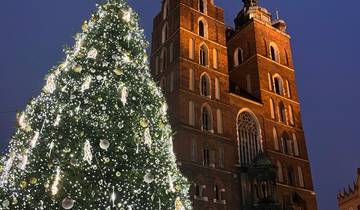
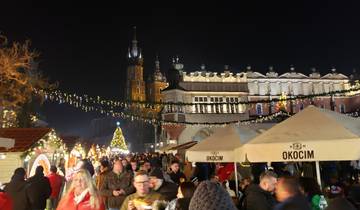
December transforms Krakow into a winter wonderland, with Christmas markets operating from late November through December 31 on the Main Market Square. Traditional wooden stalls sell handcrafted ornaments, regional foods, and mulled wine (grzane wino), creating atmospheric evening shopping experiences. Temperatures range -2 to 5°C, cold enough for snow but not typically brutally freezing. The szopka (nativity scene) competition, a UNESCO-recognized tradition, culminates in early December with elaborate miniature buildings displayed throughout the city.
Accommodation prices remain moderate in early December, increasing 15-25% for the Christmas market period (December 15-31) as tourists arrive for festive atmosphere. New Year’s Eve sees maximum pricing and booking requirements months in advance for Main Market Square proximity. The month offers 8 hours of daylight, limiting sightseeing time but creating magical twilight atmospheres with illuminated architecture and market lights.
December suits travelers prioritizing festive atmosphere, winter charm, and Christmas market experiences. The cold requires proper winter clothing (heavy coat, gloves, warm boots), but the magical setting, cultural traditions, and relatively moderate crowds outside Christmas week provide unique winter appeal. Major attractions operate full schedules, indoor museums offer warm respite, and cozy restaurants serve hearty Polish winter cuisine.
January 2026
January represents Krakow’s coldest month, averaging -2°C with temperatures occasionally dropping below -10°C during cold snaps. Snow cover becomes common, transforming the city into a winter landscape but creating slippery conditions on cobblestone streets. Daylight hours remain short at 8-9 hours, though gradually lengthening after winter solstice.
This month offers the lowest accommodation prices of the entire year, typically 30-40% below summer rates. Major hotels offer winter packages including breakfast, spa access, or dinner for enhanced value. Crowds shrink to minimal levels, with major attractions practically empty and restaurants welcoming guests warmly during the quiet season. The atmosphere becomes genuinely local as tourism drops dramatically.
January attracts cold-tolerant travelers prioritizing budget savings, authentic local atmosphere, and winter photography. The stark beauty of snow-covered architecture, frozen Vistula River, and crystalline winter air creates dramatic photo opportunities. Indoor activities dominate, with museums, galleries, theaters, and concert halls offering extensive programming. Traditional Polish winter cuisine (żurek, bigos, hearty meat dishes) tastes particularly appealing in cold weather, and cozy cafés become extended living rooms for locals and the few tourists braving winter conditions.
February 2026
February maintains winter conditions with temperatures averaging 0-6°C, slightly warmer than January but still requiring winter clothing. The month sees the lowest precipitation of the year at 30-35mm, often falling as snow. Daylight extends to 9-10 hours, noticeably longer than December-January, creating better sightseeing conditions.
Accommodation continues offering excellent value with winter pricing maintained until March. The quiet season persists, though occasional winter break travelers from other European countries appear mid-month. Cultural programming remains robust with concert halls, theaters, and museums operating full schedules. Fat Thursday (Tłusty Czwartek) in February brings traditional pączki (filled donuts) consuming as the city indulges before Lent.
February rewards budget-conscious travelers willing to embrace winter weather. The combination of low prices, minimal crowds, and gradually lengthening days creates good conditions for culture-focused visits. However, the persistent cold and potential for snow/ice make this month challenging for those uncomfortable with winter weather or requiring extensive outdoor time.
Spring Season: March-May 2026
March 2026
March marks the transition from winter to spring, with temperatures rising from 5°C early month to 10-12°C by month’s end. Snow becomes less frequent though not impossible, with spring rain beginning to replace winter precipitation. Daylight increases significantly to 11-12 hours, enabling fuller sightseeing schedules.
Spring awakening begins as locals emerge from winter hibernation, cafés open outdoor seating on warmer days, and the city’s energy increases. Accommodation prices remain at winter levels in early March, beginning moderate increases toward Easter (which varies annually). Crowds remain light except Easter week, when Polish domestic tourism and religious pilgrims increase visitor numbers.
The month suits travelers seeking transition season advantages without committing to full winter or waiting for guaranteed spring weather. Wolski Forest becomes accessible for hiking as snow melts, and the Kosciuszko and Piłsudski Mounds offer expanded views as winter haze clears. Cultural institutions maintain full winter programming while beginning to advertise spring events.
April 2026
April brings genuine spring conditions with temperatures averaging 10-15°C, though weather variability remains high with occasional cold snaps. Spring flowers bloom throughout parks, gardens, and boulevards, transforming the city’s appearance dramatically. Rainfall increases slightly to 40-50mm as spring showers become common, though these rarely last entire days.
Easter celebrations dominate early April in 2026 (Easter falls April 20), with the Main Market Square hosting the traditional Easter Market from Palm Sunday through Easter Monday. Accommodation prices increase 15-20% during Easter week, with booking advisable well in advance. Post-Easter, prices and crowds moderate significantly while weather continues improving.
April represents excellent value for shoulder season visitors, offering spring weather without peak pricing. The city awakens fully from winter, restaurants expand outdoor seating, and locals’ moods brighten with returning warmth and light. Cultural programming intensifies with spring concert series, gallery openings, and outdoor events beginning. The month balances good weather, reasonable prices, and authentic local atmosphere as Krakow transitions into its tourist season.
May 2026
May emerges as one of Krakow’s finest months, with temperatures reaching 15-20°C and daily sunshine increasing to 6-7 hours. The city reaches peak spring beauty with full foliage, blooming gardens, and vibrant street life. Outdoor cafés operate fully, Vistula Boulevards attract evening strollers, and the overall atmosphere becomes distinctly Mediterranean despite the Central European location.
The cultural calendar explodes with the Krakow Film Festival (late May), Photomonth (photography festival), Juwenalia (student celebration), and Krakow Museum Night when institutions open free evening access. May 1 (Labor Day) and May 3 (Constitution Day) are public holidays often creating long weekends when Poles travel domestically.
Accommodation prices increase 10-15% from April levels but remain 20% below summer peaks, offering excellent value. Crowds build gradually through the month without reaching July-August intensity. May provides optimal conditions for outdoor activities, day trips to the Tatra Mountains, Wieliczka Salt Mine visits, and extensive city walking. The month balances excellent weather, manageable crowds, reasonable pricing, and full cultural programming, making it arguably Krakow’s single best month for most travelers.
Summer Season: June-August 2026
June 2026
June represents the beginning of Krakow’s peak tourism season, with temperatures averaging 18-24°C and the year’s longest daylight (15-16 hours). The warm, sunny weather enables extensive outdoor activities, al fresco dining, and evening explorations. Summer thunderstorms occasionally arrive but typically clear within 1-2 hours, rarely disrupting full-day plans.
The Jewish Culture Festival (late June) brings international artists, concerts, workshops, and celebrations to Kazimierz, transforming the district into a cultural hub. Wianki (Festival of Flower Crowns) continues the midsummer tradition of floating wreaths on the Vistula River with concerts and celebrations. The Dragon Parade (early June) features elaborate dragon displays along the riverside, popular with families.
Accommodation prices increase 15-20% from May levels, approaching summer peaks. Crowds build significantly as European school holidays begin mid-month, creating 20-30 minute wait times at major attractions without advance tickets. Restaurant reservations become advisable for popular establishments, though the expanded outdoor seating increases overall capacity. June balances excellent weather with somewhat manageable crowds before July-August peak intensity, making it preferable to later summer months for those with scheduling flexibility.
July 2026
July brings Krakow’s warmest weather, averaging 19-26°C with occasional hot days exceeding 30°C. The city buzzes with maximum energy as locals remain in town (August being primary vacation month) and international tourism peaks. Every café, restaurant, and attraction operates at full capacity, outdoor events fill the cultural calendar, and the overall atmosphere achieves maximum vibrancy.
Major festivals include various jazz events, outdoor concerts on the Main Market Square, and numerous smaller cultural programs. The warm evenings enable extended outdoor activities with sunset occurring after 9 PM, creating long days for sightseeing and socializing. Beer gardens, riverside cafés, and outdoor cinema screenings capitalize on pleasant summer nights.
However, July sees maximum crowds at all major attractions. Wieliczka Salt Mine, Wawel Castle, and Schindler’s Factory require advance booking for reasonable wait times. Accommodation prices peak at 20-25% above shoulder season rates, though still remaining reasonable by Western European standards. Restaurants fill quickly, particularly for dinner service, making reservations essential for popular establishments. July suits travelers prioritizing summer weather, festival atmosphere, and maximum energy despite crowds and peak pricing.
August 2026
August maintains July’s warm temperatures (18-25°C) but brings increased rainfall frequency and the year’s maximum tourist crowds. Many Polish families vacation in August, joining international tourists to create the busiest month overall. Some local restaurants close for annual holidays, though tourist-oriented establishments remain open.
The cultural calendar continues with outdoor events, concerts, and festivals, though fewer major events than June-July. The warm weather enables all outdoor activities, lake swimming near Krakow, and extended day trips to the Tatra Mountains. Evening thunderstorms become more common but typically bring refreshing coolness after hot days.
Accommodation maintains July peak pricing or increases slightly during the final weeks before school years begin across Europe. Crowds peak mid-month, declining somewhat in the final week as European families return home. August represents the peak tourism experience with maximum energy but also maximum crowds and prices. Travelers must accept these trade-offs for guaranteed warm weather and summer atmosphere.
Autumn Season: September-November 2026
September 2026
September ranks among Krakow’s finest months, combining pleasant weather (16-21°C), diminishing crowds after September 15, and active cultural programming. Early September maintains summer warmth, while late September brings autumn crispness perfect for walking tours and outdoor exploration. Rainfall decreases from summer levels, creating stable, clear weather patterns.
The Dachshund Parade (Marsz Jamnikow) brings costumed dogs and owners to the streets in charming celebration. The Krakow Film Music Festival features prominent composers, while Sacrum Profanum presents experimental music in historic venues. Sfogato Festival honors Chopin with classical performances throughout the city. These events provide cultural depth without summer’s tourist intensity.
Accommodation prices drop 20% from August peaks after mid-September, restaurants become accessible without advance reservations, and major attractions return to reasonable crowd levels. The shoulder season atmosphere allows authentic local experiences as the city transitions from tourist center to residential capital. September combines summer’s warmth with autumn’s tranquility, creating ideal conditions for balanced Krakow experiences.
October 2026
October brings autumn beauty with temperatures cooling to 10-15°C and foliage transforming into golden hues. The crisp air creates excellent visibility for photography, while shorter days (10-11 hours sunlight) remain sufficient for full sightseeing schedules. Rainfall remains moderate at 40-50mm, primarily brief showers rather than sustained rain.
The International Royal Cracow Piano Festival showcases world-class pianists, Unsound Festival features electronic and experimental music, Conrad Festival brings literary figures to the city, and Jazz Autumn celebrates contemporary jazz. These events attract culturally engaged visitors creating sophisticated audiences without mass tourism crowds.
Accommodation prices continue autumn decline, reaching 25-30% below summer peaks. Crowds thin significantly as only culture-focused travelers and those with autumn schedule flexibility visit. Restaurants emphasize seasonal menus with game, mushrooms, and autumn harvest ingredients. Cozy café culture emerges as cooler weather encourages indoor socializing. October rewards travelers prioritizing cultural events, authentic atmosphere, photography opportunities, and value over guaranteed warm weather.
November 2026
November represents Krakow’s transition toward winter, with temperatures dropping to 5-10°C and daylight shrinking to 9 hours. Gray skies become common though rainfall remains relatively light at 40-45mm. The atmosphere becomes decidedly autumnal with bare trees, shorter days, and locals bundling against increasing cold.
All Saints’ Day (November 1) brings candlelit cemetery vigils as families honor departed loved ones, creating moving nighttime atmosphere. Independence Day (November 11) features patriotic celebrations and parades. The Jazz All Souls’ Day festival honors the city’s jazz heritage. Late November sees Christmas market setup beginning, though official opening waits until month’s end.
Accommodation prices drop to winter levels (30-35% below summer), creating excellent value for cold-tolerant visitors. Crowds shrink to minimal levels, with only culture-focused travelers and budget-conscious visitors braving the gray, chilly conditions. Museums, galleries, theaters, and concert halls operate full programs, providing extensive indoor activities. November suits travelers prioritizing rock-bottom prices, authentic local atmosphere, and comfort with short, gray days.
Festival and Events Calendar 2026
Major Cultural Events Throughout the Year
Krakow’s cultural calendar operates year-round with festivals, concerts, and celebrations reflecting the city’s artistic heritage and contemporary creativity. Spring brings the Krakow Film Festival (May), photography exhibitions during Photomonth (May-June), and student celebrations during Juwenalia. The Polish cultural tradition of museum nights provides free evening access to institutions.
Summer festivals dominate June-August with the Jewish Culture Festival (late June) bringing international musicians and scholars to Kazimierz for concerts, workshops, and discussions. Wianki (Midsummer Festival) continues the tradition of floating flower wreaths on the Vistula River with accompanying concerts. The Dragon Parade celebrates Krakow’s legendary Wawel Dragon with elaborate displays and children’s activities.
Autumn cultural events include the Krakow Film Music Festival (September), Sacrum Profanum experimental music festival (September), Sfogato Festival honoring Chopin (September), Conrad Festival for literature (October), Unsound Festival for electronic music (October), and Jazz Autumn (October). These events attract culturally engaged audiences creating sophisticated programming without mass tourist crowds.
Winter festivities center on Christmas markets (late November-December) transforming the Main Market Square into a traditional European Christmas destination. New Year’s Eve celebrations feature concerts and fireworks, while the szopka competition showcases elaborate nativity scene miniatures. These winter events create magical atmosphere despite cold temperatures.
Religious and Public Holidays 2026
Poland’s Catholic heritage creates numerous religious holidays affecting tourism patterns and city operations. Easter (April 20, 2026) brings the Easter Market to the Main Market Square with traditional crafts and foods. Good Friday sees religious processions, while Easter Monday (Śmigus-Dyngus) features water-splashing traditions. Accommodation prices increase 15-20% during Easter week.
Corpus Christi (June 11, 2026) features religious processions through the Old Town with elaborate flower carpets decorating streets. All Saints’ Day (November 1) transforms cemeteries into candlelit memorials as families visit graves. Christmas (December 25-26) and New Year (December 31-January 1) are major holidays with many businesses closed though tourist attractions and restaurants remain open.
Public holidays include Constitution Day (May 3) celebrating Poland’s 1791 constitution and Independence Day (November 11) marking 1918 independence restoration. Labor Day (May 1) occasionally brings political demonstrations though these rarely affect tourism. During public holidays, shops often close while restaurants and attractions maintain operations, sometimes with modified hours.
Crowd Levels and Peak Tourism Patterns 2026
Understanding Tourism Seasons
Krakow’s tourism divides into distinct seasons with varying crowd intensity. Peak season (July-August) brings maximum visitors, particularly after July 15 when European schools close. Crowds at major attractions like Wieliczka Salt Mine and Wawel Castle require 30-60 minute waits without advance booking. The Main Market Square fills constantly, restaurants require reservations for dinner, and the overall atmosphere becomes decidedly tourist-oriented.
Shoulder seasons (April-May, September-October) offer excellent balances with significant visitor numbers but manageable crowds. May and September see increasing tourism but without peak-season intensity, creating vibrant atmosphere while maintaining reasonable wait times at attractions. Restaurants accommodate walk-ins more easily, though popular establishments still benefit from reservations. The city retains authentic character as local life continues alongside tourism.
Low season (November-March excluding Christmas-New Year) brings minimal crowds, with January-February seeing the fewest visitors. Major attractions operate nearly empty, restaurants welcome guests warmly during quiet periods, and the atmosphere becomes genuinely local. However, reduced daylight hours, cold weather, and some seasonal business closures limit low-season appeal for many travelers.
Day-of-Week Patterns
Within each season, weekly patterns affect crowd levels significantly. Weekends (Friday-Sunday) bring Polish domestic tourists from Warsaw, Wroclaw, and other cities, increasing crowds at major attractions by 30-40% compared to weekdays. The Main Market Square, Kazimierz restaurants, and Wieliczka Salt Mine see maximum weekend crowds. Conversely, business hotels in the Old Town sometimes offer better weekend rates as business travel declines.
Mondays create interesting dynamics with Schindler’s Factory offering free admission, creating significant crowds despite being a weekday. Some museums close Mondays, making other attractions busier. Tuesday-Thursday represent the quietest days for most attractions, particularly outside peak season. Planning major attraction visits midweek optimizes experiences with minimal waiting.
Public holidays and long weekends dramatically increase domestic tourism as Poles take advantage of extra days for Krakow visits. Constitution Day (May 3), Corpus Christi (June 11), and Independence Day (November 11) create busy periods regardless of general seasonal patterns. Checking the Polish holiday calendar helps avoid unexpected crowds during otherwise quiet periods.
Pricing and Value Considerations 2026
Accommodation Price Fluctuations
Hotel and hostel pricing fluctuates 40-50% between low season (January-March) and peak season (July-August). Budget hostels charge €14-25 per dormitory bed in low season, increasing to €25-40 in peak summer. Mid-range hotels cost €50-85 in winter versus €80-125 in summer. Luxury properties range €120-280 in low season compared to €200-450 in peak months.
Shoulder seasons (April-May, September-October) typically price 10-20% below peak season while offering superior weather and crowd conditions compared to winter. This creates excellent value as the quality of experience increases while costs decrease from summer levels. Booking 2-3 months in advance generally secures better rates than last-minute booking, particularly for peak season travel.
Special events dramatically impact pricing during otherwise moderate periods. Christmas markets (late November-December) increase accommodation costs 15-25% above normal winter rates. Easter week sees similar premiums. New Year’s Eve commands peak-season pricing despite winter timing. Checking event calendars helps anticipate these pricing spikes when planning budget-conscious travel.
Restaurant and Activity Costs by Season
Unlike accommodation, restaurant pricing remains relatively stable year-round in Krakow, with quality establishments maintaining consistent menus and prices regardless of season. However, tourist-focused restaurants on the Main Market Square sometimes reduce prices 10-15% in low season when competition for limited customers intensifies. Lunch specials and prix-fixe menus appear more frequently outside peak season.
Attraction admission prices remain fixed throughout the year at most museums and historical sites. However, guided tour operators offer better rates and promotions during shoulder and low seasons. Wieliczka Salt Mine tours, Auschwitz-Birkenau transportation, and walking tours frequently discount 10-20% November-March to maintain visitor numbers. Package deals combining multiple attractions become more common in quieter months.
Overall Value Analysis by Season
Value optimization requires balancing cost savings against experience quality. Winter (January-March) offers maximum cost savings with 30-40% lower accommodation and tour discounts, but short days, cold weather, and reduced outdoor activities limit appeal. This works well for museum-focused visits and culture enthusiasts comfortable indoors but disappoints those expecting extensive city exploration.
Shoulder seasons (April-May, September-October) provide optimal value by combining 20-30% cost savings from peak season with superior weather and crowd conditions compared to winter. The experience quality increases while costs decrease, creating genuine value rather than mere savings. Spring and autumn suit most travelers prioritizing balanced experiences.
Peak summer (July-August) delivers maximum warmth, longest days, and vibrant atmosphere but at 20-25% premiums and with significant crowds. This represents good value for travelers prioritizing guaranteed weather and festival experiences but poor value for those comfortable with variable weather in exchange for better pricing and fewer crowds. Understanding personal priorities determines whether peak season premiums provide worthwhile value.
Special Interest Timing Recommendations 2026
Photography Enthusiasts
October emerges as the optimal month for photography in Krakow, combining autumn colors, crisp air creating excellent visibility, dramatic lighting as sun angles lower, and moderate crowds allowing unobstructed shots. Golden hour (early morning and late afternoon) extends as days shorten, providing better light for architectural photography. The autumn foliage in Planty Park, Wawel Hill, and Vistula Boulevards creates natural beauty complementing architectural subjects.
Winter months (December-February) offer dramatic snow-covered architecture, fewer tourists in frames, and long shadows from low sun angles. However, short daylight hours limit shooting time, and cold temperatures challenge equipment and photographers. Christmas market lights create beautiful evening photography opportunities with illuminated stalls and festive atmosphere.
Spring (April-May) provides blooming gardens, fresh foliage, and clear light after winter haze clears. However, variable weather creates less predictable conditions than autumn’s stability. Summer’s long days enable extended shooting but harsh midday light and tourist crowds reduce image quality. Morning shoots (5-7 AM) capture empty streets during summer when later hours bring overwhelming crowds.
Budget Travelers
January-March (excluding Christmas-New Year) provides maximum budget value with 30-40% lower accommodation costs, discounted tours, minimal crowds, and authentic local atmosphere. However, cold weather, short days, and some seasonal business closures require accepting significant trade-offs. Budget travelers comfortable with winter conditions and prioritizing indoor cultural activities optimize savings during these months.
April-May and September-October shoulder seasons balance savings with experience quality, providing 20-30% cost reductions from peak season while maintaining excellent weather, full attraction access, and comfortable sightseeing conditions. This represents better overall value than winter’s maximum savings but reduced experience quality. Shoulder seasons suit budget travelers unwilling to sacrifice comfort for savings.
Avoiding July-August peak season provides the single most impactful budget optimization, eliminating the 20-25% accommodation premiums while accessing comparable or superior experiences. June and September border peak season with better pricing than July-August while maintaining warm weather and full cultural programming.
Families with Children
June offers the best combination for families, providing warm weather (18-24°C) comfortable for children, the Dragon Parade creating family-friendly festivities, extended daylight (15-16 hours) accommodating flexible schedules, and school holiday timing for many European families. Attractions like the Krakow Zoo, Energylandia Amusement Park, and interactive museums operate full summer schedules.
September provides excellent alternative for families with flexibility, combining pleasant weather without peak summer heat, reduced crowds making attractions more child-friendly, and lower prices than June-August. However, this requires scheduling around school years, limiting families to those homeschooling or with flexible educational arrangements.
December Christmas markets create magical family experiences with festive atmosphere, traditional crafts, and seasonal treats, though cold weather requires proper clothing for children. Summer holidays (July-August) align with most school schedules but bring maximum crowds and pricing. Families must balance schedule constraints against optimal conditions when choosing Krakow timing.
Festival and Music Lovers
June-July concentration of festivals makes summer optimal for culture enthusiasts despite crowds and pricing premiums. The Jewish Culture Festival (late June), various jazz events (June-July), Wianki midsummer celebrations (June), and outdoor concerts create rich programming unavailable other months. Summer’s long evenings enable attending multiple events daily, with outdoor venues and café culture enhancing the festival experience.
September-October autumn festivals provide alternative cultural richness without summer crowds, featuring Sacrum Profanum (experimental music), Sfogato Festival (Chopin), Conrad Festival (literature), Unsound Festival (electronic music), and Jazz Autumn. These events attract sophisticated audiences and often feature more adventurous programming than summer’s tourist-oriented offerings.
May’s Krakow Film Festival and Photomonth exhibitions serve film and photography enthusiasts, while October’s Conrad Festival appeals to literature lovers. Timing visits to coincide with specific festivals maximizes cultural experiences aligned with personal interests.
Practical Seasonal Considerations 2026
Packing Requirements by Season
Summer (June-August) requires light clothing, comfortable walking shoes, sun protection (hat, sunglasses, sunscreen), and rain jacket for afternoon thunderstorms. Evening temperatures drop to 14-16°C, necessitating light sweaters or jackets for nighttime activities. Modest clothing suits church visits, with shoulders and knees covered for religious sites.
Spring and autumn (March-May, September-November) demand layering systems with medium-weight jackets, long pants, and adaptable clothing for temperature fluctuations. Rain gear becomes essential as spring showers and autumn drizzle occur frequently. Comfortable waterproof walking shoes prove valuable for cobblestone streets potentially wet from rain.
Winter (December-February) necessitates serious cold-weather gear including heavy coats, warm boots, gloves, hats, and scarves. Layering with thermal underwear helps manage temperature differences between freezing outdoor conditions and heated indoor spaces. Waterproof, insulated boots with good traction navigate icy cobblestones safely.
Daylight Hours and Activity Planning
Summer’s extended daylight (15-16 hours in June) enables full-day excursions to distant destinations like Zakopane, early morning photography sessions, and extended evening activities. Sunset after 9 PM allows dinner followed by evening walks, river cruises, or outdoor concerts without darkness limiting activities.
Winter’s limited daylight (8 hours in December) constrains activity planning significantly. Major attractions visited during precious daylight hours, while museums, theaters, and restaurants fill evening time. Early starts (8-9 AM) maximize usable daylight, with most outdoor sightseeing completed by 4-5 PM when darkness falls.
Spring and autumn provide moderate daylight (11-14 hours) suitable for full sightseeing schedules without summer’s excessive length or winter’s severe limitation. These balanced hours create comfortable daily rhythms with reasonable waking hours and evening activities concluding at civilized times.
Health and Safety Seasonal Factors
Air quality generally remains good year-round in Krakow, though winter heating sometimes creates smog during temperature inversions. Sensitive individuals should monitor air quality indexes during cold weather. Summer allergen levels affect those with pollen sensitivities, particularly during May-June flowering seasons.
Winter ice and snow create slip hazards on cobblestone streets, requiring careful walking and appropriate footwear. Salt treatment reduces risks but uneven historic paving combined with ice demands attention. Summer thunderstorms occasionally bring heavy rain creating temporary flooding in low-lying areas near the Vistula River.
Tick awareness matters for hikers exploring Wolski Forest or nearby rural areas during April-October. Summer heat occasionally causes dehydration for travelers unaccustomed to walking all day, though Krakow’s relatively moderate temperatures rarely reach dangerous levels. Carrying water and taking breaks prevents heat-related issues during extended summer sightseeing.
Frequently Asked Questions: Krakow Best Time 2026
Can I visit Krakow year-round or are some months impossible?
Krakow functions fully year-round with all major attractions operating continuously except Christmas Day, New Year’s Day, Easter Sunday, and All Saints’ Day when some sites close or operate reduced hours. Winter weather becomes uncomfortable rather than impossible, with temperatures averaging -2 to 5°C December-February. Proper clothing, indoor activity focus, and acceptance of short daylight hours make winter visits viable for cold-tolerant travelers. However, spring through autumn (March-November) provides better overall experiences for most visitors.
How much does weather vary within the same month?
Weather variability increases during transitional months (March-April, October-November) when weather systems shift between seasonal patterns. April can bring 5°C mornings and 18°C afternoons, spring rain alternating with sunny days, and occasional late snow. October similarly fluctuates between pleasant 20°C autumn days and chilly 8°C rainy periods. Summer (June-August) shows more consistency though afternoon thunderstorms interrupt otherwise clear days. Winter (December-February) maintains steadily cold conditions with less day-to-day variation. Checking 10-day forecasts before departure provides realistic weather expectations.
Do hotels and restaurants close during low season?
Tourist-oriented hotels and restaurants in the Old Town and Kazimierz maintain year-round operations, serving reduced visitor numbers during winter with full staff and services. Some family-run establishments take annual holidays (typically 2-3 weeks in August or January), and a few seasonal restaurants near the Vistula River close November-March. However, the overall infrastructure supports winter tourism adequately with dozens of accommodation options and hundreds of restaurants remaining open. Low season actually provides better service in many cases as restaurants welcome guests warmly during quieter periods with more attentive service than peak-season rushes.
Are day trips to Auschwitz and Wieliczka possible year-round?
Both sites operate throughout the year with full tour schedules though winter hours slightly reduce. Wieliczka Salt Mine opens daily 7:30 AM-7:30 PM April-October, reducing to 8 AM-5 PM November-March, with Christmas Day and New Year’s Day closures. The mine maintains constant 14-17°C underground temperature year-round, requiring light jackets even in summer. Auschwitz-Birkenau Memorial operates daily except Christmas Day, New Year’s Day, and Easter Sunday. Winter visits create more somber atmosphere though outdoor walking between camp buildings becomes uncomfortable in freezing conditions. Both sites remain accessible year-round with transportation and tours operating continuously.
What’s the absolute worst month to visit Krakow?
November combines the worst elements of multiple seasons: cold temperatures (5-10°C) without snow’s aesthetic appeal, short daylight hours (9 hours), gray skies dominating, autumn colors faded, and Christmas markets not yet opened. The transitional atmosphere between autumn and winter creates uninviting conditions without compensating advantages like summer warmth, winter festivity, or shoulder season value. However, even November offers rock-bottom accommodation prices and minimal crowds for culture-focused visitors comfortable with gray, chilly conditions and extensive indoor activities.
Can I experience all four seasons if visiting for a week?
Single-week visits experience one season consistently, with transitional weeks in March-April or October-November potentially showing weather characteristics of both adjacent seasons. Poland’s continental climate creates distinct seasonal patterns without the rapid day-to-day fluctuations seen in maritime climates. Experiencing multiple seasons requires visiting different times of year across separate trips. However, temperature ranges within single weeks can be significant during transitional months, with 15-20°C differences between coldest and warmest days possible in April or October.
Does Krakow’s weather differ from other Polish cities?
Krakow’s southern location and proximity to the Carpathian Mountains creates slightly milder winters and warmer summers than northern Polish cities like Gdansk or Szczecin, which experience maritime influence from the Baltic Sea. Warsaw, located centrally, shows similar temperatures though less mountain weather influence. Krakow receives slightly more precipitation than central Poland due to mountain proximity creating orographic effects. However, these differences remain subtle compared to Poland’s overall continental climate pattern, with all Polish cities experiencing cold winters and warm summers.
Should I book accommodation further in advance for certain months?
Peak summer months (July-August) require 2-3 month advance booking for optimal selection and pricing, particularly for desired Old Town locations. Easter week, Christmas markets period (late November-December), and New Year’s Eve need similar advance booking as these create temporary high demand despite otherwise moderate seasons. May-June and September-October allow 4-6 week booking windows while maintaining good options. January-March and November accommodate last-minute booking (1-2 weeks prior) without significant disadvantages, often yielding last-minute discounts as properties fill remaining inventory.
How do prices on Main Market Square compare to other areas by season?
Main Market Square restaurants and cafés maintain 20-40% premiums over equivalent establishments in Kazimierz, Podgórze, or residential areas year-round, though these premiums compress slightly during winter when overall demand drops. A mid-range meal costing €15-20 in Kazimierz runs €20-28 on the Main Market Square, while coffee increases from €2.50-3 elsewhere to €4-5 on the square. These premiums pay for the iconic location rather than superior quality, as food quality in Kazimierz and other districts often exceeds tourist-oriented Main Market Square establishments. Budget-conscious travelers benefit from exploring beyond the immediate square while maintaining 5-10 minute walking access to the historic center.
Is Christmas in Krakow worth the cold weather and higher prices?
Christmas markets in Krakow rival Vienna, Prague, or Nuremberg for atmosphere while maintaining more reasonable pricing even during the festive season. The Main Market Square transforms into a traditional European Christmas destination with wooden stalls, mulled wine, traditional crafts, and festive foods creating magical ambiance. Accommodation premiums (15-25% above winter base) remain moderate compared to Western European Christmas market destinations. The cold weather (typically -2 to 5°C) requires proper winter clothing but remains tolerable for those dressed appropriately. Christmas markets suit travelers prioritizing festive atmosphere, traditional crafts, and winter charm over extensive outdoor sightseeing or warm weather activities.