
Kotor Travel Tips 2026: Essential Planning & Practical Advice
Kotor stands as Montenegro’s crown jewel, where medieval walls embrace marble streets within a dramatic fjord-like bay, but successful visits require navigating cruise ship crowds, understanding local customs, and timing your arrival strategically. This comprehensive guide provides battle-tested strategies for experiencing Kotor’s UNESCO-protected Old Town at its authentic best, from avoiding the daily cruise ship invasions to finding restaurants locals actually frequent, ensuring your 2026 visit captures the magic that mass tourism often obscures.
Key Takeaways: Essential Kotor Planning for 2026
- Cruise Ship Strategy: Check the daily cruise ship schedule at kotor.me before finalizing your plans—days without cruise ships transform Kotor from overwhelmed to enchanting, with restaurant prices dropping and authentic atmosphere returning to the Old Town’s marble streets.
- Fortress Timing Advantage: Arrive at the City Walls before 8:00 AM to climb the 1,350 steps for free while avoiding the €8 entrance fee and oppressive midday heat, with sunrise views over the Bay of Kotor worth the early wake-up call.
- No Visa Required: US, Canadian, UK, Australian, and EU citizens enter Montenegro visa-free for up to 90 days in 2026, though your accommodation automatically handles the mandatory 24-hour police registration that confuses many first-time visitors.
- Euro Without EU Membership: Montenegro uses the Euro despite not being an EU member or part of the Schengen Area, meaning your time here doesn’t count toward the 90-day Schengen limit—a strategic advantage for extended Balkan travel in 2026.
- Restaurant Location Matters: Avoid any restaurant displaying picture menus on the main squares where tourist traps charge €15 for mediocre pasta; instead, walk three minutes into residential neighborhoods where authentic konobas serve superior meals for €10-12.
- Shoulder Season Superiority: Visit Kotor in May, June, or September 2026 for optimal weather with 30-40% fewer cruise ships than July-August, plus accommodation rates running 20-25% lower than peak summer pricing.
People Also Ask About Kotor Travel 2026
Do I need a visa to visit Kotor in 2026?
Citizens of the United States, Canada, United Kingdom, Australia, New Zealand, and all European Union member states do not require a visa to visit Kotor or anywhere in Montenegro in 2026. You can stay up to 90 days within any 180-day period for tourism or business purposes. Your passport must be valid for at least the duration of your stay, though some border officials recommend three months validity beyond your departure date. Montenegro operates separate from the Schengen Area, meaning time spent here doesn’t count toward your 90-day Schengen allowance—making it strategically valuable for extended European travel. You must register with local authorities within 24 hours of arrival, but hotels, apartments, and hostels handle this automatically when you check in, adding the small tourist tax of approximately €1 per person per day to your bill.
When is the best time to visit Kotor in 2026 to avoid crowds?
The best months to visit Kotor in 2026 are May, early June, and September, when cruise ship arrivals drop 30-40% compared to July-August peak season while weather remains excellent for sightseeing. These shoulder months deliver temperatures of 20-26°C with minimal rain, perfect for climbing the fortress walls without the oppressive July heat that makes the 1,350-step ascent genuinely dangerous. Within any month, check the daily cruise ship schedule at kotor.me and avoid days when multiple large ships dock—a single 4,000-passenger vessel overwhelms the tiny Old Town, but days with three ships simultaneously can see 10,000 cruise passengers flooding streets built for 13th-century foot traffic. Early mornings (before 9:00 AM) and evenings (after 6:00 PM) offer peaceful exploration even on cruise days, as shore excursion schedules concentrate crowds between 10:00 AM and 5:00 PM.
How much money should I budget per day for Kotor in 2026?
Budget €45-55 per person daily for hostel accommodation, street food, and free activities in Kotor during 2026. Mid-range travelers spending €130-170 per person daily enjoy comfortable hotels, restaurant meals, and paid attractions including the fortress climb. Luxury visitors allocating €300-400+ per person daily access boutique hotels within the Old Town walls, fine dining restaurants with bay views, and private boat tours. These figures assume two people sharing accommodation—solo travelers face higher per-person costs since hotel rooms rarely discount for single occupancy. The Old Town concentrates tourist-priced restaurants where mediocre meals reach €15-20, but walking five minutes into residential neighborhoods reveals authentic konobas charging €8-12 for superior traditional dishes. Grocery stores sell fresh produce, cheeses, and bread for budget-conscious travelers, with a week’s worth of breakfast supplies costing €20-30.
Is Kotor safe for tourists in 2026?
Kotor ranks among Europe’s safest destinations for tourists in 2026, with violent crime virtually nonexistent and petty theft rare even in crowded cruise ship conditions. The greatest safety concerns involve practical matters rather than crime: the fortress wall climb poses real risks for anyone with mobility issues, heart conditions, or poor fitness, as the 1,350 uneven stone steps in summer heat cause occasional medical emergencies. Bring at least one liter of water per person for the 90-minute ascent. Traffic presents hazards in the narrow Bay of Kotor coastal road where tour buses and rental cars navigate tight curves with limited shoulders. Keep valuables secure in crowded areas during peak cruise ship days when pickpockets occasionally work the masses, though this remains uncommon compared to major Western European cities. Standard travel precautions suffice: don’t leave belongings unattended, secure your accommodation, and avoid showing expensive jewelry or electronics unnecessarily.
Extended multi-day tours – 5+ days
Featured Kotor Multi-Day Tour Packages
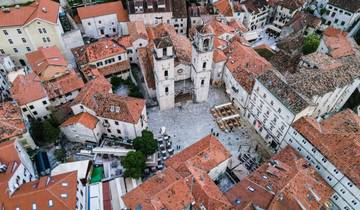
2 days
From Tirana, 2 Days: Budva – Kotor
- ✓ Comprehensive Kotor tour
- ✓ Expert local guides included
- ✓ All accommodation arranged
- ✓ Transportation provided
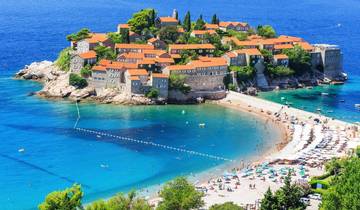
1 days
From Tirana/Durres/Golem -> Montenegro: Budva & Kotor day tour
- ✓ Comprehensive Kotor tour
- ✓ Expert local guides included
- ✓ All accommodation arranged
- ✓ Transportation provided
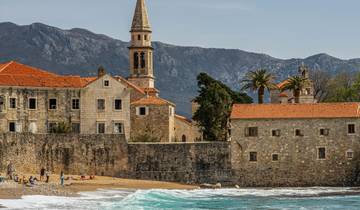
2 days
Tour of Montenegro and Kosovo in 2 days from Tirana or Durres
- ✓ Comprehensive Kotor tour
- ✓ Expert local guides included
- ✓ All accommodation arranged
- ✓ Transportation provided
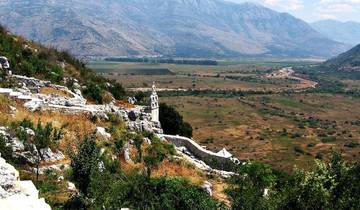
3 days
All seasons 3 days micro tour to Montenegro and Bosnia from Dubrovnik. Visit Venetians towns, monasteries, taste Herzegovina wines. Gorgeous scenery!
- ✓ Comprehensive Kotor tour
- ✓ Expert local guides included
- ✓ All accommodation arranged
- ✓ Transportation provided
Multi-day tour packages powered by TourRadar. Prices and availability subject to change.
Introduction: Mastering Kotor’s Challenges for Authentic Experiences in 2026
Kotor presents a paradox for 2026 travelers: this remarkably preserved medieval town, protected by UNESCO and embraced by mountain walls that plunge into a fjord-like bay, simultaneously ranks as Montenegro’s most essential destination and its most overtourism-challenged location. When three cruise ships simultaneously disgorge 10,000 passengers into an Old Town built for medieval foot traffic, authentic experience evaporates beneath tour group flags and restaurant touts wielding picture menus. Yet on cruise-free mornings, when mist lifts from the bay and marble streets echo with local conversations, Kotor reveals why it captured the imagination of Venetian merchants, Austro-Hungarian aristocrats, and modern travelers who consider it the Adriatic’s hidden masterpiece.
Success in Kotor depends entirely on strategic planning that accounts for the realities of modern mass tourism while exploiting the opportunities that still exist for travelers willing to wake early, venture beyond obvious tourist zones, and understand the rhythms that separate authentic Kotor from its cruise port caricature. The difference between a magical visit and a disappointing one often comes down to something as simple as checking which days cruise ships arrive, knowing that arriving at the fortress walls before 8:00 AM saves €8 while delivering solitary sunrise views, or understanding that restaurants three minutes from the main square serve dramatically better food at half the price.
This guide provides the tactical knowledge that transforms Kotor from a crowded disappointment into an unforgettable highlight. Montenegro’s compact geography allows easy day trips from Kotor to quieter coastal villages, medieval monasteries carved into cliffsides, and mountain roads that rival anything in the Alps—but Kotor itself remains the essential base where understanding local patterns, avoiding tourist traps, and timing your activities correctly determines whether you experience one of Europe’s most magical medieval towns or just another overcrowded cruise port.
The 2026 travel landscape in Kotor reflects both challenges and opportunities: cruise ship numbers remain high during peak summer months, but Montenegro’s growing reputation means shoulder season infrastructure has improved dramatically, with excellent accommodation and restaurants remaining open in May, June, and September when crowd pressures ease significantly. New direct flights from major European cities reduce the need for complex connections through Dubrovnik, while improved ferry services along the bay provide alternatives to the congested coastal road. Most significantly, the local community increasingly understands that sustainable tourism requires distinguishing between passengers who spend three hours spending nothing and travelers who stay days supporting local businesses—creating incentives for authentic experiences that reward planning beyond the obvious.
Entry Requirements and Documentation for Montenegro 2026
Montenegro maintains one of Europe’s most traveler-friendly visa policies in 2026, with citizens of over 100 countries entering visa-free for tourism or business stays up to 90 days. This category includes all European Union member states, the United States, Canada, United Kingdom, Australia, New Zealand, Japan, South Korea, and most Latin American countries. Your passport must remain valid for at least the duration of your stay, though border officials sometimes request three months validity beyond your departure date—making passport renewal advisable if yours expires within six months of travel.
The 90-day allowance operates within any 180-day period, counted from your first entry date. Unlike the Schengen Area’s complex calculation, Montenegro’s system remains straightforward: if you enter on June 1, you can stay until August 29 without visa requirements, and your 180-day window resets on December 1. This separate calculation from Schengen proves strategically valuable for extended Balkans travel, as time in Montenegro, Albania, Serbia, Bosnia and Herzegovina, and North Macedonia doesn’t count toward your 90-day Schengen limit—allowing savvy travelers to spend summer in these non-Schengen countries before or after Schengen time.
Border entry requires presenting proof of accommodation for your stay, which means hotel confirmations, apartment booking vouchers, or invitation letters from private hosts. Officials rarely scrutinize these documents for tourists arriving from Western countries, but having printouts or digital copies readily accessible prevents delays. Similarly, you should be prepared to show proof of sufficient funds—credit cards, bank cards, or cash equivalent to €50-70 per day—though actual verification occurs infrequently for Western tourists. Return or onward tickets provide evidence you intend leaving before your 90 days expire, with either printed confirmations or digital bookings on your phone satisfying requirements.
The mandatory 24-hour police registration confuses many first-time Montenegro visitors but rarely causes actual problems. Every visitor must register their presence with local police or tourism offices within 24 hours of arrival, but licensed accommodation providers handle this automatically as part of check-in procedures, adding the white registration card to your welcome paperwork. The approximately €1 per person per day tourist tax gets added to your accommodation bill, and hotels, hostels, and registered apartments manage all bureaucracy. Problems arise only for visitors staying with friends, family, or unlicensed private accommodation, who must personally register at the nearest police station with their passport and host’s address—skip this, and you risk fines upon departure.
Montenegro uses the Euro as its official currency despite not being a European Union member or part of the Eurozone’s formal banking system. This unofficial “euroization” means you’ll find Euro notes and coins throughout the country, ATMs dispense Euros, and prices list in Euros, though technically Montenegro has no legal authority to print Euro currency. For travelers, this arrangement provides tremendous convenience—no exchange rate confusion, no currency conversion fees if arriving from Eurozone countries, and widespread acceptance of Euro notes that merchants in neighboring non-Euro Balkans countries might question.
Health insurance remains officially recommended rather than mandatory for tourist visits to Montenegro in 2026, though border officials occasionally request proof of coverage. European citizens should carry their European Health Insurance Card (EHIC), which provides access to state medical facilities under reciprocal agreements, while visitors from outside Europe should confirm their travel insurance covers Montenegro specifically, as some policies exclude Balkans countries. Private medical facilities in Kotor provide good quality care but require direct payment or insurance guarantees, with costs remaining reasonable by Western standards—a doctor consultation typically runs €30-50.
Customs regulations allow bringing unlimited currency into Montenegro, though amounts exceeding €10,000 (or equivalent) require declaration at the border to comply with anti-money-laundering regulations. You can import typical tourist quantities of tobacco and alcohol without restriction: 200 cigarettes or 50 cigars, and one liter of spirits or two liters of wine per adult. Electronics for personal use enter freely, but bringing multiple identical items (suggesting commercial purposes) invites customs scrutiny. Drones require advance permission from Montenegro’s Civil Aviation Agency, and flying them without authorization near the fortress walls or bay areas can result in confiscation and fines.
The late 2026 launch of ETIAS (European Travel Information and Authorization System) will affect Montenegro visitors entering from Schengen countries, though Montenegro itself is not implementing ETIAS requirements. If your journey includes both Montenegro and Schengen destinations, you’ll need ETIAS authorization for the Schengen portion even though Montenegro remains visa-free. This €7 online authorization valid three years or until passport expiration becomes mandatory for visa-exempt nationals visiting Schengen countries, representing an administrative addition rather than visa requirement. Montenegro’s separate status means visitors can still enter without advance authorization, maintaining its accessibility advantage over Schengen neighbors.
Best Time to Visit Kotor 2026: Weather, Crowds, and Cruise Ship Strategy
Kotor’s optimal visiting window for 2026 spans May through June and September, when Mediterranean climate delivers consistent sunshine with temperatures ranging 20-27°C while cruise ship arrivals drop 30-40% below peak July-August levels. These shoulder months avoid both the oppressive summer heat that makes the fortress climb genuinely dangerous and the winter rain that transforms marble streets into slippery hazards. May sees Kotor awakening from winter quiet with locals returning to outdoor café tables, accommodation rates at their lowest, and mountain wildflowers creating spectacular backdrops for bay photography. June builds toward summer with longer days, reliably warm weather perfect for evening strolls, and cruise schedules that remain manageable compared to July madness.
September ranks as the single best month for Kotor visits in 2026, combining several advantages: sea temperatures peak at 24-26°C after months of summer warming, cruise ship schedules begin easing as Mediterranean repositioning season starts, accommodation rates drop 20-25% from August peaks, and settled weather patterns deliver long stretches of sunshine with minimal precipitation. The autumn light creates stunning photography conditions as lower sun angles illuminate the fortress walls in golden tones impossible during summer’s harsh overhead sun. Local festivals concentrate in September as Montenegrins celebrate the tourist season’s end with wine harvests, traditional music performances, and cultural events that welcome participatory tourists rather than treating them as wallets with cameras.
July and August represent Kotor at its most challenging, with daily temperatures regularly exceeding 32°C in the sun-baked bay, humidity making the fortress climb a medical risk for unprepared visitors, and cruise ship arrivals reaching absurd levels—some peak days see four large ships simultaneously docking, delivering 12,000-15,000 passengers into an Old Town covering just 0.13 square kilometers. Restaurant quality plummets as establishments realize they need neither good food nor reasonable prices when captured audiences have limited time and no alternative options. Hotel rates reach annual peaks, often double shoulder season pricing, while package tour groups fill accommodations months in advance. If summer visits prove unavoidable, prioritize early mornings (before 9:00 AM) and evenings (after 6:00 PM) when cruise passengers retreat to ships, transforming Kotor back into the peaceful medieval town it appears on marketing materials.
Winter (November through March) offers the most affordable Kotor experience, with hotel rates dropping 40-50% from summer peaks and restaurants hungry enough for business to actually care about food quality, but weather reliability disappears. December and January bring regular rain, occasional cold snaps that make outdoor exploration unpleasant, and shortened daylight hours limiting sightseeing time. Many seasonal businesses close entirely, creating a ghost town atmosphere in parts of the Old Town, though this appeals to travelers seeking authentic local life without tourist veneer. Winter visits work best as bases for exploring nearby mountains—Lovćen National Park sees snow creating beautiful landscapes, and ski areas near Kolašin offer winter sports just two hours from the bay.
The cruise ship schedule fundamentally determines Kotor’s character on any given day, making the daily calendar at kotor.me your most valuable planning resource for 2026. Days without ships reveal the authentic medieval town that earned UNESCO protection: marble streets echo with Montenegrin conversations, restaurant servers have time for genuine interactions, the fortress climb becomes a contemplative experience rather than a crowded queue, and photographers capture compositions without tour group flags photobombing every frame. Days with three or four ships transform the same location into a tourist circus where everything that makes Kotor special temporarily disappears beneath mass tourism’s worst aspects.
Practical cruise ship avoidance requires understanding their patterns: ships dock between 7:00 AM and 9:00 AM, passengers disembark by 10:00 AM, shore excursions return passengers between 4:00 PM and 6:00 PM, and ships depart by 7:00 PM. This schedule creates a tactical window: arrive at the Old Town by 8:00 AM to explore before the deluge, retreat to nearby Perast or Risan during peak crowding (11:00 AM to 4:00 PM), and return after 6:00 PM when cruise passengers head back to ships. Alternatively, check the schedule and build your Kotor days entirely around cruise-free dates, using cruise-heavy days for bay area excursions to less-impacted destinations.
April and October represent transitional months in Kotor’s 2026 calendar, bringing both opportunities and challenges. April sees increasingly pleasant weather as Mediterranean spring arrives, though occasional rain showers remain possible and sea temperatures stay too cold for comfortable swimming at 15-17°C. Cruise ship schedules begin building but remain light compared to summer months, and Easter holidays (timing varies annually) bring European tourists seeking long weekends. October mirrors this pattern in reverse, with warm sea temperatures persisting from summer but increasing rain probability toward month’s end, cruise ships tapering off as companies reposition fleets for winter Caribbean seasons, and accommodation rates dropping rapidly as high season officially ends.
Getting Around Kotor 2026: Transportation Within the Old Town and Bay Area
Kotor’s Old Town bans motor vehicles entirely, making walking the only transportation option within its medieval walls—and walking proves ideal given the compact 0.13-square-kilometer area you can cross end-to-end in ten minutes. The marble-paved streets, polished smooth by centuries of foot traffic, become slippery when wet, making proper footwear essential rather than optional. Wear shoes with genuine grip, not fashion sneakers with smooth soles that turn Kotor’s inclines into skating rinks after rain. The Old Town’s maze-like layout intentionally confuses invaders (and now tourists), but its small size means getting lost creates opportunities for discovery rather than actual problems—every wrong turn eventually leads to familiar landmarks, and the encircling walls provide constant orientation.
The fortress wall climb to San Giovanni represents Kotor’s signature physical challenge, ascending 1,350 irregular stone steps up the mountainside behind the Old Town. This isn’t a casual tourist attraction but a genuine mountain hike condensed into vertical format, taking 60-90 minutes up depending on fitness level and heat. The official entrance charges €8 during staffed hours (typically 8:00 AM onwards), but arriving before 8:00 AM allows free access while avoiding the dangerous midday heat that sends unprepared tourists to the medical clinic annually. Bring minimum one liter of water per person, wear real hiking shoes not sandals, and accept that your legs will complain tomorrow regardless of current fitness level. The Church of Our Lady of Remedy sits halfway up providing a rest stop, while the fortress summit delivers 360-degree views encompassing the entire bay, Perast’s islands, and on clear mornings the Adriatic entrance some 30 kilometers distant.
The Bay of Kotor coastal road connects Old Town Kotor to Perast (12 kilometers), Risan (18 kilometers), and eventually Herceg Novi (45 kilometers), but this scenic route presents transportation challenges. Driving yourself provides flexibility but requires extreme caution—the narrow two-lane road hugs cliffsides with minimal shoulders, tour buses barrel around blind curves, and parking near any attraction requires either luck or accepting walks from distant spots. Rental cars from Tivat Airport cost €30-50 per day for basic models, but insurance becomes crucial given the hazardous road conditions and frequency of minor collisions. International Driving Permits (IDP) are technically required for non-European drivers, though enforcement remains inconsistent.
Public buses provide the most economical bay area transportation, with the Blue Line local service connecting Kotor to Perast for €1.50 per person and running hourly during daylight. Buses to Budva (25 kilometers) cost €6 plus €1 luggage fee and depart from the main bus station near the Old Town entrance, taking 45 minutes along the dramatic coastal road. Longer-distance buses serve Podgorica (90 kilometers, €8, 1.5 hours) and Dubrovnik, Croatia (90 kilometers, €10-15, 2.5 hours including border crossing). Buy tickets at the station or directly from drivers, though advance booking through busticket4.me proves wise for popular routes during summer months. Note that the Kotor bus station charges €1-1.50 for platform access, adding to ticket costs.
Taxis in Montenegro operate without meters, requiring price negotiation before starting any journey—a system ripe for tourist exploitation but manageable with advance knowledge. Airport transfers from Tivat Airport (8 kilometers) should cost €15-20 for up to four passengers, while Podgorica Airport (85 kilometers) runs €60-80. Local trips within greater Kotor rarely exceed €10-15. Ride-hailing apps have minimal presence in Montenegro, so old-fashioned street taxis or hotel-arranged cars remain standard. Always confirm the price explicitly, ideally having your accommodation write it down in both languages if your host speaks limited English, preventing “misunderstanding” claims upon arrival.
Boat transportation provides spectacular alternative access to bay locations, with both scheduled ferries and private water taxis operating during tourist season. The ferry from Kotor to Perast offers stunning waterside views of the Old Town impossible from land, departing several times daily in summer for €5-8 per person. Private boat tours range €50-150 for 2-4 hour bay excursions visiting Perast’s famous islands (Our Lady of the Rocks and St. George), swimming stops in quieter bay areas, and waterside restaurant access. These tours provide the memorable “fjord of the Mediterranean” perspective that makes Kotor’s setting so remarkable, though schedule flexibility depends on weather since bay winds can create choppy conditions unsuitable for small boats.
Bicycle rental seems appealing for flat Old Town surroundings but proves impractical given marble streets too narrow for safe cycling and bay coastal roads too dangerous for recreational riders mixing with heavy traffic. The few bike rental shops target serious cyclists planning mountain routes in the interior, not casual tourist pedaling. Instead, consider the cable car (scheduled completion 2026) ascending from Kotor to Lovćen National Park, providing dramatic views and mountain access without the challenging drive. The round-trip ticket should cost approximately €25 per person, though final pricing awaits official opening.
Walking the entire Bay of Kotor shoreline represents an ambitious but rewarding multi-day project, with the roughly 100-kilometer circuit taking dedicated walkers 4-5 days including accommodation stops in bay villages. Most visitors choose partial walks: Kotor to Perast (12 kilometers, 3-4 hours) follows the coastal road with spectacular views, while the old Austrian mountain road connecting Kotor to Njeguši village (11 kilometers one-way, 3-4 hours, significant elevation gain) delivers extraordinary panoramas and traditional village experience. These walks require early starts to avoid traffic and heat, plus arrangements for return transportation since both routes work better as one-way rather than round-trip endeavors.
Money and Currency Tips for Kotor 2026
Montenegro adopted the Euro as its official currency in 2002 despite never joining the European Union or receiving formal authorization to use the currency—a pragmatic decision that enormously benefits travelers by eliminating currency exchange complications. ATMs throughout Kotor dispense Euros, restaurants price in Euros, and shops accept Euro notes without the skeptical examination that sometimes occurs in neighboring non-Euro Balkan countries. This “euroization” means you can arrive from Eurozone countries with cash already in your wallet, skip currency exchange offices entirely, and avoid the confusion of calculating exchange rates or dealing with leftover local currency at trip’s end.
ATMs provide the most economical method for obtaining Euros in Kotor, typically offering better rates than exchange offices while charging lower fees than credit card cash advances. Prioritize ATMs operated by major Montenegrin banks like CKB Bank, Erste Bank, or NLB Bank rather than independent machines, which often charge significantly higher fees and use predatory exchange rates. Avoid Euronet ATMs specifically, which impose commissions of €4-7 per transaction regardless of withdrawal amount—these bright yellow machines cluster near tourist areas precisely because they prey on uninformed visitors. Your home bank charges foreign transaction fees (typically 1-3% of withdrawal amount), but these usually beat exchange office margins of 5-8%.
Credit cards see widespread acceptance in Kotor’s hotels, established restaurants, and shops within the Old Town, though smaller family-run konobas and market vendors operate cash-only. Visa and Mastercard work universally where cards are accepted, while American Express sees limited recognition outside major hotels and international chain retailers. Note the common “dynamic currency conversion” scam: when paying by card, merchants offer to charge your home currency rather than Euros, claiming convenience but actually adding 3-7% hidden markup—always insist on paying in Euros, the local currency, to avoid this legal but exploitative practice.
Cash remains essential for several key transactions in Kotor during 2026: the fortress wall entrance fee of €8 accepts cash only, as do the ticket sellers who appear mornings at the climb’s base. Water taxis, street food vendors, market purchases, and tips all require cash. Budget €50-100 in small denominations (€5, €10, €20 notes) for typical daily spending, since many small businesses struggle to provide change for €50 or €100 notes—arriving with these from airport ATMs creates constant friction as vendors claim they cannot break large bills even for €20 purchases.
Tipping practices in Montenegro blend Balkan and Mediterranean traditions, creating flexibility rather than rigid rules. Restaurants appreciate 10% for good service, though this remains genuinely optional rather than the near-mandatory practice in American dining—locals often just round up the bill to the nearest €5 or €10. Leave tips in cash even when paying the bill by card, as card-processed tips may not reach servers. Café table service warrants rounding up by €1-2 for coffee or drinks. Taxi drivers don’t expect tips beyond rounding to the nearest Euro, while tour guides appreciate €5-10 per person for half-day excursions, more for full days or exceptional experiences. Hotel porters traditionally receive €1-2 per bag, though many smaller Kotor hotels lack formal porter service.
Price transparency varies wildly across Kotor’s tourism ecosystem, with tourist-trap restaurants sometimes charging €15 for pasta dishes locals wouldn’t pay €7 for at neighborhood konobas. This dual pricing system doesn’t involve actual discrimination but rather market segmentation: restaurants on the main squares target cruise ship passengers who eat once and never return, while neighborhood establishments depend on repeat customers including locals. Learn the visual cues: restaurants displaying picture menus, English-only menus, or aggressive touts outside signal tourist traps with inflated prices and mediocre food. Walk five minutes into residential areas where menus include Montenegrin/Serbian alongside translations, locals fill half the tables, and prices drop 30-40% for superior authenticity.
Budget management for Kotor 2026 requires understanding the cost structure: accommodation consumes 40-50% of daily spending, with €40-80 per room (two sharing) representing mid-range territory. Meals at authentic konobas cost €8-15 per person for substantial portions, while supermarket picnic supplies reduce this to €3-5 daily if self-catering. Attractions carry minimal cost since the Old Town itself is free, the fortress climb costs €8 (free before 8 AM), and museums charge €2-4 entry. Transportation within Kotor costs nothing beyond shoe leather, making the city remarkably affordable for visitors who avoid tourist-trap restaurants and pre-book accommodation.
The tourist tax of approximately €1 per person per night (exact rates vary by accommodation type and municipality) appears as a separate line item on your accommodation bill, typically collected at check-in or checkout. This mandatory charge funds local infrastructure and tourism promotion, and legitimate establishments cannot waive it regardless of bargaining efforts. Budget an additional 15% above your calculated accommodation costs to account for this tax plus the registration fee some properties charge.
Currency declaration requirements affect travelers bringing or leaving with more than €10,000 (or equivalent in other currencies), requiring completion of customs declaration forms at the border. This anti-money-laundering measure rarely impacts tourists, though cruise ship passengers who gamble extensively or travelers making large purchases should be aware of the reporting threshold. Failing to declare amounts above the limit can result in confiscation and fines, though legitimate tourism spending and banking transactions remain entirely legal at any amount.
Banking services in Kotor’s Old Town include several branches of major Montenegrin banks offering currency exchange at reasonable rates (typically 2-3% margin on major currencies), though ATM withdrawals usually beat exchange office rates. If you must use exchange offices, compare rates at multiple locations since margins vary significantly—shops on the main square sometimes charge 8-10% markups compared to banks’ 2-3%. Never exchange money with street vendors regardless of seemingly favorable rates, as counterfeit currency and various scams target tourists who seek deals too good to be true.
Accommodation Strategies for Kotor 2026
Accommodation location in Kotor divides between Old Town charm and practical bay area convenience, each offering distinct advantages. Sleeping within the medieval walls delivers unmatched atmosphere—waking to church bells echoing off ancient stone, evening strolls through lamplit marble streets, and the ability to retreat to your room during peak cruise ship madness. However, Old Town accommodation comes with significant compromises: no vehicle access means hauling luggage over cobblestones, rooms often lack views since windows face narrow streets, and noise travels easily through centuries-old walls. Properties within the Old Town span converted merchant houses offering boutique character at €80-180 per night to backpacker hostels in historic buildings charging €15-25 per dorm bed.
Bay area accommodation just outside the Old Town walls, particularly in the residential Dobrota neighborhood extending 2-3 kilometers along the coast, provides superior value for travelers prioritizing space, modern amenities, and vehicle access. Waterfront apartments here cost €50-90 per night for two bedrooms with kitchens, balconies overlooking the bay, and parking spaces—addressing every limitation that Old Town properties impose. The 20-minute walk into Kotor’s historic center proves entirely manageable, or local buses make the connection for €1.50. This location suits travelers planning day trips by rental car, families needing kitchen facilities, or anyone valuing peaceful sleep over maximum medieval atmosphere.
Booking timing dramatically affects Kotor accommodation costs in 2026, with early reservations securing the best properties at lowest prices while last-minute bookings gamble on availability. Reserve 3-4 months ahead for July-August peak season visits, when popular Old Town hotels and boutique guesthouses sell out completely and remaining options charge premium rates. Shoulder months (May, June, September) allow more flexibility, with 4-6 weeks advance booking typically sufficient for good selection at reasonable rates. Off-season winter visits rarely require advance booking beyond several days, though many properties close entirely December through March.
The accommodation type decision involves tradeoffs beyond just budget. Hostels (€15-25 per dorm bed) attract social backpackers and solo travelers, offering communal kitchens, organized activities, and built-in friend-making opportunities but sacrificing privacy and quiet. Guesthouses and small hotels (€50-100 per double room) deliver the Montenegrin hospitality experience with hosts who provide insider recommendations, help arrange tours, and often prepare breakfast using local ingredients, though amenities remain basic and English proficiency varies. Boutique hotels within the Old Town (€100-200+ per room) combine historical character with modern comforts including air conditioning (essential July-August), private bathrooms, and professional service, representing optimal choice for travelers prioritizing comfort over budget.
Apartment rentals through Booking.com or Airbnb excel for stays exceeding three nights, providing kitchen facilities that dramatically reduce food costs, separate bedrooms for families or friends traveling together, and often include washing machines for longer trips. The Old Town contains numerous apartment rentals in converted historic buildings, typically accessed via steep stone staircases and offering more space than hotel rooms at comparable prices. Verify that apartments include air conditioning (not universal in older buildings), confirm luggage hauling logistics up staircases, and understand check-in procedures since many owners live elsewhere and arrange key handoff through various methods.
Luxury accommodation in Kotor centers on waterfront resorts in Dobrota like Huma Kotor Bay Hotel & Villas, where suites cost €300-500+ per night delivering infinity pools, spa facilities, marina docks, and restaurants with bay views. These properties target guests who want proximity to Old Town without actually sleeping in medieval buildings, prioritizing resort amenities over historic atmosphere. The luxury category also includes the handful of boutique hotels within Old Town walls that achieved genuine upscale conversions—Hotel Astoria and similar properties charge €150-250 per night for rooms combining stone walls and beamed ceilings with modern bathrooms, quality linens, and professional concierge services.
Registration procedures happen automatically at legitimate accommodations, with check-in requiring passports for the mandatory police registration that all visitors must complete within 24 hours. Hosts register guests electronically through the tourism system, providing white registration cards as proof. This process adds approximately €1 per person per night tourist tax to your bill. Accommodations unable or unwilling to provide registration are operating illegally, putting you at risk of fines upon departure—stick with licensed properties bookable through major platforms or recommended by official tourism sources.
Air conditioning separates tolerable from miserable accommodation during July-August Kotor visits, when overnight temperatures frequently remain above 25°C and historic buildings retain heat. Many older properties lack AC entirely, relying on ceiling fans and open windows—adequate in May or September, wholly insufficient during summer peaks. Specifically verify AC availability before booking summer dates, understanding that “ventilador” (fan) is not “aire acondicionado” (air conditioning) regardless of how property descriptions try blurring the distinction.
Breakfast inclusion varies by property type and price point, with hostels typically offering basic self-serve spreads (bread, spreads, coffee), mid-range guesthouses providing substantial Montenegrin breakfasts with cheeses, meats, eggs, and breads, and hotels ranging from simple continental offerings to elaborate buffets. Breakfast value depends on your eating preferences: travelers who naturally skip morning meals overpay for mandatory breakfast packages, while those who eat substantial breakfasts save €8-12 per person daily compared to café prices. Accommodations offering breakfast-optional pricing provide maximum flexibility.
Parking deserves specific attention for travelers arriving by rental car, since Old Town properties offer zero parking (vehicles can’t enter), making paid public lots outside the walls your only option at €1-2 per hour, quickly accumulating to €20-30 daily. Bay area hotels and apartments typically include free parking, immediately saving substantial costs while eliminating the daily hassle of parking struggles. If parking matters, prioritize accommodations specifically mentioning “private parking” or “parking included,” which removes a significant logistical headache.
Dining and Restaurant Guide for Kotor 2026
Restaurant quality in Kotor exists on two completely separate planes: tourist traps that dominate the main squares and authentic konobas where locals actually eat, with the divide marked by subtle but reliable indicators. Tourist restaurants display picture menus, station aggressive touts recruiting passers-by, offer English-only menus emphasizing “international cuisine,” and charge €15-20 for mediocre pasta or pizza that wouldn’t satisfy hungry teenagers. These establishments thrive on cruise ship passengers who eat once and never return, eliminating any incentive for quality food or reasonable prices. Walk three minutes into residential neighborhoods and discover family-run konobas where Montenegrin grandmothers still cook, locals occupy half the tables, menus include Montenegrin/Serbian alongside translations, and €8-12 buys authentic dishes that actually taste like something.
Traditional Montenegrin cuisine in the Bay of Kotor area emphasizes fresh Adriatic seafood, grilled meats, and Mediterranean vegetables that reflect the coast’s Venetian and Ottoman influences. Black risotto made with cuttlefish ink, grilled calamari caught that morning, and fish soup enriched with tomatoes, garlic, and white wine represent coastal staples. Meat dishes include ćevapi (grilled minced meat), pljeskavica (spiced meat patty), and roasted lamb, often accompanied by ajvar (roasted red pepper spread). Kotor’s proximity to both sea and mountains means menus feature seafood from the bay and sheep cheese from interior pastures, creating diverse options within traditional frameworks.
Budget dining in Kotor 2026 centers on bakeries, street food vendors, and supermarket picnics rather than attempting to eat cheaply at tourist-zone restaurants where bad food costs nearly as much as good food elsewhere. Bakeries throughout the Old Town sell burek (flaky pastry filled with cheese, meat, or spinach) for €2-3, providing substantial breakfast or lunch. Street vendors near the market area offer pljeskavica sandwiches for €3-4, while supermarkets sell fresh bread, local cheeses, olives, and tomatoes allowing picnic assembly for €5-8 per person. These strategies let budget travelers eat well for €15-20 daily rather than the €30-40 minimum that restaurants impose.
Mid-range dining at authentic konobas delivers optimal quality-to-price ratio in Kotor, with restaurants like Galion, Cesarica, and konobas in the Škaljari neighborhood serving traditional dishes for €8-15 per person. These family establishments use fresh local ingredients, maintain recipes passed through generations, and depend on repeat customers rather than tourist volume. A typical meal includes a substantial main course (grilled fish, seafood risotto, or meat platter), side salad or vegetables, and bread, creating genuinely satisfying portions without the inflated tourist pricing. Add a half-liter carafe of Montenegrin wine (€8-12) and you’ve eaten better than any tourist-trap meal while spending 30-40% less.
Fine dining in Kotor remains limited compared to major Mediterranean destinations, with only a handful of restaurants attempting upscale experiences. Bastion stands out as Kotor’s premier restaurant, set in a converted fortress bastion with bay views and serving creative Mediterranean cuisine with Montenegrin influences for €25-40 per person for multi-course meals with wine. Stari Mlini in nearby Dobrota occupies a converted 18th-century mill offering waterfront dining on fresh seafood and grilled meats at similar prices. These establishments genuinely deliver refined cooking and professional service rather than just charging high prices for mediocre food, but they remain exceptions in a dining scene dominated by either tourist traps or traditional konobas.
Seafood quality and pricing in Kotor deserves specific attention since fish dishes dominate menus but prices vary enormously and freshness isn’t guaranteed despite proximity to the Adriatic. Legitimate restaurants list fish prices per kilogram (€30-50/kg for quality species like branzino or orata) and weigh your selection before cooking, making costs predictable. Cheaper restaurants sometimes serve frozen fish from industrial suppliers, charging €12-18 per plate but delivering quality worse than many inland locations. The visual test: if you can see the day’s catch displayed on ice and staff encourage inspection, you’re dealing with fresh seafood; if menus just list generic “grilled fish” at fixed prices, assume frozen. Quality restaurants offer to show you the actual fish before preparation, quote the weight, and confirm the total price—transparency that tourist traps avoid.
Wine in Montenegro combines local production with imports from neighboring Balkan countries, creating interesting options at prices far below Western Europe. Vranac, Montenegro’s signature red grape, produces full-bodied reds that pair excellently with grilled meats and rich stews, available by the carafe (0.5L) for €8-12 at konobas or bottled for €15-25 at restaurants. White varieties like Krstač offer crisp acidity perfect for seafood, following similar pricing. House wine at traditional konobas often comes from family vineyards, varying in quality from excellent to rough but always authentic. Wine snobs should lower expectations—Montenegro isn’t Bordeaux—but open-minded drinkers discover honest wines at prices that make nightly wine-with-dinner economically reasonable.
Breakfast in Kotor splits between accommodation-provided meals and café culture, with locals favoring strong coffee and pastries over elaborate morning spreads. Cafés throughout the Old Town serve espresso-based drinks (€1.50-2.50) alongside traditional Montenegrin pies, croissants, or sweet pastries, creating pleasant breakfast environments for €3-5 per person. Forza Café specializes in krempita, a custard cream cake that functions as local breakfast tradition, while numerous other cafés along Njegoševa Street provide atmospheric outdoor seating perfect for morning coffee and people-watching. Visitors who skip accommodation breakfast often find café breakfast more authentic and economical.
Vegetarian and vegan dining in Kotor presents challenges since traditional Montenegrin cuisine emphasizes meat and seafood, with vegetables typically serving as sides rather than main attractions. However, the Mediterranean influence means most restaurants offer substantial salads (Greek salad, Shopska salad with Serbian cheese), grilled vegetable platters, risottos that can be prepared without meat stock, and pasta with tomato-based sauces. Communicate dietary restrictions clearly, ideally having your host or hotel reception write requirements in Montenegrin if language barriers exist, since some older restaurants struggle with concept. Vegan requirements prove more difficult, though younger, tourism-oriented establishments increasingly accommodate plant-based requests.
Meal timing in Kotor follows Mediterranean patterns with breakfast café culture from 7:00-10:00 AM, relatively light lunches around 1:00-2:00 PM, and late dinners from 8:00 PM onwards when families and locals fill restaurants. Tourist-focused establishments maintain continuous service throughout the day, but traditional konobas often close 3:00-6:00 PM, reopening for dinner. Arriving at restaurants before 8:00 PM guarantees seating without reservations except in peak season, while 9:00-10:00 PM represents the genuinely local dinner hour when you’ll find the best atmosphere and most authentic crowds.
Avoiding Tourist Traps in Kotor 2026
Tourist traps in Kotor cluster around three primary zones: the main squares immediately inside the Old Town gates, the fortress wall entrance area, and restaurants displaying prominent views toward the bay. These locations charge maximum prices for minimum quality, exploiting the captive audience of cruise ship passengers on timed shore excursions who lack opportunity to seek better alternatives. The trap formula remains consistent: English-only menus with pictures, touts aggressively recruiting passers-by with promises of “best view” or “traditional food,” prices 40-60% higher than neighborhood restaurants three minutes away, and food quality that ranges from mediocre to actively bad.
The picture menu represents the single most reliable tourist trap indicator across Kotor, signaling restaurants that target tourists who need visual confirmation of what generic pasta or pizza looks like. Legitimate restaurants serving quality food have zero interest in picture menus, instead providing thoughtfully written descriptions of traditional dishes, daily specials based on market availability, and prices in line with actual food costs. When you see laminated photos of spaghetti, pizza, and grilled fish outside a restaurant, understand you’re looking at a tourist processing facility rather than anywhere locals would eat.
Restaurant touts stationed outside establishments attempting to recruit passing tourists signal desperation for customers that quality restaurants never experience. Authentic konobas where locals eat maintain waitlists during peak hours, requiring no aggressive marketing to fill tables. The tout’s job involves intercepting tourists before they realize better options exist nearby, using manipulative tactics like claiming “everywhere else is fully booked” or “we have special prices today only.” Walk confidently past these individuals without making eye contact, heading toward residential neighborhoods where restaurants earn business through quality rather than recruitment pressure.
Main square locations carry built-in price premiums since rent costs far exceed residential area properties, but the markup should reflect location not food quality. A reputable restaurant might charge €15 for grilled fish that costs €12 at a neighborhood konoba—reasonable compensation for prime real estate and views. Tourist traps charge €20 for objectively worse food, adding insult to overpricing. The distinction becomes obvious when you observe customer demographics: if 90% of diners are obviously tourists (cameras, cruise badges, rushed eating), you’re in a trap; if you see local families, couples on dates, and business lunches, the restaurant likely offers legitimate quality despite tourist-area location.
Souvenir shops in Kotor present another trap category, selling mass-produced items from China labeled “traditional Montenegrin crafts” at inflated prices to tourists with limited time to comparison shop. Genuine local products include Montenegrin wine (particularly Vranac and Krstač varieties), rakija fruit brandies, lavender products from local farms, embroidered linens following traditional patterns, and specific food items like Njeguški pršut (dried ham) or sheep cheese. These authentic products cost more than Chinese knockoffs but deliver actual quality and cultural connection. The test: if you see identical items in every shop across the Old Town, they’re mass imports rather than local crafts.
Taxi scams in Kotor typically involve drivers “forgetting” to mention the price before starting trips, then claiming astronomical fares upon arrival. Combat this by negotiating and confirming prices explicitly before entering the vehicle, ideally having your hotel reception write the agreed price in Montenegrin if language barriers exist. Standard taxi rates run €15-20 from Tivat Airport to Kotor Old Town, €10-15 for trips within greater Kotor area, and €60-80 from Podgorica Airport. Drivers quoting substantially higher amounts are testing your knowledge—decline and find different taxis. Take photos of taxi license information before entering if you suspect problems, creating accountability.
The “free” walking tour trap operates in Kotor as it does across Europe: guides offer “free” tours then pressure participants for tips, claiming guides work only for gratuities. These tours provide basic information available in any guidebook while herding large groups through the Old Town at cruise-ship-passenger pace, typically ending with guides suggesting €10-15 per person represents appropriate appreciation. If you want guided tours, book paid tours through established companies at fixed rates (€25-40 for quality small-group experiences), receiving actually professional service without tip pressure. Many visitors find self-guided exploration using this article’s information more valuable than hurried group tours regardless of payment structure.
Accommodation bait-and-switch tactics occasionally affect Kotor bookings, where property photos show renovated rooms but guests receive unrenovated accommodations, or “Old Town” listings actually place guests in suburbs requiring long walks. Combat this by booking through platforms with review systems (Booking.com, Airbnb) rather than direct arrangements with unknown properties, reading recent reviews carefully, and messaging hosts to confirm specific location and room type before finalizing reservations. Properties with dozens of positive reviews rarely risk their reputation with misleading tactics, while new listings or properties with no reviews require extra caution.
Money exchange kiosks in prime tourist areas sometimes display seemingly favorable rates in large fonts while burying poor actual rates in fine print, or post excellent buy rates but terrible sell rates (relevant for visitors arriving with Euros but departing elsewhere). Since Montenegro uses Euros and ATMs provide the best rates for obtaining cash, avoid exchange kiosks entirely unless exchanging leftover currency from other Balkan countries, and even then compare rates at multiple locations before transacting. The display rate rarely represents the actual rate you receive after various fees and commissions get calculated.
Safety and Health Information for Kotor 2026
Kotor ranks among Europe’s safest destinations for tourists in 2026, with violent crime virtually nonexistent and property crime remaining below Western European averages despite the city’s popularity as a cruise port. The tiny Old Town’s intimate scale means everyone notices unusual behavior, creating natural surveillance that deters criminals, while Montenegro’s generally law-abiding culture extends to tourist areas. Standard urban precautions suffice: don’t leave bags unattended, secure valuables in hotel safes rather than rooms, and avoid displaying expensive electronics or jewelry unnecessarily, particularly on cruise ship days when crowds create opportunities for occasional pickpockets.
The fortress wall climb represents Kotor’s most significant safety concern, causing several medical emergencies annually among unprepared tourists who underestimate the 1,350-step ascent in summer heat. This isn’t a casual tourist attraction but genuine mountain hiking in vertical format, requiring proper footwear, at least one liter of water per person, and realistic fitness assessment before attempting. The irregular stone steps become slippery when wet, the sun reflects intensely off limestone walls amplifying heat, and no emergency services exist beyond the top and bottom—halfway injuries require either self-descent or mountain rescue calls. People with heart conditions, respiratory problems, mobility limitations, or poor general fitness should skip the climb entirely, while everyone else should start before 9:00 AM when temperatures remain manageable.
Heat-related illness peaks July-August when Bay of Kotor temperatures regularly exceed 32°C with high humidity creating genuinely dangerous conditions for unprepared northern European or North American visitors. The limestone Old Town’s marble streets and walls reflect and amplify heat, creating urban microclimates 3-4°C hotter than reported temperatures. Combat this through proper hydration (minimum 2-3 liters water daily), scheduling strenuous activities for early morning or evening, wearing sun protection including hats, and taking seriously any symptoms of heat exhaustion (dizziness, nausea, excessive fatigue, confusion). The bay itself offers no swimming opportunities within the Old Town, but beaches in nearby areas provide cooling opportunities during peak heat.
Traffic accidents represent the most likely cause of tourist injury in Kotor, with the narrow Bay of Kotor coastal road seeing frequent collisions between tour buses, rental cars, and local vehicles on curves with minimal shoulders. Drivers unfamiliar with the road’s tight turns and impatient locals passing dangerously create genuine hazards. If driving, maintain extreme caution, use mirrors constantly, and accept that local drivers will tailgate and pass aggressively—yielding to their pressure causes accidents. Pedestrians face risks from vehicles backing in the congested areas around Old Town entrances, where parking chaos creates unpredictable movements. Look carefully before stepping into any driveway or parking area since drivers often fail to notice pedestrians in their urgency.
Medical facilities in Kotor include a public hospital providing emergency services and several private clinics offering outpatient care, with quality generally adequate for common tourist ailments but not equivalent to major Western European medical centers. The public hospital provides emergency care for EU citizens covered by European Health Insurance Card (EHIC), while non-EU visitors need travel insurance covering Montenegro or pay cash directly. Private clinics charge €30-50 for doctor consultations, €50-100 for emergency room visits, and reasonable rates for medications compared to US prices. For serious medical emergencies, many insurance companies arrange medical evacuation to Croatia’s better-equipped hospitals in Dubrovnik or Split.
Pharmacies (apoteke) throughout Kotor stock common medications including pain relievers, cold medicines, upset stomach treatments, and topical antibiotics, many available without prescriptions that would be required in Western countries. Pharmacists generally speak English and can recommend appropriate treatments for minor ailments, functioning as accessible first-line medical consultation. Bring adequate supplies of any prescription medications since specific brands may differ in Montenegro, and carry prescriptions in case customs questions medications. Sun protection products cost significantly more in tourist areas than home countries, making advance purchase wise for summer visits.
Water quality in Montenegro meets European Union standards with tap water safe to drink throughout Kotor, though many visitors prefer bottled water due to taste differences from home supplies or limestone-influenced mineral content. Restaurants serve tap water when requested without judgment, though ordered beverages generate profit so expectations for free water refills shouldn’t match American restaurant culture. Summer heat makes hydration critical, with budget travelers saving substantial money drinking tap water rather than buying bottled water at tourist prices of €2-3 per liter.
Food safety in Montenegro generally protects tourists, with restaurants required to meet health standards that prevent the severe food poisoning common in developing countries. However, quality and freshness vary significantly, with tourist traps sometimes serving questionable seafood or meat that sat too long. The best protection involves choosing restaurants where locals eat (they wouldn’t tolerate poor food safety), avoiding obviously cheap seafood during hot weather (if it seems too inexpensive, question freshness), and trusting your instincts if dishes look or smell questionable. Minor digestive upset from unfamiliar ingredients or cooking methods differs from genuine food poisoning, with the former being common and harmless while the latter remains rare.
Women traveling solo in Kotor face minimal safety concerns beyond standard urban caution, with Montenegrin culture generally respectful toward female travelers and aggressive harassment remaining rare. The Old Town’s pedestrian streets stay busy until late evening during tourist season, creating natural safety through crowd presence. Some attention from local men attempting conversations occurs in tourist areas, but this typically remains respectful and easily declined with clear communication. Solo women should exercise standard precautions: don’t accept drinks from strangers, remain aware in isolated areas, inform someone of your whereabouts, and trust instincts if situations feel uncomfortable.
Insects in Mediterranean climates include mosquitoes that can be bothersome during warm evenings, particularly in areas near water. Bring or purchase insect repellent for evening outdoor dining, consider accommodation with screens on windows if available, and note that air conditioning reduces insect issues by keeping windows closed. No dangerous insects or venomous creatures typically encountered by tourists present significant risks, though checking shoes in the morning before wearing prevents rare spider or scorpion encounters that sometimes occur in rural areas.
Communication and Connectivity in Kotor 2026
WiFi availability throughout Kotor’s Old Town reaches near-universal levels, with virtually every hotel, hostel, restaurant, and café offering free internet access to customers. Connection quality varies from excellent in modern hotels to spotty in old stone buildings where thick walls interfere with signals, but generally proves adequate for messaging, email, and basic browsing. Many accommodations provide WiFi passwords at check-in, while restaurants expect a coffee or meal purchase before sharing network access—reasonable compensation for the service. Public WiFi in Montenegro operates unencrypted, making VPN usage advisable for sensitive transactions or communications.
Mobile phone connectivity in Kotor requires understanding your options: keeping your home SIM and paying international roaming charges, purchasing a local Montenegrin SIM card, or buying an eSIM with data-only service. European Union citizens traveling from EU countries benefit from regulated roaming that extends domestic data allowances to Montenegro at no additional charge—a significant advantage eliminating connectivity concerns. US, Canadian, Australian, and other non-EU visitors face substantial roaming charges (often $10-15 per day) unless their carriers offer Montenegro-specific packages, making local SIM or eSIM options more economical.
Local SIM cards from Montenegrin carriers Crnogorski Telekom, Telenor Montenegro, or M:tel cost €10-20 for tourist packages providing 500GB-1TB data valid 7-30 days, available at airport kiosks, mobile carrier shops, and some convenience stores. Purchasing requires showing your passport for registration, a quick process that prevents SIM usage for illegal purposes. Local SIMs provide excellent value for data-heavy users who need maps, translation apps, and social media throughout the day, though you’ll have a temporary Montenegrin phone number that complicates receiving calls from home contacts.
eSIM services like Airalo, Holafly, or TravelKon offer data-only packages downloadable directly to compatible smartphones without physical SIM cards, simplifying connectivity for shorter visits. Plans typically cost €15-30 for 5-10GB valid 7-15 days, sufficient for moderate usage including maps, messaging, and social media. eSIM advantages include keeping your home number active for calls and texts while using the eSIM for data, instant activation without visiting shops, and avoiding physical SIM card swapping. Check your smartphone compatibility before relying on eSIM—older models lack support.
Language barriers in tourist-facing Kotor businesses remain minimal, with English widely spoken by younger staff at hotels, restaurants, and tour operators. However, English proficiency drops significantly outside tourist zones and among older generations, making translation apps valuable for exploring authentic neighborhoods or rural day trip destinations. Google Translate’s camera feature proves particularly useful for reading menus, signs, and directions by pointing your phone camera at text. Learn basic Montenegrin/Serbian phrases for politeness: “dobar dan” (good day), “hvala” (thank you), “molim” (please), “koliko košta” (how much does it cost)—locals appreciate efforts even when pronunciation remains imperfect.
The Montenegrin language used in Kotor is essentially Serbian with regional variations, written in both Latin and Cyrillic alphabets though Latin dominates in tourist areas. Many older signs, monuments, and official documents use Cyrillic, making alphabet familiarity helpful for navigation. Most restaurant menus provide English translations alongside Montenegrin, though neighborhood konobas frequented by locals may offer Montenegrin-only menus—another indication you’ve escaped tourist traps. Translation apps handle both alphabets, making language barriers surmountable with smartphone assistance.
Navigation apps function reliably in Kotor with Google Maps providing accurate directions, business locations, and public transit information throughout Montenegro. Download offline map data before arrival to ensure functionality without internet connection, particularly valuable for fortress climbing where WiFi doesn’t exist. The Old Town’s labyrinthine layout deliberately confused invaders (and now tourists), but small scale means getting lost creates discovery opportunities rather than actual problems. GPS coordinates for your accommodation prove valuable since many properties lack clear street addresses in the traditional sense.
Social media and messaging apps work without restrictions in Montenegro, unlike some countries that block Facebook, Instagram, WhatsApp, or similar platforms. Government internet surveillance exists as it does throughout Europe but doesn’t target typical tourist activities. VPN usage remains legal and advisable for protecting personal data on public WiFi networks, with reputable services like NordVPN, ExpressVPN, or Surfshark costing $5-12 monthly and providing security worth the minimal investment.
ATM availability and payment terminal functionality throughout Kotor depend on reliable connectivity that occasionally fails during peak usage periods or technical issues. Carry enough cash (€50-100) to manage temporary card payment failures, particularly since the fortress wall entrance, water taxis, and street food vendors operate cash-only regardless of connectivity. Card payment terminals in restaurants occasionally claim “system problems” when owners prefer cash to avoid transaction fees—legitimate in some cases, tax evasion in others, but either way requiring backup cash.
Emergency numbers in Montenegro include 112 for general emergencies (ambulance, fire, police) with operators generally speaking English during tourist season. Program your accommodation’s contact information into your phone immediately upon arrival since many properties provide emergency assistance to guests experiencing problems, from medical issues to lost documents. Travel insurance emergency hotlines should also be readily accessible, ideally saved as contacts rather than buried in policy documents.
Essential Packing List for Kotor 2026
Footwear determines comfort and safety during Kotor visits, with the fortress wall climb and Old Town’s marble streets requiring genuinely grippy shoes rather than fashion sneakers. Hiking shoes or trail runners with proper tread prevent dangerous slips on the 1,350 irregular stone steps, while the limestone-paved Old Town becomes skating rinks after rain unless your shoes provide real grip. Many tourists arrive in fashion sneakers with smooth soles that look athletic but function poorly on Kotor’s historical surfaces, leading to falls, twisted ankles, and uncomfortable foot pain from hours walking on unforgiving stone. Invest in legitimate hiking footwear or minimally athletic shoes with aggressive tread patterns designed for outdoor use.
Sun protection reaches critical importance during summer Kotor visits when Bay of Kotor’s limestone walls and marble streets reflect and amplify sunlight, creating exposure that burns Northern European and North American skin in minutes rather than hours. Bring high-SPF sunscreen (minimum SPF 30, ideally SPF 50), wide-brimmed hat providing face and neck coverage, and sunglasses with UV protection against the intense Adriatic glare. Reapply sunscreen every 2-3 hours during outdoor activities, particularly fortress climbing where sun exposure remains constant. European sunscreen formulations differ from American versions, often providing better UVA protection, but tourist-area prices of €12-15 for quality sunscreen make bringing supplies from home economically wise.
Water bottles for refilling throughout the day combat both dehydration and expense, since buying bottled water at tourist prices of €2-3 per liter quickly accumulates to €15-20 daily for a couple. Bring reusable bottles (minimum one liter capacity per person) and refill at accommodations or cafés, saving money while reducing plastic waste. Kotor’s tap water meets safety standards though taste varies by neighborhood, and most restaurants provide water if requested. The fortress climb absolutely requires bringing water since no vendors exist beyond the entrance, and summer heat makes dehydration dangerously quick.
Lightweight layers accommodate Kotor’s variable conditions, where summer mornings start pleasantly cool before midday heat reaches oppressive levels, then evenings bring relief as bay breezes develop. A light jacket or cardigan handles air-conditioned restaurants and museums that overcompensate for summer heat, while a rain jacket provides protection during spring and autumn when Mediterranean storms appear suddenly. Avoid heavy clothing regardless of season—even winter rarely requires serious cold-weather gear at sea level, though mountain excursions demand warmer layers.
Modest clothing for church visits respects Orthodox Christian traditions that predominate in Montenegro, with the stunning Cathedral of Saint Tryphon requiring covered shoulders and knees. A light shawl or scarf easily converts sleeveless tops into church-appropriate attire, while long pants or skirts below the knee satisfy modesty expectations. Some historic churches provide wraps at entrances for underdressed visitors, but bringing your own shows respect and avoids borrowing worn communal covers. Beach clothes shouldn’t transition directly into church visits—quick accommodation stops for appropriate changes take minutes and prevent disrespect.
Power adapters for European outlets (Type C and F plugs with two round pins) prove essential for North American, British, and Australian visitors whose devices use different standards. Montenegro operates on 230V electrical systems at 50Hz frequency, meaning voltage converters prove necessary for devices designed only for 110V North American power—though most modern phone chargers, laptop adapters, and camera batteries handle dual voltage automatically. Check device specifications before assuming compatibility, as some older electronics or specialized equipment requires genuine voltage conversion beyond simple plug adaptation.
First aid supplies for common minor ailments include basic pain relievers (ibuprofen, acetaminophen), upset stomach medications (antacids, anti-diarrheal), antihistamines for allergies, and bandages for blisters from fortress climbing. Bring prescription medications in original packaging with dosage information, plus written prescriptions in case you need refills or customs questions arise. Montenegrin pharmacies stock most common medications, but specific brands differ and finding exact equivalents takes time better spent exploring.
Cash and card backup systems prevent payment disruptions, with recommended carrying including one primary credit card, one backup credit card from different issuer, debit card for ATM withdrawals, and €50-100 in various denominations for immediate needs. Divide these between different bags and pockets so pickpocketing or loss doesn’t eliminate all payment options simultaneously. Photocopies or phone photos of all cards’ front and back (covering the security code) facilitate replacement if cards are lost or stolen.
Daypack for fortress climbing and day trips should have comfortable straps, adequate water bottle pockets, and sufficient capacity for layers, snacks, and camera equipment without becoming burdensome. The fortress climb takes 90-120 minutes round-trip with continuous carrying, making pack comfort critical. Avoid large backpacks that look targeting expensive equipment, choosing modest daypacks that blend with local norms and don’t advertise tourist status quite so obviously.
Swimwear remains relevant even though Old Town Kotor lacks swimming opportunities, since nearby beaches in Dobrota, Perast area, and day trip destinations provide swimming chances during warm months. The bay itself offers swimming from June through September with water temperatures reaching 24-26°C, warmer than most Atlantic coastal destinations and perfect for cooling off after fortress climbing or exploring in summer heat.
Cultural Etiquette and Local Customs in Montenegro
Orthodox Christianity dominates Montenegrin culture, shaping daily rhythms, holidays, and social customs despite Montenegro’s official secularism. Churches throughout Kotor’s Old Town remain active houses of worship rather than mere tourist attractions, demanding respectful behavior including covered shoulders and knees, quiet conversations, removal of hats, and no photography during services. Lighting candles and leaving small donations when visiting churches shows appreciation for maintenance of these historical buildings, with €1-2 being customary. Orthodox crosses worn as jewelry carry genuine religious significance for Montenegrins rather than functioning as fashion statements, and dismissive comments about religion generally offend even non-practicing locals.
Coffee culture in Montenegro operates as social institution rather than caffeine delivery mechanism, with locals spending hours at café tables over single espressos while conducting business, catching up with friends, or simply watching the world pass. This pace seems bizarre to efficiency-obsessed Americans or Northern Europeans, but attempting to rush café experiences or appearing impatient with lingering customers reveals cultural ignorance. When ordering coffee, expect small strong espresso-style preparations rather than American-style large mugs, and accept that “to go” coffee culture barely exists outside tourist zones. Sit, relax, and observe rather than grabbing coffee for walking consumption.
Greeting customs in Montenegro emphasize handshakes for initial meetings between men, while women may receive handshakes or cheek kisses depending on context and formality. Among friends and family, the traditional three-kiss greeting (alternating cheeks) remains common, though tourists should stick with handshakes unless locals initiate otherwise. “Dobar dan” (good day) serves as universal polite greeting, with “kako ste” (how are you, formal) appropriate for business contexts while “kako si” (informal) works among peers or after acquaintance develops.
Dining etiquette in Montenegro blends Balkan and Mediterranean customs, with meals functioning as social events rather than fuel stops. Rushing through restaurant meals or requesting checks immediately after finishing eating seems rude—lingering over conversation represents proper form, with servers bringing checks only when explicitly requested. Splitting bills among couples or groups is perfectly acceptable and common, though the oldest male at the table may insist on paying for everyone as traditional generosity gesture. Allow this without excessive protest, perhaps offering to buy the next round of drinks or picking up a future meal.
Dress standards in Montenegro remain relatively conservative compared to Western European beach destinations, particularly outside immediate tourist zones. While shorts and t-shirts work fine for sightseeing, locals generally dress more formally for evening dining or cultural events, with long pants for men and dresses or nice slacks for women representing standard rather than exceptional. Beach attire shouldn’t transition directly into Old Town restaurants or churches—quick changes show respect for local norms. This formality has relaxed significantly in tourist areas but remains expected in residential neighborhoods and traditional establishments.
Photography restrictions apply to military installations (signs clearly prohibit cameras), some monastery interiors, and individuals who haven’t granted permission. Montenegrins generally don’t object to street photography of crowds or architecture, but photographing individuals—particularly older people, Roma populations, or rural residents—without asking first crosses etiquette boundaries. A gesture with your camera and questioning look usually elicits clear permission or refusal, respecting people’s right to decline appearing in strangers’ vacation photos.
Bargaining rarely occurs in established shops or restaurants in Montenegro, with posted prices generally fixed rather than opening negotiation positions. The exception involves private taxi rides where negotiating before entering vehicles is expected and necessary, street market purchases of produce or goods from individual vendors where friendly haggling over large quantities is acceptable, and potentially apartment rentals for extended stays where discussing rates politely might yield minor reductions. But restaurant bills, hotel rates, and shop prices don’t invite bargaining—attempting this simply annoys people.
Public behavior expectations in Montenegro emphasize quieter conduct than common in American culture, with loud conversations, public drinking games, or boisterous group behavior marking you as disrespectful tourists rather than enthusiastic visitors. This particularly applies in religious spaces, residential neighborhoods outside tourist zones, and evening hours when noise disturbs locals trying to sleep. Old Town’s marble streets amplify sound dramatically, so 11 PM conversations that seem moderate volume to participants thunder through medieval buildings keeping residents awake.
Common Mistakes to Avoid in Kotor 2026
Arriving on cruise ship days without checking the schedule in advance represents the single most common mistake independent travelers make in Kotor, transforming a magical medieval town into an overcrowded tourist circus where authentic experiences temporarily disappear. The schedule at kotor.me shows exact ship arrival times and passenger numbers, allowing you to plan Kotor visits for cruise-free days or at least understand that arriving before 9:00 AM or after 6:00 PM avoids the worst crowds. Days when three large ships dock simultaneously see 10,000+ passengers overwhelming the tiny Old Town, with restaurant quality plummeting, prices spiking, and the atmospheric charm that makes Kotor special buried beneath tour groups. Check the schedule, plan accordingly, and your visit improves exponentially.
Attempting the fortress wall climb during midday summer heat causes medical emergencies annually among tourists who underestimate the challenge or overestimate their fitness in 35°C temperatures. The 1,350 irregular stone steps represent genuine mountain hiking in vertical format, taking 60-90 minutes one-way with constant sun exposure reflecting off limestone walls that amplify heat beyond reported temperatures. Start before 8:00 AM to avoid both the €8 entrance fee and the dangerous heat, bring minimum one liter of water per person, wear proper hiking shoes with grip, and honestly assess your fitness level before committing. The view is spectacular but not worth heat stroke or the mountain rescue calls that occasionally evacuate unprepared visitors.
Eating at restaurants on the main squares with picture menus and English-speaking touts outside costs 40-60% more than neighborhood konobas three minutes away while delivering objectively inferior food. These tourist traps charge €15-20 for mediocre pasta or pizza that wouldn’t satisfy teenagers, depending on cruise ship passengers who eat once and never return so quality and pricing remain disconnected from value. Walk into residential neighborhoods where locals eat, look for restaurants with Montenegrin/Serbian menus alongside translations, and enjoy superior authentic meals for €8-12 while experiencing actual Montenegrin food culture rather than tourist-adapted mediocrity.
Booking accommodation inside the Old Town walls without understanding the limitations causes disappointment when you discover you can’t drive vehicles to your door, rooms often lack windows with views since they face narrow streets, and noise travels easily through ancient stone structures. Old Town accommodation provides unmatched atmosphere and convenience for exploring historical sites, but practical travelers often prefer bay area properties just outside the walls offering superior space, parking, quiet, and value for 20% less cost plus 20-minute walks into the Old Town. Understand the tradeoffs before booking based purely on “staying in the medieval center” romance without considering practical realities.
Skipping day trips to nearby destinations because Kotor itself consumes time means missing some of Montenegro’s most remarkable locations reachable within 30-90 minutes. Perast’s baroque churches and islands, Lovćen National Park’s mountain roads and mausoleum views, Budva’s beaches and nightlife, and the Lady of the Rocks island church all provide essential Montenegro experiences that complement rather than compete with Kotor itself. The Bay of Kotor area functions best as a base for exploring the wider region rather than spending every day within the same 0.13 square kilometer Old Town—plan at least 2-3 day excursions for trips exceeding 4-5 days total.
Assuming Montenegro functions identically to Western European countries creates frustration when you encounter different service expectations, timing, and bureaucracy. Restaurant service operates more slowly since meals represent social events rather than efficient fuel stops—servers won’t rush you or present checks until explicitly requested. Shops close for lunch breaks, banks require patience for simple transactions, and “immediately” might mean tomorrow in Montenegrin time perception. These differences reflect cultural values rather than inefficiency, and attempting to impose Western urgency on Montenegrin pace just creates stress without accelerating anything. Adjust expectations, relax, and appreciate the emphasis on quality over speed.
Relying exclusively on credit cards without carrying cash backup causes problems when payment terminals “mysteriously” fail at restaurants that prefer avoiding transaction fees, the fortress wall entrance only accepts cash, water taxis operate cash-only, and various small businesses can’t process cards. Keep €50-100 in various denominations for situations where cards don’t work regardless of reason, preventing the scramble to find ATMs during activities or meals. Montenegro’s banking infrastructure works well in tourist areas but cash remains preferred for many transactions, particularly among smaller local businesses.
Drinking insufficient water during summer visits leads to dehydration, headaches, and reduced energy that travelers often misattribute to travel fatigue rather than recognizing as preventable water deficit. Kotor’s heat, sun exposure, fortress climbing, and walking all increase water needs substantially beyond home consumption, with minimum 2-3 liters daily required to maintain proper hydration. The expense of buying bottled water at tourist prices tempts cutting consumption to save money, but reusable bottles refilled at accommodations provide free hydration while preventing the miserable experience of dehydrated sightseeing.
Planning Montenegro visits during Orthodox Easter without understanding how this affects logistics can disrupt plans, since this major religious holiday closes many businesses, fills accommodation well in advance, and brings domestic tourism crowds that triple normal visitor numbers. Orthodox Easter follows different calendar calculations than Western Easter, typically falling 1-5 weeks later, with dates varying annually. Check the specific dates for 2026 (Orthodox Easter falls April 19) and either embrace the festive cultural experience while accepting holiday constraints, or schedule visits avoiding this concentrated period when availability drops and prices spike.
Frequently Asked Questions About Kotor Travel 2026
How many days should I spend in Kotor?
Plan minimum three days in Kotor to properly experience the Old Town, climb the fortress walls, and complete at least one day trip to nearby destinations like Perast or Lovćen National Park. Four to five days allows comfortable exploration without rushing, including day trips to Budva beaches, the Ostrog Monastery pilgrimage site, or even crossing into Croatia for Dubrovnik excursions. The compact Old Town itself requires only 4-6 hours to see main attractions, but Kotor functions best as a base for exploring the wider Bay of Kotor region and Montenegro’s diverse landscapes reachable within 90-minute drives. Travelers focusing exclusively on beaches might spend just 2-3 days before moving to Budva, while history enthusiasts could easily fill a week exploring the bay area’s numerous medieval towns, monasteries, and mountain villages. Quality accommodation and excellent restaurants make Kotor comfortable for extended stays without the restlessness that sometimes affects travelers in smaller destinations.
Can I do a day trip to Dubrovnik from Kotor?
Day trips from Kotor to Dubrovnik, Croatia work logistically since the cities sit just 90 kilometers apart, though the border crossing adds significant time beyond simple distance. Organized tours charge €50-70 per person for guided day trips including transportation and sometimes lunch, departing Kotor around 8:00 AM and returning around 7:00 PM for roughly three hours actual Dubrovnik exploration time—barely adequate for the famous city walls and Old Town highlights. Self-driving rental cars provide more flexibility but require understanding insurance coverage for Croatia since many basic policies exclude coverage outside Montenegro, potentially necessitating border insurance purchases. The border crossing takes 15-45 minutes depending on traffic and season, with summer peaks seeing substantial delays as hundreds of vehicles queue for passport controls. Public buses connect Kotor and Dubrovnik for €10-15 each way, departing morning and returning afternoon, though schedules allow limited Dubrovnik time and you lose the ability to stop at scenic viewpoints along the spectacular coastal drive. Consider whether cramming Dubrovnik into a single rushed day makes sense, or if overnight stays allow proper appreciation of one of Europe’s most remarkable medieval cities.
Is Kotor better than Dubrovnik for visiting in 2026?
Kotor and Dubrovnik serve different travel purposes despite their proximity, with Dubrovnik offering larger scale, more attractions, better restaurants, and greater historical significance, while Kotor provides more affordable prices, fewer crowds outside cruise ship arrivals, authentic local atmosphere, and serves as gateway to Montenegro’s dramatic mountain and bay landscapes. Dubrovnik suffers more severely from overtourism, with summer crowds often overwhelming the city walls and Old Town to the point where genuine experience becomes difficult, plus accommodation costs running 30-50% higher than Kotor equivalents. However, Dubrovnik’s limestone streets, baroque churches, and ancient walls simply surpass Kotor’s scale and architectural significance—this is why it attracts those crowds despite high costs. Kotor works better for budget-conscious travelers, those seeking authentic Balkan culture beyond tourist veneer, and visitors planning to explore Montenegro’s interior mountains and bay area destinations. Dubrovnik suits travelers prioritizing world-class historical sites, superior dining scenes, and who don’t mind crowds and expense. Ideally, visit both if time allows, spending 3-4 days in each location to properly experience their distinct characters rather than attempting rushed day trips that provide superficial impressions of either city.
What is there to do in Kotor besides the Old Town and fortress?
Beyond the Old Town and fortress climb, Kotor serves as base for spectacular day trips throughout the Bay of Kotor region and Montenegro’s diverse landscapes. Perast (12 kilometers away) preserves baroque architecture and provides boat access to Our Lady of the Rocks island church—easily visited as half-day excursion. Lovćen National Park’s mountain roads ascend to 1,749 meters elevation, delivering extraordinary views over the entire bay plus visiting the Njegoš Mausoleum containing Montenegro’s revered poet-prince. Budva’s beaches and medieval Old Town (25 kilometers) offer Mediterranean beach culture and nightlife dramatically different from Kotor’s quieter atmosphere. The Ostrog Monastery, built into sheer cliff faces, ranks among Orthodox Christianity’s most important pilgrimage sites and requires half-day minimum for the winding mountain drive and monastery exploration. Lake Skadar, Europe’s largest lake, provides exceptional bird watching, wine tasting in waterside villages, and boat tours through protected wetlands (90 minutes from Kotor). Adventure activities available from Kotor include kayaking the bay, mountain biking in Lovćen, paragliding from mountain ridges, and canyoning in nearby river gorges. The bay area itself rewards driving or cycling exploration, with tiny fishing villages, hidden beaches, and waterfront restaurants revealing Montenegro beyond the tourist concentrations. Multi-day trips can reach Durmitor National Park’s alpine peaks (3-4 hours north) or continue into Bosnia for Mostar’s Ottoman bridge. Kotor’s central location makes it strategically valuable for exploring northwestern Montenegro comprehensively rather than just seeing the immediate Old Town attractions.
Should I rent a car for visiting Kotor in 2026?
Rental cars prove valuable for Kotor-based travelers planning multiple day trips but unnecessary if your visit focuses primarily on the Old Town itself plus one or two organized excursions. The compact Old Town bans vehicles entirely, and parking outside the walls costs €1-2 per hour accumulating quickly to €15-25 daily for street parking or €30+ for private garage spots. Bay area destinations like Perast and Risan connect via public buses for €1.50-6, making rental cars economical only when planning 3+ day trips, traveling as a group splitting costs, or wanting freedom to stop at viewpoints and explore at your own pace. The Bay of Kotor coastal road presents genuine driving challenges—narrow lanes, blind curves, aggressive local drivers, and minimal shoulders create hazards for drivers unfamiliar with the route. International Driving Permits technically required for non-European drivers often go unchecked, but having one prevents potential police hassles. Rental car prices run €30-50 daily for basic models from Tivat or Podgorica airports, significantly cheaper than airport prices when booking from Kotor Old Town offices. Insurance coverage deserves careful attention since basic policies often exclude Montenegro’s mountain roads or coverage outside the country, potentially necessitating expensive supplemental policies. Drivers planning Croatian day trips (Dubrovnik) specifically must verify cross-border coverage or purchase border insurance. For couples or solo travelers visiting 3-5 days with plans focusing primarily on Kotor itself plus perhaps one day trip, public transportation and organized tours usually cost less and eliminate driving stress. Groups of 4+ passengers or visitors planning extensive exploration throughout Montenegro find rental cars economically sensible and practically valuable for accessing remote areas inaccessible by public transport.
What souvenirs should I buy in Kotor?
Authentic Montenegrin souvenirs worth purchasing include locally-produced wine particularly Vranac and Krstač varieties (€8-25 per bottle from quality producers), rakija fruit brandies made from plums, grapes, or quinces (€10-20 per 0.5L bottle), Njeguški pršut dried ham from the mountain village famous for this specialty (€15-30 per kilogram, vacuum-packed for travel), aged sheep cheese from mountain farms (€8-15 per kilogram), lavender products from domestic farms including essential oils and dried flowers (€5-15 depending on product), and embroidered linens following traditional Montenegrin patterns (€20-50 for quality pieces). These products provide genuine connection to local culture and quality justifying costs, unlike the mass-produced “traditional crafts” from China that dominate souvenir shops. Wine and spirits transport easily when properly packed in checked luggage wrapped with clothing for protection—liquid restrictions prevent carrying in hand luggage but checked baggage accepts reasonable quantities for personal consumption. Food products including dried ham and cheese require checking customs regulations for your destination country, as agricultural imports face restrictions in many nations. Avoid purchasing coral jewelry, as Mediterranean coral populations face conservation concerns and trade restrictions, or items made from endangered species including turtle shell or certain seashells. The Kotor area produces distinctive filigree silver jewelry, though ensuring pieces actually came from local artisans rather than mass importers requires asking vendors directly about origins. Local olive oils and truffle products also make excellent gifts, though Montenegro isn’t particularly famous for either compared to Italian or Croatian equivalents. Shop at established stores rather than street vendors for food products to ensure proper hygiene and packaging for safe transport.
Is the Kotor fortress climb worth it?
The fortress climb absolutely deserves inclusion on every reasonably fit visitor’s Kotor itinerary, delivering the bay area’s most spectacular 360-degree panorama encompassing the entire fjord-like bay, Perast’s islands, surrounding mountain peaks, and on clear mornings the Adriatic entrance 30 kilometers distant. The physical challenge—1,350 irregular stone steps ascending the mountainside behind the Old Town—requires 60-90 minutes upward depending on fitness level and provides genuine accomplishment rather than effortless tourist viewing platform access. Views improve continuously throughout the ascent, with the Church of Our Lady of Remedy halfway up offering both rest stop and beautiful intermediate perspectives. The €8 entrance fee during staffed hours (typically 8:00 AM onwards) seems reasonable for the experience and maintenance requirements, though arriving before 8:00 AM allows free access while avoiding dangerous midday heat. Summer midday attempts genuinely risk heat exhaustion given Mediterranean sun reflecting off limestone walls, making early morning ascents both economically and medically wise. The climb works poorly for visitors with mobility limitations, heart conditions, respiratory problems, or genuinely poor fitness—this isn’t accessible tourism but mountain hiking compressed into vertical format. For everyone else, the fortress climb ranks among Kotor’s essential experiences, providing context for the bay’s strategic importance through history and creating memories that outlast generic Old Town wandering. Bring real hiking shoes with grip (not fashion sneakers), minimum one liter water per person, and accept that your legs will feel tomorrow’s climb regardless of current fitness level. Photographers should time ascents for golden hour light—sunrise or late afternoon—when lower sun angles illuminate the bay and fortress walls in warm tones impossible during harsh midday sun.
How does tipping work in Montenegro?
Tipping in Montenegro follows Mediterranean European rather than American customs, remaining genuinely optional rather than culturally mandatory, with locals typically rounding up bills or leaving 5-10% for good service. Restaurants appreciate 10% tips for attentive service and quality meals, though this gratitude rather than obligation—leaving nothing for mediocre service doesn’t carry the social stigma it would in the United States. Calculate tips on the bill total before any tourist tax or service charges, and leave cash even when paying bills by card since card-processed tips may not reach servers. Casual cafés warrant simple rounding up by €1-2 rather than percentage calculations—€3.50 coffee becomes €5 left on the table, keeping the €1.50 change as a tip. Taxi drivers don’t expect tips beyond rounding to the nearest Euro for convenience, making a €18.50 fare become €20. Tour guides appreciate €5-10 per person for half-day excursions or €10-20 for full days, more for exceptional experiences that exceeded expectations. Hotel porters traditionally receive €1-2 per bag when they assist with luggage, though many smaller Kotor hotels lack formal porter service. Housekeeping staff at hotels deserve €1-2 per night left in the room, particularly for stays exceeding a few days. The service charge sometimes appearing on restaurant bills (servizio or usluga) technically covers service, making additional tipping optional though small amounts are still appreciated for excellent experiences. When dining at tourist-trap restaurants with inflated prices and mediocre food, no obligation exists to tip beyond rounding convenience—your overcharged bill already provided their profit margin. At authentic neighborhood konobas serving quality food at fair prices, 10% tips help sustain small family businesses and express appreciation for genuine hospitality.
Can I swim in the Bay of Kotor?
Swimming in the Bay of Kotor is possible and popular at designated beach areas, though the Old Town itself offers no swimming access due to stone walls dropping directly into the bay and the working port environment. Water quality in the bay generally meets safety standards with regular testing, though some areas near drainage points or during heavy rain see temporary quality reductions—check recent reports if concerns exist. Water temperatures reach comfortable swimming levels June through September, peaking at 24-26°C in late summer compared to cooler 18-20°C in May or October. The bay’s protected position creates calm water conditions ideal for casual swimming, particularly compared to open Adriatic beaches where waves and currents present greater challenges. Beaches and swimming spots cluster in several areas accessible from Kotor: Dobrota neighborhood 2-3 kilometers along the coastal road offers small rocky beaches and concrete platforms perfect for jumping in, the village of Stoliv (8 kilometers away) features a small beach popular with locals, Perast area has swimming spots between the historic town and the islands, and Risan (18 kilometers) provides a town beach with facilities. These bay beaches differ markedly from Budva’s sandy beaches or Croatian alternatives—expect rocky shorelines, concrete platforms, or pebble beaches requiring water shoes for comfortable entry rather than sand. The trade-off involves dramatically fewer crowds than famous beach destinations, with local swimming spots rarely reaching the packed conditions that affect Budva or Croatian coast beaches. Many restaurants and hotels along the bay provide swimming access for customers, with wooden docks or steps leading directly into the water. Snorkeling in the bay reveals some marine life though clarity and biodiversity don’t match tropical destinations or even some Mediterranean areas—interesting for casual underwater observation but not destination-worthy for dedicated snorkelers.
What’s the best way to get from Kotor to Tivat Airport?
The 8-kilometer distance from Kotor Old Town to Tivat Airport allows multiple transportation options ranging from pre-arranged transfers to public buses, with the best choice depending on group size, luggage amount, and budget flexibility. Pre-arranged taxi transfers through your accommodation cost €15-20 for up to four passengers, providing door-to-airport convenience particularly valuable for early morning flights when public transport doesn’t operate. Your hotel or apartment host can arrange these transfers, ensuring reliable service and preventing negotiation hassles. Public buses connect Kotor and Tivat Airport for just €3-4 per person, running approximately hourly during daytime with the journey taking 20-30 minutes depending on traffic—however, note that large luggage incurs additional €1 fees and crowded buses with limited luggage space create challenges. Street taxis from Kotor cost €15-25 depending on negotiation skills and driver honesty, but the lack of meters means confirming prices explicitly before entering vehicles to prevent “misunderstanding” claims upon arrival. Ride-sharing apps have minimal Montenegro presence, so traditional taxis or pre-arranged transfers remain standard options. Groups of 4+ passengers find pre-arranged transfers most economical on per-person basis (€15-20 total vs €12-16 for bus tickets plus €4 luggage fees), while solo budget travelers obviously prefer the €3-4 bus despite convenience compromises. The coastal road between Kotor and Tivat ranks among Montenegro’s most scenic short drives, following the bay shoreline with spectacular views—make sure to sit on the right side heading to the airport or left side returning to Kotor for best scenery. Schedule transportation allowing 90 minutes before flight departure rather than minimum time, since traffic congestion during cruise ship arrivals can double normal journey duration. Morning flights before 9:00 AM require pre-arranged taxis since buses don’t operate that early, while afternoon and evening flights allow public transport options. Car rental returns at Tivat Airport work smoothly for travelers who rented vehicles for Kotor stays, avoiding the hassle of returning to pickup locations in Kotor itself.