
Best Time to Visit Kotor 2026: Cruise Season vs Quiet Months
Kotor’s UNESCO-protected Old Town wedged into Montenegro’s spectacular fjord-like bay offers dramatically different experiences depending when you visit. Cruise ships carrying thousands of passengers arrive daily from April through October, transforming the medieval streets into bustling thoroughfares, while November through March reveals the ancient city’s atmospheric tranquility at a fraction of summer prices. Understanding these seasonal rhythms determines whether you experience Kotor as a peaceful Adriatic sanctuary or navigate crowds at every turn.
Key Takeaways
- May and September offer the optimal balance of warm Mediterranean weather, manageable tourist numbers, and reasonable accommodation rates before and after peak summer crowds
- Cruise season runs April through October with multiple ships arriving daily July-August, each carrying 1,500-4,400 passengers who flood the Old Town for 6-8 hours
- Summer temperatures reach 27-32°C with July-August delivering perfect beach weather but overwhelming crowds and premium pricing across hotels and restaurants
- November-March brings mild winter conditions averaging 5-9°C with significant rainfall but reveals atmospheric medieval streets without crowds and offers the lowest accommodation rates of the year
- Major cultural events anchor specific months: Kotor Winter Carnival transforms February 6-15, Bokeljska Noć lantern boat parade illuminates late July, and the Kotor Art Festival animates July-August with international performances
- April and October shoulder seasons present unpredictable weather with rain possible but deliver genuine crowd relief compared to summer while maintaining temperatures comfortable for sightseeing and the fortress climb
People Also Ask About Kotor Best Time 2026
What is the best month to visit Kotor in 2026?
May and September emerge as the consensus best months to visit Kotor in 2026. Both deliver warm Mediterranean temperatures of 20-26°C perfect for exploring the Old Town and climbing the fortress without summer’s punishing heat, while cruise ship arrivals remain moderate compared to July-August peaks. May presents the Bay of Kotor in spring bloom with lush greenery and fewer tourists than June, while September retains summer warmth with sea temperatures still suitable for swimming but significantly reduced crowds as families return home and cruise schedules thin. Hotel rates drop 30-40% below July-August peaks while restaurants and attractions remain fully operational, creating the ideal combination of weather, accessibility, and value.
How crowded is Kotor during cruise season 2026?
Kotor experiences extreme crowding during peak cruise season July-August 2026 when multiple large ships arrive daily. A single cruise ship carries 1,500-4,400 passengers who disembark simultaneously for 6-8 hour port calls, instantly transforming the compact Old Town from manageable to overwhelmed. On peak summer days, three or four ships can arrive within hours of each other, flooding the narrow medieval streets with 10,000+ day visitors who concentrate in the same areas visiting St. Tryphon Cathedral, shopping along the main thoroughfares, and queuing for the fortress climb. The Old Town’s permanent population numbers only around 1,000 residents, so this daily influx fundamentally changes the experience. Early morning before 9 AM and evening after 5 PM offer significant crowd relief as cruise passengers must return to their ships.
What is the weather like in Kotor throughout 2026?
Kotor’s Mediterranean climate in 2026 ranges from mild winters to hot summers with distinct seasonal patterns. Winter months December-February average 5-9°C with January the coldest, bringing substantial rainfall particularly in November and December which receive 165-185mm precipitation. Spring warms progressively from 15°C in March to 24°C in May, with April remaining somewhat unpredictable for rain. Summer June-August delivers classic Mediterranean conditions with temperatures climbing to 27-32°C, July and August the hottest and driest months with minimal rainfall and sea temperatures reaching 25-26°C ideal for swimming. Autumn maintains warmth through September at 26°C before cooling to 19°C in October and 14°C by November, with rainfall increasing significantly in late autumn. The Bay of Kotor’s fjord-like geography creates microclimates where the Old Town loses direct sunlight behind mountains earlier than coastal areas.
Is Kotor worth visiting in winter 2026?
Kotor rewards winter visitors in 2026 with atmospheric medieval charm, genuine cultural immersion, and exceptional value despite cooler temperatures and increased rainfall. The Old Town reveals its authentic character between November-March when cruise ships disappear and tourist numbers drop dramatically, allowing unhurried exploration of narrow streets, churches, and squares without navigating crowds. Accommodation rates fall 50-60% below summer peaks while restaurants favored by locals remain open offering traditional Montenegrin cuisine without tourist markups. Winter temperatures average 5-9°C, mild enough for comfortable walking with appropriate layers, and the dramatic mountain backdrop often appears snow-capped creating stunning photographic conditions. However, winter requires realistic expectations: November-December bring Montenegro’s wettest months with 165-185mm rainfall, many beach clubs close, and some tourist attractions reduce hours. Winter suits travelers prioritizing cultural depth over beach activities, those seeking budget-conscious travel, and visitors who appreciate destinations in their off-season tranquility.
Extended multi-day tours – 5+ days
Featured Kotor Multi-Day Tour Packages
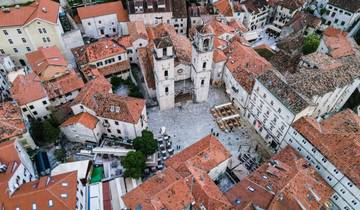
2 days
From Tirana, 2 Days: Budva – Kotor
- ✓ Comprehensive Kotor tour
- ✓ Expert local guides included
- ✓ All accommodation arranged
- ✓ Transportation provided
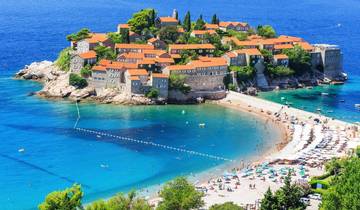
1 days
From Tirana/Durres/Golem -> Montenegro: Budva & Kotor day tour
- ✓ Comprehensive Kotor tour
- ✓ Expert local guides included
- ✓ All accommodation arranged
- ✓ Transportation provided
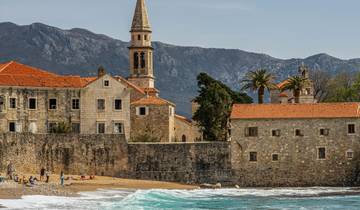
2 days
Tour of Montenegro and Kosovo in 2 days from Tirana or Durres
- ✓ Comprehensive Kotor tour
- ✓ Expert local guides included
- ✓ All accommodation arranged
- ✓ Transportation provided
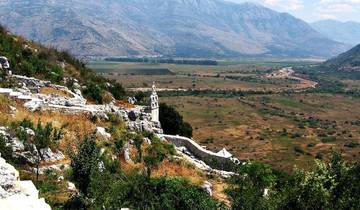
3 days
All seasons 3 days micro tour to Montenegro and Bosnia from Dubrovnik. Visit Venetians towns, monasteries, taste Herzegovina wines. Gorgeous scenery!
- ✓ Comprehensive Kotor tour
- ✓ Expert local guides included
- ✓ All accommodation arranged
- ✓ Transportation provided
Multi-day tour packages powered by TourRadar. Prices and availability subject to change.
Introduction
The UNESCO World Heritage Site of Kotor sits at the deepest point of Europe’s southernmost fjord-like bay, where ancient Venetian walls climb limestone cliffs rising dramatically from calm Adriatic waters. This extraordinary geography creates one of the Mediterranean’s most visually stunning urban landscapes, but it also means Kotor’s compact medieval core experiences wildly varying crowd dynamics depending on season and cruise ship schedules. Understanding when to visit Kotor in 2026 requires weighing multiple factors that change dramatically month by month: Mediterranean weather patterns ranging from winter rainfall to summer heat, cruise ship arrival schedules that can multiply the Old Town’s population tenfold within hours, accommodation pricing that fluctuates by 200% between seasons, and cultural events that transform the bay into a stage for centuries-old traditions.
The timing question for Kotor differs fundamentally from most European destinations because cruise tourism has become the dominant variable shaping visitor experience. A Tuesday morning in late July might find 12,000 cruise passengers concentrated in the same 0.35-square-kilometer Old Town, while that same location on a January Wednesday afternoon reveals empty stone streets echoing footsteps and cats outnumbering tourists. This dramatic seasonal transformation means there is no single “best time” that applies universally—the optimal month depends entirely on whether you prioritize weather perfection and vibrant energy versus atmospheric tranquility and budget value, whether you’re planning a first-time visit to capture iconic experiences or returning for deeper cultural immersion.
Montenegro’s geographic position on the Adriatic gives Kotor a Mediterranean climate with hot dry summers and mild wet winters, but the Bay of Kotor’s fjord-like topography creates unique microclimates. The towering Vrmac Ridge and Mount Lovćen walls trap weather systems and block sun angles in ways that make Kotor’s conditions differ from nearby coastal towns like Budva or Tivat. Winter mornings can see the Old Town shrouded in mist while sunshine bathes the outer bay, and summer afternoons bring shade earlier than expected as the sun dips behind western peaks. These geographic quirks combine with tourism patterns to create distinct seasonal windows, each offering particular advantages and accepting specific compromises.
This comprehensive 2026 planning guide examines Kotor’s seasons month by month, analyzes cruise ship impacts on crowd levels and daily rhythms, evaluates weather patterns for different activities from fortress climbing to bay boat tours, breaks down accommodation pricing dynamics across seasons, highlights cultural events worth planning around, and provides strategic timing recommendations for different traveler types and priorities. Whether you’re deciding between May’s spring freshness and September’s autumn warmth, wondering if October’s shoulder season delivers adequate weather, calculating whether winter’s dramatic price drops justify wetter conditions, or trying to experience Bokeljska Noć’s lantern boat parade without summer’s overwhelming crowds, this guide provides the detailed seasonal analysis needed to choose your optimal Kotor timing in 2026.
Understanding Kotor’s Cruise Season Impact 2026
Cruise ship arrivals fundamentally transform Kotor’s daily character during the April-October season, creating two entirely different experiences in the same destination depending on whether multiple ships sit docked in the bay. The compact Old Town measures just 0.35 square kilometers with a permanent resident population around 1,000 people, so the arrival of even a single cruise ship carrying 2,000-4,000 passengers instantly changes crowd dynamics from manageable to overwhelming. Modern cruise ships visiting Kotor range from boutique vessels carrying 400-900 passengers to mega-ships like the Enchanted Princess with 4,402 passengers, and on peak summer days the port receives three to five ships simultaneously. This means 8,000-15,000 cruise passengers converging on the same narrow medieval streets, the same handful of viewpoints, the same cafes and souvenir shops, all within the same 6-8 hour window when ships are docked.
The 2026 cruise schedule shows clear seasonal patterns that directly inform optimal visit timing. April marks the season’s beginning with ships arriving sporadically, typically 2-4 per week concentrated on weekends. May increases frequency to daily arrivals but usually just one ship per day, keeping crowds manageable. June accelerates toward peak season with multiple ships most days. July and August represent absolute peak cruise season when Kotor receives 4-6 ships daily including the largest vessels, creating the most intense crowding of the year. September maintains heavy cruise traffic early in the month before gradually decreasing through October. By November, cruise ships largely disappear, not returning until the following April. This pattern means May and late September-early October offer the best compromise—cruise ships present but not overwhelming, while mid-July through mid-August delivers maximum cruise impact.
Cruise passenger behavior follows predictable patterns that savvy independent travelers can work around. Ships typically dock between 7-9 AM, with passengers disembarking by 9-10 AM after breakfast onboard. The vast majority follow organized shore excursions or self-guided routes hitting the same highlights: entering through the Sea Gate, walking the main Stari Grad street, visiting St. Tryphon Cathedral, shopping the souvenir corridor, and queuing for the fortress climb. Peak Old Town congestion occurs 10 AM-4 PM when cruise passengers overlap with land-based tourists. By 4-5 PM, cruise passengers must return to ships for departure, usually between 5-7 PM. This creates a strategic opportunity: very early morning before 9 AM and evening after 5 PM offer dramatically reduced crowds even during peak cruise season, revealing the Old Town’s authentic medieval atmosphere despite ships sitting in the bay.
Different cruise lines anchor different nationalities and demographics, affecting Old Town atmosphere. Princess, Royal Caribbean, Norwegian, and Celebrity bring predominantly American, British, and Northern European passengers on Mediterranean itineraries. MSC and Costa attract more European passengers including large groups from Serbia, Italy, and Germany. Viking targets older, more culturally-focused travelers who move at a different pace than mega-ship passengers. July-August weekends can see 20,000+ cruise passengers in a single day when multiple mega-ships coincide, making weekend avoidance advisable during peak summer for independent travelers seeking manageable conditions. Tuesday-Thursday in May, early June, or September typically sees lighter cruise traffic compared to weekends and Monday arrivals.
The fortress climb experiences the most dramatic cruise-related crowding. The 1,350-step ascent to San Giovanni Fortress remains Kotor’s signature experience, but during peak cruise hours July-August, the narrow stone stairways become single-file traffic jams with waits at bottleneck points and the summit crowded with dozens of visitors competing for the same viewpoint photos. Early morning fortress climbs starting 6-7 AM encounter virtually empty stairs and allow peaceful enjoyment of Bay of Kotor sunrise views before the heat and crowds arrive. Late afternoon climbs after 5 PM work less well because the bay falls into shadow as the sun sets behind western mountains, reducing photographic quality despite thinner crowds.
Financial impacts of cruise season extend beyond crowds. Restaurants within the Old Town walls raise prices during July-August cruise season, with waterfront cafes charging €6-8 for coffee during peak season versus €3-4 in winter. Souvenir quality often drops during cruise season as shops stock cheaper mass-produced items for cruise passengers unlikely to return, while winter reveals better artisan goods for locals and serious collectors. The fortress entrance fee remains consistent year-round at €8, but summer queues mean more time spent waiting than winter’s walk-straight-in access. Water taxi and boat tour operators charge premium rates July-August when demand peaks, with day trips to Blue Cave or Perast costing 30-50% more than shoulder season equivalent tours.
Month-by-Month Weather Breakdown for Kotor 2026
Kotor’s Mediterranean climate in 2026 progresses through distinct seasonal phases, each creating different conditions for the area’s signature activities from Old Town exploration to fortress climbing to bay boat trips. Understanding specific monthly weather patterns allows matching travel dates to intended activities and personal temperature preferences.
January-February 2026: Winter Chill
January 2026 brings Kotor’s coldest conditions with average temperatures around 5-7°C, though daytime highs can reach 12-15°C on sunny days while nights occasionally drop near freezing. This month typically receives 165-180mm rainfall, the second-wettest after November, with 8-10 rainy days spread throughout the month. When storms arrive, they can be dramatic, with the Levanac wind bringing cold air masses from the interior mountains. However, sunny winter days reveal Kotor at its most atmospheric, with morning mist rising off the bay, snow-capped peaks surrounding the water, and golden light illuminating limestone walls without summer’s harsh glare. The Old Town feels genuinely medieval in winter—empty streets, wood smoke from chimneys, locals going about daily business without tourist influence.
February warms slightly to 8°C average with occasional 16-18°C days that hint at approaching spring. Rainfall decreases marginally from January but remains significant at 150-165mm. February’s major draw is the Kotor Winter Carnival running February 6-15, 2026, transforming the quiet winter town into a Venetian-style masked celebration with elaborate floats, satirical performances targeting politicians, traditional music, and the final carnival burning ceremony. The Mimosa Festival in nearby Herceg Novi (February 13-28) celebrates spring’s first blooms along the bay. These events inject energy into otherwise quiet winter months, though accommodation remains minimal since most visitors are regional rather than international tourists.
March 2026: Early Spring Transition
March marks the shift from winter to spring with average temperatures climbing to 11°C and daytime highs reaching 15-18°C. Rainfall remains substantial at 130-140mm but begins decreasing from winter peaks. The bay’s camellia flowers burst into bloom, particularly around Stoliv village which hosts the Days of Camellias festival from March 21 through late April. This transitional month sees unpredictable weather—sunny warm days can be followed by cold rainy periods, requiring flexible planning. The Old Town remains genuinely quiet with minimal tourists, revealing authentic daily Montenegrin life. Restaurants frequented by locals operate normal hours while tourist-focused establishments begin preparing for April’s season start. The fortress climb remains quite pleasant in March’s moderate temperatures, avoiding both winter’s occasional harsh cold and summer’s baking heat.
April 2026: Shoulder Season Begins
April 2026 represents a pivotal month when Kotor transitions from off-season to tourism season. Average temperatures reach 15°C with pleasant 18-22°C afternoons, though mornings remain cool enough for light jackets. Rainfall drops to 100-120mm but April’s weather can be unpredictable—long sunny stretches interrupted by sudden rainy days. The Kotor Cable Car reopens April 1 after winter closure, providing spectacular views over the bay without the fortress climb. Cruise ships return in early April, initially just a few per week concentrated on weekends, creating noticeable but not overwhelming crowds. Hotel rates remain 30-40% below summer peaks while restaurants and attractions fully reopen. April rewards those willing to accept some weather uncertainty with manageable crowds, spring freshness, and good value.
May 2026: Prime Shoulder Season
May 2026 delivers Kotor at its most balanced—warm Mediterranean weather stabilizes to consistent 20-24°C, rainfall drops to 80-100mm with mostly dry days, spring green covers the mountains, and cruise ships arrive daily but typically just one per day keeping crowds tolerable. May’s 15-hour daylight provides long exploration windows, while temperatures remain perfect for the fortress climb without summer’s oppressive heat. The bay’s water warms to 18-20°C—still cool for most swimmers but acceptable for hardy visitors. Local produce markets overflow with spring vegetables, asparagus, and fresh fish. May 1-3 brings Labour Day holidays when regional tourists from Serbia and Bosnia visit, slightly increasing crowds on this specific long weekend. Hotel rates rise from April but remain 20-30% below July-August peaks. Many travelers and travel experts identify May as Kotor’s single best month, offering the optimal combination of weather reliability, manageable crowds, operational restaurants and tours, and reasonable pricing.
June 2026: Sweet Spot Before Peak Summer
June represents what local residents call the “sweet spot”—genuinely warm 24-28°C temperatures, minimal rainfall around 60mm, 15 hours of daily sunshine, and sea temperatures reaching 22-24°C comfortable for swimming, but cruise crowds haven’t yet reached July-August intensity. Multiple ships arrive most days but rarely the four-five ship overlaps common in peak summer. June’s weather perfection makes every outdoor activity pleasant from early morning fortress climbs to afternoon boat tours to evening waterfront dining. This month sees European school holidays beginning late in the month, so early June offers better crowd management than late June. Accommodation rates climb to within 10-15% of peak summer pricing as June’s popularity increases. The Kotor Art Festival’s early programming sometimes begins late June, providing cultural events without peak-season chaos.
July-August 2026: Peak Summer Intensity
July and August 2026 represent Kotor’s absolute peak season—simultaneously the best and worst time depending on priorities. Weather reaches perfection: average temperatures 26-28°C, virtually no rainfall (40-50mm across both months combined), 10 hours daily sunshine, and sea temperatures 25-26°C ideal for extended swimming. Every beach club, boat tour, and water activity operates at full capacity. However, crowds reach overwhelming levels as European school holidays bring land-based tourists while cruise ships arrive in maximum numbers and sizes. Four to six ships docking simultaneously becomes routine, flooding the compact Old Town with 10,000-15,000 cruise passengers plus land-based tourists, creating wall-to-wall crowds on main streets, 30-minute fortress entrance queues, and fully booked popular restaurants.
July features Bokeljska Noć (typically late July), the spectacular lantern boat parade when dozens of illuminated boats decorated with flowers and lights process through the bay at night, culminating in fireworks. This centuries-old maritime tradition represents one of Montenegro’s most photogenic events, but it coincides with peak-season crowds. The Kotor Art Festival runs July-August with daily performances, exhibitions, and concerts featuring international artists, adding cultural depth to summer visits. August reaches the year’s highest temperatures, occasionally spiking above 32°C, making midday hours punishing for fortress climbing or Old Town exploration without shade. Accommodation prices peak in July-August, with Old Town hotels charging 2-3 times winter rates and requiring 3-6 month advance booking.
September 2026: Golden Autumn
September 2026 delivers what many residents consider Kotor’s most pleasant month—summer warmth continues with 24-26°C temperatures, the sea remains 23-25°C at its annual warmest, rainfall stays low at 90-100mm, but crucially, crowds thin dramatically. European schools resume early September, immediately reducing family tourism, while cruise schedules begin decreasing mid-month. Early September still sees multiple daily cruise ships, but by late September arrivals drop to one ship daily or every other day, creating the perfect balance of operational tourism infrastructure without overwhelming crowds. The bay’s water actually reaches its warmest in September as months of summer sun heat the enclosed fjord. Late afternoon light takes on golden autumn quality excellent for photography. Hotel rates drop 20-30% from August peaks while restaurants and attractions remain fully operational, making September exceptional value for weather quality received.
October 2026: Late Shoulder Season
October 2026 extends Kotor’s pleasant weather into autumn with average temperatures around 19°C and many 22-24°C afternoon highs in early October, though by month’s end, conditions cool noticeably to 16-18°C. Rainfall increases to 130-150mm as autumn storms become more frequent. The sea remains swimmable through mid-October at 20-22°C for those comfortable with cooler water, while later October’s 18-19°C water temperature deters most swimmers. Cruise ships continue through October but with dramatically reduced frequency—perhaps 2-3 per week by mid-month, often none on weekdays. This creates magical conditions where the Old Town reveals its authentic character with minimal tourists but weather remains pleasant for sightseeing. Many private beach clubs close by late October, though public beaches remain accessible. Hotel rates drop 40-50% from summer peaks, making October excellent value. October suits travelers prioritizing tranquility over guaranteed perfect weather, comfortable with occasional rain in exchange for empty streets and genuine local atmosphere.
November-December 2026: Return to Winter
November marks Kotor’s transition to winter with temperatures dropping to 14°C average and rainfall spiking to 165-180mm, making it the year’s wettest month alongside December. Gray skies, frequent rain, and occasional dramatic storms off the Adriatic become the norm. The last cruise ships depart by early November, tourism infrastructure contracts as many tour operators close for winter, and the Old Town settles into its quiet local character. December continues winter patterns with 9°C average temperatures and 170-185mm rainfall, though Christmas season brings modest decoration and some regional tourists. Accommodation reaches annual lows—Old Town hotels charging €200-300 in summer drop to €80-120 in winter. November-December suit travelers seeking winter atmosphere, cultural authenticity, exceptional value, and complete avoidance of crowds, accepting that outdoor activities become weather-dependent and swimming isn’t viable.
Cruise Season vs Quiet Months: The Fundamental Choice 2026
Choosing between Kotor’s cruise season and quiet months in 2026 represents a fundamental trade-off that shapes every aspect of your visit. These two periods offer such dramatically different experiences that they might as well be different destinations sharing the same medieval walls and mountain backdrop.
Cruise season (April-October) guarantees operational tourism infrastructure—every restaurant open, every tour running, every shop stocked, every attraction fully staffed with extended hours. You can book boat trips to Blue Cave, rent kayaks for bay exploration, join organized tours to Perast and Our Lady of the Rocks, reserve water taxis, access fortress facilities, and find English-speaking guides readily available. Summer months within cruise season (June-August) deliver perfect beach weather with 25-26°C sea temperatures, long daylight hours enabling full-day activities, and vibrant social atmosphere with crowded waterfront bars, live music venues, and fellow travelers creating communal energy. Major cultural events concentrate in cruise season: Bokeljska Noć’s lantern boat parade, Kotor Art Festival performances, summer concerts, and traditional celebrations.
However, cruise season’s operational abundance comes with significant compromises. Crowds transform the Old Town’s character—narrow streets become single-file traffic, popular viewpoints fill with dozens jockeying for photos, fortress stairs create bottleneck waits, and the authentic medieval atmosphere dissipates under tourist density. July-August’s 4-6 daily cruise ships can bring 15,000+ day visitors into a 0.35-square-kilometer space, creating conditions that many travelers find overwhelming. Pricing escalates dramatically—accommodation doubles or triples, restaurants raise menu prices 30-50%, boat tours charge premium rates, and advance booking becomes mandatory for quality hotels. The Old Town’s medieval architecture becomes merely a backdrop for tourist commerce rather than a living space where locals conduct daily life.
Quiet months (November-March) flip these dynamics entirely. The Old Town reveals its authentic character as a functioning medieval town where residents shop, socialize, and live without tourist influence. Walking streets at 8 AM on a January morning reveals empty stone corridors, cats sunning themselves on ancient steps, and locals greeting each other in Montenegrin without tourist interruption. Photography benefits from complete absence of crowds—capture iconic archways, fountains, and squares without waiting for frame-clear moments. Accommodation pricing drops 50-60% below summer peaks, making luxury hotels affordable and basic hotels exceptionally cheap. The complete absence of cruise ships means the bay appears as it would have centuries ago—a natural fjord surrounded by mountains rather than a docking station for floating resorts.
Quiet months require accepting specific trade-offs. November-March brings 150-185mm monthly rainfall with frequent gray skies, cold rain, and occasional dramatic storms that limit outdoor activities and make fortress climbing unpleasant. Swimming becomes non-viable with water temperatures dropping to 14-16°C. Many tourist-focused businesses close—some boat tour operators cease operations entirely, certain restaurants shut for winter, and tour guide services become harder to arrange. Beach clubs close, water taxis operate limited hours, and the tourism infrastructure contracts to serve primarily local needs rather than visitor demands. Winter weather’s unpredictability means activities depend on daily conditions rather than guaranteed sunshine.
The fundamental choice comes down to prioritization: do you value guaranteed operational access, perfect weather, vibrant atmosphere, and summer beach conditions while accepting crowds and premium pricing? Or do you prioritize authentic cultural experience, atmospheric medieval tranquility, exceptional value, and genuine local character while accepting weather uncertainty and reduced tourism services? Neither answer is wrong—they represent different travel philosophies and different definitions of ideal experiences. First-time visitors often prefer cruise season to ensure they can access all the experiences Kotor offers, while return visitors frequently choose quiet months to see the destination’s genuine character without tourist overlay.
Optimal Months for Different Activities in Kotor 2026
Kotor’s various activities perform best during different months, allowing strategic planning based on your primary interests.
Fortress Climbing Optimal Timing 2026
The 1,350-step climb to San Giovanni Fortress remains Kotor’s signature experience, but optimal timing dramatically affects both physical comfort and experiential quality. May and September emerge as the best fortress climbing months—temperatures stay comfortable at 20-26°C, avoiding both winter’s occasional bitter cold and summer’s oppressive heat. The climb takes 45-90 minutes depending on fitness level and photo stops, generating significant body heat even in cool weather, so temperatures above 28°C make the unshaded stone stairs punishing. Early morning climbs (6-8 AM) work best year-round, offering cooler temperatures, virtually empty stairs regardless of season, and beautiful sunrise light over the bay. Summer sunset climbs (6-8 PM) face the problem that the bay falls into shadow as the sun sets behind western mountains, reducing photographic appeal despite thinner crowds.
April and October deliver acceptable fortress climbing conditions with temperatures around 18-22°C, though April’s unpredictable weather might bring rain while October increasingly sees wet days. June and early July remain viable if climbing very early morning before heat builds. Mid-July through August makes the fortress climb genuinely difficult during midday hours when stone stairs radiate stored heat and temperatures exceed 30°C with no shade—only attempt during peak summer if starting before 7 AM or comfortable with physical challenge. Winter months November-March bring the opposite problem: occasional cold rain and wind make the exposed climb unpleasant, though dry winter days with temperatures around 12-15°C offer excellent climbing conditions with completely empty stairs.
Bay Boat Tours and Kayaking Best Months 2026
Boat tours to Blue Cave, Our Lady of the Rocks island, Perast, and surrounding bay attractions operate most reliably May through October, with peak season July-August seeing maximum daily tour departures and widest variety of operators. June-September delivers the best on-water conditions—calm bay waters, warm temperatures making spray pleasant, excellent swimming conditions at Blue Cave, and comfortable weather for extended time on open boats. Sea temperatures reach swimming-friendly levels (22-26°C) June through September, with August warmest.
May and early October offer the best boat tour value—tours operate regularly, prices remain 30-40% below July-August peaks, and popular sites like Blue Cave and Our Lady of the Rocks see manageable crowds. Late September and October increasingly face weather uncertainty as autumn storms arrive, and some operators reduce schedules or close for season by November. November-March sees most boat tour operators closed entirely, with only a few year-round services running on-demand for small groups, weather-dependent. Winter boat tours can be spectacular during clear days—snow-capped mountains, mirror-still water, completely empty sites—but require flexible scheduling around weather and limited operator availability.
Swimming and Beach Activities Timing 2026
Swimming in the Bay of Kotor and nearby beaches follows clear seasonal windows. July-September delivers optimal swimming with sea temperatures 23-26°C, August warmest at 26°C. June and early October remain acceptable for most swimmers at 22-23°C, though water feels cooler than Mediterranean destinations with more open water exchange. May’s 18-20°C water attracts hardy swimmers comfortable with cool conditions but deters most casual swimmers. April and late October’s 16-18°C water becomes truly cold, viable only for enthusiasts. November-March’s 14-16°C water is wetsuit territory for winter swimmers.
Beach clubs along the bay and nearby Budva Riviera operate full services June-September with umbrellas, loungers, restaurants, and water sports equipment. May sees most beach clubs opening but with reduced hours and services, while October brings gradual closures starting with private clubs by mid-month though public beaches remain accessible. November-March finds most beach facilities closed, though determined swimmers can access public beaches year-round.
Photography Optimal Timing 2026
Photography in Kotor benefits from different seasonal conditions depending on desired aesthetic. May and September deliver excellent all-around photography weather—clear skies, good light quality, moderate temperatures allowing comfortable long shooting sessions, and manageable crowds permitting architectural detail and street scene photography. Spring’s lush green mountains create dramatic backdrops, while autumn’s golden light provides warmer tones.
June-August’s intense summer light creates harsh midday shadows but beautiful golden hour light during long evenings. However, summer crowds make crowd-free architectural photography nearly impossible during cruise ship hours 10 AM-5 PM. Winter months November-March offer Kotor’s most atmospheric photography—morning mist rising from the bay, dramatic storm clouds, snow-capped peaks, completely empty medieval streets, and low winter light creating long shadows. However, winter requires patience and flexibility as gray overcast days dominate, and rain frequently disrupts shooting plans. Sunrise photography works year-round since the Old Town remains empty before 8 AM regardless of season, with May-September providing the most reliable clear-sky sunrises.
Cultural Event Planning 2026
Kotor’s cultural calendar concentrates major events in specific months, allowing event-focused visit planning. February brings two significant celebrations: the Kotor Winter Carnival (February 6-15, 2026) transforms the quiet winter town into a Venetian-masked festival with satirical floats and traditional performances, while St. Tryphon’s Day (February 3) honors Kotor’s patron saint with religious processions and the Boka Navy’s traditional marching ceremony. The nearby Mimosa Festival in Herceg Novi (February 13-28) celebrates spring’s first blooms with outdoor concerts and cultural events.
Late July brings Bokeljska Noć, the spectacular centuries-old lantern boat parade when dozens of illuminated boats decorated with flowers and lights process through the bay at night, culminating in fireworks over the water. This represents one of Montenegro’s most photogenic traditional events, though it coincides with peak cruise season crowds. July-August hosts the Kotor Art Festival featuring daily international performances, exhibitions, and concerts in Old Town venues, adding significant cultural programming to summer visits. The Fašinada Festival in nearby Perast (typically July) celebrates maritime traditions with stone-throwing ceremonies and decorated boat processions. These major events provide compelling reasons to visit specific months, though summer cultural events come packaged with peak-season crowds and pricing.
Accommodation Pricing Patterns Across Kotor Seasons 2026
Hotel and apartment pricing in Kotor fluctuates by 200-300% between winter lows and summer peaks, making seasonal timing a major budget factor. Understanding these pricing patterns allows strategic booking for value or acceptance of premium rates for peak-season benefits.
Winter months November-March deliver the lowest accommodation rates of the year. Old Town boutique hotels charging €200-300 per night in July-August drop to €80-120 in winter, representing 60% discounts. Basic guesthouses and apartments outside the walls fall to €40-60 nightly compared to €120-180 in summer. These winter rates reflect genuinely low demand—hotels would rather accept steep discounts than sit empty during months when tourism nearly ceases. Winter accommodation often includes additional perks like complimentary breakfast, room upgrades, or flexible cancellation since properties have excess capacity.
Shoulder season April-May and late September-October sees pricing rise but remain manageable. April rates climb to roughly 40% below summer peaks as the season begins, while May increases to 20-30% below July-August. Late September and October reverse this pattern, starting near summer rates early September before declining through October as the season winds down. Shoulder season accommodation offers the best value-to-weather ratio—paying 20-30% less than peak summer for 80-90% of the weather quality and significantly reduced crowds. Booking 1-2 months ahead secures good options, whereas winter allows last-minute booking and summer demands 3-6 month advance planning.
Peak summer June-August brings maximum pricing and minimum availability. Quality Old Town hotels sell out completely for July-August weekends, requiring 4-6 month advance booking. Rates reach annual peaks—boutique hotels €250-400 nightly, mid-range properties €150-220, basic accommodation €100-140. Waterfront locations and Old Town properties command premiums over bay hotels outside the walls. Late June through mid-August shows limited price differentiation as everything operates at peak rates. Some properties implement minimum 3-5 night stays during July-August weekends. Last-minute summer booking often finds only expensive options or inconvenient locations remaining available.
Alternative accommodation strategies can reduce costs during expensive months. Properties in Dobrota (2-3 kilometers north along the bay) cost 30-40% less than equivalent Old Town locations while offering easy 15-minute walks to the walls plus quieter beach-town atmosphere. Perast, Risan, and other bay towns provide 40-50% savings versus Kotor Old Town with short bus or water taxi access. Budva, 30 minutes by car, offers more accommodation options at lower rates during peak season, though it adds daily commuting. Booking platforms sometimes show better rates than hotel direct websites during shoulder seasons due to competitive discounting, while direct booking can secure better rates for longer stays negotiated with properties.
Strategic Visit Timing Based on Traveler Type 2026
Optimal Kotor timing varies significantly based on traveler priorities, group composition, and specific interests.
First-Time Visitors to Kotor 2026
First-time visitors benefit from May, June, or September when weather reliability ensures you can experience Kotor’s signature elements—fortress climb, Old Town exploration, boat tour to Blue Cave or Our Lady of the Rocks, waterfront dining—without weather disrupting plans. May and September deliver the best overall first-timer experience: warm reliable weather, operational tourism infrastructure, manageable crowds allowing quality time at major sites, and good value on accommodation and dining. June works well if visiting early in the month before schools let out, accepting slightly higher costs for warmer swimming conditions. July-August guarantees perfect weather but subjects first-timers to overwhelming crowds that compromise the experience, making iconic locations feel like theme parks rather than medieval heritage sites.
Families with Children Timing 2026
Families face constraints around school schedules, limiting most to summer months. Early June and September offer the best family timing if schedules allow—weather warm enough for beach days and swimming, activities fully operational, but crowds manageable compared to July-August peaks. The fortress climb challenges young children regardless of season due to 1,350 steps, but May-June and September temperatures make it feasible, whereas July-August heat makes it genuinely difficult for kids. Family accommodation costs spike in July-August when demand peaks, so early June or September booking delivers 20-30% savings. April school holidays (Easter break) provide acceptable family timing with pleasant weather and spring freshness, though water remains too cold for most swimming.
Budget Travelers Optimal Timing 2026
Budget-conscious travelers should target November-March for maximum value, accepting weather trade-offs for dramatic cost savings. Winter accommodation runs 50-60% below summer rates, restaurants charge local prices without tourist markups, attraction entrance fees remain constant but without summer queues, and winter’s empty streets mean you don’t need expensive guided tours to navigate the Old Town. However, budget winter travel requires flexibility—plan indoor activities for rainy days, bring appropriate rain gear, accept that some services close, and prepare for genuine cold during January-February. April and October provide moderate budget value, 30-40% cheaper than summer while maintaining most tourism services.
Photographers and Content Creators 2026
Professional photographers and content creators face a choice between summer’s reliable weather but overwhelming crowds versus winter’s atmospheric conditions with complete crowd absence. May and September offer compromise—good weather reliability, acceptable light quality, moderate crowds that can be avoided by shooting early morning or evening. However, the most dramatic and unique Kotor photography comes during winter months when morning mist, storm clouds, snow-capped peaks, and completely empty medieval streets create atmospheric images impossible during tourist season. Winter photography requires patience for weather windows, backup days for rain, and comfort shooting in cold conditions, but rewards these challenges with genuinely distinctive images unavailable in summer.
Cultural Immersion and Language Learning 2026
Travelers prioritizing cultural immersion, language practice, and authentic local interaction should avoid peak cruise season July-August when tourist density overwhelms local character. November-March provides maximum cultural immersion—locals conducting normal daily life, shop owners and restaurant staff having time for conversations, genuine Montenegrin atmosphere without tourist overlay, and opportunity to observe traditional customs and holidays. May and October offer cultural depth while maintaining tourist services—locals not yet exhausted by tourist season (May) or relieved after summer ends (October), making them more open to interactions. Learning or practicing Montenegrin language becomes nearly impossible during July-August peak when everyone defaults to English for tourists, whereas winter forces more local language use.
Repeat Visitors Seeking Deeper Experiences 2026
Return visitors who’ve already seen Kotor’s major sites during previous trips should specifically target off-season November-March to experience the destination’s completely different winter character. After seeing Kotor during tourist season, winter reveals how the medieval town functions as an actual living community rather than a tourist attraction. Repeat visitors can appreciate winter’s trade-offs—weather uncertainty and reduced services—because they’ve already captured perfect-weather photos, climbed the fortress in ideal conditions, and toured all major sites. Winter returns offer depth over breadth: long conversations with shop owners during quiet hours, discovering restaurants only locals frequent, observing traditional customs and daily rhythms, and understanding how the Bay of Kotor’s culture persists beyond tourism.
Avoiding Crowds: Strategic Timing Within Peak Season 2026
If July-August timing becomes necessary due to vacation schedules or other constraints, specific strategies minimize crowd exposure even during peak season.
Early morning routine provides the single most effective crowd avoidance strategy. The Old Town remains genuinely empty before 9 AM regardless of season—even on days when four cruise ships sit in the bay. Cruise passengers eat breakfast onboard before disembarking, while land-based tourists sleep late after previous evening’s activities. This creates a 6-9 AM window when you can walk entirely empty streets, photograph architectural details without people, and climb the fortress virtually alone. Scheduling each day’s primary activity for early morning, then retreating to hotels, beaches, or boat tours during peak midday crowds (10 AM-4 PM) before returning for evening exploration after cruise ships depart creates a fundamentally different peak-season experience.
Weekday visits during July-August experience marginally lighter crowds than weekends when regional tourists from Serbia, Bosnia, and other Balkan countries pour in for weekend getaways, adding to existing cruise and international tourist numbers. Tuesday-Thursday typically sees fewer cruise ships than Friday-Monday peak. Choosing accommodation outside the Old Town walls in Dobrota, Muo, or other bay settlements allows evening beach relaxation away from tourist density while maintaining easy access to Kotor for early morning and evening visits.
Alternative timing strategies include visiting during cruise ship departure windows. Check daily cruise ship schedules posted on the Port of Kotor website and plan Old Town visits when no ships are docked or during the late afternoon 4-6 PM window when cruise passengers must return to ships before departure. A day with zero cruise ships docked, even during July-August, reduces Old Town crowding by 70-80% compared to 4-ship days.
Exploring beyond Kotor provides peak-season relief. Perast (20 minutes up the bay) sees cruise tour groups but remains substantially less crowded than Kotor, offering similar medieval charm with better water access. Risan’s Roman mosaics attract minimal tourists. The Ladder of Kotor hiking trail provides dramatic views with a fraction of the fortress climb crowds. Boat tours to less-visited bay locations like Lipci village or Mamula Island avoid the Blue Cave’s peak-season congestion.
Weather Contingencies and Backup Planning 2026
Weather-dependent visit planning requires backup options, particularly during shoulder and winter months when conditions become less predictable.
April and October shoulder seasons deliver mostly good weather with occasional rain days. Monitor extended forecasts in the week before your visit and maintain flexible activity scheduling. Rain days suit indoor activities: Maritime Museum detailed examination, St. Tryphon Cathedral architectural study, shopping the Old Town’s covered passages, extended café sessions with coffee and local pastries. Many Old Town restaurants have covered outdoor seating or fully enclosed sections that allow atmospheric dining regardless of weather. The fortress climb becomes genuinely unpleasant during rain—wet slippery stones, poor visibility, and no photo opportunities—so save this signature experience for clear-day guarantees.
Winter visits require greatest weather flexibility. Plan 4-5 days minimum for any specific activity requiring clear weather, allowing backup days for poor conditions. Montenegro’s compact geography enables rainy-day pivots—if the Bay of Kotor experiences storms, drive 90 minutes to Lovćen National Park for mountain scenery, or visit Cetinje’s museums and former royal buildings. Perast’s Our Lady of the Rocks island remains accessible during poor weather since boat transfers run year-round and the small church provides indoor exploration. The Old Town’s museums, churches, and covered shopping areas allow full-day indoor itineraries during winter rain.
Mediterranean storms can be dramatic but typically pass quickly. Rather than canceling outdoor plans at first rain, wait 1-2 hours—Mediterranean weather systems often move through rapidly, leaving clear afternoon conditions. Conversely, morning sunshine during winter doesn’t guarantee all-day clear weather, so prioritize weather-dependent activities early in the day before potential afternoon deterioration.
Major Cultural Events Calendar for Kotor 2026
Planning visits around Kotor’s cultural events adds depth and unique experiences, though major summer events coincide with peak tourist season.
February 2026 Cultural Calendar
St. Tryphon’s Day (February 3, 2026) honors Kotor’s patron saint with Catholic religious processions, the traditional Boka Navy marching ceremony featuring members in black uniforms with gold embroidery performing precise formations in Arms Square, and church choir performances. This 12-century-old celebration represents authentic local tradition rather than tourist-oriented event.
Kotor Winter Carnival (February 6-15, 2026) transforms the quiet winter town into a Venetian-style masked festival. The carnival opens February 6 at Arms Square with official ceremonies featuring majorettes and the carnival flag raising, continues with children’s costume balls, creative mask-making workshops, satirical newspaper Karampana celebrating 100 years, and traditional Carnival Gnocchi Night. The Grand Masquerade Ball at Hyatt Regency features live music performances, while February 15 brings the grand finale—carnival parade through Old Town streets, trial and burning of the carnival figure representing winter’s evils, and live music program. This event attracts primarily regional visitors from across the Balkans rather than international tourists, providing genuine cultural immersion.
Mimosa Festival (February 13-28, 2026) in nearby Herceg Novi celebrates the mimosa flower symbolizing spring’s arrival along the Bay of Kotor. The two-week festival features wind orchestra performances, majorettes parades, ladies frying fresh fish in streets and squares, masked balls, art exhibitions, and the festival’s closing bonfire ceremony burning a doll representing evil spirits. The mimosa bloom covers hillsides in bright yellow during this period, creating excellent photography opportunities.
March-April 2026 Events
Days of Camellias (March 21-late April 2026) celebrates the camellia flower throughout Boka Kotorska, with main events in Stoliv village. The festival includes flower exhibitions showcasing camellias brought to the region from the Far East centuries ago, theater performances, outdoor workshops, the Ball of Camellia formal dance, and election of the Lady of Camellia recognizing a socially engaged woman. Cultural programming continues throughout April with regattas, traditional boat events, and cultural evenings. The camellia gardens along the bay reach peak bloom during this period, particularly concentrated in Stoliv and surrounding villages.
July-August 2026 Summer Cultural Programming
Bokeljska Noć (typically late July 2026, exact date announced in spring) represents Kotor’s most spectacular traditional event. Dozens of beautifully decorated boats illuminated with lanterns and adorned with flowers process through the bay after sunset, creating luminous trails on dark water. The centuries-old maritime tradition involves families spending months decorating boats competing for prizes, but the true appeal lies in the communal celebration bringing together the entire bay community. The boat parade culminates in fireworks over the water with the Old Town and mountains as backdrop. This event attracts thousands of additional visitors, overwhelming local accommodation, so planning requires 4-6 month advance booking.
Kotor Art Festival (July-August 2026, typically 6-8 weeks of programming) celebrating its 20th anniversary brings daily cultural events featuring international and Montenegrin artists. Classical music concerts, theater performances, visual art exhibitions, and contemporary installations take place in Old Town venues including cathedral squares, palace courtyards, and waterfront locations. The festival attracts over 100 participating countries and provides significant cultural depth to summer visits, elevating Kotor beyond beach resort status into serious cultural destination. However, festival events price at €15-35 per performance, adding to summer’s already expensive accommodation and dining.
Fašinada Festival (typically mid-July 2026) in Perast celebrates the bay’s maritime heritage with a remarkable water procession of boats laden with stones, flowers, and flags. The tradition dates to 15th century Venetian explorers who created Our Lady of the Rocks artificial island by sinking stones. Local custom continues tossing stones into the bay each time sailors or fishermen return safely. The festival features art exhibitions, live tamburica music, special seafood dishes, and the ceremonial stone-throwing boat procession. While smaller than Bokeljska Noć, Fašinada provides intimate cultural experience in Perast’s charming setting.
Year-Round Weekly Events
Kotor’s farmers market operates year-round several mornings weekly (typically Tuesday, Thursday, Saturday) near the Old Town walls, offering local produce, cheeses, cured meats (pršut), honey, and handicrafts. Summer markets overflow with Mediterranean vegetables and fresh Adriatic fish, while winter markets feature preserved goods, mountain cheeses, and seasonal items. This authentic local experience requires no admission and allows interaction with regional farmers and producers.
Transportation and Accessibility Considerations 2026
Getting to and around Kotor varies significantly by season, affecting practical visit planning.
Tivat Airport, Montenegro’s primary coastal gateway, sits just 8 kilometers from Kotor, offering year-round flights but with dramatically different schedules by season. Summer June-September brings multiple daily flights from major European cities including London, Paris, Moscow, Belgrade, and seasonal connections from Germany, Scandinavia, and Eastern Europe. Budget carriers like Ryanair, easyJet, and Wizz Air operate peak-season routes. Winter flights contract substantially—November-March often sees just 2-4 weekly flights, primarily Belgrade and a few Western European capitals. This means winter visitors from distant origins often need to connect through Belgrade or other hubs, adding travel complexity.
Dubrovnik Airport (Croatia), 45 kilometers north of Kotor across the border, provides an alternative gateway with more extensive year-round international connections. However, the Croatia-Montenegro border crossing adds 30-60 minutes to transfer time depending on queues, and some car rental companies restrict cross-border travel requiring specific arrangements. Summer border queues can extend to 90 minutes on peak weekends, making Dubrovnik routing less appealing despite more flight options.
Public transportation within Montenegro operates reliably year-round but with reduced winter frequencies. Buses connect Kotor to Budva (30 minutes, €3-4), Herceg Novi (45 minutes, €4-5), Podgorica (2 hours, €8-10), and other Montenegrin destinations. Summer sees departures every 30-60 minutes on major routes, while winter drops to every 2-3 hours. Local buses around the Bay of Kotor run frequently connecting waterfront villages but can be difficult to decipher without local knowledge—buses make numerous stops through every bay-side settlement rather than express service.
Car rental provides maximum flexibility for exploring the bay and Montenegro’s interior, particularly valuable during shoulder and winter seasons when public transport frequencies drop. Summer car rental requires 2-3 week advance booking as demand peaks and inventory sells out. Winter allows last-minute rental with better rates. Parking within Kotor’s Old Town doesn’t exist—the entire medieval core is pedestrian-only. Paid parking lots sit outside the walls (€1-2 per hour, €10-15 daily) but fill completely during peak summer, requiring arrival before 9 AM or parking in Dobrota and walking 15 minutes.
Walking remains the primary transportation within the compact Old Town and along the bay promenade. The medieval core measures just 400 meters across, entirely walkable in 10 minutes. However, summer heat makes midday walking uncomfortable, while winter rain requires appropriate footwear for slippery cobblestones. The fortress climb itself constitutes a significant physical activity—1,350 steps gaining 280 meters elevation—requiring reasonable fitness regardless of season but becoming considerably more challenging in July-August heat.
Accommodation Location Strategy for Different Seasons 2026
Where you stay significantly impacts your Kotor experience, with optimal location varying by season and preferences.
Old Town accommodation places you inside the UNESCO-protected medieval walls, offering immediate access to historical sites, restaurants, and atmospheric stone-street ambiance. You step out your hotel door directly into centuries-old passages with no commute. However, Old Town properties come with trade-offs: premium pricing (30-50% more than equivalent quality outside walls), potential noise from adjacent restaurants and bars until midnight, narrow streets preventing car access requiring luggage carrying from parking lots, and summer crowds making your hotel entrance a tourist thoroughfare. Old Town stays work best for short visits (1-3 days) prioritizing maximum time efficiency and immersion in medieval atmosphere, or during winter when crowds disappear and you appreciate staying inside the quiet historical core.
Dobrota (2-3 kilometers north along the bay) offers ideal balance for longer visits, particularly during shoulder and peak seasons. This waterfront town provides small pebble beaches, quieter atmosphere, lower accommodation costs (30-40% savings versus Old Town), easy parking, and seafront promenade walking that reaches Kotor’s Old Town in 15-20 minutes. Dobrota suits travelers wanting to combine historical sightseeing with beach relaxation, families with children preferring beach access, and those seeking peaceful evenings after busy daytime Old Town visits. Summer’s heat makes the 15-minute Dobrota-Kotor walk quite warm midday, but evening strolls remain pleasant.
Perast (12 kilometers north) presents an entirely different option—smaller village atmosphere, stunning baroque architecture, immediate access to Our Lady of the Rocks boat trips, peaceful ambiance even during peak season, but requiring car or bus for Kotor access. Perast works well for travelers prioritizing tranquility over convenience, those wanting to experience multiple bay towns with Kotor as day-trip destination rather than base, and photographers seeking baroque waterfront architecture rather than medieval walls. Perast accommodation runs 30-40% cheaper than Kotor Old Town with significantly better waterfront views, but the village offers fewer dining options, particularly in winter when some restaurants close.
Properties on the bay’s opposite shore (Prčanj, Stoliv, Muo) deliver genuine local character with minimal tourists, spectacular mountain views across the water, and lowest accommodation costs along the bay. These locations work well for independent travelers with cars, those seeking authentic Montenegrin village experience, and budget-conscious visitors. However, reaching Kotor requires driving around the bay head (20-30 minutes) or arranging boat transfers.
Frequently Asked Questions About Visiting Kotor 2026
Is Kotor too crowded to enjoy during summer 2026?
Kotor experiences genuine overcrowding during peak summer July-August 2026 when multiple large cruise ships dock daily, each carrying 2,000-4,400 passengers who converge on the compact 0.35-square-kilometer Old Town simultaneously. On the busiest days, 10,000-15,000 cruise passengers plus land-based tourists create wall-to-wall crowds on main streets, 30-60 minute fortress entrance queues, and packed restaurants. However, strategic timing dramatically improves the summer experience: visiting very early morning before 9 AM reveals completely empty medieval streets before cruise passengers disembark, while evening after 5 PM sees crowds dissipate as ships depart. Additionally, weekdays experience lighter traffic than weekends, and choosing accommodation outside the walls in Dobrota or other bay settlements allows retreat from tourist density. Summer remains enjoyable with proper planning—wake early for fortress climbs, retreat to beaches during midday peak crowds, and return to the Old Town for atmospheric evening dining after cruise ships depart.
What should I pack for Kotor depending on season in 2026?
Summer June-August 2026 packing requires sun protection focus: lightweight breathable clothing, sun hat, quality sunglasses, SPF 50+ sunscreen, comfortable walking sandals for Old Town cobblestones, swimsuit for bay swimming, light evening layers as coastal breezes cool evenings, and day pack for fortress climb carrying water. Spring and autumn shoulder seasons (April-May, September-October) need layering flexibility: mix of short and long sleeves, light jacket for evening and air-conditioned restaurants, comfortable closed-toe walking shoes, sun protection for warm days, light rain jacket or compact umbrella for occasional showers, and swimsuit for May-September bay swimming. Winter November-March requires genuine cold-weather preparation: warm jacket or coat, rain gear including waterproof jacket and umbrella, warm layers for 5-9°C temperatures, waterproof walking shoes with good traction for wet cobblestones, gloves and hat for particularly cold days, and quick-dry clothing since dampness persists in winter. Fortress climbing demands sturdy footwear year-round—ancient stone stairs with uneven surfaces require proper shoes regardless of season, with athletic shoes or hiking boots more appropriate than sandals or dress shoes.
Can I visit Kotor as a day trip or do I need multiple days in 2026?
Kotor accommodates day trips from nearby destinations like Dubrovnik, Budva, or cruise ships, but multiple-day stays allow substantially deeper experiences. A single day permits visiting Old Town highlights including St. Tryphon Cathedral, walking the main streets, shopping souvenir corridors, climbing the fortress (allow 2-3 hours including ascent, summit time, and descent), and waterfront dining. However, day-trip timing often coincides with peak cruise crowds 10 AM-4 PM, showing Kotor at its most congested. Multiple days enable strategic timing—very early morning fortress climbs before crowds arrive, evening Old Town exploration after cruise ships depart, day trips to Perast and Our Lady of the Rocks, boat tours to Blue Cave, hiking the Ladder of Kotor trail, visiting nearby bay towns, and experiencing Kotor’s different faces at various times. Three days provides ideal duration for comprehensive Kotor experience without rushing, allowing one day focused on Old Town and fortress, one day for bay boat tours and surrounding villages, and one flexible day for weather-dependent activities or simply relaxing at bay beaches.
How early should I book accommodation for different seasons in Kotor 2026?
Summer peak season July-August 2026 requires earliest booking—quality Old Town hotels sell out 4-6 months in advance for weekends, with 3-4 month advance booking securing decent options on weekdays. Waiting until 4-6 weeks before July-August visits leaves only expensive premium properties or less desirable locations available. June and early September need 2-3 month advance booking for good selection, while late September sees more flexibility with 4-6 weeks sufficient. Shoulder season April-May and October allows 4-8 week advance booking, providing good selection without summer’s pressure. Winter November-March offers maximum flexibility—properties maintain vacancies year-round and welcome last-minute bookings, often providing better rates for same-day or next-day arrivals than advance bookings as hotels prefer confirmed occupancy over empty rooms. Winter travelers can book just 1-2 weeks ahead or even arrive without reservations and find accommodation, though booking ahead secures preferred properties and locks in confirmed rates.
What is the water temperature for swimming in Kotor Bay throughout 2026?
Bay of Kotor water temperatures follow clear seasonal progression affecting swimming viability. January-March reaches annual coldest at 14-16°C, suitable only for cold-water swimming enthusiasts or wetsuit activities. April warms slightly to 16-18°C but remains genuinely cold for recreational swimming. May climbs to 18-20°C, attracting hardy swimmers comfortable with cool water but deterring most casual swimmers. June reaches comfortable swimming temperatures at 22-24°C suitable for extended swimming sessions. July-August delivers peak swimming conditions at 24-26°C with August warmest, water remaining comfortably warm throughout long beach days. September maintains excellent swimming at 23-25°C, often the year’s warmest as months of summer sun heat the enclosed bay. October cools gradually to 20-22°C in early October, remaining acceptable for cold-tolerant swimmers but by late October dropping to 18-19°C. November’s 16-18°C marks the return to genuinely cold conditions. These bay temperatures run 1-2°C warmer than open Adriatic due to the fjord’s enclosed nature, with shallow bay sections near beaches warming faster than deeper main channel waters.
Are Kotor’s restaurants and shops open year-round or do they close in winter 2026?
Kotor’s tourism infrastructure operates on two distinct schedules. Tourist-focused businesses within the Old Town walls—souvenir shops selling mass-produced items, restaurants on main tourist thoroughfares, tour agencies, and water sports operators—follow seasonal patterns. Most remain fully operational April-October with extended hours and maximum staffing, scale back in November with reduced hours, and some close entirely December-February for winter. By March, businesses begin reopening for the approaching season. However, restaurants and cafes serving primarily local clientele, family-owned konobas, bakeries, grocery stores, and essential services operate year-round with consistent hours since they depend on resident rather than tourist trade. Maritime Museum, St. Tryphon Cathedral, and major cultural sites maintain year-round operations though sometimes with reduced winter hours. The weekly farmers market continues throughout winter. Winter visitors find perfectly adequate dining options, grocery shopping, and essential services, but less variety than summer’s peak when every space operates as restaurant or shop. Boat tour operators present the clearest seasonal divide—most close entirely November-March, with only one or two year-round operators running weather-dependent tours on request. The fortress remains accessible year-round with the €8 entrance fee collected at the base, though ticket office hours may reduce slightly in winter.
How does the fortress climb difficulty change by season in Kotor 2026?
The 1,350-step climb to San Giovanni Fortress presents different challenges depending on season despite following the same physical route. Summer July-August creates the most difficult climbing conditions—stone stairs absorb and radiate heat while offering no shade, temperatures often exceed 30°C, and midday climbs become genuinely punishing especially on August’s hottest days. Attempting the summer fortress climb between 11 AM-4 PM risks heat exhaustion and transforms what should be an enjoyable experience into physical ordeal. However, very early morning summer climbs (6-8 AM) remain quite pleasant as temperatures stay moderate and stairs haven’t yet heated. Spring May-June and autumn September-October deliver ideal climbing conditions—20-26°C temperatures provide comfortable exertion warmth without excessive heat, moderate humidity, and pleasant conditions throughout most daylight hours. April and October bring acceptable climbing weather around 18-22°C though increasing risk of rain creating slippery wet stones. Winter November-March presents opposite challenges from summer—occasional cold wind, potential rain making stones slippery and visibility poor, and temperatures around 5-9°C requiring warm layers. However, dry clear winter days at 12-15°C offer excellent climbing conditions with completely empty stairs providing uninterrupted bay views. Physical difficulty (1,350 steps, 280-meter elevation gain, 45-90 minute duration) remains constant year-round, but temperature profoundly affects comfort level and safety considerations.
What is the best time to photograph Kotor without crowds in 2026?
Photographers seeking crowd-free Kotor shots should prioritize very early morning timing regardless of season, combined with strategic seasonal choice. The Old Town remains genuinely empty 6-9 AM every day of the year—cruise ships haven’t yet disembarked passengers, land-based tourists sleep late, and you can photograph architectural details, fountains, squares, and street scenes without people. Early morning light provides excellent quality for architecture particularly May-September when sunrise occurs early (5:30-6:30 AM) allowing multi-hour golden hour shooting. The fortress climb starting 6 AM delivers completely empty stairs and summit for unobstructed bay photography before crowds arrive around 9:30 AM. For photographers willing to accept potential weather challenges in exchange for truly distinctive shots unavailable during tourist season, winter November-March offers the most dramatic and uncrowded conditions—morning mist rising from the bay, snow-capped mountains, storm clouds, empty medieval streets at any hour, and low winter sun creating long shadows. However, winter requires patience waiting for clear-weather windows between rainy periods. May and September balance reliable weather with moderate crowds that can be managed through early morning shooting and weekday visits. The absolute worst photography timing combines July-August peak cruise season with midday shooting 11 AM-4 PM when harsh light, overwhelming crowds, and fortress queues create the most challenging conditions.
Should I base myself in Kotor or stay in nearby bay towns for 2026 visit?
The optimal Kotor base location depends on visit duration, travel style, and seasonal timing. Old Town Kotor accommodation works best for short visits (1-3 days) when you want to maximize every moment inside the medieval walls without commuting, for winter visits when quiet streets make staying in the historic core genuinely atmospheric, and for travelers without cars relying on walking access. However, Old Town locations cost 30-50% more than equivalent quality in nearby towns, bring potential noise from adjacent restaurants operating until midnight, lack parking requiring luggage carrying, and place you in the center of summer tourist chaos. Dobrota (2-3 kilometers north) emerges as the optimal compromise for visits of 4+ days, particularly during shoulder and peak seasons—waterfront location with small beaches, peaceful atmosphere for evening relaxation, easy 15-20 minute promenade walk to Old Town, parking availability, and 30-40% accommodation savings. Families with children particularly benefit from Dobrota’s beach access combined with Kotor proximity. Perast (12 kilometers north) suits travelers prioritizing tranquility and baroque village atmosphere over convenience, those with cars enabling easy Kotor day trips, and visitors treating the entire Bay of Kotor as their destination rather than focusing exclusively on Kotor town. Budget travelers should consider bay settlements on the opposite shore (Prčanj, Stoliv) offering lowest rates and authentic local character, accepting that reaching Kotor requires car or boat transfers.
Is it worth visiting Kotor during cruise season or should I avoid those months entirely in 2026?
Cruise season April-October delivers simultaneously the best weather conditions and most challenging crowd dynamics, requiring weighing priorities rather than avoiding these months entirely. Cruise season guarantees operational tourism infrastructure—every restaurant, shop, boat tour, and attraction operating at full capacity with extended hours, warm-to-hot Mediterranean weather reliable for outdoor activities, swimming viable June-September, and vibrant social atmosphere with numerous fellow travelers. Major cultural events including Bokeljska Noć lantern parade and Kotor Art Festival occur during cruise season, providing experiences unavailable in winter. However, July-August cruise season brings overwhelming crowds when 4-6 ships dock daily flooding the compact Old Town with 10,000+ day visitors. The key to successful cruise-season visits lies in strategic timing within these months: May and September deliver warm weather and operational infrastructure with significantly lighter cruise traffic than July-August; very early morning activity (before 9 AM) reveals empty Old Town regardless of cruise ships docked; and choosing accommodation outside Old Town walls allows retreat from tourist density. Cruise season suits first-time visitors wanting reliable weather and full operational access, active travelers prioritizing warm swimming and beach weather, and those able to wake early for crowd avoidance. Winter November-March appeals to return visitors seeking authentic local character, budget travelers prioritizing value over perfect weather, photographers wanting distinctive atmospheric shots, and those comfortable with weather uncertainty in exchange for genuine tranquility.