
Kotor Hidden Gems Guide: Off-the-Beaten-Path Bay Discoveries
Beyond Kotor’s crowded Old Town walls lie dozens of authentic villages, secret beaches, and mountain trails where local life continues unchanged by mass tourism. The Bay of Kotor region harbors hidden fortifications, family-run konobas serving recipes passed through generations, and viewpoints offering solitude alongside stunning vistas that rival the famous postcard perspectives.
Key Takeaways: Kotor’s Hidden Treasures
- Authentic Village Life: The bay’s coastal villages—Prčanj, Stoliv, Dobrota, and Orahovac—preserve centuries-old maritime traditions and Baroque architecture without tourist crowds, connected by scenic waterfront walking paths and local bus routes departing every 30-45 minutes from Kotor.
- Secret Swimming Spots: Hidden beaches like Žanjic and Mirišta on the Luštica Peninsula offer crystal-clear waters and pebble coves accessible only by boat or unmarked hiking trails, providing peaceful alternatives to the packed beaches near Kotor town.
- Mountain Trail Network: The Vrmac Ridge and lesser-known paths to Lovćen National Park deliver panoramic bay views without the crowds ascending the main Ladder of Kotor route, with trails ranging from easy two-hour walks to challenging full-day mountain traverses.
- Hidden Fortifications: Fort Vrmac, Španjola Fortress above Herceg Novi, and the quiet eastern paths of St. John’s fortress complex reveal Austro-Hungarian military architecture and sweeping vistas discovered by few visitors who venture beyond the main tourist circuits.
- Monastery Sanctuaries: Savina Monastery near Herceg Novi and the tiny island church of Our Lady of Škrpjela combine spiritual significance with artistic treasures and serene settings far removed from Old Town congestion, accessible via short boat rides or peaceful walks through olive groves.
- Culinary Authenticity: Family konobas in villages likeLjuta and Risan serve traditional Boka cuisine—black risotto, grilled octopus under peka bells, and local wines—in settings where fishermen still mend nets outside and menus change with the daily catch rather than tourist expectations.
People Also Ask About Kotor Hidden Gems
What are the most authentic villages near Kotor without tourist crowds?
Prčanj, located five kilometers north of Kotor along the bay road, preserves its identity as a historic maritime village with Baroque palaces, a monumental parish church, and waterfront promenades where locals gather for evening passeggiata. Stoliv, three kilometers south, offers similar authenticity with stone houses cascading down hillsides, family restaurants serving fresh seafood, and a centuries-old tradition of cultivating olive groves on steep terraced slopes. Orahovac, further south near Perast, maintains its fishing village character with boat-building workshops still crafting traditional wooden vessels and narrow alleys where laundry hangs between stone walls unchanged for generations. These villages connect via a scenic coastal footpath and local bus service, making exploration easy without rental cars.
Where can I find hidden beaches and swimming spots away from crowds?
The Luštica Peninsula hides several pristine beaches accessible only by boat or hiking trails that deter casual visitors. Žanjic Beach, reached by water taxi from Rose or via a steep 45-minute descent through pine forests, features turquoise waters, pebble shores, and a single rustic restaurant rather than resort development. Mirišta Beach, even more secluded, requires a 30-minute hike from the coastal road or boat access, offering complete solitude with dramatic cliff backdrops. The tiny cove below Fort Vrmac provides another secret swimming spot discovered by few, accessible via an unmarked trail descending from the fortress ruins. Our Lady of the Rocks island permits swimming from its northern shore outside visiting hours, creating a surreal experience of floating beside the baroque church with the entire bay spreading before you.
What lesser-known hiking trails offer great views without the crowds?
The Vrmac Ridge Trail, beginning near Troica village above Kotor, traverses the peninsula separating Kotor and Tivat bays through dense forests and open meadows, delivering spectacular dual-bay vistas without the crowds ascending St. John’s fortress. This moderate six-hour traverse crosses Fort Vrmac at its midpoint and descends to Tivat, with the fortress section providing the highlight: panoramic views from crumbling ramparts explored by perhaps a dozen hikers daily compared to thousands on the main Ladder of Kotor route. The eastern approach to Lovćen National Park from Njeguši village follows an old Austrian military road with sweeping bay perspectives, encountering only local shepherds and occasional cyclists rather than tour bus crowds. The coastal path connecting Dobrota to Prčanj stays at sea level but offers intimate village views and hidden swimming spots discovered by walking rather than driving past at 50 kilometers per hour.
Are there hidden historical sites beyond the famous fortifications?
Španjola Fortress, perched high above Herceg Novi on Mount Orjen’s lower slopes, remains a well-preserved Austro-Hungarian military complex with underground chambers, artillery positions, and commanding views across the bay entrance, yet receives only a fraction of visitors compared to Kotor’s walls. The fortress requires a steep 90-minute ascent from Herceg Novi’s Old Town through switchbacks offering progressively stunning vistas. The Roman mosaics at Risan, Montenegro’s oldest settlement, hide in plain sight beside the main road—third-century floor mosaics depicting Hypnos preserved under a simple protective structure, overlooked by most travelers rushing between Kotor and Perast. The Maritime Museum in Prčanj occupies a 17th-century captain’s palace and houses ship models, navigation instruments, and maritime paintings documenting the bay’s seafaring heritage, maintained by passionate local historians who provide detailed context absent from larger, more famous museums.
Extended multi-day tours – 5+ days
Featured Kotor Multi-Day Tour Packages
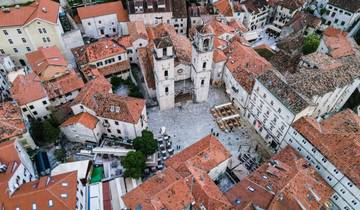
2 days
From Tirana, 2 Days: Budva – Kotor
- ✓ Comprehensive Kotor tour
- ✓ Expert local guides included
- ✓ All accommodation arranged
- ✓ Transportation provided
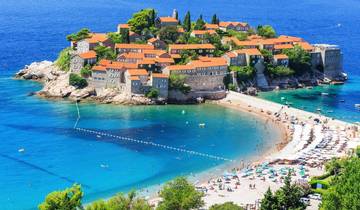
1 days
From Tirana/Durres/Golem -> Montenegro: Budva & Kotor day tour
- ✓ Comprehensive Kotor tour
- ✓ Expert local guides included
- ✓ All accommodation arranged
- ✓ Transportation provided
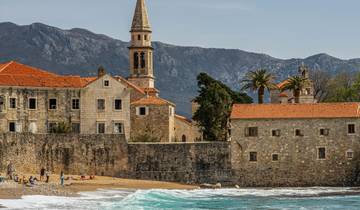
2 days
Tour of Montenegro and Kosovo in 2 days from Tirana or Durres
- ✓ Comprehensive Kotor tour
- ✓ Expert local guides included
- ✓ All accommodation arranged
- ✓ Transportation provided
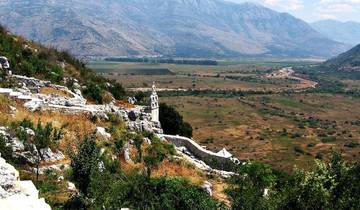
3 days
All seasons 3 days micro tour to Montenegro and Bosnia from Dubrovnik. Visit Venetians towns, monasteries, taste Herzegovina wines. Gorgeous scenery!
- ✓ Comprehensive Kotor tour
- ✓ Expert local guides included
- ✓ All accommodation arranged
- ✓ Transportation provided
Multi-day tour packages powered by TourRadar. Prices and availability subject to change.
Introduction: Discovering Kotor’s Authentic Bay
The Bay of Kotor’s fame rests primarily on its UNESCO-listed Old Town, the dramatic Ladder of Kotor fortress trail, and the picturesque island churches of Perast—all worthy destinations that rightfully earn their reputation. Yet this concentration of attention on a handful of marquee sites leaves the vast majority of the bay’s 100-kilometer coastline and surrounding mountains largely unexplored by international visitors. The same geographic drama that made Kotor defensible and wealthy continues throughout the region: sheer limestone cliffs plunging into deep fjord-like waters, medieval villages clinging to impossibly steep slopes, and Orthodox monasteries tucked into olive groves above the waterline.
This hidden geography supports a parallel tourism experience fundamentally different from the Old Town’s summer crush. Where Kotor’s marble streets accommodate thousands of cruise passengers during peak season, the coastal villages of Prčanj, Stoliv, and Dobrota maintain their rhythms of fishing, olive cultivation, and small-scale hospitality defined by family-run konobas rather than international hotel chains. Where tour buses idle outside Perast’s waterfront palaces, the Luštica Peninsula’s beaches and coves remain accessible only by boat or hiking trail, naturally limiting crowds while preserving pristine conditions. Where the main Ladder of Kotor trail becomes a queue during summer mornings, alternative mountain routes like the Vrmac Ridge traverse and backdoor Lovćen approaches offer solitude alongside equally spectacular panoramas.
The bay’s hidden treasures fall into several distinct categories, each offering different forms of authentic discovery. Maritime villages along the inner bay preserve centuries of Venetian-influenced architecture and seafaring traditions, their stone palaces and churches testifying to wealth accumulated through Mediterranean trade while their harbors still shelter working fishing boats. Hidden fortifications—particularly the Austro-Hungarian military complexes at Fort Vrmac and Španjola Fortress—reveal a different historical layer from Venetian-era defensive works, their massive stone and concrete constructions perched on strategic heights overlooking approaches to the bay. Mountain trails cutting through the ranges surrounding the bay combine physical challenge with isolation, their paths following ancient trade routes, Austrian military roads, and local shepherding tracks rather than purpose-built tourist infrastructure.
The bay’s secret beaches and swimming spots cluster primarily along the Luštica Peninsula, where the coastline’s western exposure and relative inaccessibility have prevented the development that transformed other Adriatic shores. These coves maintain their character through natural barriers: steep descents through pine forests, boat-only access, or simply the effort required to walk beyond the parking lots that define the limit of casual tourism. Religious sites scattered throughout the region—from major monastery complexes like Savina to tiny chapels accessible only by footpath—provide both spiritual sanctuaries and repositories of Byzantine and Baroque art viewed in contemplative silence rather than hurried group tours.
Culinary authenticity thrives in the bay’s less-visited corners, where konobas function as family dining rooms that happen to serve paying guests rather than restaurants designed for tourist volume. These establishments occupy stone houses in villages like Ljuta and Morinj, their kitchens producing dishes tied to specific local ingredients: octopus and squid from nearby waters, greens foraged from hillsides, olive oil pressed from family groves, and wines from indigenous grape varieties grown on terraced slopes. The experience differs fundamentally from Old Town restaurants where menus span international cuisines—here, what’s available depends on the morning’s catch and the season’s harvest, with grandmothers still overseeing preparation techniques unchanged for generations.
This guide maps these hidden dimensions of the Bay of Kotor, providing specific locations, access routes, and contextual understanding for travelers seeking experiences beyond the standard tourist circuit. The hidden gems described here don’t require special permissions or extreme physical capabilities—most are accessible to anyone willing to walk a bit further, wake a bit earlier, or venture a few kilometers past where tour buses stop. The reward for this modest additional effort is substantial: authentic encounters with the bay’s living culture, natural beauty experienced in solitude, and the satisfaction of discovery that comes from finding places that remain genuinely off the beaten path.
Hidden Coastal Villages: Maritime Heritage Beyond Tourism
The inner bay’s coastline strings together dozens of settlements that predicate the tourist industry, their identities shaped by centuries of maritime commerce, fishing, and agricultural cultivation on impossibly steep hillsides. These villages preserve architectural and cultural continuity often missing from Kotor proper, where historic structures now primarily house souvenir shops and restaurants oriented toward international visitors. Walking the coastal paths between these communities reveals a different bay: working harbors where fishermen repair nets each morning, stone houses where families have lived for ten generations, and daily routines defined by local rather than tourist schedules.
Prčanj, five kilometers north of Kotor along the main coastal road, presents itself first through its monumental Church of the Nativity of the Virgin Mary, a massive Baroque structure whose scale seems impossibly large for a village of roughly 1,000 residents. This architectural grandeur reflects Prčanj’s 18th and 19th-century wealth, when the village served as home port for successful sea captains whose ships traded throughout the Mediterranean. These captains built the stone palaces lining the waterfront, their facades decorated with family coats of arms and ornate balconies overlooking the bay. Today these palaces remain privately owned, many still occupied by descendants of those maritime families, creating a lived-in atmosphere absent from museum-ified historic districts. The village’s Maritime Museum occupies one such captain’s house, its collection documenting Prčanj’s seafaring history through ship models, navigation instruments, portraits of famous captains, and documents detailing trade routes that connected this small bay community to ports throughout Europe and beyond.
The coastal promenade extending north from Prčanj toward Stoliv provides one of the bay’s finest walking experiences, a shaded path following the waterline through alternating sections of village streets and waterfront parks. Local families use this route for evening passeggiata, children ride bicycles, elderly residents occupy benches watching the bay, and small boats bob at private moorings—a scene of authentic local life unfolding at Mediterranean pace. Stone steps ascending from the promenade lead into the village’s upper sections, where narrow alleys wind between traditional houses, washing hangs between buildings, and cats sun themselves on ancient stone walls. Small chapels punctuate the lanes, their interiors preserving frescoes and icons amid flickering votives, maintained by village confraternities whose traditions span centuries.
Stoliv, three kilometers south of Kotor, maintains an even quieter character despite its location along the main coastal road. The village spreads across steep hillsides rising from the bay, its stone houses and olive groves terraced onto slopes that seem too vertical for habitation. These terraces represent generations of agricultural labor, their stone retention walls built and maintained by families cultivating olives, figs, and vegetables on tiny plots often reached only by footpath. The village center clusters around a small harbor where local boats moor, surrounded by several family-run konobas whose kitchens produce traditional dishes from recipes passed between generations. These restaurants function primarily for local clientele—workers having lunch, families gathering for Sunday meals, friends meeting for evening rakija—with tourist visitors welcomed but not specifically catered to through English menus or international dishes.
Stoliv’s architectural heritage includes several historic churches and the ruins of a medieval summer residence built by Kotor’s bishops, though these sites lack interpretive signage or formal visiting hours, requiring exploration guided by curiosity rather than organized tours. The absence of tourist infrastructure paradoxically enhances the experience: you discover buildings and viewpoints organically, encounter locals going about daily business rather than posing for photographs, and experience the village as a living community rather than an open-air museum. The coastal walking path connects Stoliv northward to Kotor’s suburbs and southward toward Prcanj, making car-free exploration practical for visitors staying anywhere along this section of coast.
Orahovac, located between Perast and Risan along the bay’s western shore, preserves traditions of both maritime commerce and agricultural cultivation, its economy historically split between fishing and olive oil production. The village’s olive groves, some containing trees several centuries old, spread across hillsides above the waterfront, their cultivation requiring the same terracing techniques visible throughout the region. Several local families continue traditional olive oil production, their small presses operating during autumn harvest when the distinctive scent of pressed olives fills village air. These producers occasionally welcome visitors to their facilities, providing insights into cultivation and pressing methods essentially unchanged despite modern equipment, and selling their oil directly from the production facility—a transaction connecting consumers directly to agricultural tradition in ways supermarket purchases never replicate.
The village’s boat-building tradition continues through a single remaining workshop where craftsmen construct and repair traditional wooden boats using techniques learned through apprenticeship spanning generations. Watching these builders work—steaming wood to achieve specific curves, fitting planks with precision measured by eye and experience, applying techniques developed over centuries—provides tangible connection to maritime heritage too often reduced to museum displays. The workshop accepts occasional visitors during working hours, though calling ahead ensures someone will be present to explain the process and answer questions about this endangered craft.
Dobrota, immediately north of Kotor along the bay road, functions almost as an extension of the historic town while maintaining distinct village identity. Its several kilometers of waterfront supported wealthy merchant families during the bay’s maritime golden age, their Baroque and Renaissance palaces creating an architectural ensemble rivaling Kotor itself. Unlike Kotor’s Old Town, where historic buildings now predominantly house commercial establishments, Dobrota’s palaces remain primarily residential, their facades weathered but dignified, their courtyards glimpsed through occasionally open gates. This residential character creates opportunities for authentic encounters: morning markets where locals shop for produce, neighborhood bakeries serving traditional pastries, small cafes where elderly men gather for morning coffee and card games, and waterfront sections where families swim from private mooring platforms during summer months.
The village churches—St. Matthew, St. Eustace, and others—maintain active congregations whose services provide insight into Orthodox liturgical traditions and community religious life. Attending a Sunday morning liturgy offers immersion in Byzantine musical tradition, the smell of incense, the glow of countless candles, and participation in rituals connecting contemporary believers to centuries of faith practice. These churches welcome respectful visitors outside service times as well, their interiors preserving icons, frescoes, and ecclesiastical art within settings of active worship rather than museum contexts.
Secret Beaches and Hidden Swimming Spots
The Bay of Kotor’s inland character limits traditional beach development, its steep coastlines plunging directly into deep water with minimal shoreline. This geography concentrates swimming primarily at a few developed beaches near major settlements, leaving dozens of coves and pebble beaches largely unknown to international visitors. These hidden swimming spots require more effort to reach than simply walking from a hotel or parking at a beachfront lot, but this accessibility barrier preserves their character: clear water undisturbed by crowds, natural settings without resort infrastructure, and the satisfaction of discovery that comes from finding places where you might be the only swimmer.
The Luštica Peninsula, forming the bay’s southwestern boundary between the open Adriatic and the inner bay waters, concentrates the region’s finest hidden beaches along its largely undeveloped coastline. Žanjic Beach, tucked into a cove on the peninsula’s northern shore facing the open sea, offers crystal-clear waters, smooth pebbles, and a protected setting backed by pine forests. Access requires either a water taxi from Rose village (the boats depart regularly during summer months, with the final return typically around 6 PM) or hiking down from the main Luštica road via a steep 45-minute trail descending through forest. The beach maintains minimal facilities—a single family-run restaurant serving grilled fish and simple dishes, rental umbrellas available but not mandatory, and natural shade under pine trees along the beach’s edges. This simplicity prevents the crowds that overwhelm more developed beaches, with even summer weekends rarely seeing the congestion common at beaches near major towns.
Mirišta Beach, further along the Luštica coast toward the peninsula’s western tip, remains even more secluded than Žanjic, accessible primarily by boat or via an unmarked hiking trail from the coastal road. The beach occupies a dramatic setting beneath limestone cliffs that plunge vertically into azure waters, creating a natural amphitheater of stone surrounding the narrow pebble shore. No facilities exist here—no restaurants, no umbrella rentals, no lifeguards—just pristine conditions and occasional day-trippers arriving by private boat or on foot after researching how to find this hidden spot. The lack of development means bringing everything needed for a beach day: water, food, sun protection, and awareness that help is not immediately available if problems arise. This self-sufficiency requirement filters visitors effectively, maintaining Mirišta’s character as a genuine discovery rather than a managed attraction.
The cove below Fort Vrmac, on the peninsula separating Kotor and Tivat bays, provides another secret swimming location discovered primarily by locals and hikers descending from the fortress ruins. This tiny pebble beach sits at the base of the fort’s eastern walls, accessible via an unmarked trail descending steeply from the fortress through scrub vegetation and over loose stones—a route requiring careful footing and suitable footwear rather than flip-flops. The effort rewards with complete solitude and surreal scenery: swimming in clear waters while fortress ramparts loom overhead and both Kotor and Tivat bays spread before you in panoramic splendor. No facilities exist, the beach essentially functions as a wild swimming spot where you bring everything needed and pack out all trash, leaving no trace beyond footprints in the pebbles.
Our Lady of the Rocks island, famous for its baroque church and museum, offers a secret swimming opportunity rarely advertised in guidebooks. The island’s northern shore, away from the boat landing and church entrance, features a small stone beach where swimming is permitted outside formal visiting hours. Arriving late afternoon after the last tour groups depart creates opportunities to swim beside the island while the church and campanile rise dramatically behind you and the entire inner bay spreads across the horizon. The experience combines physical refreshment with architectural contemplation, the cool water providing relief while baroque domes and bell towers frame views of Perast across the narrow strait. Access requires either arriving on a late afternoon water taxi or negotiating with boatmen for extended stay beyond the standard 30-minute visit, making this a hidden experience even for those visiting the island’s main attractions.
The coastal path between Dobrota and Prcanj passes several tiny swimming spots where stone steps descend directly from the walkway into deep bay waters. These informal swimming areas serve primarily local residents who use them for morning or evening dips, their existence marked only by the steps and occasional stone platforms creating a flat surface for sunbathing or entering the water. No beaches exist here—just vertical rocky shoreline with constructed access points—but the swimming conditions excel: calm bay waters, immediate depth for diving or jumping, and complete absence of crowds even during peak summer. These spots require comfort with deep-water swimming from platforms rather than gradual beach entry, making them suitable primarily for confident swimmers rather than families with small children.
Rose village, at the base of the Luštica Peninsula’s northern slopes, maintains a small pebble beach that functions primarily as a local swimming spot rather than tourist destination. The beach’s modest facilities—a few rental umbrellas, a simple cafe serving drinks and snacks—and its location away from major coastal roads mean it attracts primarily residents from nearby communities rather than day-trippers driving from hotels in Kotor or Tivat. The setting provides authentic beach experience: local families arriving with coolers and folding chairs, children playing in shallow sections, elderly residents swimming their daily laps, and general atmosphere of neighborhood beach day rather than commercial tourism. The beach fronts onto Rose harbor, where fishing boats moor and water taxis to Žanjic and other peninsula beaches depart during summer months, creating a working waterfront character absent from purely recreational beaches.
Lesser-Known Fortifications and Military Heritage
The Bay of Kotor’s strategic importance throughout history left extensive defensive infrastructure beyond the famous Kotor city walls and St. John’s fortress. These lesser-known fortifications, primarily Austro-Hungarian constructions from the late 19th and early 20th centuries, occupy commanding heights overlooking the bay’s entrances and internal passages. Their massive stone and concrete structures, designed to defend against naval attack with modern artillery, remain substantially intact despite decades of abandonment, creating atmospheric ruins that offer historical insights and spectacular viewpoints without the crowds ascending more famous sites.
Fort Vrmac, positioned on the saddle of Vrmac Peninsula’s highest point, represents the most accessible and impressive of these hidden fortifications. Built between 1860 and 1862 by Austrian military engineers, the fortress sprawls across the mountainous ridge with underground chambers, artillery positions, barracks spaces, and defensive walls constructed from massive limestone blocks quarried from surrounding peaks. The fortress design takes advantage of natural topography, with walls following ridgelines and gun positions offering commanding fields of fire across both Kotor and Tivat bays. Exploring the ruins requires several hours and comfort with scrambling over loose stones and through partially collapsed passages, but the site’s dramatic setting and excellent preservation reward this effort substantially.
Access to Fort Vrmac begins from the Vrmac Ridge Trail, a well-maintained hiking path traversing the peninsula from Kotor to Tivat. The fortress lies approximately midpoint along this six-hour traverse, though direct access from either Kotor or Tivat side requires only two to three hours of moderate uphill hiking. The trail climbs through Mediterranean forest—holm oak, pine, and juniper—with occasional clearings offering progressive views across the bay as elevation increases. The final approach to the fortress follows the old military road constructed to supply the installation, its wide graded surface still evident despite decades of weathering and vegetation encroachment.
The fortress interior reveals multiple levels of defensive construction, with underground chambers accessible through partially collapsed entrances, artillery positions carved into bedrock, and observation posts offering 360-degree views across surrounding terrain. The stonework quality and engineering sophistication become apparent through close examination: precisely cut blocks fitted without mortar in traditional Austrian military fashion, drainage systems channeling water away from powder magazines, and thoughtful positioning of defensive positions to create overlapping fields of fire. Informational material is nonexistent—no interpretive signs, maps, or guidebooks—making exploration an exercise in reading landscape and architecture to understand the installation’s strategic logic and operational systems.
Safety requires attention while exploring Fort Vrmac: floors may be unstable, sudden drops exist into underground chambers, and vegetation conceals edges and openings that once had railings or barriers. Bringing a flashlight permits exploration of underground sections, though the deepest chambers may be flooded or contain fallen debris making passage impossible. Despite these challenges, the fortress remains reasonably accessible to anyone with basic caution and suitable footwear, with the main ramparts and artillery positions explorable safely by staying on obvious pathways and avoiding obviously unstable structures.
Španjola Fortress, perched on the lower slopes of Mount Orjen high above Herceg Novi, represents another substantial Austro-Hungarian military installation overlooked by most visitors despite its proximity to one of the bay’s major tourist centers. Constructed in the late 19th century to defend the bay’s entrance from high ground, the fortress complex includes extensive underground galleries, artillery positions with sweeping views across the bay mouth and out to the open Adriatic, barracks facilities, and defensive walls following the natural topography of the mountainous terrain. The fortress name derives from Spanish troops who briefly occupied this strategic height centuries earlier, though the current structures date entirely from the Austrian period.
Reaching Španjola requires a steep 90-minute ascent from Herceg Novi’s Old Town, with the trail beginning near the clock tower and climbing through switchbacks that gain roughly 250 meters of elevation. The path, partially marked and partially requiring route-finding through traditional stone-paved trails, passes through the town’s upper neighborhoods before entering forest and scrubland characteristic of karst Mediterranean slopes. The climb challenges with its steepness and exposure to sun, making early morning or late afternoon ascents preferable during summer months, though the progressively expanding views across the bay mouth and out to sea provide frequent excuses to pause and catch breath.
The fortress interior offers extensive exploration opportunities across its sprawling hilltop complex, with underground passages connecting different defensive sections, artillery positions carved into bedrock, and observation posts providing commanding perspectives. The structure’s preservation exceeds many abandoned military sites, with major walls largely intact, passageways still accessible, and original architectural elements visible including door frames, window openings, and ventilation systems. The site sees minimal visitation—perhaps a few dozen explorers weekly compared to thousands climbing Kotor’s walls daily—creating an atmosphere of discovery and solitude enhanced by the dramatic setting and panoramic views.
The eastern section of St. John’s fortress complex, above Kotor, contains paths and defensive positions rarely visited despite their proximity to the heavily trafficked main Ladder of Kotor route. These eastern trails follow the ridgeline toward San Giovanni summit, passing through older defensive works predating the Venetian walls and Austrian additions most visitors see. The path requires scrambling over rough terrain and following cairns rather than maintained trails, but delivers solitude and alternative perspectives on the bay unavailable from the crowded main route. These sections particularly reward early morning or late evening visits when the main fortress trail empties and golden light illuminates the bay from angles different than midday sun.
Fort Kabala, positioned on heights above Morinj village on the bay’s inland extension, represents the region’s oldest military installation, with fortifications dating to medieval periods though substantially rebuilt during Venetian and later Austrian rule. The site remains less visited than other fortifications due to difficult access requiring either boat to Morinj followed by steep hiking, or driving the narrow road around the bay’s innermost point then ascending on foot. The fortress ruins occupy a commanding position overlooking the bay’s narrowest section, its strategic importance obvious from the hilltop perch providing views in all directions and control over passage along the coastal route. The structures themselves have deteriorated more than better-preserved Austrian forts, but the setting and historical significance reward the effort required to reach this remote outpost.
Mountain Trails and Panoramic Viewpoints
The limestone mountains encircling the Bay of Kotor offer extensive hiking opportunities beyond the heavily trafficked St. John’s fortress trail from Kotor’s Old Town. These alternative routes vary from easy waterfront paths to challenging full-day mountain traverses, but share common characteristics: dramatic views across the bay from less-visited vantage points, passage through traditional landscapes of stone villages and terraced olive groves, and the satisfaction of discovering trails walked primarily by locals rather than organized tour groups. The trails utilize traditional pathways connecting villages, old Austrian military roads built to supply frontier fortifications, and shepherding routes following seasonal grazing patterns across mountainous terrain.
The Vrmac Ridge Trail represents the region’s finest moderate mountain traverse, a well-maintained path crossing the peninsula separating Kotor and Tivat bays through mixed forest and open meadow. The complete traverse from Kotor to Tivat requires approximately six hours of steady walking, gaining and losing elevation multiple times as the trail follows ridgeline topography. The path begins near Troica village above Kotor, reached either by driving the switchback road climbing from the coast or by extending a Kotor city walls hike to connect with the ridge trail. From Troica, the trail climbs steadily through Mediterranean forest dominated by holm oak and juniper, with periodic clearings offering views back toward Kotor and across the inner bay toward Perast.
The trail’s central section, passing near or through Fort Vrmac depending on route variations chosen, provides the trek’s visual highlight: simultaneous views of both Kotor and Tivat bays from the peninsula’s highest elevations, with the fortress ruins creating a dramatic foreground for sweeping maritime panoramas. This viewpoint uniquely captures the bay’s geography, revealing how the peninsula divides waters and creates the complex system of interconnected basins and passages defining the region. From this vantage, the Old Town appears miniature below, its walls and towers reduced to model-scale clarity, while across Tivat bay the airport runway extends into water and the Luštica Peninsula’s bulk fills the southwestern horizon.
The trail’s descent toward Tivat passes through quieter forest sections and across open slopes where wildflowers bloom in spring and autumn colors paint hillsides in ochre and red. The final sections enter olive groves and traditional agricultural terraces still cultivated by families from villages along the descent route. Trail markings vary in quality—some sections follow obvious paths with painted blazes, others require attention to cairns and natural terrain features to maintain proper route. Bringing a GPS device or downloaded trail map ensures confident navigation, though the trail’s general route following the ridgeline makes serious disorientation unlikely for attentive hikers.
The eastern approach to Lovćen National Park from Njeguši village provides access to Montenegro’s most significant mountain massif via routes seeing minimal tourist traffic despite delivering spectacular bay views and cultural experiences. Njeguši, famous as the birthplace of Montenegro’s royal dynasty and for traditional prosciutto and cheese production, sits at roughly 900 meters elevation on Lovćen’s lower slopes. Multiple trails ascend from the village toward the national park, following old Austrian military roads, shepherding paths, and traditional routes connecting mountain settlements. These trails gain substantial elevation—climbs to Lovćen’s highest peaks exceed 1,000 meters—and require appropriate fitness, equipment, and awareness of changing mountain weather conditions.
The rewards justify the effort: increasingly panoramic views encompassing not just the Bay of Kotor but also Lake Skadar to the east, coastal mountains stretching toward Albania, and on clear days the Adriatic Sea extending toward the Italian coast. The trail environment changes dramatically with elevation, Mediterranean vegetation giving way to subalpine meadows and eventually exposed limestone ridges where only hardy shrubs and grasses survive. The landscape reveals karst geology at dramatic scale: massive limestone formations shaped by dissolution and weathering, sinkholes dropping into underground drainage systems, and rock surfaces polished by millennia of wind and rain. These high routes permit observation of raptors—eagles, hawks, and falcons—riding thermal currents across mountainous terrain, their aerial mastery providing a living connection to wild nature largely absent from lower elevations.
The coastal path connecting Dobrota to Prcanj and continuing north toward Stoliv offers an entirely different hiking experience: easy waterfront walking combining authentic village encounters with bay scenery viewed from sea level rather than mountainous heights. This route follows the original coastal road, now relegated to pedestrian and bicycle traffic after construction of the modern highway that tunnels through sections and bypasses villages entirely. The path alternates between village streets—passing local shops, neighborhood cafes, and residential areas—and dedicated waterfront promenades shaded by plane trees and lined with stone benches. The entire route covers approximately eight kilometers from central Kotor to Stoliv, manageable as a leisurely three-hour walk or easily divided into shorter sections using local buses that serve all villages along the route.
This coastal path reveals village life unavailable from cars speeding past on the highway: children walking home from school, elderly residents tending small gardens, fishermen preparing boats for afternoon fishing, and the hundred small details composing daily existence in traditional bay communities. Stone steps ascending from the coastal path lead into villages’ upper sections, inviting exploration of narrow alleys, historic churches, and family konobas serving lunch to workers and locals rather than primarily catering to tourists. The bay views, while lacking the drama of mountain vantage points, provide intimate coastal perspectives: fishing boats working near shore, the play of light on water throughout the day, and the gradual revelation of the bay’s geography as you walk its perimeter.
The route to St. Elijah’s Chapel, high on the slopes above Risan, offers a moderate half-day hike delivering excellent bay views and cultural interest through visiting an active pilgrimage site. The trail begins from Risan town center, climbing through olive groves and traditional terraced agriculture before entering forest as elevation increases. The chapel, perched on a natural terrace overlooking the bay’s innermost extension, serves as a pilgrimage destination for Orthodox believers throughout the region, with the annual festival in July attracting thousands of participants who ascend the trail for liturgical services and traditional celebrations. Outside festival times, the chapel sees only occasional visitors, creating opportunities for quiet contemplation of both spiritual site and spectacular setting.
The Ladder of Kotor route, despite its fame and frequent crowding, offers alternative approaches and extension possibilities rarely utilized by visitors who simply ascend and descend the main trail. The fortress complex extends considerably beyond the restored walls and ramparts most people see, with older defensive works, cisterns, and observation positions accessible via faint paths requiring scrambling and route-finding. These extensions particularly reward visits during early morning or evening hours when the main trail empties, creating opportunities for exploration without crowds and photography in optimal light. The eastern ridgeline paths, mentioned briefly in the fortifications section above, connect the fortress to broader mountain trails eventually reaching Lovćen, transforming what most experience as a two-hour fortress climb into potential full-day or multi-day mountain traverses.
Hidden Religious Sites and Spiritual Sanctuaries
The Bay of Kotor’s deep Orthodox Christian tradition manifests through dozens of churches, monasteries, and chapels scattered throughout the region. While major sites like Perast’s churches and Kotor’s Cathedral of Saint Tryphon draw substantial visitor numbers, many significant religious complexes remain largely unknown to international tourists, their combination of spiritual authenticity, artistic treasures, and peaceful settings providing experiences of contemplation and cultural understanding largely unavailable at more famous destinations. These hidden religious sites function primarily as active places of worship rather than museums, requiring respectful behavior and often offering their most profound experiences during actual liturgical services rather than casual visits.
Savina Monastery, located on a pine-covered hillside above Herceg Novi, represents one of Montenegro’s most significant Orthodox monasteries while remaining relatively unknown compared to more famous monastic sites in other Balkan countries. The monastery complex comprises three churches spanning different architectural periods: the small 11th-century Church of the Assumption perched dramatically on a cliff edge, the larger 18th-century Church of the Dormition serving as the monastery’s primary worship space, and the tiny Church of Saint Sava tucked into a hollow below the main terrace. The setting combines natural beauty—pine forests, views across the bay mouth to the open Adriatic, gardens maintained by resident monks—with profound spiritual atmosphere created through centuries of monastic life continuing uninterrupted to the present.
The monastery’s artistic treasures include an exceptional icon collection spanning Byzantine, Cretan, and local traditions, with several pieces attributed to significant icon painters of the 17th and 18th centuries. These icons remain in situ within the churches rather than removed to museums, their religious function continuing alongside their artistic significance. The Church of the Dormition’s interior demonstrates typical Orthodox liturgical space: elaborate iconostasis separating nave from sanctuary, walls covered in frescoes depicting biblical scenes and saints’ lives, the smell of incense and beeswax candles, and the layered aesthetic of centuries of devotional additions creating a rich visual and sensory environment. Visiting during Divine Liturgy on Sunday mornings or major feast days permits observation of Orthodox worship in its full ceremonial expression: Byzantine chant echoing through the space, the ritualized movements of priests and deacons, congregational participation through standing, crossing, and prostrations, and the profound connection between liturgy and the architectural and artistic environment designed to support it.
The monastery welcomes respectful visitors throughout the day, though observing quiet hours in the early afternoon when monks rest is appropriate. A small shop sells monastery-produced items—icons, prayer ropes, incense, and honey from monastery hives—with proceeds supporting monastic life and maintenance of the complex. The monastery’s hillside position and relative isolation from Herceg Novi’s tourist center means visitation remains light even during peak summer months, creating opportunities for genuine contemplation impossible at more crowded sites. The forest setting and bay views reward spending several hours on the monastery grounds, with benches placed at viewpoints and shaded paths connecting different buildings and gardens.
Our Lady of Škrpjela, the smaller of Perast’s two island churches, receives far less attention than its famous neighbor Our Lady of the Rocks despite possessing artistic treasures and a fascinating foundation story. Local legend holds that fishermen created the island artificially by sinking ships loaded with stones at a spot where a miraculous icon appeared on a reef, with the tradition continuing through centuries as sailors returning safely from voyages would add stones to the island in thanksgiving. The church contains an exceptional collection of votive silver plaques—tablete—left by sailors and their families, with images depicting ships in storms, prayers for safe return, and thanksgiving for survival. These plaques cover the church walls in a shimmering metallic tapestry documenting centuries of maritime devotion and the deep connection between faith and seafaring life.
The church’s relatively small size and single-room design concentrate attention on its artistic elements: a beautiful Baroque altar, icons of significant age and quality, and the overwhelming presence of those thousands of silver votives creating a unique aesthetic found nowhere else. Access requires negotiating with Perast boatmen for a special trip, as tourist boats typically visit only Our Lady of the Rocks, making Škrpjela a genuine hidden discovery even for those visiting the more famous island. The tiny church rarely hosts services given its isolation, creating an atmosphere of suspended time where centuries of devotional practice remain tangible through the accumulated layers of votive offerings and the unchanged quality of light filtering through small windows onto silver-covered walls.
The Church of Saint Luke in Kotor, though located within the heavily visited Old Town, functions primarily as an active parish church rather than tourist attraction, its relative plainness and lack of obvious artistic masterpieces causing many visitors to pass by in favor of flashier churches nearby. Yet Saint Luke’s small interior space contains fascinating historical layers: originally built as a Catholic church in the 12th century, later shared by both Catholic and Orthodox congregations, and eventually becoming solely Orthodox while preserving elements from all these periods. The result is a miniature study in Balkan religious history, architectural adaptation, and the complex co-existence of faiths that characterizes the region. Visiting during Orthodox services reveals an intimate liturgical space where congregation, choir, and clergy share a room barely large enough to accommodate them, creating proximity and participation impossible in grander churches.
The monastery complex at Prčanj includes both the monumental Church of the Nativity and a smaller monastic church tucked behind the main structure, the latter maintaining traditional Orthodox design and function while its larger neighbor underwent Baroque modifications reflecting 18th-century wealth and Western influences. This smaller church, often overlooked by visitors drawn to the scale and decoration of the main structure, preserves more authentic Orthodox liturgical space with its traditional iconostasis, frescoes in Byzantine style, and intimate proportions suited to monastic community worship. The monastery’s monk cells, though not generally open to visitors, occasionally become accessible during major feast days when the community welcomes pilgrims and well-wishers, providing rare glimpses into monastic living conditions and daily routines.
Numerous small chapels dot the mountainsides and villages throughout the bay region, many accessible only by footpath and maintained by local families or confraternities as expressions of devotion and community identity. These tiny structures—rarely larger than a single room—preserve icons, candles, and the accumulated patina of centuries of worship reduced to its essential elements. Discovering these chapels requires attention while hiking or walking through villages: watching for characteristic architectural forms, following paths ascending into olive groves or along ridgelines, and sometimes simply asking locals about historic religious sites in their area. The reward comes not from artistic masterpieces or architectural grandeur—these chapels possess neither—but from encountering faith practice in its most stripped-down, authentic form, where devotion needs only a space, an icon, and a candle rather than elaborate ceremonial and aesthetic frameworks.
Authentic Culinary Experiences and Traditional Konobas
The Bay of Kotor’s culinary traditions reflect its geographic position at the intersection of Mediterranean, Adriatic, and Balkan influences, with local cuisine emphasizing seafood from bay waters, produce from terraced hillside gardens, and cooking techniques preserved through family tradition rather than culinary school training. While Kotor’s Old Town offers dozens of restaurants serving international menus designed for tourist preferences, the region’s most authentic culinary experiences occur in village konobas—small family-run establishments where menus change with the morning’s catch and the season’s harvest, kitchens remain under the control of grandmothers who learned their techniques from previous generations, and the primary clientele consists of local workers, families, and residents rather than international visitors.
Traditional Boka cuisine centers on seafood prepared simply to highlight quality and freshness: grilled fish rubbed with olive oil and herbs, octopus salad with potatoes and onions, squid stuffed with prosciutto and cheese, and black risotto colored with cuttlefish ink. These preparations rely on ingredients sourced directly—fishermen deliver the day’s catch to konoba kitchens each morning, vegetables come from family gardens or local producers, olive oil presses from olives grown on nearby terraced slopes, and wines originate from regional grape varieties cultivated in small family vineyards. The result is cuisine deeply connected to place, where eating becomes a direct experience of local geography, seasonal rhythms, and cultural tradition rather than abstracted restaurant dining disconnected from agricultural and maritime sources.
The konobas in Ljuta village, along the bay’s innermost extension near Morinj, exemplify authentic family-run establishments serving traditional cuisine in settings where tourism remains secondary to local patronage. These restaurants occupy ground floors of traditional stone houses, their dining rooms simple—bare wooden tables, minimal decoration beyond family photos and perhaps fishing nets on walls, kitchens visible through open doors—and their atmospheres defined by who’s eating rather than deliberate “authentic” staging. Lunch service brings workers from nearby construction sites and businesses, their orders placed in the local language and dishes arriving on timetables defined by how long preparation takes rather than restaurant efficiency standards. The menu exists primarily in Serbian, with explanations in English available but not assumed, and dish availability depends entirely on morning procurement: if the fisherman didn’t bring octopus that day, octopus isn’t available regardless of what’s printed on laminated menus.
The food itself demonstrates traditional preparation methods: whole fish grilled over charcoal with only olive oil, garlic, and parsley to enhance rather than mask their flavor; octopus tenderized through traditional methods then slowly cooked until fork-tender; small whole squid grilled quickly to preserve tenderness; and always fresh bread, local olive oil for dipping, and simple vegetable sides reflecting the season. Meals progress at Mediterranean pace—antipasti of prosciutto and cheese while main dishes cook, conversation between courses, no pressure to finish and leave—with pricing remaining substantially lower than tourist-oriented restaurants charging for ambiance and location rather than food quality. Dinner service sees local families gathering for weekend meals, with children running between tables and multiple generations sharing large platters while house wine flows and conversation continues late into evening.
The konoba in Morinj village, positioned directly on the waterfront where the bay narrows to its innermost point, specializes in mussels and oysters cultivated in these calm, nutrient-rich waters. The restaurant’s family maintains cultivation beds visible from the dining terrace, with harvesting occurring daily to supply the kitchen and local markets. Ordering mussels buzara—steamed in white wine, garlic, and parsley—brings an enormous pot containing two dozen mollusks just hours from the water, their flavor reflecting the specific characteristics of these waters and cultivation methods particular to this location. The experience connects food directly to place in ways impossible at restaurants sourcing ingredients through wholesale markets and distribution systems, making each meal a specific expression of local environmental conditions and traditional cultivation practices.
Orahovac’s olive oil producers occasionally welcome visitors to their pressing facilities during autumn harvest, providing opportunities to observe traditional production methods and purchase oil directly from producers. These facilities range from small family operations pressing only their own olives to slightly larger establishments purchasing from neighboring growers, but all maintain traditional approaches: harvesting by hand or with small mechanical shakers preserving fruit quality, pressing within days of harvest to prevent degradation, and cold extraction preserving flavor compounds destroyed by heat. The resulting oils express the character of local olive varieties—smaller fruits producing more intense flavors than industrial cultivars—and the specific growing conditions of terraced hillside groves where limited water and intense sun concentrate flavors. Purchasing oil directly from producers establishes connection between consumer and agricultural tradition, with conversations about cultivation methods, harvest timing, and quality evaluation providing insights rarely accessible through supermarket purchases.
Risan’s traditional taverns serve freshwater fish from the Skadar Lake region combined with Adriatic seafood, reflecting the town’s position at the bay’s innermost extension where freshwater streams meet salt water. This geographic position creates unique culinary possibilities: trout from mountain streams paired with mussels from bay waters, combining freshwater and saltwater traditions on single menus. The preparation styles remain traditional—grilled whole fish, simple seasonings, fresh vegetables—but the specific combination of species and traditions particular to Risan creates dishes unavailable elsewhere around the bay. These taverns also maintain stronger connections to inland Montenegrin cuisine than coastal konobas, with menus including grilled meats, peka-prepared lamb and veal, and heartier preparations reflecting influences from continental Balkans alongside maritime traditions.
The villages along the bay’s northern shore—Prčanj, Stoliv, Dobrota—each harbor several family konobas where regular customers eat specific dishes on specific days, where proprietors remember what you ordered last visit, and where menu recommendations come from genuine knowledge of what’s excellent that day rather than efforts to upsell expensive items. These establishments lack websites, social media presence, or English-language publicity, their customer base built through local reputation and word-of-mouth recommendation rather than tourist board marketing or guidebook listings. Discovering them requires walking village streets, observing where locals eat, and willingness to engage in fractured multilingual communication about daily specials and preparation methods. The reward is authentic culinary experience unmediated by tourist industry considerations: you’re eating what locals eat, in places where they eat, at prices they pay, prepared by people cooking for their community rather than performing “traditional cuisine” for visitors seeking authentic experiences.
Off-Season Exploration and Seasonal Discoveries
The Bay of Kotor’s character transforms dramatically outside the summer cruise season that dominates July and August, with shoulder months of May, June, September, and October offering substantially different experiences from peak tourism periods. Winter visits reveal the bay in its quietest state, when local life proceeds without tourist overlay and natural beauty manifests through different qualities: dramatic weather, snow on surrounding peaks, and the intimate atmosphere of villages returned fully to their residents. Understanding these seasonal transformations permits strategic timing of visits to match specific interests—solitude, photography, cultural immersion, or particular activities—and reveals hidden dimensions of the bay unavailable during summer’s crowds.
Spring arrives early in the bay’s sheltered microclimate, with wildflowers beginning to bloom in March and Mediterranean vegetation leafing out by April while mountain passes in interior Montenegro remain snow-blocked. This seasonal mismatch creates opportunities for combining bay exploration with late-season skiing in nearby mountains, or for observing the dramatic vegetation changes occurring across short distances as elevation increases. The mountain trails above the bay traverse through progressively earlier spring conditions as you climb: Mediterranean flowers and leafed trees at lower elevations giving way to bare branches and alpine species just emerging from snowmelt near ridgelines. This compressed seasonal transition, covering months of phenological change within a few hundred meters of elevation, creates exceptional conditions for nature observation and photography impossible in less topographically diverse regions.
Spring also marks the beginning of the sea turtle nesting season on beaches along the Luštica Peninsula and near Ulcinj further south, though the bay’s inland position makes nesting rare within the bay proper. However, the nesting areas on the peninsula’s outer coast become accessible during spring months before summer crowds arrive, creating opportunities for responsible observation of these endangered species and the conservation efforts protecting their nesting sites. Local environmental groups occasionally organize volunteer opportunities to assist with beach monitoring and nest protection, providing hands-on involvement with conservation work while learning about Mediterranean marine ecosystems.
Autumn transforms the bay’s vegetation through color changes particularly dramatic in deciduous forests on mountain slopes, where oaks, maples, and other hardwoods create patches of red, orange, and yellow among evergreen Mediterranean species. October typically provides peak color combined with pleasant temperatures, calm waters, and minimal tourist presence—a combination creating excellent conditions for hiking, photography, and village exploration. The olive harvest occurs during October and November, with families gathering to pick fruit using traditional methods largely unchanged for generations. Some producers welcome visitors to observe or participate in harvesting, providing tangible connection to agricultural traditions and understanding of the labor required to produce olive oil. The harvest season culminates in pressing, when the distinctive smell of fresh olive oil production fills the air around village pressing facilities and new oil becomes available for tasting and purchase.
Winter visits require accepting that some facilities close and weather becomes unpredictable, but reward with profound solitude and authentic local experience impossible during tourist seasons. The bay rarely experiences severe winter cold—snow at sea level occurs perhaps once or twice yearly and melts within days—but mountain slopes above the bay receive substantial snowfall, creating dramatic visual contrasts between white peaks and blue-green waters. This mountain snow permits winter hiking on lower elevation trails while higher routes remain impassable, and occasional warm sunny days create perfect conditions for combining morning mountain walks with afternoon swimming in surprisingly mild bay waters warmed by their sheltered position and southern exposure.
The Orthodox religious calendar creates cultural events throughout the year but particularly concentrated during winter, when major feast days—Christmas in January, Epiphany, and various saints’ days—bring villages together for liturgical celebrations followed by traditional meals and socializing. These festivals provide rare opportunities to observe religious and cultural traditions in their authentic community contexts rather than performances staged for tourists. The monastery at Savina hosts particularly significant celebrations, with pilgrims arriving from throughout Montenegro for major feast days and the monastery welcoming visitors to observe services and join in traditional celebrations afterward. Understanding the Orthodox calendar and planning visits around major feasts creates access to cultural experiences rarely available to casual visitors.
Photography benefits enormously from off-season visits, when morning and evening light angles differ from summer’s high sun, when weather creates dramatic cloud formations and occasional storm conditions, and when absence of crowds permits composition without people filling every frame. Winter storms approaching across the Adriatic create spectacular conditions for dramatic seascape photography, with waves breaking against coastal rocks, clouds streaming across mountain peaks, and quality of light during breaks between squalls providing conditions coveted by landscape photographers. The bay’s protected position means even during winter storms, photography remains possible from sheltered locations while open Adriatic coast becomes too rough for access.
The Kotor Carnival, occurring in February before the Orthodox Lent period, represents the bay’s most significant cultural festival outside major religious observances. The carnival includes parades, masked balls, traditional music performances, and children’s events spread across several days, with participation from community groups throughout the bay region. The festival preserves traditions with roots in medieval celebrations, though modern additions and influences have created a hybrid event combining historical elements with contemporary festival culture. Visiting during Carnival provides insights into how traditional festivals adapt and persist in contemporary contexts, and the genuine community participation—this remains primarily a local celebration rather than tourist-oriented event—creates atmosphere fundamentally different from staged cultural performances.
Hidden Cultural Sites and Artisan Traditions
Beyond the bay’s obvious tourist attractions lie numerous smaller cultural sites and continuing artisan traditions that preserve historical crafts and local knowledge. These hidden cultural dimensions range from modest museums maintained by passionate local historians to workshops where traditional crafts continue through practitioners who learned skills through apprenticeship rather than formal training. Discovering these sites requires curiosity, willingness to venture beyond established tourist routes, and often basic communication in Serbian or Italian to connect with artisans and cultural keepers who operate outside the tourism industry’s English-language infrastructure.
The Maritime Museum in Prčanj occupies a 17th-century sea captain’s palace, its collection documenting the village’s remarkable maritime history when Prčanj ships traded throughout the Mediterranean and village captains achieved fame and wealth. The museum houses ship models representing vessels built and sailed from Prčanj, navigation instruments demonstrating 18th and 19th-century seafaring technology, portraits of famous captains whose achievements brought renown to this small community, and documents—shipping contracts, maritime insurance policies, correspondence—revealing the business side of maritime commerce. The museum remains largely unknown to international visitors despite its proximity to Kotor, its small size and lack of marketing meaning it operates primarily for local audiences interested in their community’s maritime heritage. The museum’s curator, when present, provides extensive context about exhibits and Prčanj’s maritime golden age, transforming a potentially quick visit into extended conversation about how small Adriatic communities participated in Mediterranean-wide commercial networks.
The boat-building workshop in Orahovac continues traditional wooden boat construction using methods largely unchanged despite modern tools supplementing historical techniques. The workshop produces traditional Boka boats—wooden vessels designed for fishing and local transport, characterized by specific hull shapes adapted to bay conditions—and undertakes repair work on older boats still used by local fishermen. Watching these builders work reveals both traditional knowledge and practical adaptation: selecting wood for specific structural needs based on grain and characteristics, steaming planks to achieve curves impossible through cutting alone, fitting joints with precision measured by eye and experience rather than digital tools, and constantly adjusting plans based on how wood actually behaves rather than following rigid blueprints. The workshop occasionally accepts visitors during working hours, particularly if you express genuine interest in the craft rather than quick tourist curiosity, with conversations about boat design, wood selection, and the economics of maintaining traditional construction methods providing insights into how endangered crafts survive in contemporary contexts.
Herceg Novi’s Old Town contains several artisan workshops producing traditional goods: icon painters working in Byzantine and Cretan styles, jewelers creating filigree work characteristic of Adriatic traditions, textile workers embroidering traditional patterns, and woodworkers carving decorative and functional items. These workshops operate primarily as commercial enterprises rather than museums or tourist attractions, producing items for sale to local customers and regional markets rather than specifically targeting tourist trade. Visiting these workshops and observing production provides understanding of how traditional crafts function economically in contemporary markets, the modifications necessary to maintain viability, and the tension between preserving historical techniques and adapting to modern commercial realities.
The small ethnographic collections maintained by some villages—Perast, Risan, and others—preserve material culture documenting traditional life in the bay region: fishing equipment, agricultural tools, traditional clothing, household items, and photographs documenting village life before tourism transformed local economies. These collections vary widely in organization and presentation—some occupy dedicated museum spaces while others fill rooms in municipal buildings or cultural centers—but all preserve tangible connections to ways of life rapidly disappearing as younger generations pursue different livelihoods and traditional activities decline. The collections usually lack professional curation and interpretive materials, requiring visitors to recognize objects’ significance through comparison with contemporary life and understanding of how dramatically daily existence has changed within living memory.
The tradition of prosciutto and cheese production in Njeguši village, on Lovćen’s lower slopes above the bay, demonstrates food preservation techniques developed in pre-refrigeration times and maintained through cultural preference despite modern alternatives. Njeguši prosciutto benefits from specific environmental conditions—elevation, temperature variations between day and night, and distinctive air quality—that cannot be replicated elsewhere, making this a truly local product tied to particular geographic characteristics. Several family producers maintain traditional curing methods: hanging pork legs in stone houses where airflow and temperature remain relatively constant, smoking over specific wood types providing characteristic flavors, and extending curing periods to develop taste profiles impossible with industrial production. Visiting these producers—many welcome visitors to their curing houses and offer tastings—reveals the intersection of tradition, environment, and commercial production, with families maintaining centuries-old methods while packaging products for modern retail markets.
The cultivation and preparation of pomegranates in the Grbalj region above Tivat represents another food tradition with deep historical roots, though one less commercially developed than Njeguši prosciutto. Local families maintain pomegranate orchards planted generations ago, harvesting fruit in autumn for fresh consumption, juice production, and traditional preserves. The fruit quality benefits from local terroir—limestone soils, Mediterranean climate, and cultivation methods emphasizing flavor over yield—creating distinctive taste profiles specific to this area. Families occasionally sell products directly to consumers or through small local markets, though much production remains for family consumption and traditional gift-giving rather than commercial sales.
Kotor’s Cats Museum, a quirky collection documenting the city’s relationship with its large feline population, represents perhaps the bay’s most unusual cultural institution. The museum contains cat-themed art, historical documents about the role of cats in maritime culture, photographs documenting Kotor’s contemporary cat population, and explanations of the community effort to care for street cats through feeding programs and veterinary care. While not a “hidden gem” in the sense of unknown location—the museum occupies space in the Old Town—its unusual focus and small size mean many visitors walk past without noticing, making it a discovery for those paying attention to less obvious cultural institutions. The museum’s existence reflects genuine community commitment to cat welfare and the cultural significance of these animals in maritime settings where they controlled rodent populations on ships and in warehouses.
Practical Strategies for Hidden Gem Exploration
Successfully discovering the Bay of Kotor’s hidden treasures requires practical knowledge beyond simply knowing locations exist: understanding transportation systems, timing visits appropriately, managing logistics in villages with minimal tourist infrastructure, and approaching local interactions with cultural sensitivity. These practical considerations often determine whether hidden gem exploration succeeds in delivering authentic experiences or devolves into frustration when reality differs from expectations formed by more developed tourist destinations.
Transportation around the bay combines several systems, each serving different routes and purposes. The local bus network connects all major coastal villages with regular service, buses departing Kotor roughly every 30-45 minutes during daytime hours for destinations along the inner bay toward Herceg Novi. These buses cost approximately €1-2 per journey, accept cash payment to the driver, and follow schedules that locals understand intuitively but that can confuse visitors not familiar with Balkan bus systems where “regular service” may mean different things than timetables suggest. Buses serve primarily local passengers commuting for work, shopping, or social visits, creating crowded conditions during morning and evening peaks but emptier midday journeys. This system permits car-free exploration of coastal villages and some inland destinations, though mountain trails and more remote locations require either hiking from bus stops or alternative transportation.
Water taxis operate from multiple locations around the bay, providing boat access to peninsula beaches, island churches, and coastal villages where road access proves difficult or parking impossible. These boats generally function on demand rather than fixed schedules, with boatmen gathering at popular launching points—Kotor’s waterfront, Perast, Rose—and departing when they accumulate sufficient passengers or when chartered for private trips. Negotiating prices before departure prevents misunderstandings, with typical costs ranging €5-15 per person for standard routes and more for private charters or less common destinations. The boats permit access to locations like Žanjic Beach, Mirišta, and the churches at Perast that would require substantial hiking or remain completely inaccessible overland.
Rental cars provide maximum flexibility for exploring more remote locations, though driving around the bay requires comfort with narrow roads, frequent tunnels, and occasionally challenging parking situations in historic villages where modern cars barely fit through medieval street layouts. The coastal road around the entire bay covers approximately 100 kilometers, manageable as a full day’s circuit with stops at villages, viewpoints, and attractions along the route. Rental costs range €30-50 daily depending on season and vehicle type, with manual transmission vehicles substantially cheaper than automatics and local agencies sometimes offering better rates than international chains. Parking in Kotor Old Town or during peak season at popular beaches can prove challenging, but most villages offer free roadside parking with minimal difficulty.
Hiking to remote locations requires preparation appropriate to terrain and distance: water, sun protection, appropriate footwear, basic first aid supplies, and downloaded maps or GPS given that cell service becomes spotty or nonexistent on mountain trails. Montenegro’s search and rescue services exist but response times to mountain emergencies can extend several hours given limited resources and challenging terrain, making self-sufficiency essential rather than optional. Trails vary wildly in marking quality—some follow clear paths with painted blazes, others require following cairns and natural terrain features, and many fade entirely in sections requiring route-finding skills—so comfortable navigation ability matters for anything beyond the most obvious routes.
Timing visits to hidden gems strategically enhances experiences substantially. Early mornings provide best light for photography, emptiest trails and sites before day-trippers arrive, and coolest temperatures for summer hiking. Late afternoons offer similar benefits, with evening light creating different photographic opportunities and the possibility of extending visits into sunset hours at locations with western exposure. Midday summer heat makes hiking inadvisable except on shaded forest trails, with temperature and sun intensity creating both discomfort and genuine heat-related health risks for strenuous mountain activity. Winter visits require checking that facilities and access routes remain open, with some mountain trails becoming dangerous or impassable during snow conditions and certain attractions operating reduced hours or closing entirely during off-season.
Engaging local residents respectfully creates opportunities for authentic interactions and local knowledge that guidebooks and websites cannot provide. Learning basic Serbian phrases—greetings, thank you, please—demonstrates effort and generally receives warm response even when subsequent conversation must continue in English, Italian, or improvised multilingual communication. Villages maintain traditional social patterns including afternoon rest periods when shops close and streets empty, typically between 2 PM and 5 PM, making this poor timing for visits requiring interactions with businesses or local residents. Evening passeggiata, when families walk waterfront promenades and gathering spots, provides natural opportunities for casual interactions and people-watching revealing daily social patterns.
Hidden gem exploration succeeds best when approached with flexibility regarding plans and expectations. Transportation systems may not function exactly as scheduled, attractions might be closed despite published hours, weather can force route changes, and the best discoveries often occur through spontaneous diversions rather than rigid itinerary adherence. Building extra time into daily plans, maintaining backup options when primary plans prove impossible, and accepting that some uncertainty remains inherent to genuine exploration rather than package tourism all contribute to successful off-beaten-path travel. The goal is discovery and authentic experience rather than efficiently checking items off predetermined lists, with success measured by quality of encounters and personal engagement rather than quantity of sites visited.
Regional Context and Broader Explorations
The Bay of Kotor’s hidden gems exist within broader regional context connecting to other significant destinations in Montenegro and the wider Balkans. Understanding these connections permits extending bay-focused visits into longer explorations of related landscapes, cultures, and historical sites, or alternatively provides context for understanding how the bay fits into larger geographic and cultural patterns. The bay’s position at the intersection of Mediterranean, Alpine, and Balkan influences creates specific characteristics that become clearer through comparison with surrounding regions exhibiting different combinations of these factors.
Lovćen National Park, rising immediately behind the bay’s inner coast, represents the dominant geographic feature shaping local climate, culture, and historical development. The mountain massif reaches 1,749 meters at its highest point, creating dramatic vertical topography within a few kilometers of sea level and establishing the climatic boundary between coastal Mediterranean conditions and continental influences affecting interior regions. The park encompasses several significant sites beyond the famous Njegoš Mausoleum attracting most visitors: traditional mountain villages preserving stone architecture and pastoral lifeways, extensive hiking trail networks crossing alpine meadows and karst formations, and viewpoints delivering panoramic vistas encompassing both Adriatic coast and interior mountains. The park’s relatively small size—64 square kilometers—makes day trips from bay villages practical, though overnight stays in mountain villages or camping permits deeper exploration and observation of how dramatically landscape and culture change across short distances.
Lake Skadar, Montenegro’s largest lake and shared border with Albania, lies roughly 50 kilometers from Kotor as the crow flies but much further by road given intervening mountainous terrain. The lake represents an entirely different ecosystem from the bay: freshwater wetlands supporting exceptional bird diversity, traditional fishing villages where life revolves around lake rather than sea, and monastery complexes occupying islands and shoreline positions reminiscent of bay churches but within vastly different environmental context. The lake’s position at lower elevation than surrounding terrain creates natural sanctuary conditions, with protected status preserving habitats and traditional fishing practices that have largely disappeared from more developed regions. Day trips from the bay reach the lake’s closest edges, though proper lake exploration requires dedicated multi-day visits based from lakeside villages like Virpazar or Murići.
Dubrovnik, Croatia’s famous walled city, lies barely 50 kilometers north along the Adriatic coast, its proximity making day trips common though the international border crossing can create delays during peak tourist season. The relationship between Dubrovnik and Kotor spans centuries of competition, cooperation, and parallel development as rival Venetian-influenced maritime republics, with both cities preserving exceptional medieval and Renaissance architecture while experiencing dramatically different levels of contemporary tourist pressure. Visiting both cities permits direct comparison of how similar historical foundations, architectural traditions, and cultural patterns manifest differently based on factors like UNESCO designation timing, cruise ship access, and national tourism policies. Dubrovnik’s far heavier tourism burden—often overwhelming during summer months—makes Kotor’s relative crowd levels appear modest and highlights the bay region’s hidden gems as particularly valuable alternatives to Croatia’s saturated coastal attractions.
The Albanian Alps, rising along Montenegro’s southeastern border, provide entirely different mountain character from the limestone massifs surrounding the bay: crystalline peaks, glacial valleys, and traditional villages preserving mountain culture largely unchanged by development pressures affecting more accessible regions. The Peaks of the Balkans Trail, a 192-kilometer trekking route crossing Montenegro, Albania, and Kosovo, begins from towns accessible as day trips from the coast, though the trail itself requires dedicated multi-day hiking commitment inappropriate for casual bay visitors. The Alps’ relative remoteness and challenging terrain mean they remain genuinely off the beaten path even as coastal areas experience increasing tourism pressure, preserving mountain cultures and landscapes for adventurous travelers willing to accept serious physical challenge and minimal tourist infrastructure.
The Montenegrin coast south of the bay—from Budva through Bar to Ulcinj near the Albanian border—demonstrates different patterns of tourism development and cultural character than the bay region. Budva functions primarily as a beach resort destination, its historic Old Town substantially rebuilt after 1979 earthquake damage and surrounded by modern hotel development, marinas, and nightlife infrastructure creating atmosphere fundamentally different from Kotor’s preserved medieval character. Bar, Montenegro’s main port city, remains primarily oriented toward industry and transportation rather than tourism, its container port and ferry terminal to Italy generating economic activity largely independent of visitor spending. Ulcinj, near the Albanian border, preserves stronger Ottoman influences than Venetian-dominated northern coastal cities, its Albanian Muslim majority creating different cultural atmosphere and architectural character from Catholic and Orthodox communities further north.
The Montenegrin interior—particularly the historic regions of Cetinje, Morača, and Kolašin—preserves traditional mountain culture, Orthodox monastery complexes of exceptional significance, and landscapes demonstrating how dramatically geography changes across short distances in this compressed country. Cetinje, former Montenegrin capital, functions as cultural and historical center despite small size, its museums and architecture documenting the nation’s struggle for independence and sovereign identity. The Morača Canyon, carved by the Morača River through limestone mountains, contains some of Montenegro’s most significant monasteries including Morača Monastery itself, an exceptional medieval complex preserving frescoes and architectural elements spanning centuries of Orthodox tradition. These interior regions require dedicated multi-day visits rather than day trips from the coast, their distance and mountainous terrain creating practical barriers that preserve authenticity while limiting visitor numbers.
Understanding these regional connections enriches bay exploration by providing broader context for specific sites and traditions encountered locally. The bay’s maritime culture becomes clearer through comparison with inland mountain villages where seafaring played no role and different economic patterns shaped development. The Venetian architectural influences visible throughout coastal towns gain meaning through contrast with Ottoman elements dominating interior regions and southern coast. The bay’s concentration of Orthodox monasteries and churches fits into broader patterns of religious settlement and artistic development spanning the entire Balkans. Even without venturing beyond the bay, awareness of these regional contexts deepens understanding of why specific cultural elements exist here, how they developed historically, and their relationship to broader patterns characterizing Southeast European geography, history, and culture.
Frequently Asked Questions
How many days do I need to explore Kotor’s hidden gems properly?
Exploring the Bay of Kotor’s hidden gems beyond the standard tourist circuit requires minimum five to seven days for comprehensive coverage of coastal villages, hidden beaches, mountain trails, and cultural sites. Three days permits sampling several hidden dimensions—perhaps one mountain hike, visits to two or three villages, and discovery of a hidden beach—but insufficient time to experience the full range of off-beaten-path opportunities. Ten days to two weeks allows thorough exploration including multi-day hiking, extensive village touring, seasonal experiences like olive harvest participation, and time for spontaneous discoveries that emerge through local interactions and following recommendations from residents and fellow travelers. The depth of hidden gem exploration depends on your interests: hikers focused primarily on mountain trails might concentrate their days differently than cultural travelers emphasizing villages, churches, and artisan workshops.
Can I explore hidden gems without speaking Serbian or Russian?
English proficiency varies widely across the bay region, with younger residents and those in tourism-facing businesses generally speaking at least basic English while older residents and people in traditional occupations often communicate primarily in Serbian. Italian serves as a useful second language throughout the region given historical Venetian connections and contemporary Italian tourism, with many residents understanding basic Italian even if they don’t speak it fluently. Successfully exploring hidden gems without Serbian requires patience, willingness to use translation apps and gesture communication, and accepting that some interactions will remain limited by language barriers. Learning basic Serbian phrases—greetings, thank you, basic questions—demonstrates respect and generally receives warm response even when subsequent conversation must continue in other languages. Many of the most rewarding hidden gem experiences occur through non-verbal sharing: watching artisans work, hiking trails where language irrelevant, appreciating architecture and landscapes, and participating in experiences like liturgical services where understanding deepens through observation rather than verbal explanation.
Are hidden beaches and swimming spots safe for children and non-strong swimmers?
The bay’s hidden swimming spots vary enormously in suitability for children and less confident swimmers. Beaches like Žanjic offer gradual entry, relatively shallow near-shore sections, and some degree of supervision through the presence of the beach restaurant and other swimmers, making them reasonably appropriate for families with children who can swim. Other locations like the cove below Fort Vrmac provide only vertical rocky entry into immediately deep water with no supervision, facilities, or other people likely to provide assistance, making them suitable only for strong, confident swimmers comfortable with open water conditions. Generally, more accessible hidden beaches—those reached by water taxi or well-marked trails—maintain safer conditions than truly remote spots accessed by challenging hikes or requiring advanced swimming skills. Parents should evaluate each location individually rather than assuming all “hidden” swimming spots share similar characteristics. The bay’s general conditions favor swimming: calm protected waters, no significant currents except near the bay mouth, relatively warm summer temperatures, and good visibility for spotting submerged rocks or other hazards.
What’s the best season for discovering hidden gems without crowds?
May, June, September, and October provide optimal conditions for hidden gem exploration, combining pleasant weather, minimal crowds, and full accessibility to locations and facilities that may close during deep winter. May brings spring wildflowers, comfortable temperatures for hiking, and bay waters warm enough for swimming if you don’t mind cool conditions. June offers near-perfect weather—warm but not hot, dry conditions, long daylight hours—before peak July-August tourism arrives. September maintains summer warmth while crowds dissipate immediately after school terms resume throughout Europe, creating the single best month for combination of perfect weather and minimal visitors. October brings autumn colors in mountain forests, olive harvest activities, cooling temperatures ideal for hiking, and genuine solitude as tourist season ends completely. Winter months (November-March) offer maximum authenticity and minimal crowds but require accepting that some facilities close, weather becomes unpredictable, and mountain trails may be impassable during snow conditions. Even winter has advantages: dramatic weather creates exceptional photography opportunities, Orthodox religious festivals provide cultural experiences unavailable other seasons, and you’ll experience villages entirely returned to their resident populations without tourist overlay.
How physically demanding are the mountain trails to hidden viewpoints?
Mountain trails around the bay range from easy waterfront walks requiring only basic mobility to challenging full-day traverses demanding good fitness, proper equipment, and experience with mountain hiking. The Vrmac Ridge Trail represents moderate difficulty: sustained uphill sections gaining several hundred meters elevation, generally good trail surfaces, and six-hour duration requiring reasonable fitness but not exceptional athleticism. Fort Vrmac access from either end involves two to three hours of steady climbing on clear trails, manageable for anyone who regularly walks for exercise and comfortable with sustained elevation gain. The Ladder of Kotor, though famous and heavily trafficked, presents genuine physical challenge: 1,350 steps gaining 260 meters, often in summer heat, requiring breaks for most people not specifically trained for stair climbing. Coastal paths like the Dobrota-Prčanj route demand minimal fitness beyond ability to walk several kilometers at sea level with only gentle elevation changes. Before attempting any mountain trail, honestly assess your current fitness level, consider how heat and elevation affect your performance, bring substantially more water than seems necessary, and don’t hesitate to turn back if conditions exceed your capabilities. Mountain rescue services exist but response times can be several hours, making self-reliance essential.
Can I visit Orthodox monasteries and churches during services?
Orthodox churches and monasteries throughout the bay region generally welcome respectful visitors during liturgical services, with attendance providing deeper understanding of Orthodox tradition than visiting empty churches outside service times. Sunday morning Divine Liturgy typically begins between 8 AM and 9 AM and continues for two to three hours, with congregation members arriving throughout rather than all at once, permitting you to enter during the service without disruption. Major feast days bring full churches and elaborate ceremonial, creating the most impressive liturgical experiences but also the most crowded conditions. Appropriate behavior during services includes: standing rather than sitting (Orthodox churches generally lack pews), modest dress (covered shoulders and knees minimum, with women often covering heads though this is not universally required), turning off phones completely, not walking around or talking during the service, and not taking photographs without permission. Following these guidelines demonstrates respect for sacred space and worshipping community while permitting meaningful participation in centuries-old traditions. Services unfold entirely in Church Slavonic or Serbian with no translation provided, but the visual and musical elements communicate powerfully regardless of language comprehension. If unsure about appropriate behavior, observe what congregants do and follow their example.
Are traditional konobas significantly cheaper than tourist restaurants?
Traditional konobas in villages like Ljuta, Morinj, and Prčanj typically charge 30-50% less than tourist-oriented restaurants in Kotor’s Old Town or other heavily visited areas, though the primary value difference lies in authenticity rather than just pricing. A grilled fish meal in a village konoba might cost €12-18 including sides and bread, while similar quality fish in an Old Town restaurant could reach €25-35 given location premiums and tourism-oriented pricing. The konoba experience emphasizes quality ingredients simply prepared rather than elaborate presentation or extensive menus, with daily specials reflecting what’s actually available that morning rather than permanent menu items requiring year-round supply chains. House wine comes served in carafes at €5-8 per liter compared to bottle prices starting €15-20 in tourist restaurants, though selection is limited to a few local options rather than extensive wine lists. The real value in konoba dining comes from authentic preparation by people cooking for their community rather than performing traditional cuisine for tourists, connection to local ingredients and traditional recipes, and opportunity to observe local dining culture rather than eating in spaces designed specifically to accommodate international visitors.
How reliable is local transportation for reaching hidden villages?
Local bus service connecting coastal villages operates reliably during daytime hours with departures typically every 30-45 minutes between major stops, though precise adherence to published timetables varies and buses may run slightly early or late depending on traffic and driver schedules. The buses serve primarily local commuters and residents, with routes and timing designed for their needs rather than tourist convenience, meaning service frequency drops substantially outside morning and evening peak hours and may cease entirely on Sundays or holidays. Tickets cost €1-2 per journey purchased directly from drivers in cash, with longer distances obviously costing more than short village-to-village hops. The buses provide practical car-free access to villages like Prčanj, Stoliv, Dobrota, and Risan, though reaching more remote locations like Njeguši or trailheads for mountain hikes requires either rental car or taxi since bus service doesn’t extend beyond the main coastal route. Water taxis operate on-demand rather than fixed schedules, gathering at popular departure points like Kotor waterfront or Perast and filling with passengers for standard routes or accepting private charters for less common destinations. Reliability depends on season—summer brings multiple departures daily to places like Žanjic Beach while off-season may require advance arrangement or acceptance that certain boat-access locations become effectively unreachable without private vessel or willingness to negotiate special trips.
What hidden gems work well for photography?
Fort Vrmac offers exceptional photography opportunities combining dramatic stone fortification ruins with sweeping dual-bay panoramas, particularly effective during early morning or late afternoon when side-lighting emphasizes fortress architecture and bay waters reflect warm light. The eastern section of the fort provides sunrise opportunities while western positions capture sunsets, both times delivering far superior light quality than harsh midday sun. Mirišta Beach creates stunning compositions with its dramatic cliff backdrop and turquoise waters, best photographed from slightly elevated positions on the trails approaching the beach rather than from beach level itself. The coastal path between Dobrota and Prčanj permits photography capturing authentic village life: elderly residents on benches, children playing, fishing boats at moorings, and architectural details of historic palaces, all within natural contexts rather than posed or staged situations. Savina Monastery combines architectural interest with natural beauty—pine forests, bay views, gardens—and the spiritual atmosphere of active religious site adds intangible quality to images. Winter storms approaching across the bay create dramatic conditions for seascape photography, with waves, clouds, and quality of light during breaks between squalls providing conditions impossible during calm summer weather. Success in photographing hidden gems requires patience for optimal light, willingness to return multiple times if conditions aren’t ideal on first visit, and respect for people and sacred spaces when photography might intrude on privacy or worship.
Are any hidden gems accessible for travelers with mobility limitations?
The coastal walking path between Dobrota and Prčanj provides largely level waterfront access suitable for wheelchair users and those with mobility limitations, with smooth paved surfaces, minimal elevation change, and regular benches for resting. The path delivers village atmosphere, bay views, and opportunities to visit konobas and churches along the route without requiring mountain climbing or challenging terrain. Prčanj’s Maritime Museum occupies a ground-floor space accessible without stairs, though the historic building’s doorways and interior spaces were not designed with modern accessibility standards. Several konobas in coastal villages provide ground-level dining spaces accessible without steps, particularly those occupying modern buildings rather than historic stone houses where multiple levels and irregular floors create barriers. Our Lady of the Rocks island, while requiring boat access, features relatively level terrain once on the island and the church itself accessible via a few steps that might be manageable with assistance. Most mountain trails, hidden beaches requiring hiking access, fortress ruins, and monastery complexes present significant accessibility challenges through steep terrain, uneven surfaces, stairs without railings, and lack of mobility assistance infrastructure. Travelers with mobility limitations should focus their hidden gem exploration on coastal villages, waterfront paths, boat-accessible locations, and cultural sites in village centers rather than attempting mountain or remote coastal destinations designed around walking access through challenging terrain.