Kotor 3-Day Itinerary 2026: Complete First-Time Visitor Guide
Kotor’s UNESCO-listed Old Town and dramatic fjord-like bay demand more than a rushed cruise port visit. This meticulously crafted 3-day itinerary balances medieval exploration, coastal adventures, and mountain panoramas while respecting the rhythms that make Kotor extraordinary—early fortress climbs before heat arrives, afternoon bay cruises when light transforms limestone cliffs, and evening wandering through lamplit alleyways as live music spills from ancient squares.
Key Takeaways: Kotor 3-Day Itinerary 2026
- Budget Planning 2026: Expect $45-80 per person daily for budget travelers (hostel accommodation, casual dining, selective attractions), $110-170 daily for mid-range comfort (hotels, quality restaurants, full activity slate), or $290-435 daily for luxury experiences (boutique hotels, fine dining, private tours). Three-day trip totals range $135-240 budget, $330-510 mid-range, $870-1,305 luxury, assuming two sharing accommodation.
- Seasonal Timing 2026: May through September offers warmest weather and full boat tour schedules. June and September provide ideal conditions with smaller crowds than July-August peak season. October offers pleasant temperatures and dramatic autumn light but reduced boat tour frequency. Fortress climbing feasible year-round but sunrise ascents essential in summer heat.
- Geographic Positioning: Kotor anchors Montenegro’s Bay of Kotor, 50 miles from Dubrovnik Airport Croatia, 60 miles from Podgorica capital. Tivat Airport sits 5 miles northwest. Old Town occupies bay’s southeastern corner beneath 4,200-foot Lovćen massif. Ferry connections link coastal villages including Perast, Dobrota, and Herceg Novi.
- Transportation Strategy 2026: Walk everywhere within Old Town’s compact 0.2 square miles. Local buses reach Perast €2 ($2), taxis cost €10-15 ($11-17). Airport transfers Tivat-Kotor run €30 ($33). Car rental €25-50 ($28-55) daily enables Lovćen National Park and coastal exploration. Blue Line ferries connect bay villages €2-5 ($2-6).
- Essential Reservations 2026: Book accommodation 2-3 months advance for June-August peak season, 4-6 weeks for shoulder months. Blue Cave boat tours sell out mornings in summer—reserve 1-2 weeks ahead. Fortress tickets purchased on-site, no advance booking. Restaurant reservations recommended waterfront venues Friday-Sunday evenings.
- UNESCO Heritage Context: Inscribed 1979 as Natural and Culturo-Historical Region of Kotor, the site encompasses medieval Old Town, Venetian fortifications ascending 4,200 feet up Lovćen, and inner bay landscapes. Severe 1979 earthquake damaged monuments; UNESCO-supported restoration completed by 2003. Site represents Mediterranean architectural schools and centuries-old maritime culture.
People Also Ask About Kotor 3-Day Itinerary 2026
Is 3 days enough for Kotor in 2026?
Three days provides excellent coverage of Kotor’s essential experiences in 2026. Day one explores Old Town medieval architecture and fortress climbing, day two ventures to Perast and bay islands via boat tour, day three ascends Lovćen National Park for mountain panoramas. This pacing allows unhurried fortress hiking before midday heat, afternoon boat excursions when bay light peaks, and evening Old Town wandering without cruise ship crowds. Extended stays enable Budva Riviera day trips, Durmitor National Park excursions, or deeper bay village exploration, but three days captures Kotor’s quintessential character—medieval maritime heritage meeting dramatic Adriatic fjord landscapes.
How much does a 3-day Kotor trip cost in 2026?
Three-day Kotor trips in 2026 cost $135-240 per person for budget travelers (hostel beds, casual konoba dining, selective paid attractions), $330-510 for mid-range comfort (hotel accommodation two sharing, quality restaurants, full boat tours and fortress access), or $870-1,305 for luxury experiences (boutique hotels, fine dining, private speedboat charters). Daily costs break down $45-80 budget, $110-170 mid-range, $290-435 luxury per person assuming two sharing accommodation. Fortress entrance €15 ($17), Blue Cave boat tours €25-35 ($28-38), casual restaurant dinners €12-18 ($13-20) per person, mid-range hotels €60-90 ($66-99) per room nightly.
What is the best month to visit Kotor in 2026?
June and September emerge as optimal Kotor visiting months in 2026, delivering summer warmth without July-August peak crowds and prices. June offers 75-80°F temperatures, full boat tour schedules, extended daylight for fortress hiking, and bay waters warm enough for Blue Cave swimming. September maintains similar warmth with added bonus of autumn light dramatically illuminating limestone cliffs. May provides pleasant 65-70°F weather but cooler water temperatures and occasional spring showers. October extends comfortable conditions through mid-month with reduced tourist numbers but some boat operators curtailing schedules. July-August guarantees warmest weather but highest accommodation costs and fortress crowds requiring sunrise ascents.
Can you climb Kotor fortress in 2026 without paying?
Kotor fortress climbing in 2026 officially requires €15 ($17) entrance purchased at base gate operating 8 AM to 8 PM summer months. Unofficial access exists before 8 AM and after 8 PM when gates remain open but unstaffed, technically permitting free entry though discouraged by authorities. Sunrise climbers often ascend 6-7 AM avoiding both entrance fee and midday heat, returning before official opening without confrontation. Entrance fee supports fortress preservation following 1979 earthquake damage. The 1,350-step climb requires 60-90 minutes ascending 900 vertical feet via switchback stone stairway built into fortification walls. Views encompass entire bay, Old Town’s terracotta rooftops, and Adriatic horizon—justifying modest entrance cost for most visitors.
Extended multi-day tours – 5+ days
Featured Kotor Multi-Day Tour Packages

3 days
Kotor 3-Day Discovery Tour
- ✓ Comprehensive Kotor experience
- ✓ Expert local guides included
- ✓ All accommodation included
- ✓ Transportation provided

5 days
Kotor 5-Day Highlights Experience
- ✓ Comprehensive Kotor experience
- ✓ Expert local guides included
- ✓ All accommodation included
- ✓ Transportation provided
7 days
Kotor 7-Day Cultural Journey
- ✓ Comprehensive Kotor experience
- ✓ Expert local guides included
- ✓ All accommodation included
- ✓ Transportation provided

10 days
Kotor 10-Day Complete Adventure
- ✓ Comprehensive Kotor experience
- ✓ Expert local guides included
- ✓ All accommodation included
- ✓ Transportation provided
Multi-day tour packages powered by TourRadar. Prices and availability subject to change.
Introduction: Planning Your Perfect Kotor 3-Day Experience 2026
Kotor occupies rarified space among European coastal destinations—a perfectly preserved medieval maritime republic compressed into 0.2 square miles of labyrinthine alleyways, tucked beneath towering limestone massifs where Venetian fortifications zigzag 4,200 vertical feet up mountain faces. The bay itself reads like geological trickery: Europe’s southernmost fjord, carved not by glaciers but tectonic forces, creating dramatic 3,000-foot cliffs plunging into crystalline Adriatic waters. UNESCO recognized this extraordinary convergence of natural and cultural heritage in 1979, inscribing Kotor as one of Montenegro’s four World Heritage Sites.
Three days allows proper immersion into Kotor’s distinct rhythms and landscapes. Unlike single-day cruise passengers rushing fortress stairs and snapping cathedral photos before all-aboard whistles, a 72-hour stay reveals the destination’s layered character. Mornings belong to fortress climbing when cool air and golden light transform the ascent from physical ordeal into transcendent experience—Old Town’s terracotta rooftops spreading below while bay waters reflect surrounding peaks. Afternoons invite boat exploration of inner bay treasures: Perast’s baroque palaces, Our Lady of the Rocks’ peculiar man-made island, Blue Cave’s luminescent waters where sunlight refracts through submerged entrance creating ethereal glow.
Evenings restore energy for Old Town wandering minus cruise crowds. The medieval maze operates on its own timetable—restaurants serve past midnight, live music echoes from multiple squares, cats patrol ancient stones as locals and travelers alike settle into sidewalk tables for wine and conversation lasting hours. By day three, patterns emerge: the bakery producing perfect burek at 7 AM, the fortress gate attendant arriving precisely 8:03, the boat captains gathering at pier around 9:30 comparing passenger manifests and weather forecasts.
This itinerary respects both Kotor’s spectacular monuments and its subtle pleasures. Day one establishes Old Town mastery—cathedral architecture, fortress panoramas, alley navigation. Day two expands horizons via boat to Perast and islands, experiencing bay from water perspective that defined Kotor’s medieval prosperity. Day three ascends Lovćen massif for mountain context, revealing how improbable Kotor’s position truly is—a Mediterranean outpost wedged into Balkan highlands. Between these anchoring experiences, the plan builds flexibility for café lingering, unplanned church discoveries, and the spontaneous conversations that often prove most memorable.
Budget considerations span considerable range in 2026. Hostel beds and casual konoba dinners enable $45-80 daily expenditure per person. Mid-range hotel comfort with quality restaurants and full boat tour participation costs $110-170 daily. Luxury boutique accommodation, fine dining, and private speedboat charters reach $290-435 daily per person. Three-day totals therefore range $135-240 budget, $330-510 mid-range, $870-1,305 luxury, assuming two sharing accommodation and selective dining and activity choices aligned with chosen tier.
Seasonal timing profoundly impacts experience. June and September deliver optimal conditions—summer warmth without July-August peak crowds crushing through fortress gates and boat tour availability stretching thin. May offers spring beauty but cooler water temperatures. October extends pleasant weather through mid-month with dramatic autumn light illuminating cliffs, though boat operators begin reducing schedules. Winter visiting remains viable for fortress hiking and Old Town exploration but foregoes swimming and sees significantly reduced boat tour offerings.
Transportation planning starts with arrival logistics. Tivat Airport sits 5 miles away with taxi transfers costing €30 ($33) or pre-arranged shuttles slightly less. Dubrovnik Airport Croatia, 50 miles distant, offers broader international connections with bus transfers available. Within Kotor, walking handles all Old Town navigation. Local buses reach Perast and other bay villages for €2 ($2). Car rental, €25-50 ($28-55) daily, enables Lovćen National Park access and coastal exploration freedom but proves unnecessary for core itinerary focused on Old Town and boat-accessible destinations.
Accommodation reservation timing matters significantly. June through August peak season requires booking 2-3 months advance for desirable Old Town boutique hotels and waterfront properties. Shoulder months May, September, and October allow 4-6 week advance reservations. Budget hostels maintain availability closer to arrival dates but prime dormitory spots fill during summer weekends. The Old Town’s compact geography means nearly every accommodation option sits within 10-minute walk of major monuments, though specific location influences evening noise levels as bars and live music venues concentrate in certain squares.
This guide assumes first-time visitors seeking comprehensive Kotor experience balancing iconic monuments, natural beauty, and authentic local culture. The itinerary accommodates various fitness levels—fortress climbing can be completed slowly with rest stops, boat tours require minimal physical exertion, Old Town wandering proceeds at individual pace. Families with children, solo travelers, couples, and friend groups all find appropriate activities within the framework. Adjustments for specific interests appear throughout—photography enthusiasts receive light condition guidance, history buffs get architectural context, food lovers discover dining recommendations beyond tourist-trap piazzas.
Pre-Arrival Planning Essentials for Kotor 2026
Booking Strategy and Lead Times 2026
Accommodation reservations for Kotor in 2026 follow seasonal patterns with June through August peak season demanding 2-3 months advance booking for desirable properties. Boutique hotels within Old Town walls fill earliest, particularly waterfront-view rooms and properties featuring rooftop terraces overlooking bay. Mid-range hotels and apartments outside walls but within 10-minute walk maintain availability 4-6 weeks advance during summer. Budget hostels rarely sell out completely but prime 4-6 bed dormitories with Old Town views book 3-4 weeks ahead for July-August weekends.
Shoulder season months—May, September, and October—permit more relaxed booking timelines of 4-6 weeks advance for quality accommodation. September often proves trickier than May as end-of-summer travelers combine with autumn foliage enthusiasts seeking Lovćen National Park hiking. October after mid-month enters genuine low season with many hotels offering walk-in availability and negotiable rates, though some properties close for winter maintenance.
Boat tour reservations depend on operator and tour type. Blue Cave speedboat tours, Kotor’s most popular boat excursion, sell out mornings during June-August peak season. Book these 1-2 weeks advance through operator websites or hotel concierges. Our Lady of the Rocks and Perast tours maintain broader availability but weekend slots during summer fill 3-5 days ahead. Private boat charters require 1-2 week advance booking year-round. Shared group tours often accept same-day bookings except July-August weekends. Most operators offer free cancellation 24 hours prior, reducing risk of advance commitment.
Fortress entrance requires no advance reservation—tickets purchased on-site at base gate. Restaurant reservations prove unnecessary except Friday-Sunday evenings at waterfront establishments during peak season, when calling 1-2 days ahead secures preferred times. Old Town’s compact geography means alternative restaurants always sit within 2-minute walk if first choice is full.
Transportation to Kotor: Airport Transfers and Regional Connections 2026
Tivat Airport (TIV) serves as closest arrival point, positioned 5 miles northwest of Kotor with 15-20 minute transfer times. Pre-arranged private transfers cost €30 ($33) for up to 4 passengers, booked through hotel concierges or services like Kotor Transfer and Montenegro Taxi. Shared shuttle buses operate €8-10 ($9-11) per person but require waiting for passenger capacity, extending total journey to 45-60 minutes. Public bus #1 connects airport to Kotor via Tivat town for €2 ($2) but runs limited schedule with luggage storage challenges and 50-minute journey time including town stops.
Standard taxis at Tivat Airport arrivals typically quote €35-40 ($38-44) for Kotor destination—negotiate or insist on meter to achieve €30 fare. Evening and night arrivals face premium rates €40-50 ($44-55). Car rental desks operate at airport for travelers planning Lovćen or coastal exploration beyond boat-accessible areas. Companies including Sixt, Europcar, and local operators offer vehicles €25-50 ($28-55) daily depending on size and season.
Dubrovnik Airport (DBV) Croatia, 50 miles from Kotor, attracts many visitors due to broader international flight connections and often lower fares than Tivat. The Croatia-Montenegro border crossing adds complexity but remains straightforward for most nationalities. Pre-arranged private transfers cost €70-90 ($77-99) for up to 4 passengers with 90-minute journey time including border formalities. Shared shuttle services operate €15-20 ($17-22) per person but require advance booking and depend on passenger load for departure timing.
Public bus connections Dubrovnik-Kotor run multiple daily departures via companies like Globtour and Autotours Korzo, costing €15-18 ($17-20) per person with 2-2.5 hour journey including border stop. Purchase tickets at Dubrovnik bus terminal or occasionally onboard from driver. Border crossing involves passport check and occasional luggage inspection—keep passports accessible and expect 10-20 minute delay. EU and US passport holders typically face no visa requirements for Montenegro stays under 90 days, but verify current regulations for specific nationalities.
Podgorica capital, 60 miles inland, offers Montenegro’s largest airport (TGD) with some international connections. Bus transfers to Kotor cost €12-15 ($13-17) with 2-hour journey through mountain scenery. This route proves less popular than coastal approaches but serves visitors combining Kotor with northern Montenegro destinations like Durmitor National Park.
Money and Currency Considerations Montenegro 2026
Montenegro adopted the Euro despite not being European Union member, simplifying currency matters for travelers from Eurozone countries. US dollar holders find favorable conversion rates at ATMs dispensing Euros, with typical withdrawal fees €3-5 ($3-6) per transaction for foreign cards. OTP Bank and Erste Bank ATMs throughout Kotor Old Town and waterfront charge standard fees. Avoid Euronet ATMs which add €4-7 ($4-8) conversion commissions beyond standard fees.
Credit cards (Visa, Mastercard) work widely in Kotor’s established hotels, restaurants, and tour operators, though 3-5% foreign transaction fees apply for cards without international fee waivers. Budget guesthouses and konobas often operate cash-only. Keep €50-100 ($55-110) cash for daily expenses including fortress entrance, taxi fares, and casual dining. Old Town’s compact size means short walk to ATMs when cash runs low.
Tipping practices in Montenegro follow Mediterranean norms rather than American standards. Round up café bills €0.50-1 for coffee service. Restaurant service merits 10% for satisfactory meals, though service charges rarely appear on bills. Exceptional dining experiences justify 15% but never obligatory. Taxi drivers appreciate €1-2 rounding up but don’t expect percentage-based tips. Boat tour guides and fortress guides welcome €5-10 per person for particularly engaging experiences but operate without tipping pressure.
Daily ATM withdrawals of €150-200 ($165-220) cover typical mid-range couple expenses for 2-3 days including accommodation payments often requiring cash. Budget travelers might withdraw €80-100 ($88-110) for similar period. Luxury travelers using credit cards for hotels and fine dining need less cash but keep €100+ ($110+) for taxis and informal transactions.
Packing Essentials for 3-Day Kotor Visit 2026
Fortress climbing demands proper footwear—the 1,350-step ascent via stone stairways built into fortification walls requires supportive walking shoes or lightweight hiking boots. Loose stones and uneven surfaces make sandals or flip-flops dangerous. Pack moisture-wicking clothing for climb as even cool morning ascents generate sweat over 60-90 minute effort.
Summer months June-August require sun protection beyond typical European travel. Fortress climbing offers minimal shade with intense sun reflection off limestone walls. Wide-brimmed hat, sunglasses, and SPF 50 sunscreen protect against exposure that leaves many visitors painfully sunburned. Bring 1-liter water bottle for fortress ascent—no water sources exist along climbing route and dehydration hits hard in Mediterranean heat.
Boat tours to Blue Cave and bay islands involve swimming opportunities when conditions allow. Pack swimwear, towel, and waterproof bag for phone/camera. Water shoes optional but helpful navigating rocky cave entrance areas. Light jacket or windbreaker protects against boat spray and wind chill even in summer—bay channels funnel breezes that feel cool at speedboat velocity.
Evening Old Town dining at quality restaurants follows casual Mediterranean standards—neat casual clothing sufficient, avoiding tank tops and beach shorts but not requiring formal attire. Comfortable walking shoes essential for cobblestone navigation. Bring small daypack or crossbody bag for carrying water, sunscreen, camera, and purchases while keeping hands free for steep stairway navigation.
Photography equipment should include phone with waterproof case for boat tours, though serious photographers bring DSLR or mirrorless camera with wide-angle lens for fortress panoramas and narrow Old Town alley scenes. Early morning and late afternoon provide best light for photography—harsh midday sun creates difficult exposure challenges. Drone photography faces heavy restrictions near Old Town and fortress for safety and heritage protection reasons.
Day 1 Itinerary: Kotor Old Town Exploration and Fortress Ascent 2026
Morning: Early Fortress Climb (6:00 AM – 10:00 AM)
Begin Kotor immersion with San Giovanni Fortress ascent, tackling the 1,350-step climb during coolest, most beautiful hours before cruise ships disgorge passengers and before Mediterranean sun transforms stone stairways into exposed ovens. Depart accommodation 6:00-6:30 AM, reaching fortress entrance gate at Old Town’s northeastern corner by 6:15 AM. Gates remain open 24 hours though official ticketing operates 8 AM to 8 PM summer months. Early climbers technically avoid €15 ($17) entrance fee though authorities discourage this practice and fee supports ongoing preservation work.
The ascent begins immediately from sea level, climbing fortification walls built by Venetians and expanded over centuries. Stone stairways zigzag up mountainside following defensive wall construction that once protected Kotor from Ottoman invasions. Initial 20 minutes prove steepest as walls climb rapidly from Old Town elevation. Pause at Church of Our Lady of Remedy, 10-minute mark, for first panoramic views across Old Town’s terracotta rooftops spreading toward bay waters.
Continue climbing next 30 minutes through multiple defensive towers and gate structures. Each turn reveals expanded vistas—bay waters, surrounding mountain ranges, distant Adriatic horizon. Sunrise timing varies by season: June sunrise around 5:30 AM, September 6:15 AM, requiring adjustment to catch golden hour light illuminating scene. By 7:15-7:30 AM, reach San Giovanni Fortress ruins crowning summit 900 feet above sea level. The Venetian structure, dating to 9th century with 19th century Austrian modifications, offers 360-degree panoramas encompassing entire Bay of Kotor, Lovćen massif, and coastline extending toward Croatia.
Spend 30-45 minutes at summit photographing, absorbing scale of landscape, and recovering from climb. Bring snacks and water as no facilities exist at fortress. Descent proves easier physically but requires careful foot placement on worn stone steps. Return to Old Town by 9:00-9:30 AM, completing fortress experience before heat intensifies and before crowds arrive. Total fortress experience: 3-3.5 hours including climbing, summit time, and descent.
Alternative timing for those unable or unwilling to wake early: depart 8:00 AM, purchasing €15 ($17) entrance ticket at gate, completing climb during increasingly warm conditions with growing crowds. This approach proves feasible June and September when temperatures remain moderate. July-August requires sunrise timing or accept challenging heat conditions. October through May allows more flexible start times as cooler weather extends comfortable climbing window.
Late Morning: Old Town Architectural Exploration (10:00 AM – 1:00 PM)
Post-fortress, return to accommodation for shower and breakfast if not already taken. By 10:30 AM, begin systematic Old Town exploration starting at Sea Gate, Kotor’s main entrance facing harbor. The fortified gate, dating to 1555, features Venetian winged lion relief and inscriptions commemorating various rulers. Enter through gate into Piazza of Arms, Old Town’s largest square hosting Tourist Information Center for maps and current event schedules.
Cathedral of Saint Tryphon dominates square’s eastern side. Built 1166, the Romanesque structure represents one of Montenegro’s most significant medieval monuments. Entrance fee €3 ($3) grants access to twin-towered facade, ornate interior featuring 14th century frescoes, and treasury displaying relics and religious artifacts. Spend 30 minutes examining architectural details including Byzantine and Romanesque elements. Cathedral suffered severe damage in 1979 earthquake but UNESCO-supported restoration preserved essential character.
From cathedral, navigate narrow alleyways northeast toward Church of St. Luke, intimate 12th century structure measuring barely 30 feet square. The church uniquely served both Catholic and Orthodox congregations at different periods, with dual altars evidencing this history. Free entry allows brief but atmospheric glimpse into medieval Kotor’s religious accommodation of diverse populations.
Continue through maze of alleys to Church of St. Nicholas, Orthodox cathedral built 1909 with distinctive twin towers and elaborate interior iconostasis. Free entry welcomes respectful visitors to view gilded icons and ornate Orthodox decoration contrasting sharply with Catholic minimalism at St. Luke. The church’s construction during Austrian rule demonstrates Orthodox community’s enduring presence despite centuries of Catholic Venetian domination.
Wind through additional alleyways discovering smaller churches, Renaissance palaces now converted to boutiques and cafés, and the numerous squares where cats sunbathe and fountains burble. Kotor harbors surprising number of cats—officially protected and fed by Cat Museum near Church of St. Mary, which charges €1 ($1) entrance for cat-themed exhibits and photo opportunities. The feline population contributes to Old Town’s character as much as architecture.
Maritime Museum of Montenegro, housed in Grgurina Palace on waterfront, displays ship models, navigational instruments, and paintings documenting Kotor’s maritime heritage. Entrance €5 ($6) includes access to period rooms showing how Kotor’s merchant families lived during 17th-18th century prosperity. Allocate 45 minutes for thorough exploration. Museum optional but valuable for understanding economic forces that funded Old Town’s architectural splendor.
By 12:30-1:00 PM, Old Town architectural tour concludes naturally. The labyrinthine layout ensures accidental discoveries of hidden squares, unexpected viewpoints, and charming corners not appearing on any map. Getting lost proves impossible—walls encircle entire Old Town within 0.2 square miles and any direction leads eventually to gate or waterfront.
Afternoon: Lunch and Waterfront Exploration (1:00 PM – 4:00 PM)
Lunch options divide between tourist-focused restaurants surrounding main squares and local konobas hidden in quieter alleyways. For authentic experience and lower costs, seek konobas away from Piazza of Arms and Cathedral Square. Konoba Portun, located on northern wall near Gurdic Gate, serves traditional Montenegrin dishes €10-18 ($11-20) per main course including black risotto, grilled fish, and pasulj bean stew. Portions satisfy post-fortress appetites. Cesarica, another local favorite on southern perimeter, offers similar pricing and quality with shaded terrace seating.
Mid-range dining at Old Winery or Galion Restaurant runs €20-30 ($22-33) per person for multi-course meals with wine. These establishments balance tourist accessibility with food quality, offering English menus, waterfront views, and seafood preparations beyond basic grilled fish. Reservations unnecessary for lunch though waterfront tables fill by 1:30 PM in summer.
Budget travelers purchase fresh burek (flaky pastry with cheese, meat, or potato) from bakeries like Forza Café or Bokeski Gusti for €2-4 ($2-4), combining with fruit from market stalls and finding bench seating along waterfront promenade. Supermarkets including Franca and Idea near bus station stock picnic supplies at significant savings versus restaurant meals.
Post-lunch, explore waterfront promenade stretching north from Sea Gate toward Škaljari neighborhood. The marina displays yachts ranging from modest sailboats to superyachts belonging to wealthy Europeans and Russians attracted by Montenegro’s favorable tax policies. Boat operators congregate near marina offering afternoon bay tours departing 2:30-3:00 PM. These represent viable alternative to Day 2’s pre-booked tour but spontaneous afternoon departures sometimes face rough water conditions not present during morning calm.
Continue waterfront walk past marina toward Škaljari, transitioning from tourist Old Town to residential neighborhoods where Kotor locals live. Small beaches appear along waterfront offering swimming opportunities, though pebbly rather than sandy shores and passing boat traffic diminish appeal compared to Bay of Kotor’s more secluded swimming spots accessible via boat tours. The walk provides perspective on Kotor extending beyond medieval walls—modern apartments, schools, and shopping areas where 13,000 residents actually live their lives.
Return to Old Town by 4:00 PM, retracing waterfront promenade. Stop at gelato shops including Pelegrino or similar establishments for refreshment €3-5 ($3-6). The afternoon establishes Kotor’s geography in mind—fortifications’ relationship to bay, Old Town’s position within larger municipality, waterfront’s orientation toward open Adriatic in distance.
Evening: Dinner and Nighttime Old Town Atmosphere (6:00 PM – 11:00 PM)
Evening returns to Old Town for dinner and exploration under different light and atmosphere. As sun sets behind Lovćen massif around 7:30-8:30 PM depending on season, Old Town transforms. Restaurants light outdoor tables, live music begins in multiple squares simultaneously, and local residents emerge for evening passeggiata strolling traditional Italian-style through pedestrian lanes.
Dinner reservations at quality waterfront restaurants recommended for Friday-Sunday but walk-in generally succeeds weekdays. Bokun Restaurant near Flour Square specializes in seafood and local wines, with €25-40 ($28-44) per person typical for appetizer, main, and wine. Tanjga BBQ offers Balkan meat specialties—pljeskavica, ćevapi, grilled lamb—at €15-25 ($17-28) per person in casual atmosphere with outdoor seating. Stari Mlini, positioned along northern wall, provides romantic setting with €30-45 ($33-50) per person for refined Montenegrin cuisine featuring local ingredients and wine pairings.
Budget travelers find several €8-15 ($9-17) options for hearty dinners. Pizzerias including La Pasteria and Portun Pizzeria offer authentic wood-fired pizzas €6-12 ($7-13) sufficient for full meal. Konoba Scala Santa serves traditional dishes €10-15 ($11-17) in atmospheric stone cellar beneath medieval building. These establishments attract both locals and budget-conscious travelers creating convivial atmosphere.
Post-dinner exploration reveals Old Town’s evening character. Multiple squares feature live music ranging from traditional Montenegrin klapa singing to contemporary acoustic performances. Street musicians occupy strategic corners throughout pedestrian network. Bars including The Old Town Pub, Citadela, and Kafana Zim Zum serve craft beers €3-5 ($3-6), local wines €12-20 ($13-22) per bottle, and cocktails €6-9 ($7-10) with outdoor seating enabling extended people-watching.
The evening naturally winds down between 10:30 PM and midnight depending on energy levels and next morning’s boat tour schedule. Old Town maintains late-night vitality through midnight and beyond during summer, with some establishments operating until 2 AM. Kotor’s compact size means even 10-minute walk returns travelers to any accommodation within or near Old Town walls.
Day 1 Budget Summary 2026
Budget travelers managing Day 1 within $40-75 per person skip paid fortress entrance via sunrise climbing, consume bakery breakfast €3-5 ($3-6), purchase konoba lunch €10-15 ($11-17), skip Maritime Museum €5, dine casual dinner €10-15 ($11-17), and limit drinks to couple beers €6-10 ($7-11). Mid-range travelers spending $100-160 per person purchase fortress ticket €15 ($17), enjoy café breakfast €8-12 ($9-13), dine quality lunch €20-30 ($22-33), visit Maritime Museum, select upscale dinner €30-45 ($33-50), and extend evening drinks €15-25 ($17-28). Luxury approach reaches $280-400 per person through private guide services, premium dining all meals, and extended beverage programs at top establishments.
Day 2 Itinerary: Bay of Kotor Boat Exploration and Perast 2026
Morning: Blue Cave and Boka Bay Speedboat Tour (9:00 AM – 1:00 PM)
Day 2 shifts focus from stone monuments to water perspectives, exploring Bay of Kotor via boat tour revealing why medieval Kotor thrived as maritime power. Pre-booked boat tours typically depart Kotor marina 9:00-9:30 AM, though exact times vary by operator. Arrive 15 minutes early for check-in and safety briefing. Popular 3-4 hour tours cost €25-35 ($28-38) per person for shared group excursions accommodating 10-15 passengers, or €160-290 ($175-320) total for private speedboat charters seating 6-8.
Standard Bay of Kotor boat tour routes include multiple stops over 3-4 hours. First destination typically reaches Our Lady of the Rocks, artificial island constructed beginning 1452 when sailors discovered Madonna icon on rock outcrop. The tradition continued centuries with sailors depositing stones after successful voyages, gradually building 1-acre island. The baroque church crowning island houses extensive ex-voto collection—silver plaques, model ships, religious paintings donated by sailors surviving storms and battles. Church entrance €1 ($1) allows 20-minute guided exploration of ornate interior and small museum. Boat waits while passengers explore island and adjacent islet hosting Saint George Monastery, though monastery remains closed to visitors as functioning Orthodox religious community.
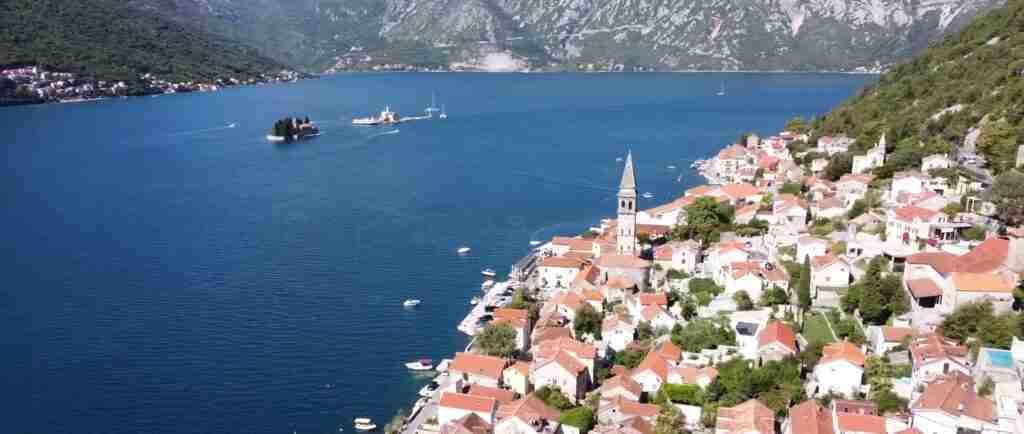
Second stop reaches Perast, impeccably preserved baroque town of 400 residents spread along waterfront beneath mountains. Boat docks briefly allowing 45-60 minute independent exploration. Walk Perast’s single main street admiring 17th-18th century palaces built by wealthy shipping merchants when Perast competed with Venice and Dubrovnik for Adriatic trade dominance. Saint Nicholas Church bell tower offers panoramic views €1 ($1) entrance for 100-step climb. Perast Museum housed in Bujovic Palace displays period furniture, maritime artifacts, and historical exhibits documenting town’s prosperity €3 ($3) entrance for 30-minute visit.
Perast provides lunch opportunity—waterfront restaurants including Conte Restaurant and Konoba Skolji serve fresh seafood €15-28 ($17-31) per person for main course with stunning bay views. Alternatively, pack snacks and beverages purchased earlier in Kotor, saving restaurant meal for dinner. Boat tour schedules accommodate either approach with 45-60 minute Perast stop.
Third stop visits Blue Cave (Plava Špilja), natural sea cave famous for luminescent blue water created when sunlight enters through partially submerged entrance and reflects off white limestone cave floor. Weather conditions determine swimming accessibility—calm mornings allow entering cave for swimming and snorkeling, but afternoon winds or rough seas preclude safe entry. Boat operators make final swimming decision onsite. When conditions permit, spend 20-30 minutes swimming in cave’s ethereal blue glow while boat waits. Bring waterproof camera for unique photography opportunity. Water temperature June-September ranges 68-75°F, comfortable for 15-20 minute swimming without wetsuit.
Additional stops vary by operator but often include Mamula Island, small fortified island with 19th century Austrian fortress structure once serving as prison. Submarine tunnels near Luštica peninsula offer glimpse into Yugoslav Navy’s Cold War infrastructure—three massive tunnels carved into cliff faces where submarines hid and underwent maintenance. Modern tours view tunnels from water rather than entering as military infrastructure remains restricted.
Tours return to Kotor marina 12:30-1:30 PM depending on route and conditions. Total boat tour cost: €25-35 ($28-38) per person shared group, €160-290 ($175-320) private charter. Add €5 ($6) for Our Lady of the Rocks church entrance, €4 ($4) for Perast museum and bell tower if visiting both.
Afternoon: Relaxation and Beach Time Options (2:00 PM – 6:00 PM)
Post-boat tour afternoons invite relaxation after morning’s sun exposure and activity. Several approaches suit different preferences and budgets. Beach enthusiasts take taxi €10-15 ($11-17) or local bus €2 ($2) to nearby beaches including Bajova Kula beach in Prčanj, 10 minutes east, or Dobrota beaches 5 minutes north. These narrow pebble beaches offer swimming, sunbathing, and beach bar services. Quality varies—water remains clean but facilities basic compared to developed beach resorts. Beach chairs and umbrellas rent €5-10 ($6-11) daily where available. Pack towel and water shoes for pebble shore comfort.
Alternative approach returns to accommodation for rest and recovery before evening activities. Mid-afternoon heat June-August makes outdoor exertion uncomfortable—Old Town’s stone surfaces radiate heat and shade proves scarce. Siesta culture prevails locally with many shops closing 1:00-4:00 PM. Use downtime for shower, laundry, nap, or planning next day’s Lovćen excursion.
Culture seekers visit sites skipped Day 1. Napoleon Theatre (Teater Napoleona), tiny 100-seat venue dating to 1810, occasionally offers afternoon performances or can be viewed by arrangement with Tourist Information. Clock Tower in Piazza of Arms, while not open for climbing, provides photo opportunities in afternoon light. Flour Square (Trg od Brasna) becomes subject for photography as afternoon shadows create dramatic contrasts on stone facades.
Shopping opportunities abound for those inclined. Old Town boutiques sell local products including lavender sachets, olive oils, and honey from Montenegrin farms. Pricing reflects tourist market—compare multiple shops before purchasing. Local markets near bus station offer better values on food products. Avoid imported “traditional” crafts actually manufactured elsewhere and sold at inflated prices to cruise passengers.
Evening: Sunset and Sophisticated Dining (6:00 PM – 11:00 PM)
Evening begins with sunset viewing from strategic vantage points. City Walls walk along southwestern fortifications accessible from Bembo Square offers elevated perspectives without full fortress climb. Walk 20-minute loop returning to starting point while sun sets behind Lovćen peaks around 7:30-8:30 PM depending on season. Alternatively, waterfront promenade provides sea-level sunset views across bay toward western mountains and open Adriatic.
Dinner this evening explores Kotor’s upscale dining scene. Reservations recommended for weekend evenings at top establishments. Galion Restaurant, positioned on waterfront with boat dock for yacht arrivals, specializes in fresh Adriatic seafood and extensive wine list. Expect €40-60 ($44-66) per person for multi-course meal with wine pairings featuring local vintages including Vranac red and Krstač white. The setting provides romantic atmosphere with tables directly beside lapping bay waters.
Bastion Restaurant, built into fortification walls near South Gate, combines historic architecture with contemporary Mediterranean cuisine. Menu features seasonal ingredients and creative preparations moving beyond traditional seafood grilling. Pricing runs €35-55 ($38-60) per person for appetizer, main, and dessert without wine. Request outdoor terrace seating for fortress wall ambiance.
Old Winery, despite touristy name, delivers quality food and extensive Montenegrin wine selection. The vaulted stone interior creates atmospheric dining even during summer heat. House specialties include lamb peka (slow-cooked under metal dome with vegetables) €22 ($24) and octopus salad €18 ($20). Wine list spans €15-45 ($17-50) per bottle with knowledgeable staff guiding selections. Total dinner cost €30-45 ($33-50) per person with moderate wine consumption.
Budget travelers seeking quality without premium prices dine at Konoba Scala Santa, Cesarica, or similar establishments serving €15-25 ($17-28) dinners in atmospheric settings. These konobas often outperform expensive restaurants for traditional preparations—grilled fish, seafood risotto, meat platters—by focusing on simple excellence rather than decorative presentation.
Post-dinner entertainment options include return to live music venues, wine bars for extended tasting sessions, or cocktail bars featuring creative mixology. Maximus Wine Bar offers extensive wine flights €15-30 ($17-33) sampling Montenegrin and regional wines. Letrika Bar mixes creative cocktails €8-12 ($9-13) in stylish atmosphere with DJ music late evening. These establishments attract slightly older, sophisticated crowd compared to beer-focused pubs serving younger backpacker demographic.
Evening naturally concludes 10:30 PM-midnight depending on energy and next morning’s mountain excursion timing. Lovćen National Park requires morning departure for optimal experience, making moderate evening more prudent than extending through late-night hours.
Day 2 Budget Summary 2026
Budget travelers keeping Day 2 within $35-70 per person choose shared boat tour €25 ($28), pack lunch rather than Perast restaurant, skip beach clubs for free swimming spots, and dine konoba dinner €15-20 ($17-22) with limited drinks. Mid-range travelers spending $95-155 per person select quality boat tour €30-35 ($33-38), lunch in Perast €18-25 ($20-28), afternoon beach chair rental €8 ($9), and upscale dinner €35-50 ($38-55) with wine. Luxury approach reaching $275-390 per person books private speedboat charter €200-250 ($220-275) split among passengers, fine dining lunch and dinner, and premium beverage selections throughout day.
Day 3 Itinerary: Lovćen National Park Mountain Exploration 2026
Morning: Lovćen National Park Ascent and Njegoš Mausoleum (8:00 AM – 1:00 PM)
Final full day ventures inland and upward to Lovćen National Park, ascending 4,200-foot massif dominating Kotor’s eastern skyline. The mountain excursion provides geological and cultural context missing from bay-level perspectives—revealing how improbable Kotor’s position truly is, wedged between Mediterranean coast and Balkan highlands. Car rental or organized tour proves necessary as public transport doesn’t serve park efficiently.
Car rental in Kotor costs €25-40 ($28-44) daily for compact vehicles via agencies including Sixt, Europcar, and local operators. Book previous afternoon for early morning departure. Alternatively, organized Lovćen tours operate €35-50 ($38-55) per person including transport, park entrance, and guide. These depart Kotor 8:30-9:00 AM, returning by 2:00-3:00 PM. Private tours cost €150-200 ($165-220) for up to 4 passengers with flexible scheduling.
Departure from Kotor 8:00-8:30 AM allows reaching park before midday heat intensifies. The serpentine road climbing from sea level to 4,200 feet features 25 numbered hairpin curves creating famous Kotor Serpentine photographed endlessly for dramatic perspective. Allow 15-20 minutes for photo stops at designated viewpoints where bay panoramas unfold below—Old Town’s compact medieval core visible, surrounding mountains revealing scale, Adriatic horizon stretching toward Italy. Early morning light provides optimal photography conditions before haze accumulates.
Continue ascending through forest zones as Mediterranean vegetation transitions to alpine species. After 35-40 minutes total driving reach Ivanova Korita village at 4,000 feet elevation, Lovćen National Park’s administrative center. Stop at park information center for restrooms, maps, and refreshments. Park entrance fee €4 ($4) per person purchased here or at Njegoš Mausoleum entrance ahead.
Drive final 10 minutes to Njegoš Mausoleum parking area near summit. The mausoleum honors Petar II Petrović-Njegoš, 19th century Montenegrin prince-bishop considered nation’s greatest poet and philosopher. Structure sits at 5,577 feet on Jezerski Vrh peak—highest accessible point in area. Park and walk 461 stone steps climbing final 150 vertical feet to mausoleum entrance. Entrance €6 ($7) includes interior viewing of chapel housing Njegoš’s remains beneath granite tomb, and access to observation platform.
Mausoleum interior features imposing architecture—28-ton marble tomb, gilt Montenegrin eagle sculpture, and vestibule with 200,000 gold mosaic tiles. The observation platform provides 360-degree panoramas encompassing Bay of Kotor below, surrounding Dinaric Alps, Skadar Lake to northeast, and Adriatic coast stretching both directions. On clearest days visibility extends to Italy across Adriatic. Interpretive panels identify visible landmarks though morning haze often obscures distant features. Allocate 45-60 minutes total for mausoleum visit including stair climbing and photography.
Return to parking area and drive 15 minutes to Cetinje, Montenegro’s old royal capital and cultural heart. The small city of 14,000 residents hosts several museums occupying former royal buildings. National Museum of Montenegro combines history and ethnography exhibitions €5 ($6) entrance. Cetinje Monastery houses religious artifacts and library with rare manuscripts €3 ($3). Former Royal Palace converted to museum displays period rooms and royal family memorabilia €4 ($4). Museums close Mondays and operate reduced hours off-season—verify current schedules. Allow 2-3 hours exploring Cetinje’s compact historic core if including museum visits, or 45-60 minutes for quick town overview and café break.
Afternoon: Return Journey and Coastal Villages (1:00 PM – 5:00 PM)
Return journey Cetinje to Kotor offers alternative routing via coastal villages rather than retracing morning’s route. From Cetinje drive toward coast via route descending to Budva Riviera, 45-minute journey through forested mountains emerging at coast near Budva. This medieval walled town hosts Montenegro’s most developed beach resort area with extensive hotel strips and nightlife infrastructure.
Stop in Budva Old Town for lunch and brief exploration. The fortified peninsula resembles miniature Kotor with Venetian architecture and citadel but lacks UNESCO protection and character depth. Restaurants line pedestrian streets with €15-25 ($17-28) typical pricing for main courses. Budva’s beaches—Mogren, Slovenska Plaža—offer swimming opportunities though development density and crowds June-August diminish appeal. Allocate 60-90 minutes Budva before continuing north toward Kotor.
Coastal highway connecting Budva to Kotor hugs shoreline through series of small beaches and villages. Sveti Stefan appears 10 minutes north of Budva—dramatic fortified island connected to mainland by narrow causeway, now operated as ultra-luxury Aman resort with rooms starting €800+ ($880+) nightly. Non-guests can’t access island but photograph from public beach and viewpoint. Stop 10 minutes for photos if schedule permits.
Continue coastal route passing through Petrovac and Sutomore before reaching Bay of Kotor near Tivat. Alternative routing enters bay via Lepetane-Kamenari ferry crossing, 15-minute boat connection bypassing road around bay’s perimeter. Ferry operates continuously daylight hours, €4.50 ($5) per vehicle plus passengers. The ferry crossing provides brief water perspectives and shortens total return time to Kotor by 30 minutes versus road around bay.
From ferry or via road, reach Kotor by 3:30-4:30 PM depending on stops taken. Return rental car if applicable, or coordinate tour drop-off at accommodation. Day 3’s mountain excursion totals 7-8 hours including all stops and transportation.
Evening: Farewell Dinner and Reflection (6:00 PM – 10:00 PM)
Final evening in Kotor invites revisiting favorite discoveries from previous days while savoring closing hours in medieval setting. Some travelers return to fortress for sunset views, completing sunrise-to-sunset perspective spanning three days. Others wander previously unexplored alleyways discovering new corners and perspectives missed earlier.
Farewell dinner merits splurging at Kotor’s finest establishments or returning to discovered favorite meriting repeat visit. Galion remains top choice for special occasion dining—waterfront position, impeccable service, creative menu presentations. Bastion Restaurant offers fortress wall atmosphere with contemporary cuisine. Budget travelers finding perfect konoba Day 1 or Day 2 appropriately bookend visit with return meal enjoying familiar excellence.
Post-dinner, revisit favorite evening haunts—live music square, wine bar, waterfront promenade—or discover new venue completing Kotor education. The repetition reinforces memories while creating closure. Three days proves sufficient for comprehensive Kotor experience yet brief enough to leave travelers wanting return visits for deeper exploration.
Pack efficiently this evening as next morning brings departure. Verify transportation arrangements whether taxi to airport, bus to next destination, or rental car return. Kotor’s compact size means even late evening wandering allows relatively early bedtime preparing for travel day.
Day 3 Budget Summary 2026
Budget travelers managing Day 3 within $40-70 per person join shared Lovćen tour €35-40 ($38-44), pack lunch rather than Budva restaurant, and dine casual farewell dinner €15-20 ($17-22). Mid-range travelers spending $95-150 per person rent car €30-35 ($33-38) split between passengers, lunch in Budva €18-25 ($20-28), pay park entrance and museum fees €15-20 ($17-22), and select quality dinner €35-50 ($38-55). Luxury approach reaching $260-380 per person books private tour €150-180 ($165-198) split among group, premium dining all meals, and extended beverage programs.
Practical Information: Maximizing Your Kotor Experience 2026
Accommodation Strategies and Neighborhood Selection 2026
Kotor accommodation divides between properties within Old Town walls versus surrounding neighborhoods. Old Town locations maximize medieval atmosphere and monument proximity but face noise considerations as bars and live music operate late. Request quieter courtyard-facing rooms rather than square-fronting options if light sleeping concerns you. Properties outside walls in Dobrota, Škaljari, or along coastal road offer more space and amenities for similar or lower prices with 5-15 minute walk to Old Town.
Budget hostels including Hostel Pupa, Hostel Old Town, and Montenegro Hostel B&B B cost €10-20 ($11-23) dormitory beds with basic facilities and social atmospheres. Private rooms in budget guesthouses run €35-55 ($38-60) nightly for basic doubles. These properties cluster near Old Town gates and along waterfront, lacking luxury amenities but providing clean, functional accommodation.
Mid-range hotels €60-90 ($66-99) per night include Hotel Vardar, Hotel Marija, and Hotel Monte Cristo offering ensuite rooms, air conditioning, breakfast inclusion, and helpful staff. Properties in this tier balance authentic character—many occupy renovated historic buildings—with modern comfort standards. Location within or immediately adjacent Old Town ensures convenient access to all attractions.
Boutique hotels including Boutique Hotel Astoria, Historic Boutique Hotel Cattaro, and Palazzo Radomiri represent premium tier €120-180 ($132-198) nightly. These properties restore historic palaces combining original architectural elements with contemporary luxury. Expect designer furnishings, excellent service, rooftop terraces or waterfront positioning, and attention to detail justifying premium pricing. Reserve 2-3 months ahead for summer availability.
Luxury resorts including Huma Kotor Bay Hotel and Villas, Hyatt Regency Kotor Bay Resort, and Heritage Grand Perast operate outside Old Town core along bay shores. Pricing €200-450+ ($220-495+) per night includes extensive amenities—spas, pools, beaches, multiple restaurants, concierge services. These suit travelers prioritizing resort experience over historic immersion, though locations require taxi or car for Old Town access.
Dining Recommendations Beyond Main Squares 2026
Kotor’s best dining exists away from Piazza of Arms and Cathedral Square where tourist-focused establishments charge premium prices for adequate but uninspired food. Venture into side alleys and northern/southern wall areas for authentic konobas serving locals alongside savvy travelers.
Konoba Portun near Gurdic Gate exemplifies authentic dining—stone interior, family operation, traditional menu featuring black risotto €12 ($13), grilled fish market price typically €18-25 ($20-28) per kilogram, and lamb peka €15 ($17). No English menu but staff explains offerings. Locals occupy half tables most evenings validating quality. Reservations unnecessary weekdays, helpful Friday-Saturday.
Cesarica along southern fortification wall offers similar quality with slightly larger space and outdoor terrace. Specialties include octopus salad €12 ($13), seafood brodetto stew €18 ($20), and grilled squid €14 ($15). Wine selection emphasizes Montenegrin vintages €12-25 ($13-28) per bottle. The restaurant’s position tucked against fortress walls creates atmospheric setting without premium pricing of waterfront venues.
For budget dining, bakeries provide excellent value. Forza Café near Flour Square serves fresh burek €2-3 ($2-3), pastries €1-2 ($1-2), and strong coffee €1.50 ($2) from 6 AM daily. Bokeski Gusti bakery near Sea Gate offers similar quality and pricing. Purchase warm burek or cheese pita for €3 breakfast feeding two people adequately.
Market stalls operating mornings near bus station sell local produce, cheeses, cured meats, and honey at local rather than tourist prices. Assemble picnic lunches for €8-12 ($9-13) total including wine, feeding two people for bay excursions or beach visits. Nearby supermarkets Franca and Idea stock additional supplies including imported products unavailable from market vendors.
Weather Patterns and Seasonal Considerations 2026
Kotor’s Mediterranean climate features hot, dry summers and mild, wet winters with spring and autumn shoulder seasons offering optimal visiting conditions. June through September delivers reliable sunshine with average highs 80-88°F and minimal rainfall. July-August peaks bring occasional extreme heat exceeding 95°F when fortress climbing becomes ordeal rather than pleasure—sunrise timing essential these months.
June and September emerge as sweet spots combining summer warmth with reduced crowds and comfortable climbing conditions. June averages 78-82°F with bay waters warming to 70-73°F suitable for extended swimming. September maintains similar temperatures while autumn light creates dramatic photography conditions as sun angle lowers.
May and October represent shoulder season extending favorable conditions into spring and autumn. May averages 68-75°F with occasional showers and bay water temperatures 60-65°F tolerable for brief swimming. October mirrors May conditions with autumn foliage coloring mountainsides and harvest season bringing fresh local produce to markets. Some boat operators reduce schedules these months—verify tour availability when booking.
November through March enters low season with cooler temperatures, significant rainfall, and reduced tourist infrastructure. Winter highs average 50-58°F with frequent rain and occasional snow on Lovćen peaks. Old Town exploration remains viable but boat tours operate sporadically depending on weather. Accommodation and restaurant options decrease as seasonal properties close. Budget travelers find excellent deals this period but accept weather limitations and reduced atmospherics without summer crowds and evening vitality.
Safety Considerations and Health Precautions 2026
Kotor ranks as very safe destination with minimal violent crime affecting tourists. Petty theft targeting distracted visitors occurs in crowded areas during cruise ship arrivals—secure valuables, avoid displaying expensive phones/cameras carelessly, and keep hotel room doors locked. Pickpocketing remains rare but exercise standard urban precautions in crowded Old Town areas midday when multiple ships dock simultaneously.
Fortress climbing presents primary injury risk via unstable stone steps, loose rocks, and exposed edges lacking barriers. Wear proper footwear, watch footing constantly, avoid distractions while climbing, and stay on marked paths. Fatal accidents occur occasionally when visitors ignore safety and venture onto crumbling walls or photograph from dangerous positions. Supervise children closely—no barriers prevent falls from multiple exposed drops.
Heat exhaustion affects unprepared fortress climbers during summer months. Carry 1-liter minimum water, wear hat and sunscreen, and recognize symptoms including dizziness, nausea, and excessive fatigue. Rest frequently during ascent and descend immediately if feeling unwell. Most medical issues involve sunburn and dehydration, both easily prevented through proper preparation.
Swimming risks in bay and Blue Cave include boat traffic, currents, and rocky entry/exit points. Always swim where boat operators indicate safe areas, never from moving boats, and watch for motorboat traffic which may not see swimmers. Water shoes protect feet from rocks and sea urchins common in shallow areas. Jellyfish occasionally appear summer months—watch for warning signs and ask locals about recent sightings.
Medical facilities in Kotor include Health Center Kotor providing emergency care and basic services. Serious medical issues require transfer to Clinical Center of Montenegro in Podgorica, 60 miles inland. Travel insurance covering medical evacuation recommended for extended Montenegro stays. EU citizens with European Health Insurance Card receive reciprocal care but supplemental travel insurance advisable. Pharmacies throughout Kotor stock common medications and provide basic health consultation.
Photography Tips and Best Shooting Locations 2026
Fortress panoramas achieve best results early morning 7:00-9:00 AM when golden light illuminates Old Town and bay waters remain calm and reflective. Afternoon light creates harsh shadows and hazy atmosphere diminishing distant clarity. The summit provides 360-degree opportunities—shoot southeast toward Old Town and bay, northwest toward Lovćen peaks, and southwest toward open Adriatic. Wide-angle lens captures scale though telephoto compresses layers of mountains and coast creating dramatic compressed perspectives.
Serpentine hairpin curves photograph best from viewpoints at turns 8, 13, and 19 ascending toward Lovćen. Morning light favors uphill direction, afternoon light works better downhill direction—plan accordingly. Drone photography faces heavy restrictions near Old Town and fortress for safety and heritage protection. Obtain permits from local authorities before flying or face confiscation and fines.
Old Town alley scenes work best early morning 6:00-8:00 AM before crowds and harsh overhead sun arrive. Look for light shafts entering narrow passages, architectural details illuminated obliquely, and solitary figures for scale. Avoid midday shooting as overhead sun creates unflattering shadows and blown highlights on white limestone walls. Evening blue hour 30 minutes after sunset provides magical light for long exposures capturing lantern-lit alleys and illuminated monuments.
Blue Cave photography requires waterproof camera or phone case and understanding of challenging exposure conditions—bright exterior contrasting with dark cave interior. Set camera to preserve highlights in water’s blue luminescence while accepting underexposed cave walls. GoPro or similar action cameras handle water environment better than expensive DSLRs vulnerable to water damage. Shoot during actual swimming for interesting underwater perspectives impossible from boat.
Local Customs and Cultural Sensitivity 2026
Kotor follows Mediterranean cultural norms blending Balkan, Italian, and Orthodox traditions. Dress modestly when entering churches—covered shoulders and knees required, though enforcement remains relaxed except in functioning religious spaces during services. Remove hats inside churches and maintain quiet, respectful behavior. Photography generally permitted but avoid flash and respect any posted restrictions.
Greeting strangers with “Dobar dan” (good day) shows basic courtesy appreciated by locals tired of tourists treating Old Town as theme park rather than lived community. Learn few Montenegrin words beyond English—hvala (thank you), molim (please), and izvinte (excuse me) go far. Most younger residents and tourism workers speak excellent English but older generations appreciate efforts at local language.
Tipping follows Mediterranean rather than American standards—10% for satisfactory restaurant service, round up taxi fares and café bills, but no obligation for exceptional tipping percentages. Service charges rarely appear on bills. Overtipping marks you as tourist unfamiliar with local norms and potentially encourages adjusted pricing for subsequent visitors.
Sunday mornings see reduced business activity as Catholic and Orthodox services occupy religious population. Some shops and restaurants operate limited hours or close entirely. Plan accordingly for Sunday arrivals or departures when transportation and dining options decrease.
Extending Your Stay: Day Trip Options from Kotor 2026
Three days captures Kotor essentials but extended stays enable exploring surrounding region. Budva Riviera, 30 minutes south, combines medieval Old Town with developed beach resort infrastructure. Day trip covers Budva exploration, swimming at Mogren Beach or Slovenska Plaža, and lunch at waterfront restaurant. Budget €25-40 ($28-44) per person including bus transport €6 ($7) round trip, beach chair €8 ($9), and casual lunch €15-20 ($17-22).
Skadar Lake National Park, 45 minutes northeast, offers boat tours through largest lake in Balkans hosting diverse birdlife including dalmatian pelicans. Village of Virpazar serves as base for lake exploration with boat tours €15-25 ($17-28) per person lasting 2-3 hours. Combine with wine tasting at local vineyards including Plantaže winery producing Montenegro’s most famous wines. Day trip requires car rental or organized tour €45-65 ($50-72) per person including transport and boat tour.
Durmitor National Park, 3 hours north, delivers dramatic mountain scenery including Tara River Canyon—second deepest in world after Grand Canyon. Day trip feasible but long with 6 hours driving. Better as 2-day excursion with overnight in Žabljak mountain town. Activities include hiking, rafting, and lake swimming. Organized tours from Kotor €75-95 ($83-105) per person include transport, guide, and lunch but require 12-14 hour day.
Dubrovnik Croatia, 50 miles northwest, merits day trip for those not visiting separately. The Croatian city offers larger Old Town, more extensive fortification walks, and greater dining/shopping options. Budget €35-50 ($38-55) per person including bus transport €15-18 ($17-20) round trip, city wall entrance €35 ($38), and lunch. Border crossing adds 20-40 minutes each direction depending on wait times.
Frequently Asked Questions: Kotor 3-Day Itinerary 2026
Do I need to pre-book boat tours for Kotor in 2026?
Pre-booking boat tours 1-2 weeks advance recommended for June-August peak season when Blue Cave speedboat tours sell out mornings and afternoon departures face rougher water conditions. Shared group tours accommodating 10-15 passengers fill faster than larger boat operations. Private speedboat charters always require advance booking regardless of season. Shoulder season May, September, and October allow more spontaneous booking with 2-3 days notice usually sufficient. Same-day boat tour availability exists but limits choice of operators and departure times. Book through operator websites, hotel concierges, or tour agencies along waterfront promenade. Confirm cancellation policies—most operators offer free cancellation 24 hours prior enabling flexibility if weather deteriorates.
How physically demanding is climbing Kotor’s fortress in 2026?
San Giovanni Fortress climb ascends 1,350 stone steps over 900 vertical feet via switchback stairway requiring 60-90 minutes at moderate pace. Moderate fitness level sufficient though previous knee injuries or cardiovascular limitations may struggle. The route offers multiple rest points with benches and viewpoints enabling frequent breaks. Most visitors complete climb successfully but arrive winded and sweaty. Proper footwear essential—athletic shoes or lightweight hiking boots provide necessary support and traction on uneven stone surfaces. Bring 1-liter minimum water as no facilities exist along route. Sunrise climbing 6:00-7:00 AM avoids worst heat but requires navigating stairs in dim light—bring flashlight or headlamp. Alternative easier hike follows road circling mountain from northeastern Old Town gate, reaching fortress via gentler gradient requiring 2-3 hours but avoiding stair climbing.
Is Kotor safe for solo female travelers in 2026?
Kotor ranks as very safe destination for solo female travelers with minimal harassment and low crime rates. Old Town’s compact size and tourist foot traffic creates secure environment day and night. Solo travelers routinely explore fortress trails, join boat tours, and dine alone without incident. Standard urban precautions apply—avoid displaying expensive jewelry, stay aware in crowded areas during cruise ship arrivals, and inform accommodation of planned activities. Evening Old Town atmosphere remains family-friendly rather than party-centric unlike beach resort destinations. Solo women report feeling comfortable walking Old Town alleys past midnight though empty fortress trails after dark warrant caution. Local culture respects women’s independence and tourism workers maintain professional standards. Budget hostels foster social connections enabling solo travelers to join groups for boat tours and dining, reducing isolation while controlling costs.
What is the best way to get around Bay of Kotor without a car in 2026?
Local buses operated by Autobusna Stanica Kotor connect Old Town to bay villages including Perast, Risan, and Herceg Novi. Route 21 reaches Perast in 25 minutes for €2 ($2), departing hourly daytime. Buses depart from station near Old Town’s southeastern corner with schedules posted at station and available through Google Maps. Blue Line ferries connect Kamenari and Lepetane across narrowest bay section, shortening travel to western shore villages. Taxis provide flexibility for multiple stops or evening returns—negotiate flat rates rather than meters for bay village excursions, typically €40-60 ($44-66) for half-day hire including waiting time. Boat operators offer point-to-point water taxi services connecting bay villages €10-20 ($11-22) per trip depending on distance, though schedules prove irregular outside organized tour times. Walking proves impractical for bay exploration given 30+ kilometer perimeter and limited waterfront pedestrian paths. Combining local bus for outbound journey with taxi return offers cost-effective strategy for independent travelers without cars.
Can I visit Kotor in winter 2026 and still enjoy the experience?
Winter visits November through March deliver different but viable Kotor experience emphasizing cultural immersion over beach activities. Old Town exploration proceeds year-round with medieval architecture and museums operating normal schedules. Fortress climbing remains accessible though cooler temperatures 45-55°F and occasional rain create less pleasant conditions. Pack waterproof jacket and layers for variable weather. Bay boat tours operate reduced schedules December-February with many operators closing entirely—verify availability before planning winter visit dependent on boat excursions. Blue Cave swimming obviously impossible in 50-55°F winter water temperatures. Lovćen National Park remains accessible except during snow events closing mountain roads—check conditions before attempting winter ascent. Accommodation and restaurant options decrease as seasonal properties close but sufficient infrastructure remains for comfortable visit. Advantages include dramatic off-season pricing reductions of 30-50% versus summer rates, zero crowds enabling atmospheric Old Town wandering, and authentic glimpse of local life without tourist overlay. Christmas and New Year bring festive atmosphere with decorations and events though some businesses close for holidays. Winter suits travelers prioritizing cultural depth over beach activities and willing to accept weather uncertainty.
How much should I budget for food per day in Kotor 2026?
Food budgets in Kotor 2026 span considerable range based on dining choices and self-catering extent. Budget travelers managing €15-25 ($17-28) daily per person eat bakery breakfast burek €2-3 ($2-3), prepare picnic lunch from market purchases €5-8 ($6-9), and dine at konobas €10-15 ($11-17) for dinner with limited alcohol. Mid-range travelers spending €40-60 ($44-66) daily enjoy café breakfasts €8-12 ($9-13), seated restaurant lunches €15-25 ($17-28), and quality dinners €25-35 ($28-38) including wine or beer. Luxury diners reaching €80-120 ($88-132) daily select upscale establishments all meals, order premium wine pairings €25-45 ($28-50) per bottle, and add dessert courses and digestifs. Coffee costs €1.50-3 ($2-3) at casual cafés, €3-5 ($3-6) at waterfront establishments. Beer prices €3-5 ($3-6) for 0.5L local lager, cocktails €6-9 ($7-10). Groceries from supermarkets enable significant savings—fresh bread €1 ($1), local cheese €6-8 ($7-9) per kilogram, wine €5-12 ($6-13) per bottle, enabling self-catered breakfasts and picnic lunches for €8-12 ($9-13) total daily per person. Waterfront restaurants charge 20-30% premiums versus equivalent establishments in side alleys—walk two minutes from main squares for better value without quality sacrifice.
Do I need travel insurance for a Kotor trip in 2026?
Travel insurance strongly recommended for Kotor visits covering medical emergencies, trip cancellation, and lost baggage. Montenegro’s public healthcare system provides emergency care but quality varies and serious conditions require evacuation to better facilities. EU citizens with European Health Insurance Card receive reciprocal emergency care but supplemental insurance advisable for comprehensive coverage including repatriation. Non-EU visitors pay full costs for medical treatment—even minor emergency room visits reaching €200-400 ($220-440). Fortress climbing, mountain hiking, and boat tours create injury risks where proper insurance prevents financial catastrophe. Trip cancellation coverage protects prepaid accommodation and flight costs if personal emergencies prevent travel. Typical policies cost €30-60 ($33-66) for week-long trip providing €50,000-100,000 medical coverage, €2,000-5,000 trip cancellation limits, and baggage loss protection. Compare policies ensuring adventure activities including hiking and boat tours receive coverage—some budget policies exclude these. Purchase insurance immediately after booking flights to maximize cancellation coverage periods. Verify existing credit card travel benefits before purchasing separate policy as premium cards often include basic travel insurance though coverage limits typically lower than standalone policies.
What should I do if cruise ships are in port during my Kotor visit 2026?
Cruise ship arrivals transform Kotor Old Town from atmospheric medieval marvel into overwhelmed tourist trap as 3,000+ passengers flood 0.2 square mile space simultaneously. Check cruise ship schedules on CruiseMapper or Port of Kotor website when planning daily activities. Typically 1-3 ships dock weekdays during May-October season, with Mondays and Fridays seeing heaviest traffic. Ships usually arrive 8:00-9:00 AM and depart 5:00-6:00 PM. Adjust itinerary accordingly: complete fortress climbing before 9:00 AM or after 4:00 PM when cruise passengers crowd stairs. Visit cathedral and churches 7:30-8:30 AM before tour groups arrive. Schedule boat tours morning departures before cruise passengers book afternoon slots. Dine lunch before noon or after 2:00 PM avoiding cruise passenger peak lunch hours. Old Town alleys transform into barely navigable pedestrian traffic jams 11:00 AM-3:00 PM on heavy cruise days—escape to less-visited areas like northern wall sections or waterfront neighborhoods. Many locals and savvy independent travelers avoid Old Town entirely on 3-ship days, using time for Perast visits, beach excursions, or Lovćen drives. Evenings after 6:00 PM restore calm as cruise passengers return to ships—best time for atmospheric Old Town dining and wandering. Accommodation within Old Town becomes noisy cruise days as street performers and crowds create din until ship departures.
Can I do a day trip from Kotor to Dubrovnik Croatia in 2026?
Dubrovnik day trip from Kotor proves entirely feasible at 50 miles distance requiring 1.5-2 hours each direction including Croatia-Montenegro border crossing. Public buses operated by Korzo and Globtour depart Kotor bus station 6-7 times daily starting 7:00 AM, costing €15-18 ($17-20) one way with return buses until 6:00-7:00 PM. Purchase tickets at station or sometimes aboard from driver. Border crossing involves passport check and occasional vehicle inspection—keep passports accessible and expect 10-20 minute delay each direction. Private tours cost €75-100 ($83-110) per person including transport, brief guide narration, and flexible scheduling. Car rental enables independent exploration €30-40 ($33-44) daily split among passengers plus €15-20 ($17-22) insurance. Dubrovnik parking proves challenging and expensive €20-30 ($22-33) daily at facilities outside Pile Gate. City wall walk requires €35 ($38) entrance taking 1.5-2 hours circumnavigating complete fortifications. Old Town exploration, lunch, and wall walk consume 4-5 hours minimum leaving little time for beach visits or cable car ascent Mount Srd. Day trip feasibility depends on border wait times—summer weekends see longer delays than weekday visits. Verify current visa/entry requirements for specific nationalities as Croatia’s Schengen entry 2023 changed some crossing protocols. Consider staying overnight Dubrovnik rather than day trip if wanting comprehensive exploration beyond basic Old Town highlights.
Is it worth staying in Kotor Old Town versus outside areas in 2026?
Old Town accommodation maximizes medieval atmosphere and monument accessibility but comes with compromises including noise, limited space, and premium pricing. Properties within walls deliver unmatched character staying in renovated Renaissance palaces and Venetian merchant houses. Walk 2 minutes maximum to fortress entrance, cathedral, or any restaurant. Drawbacks include late-night noise from bars and live music operating until midnight or beyond, limited parking forcing taxi reliance for arrivals, smaller rooms due to historic building constraints, and 20-30% price premiums versus equivalent quality outside walls. Neighborhoods immediately outside walls including Dobrota north and Škaljari south offer more spacious accommodation, easier parking, quieter nights, and better value while maintaining 5-15 minute walk to Old Town attractions. These areas suit families needing space, drivers requiring parking, or budget travelers maximizing value. Luxury resorts along bay shores including Huma Kotor Bay and Hyatt Regency provide full-service experiences with pools, spas, and beaches but require taxi or car for Old Town access. Choose Old Town if prioritizing medieval immersion and walking convenience, outside areas if seeking better value and more space, resort locations if wanting comprehensive amenities and willing to trade convenient Old Town access for resort facilities. First-time visitors typically prefer Old Town locations for atmospheric depth despite compromises—return visitors often choose outside areas having already experienced the medieval setting and prioritizing practical comfort over romantic location.