
Kiruna Travel Guide 2026: Gateway to Swedish Lapland & Aurora Borealis
Kiruna stands 200 kilometers north of the Arctic Circle as Sweden’s northernmost city and the ultimate destination for experiencing the midnight sun and northern lights. This remote Arctic gateway combines authentic Sami culture, world-class winter activities, and some of the planet’s most spectacular natural phenomena, making it an essential stop for travelers seeking genuine Arctic adventure in 2026.
Key Takeaways
- Kiruna offers prime northern lights viewing from September to March, with peak activity December-February in Arctic darkness
- The city serves as gateway to Abisko National Park, Ice Hotel Jukkasjärvi, and the famous Kungsleden hiking trail
- Accommodation ranges $80-450 per night, with mid-range options averaging $180-280 in winter, $300-450 in summer
- Dog sledding tours cost €190-230 per person, while snowmobile adventures and ice fishing provide additional Arctic experiences
- The midnight sun shines continuously from late May to mid-July, providing 24-hour daylight for summer adventures
- LKAB iron ore mine tours descend 540 meters underground into one of the world’s largest iron ore operations
People Also Ask About Kiruna 2026
When is the best time to visit Kiruna in 2026 for northern lights?
The optimal period for northern lights in Kiruna runs from December through February 2026, when polar nights provide maximum darkness. September through March offers the full aurora season, with December-January providing the longest dark periods. Peak visibility occurs on clear nights with low light pollution, particularly in areas outside the city center. The aurora season coincides with winter activities like dog sledding and snowmobiling, creating opportunities to combine multiple Arctic experiences. Spring and autumn equinoxes (late September, late March) also see increased aurora activity, though with shorter viewing windows.
How much does a trip to Kiruna cost in 2026?
Budget travelers can expect to spend $150-200 per day in Kiruna during 2026, including hostel accommodation ($80), meals ($50-70), and basic activities. Mid-range travelers typically spend $350-500 daily, covering hotel stays ($180-280), restaurant dining, and premium tours like dog sledding (€190-230). Luxury experiences, including Ice Hotel stays and private tours, push daily costs to $600-1000. Winter activities dominate costs: dog sledding €190-230, snowmobile tours €150-200, and northern lights photography tours €100-150. Transportation from Stockholm adds approximately $150-250 for flights or $100-150 for overnight trains.
What activities are available in Kiruna during winter 2026?
Winter 2026 in Kiruna offers extensive Arctic activities centered on snow and darkness. Dog sledding tours range from 3-hour northern lights experiences (€190) to full-day wilderness adventures (€230), typically running November through March. Snowmobile safaris explore frozen landscapes and reach remote locations like the Ice Hotel in Jukkasjärvi. Ice fishing on frozen lakes provides traditional Arctic experiences, while aurora hunting tours maximize northern lights sightings. The LKAB mine offers year-round underground tours 540 meters below ground. Reindeer sledding introduces Sami culture, and cross-country skiing trails network throughout the region. Winter activities peak December-March when snow conditions prove most reliable.
How do I get to Kiruna from Stockholm in 2026?
Kiruna Airport receives direct flights from Stockholm Arlanda, with SAS and Norwegian operating 1-2 daily services. Flight time is approximately 90 minutes, with advance bookings starting around $150-250 round trip. The overnight train from Stockholm Central Station provides a scenic 17-hour journey through Swedish wilderness, departing evening and arriving morning. Train tickets start around $100-150 for couchette berths, with sleeper cabins costing $180-250. The train route passes through Boden and follows the Iron Ore Line north. From Kiruna Airport, located 15 minutes from city center, airport buses and taxis provide transfers. Local buses connect Kiruna with Abisko National Park and other regional destinations.
Extended multi-day tours – 5+ days
Featured Kiruna Multi-Day Tour Packages
6 days
Absolute ice 6 Days
- ✓ Comprehensive Kiruna tour
- ✓ Expert local guides included
- ✓ All accommodation arranged
- ✓ Transportation provided
6 days
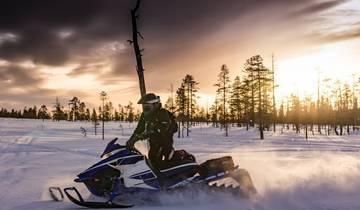
Premium Aurora Safari & Icehotel Trip
- ✓ Booking needs min. 2 travelers
6 days
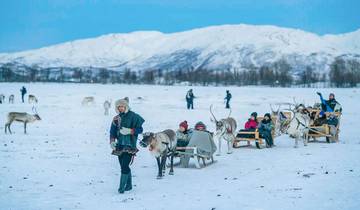
Tailor-Made Aurora Safari & Icehotel Trip
- ✓ Comprehensive Kiruna tour
- ✓ Expert local guides included
- ✓ All accommodation arranged
- ✓ Transportation provided

4 days
Kiruna – The Moving City of Swedish Lapland
- ✓ Comprehensive Kiruna tour
- ✓ Expert local guides included
- ✓ All accommodation arranged
- ✓ Transportation provided
Multi-day tour packages powered by TourRadar. Prices and availability subject to change.
Introduction to Kiruna: Sweden’s Arctic Gateway
Kiruna represents the ultimate Arctic destination, combining extreme natural phenomena with authentic Scandinavian culture and world-class adventure tourism. Located in Swedish Lapland 145 kilometers north of the Arctic Circle, this mining city of 18,000 residents serves as the gateway to Europe’s last great wilderness. The city’s unique position provides access to polar nights, midnight sun, and the aurora borealis – making it one of Earth’s most extraordinary destinations for experiencing extreme latitude phenomena.
The city’s landscape is dominated by the massive LKAB iron ore mine, one of the world’s largest underground mining operations. This industrial heritage shapes Kiruna’s identity, while also creating a fascinating challenge: the entire city center is being relocated 3 kilometers east due to mining-induced ground instability. This unprecedented urban relocation project adds another unique dimension to visiting Kiruna, as travelers witness a city literally moving itself.
Beyond the city limits, Kiruna serves as base camp for some of Europe’s most spectacular wilderness experiences. Abisko National Park, 95 kilometers northwest, ranks among the world’s best northern lights viewing locations. The famous Ice Hotel in Jukkasjärvi, 17 kilometers from Kiruna, rebuilds itself entirely from ice each winter. The Kungsleden (King’s Trail), Sweden’s premier long-distance hiking route, begins nearby at Abisko. These attractions, combined with extensive winter sports, Sami cultural experiences, and pristine Arctic nature, establish Kiruna as Scandinavia’s premier Arctic destination.
Understanding Kiruna in 2026
Kiruna operates on extreme seasonal patterns that fundamentally shape the visitor experience. Winter brings polar nights when the sun never rises above the horizon from mid-December through mid-January. This darkness creates ideal conditions for northern lights viewing, with aurora activity visible from September through March. The flip side arrives in summer when the midnight sun shines continuously from late May through mid-July, providing 24-hour daylight for hiking, fishing, and exploring.
The city’s ongoing relocation project, scheduled for completion by 2033, makes Kiruna a living architectural and urban planning exhibit. The new city center, designed by White Arkitekter, preserves Kiruna’s identity while creating a sustainable Arctic city model. Iconic buildings like the wooden Kiruna Church (completed 1912) are being physically moved to the new location. Travelers in 2026 witness this transformation firsthand, with the old and new city centers coexisting.
Kiruna’s economy revolves around LKAB’s iron ore operations, which produce 90% of the European Union’s iron ore. The mine operates 24/7 year-round, processing ore 1,365 meters below ground. Tourism has grown to become the second major economic pillar, with visitors drawn by northern lights, midnight sun, Ice Hotel, and wilderness adventures. The Sami indigenous population maintains traditional reindeer herding practices, adding cultural depth to the region’s tourism offerings.
Best Time to Visit Kiruna 2026
Winter Season (December-March 2026): Peak Northern Lights & Winter Activities
Winter represents Kiruna’s peak tourism season, when Arctic darkness enables northern lights viewing and snow sports dominate. December through February 2026 provides optimal conditions: consistent snow cover, extremely long nights, and reliable aurora activity. Temperatures range -15°C to -30°C, creating the crisp, clear conditions that produce the best aurora displays. This period sees maximum tourist activity, with the Ice Hotel fully operational and all winter tours running at full capacity.
Pros: Best northern lights probability, full winter activities schedule, Ice Hotel at its peak, magical Arctic atmosphere, reliable snow conditions Cons: Extreme cold requires specialized gear, very limited daylight (polar night mid-December to mid-January), highest accommodation prices, advance booking essential, some outdoor activities limited by extreme temperatures
January-February balances darkness with slightly more daylight than December’s polar night. March brings increasing sunlight while maintaining snow and northern lights visibility, offering the best combination for many travelers. Dog sledding, snowmobiling, and ice fishing all peak during these months. The darkness isn’t absolute – even during polar night, civil twilight creates several hours of blue-gray light midday.
Spring Season (April-May 2026): Transition Period with Value Pricing
Spring brings rapid change to Kiruna as daylight extends and temperatures moderate. April sees melting begin but maintains winter activities early in the month. By late April and into May, the transformation accelerates – snow recedes, rivers thaw, and birch forests green. Northern lights become increasingly difficult to spot as nights shorten, though aurora activity continues. This shoulder season offers significantly lower prices and fewer crowds.
Pros: Lower accommodation rates (30-40% below winter peak), fewer tourists, increasing daylight, possibility for both winter and spring activities, spring migration brings birds Cons: Unpredictable conditions (snow or slush), northern lights visibility drops significantly, some winter activities close by late April, “mud season” can limit hiking, melting snow creates wet conditions
Late May transitions into the midnight sun period, with dramatic increases in daylight. This creates unique conditions – near 24-hour daylight but lingering snow on higher elevations. Fishing season opens as ice melts from lakes and rivers. The Kungsleden trail begins opening for hikers, though snow patches may remain into June. Spring represents excellent value for travelers willing to accept transitional conditions.
Summer Season (June-August 2026): Midnight Sun & Hiking
Summer brings the midnight sun phenomenon from late May through mid-July, when the sun never sets below the horizon. This provides endless daylight for hiking, fishing, and exploration. June-July 2026 offers the ultimate midnight sun experience, with temperatures rising to 15-25°C during the day. The landscape transforms completely – vibrant green tundra, wildflowers, and thawed rivers create a totally different Kiruna than winter visitors experience.
Pros: 24-hour daylight in June-July, warmest temperatures, best hiking conditions, mosquitoes manageable with repellent, all trails and facilities open, excellent wildlife viewing including reindeer and moose Cons: No northern lights (too much daylight), accommodation at highest summer prices, more tourists (though less crowded than winter), midnight sun can disrupt sleep, mosquitoes can be intense in wetland areas
August sees the return of darkness – the sun begins setting again, creating spectacular late-summer light. Early autumn colors appear by late August, and the first aurora sightings of the season become possible as nights lengthen. Summer activities center on hiking the Kungsleden, fishing in pristine lakes and rivers, exploring Abisko National Park, and experiencing Sami culture through traditional activities. The permanent Ice Hotel 365 section remains open year-round.
Autumn Season (September-November 2026): Aurora Returns & Autumn Colors
Autumn brings the return of darkness and northern lights, combined with spectacular fall colors across the tundra and birch forests. September 2026 offers perhaps the most balanced conditions: comfortable temperatures (5-10°C), aurora activity resuming, brilliant autumn colors, and significantly fewer tourists than peak season. This makes autumn increasingly popular among experienced travelers seeking the best value and conditions.
Pros: Northern lights return (excellent from late September onward), stunning autumn colors, moderate temperatures, much lower prices than winter, smaller crowds, good hiking conditions early autumn Cons: Unpredictable weather, snow can arrive anytime from October onward, many seasonal facilities close in November, some activities not yet operational, shorter daylight than summer but not yet polar night
October sees rapid temperature drops and the first significant snowfalls. By November, winter conditions establish themselves fully, snow cover becomes reliable, and winter activities gradually restart. Late November through early December represents the pre-peak winter period – northern lights active, snow established, but before peak winter crowds and prices. Autumn provides the best balance of conditions, value, and experience for many visitors to Kiruna.
Getting to Kiruna 2026
By Air: Fastest Route from Stockholm and European Cities
Kiruna Airport serves as the primary gateway for most international visitors. SAS and Norwegian operate daily direct flights from Stockholm Arlanda, with approximately 1-2 flights daily depending on season. Flight duration is 90 minutes, making it the fastest connection to the Arctic. Advance bookings typically start around $150-250 round trip, with prices increasing significantly during peak aurora season (December-February) and summer midnight sun period.
The airport is located 8 kilometers east of the city center, approximately 15 minutes by car. Airport buses coordinate with flight arrivals, costing around 80 SEK ($8) per person for the city center transfer. Taxis charge approximately 300-400 SEK ($30-40) for the same route. Most hotels offer airport pickup services, either complimentary or for a fee. Car rental agencies operate at the airport, providing immediate access to regional destinations.
During winter peak season (December-March), booking flights 3-4 months in advance is essential. The limited number of daily flights sell out quickly, and prices can triple close to departure dates. Summer flights (June-August) also require advance booking but generally offer more availability. Seasonal flights connect Kiruna directly to other European cities during peak periods, though Stockholm remains the primary hub for international connections.
By Train: Scenic Overnight Journey Through Swedish Wilderness
The overnight train from Stockholm Central Station to Kiruna provides one of Europe’s most spectacular rail journeys, following the Iron Ore Line through 1,300 kilometers of Swedish wilderness. SJ (Swedish Railways) operates daily departures from Stockholm, typically leaving around 6 PM and arriving in Kiruna around 11 AM the following morning. The 17-hour journey passes through Gävle, Sundsvall, Umeå, and Boden before reaching Kiruna.
Accommodation options include reclining seats, couchette berths (6-person compartments with fold-down bunks), and private sleeper cabins (1-3 berths with private facilities). Prices start around $100-150 for couchette berths, with private sleeper cabins costing $180-250. Booking 2-3 months in advance is recommended for sleeper cabins, which sell out quickly. The restaurant car serves meals and snacks, though bringing food is common.
The train route follows the coast north from Stockholm, then turns inland through the vast boreal forests of northern Sweden. The crossing of the Arctic Circle is announced, and in winter, the journey provides opportunities to spot northern lights through sleeping car windows. Summer journeys showcase the midnight sun and endless forests. The train continues past Kiruna to Narvik in Norway, making it possible to combine Swedish Lapland with Norwegian Arctic destinations.
By Car: Ultimate Flexibility for Regional Exploration
Driving to Kiruna offers complete flexibility but requires significant time commitment and winter driving expertise. From Stockholm, the route covers approximately 1,300 kilometers via E4 northward, requiring 14-16 hours of driving time. Most travelers break the journey with overnight stops in Gävle, Umeå, or Luleå. The route is well-maintained year-round, though winter conditions demand winter tires (mandatory November-March) and experience driving on snow and ice.
Car rental in Kiruna provides access to the Ice Hotel, Abisko National Park, and remote wilderness areas inaccessible by public transport. Rental costs range $50-100 per day for compact cars, with winter-equipped vehicles including studded tires provided November-April. Fuel costs add significantly – the 1,300-kilometer drive from Stockholm consumes approximately $150-200 in fuel each direction at Swedish prices. Many winter activities include transport, making car rental less essential for activity-focused visits.
Winter driving in Arctic conditions requires preparation: winter emergency kit (blankets, food, water, shovel), charged mobile phone, full fuel tank before remote sections, and realistic speed expectations. Roads are plowed and maintained, but ice, snow, and reduced visibility slow progress significantly. Summer driving is straightforward on excellent roads, though reindeer crossings require constant attention, especially around Jukkasjärvi and along the road to Abisko.
Accommodation in Kiruna 2026
Budget Accommodation ($80-150 per night)
Hostels and guesthouses provide budget accommodation in Kiruna, starting around $80 per night for dormitory beds or basic private rooms. STF Kiruna offers hostel beds from $80, private rooms from $120, with shared kitchen facilities and common areas. The hostel is located near the old city center, walking distance to restaurants and the tourist information center. Amenities include sauna access, luggage storage, and tour booking services.
Yellow House and Kiruna Rum & Vandrarhem provide similar budget options with private rooms starting around $100-130 per night. These properties typically include shared bathrooms, kitchen access, and basic breakfast. Locations in the old city center offer walking access to dining and services, though some properties will relocate as the city moves. Budget accommodations book quickly during peak aurora season (December-February), requiring 2-3 months advance reservation.
Camping and cabins at Camp Ripan start around $120-150 for basic cabins, offering budget options with added amenities like on-site sauna and restaurant. This property is located 10 minutes from the city center but provides shuttle services and activity booking. Budget travelers combining multiple days can negotiate slightly lower rates, and some properties offer kitchen access to reduce dining costs. Winter brings higher prices even in budget categories due to increased heating costs and peak demand.
Mid-Range Hotels ($180-350 per night)
Mid-range hotels in Kiruna offer comfortable accommodation with private bathrooms, breakfast, and modern amenities. Scandic Kiruna, located in the new city center, charges approximately $220-280 per night for double rooms. The hotel features a restaurant, bar, fitness center, and sauna, with rooms offering views over the city and mountains. The central location provides walking access to the new city center’s shopping and dining.
Best Western Hotel Arctic Eden offers similar pricing ($200-300) with slightly more traditional décor and location near both old and new city centers. The hotel includes restaurant service, complimentary breakfast, and tour booking assistance. Camp Ripan, while technically a campground, offers deluxe cabins ($200-280) with private facilities, providing a middle ground between budget and hotel comfort. Its location outside the city center suits travelers prioritizing nature over urban convenience.
Mid-range properties typically include breakfast in quoted rates, adding significant value. Breakfast buffets feature traditional Swedish items, local specialties, and international options. Most mid-range hotels offer limited parking, tour booking services, and equipment storage for winter gear. Booking 1-2 months in advance for mid-range hotels usually secures availability outside peak periods (Christmas/New Year, February school holidays). Prices increase 20-30% during peak aurora season.
Upscale & Unique Accommodation ($350-600+ per night)
Elite Hotel Frost represents Kiruna’s premier upscale option, located in the new city center with rooftop spa facilities and panoramic views. Rooms start around $350-400 per night, rising to $500-600 during peak season. The hotel features a renowned sky bar, fine dining restaurant using local ingredients, and spa with Arctic-inspired treatments. Rooms combine Scandinavian design with Arctic motifs, and large windows maximize natural light during the brief winter daylight hours.
Unique accommodation options include glass igloos and wilderness lodges outside Kiruna. Aurora River Camp Glass Igloos & Cabins, located 12 kilometers from the city, offers heated glass igloos ($400-500) designed specifically for northern lights viewing from bed. These accommodate 2-4 guests with private bathrooms and midnight sun/aurora-optimized designs. The property includes restaurant service, sauna facilities, and organized activities.
The Ice Hotel in Jukkasjärvi (17 kilometers from Kiruna) represents the ultimate unique stay, with cold rooms entirely sculpted from ice ($400-700 per night including breakfast, sauna access, and cold room orientation). Warm rooms at the affiliated Kaamos Hotel start around $200-300, allowing guests to combine one cold night with warm accommodation. Ice Hotel packages typically include guided tours, winter clothing loans, and sauna access. Booking 4-6 months ahead is essential for Ice Hotel cold rooms, which sell out quickly for peak season dates.
Essential Winter Activities in Kiruna 2026
Dog Sledding: The Quintessential Arctic Experience
Dog sledding represents Kiruna’s most iconic winter activity, offering the chance to drive your own team of Alaskan huskies through Arctic wilderness. Tours operate November through March, with multiple operators offering half-day and full-day experiences. Typical pricing ranges €190-230 ($200-250) per person for 3-5 hour tours, including all equipment, thermal clothing, and refreshments.
Morning self-drive tours (typically 9 AM-2 PM) provide approximately 5 hours of sledding, instruction, and fika breaks. You learn basic mushing commands, harness preparation, and sled handling before taking control of your own 4-6 dog team. The route crosses frozen lakes, winds through pine forests, and traverses open tundra, covering 15-25 kilometers depending on conditions and pace. Midway stops at wilderness camps include hot soup, coffee, and the opportunity to interact with the dogs.
Evening northern lights dog sled tours (4 PM-8 PM) combine mushing with aurora hunting. The 3-4 hour tours depart as darkness falls, maximizing chances for northern lights sightings while experiencing the magic of night sledding. These tours typically cover shorter distances (10-15 kilometers) but provide extended time for aurora photography and wilderness experiences. Both tour types include thermal suits, boots, mittens, and balaclavas, making them accessible even for Arctic first-timers.
Multi-day expeditions (3-7 days) immerse participants in authentic mushing lifestyle, covering significant distances and staying in wilderness cabins. These advanced experiences cost $1,000-2,500 depending on duration and require good physical fitness. Operators include Lapland Sleddog Adventures, Kiruna Husky, and Kiruna Sleddog Tours, each maintaining their own kennels and offering slightly different route emphases. Booking 2-3 months in advance is essential for peak season (December-February).
Northern Lights Hunting: Chasing the Aurora Borealis
Kiruna’s position 200 kilometers north of the Arctic Circle makes it one of Europe’s premier northern lights destinations. Aurora season runs September through March, with peak activity December-February when polar nights provide maximum darkness. Clear weather is crucial – clouds block aurora viewing regardless of magnetic activity. December and January see the lowest cloud probability, though also the coldest temperatures.
Dedicated northern lights tours ($100-150 per person) transport small groups to dark-sky locations away from Kiruna’s light pollution. Guides monitor aurora forecasts and select viewing sites based on real-time cloud cover predictions. Tours typically run 7 PM-midnight, include hot drinks and snacks, and provide photography assistance. The best tours use mobile strategies – moving between locations to find clear skies and optimize viewing conditions.
Abisko National Park, 95 kilometers northwest of Kiruna, ranks among the world’s best aurora locations due to its microclimate creating frequent clear skies. The Aurora Sky Station, accessible via chairlift, operates viewing platforms and a restaurant at 900 meters elevation. Combined transport and access tours from Kiruna cost approximately $150-180, providing guided transfer, chairlift access, and expert aurora interpretation.
Independent aurora hunting requires car rental, warm clothing, and patience. Optimal locations include frozen Lake Torneträsk, the road to Abisko, and areas north of Kiruna toward Jukkasjärvi. Several smartphone apps provide aurora forecasts (KP index, cloud cover, aurora probability). The aurora appears most frequently between 9 PM-2 AM, though sightings can occur anytime during dark hours. Photographing aurora requires tripod, manual camera settings (15-30 second exposure, ISO 800-3200, wide aperture), and cold-weather battery management.
Snowmobiling: High-Speed Arctic Adventure
Snowmobile tours provide faster-paced exploration of Kiruna’s wilderness, covering larger distances than dog sledding allows. Half-day tours (3-4 hours) cost approximately €150-200 per person, while full-day adventures run €250-350. Most tours accommodate two people per snowmobile – solo drivers pay supplements (typically 30-40% extra). All tours include thermal suits, helmets, boots, mittens, and full instruction.
Popular routes include the frozen Torne River to the Ice Hotel in Jukkasjärvi (approximately 40 kilometers round trip), wilderness circuits through forests and across frozen lakes, and mountain tours reaching elevated viewpoints. Tours operate November-April when snow cover is reliable. Guides lead groups of 4-8 snowmobiles, maintaining radio communication and adjusting pace to group ability. Midway breaks at wilderness camps include hot drinks and Swedish fika.
Evening snowmobile tours combine speed with aurora hunting, departing around sunset and returning 9-10 PM. These tours position participants in remote dark-sky locations while covering significant distances efficiently. The combination of aurora viewing and snowmobiling creates one of Kiruna’s most exhilarating winter experiences. All participants must hold valid driver’s licenses, and minimum age requirements (typically 16-18) apply for drivers.
Advanced multi-day snowmobile expeditions explore deeper wilderness, staying at remote cabins and covering 200-300 kilometers over 3-5 days. These tours cost $800-1,500 and require good physical fitness and some motorized vehicle experience. Operators include Kiruna Tours, Go to Lapland AB, and various smaller specialized companies. Equipment quality varies significantly between operators – premium tours use newer, well-maintained machines and better-quality thermal clothing.
LKAB Mine Tours: Journey to Earth’s Depths
The LKAB Visitor Centre offers underground mine tours descending 540 meters into one of the world’s largest iron ore mining operations. Tours run year-round, operating daily in summer (June-August) and selected days in winter. Adult tickets cost approximately 350 SEK ($35), children 200 SEK ($20), with tours lasting 2.5-3 hours including underground time and museum visits.
The experience begins at the visitor center with exhibits explaining Kiruna’s mining history from 1899 to present. Participants receive hard hats and high-visibility vests before boarding the mine elevator. The 540-meter descent takes approximately 10 minutes, dropping through multiple historical mining levels. Underground temperatures remain constant around 10°C year-round, requiring light jackets even in winter.
Underground, tours walk through massive mining chambers excavated over the past century. The scale is staggering – cathedral-sized caverns carved entirely by human effort. Guides explain modern mining techniques, ore processing, and the challenges of mining-induced subsidence that necessitates Kiruna’s relocation. The underground café serves refreshments in this unique setting.
Tours are offered in Swedish and English at scheduled times (check website for current schedule, typically 10 AM and 2 PM). Advance booking is recommended, especially for English-language tours. The experience is not suitable for those with claustrophobia, mobility limitations (significant walking underground), or heart conditions (elevation changes create pressure variations). Children under 7 are not permitted underground. The tour provides a fascinating counterpoint to wilderness activities, showing the industrial foundation of Kiruna’s existence.
Cultural Experiences in Kiruna 2026
Sami Culture and Reindeer Herding
The Sami people, Europe’s only indigenous population, maintain traditional reindeer herding practices throughout Swedish Lapland. Cultural tours near Kiruna provide authentic encounters with Sami traditions, lifestyle, and history. Half-day experiences (3-4 hours) cost approximately €100-150 per person, including reindeer sledding, traditional meal, and cultural presentation.
Reindeer sledding differs entirely from dog sledding – participants ride on sleds pulled by reindeer at walking pace, providing a contemplative wilderness experience. Sami guides explain reindeer behavior, seasonal migration patterns, and the complex relationship between herders and animals developed over thousands of years. Traditional lavvu (Sami tent) camps serve meals prepared using traditional methods, often including reindeer meat, smoked fish, and local berries.
Extended cultural programs include overnight stays in lavvu camps, participation in daily herding activities, and instruction in traditional crafts like birch bark working or knife making. These immersive experiences cost $300-500 per person and require booking far in advance through specialized operators. The most authentic experiences operate through actual Sami families rather than tour companies, though language barriers can be more significant.
Nutti Sámi Siida, located near Jukkasjärvi, offers year-round Sami cultural programs. Winter activities focus on reindeer, ice fishing, and traditional survival skills. Summer programs include guided tundra walks explaining traditional plant use, fishing techniques, and seasonal activities. The property includes a café serving Sami-inspired cuisine and a shop with authentic handicrafts. Visits to Nutti Sámi Siida can be independent (café and shop only) or with organized tours providing deeper cultural context.
Kiruna Church: Sweden’s Wooden Cathedral
Kiruna Church, completed in 1912, ranks among Sweden’s most distinctive religious buildings. The wooden structure, designed by Gustaf Wickman, draws inspiration from traditional Sami huts (kata) and Norse stave churches. The church was voted Sweden’s most beautiful building in 2001 and represents one of the few buildings being physically relocated to the new city center – a process scheduled for 2026.
The interior features works by prominent Swedish artists, including an altarpiece by Prince Eugen titled “The Holy Grove.” The altar sculpture “Paradise” by Christian Eriksson depicts themes from the Book of Revelation. The organ, built by Åkerman & Lund, produces extraordinary acoustics within the wooden space. The church remains active for regular services, weddings, and concerts.
Visitors can enter the church free of charge during open hours (typically 10 AM-4 PM daily in summer, reduced hours in winter – check current schedule). Guided tours in English run during summer months, providing architectural and historical context. The church’s relocation to the new city center makes 2026 a particularly significant year to visit, as this engineering feat represents unprecedented architectural preservation.
The bell tower, standing separately from the main church, contains bells that ring across Kiruna. The churchyard provides panoramic views over the city and surrounding mountains. Winter visits offer the magical sight of the church surrounded by snow under northern lights, while summer midnight sun creates surreal photographic opportunities. Photography is permitted inside the church, and the building’s unique architecture makes it a favorite subject for photographers year-round.
Ice Hotel Jukkasjärvi 2026
The Ice Hotel in Jukkasjärvi, 17 kilometers from Kiruna, represents one of the world’s most unique accommodations. Each winter since 1989, artists rebuild the hotel entirely from ice harvested from the Torne River. The seasonal structure opens in December and melts back into the river in April, making each season’s hotel completely unique. The permanent Ice Hotel 365 section operates year-round, cooled by solar-powered refrigeration.
Day visitors can tour the Ice Hotel on self-guided visits. Entrance is free for overnight guests and costs approximately 350 SEK ($35) for day visitors during peak season. Guided tours run at noon and 4 PM in English (10 AM and 2 PM in Swedish), providing artistic and architectural context for the ice suites. Each room represents original artwork, with international artists designing and sculpting unique spaces annually.
Cold room overnight stays cost approximately €400-700 per night depending on room category (standard Ice Room vs. deluxe Art Suite). Guests receive full cold-weather gear (thermal sleeping bags rated to -40°C, reindeer hides), orientation on sleeping in -5°C to -8°C temperatures, morning sauna access, and breakfast. Most visitors combine one cold night with warm room accommodation (€200-300 at the affiliated Kaamos Hotel).
The Ice Hotel complex includes the famous Icebar, where all glasses and bar surfaces are carved from ice. Cocktails and champagne served in ice glasses cost approximately 200-300 SEK ($20-30). The experience lasts 30-45 minutes (limited by how long guests tolerate the cold), with thermal ponchos provided over regular clothing. Reservations are recommended for Icebar visits during peak periods.
Restaurant facilities at the Ice Hotel include a fine-dining option serving local ingredients (reindeer, Arctic char, cloudberries) in multiple-course tasting menus. Lunch buffets cost around 350 SEK ($35), while dinner tasting menus run 800-1,200 SEK ($80-120). The restaurant accommodates both hotel guests and day visitors, though reservations are essential. Simpler café options provide lighter meals at lower prices.
Jukkasjärvi village itself offers additional attractions including the historic wooden church (1608, one of Sweden’s oldest wooden churches), Sami cultural sites, and aurora viewing locations. Bus 501 connects Kiruna with Jukkasjärvi approximately hourly during daytime, costing 50 SEK ($5) each way. Taxis charge around 300-400 SEK ($30-40) for the one-way trip. Many tours include Ice Hotel visits as part of broader itineraries combining multiple activities.
Abisko National Park 2026
Abisko National Park, established 1909, ranks among Sweden’s most pristine wilderness areas and one of the world’s premier northern lights locations. Located 95 kilometers northwest of Kiruna, the 77-square-kilometer park centers on the Abisko River valley and Lake Torneträsk’s southern shore. The park is free to enter (no entrance fees), following Swedish “allemansrätten” (right of public access) allowing free wilderness access.
The Aurora Sky Station, accessed via chairlift from Abisko Turiststation, provides elevated viewing platforms at 900 meters altitude. Evening access (6 PM-1 AM, aurora season only) costs approximately 595 SEK ($60) including chairlift, access to viewing platforms, and basic guided aurora information. The station’s location above cloud inversions and the park’s microclimate create exceptional aurora viewing conditions – some of Earth’s most reliable northern lights sightings.
The famous Kungsleden (King’s Trail) begins at Abisko, running 450 kilometers south to Hemavan. Day hikes from Abisko offer everything from easy 1-kilometer lakeside walks to challenging mountain ascents. Summer highlights include the Abisko Canyon trail (3 kilometers, easy), the trail to Mount Njullá summit (7 kilometers round trip, challenging), and the section to Alesjaure mountain hut (20 kilometers one way for overnight hikers).
Winter transforms Abisko into a snow sports paradise. Cross-country skiing trails network throughout the valley, with equipment rental available at Abisko Turiststation. Snowshoeing provides access to areas beyond groomed trails. Many Kiruna-based tours use Abisko as their operating base, with transport included from Kiruna. Independent visitors can reach Abisko via train (the same route as Stockholm-Kiruna, approximately 1 hour from Kiruna) or bus 91 (90-minute journey).
Accommodation at Abisko centers on STF Abisko Turiststation, offering everything from hostel beds ($80-100) to private rooms ($180-250). The facility includes restaurant, gear rental, sauna, and serves as the hub for regional activities. Booking months in advance is essential during aurora season (December-February) and peak summer (July). The Naturum visitor center (open February-September) provides park information, exhibits, and guided walk schedules.
Wildlife in Abisko includes reindeer (virtually guaranteed sightings), moose (less common but present), Arctic fox (rare), wolverine (very rare), and extensive birdlife. The midnight sun is visible from May 27-July 18, providing near 24-hour daylight. Autumn colors (late August-September) transform the tundra into brilliant reds and yellows. Winter polar nights (December-January) create the darkness enabling aurora viewing. Each season offers completely distinct experiences in this remarkable landscape.
Practical Planning for Kiruna 2026
Packing for Arctic Conditions
Winter clothing requirements in Kiruna are extreme – temperatures regularly drop to -20°C to -30°C during aurora season. The layering system is essential: thermal base layers, insulating mid-layers (fleece or wool), and windproof outer shell. Down jackets rated for extreme cold are necessary for static activities like aurora watching. Most tour operators provide thermal suits, boots, and mittens, but personal base layers remain important.
Critical items include: thermal underwear (wool or synthetic), multiple warm socks, warm hat covering ears, neck gaiter or balaclava, mittens (warmer than gloves), winter boots rated to -40°C, sunglasses (intense sun reflection off snow), headlamp, and backup batteries (cold drains batteries rapidly). Camera equipment requires cold-weather batteries and insulated camera bags for transitions between extreme cold and indoor warmth.
Summer packing is simpler but still requires layers – temperatures range 10-25°C with significant variation between day and night. Mosquito repellent is essential (intense in wetland areas), along with hiking boots, rain gear, and sun protection. The midnight sun creates 24-hour daylight requiring sleep masks for light-sensitive sleepers. Year-round items include universal power adapter (Type F plug, 230V), toiletries (widely available but expensive in Kiruna), and prescription medications with copies of prescriptions.
Health and Safety Considerations
The extreme cold poses genuine health risks if proper precautions aren’t followed. Frostbite can occur within minutes at -30°C on exposed skin. Watch for numbness in fingers, toes, nose, and ears – early signs of frostbite. Hypothermia risk increases during extended outdoor activities. Tour operators provide safety briefings, but personal responsibility remains essential.
The nearest hospital is Kiruna Hospital (Lasarettsvägen 12), providing full emergency services. Pharmacies (apotek) operate in the city center with standard Swedish prescriptions accepted. European Health Insurance Cards provide coverage for EU citizens, but travel insurance with medical evacuation coverage is strongly recommended for all visitors. Emergency number is 112 (equivalent to 911).
Winter walking requires care on icy surfaces – studded shoe grips are recommended for pedestrians. Roads can be extremely slippery despite maintenance. Reindeer create significant traffic hazards year-round – they often stand on roads for warmth and move unpredictably. Driving requires constant vigilance and reduced speeds. Alcohol consumption before winter activities is prohibited and dangerous – even small amounts impair cold-weather judgment.
Local Services and Practical Information
The Kiruna Lapland Tourist Center (Malmvägen 9B, new city center) provides comprehensive visitor services including maps, activity bookings, and regional information. Open daily with extended hours during peak season. The center handles bookings for most major tour operators and provides free wifi.
Banking and currency: Sweden uses Swedish Krona (SEK), though credit cards are accepted almost universally. ATMs are available throughout Kiruna. Mobile payment (Swish) is common among locals but requires Swedish bank account. Currency exchange is limited – better rates obtained before arrival in Sweden or using ATMs.
Internet and mobile coverage: 4G coverage is good in Kiruna and along major routes but drops significantly in wilderness areas. WiFi is standard in hotels and restaurants. Many activities operate in areas without coverage – inform family/friends of itineraries in advance.
Groceries: Coop and ICA supermarkets in Kiruna provide full selections. Prices are high by international standards but comparable to other Swedish cities. Alcohol is sold only through government-run Systembolaget (limited hours, closed Sundays). Prepared meals, outdoor snacks, and basic supplies are readily available.
Environmental responsibility: Follow “leave no trace” principles strictly. Carry out all trash. Respect wildlife viewing distances. Stay on marked trails where indicated. The fragile Arctic environment takes decades to recover from damage. Sustainable tour operators prioritize environmental protection – ask about environmental policies when booking.
Budget Planning for Kiruna 2026
Budget Traveler (€150-200/day per person)
Budget travelers can experience Kiruna for approximately €150-200 ($165-220) per day with careful planning. Hostel accommodation costs €80-100, leaving €70-120 for meals, basic activities, and transport. Grocery shopping and self-catering (hostel kitchens) reduces food costs to €30-40 daily. One major paid activity per 2-3 days fits budget constraints – choose between dog sledding, snowmobiling, or guided tours.
Free and low-cost activities include: independent aurora hunting (just transportation and warm clothing), exploring Kiruna Church, visiting the new city center, walking the old town, and using public transport to Jukkasjärvi. Ice Hotel day visits (€35) provide affordable access to the famous attraction. The LKAB mine tour (€35) offers exceptional value for unique experience. Public buses to Abisko (€15-20 round trip) enable independent park access.
Sample budget day: Hostel €90, groceries €15, restaurant lunch €12, evening northern lights bus tour €35, miscellaneous €15. Total €167. Budget increases during peak season when accommodation rises and advance activities must be booked at higher prices. Shoulder seasons (April, May, September, October) offer better budget opportunities with 20-30% lower prices overall.
Mid-Range Traveler (€300-450/day per person)
Mid-range budgets of €300-450 ($330-495) per day enable comfortable hotel stays, restaurant dining, and participation in signature activities. Hotel accommodation costs €180-280, meals €60-80 (mix of restaurants and cafés), leaving €100-150 for activities and entertainment. This allows one major activity every 2 days (dog sledding, snowmobiling, aurora tours) plus smaller experiences.
Sample mid-range day: Hotel Scandic Kiruna €220, breakfast included, lunch at café €18, dinner at restaurant €45, evening dog sled tour with northern lights €190, coffee/snacks €12, souvenirs/miscellaneous €25. Total €420. This budget enables variety – alternating between major tours and independent exploration. Car rental (€70/day) fits this budget level, enabling independent access to Jukkasjärvi and Abisko.
Mid-range travelers can afford 4-5 days in Kiruna experiencing most major attractions: 1-2 days winter activities (dog sledding, snowmobiling), 1 day Abisko excursion, 1 day Ice Hotel and Jukkasjärvi, plus flexible time for aurora hunting and city exploration. Food quality improves significantly at this level – restaurant meals showcase local ingredients (reindeer, Arctic char, cloudberries) prepared in modern Scandinavian style.
Luxury Traveler (€600-1000+/day per person)
Luxury budgets enable premium accommodation (Elite Hotel Frost, glass igloos, Ice Hotel), fine dining, private tours, and the highest-quality winter clothing and equipment. Upscale hotel rooms cost €350-500, with ice hotel or glass igloo nights reaching €600-700. Fine dining adds €100-150 per person for dinner tasting menus. Private tours (dog sledding, snowmobiling, aurora hunting) cost €400-600 per person.
Sample luxury day: Elite Hotel Frost €400, breakfast included, lunch at Ice Hotel restaurant €50, evening private aurora photography tour €280, dinner tasting menu at hotel restaurant €110, cocktails at sky bar €40, miscellaneous €50. Total €930. Luxury travelers typically book packages combining accommodation, activities, and meals – 3-day packages at premium properties run €2,000-3,500 per person.
Luxury experiences include: helicopter transfers to remote locations, private chef-prepared meals in wilderness settings, exclusive ice hotel art suite stays, multi-day private dog sled expeditions with personal guides, and premium aurora photography workshops with professional instruction. These experiences range €500-2,000 per person for single activities. The luxury level removes all budget constraints, enabling spontaneous decisions and maximum comfort in extreme conditions.
Frequently Asked Questions
What is the temperature in Kiruna during winter 2026?
Winter temperatures in Kiruna range from -15°C to -30°C during December through February, with occasional cold snaps reaching -35°C to -40°C. January typically sees the coldest temperatures. December and February average slightly warmer at -12°C to -25°C. Daytime temperatures during the brief midwinter twilight may rise to -10°C to -15°C on milder days. Wind chill significantly increases cold perception, and proper layered clothing rated for extreme cold is essential. Tour operators provide thermal suits for activities, but personal base layers and warm accessories remain necessary. March sees temperatures moderate to -5°C to -15°C as spring approaches.
How many days should I spend in Kiruna in 2026?
A minimum of 4-5 days in Kiruna allows experiencing core attractions without feeling rushed. This enables 1-2 days of winter activities (dog sledding, snowmobiling), a day trip to Abisko National Park for aurora viewing and wilderness, time for the Ice Hotel and Jukkasjärvi village, and flexible evenings for northern lights hunting. Active travelers preferring comprehensive experiences should allocate 6-7 days, adding LKAB mine tours, Sami cultural programs, and additional outdoor activities. Extended stays of 10+ days suit travelers combining Kiruna with destinations like Luleå, Gällivare, or Norwegian Tromsø. Weekend trips (3 days/2 nights) work for focused experiences but require choosing between activities rather than experiencing everything.
Is Kiruna expensive compared to the rest of Sweden in 2026?
Kiruna’s prices are comparable to Stockholm and southern Swedish cities for accommodation and dining, though selection is more limited. Hotel rates average slightly higher during peak aurora season due to demand exceeding supply. Tour activities (dog sledding, snowmobiling, aurora tours) cost similar amounts throughout Swedish Lapland but more than outdoor activities in southern Sweden. Groceries match Swedish standard pricing (high by international standards). The main expense difference is activities – signature winter experiences like dog sledding (€190-230) and Ice Hotel stays (€400-700) represent significant costs unavailable elsewhere. Budget approximately 10-15% more than Stockholm for equivalent accommodation/dining, with activities adding substantial costs regardless of base budget level.
Can I see northern lights in Kiruna during summer 2026?
No, northern lights are not visible in Kiruna during summer due to continuous daylight from the midnight sun. Aurora viewing requires darkness, which doesn’t occur from late May through mid-July when the sun never sets below the horizon. The aurora season runs September through March, with peak viewing December-February when polar nights provide maximum darkness. Late August sees the first faint aurora possibilities as nights lengthen, becoming reliable by mid-September. Similarly, late March maintains good viewing conditions even as days lengthen. Summer visitors experience the midnight sun instead – equally spectacular but opposite phenomenon. For travelers prioritizing northern lights, visit December-February; for midnight sun, visit June-July.
What tours from Kiruna visit the Ice Hotel in 2026?
Multiple tour operators offer Ice Hotel excursions from Kiruna, combining transport, guided tours, and sometimes additional activities. Standard Ice Hotel tours (€80-120 per person) include round-trip bus transport from Kiruna, guided tour of ice rooms, Icebar visit with one cocktail, and free time in Jukkasjärvi village. Snowmobile tours to Ice Hotel (€150-200) provide more adventurous transport, typically including lunch. Combined tours add dog sledding or reindeer sledding with Ice Hotel visits (€200-300). Independent visitors can take bus 501 from Kiruna (50 SEK each way, hourly service) and pay Ice Hotel entrance separately (350 SEK). Most tour operators include Ice Hotel visits as add-ons to other activities, creating custom combinations.
Do I need a car to visit Kiruna and Abisko in 2026?
A car is not essential for visiting Kiruna and Abisko in 2026, as public transport and tour operator transfers serve most attractions. Trains and buses connect Kiruna with Abisko National Park reliably. Most winter activity operators provide pickup/dropoff from Kiruna hotels as part of tour packages. Bus 501 runs between Kiruna and Jukkasjärvi/Ice Hotel regularly. However, a car provides significant flexibility for independent aurora hunting, accessing remote viewpoints, controlling schedules, and making spontaneous stops. Winter driving requires experience with snow and ice plus proper winter tires. Rental costs (€50-100/day) plus fuel make cars economical only for groups splitting costs or travelers prioritizing maximum independence. Solo budget travelers save money using public transport and organized tours.
What should I pack for a winter trip to Kiruna in 2026?
Winter packing for Kiruna requires extreme-cold gear: thermal base layers (wool or synthetic), multiple warm socks, insulated winter boots rated to -40°C, down jacket for extreme cold, windproof outer shell, warm hat covering ears, neck gaiter or balaclava, and heavy mittens. Most tour operators provide thermal suits, boots, and mittens for activities, but personal base layers remain essential. Additional items include sunglasses (intense snow reflection), sunscreen (counterintuitive but necessary), headlamp for polar night navigation, camera with cold-weather batteries, universal power adapter (Type F, 230V), toiletries, prescriptions, and sleep mask for midnight sun if visiting late winter. Pack layers for indoor/outdoor temperature transitions (buildings are heated to 20°C+, creating 50°C+ swings). Quality cold-weather clothing is expensive but essential for safety and comfort.
Are children allowed on Kiruna winter activities in 2026?
Most Kiruna winter activities welcome children with age-specific restrictions and discounts. Dog sledding tours typically accept children from age 5-6, with those under 12 receiving 40-50% discounts. Children under minimum age (varies by operator, typically 5-7 years) cannot participate due to safety concerns. Snowmobile tours require drivers to be 16-18+ with valid licenses, though younger children can ride as passengers. The LKAB mine tour prohibits children under 7 due to underground safety requirements. Northern lights tours generally welcome all ages, though late hours (7 PM-midnight) challenge young children. Ice Hotel tours have no age restrictions for day visits. Many operators offer family-specific tours with shorter durations and age-appropriate content. Always verify minimum ages when booking. Family pricing (2 adults + 2 children) often provides additional savings beyond individual child discounts.
What is the best month to visit Kiruna for northern lights in 2026?
February represents the optimal month for northern lights in Kiruna during 2026, balancing maximum darkness with slightly improved weather compared to December-January. February offers consistent aurora viewing windows (4-7 PM through 2 AM), improved cloud probabilities as high-pressure systems stabilize, and more moderate temperatures (-15°C to -25°C) than January. December and January provide longer dark periods but colder temperatures and higher cloud probability. September and March see aurora activity but shorter viewing windows as daylight increases. For travelers prioritizing northern lights above all else, book late January or February 2026. March provides good aurora viewing with bonus daytime light for other activities. December combines Christmas atmosphere with aurora hunting but faces peak crowds and prices.
How far is Kiruna from Stockholm and what’s the best way to get there in 2026?
Kiruna is located approximately 1,300 kilometers north of Stockholm, requiring 90 minutes by direct flight or 17 hours by overnight train. Flying is fastest: SAS and Norwegian operate 1-2 daily direct flights from Stockholm Arlanda to Kiruna Airport, with tickets starting around $150-250 round trip when booked 2-3 months in advance. The train journey, while long, offers spectacular scenery through Swedish wilderness and overnight sleeper options avoiding hotel costs. Train tickets cost $100-150 for couchette berths, $180-250 for private sleeper cabins. Driving requires approximately 14-16 hours of actual driving time (recommended over 2 days), covering excellent roads that require winter equipment November-March. Most visitors choose flying for time efficiency, with the train appealing to travelers prioritizing experience over speed. The train route continues to Norwegian Narvik, enabling Arctic cross-border journeys.