Swedish Lapland Travel Guide: Northern Lights, Ice Hotel & Arctic Adventures
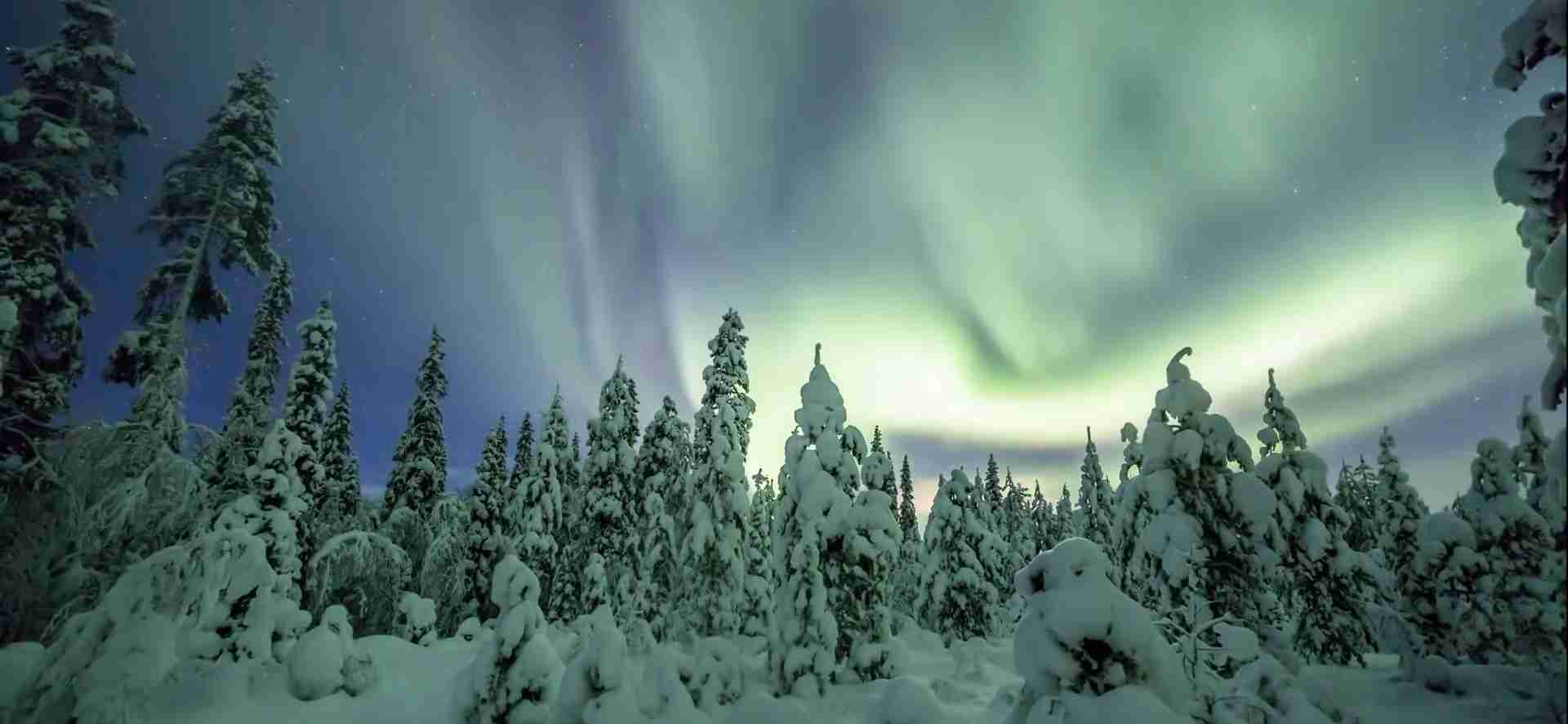
Swedish Lapland represents one of Europe’s last true wilderness frontiers, where the Arctic Circle stretches across vast forests, frozen lakes, and mountain ranges that glow under the dancing Northern Lights. This region combines extraordinary natural phenomena with unique cultural experiences and world-famous attractions like the original Ice Hotel, creating adventures found nowhere else on Earth.
Key Takeaways
- Aurora Borealis Paradise: Abisko National Park ranks among the world’s premier Northern Lights viewing locations, with uniquely clear skies created by surrounding mountain formations that create a microclimate known locally as the “blue hole”
- Ice Hotel Legacy: Jukkasjärvi hosts the world’s first ice hotel, founded in 1989 and rebuilt annually using ice from the Torne River, featuring intricate sculptures and art suites that transform each winter into a new frozen masterpiece
- Sami Cultural Heritage: Swedish Lapland serves as the traditional homeland of the Sami people, Europe’s only indigenous population, offering authentic experiences including reindeer husbandry, traditional crafts, and ancient cultural practices
- Arctic Activities Hub: The region provides unparalleled winter experiences including dog sledding across frozen lakes, snowmobile expeditions through pristine wilderness, ice fishing in crystal-clear waters, and cross-country skiing through endless boreal forests
- Geographic Extremes: Located above the Arctic Circle, Swedish Lapland experiences polar night in winter with nearly 24-hour darkness perfect for aurora viewing, and midnight sun in summer where the sun never sets for weeks
- Scientific Significance: The region’s position within the auroral oval and minimal light pollution creates ideal conditions for both aurora observation and scientific research, attracting astrophotographers and researchers from around the globe
People Also Ask About Swedish Lapland Travel
What makes Abisko the best place in the world for Northern Lights?
Abisko National Park’s exceptional reputation stems from unique geographic and climatic factors that converge to create optimal aurora viewing conditions. The surrounding mountains create a rain shadow effect, producing a microclimate locals call the “blue hole” where clear skies persist even when surrounding areas experience cloud cover. This phenomenon results from air masses forced upward by the Scandinavian mountain range, causing moisture to precipitate on the Norwegian side while leaving Abisko remarkably dry.
The park’s location at 68 degrees north places it directly beneath the auroral oval, the ring-shaped zone around the magnetic pole where auroral activity concentrates most intensely. Combined with virtually zero light pollution from the sparse 500-person village, these conditions create what scientists consider Earth’s most reliable aurora viewing location. The extensive darkness during winter months, stretching from late afternoon through late morning during polar night, provides viewing windows far longer than locations at lower latitudes.
How does the Ice Hotel get rebuilt every year?
The Ice Hotel reconstruction represents a remarkable annual artistic and engineering achievement that transforms 30,000 tons of snow and 10,000 tons of crystal-clear ice into an elaborate frozen structure. The process begins each November when artists and designers from around the world arrive in Jukkasjärvi to begin sculpting that year’s unique art suites. The ice comes exclusively from the adjacent Torne River, harvested in massive blocks during the previous spring when water clarity reaches its peak.
Construction crews use specialized equipment to spray layers of snow and ice mixture called “snice” over enormous inflatable forms, creating the hotel’s basic structure. Once the snice freezes solid, the forms are removed, leaving cathedral-like ice corridors and rooms. International artists then transform individual suites into elaborate sculptures using chainsaws, ice chisels, and other specialized tools. The entire structure stands from December through April, when rising temperatures cause it to melt back into the river, completing an annual cycle that has continued since 1989.
What role does Sami culture play in Swedish Lapland?
The Sami people represent Europe’s only indigenous population, with a cultural heritage in Swedish Lapland extending back thousands of years before the region’s incorporation into the Swedish state. Their traditional lifestyle centered on reindeer husbandry, an intricate relationship with these animals that encompasses not just economic necessity but spiritual and cultural identity. Traditional Sami knowledge includes understanding reindeer behavior, reading weather patterns, navigating vast wilderness areas, and sustainable resource management practices developed over millennia.
Contemporary Sami communities maintain strong connections to traditional practices while engaging with modern Swedish society. Visitors can experience authentic Sami culture through visits to working reindeer farms, traditional lavvu (tent) camps, handicraft demonstrations featuring duodji (traditional craftwork), and joik singing, an ancient vocal tradition unique to Sami culture. Many tour operators in Kiruna and surrounding areas are Sami-owned, offering perspectives that combine indigenous knowledge with contemporary tourism experiences. Understanding and respecting Sami culture adds essential depth to any Swedish Lapland journey, connecting visitors to the human history interwoven with this dramatic landscape.
What wildlife inhabits Swedish Lapland?
Swedish Lapland’s boreal forests, mountains, and tundra support remarkable biodiversity adapted to extreme Arctic conditions. Large mammals include moose, the world’s largest deer species frequently encountered along forest roads and near water sources. Reindeer roam both as wild herds and in the semi-domesticated state managed by Sami herders. Brown bears inhabit the region’s forests, though they hibernate during winter months when most visitors arrive. Wolverines and Arctic foxes represent rare but present carnivores, while lynx occasionally appear in more remote areas.
Birdlife transforms dramatically between seasons. Summer brings migratory species including various waterfowl, waders, and raptors taking advantage of long daylight and abundant insect populations. Winter residents include willow grouse, perfectly camouflaged against snow, and various corvids adapted to harsh conditions. The region’s rivers and lakes support Arctic char, grayling, and pike, making Swedish Lapland renowned for both summer fly fishing and winter ice fishing. Observing this wildlife requires patience and often specialized guides who understand animal behavior and seasonal patterns.
Extended multi-day tours – 5+ days
Featured Sweden Multi-Day Tour Packages
7 days
Denmark and Sweden in a week – Covering Copenhagen Gothenburg and Stockholm
- ✓ Comprehensive Sweden tour
- ✓ Expert local guides included
- ✓ All accommodation arranged
- ✓ Transportation provided
4 days
Pearls of Northern Europe
- ✓ Comprehensive Sweden tour
- ✓ Expert local guides included
- ✓ All accommodation arranged
- ✓ Transportation provided
8 days
Highlights of Sweden
- ✓ Comprehensive Sweden tour
- ✓ Expert local guides included
- ✓ All accommodation arranged
- ✓ Transportation provided

5 days
Jewels of Scandinavia (5 destinations)
- ✓ Comprehensive Sweden tour
- ✓ Expert local guides included
- ✓ All accommodation arranged
- ✓ Transportation provided
Multi-day tour packages powered by TourRadar. Prices and availability subject to change.
Introduction to Swedish Lapland
Swedish Lapland encompasses the northernmost quarter of Sweden, a vast territory stretching from the Gulf of Bothnia to the Norwegian border and from the Arctic Circle to Sweden’s northern tip. This region covers approximately 109,000 square kilometers, larger than Austria, yet supports a population of barely 250,000 people concentrated in scattered towns and villages. The resulting wilderness scale creates landscapes virtually unchanged since the last ice age, where ancient forests transition into bare mountain tundra and where nature’s rhythms dominate human activity.
The Scandinavian mountain range forms the region’s western spine, creating a dramatic border with Norway and generating the weather patterns that influence everything from aurora visibility to winter activity conditions. These mountains feed countless rivers flowing eastward, including the Torne River whose ice forms the Ice Hotel and whose salmon runs sustained Sami communities for generations. Between the mountains and coast stretch endless boreal forests, dark taiga wilderness broken only by lakes, rivers, and the occasional mining town or Sami settlement.
Swedish Lapland’s climate reflects its Arctic location, with extreme seasonal variations that profoundly shape both landscape and visitor experiences. Winter temperatures regularly drop below -20°C, with periods of -30°C or colder in the interior. Snow typically arrives in October and persists until May, accumulating to depths that transform the landscape into a pure white expanse. Summer brings the opposite extreme, with temperatures reaching 25-30°C during peak sunshine and the midnight sun creating weeks of continuous daylight. These seasonal extremes mean visitors experience fundamentally different regions depending on when they arrive.
The region’s population concentrates in a handful of urban centers, each serving distinct functions. Kiruna, Sweden’s northernmost city with 17,000 residents, operates as the regional hub, built around iron ore mining that continues today. Jukkasjärvi, just 17 kilometers from Kiruna, remains famous worldwide for the Ice Hotel while maintaining its character as a traditional Sami village. Abisko, a tiny settlement of 500 people, exists primarily to serve Abisko National Park and the aurora tourism industry. Gällivare and Jokkmokk represent other significant communities, the latter hosting an annual winter market that has occurred for over 400 years.
Understanding the Northern Lights Phenomenon
The aurora borealis creates Swedish Lapland’s most famous natural spectacle, attracting visitors from around the world to witness curtains of green, purple, and occasionally red light dancing across Arctic skies. Understanding this phenomenon enhances appreciation for what you’re seeing and improves chances of optimal viewing experiences. The lights result from solar wind, streams of charged particles constantly flowing from the sun, interacting with Earth’s magnetic field and atmosphere.
When these solar particles reach Earth, our planet’s magnetic field deflects most toward the polar regions, channeling them into ring-shaped zones called auroral ovals that circle both magnetic poles. Swedish Lapland sits directly beneath the northern auroral oval, meaning auroral activity overhead occurs more frequently and intensely than at lower latitudes. As the charged particles descend into Earth’s atmosphere, they collide with oxygen and nitrogen atoms. These collisions transfer energy to the atmospheric gases, which release that energy as light—the visible aurora.
The specific colors depend on which atmospheric gases the particles strike and at what altitude. The most common green aurora results from oxygen atoms at around 100-150 kilometers altitude. Higher altitude oxygen (above 200 kilometers) produces rare red auroras, while nitrogen creates blue and purple hues. The aurora’s dancing, shifting patterns reflect real-time changes in solar wind intensity and direction, creating dynamic displays that can range from subtle glows to explosive storms filling the entire sky. Some displays last minutes, while others continue for hours, their behavior impossible to predict precisely.
Solar activity follows an approximately 11-year cycle, with aurora frequency and intensity peaking during solar maximum periods. However, even during solar minimum, auroral displays occur regularly in locations like Swedish Lapland due to constant background solar wind. The aurora requires three elements: solar activity, dark skies, and clear weather. Swedish Lapland’s high latitude guarantees the first element, its sparse population ensures the second, and Abisko’s unique microclimate maximizes the third, explaining why the region has become synonymous with aurora experiences.
Abisko National Park: Aurora Capital
Abisko National Park, established in 1909, extends across 77 square kilometers of dramatic mountain and valley landscape where the Abisko River valley cuts through the Scandinavian mountains. The park’s designation as Sweden’s most reliable aurora location stems from meteorological conditions created by its unique position. Surrounded by mountains on three sides but open to the east toward Lake Torneträsk, Abisko experiences a rain shadow effect where moisture-laden air from the Atlantic deposits precipitation on the Norwegian side of the mountains before reaching Abisko as dry, clear air.
This microclimate produces statistically remarkable results. Weather data shows Abisko experiences more clear nights annually than anywhere else in Swedish Lapland, with some studies suggesting three-night stays give visitors an 88% chance of seeing aurora, assuming they occur. The surrounding mountains not only create favorable weather but also provide spectacular foreground for aurora photography, with iconic formations like Lapporten (the Lapland Gate) creating instantly recognizable compositions featuring the lights.
The Aurora Sky Station represents Abisko’s most famous viewing platform, accessible via chairlift that climbs Mount Nuolja to an elevation providing panoramic views across the valley and Lake Torneträsk. At the summit, purpose-built viewing platforms minimize artificial lighting while providing shelter from wind. The facility includes a café serving traditional Swedish dishes, a Northern Lights exhibition explaining the science and cultural significance of aurora, and souvenir shops. During peak season, the chairlift operates evening hours specifically for aurora viewing, though the summit location means weather can be harsh with strong winds and extreme cold.
Alternative viewing locations throughout the park provide more intimate experiences. The frozen Lake Torneträsk offers vast open sky views with the lights reflecting on ice during clear conditions. Forest trails leading into the park interior provide opportunities to experience aurora amid ancient Sami sacred sites and pristine wilderness. Many visitors simply watch from accommodations along the valley floor, where the combination of low light pollution and spectacular mountain backdrop creates exceptional viewing without requiring specialized equipment or summit access. The democratization of aurora viewing—you don’t need expensive tours or equipment, just clear skies and patience—makes Abisko accessible to all budgets and physical abilities.
The Ice Hotel: Frozen Art and Architecture
The Ice Hotel in Jukkasjärvi represents one of Earth’s most extraordinary hospitality concepts, an entire structure constructed from ice and snow that exists only during winter months before melting back into the river that provided its building material. The concept originated in 1989 when French artist Jannot Derid exhibited ice art sculptures in a cylinder-shaped igloo in Jukkasjärvi. When accommodation shortages forced some visitors to sleep in the exhibition space on reindeer skins, the idea of an ice hotel was born. The following winter, the first purpose-built ice hotel opened with basic facilities, launching what would become a global phenomenon.
Each year’s Ice Hotel differs completely from previous iterations, as international artists and designers create unique art suites reflecting current themes and artistic visions. The application process for designing suites attracts hundreds of submissions annually from sculptors, architects, and artists worldwide. Selected designers arrive in November to begin transforming massive ice blocks into intricate sculptures, elaborate bed frames, stunning light installations, and complete themed environments. Some suites achieve photorealistic sculptural effects, while others pursue abstract concepts, but all share the medium of pure ice harvested from the Torne River.
The construction process follows carefully developed protocols refined over three decades. Ice harvesting occurs during spring when the Torne River ice achieves maximum clarity and thickness. Crews cut blocks weighing several tons using specialized saws, storing them in massive refrigerated warehouses through summer. When construction begins in November, these blocks become raw material for everything from structural walls to detailed artwork. The snow used for walls and ceilings (snice—a mixture of snow and ice) provides insulation while creating the white surfaces that reflect colored lighting installed throughout the structure.
Staying overnight in an ice room represents an unforgettable experience that requires specific preparation. Rooms maintain temperatures between -5°C and -8°C regardless of outside conditions, cold but manageable with proper equipment. The hotel provides Arctic-grade sleeping bags rated to -30°C, thermal sleeping bag liners, and basic cold-weather instructions. Guests sleep on beds carved from ice blocks topped with wooden boards and thick reindeer hides that provide insulation from the cold surface. Most visitors find the experience surprisingly comfortable once properly in the sleeping bag, though facilities (bathrooms, warm changing areas, morning saunas) are located in separate heated buildings requiring brief outdoor transitions.
In 2016, the Ice Hotel added a permanent year-round component called Ice Hotel 365, a 2,100-square-meter facility maintained at -5°C throughout summer using solar-powered cooling systems. This addition means visitors can experience ice room stays any season, sleeping on ice beds even when summer temperatures outside reach 25°C. The permanent structure features deluxe art suites, each with private relaxation room and bathroom, providing luxury ice experiences without the rustic aspects of the seasonal hotel. The combination of seasonal reconstruction and permanent facilities means Jukkasjärvi now offers ice experiences year-round while maintaining the annual artistic renewal that keeps the concept fresh.
Sami Culture and Heritage
The Sami people’s presence in Swedish Lapland predates written history, with archaeological evidence suggesting continuous habitation for at least 10,000 years since the ice sheets retreated. This makes them Europe’s only indigenous population, with unique cultural traditions, languages, and relationship with the Arctic environment. Understanding and respecting Sami culture transforms a Swedish Lapland visit from simple tourism into meaningful cultural exchange, connecting visitors to the human story that gave the region many of its current names, practices, and identity.
Traditional Sami lifestyle centered on reindeer husbandry, a complex relationship extending far beyond simple animal management. Reindeer provided meat, hides for clothing and shelter, bone and antler for tools, and sinews for thread. More profoundly, reindeer herding shaped Sami migration patterns, social structures, spiritual beliefs, and artistic traditions. Herders developed intimate knowledge of reindeer behavior, predicting movements, understanding communication, and managing herds across vast territories following seasonal patterns. This knowledge, passed through generations orally, represents sophisticated ecological understanding matching modern wildlife management science.
Sami languages belong to the Finno-Ugric family, completely unrelated to Swedish or other Scandinavian languages. Northern Sami, spoken in Swedish Lapland, employs unique vocabulary precisely describing snow conditions, reindeer characteristics, and natural phenomena for which Swedish lacks equivalent terms. The language’s structure reflects the culture’s close relationship with nature and seasonal cycles. Sadly, centuries of forced assimilation policies nearly destroyed Sami languages, but recent decades have seen cultural revival with language teaching programs, Sami schools, and official recognition of Sami linguistic and cultural rights.
Sami artistic traditions include duodji (handicrafts), joik (vocal music), and distinctive clothing designs. Duodji encompasses functional items transformed through decoration into art: reindeer bone knives with intricate carvings, woven belts using pewter thread, birch bark containers with geometric patterns. Each item serves practical purposes while expressing cultural identity and individual creativity. Joik represents one of Europe’s oldest musical traditions, predating organized religion in the region. Unlike songs about subjects, joiks embody their subjects—a joik of a person captures their essence rather than describing them, creating deeply personal musical expressions passed through families.
Modern Sami communities balance traditional practices with contemporary Swedish life. Many Sami continue reindeer herding using modern technologies like GPS tracking and snowmobiles while maintaining traditional knowledge and cultural significance. Others work in diverse professions while maintaining cultural identity through language, clothing, and participation in Sami parliaments. Visitors can engage respectfully with Sami culture through authorized cultural centers, Sami-owned tour operators offering reindeer experiences, and events like the Jokkmokk Winter Market, which has occurred annually for over 400 years and remains the cultural highlight of the Sami calendar.
Arctic Winter Activities
Swedish Lapland’s winter landscape creates opportunities for activities impossible in more temperate climates, from traditional practices perfected over centuries to modern adventure sports leveraging the region’s unique conditions. These activities transform winter from a season to endure into the region’s highlight, drawing visitors specifically for experiences available only in Arctic environments.
Dog Sledding
Dog sledding represents Swedish Lapland’s most iconic activity, combining practical Arctic transportation with thrilling outdoor adventure. Teams of Siberian huskies or Alaskan huskies pull sleds across frozen lakes, through snow-covered forests, and over open tundra at speeds that seem impossibly fast given the terrain. Modern dog sledding tourism evolved from traditional Arctic transportation methods, but the fundamental relationship between musher and dogs remains unchanged—these working animals thrive on running and require strong leadership and understanding from their handlers.
Excursions range from brief introductory tours lasting a few hours to multi-day expeditions camping in wilderness areas. Beginners typically ride as passengers while experienced guides mush the teams, learning basic commands and care practices. More advanced experiences allow visitors to drive their own teams after instruction on handling, commands, and dog behavior. The physical demands vary considerably—riding as a passenger requires mainly warm clothing and the ability to balance, while mushing your own team involves constant attention, upper body strength for steering and braking, and decision-making about route and pace.
The dogs themselves represent perfectly adapted Arctic athletes, with thick double coats protecting against extreme cold and boundless enthusiasm for running. They live year-round in outdoor kennels, socialized to work in teams under voice and gesture commands. Ethical operators maintain high standards for dog welfare, limiting working hours, providing veterinary care, and ensuring dogs receive adequate rest and nutrition. Many operations welcome visitors outside sledding excursions to meet the dogs and learn about year-round care and training practices.
Snowmobiling
Snowmobiles provide access to remote areas impossible to reach otherwise during winter, opening vast expanses of Swedish Lapland to exploration. These powerful machines navigate deep snow, cross frozen lakes at high speed, and climb mountain slopes that would require hours or days on foot. Modern snowmobiles combine comfort features like heated seats and handles with powerful engines capable of towing sleds and navigating challenging terrain. Guided snowmobile safaris typically follow established trails through prime landscapes, stopping at scenic viewpoints, Sami camps, or wilderness cabins for traditional meals.
Safety requirements include valid driver’s licenses in most cases, warm protective gear typically provided by operators, and adherence to speed limits and trail regulations. The environmental impact of snowmobiles remains controversial, with concerns about noise pollution and wildlife disturbance balanced against their economic importance and practical necessity for remote communities. Responsible operators follow designated trails, maintain distance from reindeer herds, and educate guests about minimizing environmental impact. First-time riders receive thorough instruction on controls, balance techniques, and group riding protocols before beginning tours.
Cross-Country Skiing
Cross-country skiing represents Swedish Lapland’s most accessible winter activity, requiring only basic equipment and fitting diverse fitness levels. The region’s extensive trail networks include groomed tracks maintained by communities and tourism operations, ranging from gentle valley routes perfect for beginners to challenging mountain circuits requiring technical skills and physical endurance. Classical cross-country skiing follows parallel grooves in prepared tracks, while skate skiing uses a wider groomed surface and skating-like movements for faster travel.
The winter landscape transforms familiar summer trails into extraordinary environments where silence, crisp air, and spectacular scenery combine with satisfying physical exertion. Many trails connect to wilderness huts offering basic shelter and sometimes provisions, enabling multi-day ski tours through pristine environments. Moonlight skiing during bright winter nights provides surreal experiences, while aurora skiing combines the physical activity with possibly witnessing the lights. Equipment rental widely available in towns like Kiruna and Abisko makes trying cross-country skiing accessible without major investments in gear.
Ice Fishing
Ice fishing combines meditative patience with Arctic survival skills, traditional practice meeting modern recreation on frozen lakes. The process involves drilling holes through ice that can exceed a meter thick, then using short specialized rods to fish for species including Arctic char, perch, and pike. Successful ice fishing requires understanding fish behavior, location selection based on underwater topography, and patience to wait in extreme cold for bites that come unpredictably.
Guided ice fishing experiences typically include all equipment, warm clothing, ice safety instruction, and often preparation of caught fish for immediate consumption. Some operators combine ice fishing with wilderness meals, cooking fresh fish over open fires in traditional lavvu tents. The activity provides unique perspective on traditional Sami subsistence practices while requiring surprisingly little physical exertion beyond drilling holes and occasionally pulling in catches. Modern electronics like portable fish finders add technology to traditional techniques, though many guides maintain purely traditional approaches using only local knowledge and experience.
Summer in Swedish Lapland
Swedish Lapland transforms dramatically when midnight sun replaces polar night, revealing a completely different region that appeals to hikers, photographers, wildlife enthusiasts, and those seeking to experience Arctic summer’s unique character. From late May through July, the sun never completely sets at latitudes above the Arctic Circle, creating extended twilight that bathes landscapes in golden light for hours. This continuous daylight profoundly affects both landscape and psychology, enabling all-night hiking, photography sessions continuing through what would be night elsewhere, and experiences of temporal disorientation as clocks become almost meaningless.
The midnight sun period coincides with explosive growth as Arctic plants compress their entire growing season into brief summer months. Wildflowers bloom in extraordinary profusion across mountain meadows and tundra, creating carpets of color against harsh rocky landscapes. Birch forests achieve full leaf coverage seemingly overnight, while previously frozen wetlands teem with waterfowl and insects. This biological explosion attracts migratory birds from across Europe and beyond, making Swedish Lapland a premier birdwatching destination where rare species nest in numbers impossible further south.
Hiking possibilities expand dramatically as snow melts from mountain trails and valley routes. The Kungsleden (King’s Trail) represents Sweden’s most famous long-distance hiking route, stretching over 400 kilometers from Abisko to Hemavan through spectacular mountain landscapes. Well-maintained with mountain huts spaced roughly day-hike distances apart, Kungsleden accommodates hikers of varying abilities willing to tackle multi-day wilderness treks. Shorter day hikes explore Abisko National Park’s stunning landscapes, including routes to waterfalls, mountain lakes, and viewpoints overlooking valleys and peaks.
White-water rafting and kayaking take advantage of rivers swollen with snowmelt and glacier runoff. The Torne River and tributaries provide everything from gentle floats suitable for families to challenging rapids requiring technical skills and guides. Fishing transitions from ice fishing to fly fishing for species including Arctic char, grayling, and salmon in some rivers. The pristine waters and relatively light fishing pressure create exceptional conditions for anglers, while the extended daylight means fishing sessions can continue late into evening with perfect visibility.
Mountain biking has grown increasingly popular as trail networks expand and lift-accessed downhill routes open at some ski areas during summer. The combination of challenging terrain, spectacular scenery, and unique Arctic environment attracts riders from across Europe. More casual cycling follows valley routes and old mining roads, providing access to landscapes too distant for comfortable day hiking. The midnight sun enables exceptionally long riding days, while the general lack of darkness means navigation concerns that would affect cycling in more temperate regions simply don’t exist.
Photography in Swedish Lapland
Swedish Lapland ranks among Earth’s premier landscape photography destinations, combining extraordinary natural phenomena like aurora and midnight sun with dramatic landscapes, unique wildlife, and cultural subjects unavailable elsewhere. The region’s extreme seasonal variations mean photographers can pursue fundamentally different subjects depending on visit timing, from aurora and winter landscapes to midnight sun and Arctic summer ecology.
Aurora photography requires specific technical approaches and considerable patience. The lights’ brightness varies dramatically—from barely visible to the naked eye to intensely luminous displays—requiring flexibility in camera settings. Long exposures (typically 5-25 seconds) capture light invisible to human eyes while creating the flowing curtain effects characteristic of aurora photographs. Wide-angle lenses capture the sky’s scope, while foreground elements like trees, mountains, or Sami structures provide context and scale. Manual focus becomes essential as autofocus fails in darkness, with focus typically set to infinity for sharpness across the entire frame.
Technical challenges beyond camera settings include managing batteries that drain rapidly in extreme cold, preventing condensation when bringing cold equipment into warm interiors, and maintaining finger dexterity while operating controls in sub-zero temperatures. Many photographers use battery grips with extra batteries, keep spare batteries in interior pockets warmed by body heat, and use gloves designed for photography that balance warmth with control access. Remote shutter releases prevent camera shake during long exposures, while sturdy tripods resist wind and support cameras during minutes-long exposures for star trail photography.
Winter landscape photography captures pristine snow-covered environments under unique Arctic lighting. The brief period of twilight during polar night creates extraordinary soft light that technically qualifies as golden hour stretching for hours. Snow’s reflective properties help expose scenes that would appear impossibly dark at similar latitudes further south. Composition challenges include working with monochromatic white landscapes, finding compelling foreground interest in snow-smoothed terrains, and managing extreme exposure differences between bright snow and dark sky or forest. Many photographers intentionally underexpose snow to retain texture and detail, preferring subtle gray tones to blown-out white areas.
Midnight sun photography presents opposite challenges—managing harsh overhead light, finding shadows in 24-hour daylight, and creating interesting compositions when conventional sunrise/sunset timing doesn’t exist. However, the extended golden hour around true midnight provides exceptional soft, warm light impossible at other latitudes. Landscape photographers can work prime lighting for hours rather than brief windows, enabling careful composition refinement and waiting for perfect cloud arrangements. The midnight sun’s low angle creates extremely long shadows that add drama to otherwise flat terrain, while side-lighting emphasizes texture in mountains and forests.
Wildlife photography in Swedish Lapland requires patience, long lenses, and often specialized guides who know animal locations and behavior patterns. Reindeer provide relatively accessible subjects, though truly wild reindeer are warier than semi-domesticated herds near Sami settlements. Moose appear frequently near roadways and wetlands, particularly during early morning and evening even during summer’s extended daylight. More elusive subjects like Arctic foxes, wolverines, and bears require dedicated expeditions with expert guides, often involving multi-day wilderness stays in locations known for animal activity. Bird photography peaks during summer when migratory species concentrate in breeding areas, with specialized hides enabling close approaches to nesting birds.
Practical Considerations for Swedish Lapland Travel
Swedish Lapland’s remoteness and extreme climate require careful planning and specific preparations that differ substantially from travel in more temperate or accessible regions. Understanding these practical considerations prevents problems and enhances experience quality regardless of season or specific activities planned.
Clothing and Gear
Winter clothing requirements exceed what most travelers experience elsewhere in Europe. The layering principle becomes essential—multiple thin layers trap heat more effectively than single thick garments while allowing adjustment as activity levels and conditions change. Base layers of synthetic or merino wool transport moisture away from skin, mid-layers of fleece or down provide insulation, and outer shells block wind and precipitation. Quality matters significantly in extreme cold, with cheap synthetic base layers failing dramatically compared to proper technical fabrics.
Specific items essential for winter visits include insulated boots rated to at least -30°C with adequate room for thick wool socks, insulated mittens or gloves with hand warmers for extended outdoor periods, balaclavas or neck gaiters protecting exposed facial skin, and thermal underwear serving as the foundation for all layering systems. Many tour operators provide specialized Arctic gear for activities, but personal clothing for general wear between activities remains visitors’ responsibility. Hotels and lodges maintain warm interiors, but transitions between buildings require full outdoor gear even for brief walks.
Summer clothing proves less critical but still requires thought. Temperatures can vary 20°C between day and night, requiring warm layers for evening even after hot daytime weather. Mosquitoes and other biting insects emerge in enormous numbers during peak summer, making insect repellent, head nets, and protective clothing essential for comfortable hiking and outdoor activities. Rain gear serves double duty for precipitation and wind protection during mountain hikes where weather changes rapidly. Waterproof boots or hiking shoes with good ankle support handle muddy trails and rocky terrain better than casual footwear.
Health and Safety
The extreme cold poses genuine health risks if proper precautions aren’t followed. Frostbite can occur in minutes on exposed skin during severe cold or wind chill, particularly on fingers, toes, ears, and nose. Recognizing early frostbite symptoms—numbness, pale or waxy skin appearance—and immediately warming affected areas prevents serious injury. Hypothermia risk increases when clothing becomes wet, whether from precipitation, perspiration, or falling through thin ice, making dry gear changes essential after any wetting incident.
The extended darkness during winter affects some visitors psychologically, particularly those predisposed to seasonal affective disorder. The midnight sun creates opposite challenges, with sleep disruption from constant daylight affecting some people. Blackout curtains in accommodations help maintain normal sleep patterns, though many visitors find themselves operating on irregular schedules driven by activity timing rather than conventional day-night cycles. Jet lag can intensify these effects for visitors arriving from distant time zones.
Wildlife encounters rarely pose serious danger, though basic precautions apply. Moose, despite appearing docile, can become aggressive if approached too closely, particularly cows with calves or bulls during autumn rut. Maintaining distance and never attempting to feed wild animals prevents problems. Bears hibernate during winter tourist season, but summer hikers in remote areas should carry bells or make noise to avoid surprising bears. Proper food storage at wilderness campsites prevents attracting animals to sleeping areas.
Environmental Responsibility
Swedish Lapland’s pristine environment requires visitor consciousness to remain pristine. The “Leave No Trace” principles apply strictly—pack out all waste, stay on established trails to prevent vegetation damage, and avoid disturbing wildlife. The Arctic environment’s fragility means damage from careless behavior can persist for decades or longer. Vehicle tracks across tundra vegetation can remain visible for years, while campfire impacts on thin Arctic soils create permanent scars.
Respecting Sami cultural sites and practices maintains this indigenous population’s rights to their traditional lands. This includes not disturbing reindeer herds, not entering areas marked as restricted, and seeking permission before photographing Sami individuals or cultural practices. Many areas in Swedish Lapland remain actively used for traditional reindeer herding, and thoughtless tourism can disrupt these practices. Responsible tour operators work with Sami communities, ensuring tourism benefits rather than harms the indigenous population.
Frequently Asked Questions
Can you really see the Northern Lights from hotels in Abisko?
Yes, Abisko’s extremely low light pollution means Northern Lights often appear visible directly from hotel and lodge windows when aurora activity occurs. Many accommodations specifically design rooms with large windows facing north for aurora viewing. However, surrounding mountains, trees, or buildings can obstruct views from some locations, and stepping outside provides much wider sky visibility. Most serious aurora watchers spend at least some time outside during displays to fully experience the scale and movement. The convenience of hotel-based viewing allows casual observation without elaborate expedition preparation, while dedicated viewing sites within short walking or driving distance provide optimal conditions when particularly strong displays occur.
Is the Ice Hotel really cold enough to preserve the structure all winter?
Yes, Swedish Lapland winter temperatures reliably stay well below freezing from December through April, maintaining the Ice Hotel’s structural integrity throughout its seasonal existence. The structure actually requires cold management to prevent warming from body heat and visitor traffic from degrading ice quality. Ventilation systems remove heat buildup, while the snow-ice composite walls provide insulation preventing exterior temperature fluctuations from affecting interior too rapidly. The permanent Ice Hotel 365 facility uses solar-powered refrigeration systems maintaining -5°C year-round, demonstrating that artificial cooling can preserve ice structures even during summer. The seasonal hotel’s melting each spring when temperatures rise above freezing provides raw material that returns to the Torne River, completing the annual cycle.
What activities are possible during polar night when there’s almost no daylight?
Polar night in Swedish Lapland never achieves complete darkness—instead, the sun stays below the horizon creating extended twilight lasting several hours daily. This blue twilight provides sufficient light for most winter activities during midday hours, while headlamps and vehicle lights enable activities continuing into darker periods. Dog sledding, snowmobiling, cross-country skiing, and ice fishing all proceed normally during polar night, with some experiences like snowshoeing under twilight or stars becoming particularly atmospheric. The extended darkness actually benefits aurora viewing by providing much longer viewing windows than areas with full day-night cycles. Many visitors find polar night’s soft blue light creates hauntingly beautiful landscapes for photography and quiet exploration.
Do you need special permits for hiking or camping in Swedish Lapland?
Sweden’s “allemansrätten” (freedom to roam) law grants everyone the right to access nature, including hiking and camping on uncultivated land, without permits or landowner permission. This applies throughout Swedish Lapland with few restrictions. However, respect for the environment remains mandatory—camp out of sight from buildings and roads, don’t damage vegetation, take all waste with you, and don’t disturb wildlife or reindeer herds. Some specific areas like nature reserves may have additional regulations regarding campfires or specific camping locations, posted at entrances or trailheads. Fishing requires licenses available from tourism offices or online, while hunting remains strictly regulated and typically unavailable to casual tourists.
How dangerous is the extreme cold for visitors not accustomed to Arctic temperatures?
Properly dressed and prepared visitors face minimal danger from cold, as Swedish Lapland’s tourism infrastructure provides numerous warm shelters, emergency resources, and professional guides who understand cold weather safety. The greatest risks come from inadequate clothing, becoming wet in cold conditions, or becoming separated from groups during outdoor activities. Tour operators provide safety briefings, Arctic-grade equipment, and constant monitoring of group members for cold-related problems. Following guides’ instructions, dressing in proper layers, staying dry, and avoiding alcohol before outdoor activities prevents virtually all serious cold weather incidents. The cold feels harsh initially but becomes manageable with proper gear, and many visitors find they tolerate Arctic conditions better than expected once acclimated.
Is Swedish Lapland accessible for travelers with mobility limitations?
Accessibility varies considerably depending on specific limitations and activities desired. Major hotels and some lodges provide accessible rooms and common areas with ramps, elevators, and modified facilities. Kiruna and other towns maintain reasonably accessible infrastructure with sidewalk maintenance and accessible public buildings. However, many classic Swedish Lapland experiences present challenges—the Ice Hotel includes narrow passages, uneven ice floors, and stairs; aurora viewing often requires standing outdoors in cold for extended periods; many wilderness activities involve rough terrain or physical exertion. Some operators offer modified activities, such as heated aurora viewing locations, accessible dog sledding experiences where participants ride sleds rather than mushing, or vehicle-based tours minimizing walking requirements. Travelers with specific accessibility needs should communicate directly with accommodation and activity providers during planning to determine what’s feasible.
What wildlife dangers should visitors be aware of?
Swedish Lapland’s wildlife rarely threatens visitors who follow common sense precautions. Bears hibernate during peak winter tourist season, eliminating encounter risks during that period. Summer hikers should make noise on trails and properly store food at campsites to avoid surprising bears. Moose pose the greatest realistic danger—these massive animals can become aggressive if approached too closely, particularly females protecting calves or males during autumn rut. Maintaining minimum 50-meter distance prevents problems. Ticks carrying diseases including Lyme disease appear in some areas during summer, making tick checks after outdoor activities important. Mosquitoes and biting flies, while not dangerous, can be intensely annoying during peak summer, requiring insect repellent and protective clothing. Reindeer herds should be given space and never fed, both for visitor safety and to prevent disrupting semi-domesticated animals’ behavior.
How do you manage photography equipment in extreme cold?
Cold weather photography requires specific equipment management to prevent battery failure, condensation damage, and physical discomfort while operating controls. Lithium batteries lose charge rapidly below freezing—carrying multiple spare batteries kept warm against your body and swapping them into cameras as they deplete extends shooting time significantly. When bringing cold equipment into warm interiors, condensation can form on and inside cameras. Placing cameras in sealed plastic bags before entering warm spaces allows condensation to form on bags rather than equipment. Alternatively, leaving cameras in cold areas like vehicle trunks or outdoor storage prevents the temperature transition entirely. Hand warmers in camera bags help maintain moderate temperatures during outdoor use. Gloves with flip-back fingertips or touchscreen-compatible materials enable control operation without fully exposing hands. Many photographers use battery grips, remote shutter releases, and lens hoods to minimize direct camera handling in cold. Regular cleaning prevents moisture and snow from freezing in crevices where controls become difficult to operate.
Can you visit Swedish Lapland independently or are guided tours necessary?
Swedish Lapland accommodates independent travel well, with good infrastructure, English-speaking services, and accessible transportation between major destinations. Rental cars provide freedom to explore at your own pace, though winter driving requires experience with ice and snow conditions. Public transportation connects major towns through bus routes and the famous overnight train from Stockholm to Abisko and Narvik. Many activities like cross-country skiing, hiking, and aurora watching from hotels require no guides, though equipment rental may be needed. However, specialized activities including dog sledding, snowmobiling, ice fishing, and accessing remote wilderness areas benefit enormously from professional guides who provide equipment, ensure safety, and share knowledge impossible to gain independently. First-time visitors often combine independent travel and accommodation with booked guided activities, balancing freedom and expertise.
What should you know about reindeer and Sami culture before visiting?
Reindeer in Swedish Lapland include both wild herds and semi-domesticated animals managed by Sami herders as part of traditional land use practices protected by Swedish law. All reindeer, even those appearing to roam freely, belong to specific Sami families and herding groups, making them essentially livestock despite their free-ranging nature. Visitors should never attempt to feed, touch, or closely approach reindeer herds, as this can disrupt herding practices and alter animal behavior in ways that create problems for traditional management. Photographing reindeer from respectful distances remains acceptable, but drones that disturb animals are prohibited. Sami cultural sites including sacred locations, burial grounds, and seasonal camps deserve respect equivalent to any religious or cultural site elsewhere. Many aspects of Sami culture can be experienced through ethical tourism operations owned or approved by Sami communities, providing economic benefits while allowing authentic cultural sharing. Approaching Sami culture with genuine interest and respect rather than treating it as mere tourist attraction shows proper consideration for Europe’s only indigenous population.