Kirstenbosch Botanical Gardens 2026: Cape Town’s UNESCO Floral Kingdom Guide
Key Takeaways:
- Kirstenbosch protects 528 hectares showcasing 7,000+ plant species from South Africa’s unique Cape Floral Kingdom
- Entry costs R95 for adults, R30 for children in 2026 with discounted rates for South African residents
- Tree Canopy Walkway (Boomslang) provides elevated forest views 130 meters long snaking through treetops
- Summer sunset concerts (November-April) feature international and local artists in spectacular mountain amphitheater setting
- Gardens sit 13 kilometers from Cape Town city center requiring 20-30 minute drives to Table Mountain’s eastern slopes
- UNESCO World Heritage status recognizes the gardens’ role protecting extraordinary fynbos biodiversity found nowhere else on Earth
Planning Your Kirstenbosch Visit in 2026
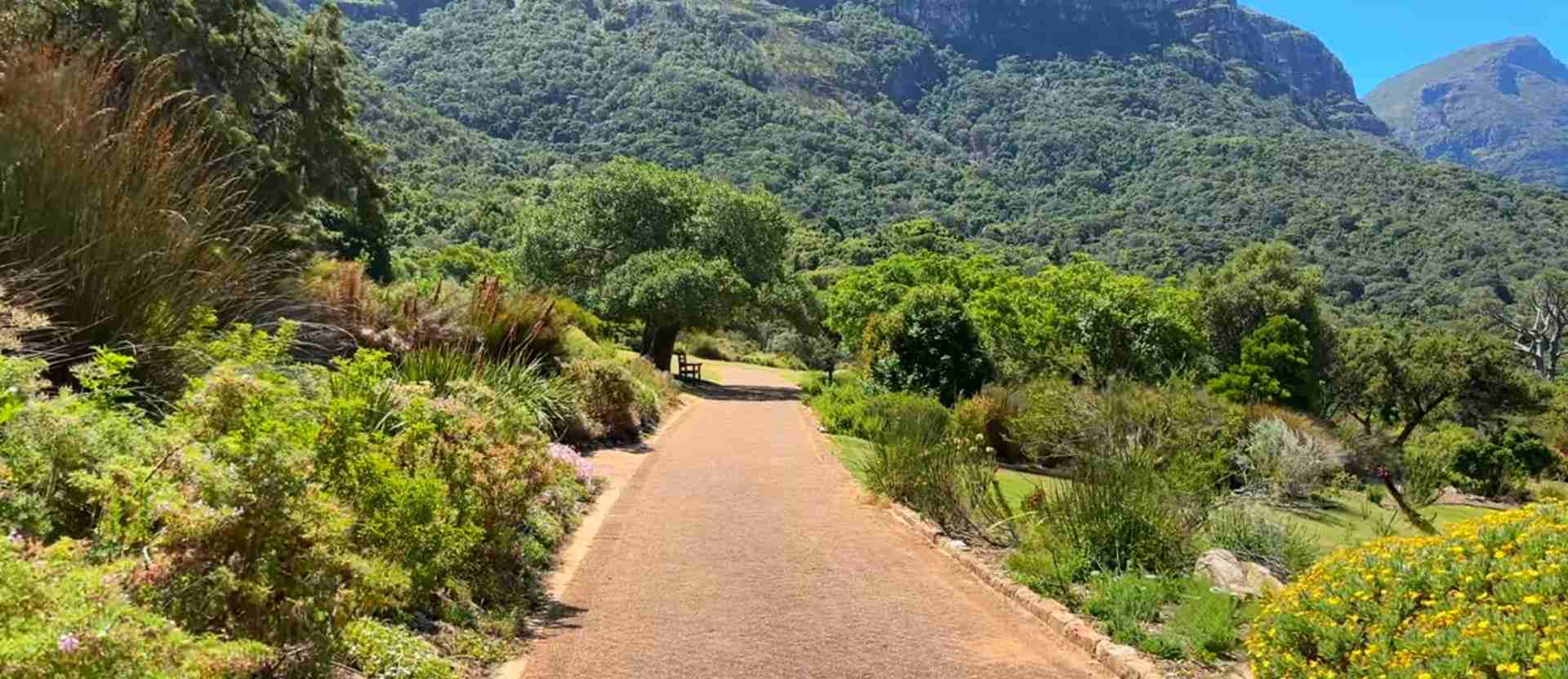
Kirstenbosch National Botanical Garden ranks among the world’s most beautiful botanical gardens, occupying 528 hectares on Table Mountain’s eastern slopes within the Cape Floristic Region UNESCO World Heritage Site. Established in 1913 through Cecil Rhodes’ bequest, Kirstenbosch became the first botanical garden globally dedicated exclusively to indigenous plants, showcasing South Africa’s remarkable floral diversity concentrated in the Cape region.
The gardens protect and display approximately 7,000 plant species from South Africa’s six biomes, with particular emphasis on the Cape Floral Kingdom’s unique fynbos vegetation. This smallest of Earth’s six floral kingdoms contains 9,000 plant species with 70% endemic to the Western Cape, creating the world’s most botanically diverse region for its size. Proteas, ericas, restios, and thousands of bulbous species bloom year-round in carefully designed displays mimicking natural habitats from coastal sand plains to mountain slopes.
Kirstenbosch serves simultaneously as world-class public garden, scientific research institution, and critical conservation facility protecting endangered plant species through cultivation, seed banking, and habitat restoration projects. The gardens house the National Herbarium with 250,000+ preserved plant specimens documenting South African flora, operate a respected research program studying plant ecology and taxonomy, and run education initiatives reaching 50,000+ students annually.
Visitors in 2026 explore enhanced facilities including the iconic Tree Canopy Walkway (Boomslang) completed in 2014, which curves through forest canopy providing elevated perspectives on indigenous trees and mountain views. The recently upgraded Botanical Society Conservatory showcases plants from winter rainfall, summer rainfall, and arid regions in climate-controlled environments. New interpretive signage explains ecological relationships, conservation challenges, and indigenous plant uses in traditional medicine and culture.
Beyond horticultural displays, Kirstenbosch offers extensive walking trails ascending Table Mountain through natural fynbos (permits required for mountain sections), family-friendly lawns perfect for picnics, the Dell outdoor amphitheater hosting legendary summer concerts, sculpture gardens featuring rotating contemporary art exhibitions, and multiple dining options from casual cafés to upscale restaurants. The combination of botanical excellence, recreational opportunities, conservation mission, and spectacular natural setting creates experiences appealing to diverse visitor interests.
People Also Ask About Kirstenbosch 2026
How much does Kirstenbosch cost in 2026?
Kirstenbosch entry costs R95 for adults, R30 for children (6-17 years) in 2026. Check sanbi.org for current official rates as pricing may vary. Children under 6 enter free. South African residents and pensioners receive discounted rates at R50 for adults, R20 for children upon presenting valid ID. Annual memberships cost R295 for individuals, R450 for couples providing unlimited access plus additional benefits including reciprocal entry to other South African National Biodiversity Institute gardens nationwide.
Tree Canopy Walkway (Boomslang) requires separate tickets costing R65 for adults, R30 for children after 1:00 PM on weekends and public holidays, included in general admission other times. Summer sunset concerts charge R200-350 per person depending on artist popularity, purchased separately from garden entry. Timed entry slots for concerts book 2-6 weeks ahead during peak season.
What is the best time to visit Kirstenbosch in 2026?
September through November (spring) delivers peak flowering displays when proteas, ericas, and countless bulbous species bloom simultaneously creating spectacular color carpets across themed gardens. Temperatures range 18-25°C with mostly sunny weather, minimal wind, and comfortable conditions for extended walking. Spring represents Kirstenbosch’s showcase season when the gardens demonstrate their full botanical glory.
December through February (summer) offers warm weather (25-30°C), famous sunset concerts every Sunday evening, longest daylight hours for extended visits, and lush green lawns perfect for family picnics, though afternoon winds pick up after 2:00 PM and crowds peak during school holidays. March through May (autumn) provides pleasant temperatures (20-26°C), fewer crowds, excellent photography light, and protea peak season extending spring displays. June through August (winter) sees cooler temperatures (12-18°C), occasional rain, but winter-flowering species like aloes creating unique displays and the lowest visitor numbers for peaceful exploration.
How long should you spend at Kirstenbosch in 2026?
Most visitors allocate 2-3 hours for garden highlights including themed plant collections, Tree Canopy Walkway, main lawns, and refreshment stops at cafés. This timeframe covers key attractions at comfortable pace with photo opportunities. Photography enthusiasts, serious plant lovers, and hikers extending visits to mountain trails require 4-6 hours experiencing comprehensive garden sections and natural fynbos areas. Concert visitors typically arrive 2-3 hours before sunset (entry from 4:00 PM concert days) enjoying gardens before evening performances.
Can you picnic at Kirstenbosch in 2026?
Kirstenbosch welcomes picnics on designated lawns throughout the gardens with visitors bringing their own food and beverages including wine. The main lawn below the Dell amphitheater provides the most popular picnic location with mountain views, shade trees, and proximity to facilities. Picnic rules prohibit glass containers (safety concern), loud music, ball games that might damage plants, and open flames. Portable picnic tables and blankets work perfectly. The gardens’ three restaurants and two kiosks also sell take-away foods for lawn dining.
Extended multi-day tours – 5+ days
Featured Cape Town Multi-Day Tour Packages
1 days
1-Day Cape Town Coastal & Peninsula Scenic Tour
- ✓ Comprehensive Cape Town tour
- ✓ Expert local guides included
- ✓ All accommodation arranged
- ✓ Transportation provided
1 days
Cape Point and Penisula Xplorer
- ✓ Comprehensive Cape Town tour
- ✓ Expert local guides included
- ✓ All accommodation arranged
- ✓ Transportation provided

1 days
Urban Xplorer
- ✓ Comprehensive Cape Town tour
- ✓ Expert local guides included
- ✓ All accommodation arranged
- ✓ Transportation provided
5 days
South Africa Cape Town 5-Days Attraction Tours: Whale Watching & Cape Peninsula & Wine Tasting & Aquila safari & Paraglading Tour
- ✓ Comprehensive Cape Town tour
- ✓ Expert local guides included
- ✓ All accommodation arranged
- ✓ Transportation provided
Multi-day tour packages powered by TourRadar. Prices and availability subject to change.
Essential Planning Information 2026
Entry Fees and Membership Options
Standard admission provides access to all garden areas, walking trails (excluding Table Mountain sections requiring additional permits), themed collections, conservatories, and facilities. Adults pay R95, children (6-17) R30 in 2026. Check sanbi.org for current official rates as pricing may vary. Family tickets (2 adults + up to 4 children) cost R250, offering savings for larger families. Children under 6 always enter free when accompanied by paying adults.
South African residents and senior citizens (60+ years) receive 50% discounts upon presenting valid South African ID documents or passports. Resident adults pay R50, resident children R20. The discount applies to all ticket types including family packages. Foreign passport holders pay full international rates regardless of residency status without South African documentation.
Annual memberships deliver exceptional value for frequent visitors, Cape Town residents, or tourists planning extended stays. Individual membership costs R295 (paying for itself after 4 visits), couples R450, families R550, and seniors R210. Membership benefits include unlimited admission, free concert ticket vouchers (varies by level), newsletters, members-only garden access hours, discounts at restaurants and shops, and reciprocal access to 10 other South African National Biodiversity Institute gardens including Pretoria, Durban, and Johannesburg botanical gardens.
Tree Canopy Walkway tickets cost R65 adults, R30 children weekends and public holidays after 1:00 PM when demand peaks. Other times (weekdays and morning weekend visits) the walkway includes in general admission without surcharge. The separate charge manages crowd flow during busy periods preventing overcrowding on the elevated structure limited to 40 people simultaneously.
Operating Hours and Seasonal Variations
Kirstenbosch operates daily year-round with seasonal hours accommodating daylight variations. September through March (summer season), gates open 8:00 AM, closing 7:00 PM. April through August (winter season), gates open 8:00 AM, closing 6:00 PM. Last entry occurs 45 minutes before closing allowing reasonable exploration time. The gardens close Christmas Day only, remaining open all other public holidays including New Year’s Day, Easter, and Heritage Day.
Early morning visits (8:00-9:00 AM) provide peaceful exploration before crowds arrive, optimal photography lighting, coolest temperatures during summer, and best bird activity. Late afternoon visits (4:00-6:00 PM) offer beautiful golden hour lighting, fewer tourists, and opportunities for post-work relaxation though some facilities close early and plant displays show less detail in diminishing light.
Sunday summer sunset concerts (November through April) open gates to concert-ticket holders from 4:00 PM regardless of regular closing times. Concert gates close 8:00 PM with performances starting approximately 7:00 PM, concluding 9:00-9:30 PM. Concert dates typically occur every Sunday evening weather-permitting, though schedule varies slightly year to year based on artist availability and venue maintenance requirements.
Getting to Kirstenbosch
From Cape Town city center, take the M3 highway south toward Muizenberg, continuing approximately 10 kilometers to the clearly marked Kirstenbosch exit (Rhodes Drive/M63). Follow Rhodes Drive 3 kilometers east as it ascends Table Mountain’s slopes, arriving at garden entrance gates. Total distance measures 13 kilometers taking 20-25 minutes under normal traffic, extending to 35-45 minutes during morning (7:30-9:00 AM) and evening (4:30-6:30 PM) rush hours.
Public transportation options include MyCiti bus route 320 (Wynberg to Hout Bay) stopping at Kirstenbosch entrance. Buses run approximately every 30-40 minutes during peak periods, reducing to hourly service during off-peak times. Fares cost R20-35 depending on origin station using the MyCiti card payment system (cards purchased at major stations or online). Check myciti.org.za for current schedules and route updates.
Uber and Bolt services operate throughout Cape Town with rides from city center to Kirstenbosch costing R80-120 depending on traffic and demand pricing. Return arrangements require advance booking or using the app to request pickups. Most drivers know Kirstenbosch well though confirming pickup locations prevents confusion given the gardens’ multiple access points.
Organized tours from Cape Town include Kirstenbosch as part of broader Cape Peninsula itineraries combining the gardens with Cape Point, Chapman’s Peak Drive, and coastal attractions. Half-day tours focusing specifically on Kirstenbosch and Table Mountain cost R650-850 per person including transport, entry, and guide services. Full-day Peninsula tours incorporating Kirstenbosch run R950-1,350 per person with multiple stops.
Garden Highlights and Must-See Areas 2026
Tree Canopy Walkway (The Boomslang)
The Tree Canopy Walkway, nicknamed “Boomslang” (Afrikaans for tree snake) after its sinuous shape, provides Kirstenbosch’s signature architectural feature since completion in 2014. The steel and timber walkway curves 130 meters through forest canopy, rising from ground level to 12 meters elevation above the Arboretum. The elevated perspective reveals indigenous tree species’ branch architecture, epiphytic plants growing on limbs, bird activity in upper canopy, and spectacular Table Mountain backdrop framing city and ocean views.
The walkway’s design mimics a snake’s movement through trees with organic curves following natural terrain, minimizing tree disturbance while maximizing viewing opportunities. Steel mesh decking provides transparent flooring creating floating sensation, though solid alternative paths accommodate visitors uncomfortable with see-through surfaces. Safety railings and weight distribution systems ensure structural integrity supporting 40 people simultaneously (enforced capacity limits maintain safety margins).
Best photography from the Boomslang occurs early morning (8:00-9:30 AM) when soft light illuminates mountain faces and forest details, or late afternoon (5:00-6:30 PM summer, 4:00-5:30 PM winter) during golden hour creating warm glows on foliage and city. Avoid midday harsh lighting flattening scenes and creating excessive contrast. The elevated vantage point excels for sunset photography though timing exits before gate closure proves essential.
Accessibility considerations: The Boomslang entrance involves stairs without elevator alternatives, making the walkway challenging for wheelchair users and visitors with significant mobility limitations. However, the gradual incline and regular resting points accommodate moderate fitness levels including seniors and families with young children. Strollers must remain at base given narrow passages and crowd management requirements.
Protea Garden and Fynbos Collections
The Protea Garden showcases South Africa’s national flower family with over 100 species and cultivars arranged by geographical origin and flowering season. Proteas bloom year-round with peak displays September through November (spring) when most species flower simultaneously. The king protea (Protea cynaroides), South Africa’s national flower, produces massive flower heads 30 centimeters diameter attracting sunbirds and sugarbirds feeding on copious nectar.
Design philosophy mimics natural fynbos communities by grouping proteas with companion species including leucadendrons (cone bushes), ericas (heaths), restios (reed-like plants), and geophytes (bulbous plants). This ecological grouping demonstrates how fynbos plants evolved together, sharing pollinators, surviving frequent fires through specialized adaptations, and thriving in nutrient-poor soils that challenge most plant families.
The Peninsula Garden adjacent to the Protea Garden focuses specifically on plants endemic to the Cape Peninsula found nowhere else on Earth. Many species occupy tiny ranges threatened by urban development making conservation cultivation critical for species survival. Interpretive signage explains how Kirstenbosch’s conservation programs include seed banking, propagation of rare species, and habitat restoration supporting wild populations.
Cycad Amphitheatre and Ancient Plants
The Cycad Amphitheatre displays South Africa’s 38 native cycad species, representing some of Earth’s oldest surviving plant lineages dating to the dinosaur era 280 million years ago. These palm-like plants grow extraordinarily slowly (some specimens in the collection exceed 200 years age) and face severe threats from illegal collecting, habitat loss, and climate change making Kirstenbosch’s collection crucial for conservation.
Cycads demonstrate fascinating evolutionary adaptations including specialized pollination by beetles and weevils, toxic compounds deterring herbivores, and ability to survive harsh conditions through deep tap roots accessing groundwater. Male and female plants grow separately with females producing large cones containing seeds. The collection includes critically endangered species like Encephalartos woodii, possibly extinct in the wild with all known specimens propagated from a single male plant discovered in 1895.
The amphitheatre’s terraced design creates a natural outdoor classroom where interpretive programs explain cycad biology, conservation challenges, and traditional uses in indigenous cultures. The setting provides stunning backdrops for photography with cycads’ dramatic forms silhouetted against mountain and forest backgrounds.
Fragrance Garden and Sensory Experience
The Fragrance Garden emphasizes scented plants accessible to visually impaired visitors through raised beds at comfortable heights for touch and smell, textured pathways providing tactile navigation cues, and braille signage describing plant characteristics. However, the garden welcomes all visitors appreciating aromatic plants including lavenders, rosemaries, scented pelargoniums, and indigenous species like wild garlic and curry bush.
Design incorporates multiple sensory experiences beyond scent including touchable textures (soft lamb’s ears, rough bark), sound elements (rustling grasses, water features), and taste-safe herbs (visitors sample edible species under guidance). The garden demonstrates universal design principles making botanical experiences accessible to diverse abilities while enriching all visitors’ garden interactions through multisensory engagement.
Spring visits (September-November) offer peak fragrance as warm temperatures volatilize aromatic compounds and many species bloom simultaneously. Morning visits after dew evaporation and before afternoon heat provide optimal scent experiences. The garden hosts specialized tours for visually impaired groups arranged through the education office with trained guides describing visual characteristics alongside sensory elements.
Dell and Lawn Areas
The Dell represents Kirstenbosch’s historic heart, originally developed in the 1910s around a natural stream descending the mountain. Massive trees including camphor, yellowwoods, and wild figs create dense canopy shading fern undergrowth and moisture-loving plants. The Dell’s cool microclimate contrasts with open sunny areas, providing pleasant refuge during hot summer days. The natural amphitheater formed by the Dell hosts legendary summer sunset concerts utilizing the acoustics and atmosphere for memorable performances.
The Main Lawn stretches below the Dell, offering perfectly maintained grass expanses where families picnic, children play, and visitors relax enjoying mountain views. Informal paths cross the lawn connecting themed gardens while preserving central open space. Ancient moreton bay fig trees provide shade islands with massive canopies creating natural gathering spots. The lawn’s gentle slope provides natural seating for concert viewing and spectacular sunset backdrops.
Peripheral lawns throughout the gardens include smaller intimate spaces tucked among plant collections, providing varied atmospheres from the main lawn’s open character. Visitors discover favorite spots returning repeatedly to specific trees, view angles, or quiet corners. The lawns accommodate yoga sessions, outdoor classes, wedding photography, and simple contemplation depending on timing and crowd levels.
Summer Sunset Concerts 2026
Concert Schedule and Artists
Kirstenbosch Summer Sunset Concerts run Sunday evenings November through April when longer daylight extends comfortable outdoor evening events. The 2026 season features international headliners, top South African musicians, and emerging local artists performing diverse genres including rock, pop, jazz, classical, traditional African music, and electronic performances. Typical seasons present 20-24 concerts attracting 80,000-100,000 attendees total across the summer.
Previous seasons hosted major acts like Freshlyground, Jack Parow, Arno Carstens, Jeremy Loops, Prime Circle, and international touring artists attracted by the venue’s spectacular setting and enthusiastic audiences. The 2026 schedule (announced October 2025) includes diverse programming appealing to varied musical tastes with something for everyone across the season. Check webtickets.co.za or kirstenboschconcerts.co.za for complete lineup announcements and booking.
Concert timing follows consistent patterns: Gates open 4:00 PM allowing early arrivals to secure preferred lawn positions, explore gardens, and setup picnic spreads. Most attendees arrive 5:00-6:00 PM as afternoon heat subsides. Performances begin approximately 7:00 PM as sunset approaches, running 90-120 minutes depending on artist. Concerts conclude 9:00-9:30 PM with staged exits managing crowd flow to parking areas and public transport.
Ticket Pricing and Booking Strategy
Concert tickets range R200-350 per person depending on artist popularity and demand. Major headline acts cost R300-350, mid-tier artists R250-300, and emerging local performers R200-250. Tickets include concert admission but not garden entry (visitors exploring gardens before concerts pay separate entry fee). Children under 2 enter free without ticket for lawn concert areas (seated sections may require tickets depending on venue configuration).
Advance booking proves essential for popular artists selling out 2-4 weeks ahead, sometimes within days of announcement for major headline acts. Book through Webtickets online platform, by phone, or at physical Webtickets outlets throughout Cape Town. Last-minute tickets occasionally become available through resale platforms or at gates if concerts don’t sell out, though relying on gate availability risks disappointment for must-see performances.
VIP packages (R650-900 per person) include reserved seating in covered areas protecting from weather, private bar and restroom access, blankets and cushions, and sometimes catered food options. VIP tickets suit visitors prioritizing comfort and guaranteed good views over lawn authenticity and cost savings. Standard lawn tickets offer better value and more authentic Kirstenbosch concert atmosphere where families spread picnic blankets, chill wine in coolers, and enjoy relaxed outdoor entertainment.
Concert Experience and What to Bring
Successful concert attendance requires preparation including bringing picnic blankets or low camping chairs (under 30cm height restriction preserves sightlines for people behind), warm layers as temperatures drop 8-10°C after sunset, picnic foods and beverages (wine and beer allowed, no glass bottles for safety), flashlights for navigating after dark, and rain gear during uncertain weather months (November, March-April).
Food and beverage rules permit outside alcohol (wine, beer, spirits) but prohibit glass bottles requiring transfer to plastic containers. Most attendees bring wine boxes, canned beverages, or decant bottles into plastic containers. Food regulations allow any picnic items with popular choices including charcuterie boards, cheese selections, gourmet sandwiches, fruit plates, and braai (barbecue) items prepared at home. The gardens’ restaurants and kiosks sell food and beverages including pre-packed picnic baskets for purchase.
Optimal lawn positions balance proximity to stage against crowd density and view obstructions. Arrive 5:00-5:30 PM securing spots center-stage 20-30 meters back where sound quality peaks, views remain clear, and crowd density stays comfortable. Late arrivals (after 6:30 PM) face peripheral positions, obstructed views, or overcrowded areas. Many regular attendees establish territory early, explore gardens, then return before performance starts.
Children attend concerts successfully with advance preparation including bringing activities for the 2-3 hour pre-concert wait, snacks maintaining energy, warm clothing for evening cooling, and realistic expectations about behavior in crowded outdoor settings. Many families position near peripheries allowing easier exits if children tire. The relaxed atmosphere accommodates reasonable child movement and noise though excessive disruption draws criticism from nearby concert-goers.
Hiking and Mountain Access 2026
Garden Trails
Multiple walking trails traverse Kirstenbosch’s 528 hectares ranging from easy paved paths through cultivated gardens to moderate difficulty trails ascending through natural fynbos toward Table Mountain. The Yellow Trail (easiest, 1.5km, 30 minutes) loops through main garden areas on paved paths suitable for wheelchairs, strollers, and limited mobility visitors. This accessible route visits key attractions including the Tree Canopy Walkway base, main lawns, conservatories, and themed gardens.
The Braille Trail (1km, 20 minutes) provides tactile and audio guidance for visually impaired visitors through the Fragrance Garden and selected collections. Braille signage, textured pathway markers, and audio descriptions (via mobile app) create independent navigation opportunities. The trail demonstrates universal design incorporating features benefiting all visitors including sound elements, aromatic plants, and multisensory experiences.
Moderate trails venture into natural areas beyond cultivated sections exploring indigenous forest and fynbos communities. The Skeleton Gorge Trail (2.5km one-way, difficult, 90-120 minutes) climbs steeply through indigenous forest to Table Mountain plateau, requiring fitness, proper footwear, and Table Mountain National Park permits (R380 for adults). This challenging route rewards fit hikers with spectacular views though requiring early starts (before 10:00 AM) to complete ascents and descents safely before afternoon weather deteriorates.
Table Mountain National Park Access
Kirstenbosch forms part of Table Mountain National Park with trails connecting garden boundaries to mountain wilderness. Hiking Table Mountain requires separate permits (R380 for adults, R195 for children) purchased online through sanparks.org or at Kirstenbosch gates. Permits grant access to all Table Mountain trails including routes starting from Kirstenbosch ascending to plateau, Nursery Ravine, and Skeleton Gorge routes.
Serious hiking necessitates preparation including starting early (before 9:00 AM) to avoid afternoon heat and potential weather changes, bringing 2+ liters water per person, packing sun protection and warm layers for plateau’s cooler temperatures and unpredictable conditions, wearing proper hiking boots with ankle support, and informing others of planned routes and expected return times.
Mountain safety warnings emphasize that Table Mountain claims lives annually through hikers underestimating difficulty, weather changes, inadequate preparation, or poor navigation. The mountain’s proximity to Cape Town creates false sense of security though real wilderness dangers exist including sudden fog, lightning storms, exposure risks, and challenging terrain. Never hike alone, check weather forecasts, turn back if conditions deteriorate, and carry emergency supplies including first aid, whistle, and charged mobile phone.
Family Activities and Children’s Programs 2026
Family-Friendly Features
Kirstenbosch excels as family destination combining education with recreation in safe, engaging environments. Children love running on expansive lawns, exploring the elevated Tree Canopy Walkway, discovering tiny plants in the Fragrance Garden, and spotting birds, lizards, and insects throughout grounds. The gardens’ gentle slopes, paved main paths, and abundant resting spots accommodate families with varying energy levels and ages.
The Enchanted Dell serves as unofficial children’s adventure zone where massive tree roots create natural climbing structures, streams provide water play opportunities (seasonal flow), and shaded nooks invite imaginative play. Parents supervise from nearby while children explore relatively freely in this contained area. Safety considerations include slippery rocks near water, tree root trip hazards, and occasional monkeys requiring food protection.
Picnic facilities throughout gardens include shaded spots, clean restrooms with family facilities and change tables, water refill stations, and multiple dining options from casual kiosks (ice cream, snacks, drinks) to full-service restaurants accommodating varied budgets and time constraints. The combination allows flexible family visits adapting to children’s moods and needs without rigid scheduling.
Educational Programs
The Environmental Education Centre operates school programs introducing plant biology, ecology, conservation, and indigenous plant uses through hands-on activities, guided walks, and interactive workshops. Programs align with South African curriculum requirements making them popular school excursion destinations. Over 50,000 students participate annually in programs ranging from single-day visits to multi-week research projects for advanced students.
Weekend family programs (monthly, various dates) offer themed activities like plant detective adventures where children search for specific plant features, seasonal craft workshops using plant materials (responsibly sourced), and storytelling sessions explaining indigenous relationships with plants. These programs cost R50-120 per child depending on materials and duration, requiring advance booking through the education office.
School holiday programs (December-January, June-July) provide daily activities keeping children engaged with nature while parents explore gardens. Activities include art workshops, nature journaling, insect safaris, and junior botanist programs teaching plant identification skills. These programs operate 9:00 AM-12:00 PM allowing afternoon family time. Costs run R150-200 per child per session with multi-day packages offering discounts.
Dining Options and Facilities 2026
Restaurants and Cafés
Moyo Kirstenbosch (upscale dining) serves contemporary African cuisine emphasizing local ingredients, seasonal menus, and creative presentations in stylish indoor and outdoor spaces. Lunch (12:00-3:00 PM) costs R180-280 per person for mains, with breakfast (9:00-11:30 AM weekends) R120-180. Reservations recommended for weekend dining when wait times reach 45-60 minutes without bookings. The restaurant accommodates dietary restrictions with advance notice preparing vegetarian, vegan, and gluten-free options.
The Tea Room Café (mid-range casual) operates daily 8:30 AM-5:00 PM serving light meals including sandwiches (R65-95), salads (R75-110), quiches (R80-95), and extensive tea and coffee selections (R30-50). The self-service counter and outdoor seating provide relaxed atmosphere suitable for quick meals or extended café lingering. Homemade cakes and pastries (R45-65) attract visitors specifically for afternoon tea experiences.
Garden Centre Café (budget friendly) offers fastest service with grab-and-go options including pre-made sandwiches (R45-65), muffins (R30-40), ice cream (R25-40), cold drinks, and basic coffee (R25-35). The café operates 9:00 AM-5:00 PM serving visitors wanting quick refreshments without full meal service. Outdoor seating near the entrance provides convenient stops for arrival or departure.
Kirstenbosch Catering operates kiosks throughout gardens during busy periods (weekends, holidays) selling ice cream, cold drinks, snacks, and light refreshments at accessible locations near major attractions. These convenience outlets prevent long walks to main restaurants during quick refreshment needs. Prices run R20-50 for most items with cash and card payment accepted.
Shopping and Gift Shops
The Garden Centre Shop sells indigenous plants, gardening supplies, books, and botanical-themed gifts with proceeds supporting Kirstenbosch’s conservation and education programs. The extensive plant selection includes fynbos species, succulents, indigenous trees, and seasonal bulbs with knowledgeable staff providing cultivation advice. Prices range R30-500 depending on plant size and rarity with most garden-ready plants R60-180.
The Botanical Society Shop specializes in botanical books (field guides, coffee table books, children’s books), nature-themed gifts, local crafts, and Kirstenbosch-branded merchandise. Popular purchases include protea-themed items, botanical prints, seed packets of indigenous plants, and educational materials. Profits support Botanical Society conservation initiatives and research funding. Operating hours align with garden opening times with extended evening hours during summer concerts.
Photography Tips for 2026 Visits
Optimal Timing and Lighting
Morning golden hour (7:00-9:00 AM year-round) provides Kirstenbosch’s most beautiful photography lighting when soft warm rays illuminate mountain faces, create delicate plant details, and avoid harsh midday contrast. Gates open 8:00 AM but serious photographers arrive immediately for maximum golden hour benefit. Spring months (September-November) deliver peak flowering conditions combined with optimal morning light for definitive botanical photography.
Late afternoon golden hour (5:30-7:00 PM summer, 4:30-6:00 PM winter) offers alternative perfect lighting though requiring timing exits before gate closure. Summer afternoon light illuminates Table Mountain’s dramatic eastern faces while backlighting garden plantings creates glowing translucent petals and leaves. Winter’s earlier sunset limits afternoon photography windows though compensates with clearer atmospheric conditions and less wind than summer.
Overcast conditions provide excellent botanical photography opportunities through soft even lighting eliminating harsh shadows and bright highlights that plague sunny midday conditions. Flowers photograph beautifully under clouds with saturated colors and subtle details visible. Overcast days suit macro photography, forest scenes, and general garden documentation though lack dramatic mountain backdrops visible during clear weather.
Recommended Equipment and Techniques
Macro lenses (90-105mm) excel for flower details capturing stamen, pollen, water droplets, and intricate petal structures defining botanical photography. Extension tubes or close-focusing zoom lenses provide alternatives for photographers without dedicated macro equipment. Fast apertures (f/2.8-f/4) create attractive background blur (bokeh) isolating flower subjects from cluttered backgrounds common in densely planted gardens.
Wide-angle lenses (16-35mm) capture expansive garden vistas, Tree Canopy Walkway perspectives, and compositions incorporating Table Mountain backdrops with foreground plantings. Ultrawide focal lengths (16-24mm) work particularly well for the Boomslang’s elevated viewpoints and forest scenes in the Dell where vertical perspective enhances composition drama.
Telephoto zooms (70-200mm) compress perspective making distant Table Mountain appear larger behind garden elements, isolate individual plant specimens from backgrounds, and photograph birds visiting flowers without disturbing subjects. Image stabilization helps handholding at slower shutter speeds common in forest shade and cloudy conditions.
Tripods enhance photography quality through sharper images at slow shutter speeds, precise compositions, and extended depth of field via focus stacking. However, tripods prove unwieldy on crowded paths and restricted on the Tree Canopy Walkway where space limitations and safety concerns prohibit their use. Compromise using monopods providing stability improvement without tripods’ spatial requirements.
Instagram and Social Media Photography
The Tree Canopy Walkway ranks as Kirstenbosch’s most Instagram-worthy location with distinctive elevated perspective, dramatic mountain backdrop, and unique architecture creating instantly recognizable images. Optimal Instagram shots capture the walkway’s curves against Table Mountain using wide-angle lenses and positioning models/visitors on the structure for scale and human interest.
Spring flower carpets provide viral-worthy images when proteas, ericas, and countless wildflowers create dense color displays impossible to replicate other times. Wide shots establishing massive floral extents alternate with tight details highlighting individual blooms’ intricate structures. These seasonal opportunities drive photography-focused visitors planning spring visits specifically for peak flowering documentation.
Concert sunset photographs combine performance atmosphere with spectacular natural backdrops as golden light bathes mountains and crowds while stage lighting creates atmospheric scenes. These images require manual exposure balancing bright stage lights against dimmer backgrounds, fast lenses handling low light, and high ISO tolerance (3200-6400) for acceptable noise levels.
Conservation and Research 2026
Kirstenbosch’s Conservation Mission
Kirstenbosch operates simultaneously as public garden and conservation facility protecting endangered plant species through cultivation programs, seed banking preserving genetic diversity, and research advancing botanical knowledge supporting conservation decisions. The Millennium Seed Bank Partnership collaborates with Royal Botanic Gardens Kew collecting and storing seeds from South African flora ensuring species survival even if wild populations disappear.
Threatened species cultivation programs focus on critically endangered plants with tiny remaining populations or those extinct in the wild. Growing these plants in protective garden environments maintains living collections while research determines optimal propagation techniques and habitat requirements for potential reintroduction programs. Several species persist only in cultivation, making Kirstenbosch collections irreplaceable genetic reservoirs.
The National Herbarium houses over 250,000 preserved plant specimens representing South African flora collected over 100+ years of botanical exploration. These pressed and dried specimens provide permanent records documenting species’ historical distributions, morphological variation, and scientific naming. Researchers access the collection studying taxonomy, biogeography, and evolutionary relationships while digital imaging projects create online access broadening research capabilities globally.
Climate Change Research
Kirstenbosch hosts research monitoring climate change impacts on Cape Floral Kingdom plants including shifts in flowering timing, altered species distributions moving upslope as temperatures warm, and changes in pollinator interactions as phenological mismatches develop between plants and their pollinators. This research informs conservation strategies adapting to changing conditions rather than assuming static historical baselines.
The gardens’ diverse microclimates ranging from cool moist forests to hot dry slopes create natural experiments revealing how plants respond to temperature and moisture variations. Long-term monitoring plots track population changes, survival rates, and reproductive success across environmental gradients, providing data predicting future changes under various climate scenarios.
Ex-situ conservation (conservation outside natural habitats) through botanical garden cultivation complements protected area strategies (in-situ conservation) providing insurance populations if wild populations crash. Kirstenbosch’s extensive collections represent decades of botanical work assembling comprehensive species representations from across South Africa’s diverse biomes and microclimates.
Sample 2026 Itinerary: Full Garden Experience
Morning Arrival (8:00-10:00 AM)
Arrive 8:00 AM at opening capturing optimal morning light, peaceful atmosphere before crowds, comfortable temperatures, and peak bird activity. Entry R95 for adults. Park in the main parking area walking 2 minutes to entrance gates. Collect maps at ticket office showing garden layout, trail routes, and facilities locations.
Begin with the Tree Canopy Walkway (Boomslang) before crowds arrive, walking the 130-meter elevated structure photographing morning light on Table Mountain and forest canopy views. The walkway takes 15-20 minutes at relaxed pace with photo stops. Continue to the adjacent Arboretum exploring indigenous tree collections including yellowwoods, stinkwoods, and wild olives with interpretive signage explaining each species’ ecology and traditional uses.
Walk through the Dell (9:00-9:30 AM) discovering shaded forest paths, stream features, massive camphor trees, and fern understory. The cool microclimate provides pleasant exploration even during warm weather. Exit the Dell ascending to the Protea Garden where morning light illuminates dramatic flower heads and mountain backdrop.
Mid-Morning Botanical Exploration (10:00 AM-12:00 PM)
Explore the Protea Garden and adjacent Peninsula Garden (10:00-11:00 AM) during peak viewing conditions when full sun illuminates flower details. Spring visits (September-November) see maximum blooms with hundreds of protea species flowering simultaneously. Photograph king proteas, pincushions, and companion fynbos species with Table Mountain backdrop. Interpretive signage explains each species’ distribution, conservation status, and pollination strategies.
Visit the Fragrance Garden (11:00-11:30 AM) experiencing aromatic plants through touch and smell. The garden’s accessible design welcomes all abilities with raised beds, braille signage, and multisensory experiences. Sample scented pelargoniums, indigenous herbs, and aromatic shrubs while reading about traditional medicinal uses and ecological relationships.
The Cycad Amphitheatre (11:30 AM-12:00 PM) displays ancient plant lineages in terraced beds mimicking natural habitats. Examine these evolutionary survivors learning about conservation challenges facing cycads from illegal collecting and habitat loss. The amphitheatre’s elevated position provides excellent Table Mountain views for photography incorporating cycads’ dramatic forms.
Lunch and Afternoon Activities (12:00-4:00 PM)
Lunch at the Tea Room Café (12:00-1:00 PM) enjoying light meals on outdoor terrace with garden views. Sandwich R65-95, salads R75-110, coffee R30-45, total meal cost R140-180 per person. Alternative picnic on main lawns bringing your own food enjoying mountain views and open space.
Explore the Botanical Society Conservatory (1:00-1:45 PM) discovering plants from summer rainfall regions, arid Karoo, and specialized collections including carnivorous plants, orchids, and succulents in climate-controlled environments. The modern glasshouse opened in 2014 showcasing plants unsuitable for Cape’s Mediterranean climate in their natural forms.
Afternoon walk on garden trails (2:00-3:30 PM) exploring natural fynbos areas above cultivated sections. The moderate difficulty trails ascend through indigenous vegetation demonstrating Cape Floral Kingdom diversity in natural communities. Return via the Yellow Trail (accessible paved loop) passing remaining themed gardens including the Useful Plants Garden showing indigenous species’ traditional uses for food, medicine, tools, and construction.
Late afternoon refreshments (3:30-4:00 PM) at Garden Centre Café or Moyo Restaurant before departure. Total day cost: Garden entry R95, lunch R140-180, refreshments R40-60, total R275-335 per person (excluding accommodation).
Frequently Asked Questions About Kirstenbosch 2026
Is Kirstenbosch worth visiting?
Kirstenbosch absolutely merits visiting for anyone interested in plants, gardens, nature, South African flora, or simply seeking beautiful outdoor spaces. The combination of world-class botanical collections, spectacular Table Mountain setting, excellent facilities, and diverse activities creates experiences appealing to varied interests from serious botanists to families seeking pleasant outdoor recreation. The UNESCO World Heritage status confirms the site’s global significance protecting extraordinary plant diversity.
Can you braai at Kirstenbosch?
Kirstenbosch prohibits braai (barbecue) activities within the gardens due to fire danger in the fynbos ecosystem where vegetation adapted to fire nonetheless requires controlled burning rather than random ignition sources. Visitors bringing braai foods must prepare them off-site then transport completed meals for picnicking. Several nearby parks and recreational areas permit braai activities for visitors wanting traditional South African outdoor cooking experiences.
Are dogs allowed at Kirstenbosch?
Dogs and other pets (except registered service animals assisting disabled visitors) are not permitted at Kirstenbosch due to potential disturbance to birds and other wildlife, concerns about damage to plants and gardens, and visitor comfort considerations. The policy applies throughout the gardens with no exceptions. Nearby areas including Table Mountain trails above the gardens permit leashed dogs providing alternative outdoor experiences for pet-owning visitors.
How do I get concert tickets for Kirstenbosch?
Concert tickets purchase through Webtickets online platform (webtickets.co.za), by phone (0861 915 8000), or at physical Webtickets outlets throughout Cape Town including Checkers and Shoprite locations. Book advance (2-6 weeks ahead for popular artists) securing tickets before sellouts. Tickets cost R200-350 depending on artist with VIP packages R650-900 offering reserved seating and enhanced amenities. Check kirstenboschconcerts.co.za for season lineup and booking links.
What is the best month to visit Kirstenbosch?
September through November (spring) represents optimal visiting period combining peak flowering displays when thousands of plant species bloom simultaneously, comfortable temperatures (18-25°C), minimal rainfall, and manageable crowds. October specifically delivers maximum bloom conditions with spring wildflowers carpeting gardens and natural fynbos areas. Alternative excellent months include March-April (autumn) with pleasant weather and fewer crowds, or December-February for summer concerts and warm picnic weather.
Is Kirstenbosch wheelchair accessible?
Main garden areas including the Yellow Trail paved loop, conservatories, restaurants, shops, restrooms, and primary attractions maintain excellent wheelchair accessibility with paved paths, ramps, and accessible facilities. The Tree Canopy Walkway entrance involves stairs without elevator alternatives making it inaccessible for standard wheelchair users. Natural areas and mountain trails feature uneven terrain unsuitable for wheelchairs. Contact the gardens advance for specific accessibility questions and potential assistance arrangements.
Can you swim at Kirstenbosch?
Kirstenbosch contains no swimming facilities with streams too small and shallow for swimming purposes. The nearest swimming options include Newlands municipal pool (5 kilometers), Kommetjie tidal pool (25 kilometers), or Muizenberg beach (20 kilometers). Visitors seeking water activities should plan separate destinations rather than expecting swimming at the gardens. Water features at Kirstenbosch serve ecological, aesthetic, and educational purposes rather than recreation.
What should I wear to Kirstenbosch?
Comfortable walking shoes essential for exploring extensive gardens with moderate hills and varied terrain. Athletic shoes or hiking boots work perfectly while avoiding fashion footwear unsuitable for walking. Dress in layers accommodating temperature changes throughout the day and different microclimates from sunny exposed areas to cool shaded forests. Bring sun protection (hat, sunscreen, sunglasses) during summer and warm jacket during winter. Concert attendees add extra warm layers for evening temperature drops and rain gear during uncertain weather months.
Conclusion: Your Perfect Kirstenbosch Experience 2026
Kirstenbosch National Botanical Garden represents South Africa’s premier botanical attraction, combining scientific excellence, conservation leadership, horticultural artistry, and spectacular natural setting into world-class visitor experiences. The gardens showcase the Cape Floral Kingdom’s extraordinary plant diversity within carefully designed collections that educate, inspire, and protect endangered species while providing beautiful spaces for recreation, relaxation, and connection with nature.
Successful 2026 visits require strategic planning around seasonal considerations (spring offers peak flowering, summer brings concerts, autumn delivers excellent weather), appropriate timing for optimal lighting and crowd avoidance (early morning visits recommended), and realistic time allocation (2-3 hours minimum, 4-6 hours for comprehensive exploration). The combination of cultivated gardens, wild fynbos areas, mountain trails, dining options, and seasonal events creates experiences adaptable to diverse interests, ages, and physical abilities.
Whether seeking botanical education, photography opportunities, family picnics, romantic concert evenings, or simple peaceful nature immersion, Kirstenbosch delivers exceptional value at modest cost. The gardens’ accessibility from Cape Town (20-30 minutes drive), excellent facilities, multiple dining options, and year-round operation make visiting straightforward and convenient for international tourists and local residents alike.
Plan visits during spring (September-November) for maximum floral displays, book summer concert tickets advance for guaranteed access to popular performances, arrive early morning for optimal photography light and peaceful exploration, and combine garden visits with broader Cape Peninsula touring including Table Mountain, Cape Point, and coastal attractions. These elements unite creating memorable encounters with one of Earth’s most botanically significant regions while supporting conservation efforts protecting irreplaceable natural heritage for future generations.