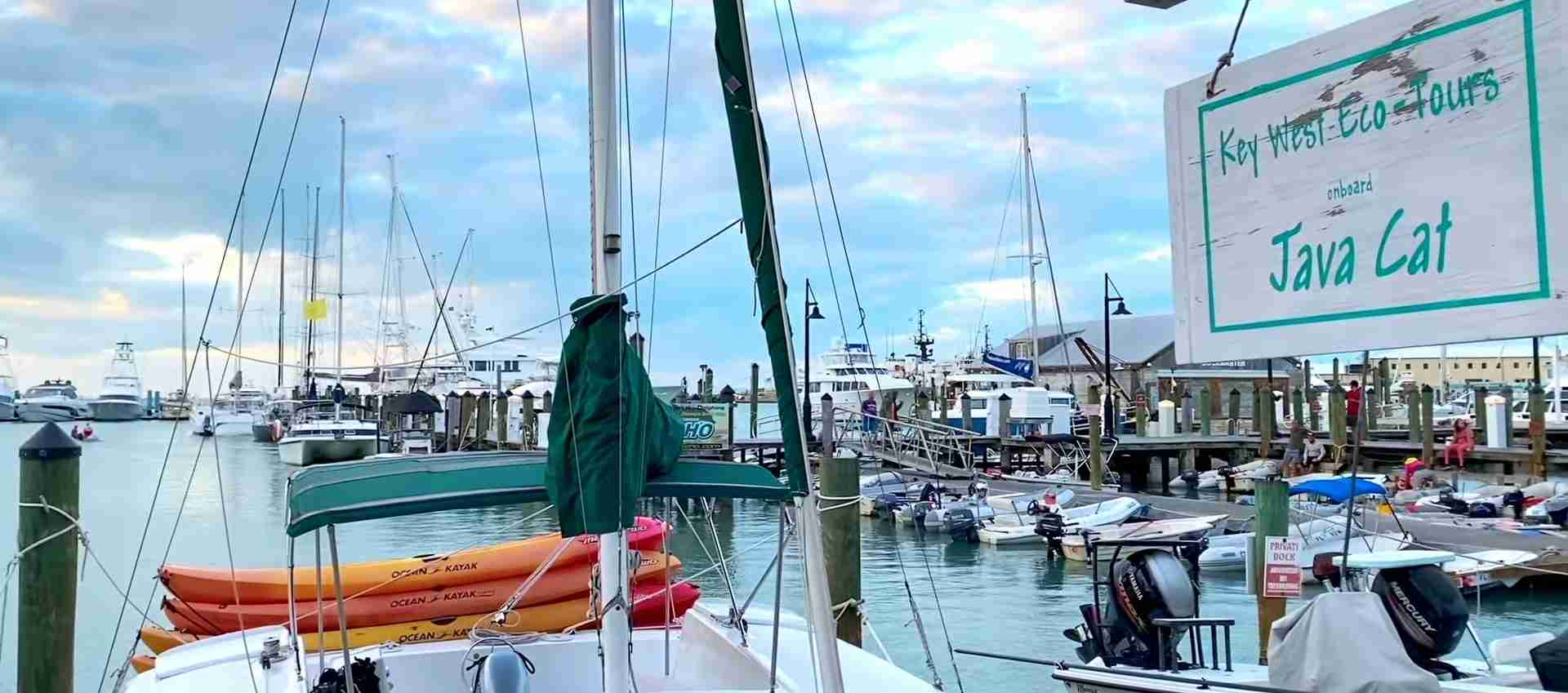
Key West Best Tours & Walking Routes 2026: Complete Travel Guide
Key West’s compact 7-square-mile island delivers an extraordinary concentration of historical sites, cultural attractions, and natural wonders accessible through dozens of specialized tours and self-guided walking routes. From narrated trolley circuits and underwater snorkeling adventures to haunted evening explorations and remote island excursions, the Southernmost City offers tour experiences matching every interest and schedule, with pricing ranging from free self-guided walks to premium full-day expeditions.
Key Takeaways
- Tour Variety 2026: Key West offers over 100 distinct tour experiences spanning narrated transportation tours ($40-52), water-based adventures ($35-185), walking explorations ($10-75), specialty themed tours ($35-90), and premium excursions ($200-900+) with options for every budget and interest level.
- Trolley and Train Tours: The Old Town Trolley and Conch Tour Train provide comprehensive 60-90 minute narrated introductions covering 100+ points of interest at approximately $40-52 for adults in 2026, with hop-on hop-off flexibility allowing personalized exploration pacing throughout the day.
- Self-Guided Walking Freedom: Key West’s walkable Old Town enables free exploration via multiple established routes covering 2-5 miles, with optional audio guide apps ($10) providing historical narration while maintaining complete schedule flexibility perfect for cruise passengers and independent travelers.
- Water Adventure Options: Snorkeling tours to North America’s only living coral reef cost $35-76 for half-day trips, while the legendary Dry Tortugas National Park full-day ferry expedition reaches approximately $185 per person including breakfast, lunch, snorkeling gear, and Fort Jefferson access.
- Specialty Tour Categories: Evening ghost tours ($35-90) explore Key West’s haunted history, food walking tours ($75-85) sample local cuisine, sunset sails ($60-95) capture legendary sunsets, and kayak eco-tours ($65-85) navigate mangrove ecosystems with specialized experiences catering to specific interests.
- Strategic Planning 2026: Book Dry Tortugas trips 2-3 months ahead (sells out weeks in advance), schedule trolley tours early morning for optimal parking and smaller crowds, reserve popular ghost tours 1-2 weeks ahead, and combine self-guided walks with paid tours to maximize value while maintaining schedule flexibility.
People Also Ask About Key West Tours 2026
What’s the best first tour to take in Key West in 2026?
The Old Town Trolley or Conch Tour Train serves as the ideal first Key West experience in 2026, with narrated 60-90 minute loops covering 100+ attractions at $40-52 per adult. These comprehensive orientation tours operate hop-on hop-off service every 15-30 minutes from 9 AM through 4:30 PM, allowing first-time visitors to grasp the island’s layout, identify attractions for deeper exploration, and understand historical context before diving into specialized tours or self-guided walks. The elevated vantage point provides excellent photo opportunities while professional guides deliver entertaining historical narratives about Ernest Hemingway, Harry Truman, and Key West’s colorful past.
How much do Key West snorkeling tours cost in 2026?
Key West snorkeling tours range $35-76 per person for standard 3-hour reef excursions in 2026, with pricing variations based on departure time, vessel type, and included amenities. Morning reef snorkel tours with breakfast and mimosas average $55-60, afternoon excursions with drinks cost $35-60, and premium small-group experiences on specialty vessels reach $70-125. All tours include mask, fins, snorkel equipment, flotation vests, and post-snorkel refreshments, with most operators visiting reefs 4-7 miles offshore where water clarity reaches 60-100 feet and marine life includes tropical fish, coral formations, sea turtles, and occasional dolphin sightings.
Are self-guided walking tours better than paid tours in Key West 2026?
Self-guided walking tours excel for travelers seeking schedule flexibility, budget-conscious exploration, or personalized pacing, while paid guided tours provide deeper historical context, exclusive access to certain locations, and expert storytelling that enhances understanding of Key West’s complex cultural heritage. Self-guided audio apps cost $10 with lifetime access and work offline, covering identical routes at personal speed without group coordination or fixed departure times. Paid walking tours ($35-75) add interactive elements, behind-the-scenes anecdotes, insider recommendations, and social experiences with fellow travelers and knowledgeable guides, making the choice dependent on travel style, budget constraints, and desired depth of engagement with local history and culture.
What tours should I book in advance for Key West 2026?
Book Dry Tortugas ferry trips 2-3 months ahead as this exceptionally popular full-day expedition sells out 3-6 weeks in advance during peak season (December-April), with limited daily capacity of 280 passengers. Reserve popular evening ghost tours and food tours 1-2 weeks ahead to secure preferred dates and times, particularly for weekend visits or major holidays. Seaplane tours to Dry Tortugas require 4-6 weeks advance booking given extremely limited capacity (10 passengers per flight). Trolley tours, snorkeling trips, and sunset sails typically accommodate same-day or next-day bookings except during peak winter months, spring break (March), and major festivals when 3-7 day advance reservations ensure availability.
Extended multi-day tours – 5+ days
Featured Florida Multi-Day Tour Packages
3 days
Florida 3-Day Discovery Tour
- ✓ Comprehensive Florida experience
- ✓ Expert local guides included
- ✓ All accommodation included
- ✓ Transportation provided
5 days
Florida 5-Day Highlights Experience
- ✓ Comprehensive Florida experience
- ✓ Expert local guides included
- ✓ All accommodation included
- ✓ Transportation provided
7 days
Florida 7-Day Cultural Journey
- ✓ Comprehensive Florida experience
- ✓ Expert local guides included
- ✓ All accommodation included
- ✓ Transportation provided
10 days
Florida 10-Day Complete Adventure
- ✓ Comprehensive Florida experience
- ✓ Expert local guides included
- ✓ All accommodation included
- ✓ Transportation provided
Multi-day tour packages powered by TourRadar. Prices and availability subject to change.
Understanding Key West Tour Landscape 2026
Key West’s geography and history create ideal conditions for diverse tour experiences within an extraordinarily compact area. The island’s 7-square-mile footprint concentrates over 400 years of cultural heritage, architectural treasures, and natural attractions into walkable neighborhoods where narrated transportation tours, guided walks, and water-based excursions access distinct facets of the Conch Republic’s unique character. This density enables visitors to sample multiple tour types during short stays while the subtropical location 150 miles from mainland Florida and proximity to coral reefs, mangrove ecosystems, and remote islands provide natural attractions unreachable except through specialized tours.
The tour industry evolved alongside Key West’s transformation from remote naval outpost and wrecking center to international tourism destination, with the Conch Tour Train launching in 1958 as one of Florida’s earliest motorized sightseeing experiences. Modern tour offerings reflect this legacy while incorporating contemporary expectations for environmental sustainability, authentic local experiences, and technology-enhanced interpretation. Tour operators range from multi-generational family businesses maintaining decades-old traditions to innovative newcomers introducing fresh approaches to storytelling and engagement, creating competitive marketplace where quality standards remain high and visitors benefit from extensive options at various price points.
Seasonal patterns influence tour availability and experience quality in 2026. Winter months (December-March) deliver optimal weather conditions with temperatures 70-78°F, minimal rainfall, and calm seas perfect for water tours, though increased visitor volume creates larger tour groups and advance booking requirements. Summer (June-September) brings afternoon thunderstorms, higher humidity, and fewer crowds, with reduced pricing on select tours and smaller group sizes compensating for weather unpredictability. Spring (April-May) and fall (October-November) offer transition periods with moderate temperatures, reasonable crowd levels, and reliable weather, representing ideal windows for visitors seeking balance between comfort and value.
Narrated Transportation Tours Key West 2026
Narrated transportation tours provide comprehensive island introductions through motorized vehicles offering elevated vantage points, climate-controlled or open-air seating, and professional guides delivering historical commentary, local legends, and practical orientation information. These tours function as both standalone experiences and strategic reconnaissance missions helping visitors identify attractions deserving deeper exploration, understand neighborhood layouts, and grasp historical context enriching subsequent independent wandering. The format particularly benefits first-time visitors, mobility-limited travelers, families with young children, and cruise passengers maximizing brief port calls by covering maximum territory in minimum time.
Old Town Trolley Tours Key West 2026
Old Town Trolley Tours operates Key West’s most comprehensive hop-on hop-off service in 2026, covering 13 strategically located stops throughout Old Town and surrounding neighborhoods on continuous 90-minute loops departing every 15-20 minutes from 9 AM through 5 PM daily. Adult tickets cost approximately $52, children 4-12 pay $24, and passengers under 4 ride free, with tickets valid all day allowing unlimited boarding and disembarking. The narrated route encompasses 100+ points of interest including Mallory Square, Ernest Hemingway Home, Truman Little White House, Southernmost Point, Key West Cemetery, Historic Seaport, Fort Zachary Taylor, and Bahama Village, with live guides providing real-time commentary adapted to passenger questions and interests rather than pre-recorded narration.
Strategic stops enable efficient combination of guided overview with independent attraction visits. The Hemingway Home stop places passengers steps from the author’s residence and allows 60-90 minutes for self-guided or docent-led mansion tours before catching subsequent trolleys. The Southernmost Point stop provides photo opportunities at the iconic marker plus access to South Beach and oceanfront restaurants. The Historic Seaport stop connects to waterfront dining, charter fishing operators, water sports rentals, and the Schooner Wharf Bar’s live music scene. Experienced visitors often ride one complete loop for orientation then disembark at 2-3 priority stops for deeper exploration, using the frequent service to eliminate parking concerns and walking fatigue in subtropical heat.
The climate-controlled trolleys feature open-air sides with canvas roll-down weather protection, bench seating accommodating approximately 50 passengers, and wheelchair accessibility at ground-level boarding platforms. Free admission to the Sails to Rails Museum accompanies each ticket, adding historical railroad exhibits to the experience value. The trolley’s distinctive orange-and-green vehicles and friendly conductors create recognizable presence throughout Old Town, with first-time riders typically completing full 90-minute loops to capture comprehensive narratives before utilizing hop-off privileges. The service proves particularly valuable during midday heat when alternating between air-conditioned riding and brief attraction stops manages energy expenditure more effectively than sustained walking.
Conch Tour Train Key West 2026
The Conch Tour Train represents Key West’s original motorized tour experience, celebrating over 65 years of service since the 1958 inaugural journey that established the island’s tourism industry foundation. The distinctive yellow open-air “trains” depart Front Street Depot every 30 minutes from 10:15 AM through 4:15 PM, completing 60-minute narrated loops through Old Town’s historic core at approximately $40 for adults and $20 for children 4-12 in 2026 (children 3 and under free). The tour makes strategic stops at Front Street Depot, Flagler Station, and Truman Annex, with the final destination at Mallory Square perfectly positioned for sunset celebration attendance or Historic Seaport exploration.
Unlike hop-on hop-off trolleys, the Conch Train follows fixed departure schedules requiring passengers to complete entire 60-minute circuits, though strategic stop timing allows disembarking at Flagler Station or Truman Annex for attraction visits with subsequent train boarding on later departures. This format creates more cohesive group experiences with continuous narrative flow from departure through return, appealing to visitors prioritizing uninterrupted storytelling over flexible exploration. The train’s lower profile and narrower footprint enable access to residential streets and alleyways inaccessible to larger trolleys, showcasing Conch-style architecture, lush tropical gardens, and neighborhood character often missed on vehicular tours.
Professional “engineers” deliver live narration incorporating historical facts, local legends, and contemporary island life observations, with individual guide personalities significantly influencing tour atmosphere and entertainment value. Popular guides like “Mr. History” earn reputations for encyclopedic knowledge and engaging delivery, while others emphasize humor, audience interaction, or dramatic storytelling approaches. The open-air seating exposes passengers to authentic tropical ambiance including warm breezes, floral fragrances, and neighborhood sounds, creating immersive sensory experience distinguishing the train from climate-controlled alternatives. Free Sails to Rails Museum admission accompanies each ticket, matching the trolley’s value-added benefit while honoring Henry Flagler’s historic Overseas Railroad connecting the Florida Keys.
Self-Guided Walking Routes Key West 2026
Self-guided walking exploration capitalizes on Key West’s compact geography, well-maintained sidewalks, clear street signage, and concentrated attraction density enabling travelers to cover 2-5 miles on foot while accessing 20-40 significant sites without guide fees or fixed schedules. Multiple established routes navigate Old Town’s grid pattern from Mallory Square through residential neighborhoods, past architectural landmarks, along waterfront promenades, and through commercial districts, with optional audio guide apps providing historical narration while maintaining complete route customization and pacing flexibility. This approach particularly suits independent travelers, photography enthusiasts, cruise passengers with limited port time, and budget-conscious visitors allocating tour funds toward specialized experiences rather than general orientation.
Classic Old Town Walking Route 2026
The classic Old Town circuit covers approximately 3 miles over 2-3 hours, starting at Mallory Square’s waterfront plaza where daily sunset celebrations attract thousands and street performers create vibrant atmosphere from late afternoon through twilight. From Mallory Square, walk south on Whitehead Street past the U.S. Customs House (now the Key West Museum of Art & History) toward the Southernmost Point marker located at Whitehead and South Street intersection. This concrete buoy-shaped monument marks the continental United States’ southernmost accessible point (though technically Fort Zachary Taylor’s southern tip extends slightly further), creating obligatory photo stop where hour-long lines form during peak midday hours—arrive before 9 AM or after 4 PM for manageable crowds.
Continue north on Whitehead Street to the Ernest Hemingway Home and Museum at 907 Whitehead Street, where guided tours cost $18 (cash only) or exterior photography captures the Spanish Colonial architecture and descendants of Hemingway’s original six-toed cats lounging on porches and gardens. The route proceeds north past the Key West Lighthouse and Keeper’s Quarters Museum (separate admission $18) offering 88-step climb to panoramic island views, then turns west on Truman Avenue toward the Harry S Truman Little White House at 111 Front Street. This presidential retreat-turned-museum preserves the Winter White House where President Truman spent 175 days across 11 visits between 1946 and 1952, with guided tours ($22) revealing authentic furnishings, historical artifacts, and presidential history in intimate residential setting.
The route returns east on Caroline Street through residential blocks showcasing Conch architecture—wood-frame houses featuring tin roofs, wraparound porches, pastel colors, and distinctive gingerbread trim—before turning south on Duval Street for the island’s commercial and entertainment epicenter. Duval Street’s 1.25-mile length concentrates restaurants, bars, art galleries, boutiques, street performers, and attractions including the Key West Aquarium, Mel Fisher Maritime Museum, and multiple Hemingway haunts like Sloppy Joe’s Bar (claiming original location though contested by Captain Tony’s Saloon). The pedestrian-friendly street accommodates meandering exploration with frequent shade trees, open-air establishments, and people-watching opportunities before concluding back at Mallory Square’s waterfront.
Cemetery and Seaport Walking Route 2026
The cemetery and seaport circuit explores Key West’s unique burial traditions and working waterfront heritage over approximately 2.5 miles and 1.5-2 hours, beginning at the Key West Cemetery’s main entrance on Frances and Margaret Streets. This 19-acre Victorian cemetery established in 1847 contains above-ground vaults necessitated by high water tables, ornate monuments, and witty epitaphs including the famous “I Told You I Was Sick” marker. The grounds hold approximately 100,000 souls despite only 65,000 visible markers, with sections dedicated to Cuban revolutionaries, U.S.S. Maine casualties, and prominent Key West families. Self-guided exploration costs nothing though Friends of the Cemetery conducts twice-monthly guided tours ($15 suggested donation) revealing historical context and notable residents’ stories.
From the cemetery, walk south on Margaret Street to Truman Avenue, then east to Duval Street before heading south through Old Town toward the Historic Seaport District. This working waterfront preserves Key West’s maritime heritage with charter fishing fleets, dive operators, sailing vessels, waterfront restaurants, and the Half Shell Raw Bar occupying historic shrimp docks and chandlery buildings. The seaport boardwalk enables harbor strolls past luxury yachts, traditional schooners, and commercial vessels while observing contemporary fishing operations continuing traditions dating to the island’s earliest settlement. The A&B Lobster House, Schooner Wharf Bar, and numerous seafood establishments create evening entertainment hub with live music, outdoor dining, and authentic maritime atmosphere absent from tourist-oriented Duval Street establishments.
The route continues to Fort Zachary Taylor Historic State Park via Southard Street, requiring separate park admission ($7.50 per vehicle, $2.50 walk-in/bicycle) but rewarding visitors with the island’s finest natural beach, crystal-clear snorkeling waters, Civil War fort exploration, and shaded picnic grounds. The 54-acre park occupies the island’s southwestern peninsula providing both Atlantic and Gulf views, with the three-tiered brick fortress containing nation’s largest collection of Civil War cannons and interpretive displays explaining Key West’s strategic importance during 19th-century conflicts. Beach access, fort tours (self-guided free, ranger-led $2), and nature trails combine historical and recreational attractions often missed by visitors focusing solely on Old Town’s cultural sites.
Audio Guide App Options Key West 2026
Multiple smartphone applications deliver narrated walking tours combining GPS navigation, historical audio content, and interactive features at one-time purchase prices ($10-15) providing unlimited lifetime access without subscription fees or internet connectivity requirements after initial download. Action Tour Guide’s “Florida Key West Self-Guided Walking Audio Tour” covers 16 stops from Duval Street to the Southernmost Point over approximately 90 minutes, with professional narration revealing pirate legends, architectural details, and cultural insights triggered automatically by GPS location or manually by stop selection. The app includes offline maps, bonus stories for extended exploration, and pause/resume functionality accommodating personal pacing and spontaneous detours.
GPSmyCity offers “Key West Introduction Walking Tour” featuring 16 attractions over approximately 3 hours and 5 kilometers, with integrated maps, attraction photos, and detailed background information supplementing audio narration. The app’s unique “Exploration Mayor” gamification system awards points for completed attractions, creating friendly competition among users while encouraging comprehensive exploration. SmartWalkTours provides multiple Key West routes with interactive Q&A features, local event calendars, public restroom locations, and direct links to attraction websites for hours and ticketing information. The interface allows four map style options, real-time GPS tracking, and suggested path toggling for customized navigation preferences.
All apps function identically regarding fundamental mechanics—purchase, download content while connected to WiFi or cellular data, then use offline during tours without consuming data allowances or requiring connectivity in areas with weak signals. Content remains accessible indefinitely for future visits or repeat tours, making single purchase potentially more economical than multiple guided tour expenses. The technology proves particularly valuable for cruise passengers with limited port time needing self-paced exploration without fixed departure schedules, international visitors avoiding roaming charges, and independent travelers preferring solitary contemplation over group dynamics. Most apps encourage headphone use for optimal audio quality while maintaining peripheral awareness for traffic safety and environmental engagement.
Water-Based Tours and Marine Adventures 2026
Key West’s location at the meeting point of Atlantic Ocean and Gulf of Mexico creates exceptional marine environments supporting North America’s only living coral reef, extensive mangrove ecosystems, clear tropical waters, and abundant marine life accessible through diverse water-based tours. These experiences range from brief 2-hour snorkel trips to full-day remote island expeditions, incorporating activities like reef exploration, dolphin watching, sunset sailing, kayaking, and paddleboarding while highlighting the natural attractions distinguishing Key West from purely historical or cultural destinations. Water tours operate year-round though conditions vary seasonally, with winter providing calmest seas and summer delivering warmest waters despite increased afternoon thunderstorm frequency.
Reef Snorkeling Tours Key West 2026
Reef snorkeling tours transport passengers 4-7 miles offshore to shallow coral reef formations supporting 500+ fish species, sea turtles, rays, lobsters, and living corals in waters reaching 70-100 feet visibility during optimal conditions. Standard 3-hour morning or afternoon excursions cost $35-60 per adult in 2026, including all equipment (mask, fins, snorkel, flotation vest), safety briefings, refreshments, and typically 1-1.5 hours in-water time at 1-2 reef locations selected by captains based on current conditions, water clarity, and marine life activity. Sunset Watersports, Fury Water Adventures, Sebago Watersports, and multiple independent operators compete in this active marketplace, with service differentiation occurring through vessel size, departure times, included amenities, and guide expertise rather than dramatic pricing variations.
Morning departures (8-8:30 AM) deliver clearest water visibility as afternoon winds and boat traffic haven’t yet stirred sediments, while afternoon trips (12:30-1 PM) attract travelers sleeping late or scheduling tours around other morning commitments. Specialty options include morning reef snorkel with breakfast and mimosas ($55-60), sunset combination tours adding sailing after snorkeling ($70-85), and small-group premium experiences on faster catamarans with gourmet refreshments ($90-125). All operators provide sanitized equipment and reef-safe sunscreen, with experienced crews assisting non-swimmers and first-time snorkelers through flotation devices, personal instruction, and designated “swim buddies” ensuring safety without diminishing confident swimmers’ freedom to explore independently.
The reef ecosystem occupies the Florida Keys National Marine Sanctuary protecting fragile coral formations and marine habitats through regulated anchoring zones, no-touch policies, and environmental education programs. Typical sightings include parrotfish, angelfish, snapper, barracuda, grouper, sergeant majors, and blue tangs among elkhorn, staghorn, and brain coral formations, with occasional sea turtle encounters creating memorable highlights. Photographers appreciate clear water conditions and abundant subjects though underwater cameras and GoPros require specific housing and techniques for quality results—many operators rent waterproof cameras ($25-35) avoiding equipment investment for casual documentation. The experience suits all ages and abilities with proper instruction, transforming non-swimmers into confident snorkelers through flotation aids and patient guidance while challenging experienced snorkelers through deeper sections requiring breath-hold diving for closer coral inspection.
Dry Tortugas National Park Full-Day Ferry 2026
The Dry Tortugas National Park ferry expedition represents Key West’s premier full-day tour, transporting visitors 70 miles west across open Gulf waters to a remote seven-island archipelago featuring Fort Jefferson, pristine beaches, exceptional snorkeling, and National Park wilderness isolation unreachable except by boat or seaplane. The Yankee Freedom III catamaran departs daily at 8 AM from the Historic Seaport (check-in 7 AM), returns approximately 5:30 PM, and costs around $185 per adult, $150 per child 4-16, and $45 per child under 4 in 2026 (check official website for current rates as pricing may vary). This all-inclusive fare covers round-trip transportation, continental breakfast, buffet lunch, snorkeling equipment, National Park entrance fees ($15 value), 45-minute guided Fort Jefferson tour, and unlimited time exploring beaches, snorkeling, swimming, or fort investigation during 4.5-hour island stay.
Fort Jefferson dominates Garden Key as America’s largest masonry fort, an unfinished six-sided fortress containing 16 million bricks standing 50 feet high with walls 8 feet thick. Construction began 1846 continuing through 1875 though the fort never achieved completion, with its 420 guns intended to control shipping lanes through the strategic Straits of Florida. The structure served as Union military prison during Civil War, most famously holding Dr. Samuel Mudd convicted of conspiracy for treating Lincoln assassination conspirator John Wilkes Booth’s broken leg. Ranger-led and self-guided tours explore the moat walls, gun emplacements, prison cells, and architectural details while interpretive displays explain military history, engineering challenges, and eventual abandonment as military technology rendered masonry forts obsolete.
The island stay balances historical exploration with recreational opportunities. Snorkeling around the fort’s moat wall reveals marine life, coral formations, and underwater brick sections visible through crystal-clear waters, while marked swim areas and pristine beaches invite relaxation, picnicking, and tropical island solitude. The catamaran provides spacious air-conditioned interior, outdoor observation decks, restrooms, and full-service bar (return trip only) making the 2.5-hour each-way crossing comfortable despite open-water conditions potentially causing seasickness in susceptible passengers—motion sickness medication recommended for those with sensitivity. The tour’s popularity necessitates advance booking 2-3 months ahead during winter peak season (December-April) as the 280-passenger capacity sells out weeks before departure dates.
Sunset Sailing and Dolphin Watching Tours 2026
Sunset sailing cruises capitalize on Key West’s “Sunset Capital” reputation through 2-hour evening voyages departing 6-6:30 PM (times adjust seasonally for sunset timing) and costing $60-95 per adult depending on vessel size, included refreshments, and entertainment options. Traditional tall-ship schooners like the Appledore and America 2.0 recreate 19th-century sailing experiences with wooden decks, billowing canvas sails, and nautical atmosphere, while modern catamarans like Fury’s vessels prioritize passenger capacity, stability, and amenities including full bars, cushioned seating, and sound systems. All tours pass Mallory Square’s waterfront sunset crowds while passengers enjoy unobstructed horizons, offshore perspectives of the island, and gentle rocking motion creating romantic ambiance for couples and social atmosphere for groups.
Dolphin watching tours combine wildlife observation with shallow-water snorkeling during 3-4 hour afternoon or sunset departures costing $76-95 per person. Boats cruise the Florida Keys National Marine Sanctuary waters searching for dolphin pods often spotted feeding, playing, or traveling in groups of 5-15 individuals, with experienced captains understanding seasonal movement patterns and behavioral cues increasing sighting probability to approximately 80-90% during prime conditions. Following dolphin encounters, tours proceed to protected shallow reef areas for snorkeling among tropical fish and coral formations before concluding with sunset viewing during return trips. These combination experiences maximize time efficiency for visitors seeking multiple activities during single tours, though dedicated snorkel tours typically allow longer underwater time at superior reef locations.
Specialty sunset options include rum and reggae cruises featuring unlimited rum punch and Caribbean music atmosphere, tiki boat sandbar parties visiting shallow flats for swimming and socializing, and private charter vessels accommodating groups of 6-12 with customized itineraries, premium catering, and photographer services for special occasions. Sunset timing varies approximately 6 PM winter through 8:30 PM summer, with tour departure schedules adjusted accordingly to ensure offshore positioning during optimal golden hour lighting and post-sunset twilight display. The experience proves particularly popular among couples seeking romantic settings, photographers pursuing dramatic lighting conditions, and visitors checking off Key West’s iconic sunset viewing without battling Mallory Square’s dense crowds in confined spaces.
Specialty and Themed Tours Key West 2026
Specialty tours address specific interests ranging from paranormal investigation and culinary exploration to ecological education and literary history, creating focused experiences appealing to niche audiences while differentiating themselves from general-interest trolley tours and standard water adventures. These offerings typically limit group sizes enabling more interactive experiences, deeper subject matter exploration, and personalized attention from specialized guides possessing expertise beyond general historical knowledge. Pricing reflects smaller capacity and specialized content, with most specialty tours costing $45-90 per person for 1.5-3 hour experiences combining walking elements, expert interpretation, and often exclusive access to locations unavailable during self-guided exploration.
Ghost Tours and Haunted History 2026
Key West’s reputation as one of America’s most haunted cities supports thriving ghost tour industry with multiple operators offering evening walking tours, trolley investigations, and paranormal equipment experiences exploring the island’s dark history, mysterious deaths, and alleged supernatural activity. Standard walking ghost tours cost $35-45 for 90-minute evening explorations (typically 7 PM and 9 PM departures) visiting 8-12 haunted locations including St. Paul’s Episcopal Church, Key West Cemetery, the Artist House (original home of Robert the Haunted Doll), the Audubon House, and numerous private residences where tragic events or unexplained phenomena created ghostly legends. Professional guides blend historical facts with dramatic storytelling techniques, creating atmospheric experiences enhanced by darkness, shadow-filled streets, and tropical ambiance.
Premium ghost hunt tours ($65-90) elevate standard walks through paranormal investigation equipment including EMF meters detecting electromagnetic fluctuations, dowsing rods responding to energy fields, spirit boards facilitating communication attempts, and thermal cameras revealing temperature anomalies potentially indicating spectral presence. The Original Key West Ghost Hunt tours enter multiple buildings including historic houses and the Studios of Key West for hands-on investigation periods where participants use provided equipment conducting their own supernatural searches under guide supervision. These interactive elements transform passive listening into active participation appealing to believers, skeptics, and curious explorers seeking novel experiences beyond conventional historical tours.
Robert the Doll tours at Fort East Martello Museum represent Key West’s most infamous paranormal attraction, featuring the allegedly cursed doll inspiring internet legends, horror films, and thousands of cautionary letters from visitors who photographed the toy without permission and subsequently experienced misfortune. The $45-65 evening tour includes museum access, 30-minute guided exploration of Civil War-era fortress, 30-minute seated encounter with Robert learning verified facts and folklore surrounding the century-old plaything, and optional VIP upgrade ($85-95) extending the experience with additional hour of unsupervised ghost hunting through darkened fort chambers using provided equipment. The experience balances entertainment and education, appealing to true-crime enthusiasts, paranormal investigators, and visitors seeking distinctive Key West memories beyond typical tourist activities.
Food and Culinary Walking Tours 2026
Food walking tours immerse participants in Key West’s culinary heritage through 3-hour guided explorations sampling 5-7 restaurants, specialty shops, and hidden eateries while discussing food history, cultural influences, and local ingredients defining island cuisine. Tours cost approximately $75-85 per person in 2026, including all food tastings equivalent to full lunch or dinner, beverages at select stops, and historical/cultural narration connecting cuisine to Key West’s Spanish, Cuban, Bahamian, and American Southern influences. Operators intentionally select family-owned establishments off main tourist corridors, supporting local businesses while exposing visitors to authentic neighborhood eateries locals frequent rather than high-visibility establishments catering primarily to tourist traffic.
Typical tastings include Cuban sandwiches from century-old bakeries, fresh-caught seafood preparations highlighting local species, Key lime pie demonstrations revealing authentic preparation methods, and specialty items like Cuban coffee, conch fritters, and locally-crafted chocolates. Guides discuss fishing industry history, Cuban immigration waves shaping restaurant culture, Key lime pie mythology separating fact from commercial exploitation, and seasonal ingredients including stone crab, pink shrimp, and hogfish appearing on menus during specific months. The walking format covers approximately 1-1.5 miles through Old Town and Bahama Village at leisurely pace with extended stops enabling conversations with chefs, bakers, and restaurant owners willing to share preparation techniques and family histories.
Specialized variations include cocktail tours ($75-85) visiting craft bars and hidden speakeasies sampling 5 cocktails with 2 food pairings while learning mixology history and Key West’s drinking culture, key lime pie experiences ($45-55) dedicated solely to comparing multiple pie variations across famous bakeries while participating in demonstration classes, and sunset seafood crawls ($85-95) timing restaurant stops around golden hour photography opportunities before concluding at waterfront establishments for sunset viewing with fresh seafood dinners. These experiences appeal to food enthusiasts, couples seeking romantic outings, and visitors prioritizing authentic cultural immersion over attraction checklists, with small group sizes (typically 8-12 participants) enabling personalized attention and fostering social connections among fellow food lovers.
Kayak and Eco-Tours Key West 2026
Kayak and eco-tours explore Key West’s mangrove islands, backcountry waters, and coastal ecosystems through human-powered small-vessel navigation providing intimate wildlife encounters and environmental education impossible from motorized boats. Standard 2-hour mangrove kayak tours cost $65-85 per person, including stable sit-on-top kayaks requiring minimal paddling experience, safety equipment, guides certified in kayak instruction and environmental interpretation, and access to protected waters sheltered from wind and waves where beginners confidently navigate narrow channels through mangrove forests. Lazy Dog Adventures, Blue Planet Kayak, and multiple independent operators offer morning and afternoon departures from various launch points around the island, with morning trips providing cooler temperatures and calmer conditions while afternoon excursions feature better wildlife activity as animals emerge for feeding periods.
Mangrove ecosystems function as marine nurseries protecting juvenile fish, filtering water through complex root systems, and preventing coastal erosion through natural barriers absorbing wave energy and storm surge. Kayakers paddle narrow channels observing prop roots, aerial roots, and pneumatophores creating distinctive above-water architecture while guides explain mangrove species identification, symbiotic relationships with coral reefs, and critical importance in Florida Keys ecology despite many visitors dismissing the swampy environment as aesthetically inferior to clear-water beaches. Wildlife encounters typically include nurse sharks resting in shallow channels, rays gliding beneath kayak hulls, herons and egrets fishing from mangrove branches, hermit crabs scrambling across exposed roots, and jellyfish drifting with tidal currents—with guides providing species identification, behavioral observations, and hands-on demonstrations like safely holding moon jellies revealing gelatinous texture.
Extended eco-tours ($95-125) combine kayaking with snorkeling stops at shallow patch reefs, visiting remote beaches accessible only by water, and exploring backcountry islands where undeveloped shores preserve natural conditions absent from developed Key West. Some tours time departures around low tides exposing mudflats and sand bars where visitors walk normally submerged areas observing marine life trapped in tidal pools and examining shells, coral fragments, and sea grass washed ashore. Sunset kayak tours ($75-95) paddle twilight waters observing color changes across sky and water while nocturnal wildlife emerges, creating peaceful conclusion to active days and providing alternative sunset viewing free from Mallory Square crowds. The activity requires moderate fitness and comfort with water but accommodates non-swimmers through stable kayak design, life jacket requirements, and shallow water depths enabling standing if capsizing occurs.
Attraction and Museum Tours 2026
Individual attractions throughout Key West offer guided tours and self-guided exploration enhancing understanding of specific historical sites, natural collections, and cultural institutions beyond what exterior viewing or independent walking provides. These venue-specific tours range from intimate house museum docent talks to larger-scale aquarium experiences, with most requiring separate admission beyond general Key West tour tickets though combination packages often bundle popular attractions with trolley or train tours creating value for visitors planning multiple site visits. The guided interpretation transforms static exhibits and historical rooms into engaging narratives connecting visitors emotionally and intellectually to Key West’s complex past while revealing details easily overlooked during unguided wandering.
Ernest Hemingway Home and Museum Tours 2026
The Ernest Hemingway Home and Museum at 907 Whitehead Street offers guided and self-guided tours through the Spanish Colonial residence where the author lived 1931-1939, producing classics including “For Whom the Bell Tolls” and “To Have and Have Not” while establishing himself as literary giant. Admission costs $18 for adults and $7 for children in 2026 (cash or check only, no credit cards), with docent-led tours departing every 20 minutes from 9 AM to 5 PM daily providing 25-30 minute narratives exploring Hemingway’s Key West years, creative process, personal relationships, adventurous lifestyle, and the property’s distinctive features including the island’s first swimming pool, original furnishings, and descendants of the author’s original six-toed polydactyl cats freely roaming grounds.
The two-story house constructed 1851 served as private residence before Hemingway purchased it for $8,000 during Depression era, with wife Pauline Pfeiffer directing extensive renovations incorporating modern plumbing, electrical systems, and luxurious details uncommon in 1930s Key West. Hemingway wrote in second-floor studio above detached poolhouse, producing approximately 70% of his life’s work in this isolated workspace surrounded by tropical vegetation and accessed via exterior catwalk providing privacy from household activities. Tour guides share anecdotes about Hemingway’s routine (writing morning hours in studio, fishing/socializing afternoons at Sloppy Joe’s), relationships with Key West residents including fishermen inspiring novel characters, and his eventual departure to Cuba strained by marital difficulties and island’s increasing commercialization.
The legendary polydactyl cats, descendants of Hemingway’s original pet named Snow White, number approximately 40-50 at any time with roughly half displaying the genetic mutation causing extra toes on front paws. These protected animals receive veterinary care, named memorial dedications, and pampered existence as living connection to the property’s literary heritage. Self-guided visitors receive property maps and printed information enabling independent exploration at personal pace, photographing interior rooms, garden areas, and cats lounging on furniture or outdoor spaces while absorbing atmosphere inspiring Hemingway’s creativity. The museum shop sells books, memorabilia, and cat-themed merchandise, with popular items including replica “Papa” fishing shirts and polydactyl cat photographs.
Key West Aquarium Tours and Experiences 2026
The Key West Aquarium operates as one of Florida’s oldest marine attractions, opened 1934 during Depression era providing jobs and educational experiences for a community dependent on fishing and maritime industries. Located at 1 Whitehead Street adjacent to Mallory Square, the compact facility focuses on Florida Keys and Caribbean marine species through touch tanks, feeding demonstrations, and guided tours costing approximately $22 for adults and $13 for children 4-12 in 2026. The touch tank experience enables hands-on interaction with sea stars, sea urchins, horseshoe crabs, and giant hermit crabs under staff supervision, while the 50,000-gallon Atlantic Shores exhibit houses grouper, tarpon, barracuda, snapper, and parrotfish representing species encountered during snorkeling excursions.
Daily shark feeding demonstrations at 11 AM, 1 PM, and 3 PM create crowd-gathering spectacles where trained staff feed nurse sharks, lemon sharks, and bonnethead sharks while explaining species behavior, feeding patterns, and conservation challenges facing shark populations globally. Separate turtle feeding demonstrations showcase loggerhead and green sea turtles, both protected species nesting on Florida Keys beaches and frequently encountered during snorkeling tours. Guides discuss sea turtle life cycles, threats from boat strikes and plastic pollution, and successful conservation programs increasing populations after decades of decline. The jellyfish exhibit features multiple species including moon jellies and Pacific sea nettles floating in darkened tanks with LED lighting creating ethereal displays photographers appreciate.
Guided tours depart regularly throughout operating hours (10 AM-6 PM daily), lasting approximately 30-40 minutes while visiting all exhibit areas with extended time at touch tanks and feeding demonstration pools. The intimate setting facilitates questions and extended conversations with marine biologists and longtime staff members possessing deep knowledge of individual fish personalities, animal care procedures, and ecological connections between aquarium species and wild populations. The experience particularly appeals to families with young children not ready for extended boat-based snorkeling trips, providing controlled introduction to marine life building enthusiasm for ocean experiences. Combination tickets bundling aquarium admission with trolley tours, shipwreck museum access, or other attractions reduce individual pricing while encouraging multi-attraction visitation.
Harry S. Truman Little White House Tours 2026
The Harry S. Truman Little White House at 111 Front Street preserves the presidential retreat where President Truman spent 175 days across 11 visits between 1946-1952, using the former Navy commandant’s quarters as working vacation residence escaping Washington pressures while maintaining governmental functions. Guided tours cost $22 for adults and $6 for children 5-12 in 2026, operating daily from 9 AM to 4:30 PM (last tour 4 PM) with departures every 20 minutes led by knowledgeable docents providing 45-minute narratives through preserved rooms containing original furnishings, presidential memorabilia, and interpretive displays. The tour format balances presidential history with Key West’s naval heritage and the property’s evolution from officer housing through contemporary museum status.
The two-story white clapboard structure built 1890 served U.S. Navy base officers before Truman first visited 1946 seeking rest after exhausting first presidential term. He appreciated the secluded location, warm climate, informal atmosphere, and separation from Capitol Hill pressures, establishing pattern of extended working vacations where he conducted official business, hosted meetings with cabinet members and foreign dignitaries, yet also enjoyed poker games, beach walks, and relaxed dinners with military personnel and local residents. Tour guides share anecdotes about Truman’s daily routines, famous “Key West Shirts” (predecessors to Hawaiian shirts), poker games with reporters and staff, and significant policy decisions deliberated at the property including Cold War strategies and domestic initiatives.
Rooms preserve 1940s-1950s aesthetic with period furniture, presidential china, Truman’s piano where he practiced regularly, and rotating exhibits featuring presidential correspondence, gifts from foreign leaders, and photographs documenting visits. The property grounds include tropical landscaping, Navy-era structures, and gift shop selling presidential memorabilia, historical books, and reproduction Key West Shirts. Other presidents including Eisenhower, Kennedy, and Carter subsequently used the property, though none matched Truman’s extended stays establishing the location’s “Winter White House” nickname. The tour appeals to history enthusiasts, presidential scholars, and visitors seeking indoor educational experiences contrasting outdoor-focused water tours and walking explorations.
Booking Strategies and Money-Saving Tips 2026
Strategic tour booking maximizes value while ensuring availability during peak periods when popular experiences sell out weeks ahead. Understanding seasonal patterns, advance booking requirements, combination ticket options, and lesser-known alternatives enables informed decisions balancing budget constraints with desired experiences. The Key West tour marketplace features both major corporate operators offering package deals and smaller independent businesses providing specialized experiences, with competition benefiting consumers through reasonable pricing and quality standards maintained by customer reviews and operator reputations built over decades serving millions of annual visitors.
Book Dry Tortugas ferry trips 8-12 weeks ahead for winter months (December-April) when this premier full-day experience sells out 3-6 weeks before departure dates due to limited 280-passenger capacity and overwhelming demand from winter visitors. Summer and fall bookings require 2-4 weeks advance reservation, with last-minute same-week availability occasionally appearing but unreliable for fixed itineraries. Seaplane tours to Dry Tortugas need 4-8 weeks advance booking given severely limited capacity of 10 passengers per flight and premium pricing ($890 per adult) attracting affluent travelers committing early. Evening ghost tours and food tours benefit from 1-2 week advance reservations securing preferred departure times and dates, particularly weekends and major holidays, though day-before and same-day availability often exists for midweek visits during shoulder seasons.
Combination tickets bundling multiple attractions with transportation tours generate 15-25% savings versus individual purchases. The Trolley-Aquarium-Shipwreck Package combines Old Town Trolley day pass with Key West Aquarium and Shipwreck Museum admissions, typically totaling $85-95 versus $105-120 for separate purchases. Similar packages add Truman Little White House, Mel Fisher Museum, or Conch Tour Train to trolley access, with strategic bundling reducing per-attraction costs while encouraging broader exploration. Independent travelers spending 3-4 days might purchase Go City Key West pass ($140-180 depending on duration) providing admission to 15-20 attractions including trolley tours, museums, water sports, and specialty experiences with potential savings reaching 40-50% for active visitors maximizing daily attraction visits.
Free and low-cost alternatives supplement paid tours while delivering authentic Key West experiences. The self-guided Mallory Square Sunset Celebration costs nothing beyond any food/beverage purchases, attracting hundreds nightly for street performers, artists, sunset viewing, and festival atmosphere rivaling paid sunset cruises for entertainment value. The Key West Cemetery permits free self-exploration during daylight hours with distinctive above-ground vaults, witty epitaphs, and historical sections telling island stories through burial traditions and monument inscriptions. Walking historic residential neighborhoods costs nothing while revealing architectural treasures, lush gardens, and authentic neighborhood character absent from tourist-heavy Duval Street. Fort Zachary Taylor State Park charges minimal entrance ($7.50 per vehicle, $2.50 walk-in/bicycle) providing Key West’s finest natural beach, exceptional snorkeling from shore, Civil War fort exploration, and shaded picnic areas combining recreational and historical elements.
Cruise passengers face unique planning considerations given limited 6-8 hour port calls and ship departure deadlines requiring return 45-60 minutes before sailing. Prioritize single comprehensive tour rather than multiple brief activities, with trolley or train tours ($40-52) providing efficient overview identifying sites for potential future visits. Book morning departure tours (9-10 AM) maximizing time before afternoon ship departures while avoiding midday heat and crowds. Skip lengthy Dry Tortugas expedition requiring full 10-hour commitment incompatible with typical cruise schedules. Instead consider 3-hour snorkel trip ($40-60), 90-minute walking tour ($35-50), or self-guided exploration of Duval Street, Hemingway Home, and Southernmost Point feasible within port time constraints. Verify tour return timing against ship all-aboard requirements, building 30-45 minute safety buffer accounting for traffic, parking, and walking distances from tour drop-off points to cruise terminal.
Seasonal Considerations and Weather Planning 2026
Key West’s subtropical climate and 150-mile offshore location create distinct seasonal patterns affecting tour operations, crowd levels, pricing, and experience quality throughout the year. Understanding these variations enables strategic trip timing and daily schedule planning maximizing comfortable conditions while minimizing weather disruptions, excessive heat, and overcrowding degrading enjoyment. The island experiences two primary seasons rather than four temperate-zone divisions, with dry winter season (November-April) and wet summer season (May-October) creating predictable weather patterns tour operators and experienced visitors anticipate when planning activities.
Winter peak season (December-April) delivers ideal conditions with temperatures 70-78°F, minimal rainfall, calm seas, and abundant sunshine creating perfect environment for all tour types. Water temperatures remain comfortable 72-78°F for snorkeling without wetsuit requirements, wind speeds average 10-15 mph maintaining calm conditions for boats, and rain occurs only 5-8 days monthly as brief isolated showers rarely disrupting full-day plans. These advantages attract maximum visitor volume creating larger tour groups, earlier advance booking requirements, higher accommodation costs, and congested conditions at popular sites. Morning trolley tours encounter heavier traffic, snorkeling boats fill to capacity, and walking tours increase group sizes from typical 10-12 participants to 18-20 maximum permitted under operator licenses.
Summer shoulder and off-season (May-October) features warmer temperatures 80-90°F, higher humidity 75-85%, afternoon thunderstorm probability 40-60%, and reduced visitor volume creating smaller tour groups and more personalized experiences despite weather unpredictability. Water temperatures peak 82-86°F providing bathtub-like comfort for extended snorkeling sessions and eliminating cold-sensitivity concerns, though afternoon storms interrupt 30-50% of sunset sails and evening ghost tours between June-September. Tour operators typically maintain regular schedules with cancellations only during severe weather, lightning, or unsafe sea conditions, with most afternoon thunderstorms dissipating within 30-60 minutes enabling resumed operations. The reduced crowds allow last-minute bookings, negotiated private tour rates, and relaxed exploration without competing for photo spots or maneuvering through dense pedestrian traffic.
Daily timing strategies optimize comfort and experience quality regardless of season. Morning tours (8-11 AM departure) provide coolest temperatures, best light conditions for photography, smallest crowds at popular sites, and highest probability of calm seas for boats. Midday hours (11 AM-3 PM) bring peak heat, intense sun exposure, maximum crowds, and afternoon storm development during summer months, making this period ideal for indoor museum visits, air-conditioned trolley rides, or beach time at Fort Zachary Taylor’s shaded picnic areas rather than strenuous walking tours. Late afternoon and evening hours (4-8 PM) deliver comfortable temperatures, golden hour lighting, sunset viewing opportunities, and access to evening-only experiences like ghost tours and sunset sails.
Hurricane season (June-November, peak August-October) introduces storm risk requiring trip insurance and flexible scheduling for visitors committed to specific travel dates. Key West experiences direct hurricane strikes rarely (approximately every 15-20 years) though tropical storm influences bringing heavy rain and wind occur 1-3 times annually during peak months. Major storms trigger evacuations 72-48 hours ahead via single Overseas Highway connecting the Keys to mainland Florida, with authorities managing orderly departures prioritizing visitors then residents in reverse order from Lower Keys northward. Trip insurance covering weather-related cancellations proves essential for autumn visits given unpredictable storm development and potential disruptions. Tour operators typically offer full refunds or rescheduling for cancellations caused by hurricanes, tropical storms, or unsafe weather conditions, with individual policies varying by company requiring advance clarification during booking.
Tour Operator Selection and Quality Standards 2026
The competitive Key West tour marketplace maintains high quality standards through customer review systems, operator certifications, safety regulations, and decades-long business reputations serving as quality signals for travelers evaluating options. Major established operators including Historic Tours of America (operating Old Town Trolley and Conch Train), Fury Water Adventures, Sunset Watersports, and Sebago Watersports maintain extensive fleets, trained staff, comprehensive insurance, and proven safety records distinguishing them from occasional lower-quality operators charging bargain pricing while cutting corners on equipment maintenance, guide training, or customer service. Independent operators and family businesses often provide exceptional personalized experiences and local authenticity major companies cannot match, though evaluating quality requires research beyond surface-level marketing materials.
Online reviews through TripAdvisor, Google, Viator, and specialized tour booking platforms provide crowdsourced quality assessments revealing patterns beyond any single experience. Operators averaging 4.5+ stars across 500+ reviews demonstrate consistent quality, while newer operators with limited review quantities require cautious evaluation regardless of impressive star ratings potentially based on small samples of friends and family. Read recent reviews (within past 3-6 months) identifying current operational standards rather than outdated assessments potentially preceding ownership changes, staff turnover, or equipment updates. Look for specific details in reviews rather than generic praise, with mentions of guide names, equipment conditions, boat cleanliness, and problem resolution revealing operational realities marketing materials obscure.
Safety certifications and insurance coverage separate legitimate professional operators from unlicensed or underinsured alternatives. U.S. Coast Guard-certified vessels for water tours, certified kayak instructors for paddling expeditions, licensed tour guides for walking tours (required in some jurisdictions), and comprehensive liability insurance protecting customers against injuries or accidents represent minimum standards professionals maintain. Reputable operators display certifications prominently, reference safety records in marketing materials, and willingly answer questions about credentials, insurance, and emergency procedures. Avoid operators reluctant to discuss safety protocols, lacking visible certification credentials, or offering unusually low pricing potentially indicating corner-cutting on equipment maintenance, guide training, or insurance coverage.
Equipment quality and maintenance standards directly impact experience comfort and safety. Modern snorkel equipment with adjustable straps, anti-fog coatings, and properly-sized fins versus old cracked masks with foggy lenses and ill-fitting fins differentiates premium operators from budget alternatives. Well-maintained boats with clean restrooms, functional shade structures, and properly-operating engines versus vessels with broken seats, non-functional facilities, and mechanical issues signal operator investment in customer experience. Walking tour companies issuing quality audio equipment with clear speakers and functional GPS versus cheap earbuds with poor audio quality affect interpretation comprehension and overall satisfaction. These details emerge through review reading and direct observation during check-in, with quality-conscious travelers recognizing red flags before tours commence and switching operators if conditions appear substandard.
Accessibility and Special Needs Accommodations 2026
Key West tour operators increasingly accommodate visitors with mobility limitations, sensory impairments, and other special needs through wheelchair-accessible vehicles, assistive listening devices, sensory-friendly modifications, and trained staff assisting customers requiring additional support. Federal regulations require reasonable accommodations under Americans with Disabilities Act, though practical implementation varies by tour type with some activities inherently challenging to modify while others adapt easily to diverse needs. Prospective participants should communicate requirements during booking rather than assuming operators anticipate needs, enabling advance preparation, appropriate vehicle assignment, and staff notification ensuring smooth experiences without last-minute scrambling or disappointment from inadequate accommodations.
Old Town Trolley vehicles feature wheelchair lifts and dedicated securement areas accommodating standard wheelchairs and mobility scooters, with staff trained in lift operation and passenger assistance. The hop-on hop-off format enables travelers to disembark only at fully accessible stops while remaining aboard during less accessible locations, customizing routes matching individual mobility levels. Conch Tour Train poses greater accessibility challenges given elevated boarding platforms and narrow aisle widths limiting wheelchair accommodation, though operators assist ambulatory passengers with limited mobility navigating steps with staff support. Both services provide advance notice requirements (typically 24-48 hours) for specialized equipment needs enabling vehicle assignment and staff preparation.
Water tours require ambulatory ability boarding vessels via docks and gangways often involving steps and unstable surfaces, though crews assist passengers with balance concerns or limited mobility navigating boarding processes and moving around decks. Snorkeling accommodates diverse abilities through flotation devices, swim-platform entries eliminating ladder climbing, and crew members providing one-on-one water assistance for nervous or mobility-limited participants. Some operators offer specialized accessible boats with zero-entry boarding or transfer systems accommodating wheelchairs, though limited availability necessitates significant advance booking and verification of specific equipment requirements. Dry Tortugas ferry features wheelchair-accessible restrooms and seating areas though Fort Jefferson tours involve uneven terrain, stairs between fort levels, and limited accessible paths restricting mobility-limited visitors to first-floor areas without assistance.
Walking tours adapt through slower pacing, frequent rest stops, and modified routes eliminating problematic terrain for participants communicating limitations during booking. Some operators offer seated alternatives or vehicle-based versions for customers unable to complete standard walking distances. Audio guide apps accommodate vision-impaired users through voiceover compatibility and high-contrast display options, while hearing-impaired visitors benefit from written transcripts supplementing audio narration. Ghost tours and food tours occurring after dark pose additional challenges for vision-impaired participants given uneven sidewalks, low-light conditions, and crowd navigation, though advance communication enables guide pairing and modified pacing reducing anxiety and safety concerns.
Photography and Souvenir Opportunities 2026
Key West tours provide exceptional photography opportunities capturing iconic landmarks, wildlife encounters, architectural details, sunset spectacles, and candid moments creating lasting visual memories supplementing ephemeral experiences. Understanding optimal timing, equipment requirements, and photographic policies enables visitors to maximize documentation success while respecting site regulations, other participants’ privacy, and equipment limitations affecting practical photography execution. Most operators permit and encourage photography during tours, with exceptions at certain historical sites, private properties, or situations where camera use disrupts narratives or creates safety concerns.
Trolley and train tours offer elevated vantage points photographing architectural facades, street scenes, and landscape views impossible from ground level, though moving vehicles and variable lighting create technical challenges requiring faster shutter speeds, image stabilization, or acceptance of imperfect results capturing authentic experience over technical perfection. Window reflections, fellow passengers occasionally blocking sight lines, and brief stop durations limit composition refinement, though consistent opportunity volume throughout tours ensures successful captures despite individual shot challenges. Most operators permit photography freely without restrictions, appreciating social media exposure and word-of-mouth marketing resulting from shared images.
Underwater photography during snorkeling tours requires specialized waterproof cameras or housings protecting standard cameras from saltwater damage. Many operators rent waterproof point-and-shoot cameras ($25-35 per tour) for guests lacking equipment, while serious photographers invest in GoPro action cameras ($300-500) with underwater housings or professional DSLR underwater systems ($1,500-5,000+) producing superior results demanding technical expertise. Underwater photography challenges include reduced light requiring higher ISO settings introducing grain, color shifts toward blue-green requiring white balance adjustment, and suspended particles reducing clarity demanding close subject proximity. Successful underwater images capture colorful fish, coral details, and fellow snorkelers against clear blue water backgrounds, with afternoon light providing better illumination than morning shadows in 15-30 foot depths typical of reef snorkeling locations.
Sunset sailing tours and Dry Tortugas expeditions deliver dramatic lighting conditions photographers prize, with golden hour illumination 30-45 minutes before sunset creating warm tones, long shadows, and saturated colors enhancing landscapes, seascapes, and portrait photography. Sunset timing varies seasonally from approximately 6 PM winter to 8:30 PM summer, with tour operators scheduling departures ensuring offshore positioning during optimal lighting windows. Fort Jefferson photographs benefit from wide-angle lenses capturing massive fort scale, detailed masonry patterns, and surrounding turquoise waters contrasting with rust-colored brick, while portable tripods enable long exposures smoothing water surfaces and capturing cloud movement during sunrise or sunset visits.
Photography policies at historical properties vary by institution. The Hemingway Home permits photography throughout interior and exterior spaces for personal use, though commercial photography and video production require special permits and fees. The Truman Little White House restricts flash photography protecting sensitive artifacts and period furnishings from light damage, while permitting non-flash images throughout tours. The Key West Aquarium encourages photography particularly during feeding demonstrations, though flash use disturbs marine animals and creates reflections on acrylic viewing windows reducing image quality. Ghost tours occurring after dark challenge photographers with low-light conditions requiring high-ISO settings, slow shutter speeds risking motion blur, or external flash disrupting group atmosphere and guide presentations, making discreet available-light photography preferred approach respecting other participants’ experiences.
Family-Friendly Tours and Kid Activities 2026
Family travelers with children face unique tour selection considerations balancing educational value, age-appropriate content, physical demands, attention span compatibility, and cost factors often multiplying significantly with multiple children. Key West offers numerous family-friendly options explicitly designed for young participants alongside adult-focused experiences occasionally excluding children or presenting content inappropriate for sensitive ages. Understanding which tours engage children effectively versus those creating frustration, boredom, or overstimulation enables parents to construct itineraries maximizing family enjoyment while managing realistic expectations about children’s capacity for extended activities, unfamiliar experiences, and sustained attention during narrated presentations.
The Key West Aquarium represents the island’s most obvious family attraction, combining touch tank interactions, feeding demonstrations, and manageable 60-minute visit durations matching young children’s attention spans while delivering authentic marine education. Touch tanks enable tactile learning as children handle sea stars, horseshoe crabs, and hermit crabs under staff supervision, creating memorable sensory experiences exceeding passive observation. Shark feeding demonstrations at scheduled times (11 AM, 1 PM, 3 PM) gather families for brief spectacles combining excitement and education as divers enter tanks distributing food while narrators explain shark behavior and conservation. The compact facility prevents exhaustion common at sprawling attractions requiring extensive walking, with proximity to Mallory Square enabling easy combination with afternoon waterfront exploration and sunset celebration attendance.
Snorkeling tours accommodate families with children ages 5+ provided all participants demonstrate basic swimming skills and comfort in open water. Operators provide child-sized equipment, flotation devices for less confident swimmers, and specialized attention from crew members ensuring safety while parents enjoy underwater exploration. The visual excitement of tropical fish, coral formations, and clear turquoise waters captivates children’s attention more effectively than land-based historical tours featuring abstract concepts and narrative presentations beyond young comprehension levels. The 3-hour duration including boat ride, two snorkel sessions, and refreshment breaks maintains engagement through activity variation, though families should assess individual children’s seasickness susceptibility, sun tolerance, and capacity for sustained water time before booking.
Trolley and train tours theoretically welcome all ages though young children frequently lose interest during extended narrations focusing on historical details, architectural significance, and adult-oriented humor exceeding their comprehension. Children under 5 often enjoy the novelty of vehicle ride and outdoor perspectives for 20-30 minutes before restlessness sets in, creating parental stress managing disruptive behavior in confined spaces with other passengers. Families with young children benefit more from self-guided walking exploration allowing spontaneous play breaks, ice cream stops, and schedule flexibility impossible on fixed-route tours. Older children (8+) with history interest or educational focus appreciate trolley/train tours particularly when parents frame experiences as treasure hunts identifying specific landmarks or answering trivia questions rewarded with treats or privileges.
Ghost tours present age-appropriateness dilemmas given scary content, dark environments, and late evening timing conflicting with children’s bedtimes. Most operators establish minimum age requirements (typically 12-13+) given mature themes including death, murder, and supernatural horror potentially frightening sensitive children or triggering nightmares. Family-friendly ghost tours offered by select operators modify content emphasizing quirky legends and humorous stories over graphic details, operating earlier evening hours (6-7 PM starts) accommodating younger bedtimes, and maintaining lighter tone balancing entertainment with age-appropriate material. Parents know their children’s tolerance for scary content better than operators, with advance research reading tour descriptions and reviews from families helping assess suitability.
Multi-Day Itinerary Planning with Tours 2026
Visitors spending 3-5 days in Key West benefit from strategic itinerary construction balancing multiple tour types, self-guided exploration, beach time, and flexibility accommodating weather variations, energy fluctuations, and spontaneous discoveries inevitably occurring during travel. Attempting excessive daily activities creates exhaustion and superficial experiences, while under-planning wastes precious vacation time on last-minute scrambling and missed opportunities. Successful itineraries incorporate 1-2 major activities daily allowing sufficient time for meals, rest periods, independent wandering, and unexpected detours while maintaining structure preventing decision paralysis paralysing travelers confronting overwhelming options without planning framework.
Day one ideally begins with comprehensive orientation tour (Old Town Trolley or Conch Tour Train) immediately following arrival, providing geographical context, attraction identification, and historical background informing subsequent days’ exploration. The 90-minute investment pays dividends throughout the visit as passengers recognize neighborhoods, recall historical narratives about passed landmarks, and understand relationships between attractions glimpsed from trolley windows. Following the trolley tour, spend afternoon on self-guided Duval Street walk visiting shops, bars, and restaurants identified during morning narration, with late afternoon positioning at Mallory Square for legendary sunset celebration providing free entertainment, street performers, artists, and social atmosphere requiring no admission fees.
Day two focuses on water experiences, scheduling half-day snorkeling tour (8 AM or 1 PM departure) exploring coral reefs, tropical fish, and open-water swimming in crystal-clear conditions impossible from shore locations. The 3-4 hour commitment returns participants to shore by noon or 5 PM, leaving opposite half of day available for Fort Zachary Taylor beach time, kayak tours through mangrove islands, or relaxed poolside recovery from morning exertion. Families might substitute aquarium visit for snorkeling if young children or non-swimmers limit open-water tour participation, while adventure enthusiasts extend water focus with sunset sailing following afternoon snorkeling creating full-day marine immersion.
Day three presents Dry Tortugas decision point—committing entire day (7 AM check-in through 5:30 PM return) to remote island expedition or utilizing time for multiple shorter Key West experiences including Hemingway Home tour, Truman Little White House visit, cemetery exploration, and specialty museums like Mel Fisher Maritime or Shipwreck Treasure. The Dry Tortugas expedition delivers unparalleled historical and natural experiences impossible elsewhere, though the lengthy commitment and significant cost ($185+ per person) require weighing against alternative options providing greater variety if remote island isolation holds limited appeal. Visitors spending 5+ days comfortably incorporate Dry Tortugas without sacrificing other priorities, while 3-day visitors must choose between depth (Dry Tortugas) and breadth (multiple Key West attractions).
Day four and beyond enable specialty tour participation addressing specific interests—food walking tours for culinary enthusiasts, ghost tours for paranormal curiosity, deeper dive into literary history via Hemingway-focused explorations, or art gallery walks through Gallery on Greene and other local artist spaces. These days also accommodate inevitable shopping, longer beach sessions, fishing charters, spa visits, or simply relaxed pacing after initial days’ intensive activity schedules. Maintaining flexibility allows weather-driven adjustments shifting outdoor plans to covered activities during thunderstorms or hot afternoon hours, while leaving open schedule blocks prevents over-commitment causing stress when energy levels decline or spontaneous opportunities arise through local recommendations and chance encounters.
Tour Insurance and Cancellation Policies 2026
Tour cancellation policies vary dramatically by operator and tour type, with general patterns favoring stricter policies for higher-cost experiences, smaller-capacity tours, and water-based activities dependent on advance provisioning and crew scheduling. Understanding specific cancellation terms before booking enables informed risk assessment particularly for advance reservations made weeks or months ahead when personal circumstances, weather conditions, and health situations might change unpredictably. Most operators clearly state cancellation policies during booking process and in confirmation emails, though travelers often overlook fine print until cancellation necessity arises creating unwelcome surprises about refund eligibility and penalty amounts.
Standard cancellation policy for most Key West tours permits full refunds for cancellations made 24+ hours before scheduled departure, with cancellations within 24 hours of departure time typically forfeiting all fees. This 24-hour threshold represents industry standard balancing operator revenue protection against reasonable customer flexibility, though premium tours sometimes extend requirements to 48-72 hours particularly for small-group experiences where single cancellation significantly impacts tour viability. Some high-cost tours including Dry Tortugas ferry and seaplane flights impose strict no-refund policies regardless of cancellation timing given the extensive operational costs, limited capacity, and high demand creating waiting lists of alternate customers willing to book cancelled slots.
Weather-related cancellations initiated by operators always provide full refunds or rescheduling options without penalty, with decisions typically made 2-6 hours before departure based on current conditions and forecast reliability. Water tours cancel for unsafe sea conditions, lightning, tropical storms, or sustained high winds exceeding safe operational thresholds, while land tours rarely cancel for rain alone given South Florida’s frequent brief showers interrupting but not preventing activities. Operators make cancellation calls balancing safety, customer satisfaction, and revenue considerations, with conservative safety-first approaches building reputations for responsible operation even when disappointing customers eager to proceed despite marginal conditions.
Travel insurance adds protection layer for travelers concerned about potential cancellation necessities from personal circumstances including illness, family emergencies, work obligations, or travel disruptions preventing Key West arrival. Comprehensive travel insurance policies ($50-150 depending on trip cost and coverage levels) typically cover non-refundable tour deposits if cancellation results from covered reasons including medical emergencies, death in family, natural disasters, or transportation failures preventing timely arrival. Standard travel insurance excludes “change of mind” cancellations or predictable circumstances existing before policy purchase, though “cancel for any reason” upgrades (costing approximately 40-50% more than standard policies) provide partial refunds (typically 50-75% of trip cost) for any cancellation cause without justification requirements.
Trip protection value depends on total investment amount, personal risk tolerance, likelihood of covered circumstances arising, and refund terms of underlying bookings. Travelers booking $2,000+ in non-refundable tours and accommodations months ahead face significant financial exposure justifying $100-200 insurance premiums providing peace of mind, while visitors making modest investments or booking within final weeks before travel face lower loss exposure potentially outweighing insurance costs. Credit card travel insurance offered by premium cards sometimes provides adequate coverage without separate policy purchase, though coverage limits, exclusions, and claim procedures require advance verification rather than assumptions about included protections.
Frequently Asked Questions About Key West Tours 2026
Do I need to book Key West tours in advance or can I book on arrival?
Booking requirements vary significantly by tour type and travel season. The Dry Tortugas ferry requires 2-3 months advance booking during winter peak season (December-April) as this extremely popular full-day expedition sells out 3-6 weeks ahead given limited 280-passenger daily capacity. Trolley tours, standard snorkeling excursions, and most walking tours accommodate same-day or next-day bookings except during peak winter months and major events when advance reservations secure preferred times and guarantee availability. Evening specialty tours including popular ghost tours and food tours benefit from 1-2 week advance booking particularly for weekend visits. Summer and fall shoulder seasons (May-November) offer greater booking flexibility with last-minute availability common for most tour types except Dry Tortugas and seaplane flights maintaining year-round advance booking requirements.
What’s the difference between Old Town Trolley and Conch Tour Train?
The Old Town Trolley operates comprehensive hop-on hop-off service with 13 stops, 15-20 minute frequency between vehicles, and 90-minute complete loop duration allowing unlimited boarding throughout the day. Trolley tickets cost approximately $52 for adults providing all-day access ideal for visitors combining guided overview with independent attraction exploration. The Conch Tour Train follows fixed 60-minute routes departing every 30 minutes from Front Street Depot, requiring passengers to complete entire circuit though limited stops at Flagler Station and Truman Annex enable strategic disembarking for nearby attractions. Train tickets cost approximately $40 for adults with the lower price reflecting reduced flexibility compared to trolley’s hop-on hop-off freedom. The train’s narrower profile accesses residential streets and alleyways trolleys cannot navigate, showcasing different architectural and neighborhood perspectives while both provide live narration from knowledgeable guides covering similar historical content.
Are Key West snorkeling tours suitable for beginners and non-swimmers?
Key West snorkeling tours accommodate beginners and nervous swimmers through flotation vests, thorough safety briefings, shallow water sites (typically 10-20 feet depth), calm protected locations, and experienced crew members providing individualized assistance. All tours include properly-fitted mask, fins, and snorkel equipment plus flotation vests maintaining surface buoyancy without swimming effort, enabling non-swimmers to observe underwater environments safely while floating face-down. Crew members remain in water during snorkel sessions offering hands-on guidance helping nervous participants relax, demonstrating proper breathing techniques, and serving as personal “swim buddies” for those requiring proximity to confident swimmers. The gradual introduction begins with equipment orientation on boat, shallow-water practice near swim platform, then progression to reef areas once participants demonstrate comfort and competence. Physical swimming ability proves less critical than water comfort and willingness to follow instructions, with thousands of first-time snorkelers successfully completing tours annually.
What should I bring on a full-day Dry Tortugas ferry trip?
Essential items for Dry Tortugas expeditions include swimsuit (worn under clothing for immediate water access upon arrival), reef-safe sunscreen (required by National Park regulations protecting coral), wide-brimmed hat and sunglasses providing sun protection during extended outdoor exposure, comfortable closed-toe water shoes suitable for fort exploration and beach walking (flip-flops slip off during swimming), towel for post-snorkel drying, and change of dry clothes for comfortable ferry return. The ferry provides breakfast snacks, buffet lunch, drinking water, and snorkel equipment eliminating food and gear needs, though passengers may bring additional snacks, insulated water bottles staying cold during hot weather, and underwater cameras or GoPros capturing marine life and fort photographs. Optional items include lightweight jacket or long-sleeve sun shirt for air-conditioned interior ferry spaces, motion sickness medication taken preventatively 30-60 minutes before departure if prone to seasickness, and books or entertainment for 2.5-hour each-way crossings. Avoid bringing compressed gas canisters, firearms, alcohol for consumption during trip, and excessive luggage beyond small daypacks easily stored under ferry seating.
How long do ghost tours last and are they scary?
Standard Key West ghost tours last 90 minutes covering 8-12 haunted locations throughout Old Town’s darkened streets, departing 7 PM and 9 PM during most seasons with guides delivering historical narratives emphasizing Key West’s tragic deaths, mysterious disappearances, and alleged supernatural activity. The “scary” factor varies by individual tolerance with most tours balancing historical facts and dramatic storytelling rather than jump-scares or intense horror elements. Guides maintain engaging theatrical delivery creating atmospheric tension through voice modulation, strategic pauses, and shadowy location positioning, though professional operators avoid excessive fright tactics respecting diverse audience tolerance levels including skeptics attending for entertainment rather than belief in paranormal phenomena. Premium ghost hunting tours including equipment use and exclusive building access intensify experiences through active paranormal investigation attempts, EMF meter alerts, and darkened environment exploration potentially triggering authentic fear responses in sensitive participants. Most operators establish minimum age requirements (12-13+) given mature content including death and violence, though family-friendly variations modify narratives emphasizing quirky legends over graphic details suitable for younger participants.
Can cruise passengers complete major tours during port calls?
Cruise passengers face significant time constraints given typical 6-8 hour Key West port calls and mandatory ship return timing 45-60 minutes before sailing. The Dry Tortugas full-day expedition remains incompatible with cruise schedules requiring 10+ hours from 7 AM departure through 5:30 PM return exceeding available port time. Standard 3-hour snorkeling tours fit comfortably within most cruise schedules when booked for morning departures (8-9 AM) returning by noon, allowing afternoon Duval Street exploration and timely ship return. Trolley tours provide efficient 90-minute island overview starting immediately after disembarkation, enabling attraction identification followed by targeted visits to 2-3 priority sites before required ship return. Self-guided walking combining Southernmost Point, Hemingway Home exterior, and Duval Street shopping accomplishes significant sightseeing within 4-5 hours total including lunch break. Evening ghost tours and sunset sails conflict with typical afternoon/early evening ship departures eliminating these options for cruise passengers unless ships maintain rare overnight Key West stays. Successful cruise passenger experiences prioritize single comprehensive activity rather than attempting multiple rushed tours, verify return timing against ship all-aboard requirements with 30-45 minute safety buffer, and communicate cruise passenger status during booking ensuring tour operators understand departure time constraints.
What’s the best time of day to take a trolley tour?
Morning trolley tours between 9-11 AM provide optimal conditions with cooler temperatures (particularly important during hot summer months), better lighting for photography, smaller crowds at popular stops, and easier parking availability near departure points. The morning timing allows completing the overview tour then utilizing afternoon hours for independent attraction visits identified during trolley ride, creating logical progression from general orientation to focused exploration. Midday tours (11 AM-2 PM) encounter peak heat and sun exposure with temperatures potentially reaching 90°F+ during summer months, though the climate-controlled trolley interiors provide air-conditioned relief between stops. Late afternoon tours (3-5 PM) coincide with moderating temperatures and golden hour lighting creating beautiful photograph conditions, though less time remains after tour completion for additional attraction visits before dinner reservations or evening plans. First tours of day (9-10 AM) experience lightest passenger loads given many visitors sleeping late or prioritizing breakfast over immediate sightseeing, creating more spacious seating and better interaction opportunities with guides less rushed managing smaller groups.
Are food tours worth the cost and do they replace a meal?
Food walking tours costing $75-85 per person provide equivalent of full lunch or dinner through 5-7 restaurant tastings plus beverages at select stops, making the experience economically comparable to independent restaurant meal when accounting for food quantity plus 3-hour guided walking tour typically costing $35-50 as separate purchase. The value proposition extends beyond mere calorie intake through culinary education, neighborhood exploration, restaurant recommendations, and social interaction with fellow food enthusiasts and guides possessing insider knowledge about Key West’s dining scene, ingredient sourcing, and cultural food traditions. Participants gain exposure to family-owned establishments off tourist paths rarely discovered through independent wandering, understand historical context connecting Cuban, Bahamian, and American Southern influences shaping local cuisine, and receive actionable recommendations for future meals based on demonstrated preferences during tastings. The tours work best as lunch or dinner replacement for food-focused travelers prioritizing authentic culinary experiences over conventional sightseeing, though the 3-hour duration and walking components (approximately 1-1.5 miles) require moderate physical fitness and weather-appropriate planning given potential exposure to heat, humidity, or rain during portions conducted outdoors between restaurants.
Do I need a car in Key West or are tours sufficient?
Key West’s compact 7-square-mile footprint, well-developed pedestrian infrastructure, and concentrated Old Town attraction density eliminate car necessity for visitors staying within central tourist areas. Trolley and train tours provide comprehensive transportation throughout the island’s main attractions, self-guided walking covers significant territory including Duval Street, Mallory Square, Southernmost Point, and residential neighborhoods, while taxis, rideshares, and bicycle rentals address occasional longer distances or heat-exhausted travelers seeking motorized transport. Parking challenges throughout Old Town including limited street parking, expensive garage fees ($15-30 daily), and traffic congestion during peak seasons make car ownership more burden than benefit for typical 2-5 day visits. Tour packages bundling transportation with attractions eliminate navigation stress and parking concerns while providing narrated context and multi-stop flexibility impossible when driving independently. Visitors staying at beach resorts or properties outside walking distance from Old Town might benefit from rental cars enabling independent schedule flexibility though many resorts provide shuttle services to Duval Street and major attractions reducing car necessity. Fort Zachary Taylor State Park requires vehicle access or taxi/rideshare given the 2+ mile distance from Old Town core, though the $7.50 vehicle entrance fee plus potential parking challenges during busy beach days might favor rideshare drop-off and pick-up coordination over personal vehicle use.
What’s included in typical snorkeling tour prices?
Standard snorkeling tour pricing ($35-76) includes complete equipment package (properly-fitted mask, adjustable fins, snorkel with purge valve, flotation vest), comprehensive safety briefing and snorkeling instruction for beginners, round-trip boat transportation to 1-2 offshore reef locations selected for optimal conditions, experienced crew supervision during in-water snorkel sessions, unlimited drinking water and soft drinks throughout trip, and post-snorkel beer and wine for adults celebrating successful underwater exploration. The all-inclusive pricing structure eliminates surprise charges or hidden fees though specialty additions including underwater camera rentals ($25-35), premium alcoholic beverages beyond standard beer/wine, and souvenir photos might incur additional costs. Morning reef snorkel tours adding breakfast (typically continental selection with pastries, fresh fruit, coffee) and mimosas increase base pricing approximately $15-20 to $55-60 range, while sunset combination tours extending snorkeling with sailing during golden hour and twilight reach $70-95 reflecting longer duration and enhanced experience elements. Tours departing from most operators include marine sanctuary access without separate National Park fees since reef locations fall outside Dry Tortugas National Park boundaries requiring admission charges. The equipment provided fits standard adult and older children sizes though unusually small or large individuals should communicate sizing concerns during booking ensuring proper equipment availability rather than discovering fit problems immediately before water entry when exchanges prove difficult.