
Kenai Fjords National Park Complete Guide 2026: Ultimate Planning Resource
Kenai Fjords National Park stands where mountains meet ice and ocean, protecting nearly 40 glaciers flowing from the massive Harding Icefield across Alaska’s Kenai Peninsula. This comprehensive 2026 planning guide provides verified costs, seasonal strategies, boat tour comparisons, and complete logistics for experiencing one of Alaska’s most accessible yet spectacularly wild national parks.
Key Takeaways for Planning Kenai Fjords 2026
- Free Park Entry 2026: Kenai Fjords charges no entrance fee, making it one of the most budget-friendly national parks in Alaska and allowing you to invest savings in essential boat tours ($149-309 per person) that access the park’s spectacular tidewater glaciers and marine wildlife.
- Dual Access Strategy 2026: Exit Glacier offers free road access from May through late October with hiking trails to glacier viewpoints, while boat tours from Seward (operating March-October) reach the coastal fjords where most glaciers calve into the ocean and whales, sea lions, and puffins thrive.
- Seasonal Timing 2026: Peak season (June-August) guarantees full tour availability and best weather but brings premium pricing ($260+ nightly hotels) and crowds, while shoulder seasons (May, September) deliver 30-40% hotel savings ($130-180 nightly), calmer waters, and excellent wildlife viewing with reduced tour schedules.
- Budget Planning 2026: Expect approximately $385-540 daily per person including mid-range Seward accommodation ($180-260 nightly split between two), meals ($60-85), and full-day boat tour ($239-269 plus fees), with minimum 2-day visits recommended for both Exit Glacier and fjords exploration.
- Boat Tour Selection 2026: Six-hour tours ($239) visit one tidewater glacier with strong whale-watching potential, seven-and-a-half-hour tours ($269) reach two glaciers with extended wildlife time, and eight-and-a-half-hour tours ($309) access remote Northwestern Fjord on smaller vessels ideal for photographers and serious wildlife enthusiasts.
- Essential Pre-Booking 2026: Reserve Seward hotels 3-6 months ahead for June-August (rooms sell out by April), book boat tours 2-4 weeks minimum for preferred departure times, and confirm Exit Glacier Road status before visiting September-October when early snowfall can trigger closures.
People Also Ask About Kenai Fjords National Park 2026
How much does visiting Kenai Fjords National Park cost in 2026?
Kenai Fjords National Park charges no entrance fee in 2026, but essential boat tours cost $149-309 per adult depending on duration and destination. A typical 2-day visit costs approximately $770-1,080 per person including mid-range Seward accommodation ($180-260 nightly), meals ($60-85 daily), full-day boat tour ($239-269 plus $9.50 fees), and incidentals. Budget travelers using hostels ($50-80 nightly) and four-hour tours ($149) can reduce costs to approximately $485-635 for two days, while luxury travelers booking premium lodges ($300+ nightly) and eight-and-a-half-hour tours ($309) invest approximately $1,020-1,315 per person for a comprehensive two-day experience.
What is the best time to visit Kenai Fjords National Park in 2026?
Late June through mid-August 2026 delivers peak conditions for Kenai Fjords with warmest temperatures (45-60°F), longest daylight (18-20 hours), full boat tour schedules, guaranteed Exit Glacier road access, and highest whale-watching success rates (90% on longer tours). However, this peak season brings maximum prices, advance booking requirements, and crowded tours. Mid-May through early June and September offer compelling alternatives with 30-40% lower accommodation costs, calmer seas, excellent wildlife viewing including spring orca concentrations and fall salmon runs, and reduced crowds, though tour schedules become limited and weather turns more variable with increased rain probability.
Do you need a boat tour to see Kenai Fjords National Park in 2026?
Exit Glacier provides free road access allowing you to experience Kenai Fjords National Park in 2026 without boat tours through hiking trails ranging from easy one-mile glacier viewpoints to the strenuous eight-mile Harding Icefield Trail offering expansive ice field vistas. However, boat tours unlock the park’s defining features including eight tidewater glaciers that calve massive ice chunks into coastal fjords, abundant marine mammals including humpback whales, orcas, sea lions, and sea otters, and thousands of nesting seabirds on protected island rookeries—none accessible by road. Most visitors combine free Exit Glacier hiking with one boat tour for comprehensive park experiences covering both terrestrial glacier access and marine fjord ecosystems.
How many days do you need for Kenai Fjords National Park in 2026?
Two full days allows balanced Kenai Fjords exploration in 2026: one day for a six-to-eight-hour boat tour through the coastal fjords visiting tidewater glaciers and marine wildlife, and one day hiking Exit Glacier trails including the challenging Harding Icefield route or easier glacier overlook walks combined with Seward exploration. Three days provides flexibility for weather contingencies, multiple hiking routes, Alaska SeaLife Center visits, or extended eight-and-a-half-hour boat tours reaching remote Northwestern Fjord. Single-day visitors prioritizing glacier viewing should choose boat tours over Exit Glacier, as tidewater glaciers actively calving into fjords deliver more dramatic experiences than the valley glacier accessible by trail, though combining a morning Exit Glacier hike with afternoon four-hour boat tour maximizes one-day efficiency.
Extended multi-day tours – 5+ days
Featured Seward Multi-Day Tour Packages

3 days
Seward 3-Day Discovery Tour
- ✓ Comprehensive Seward experience
- ✓ Expert local guides included
- ✓ All accommodation included
- ✓ Transportation provided
5 days
Seward 5-Day Highlights Experience
- ✓ Comprehensive Seward experience
- ✓ Expert local guides included
- ✓ All accommodation included
- ✓ Transportation provided
7 days
Seward 7-Day Cultural Journey
- ✓ Comprehensive Seward experience
- ✓ Expert local guides included
- ✓ All accommodation included
- ✓ Transportation provided
10 days
Seward 10-Day Complete Adventure
- ✓ Comprehensive Seward experience
- ✓ Expert local guides included
- ✓ All accommodation included
- ✓ Transportation provided
Multi-day tour packages powered by TourRadar. Prices and availability subject to change.
Introduction: Alaska’s Accessible Ice Age Sanctuary
At the edge of Alaska’s Kenai Peninsula lies a land where the ice age lingers—and where that ancient frozen world remains surprisingly accessible. Kenai Fjords National Park protects 1,047 square miles of raw wilderness where the massive 700-square-mile Harding Icefield feeds nearly 40 glaciers that carve through mountain valleys and calve spectacular icebergs into deep coastal fjords. Unlike Alaska’s vast interior parks requiring bush planes and backcountry expertise, Kenai Fjords offers extraordinary glacier and wildlife encounters just hours from Anchorage through Seward-based boat tours and the road-accessible Exit Glacier.
The park’s dual personality defines the planning challenge and opportunity for 2026 visitors. Exit Glacier, the park’s only road-accessible area, provides free hiking access to a retreating valley glacier whose documented recession tells the climate change story in real time through trailside markers showing glacier positions from decades past. Trails range from wheelchair-accessible viewpoints to the demanding Harding Icefield Trail climbing 3,000 feet over four miles to overlook the ice field’s frozen expanse. This terrestrial experience costs nothing beyond Seward accommodation and represents Alaska glacier viewing at its most democratic.
The coastal fjords tell a different story—one requiring boat access but delivering experiences unavailable anywhere else on accessible Alaska itineraries. Eight tidewater glaciers descend from the Harding Icefield directly to sea level, where massive ice faces continuously calve house-sized chunks into the water with thunderous cracks. These glacier-carved fjords create perfect habitat for humpback whales, orcas, Steller sea lions, sea otters, and tens of thousands of nesting seabirds including horned puffins, black-legged kittiwakes, and common murres. Half-day to full-day boat tours from Seward penetrate these roadless waters, with longer itineraries reaching progressively more remote glaciers and increasing wildlife encounter probabilities.
Planning Kenai Fjords visits for 2026 requires understanding seasonal tradeoffs that dramatically impact both costs and experiences. The compressed Alaska summer season from late May through September concentrates visitor demand into four months, with peak July-August weeks bringing premium prices, advance booking requirements, and crowded boats. Yet this timing also delivers optimal weather, warmest temperatures, maximum daylight for wildlife viewing, and guaranteed access to all park areas. Shoulder seasons offer compelling financial incentives with 30-40% accommodation savings and reduced tour prices, but variable weather, limited tour schedules, and potential early road closures at Exit Glacier create risks alongside rewards.
This guide provides comprehensive 2026 planning information for Kenai Fjords National Park verified from current tour operator schedules, accommodation pricing, and park service updates. The resource addresses budget planning across all spending tiers from hostel-based economy trips under $500 for two days to luxury lodge experiences exceeding $1,300, boat tour comparisons evaluating six major operators and their 15+ different itineraries, seasonal strategies for maximizing value and minimizing weather risks, detailed Exit Glacier hiking information including trail conditions and difficulty ratings, Seward accommodation and dining recommendations across all budgets, and complete logistics covering transportation from Anchorage, gear requirements, and booking timelines.
Whether you’re allocating two days within a broader Alaska itinerary or dedicating a week to thorough park exploration, Kenai Fjords delivers accessible encounters with Alaska’s defining landscapes. The park’s combination of free glacier access, world-class boat tours, abundant wildlife, and proximity to Anchorage makes it arguably Alaska’s best value for visitors seeking dramatic scenery without remote wilderness logistics. The following sections provide everything needed to plan your 2026 Kenai Fjords experience with confidence in costs, timing, and expectations.
Understanding Kenai Fjords National Park in 2026
Kenai Fjords National Park protects the intersection of three powerful geological forces: tectonic uplift raising the Kenai Mountains, massive ice accumulation forming the Harding Icefield, and ocean erosion carving deep fjords into the coastline. This dynamic landscape continues evolving as glaciers retreat, earthquakes shift land, and rising seas reshape shorelines. Understanding these ongoing processes provides context for interpreting what you’ll witness during 2026 visits.
The Harding Icefield serves as the park’s crowning feature and life source. Covering approximately 700 square miles at elevations between 3,000 and 6,000 feet, this ice mass reaches depths exceeding one mile in places and represents one of only four major ice fields contained entirely within U.S. borders. Annual snowfall accumulating on this high plateau compresses into glacial ice that flows outward in all directions, forming the nearly 40 named glaciers descending from the ice field’s edges. Eight of these glaciers reach tidewater, meaning they flow directly into ocean fjords where their faces calve icebergs into salt water.
The coastal fjords themselves formed during ice ages when glaciers extended far beyond their current positions, carving deep U-shaped valleys through the mountains. As ice retreated and sea levels rose, ocean water flooded these valleys creating the steep-walled fjords visible from boat tours. Resurrection Bay, Aialik Bay, Northwestern Fjord, and Harris Bay represent the park’s major fjord systems, each hosting multiple tidewater glaciers and extensive marine ecosystems. The combination of cold, nutrient-rich waters, protected embayments, and abundant food sources creates ideal habitat for marine mammals and seabirds.
Exit Glacier occupies a unique position as both the park’s most accessible feature and its most visible climate indicator. This valley glacier descends from the southwestern edge of the Harding Icefield, flowing roughly 3,000 vertical feet over just a few miles before terminating on land rather than in water. Trail markers along the approach show the glacier’s position in 1815, 1889, 1917, 1951, 1973, 1990, 2010, and recent years, dramatically illustrating accelerating retreat. Between 2013 and 2014 alone, the glacier receded approximately 187 feet. Park scientists continue monitoring this retreat as one of the most accessible real-time demonstrations of climate change impacts.
The park’s establishment in 1980 through the Alaska National Interest Lands Conservation Act followed decades of proposals and political negotiations. President Jimmy Carter first protected the area by proclaiming Kenai Fjords National Monument in 1978 under the Antiquities Act, setting aside 570,000 acres pending congressional action. The final legislation converting the monument to national park status passed in December 1980, creating Alaska’s seventh new national park. Initial local opposition from Seward residents concerned about economic impacts transformed within five years as tourism became crucial to the town’s economy, with the city council eventually requesting park expansion.
Today Kenai Fjords encompasses approximately 670,000 acres, roughly 88% the size of Yosemite National Park but far less developed. The park maintains minimal infrastructure beyond the Exit Glacier area, with no roads, lodges, or extensive trail systems in the backcountry. This preservation philosophy protects wilderness character while concentrating visitor impacts at Exit Glacier and on commercial boat tours that follow designated routes without landing inside park boundaries.
Park Access and Entry Logistics 2026
Kenai Fjords National Park charges no entrance fee in 2026, making it one of the few Alaska national parks offering completely free access. This fee structure applies to Exit Glacier area hiking, backcountry camping, and all park lands and waters. The absence of entrance fees represents significant savings compared to Alaska’s other major parks, though visitors still face substantial costs for boat tours and Seward accommodation.
Reaching the park requires first arriving in Seward, the gateway town located 127 miles south of Anchorage on the Kenai Peninsula. Three primary transportation routes connect Anchorage to Seward for 2026 park access. The Seward Highway (Alaska Route 1 and 9) provides year-round road access via one of America’s most scenic drives, following Turnagain Arm south from Anchorage before cutting through mountain passes to reach Seward in approximately 2.5 to 3 hours under good conditions. Rental cars from Anchorage offer maximum flexibility for self-guided park exploration including Exit Glacier access.
The Alaska Railroad operates the Coastal Classic train between Anchorage and Seward daily from mid-May through mid-September 2026, departing Anchorage at 6:45 AM and arriving Seward at 11:05 AM, with return service departing Seward at 6:00 PM and reaching Anchorage at 10:15 PM. Adult fares cost approximately $90-120 one-way depending on class selection, with Adventure Class offering dome car views and GoldStar Service including meals and outdoor viewing platforms. The train route follows the highway corridor but accesses areas impossible to see by car, making it popular despite eliminating personal vehicle access to Exit Glacier.
Commercial bus services including Park Connection and Alaska Coach Tours operate scheduled routes between Anchorage and Seward during summer months, with fares around $65-85 one-way. These motorcoach services often package with boat tours and hotels for multi-day itineraries. Several boat tour operators also offer same-day packages combining round-trip bus or train transportation from Anchorage with tours, eliminating overnight Seward accommodation for visitors on tight schedules.
Exit Glacier Road provides the only vehicular access into Kenai Fjords National Park. This 8.4-mile paved spur road branches from the Seward Highway at Mile 3.7, leading to the Exit Glacier Nature Center, trailheads, and parking areas. The road operates year-round but closes to automobile traffic when snow accumulation makes driving unsafe, typically from mid-November through mid-May. Winter visitors can access Exit Glacier via snowmobile, cross-country skis, snowshoes, or fat-tire bikes along the closed road corridor. The Alaska Department of Transportation manages the seasonal gate closure, with specific dates varying annually based on snow conditions.
The Exit Glacier area includes a nature center staffed daily from late May through early September, restrooms, picnic areas, and a 12-site walk-in campground operating seasonally. Parking fills on peak summer weekends, with overflow lots available during high-use periods. The nature center provides park information, ranger programs, trail maps, and current conditions updates. During staffed seasons, rangers lead free guided walks to Exit Glacier at 10:00 AM, 11:00 AM, 1:00 PM, and 2:00 PM daily, offering excellent interpretation of glacial processes and local ecology.
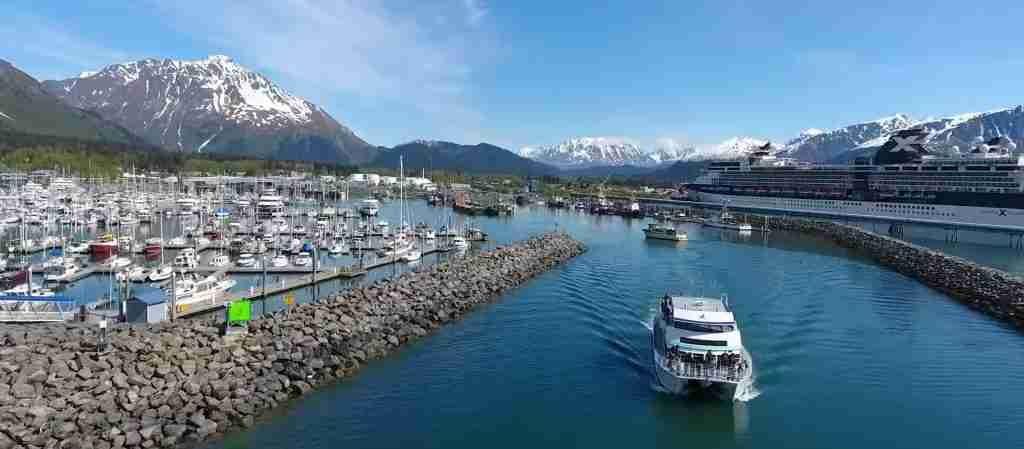
Coastal fjord access requires boats, with no roads, trails, or public infrastructure along the park’s marine boundaries. Seward Small Boat Harbor serves as the primary departure point for commercial tours, water taxis, and private vessels. The harbor lies within walking distance of downtown Seward hotels, making boat tour logistics straightforward for visitors staying in town. Most tour operators provide small boat harbor check-in locations, with vessels departing from docks directly behind check-in offices.
Boat Tour Options and Pricing Comparison 2026
Boat tours represent the essential investment for comprehensive Kenai Fjords experiences, as tidewater glaciers, prime marine wildlife habitat, and the park’s most dramatic scenery lie beyond road access. Six major operators offer tours ranging from four-hour protected-water cruises to full-day expeditions reaching remote northwestern fjords. Understanding the differences between tour lengths, destinations, vessels, and operators helps match experiences to interests and budgets.
Major Marine Tours 2026 Schedule and Pricing
Major Marine Tours operates Seward’s longest-running local family-owned tour company, running cruises from early March through mid-October 2026. Their fleet includes stable catamarans for full-day tours and smaller vessels for extended expeditions. All cruises six hours or longer include complimentary deli lunch with sandwich choices, unlimited coffee and tea, and indoor heated cabins plus outdoor viewing decks. Captains provide narration throughout tours without separate naturalists.
The 4-Hour Kenai Fjords Wildlife Cruise costs $149 for adults and $74.50 for children in 2026, operating June 12 through October 11 with three daily departure times at 10:00 AM, 12:30 PM, and 2:00 PM. This half-day option stays in protected Resurrection Bay waters, visiting wildlife hotspots based on daily reports rather than following fixed routes. Tours seek whales, sea lions, otters, and seabirds while viewing Bear Glacier and alpine glaciers from a distance, but do not enter Kenai Fjords National Park or visit tidewater glaciers. The calm waters reduce seasickness risk and flexible scheduling works well for tight itineraries.
The 6-Hour Kenai Fjords National Park Cruise costs $239 for adults and $119.50 for children in 2026, operating May 2 through September 21 with morning departures (8:00 AM to 2:00 PM, June 5 through August 23) and afternoon departures (11:30 AM to 5:30 PM, May 2 through September 21). This represents Major Marine’s most popular tour, covering approximately 100 miles round-trip into Aialik Bay to visit one active tidewater glacier. Tours cross briefly through open Gulf of Alaska waters where swells increase seasickness potential but maximize marine mammal encounters, then enter protected fjords for glacier viewing. Whale sightings occur on approximately 80-85% of tours.
The 7.5-Hour Kenai Fjords National Park Cruise costs $269 for adults and $134.50 for children in 2026, departing 9:30 AM and returning 5:00 PM daily from May 22 through September 13. This extended tour visits two active tidewater glaciers in Aialik Bay, with additional time allowing captains to pursue whale sightings and linger at wildlife concentrations. The tour follows the same basic route as the six-hour cruise but dedicates more time to wildlife watching, increasing whale encounter rates to approximately 90% and providing better opportunities for orca sightings and prolonged sea lion haul-out observations.
The 8.5-Hour Northwestern Fjord Cruise costs $309 per person in 2026 with no child pricing as tours are not suitable for children under 12, operating May 29 through September 7 with 8:30 AM departures and 5:00 PM returns. This small-vessel adventure cruise reaches Northwestern Fjord, Kenai Fjords’ most remote accessible area, visiting three tidewater glaciers including the spectacular Northwestern Glacier. The smaller boat capacity (approximately 30-40 passengers versus 100+ on catamarans) provides more intimate wildlife viewing and photographer-friendly positioning, though increased motion on smaller vessels raises seasickness considerations.
The Orca Encounter Cruise costs $149 for adults and $74.50 for children in 2026, operating May 18 through June 20 with 12:30 PM departures and 4:30 PM returns. This specialized tour targets spring orca concentrations that frequent Resurrection Bay in late May and June, following whale reports rather than fixed routes and eliminating glacier visits to maximize orca encounter time. Success rates vary with orca movements but peak during the mid-May to mid-June window.
The Spring Wildlife Cruise costs $99 for adults and $49.50 for children in 2026, representing the season’s first tours from March 7 through May 17 with 12:30 PM departures and 4:30 PM returns. These early-season cruises explore Resurrection Bay and the edge of the Gulf of Alaska seeking migrating whales and resident wildlife including sea lions, sea otters, and bald eagles. Mountain snowpack typically reaches sea level in March and early April, creating spectacular scenery though glacier access remains limited to distant views.
All Major Marine prices exclude taxes and a combined $9.50 per person dock fee and fuel surcharge. Optional $5 Alaska SeaLife Center donations support marine research and rehabilitation. Check official websites for current rates as pricing may vary based on booking dates and demand.
Kenai Fjords Tours 2026 Schedule and Pricing
Kenai Fjords Tours, operated by Pursuit Travel Group, runs Alaska’s largest fleet of tour vessels in the park, with similar itinerary options to Major Marine at slightly lower base prices but higher overall fees. Their tours operate mid-May through late September with extensive daily departure schedules during peak season.
The National Park Tour (6 hours) costs approximately $205-229 for adults before fees, visiting one tidewater glacier in Aialik Bay with marine wildlife viewing throughout. The Glacier & Wildlife Cruise (8.5 hours) costs approximately $265-285 before fees, reaching Northwestern Fjord with three tidewater glaciers and extended wildlife time on smaller vessels. Half-day Resurrection Bay tours (4-5 hours) cost approximately $135-165 before fees, focusing on wildlife in protected waters without entering the national park.
Kenai Fjords Tours charges a combined $10.50 per person in fees including $6 fuel surcharge, $3.50 port fee, and $1 Alaska SeaLife Center donation. These fees bring total costs comparable to or slightly exceeding Major Marine’s final prices depending on specific tour and booking date. All six-hour and longer tours include complimentary lunch service.
Selecting the Right Tour Length and Destination 2026
Four-hour tours work well for visitors with limited time, tight budgets, or high seasickness sensitivity, staying in calm Resurrection Bay waters while viewing wildlife and distant glaciers. However, these tours miss the park’s defining tidewater glacier experiences and cross-Gulf wildlife corridors where whale encounters peak. First-time visitors seeking comprehensive Kenai Fjords experiences should prioritize six-hour or longer tours entering the national park.
Six-hour tours deliver excellent value for most visitors, combining one tidewater glacier, strong whale-watching potential, diverse marine wildlife, and manageable duration at moderate pricing. The tours visit Aialik Glacier in Aialik Bay, spending 15-30 minutes positioned for glacier viewing and calving events. The route crosses open water where humpback whales feed on krill concentrations, then follows protected fjord shorelines past sea lion haul-outs, sea otter rafts, and seabird colonies. Time constraints mean captains must choose between extended glacier time or prolonged wildlife encounters rather than maximizing both.
Seven-and-a-half-hour tours add a second tidewater glacier (typically Holgate Glacier in Aialik Bay) and allocate more flexible time for wildlife watching, increasing whale encounter rates and allowing captains to linger when whales surface repeatedly or sea lions haul out in large concentrations. The additional 90 minutes transforms the experience from sampler to comprehensive tour, particularly valuable for wildlife photographers and serious birders. The modest $30 price increase over six-hour tours delivers proportionally greater wildlife photography opportunities.
Eight-and-a-half-hour tours target dedicated wildlife enthusiasts, serious photographers, and visitors seeking maximum glacier diversity. Northwestern Fjord receives far less traffic than Aialik Bay, with remoteness increasing marine mammal relaxation around boats. The tour visits Northwestern Glacier (significantly larger and more active than Aialik or Holgate), plus two additional tidewater glaciers. Small vessel capacity means photographers can position more effectively and birders can request positioning for optimal seabird viewing. The tour’s not-suitable-for-children-under-12 restriction reflects both longer duration and smaller vessel motion considerations.
Departure timing affects wildlife viewing and weather exposure. Morning tours (6:00-8:30 AM starts) typically encounter calmer seas and better light for glacier photography, while afternoon tours (11:30 AM-12:30 PM starts) offer warmer temperatures and avoid early wake-ups. Whale behavior follows feeding patterns rather than time of day, making departure timing less critical for marine mammal viewing than tour length and route.
Exit Glacier Hiking and Trail Guide 2026
Exit Glacier provides free road-accessible glacier viewing without boat tours, offering trails ranging from wheelchair-accessible viewpoints to challenging alpine routes. Understanding trail distances, difficulty ratings, and seasonal conditions helps visitors select appropriate routes and allocate sufficient time.
Easy Trails: Glacier View Loop and Edge of the Glacier 2026
The Glacier View Loop covers one mile round-trip on partially paved, partially gravel-packed trail with minimal elevation gain, leading from the Exit Glacier Nature Center through young cottonwood forest to a panoramic glacier viewpoint. The trail takes 20-30 minutes at casual pace, suitable for all fitness levels including wheelchairs and strollers on paved sections. Interpretive signs explain glacial retreat, plant succession, and ice field formation. The viewpoint provides unobstructed Exit Glacier views from approximately 0.3 miles distance, with spotting scopes available for close-up ice detail observations.
The Edge of the Glacier Trail extends 0.6 miles one-way beyond the Glacier View Loop, following the glacier’s southern edge to a roped-off viewpoint approximately 200 feet from the ice face. The trail adds modest elevation gain via stone steps and narrower paths unsuitable for wheelchairs, taking 40-60 minutes round-trip from the nature center. This closer approach reveals the glacier’s sculpted blue ice, vertical crevasses, and constant melting processes. Seasonal meltwater streams cross the trail, requiring careful footing. Rangers enforce the rope boundary strictly, as unstable ice can calve without warning and glacier surfaces conceal dangerous crevasses.
Both easy trails operate year-round when Exit Glacier Road remains open, typically late May through late October for vehicle access. Winter visitors reaching the area via ski or snowmobile find trails snow-covered but passable with appropriate equipment. Summer conditions include mud sections after rain, slippery boardwalks, and cold winds flowing off the glacier even during warm Seward weather. Layered clothing proves essential as temperatures drop 10-15°F near the ice.
Challenging Trail: Harding Icefield Route 2026
The Harding Icefield Trail represents one of Alaska’s most rewarding and demanding day hikes, climbing 3,000 feet over 4.1 miles one-way to reach a viewpoint overlooking the vast ice field. The strenuous route takes 6-8 hours round-trip for fit hikers, with slow ascents and rest breaks extending times to 8-10 hours for many visitors. Only attempt this trail with proper preparation, fitness, and appropriate weather conditions.
The trail begins near the Exit Glacier Nature Center, initially following the Edge of the Glacier Trail before branching steeply upward through plant succession zones. The first mile climbs through dense alder and cottonwood forest where early successional vegetation has reclaimed areas exposed by glacial retreat over the past century. Trail markers note the glacier’s historical positions, illustrating the dramatic recession as you climb away from current ice extent.
Miles two and three ascend through transitional zones where forest gives way to alpine meadows, with increasing views back toward Exit Glacier and the valley below. Wildflowers peak in July and early August across these meadows, with lupine, fireweed, and numerous alpine species creating colorful displays. The trail surface becomes rougher with exposed roots, rock steps, and steeper grades requiring careful footing. Several false summits frustrate hikers expecting ice field views that remain hidden until the final approaches.
The final mile traverses exposed alpine terrain and snow fields that persist through summer. Depending on seasonal snowpack, portions of this upper section may require route-finding across snow without clear trail markers. Hikers should carry trekking poles for snow travel, wear sturdy waterproof boots with good ankle support, and bring micro-spikes if attempting the trail before mid-July or after early September when snow coverage increases. The grade moderates slightly but altitude and exposure to wind increase dramatically.
The ice field viewpoint emerges suddenly at approximately 3,500 feet elevation, revealing the Harding Icefield’s enormous expanse stretching to the horizon in all directions. On clear days, visitors see ice extending 30-40 miles across the mountains, with distant peaks breaking through the frozen surface. The viewpoint sits at the ice field’s edge, with ropes and signs preventing travel onto the ice where hidden crevasses create extreme hazards.
Weather conditions at the ice field differ dramatically from Seward or even the trailhead. Temperatures run 15-25°F colder than at sea level, with persistent wind increasing chill factors. Fog and clouds frequently obscure views even when Seward enjoys sunshine, making early morning starts advantageous for visibility. Rain at the trailhead often means snow at the ice field, with storms developing rapidly in mountains. Check weather forecasts at the nature center before attempting the hike and turn back if conditions deteriorate.
Essential gear for Harding Icefield Trail attempts includes sturdy waterproof hiking boots with ankle support, trekking poles for stability and snow travel, layers including insulating mid-layers and waterproof rain gear, sun protection including sunglasses and sunscreen for glacier glare, and minimum two liters of water plus high-calorie snacks. Bear spray proves wise as black bears and occasional brown bears use the valley, though encounters remain relatively rare given heavy trail traffic.
The trail operates when Exit Glacier Road remains open, generally late May through late October, but snow conditions make early and late season attempts inadvisable without winter mountaineering skills and equipment. Optimal hiking window runs mid-June through mid-September, with July and August offering best snow-free conditions and most stable weather. Rangers recommend starting hikes by 9:00 AM to allow sufficient time for the round-trip before late afternoon weather changes.
Seasonal Planning Strategies for Kenai Fjords 2026
Kenai Fjords operates on compressed Alaska seasonal windows where weather, wildlife, costs, and access vary dramatically across the brief visitor season. Understanding monthly patterns helps optimize timing for specific interests and budget constraints.
Spring Shoulder Season: May 2026
May represents Kenai Fjords’ transition from winter to summer, with significant variation between early and late month conditions. Early May often sees Exit Glacier Road still closed to vehicles from winter snow, with opening dates varying from mid-May to late May annually depending on snowpack. Boat tours begin limited schedules in early May, with Major Marine starting Spring Wildlife Cruises on March 7 and full tour options launching mid-May, while Kenai Fjords Tours typically begins operations around May 15.
Weather in May averages 35-50°F daytime temperatures with overnight lows frequently dropping to 25-30°F. Rain falls frequently, with some precipitation occurring 18-22 days per month. Snow remains possible at higher elevations and occasionally reaches sea level during cold snaps. The Harding Icefield Trail remains snow-covered and inadvisable without mountaineering equipment through most of May, though lower Exit Glacier trails become accessible once the road opens.
Wildlife viewing in May offers unique opportunities alongside increased difficulty. Migrating gray whales pass through Resurrection Bay in early May, with humpback whales arriving in increasing numbers toward month’s end. Orca whales concentrate in waters around Seward from mid-May through June, making late May optimal for orca encounter tours. Seabirds begin arriving at nesting colonies, with early nesters already incubating eggs while late arrivals still establishing territories. Bear activity increases as animals emerge from dens and begin foraging.
Accommodation costs in May run 30-40% below peak season rates, with mid-range Seward hotels costing $130-180 per night compared to $260-320 in July. Tour prices also decrease, with some operators offering early-season discounts or value packages. However, limited tour schedules mean fewer departure times and some routes may not operate at all until late May. The combination of value pricing, orca opportunities, and smaller crowds appeals to flexible travelers accepting weather variability and potential access restrictions.
Peak Summer Season: June-August 2026
June through August delivers peak Kenai Fjords conditions with warmest temperatures, longest daylight, full tour schedules, guaranteed road access, and maximum wildlife activity. Mid-June through mid-August represents the premium window when all park areas operate fully and weather reaches its most predictable.
June transitions from spring to summer, with temperatures climbing from 40-55°F early month to 45-60°F by late June. Rain remains frequent with 15-18 days seeing precipitation, but storm intensity decreases compared to May. Exit Glacier Road guarantees full access, with nature center programs beginning around Memorial Day weekend. Daylight extends 18-20 hours, allowing early morning and late evening wildlife viewing in excellent light. Harding Icefield Trail becomes passable without specialized equipment by mid-June, though snow lingers on the upper mile.
July and August provide warmest conditions at 45-65°F, with occasional 70°F days during high-pressure systems. Rain frequency drops to 12-15 days monthly, making July statistically the driest month. However, rainfall totals remain substantial when storms do arrive, and fog frequently develops along the coast. These months offer the highest probability of clear ice field views from the Harding Icefield Trail and best conditions for glacier photography from boats.
Marine wildlife viewing peaks across June-August as humpback whales establish feeding territories, orca pods hunt salmon runs, sea lion pups learn to swim at haul-outs, and hundreds of thousands of seabirds tend chicks at rookeries. Whale encounter rates on six-hour and longer tours exceed 85% in July-August. Salmon runs begin in late July and intensify through August, concentrating orcas and triggering bear activity along streams.
Accommodation costs peak in July-August with mid-range hotels costing $260-320 per night and premium properties exceeding $350. Budget options including hostels and camping fill early, often booking out 3-6 months ahead for July dates. Boat tours operate maximum schedules with multiple daily departures, but popular morning slots sell out weeks in advance. Tours do not increase prices during peak season, maintaining consistent rates May through September.
Crowds reach maximum levels in July-August with tour vessels filling to capacity, trailheads seeing heavy traffic, and Seward restaurants experiencing wait times during meal hours. However, Kenai Fjords handles crowds better than road-accessible parks like Denali, as boat tours distribute visitors across vast marine areas and Exit Glacier’s concentrated infrastructure accommodates high volumes efficiently.
Fall Shoulder Season: September 2026
September offers compelling advantages for budget-conscious visitors and those seeking solitude, though shortened days, cooling temperatures, and variable access create tradeoffs. Early September (Labor Day through mid-month) maintains relatively stable conditions, while late September transitions toward winter.
Temperatures cool to 35-50°F in early September and 30-45°F by month’s end, with freezing overnight temperatures becoming common. Rain increases to 18-22 days monthly with stronger storm systems developing. Snow falls at higher elevations throughout September and can reach sea level during late-month cold snaps. Daylight decreases rapidly from 15 hours early month to 12 hours by month’s end.
Exit Glacier Road typically remains open through September but closure dates vary annually based on early snowfall. The road has closed as early as late September in heavy snow years and remained open into October during mild autumns. Visitors planning late September trips should monitor park alerts for road status and have contingency plans if weather forces closure. The Harding Icefield Trail becomes increasingly snow-covered through September, with conditions deteriorating rapidly after mid-month.
Boat tour schedules reduce in September with some operators ending service by mid-month and others continuing through late September with limited daily departures. Tours that operated 3-4 times daily in July may offer single daily departures in September. However, September wildlife viewing remains excellent, with salmon runs attracting whales, seals congregating before breeding season, and seabirds beginning southward migrations creating concentrated viewing opportunities.
Accommodation costs drop 30-40% from peak levels, with mid-range hotels costing $140-190 per night. September brings Seward’s lowest tourist volumes since May, creating easy availability and eliminating advance booking requirements for most properties. Restaurants operate reduced hours or close entirely as seasonal staff depart, limiting dining options compared to summer.
Optimal Timing Recommendations 2026
First-time visitors prioritizing reliable access and maximum activity options should target late June through mid-August, accepting premium pricing for guaranteed experiences. Advance hotel bookings 3-6 months ahead and tour reservations 4-6 weeks minimum secure preferred options during this peak window.
Budget-focused travelers accepting weather variability gain 30-40% savings in May or September compared to peak season. Late May offers better tour availability than September, while September provides more stable Exit Glacier access than early May. Both months deliver excellent wildlife viewing with reduced crowds.
Orca enthusiasts should target mid-May through mid-June when resident and transient orca pods concentrate in Resurrection Bay. Specialized orca encounter tours operate only during this window.
Photographers seeking optimal light and minimal crowds gain advantages in June when 18-20 hour daylight allows early morning and late evening shoots under ideal angle sun, or September when autumn colors begin appearing and reduced visitor numbers mean easier positioning on boats.
Accommodation Options in Seward 2026
Seward serves as the essential base for Kenai Fjords visits, offering accommodation ranging from campgrounds and hostels to luxury lodges. Understanding location tradeoffs, seasonal pricing patterns, and facility differences helps match lodging to budgets and preferences.
Budget Accommodation: Hostels and Camping 2026
Seward lacks the extensive hostel networks found in some Alaska cities, but several budget options provide clean dormitory accommodation and shared facilities. Moby Dick Hostel operates year-round near downtown with dorm beds costing $50-70 per night in 2026, offering shared kitchen, common areas, and basic amenities. Advance reservations prove essential for June-August, with walk-in availability possible in shoulder seasons.
Exit Glacier Campground provides the park’s only developed camping with 12 walk-in tent sites costing $15 per night. The campground operates seasonally from late May through early September, filling regularly on weekends and often weekdays during peak July-August. Sites sit approximately 0.5 miles from the parking area along a gravel trail, requiring gear carry. Each site includes tent platform, fire ring, and bear-proof food locker. Shared facilities include vault toilets and seasonal water supply. The campground offers immediate trail access and peaceful forest settings, but no showers or electrical hookups.
Miller’s Landing operates a developed campground 2.5 miles outside Seward on Resurrection Bay shoreline, offering tent sites ($35-45), RV sites with hookups ($55-75), and camping cabins ($80-140) in 2026. The waterfront location provides boat launch access, kayak rentals, and fishing charter connections. Showers, laundry, and Wi-Fi serve campers.
Several Seward-area RV parks accommodate motorhomes and trailers, with full-hookup sites costing $55-85 per night during peak season. Waterfront Park, Bear Creek RV Park, and Stoney Creek RV Park offer various amenities and locations relative to downtown and boat harbor.
Mid-Range Hotels and Lodges 2026
Mid-range accommodation in Seward concentrates in two areas: downtown waterfront properties offering walk-to-harbor convenience, and Exit Glacier Road properties providing quieter forest settings with shuttle service to town.
Harbor 360 Hotel occupies prime waterfront position directly at the small boat harbor where tour vessels depart. The 96-room property offers harbor-view and mountain-view rooms costing $260-320 per night in peak season, dropping to $160-200 in shoulder periods. The location eliminates transportation needs for boat tours, with Major Marine check-in inside the hotel lobby and boarding literally behind the building. Downtown restaurants, the Alaska SeaLife Center, and waterfront walking paths lie within easy walking distance. The hotel operates its own shuttle to major tour operators and includes fitness center, indoor pool, and hot tubs.
Seward Gateway Hotel, sister property to Harbor 360, sits six minutes’ walk from the harbor offering similar amenities at slightly lower rates: $240-290 peak season, $140-180 shoulder season. The newer property provides mountain and harbor views depending on room selection, with all standard hotel amenities including complimentary breakfast. Free shuttle service connects to tour operators and downtown destinations.
Hotel Seward occupies a historic 1905 building in downtown Seward, blending heritage charm with updated modern amenities. Rooms cost $180-240 during peak season and $130-170 in shoulder periods. The central location places guests within walking distance of restaurants and boat harbor, though the historic structure means smaller rooms and limited parking compared to newer properties.
Seward Windsong Lodge provides the area’s premier mid-range option for visitors prioritizing natural settings over harbor convenience. Located four miles from Seward on Exit Glacier Road alongside Resurrection River, the lodge offers 180 rooms in separate buildings spread across forested grounds. Peak season rates run $280-340 per night, with shoulder season dropping to $160-220. The property includes the Resurrection Roadhouse restaurant featuring outdoor deck dining with valley views, complimentary shuttle service to Seward and boat tours, and immediate access to Exit Glacier Road trails. The lodge’s Exit Glacier valley setting delivers quiet evenings and potential wildlife viewing, but requires shuttle or vehicle for all Seward activities.
Upscale and Unique Accommodation 2026
Hotel Edgewater (Best Western Plus) serves as Seward’s primary upscale full-service hotel, occupying downtown waterfront position with 82 rooms featuring bay views. Peak season rates reach $320-400 per night, with shoulder pricing at $200-260. The property includes complimentary breakfast, fitness center, business facilities, and convenient location across from the SeaLife Center and adjacent to waterfront trails.
Several smaller boutique properties and vacation rentals provide unique accommodation alternatives. Abode Well Cabins offers standalone cabins in forest settings outside town with full kitchens, ranging $200-300 per night depending on cabin size and season. Bell in the Woods B&B provides intimate guesthouse accommodation with mountain views and included breakfast, costing $220-280 peak season. These properties trade convenience for character and privacy.
Kenai Fjords Wilderness Lodge operates as the area’s only remote full-service lodge, located on Fox Island within Resurrection Bay and accessible only by boat. The lodge offers all-inclusive packages combining accommodation, meals, kayaking, and naturalist-guided activities starting around $600-800 per person per night in 2026. The remote island setting eliminates road noise and light pollution, though also eliminates flexibility for independent town exploration.
Accommodation Booking Strategy 2026
Peak season (July-August) hotel reservations should be secured 3-6 months ahead, with popular properties like Harbor 360 and Seward Windsong selling out completely for prime weeks by April or May. Shoulder season (May, September) allows 2-4 week advance booking windows, with last-minute availability common. Weekends fill earlier than weekdays across all seasons.
Location priorities depend on transportation mode and planned activities. Visitors without rental cars benefit from downtown waterfront hotels offering walk-to-boat-tour convenience and restaurant proximity. Those driving prioritize parking availability and may prefer Exit Glacier valley properties for quieter settings and immediate trail access. Budget travelers camping or hostelling should book earliest as these limited options fill before hotels.
Package deals bundling accommodation with boat tours sometimes deliver savings compared to separate bookings, particularly through hotel-tour operator partnerships like Seward Windsong’s relationship with Kenai Fjords Tours or Gateway Hotel’s Major Marine packages. Compare package totals against individual component costs before committing.
Dining and Food Costs in Seward 2026
Seward offers diverse dining options across budget levels, from grocery stores and food trucks to upscale seafood restaurants. Understanding food costs and seasonal availability helps budget daily expenses accurately.
Budget Dining Options 2026
Safeway grocery store anchors Seward’s shopping district, providing full supermarket selection for self-catering. Prices run 15-25% above Anchorage levels for most items, with fresh produce seeing largest markups. Budget-conscious visitors can prepare breakfast in hotel rooms with mini-fridges and microwaves, pack trail lunches, and cook simple dinners for approximately $35-50 per person daily including coffee and snacks.
Food trucks and casual quick-service options line downtown Seward and the harbor area during summer season. Personal-size build-your-own pizzas at Klondike Pizzeria cost approximately $9, with large pizzas running $18-28. Railway Cantina serves burritos, quesadillas, and tacos in the $10-15 range. Alaska Seafood Grill offers fast-casual fish and chips, halibut baskets, and fried seafood selections for $13-20. These quick options work well for lunch between boat tours and activities.
Chain restaurants including Subway operate in Seward with standard menu pricing around $8-12 for footlong sandwiches. However, local quick-service restaurants generally deliver better value and food quality than chains in Alaska.
Mid-Range Restaurant Dining 2026
Seward Brewing Company operates as the town’s popular brewery and restaurant, serving burgers, sandwiches, appetizers, and entrees in the $15-25 range alongside house-brewed beers. The establishment sees heavy crowds during summer dinner hours, with lines forming before opening during peak season. Arriving before official dinner service (before 5:00 PM) or visiting during lunch provides better seating availability.
Resurrection Roadhouse at Seward Windsong Lodge features a regularly changing menu emphasizing Alaska ingredients, with lunch options $15-22 and dinner entrees $22-35. The outdoor deck offers excellent valley views and the restaurant welcomes non-lodge guests, though reservations prove wise during peak season. The restaurant closes mid-September through mid-May following lodge operations.
The Salmon Bake advertises cheap beer and serves steak, seafood, pasta, and house-made desserts with entrees in the $20-32 range. The casual atmosphere and location near Exit Glacier Road make it popular with lodge guests and visitors heading to or from hiking. Operations run Memorial Day through Labor Day only.
Apollo Restaurant offers Greek-influenced cuisine including lamb dishes, Mediterranean salads, and seafood preparations, with dinner entrees $22-38. Woody’s Thai Kitchen serves authentic Thai curries, soups, and noodle dishes in the $16-26 range, providing welcome variety from ubiquitous seafood-focused menus.
Upscale Dining Experiences 2026
Ray’s Waterfront represents Seward’s premier fine-dining destination, occupying waterfront position with bay views and serving fresh Alaska seafood, steaks, and extensive wine selection. Expect $35-55 for entrees, with appetizers $15-25 and full dinner experiences easily reaching $70-100 per person including drinks and dessert. The restaurant operates April through September only, offering lunch and dinner service. Reservations prove essential during peak season, with walk-in seating rare during dinner hours.
The Cookery features creative small-plate menus emphasizing local ingredients, foraged items, and innovative preparations. The intimate space fills quickly, with dinner reservations recommended weeks ahead during July-August. Small plates run $12-24, with full meals costing $45-70 per person depending on selections and drink choices.
Seasonal Restaurant Closures 2026
Many Seward restaurants operate seasonally, closing from September or October through April or May when visitor numbers drop dramatically. Year-round options include Safeway, Subway, a handful of downtown casual restaurants, and limited hotel dining. Visitors planning September trips should verify restaurant hours before arrival, while those visiting outside May-September face very limited dining options requiring advance meal planning.
Daily Food Budget Planning 2026
Budget dining costs approximately $40-60 per person daily through self-catering breakfast, packed lunch, and one casual restaurant dinner with minimal alcohol. Mid-range dining combining breakfast out, casual lunch, and moderate sit-down dinner runs approximately $65-90 daily per person. Upscale dining with restaurant meals, fresh seafood, and drinks costs approximately $100-140 daily per person.
Boat tours six hours or longer include complimentary lunch, reducing one meal’s cost. Tour lunches typically feature deli sandwiches (turkey, roast beef, vegetarian options), chips, cookies, and unlimited coffee, tea, and water—adequate for most visitors but not luxurious. Budget-conscious travelers can eliminate one restaurant meal cost by relying on included tour lunch.
Complete Kenai Fjords Budget Planning 2026
Comprehensive budget planning for Kenai Fjords visits requires accounting for accommodation, boat tours, food, transportation, and incidental costs across all spending tiers. The following budget breakdowns assume two-person travel with costs calculated per person.
Budget Tier: Economy Kenai Fjords Experience 2026
Budget travelers using hostels or camping, self-catering most meals, and selecting shorter boat tours can visit Kenai Fjords for approximately $485-635 per person for a two-day experience. This tier delivers excellent park access and wildlife viewing while minimizing costs through strategic choices.
Accommodation costs $50-70 nightly in hostel dormitories or $15 camping at Exit Glacier Campground, plus approximately $35-45 for developed campground with shower access at Miller’s Landing if car camping. Two nights average $65-115 for camping scenarios or $100-140 for hostel stays.
The four-hour Kenai Fjords Wildlife Cruise costs $149 per adult plus $9.50 fees, totaling $158.50. This tour stays in protected Resurrection Bay without entering the national park or visiting tidewater glaciers, but provides marine wildlife viewing at minimum cost. Budget-conscious visitors prioritizing glaciers over extended marine time should instead choose the six-hour tour ($239 plus $9.50 fees totaling $248.50), accepting the $90 increase for significantly enhanced experiences.
Food costs run approximately $40-55 daily through grocery shopping, self-prepared breakfasts, packed lunches, and one casual dinner out. Two full days total $80-110 for meals. Exit Glacier hiking remains free.
Budget tier two-day costs total approximately $485-635 per person including hostel accommodation ($100-140 for two nights), four-hour boat tour ($158.50), meals ($80-110), and transportation/incidentals ($45-85). Upgrading to the six-hour glacier tour increases totals to approximately $575-725, delivering substantially better value for the incremental cost.
Mid-Range Tier: Standard Kenai Fjords Experience 2026
Mid-range travelers using standard hotels, dining out regularly, and choosing comprehensive boat tours experience Kenai Fjords for approximately $770-1,080 per person over two days. This tier balances comfort with value, delivering excellent experiences without luxury pricing.
Accommodation costs $180-260 nightly at mid-range hotels like Gateway Hotel or Seward Windsong Lodge during peak season, dropping to $130-180 in shoulder periods. Two nights cost $260-520 split between two travelers ($130-260 per person).
The six-hour Kenai Fjords National Park Cruise costs $239 per adult plus $9.50 fees totaling $248.50, visiting one tidewater glacier and providing strong wildlife viewing. Upgrading to the seven-and-a-half-hour tour ($269 plus $9.50 fees totaling $278.50) adds $30 for significantly enhanced experiences including a second glacier and extended wildlife time.
Meals cost approximately $65-85 daily combining breakfast out ($12-18), casual lunch ($13-20 or tour-included), and moderate dinner ($30-40), plus coffee and snacks ($10-15). Two full days total $130-170 for dining. Exit Glacier hiking adds no costs beyond packed lunch items already counted.
Mid-range tier two-day costs total approximately $770-1,080 per person: accommodation ($130-260 for two nights split), six-to-seven-and-a-half-hour boat tour ($248.50-278.50), meals ($130-170), Exit Glacier free hiking, transportation and parking ($40-60), incidentals ($35-55). Shoulder season travel reduces accommodation costs by $30-80 per person while maintaining tour and meal pricing.
Upscale Tier: Premium Kenai Fjords Experience 2026
Upscale travelers selecting premium accommodation, extended boat tours, and fine dining experience Kenai Fjords for approximately $1,150-1,545 per person over two to three days. This tier maximizes wildlife viewing time, comfort, and convenience.
Premium accommodation costs $280-400 nightly at properties like Seward Windsong Lodge, Harbor 360 Hotel, or Hotel Edgewater. Two nights cost $560-800 split between two travelers ($280-400 per person).
The eight-and-a-half-hour Northwestern Fjord Cruise costs $309 per person plus $9.50 fees totaling $318.50, delivering maximum glacier diversity and remote fjord access on smaller vessels ideal for photography and serious wildlife watching.
Upscale dining costs approximately $100-140 daily with restaurant breakfast ($18-28), lunch ($20-35), and fine seafood dinner at Ray’s Waterfront or similar ($50-70), plus coffee and drinks ($12-20). Two days total $200-280 for meals.
Upscale tier two-day costs total approximately $1,150-1,545 per person: premium accommodation ($280-400 for two nights split), eight-and-a-half-hour boat tour ($318.50), upscale meals ($200-280), Exit Glacier hiking free, premium transportation ($60-85), incidentals and tips ($75-100). Extending to three days with additional moderate boat tour or activities increases totals to approximately $1,675-2,315 per person.
Transportation and Getting Around 2026
Kenai Fjords visits require transportation planning from Anchorage arrival through Seward-area movement and park access. Understanding options and costs helps structure efficient itineraries.
Anchorage to Seward Transportation 2026
Rental cars from Anchorage provide maximum flexibility for Kenai Fjords visits, allowing Exit Glacier access, side trip options, and schedule independence. Major agencies at Anchorage airport include Hertz, Enterprise, Avis, Budget, and Alaska-based companies. Compact cars cost approximately $55-85 daily during summer with advance reservations, though availability tightens and prices increase for last-minute bookings. The 127-mile Seward Highway drive takes 2.5 to 3 hours under normal conditions, though construction delays, wildlife viewing stops, and photo opportunities at scenic turnouts often extend times to 3.5-4 hours.
The Seward Highway ranks among North America’s most scenic drives, following Turnagain Arm with frequent Dall sheep, beluga whale, and mountain goat viewing opportunities, then climbing through mountain passes with glacier overlooks before descending to Seward. The route serves as attraction in itself rather than mere transfer between destinations.
Alaska Railroad’s Coastal Classic train operates daily May through September between Anchorage and Seward, departing Anchorage 6:45 AM and arriving Seward 11:05 AM, with return departures leaving Seward 6:00 PM and reaching Anchorage 10:15 PM. Adventure Class seating costs approximately $90-110 one-way and includes dome car access, while GoldStar Service costs approximately $185-215 one-way and adds outdoor viewing platforms, meals, and priority seating. The train follows the highway corridor but accesses coastal areas and mountain views impossible to see by car, making it popular despite eliminating personal vehicle flexibility.
Same-day train-and-tour packages combine round-trip Anchorage-Seward rail with boat tours, eliminating Seward overnight accommodation. These packages cost approximately $350-450 per person including transportation and six-hour cruise, working well for visitors on tight schedules. However, the compressed timeline (6:45 AM Anchorage departure, 10:15 PM return) proves exhausting and eliminates Exit Glacier opportunities.
Commercial motorcoach services including Park Connection and Alaska Coach Tours operate scheduled Anchorage-Seward routes with fares around $65-85 one-way. These services often package with hotels and tours as multi-day itineraries. Independent scheduling proves more complex than train travel, though coaches offer slightly more luggage capacity.
Seward Area Transportation 2026
Seward’s compact downtown allows walking between most hotels, restaurants, and the boat harbor. Harbor 360 Hotel guests walk directly to boat departures behind the property, while downtown hotels like Hotel Seward and Hotel Edgewater position visitors within 5-10 minutes’ walk of the small boat harbor. Properties along the highway slightly outside downtown (Marina Motel, Breeze Inn) require vehicle or taxi service for harbor and restaurant access.
Most hotels provide complimentary shuttle service to boat tour operators and downtown destinations during summer season. Seward Windsong Lodge operates regular shuttles to/from the harbor and downtown, essential given the property’s four-mile distance from town. Confirm shuttle schedules when booking accommodation, as frequency and hours vary by property.
Exit Glacier Road access requires personal vehicle for independent visiting, though some hotels provide scheduled shuttle service for hiking. Visitors without vehicles can access Exit Glacier through tour company shuttles (approximately $15-25 round-trip) or taxi services (approximately $35-50 round-trip). The 8.4-mile distance from Seward makes walking or biking impractical for most visitors, though bicycle rental remains possible for fit riders.
Taxi and ride services operate in Seward during summer season, with typical fares running $8-15 for downtown-to-hotel trips and $25-40 for Exit Glacier transfers. PJ’s Taxi and Seward Taxi provide on-call service, though availability can be limited during peak hours when cruise ships dock.
Wildlife Viewing Expectations 2026
Kenai Fjords protects exceptional marine and terrestrial wildlife, with species concentrations varying by season and location. Understanding likelihood, best viewing platforms, and ethical practices optimizes encounters while protecting animals.
Marine Mammals: Whales, Sea Lions, Seals, and Otters 2026
Humpback whales represent the most frequently encountered large marine mammals in Kenai Fjords, with peak numbers feeding in park waters June through September. These 40-50 foot baleen whales migrate from Hawaiian breeding grounds to Alaska feeding areas, arriving in increasing numbers through spring and establishing territories where krill and small fish concentrate. Boat tours report humpback sightings on 80-90% of full-day cruises during peak season, though encounters range from brief distant surfaces to extended feeding displays and breaching behavior.
Orca whales (killer whales) visit Kenai Fjords year-round with concentrations peaking May through June when salmon runs begin. Both resident fish-eating pods and transient marine-mammal-hunting orcas frequent park waters, with spring offering highest encounter rates. Specialized orca encounter tours operate mid-May through mid-June targeting these seasonal concentrations. Sighting rates vary dramatically with orca movements, ranging from 30-40% on standard tours to 70-80% on specialized spring orca cruises.
Gray whales migrate along the Alaska coast in spring, with some individuals passing through Resurrection Bay in late April and May. These bottom-feeding whales rarely linger in Kenai Fjords, making encounters opportunistic rather than expected. Fin whales and minke whales also visit park waters occasionally, though sightings remain relatively rare.
Steller sea lions haul out on rocky islands throughout Kenai Fjords, with major colonies at specific locations that boat tours visit regularly. These enormous pinnipeds (males reach 2,500 pounds) congregate in groups ranging from dozens to hundreds of individuals, creating dramatic viewing and photography opportunities. Breeding season peaks June through July when territorial males defend harems and pups begin appearing. Sea lion encounters occur on virtually 100% of boat tours entering the park, as tours specifically route to known haul-out sites.
Harbor seals rest on ice floes near tidewater glaciers and rocky shorelines throughout the park, with particularly high concentrations near calving glacier faces where they hunt fish attracted to upwelling currents. These smaller pinnipeds appear curious about boats, often watching from nearby ice chunks. Tours visiting tidewater glaciers guarantee harbor seal sightings.
Sea otters float in rafts along protected shorelines, feeding on shellfish and crustaceans they crack open with rocks while floating on their backs. These engaging marine mammals appear regularly in Resurrection Bay and inner fjords, with encounter rates exceeding 90% on tours spending time in nearshore environments. Otters prove particularly entertaining for wildlife watchers given their tool use and social behaviors.
Seabirds: Puffins, Kittiwakes, Murres, and Eagles 2026
Horned puffins nest on rocky cliffs and islands throughout Kenai Fjords, returning to colonies in May and raising chicks through August before departing for winter ocean wanderings. These charismatic seabirds with bright orange bills and distinctive facial markings attract considerable attention from boat passengers. Tours visiting prime nesting islands in Aialik Bay or Northwestern Fjord pass hundreds or thousands of puffins sitting on cliff ledges, flying to and from the ocean, or floating near colonies. Peak viewing runs June through mid-August when adults actively provision chicks.
Black-legged kittiwakes nest in massive colonies numbering tens of thousands of individuals at specific cliff locations in the park. These small gulls create incredible visual and auditory spectacles as thousands swirl around nesting ledges. Tours position near major kittiwake colonies for extended viewing, with late June through July representing peak activity when chicks require constant feeding.
Common murres and thick-billed murres nest on cliff ledges in dense concentrations, with colonies sometimes exceeding 100,000 birds. These penguin-like seabirds swim underwater pursuing fish, often diving directly from cliff positions. Murre colonies create unforgettable sights and sounds as thousands of birds cycle between ocean feeding and cliff nesting.
Bald eagles nest along coastlines and hunt in fjords year-round, with Kenai Fjords supporting significant populations. Tours encounter eagles regularly perched on shoreline trees, soaring over water, or plunging to catch fish. Unlike rare wildlife, eagle sightings occur so frequently that they become expected rather than special events.
Additional seabirds commonly encountered include tufted puffins (less numerous than horned puffins but equally charismatic), pigeon guillemots, marbled murrelets, cormorants, and various gull species. Serious birders can identify 30-50 species during summer boat tours given the diversity of marine and terrestrial habitats.
Terrestrial Wildlife: Bears, Moose, and Mountain Goats 2026
Black bears inhabit forested areas throughout the Kenai Peninsula including Exit Glacier valley, with most sightings occurring along salmon streams during summer runs or in berry patches during autumn. Exit Glacier trails cross bear habitat, making bear awareness and food storage critical. Actual bear encounters on maintained trails remain relatively uncommon given heavy human traffic, but wilderness hikers and backcountry visitors should carry bear spray and know proper protocols. Bears sometimes appear on distant slopes visible from boat tours, particularly when berry patches or avalanche chutes create open feeding areas on mountainsides.
Brown bears (grizzlies) inhabit higher elevations and backcountry areas with occasional sightings from boat tours when bears feed on coastal sedge flats or salmon streams. These larger bears prove warier of humans than black bears, typically avoiding developed areas. Serious brown bear encounters remain unlikely on standard park visits but possible in backcountry settings.
Moose browse in Exit Glacier valley and lowland areas, particularly abundant during winter when they concentrate in willow thickets. Summer moose sightings along trails occur occasionally, with cows and calves appearing in meadows. Moose present less dramatic photo opportunities than bears but require equal respect given their size and defensive behavior when calves accompany cows.
Mountain goats inhabit high rocky terrain visible from both Exit Glacier trails and boat tours. These white ungulates often appear as distant dots on cliff faces and avalanche chutes, though patient observation with binoculars reveals their remarkable agility navigating extreme terrain. Harding Icefield Trail hikers occasionally encounter goats on upper slopes.
Ethical Wildlife Viewing Practices 2026
All commercial boat tour operators follow strict park service regulations regarding wildlife approach distances, with vessels maintaining minimum 100-yard distances from whales, seals, and sea otters, and 0.5-mile distances from orcas. Responsible captains shut down engines when whales surface nearby, allowing animals to control interaction distances. Visitors should never request captains violate approach regulations for better photos or closer views.
Exit Glacier trail regulations require proper food storage in bear-proof containers, carrying trash out, and maintaining noise levels that allow bears to detect and avoid human presence. Never approach or feed any wildlife regardless of apparent tameness or photo opportunities. Report aggressive wildlife behavior to rangers immediately.
Photography and Gear Recommendations 2026
Kenai Fjords offers exceptional photography opportunities from boat-based glacier and wildlife shooting to landscape work on Exit Glacier trails. Understanding equipment needs and shooting strategies optimizes results.
Camera Equipment for Boat Tours 2026
Telephoto lenses prove essential for marine wildlife photography, with 100-400mm or 150-600mm zoom ranges ideal for capturing whales, sea lions, seabirds, and distant glaciers. Shorter telephoto lenses (70-200mm) work for closer whale encounters and general boat shooting but limit reach for more distant subjects. Bring lens cloths and rain protection as salt spray and precipitation threaten equipment constantly.
Fast continuous shooting modes and high ISO capability help freeze wildlife action, particularly important for whale breaches, sea lion interactions, and puffin flight. Stabilization (in-lens or in-body) proves crucial given boat movement, with stabilization allowing shutter speeds 2-3 stops slower than otherwise possible. Shoot in shutter priority mode with minimum 1/500 second speeds for active wildlife, faster for flight photography.
Wide-angle lenses (16-35mm or similar) capture glacier faces filling frames when boats position close to ice walls, and allow environmental shots showing vessel context with wildlife or landscapes. Bring both telephoto and wide options if possible, or use versatile zoom covering moderate wide to moderate telephoto range (24-200mm approximately).
Weather sealing proves valuable for camera bodies and lenses given inevitable spray and rain exposure. Pack equipment in waterproof bags between use and protect actively shooting cameras with rain covers or sleeves. Bring extra batteries as cold temperatures drain power quickly, and carry multiple memory cards given high frame rates during wildlife action.
Glacier and Landscape Photography 2026
Glacier photography benefits from polarizing filters reducing glare on ice and intensifying blue tones, though polarizers cut 1-2 stops of light requiring compensation. Graduated neutral density filters help balance exposure between bright glacier ice and darker water or mountains, particularly for exit glacier landscape shots with dramatic sky.
Morning and evening light creates best glacier illumination with warm tones and directional shadows revealing ice texture. Midday flat light washes out detail, though the compressed Alaska photography season means shooting whenever conditions allow rather than waiting for perfect light. Overcast days actually benefit glacier photography by reducing extreme highlights on white ice.
Harding Icefield Trail photography requires balancing weight against capability for the demanding climb. Many photographers choose lighter mirrorless systems or single versatile zoom rather than heavy DSLR kits with multiple lenses. The ice field itself photographs dramatically with wide-angle lenses capturing scale, while telephoto lenses isolate patterns and distant peaks.
Clothing and Weather Protection 2026
Layered clothing proves essential for Kenai Fjords visits given temperature variations and weather changeability. Base layers of merino wool or synthetic materials wick moisture and insulate when wet. Mid-layers of fleece or down provide warmth, while waterproof-breathable rain shells protect from wind and precipitation.
Boat tours require warm layers even during summer given wind chill and marine exposure. Temperatures on water run 10-20°F colder than Seward, with wind creating significant chill factor. Bring warm hat, gloves, and neck gaiter for extended outside viewing, particularly on longer tours crossing open water. Waterproof rain pants protect against spray and precipitation during active weather.
Exit Glacier hiking demands sturdy waterproof boots with ankle support and good tread, particularly for Harding Icefield Trail attempts. Lower trails accommodate trail runners or lighter hiking shoes, but wet conditions and occasional mud make waterproof options preferable. Trekking poles aid stability and reduce knee impact during steep descents.
Sun protection including sunglasses, sunscreen, and lip balm proves necessary despite northern latitude, as intense sunlight reflects off ice and water. Glacier glare causes painful snow blindness without adequate eye protection. Pack small backpack for extra layers, water, snacks, and rain gear on both boat tours and hiking.
Best Day Trips and Multi-Day Itineraries 2026
Kenai Fjords visits work within itineraries ranging from single-day excursions from Anchorage to week-long explorations. Understanding optimal time allocations and activity combinations helps structure efficient trips.
One-Day Kenai Fjords Visit from Anchorage 2026
Single-day Kenai Fjords visits from Anchorage require early departure and late return, covering 254 miles round-trip driving plus boat tour or Exit Glacier hiking. Depart Anchorage by 6:00 AM for 8:30-9:00 AM Seward arrival, allowing participation in morning boat tours departing 8:00-9:30 AM. Six-hour tours return 2:00-3:30 PM, permitting 4:00-5:00 PM Seward departure and 6:30-7:30 PM Anchorage arrival. This compressed schedule proves exhausting but feasible for visitors unable to overnight in Seward.
Alternative one-day strategies combine morning Exit Glacier hiking with afternoon four-hour boat tour. Depart Anchorage 5:30 AM, reach Exit Glacier 8:00 AM, hike Glacier View Loop and Edge of Glacier trails (2 hours including driving), return to Seward by 11:00 AM for 12:30 PM boat departure returning 4:30 PM, allowing 5:30 PM Seward departure and 8:00 PM Anchorage arrival. This approach samples both park access modes but eliminates longer glacier hikes and full-day marine tours.
Alaska Railroad same-day packages combine round-trip train with boat tours, departing Anchorage 6:45 AM and returning 10:15 PM after six-hour cruise. The 15.5-hour day proves grueling but eliminates driving and allows scenic train travel. Costs run approximately $350-450 per person including all transportation and tour.
Two-Day Kenai Fjords Itinerary 2026
Two full days allows balanced Kenai Fjords exploration covering both marine and terrestrial park areas without exhausting schedules. This represents the minimum recommended duration for comprehensive visits.
Day 1: Depart Anchorage mid-morning (8:00-9:00 AM) for leisurely Seward Highway drive with photo stops at scenic turnouts, arriving Seward 12:00-1:00 PM. Check into hotel, explore downtown waterfront, visit Alaska SeaLife Center (3-4 hours touring time, admission $30 adults), and enjoy Seward dinner. This relaxed first day avoids early wake-up while positioning for following full day. Alternative Day 1 strategies include afternoon four-hour boat tour (12:30 PM or 2:00 PM departures) if arriving Seward earlier.
Day 2: Early morning boat tour departure (6:00-8:30 AM depending on selected tour), returning early to mid-afternoon. Six-hour tours return by 2:00-3:30 PM allowing afternoon Exit Glacier visit, while longer tours returning 4:00-5:00 PM require choosing between boat or glacier but not both. Depart Seward late afternoon or early evening for Anchorage return, or add second night and depart following morning.
The alternative two-day structure dedicates Day 1 to Exit Glacier with full Harding Icefield Trail attempt (8-10 hours), then Day 2 to extended boat tour. This approach works well for serious hikers prioritizing the challenging ice field trail, though weather dependency creates risk as poor Day 1 conditions eliminate the major hiking objective.
Three-Day Kenai Fjords Itinerary 2026
Three days provides ideal Kenai Fjords exploration with weather contingency, multiple boat tour options, comprehensive Exit Glacier hiking, and Seward area activities. This duration allows relaxed pacing without daily schedule pressure.
Day 1: Depart Anchorage morning, reach Seward midday, visit Alaska SeaLife Center, explore downtown, evening at leisure. This easy arrival day eliminates tight schedules while maximizing following full days.
Day 2: Full-day boat tour (7.5 or 8.5 hours) with early departure and afternoon return. Evening free for Seward dining and waterfront exploration. This day focuses entirely on marine park experience with extended wildlife viewing time.
Day 3: Full Exit Glacier day with Harding Icefield Trail attempt or multiple shorter hikes combining Glacier View Loop, Edge of Glacier, and Exit Creek trails. Afternoon Seward departure or add evening activity. This terrestrial-focused day balances previous marine emphasis.
Weather flexibility represents three-day trips’ major advantage. If Day 2 brings poor weather canceling boat tours, shift to Exit Glacier with boat tour moving to Day 3. If clouds obscure ice field views Day 3 morning, save Harding Icefield Trail for potential clearing later or substitute other hiking.
Five-Day Kenai Peninsula Itinerary Including Kenai Fjords 2026
Five days allows comprehensive Kenai Peninsula exploration combining Kenai Fjords with Homer (Kachemak Bay), Kenai River fishing, and Cooper Landing activities. This regional itinerary showcases the peninsula’s diverse attractions.
Days 1-2: Drive Anchorage to Seward, two full days Kenai Fjords boat tours and Exit Glacier hiking as detailed in three-day itinerary above.
Day 3: Depart Seward morning, drive to Homer (approximately 4-4.5 hours via Sterling Highway), explore Homer Spit and town, evening at leisure in Homer.
Day 4: Full day Kachemak Bay boat tour or water taxi to Halibut Cove/Seldovia, tide pooling, hiking Grewingk Glacier Trail, or Kachemak Bay State Park exploration. Homer rivals Seward for natural beauty with different ecology.
Day 5: Return Homer to Anchorage (approximately 4.5 hours) with potential stops at Cooper Landing for Kenai River views or Russian River Falls salmon viewing. Arrive Anchorage late afternoon.
Alaska SeaLife Center and Seward Attractions 2026
Seward offers attractions beyond Kenai Fjords National Park, with the Alaska SeaLife Center serving as the primary indoor activity and education facility. Understanding what the center offers helps determine whether to allocate time during multi-day visits.
The Alaska SeaLife Center operates year-round as Alaska’s only public aquarium and marine mammal rehabilitation facility, combining wildlife exhibits with active research and animal rescue programs. Admission costs $30 for adults and $20 for children ages 4-12 in 2026. The facility opens daily 9:00 AM to 6:00 PM during summer season (May-September) with reduced hours 10:00 AM to 5:00 PM during winter.
Exhibits showcase Alaska marine ecosystems through massive aquarium tanks, touch pools, and rehabilitation viewing areas. The Resurrection Bay Gallery features 30,000-gallon windows viewing Steller sea lions, harbor seals, and various fish species swimming in simulated natural habitat. Seabird aviaries house puffins, murres, kittiwakes, and other species in flight-capable enclosures where visitors observe natural behaviors. Touch pools allow hands-on interaction with tide pool creatures including sea stars, anemones, and urchins under educator supervision.
The center’s rehabilitation program treats injured or orphaned marine mammals and seabirds, with viewing windows allowing visitors to observe animals receiving care. While rehabilitating animals rotate based on rescue needs, the center typically houses several sea lion pups, seal pups, or seabirds recovering from various injuries. Educational presentations occur throughout the day explaining rehabilitation processes and release protocols.
Plan 2-4 hours for comprehensive SeaLife Center visits including all exhibits, touch pools, feeding demonstrations, and educational presentations. The center works well as afternoon activity after morning boat tours or as weather-alternative when rain cancels outdoor plans. Downtown waterfront location places the center within walking distance of most hotels.
Additional Seward attractions include the Seward Museum covering local history and the 1964 earthquake, waterfront walking paths along Resurrection Bay, fishing charter options for halibut and salmon, sea kayak rentals and tours in Resurrection Bay, and the annual Mount Marathon Race route visible from town. Most visitors focus on Kenai Fjords National Park with Seward serving as functional base rather than destination, but multi-day itineraries benefit from downtown exploration and SeaLife Center visits.
Safety Considerations and Wilderness Precautions 2026
Kenai Fjords wilderness character creates real hazards requiring awareness and preparation. Understanding risks and safety protocols reduces incidents while maintaining appropriate adventure spirit.
Bear safety proves paramount on Exit Glacier trails and backcountry areas. Black bears inhabit the region with occasional brown bear presence at higher elevations. Make noise while hiking to avoid surprising bears, particularly when approaching blind corners, dense vegetation, or noisy streams that mask sound. Travel in groups when possible as bears rarely approach multiple hikers. Carry bear spray in accessible location (hip holster, not pack) and know how to use it. Store all food, garbage, and scented items in bear-proof containers at campgrounds and trailheads.
If encountering bears, remain calm, avoid direct eye contact, speak in low tones while backing away slowly, and never run. Black bears often bluff charge then veer away, while fighting back against attacking black bears sometimes succeeds. Brown bears require different responses including playing dead if attacked. Know the difference between defensive encounters (bear protecting cubs or food) and predatory stalking (extremely rare). Report all aggressive bear behavior to rangers immediately.
Hypothermia risks exist year-round given cold water temperatures (40-45°F), rain exposure, and wind chill. Kayakers and boaters entering water face survival times measured in minutes before hypothermia incapacitation. Wear layered insulating clothing that maintains warmth when wet, pack dry clothes in waterproof bags, and recognize hypothermia symptoms including uncontrollable shivering, confusion, and loss of coordination. Re-warm gradually and seek medical attention for severe cases.
Seasickness affects many passengers on boat tours, particularly when crossing open water or during storm conditions. Take motion sickness medication 30-60 minutes before departure if prone to nausea, with Dramamine or Bonine available at tour check-in offices. Focus on horizon rather than nearby objects, stay on upper decks in fresh air when feeling ill, and consume light bland foods avoiding heavy meals immediately before tours. Severe seasickness sometimes requires leaving indoor cabins for outside decks regardless of weather.
Glacier and ice hazards include calving events where massive ice chunks fall from glacier faces without warning, creating dangerous waves and flying ice. Boats maintain safe distances but kayakers and those approaching on foot risk injury from unexpected calving. Never approach glacier ice on land as surfaces conceal crevasses that can swallow people instantly. Walking on glaciers requires specialized training and equipment including crampons, ice axes, and rope teams.
Weather changes rapidly in Alaska mountains with storms developing in hours. Clear morning conditions sometimes deteriorate to rain, wind, and reduced visibility by afternoon. Check forecasts before hiking, carry rain gear and warm layers regardless of morning weather, and turn back if conditions worsen. The Harding Icefield Trail becomes extremely dangerous in fog, with route-finding difficult and exposure risks multiplying. Most hiking accidents occur during descent when tired hikers lose focus, so maintain concentration when returning from ice field.
Cell phone coverage remains limited or absent throughout Kenai Fjords backcountry and on boat tours in fjords. Do not expect phone communication in emergencies. Inform someone of hiking plans including expected return times, carry basic first aid supplies, and know how to signal for help. Emergency Position Indicating Radio Beacons (EPIRBs) or satellite communicators provide emergency contact capability in true wilderness areas.
Frequently Asked Questions About Kenai Fjords 2026
Does Kenai Fjords National Park charge an entrance fee?
Kenai Fjords National Park charges no entrance fee in 2026, making it free to visit Exit Glacier area trails, backcountry locations, and all park lands and waters. This represents significant savings compared to most Alaska national parks. However, boat tours required to access coastal fjords and tidewater glaciers cost $149-309 per person depending on tour length and operator, and Seward accommodation adds $50-400 per night depending on lodging type. The free park entry allows visitors to invest tour and accommodation budgets without additional entry fees.
Can you visit Kenai Fjords National Park without a boat tour?
Exit Glacier provides road-accessible park visits without boat tours through hiking trails ranging from easy one-mile glacier viewpoints to the strenuous eight-mile round-trip Harding Icefield Trail. These trails offer free glacier viewing, wilderness hiking, and potential wildlife encounters. However, boat tours access the park’s defining coastal features including eight tidewater glaciers actively calving into fjords, abundant marine mammals including whales and sea lions, and massive seabird colonies—none visible from Exit Glacier. Most visitors combine free Exit Glacier hiking with one boat tour for comprehensive park experiences covering both terrestrial and marine ecosystems.
How long are Kenai Fjords boat tours?
Kenai Fjords boat tours range from four hours to eight-and-a-half hours depending on destination and operator. Four-hour tours stay in protected Resurrection Bay viewing wildlife without entering the national park, costing approximately $149 plus fees. Six-hour tours visit one tidewater glacier in Aialik Bay with strong whale-watching potential, costing approximately $239 plus fees. Seven-and-a-half-hour tours reach two tidewater glaciers with extended wildlife time, costing approximately $269 plus fees. Eight-and-a-half-hour tours access remote Northwestern Fjord with three glaciers on smaller vessels, costing approximately $309 plus fees. Six-hour tours deliver best value for most first-time visitors, balancing comprehensive glacier and wildlife viewing against time and cost.
What wildlife can you see in Kenai Fjords National Park?
Kenai Fjords marine waters support humpback whales (80-90% encounter rates on full-day tours), orca whales (particularly May-June), harbor seals, Steller sea lions (virtually guaranteed sightings), sea otters, and occasional gray whales, fin whales, and minke whales. Seabird colonies include thousands of horned puffins, black-legged kittiwakes, common murres, thick-billed murres, tufted puffins, and bald eagles. Terrestrial wildlife includes black bears, occasional brown bears, moose in Exit Glacier valley, and mountain goats on high slopes. Marine mammal and seabird encounters occur reliably during boat tours, while terrestrial wildlife sightings prove less predictable given animals’ wariness and seasonal movement patterns.
When is the best time to see whales in Kenai Fjords?
Humpback whale viewing peaks June through August in Kenai Fjords when these massive baleen whales concentrate in feeding areas, with boat tours reporting sightings on 80-90% of full-day cruises during this window. Orca whale encounters peak mid-May through mid-June when resident and transient pods hunt spring salmon runs, with specialized orca tours operating during this period. Gray whales migrate through in April and early May but rarely linger in park waters. Longer boat tours (seven-and-a-half or eight-and-a-half hours) increase whale encounter probabilities compared to shorter options regardless of season, as extended time on water and flexibility to pursue sightings boost success rates.
How difficult is the Harding Icefield Trail?
The Harding Icefield Trail ranks as strenuous, climbing 3,000 feet over 4.1 miles one-way (8.2 miles round-trip) from sea level to approximately 3,500 feet elevation. Fit hikers complete the round-trip in 6-8 hours, while many visitors require 8-10 hours including rest breaks and time at the ice field viewpoint. The trail surface varies from maintained path with steps to rough alpine terrain and seasonal snow fields requiring careful footing. Upper sections may need route-finding across snow depending on seasonal conditions, with microspikes advisable before mid-July and after early September. Attempting this trail requires good fitness, proper hiking boots, layers for cold temperatures at the ice field, rain gear, and willingness to turn back if weather deteriorates. Rangers recommend starting by 9:00 AM to ensure sufficient daylight for return.
What should I wear on a Kenai Fjords boat tour?
Boat tours require warm layered clothing even during summer as temperatures on water run 10-20°F colder than Seward with significant wind chill. Essential clothing includes waterproof rain jacket and pants for wind and spray protection, warm fleece or down mid-layer, long pants rather than shorts, warm hat and gloves for outside viewing, and sturdy shoes with non-slip soles for wet decks. Avoid cotton clothing that loses all insulating value when wet, instead choosing wool or synthetic base layers. Bring extra layers in a small backpack as you can always remove clothing if too warm but cannot add layers you did not pack. Sunglasses and sunscreen prove necessary despite northern latitude given intense sun reflecting off water and ice.
Can you drive to Kenai Fjords glaciers?
Exit Glacier represents the only glacier accessible by road in Kenai Fjords National Park, with Exit Glacier Road leading 8.4 miles from the Seward Highway to trailheads, parking, and the nature center. Easy trails reach glacier viewpoints within one mile, while the challenging Harding Icefield Trail climbs to ice field overlooks in 4.1 miles. All other glaciers including the eight spectacular tidewater glaciers require boat access from Seward, as no roads penetrate the coastal fjords where these glaciers calve into the ocean. The park’s roadless character protects wilderness values while concentrating infrastructure impacts at Exit Glacier and on water-based tours.
Do Kenai Fjords boat tours operate in rain?
Boat tours operate in rain and moderate weather as Alaska’s maritime climate produces frequent precipitation that would eliminate most tours if cancellation criteria included rain. Tours cancel only for safety concerns including dangerous seas, high winds, or severe storms making navigation hazardous or passenger comfort impossible. Rain alone rarely triggers cancellations, with tour operators providing indoor heated cabins where passengers can warm up and dry off between outside viewing. Expect rain on many summer tours and pack appropriate waterproof clothing. Overcast rainy days sometimes deliver better wildlife viewing than sunny weather as calm seas and reduced glare aid spotting distant animals, though photography becomes more challenging.
How far in advance should I book Kenai Fjords hotels and tours?
Peak season hotels (July-August) require booking 3-6 months ahead, with popular properties like Harbor 360 and Seward Windsong selling out completely for prime weeks by April or May. Boat tours need 2-4 weeks minimum advance booking for preferred departure times during peak season, though same-week and sometimes same-day availability exists for less popular time slots. Shoulder season (May, September) allows 2-4 week hotel booking windows with easier availability, and tour reservations 1-2 weeks ahead usually succeed. Budget accommodation including hostels and campgrounds fills earliest given limited capacity, requiring 2-4 month advance reservations for peak season. Book all components as early as practical to secure preferred dates and times.