
Best Day Trips from Seward 2026: Best Excursions & Planning
Seward stands as Alaska’s adventure capital, where glacier-carved fjords, abundant marine wildlife, and accessible wilderness converge at Resurrection Bay’s northern shore. This guide covers the best day trips from Seward in 2026, from glacier cruises witnessing calving ice to hiking trails ascending mountains rising directly from the sea, helping you choose experiences matching your interests and fitness level.
Key Takeaways
- Glacier Cruises 2026: Kenai Fjords tours range from 3.5-hour Resurrection Bay wildlife viewing ($149) to 9-hour Northwestern Fjord expeditions ($309), with tidewater glacier encounters and marine wildlife including humpback whales, orcas, sea lions, and puffins.
- Exit Glacier Access 2026: The only road-accessible glacier in Kenai Fjords National Park offers free hiking trails from easy 1-mile loops to the challenging 8.2-mile Harding Icefield Trail, with shuttle service available from Seward ($20 round trip).
- Marine Wildlife Viewing 2026: May through September provides optimal wildlife viewing, with orca season peaking mid-May through mid-June, humpback whale activity highest July-August, and salmon runs attracting predators throughout summer.
- Day Trip Planning 2026: Most activities operate May-September, with peak season June-August experiencing fullest capacity and highest prices. Book glacier cruises, kayaking tours, and fishing charters weeks in advance for preferred departure times.
- Budget Considerations 2026: Expect $149-309 for glacier cruises, $25-35 for Alaska SeaLife Center admission, $149 for half-day kayaking, $250-450 for fishing charters, and $95-150 for guided Exit Glacier tours, plus meals and transportation.
- Weather Preparedness 2026: Seward’s coastal rainforest climate brings frequent precipitation year-round. Layer waterproof rain gear over wool or synthetic clothing, bring motion sickness medication for boat tours, and pack binoculars for wildlife spotting.
People Also Ask About Seward Day Trips 2026
What is the best day trip from Seward in 2026?
The Kenai Fjords glacier cruise remains the premier Seward day trip in 2026, combining tidewater glacier viewing with abundant marine wildlife in a single excursion. The 6-hour Kenai Fjords National Park cruise operated by multiple companies ($239-269) balances time commitment with comprehensive experience, reaching at least one active tidewater glacier while maximizing wildlife encounter opportunities. Tours depart Resurrection Bay and venture into protected fjords where glaciers cascade from the Harding Icefield into the sea, with captains positioning vessels within safe viewing distance of calving events. Marine wildlife sightings typically include humpback whales, orcas, Steller sea lions hauled out on rocky outcrops, harbor seals, sea otters floating in kelp beds, and thousands of seabirds including tufted puffins and black-legged kittiwakes nesting on cliff faces. Complimentary deli lunch is included on 6+ hour cruises. Alternative top day trips include Exit Glacier hiking for those preferring land-based exploration, sea kayaking Resurrection Bay for intimate coastal encounters, or the Alaska SeaLife Center for families seeking guaranteed wildlife viewing regardless of weather.
How much do Kenai Fjords cruises cost in 2026?
Kenai Fjords glacier and wildlife cruises from Seward range $149-309 in 2026 depending on duration and destination. The 4-hour Resurrection Bay Wildlife Cruise costs $149 for adults and $74.50 for children, exploring calm protected waters with sea lion colonies, seabird rookeries, and possible whale sightings but no tidewater glacier access. The 6-hour Kenai Fjords National Park cruise, the most popular option, costs $239 for adults and $119.50 for children, reaching one active tidewater glacier with complimentary lunch included. The premium 8.5-hour Northwestern Fjord tour costs $269-309 for adults and $134.50 for children, venturing deepest into the national park to witness three tidewater glaciers in a remote amphitheater setting. All cruises provide heated indoor cabins, outdoor viewing decks, onboard naturalists, restrooms, and snack bars selling additional food and beverages. Orca-focused cruises operating mid-May through mid-June follow whale activity patterns rather than set routes.
Is Exit Glacier worth visiting in 2026?
Exit Glacier delivers exceptional value as Kenai Fjords National Park’s only road-accessible glacier, offering free self-guided hiking with dramatic glacial views just 13 miles from downtown Seward. The glacier’s accessibility, visible retreat markers documenting climate change since 1815, and trail network accommodating all fitness levels make it Seward’s most visited land-based attraction. Three main trail options serve different abilities: the paved 1-mile Exit Glacier View Loop provides wheelchair-accessible glacier viewing with minimal elevation gain, the 2.2-mile Glacier Overlook Trail climbs moderately to eye-level glacier perspectives, and the strenuous 8.2-mile Harding Icefield Trail ascends 3,000 feet to panoramic icefield vistas. The Exit Glacier area operates year-round with free admission, though road access typically closes October through May due to snow. Visitors without vehicles can utilize the Exit Glacier Shuttle operating hourly from Seward ($20 round trip). Guided interpretive hikes ($95) and ice hiking adventures ($200+) provide expert-led experiences for those seeking deeper engagement.
What day trips can you take from Seward to other destinations in 2026?
Seward’s location on the Seward Highway enables several regional day trips beyond immediate area attractions. The most popular destination day trip travels to Whittier (2.5 hours driving) for Prince William Sound glacier cruises, which focus more heavily on glacier concentration than wildlife compared to Kenai Fjords tours. The 26 Glacier Cruise from Whittier showcases spectacular glacier abundance in calmer, more protected waters suitable for travelers prone to seasickness. Driving the scenic Seward Highway itself constitutes an attraction, with turnouts for photographing Turnagain Arm’s bore tides, beluga whale spotting, the Alaska Wildlife Conservation Center near Portage (viewing rescued bears, moose, and caribou), and numerous hiking trailheads including the moderate 4.5-mile Bear Lake Trail and challenging trails accessing alpine terrain. A day trip to Anchorage (2.5 hours) provides urban dining, shopping, and museum access, though most travelers base themselves in Anchorage and day trip to Seward rather than the reverse. The more distant Homer (3.5 hours) exceeds comfortable day trip range from Seward.
Extended multi-day tours – 5+ days
Featured Seward Multi-Day Tour Packages
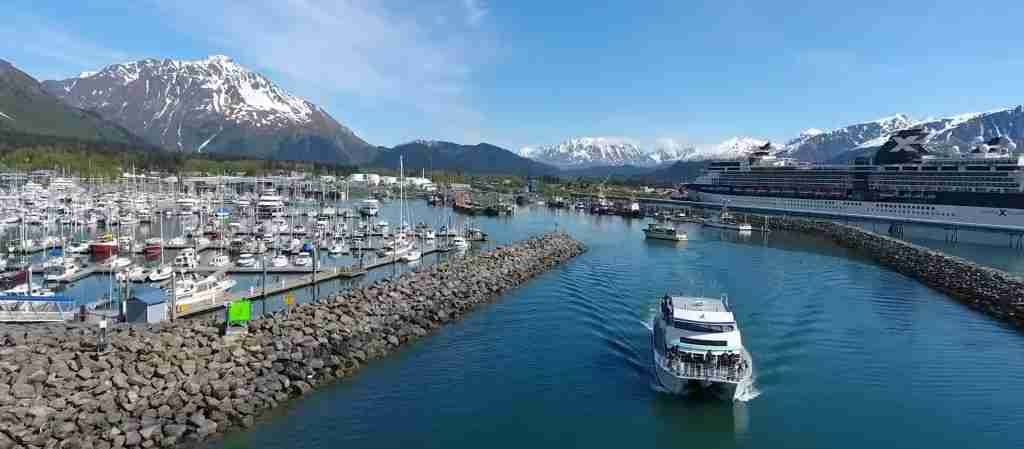
3 days
Seward 3-Day Discovery Tour
- ✓ Comprehensive Seward experience
- ✓ Expert local guides included
- ✓ All accommodation included
- ✓ Transportation provided
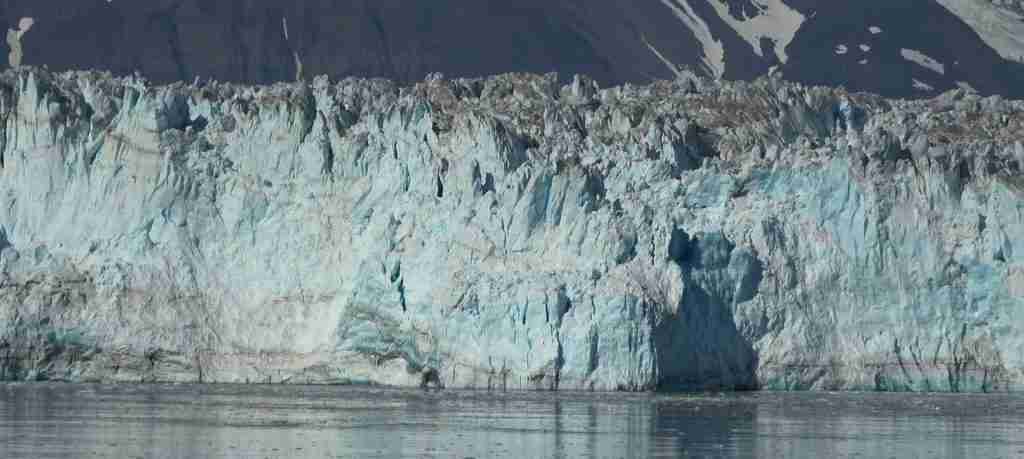
5 days
Seward 5-Day Highlights Experience
- ✓ Comprehensive Seward experience
- ✓ Expert local guides included
- ✓ All accommodation included
- ✓ Transportation provided

7 days
Seward 7-Day Cultural Journey
- ✓ Comprehensive Seward experience
- ✓ Expert local guides included
- ✓ All accommodation included
- ✓ Transportation provided
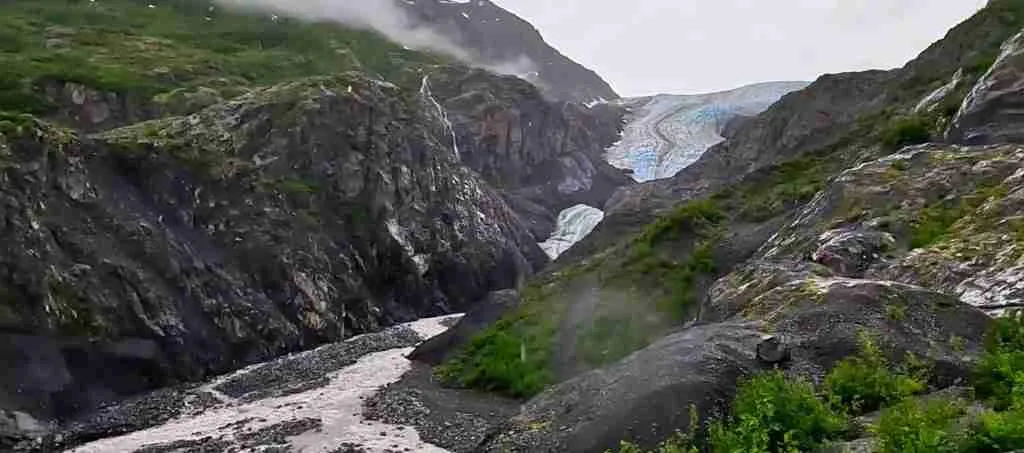
10 days
Seward 10-Day Complete Adventure
- ✓ Comprehensive Seward experience
- ✓ Expert local guides included
- ✓ All accommodation included
- ✓ Transportation provided
Multi-day tour packages powered by TourRadar. Prices and availability subject to change.
Introduction to Seward Day Trips 2026
Seward occupies a singular position in Alaska’s landscape where the Kenai Mountains plunge directly into Resurrection Bay, creating a natural amphitheater of glaciers, fjords, and wildlife-rich waters within hours of Alaska’s largest city. This geographic convergence transforms Seward into Alaska’s adventure staging ground, where visitors access experiences requiring days of wilderness travel elsewhere in the state through simple day trip logistics. The town’s small-boat harbor serves as departure point for glacier cruises penetrating Kenai Fjords National Park, kayaking expeditions exploring protected coves, and fishing charters targeting halibut and salmon in productive waters.
The 2026 season brings expanded cruise schedules from major operators, with Kenai Fjords Tours, Major Marine Tours, and smaller outfitters offering departures throughout the day from late April through September. Wildlife viewing peaks during summer months when humpback whales concentrate in feeding areas, thousands of seabirds nest on cliff faces, and salmon runs attract predators to nearshore waters. Land-based adventures complement marine excursions, with Exit Glacier providing the only road-accessible glacier experience in Kenai Fjords National Park and hiking trails ranging from easy waterfront walks to challenging mountain ascents rewarding effort with panoramic views.
Planning day trips from Seward requires balancing interests, fitness levels, weather considerations, and budget. Glacier cruises dominate most itineraries but commit 4-9 hours to single experiences, while shorter activities like the Alaska SeaLife Center visit (2-3 hours) or half-day kayaking (4 hours) allow combining multiple experiences in one day. Weather significantly impacts marine activities, with Resurrection Bay’s protected waters generally calmer than exposed Kenai Fjords locations, and fog occasionally limiting visibility for glacier viewing. This guide provides detailed information on Seward’s best day trips for 2026, including current pricing, recommended operators, booking strategies, and honest assessments of what each experience delivers.
Kenai Fjords Glacier Cruises 2026
Kenai Fjords glacier and wildlife cruises represent Seward’s signature experience, combining tidewater glacier encounters with Alaska’s richest marine wildlife concentrations in single day trips departing Resurrection Bay. These cruises venture into Kenai Fjords National Park, a glacier-carved wilderness where ice rivers descend from the Harding Icefield to calve directly into the sea. Tour operators navigate protected fjords bringing vessels within legal minimum distances of glacier faces, positioning passengers to witness and hear ice calving events when glacier chunks break free and crash into the ocean with thunderous reports.
Multiple cruise lengths serve different schedules and interests. The 3.5-4 hour Resurrection Bay cruises remain within the bay’s protected waters, focusing on accessible wildlife colonies including Steller sea lion haul-outs at Barwell Island, seabird rookeries, and frequent whale sightings, but do not reach tidewater glaciers. The 6-hour Kenai Fjords National Park cruises strike the ideal balance for most visitors, penetrating far enough into the national park to witness at least one active tidewater glacier (typically Holgate or Aialik) while maximizing time in wildlife-rich waters. The 8.5-9 hour Northwestern Fjord cruises represent the premium experience, traveling to Kenai Fjords’ most remote accessible area where three tidewater glaciers cascade into a natural amphitheater, though the extended duration and rougher water exposure suit adventurous travelers rather than families or those prone to seasickness.
Cruise Options and Pricing 2026
Major operators including Kenai Fjords Tours, Major Marine Tours, and smaller outfitters offer similar routes at comparable prices. The 4-hour Resurrection Bay Wildlife Cruise costs $149 for adults and $74.50 for children in 2026 (check official websites for current rates). This shortest option explores Resurrection Bay without entering Kenai Fjords National Park, visiting sea lion colonies, bird rookeries, and areas frequented by humpback whales and orcas, particularly productive during peak whale season July-August. Tours operate two to three departure times daily, with morning departures typically encountering calmest conditions.
The 6-hour Kenai Fjords National Park cruise costs $239 for adults and $119.50 for children with two daily departure options (morning 8:00 AM-2:00 PM and afternoon 11:30 AM-5:30 PM from late May through August). This mid-length cruise reaches either Holgate Glacier or Aialik Glacier depending on conditions and captain’s choice, guaranteeing tidewater glacier viewing while maintaining ample time for wildlife encounters. Complimentary deli lunch includes sandwiches, chips, cookies, and beverages. The cruise penetrates protected fjords where glacier meltwater creates distinctive milky blue-green coloration and floating ice provides hauling platforms for harbor seals with pups.
The 8.5-hour Northwestern Fjord cruise costs $269-309 for adults and $134.50 for children, departing daily May through early September at 7:30 AM and returning around 4:30 PM. This extended journey travels Kenai Fjords National Park’s full length to Northwestern Fjord, where Northwestern Glacier, Northeastern Glacier, and Cascade Glacier all calve into the same confined waterway. The remote location sees fewer vessels, and the fjord’s dramatic topography creates intimate glacier encounters. The longer duration includes more time in exposed Gulf of Alaska waters where swells can produce rougher conditions unsuitable for travelers prone to seasickness. Lunch and snacks are included.
What to Expect on Glacier Cruises 2026
All glacier cruise vessels provide heated indoor cabins with large windows, outdoor viewing decks, restrooms, and snack bars selling coffee, hot chocolate, alcohol, and light food items beyond included meals. Seating is unassigned with passengers moving freely between indoor and outdoor areas throughout the cruise. Captains narrate the journey over speaker systems, identifying wildlife, explaining glacier formation and dynamics, and sharing local history. National Park Service rangers ride along on select cruises providing additional interpretation.
Wildlife sightings vary by season, route, and chance, though most cruises encounter multiple species. Humpback whales appear most reliably July-September when concentrating in feeding areas, with cooperative feeding behaviors including bubble-net feeding visible when whales work together corralling prey. Orca sightings peak mid-May through mid-June during the spring orca season when resident pods and transient groups hunt in local waters. Steller sea lions haul out year-round on rocky islands, with spring and early summer offering pup viewing opportunities. Sea otters float in kelp beds, often cracking shellfish on their chests. Dall’s porpoises frequently bow-ride vessels. Seabird colonies include thousands of nesting puffins, kittiwakes, cormorants, and murres visible spring through summer.
Glacier encounters provide the cruise highlight, with vessels approaching within 0.25 miles of glacier faces following federal regulations. Calving events occur unpredictably, from small ice chunks breaking free to massive sections collapsing and creating waves. Captains idle engines near glaciers allowing passengers to hear glacial creaking and gunshot-like cracks preceding calving. The blue ice coloration intensifies closer to glacier faces where compressed ice absorbs red light wavelengths. Many cruises include scooping glacial ice from the water for passengers to touch and photograph.
Booking and Planning Glacier Cruises 2026
Advance reservations are essential for preferred departure times, with 6-hour morning cruises typically selling out weeks ahead during peak June-August period. Online booking through operator websites offers convenience and sometimes modest discounts compared to phone reservations or walk-up purchases. Cancellation policies generally allow full refunds for cancellations made 24-48 hours before departure, with weather-related cancellations receiving full refunds or rebooking options at operator discretion.
Motion sickness affects some passengers, particularly on longer cruises venturing into exposed waters beyond Resurrection Bay. Preventive measures include taking medication (Dramamine, Bonine) 30-60 minutes before departure, wearing acupressure wristbands, staying on outdoor decks watching the horizon, and avoiding heavy meals immediately before cruising. Calm water days see minimal motion, while southwest wind events can produce notable swells. Operators occasionally shorten routes or cancel departures due to excessive weather, with decisions made morning of departure.
Dress in layers including waterproof rain jacket and pants regardless of forecast, as coastal weather changes rapidly and outdoor deck viewing in wind creates significant wind chill. Binoculars enhance distant wildlife viewing, though glaciers are visible clearly with naked eye. Most operators prohibit outside food but sell snacks and beverages onboard. Departure requires check-in 30-45 minutes before sailing time at Small Boat Harbor facilities.
Exit Glacier Day Trip 2026
Exit Glacier provides Kenai Fjords National Park’s only road-accessible glacier experience, offering free self-guided hiking with dramatic ice views just 13 miles from downtown Seward. The glacier flows from the Harding Icefield, the largest ice field entirely within the United States, descending through a valley where forest gradually yields to bare rock scoured by ice. Roadside markers along the access road document the glacier’s dramatic retreat over past decades, with signs showing where the glacier terminus stood in years from 1815 to present, illustrating climate change impacts in tangible terms.
Three main trail networks serve different abilities and ambitions. The paved Exit Glacier View Loop extends one mile roundtrip with minimal elevation gain, providing wheelchair accessibility and family-friendly glacier viewing from multiple overlook points. The Glacier Overlook Trail climbs moderately 2.2 miles roundtrip gaining 450 feet, reaching viewpoints level with the glacier’s mid-section where ice formations and crevasses become visible. The challenging Harding Icefield Trail ascends 8.2 miles roundtrip gaining 3,000 feet through forest, across rocky moraine, past seasonal waterfalls, and above treeline to the icefield’s edge where ice extends to the horizon broken only by mountain peaks (nunataks) protruding through the frozen expanse.
Exit Glacier Trail Options 2026
The Exit Glacier View Loop serves as the park’s introductory experience, perfect for visitors with limited time, mobility constraints, or young children. The paved trail begins at the Exit Glacier Nature Center and follows a level path through cottonwood forest regenerating in areas the glacier occupied decades ago. Interpretive signs explain glacier formation, ecology, and the dynamic relationship between ice and landscape. The trail reaches several viewpoints where the glacier’s blue ice and braided meltwater streams create classic Alaskan scenes. Total walking time averages 30-45 minutes at leisurely pace. The trail remains accessible late May through September, with the Nature Center operating June-September offering ranger programs, exhibits, and restrooms.
The Glacier Overlook Trail appeals to moderately fit hikers seeking closer glacier perspectives without committing to the Harding Icefield Trail’s full-day challenge. The trail initially follows the paved View Loop before branching onto a maintained but unpaved path climbing steadily through alder thickets and across rocky sections. Elevation gain brings hikers level with the glacier’s flowing ice, revealing surface textures, crevasse patterns, and the boundary where ice meets rock. Return via the same route. Round trip requires 1.5-2 hours with reasonable fitness. Early morning and evening light create optimal photography conditions with warm tones illuminating the ice.
The Harding Icefield Trail ranks among Alaska’s most spectacular day hikes, rewarding strenuous effort with views across one of North America’s largest ice fields. The trail departs the Glacier Overlook Trail junction and climbs relentlessly through transition zones from forest to alpine meadows to barren rock before reaching the ice edge. Seasonal waterfalls plunge from hanging valleys, wildflowers carpet meadows in July, and mountain goats occasionally graze rocky slopes. The trail enters frequent fog even on sunny valley days, with visibility at the icefield summit unpredictable. Round trip requires 6-8 hours with appropriate fitness and conditioning. The route remains snow-covered into June, with optimal hiking conditions July-September. Carry layers, rain gear, water, and food. The park service recommends against attempting the full trail for inexperienced hikers, as conditions above treeline can deteriorate rapidly.
Exit Glacier Access and Guided Options 2026
Personal vehicles access Exit Glacier via Exit Glacier Road (Herman Leirer Road), departing the Seward Highway at Mile 3.7 and reaching the Nature Center parking area in 20 minutes. The narrow paved road winds through temperate rainforest following the Resurrection River, with the glacier coming into view several miles before the parking area. Parking fills regularly during summer midday hours (11 AM-4 PM), with overflow parking adding walking distance. Arrive before 10 AM or after 5 PM for guaranteed parking spots. No entrance fee applies to Exit Glacier or Kenai Fjords National Park land-based areas.
The Exit Glacier Shuttle provides transportation for visitors without rental vehicles, operating hourly from Seward’s Small Boat Harbor to the Nature Center from late May through September. Round trip costs $20 per person. The shuttle accommodates cruise ship passengers, train arrivals, and independent travelers, though capacity is limited and reservations are recommended during peak season. The 20-minute drive includes narration about local ecology and history.
Guided interpretive hikes enhance the self-guided experience with naturalist expertise, typically focusing on the Glacier Overlook Trail. Exit Glacier Guides and Adventure Sixty North offer 2-3 hour guided hikes costing $95-150 per person, covering glaciology, forest ecology, wildlife, and climate change impacts. Guides provide context that self-guided visitors miss, explaining features like glacial erratics (boulders transported by ice), moraine formation, and plant succession in deglaciated areas.
Ice hiking adventures represent the ultimate Exit Glacier experience, combining strenuous approaches with time walking on the glacier itself wearing crampons under professional guide supervision. Kenai Backcountry Adventures leads full-day Exit Glacier ice hiking trips costing $200+ including all technical gear (helmets, harnesses, crampons, ice axes). The adventure begins with a steep 2.5-hour uphill hike on a route diverging from standard trails, accessing the glacier’s upper reaches away from tourist areas. Guides rope participants together for glacier travel, exploring ice formations, peering into crevasses, and experiencing the glacier as few visitors do. The descent requires another 2.5 hours. This demanding trip suits fit, adventurous travelers comfortable with strenuous activity in remote terrain. Minimum age typically 12-14 years depending on operator.
Alaska SeaLife Center 2026
The Alaska SeaLife Center serves dual roles as Alaska’s only public aquarium and a working marine research and wildlife rehabilitation facility, making it Seward’s premier all-weather attraction and the guaranteed wildlife viewing option when weather prevents boat tours or hiking. The center occupies a waterfront location at the terminus of the Seward Highway, featuring exhibits showcasing Alaskan marine ecosystems from rocky coasts to deep ocean waters. Visitors observe rehabilitation efforts for injured and orphaned marine mammals through viewing windows into veterinary areas, connecting education with active conservation.
The center’s exhibits include multi-level Steller sea lion and harbor seal habitats allowing above-water and underwater viewing, a seabird aviary where puffins, murres, and other species swim and fly, touch tanks with sea stars and anemones, and aquarium displays featuring octopuses, jellyfish, and native fish species. The Rocky Coast Discovery Pool provides hands-on interaction with intertidal creatures under staff supervision. Underwater viewing galleries reveal the power and grace of sea lions swimming, with feeding demonstrations scheduled throughout the day.
Alaska SeaLife Center Admission and Hours 2026
Admission costs approximately $25-35 per adult in 2026, with exact pricing varying by date and entry time (check official website alaskasealife.org for current rates). Children under age 13 and Alaska residents receive discounted admission. Timed entry tickets sold in 15-minute increments help manage capacity, with last entry one hour before closing. The center opens daily 9:00 AM-5:00 PM year-round, providing consistent access regardless of weather or season. Advance online ticket purchase guarantees entry during preferred time slots, important during summer when walk-up visitors may face waits or later entry times.
Visitors typically spend 1.5-3 hours exploring exhibits at comfortable pace, depending on interest level and whether attending scheduled programs. Feeding demonstrations and keeper talks occur throughout the day at different exhibits, adding educational value beyond self-guided exploration. The center offers behind-the-scenes tours and close encounter programs for additional fees, allowing more intimate interaction with animals and staff.
What to See at Alaska SeaLife Center 2026
The Steller sea lion habitat dominates the center’s main gallery, housing multiple sea lions in a 117,000-gallon exhibit replicating rocky coastal environment. Underwater viewing windows reveal sea lions’ swimming abilities, with animals shooting past glass at high speeds, barrel rolling, and playing with enrichment items. Above-water viewing from outdoor decks shows hauling behavior and vocalizations. Scheduled feeding sessions demonstrate the massive fish consumption these animals require, with trainers explaining sea lion biology and conservation challenges.
The Seabird Aviary recreates cliff-nesting habitat where puffins, common murres, and pigeon guillemots live in a two-story space allowing flight. Visitors walk through the middle level observing birds swimming underwater (alcids “fly” underwater using wings for propulsion), diving for fish, and nesting on artificial cliff faces. The aviary’s design provides perspectives impossible in wild observations. Feeding times show diving behavior as birds pursue fish underwater.
Harbor seals occupy separate habitats including a 30,000-gallon pool where young seals rescued as orphans receive rehabilitation before release. Viewing windows show seal swimming agility and inquisitive behavior as animals approach glass investigating visitors. The center often houses seal pups during spring and summer, with explanation of rescue and rehabilitation processes that make release to wild populations possible.
The Discovery Touch Pools allow hands-on interaction with intertidal invertebrates including sea stars, sea cucumbers, hermit crabs, and sea anemones under staff guidance. Educational interpreters explain adaptations allowing these creatures to survive between tides in harsh rocky intertidal zones. Children particularly enjoy gentle touching of animals, learning proper handling techniques that minimize stress.
Additional exhibits showcase Alaska’s marine biodiversity through aquarium displays. A two-story kelp forest exhibit demonstrates this productive ecosystem supporting diverse fish populations, octopuses, and invertebrates. Deep-water displays feature creatures from depths beyond recreational diving, including rockfish, shrimp, and unusual adaptations to low-light environments. Jellyfish tanks mesmerize with rhythmic pulsing movements and translucent bodies. The center’s research focus means exhibits sometimes include animals rescued from unusual circumstances, with explanatory panels describing their stories.
Planning Your Alaska SeaLife Center Visit 2026
The center serves as excellent inclement weather backup when rain or wind cancels outdoor activities, operating unaffected by conditions that ground boat tours or make hiking miserable. The fully indoor facility provides warmth and shelter while delivering authentic Alaska wildlife encounters. Combined admission and glacier cruise packages offered through some tour operators provide modest savings compared to booking separately.
The Haul Out Cafe sells snacks, coffee, and light meals, though outside food is not permitted in exhibit areas. The gift shop stocks Alaska-themed items, educational materials, and artwork, with proceeds supporting the center’s conservation mission. Proceeds from each admission ticket contribute to marine research, education, and wildlife response programs conducted by the center’s scientific staff. The facility is wheelchair accessible throughout, with stroller access to all exhibits.
Location at Seward’s waterfront makes the center easily walkable from downtown hotels and the Small Boat Harbor, with free parking available for those driving. City shuttles and many hotel shuttles include the SeaLife Center in their routes. The 1.5-mile paved Iditarod National Historic Trail connects the center to downtown along the waterfront, providing scenic walking route.
Seward Hiking Trails 2026
Seward’s dramatic mountain-meets-sea topography creates hiking opportunities from waterfront nature walks to alpine ascents challenging experienced mountaineers. Trails climb directly from town to summits offering panoramic views across Resurrection Bay, penetrate coastal rainforests to hidden lakes, and traverse rocky shorelines accessible only during low tides. These land-based adventures complement marine excursions, allowing multi-day Seward visits to balance water and trail experiences.
Trail difficulty ranges widely. Easy paved paths along the waterfront suit all abilities and provide accessible wildlife viewing opportunities for sea otters and seabirds. Moderate mountain trails reward several hours’ effort with spectacular vistas. Challenging routes ascend 3,000+ feet to alpine bowls and ridgelines where mountain goats graze and glaciers descend toward the sea. Most trails operate snow-free June-September, with shoulder seasons (May and late September) seeing variable conditions depending on winter’s snowpack and fall’s first storms.
Mount Marathon Trail 2026
Mount Marathon rises 3,022 feet directly behind downtown Seward, famous for hosting one of Alaska’s oldest and most demanding footraces each Fourth of July. Non-racers hike two main routes to the summit: the Race Trail used by competitors, and the longer but more moderate Jeep Trail/Skyline Trail combination. Both reward steep effort with commanding views across Resurrection Bay, Kenai Fjords, and surrounding peaks.
The Race Trail climbs steeply from Lowell Canyon Road through forest before entering “the Slot,” a near-vertical chute requiring hand-and-foot scrambling alongside a creek. Above treeline, the trail becomes a loose scree path snaking across the mountain face to Race Point, the race turnaround marked by a boulder at the bowl’s edge. This direct but punishing route gains 3,000 feet in 1.6 miles one-way. Racers descend a different route down loose gravel that allows controlled sliding, though hikers often return via the ascent route to avoid confusion on the descent trail. Round trip via Race Trail requires 4-6 hours for fit hikers, with the route unsuitable for inexperienced or poorly conditioned individuals. Afternoon thunderstorms frequently build, making early starts advisable.
The Jeep Trail/Skyline Trail alternative approaches from Madison Avenue, climbing the wider Jeep Trail through rainforest before contouring across the mountain face on Skyline Trail. This longer route (approximately 4.5 miles round trip) distributes elevation gain more gradually, though still qualifying as strenuous. Views emerge gradually as the trail traverses above treeline, with Resurrection Bay and glacier-clad peaks creating photogenic compositions. The route eventually intersects the Race Trail near Race Point. Hiking poles assist with steep sections and loose footing. Winter conditions persist into June on upper elevations, with crampons or microspikes recommended for early-season ascents.
Lost Lake Trail 2026
The Lost Lake Trail (also called Primrose Trail when hiked from the opposite direction) traverses 7 miles one-way through varied terrain from forest valleys to alpine lakes, offering one of the Kenai Peninsula’s most scenic moderate hikes. The trail climbs gradually from either terminus through spruce forest along Box Canyon Creek, emerging above treeline where glaciers and mountains dominate the skyline. Lost Lake itself occupies a pristine alpine basin surrounded by peaks, with campsites for those continuing as overnight trip.
Most day hikers approach from the Primrose trailhead at Mile 17 of the Seward Highway, treating Lost Lake as destination and returning the same route (14 miles round trip, 6-8 hours). Strong hikers sometimes arrange vehicle shuttles to hike the full trail one-way between Primrose and Lost Lake trailheads, though this requires two vehicles or paid shuttle service. The trail gains approximately 1,900 feet, considered moderate by Alaska standards. June can see lingering snowpack in shaded sections and at higher elevations, while July-August provide optimal hiking conditions with wildflower displays in alpine meadows. Wildlife encounters include moose in forest sections, ground squirrels above treeline, and occasional black bears. The trail’s length and remote sections demand proper preparation including bear spray, water, food, and navigation tools.
Coastal and Shorter Trails 2026
The Two Lakes Trail provides an easy one-mile loop at Mount Marathon’s base, accessible for all fitness levels and suitable for families with young children. The trail winds through temperate rainforest between two small lakes, First Lake and Second Lake, where spawning salmon create wildlife attractants. The minimal elevation gain and good maintenance make this Seward’s most accessible true forest experience. Trailhead parking sits on Jefferson Street near the base of Mount Marathon.
Tonsina Creek Trail extends 3 miles one-way from Lowell Point Road through lush coastal rainforest along Tonsina Creek, where salmon spawn June-September attracting eagles and occasional bears. The relatively level trail provides quiet forest immersion, with massive spruce trees, moss-covered rocks, and the constant sound of creek water. This out-and-back hike requires 2-3 hours round trip at moderate pace. The trail eventually connects to the longer Caines Head Trail for those continuing.
Caines Head Trail requires more complex planning as the route traverses beach sections passable only during low tides of +3 feet or lower. The 4.5-mile one-way trail accesses Caines Head State Recreation Area, site of World War II military fortifications, combining coastal hiking with historical exploration. Hikers must time departure and return to coincide with appropriate tides, consulting tide tables and allowing two-hour windows before and after +3 tide. High tide strands hikers on narrow beach sections with cliffs preventing inland detours. The South Beach section provides beach camping for those making overnight trips, with the fort ruins and Derby Cove accessible from there. This adventure suits experienced coastal hikers comfortable with tide-dependent logistics.
Sea Kayaking Resurrection Bay 2026
Sea kayaking provides intimate coastal exploration impossible from larger vessels, paddling quiet waters where marine wildlife approaches curiously and glacial waterfalls cascade down cliffs mere yards from kayak bows. Resurrection Bay’s protected waters and scenic shoreline make it ideal for kayaking, with multiple outfitters offering tours ranging from 3-hour introductions to multi-day camping expeditions. The activity suits first-time kayakers through experienced paddlers, with guides providing instruction ensuring even novices paddle confidently within the first hour.
Half-day tours focus on the shoreline near Lowell Point south of Seward, paddling along Caines Head State Recreation Area’s coast where sea otters raft in kelp beds, harbor seals haul out on rocks, and bald eagles nest in shoreline trees. The calm protected waters rarely exceed gentle swells, with morning departures typically encountering glassier conditions than afternoons when thermal winds develop. Full-day tours venture farther, sometimes reaching Fox Island or following the coast to more remote coves. Multi-day expeditions camp in Kenai Fjords National Park, paddling to glaciers and truly remote coastline, though these extended trips exceed day trip scope.
Half-Day Kayaking Tours 2026
Half-day Resurrection Bay kayaking tours cost $149 per person in 2026, operating approximately 4 hours total with 2-2.5 hours of actual paddling time. Tours typically offer two daily departure times: 7:30 AM-11:15 AM and 11:30 AM-3:15 PM, with morning slots providing calmest water conditions and afternoon departures seeing more wind and chop. Minimum age is usually 8 years old, with younger children accommodated on some tours if paddling with parents in tandem kayaks.
The experience begins at outfitters’ downtown offices where participants gear up with life jackets and waterproof paddling mitts (pogies) that keep hands warm while gripping paddles. A short narrated shuttle drive to Lowell Point beach includes introduction to the area’s ecology and history. At the beach, guides provide paddling instruction covering forward strokes, turning, bracing, and tandem kayak coordination for pairs. Double kayaks seat two paddlers, with solo paddlers sometimes paired unless requesting single kayaks where available.
The paddle explores the rocky shoreline, navigating around points and into small coves where tide pools and intertidal life become visible from water level. Sea otters floating on their backs cracking shellfish create favorite encounters, often approaching kayaks with curiosity. Harbor seals bob in the water watching kayakers, occasionally diving and resurfacing closer. Stellar sea lions sometimes swim near kayak groups, their massive size impressive from small boats. Bald eagles perch in shoreline trees, and diverse seabirds including cormorants, mergansers, and gulls hunt in shallow waters. Shore breaks provide opportunities to explore beaches and view salmon spawning streams when timed appropriately with runs.
Primary operators include Sunny Cove Kayaking, Kayak Adventures Worldwide, Liquid Adventures, and Miller’s Landing, each offering similar routes and experiences with slight variations in group sizes and approaches. All provide dry bags for personal items, though participants should bring minimal valuables. Dress in synthetic or wool layers (never cotton) with waterproof rain jacket and pants, as splashing and weather make wetness inevitable. Closed-toe water shoes or sturdy sneakers work better than hiking boots.
Full-Day and Combination Tours 2026
Full-day kayaking tours extend to 8-9 hours, paddling farther along Resurrection Bay’s coast or reaching destinations like Fox Island. These longer adventures allow reaching more remote sections with increased likelihood of wildlife encounters and opportunities to kayak in areas inaccessible to half-day groups. Lunch is included, typically eaten on beaches or islands. Pricing runs $200-250 per person, with physical demands increasing proportionally to distance covered.
Combination tours pair kayaking with other activities in single packages. The Fox Island Morning Kayak & Afternoon Cruise Combo operated by Sunny Cove Kayaking combines morning kayaking around Fox Island with an afternoon glacier cruise aboard Kenai Fjords Tours vessels, creating a comprehensive marine experience in one day. The Wildlife Cruise & Glacier Kayak Combo ventures into Kenai Fjords National Park aboard a private catamaran for glacier viewing, then deploys kayaks near glaciers for paddling experiences impossible on half-day bay tours. These combinations run 8-10 hours total and cost $300+ per person, but consolidate experiences requiring multiple separate bookings.
Fishing Charters from Seward 2026
Seward’s position where Resurrection Bay opens to the Gulf of Alaska creates world-class saltwater fishing opportunities for halibut, salmon, lingcod, and rockfish. Charter fishing provides access to productive grounds beyond shore fishing reach, with experienced captains positioning boats over structure holding fish and providing tackle, bait, instruction, and fish cleaning. The activity suits complete novices through serious anglers, with deckhand assistance ensuring everyone catches fish regardless of experience level.
Fishing charters operate as half-day (4-5 hours) or full-day (8-10 hours) trips, with longer excursions traveling farther to deeper halibut grounds and more remote salmon feeding areas. Peak fishing season runs late May through September, with different species dominating different periods. King salmon fishing peaks May-June, halibut fishing remains excellent June-September, and silver salmon action peaks August-September. Combination fishing targets both salmon and halibut in single trips when both species feed in overlapping areas.
Charter Fishing Costs and What’s Included 2026
Half-day fishing charters cost approximately $250-300 per person in 2026, while full-day charters run $350-450 per person depending on operator and boat capacity. Some charter boats offer private trips for groups at premium rates, while others book individual seats on shared charters combining anglers from different parties. Smaller boats accommodate 4-6 anglers, while larger vessels handle 10-15 passengers. Smaller boats provide more personalized attention but rock more in swells, while larger vessels offer more stability but less intimate experience.
Charter fees include fishing licenses, all tackle and bait, instruction, and fish cleaning and vacuum packing. Captains provide rods, reels, bait, and terminal tackle appropriate for target species, eliminating need for anglers to bring equipment. Alaska requires fishing licenses for anyone 16+ years old, with charters obtaining licenses for guests included in the charter fee. Professional fish processing services fillet and vacuum pack catches for transport, with some operators arranging overnight shipping to outside Alaska destinations.
Tips are customary and expected for successful trips, with 15-20% of the charter fee standard for good service. Deckhand gratuities can be separate or included in overall tip depending on crew structure. Food and beverages beyond basic water and snacks are typically not provided, with anglers bringing bag lunches for full-day trips. Motion sickness medication should be taken before departure, as fishing often occurs in areas with ocean swells.
Target Species and Fishing Methods 2026
Halibut fishing represents Seward’s premier angling opportunity, targeting these flatfish in depths of 100-400 feet over rocky bottoms and drop-offs. Halibut range from “chicken” size (20-30 pounds) to “barn doors” exceeding 100 pounds, with consistent 40-80 pound catches through summer. Fishing involves dropping weighted baits to the bottom and jigging or holding still until halibut strike, then winching heavy fish from depth. The fight remains steady rather than acrobatic, but landing large halibut requires strength and proper technique. Limits are set by Alaska Department of Fish and Game based on current populations, typically allowing one halibut per angler per day.
Salmon fishing methods vary by species. King salmon (Chinook) are targeted by trolling herring or spoons at varying depths using downriggers, covering water until fish strike. The powerful fight makes kings prized gamefish. Silver salmon (Coho) feed near surface later in summer, providing explosive strikes and aerial displays. Pink salmon run odd-numbered years in massive quantities, creating intense action during their peak though individual fish run smaller. Charter captains monitor run timing and adjust tactics targeting whichever salmon species actively feed in local waters.
Lingcod and rockfish provide year-round bottom fishing opportunities, often pursued when halibut fishing slows or weather prevents offshore travel. These toothy predators inhabit rocky structure close to Seward, offering reliable action and excellent eating. Regulations limit lingcod size and rockfish retention to protect populations.
Whittier and Prince William Sound Day Trip 2026
Whittier sits 60 miles north of Seward (2.5 hours driving via the Seward Highway and Portage Glacier Road), serving as gateway to Prince William Sound glacier cruises. While technically feasible as day trip from Seward, this option primarily appeals to travelers basing in Seward for multiple days seeking variety or comparing Kenai Fjords and Prince William Sound marine experiences. Most visitors choose between Seward and Whittier rather than combining both, as each location offers sufficient activities for multi-day stays.
The drive from Seward to Whittier follows the scenic Seward Highway north along Turnagain Arm, where bore tides create dramatic wave phenomena and beluga whales sometimes feed in muddy waters. The final access to Whittier requires transit through the Anton Anderson Memorial Tunnel, North America’s longest combined rail and vehicle tunnel, operating on strict schedules alternating one-way traffic. The tunnel opens on the hour for Whittier-bound traffic and half-hour for Anchorage-bound traffic, with $13 toll for vehicles.
Prince William Sound Glacier Cruises from Whittier 2026
Prince William Sound cruises from Whittier focus more heavily on glaciers than wildlife compared to Kenai Fjords tours, with dramatically higher glacier concentrations in more protected waters. The popular 26 Glacier Cruise operated by Phillips Cruises & Tours travels 5.5 hours encountering up to 26 named glaciers in College Fjord, Harriman Fjord, and surrounding waterways. The cruise costs approximately $180-220 per person in 2026 including lunch (check phillipscruises.com for current rates), operating late April through September with rail packages available combining Alaska Railroad’s Glacier Discovery train with the cruise.
Prince William Sound’s sheltered geography creates calmer waters than Kenai Fjords’ Gulf of Alaska exposure, with tour operators sometimes guaranteeing no seasickness or offering refunds. The glacier abundance creates constant visual interest as the vessel navigates ice-filled bays and narrow passages between actively calving walls. Wildlife sightings include sea otters (Prince William Sound supports some of North America’s densest populations), harbor seals, sea lions, and occasional whales, though the wildlife emphasis remains secondary to glaciers unlike Kenai Fjords tours.
Should You Day Trip to Whittier from Seward in 2026?
The Whittier day trip requires careful consideration of time investment versus experience gained. Driving 2.5 hours each direction plus 5-6 hour cruise totals 10-11 hours, essentially consuming entire day for experience comparable to Seward’s glacier cruises. For travelers spending only 1-2 days in Seward, local Kenai Fjords cruises provide better time efficiency. For those with 3+ days in Seward who have already completed local marine tours and seek additional glacier viewing, the Whittier excursion offers different scenery and higher glacier concentration.
The drive itself provides value beyond mere transportation, with the Seward Highway ranking among Alaska’s most scenic routes and the Portage Valley revealing multiple glaciers visible from roadside pullouts. The Alaska Wildlife Conservation Center near Portage offers drive-through viewing of rescued bears, moose, caribou, and other Alaskan wildlife, adding educational value to the journey. Stopping at these attractions extends the day but enriches the overall experience.
Alternative strategies include basing in Anchorage or Girdwood rather than Seward, making Whittier more accessible while Seward becomes the day trip destination. Many travelers following this pattern complete Kenai Fjords cruises as single-day Anchorage-Seward-Anchorage excursions, then cruise Prince William Sound from Whittier on different days.
Planning Your Seward Day Trips 2026
Successful Seward day trip planning balances interests, fitness levels, weather flexibility, and budget while maintaining realistic expectations about time requirements and physical demands. Most visitors spend 2-4 days in Seward, allowing one major marine excursion, one land-based adventure, and weather backup options when conditions prevent preferred activities. Single-day Seward visits typically prioritize glacier cruises, while extended stays enable comprehensive exploration combining marine, hiking, and cultural experiences.
Recommended Itineraries by Trip Length 2026
One-day Seward itineraries focus on a single major activity, typically a 6-hour Kenai Fjords glacier cruise providing the destination’s signature experience. Departure and return schedules allow brief downtown exploration, Alaska SeaLife Center visits for travelers arriving early or departing late, and meals at local restaurants, but preclude combining multiple major excursions. Independent travelers driving from Anchorage depart early morning (6:00-7:00 AM) to reach Seward for 11:30 AM-12:00 PM cruise departures, then return to Anchorage after 5:00-6:00 PM cruise returns, creating 14-15 hour days.
Two-day Seward stays allow balancing marine and land experiences. Day one focuses on the 6-hour glacier cruise, while day two explores Exit Glacier, hiking local trails, or kayaking Resurrection Bay depending on interests and weather. The Alaska SeaLife Center fills weather backup role if day two conditions prevent outdoor activities. This duration provides adequate Seward exposure without feeling rushed.
Three-day Seward itineraries enable comprehensive exploration. Day one tackles the longer 8-9 hour Northwestern Fjord glacier cruise for the ultimate marine experience. Day two combines Exit Glacier’s trail network with shorter hiking trails like Tonsina Creek or Two Lakes. Day three pursues kayaking, fishing charter, or the Whittier day trip depending on interests. Weather flexibility allows substituting indoor activities when needed without sacrificing major experiences.
Weather Considerations and Backup Planning 2026
Seward’s coastal rainforest climate brings frequent precipitation year-round, with summer months averaging 15-20 inches of rain spread across 15-18 days per month. Conditions change rapidly, with morning sun yielding to afternoon rain or fog rolling in from the Gulf of Alaska obscuring previously clear views. Glacier cruise operators cancel tours only for dangerous conditions (high winds creating excessive swells), not rain alone, meaning most cruises operate in drizzle or overcast conditions typical of the region.
Build weather flexibility into itineraries rather than pre-booking every activity. Reserve glacier cruises requiring advance booking, but leave other days open to pursue activities matching daily conditions. Rain suits Exit Glacier hiking and kayaking (participants get wet anyway), while extreme weather makes Alaska SeaLife Center visits more appealing. Having multiple activity options allows pivoting based on morning weather assessments.
Pack for wet conditions regardless of forecast. Layering systems using wool or synthetic materials (never cotton) insulated with fleece or light down, covered by waterproof rain jackets and pants, handle Seward’s weather range. Waterproof hiking boots prevent misery on wet trails. Bring quality rain gear rather than disposable ponchos, as Alaska’s weather quickly defeats inferior equipment.
Booking Strategy and Timing 2026
Book major glacier cruises weeks or months in advance for peak season (late June-early August) travel, particularly for preferred morning departure times. Major operators’ websites allow online reservations with calendar availability displays showing remaining seats. Cancellation policies typically permit full refunds for cancellations made 24-48 hours before departure, providing reasonable flexibility if weather or plans change.
Kayaking tours, fishing charters, and guided hiking require advance booking during peak season but often accommodate last-minute reservations in shoulder periods (May, September) or on weekdays. The Alaska SeaLife Center sells timed entry tickets online but usually has walk-up availability except during peak cruise ship days when Seward’s population temporarily doubles.
Shoulder season travel (May 15-June 15 and September 1-15) offers advantages including lower prices, smaller crowds, and good availability, though weather becomes more variable with increased rain and cooler temperatures. Late May sees longer daylight but possible snow on high trails, while early September brings fall colors but faster sunset times. Core summer (late June-August) provides warmest weather, longest days, and fullest activity schedules but highest prices and crowds.
Budget Planning for Seward Day Trips 2026
Daily activity costs vary significantly by choices made. Budget-conscious travelers focusing on free hiking at Exit Glacier, walking trails around Seward, and self-guided exploration spend minimal amounts beyond meals and fuel. Mid-range travelers taking 6-hour glacier cruises ($239), visiting Alaska SeaLife Center ($30), and dining in restaurants budget $305-400 per person daily for activities and food. Premium single-day experiences including Northwestern Fjord cruises ($309 plus meals) or full-day fishing charters ($350-450 plus meals) cost $345-520 per person depending on activity chosen.
Meals in Seward range $15-25 for lunch at casual restaurants to $25-45 for dinner at mid-range establishments, with fine dining options exceeding $50+ per person. Coffee shop breakfasts run $10-15. Grocery stores allow purchasing picnic supplies and snacks for self-catering, reducing meal expenses significantly. Many glacier cruises include lunch, eliminating one meal cost on cruise days.
Transportation costs include rental vehicles ($80-120 daily in summer), fuel ($4-5 per gallon in Alaska), and parking ($5-15 daily in Seward depending on location). The Alaska Railroad’s Coastal Classic train provides scenic Anchorage-Seward transportation ($95-165 depending on class) as alternative to driving, with the train journey constituting an experience itself through terrain inaccessible by road.
Frequently Asked Questions About Seward Day Trips 2026
How many days should I spend in Seward in 2026?
Allocate 2-3 days for Seward to experience both marine and land-based activities without feeling rushed. Two days allows one glacier cruise and one hiking/kayaking day with flexibility for weather. Three days enables the longer Northwestern Fjord cruise, Exit Glacier exploration, and additional activities like kayaking or fishing. Single-day visits limit experiences to one major activity, typically the 6-hour glacier cruise. Extended 4-5 day stays suit travelers seeking comprehensive exploration including multiple hiking trails, overnight trips, and relaxed pace, though diminishing returns occur unless pursuing specialized activities like multi-day kayaking expeditions or extensive fishing.
What is the best month to visit Seward in 2026?
July and August provide peak conditions for Seward activities in 2026, offering warmest weather (highs 55-65°F), calmest seas, fullest wildlife activity, and maximum operating schedules for all tour operators. These months also bring peak crowds and highest prices. June balances good conditions with smaller crowds, though early June can see lingering snow on high trails and cooler temperatures. September offers fall colors and decreased crowds with reliable tour operations, though weather becomes more variable with increased rain and shorter daylight. May represents shoulder season with lowest prices and good glacier viewing, but limited tour schedules, snow on mountain trails, and cool rainy conditions. Avoid October-April when most tour operators close, weather turns harsh, and snow covers trails.
Can you do a Kenai Fjords cruise and Exit Glacier in one day in 2026?
Combining a 6-hour Kenai Fjords cruise with Exit Glacier hiking in one day is feasible but creates a demanding 10-12 hour schedule. The afternoon cruise departure (11:30 AM-5:30 PM) allows morning Exit Glacier hiking, driving to the glacier at 8:00 AM, completing the Glacier Overlook Trail (1.5-2 hours), and returning to Seward by 11:00 AM for cruise check-in. This tight timing leaves no buffer for delays and exhausts most visitors. The morning cruise departure (8:00 AM-2:00 PM) permits afternoon Exit Glacier visits, providing more comfortable spacing. Attempting both activities in one day makes sense only for severely time-limited visitors, as spreading these experiences across two days allows proper enjoyment without fatigue. The full-day Harding Icefield Trail (6-8 hours) cannot reasonably combine with any cruise.
Do I need to book Seward activities in advance for 2026?
Glacier cruises require advance booking for peak season (late June-August) travel, particularly for morning departures and longer Northwestern Fjord tours that have limited daily capacity. Book 2-4 weeks ahead for preferred dates and times, with even earlier reservations advisable for holiday weekends and late July-early August peak. Kayaking tours and fishing charters fill during peak weeks but often accommodate 2-3 day advance bookings. The Alaska SeaLife Center usually has walk-up availability except during cruise ship days when large passenger groups arrive simultaneously. Exit Glacier hiking requires no reservations, though the hourly shuttle from Seward benefits from advance booking. Shoulder season (May, September) and midweek travel provide more last-minute availability across activities.
What wildlife will I see on a Kenai Fjords cruise in 2026?
Wildlife sightings on Kenai Fjords cruises vary by season, route, and chance, with no guarantees for specific species. Most 6+ hour cruises encounter humpback whales feeding in productive waters, with July-September providing most reliable sightings and potential bubble-net feeding observations. Orca sightings peak mid-May through mid-June during spring concentration, with transient pods and resident groups both frequenting local waters. Steller sea lions haul out year-round on rocky islands including Barwell Island, visible on all routes. Harbor seals rest on ice floes near glaciers and rocky shoreline throughout summer. Sea otters float in kelp beds, cracking shellfish on their chests. Dall’s porpoises frequently bow-ride vessels. Seabird colonies include tens of thousands of nesting tufted puffins, horned puffins, black-legged kittiwakes, common murres, and cormorants visible May-August. Mountain goats graze cliffsides in Kenai Fjords’ backcountry, sometimes visible from longer cruises. Brown bears occasionally appear on shorelines, though sightings are uncommon from boats.
Is the 9-hour Northwestern Fjord cruise worth the extra time and cost in 2026?
The Northwestern Fjord cruise justifies the longer duration and higher cost ($309 versus $239 for 6-hour cruises) for travelers seeking the most dramatic glacier experience and comfortable spending full days on boats. The route penetrates Kenai Fjords National Park’s most remote accessible area where three massive tidewater glaciers calve into a confined waterway, creating an amphitheater of ice unmatched by shorter tours. The additional 3 hours allows reaching this distant location and spending meaningful time near glaciers rather than rushing. However, the extended time in exposed Gulf of Alaska waters increases seasickness risk for susceptible travelers, and the early departure (7:30 AM) with late return (4:30 PM) consumes the entire day. The 6-hour cruise provides excellent glacier viewing (one tidewater glacier versus three) sufficient for most visitors at lower cost and time investment, making the Northwestern Fjord tour an enhancement rather than necessity unless maximizing glacier exposure.
Can beginners do sea kayaking in Seward in 2026?
Seward’s half-day kayaking tours cater specifically to beginners and first-time kayakers, with no prior experience required. Guides provide comprehensive paddling instruction before launch, covering forward strokes, turning, stopping, and tandem kayak coordination for pairs. The calm protected waters of Resurrection Bay near Lowell Point rarely exceed gentle swells, with morning departures encountering particularly glassy conditions. Tandem kayaks provide stability, and guides pace groups to slowest paddlers rather than rushing. The 2-2.5 hours of actual paddling allows building confidence gradually without exhausting newcomers. Life jackets are provided and required. However, kayaking demands some baseline fitness for prolonged sitting and repetitive paddling motions, with shoulder and back flexibility beneficial. Individuals with significant mobility limitations or back problems should consult operators about suitability. Minimum ages (typically 8 years old) ensure children have sufficient size and coordination for paddle handling.
What should I wear on a Seward glacier cruise in 2026?
Layer waterproof and insulating clothing for Seward glacier cruises, preparing for temperatures 10-20 degrees cooler on water than on land plus significant wind chill on outdoor decks. Base layers of wool or synthetic materials (never cotton) provide insulation even when damp. Middle layers of fleece or light down add warmth. Waterproof rain jacket and pants are essential, as ocean spray and frequent precipitation make getting wet inevitable on outdoor decks. Warm hat and gloves prevent heat loss, with many cruises providing complimentary hot beverages helping maintain warmth. Wear closed-toe shoes with good traction, as decks become slippery when wet. Bring sunglasses and sunscreen, as reflection off water and ice intensifies UV exposure even on overcast days. Binoculars enhance distant wildlife viewing, though glaciers are clearly visible without magnification. Seasickness medication taken 30-60 minutes before departure prevents motion sickness for susceptible individuals. Cameras require weatherproofing, with waterproof cases or clear plastic bags protecting electronics from spray.
Are there good hiking trails for families in Seward in 2026?
Several Seward trails accommodate families with children, offering manageable distances, minimal elevation gain, and engaging features maintaining kids’ interest. The paved Exit Glacier View Loop extends one mile with wheelchair accessibility, providing glacier views and interpretive signs explaining ice formation without significant climbing. The Two Lakes Trail near Mount Marathon’s base creates an easy one-mile loop through forest where spawning salmon attract wildlife, with minimal elevation change suitable for young children. The Seward Waterfront Shore Path extends 1.9 miles along Resurrection Bay’s shore, offering paved walking with sea otter viewing opportunities and connection to downtown attractions. Tonsina Creek Trail provides 3 miles one-way of relatively flat rainforest hiking along a salmon spawning creek, manageable for older children (8+) comfortable with moderate distances. The first mile of Lost Lake Trail offers family-friendly hiking through forest before elevation gain increases. Mount Marathon, Harding Icefield Trail, and Caines Head Trail exceed most children’s abilities and endurance. Consider children’s ages, fitness, and hiking experience when selecting trails, bringing extra snacks and entertainment for longer routes.
How much does a fishing charter cost in Seward in 2026?
Seward fishing charters cost $250-300 per person for half-day trips (4-5 hours) and $350-450 per person for full-day excursions (8-10 hours) in 2026, with pricing varying by boat capacity, target species, and operator. Half-day trips typically pursue halibut or salmon depending on season, providing sufficient time to reach productive fishing grounds and allow guests to catch limits. Full-day charters travel to more distant halibut banks or combine multiple species in combo trips targeting both halibut and salmon. Charter fees include fishing licenses (required for anyone 16+ years old), all tackle and bait, instruction from captain and deckhand, and fish cleaning and vacuum packing. Boats provide rods, reels, terminal tackle, and bait appropriate for target species, eliminating need for anglers to bring equipment. Gratuity is customary at 15-20% of charter cost for good service. Food and beverages beyond basic water are typically not provided, with anglers bringing bag lunches for full-day trips. Private charters booking entire boats cost premium rates but provide exclusive experience for groups.