
Kanazawa Travel Guide 2026: Japan’s Hidden Gem City
Kanazawa blends feudal-era grandeur with contemporary culture, offering travelers an authentic slice of historic Japan without Kyoto’s overwhelming crowds. This compact castle town on Japan’s west coast preserves samurai districts, geisha quarters, and one of the nation’s three most celebrated gardens, while maintaining accessibility and excellent infrastructure for 2026 visitors seeking depth beyond Tokyo’s metropolitan energy.
Key Takeaways
- Budget-Friendly Heritage Destination: Daily costs range ¥8,400-38,000 ($57-256), with mid-range travelers averaging ¥19,400 ($130) per day including accommodation, meals, transport, and major attractions like Kenrokuen Garden and Kanazawa Castle
- Strategic Transportation Hub 2026: Hokuriku Shinkansen connects Tokyo in 2.5-3 hours (¥13,600-14,380) and Kyoto in 2+ hours (¥6,380), positioning Kanazawa as an efficient stopover between Japan’s primary destinations
- Compact Walkable Core: Major attractions cluster within 2 kilometers of each other, with efficient loop bus systems (¥200 per ride, ¥500 day pass) connecting Kenrokuen Garden, Higashi Chaya District, Omicho Market, and Nagamachi Samurai District
- Authentic Craft Heritage: Kanazawa produces 99% of Japan’s gold leaf and maintains living traditions in pottery (Kutani, Ohi), lacquerware, and Kaga yuzen silk dyeing through accessible workshops and museums throughout the city
- Seasonal Garden Experiences: Kenrokuen Garden (¥320 admission, free during early morning hours) transforms dramatically with cherry blossoms (April), verdant summer landscapes, autumn foliage (November), and winter yukitsuri snow protection installations
- Seafood Excellence: Coastal proximity delivers exceptional sushi, sashimi, and kaisendon at Omicho Market, with fresh catches from the Sea of Japan available at prices lower than Tokyo equivalents throughout 2026
People Also Ask About Kanazawa 2026
How Many Days Should You Spend in Kanazawa in 2026?
Two to three days provides comprehensive coverage of Kanazawa’s essential attractions in 2026. A focused two-day itinerary covers Kenrokuen Garden, Kanazawa Castle, one historic district (Higashi Chaya or Nagamachi Samurai District), Omicho Market, and the 21st Century Museum of Contemporary Art. Three days adds flexibility for craft workshops, day trips to Shirakawa-go or Noto Peninsula, deeper exploration of secondary temples and neighborhoods, and unhurried meals at traditional restaurants. Solo travelers prioritizing efficiency can capture highlights in one intensive day, though this pace sacrifices the contemplative atmosphere that defines Kanazawa’s character.
What Is the Average Daily Cost in Kanazawa in 2026?
Mid-range travelers spend approximately ¥19,400 ($130) per day in Kanazawa during 2026, covering moderate hotel accommodation, restaurant meals including fresh seafood, local bus transportation, and entrance fees to major attractions. Budget-conscious visitors maintain costs around ¥8,400 ($57) daily through hostel dormitories (¥1,200-2,600), convenience store meals supplemented by affordable ramen and izakaya dining (¥1,200-2,400), walking between compact central attractions, and selective paid entry choices. Luxury travelers allocating ¥38,000 ($256) per day access traditional ryokan experiences with kaiseki meals, private transportation, premium restaurant reservations, and exclusive craft workshops. Seasonal variations affect these ranges minimally compared to Tokyo or Kyoto, making Kanazawa consistent value year-round.
Is Kanazawa Better to Visit Than Kyoto in 2026?
Kanazawa offers superior value and accessibility for travelers seeking authentic historical atmosphere without mass tourism pressure in 2026, though Kyoto maintains greater cultural depth and attraction volume. Kanazawa’s advantages include manageable crowds at major sites, lower accommodation costs (30-40% below Kyoto equivalents), compact walkability reducing transportation expenses, and genuine local interactions at markets and craft studios. Kyoto surpasses Kanazawa in temple quantity (over 1,600 versus Kanazawa’s dozens), UNESCO World Heritage concentration, and total cultural programming. The optimal approach treats both cities as complementary rather than competitive—Kanazawa functions perfectly as a 2-3 day stopover between Tokyo and Kyoto via Hokuriku Shinkansen, providing contrast to Kyoto’s intensity while delivering comparable aesthetic and historical satisfaction.
What Is the Best Time to Visit Kanazawa in 2026?
April and November represent optimal visiting windows in 2026, balancing favorable weather, dramatic seasonal displays, and manageable tourist volumes. Spring brings cherry blossoms to Kenrokuen Garden (typically first week of April), with free admission during peak bloom and extended evening hours for illuminated viewing—though accommodation prices increase 20-30% during this seven-day period. Autumn delivers spectacular foliage (mid-November), comfortable temperatures for extensive walking, and peak seafood seasons including prized Kano crab. Winter (December-February) offers lowest hotel rates and the photogenic yukitsuri rope installations protecting Kenrokuen’s trees, though temperatures drop to 0-5°C with frequent precipitation. Summer (June-August) brings humidity and higher prices during Japanese domestic travel seasons, particularly Golden Week (late April-early May) and Obon (mid-August).
Extended multi-day tours – 5+ days
Featured Kanazawa Multi-Day Tour Packages
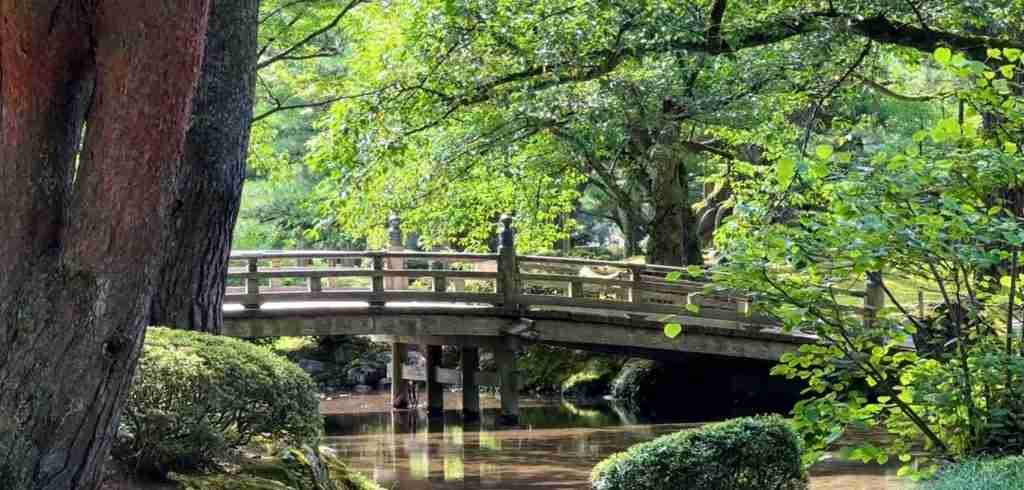
3 days
Kanazawa 3-Day Discovery Tour
- ✓ Comprehensive Kanazawa experience
- ✓ Expert local guides included
- ✓ All accommodation included
- ✓ Transportation provided
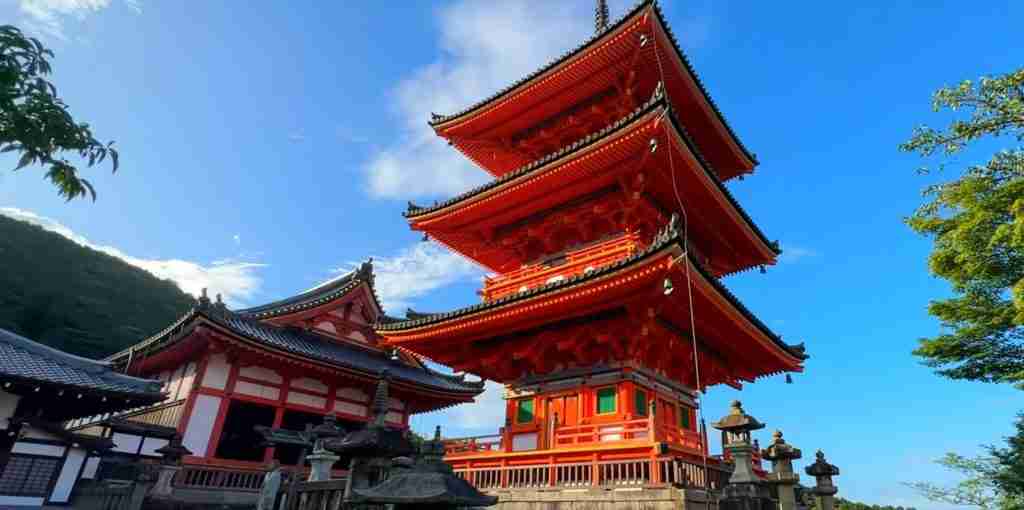
5 days
Kanazawa 5-Day Highlights Experience
- ✓ Comprehensive Kanazawa experience
- ✓ Expert local guides included
- ✓ All accommodation included
- ✓ Transportation provided
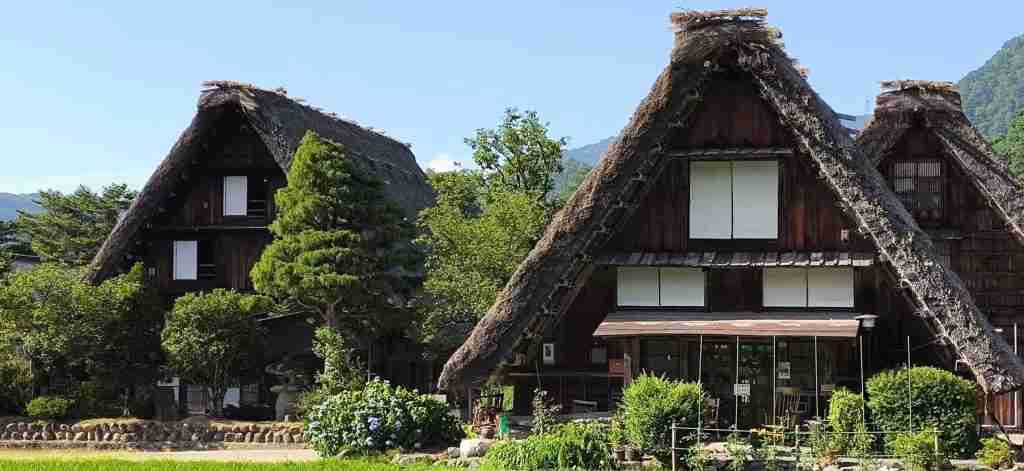
7 days
Kanazawa 7-Day Cultural Journey
- ✓ Comprehensive Kanazawa experience
- ✓ Expert local guides included
- ✓ All accommodation included
- ✓ Transportation provided
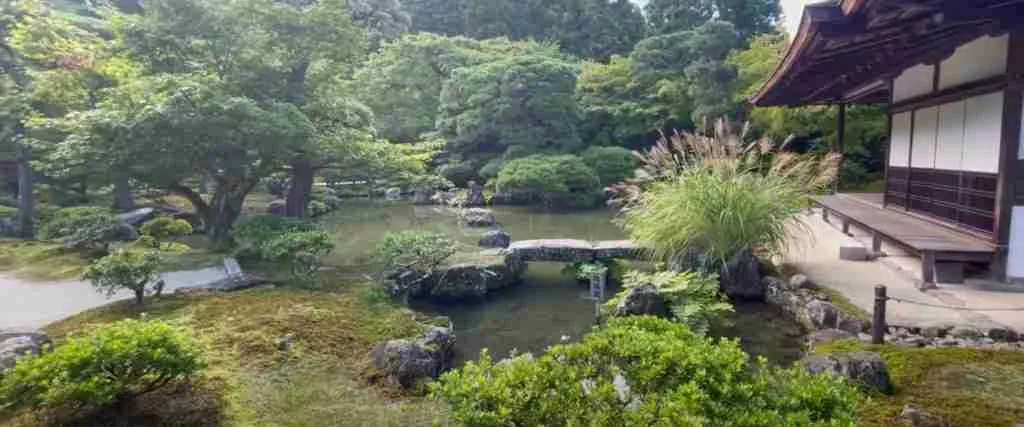
10 days
Kanazawa 10-Day Complete Adventure
- ✓ Comprehensive Kanazawa experience
- ✓ Expert local guides included
- ✓ All accommodation included
- ✓ Transportation provided
Multi-day tour packages powered by TourRadar. Prices and availability subject to change.
Introduction: Kanazawa’s Enduring Appeal in 2026
Kanazawa’s historical significance stems from centuries of deliberate cultural cultivation under the Maeda clan, who governed the Kaga Domain as Japan’s wealthiest feudal territory after the shogunate itself. While Tokyo, Osaka, and Kyoto bore the destructive impacts of World War II aerial bombardment, Kanazawa’s lack of military-industrial infrastructure spared the city, preserving intact streetscapes of wooden machiya townhouses, samurai residences, and geisha districts that disappeared elsewhere. This accidental preservation, combined with sustained investment in traditional crafts and conscious tourism development, positions Kanazawa in 2026 as Japan’s most accessible window into Edo-period urban life.
The city’s compact 11-square-kilometer historic core concentrates experiences efficiently. Kenrokuen Garden, developed over 170 years by successive Maeda lords and opened to the public in 1874, anchors the eastern side adjacent to reconstructed Kanazawa Castle. The Higashi Chaya (Eastern Teahouse) District preserves wooden ochaya buildings where geisha entertainment continues in select establishments. Nagamachi Samurai District maintains earthen walls and traditional residences of the warrior class. Omicho Market, operating since the Edo period, supplies both local households and visitors with exceptional seafood from the nearby Sea of Japan. These signature attractions sit within 2 kilometers of each other, connected by flat terrain suitable for walking or supplemented by efficient bus loops.
Kanazawa’s craft heritage provides participatory depth beyond passive sightseeing. The city produces 99% of Japan’s gold leaf through traditional pounding techniques, with workshops offering hands-on application experiences. Kutani and Ohi pottery traditions maintain active kilns and galleries. Kaga yuzen silk dyeing, characterized by realistic pictorial designs without embroidery, operates through family studios that accept visitors. These crafts aren’t museum pieces but living economic activities, creating authentic interaction opportunities uncommon in heavily touristed destinations.
Transportation infrastructure expanded significantly with the 2015 extension of the Hokuriku Shinkansen from Tokyo to Kanazawa, reducing travel time from four hours by limited express to 2.5 hours by bullet train. This connection integrated Kanazawa into standard multi-city Japan itineraries, particularly the Tokyo-Kanazawa-Kyoto circuit that balances metropolitan, traditional, and alternative cultural experiences. In 2026, regular Kagayaki and Hakutaka shinkansen services depart hourly, with reserved seats recommended during peak domestic travel seasons but typically available same-day during off-peak periods. From Kansai region (Kyoto, Osaka), the Thunderbird limited express provides direct 2-2.5 hour connections without requiring shinkansen transfers.
Accommodation ranges from budget-friendly guesthouse dormitories near Kanazawa Station (¥1,200-2,600 per bed) to mid-range business and boutique hotels (¥8,000-20,000 per room) and traditional ryokan experiences with kaiseki meals (¥30,000-80,000 per person with dinner and breakfast). Unlike Kyoto where advance booking months ahead proves essential, Kanazawa maintains better availability even during cherry blossom and autumn foliage seasons, though booking 2-4 weeks in advance secures preferred properties at optimal rates. The station area offers convenience and restaurant concentration, while locations near Kenrokuen or in Higashi Chaya District provide atmospheric immersion at slightly higher rates.
Kanazawa’s culinary identity centers on Sea of Japan seafood, with Omicho Market functioning as the primary access point for visitors. Morning visits (7:00-9:00) reveal local shopping patterns and freshest selections, while kaisendon (seafood rice bowls) at market stalls provide accessible luxury—¥1,500-3,000 delivers premium nigiri quality in bowl format. Specialty items include Nodo buri yellowtail (winter), hotaru ika firefly squid (spring), and Kano crab (November-March), though availability and pricing fluctuate with catch conditions. Beyond seafood, Kaga cuisine traditions emphasize seasonal kaiseki presentations, jibuni duck and vegetable stew, and elaborate wagashi confections that reflect Kanazawa’s refined aesthetic sensibilities.
The city’s contemporary culture layer adds unexpected dimension beyond historical preservation. The 21st Century Museum of Contemporary Art, opened in 2004, attracts over 2 million annual visitors to its circular glass structure and permanent installations including Leandro Erlich’s Swimming Pool. The museum balances accessibility (free outdoor exhibits, ticketed indoor galleries ¥450) with serious curatorial ambitions, hosting rotating exhibitions by international artists. This juxtaposition of avant-garde contemporary art against Edo-period craft traditions characterizes Kanazawa’s dual identity—respectful of heritage while embracing evolution.
Weather patterns require seasonal preparation. Spring (March-May) brings mild temperatures (8-20°C) ideal for garden strolling, though April crowds accompany cherry blossoms. Summer (June-August) combines heat (25-30°C), high humidity, and rainy season precipitation (particularly June), making early morning and evening activity preferable. Autumn (September-November) delivers comfortable conditions (10-22°C) and spectacular foliage without summer’s humidity. Winter (December-February) sees frequent precipitation as snow or rain, temperatures near freezing (0-5°C), and dramatic yukitsuri installations in Kenrokuen, creating photogenic scenes that attract fewer international visitors due to weather concerns.
This guide prioritizes practical 2026 planning—verified costs, efficient routing, booking strategies, and realistic time allocations—while contextualizing attractions within Kanazawa’s cultural significance. The approach assumes independent travelers using public transportation, though relevant adaptations for families, seniors, and those with mobility considerations appear throughout. Kanazawa rewards slow exploration over checklist completion, favoring contemplative garden time, craft studio conversations, and market wandering above rushed multi-attraction marathons.
Getting to Kanazawa in 2026
Hokuriku Shinkansen from Tokyo
The Hokuriku Shinkansen operates two service types between Tokyo and Kanazawa in 2026. Kagayaki trains complete the journey in 2 hours 28 minutes with stops only at Omiya, Nagano, and Toyama before reaching Kanazawa, departing hourly throughout the day. Hakutaka trains require approximately 3 hours, making additional stops at Ueno, Takasaki, Karuizawa, and other intermediate stations. One-way ordinary reserved seats cost ¥13,600-14,380 depending on service type, with unreserved seats on Hakutaka trains priced at ¥12,840. The Japan Rail Pass covers all Hokuriku Shinkansen services completely, making this route particularly valuable for pass holders.
Departures from Tokyo Station begin at 6:00 AM and continue until 8:00 PM, providing flexibility for morning arrivals or afternoon departures after Tokyo hotel checkout. Peak travel periods—New Year (December 28-January 4), Golden Week (April 29-May 5), and Obon (mid-August)—require reserved seat bookings weeks in advance as trains sell out. Off-peak periods typically allow same-day reservations from JR ticket offices, though booking 2-3 days ahead guarantees preferred departure times. Green Car (first class) seats add ¥6,000-7,000 but deliver additional legroom, quieter carriages, and complimentary refreshments for passengers prioritizing comfort on longer journeys.
Express Trains from Kansai Region
Travelers originating in Kyoto or Osaka access Kanazawa via JR West’s Thunderbird limited express, which runs directly without requiring transfers. From Kyoto Station, journey time reaches approximately 2 hours 10 minutes with fares of ¥6,380 for ordinary reserved seats, ¥5,610 for unreserved seats. Osaka departures add 40 minutes and ¥750 to these figures (¥7,130 reserved, ¥6,380 unreserved). Thunderbird trains depart roughly every 30-60 minutes from early morning through evening, providing convenient scheduling flexibility. Japan Rail Pass holders ride without additional payment, making this connection particularly economical for pass users touring multiple regions.
Highway Bus Services
Overnight and daytime highway buses provide budget alternatives to rail connections in 2026. Tokyo-Kanazawa night buses operate 7-8.5 hours, departing Tokyo’s Shinjuku or Ikebukuro stations around 11:00 PM and arriving Kanazawa Station by 7:00-8:00 AM. Fares start at ¥2,280 for basic seats, averaging ¥4,000-5,000 for standard services with modest recline, blankets, and occasional rest stops. Premium buses with greater legroom, privacy curtains, and fewer seats approach ¥8,000 but remain significantly cheaper than shinkansen alternatives. Booking platforms like Willer Express offer combined bus-hotel packages yielding additional savings.
Kyoto and Osaka buses to Kanazawa require 5-7.5 hours depending on route and stops, with fares starting around ¥3,000. These daytime or overnight services suit extremely budget-conscious travelers or those with schedule flexibility who value cost savings over time efficiency. Major providers include Willer Express, JR Bus, and Hokutetsu, with reservations recommended 1-2 weeks in advance during holiday periods and available 2-3 days ahead for normal travel dates.
Komatsu Airport Access
Komatsu Airport sits 32-34 kilometers southwest of central Kanazawa, serving primarily domestic routes plus limited international connections to Seoul, Shanghai, and Taipei. Airport limousine buses connect Komatsu Airport to Kanazawa Station in approximately 40 minutes, costing ¥1,200 per adult and departing 12-15 times daily coordinated with major flight arrivals. This airport functions mainly for travelers beginning or ending Japan trips in the Hokuriku region rather than as a primary gateway, with most international visitors arriving via Tokyo or Osaka airports then continuing overland to Kanazawa.
Accommodation Costs and Strategies in 2026
Budget Accommodation (¥1,200-10,000 / $15-68 Per Night)
Hostel dormitories near Kanazawa Station cost ¥1,200-2,600 per bed, offering social atmospheres, shared facilities, and often complimentary breakfast. Properties like Kanazawa Guesthouse and HATCHi Kanazawa provide basic bunks with lockers, shared bathrooms, and common lounges suitable for solo travelers and young backpackers. Low season rates (January-February, June) drop toward ¥1,200-1,800, while popular periods (April cherry blossoms, November foliage) push prices to ¥2,400-3,300 for equivalent beds.
Budget guesthouses and simple business hotels occupy the ¥4,000-8,000 range for private single rooms, with compact spaces (12-15 square meters), basic amenities, and functional rather than atmospheric character. Locations near the station trade historic charm for convenience, with numerous restaurants, convenience stores, and immediate bus access. Advance booking 2-3 weeks ahead secures lowest rates, with last-minute deals sometimes appearing 2-3 days before arrival when hotels discount unsold inventory.
Mid-Range Hotels (¥8,000-25,000 / $54-170 Per Night)
Standard business and boutique hotels deliver comfortable accommodation without luxury surcharges. Properties like Dormy Inn Kanazawa (¥12,000-18,000) include small onsen baths, complimentary ramen service at midnight, and generous breakfast buffets featuring local specialties. Hotel Forza Kanazawa and Daiwa Roynet maintain Western-style rooms with 18-22 square meters, modern bathrooms, and consistent quality across their chains.
Boutique properties in Higashi Chaya District or near Kenrokuen transform traditional machiya townhouses into contemporary guesthouses, charging ¥15,000-25,000 for atmospheric rooms with preserved wooden interiors, small gardens, and cultural immersion. These smaller properties (4-10 rooms) provide personalized service and neighborhood authenticity at premium over chain hotels, appealing to travelers prioritizing experience over standardized facilities.
Luxury and Ryokan Experiences (¥30,000-80,000+ / $200-540+ Per Person)
Traditional ryokan accommodations encompass dinner and breakfast in per-person rates rather than per-room pricing. Entry-level ryokan experiences start around ¥30,000 per person with tatami rooms, futon bedding, yukata robes, and multi-course kaiseki dinners showcasing seasonal Kaga cuisine ingredients. Mid-level properties (¥40,000-60,000) add private onsen baths, garden views, and enhanced meal presentations with local specialty items like jibuni duck stew and Kano crab.
High-end ryokan including Asadaya and renowned properties in nearby onsen towns charge ¥60,000-80,000+ per person for exceptional kaiseki meals prepared by veteran chefs, exquisite room appointments, extensive gardens, and attentive service preserving centuries of hospitality tradition. These rates typically include both dinner and elaborate multi-course breakfast, complimentary beverages, and sometimes private transportation from the station.
Accommodation Booking Strategies for 2026
Optimal booking windows vary by season and property type. During peak periods (April 1-10 for cherry blossoms, November 15-30 for autumn foliage), securing preferred properties 6-8 weeks in advance proves essential as the best-value mid-range hotels sell out. Off-peak months (January-February, June, September) allow booking 2-3 weeks ahead without significant penalty, sometimes yielding better rates through last-minute promotional pricing released 5-7 days before arrival.
Platform selection impacts available inventory and pricing. Booking.com and Agoda list most Western-style business hotels with straightforward cancellation policies and competitive rates. Rakuten Travel and Jalan.net access Japanese-oriented properties including smaller ryokan not widely advertised internationally, though interfaces require more careful navigation and cancellation terms may be less flexible. Direct hotel website bookings occasionally offer exclusive packages—breakfast inclusion, late checkout, or room upgrades—worth comparing against aggregator rates.
Daily Budget Breakdown Kanazawa 2026
Budget Traveler Daily Costs (¥8,400 / $57 Per Day)
Budget-conscious visitors maintain daily expenditure around ¥8,400 through strategic choices across all spending categories. Accommodation in hostel dormitories averages ¥1,200-2,600 per night depending on season and property quality. Morning starts with convenience store breakfast (¥400-600) offering rice balls, yogurt, coffee, and fruit—substantial nutrition at minimal cost. Lunch from Omicho Market food stalls or casual restaurants runs ¥800-1,200 for satisfying kaisendon seafood bowls, ramen, or curry rice. Dinner at chain izakaya or budget-friendly local restaurants requires ¥1,200-1,800 for filling meals with drinks.
Transportation costs minimize through extensive walking between the compact central attractions. When distances exceed comfortable walking range, single bus rides (¥200) connect major sites, with 2-3 daily rides totaling ¥400-600. The ¥500 day pass makes sense only when making 3+ separate bus journeys. Attraction spending focuses on free or low-cost options—Kenrokuen Garden during free early morning hours, self-guided walks through Higashi Chaya and Nagamachi districts, exterior appreciation of temples and shrines, and the 21st Century Museum’s free outdoor installations. One paid museum entry (¥300-500) adds cultural depth without budget stress.
Sample budget day totals: Hostel ¥2,000, convenience store breakfast ¥500, market kaisendon lunch ¥1,000, casual dinner ¥1,500, transport ¥600, one paid attraction ¥400, miscellaneous ¥400. Total ¥6,400 per day excluding accommodation, or ¥8,400 including hostel bed, creating comfortable buffer for occasional treats or cost overruns.
Mid-Range Traveler Daily Costs (¥19,400 / $130 Per Day)
Mid-range budgets expand accommodation quality and dining variety while maintaining reasonable overall expenditure. Business hotel accommodation costs ¥12,000-16,000 per room, with breakfast often included or available as affordable supplement (¥1,200-1,800 for Japanese or Western buffet). When breakfast isn’t included, morning café meals with coffee and pastry or traditional set menu run ¥800-1,200.
Lunch at proper restaurants rather than food stalls increases quality and atmosphere—¥1,500-2,500 covers fresh sushi sets, seasonal teishoku lunch courses, or high-quality noodle preparations at established shops. Dinner represents the day’s main meal, with ¥3,000-5,000 accessing excellent local restaurants serving Kaga cuisine specialties, premium seafood preparations, or high-quality yakiniku and shabu-shabu. One drink per meal (beer, sake, wine) typically includes in these dinner estimates.
Transportation via loop bus day pass (¥500) or multiple single rides (¥600-800 daily) provides convenience without significant budget impact. Attraction entries include Kenrokuen Garden (¥320), Kanazawa Castle interior areas (¥320), 21st Century Museum indoor galleries (¥450), samurai house museums (¥500-700), and perhaps one craft workshop or specialty museum (¥1,000-2,000). Cultural activities like hands-on gold leaf workshops or wagashi sweet-making add ¥2,000-4,000 but enrich experiences substantially.
Sample mid-range day totals: Hotel breakfast ¥1,500, quality lunch ¥2,000, excellent dinner with drinks ¥4,000, transport ¥600, attraction entries ¥1,500, craft workshop ¥2,500, miscellaneous ¥800. Total ¥13,000 per day excluding accommodation, or ¥25,000-29,000 including hotel—though averaging multiple nights produces the ¥19,400 daily figure as some days involve fewer paid activities.
Luxury Traveler Daily Costs (¥38,000+ / $256+ Per Day)
Luxury budgets prioritize experience quality and convenience over cost optimization. Accommodation in high-end hotels or ryokan runs ¥30,000-80,000+ per person with meals included in ryokan pricing. When staying hotels without meal plans, breakfast at premium hotel restaurants costs ¥2,500-4,000 for elaborate buffets or à la carte selections.
Lunch at renowned restaurants or hotel dining rooms requires ¥4,000-8,000 for kaiseki courses, premium sushi omakase, or Western fine dining. Dinner represents significant expenditure—¥10,000-25,000+ per person at top-tier traditional restaurants serving elaborate Kaga cuisine kaiseki with premium sake pairings, established sushi counters using exceptional fish, or exclusive tempura specialists. These prices reflect ingredient quality, chef expertise, and atmospheric settings in traditional wooden buildings with private rooms and garden views.
Transportation includes private taxis between attractions (¥2,000-4,000 daily), though distances remain short enough that luxury travelers often choose to walk between compact central sites. Private guides for cultural tours cost ¥30,000-50,000 for half-day personalized experiences, providing depth impossible in standard group tours. Attraction entries remain identical to mid-range budgets, but luxury travelers add exclusive experiences—private tea ceremonies (¥8,000-15,000), geisha entertainment evenings (¥30,000-50,000 per person in small groups), or craft studio private lessons with master artisans (¥10,000-30,000).
Food Cost Specifics 2026
Kanazawa’s food expenses vary dramatically by venue type and meal selection. Convenience store meals (¥400-800) provide substantial nutrition—rice balls, sandwiches, salads, prepared bento boxes—suitable for budget breakfasts or quick lunches. Chain restaurants like Sukiya, Yoshinoya, and CoCo Ichibanya serve filling donburi rice bowls, gyudon beef bowls, and curry plates for ¥500-900.
Local casual restaurants charge ¥800-1,500 for lunch sets including ramen, udon, soba noodles, or standard teishoku meals with rice, miso soup, pickles, and main dish. Omicho Market food stalls offer kaisendon seafood rice bowls at ¥1,500-3,000 depending on topping quality and quantity—basic versions with salmon, tuna, and tamago provide excellent value while premium bowls featuring uni, ikura, and seasonal specialties push toward higher ranges.
Dinner at proper restaurants begins around ¥2,000-3,000 for satisfying izakaya meals with multiple small plates and drinks, rising to ¥4,000-6,000 for quality seafood restaurants, yakitori specialists, or local Kaga cuisine establishments. Premium dining experiences including kaiseki courses, high-end sushi omakase, and exclusive traditional restaurants range ¥8,000-25,000+ per person before drinks, representing special occasion expenditure rather than daily dining.
Transportation Within Kanazawa 2026
Loop Bus Services and Day Passes
Kanazawa’s tourism infrastructure centers on two primary loop bus routes connecting major attractions. The Kanazawa Loop Bus operates right and left circuits departing from Kanazawa Station’s East Exit every 15 minutes throughout the day. Right Loop (clockwise) serves Kenrokuen Garden, 21st Century Museum, Nagamachi Samurai District, and Omicho Market before returning to the station. Left Loop (counter-clockwise) runs the opposite direction, providing flexibility based on itinerary sequencing. Single rides cost ¥200 regardless of distance, with payment via cash, IC cards (Suica, PASMO, ICOCA), or pre-purchased tickets.
The Kenrokuen Shuttle operates a simplified route between Kanazawa Station and Kenrokuen Garden every 12-15 minutes, costing ¥200 per ride. This direct connection proves most efficient for travelers prioritizing the garden without additional stops. Both loop bus and shuttle services operate approximately 8:30 AM-6:00 PM with reduced frequency during early morning and evening hours—confirm final departure times to avoid stranded situations.
Day passes costing ¥500 provide unlimited loop bus usage within a single calendar day, breaking even after three separate rides. These passes suit itineraries covering multiple dispersed attractions—Kenrokuen Garden, 21st Century Museum, Higashi Chaya District, Nagamachi, and Omicho Market in one day. Purchase from bus drivers upon first boarding or from ticket machines at Kanazawa Station. Passes become cost-effective only with 3+ bus rides; travelers walking between nearby attractions or focusing on single area clusters save money with individual ¥200 fares.
Walking as Primary Transportation
Kanazawa’s flat terrain and compact historic core make walking the most practical transportation mode for capable travelers. From Kenrokuen Garden to Higashi Chaya District measures only 1.5 kilometers (18-22 minutes), Higashi Chaya to Omicho Market spans 1 kilometer (12-15 minutes), and Omicho Market to Kanazawa Station covers 1.2 kilometers (15 minutes). These distances sit well within comfortable walking range, particularly at the slower pace appropriate for appreciating traditional neighborhoods.
Strategic walking eliminates transportation costs entirely while providing continuous cultural immersion. Routes pass small temples, local shops, residential neighborhoods with traditional architecture, and neighborhood markets serving primarily local customers rather than tourist traffic. Google Maps navigation proves reliable for planning walking routes between specific addresses, with mobile data or downloaded offline maps essential for real-time orientation.
Rental Bicycles
Bicycle rental services called “Machi-nori” operate station-based bike sharing throughout central Kanazawa. Registration requires ¥300 per day plus time-based usage charges—first 30 minutes free, then ¥200 per additional 30 minutes. This system works well for covering longer distances between district clusters (Kenrokuen to Teramachi Temple District, for example) while maintaining flexibility and avoiding bus schedules.
Flat terrain makes cycling easy for most fitness levels, though traffic in commercial areas near Kanazawa Station requires attention. Bicycles prove particularly valuable for reaching more distant attractions like Utatsuyama Temple District or exploring suburban neighborhoods at personal pace. Dedicated bike lanes remain limited, with cyclists sharing roadways with cars in most areas—comfort level with urban cycling should inform this transportation choice.
Taxis for Selective Convenience
Taxis provide convenience for morning hotel-to-station transfers with luggage, late-night returns after restaurant meals, or when weather makes walking unpleasant. Base fares start around ¥600-700 for first kilometer, with ¥300-400 per additional kilometer. Short hops within central Kanazawa rarely exceed ¥1,200-1,800, making taxis reasonable for 2-3 person groups splitting costs or in situations where time or comfort justify the expense over ¥200 bus fares.
Hailing taxis on streets proves less reliable than using taxi stands at hotels, major attractions, and Kanazawa Station. English communication remains limited among drivers, so having destination addresses written in Japanese or showing smartphone maps facilitates smooth experiences. Apps like JapanTaxi (now GO) allow advance booking through smartphone interfaces with English support, particularly valuable for early morning airport transfers or specific time-sensitive transportation needs.
Major Attractions and Entry Costs 2026
Kenrokuen Garden (¥320 Admission)
Kenrokuen ranks among Japan’s three most celebrated gardens alongside Mito’s Kairakuen and Okayama’s Korakuen, earning this status through spaciousness, artistic design, abundant water features, and seasonal transformation. The 11.4-hectare grounds developed over 170 years under successive Maeda lords as the outer garden of Kanazawa Castle, opening to public access in 1874. Entry costs ¥320 for adults (¥100 for ages 6-18), with free admission during early morning hours—4:00-7:00 AM in April-August, 5:00-7:00 AM in other months, 6:00-8:00 AM in November-February.
Regular hours operate 7:00 AM-6:00 PM March through mid-October, shifting to 8:00 AM-5:00 PM mid-October through February. Special illumination events during cherry blossom season (typically first week of April) and autumn foliage (mid-November) extend hours until 9:30 PM with free admission throughout these periods. The garden’s name “Kenrokuen” means “Garden of Six Sublimities”—spaciousness, seclusion, artifice, antiquity, water, and panoramic views—attributes drawn from Chinese garden theory that the design embodies comprehensively.
Featured elements include Kasumigaike Pond with its iconic Kotoji-toro lantern, Japan’s oldest fountain powered by natural water pressure, numerous tea houses from the Edo period, and diverse tree specimens providing four-season interest. Cherry blossoms (approximately 420 trees of 40 varieties) peak early April, azaleas bloom May, irises appear June, summer greenery creates cooling shade, autumn foliage reaches peak mid-November, and winter yukitsuri rope installations protect pine branches from snow weight December through March. Allocate minimum 60-90 minutes for basic circuit, extending to 2-3 hours for detailed exploration, photography, and tea house visits.
Kanazawa Castle Park (¥320 Interior Areas)
Kanazawa Castle served as the Maeda clan seat for nearly three centuries, with much of the complex destroyed by fires in 1759 and 1881. Reconstruction efforts since the 1990s rebuilt signature structures including Ishikawa-mon Gate (original 1788), Kahoku-mon Gate, Hishi Yagura turret, and Gojukken Nagaya warehouse using traditional techniques and materials. The castle park grounds open free to the public, with interior admission to reconstructed buildings costing ¥320 (combined ¥500 ticket with Kenrokuen available).
Interior spaces display traditional construction methods—complex timber joinery without nails, tile work, and namako-kabe white plaster walls with raised tile patterns characteristic of castle architecture. Gyokusen’inmaru Garden, restored in 2015 based on Edo-period documents, recreates the private garden used by successive lords with artificial hills, ponds, and tea houses demonstrating feudal-era landscape design principles. Hours match Kenrokuen (7:00 AM-6:00 PM or 8:00 AM-5:00 PM depending on season), with combined visits requiring 2-3 hours total for both garden and castle areas.
21st Century Museum of Contemporary Art (¥450 Galleries)
This circular glass structure opened in 2004, attracting over 2 million annual visitors with accessible contemporary art programming. Designed by SANAA architects, the building features transparent walls eliminating traditional museum barriers between interior and exterior spaces. Permanent collection highlights include Leandro Erlich’s Swimming Pool—an illusory installation viewable from above (free) and below (ticketed gallery access)—and James Turrell’s Blue Planet Sky, a square opening framing the sky as artwork.
The museum operates dual admission structure: outdoor public areas and specific installations remain free, while main gallery exhibitions require ¥450 tickets (¥360 for university students, free for high school and younger). Rotating special exhibitions carry additional charges (¥1,000-1,500). Hours run 10:00 AM-6:00 PM (Friday-Saturday until 8:00 PM), closed Mondays except holidays. Allocate 60-90 minutes for permanent collection only, extending to 2-3 hours when including special exhibitions. The museum’s proximity to Kenrokuen (5-minute walk) makes pairing both attractions logical.
Higashi Chaya District (Free Area Exploration)
This preserved geisha district features wooden ochaya (tea houses) along narrow lanes, maintaining atmospheric Edo-period character. While wandering the district costs nothing, several buildings offer interior access for fees. Shima Tea House (¥500) preserves an 1820 structure with original tatami rooms, performance spaces, and geisha dressing areas. Kaikaro (¥750) functions as active geisha house with daytime museum tours explaining traditional entertainment customs. The Higashi Chaya Rest and Exhibition Hall provides free information and occasional cultural demonstrations.
Contemporary businesses occupy many historic structures—cafes serving matcha and wagashi, craft boutiques selling gold leaf products and traditional textiles, and occasional galleries. Respectful photography of exteriors is acceptable, though interior shooting requires permission and geisha or apprentice maiko should never be photographed without explicit consent. Morning visits (8:00-10:00 AM) offer quieter exploration before tour groups arrive, while evening atmospheric lighting after 6:00 PM creates romantic ambiance despite most shops closing by 5:00-6:00 PM.
Nagamachi Samurai District (¥500-700 Houses)
Former samurai residences cluster in Nagamachi, distinguished by earthen walls, nagaya gates, and small water channels originally used for fire prevention. Most streets remain free to explore, with several preserved houses charging admission. Nomura Samurai House (¥550) represents high-ranking warrior residences with meticulously maintained garden, receiving rooms, and displays of armor and swords. Ashigaru Shiryokan (Foot Soldier Residence, ¥330) contrasts lower-class warrior living conditions, demonstrating social hierarchies within samurai society.
The Shinise Memorial Hall (¥100) occupies a former pharmacy building displaying early-20th-century commercial interiors. Unlike Higashi Chaya’s tourism focus, Nagamachi retains residential character with locals inhabiting many traditional structures—respectful behavior and photography awareness remain essential. The district sits within walking distance of Kenrokuen (15 minutes) and Omicho Market (12 minutes), facilitating efficient multi-site itineraries.
Omicho Market (Free Entry, Variable Food Costs)
Operating since the Edo period, Omicho Market functions as Kanazawa’s “kitchen” supplying local households with seafood, produce, and prepared foods. Over 170 shops and stalls cluster in compact covered arcades, creating energetic commercial atmosphere. Market entry costs nothing, with expenses arising from food and souvenir purchases. Fresh seafood vendors display catches from the Sea of Japan—seasonal specialties include Kano crab (November-March), yellowtail, squid, and numerous finfish species unavailable in standard restaurants.
Food stalls within the market prepare kaisendon seafood rice bowls (¥1,500-3,000), fresh oysters (¥300-600 each), grilled items, and full restaurant meals at slightly lower prices than standalone establishments. Morning hours (7:00-10:00 AM) showcase local shopping patterns and freshest inventory, while tourist activity peaks 11:00 AM-2:00 PM. Most vendors close by 5:00-6:00 PM, with market essentially shuttering by evening. Allocate 45-90 minutes for browsing and eating, treating the market as lunch destination rather than quick stop.
Craft Museums and Workshops (¥300-2,000)
Kanazawa’s craft heritage manifests through numerous specialized museums and active workshops. The Ishikawa Prefectural Museum of Traditional Arts and Crafts (¥360) surveys Kaga yuzen silk dyeing, Kutani pottery, Wajima lacquerware, and other regional traditions through comprehensive displays and occasional demonstration days. The Museum of Traditional Arts and Crafts (¥300) near Kenrokuen focuses on gold leaf, with explanations of the multi-day pounding process reducing gold to tissue-thin sheets.
Hands-on workshops provide participatory depth. Gold leaf application sessions (¥1,500-3,000) allow decorating small boxes, chopsticks, or mirrors with delicate gold sheets using specialized brushes and adhesives. Wagashi sweet-making classes (¥2,000-4,000) teach traditional Japanese confection techniques under pastry chef guidance, with participants consuming their creations with matcha tea. Kutani pottery painting workshops (¥2,500-5,000) supply blank ceramics for decoration before kiln firing and later shipment to participants’ home addresses.
Sample Itineraries Kanazawa 2026
One-Day Express Itinerary
8:00 AM: Arrive Kanazawa Station via early shinkansen or overnight bus. Store luggage in station lockers (¥300-600 depending on size) or at hotel if checking in later. 8:30 AM: Take Kenrokuen Shuttle bus to garden (¥200, 15 minutes). Enter during reduced-price morning hours if within seasonal windows. 9:00-11:00 AM: Explore Kenrokuen Garden comprehensively, photographing signature features including Kotoji-toro lantern, Kasumigaike Pond, Japan’s oldest fountain, and seasonal highlights. 11:15 AM: Walk to Kanazawa Castle Park adjacent to Kenrokuen (3 minutes). Brief exterior appreciation of Ishikawa-mon Gate and grounds—skip interior if time limited.
11:45 AM: Walk or take single bus ride to Higashi Chaya District (18 minutes walking, ¥200 and 8 minutes by bus). Stroll atmospheric lanes, visit Shima Tea House or Kaikaro for interior glimpses, browse craft shops. 1:00 PM: Lunch at Higashi Chaya café or transport to Omicho Market (15 minutes walking) for kaisendon seafood bowl at market food stall (¥1,500-2,500). 2:30 PM: Quick visit to 21st Century Museum of Contemporary Art, focusing on free outdoor installations including Swimming Pool exterior view (30-45 minutes). 3:30 PM: If time and energy allow, brief walk through Nagamachi Samurai District (20 minutes from museum). Otherwise return to Kanazawa Station area for final shopping and departure preparations.
Costs: Kenrokuen ¥320, bus rides ¥400-600, lunch ¥2,000, attractions ¥0-500 if skipping paid museum entries, miscellaneous ¥500-1,000. Total ¥3,200-4,400 excluding accommodation, suitable for stopover travelers between Tokyo and Kyoto who want Kanazawa highlights without overnight stay.
Two-Day Balanced Itinerary
Day One: 9:00 AM: Begin at Omicho Market for breakfast kaisendon or fresh seafood exploration (¥1,500-2,500, 60 minutes). 10:30 AM: Walk to Kenrokuen Garden (15 minutes), spending 90-120 minutes in comprehensive circuit including tea house visits and photography of seasonal features. Entry ¥320. 12:30 PM: Walk to adjacent Kanazawa Castle Park, touring both grounds and interior reconstructed areas with ¥320 ticket (alternatively use ¥500 combined Kenrokuen-Castle ticket). Allocate 90 minutes.
2:30 PM: Light afternoon snack or drinks at café near Kenrokuen. 3:30 PM: Visit 21st Century Museum of Contemporary Art for ¥450 main galleries plus free outdoor installations (60-90 minutes). 5:30 PM: Evening stroll through Nagamachi Samurai District, appreciating atmospheric evening lighting on earthen walls and traditional architecture (45 minutes). 7:00 PM: Dinner at Kanazawa-style izakaya or seafood restaurant showcasing local specialties (¥3,000-5,000).
Day one costs: Omicho breakfast ¥2,000, Kenrokuen-Castle combined ticket ¥500, museum ¥450, café snack ¥800, dinner ¥4,000, transport ¥0-400 if walking, miscellaneous ¥500. Total ¥8,250-8,650 excluding accommodation.
Day Two: 9:00 AM: Morning visit to Higashi Chaya District before tourist crowds, exploring lanes and visiting Shima Tea House interior (¥500). Browse craft shops and photograph wooden architecture (90 minutes). 10:45 AM: Walk to nearby D.T. Suzuki Museum celebrating the Zen philosopher (¥300, 45 minutes). 12:00 PM: Lunch at quality restaurant serving Kaga cuisine specialties like jibuni duck stew or seasonal kaiseki set (¥2,500-4,000).
2:00 PM: Afternoon craft workshop—gold leaf application, wagashi sweet-making, or Kutani pottery painting (¥2,000-4,000, 90-120 minutes). 4:00 PM: Free time for final shopping, additional museum visits, or relaxation at hotel. 6:30 PM: Farewell dinner at higher-end restaurant or casual favorite from previous day (¥4,000-8,000).
Day two costs: Higashi Chaya entry ¥500, D.T. Suzuki Museum ¥300, lunch ¥3,000, craft workshop ¥3,000, dinner ¥6,000, miscellaneous ¥500. Total ¥13,300 excluding accommodation. Two-day total approximately ¥21,500-22,000 plus accommodation costs (¥2,000-4,000 hostel dormitory or ¥12,000-18,000 business hotel per night).
Three-Day Comprehensive Itinerary
Three days permits more relaxed pacing, additional attractions, and possible day trip to Shirakawa-go UNESCO village or Noto Peninsula coastal scenery. First two days follow the balanced itinerary structure above with added flexibility for longer museum visits, extended craft studio time, or leisurely meal experiences without schedule pressure.
Third day options include: 1) Day trip to Shirakawa-go (¥4,600 round-trip highway bus, 75 minutes each way, ¥500 village entry to some houses). Explore preserved gassho-zukuri thatched-roof farmhouses, photograph picturesque rural landscapes, and sample mountain cuisine before afternoon return to Kanazawa. 2) Explore Teramachi Temple District’s numerous Buddhist temples, each with distinct architecture and garden styles (mostly free entry, occasional ¥300-500 special halls). Visit Myoryuji “Ninja Temple” requiring advance reservation (¥1,000) for guided tours explaining defensive architectural features. 3) Spend morning at Kanazawa’s morning markets beyond Omicho, visit lesser-known museums like the Noh Museum (¥300) or Phonograph Museum, and enjoy extended craft shopping in artisan studios producing gold leaf, lacquerware, and textiles.
Seasonal Considerations and Best Times 2026
Spring Cherry Blossom Season (Late March-Early April)
Cherry blossoms in Kenrokuen Garden typically reach full bloom during the first week of April, with exact timing varying ±5 days based on that year’s weather patterns. The garden opens free during peak bloom week and extends hours until 9:30 PM for illuminated evening viewing. This week represents Kanazawa’s busiest tourism period—hotel prices increase 20-30%, advance booking 6-8 weeks ahead becomes essential, and major attractions experience significant crowds particularly 10:00 AM-3:00 PM.
Early morning visits (7:00-9:00 AM) and evening illumination periods (6:00-9:00 PM) reduce crowd pressure while capturing optimal photography lighting. Weather during cherry blossom season brings mild temperatures (10-15°C), requiring light jacket or sweater for morning and evening hours. Rain occurs frequently—approximately 40% chance on any given April day—making umbrella and waterproof footwear essential packing items. The beauty and cultural significance justify the higher costs and crowds for travelers prioritizing this quintessentially Japanese seasonal experience.
Summer Season (June-August)
June’s rainy season brings frequent precipitation, humidity, and temperatures 20-25°C—walking between attractions in rain proves less pleasant than spring or autumn conditions. Hydrangeas bloom throughout the city’s temples and gardens mid-June through early July, providing photogenic color during otherwise damp conditions. Kenrokuen Garden hosts nighttime firefly viewing events in early July, opening free in evenings for visitors to observe natural light displays—though firefly populations vary annually and sightings aren’t guaranteed.
July-August delivers heat (28-32°C) and high humidity, making midday outdoor activity uncomfortable. Early morning (7:00-10:00 AM) and evening (6:00-8:00 PM) timing proves most pleasant, with midday hours better spent in air-conditioned museums, craft studios, or lingering over extended restaurant lunches. Hotel prices remain lower than cherry blossom and autumn foliage seasons except during Obon holiday week (mid-August) when domestic Japanese travel peaks. Summer represents Kanazawa’s least popular international tourism season, creating advantages—better accommodation availability, fewer crowds at major attractions—for travelers willing to manage weather conditions.
Autumn Foliage Season (November)
Autumn colors peak mid-to-late November, with exact timing depending on temperature patterns throughout fall. Kenrokuen Garden’s 8,200 trees provide spectacular displays with maples, ginkgo, and other deciduous species creating layered red-orange-gold landscapes. Like cherry blossom season, autumn foliage brings increased visitors and hotel prices 15-20% above baseline, though crowds remain more manageable than spring as the foliage period extends 2-3 weeks versus cherry blossoms’ compressed 5-7 day window.
Weather in November delivers comfortable temperatures (8-15°C) ideal for walking between attractions without heat exhaustion or freezing conditions. Precipitation decreases compared to spring and summer, though occasional rain remains possible—waterproof jacket and layers for temperature fluctuation recommended. Autumn represents the secondary peak season for seafood, with prized Kano crab appearing in markets and restaurant menus beginning November and continuing through March. Combined natural beauty, comfortable weather, and culinary seasonality make November arguably Kanazawa’s optimal visiting month.
Winter Season (December-February)
Winter transforms Kenrokuen Garden through yukitsuri installations—conical rope structures protecting pine tree branches from snow weight. These photogenic engineering solutions create distinctive winter scenery, erected beginning November 1 and remaining through mid-March. Snow falls frequently December through February, with accumulations varying from light dustings to significant coverage depending on storm patterns. Temperatures hover 0-5°C, requiring substantial cold-weather clothing including warm coat, gloves, hat, and waterproof boots.
Winter represents Kanazawa’s quietest tourism season for international visitors, though domestic Japanese tourists continue visiting for hot spring experiences and seasonal seafood. Hotel prices drop 25-40% below cherry blossom and autumn rates, creating exceptional value for travelers unbothered by cold conditions and potential snow. Restaurant menus emphasize warming nabemono hot pots, seasonal Kano crab preparations, and hearty Kaga cuisine dishes suited to winter weather. The lack of crowds, dramatic snowy landscapes, and cost savings make winter appealing despite challenging weather—particularly for photography enthusiasts and travelers seeking contemplative experiences without competing groups.
Food and Dining Strategies 2026
Omicho Market Seafood Experiences
Omicho Market functions as Kanazawa’s primary seafood hub, with morning hours (7:00-10:00 AM) revealing authentic local shopping patterns before tourist activity dominates. Fresh fish vendors display seasonal catches—winter brings Kano crab commanding premium prices (¥3,000-8,000 per crab depending on size and quality), spring features hotaru ika firefly squid, summer delivers various finfish, and autumn showcases migratory species including yellowtail and mackerel.
Stall-based restaurants within the market prepare kaisendon seafood rice bowls representing Kanazawa’s most accessible luxury dining. Basic bowls (¥1,500-2,000) feature salmon, tuna, tamago egg, and local white fish in generous portions. Mid-range selections (¥2,200-2,800) add premium items like fatty tuna, uni sea urchin, or ikura salmon roe. Top-tier bowls (¥3,000-4,000) showcase seasonal specialties, premium cuts, and maximum variety—10-15 different seafood types creating visual and gustatory abundance. These prices deliver quality equivalent to ¥5,000-8,000 restaurant sushi courses in Tokyo, representing exceptional value for seafood enthusiasts.
Additional market experiences include fresh oyster bars serving just-shucked Noto Peninsula oysters (¥300-600 each), grilled seafood stands preparing scallops, squid, and seasonal items, and prepared food vendors offering sushi, sashimi, and local specialties for takeaway picnic consumption in nearby Kanazawa Castle Park or Kenrokuen Garden.
Kaga Cuisine Traditional Restaurants
Kaga cuisine evolved under Maeda clan patronage during the Edo period, emphasizing seasonal ingredients, refined presentation, and complex flavor development through traditional techniques. Signature dishes include jibuni—duck or chicken with wheat gluten and vegetables in thick dashi-based sauce—and multi-course kaiseki presentations following seasonal themes. Mid-range Kaga cuisine restaurants charge ¥4,000-8,000 per person for evening kaiseki courses showcasing 7-9 dishes, while high-end establishments reach ¥10,000-20,000+ for elaborate meals with premium ingredients and private room settings.
Lunch represents significant value opportunity, with many quality restaurants offering simplified teishoku set meals (¥1,800-3,500) featuring soup, rice, pickles, and main dish from their evening kaiseki repertoire. This pricing structure allows experiencing refined Kaga cuisine at fraction of dinner costs—strategic travelers schedule important dining experiences at lunch to maximize both budget and culinary quality.
Casual Dining and Street Food
Beyond formal restaurants, Kanazawa offers abundant casual dining satisfying hunger without budget strain. Ramen shops (¥800-1,200) serve various regional styles, with some specializing in seafood-based broths reflecting coastal location. Udon and soba noodle specialists (¥600-1,200) provide warming comfort food particularly appreciated during cold months. Izakaya casual taverns (¥2,500-4,500 per person with drinks) offer social dining atmosphere with multiple small plates, grilled items, and local sake or beer.
Street food appears at markets and festival events, though less prominently than in some other Japanese cities. Freshly grilled seafood items, takoyaki octopus balls, and seasonal preparations appear at Omicho Market stalls. Gold leaf-decorated soft serve ice cream represents photogenic Kanazawa-specific treat available at shops near Kenrokuen and Higashi Chaya District (¥500-800)—though the gold leaf adds minimal flavor and functions primarily as visual novelty.
Wagashi Confection Experiences
Traditional Japanese sweets reached high artistic development in Kanazawa under Maeda clan tea ceremony patronage. Wagashi shops throughout the city create seasonal confections reflecting natural themes—cherry blossoms in spring, cool streams in summer, autumn leaves, and winter snow. Many shops attach small cafes where visitors enjoy sweets with properly whisked matcha tea (¥600-1,200 for wagashi-tea set). Some establishments including Morihachi offer demonstration viewings of wagashi creation processes at no charge, explaining the artistic principles and techniques behind these edible sculptures.
Craft Experiences and Shopping 2026
Gold Leaf Products and Workshops
Kanazawa’s dominance in gold leaf production (99% of Japan’s total output) creates abundant shopping and workshop opportunities. The pounding process requires 10,000 hammer strikes over multiple days to reduce gold to tissue-thin sheets usable for decorative applications. Finished products range from affordable items—bookmarks, chopsticks, small boxes decorated with gold leaf accents (¥1,000-3,000)—to luxury pieces including elaborate lacquerware, Buddhist altar fittings, and artistic collaborations (¥10,000-100,000+).
Hands-on workshops allow applying gold leaf to small items under instructor guidance. Basic 60-90 minute sessions (¥1,500-2,500) provide mirrors, boxes, or chopsticks as bases for decoration. Advanced workshops (¥3,500-5,000) work with larger pieces or more complex techniques including cutting, layering, and burnishing. Products created during workshops become participant souvenirs—functional memories of Kanazawa craft engagement.
Kutani and Ohi Pottery
Kutani pottery developed in the 17th century, characterized by bold overglaze enamel colors—particularly green, yellow, red, purple, and navy blue—applied in precise geometric or pictorial patterns. Contemporary Kutani production continues in Kanazawa and surrounding areas, with gallery shops displaying traditional and modern interpretations. Prices range from small sake cups and tea bowls (¥3,000-8,000) to large decorative vases and plates (¥20,000-100,000+) depending on artist reputation and complexity.
Ohi pottery specifically serves tea ceremony functions, with thick rustic forms and rich glaze colors including signature amber and black variations. The Ohi family maintains their historic kiln in Kanazawa, with a small museum (¥500) explaining lineage and techniques spanning 14 generations. Purchase opportunities exist directly from the family workshop, though prices reflect prestigious heritage—tea bowls begin around ¥30,000 and extend to ¥100,000+ for pieces by the current Ohi Chozaemon master.
Textiles and Kaga Yuzen
Kaga yuzen silk dyeing distinguishes itself through realistic natural designs without embroidery or metallic threads, relying entirely on hand-painted dyes for decoration. Traditional motifs include flowers, birds, landscapes, and seasonal themes rendered with careful shading and naturalistic color palettes. Contemporary kimono in Kaga yuzen technique cost ¥300,000-2,000,000 depending on complexity and artist skill, positioning them as serious investments rather than casual purchases.
More accessible items include silk scarves (¥8,000-20,000), furoshiki wrapping cloths (¥5,000-15,000), and small textile pieces suitable for framing or table runners (¥10,000-40,000). Several workshops offer abbreviated Kaga yuzen experiences where participants apply dyes to small silk pieces under artisan guidance (¥3,000-6,000, 90-120 minutes), creating wearable souvenirs and understanding the techniques behind full-scale kimono production.
Day Trip Options from Kanazawa 2026
Shirakawa-go UNESCO Village
Shirakawa-go’s preserved gassho-zukuri farmhouses represent traditional mountain architecture adapted to heavy snowfall, with steep thatched roofs designed to shed accumulated snow. UNESCO recognition in 1995 acknowledged the village’s cultural landscape preservation and living community maintaining agricultural traditions. Highway buses from Kanazawa Station reach Shirakawa-go in 75 minutes, costing ¥4,600 round-trip with multiple daily departures particularly during tourist seasons. Advance reservation proves essential during cherry blossom, summer, and autumn foliage periods when buses sell out.
Village exploration requires 3-4 hours minimum—walking between houses, entering several preserved interiors (¥500 per house typically), appreciating the rural landscape, and lunch at local restaurants serving mountain cuisine. Observation platform above the village provides comprehensive photographic overview of the settlement pattern. Return buses depart mid-to-late afternoon, making full-day commitment necessary—depart Kanazawa 8:00-9:00 AM, return 4:00-5:00 PM. Combined day trip costs approximately ¥6,000-8,000 including transport, house entries, and meals.
Noto Peninsula Coastal Scenery
The Noto Peninsula extending north of Kanazawa offers dramatic coastal landscapes, traditional villages, and rice terraces descending to the Sea of Japan. Rental car provides most flexible exploration, though limited bus services reach major scenic points. The Wajima morning market (operating daily) sells local seafood, produce, and crafts—particularly famous for Wajima lacquerware production using techniques requiring over 100 process steps and years to complete.
Senmaida rice terraces near Wajime cascade down hillsides to the ocean, creating photogenic landscapes particularly during planting season (late May) and harvest (September-October). The peninsula’s northern coastal route passes dramatic rock formations, small fishing ports, and rural settlements maintaining traditional architecture and lifestyles. Round-trip from Kanazawa requires full day minimum, with overnight stays in Wajima or other peninsula towns allowing more comprehensive exploration and experiencing rural Japanese hospitality at local inns.
Practical Tips and Cultural Considerations 2026
Cash and Payment Systems
Despite Japan’s technological advancement, cash remains dominant in Kanazawa particularly at smaller restaurants, market stalls, craft shops, and some accommodation properties. ATMs accepting international cards cluster at post offices, 7-Eleven convenience stores (Citibank ATMs), and major bank branches. Daily withdrawal limits typically reach ¥50,000-100,000 depending on card and ATM type. Credit cards gain acceptance at hotels, department stores, and larger restaurants, though carrying ¥15,000-30,000 cash per day covers most situations safely.
Language Considerations
English proficiency varies significantly by venue type and staff age. Major hotels, tourist information centers, and some restaurants near primary attractions maintain English-speaking staff or provide English menus. Traditional craft studios, neighborhood restaurants, and market vendors typically operate entirely in Japanese—though patience, smartphone translation apps, and pointing at pictures or actual items usually overcome communication gaps. Learning basic phrases (“sumimasen” excuse me, “arigatou gozaimasu” thank you, “oishii” delicious) demonstrates respect and often receives warm response from local residents appreciating the effort.
Photography Etiquette
Photographing temples, gardens, and public streetscapes rarely presents issues, though some indoor spaces including museum galleries, tea houses, and craft studios prohibit photography or require permission. Signs indicating restrictions (often showing camera with diagonal line) should be respected absolutely. Photographing people, particularly geisha and maiko in Higashi Chaya District, requires explicit permission—never photograph individuals without consent. Private residences, even if architecturally notable, deserve privacy—photograph streets and public elements but avoid intrusive shooting into windows or private gardens.
Seasonal Clothing Recommendations
Spring (March-May) requires layers—light jacket or sweater for mornings and evenings, comfortable walking shoes handling potential rain. Umbrella proves essential given 40% precipitation probability. Summer (June-August) demands lightweight breathable clothing, sun protection including hat and sunscreen, and rain gear during June. Autumn (September-November) resembles spring—layers, comfortable walking shoes, and light rain jacket. Winter (December-February) necessitates substantial cold weather gear including warm coat, gloves, hat, scarf, and waterproof boots for snow—temperatures frequently hover around freezing with considerable precipitation.
Frequently Asked Questions About Kanazawa 2026
Can You Visit Kanazawa on a Day Trip from Tokyo?
Yes, though the pace proves intensive and expensive relative to staying overnight. The fastest Kagayaki shinkansen requires 2 hours 28 minutes one-way (¥14,380), meaning approximately 5 hours total in transit for 6-7 hours in Kanazawa. This schedule allows hitting major highlights—Kenrokuen Garden, Kanazawa Castle, Higashi Chaya District, and Omicho Market lunch—before returning evening shinkansen. However, this approach eliminates atmosphere appreciation, craft workshop participation, and relaxed dining experiences that define Kanazawa’s character. Day trips make sense for travelers with extremely limited time or those already having visited and returning for specific purposes.
Is Kanazawa Expensive Compared to Other Japanese Cities?
No, Kanazawa maintains lower costs than Tokyo, Kyoto, and Osaka across accommodation, dining, and entertainment categories. Hotel rates run 30-40% below equivalent Tokyo properties, restaurant meals cost 15-25% less for comparable quality, and major attractions charge modest admission (¥320 for Kenrokuen versus ¥600-1,000 for equivalent Tokyo gardens). Transportation within the compact city costs minimal compared to extensive subway systems in larger metropolitan areas. Only specialized craft workshops and luxury ryokan experiences reach price parity with major cities, reflecting genuine quality rather than tourism inflation.
Do You Need to Speak Japanese to Visit Kanazawa?
No, though basic preparation enhances experiences significantly. Major hotels, tourist information centers, and some museums provide English materials and staff. Google Translate app with offline Japanese language pack enables communication at restaurants, shops, and with residents. Learning basic phrases demonstrates respect and facilitates positive interactions. However, expecting comprehensive English availability leads to frustration—approaching Kanazawa as cross-cultural experience rather than fully accessible Western environment creates appropriate mindset for navigation challenges and communication barriers that occasionally arise.
What Souvenirs Are Most Worth Buying in Kanazawa?
Gold leaf products offer uniquely Kanazawa souvenirs unavailable elsewhere in Japan—decorated chopsticks (¥1,000-3,000), small boxes (¥2,000-8,000), and bookmarks (¥500-1,500) provide affordable options while larger lacquerware and artistic pieces reach higher price ranges. Wagashi confections from established shops keep several days when properly stored, making appropriate gifts for family and colleagues. Craft items including Kutani pottery tea cups, Ohi tea bowls for serious tea ceremony practitioners, and Kaga yuzen silk accessories represent substantial investments but authentic heritage pieces. Local sake from Ishikawa breweries and specialties like kabura-zushi (fermented turnip and yellowtail) provide culinary souvenirs, though transport logistics and customs regulations require consideration.
Is Kanazawa Suitable for Families with Children?
Yes, though the cultural-historical focus creates different appeal than theme park destinations. Kenrokuen Garden’s large ponds, tea houses, and seasonal features maintain children’s interest, particularly when combined with explanatory family-friendly guides borrowed from information centers. The 21st Century Museum specifically targets family audiences with interactive contemporary art installations designed for young visitors. Omicho Market’s energetic atmosphere and visible fresh seafood engage children curious about food origins. However, extended temple visits, craft museums with “look but don’t touch” rules, and refined dining experiences may challenge younger children’s patience—strategic planning with activity variety and regular breaks manages potential difficulties.
What Is the Best Way to Get Around Kanazawa?
Walking represents the optimal primary transportation method for capable adults given the compact central area and flat terrain. Loop buses supplement walking for longer distances or weather-compromised days, with single ¥200 fares economical for occasional use and ¥500 day passes breaking even after 3+ rides. The Machi-nori bicycle sharing system works well for reaching more distant neighborhoods or maintaining faster pace between districts. Taxis provide convenience for luggage transport, late-night returns, or when weather makes other options unpleasant, with most central trips costing ¥1,200-1,800. The combination—walking as default, buses for strategic longer segments, occasional taxis for specific situations—creates efficient, economical, and culturally immersive transportation approach.
Should You Visit Kanazawa in Winter Despite Snow and Cold?
Yes, if prepared for weather conditions and appreciating unique winter aesthetics. Yukitsuri rope installations in Kenrokuen create photographic opportunities unavailable other seasons. Hotel prices drop 25-40% below peak periods, delivering exceptional value. Kano crab season peaks winter months, making restaurant menus particularly appealing for seafood enthusiasts. Significantly reduced tourist crowds allow contemplative experiences at major attractions without competing groups. However, cold temperatures (0-5°C), frequent snow and rain, and shorter daylight hours (sunset around 5:00 PM December-January) require substantial warm clothing and flexibility when weather disrupts plans. Winter suits travelers prioritizing atmosphere, cost savings, and authentic seasonal experiences over optimal weather comfort.
Can You Experience Geisha Entertainment in Kanazawa?
Yes, though significantly more limited and expensive than Kyoto. Higashi Chaya District maintains several active ochaya tea houses where geisha entertainment continues for private parties, typically requiring introduction through hotels or tour companies. Costs range ¥30,000-50,000+ per person in small groups (4-6 guests), including dinner, drinks, and 1-2 hours of geisha performance and conversation. These experiences provide genuine traditional entertainment rather than tourist shows, maintaining strict protocols and expecting appropriate behavior from participants. Less expensive options include afternoon tours of former tea houses (¥500-750) explaining geisha culture and occasionally featuring brief demonstrations, though without actual geisha interaction.
What Makes Kanazawa Different from Kyoto?
Scale and intensity represent primary differences—Kanazawa concentrates essential historical atmosphere into compact area without Kyoto’s overwhelming temple and shrine quantity. The craftwork focus differs from Kyoto’s broader cultural range, providing deeper engagement with specific traditions like gold leaf and Kaga yuzen. Kanazawa maintains more manageable crowds, lower prices, and greater accessibility for short visits. However, Kyoto offers far greater total cultural content—1,600+ Buddhist temples versus Kanazawa’s dozens, multiple UNESCO World Heritage sites, and comprehensive representation of Japanese aesthetic history. The cities complement rather than compete, with Kanazawa functioning ideally as 2-3 day addition to longer Japan itineraries rather than Kyoto substitute.
How Far in Advance Should You Book Kanazawa Accommodation?
Booking windows depend significantly on season and property type. Cherry blossom week (typically April 1-10) and peak autumn foliage (November 15-30) require 6-8 weeks advance booking for preferred properties, with best-value mid-range hotels selling out entirely. Off-peak months (January-February, June, September) allow booking 2-3 weeks ahead without penalty, sometimes yielding better rates through last-minute promotional pricing 5-7 days before arrival. Business hotels near Kanazawa Station maintain better availability than boutique properties in Higashi Chaya District or traditional ryokan requiring early reservations. Japanese domestic holiday periods—New Year (December 28-January 4), Golden Week (late April-early May), and Obon (mid-August)—sell out months in advance regardless of international tourist considerations.