
Juneau Visiting with Kids 2026: Complete Family Guide
Alaska’s capital transforms family vacations into extraordinary adventures where children hike to massive waterfalls within view of glaciers, watch humpback whales breach alongside the boat, and discover how Alaska Native cultures thrive in modern times. These experiences unfold in Juneau’s compact, walkable downtown and accessible wilderness areas designed for families seeking authentic Alaska without sacrificing comfort or safety.
Key Takeaways
- Mendenhall Glacier Access 2026: Children 15 and under enter the visitor center free, while adults pay $5—one of Alaska’s most affordable glacier experiences featuring easy trails, ranger programs, and wildlife viewing suitable for all ages
- Mount Roberts Tramway Family Value: All-day passes allow unlimited rides throughout the day, with children ages 3-12 receiving discounted admission around $45 compared to adult tickets at approximately $60 (check official rates for current 2026 pricing)
- Whale Watching Guarantees 2026: Many operators offer whale-sighting guarantees during peak season (May through September), with child-friendly boats featuring heated cabins, educational naturalists, and trip durations from 2.5 to 5 hours depending on the itinerary
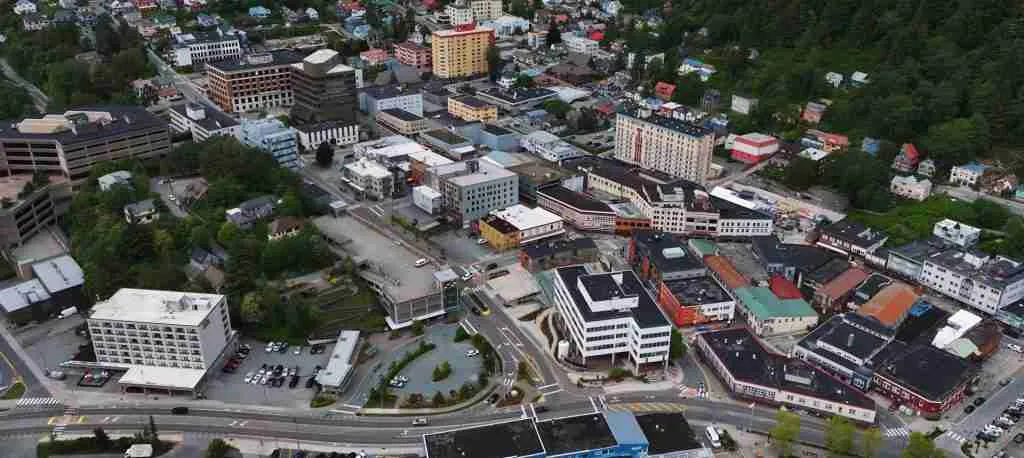
- Downtown Walkability: Juneau’s cruise dock sits within a 10-minute walk of the Alaska State Museum, public library, restaurants with kid menus, and waterfront parks—families can experience significant attractions without vehicle rental
- Weather Preparation Essential: Juneau receives over 60 inches of annual rainfall distributed across all months, making waterproof layers, sturdy boots, and backup indoor activities crucial for family enjoyment regardless of forecast
- Salmon Season Timing: Late July through early August delivers peak salmon runs at Mendenhall Glacier’s Steep Creek, creating exceptional opportunities for children to observe spawning salmon, bears fishing, and eagles gathering—nature education rarely found elsewhere
People Also Ask About Visiting Juneau with Kids 2026
What Age Children Are Best Suited for Juneau Activities in 2026?
Juneau accommodates families with children of all ages, from infants through teenagers, with age-appropriate activities across the spectrum. Toddlers and preschoolers (ages 1-5) enjoy the Mount Roberts Tramway ride, Alaska State Museum’s Discovery Room, tide pooling at Auke Bay Recreation Area, and short trails like Photo Point at Mendenhall Glacier. Elementary-aged children (6-11) can handle moderate hikes to Nugget Falls, whale watching tours with educational components, gold panning experiences, and interactive salmon hatchery visits. Teenagers appreciate more challenging adventures including glacier trekking, helicopter tours, sea kayaking excursions, and cultural experiences at the Walter Soboleff Center. The key is matching specific activities to individual children’s stamina, interests, and behavior rather than strict age cutoffs—some 4-year-olds manage the Nugget Falls trail successfully while some 10-year-olds prefer museum experiences over hiking.
How Much Should Families Budget for a Day in Juneau 2026?
A family of four planning a full day in Juneau should budget $200-500 depending on activity choices and dining preferences. Mendenhall Glacier admission costs $10 for two adults (children 15 and under free), whale watching tours run $100-150 per adult with children typically half price ($50-75), and Mount Roberts Tramway charges around $60 per adult and $45 per child ages 3-12 for all-day passes. Add $60-100 for family meals at mid-range restaurants and $40-80 for transportation via taxi or shuttle services if not renting a vehicle. Budget-conscious families can reduce costs significantly by packing lunches ($20 grocery store purchases), using public buses ($2 per ride), focusing on free activities like downtown walking tours and library visits, and selecting one major paid attraction rather than multiple expensive excursions. Families seeking premium experiences including helicopter glacier tours or combination whale watching and glacier packages should expect $400-800 daily expenditures.
Are Juneau Family Activities Weather-Dependent in 2026?
Juneau’s maritime climate creates weather variability that affects outdoor activities but rarely cancels family plans entirely. Rain occurs frequently throughout the year—over 60 inches annually—but proper waterproof clothing allows families to enjoy most activities regardless of precipitation. Helicopter tours and floatplane excursions require adequate visibility and may cancel or reschedule due to fog or low clouds, though operators typically accommodate guests on the next available departure. Whale watching boats operate in rain with heated indoor cabins providing comfort when weather deteriorates. The Mount Roberts Tramway, Alaska State Museum, Mendenhall Glacier Visitor Center, and downtown attractions function identically in rain or shine, serving as excellent backup options when outdoor plans require adjustment. The biggest weather consideration for 2026 summer visits involves packing versatile layers—families prepared for rain, wind, and temperature fluctuations between 50-65°F enjoy Juneau fully while those expecting warm sunshine often face disappointment when reality delivers mist and drizzle.
Can Families With Strollers Navigate Juneau Easily in 2026?
Juneau offers mixed stroller accessibility depending on specific locations and terrain. Downtown sidewalks accommodate strollers well, with the Alaska State Museum, public library, and most restaurants fully wheelchair and stroller accessible via elevators and ramps. The Mount Roberts Tramway accepts strollers in tram cars and at the visitor center level, though trails at the summit include stairs unsuitable for wheeled transport. Mendenhall Glacier’s Photo Point Trail features paved surfaces perfect for strollers, while the Nugget Falls Trail’s gravel surface and moderate length (2 miles round-trip) challenge most strollers—backpack carriers work better for this route. Sandy Beach on Douglas Island and Eagle Beach both allow stroller use on packed sand areas, though softer sections require more effort. The Macaulay Salmon Hatchery provides paved walkways and viewing platforms accommodating strollers throughout. Families planning extensive trail hiking should bring child backpack carriers rather than relying on strollers, while those focusing on museums, downtown exploration, and accessible viewing areas will find strollers perfectly functional.
Extended multi-day tours – 5+ days
Featured Alaska Multi-Day Tour Packages

3 days
Alaska 3-Day Discovery Tour
- ✓ Comprehensive Alaska experience
- ✓ Expert local guides included
- ✓ All accommodation included
- ✓ Transportation provided

5 days
Alaska 5-Day Highlights Experience
- ✓ Comprehensive Alaska experience
- ✓ Expert local guides included
- ✓ All accommodation included
- ✓ Transportation provided
7 days
Alaska 7-Day Cultural Journey
- ✓ Comprehensive Alaska experience
- ✓ Expert local guides included
- ✓ All accommodation included
- ✓ Transportation provided

10 days
Alaska 10-Day Complete Adventure
- ✓ Comprehensive Alaska experience
- ✓ Expert local guides included
- ✓ All accommodation included
- ✓ Transportation provided
Multi-day tour packages powered by TourRadar. Prices and availability subject to change.
Introduction
Juneau occupies a unique position among American state capitals—accessible only by air or sea, surrounded by the Tongass National Forest, and squeezed between towering Coast Range mountains and the island-studded waters of Gastineau Channel. This geographic isolation creates an environment where wilderness begins at the city limits and wildlife appears within sight of government buildings. For families, this proximity means children can experience authentic Alaska—glaciers, whales, bears, eagles, and salmon—without the expedition logistics typically required for such encounters.
The 2026 summer season brings families to Juneau primarily via cruise ships, though increasing numbers fly independently to maximize exploration time beyond single-day port calls. The cruise season runs May through September, with peak family travel occurring June through August when schools release students for summer vacation. This timing aligns perfectly with Alaska’s long daylight hours (18+ hours in June and July), optimal wildlife viewing, and moderate temperatures ranging 50-65°F—cool enough to require jackets but comfortable for active children.
Family-friendly infrastructure in Juneau reflects decades of tourism development balanced against the needs of year-round residents. The Alaska State Museum houses an exceptional Discovery Room where children touch artifacts, try on historical clothing, and engage with hands-on exhibits explaining Alaska’s natural and cultural history. The Mendenhall Glacier Visitor Center provides ranger programs, nature films, and easy trails allowing even young children to approach within viewing distance of an active glacier. Downtown restaurants offer kid menus, high chairs, and tolerance for energetic young diners—the community understands families represent a significant portion of summer visitors.
This guide addresses practical questions families face when planning 2026 Juneau visits: which activities suit different age groups, how weather affects plans, what costs to expect, where to find child-friendly dining, how to manage logistics as cruise passengers versus independent travelers, and how to balance structured tours with spontaneous exploration. The goal is enabling families to maximize their Juneau experience regardless of whether they have eight hours during a cruise stop or a full week to explore Alaska’s capital.
The most successful family visits combine managed expectations with flexibility. Juneau is not a theme park with controlled environments and guaranteed sunshine—it’s a working Alaska community where weather changes hourly, wildlife appears on natural schedules, and some experiences require patience and resilience. Children who embrace these realities return home with genuine Alaska memories rather than sanitized tourist performances. Those expecting constant entertainment and perfect conditions often struggle with Juneau’s authentic character. Families approaching the city as an adventure rather than a resort will find rewards beyond what pre-planned itineraries can deliver.
Mendenhall Glacier Experience for Families 2026
Mendenhall Glacier sits 12 miles from downtown Juneau, extending 13 miles from the Juneau Icefield to Mendenhall Lake. This accessibility makes it one of North America’s most family-friendly glaciers—no arduous hiking, no special equipment, and infrastructure designed for visitors of all ages and abilities. The U.S. Forest Service manages the Mendenhall Glacier Recreation Area, providing visitor center, trails, and ranger programs that educate while accommodating families with young children.
The visitor center charges $5 admission for ages 16 and over, while children 15 and under enter free (check official Forest Service website for current 2026 rates). Federal recreation passes including America the Beautiful Annual Pass, Senior Pass, and Military Pass provide free admission for pass holders and three accompanying guests. A daily pass grants access to the visitor center, Photo Point Trail, and Steep Creek viewing areas. The Nugget Falls Trail and other forest trails remain free regardless of visitor center admission.
Inside the visitor center, state-of-the-art exhibits explain glacier formation, movement, and recession through interactive displays appealing to children. A 15-minute film showcases the relationship between the Tongass National Forest and its glaciers, running continuously throughout the day. U.S. Forest Service Rangers staff the facility, answering questions and leading scheduled programs during summer. The Discovery Southeast bookstore sells field guides, children’s books about Alaska wildlife, and educational materials parents can use to extend learning beyond the visit.
Large windows provide panoramic glacier views from comfortable indoor vantage points—perfect for families needing rest breaks or shelter during rain. Spotting scopes positioned at windows allow children to examine glacier crevasses, icebergs in the lake, and occasionally mountain goats on surrounding slopes. This indoor viewing option means families can experience the glacier meaningfully even if weather or child temperament prevents trail hiking.
The Photo Point Trail offers the easiest glacier viewing for families. This paved, wheelchair-accessible path extends one-third mile from the visitor center to a viewing platform with unobstructed sightlines across Mendenhall Lake to the glacier terminus. The gentle grade allows strollers, and the 15-20 minute round-trip duration suits even young children’s attention spans. Interpretive signs along the route explain features visible across the lake, helping parents answer children’s inevitable questions about ice color, crevasse formation, and glacier retreat.
Nugget Falls Trail represents the premier family hiking experience at Mendenhall. This 2-mile round-trip trail follows the lakeshore through temperate rainforest before emerging at the base of 400-foot Nugget Falls, which cascades down the mountain adjacent to the glacier. The trail surface is gravel with some uneven sections, making it unsuitable for most strollers but manageable for children ages 5 and up with reasonable hiking experience. Plan one hour round-trip at a family pace, including time for waterfall photography and rest stops.
The Nugget Falls destination provides dramatic scenery—the massive waterfall thunders beside the glacier face, icebergs float in the lake, and the scale of the landscape dwarfs human visitors. Children often react with wonder seeing the glacier up close after viewing it from the visitor center, making the hike’s moderate effort worthwhile. The trail passes through lush rainforest where children can observe moss-covered trees, devil’s club plants, and seasonal wildflowers, adding botanical education to the glacial focus.
Steep Creek Trail leads to salmon spawning observation areas where families can watch sockeye salmon returning to spawn from late July through early August. This paved, accessible trail includes raised viewing platforms allowing clear views into the creek without disturbing wildlife. During peak runs, hundreds of salmon fill the shallow water, creating an aquatic spectacle children find mesmerizing. Bears occasionally appear along the creek to fish, though rangers close areas when bear activity makes them unsafe for visitors. The combination of salmon viewing and potential bear sightings makes Steep Creek a highlight for families visiting during the right season.
Ranger programs offered throughout summer provide structured educational experiences for children. Junior Ranger programs allow kids to complete activity booklets, attend ranger talks, and earn badges commemorating their Mendenhall visit. These programs teach glacier ecology, wildlife adaptation, and conservation principles through age-appropriate activities that hold children’s attention better than passive observation alone.
Families should allocate 2-4 hours for a complete Mendenhall Glacier experience including visitor center exploration, one major trail hike, and time for spontaneous wildlife observation or photography. Morning visits (before 11 AM) encounter smaller crowds before cruise ship tours arrive en masse. Late afternoon visits (after 3 PM) see crowds diminishing as tours depart, and the afternoon light often enhances glacier viewing. Summer operating hours extend 8 AM to 7:30 PM daily, providing flexibility for families coordinating with other activities.
Transportation from downtown requires taxis, tour shuttles, or rental vehicles, as public bus service stops 1.5 miles from the visitor center. Taxis cost $35-45 each way for a family of four. Dedicated glacier shuttle services charge $80-90 per person round-trip including admission fees, with discounted rates when booked online in advance. Families of four or more find rental cars economically advantageous, with daily rates around $75-150 plus fuel. The drive from downtown takes 20 minutes via Egan Drive and Glacier Highway, following well-marked signs. Free parking at the visitor center fills during peak cruise ship days—arrive before 10 AM or after 2 PM for easier parking access.
Weather preparation matters significantly at Mendenhall. The exposed location receives frequent rain and wind, and temperatures at the glacier run 5-10°F cooler than downtown due to ice-cooled air drainage. Dress children in layers with waterproof outer shells, and bring extra clothing in vehicles or daypacks. Trails can be muddy and slippery—sturdy waterproof boots prevent wet feet that ruin children’s moods quickly. Sunglasses and sunscreen remain important despite cloudy skies, as glacial reflection intensifies UV exposure.
Mount Roberts Tramway Adventure 2026
The Goldbelt Mount Roberts Tramway provides Juneau’s signature aerial experience, lifting passengers 1,800 feet from the cruise ship dock to the Mountain House complex on Mount Roberts in a six-minute ride. For families, the tramway solves elevation gain challenges while delivering spectacular views, cultural exhibits, and alpine trail access without the physical demands of hiking from sea level.
The tramway charges approximately $60 for all-day adult passes and $45 for children ages 3-12 (verify current 2026 rates at goldbelttram.com as pricing may vary). Children under 3 ride free. The all-day pass allows unlimited rides throughout operating hours, enabling families to ascend multiple times or split their visit with downtown activities between tram trips. This flexibility adds value for families managing young children’s variable attention spans and energy levels.
The boarding area sits directly across from cruise ship docks on South Franklin Street, marked by a distinctive red building impossible to miss. This proximity makes the tramway accessible within a five-minute walk from ships, though lines form during peak cruise arrivals. Avoid the morning rush (9-11 AM) when multiple ships discharge passengers simultaneously. Late afternoon visits (3-5 PM) see shorter waits, and the tramway operates until 9 PM on most days, allowing dinner and evening rides with different lighting conditions.
Tram cars accommodate wheelchairs and strollers, with attendants assisting families during boarding. The six-minute ascent provides narrated information about Juneau’s geography, Tlingit culture, and coastal rainforest ecology visible through large windows. Children enjoy watching the rainforest canopy pass beneath, ships shrinking in the channel, and the expanding vista revealing Gastineau Channel, Douglas Island, and the Chilkat Mountains across Lynn Canal.
The Mountain House at 1,800 feet includes multiple family-friendly features. The Juneau Raptor Center houses an injured bald eagle unable to hunt independently, providing close observation of Alaska’s iconic bird while learning about raptor rehabilitation. The eagle display fascinates children who have seen eagles flying wild but never this close. Interpretive staff explain the bird’s injury, diet, and why permanent captivity became necessary, adding educational depth to the visual encounter.
The Chilkat Theater screens “Seeing Daylight,” an 18-minute film about Tlingit history, culture, and modern Native Alaskan life. The film uses animation, traditional stories, and contemporary interviews to convey Indigenous perspectives children can understand. Theater seating provides welcome rest for families who have walked extensively, and the film’s moderate length matches young attention spans while delivering meaningful cultural education.
Raven Eagle Gifts & Gallery showcases authentic Alaska Native art including carved masks, beadwork, woven baskets, and contemporary pieces by Tlingit, Haida, and Tsimshian artists. While children may not appreciate fine art details, they often connect with carved animal figures, colorful beadwork, and large totem representations displayed throughout. The gift shop sells children’s books, small carved animals, and Alaska-themed toys providing age-appropriate souvenirs.
The Timberline Restaurant offers full-service dining with expansive windows overlooking Juneau and Gastineau Channel. Kid-friendly menu items include burgers, chicken strips, and pasta alongside adult seafood specialties featuring local salmon and halibut. Prices reflect mountaintop location—expect $15-25 for adult entrees and $10-15 for children’s meals. The espresso bar serves coffee for parents and hot chocolate for children, with locally made desserts available. Families can also pack lunches and use outdoor picnic areas with similar views at no additional cost.
Alpine trails from the Mountain House range from easy nature walks to challenging summit hikes. The Alpine Loop Trail provides a 20-minute accessible walk through subalpine meadows filled with wildflowers during summer. This short trail suits young children and families wanting gentle exercise with spectacular views without committing to longer hikes. Interpretive signs identify plants, explain alpine ecology, and point out features visible across the landscape.
The Gastineau Peak Trail climbs 2.7 miles to the summit at 3,666 feet, appropriate only for older children and teenagers comfortable with steep elevation gain and exposure. Most families with elementary-aged children stick to the Alpine Loop or explore partway up more challenging routes before returning. The Father Brown’s Cross Trail offers a moderate middle option—a 1-mile hike to a memorial cross with excellent views, manageable for fit families with children 8 and older.
Wildlife sightings at the Mountain House level include hoary marmots sunning on rocks, ravens performing aerial acrobatics, and occasionally black bears in subalpine berry patches during late summer. The elevation and alpine habitat create different wildlife viewing compared to sea level, helping children understand how ecosystems change with altitude. Bring binoculars to enhance wildlife observation and distant landscape viewing.
The tramway operates seasonally from early May through late September, with exact dates varying based on weather and cruise ship schedules. Check current operating hours before visiting, as they adjust throughout the season. The facility closes entirely from October through April when cruise ships stop arriving and local visitation drops significantly.
For families combining the tramway with other downtown activities, the all-day pass structure provides excellent value. A morning tram ride could be followed by downtown lunch and Alaska State Museum visit, then an afternoon return to the Mountain House for the film and alpine trail walk. This flexibility accommodates children’s need for activity variety rather than forcing extended periods at a single location.
Weather conditions at 1,800 feet differ markedly from sea level. Temperatures run 10-15°F cooler, wind increases significantly, and clouds may obscure views even when downtown Juneau enjoys clear skies. Check weather forecasts before committing to tramway tickets—families visiting during heavy fog or rain may see nothing from the Mountain House and find trails unpleasant. When weather cooperates, however, the tramway delivers one of Juneau’s most memorable family experiences, combining transportation thrill, cultural education, wildlife viewing, and alpine access in a compact, accessible package.
Whale Watching with Children 2026
Humpback whales return to Southeast Alaska waters from May through September to feed intensively before migrating to Hawaiian breeding grounds. This predictable seasonal presence makes Juneau one of North America’s most reliable whale watching destinations, with many operators offering whale-sighting guarantees reflecting the high probability of encounters during peak summer months.
Family-oriented whale watching tours range from 2.5 to 5 hours depending on the specific itinerary and operator. Shorter tours focus exclusively on whale viewing in nearby waters, while extended trips may combine whales with Tracy Arm Fjord sightseeing or Mendenhall Glacier visits. For families with young children (ages 3-8), 2.5 to 3-hour tours provide adequate whale viewing time without the fatigue and restlessness longer trips can generate. Older children and teenagers typically handle 4 to 5-hour excursions comfortably.
Boat selection matters significantly for family enjoyment. Look for vessels with heated indoor cabins, restrooms, and both indoor and outdoor viewing areas. Weather in Juneau can turn cold and rainy quickly—boats lacking indoor shelter force families to endure uncomfortable conditions that diminish the experience. Smaller boats (30-50 passengers) provide more personalized attention from naturalist guides compared to large ships carrying 100+ passengers where individual children’s questions get lost in the crowd.
Most reputable operators employ marine naturalists or biologists who narrate throughout the trip, explaining humpback feeding behaviors, migration patterns, identification techniques using tail fluke patterns, and conservation challenges facing marine mammals. This educational component transforms whale watching from simple sightseeing into science education that children retain long after the cruise ends. Quality naturalists adjust their commentary for young audiences, using analogies and enthusiasm that engage children more effectively than technical lectures.
Whale watching pricing for 2026 typically ranges $100-150 per adult and $50-75 for children, with exact rates varying by tour length, boat size, and operator reputation. Some operators offer family packages or discounted rates for children under certain ages. Infant seats and accommodations for children under 3 should be confirmed when booking. The costs often include round-trip transportation from downtown hotels or cruise docks to the boat harbor, typically located at Auke Bay, 12 miles north of downtown.
Whale-sighting guarantees vary by operator but generally promise a free return trip if no whales appear during the tour. These guarantees reflect genuine confidence in high success rates—humpback whales feed consistently in Juneau’s waters throughout summer, making sightings extremely likely. However, even with guarantees, individual encounters vary. Some trips feature multiple whales breaching, tail slapping, and bubble-net feeding, while others involve distant sightings of whales surfacing briefly. Setting realistic expectations with children helps manage disappointment if whales remain distant or inactive.
Bubble-net feeding represents the most spectacular behavior families might witness. Groups of humpback whales coordinate to encircle schools of herring by blowing bubbles that create a net effect, then lunge upward through the concentrated fish with mouths wide open. This cooperative feeding behavior unique to Southeast Alaska humpbacks creates dramatic surface eruptions as multiple whales breach simultaneously. When tours encounter bubble-net feeding, the excitement level skyrockets among passengers of all ages. However, this behavior is not guaranteed—whales feed when and where herring schools appear, not on tour schedules.
Additional marine wildlife commonly observed during whale watching trips includes Steller sea lions, Dall’s porpoises, harbor seals, and occasionally orcas (killer whales). Bald eagles perch along shorelines and sometimes swoop to catch fish. Children who fixate exclusively on whales may miss these supplementary sightings—good naturalists help redirect attention to the full ecosystem rather than creating a whale-or-failure mindset.
Motion sickness affects some children on boats, particularly those unused to wave motion. Dramamine or natural ginger supplements taken 30-60 minutes before departure can prevent seasickness. Positioning children midship where motion is minimized, keeping them focused on the horizon, and encouraging light snacks rather than heavy meals before departure all help manage nausea. Operators familiar with children’s needs can recommend optimal seating and provide advice when booking.
Photography presents challenges for children unaccustomed to marine wildlife behavior. Whales surface unpredictably, remain visible briefly, and appear at varying distances. Teaching children to watch first and photograph second prevents them from missing actual sightings while staring at phone screens. For families prioritizing photography, bringing a tablet or camera with decent zoom capability works better than relying solely on phone cameras that struggle with distant subjects.
Clothing layers are essential regardless of weather forecasts. Conditions on the water differ from downtown—wind increases, temperatures drop, and spray from the boat creates dampness even without rain. Dress children in moisture-wicking base layers, insulating mid-layers, and waterproof outer shells. Hats protect against wind and sun (glacial reflection intensifies UV exposure despite cloud cover). Even if downtown Juneau feels comfortable when departing, children will be cold and miserable on the water without proper clothing.
Combining whale watching with other activities creates full-day itineraries for families staying multiple days in Juneau. Morning whale watching pairs well with afternoon Mendenhall Glacier visits, creating a comprehensive nature day. Some tour operators offer whale watching plus glacier combination packages at discounted rates compared to booking separately. These combinations work well for cruise passengers with limited time, though independent travelers might prefer spacing activities across multiple days to avoid exhausting children with back-to-back excursions.
Alaska State Museum Family Experiences 2026
The Alaska State Museum occupies a striking modern building on Whittier Street, a 10-minute walk from cruise ship docks. The $10 million facility opened in 2016, replacing the former museum with significantly expanded exhibition space and family-friendly features that make it one of Juneau’s premier educational attractions for visitors of all ages.
Admission costs approximately $10 for adults, with discounted rates for seniors, military, and students. Children under 18 typically enter free when accompanied by paying adults (verify current 2026 admission structure at museums.alaska.gov). The museum operates year-round unlike many seasonal Juneau attractions, providing an excellent rainy day activity or winter visit option for families in town outside cruise season.
The Hands-On Discovery Room creates the museum’s focal point for families with younger children. This dedicated space allows children to touch artifacts (replicas and sturdy originals), try on historical clothing, build with blocks, engage with puzzles about Alaska geography and wildlife, and participate in rotating hands-on activities. Unlike most museum galleries where “don’t touch” rules dominate, the Discovery Room explicitly encourages tactile exploration that suits children’s learning styles better than passive observation.
Activities in the Discovery Room change seasonally but have included traditional Native craft demonstrations, geological specimen handling, historical tool examination, and interactive timelines children can manipulate to understand Alaska’s development. Museum educators staff the room during peak hours, facilitating activities and answering children’s questions in age-appropriate language. Parents appreciate the combination of educational content and physical engagement that keeps children occupied while learning.
The Alaska Native Gallery showcases Tlingit, Haida, Tsimshian, Aleut, Yup’ik, Inupiaq, and Athabascan cultures through artifacts, regalia, ceremonial objects, and contemporary art. For children, the most engaging elements include full-size canoe displays, elaborate ceremonial masks, detailed beadwork they can examine closely, and video presentations featuring modern Native Alaskans discussing their cultural practices. The gallery helps children understand Alaska’s Indigenous heritage extends far beyond historical artifacts—these are living cultures adapting to contemporary life while maintaining traditional knowledge.
The Natural History Gallery features mounted wildlife specimens including brown bears, wolves, moose, caribou, and marine mammals displayed in naturalistic settings. These life-size mounts allow children to appreciate animal scale and diversity better than fleeting wild sightings. Interpretive displays explain ecological relationships, seasonal behaviors, and conservation challenges facing Alaska wildlife. A touch table provides pelts, antlers, and other natural specimens children can examine under supervision.
The Gold Rush Gallery traces Alaska’s development during the late 1800s gold discoveries that transformed the territory. Children connect with gold panning demonstrations, mining equipment they can compare to modern tools, and historical photographs showing children their age working alongside adults in frontier conditions. The gallery contextualizes Alaska history through human stories rather than dry dates, making it more accessible for young visitors.
Rotating special exhibitions change several times annually, covering topics from contemporary Alaska art to specific historical periods to environmental challenges. These temporary displays provide return-visit incentive for local families and keep content fresh for repeat visitors. Check the museum website before visiting to see current special exhibitions and determine whether they match your children’s interests.
The museum theater screens rotating films about Alaska topics, typically 15-20 minutes in length. These films provide rest opportunities for families who have walked extensively, and the educational content reinforces themes from gallery exhibitions. Theater seating and climate control make it an excellent refuge during weather extremes or when children need quiet time away from interactive galleries.
Museum educators offer scheduled programs throughout summer, including gallery talks, artifact handling sessions, and youth-focused activities tied to specific exhibitions. These programs are typically free with admission and provide structured engagement that enhances the self-guided gallery experience. Check the daily program schedule posted at the entrance or online to time your visit around programs matching your children’s age and interests.
The museum store sells children’s books about Alaska wildlife, history, and Indigenous cultures, along with educational toys, puzzles, and games reinforcing museum themes. Quality books appropriate for various reading levels allow families to extend learning beyond the museum visit. Prices run higher than standard bookstores due to specialty content and museum funding support, but the curated selection offers titles difficult to find elsewhere.
Plan 1.5 to 3 hours for a museum visit depending on your children’s age and engagement level. Younger children (3-7) typically exhaust after 60-90 minutes even with the Discovery Room’s appeal. Older children and teenagers genuinely interested in Alaska topics can engage for 2-3 hours exploring galleries in depth. The museum’s compact size prevents the overwhelming exhaustion large museums can create—families can see everything without marathon sessions that leave children dreading the next museum visit.
The museum’s location near downtown hotels and the State Capitol building makes it easy to combine with walking tours of Juneau’s government district, waterfront parks, and restaurant lunch breaks. The flat, paved walking routes from cruise docks accommodate strollers and wheelchairs easily. Public restrooms, a small cafe, and climate-controlled environment throughout make the museum family-friendly in practical ways beyond exhibition content.
Family Dining in Juneau 2026
Juneau’s restaurant scene accommodates families through kid-friendly menus, casual atmospheres, and locally owned establishments understanding that summer tourism includes significant numbers of children. While fine dining options exist for adults seeking upscale experiences, most families prioritize restaurants where children feel welcome and menus include items beyond salmon and halibut.
Tracy’s King Crab Shack operates from a red food truck near the cruise docks, serving Alaska king crab in accessible formats including legs, bisque, and crab rolls. The outdoor seating and casual format work well for families with energetic children who struggle to maintain restaurant behavior for full sit-down meals. Prices reflect king crab’s premium status—expect $20-30 for crab leg portions and $15-18 for crab rolls. The quality and freshness justify the cost for families wanting authentic Alaska seafood without formal dining constraints.
The Rookery Cafe serves breakfast and lunch in a relaxed atmosphere attracting local families alongside tourists. The menu emphasizes fresh ingredients prepared simply—eggs, pancakes, sandwiches, and salads with options for various dietary preferences. Children’s portions are available though not necessarily listed as a separate menu. Expect $10-15 for adult breakfast entrees and $8-12 for lunch items. The cafe’s popularity creates lines during peak morning hours (8-10 AM), but turnover moves relatively quickly.
Pel’meni specializes in Russian dumplings served from a tiny storefront with minimal seating. The limited menu focuses entirely on dumplings with optional sour cream and butter, making it perfect for children who prefer simple, familiar-looking foods without exotic ingredients. The small portions and low prices ($8-10 for a filling serving) make Pel’meni an economical choice for families. The storefront size means most customers take food to go, eating in nearby parks or back at accommodations.
Inga’s Galley occupies a waterfront location serving seafood-focused meals in a casual setting. Kid-friendly items include fish and chips, chicken strips, burgers, and pasta alongside adult seafood specialties. The restaurant uses fresh fish when available, elevating the quality beyond typical tourist-trap seafood. Window seating provides harbor views including floatplane activity children find entertaining. Expect $15-25 for adult entrees and $10-15 for children’s meals. Reservations are not typically required but can reduce wait times during peak cruise ship days.
Bullwinkles Pizza in Mendenhall Valley serves as a local family favorite with extensive pizza options, salad bar, games, and free popcorn. The atmosphere embraces families with children—high noise tolerance, quick service, and entertainment options keeping children occupied while waiting for food. Prices run $15-25 for large pizzas serving a family of four, with the salad bar adding $8-10 per person. The location near Mendenhall Glacier makes it convenient for families visiting the glacier who want a substantial meal before or after.
For quick, budget-conscious meals, grocery stores including Foodland IGA and Safeway sell deli items, prepared foods, and ingredients for picnic lunches. Purchasing sandwich fixings, fruit, snacks, and drinks at grocery stores costs $20-30 to feed a family of four compared to $60-100 at restaurants. Juneau’s numerous parks and waterfront areas provide pleasant picnic settings with views rivaling restaurant locations. This approach particularly benefits families with young children who eat irregularly or have specific food preferences making restaurant meals challenging.
Coffee shops throughout downtown serve pastries, light breakfast items, and lunch sandwiches suitable for children. Heritage Coffee Company and Coppa provide local coffee roasting and cafe atmospheres where families can grab breakfast before morning activities. Prices run $5-8 for pastries and $8-12 for sandwiches, with coffee drinks $4-6.
The Alaskan Brewing Company offers tours and tastings for adults while allowing children in the facility during certain hours. The gift shop sells root beer and non-alcoholic beverages for children. While not primarily a dining destination, families interested in Alaska’s craft beer culture can visit while accommodating children, though dedicated restaurants serve food more substantially.
Food allergies and dietary restrictions receive understanding accommodation at most Juneau restaurants accustomed to diverse visitor needs. Gluten-free, vegetarian, and vegan options appear on many menus, and kitchen staff typically accommodate special requests when possible. Parents should communicate dietary needs clearly when ordering and verify ingredients rather than assuming menu descriptions cover all allergens.
Tipping follows standard U.S. restaurant practices—15-20% of the pre-tax bill for table service. Some restaurants add automatic gratuity for parties of six or more, so check the bill before adding tips to avoid double-tipping. Counter-service establishments like Tracy’s King Crab Shack and Pel’meni provide tip jars but don’t require tipping at the same levels as full-service restaurants.
Meal timing affects both cost and wait times. Breakfast before 9 AM and lunch before noon avoid peak tourist crowds, reducing waits and often providing better service as restaurants aren’t overwhelmed. Dinner after 6 PM sees cruise ship passengers returning to ships, opening tables at popular restaurants. These timing strategies help families with young children who eat early or struggle with long waits in crowded restaurants.
Macaulay Salmon Hatchery (DIPAC) 2026
The Douglas Island Pink and Chum (DIPAC) Macaulay Salmon Hatchery operates as both a working salmon production facility and public education center, providing families with rare behind-the-scenes access to aquaculture while learning about salmon life cycles. Located in Gastineau Channel near the airport and Mendenhall Glacier, the hatchery occupies a scenic waterfront setting where wild seals often congregate to catch escaping salmon.
Admission costs approximately $10 for adults and $5 for children ages 12 and under, with children under 5 entering free (check current 2026 rates at dipac.net). The modest admission supports the hatchery’s non-profit educational mission while providing exceptional value compared to many Alaska attractions. Summer operating hours run 10 AM to 6 PM daily, with the last entry at 5:30 PM.
The underwater viewing window creates the hatchery’s most popular feature. This large window provides below-water perspective as adult salmon swim up the fish ladder to spawning areas. Children can observe salmon swimming directly toward them, providing close encounters impossible to achieve in wild settings. During peak runs (late July through September), hundreds of pink and chum salmon crowd the viewing window, creating an aquatic spectacle that mesmerizes visitors of all ages.
Outdoor viewing platforms overlook the fish ladder’s upper sections and harbor seals hunting at the ladder’s entrance. These marine mammals have learned that returning salmon create an easy meal opportunity, and they patrol the hatchery entrance throughout summer. Watching seals catch and consume salmon provides raw nature education—the complete predator-prey cycle unfolding in real-time rather than as abstract concepts in books or videos.
Educational displays throughout the facility explain salmon hatchery operations, the five Pacific salmon species, life cycle stages from egg to adult, and the ecological role salmon play in Southeast Alaska ecosystems. Touch tanks allow children to gently interact with juvenile salmon, anemones, starfish, and other marine species under staff supervision. These hands-on opportunities reinforce lessons about marine biology through direct experience rather than passive observation.
Staff members stationed throughout the hatchery answer questions and provide informal educational talks about salmon biology, hatchery processes, and marine conservation. Unlike formal tour groups that move on fixed schedules, families can explore at their own pace while accessing staff expertise when questions arise. This self-directed educational approach suits families with varying children’s ages and attention spans better than rigid tour structures.
The hatchery gift shop sells educational materials, t-shirts, and salmon-related items, with proceeds supporting operations. Books about salmon appropriate for different reading levels provide take-home educational resources extending learning beyond the visit. Stuffed salmon toys appeal to younger children wanting tangible reminders of their hatchery experience.
Plan 45 minutes to 1.5 hours for a hatchery visit depending on crowd levels and your family’s interest in the educational displays. The compact facility prevents overload—families can see everything without marathon sessions. The self-paced format allows flexibility for children needing breaks or families wanting to spend extended time at the underwater window during particularly active salmon periods.
Transportation to the hatchery requires taxis or rental vehicles, as it’s located 3 miles from downtown cruise docks and 1.5 miles from Mendenhall Glacier. Taxis cost $15-25 each way from downtown. Families combining hatchery visits with Mendenhall Glacier can make a single trip to the general area, minimizing transportation costs. Some tour operators include the hatchery in Mendenhall Glacier excursions, creating comprehensive marine and glacial education combinations.
The hatchery’s waterfront location provides beautiful Gastineau Channel views and opportunities to observe marine birds including mergansers, cormorants, and eagles that also exploit the salmon concentration. The outdoor setting means weather affects comfort—bring waterproof clothing and dress in layers as wind off the channel creates cooler conditions than sheltered downtown areas.
Visiting during peak salmon runs (late July through early September) maximizes the experience, as adult salmon pack the viewing windows and seal activity intensifies. Earlier summer visits (May through early July) show juvenile salmon in rearing tanks and educational displays but lack the dramatic adult salmon migrations. Check with the hatchery before visiting to confirm current salmon run timing, as exact dates vary annually based on water temperature and other environmental factors.
Additional Family Activities in Juneau 2026
Beyond the major attractions, Juneau offers supplementary activities that fill family itineraries with diverse experiences across different interests and energy levels.
The Juneau-Douglas City Museum occupies a small building on Fourth Street with free admission, providing local history focus including gold mining heritage, Tlingit culture, and Juneau’s development as Alaska’s capital. A hands-on mining exhibit allows children to try gold panning with guaranteed gold flakes in each pan, creating an interactive Alaska experience at no cost. The museum’s small size makes it appropriate for short visits (30-45 minutes) rather than extended exploration, perfect for families with brief downtown time or needing indoor shelter during rain.
Gold panning experiences range from the city museum’s free activity to commercial operations like the AJ Mine Tour combining underground mine exploration with gold panning. The AJ Mine charges approximately $65 for adults and $35 for children, including a 360-foot tunnel tour through historical mining areas and gold panning where participants keep any gold discovered. This combination appeals to children interested in mining history and wanting the thrill of finding real gold, even in small quantities.
Tide pooling at Auke Bay Recreation Area provides free marine biology education during low tides. Exposed tidal zones reveal starfish, anemones, sea urchins, small fish, hermit crabs, and other intertidal species children can observe (and gently touch under supervision). Tide pool exploration works best during “minus tides” when water recedes furthest, exposing maximum area. Consult local tide tables to time visits—the lowest tides of each month create optimal conditions. Bring rubber boots or water shoes, as rocks are slippery and water pools require wading.
Sandy Beach on Douglas Island offers beach play combining sand, tidepool exploration, and Treadwell Mine ruins investigation. The beach itself provides safe running space for energetic children needing to burn energy, while the adjacent historic mining structures create an open-air museum where families can explore industrial archaeology. No admission fees apply—this is a public park used by local families for picnics, dog walking, and beach recreation.
Glacier Gardens Rainforest Adventure features upside-down tree flower towers and guided tours through Tongass National Forest rainforest. The 18-passenger golf cart tours eliminate hiking requirements while providing botanical education and summit viewpoint access. Children find the inverted trees whimsical while parents appreciate the effortless forest immersion. Admission runs approximately $30 for adults and $18 for children ages 6-12, with children under 6 entering free. The one-hour tour suits families wanting rainforest experience without trail demands.
The Walter Soboleff Center on South Franklin Street houses the Sealaska Heritage Institute’s cultural exhibits, art galleries, and performance spaces showcasing contemporary Tlingit, Haida, and Tsimshian cultures. The building often features artists working in studios visible to visitors, providing live demonstrations of traditional and contemporary Native art forms. Admission is free, making it an accessible cultural experience for families wanting to understand Alaska’s Indigenous heritage beyond museum artifacts.
Twin Lakes Park includes playgrounds, picnic areas, and the Diamond Park Aquatic Center with indoor swimming pools. The aquatic center charges admission for swimming but provides valuable rainy day activity when outdoor plans fail. Local children use these facilities regularly, so families visiting playgrounds or aquatic center experience Juneau family life rather than tourist performances.
Capitol building tours provide free glimpses into Alaska state government, with the building’s architecture and legislative chambers offering educational interest for older children. Tours run 30-45 minutes and require no advance reservations during summer. The Alaska Governor’s Mansion exterior is visible from nearby streets, though interior tours are not regularly offered. These government-focused activities work well for families with children studying civics or American government.
Floatplane rides and helicopter tours elevate Juneau experiences literally, providing aerial perspectives on glaciers, icefields, and coastal mountains. These premium experiences cost $250-400+ per person depending on tour length and destinations. Families with sufficient budgets find flightseeing unforgettable, though younger children may not appreciate or remember the experience enough to justify the cost. Age minimums vary by operator—confirm requirements when booking.
Weather Planning for Families 2026
Juneau receives over 60 inches of annual precipitation distributed across all months, with summer months slightly drier than fall and winter but still experiencing frequent rain. This maritime climate creates weather variability that affects family activities significantly, making preparation essential for enjoyment regardless of forecast.
Pack waterproof outer layers for every family member, including rain jackets with hoods and waterproof pants. Children’s rain gear should fit properly—oversized jackets that bunch around hands or trail on the ground create more problems than they solve. Invest in quality waterproof footwear or bring rubber boots. Wet feet destroy children’s moods quickly, and soggy socks combined with cold temperatures create genuine discomfort that prevents enjoyment of otherwise wonderful experiences.
Layering systems work better than single heavy jackets. Base layers (synthetic or wool materials that wick moisture and maintain warmth when wet), insulating mid-layers (fleece or lightweight down), and waterproof outer shells create versatile combinations adjustable to changing conditions. Cotton clothing performs poorly in Juneau’s climate—it absorbs moisture, loses insulating properties when wet, and takes forever to dry. Avoid cotton for children’s clothing beyond underwear.
Temperature ranges during summer run 50-65°F typically, though variations occur. Morning temperatures in the 40s are not unusual, while occasional days reach the low 70s. This moderate range means no extreme heat or cold, but the combination of cool temperatures, wind, and moisture creates penetrating chill if families aren’t properly dressed. What feels comfortable standing still becomes cold quickly when boat spray hits or mountain winds blow.
Backup indoor activities should be planned for every day, even when forecasts promise sunshine. Weather in Juneau changes rapidly—clear morning skies can turn to heavy rain by afternoon. Having museum visits, aquarium trips, or library stops ready to substitute for outdoor plans prevents disappointment and wasted vacation time when weather deteriorates. The Alaska State Museum, Mendenhall Glacier Visitor Center, and downtown shopping areas provide full-day indoor options if needed.
Umbrellas have limited utility in Juneau—wind makes them difficult to manage, and they don’t protect legs and feet from rain. Hooded rain jackets work better for active families doing outdoor activities. Umbrellas can work for short downtown walks between shops and restaurants where wind is less of a factor.
Sunglasses and sunscreen remain important despite frequent clouds. Glacial reflection intensifies UV exposure, and the sun’s low angle during Alaska’s midnight sun period means extended daylight hours increase total UV exposure. Apply sunscreen to children’s faces, necks, and hands even on overcast days. Polarized sunglasses reduce glare from water and ice, helping children see details when wildlife watching or glacier viewing.
Mosquitoes emerge during summer, particularly in forested areas and wetlands. Bring insect repellent containing DEET or picaridin, and apply according to manufacturer directions. Some families prefer natural repellents, though these typically require more frequent reapplication. Lightweight long-sleeved shirts and pants provide physical barriers against mosquitoes when chemical repellents aren’t desired. Mosquitoes are generally not severe enough to prevent activities but can cause annoyance during calm conditions in wooded areas.
Weather extremes occasionally occur. Heavy rain may close trails due to flooding or make outdoor activities miserable despite waterproof gear. Dense fog can cancel helicopter and floatplane tours. Strong wind may suspend tramway operations. These situations are relatively rare during summer but possible. Travel insurance covering activity cancellations may be worthwhile for families who have prepaid expensive tours or must coordinate activities with cruise ship schedules.
Cruise Ship Versus Independent Travel 2026
Families visit Juneau primarily through two frameworks: cruise ship port calls and independent travel, each offering distinct advantages and constraints affecting activity planning, costs, and overall experience quality.
Cruise ship visits typically provide 8-10 hours in port, docking at downtown piers placing families within walking distance of major downtown attractions. This convenience allows quick shore access without additional transportation. However, the time limitation creates pressure to maximize every hour while coordinating with ship departure schedules. Missing the ship creates serious logistical and financial problems, so cruise families must maintain conservative safety margins when planning activities away from the dock.
Cruise shore excursions booked through the ship provide guaranteed return, with the ship obligated to wait if official excursions run late. This security comes at premium pricing—cruise-booked tours cost 20-50% more than identical experiences booked independently. For families prioritizing peace of mind over cost savings, ship excursions eliminate worry about missing departure. For budget-conscious families willing to manage time carefully, independent booking saves substantial money.
Independent travelers staying in Juneau hotels or vacation rentals gain flexibility impossible for cruise passengers. Multi-day stays allow spreading activities across several days rather than cramming everything into a single port call. Families can revisit favorite locations, adjust plans based on weather, and explore at relaxed paces without constant clock-watching. The trade-off is higher overall costs—Juneau hotels run $150-300+ nightly during summer, and families must arrange their own transportation to Alaska via commercial flights.
Independent travel also enables visiting during shoulder seasons (May and September) when cruise crowds diminish, prices drop, and attraction crowds thin significantly. These timing advantages create more authentic Juneau experiences where families interact with the resident community rather than overwhelming tourist infrastructure at peak capacity.
Transportation represents the biggest difference between cruise and independent travel. Cruise families walk from ships to downtown attractions but need taxis, shuttles, or tours to reach Mendenhall Glacier, Mount Roberts Tramway access (unless walking), Auke Bay, and outer-area attractions. Independent travelers can rent vehicles providing unlimited transportation flexibility at fixed daily costs ($75-150) rather than per-trip taxi fees accumulating quickly for families of four.
Dining flexibility favors independent travelers who can eat at any time rather than coordinating around ship meal schedules and departure times. Cruise passengers with dining packages on ships may skip Juneau restaurants entirely to avoid paying twice for meals, missing opportunities to experience local food culture. Independent travelers structure meal timing around activities naturally rather than forcing restaurant visits into compressed timeframes.
Activity depth suffers under cruise time constraints. A whale watching tour consumes 3-4 hours including transportation and boarding time, leaving only 4-6 hours for additional activities. Mendenhall Glacier visits take 3-4 hours including travel. Families attempting both in a single day rush through each without fully experiencing either. Independent multi-day stays allow dedicating full days to individual activities, creating deeper engagement rather than frantic sampling.
For families with young children (under 8), cruise visits may actually work better than independent travel despite time limitations. Young children tire quickly, need frequent breaks, and have shorter attention spans making multi-day activity schedules challenging. An 8-hour Juneau port call provides adequate time for one major activity (Mendenhall Glacier or whale watching) plus casual downtown exploration before children exhaust. Independent travelers must fill multiple days, potentially struggling to maintain children’s engagement beyond the initial attraction novelty.
Families choosing between cruise and independent Juneau visits should honestly assess their priorities. If maximizing Alaska destinations while minimizing planning complexity matters most, cruises deliver efficiently. If experiencing Juneau deeply and authentically while escaping tourist crowds is paramount, independent multi-day stays work better. Budget constraints may determine the choice—all-inclusive cruise pricing can be economical compared to booking flights, hotels, rental cars, and activities separately for Alaska travel.
Safety Considerations for Families 2026
Juneau presents relatively few safety hazards compared to many travel destinations, but Alaska’s wilderness character requires specific awareness from families accustomed to more developed tourism environments.
Bear safety applies whenever families venture into forested areas or along salmon streams. Black bears live throughout Juneau’s forests, and brown bears appear occasionally in outer areas. Make noise while hiking to avoid surprising bears—talking, singing, or clapping hands alerts bears to human presence, allowing them to move away before close encounters. Children should stay close to adults on trails rather than running ahead where they might startle bears. Carry bear spray on wilderness trails, though downtown and developed recreation areas don’t require it.
If encountering a bear, remain calm and speak in steady, non-threatening voices while backing away slowly. Do not run—this triggers chase instinct in bears. Most bear encounters involve the bear fleeing quickly when aware of human presence. Aggressive bear behavior is extremely rare, particularly black bears which dominate Juneau’s forested areas. Teach children appropriate bear responses before trail hiking so they understand what to do if separated from adults during an encounter.
Tidal zones present another hazard families unfamiliar with marine environments may not recognize. Tides in Lynn Canal and Gastineau Channel range 16 feet between high and low water, with incoming tides advancing quickly across flat beaches and mudflats. Families walking far out on exposed mudflats at low tide risk becoming stranded as water returns. Check tide tables before tidepool exploration, note the time, and head back to shore well before predicted high tide rather than cutting timing close.
Cold water remains dangerous year-round. Gastineau Channel, Mendenhall Lake, and other Juneau waters maintain temperatures in the 40s-50s°F, causing rapid hypothermia if people fall in. Children playing near water edges require close supervision—even shallow water creates drowning risk, and cold temperatures accelerate physical incapacitation. Life jackets should be worn during all boat activities, with proper fitting checked before departure.
Trail conditions include slippery rocks, roots, mud, and uneven surfaces requiring attention and appropriate footwear. Ankle injuries from twisted ankles or falls affect families rushing on trails in inadequate shoes. Take time hiking rather than racing to destinations. Children should wear closed-toe shoes with good tread rather than sandals or smooth-soled sneakers unsuitable for trail conditions.
Weather hypothermia can develop even in summer if families get wet and cold without proper clothing. The combination of rain, wind, and cool temperatures creates conditions where body heat loss exceeds production. Keep children moving during outdoor activities rather than allowing extended sitting in wet clothes. Change out of wet clothing promptly after activities. Recognize hypothermia symptoms—shivering, confusion, slurred speech, loss of coordination—and warm affected individuals immediately with dry clothing, warm drinks, and shelter.
Downtown Juneau presents typical urban safety considerations—watch for vehicle traffic when crossing streets, supervise children in crowded areas, and maintain awareness of belongings in busy tourist zones. Crime rates in Juneau remain relatively low compared to similarly sized U.S. cities, but opportunistic theft occurs when tourists leave valuables visible in vehicles or unattended in public areas.
Medical facilities include Bartlett Regional Hospital providing full emergency services and urgent care. For serious medical emergencies, call 911. For minor issues, several urgent care clinics and pharmacies operate in Juneau. Families should bring adequate prescription medications, as replacing them in Juneau may be difficult and expensive. Travel insurance covering medical emergencies and evacuation makes sense for families with pre-existing health conditions or those visiting from outside the United States.
Frequently Asked Questions
How far in advance should we book Juneau family activities for 2026?
Booking timelines depend on whether you’re traveling via cruise ship or independently and which activities you plan. Whale watching tours, popular shore excursions, and helicopter trips should be reserved 2-4 weeks in advance during peak summer season (June-August) when demand is highest and tours sell out. The Mount Roberts Tramway and Alaska State Museum accommodate walk-ups easily, though tramway lines can be long during peak cruise ship hours. Mendenhall Glacier Visitor Center requires no reservations—families simply arrive and pay admission. Restaurant reservations are unnecessary for casual dining but recommended for popular spots like Inga’s Galley during cruise ship days. Independent travelers visiting during May or September shoulder seasons can book most activities within a few days of desired dates. Cruise passengers should book critical activities before their cruise departs to ensure availability during their specific Juneau port day.
What happens if our child gets sick or injured during our Juneau visit in 2026?
Bartlett Regional Hospital provides full emergency services including pediatric care, located at 3260 Hospital Drive approximately 3 miles from downtown. For emergencies, call 911 from any phone. Several urgent care clinics including SEARHC Urgent Care operate in Juneau for non-emergency medical issues requiring same-day attention. Pharmacies including Safeway Pharmacy and Ron’s Apothecary Shoppe fill prescriptions and sell over-the-counter medications for common childhood ailments. Cruise ship passengers can use ship medical facilities for minor issues, though serious conditions require shoreside hospital care. Travel insurance covering medical emergencies makes sense, particularly for families traveling from outside the U.S. or with children having pre-existing conditions. Bring copies of children’s vaccination records and information about allergies or medical conditions in case emergency treatment requires this information. Most family activities include first aid trained staff, but parents should carry basic first aid supplies for minor cuts, scrapes, and headaches.
Can we see Northern Lights in Juneau during summer 2026 family visits?
Northern Lights (aurora borealis) are not visible during summer in Juneau due to extended daylight hours. The midnight sun period from late May through early August creates near-continuous daylight, preventing the darkness required for aurora viewing. Even in May and September when nights darken somewhat, twilight conditions limit aurora visibility to the brightest displays. Families visiting Juneau specifically to see Northern Lights should plan winter trips (November through March) when darkness permits viewing, though winter travel with children presents additional challenges including cold temperatures, snow, and reduced activity availability. Summer visitors should focus on activities available during their visit rather than hoping for aurora sightings that won’t occur during light season. If Northern Lights viewing is a family priority, consider adding Interior Alaska destinations like Fairbanks during winter months to your overall Alaska itinerary rather than expecting summer Juneau visits to provide aurora experiences.
How do we handle children with motion sickness on Juneau boat tours in 2026?
Motion sickness affects some children on boat tours, particularly those with no previous boating experience. Dramamine (dimenhydrinate) taken 30-60 minutes before departure prevents seasickness in most children, available over-the-counter at Juneau pharmacies. Natural ginger supplements or ginger candy provide non-pharmaceutical alternatives some families prefer. When booking whale watching tours, request seating midship where vessel motion is minimized—bow and stern experience more pronounced wave action. Keep children focused on the horizon rather than looking down at books or screens, as maintaining visual reference to stable horizons helps inner ear balance. Encourage light meals before departure rather than heavy foods that increase nausea if seasickness develops. Fresh air helps—move children to outdoor decks when first symptoms appear rather than keeping them in enclosed cabins. Most reputable whale watching operators have experience managing seasick passengers including children, and captains can adjust routes to calmer waters if motion sickness becomes widespread. For children with severe motion sensitivity, consider shorter boat tours or stick with land-based activities avoiding marine travel entirely.
Are there baby-changing facilities at major Juneau attractions in 2026?
Most major family attractions provide baby-changing facilities in restrooms. The Alaska State Museum includes changing tables in both men’s and women’s restrooms. Mendenhall Glacier Visitor Center provides family restrooms with changing areas. The Mount Roberts Tramway Mountain House has restrooms with changing facilities. The Macaulay Salmon Hatchery includes basic restrooms suitable for diaper changes. Downtown restaurants of moderate size typically have changing tables, though smaller establishments may lack dedicated facilities. Families with infants should carry portable changing pads allowing changes in vehicles or on outdoor benches when facilities aren’t available. Many Juneau businesses accommodate families making requests for private areas to handle diaper changes—asking staff often results in access to employee restrooms or back office spaces when public facilities are inadequate. Cruise ships obviously have nursery facilities and changing areas if families prefer handling infant care needs aboard ship between shore activities. The overall availability of changing facilities in Juneau matches what families would find in similarly sized U.S. cities—not universal, but sufficient for managing infant care needs with minor planning.
What souvenirs do children typically want from Juneau 2026 visits?
Children gravitate toward several souvenir categories reflecting Alaska themes encountered during their visit. Stuffed animals representing Alaska wildlife—bears, eagles, whales, salmon, moose—sell widely at gift shops from small ($10-15) to large ($30-50) sizes. Carved wooden animals, particularly salmon and totem pole replicas, appeal to children interested in Native art at simplified, affordable levels ($15-30). T-shirts featuring Juneau, Alaska, or specific attractions provide wearable memories children can show classmates back home ($20-30). Books about Alaska wildlife, Native cultures, or children’s adventure stories set in Alaska extend educational value beyond the trip. Glacier rocks, gold panning vials containing actual gold flakes, and mineral specimens connect to specific activities children participated in. Higher-end Native art pieces including small beaded items or carved jewelry may interest older children and teenagers willing to spend more for authentic cultural items ($50-200+). Many families find the Alaska State Museum store and Mendenhall Glacier Visitor Center bookstore offer better educational souvenir options than generic tourist shops selling imported items with Alaska labels. Setting souvenir budgets before shopping prevents conflicts when children want everything they see—allocating $20-50 per child for souvenirs throughout the trip creates spending limits that encourage thoughtful selections.
How do families with dietary restrictions handle meals in Juneau 2026?
Juneau restaurants increasingly accommodate common dietary restrictions including gluten-free, vegetarian, vegan, and allergy concerns. When making reservations or arriving at restaurants, inform staff about specific dietary needs and ask about menu options or modifications. Most establishments work with families to provide safe, appropriate meals, though options may be limited compared to specialized dietary restaurants in larger cities. Grocery stores including Foodland IGA and Safeway stock gluten-free products, dairy alternatives, and other specialty items allowing families to prepare their own meals or snacks. This self-catering approach works particularly well for children with multiple allergies or very restrictive diets where restaurant cross-contamination risks exist. The Alaska State Museum and Mendenhall Glacier Visitor Center allow outside food, so families can pack allergen-free lunches rather than relying on commercial food options. For severe food allergies, carry epinephrine auto-injectors and inform restaurant staff about allergy severity—Alaska staff generally take food allergies seriously and will check ingredients carefully. Some ethnic restaurants like Thai or Japanese establishments may offer more varied vegetarian or vegan options than traditional Alaska seafood restaurants. Research restaurant menus online before visits to identify which establishments best accommodate your family’s specific dietary requirements rather than hoping to find suitable options when already hungry.
What age should children be for helicopter glacier tours in 2026?
Helicopter tour operators set varying minimum age requirements, typically ranging from no minimum to age 2 or 3 depending on the specific tour and operator. However, age minimums don’t necessarily indicate whether the experience suits particular children. Very young children (under 5) may not understand or remember the experience, potentially making the substantial cost ($250-400+ per person) economically questionable. Helicopter noise can frighten young children despite hearing protection provided. The experience duration (typically 1.5-3 hours including transportation, safety briefing, flight time, and glacier landing) exceeds some young children’s cooperation ability. Motion sickness affects some children more severely in helicopters than boats due to different motion patterns. For glacier landing tours including walking on ice, children must be able to follow safety instructions reliably—wandering away from the group or refusing to wear safety equipment creates serious hazards. Most families find helicopter tours work best for children ages 8 and older who can appreciate the unique experience, remember it long-term, follow instructions consistently, and handle the expense proportionally to the memory value created. Families with younger children might consider the Mount Roberts Tramway providing aerial perspectives and mountain access without helicopter costs and age concerns. If budget allows and children show genuine excitement about helicopters, younger participation can work—evaluate your specific children’s maturity, interest level, and behavior reliability rather than relying solely on age guidelines.
How crowded will Juneau be during our 2026 summer visit?
Crowd levels in Juneau vary dramatically based on cruise ship schedules, which change week to week and even day to day. On peak days when 4-5 large ships dock simultaneously, downtown becomes extremely crowded with 10,000+ passengers overwhelming shops, restaurants, and attractions. These mega-ship days typically occur 2-3 times weekly during July and early August peak season. Days with only 1-2 smaller ships see moderate crowds, while occasional no-ship days restore Juneau to its baseline population of 32,000 residents. Families can check cruise ship schedules for Juneau at www.juneaushipschedule.com to see how many vessels dock during your specific travel dates. Early morning (before 10 AM) and late afternoon (after 4 PM) avoid peak tour hours when ship excursions dominate attractions. Mendenhall Glacier and Mount Roberts Tramway are most crowded 10 AM-3 PM on multi-ship days. Whale watching tours departing early morning or late afternoon carry fewer passengers. Restaurants fill for lunch (11:30 AM-1:30 PM) but have availability mid-afternoon and early evening. Independent travelers can largely avoid crowds by visiting popular attractions outside peak hours and exploring hidden gems like Eagle Beach, Sandy Beach, and neighborhood areas where tour buses don’t go. Cruise passengers have less flexibility but can still minimize crowd impact through strategic timing of activities.
Should we rent a car for our Juneau family visit in 2026?
Car rental decisions depend on your travel framework, planned activities, and family size. Cruise ship passengers staying only one day rarely need rental cars—downtown attractions are walkable, and dedicated shuttles or tours include transportation to Mendenhall Glacier and other outer attractions. The logistics of picking up rental cars at the airport (9 miles from cruise docks) consumes valuable port time and incurs taxi costs getting to the rental agency. Independent travelers staying multiple days benefit significantly from rental cars enabling flexible exploration of Mendenhall Glacier, Auke Bay, Eagle Beach, Glacier Gardens, and other locations requiring vehicles. Daily rental rates run $75-150 depending on vehicle size, with fuel adding $20-40 for typical daily driving distances. Families of four or more find rental cars economically advantageous compared to taxi costs accumulating across multiple trips—a single round-trip taxi ride to Mendenhall Glacier costs $70-90 for a family of four, while a rental car provides unlimited transportation all day at similar or lower cost. Smaller families or those planning minimal outer-area exploration can manage with taxis or tour shuttles for specific destinations. Consider your specific itinerary: if visiting only downtown attractions (Alaska State Museum, Mount Roberts Tramway, restaurants), skip the car; if making multiple trips to Mendenhall Glacier, Auke Bay, and salmon hatchery, rent a vehicle for convenience and cost efficiency.