Alaska Inside Passage: Complete Cruise Guide
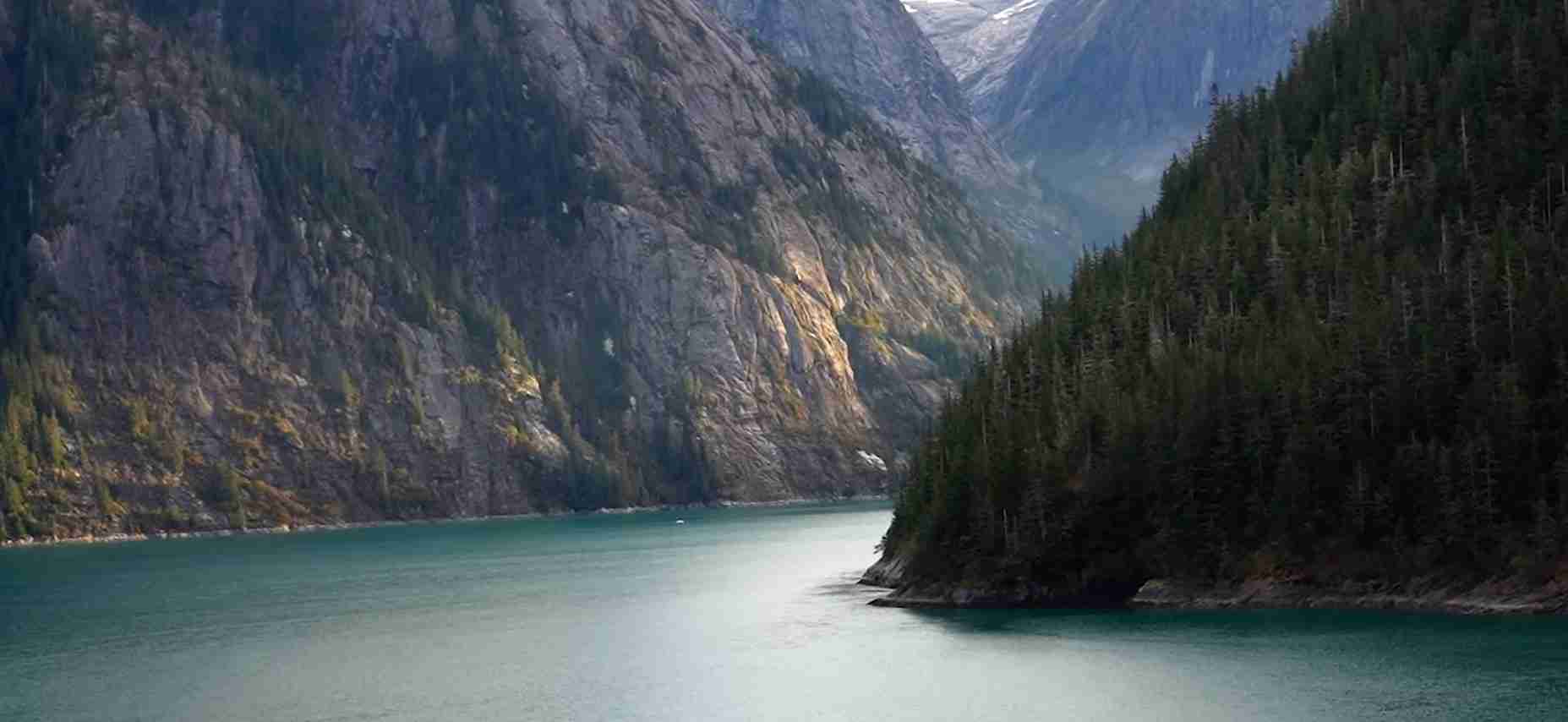
The Inside Passage stretches 500 miles along Alaska’s southeastern coast, threading through a protected waterway system where glacier-carved fjords meet temperate rainforests, tidewater glaciers calve into pristine waters, and humpback whales breach beneath snow-capped peaks. This legendary cruise route, sheltered by hundreds of islands forming the Alexander Archipelago, delivers intimate access to Alaska’s wilderness without the rough seas of open-ocean crossings, connecting historic gold rush ports, indigenous Tlingit communities, and some of North America’s most spectacular natural scenery.
Key Takeaways
- Protected Waterway Navigation: The Inside Passage’s island-sheltered route creates calm cruising conditions compared to open Gulf of Alaska crossings, making it ideal for those concerned about seasickness while providing continuous scenic viewing through narrow channels and fjords.
- Historic Port Diversity: Four primary ports—Ketchikan, Juneau, Skagway, and Sitka—each represent distinct chapters of Alaska’s past from Russian colonial heritage to Klondike Gold Rush history, indigenous Tlingit culture, and modern state capital life.
- Glacier Viewing Concentration: Glacier Bay National Park, Tracy Arm Fjord, and other glacier destinations provide opportunities to witness active tidewater glaciers calving massive ice chunks while Park Rangers aboard ships explain the glaciology and ecology.
- Wildlife Encounter Probability: The Inside Passage’s protected waters concentrate marine mammals including humpback whales performing bubble-net feeding, orcas hunting in pods, sea lions hauled on rocks, and bald eagles perched along shorelines, with sightings occurring during sailing segments between ports.
- Cruise Format Options: Round-trip sailings from Seattle or Vancouver allow convenient week-long vacations without repositioning flights, while one-way Gulf crossings combine Inside Passage ports with extended glacier viewing and interior Alaska access.
- Shore Excursion Variety: Each port offers distinct activities from totem pole parks and salmon fishing in Ketchikan, to helicopter glacier landings in Juneau, historic railroad journeys in Skagway, and wildlife viewing throughout the region.
People Also Ask About Alaska Inside Passage Cruises
What makes the Inside Passage different from other Alaska cruise routes?
The Inside Passage operates as a protected waterway system where hundreds of islands forming the Alexander Archipelago shield cruise ships from Pacific Ocean swells, creating significantly calmer sailing conditions than Gulf of Alaska crossings. This 500-mile coastal route threads through narrow channels, fjords, and island passages where ships navigate close to forested shorelines rather than open water, providing continuous scenic viewing and frequent wildlife sightings impossible during open-ocean segments. The sheltered nature means waves rarely exceed gentle swells even during storms, making Inside Passage cruises particularly suitable for first-time cruisers or those prone to seasickness.
The route’s geography also determines port selection and itinerary structure. Inside Passage cruises focus on Southeast Alaska’s historic communities—Ketchikan, Juneau, Skagway, Sitka—with glacier viewing typically limited to Glacier Bay or Tracy Arm Fjord during dedicated scenic cruising days. Gulf of Alaska crossings, by contrast, sail one-way between Seattle or Vancouver and Whittier or Seward near Anchorage, incorporating Inside Passage ports while adding extensive glacier viewing including Hubbard Glacier and College Fjord, though requiring repositioning flights. The Inside Passage’s round-trip structure from Pacific Northwest ports eliminates flight logistics while concentrating on the classic southeastern Alaska experience of ports, glaciers, and wildlife within a week-long framework.
How many days should I cruise the Inside Passage?
Seven-day cruises represent the standard Inside Passage itinerary, providing sufficient time to visit three to four ports (typically Ketchikan, Juneau, and Skagway, sometimes adding Sitka or Icy Strait Point), experience one full day of glacier viewing in Glacier Bay or Tracy Arm, and enjoy sailing days through the protected waterways. This week-long format balances comprehensive Inside Passage coverage with practical vacation length, departing Seattle or Vancouver on weekends for convenient work schedules. The seven days include roughly three port days with 6-8 hours ashore in each community, one full glacier day, and remaining time split between scenic sailing through the Inside Passage and transit days to and from the cruising grounds.
Extended itineraries of 10-14 days exist for those wanting deeper exploration, adding lesser-visited ports like Wrangell and Petersburg, incorporating additional glacier destinations, allowing overnight stays in select ports, or combining Inside Passage sailing with British Columbia destinations like Victoria. Shorter five-day cruises serve budget-conscious travelers or those with limited vacation time, though these abbreviated sailings typically visit only two ports and may skip glacier viewing entirely. The seven-day standard emerged as the optimal balance—sufficient time to experience Inside Passage highlights without the extended commitment of two-week voyages, while matching the typical American vacation week structure that makes the cruises accessible to working professionals.
Can you see the northern lights on Inside Passage cruises?
Northern lights viewing on Inside Passage cruises remains highly unlikely as the primary cruise season runs from May through September when Southeast Alaska experiences 15-18 hours of daylight, eliminating the darkness essential for aurora visibility. Even during strong geomagnetic storms that create aurora at lower latitudes, the region’s summer twilight overpowers the northern lights, rendering them invisible or barely perceptible against the bright sky. The Inside Passage’s southern latitude—Juneau sits at 58°N, Ketchikan at 55°N—places the region at the southern edge of regular aurora visibility even during winter months with adequate darkness.
Alaska cruises operating during shoulder seasons (late April, early May, late September) encounter increasing darkness as summer solstice recedes, creating theoretical aurora possibilities during the limited nighttime hours. However, cruise itineraries schedule overnight sailing rather than port time during dark hours, meaning passengers would view any aurora from moving ships in areas with significant light pollution from the vessel itself. Travelers prioritizing northern lights viewing should consider land-based Alaska travel during winter months in Fairbanks or other interior locations, or choose cruise-tour combinations that add interior Alaska components where aurora viewing represents a realistic possibility during appropriate seasons.
Extended multi-day tours – 5+ days
Featured Alaska Multi-Day Tour Packages
3 days
Alaska 3-Day Discovery Tour
- ✓ Comprehensive Alaska experience
- ✓ Expert local guides included
- ✓ All accommodation included
- ✓ Transportation provided
5 days
Alaska 5-Day Highlights Experience
- ✓ Comprehensive Alaska experience
- ✓ Expert local guides included
- ✓ All accommodation included
- ✓ Transportation provided
7 days
Alaska 7-Day Cultural Journey
- ✓ Comprehensive Alaska experience
- ✓ Expert local guides included
- ✓ All accommodation included
- ✓ Transportation provided
10 days
Alaska 10-Day Complete Adventure
- ✓ Comprehensive Alaska experience
- ✓ Expert local guides included
- ✓ All accommodation included
- ✓ Transportation provided
Multi-day tour packages powered by TourRadar. Prices and availability subject to change.
What is the best time to cruise the Inside Passage for wildlife viewing?
Mid-May through mid-September provides optimal wildlife viewing across multiple species, with specific timing preferences depending on target animals. Humpback whales concentrate in Inside Passage waters throughout the entire cruise season as they feed on herring and krill, with peak activity during June through August when the highest whale numbers coincide with maximum food availability—this period offers the best probability for witnessing bubble-net feeding, breaching, and other spectacular surface behaviors. Orcas hunt through Inside Passage waters year-round but appear most reliably during July and August when salmon runs attract resident pods, creating opportunities to observe these apex predators hunting cooperatively.
Brown bears fishing at salmon streams become visible during peak salmon runs from July through September, with August representing the highest activity period when multiple salmon species spawn simultaneously. Bald eagles maintain presence throughout Southeast Alaska year-round, though summer months see the most active behavior as adults feed eaglets and newly fledged juveniles appear, while the largest eagle concentrations occur during late fall outside the standard cruise season. Marine mammals including harbor seals, sea lions, and porpoises appear consistently throughout summer months. The mid-season period of late June through early August maximizes simultaneous viewing opportunities across the full range of Inside Passage wildlife, though any summer cruise date provides excellent wildlife encounter probability compared to most North American destinations.
Introduction
The Alaska Inside Passage operates as a maritime corridor extending from Washington’s Puget Sound northward through British Columbia’s coastal waters into Southeast Alaska’s island-protected channels, creating a 500-mile cruising route that has connected Pacific Northwest communities to Alaska’s resources and landscapes since indigenous peoples first navigated these waters in carved cedar canoes. The passage earned its name from the protected “inside” routing sheltered by the Alexander Archipelago’s hundreds of islands, which create calm-water channels allowing vessels to avoid the Pacific Ocean’s rough conditions while accessing Alaska’s southeastern communities, many remaining accessible only by boat or aircraft even today.
Modern cruise ships follow routes established during the 1897 Klondike Gold Rush when steamships carried tens of thousands of prospectors northward to Skagway, then the gateway to Canada’s Yukon goldfields. The shipping route’s strategic importance continued through World War II when military traffic surged, through Alaska’s territorial period and statehood in 1959, and into the contemporary era when cruise tourism emerged as Southeast Alaska’s dominant industry. Today’s Inside Passage carries more cruise passengers than any other Alaska route, with major cruise lines operating fleets of ships from May through September, while the Alaska Marine Highway ferry system provides year-round passenger and vehicle service to communities dependent on water transportation.
The Inside Passage cruise experience centers on the interplay between port visits revealing Alaska’s cultural heritage and scenic cruising through pristine wilderness. Port days in Ketchikan introduce visitors to Tlingit totem pole carving traditions and salmon fishing heritage, Juneau combines state capital energy with Mendenhall Glacier access, Skagway preserves Klondike Gold Rush history through meticulously maintained buildings and the historic White Pass & Yukon Route Railroad, while Sitka showcases Russian colonial architecture and indigenous cultural centers. Between ports, ships navigate narrow channels where forested hillsides drop directly to the waterline, glaciers descend from icefields to calve into fjords, and wildlife viewing occurs from comfortable deck chairs rather than expedition vessels.
Understanding Inside Passage geography and ecology enhances the cruise experience beyond surface-level scenic appreciation. The region exists as the largest remaining intact temperate rainforest ecosystem in North America, where annual precipitation exceeding 150 inches in some locations sustains Sitka spruce, western hemlock, and western red cedar growing to extraordinary sizes. The protected waters’ nutrient-rich upwellings support massive concentrations of plankton feeding herring, which in turn attract the humpback whales, orcas, and other predators creating the region’s renowned wildlife viewing. Tidewater glaciers representing the visible edges of vast icefields demonstrate ongoing glacial processes, calving icebergs and carving fjords in real-time geological demonstrations. This guide explores Inside Passage cruising through comprehensive sections examining the route’s geography, individual port characteristics, wildlife viewing opportunities, cruise selection factors, and practical preparation guidance.
Understanding the Inside Passage Route
The Inside Passage extends approximately 500 miles from Seattle or 300 miles from Vancouver northward to Alaska’s Icy Strait, though the full geographic region stretches nearly 1,000 miles from Washington’s Puget Sound to the northern end of Alaska’s Alexander Archipelago near Yakutat. Cruise itineraries typically navigate the central and northern portions, departing Seattle or Vancouver and proceeding northwest through Georgia Strait, Queen Charlotte Sound, and Hecate Strait in British Columbia before entering Southeast Alaska’s island-protected channels. The route threads between Vancouver Island and the British Columbia mainland initially, then continues through the Inside Passage proper where the Alexander Archipelago’s major islands—Prince of Wales, Kupreanof, Admiralty, Baranof, and Chichagof—create the protected waterway system.
The passage’s protected nature results from geological processes beginning millions of years ago when tectonic plate collision created the coastal mountain ranges, followed by repeated glaciation cycles carving deep fjords and isolating islands from the mainland. During the last ice age’s peak, glaciers thousands of feet thick covered the entire region, their immense weight depressing the land below sea level. As glaciers retreated beginning roughly 15,000 years ago, seawater flooded the carved valleys creating the protected channels, fjords, and straits that define the contemporary Inside Passage. This ongoing post-glacial rebound continues today, with the land rising several millimeters annually as it recovers from the ice sheets’ weight, slowly altering the passage’s configuration over geological timescales.
Navigation through the Inside Passage requires careful piloting despite the protected waters, as strong tidal currents create hazardous conditions in narrow channels, underwater rocks pose collision risks, and heavy fog reduces visibility particularly during spring and fall months. Cruise ships follow precisely charted routes through designated shipping lanes, with captains adjusting speeds and sometimes timing passages to coincide with favorable tidal conditions. The most dramatic narrows occur at locations like Wrangell Narrows—nicknamed “Christmas Tree Lane” for the dense navigation lights marking the channel—where ships must thread through passages barely wider than their beam at high tide. These confined waters create intimate viewing as ships pass within yards of forested shorelines, allowing passengers to observe details of the rainforest canopy and shoreline wildlife impossible during open-water cruising.
Scenic sailing days through the Inside Passage provide continuous viewing as landscapes transition from British Columbia’s forested islands to Southeast Alaska’s increasingly dramatic topography. The cruise’s first day typically involves overnight sailing through Georgia Strait and the northern passages, with passengers waking to find the ship already amid the Inside Passage scenery. Subsequent days balance port calls with sailing through particularly scenic segments—the approach to Juneau winds through Stephens Passage with whale watching opportunities, the route to Skagway navigates narrow Lynn Canal beneath towering peaks, and Glacier Bay or Tracy Arm require full-day sailings dedicated to glacier viewing. Unlike Caribbean cruises where open-ocean segments separate ports, Inside Passage sailing itself constitutes a primary attraction with passengers spending hours on deck watching passing scenery.
The Inside Passage’s ecological richness stems from the intersection between cold nutrient-rich ocean currents, temperate rainforest ecosystems, and tidewater glaciers. Upwelling currents bring nutrients from deep water to the surface, supporting enormous plankton blooms that form the base of a food chain extending from tiny krill through herring, salmon, halibut, and ultimately to whales, seals, sea lions, and orcas. The rainforest extends from sea level to alpine zones, with distinct elevation bands visible from ships—Sitka spruce dominates the coastline, western hemlock fills mid-elevations, mountain hemlock occupies subalpine zones, and ultimately alpine tundra appears near peaks. This vertical zonation creates habitat diversity supporting black bears, brown bears, Sitka black-tailed deer, mountain goats, wolves, and countless bird species, though most large mammals except bears remain difficult to spot from cruise ships due to dense forest cover.
Ketchikan: Gateway to the Inside Passage
Ketchikan occupies the southern position among Inside Passage cruise ports, serving as the first Alaska stop for northbound cruises and the final port for southbound sailings. The town clings to Revillagigedo Island’s steep hillsides above Tongass Narrows, a narrow channel separating the island from the mainland, where historic Creek Street’s houses stand on pilings over the water and wooden staircases climb hundreds of feet connecting waterfront businesses to hillside residential neighborhoods. Ketchikan’s position within the Tongass National Forest—America’s largest national forest encompassing 17 million acres—creates a setting where wilderness begins immediately beyond the town’s edges, with old-growth Sitka spruce and western red cedar surrounding the community.
The town’s identity centers on three primary elements: Native Alaskan totem pole heritage, salmon fishing history, and its status as the “First City” of Alaska for northbound travelers. Ketchikan hosts the world’s largest collection of standing totem poles, with major concentrations at Totem Bight State Historical Park, Saxman Native Village, and Totem Heritage Center. These poles represent both historic pieces dating to the 19th century and contemporary carvings continuing Tlingit, Haida, and Tsimshian artistic traditions. The poles depict clan histories, commemorate important events, honor deceased leaders, and demonstrate the sophisticated artistic culture that flourished in Southeast Alaska long before European contact. Professional carvers work in publicly accessible studios, allowing visitors to observe the detailed process of transforming cedar logs into ceremonial and commemorative poles.
Salmon fishing heritage permeates Ketchikan’s character, with the town having served as a major canning center processing millions of salmon annually during the industry’s peak in the early-to-mid 20th century. While industrial canning has declined, sport fishing remains central to the local economy and identity, with charter boats departing throughout summer months targeting king salmon, silver salmon, pink salmon, and halibut in surrounding waters. The fishing emphasis extends to shore excursions where cruise passengers try their hand at salmon fishing, visit salmon hatcheries witnessing millions of young fish being raised for release, and observe wild salmon spawning at Ketchikan Creek during peak runs. The salmon lifecycle—spawning in freshwater streams, migrating to the ocean, spending years at sea, then returning to natal streams to spawn and die—creates a natural spectacle visible throughout Southeast Alaska but particularly accessible in Ketchikan’s urban streams.
Creek Street, Ketchikan’s most photographed location, consists of a boardwalk and buildings constructed on pilings over Ketchikan Creek where salmon spawn during summer and fall months. This historic red-light district, operating legally during territorial days before Alaska statehood, has transformed into a tourist attraction with boutiques, galleries, and museums occupying the former brothels and saloons. The elevated boardwalk allows viewing salmon swimming beneath the buildings while shopping, creating a uniquely Alaskan commercial experience. Dolly’s House, the preserved former home of Dolly Arthur who operated here from the 1920s through the 1970s, functions as a museum demonstrating both the area’s colorful history and the physical reality of frontier life where homes balanced on stilts over tidal waters represented practical solutions to Ketchikan’s extreme topography.
Shore excursions from Ketchikan emphasize outdoor experiences exploiting the surrounding wilderness. Floatplane tours departing Ketchikan’s waterfront provide aerial perspectives over Misty Fjords National Monument, a 2.3-million-acre wilderness area featuring thousand-foot cliffs dropping directly into fjords, waterfalls cascading down vertical granite faces, and volcanic formations creating distinctive geographical features. These flights land on remote lakes for brief wilderness experiences before returning to Ketchikan. Fishing charters offer half-day trips targeting salmon and halibut, with catch-cleaning services allowing passengers to ship their fish home frozen. Zipline tours through the rainforest canopy and ATV excursions along logging roads provide adventure activities, while cultural tours visit Native villages witnessing traditional dance performances and learning totem pole symbolism from indigenous guides.
Juneau: Alaska’s Capital City
Juneau occupies a unique position as the only American state capital inaccessible by road, reachable solely by air or sea due to its location wedged between the Gastineau Channel and the steep Coast Mountains. This geographic isolation contributed to periodic proposals moving the capital to road-accessible locations like Anchorage, though Juneau has retained capital status since territorial days when its gold mining prominence and Inside Passage centrality made it the logical government seat. The city spreads along a narrow bench beneath Mount Juneau and Mount Roberts, both rising directly behind downtown to elevations exceeding 3,500 feet, creating a compressed urban landscape where government buildings, shops, and residential neighborhoods cluster between mountain and sea.
The Alaska State Capitol, constructed in 1931 during territorial days, anchors the government district with Art Deco architecture housing the legislature and governor’s office. The relatively modest structure reflects both the era’s limited budget and Alaska’s small population during construction, standing in stark contrast to grand capitol buildings in established states. Legislative sessions from January through April create government activity absent during summer cruise season, though the capitol offers public tours demonstrating Alaska’s political processes and history. The nearby Alaska State Museum presents comprehensive exhibits on Native Alaskan cultures, Russian colonial heritage, gold rush history, statehood, and contemporary Alaska, providing cultural context for the scenery and communities encountered throughout Inside Passage cruises.
Mendenhall Glacier, located 12 miles from downtown Juneau, provides the primary natural attraction accessible during port calls. This 13-mile-long glacier flows from the Juneau Icefield to terminate in Mendenhall Lake, where massive ice chunks calve from the 300-foot-high face throughout summer months. The U.S. Forest Service’s Mendenhall Glacier Visitor Center offers viewing platforms, educational exhibits explaining glaciology, and trail access approaching the glacier’s base. The Nugget Falls trail, a relatively easy 2-mile round-trip hike, reaches the foot of a 377-foot waterfall fed by glacier melt while providing close approaches to the glacier face and Mendenhall Lake’s iceberg-filled waters. More ambitious hikers access the East Glacier and West Glacier trails climbing to elevated viewpoints revealing the glacier’s full sweep from the icefield to the lake.
Mount Roberts Tramway, ascending 1,800 vertical feet directly from the cruise ship dock, provides immediate access to alpine perspectives, downtown overview compositions, and high-angle wildlife opportunities. The tramway operates throughout cruise season with hours extending into evening during peak weeks, allowing visitors to escape downtown crowds while experiencing alpine meadows, exposed ridgelines, and panoramic views encompassing Juneau, Gastineau Channel, Douglas Island, and distant peaks. The summit area includes nature trails, a theater presenting Alaska Native cultural films, and viewing platforms where bald eagles frequently perch on surrounding snags. Black bears occasionally appear in the alpine meadows during berry season, though sightings remain unpredictable and require maintaining safe distances.
Shore excursions from Juneau exploit the city’s position between tidewater glaciers and prime whale-feeding grounds. Whale watching tours departing Juneau’s harbor navigate Stephens Passage and Auke Bay seeking humpback whales engaged in bubble-net feeding, a cooperative hunting strategy where groups of whales circle beneath herring schools while exhaling bubbles to concentrate fish before lunging upward with mouths open. This behavior, relatively rare globally but regular in Juneau’s waters, creates dramatic viewing as multiple whales surface simultaneously surrounded by diving seabirds. Helicopter tours access the Juneau Icefield, landing on glacier surfaces for ice walking experiences and accessing seasonal ice caves carved by meltwater through the glacier’s interior. Mendenhall Glacier excursions range from bus tours to the Visitor Center through helicopter-accessed glacier treks and canoe trips across Mendenhall Lake approaching the glacier face from water.
Skagway: Gateway to the Klondike
Skagway exists as a monument to the Klondike Gold Rush, preserving the appearance and feel of an 1898 boomtown through National Park Service management of the downtown historic district. The town exploded from unpopulated shoreline to Alaska’s largest city within months of the 1897 Klondike gold discovery, as tens of thousands of stampeders passed through Skagway climbing either the Chilkoot Trail or White Pass to reach Canada’s Yukon Territory and the goldfields beyond. The gold rush’s sudden end left Skagway’s false-front buildings, boardwalks, and frontier character frozen in time, creating the most visually cohesive historic district along the Inside Passage and providing visitors with tangible connections to Alaska’s most dramatic historical period.
The White Pass & Yukon Route Railroad, constructed between 1898-1900 to replace the murderous mountain trails, represents both an engineering achievement and Skagway’s primary attraction. The narrow-gauge railroad climbs nearly 3,000 feet in 20 miles through tunnels, over bridges spanning gorges, and along ledges carved from sheer cliff faces, reaching White Pass on the Alaska-Canada border while providing passengers with spectacular mountain scenery and historical narration describing the gold rush stampeders who struggled through these same mountains carrying required one-year supplies. The train operates as a shore excursion rather than transportation, with various routes including the classic summit excursion turning around at Fraser, British Columbia, and longer trips reaching Bennett Lake where stampeders built boats for the river journey to Dawson City.
Downtown Skagway’s Broadway Street maintains its historic character through National Park Service preservation standards requiring building owners to maintain period-appropriate appearances. The Red Onion Saloon operates in its original 1898 building, though as a restaurant and bar rather than the brothel it once housed, with upstairs museum tours demonstrating the working conditions and living quarters of turn-of-the-century prostitutes. The Mascot Saloon Museum preserves an intact 1898 bar complete with original furnishings, bottles, and fixtures, providing authentic glimpses into frontier social life. Rangers lead free walking tours explaining building histories, gold rush personalities including notorious con artist Soapy Smith, and the broader story of 100,000 stampeders attempting the journey to Klondike goldfields with perhaps 30,000 succeeding.
The Klondike Gold Rush National Historical Park encompasses both downtown Skagway’s historic district and the Chilkoot Trail extending 33 miles from Dyea (9 miles from Skagway) over Chilkoot Pass to Lake Bennett. While few cruise passengers attempt the full multi-day Chilkoot hike, the trail’s lower portions remain accessible during port calls, allowing visitors to walk sections of the route where stampeders hauled their required tons of supplies. The famous “Golden Stairs” section where prospectors carved 1,500 steps into the Chilkoot Pass ice exists as one of history’s most dramatic photographs—a line of dark figures climbing white ice in single file—though contemporary hiking occurs during ice-free summer months. The trail serves as an International Historic Site jointly managed by U.S. and Canadian park services, preserving artifacts and infrastructure from the gold rush including collapsed shelters, rusted equipment, and the tramway towers that once hauled supplies over the pass.
Shore excursions from Skagway center on the railroad and outdoor activities exploiting the surrounding mountain landscape. Beyond the classic White Pass summit train journey, options include combining rail travel with lake cruises, bicycle rides downhill from White Pass, or extensions into Canada’s Yukon Territory. Helicopter tours land on glaciers descending from the Juneau Icefield, while rock climbing, ziplines, and ATV trails provide adventure activities. The Chilkoot Trail’s lower sections accommodate half-day hikes for energetic cruise passengers, while Dyea’s ghost town ruins—once larger than Skagway before the gold rush ended—demonstrate how quickly boom settlements appeared and vanished. Skagway’s compact size allows independent exploration on foot, with the entire historic district, cemetery, and waterfront walkable within a few hours, making it the easiest Inside Passage port for passengers choosing to explore independently rather than booking formal excursions.
Sitka: Russian America’s Capital
Sitka occupies Baranof Island’s western coast facing the Pacific Ocean rather than the protected Inside Passage channels, creating a distinctive geography where snow-capped mountains rise behind town while offshore islands and the dormant Mount Edgecumbe volcano punctuate the seaward horizon. This exposure to ocean swells means cruise ships anchor offshore in Sitka Sound rather than docking, with passengers tendered to shore via ship’s launches—a process adding logistical complexity while creating dramatic approach views of Sitka’s mountain-and-ocean setting. The town’s Russian heritage distinguishes it from other Inside Passage ports, with onion-domed St. Michael’s Cathedral, Russian Bishop’s House, and Russian Orthodox cemetery demonstrating the 18th-century colonial period when Sitka served as Russian America’s capital.
Russian colonial history began in 1799 when the Russian-American Company established Novo-Arkhangelsk (New Archangel) as the headquarters for Russia’s North American fur trading empire. The colony exploited sea otter populations while occasionally conflicting with indigenous Tlingit inhabitants who controlled the region before Russian arrival. The Battle of Sitka in 1804, where Russian naval forces defeated Tlingit warriors defending their settlement, remains a controversial historical event commemorated at Sitka National Historical Park but viewed differently by Russian descendants and Tlingit communities. Russia sold Alaska to the United States in 1867 for $7.2 million—approximately 2 cents per acre—with the formal transfer ceremony occurring in Sitka, then Alaska’s largest community and administrative center.
St. Michael’s Cathedral, originally constructed in 1848 and rebuilt following a 1966 fire, dominates downtown Sitka with brilliant blue onion domes and Orthodox crosses. The cathedral houses a collection of Russian Orthodox icons, religious artifacts, and historical documents surviving both the original cathedral’s fire and Alaska’s transition to American sovereignty. Services continue in both English and Church Slavonic, maintaining Orthodox traditions introduced during Russian colonial days. The Russian Bishop’s House, constructed in 1842 and now managed by the National Park Service, represents one of the oldest surviving Russian-built structures in North America, demonstrating colonial-era construction techniques and housing exhibits on Russian Orthodox missionary work among Alaska Natives.
Sitka National Historical Park preserves the 1804 battle site while providing an outstanding collection of Tlingit and Haida totem poles displayed throughout the park’s forested grounds. The totem trail winds through old-growth Sitka spruce forest along the coast, with poles positioned along the route creating a outdoor gallery of indigenous artistry. The park’s Southeast Alaska Indian Cultural Center hosts indigenous artists demonstrating traditional crafts including silver carving, basket weaving, and totem pole carving, while providing opportunities to discuss Tlingit culture directly with community members rather than receiving filtered interpretations from non-Native guides. The combination of battle site history, totem poles, and active cultural center makes Sitka National Historical Park the most comprehensive indigenous cultural experience available at Inside Passage ports.
Wildlife viewing opportunities in Sitka emphasize marine mammals accessible during tender rides between ship and shore or dedicated wildlife tours. Sea otters, hunted nearly to extinction for their fur during Russian colonial days, have recovered to healthy populations visible floating on their backs in kelp beds near shore, using rocks to crack open shellfish while employing kelp strands as anchors preventing drift. The Alaska Raptor Center rehabilitates injured bald eagles, hawks, and owls, providing close viewing of these birds while explaining their biology and the injuries—often human-caused—requiring treatment. Whale watching tours operate from Sitka’s harbor, though the town’s ocean exposure means trips venture into choppier waters than Inside Passage whale watching from Juneau or other ports.
Glacier Bay National Park
Glacier Bay National Park encompasses 3.3 million acres of mountains, glaciers, fjords, and marine ecosystems in Southeast Alaska’s northwestern corner, accessible solely by boat or aircraft with no road connections. Cruise ships devote full days to Glacier Bay, entering through Icy Strait and proceeding 65 miles up the bay to approach tidewater glaciers including Margerie Glacier, Grand Pacific Glacier, and Lamplugh Glacier. The bay itself represents a landscape recovering from recent glaciation—when Captain George Vancouver surveyed the area in 1794, ice extended to Icy Strait, while contemporary Glacier Bay exposes 65 miles of ice-free water, demonstrating the dramatic glacier retreat occurring over the past 230 years and providing scientists with opportunities to study ecological succession following deglaciation.
National Park Service regulations limit the number of cruise ships entering Glacier Bay daily during summer season, creating a controlled experience where perhaps two large ships and several small expedition vessels share the bay on any given day rather than the crowded conditions at some cruise ports. Park Rangers board ships during Glacier Bay transits, providing narration explaining glaciology, marine biology, Tlingit cultural history, and ecological processes visible throughout the journey. The ranger commentary transforms scenic cruising into educational programming, helping passengers understand the geological forces shaping the landscape, the ecological relationships between glaciers and marine ecosystems, and the ongoing changes as glaciers continue retreating in response to climate warming.
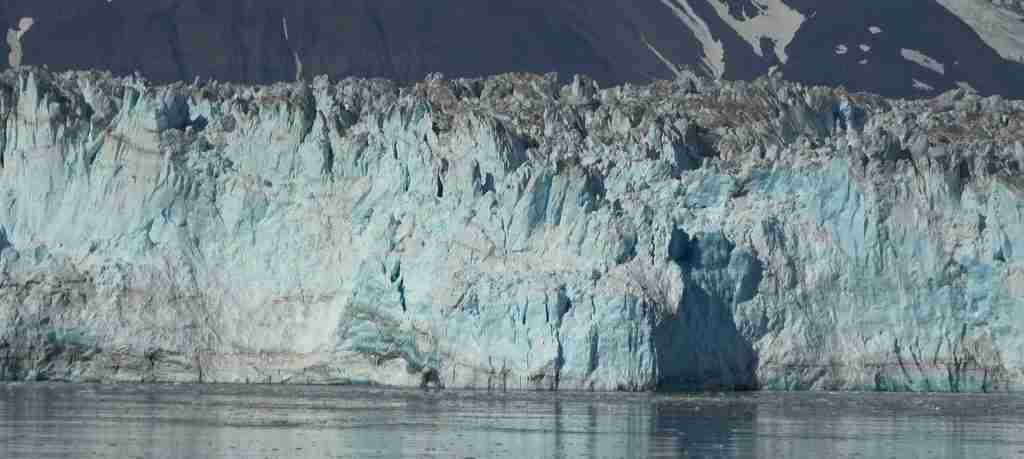
Margerie Glacier provides the primary destination for most Glacier Bay cruises, with ships approaching within roughly a quarter-mile of the glacier face and holding position for 30-60 minutes allowing passengers to observe the glacier’s massive scale and witness calving events. Margerie’s ice face rises approximately 250 feet above water with an additional 100 feet extending below the waterline, creating a wall of blue ice a mile wide across the fjord. Calving occurs when sections of ice break away from the glacier face and crash into the water, creating dramatic sounds ranging from rifle-crack reports for small pieces to thunderous booms for massive blocks, followed by splash impacts and waves radiating from impact sites. The frequency and size of calving events varies unpredictably—some Glacier Bay transits witness dozens of major calvings, others see only minor ice falls—though patient observation typically rewards watchers with memorable displays.
Wildlife viewing throughout Glacier Bay emphasizes marine mammals adapted to the cold, nutrient-rich waters. Humpback whales feed in the outer bay where the glacier-fed waters meet ocean currents, creating plankton concentrations supporting the krill and small fish whales consume. Orcas hunt throughout Glacier Bay, though sightings remain less predictable than humpbacks due to the orcas’ wide-ranging behavior and smaller population. Harbor seals haul out on icebergs calved from glaciers, using the floating ice platforms as safe resting sites away from predators while providing themselves proximity to the fish concentrations near glacier faces. Mountain goats appear as white specks on impossibly steep mountainsides, visible to sharp-eyed observers scanning the slopes flanking the fjords. Black bears and brown bears inhabit the forests and beaches but typically remain hidden during ship passages.
The ecological succession visible in Glacier Bay demonstrates how plant communities establish on bare ground exposed by retreating glaciers. Areas exposed longest, near the bay mouth, support mature Sitka spruce forest with trees several feet in diameter and dense understory shrubs. Mid-bay areas exposed more recently show young forests dominated by alder and willow establishing nitrogen in the soil and creating conditions for spruce establishment. The newest exposures near active glacier faces support only pioneering species like fireweed and dwarf shrubs colonizing the raw glacial debris. This progression from bare rock to mature rainforest, occurring over centuries but visible spatially throughout the bay, provides scientists with natural laboratories studying succession processes while giving cruise passengers visual demonstrations of ecological change typically occurring too slowly for human observation.
Wildlife Viewing Opportunities Along the Inside Passage
Humpback whales represent the Inside Passage’s most sought-after wildlife, with roughly 600 individuals summering in Southeast Alaska waters between May and September. These 40-50 foot whales migrate from Hawaiian breeding grounds to Alaska feeding areas annually, spending summer months consuming tons of herring, krill, and small fish daily to build fat reserves sustaining them through winter when they cease feeding entirely. The Inside Passage’s protected waters create ideal feeding conditions where nutrient-rich upwellings support massive prey concentrations, allowing whales to feed efficiently in relatively confined areas rather than dispersing across open ocean. Cruise ship sightings occur throughout the season during sailing segments, with highest encounter rates in Stephens Passage near Juneau, Icy Strait approaching Glacier Bay, and Frederick Sound between Petersburg and Juneau.
Bubble-net feeding, where groups of humpbacks cooperate to capture herring schools, creates the most dramatic whale encounters. This sophisticated hunting strategy involves whales diving below herring schools, swimming in circles while exhaling bubbles creating a cylindrical “net” concentrating fish, then lunging upward through the trapped herring with mouths open to engulf thousands of fish in single gulps. The behavior requires coordination between multiple whales with specific roles—some creating bubbles, others vocalizing to frighten fish toward the center, and all synchronizing the final upward lunge. Passengers witnessing bubble-net feeding observe the circular bubble pattern appearing at the surface, followed moments later by multiple whales erupting through the center simultaneously, often with seabirds diving to capture escaping fish. This cooperative hunting distinguishes Alaska humpbacks from most populations, occurring reliably in Southeast Alaska waters but rarely observed elsewhere.
Orcas (killer whales) inhabit Inside Passage waters year-round, though sightings occur less predictably than humpbacks due to orcas’ wider ranging behavior and smaller population numbers. Southeast Alaska hosts both resident orca pods feeding primarily on salmon and transient pods hunting marine mammals including seals, sea lions, and occasionally whale calves. The two ecotypes remain genetically distinct and socially separate despite occupying the same waters, demonstrating evolution creating specialized hunting strategies and social structures. Resident pods, more frequently encountered by cruise ships, travel in matriarchal family groups containing 20-40 individuals moving together while hunting salmon. The distinctive black-and-white coloration, tall dorsal fins reaching six feet on adult males, and coordinated surface behavior create unmistakable viewing when pods surface near ships.
Bald eagles populate the Inside Passage in densities unmatched elsewhere in the United States, with thousands nesting throughout Southeast Alaska. These raptors, while endangered or threatened in most of their range, thrive in Alaska where abundant salmon provide reliable food sources and old-growth forests supply nesting sites. Eagles perch conspicuously along shorelines, in dead trees extending above the forest canopy, and around communities where human activity provides scavenging opportunities. Cruise passengers observing shorelines during sailing segments frequently spot eagles, often multiple individuals visible simultaneously, engaged in activities from hunting fish to perching while watching for prey. The birds’ white heads and tails (developed at maturity around five years) contrast sharply against dark bodies and forest backgrounds, making identification straightforward even at distances where other bird species appear as unidentifiable specks.
Harbor seals and Steller sea lions represent the most commonly observed marine mammals beyond whales, with both species hauling out on rocks, beaches, and icebergs visible from ships. Harbor seals, smaller and shyer than sea lions, rest on isolated rocks and ice floes, diving quickly when disturbed but returning once threats pass. Steller sea lions congregate at traditional haul-out sites, creating colonies of dozens to hundreds of animals creating cacophonous roaring audible from considerable distances. Male sea lions reach 2,500 pounds, roughly five times larger than females, with massive shoulders and necks creating distinctive profiles. Both species feed primarily on fish, following salmon runs and herring schools creating overlap with whale feeding areas. Sea otters, once nearly extinct from fur hunting, have recovered in some Inside Passage locations particularly around Sitka, floating on their backs in kelp beds while using rocks to crack open shellfish and employing kelp strands as drift anchors.
Choosing Your Inside Passage Cruise
Inside Passage cruises operate on two primary formats: round-trip sailings from Seattle or Vancouver returning to the departure port, and one-way Gulf of Alaska crossings sailing between Pacific Northwest ports and Whittier or Seward near Anchorage. Round-trip cruises, typically seven days, provide convenient logistics requiring only round-trip flights to Seattle or Vancouver, with the ship handling all Alaska transportation while visiting three to four ports and Glacier Bay or Tracy Arm. One-way crossings, also typically seven days, combine Inside Passage ports with extended glacier viewing and transition to southcentral Alaska, though requiring one-way flights creating higher airfare and greater complexity. The round-trip format dominates the market as most passengers prioritize convenience over the additional destinations included in one-way crossings.
Cruise ship sizes range from mega-ships carrying 3,000-4,300 passengers to expedition vessels accommodating 100-200 guests, with mid-sized ships between 1,500-2,500 passengers representing the market middle. Mega-ships from lines including Royal Caribbean, Norwegian, and Princess offer extensive onboard amenities—multiple restaurants, theaters, waterslides, climbing walls—appealing to families and passengers prioritizing shipboard activities alongside Alaska scenery. These large ships visit the primary ports (Ketchikan, Juneau, Skagway) with infrastructure handling thousands of simultaneous visitors but cannot access smaller communities or navigate narrow passages where ship beam exceeds channel width. Mid-sized ships balance reasonable amenities with access to a broader range of ports, while small expedition ships emphasize destination immersion over shipboard facilities, visiting lesser-traveled ports like Wrangell and Petersburg while providing naturalist staff and expedition landing craft for wilderness experiences impossible from large vessels.
Departure ports affect both flight logistics and cruise experience quality. Seattle sailings begin immediately in Inside Passage waters, with ships entering British Columbia channels the first night and reaching Alaska waters by the second day. Vancouver departures eliminate U.S.-Canada border crossing complications for Canadian passengers while providing shorter sailing distances to Alaska, though American passengers face international flight requirements and potential customs delays. San Francisco sailings extend cruise length to 10-14 days including additional sailing time reaching Alaska, appealing to passengers wanting longer vacations and willing to accept more sea days. The departure port choice primarily affects convenience and price rather than the Alaska portion of the cruise, as ships from all three ports visit the same Inside Passage destinations once reaching Alaska waters.
Cruise line selection involves balancing ship size, amenities, service levels, and passenger demographics against Alaska-specific factors. Premium and luxury lines including Celebrity, Holland America, Princess, and various small-ship operators emphasize Alaska expertise developed through decades of operating in the region, with captain and crew experience navigating Inside Passage waters, onboard naturalists providing wildlife interpretation, and relationships with tour operators ensuring quality shore excursions. Mass-market lines bring larger ships and lower per-day costs, though sometimes with less Alaska-specific programming and newer crew lacking regional experience. Small-ship expedition lines like UnCruise and Lindblad focus exclusively on destination immersion with naturalists, expedition landing craft for wilderness access, and itineraries emphasizing lesser-visited locations, though at premium pricing reflecting higher crew-to-passenger ratios and specialized equipment.
Timing within the May-September season affects weather, wildlife activity, port crowds, and pricing. Early season (May) offers lower pricing and smaller crowds but cooler temperatures, more precipitation, and some tour operations not yet fully operational. Peak season (mid-June through mid-August) provides the best weather probability, maximum tour availability, and highest wildlife activity but brings the largest crowds at ports and highest pricing. Late season (September) returns to lower crowds and pricing while maintaining good wildlife viewing and the addition of fall foliage, though deteriorating weather and some tours ceasing operation create trade-offs. The optimal timing depends on individual priorities—budget-conscious travelers accepting weather uncertainty benefit from shoulder seasons, while those prioritizing optimal conditions justify peak-season premiums.
Shore Excursions and Activities Throughout the Inside Passage
Shore excursions represent significant components of Inside Passage cruise experiences, with most passengers booking organized tours rather than exploring ports independently. The structured nature of excursions ensures return to ships before departure, provides transportation to attractions beyond walking distance, and includes expert guides explaining cultural and natural history contexts. However, excursions carry substantial costs beyond cruise fares—typical excursions range from moderate for bus tours to premium for helicopter experiences or extended activities, with families potentially spending significant amounts across multiple ports. The decision between booking through cruise lines versus independent operators involves balancing convenience and guaranteed return against potential cost savings from independent booking.
Ketchikan excursions emphasize totem pole viewing, fishing, and wilderness experiences exploiting the surrounding Tongass National Forest. Cultural tours visit Saxman Native Village or Totem Bight State Historical Park viewing totem poles while indigenous guides explain pole meanings and carving traditions. Fishing charters provide opportunities to catch salmon and halibut, with fish-processing services shipping frozen catches home. Floatplane tours over Misty Fjords National Monument combine scenic flying with remote lake landings for brief wilderness exposure. Adventure activities including ziplines through rainforest canopy, duck boat tours combining land and water travel, and sea kayaking in protected bays appeal to active passengers. Simple walking tours through downtown Ketchikan and Creek Street suit independent explorers, with the compact downtown area and waterfront accessible without transportation.
Juneau excursions exploit the city’s position between Mendenhall Glacier and prime whale habitat. Whale watching tours represent Juneau’s most popular excursions, departing the harbor for 3-4 hour trips through Stephens Passage seeking humpback whales engaged in bubble-net feeding, with success rates exceeding 90% during peak season. Mendenhall Glacier access ranges from basic bus tours to the Visitor Center through helicopter tours landing on the glacier for ice walking, with intermediate options including guided hikes to the glacier base or canoe trips across Mendenhall Lake. The Mount Roberts Tramway provides independent access to alpine areas without booking formal excursions, though helicopter tours accessing the Juneau Icefield and dog sledding on glacier surfaces represent bucket-list experiences unique to Alaska. Gold panning demonstrations, brewery tours, and downtown walking tours provide less physically demanding alternatives.
Skagway excursions center on the White Pass & Yukon Route Railroad, with virtually all passengers booking some version of the scenic rail journey. The classic summit excursion reaches White Pass before returning to Skagway, while extended versions continue to Bennett Lake combining rail with lake cruises, or provide one-way rail trips with bus returns allowing downhill bicycle riding. Independent activities suit Skagway well—the entire historic district occupies a compact grid walkable in 2-3 hours, with National Park Service ranger tours departing regularly from the visitor center. Helicopter glacier tours, dog sledding, and Chilkoot Trail hikes provide outdoor alternatives, though the railroad dominates excursion bookings given its historical significance and scenic value. Passengers skipping organized excursions easily explore Skagway independently, with numerous shops, museums, and historic buildings accessible without guides.
Sitka excursions accommodate the tender process requiring passengers to ride launches between anchored ships and shore, limiting time available for activities. The town’s compact size concentrates attractions within walking distance—St. Michael’s Cathedral, Russian Bishop’s House, and downtown shops lie within 10 blocks of the tender dock, while Sitka National Historical Park sits 1.5 miles distant along a coastal trail. Organized excursions provide efficient access to multiple attractions through bus tours combining the Russian heritage sites, totem park, and Alaska Raptor Center in single packages. Sea kayaking in Sitka Sound, wildlife cruises seeking sea otters and whales, and flightseeing over Mount Edgecumbe volcano appeal to outdoor enthusiasts. The tender requirement effectively mandates efficiency—passengers cannot linger at will knowing tender rides consume time, encouraging participation in organized excursions ensuring return to tenders on schedule.
Seasonal Considerations for Inside Passage Cruises
The Inside Passage cruise season operates from May through September, with specific months offering distinct advantages and disadvantages affecting weather, wildlife activity, crowds, and pricing. May initiates the season with relatively few ships operating, creating quiet port experiences and lower pricing, though cool temperatures, higher precipitation probability, and some tour operations not yet fully active create trade-offs. Temperatures in May average 50-55°F in Southeast Alaska, with frequent rain and overcast conditions typical, though the extended daylight hours—16-17 hours from sunrise to sunset—provide ample viewing time. Snow remains visible on mountains to lower elevations than later summer, creating dramatic scenery though limiting some high-elevation hiking access.
June through August represents peak season when weather reaches optimal conditions, wildlife activity peaks, and all tour operations function fully, though crowds and pricing reach maximum levels. June temperatures average 55-60°F, July and August warm to 60-65°F, with these temperatures representing daily highs in coastal locations—mornings and evenings remain cooler requiring layered clothing. Precipitation decreases relative to shoulder seasons though rain remains possible on any summer day, with Southeast Alaska’s maritime climate creating inherent weather unpredictability. Daylight extends to 18-19 hours during summer solstice in late June, creating extended golden hour periods and allowing full days of activities without darkness constraints. These optimal conditions attract maximum cruise deployment with multiple ships visiting ports daily, creating crowded dock areas and overwhelming some small communities with thousands of visitors simultaneously.
September marks the transition from peak season toward autumn, with decreased crowds and pricing returning while generally maintaining good wildlife viewing and adding fall foliage colors. Early September continues summer patterns with reasonable weather and full tour availability, while late September sees deteriorating conditions as autumn storms increase and some seasonal operations close for winter. Temperatures cool to 50-55°F with increasing precipitation, while daylight shortens noticeably from 15 hours in early September to 12 hours by month’s end. The changing seasons create photographic opportunities as hillsides transform from solid green to patches of gold and red, particularly visible at higher elevations. Cruise ship deployment decreases through September with the season ending by late month, creating far less crowded ports than summer while maintaining access to primary attractions.
Weather unpredictability throughout the Inside Passage season requires flexible expectations regardless of travel month. Southeast Alaska receives 60-150 inches of annual precipitation depending on location, with rain possible during any visit. The maritime climate creates rapid weather changes—clear skies can become overcast within hours, fog can roll in obscuring views, or conversely, storms can break allowing sunshine illuminating glaciers against dark clouds. Successful Inside Passage cruising involves accepting weather as uncontrollable while preparing appropriately with waterproof clothing, maintaining positive attitudes during rain, and appreciating the dramatic scenery fog and mist create rather than viewing precipitation as vacation failures. The protected waters ensure comfortable sailing even during storms, though glacier viewing and wildlife watching certainly benefit from clear conditions creating preference for high-season travel despite the accompanying crowds.
The Onboard Cruise Experience
Inside Passage cruising emphasizes destination experiences over shipboard activities, with most passengers spending sailing days on outdoor decks watching scenery rather than utilizing pools, spas, or entertainment venues. The protected waters create smooth sailing encouraging outdoor viewing, while the continuous scenery—forested islands, mountain ranges, occasional wildlife sightings—maintains interest during full sailing days between ports. Ship designs reflect this focus with extensive outdoor deck space, floor-to-ceiling windows in public areas, and open-air viewing platforms. However, the cool temperatures require different onboard behavior than Caribbean cruises—passengers dress in layers with jackets and rain gear readily available rather than resort casual, while pools see limited use despite ships maintaining heated water.
Onboard educational programming supplements the destination experiences through expert presentations covering Alaska natural history, Native cultures, gold rush history, and contemporary Alaska topics. Naturalists employed by cruise lines or guest experts provide talks on whale biology, glacier formation, Alaska Native traditions, and other subjects, with presentations scheduled during sea days when passengers gather indoors. Some cruise lines embark National Park Service rangers providing programs on Glacier Bay and other park areas, lending official authority to the educational content. These programs help passengers understand the landscapes and cultures encountered, transforming simple scenic viewing into informed appreciation of the complex ecological and cultural systems creating the Inside Passage environment.
Dining aboard Inside Passage cruises reflects broader cruise industry trends while incorporating Alaska-specific elements. Main dining rooms serve multi-course dinners with menus including local specialties like Alaska king crab, wild salmon, halibut, and reindeer sausage alongside standard cruise fare. Specialty restaurants operate on some ships charging additional fees for premium dining experiences. The buffet breakfast and lunch options allow flexible timing accommodating shore excursion schedules and personal preferences. Alaska salmon appears regularly on menus, sometimes featured in special presentations explaining different salmon species and preparation methods, though the ubiquity can become repetitive for longer cruises. Shore excursions sometimes include meals—salmon bakes featuring grilled salmon with accompaniments, crab feasts serving king crab legs, or native food tastings incorporating indigenous preparations.
Evening entertainment varies dramatically by ship size and cruise line, from Broadway-style productions and headline entertainers on mega-ships to intimate performances and enrichment lectures on smaller vessels. The extended daylight during summer season means entertainment schedules adapt to Alaska’s light conditions—shows may not begin until 9-10 PM when indoor theaters become preferable to bright outdoor decks, while passengers often skip evening entertainment entirely in favor of late-evening deck watching as sunsets (during peak season) occur near midnight. The entertainment, while professionally executed, typically attracts less attention than on Caribbean or Mediterranean cruises where passengers spend more time utilizing shipboard facilities. Alaska cruising emphasizes days over evenings, with most passengers retiring relatively early after full days combining shore excursions with shipboard activities.
Packing for Inside Passage Cruises
Inside Passage packing requires balancing cruise ship formality expectations with Alaska’s cool, wet weather and outdoor activity demands. The temperature range during cruise season typically spans 50-65°F, requiring layered clothing adaptable to varying conditions rather than simple warm-weather resort casual. A waterproof rain jacket with hood represents the single most essential item, providing protection during inevitable rain while serving as wind protection during deck viewing. Layering beneath the rain jacket—base layers, fleece or wool mid-layers, and the outer shell—allows adaptation to temperature changes throughout days, with mornings and evenings cooler than midday even during summer months.
Footwear demands include waterproof walking shoes or hiking boots for shore excursions involving trails or potentially muddy conditions, comfortable walking shoes for port exploration and shipboard wear, and potentially dressier shoes for formal dining nights depending on cruise line policies. The wet conditions make waterproof or water-resistant footwear essential, as rain-soaked feet create misery during extended walking. Sandals or flip-flops serve for cabin wear and potentially around ship pools though see limited outdoor use given the temperatures. Breaking in new shoes before the cruise prevents blisters during the extensive walking involved in port exploration and excursions.
Clothing for shore excursions emphasizes synthetic or wool materials that insulate when wet, as cotton retains moisture creating hypothermia risk if soaked by rain or splashed during boat activities. Long pants provide protection from brush on trails and warmth during boat tours, while shorts see limited Alaska use except potentially during exceptional weather. Multiple light layers prove more versatile than single heavy layers, allowing adjustment to varying activity levels and conditions. Gloves and warm hats serve during early morning or evening glacier viewing when wind chill factors significantly, while baseball caps or rain hats shade eyes and shed rain. Binoculars enhance wildlife viewing significantly, bringing distant whales, eagles, and bears into clear view from ship decks.
Formal cruise wear requirements vary by cruise line and ship—traditional cruise lines maintain formal nights requiring suits or sport coats for men and cocktail dresses for women, while contemporary and expedition lines adopt relaxed dress codes allowing smart casual throughout. Understanding specific cruise line policies prevents packing unnecessary formal wear or arriving unprepared for formal dining expectations. Beyond formal nights, shipboard dining allows resort casual—nice jeans or khakis with collared shirts, casual dresses—though Alaska cruising tends slightly more casual than Caribbean sailings given the outdoor focus. Packing minimal formal wear reduces luggage weight, particularly relevant for passengers booking pre- or post-cruise land tours involving smaller aircraft with strict baggage limits.
Frequently Asked Questions
Do I need a passport to cruise the Inside Passage?
Passport requirements for Inside Passage cruises depend on the cruise’s routing and whether it calls on Canadian ports. Round-trip cruises departing and returning to U.S. ports (Seattle) that visit only Alaska ports technically fall under the Western Hemisphere Travel Initiative allowing U.S. citizens to travel with government-issued photo ID and certified birth certificates rather than passports. However, cruises departing from or calling at Canadian ports (Vancouver, Victoria) require valid passports for all passengers regardless of age or citizenship. Most Inside Passage cruises include at least one Canadian port—Vancouver as a departure/arrival point or Victoria as a port call—making passports effectively mandatory for the vast majority of Inside Passage sailings.
Beyond legal requirements, carrying a valid passport represents prudent travel practice even on closed-loop cruises theoretically allowing alternatives. Medical emergencies requiring air evacuation from Alaska to home cities, or ship emergencies forcing passenger disembarkation in foreign ports, create situations where passport-less travelers face complications reentering the United States. Additionally, passport cards (valid for land and sea travel but not air) do not suffice if situations require emergency flights. The minimal inconvenience of obtaining passports provides insurance against these unlikely but serious scenarios, making passport acquisition advisable for all cruise passengers regardless of technical requirements for their specific sailing.
How rough is the sailing on Inside Passage cruises?
Inside Passage cruises operate through protected waters sheltered by the Alexander Archipelago’s hundreds of islands, creating significantly calmer sailing conditions than open-ocean crossings or exposed coastal routes. The passage’s geography means ships navigate channels typically 10-50 miles wide with islands buffering Pacific Ocean swells, resulting in gentle wave action even during storms that create rough conditions in open waters. Most passengers experience minimal motion throughout Inside Passage segments, with the protected routing specifically designed to avoid the rough seas that affected historical sailing vessels attempting outside passages along Alaska’s exposed Pacific coast.
However, some route segments encounter choppier conditions depending on weather and specific channels navigated. The approaches to and from Seattle or Vancouver traverse more exposed waters including Georgia Strait and Queen Charlotte Sound before reaching the fully protected Inside Passage, creating brief periods of increased motion typically occurring overnight when most passengers sleep. Ships visiting Sitka encounter ocean swells in Sitka Sound where the port faces the Pacific directly rather than sheltered channels. The crossing from Inside Passage to Glacier Bay navigates Icy Strait, a more exposed waterway where ocean influence creates wave action exceeding the typical protected passages. Despite these occasional choppier segments, Inside Passage cruising remains among the calmest in the cruise industry, with seasickness rarely problematic for passengers who tolerate typical boat motion.
Are Inside Passage cruises suitable for young children?
Inside Passage cruises accommodate families with children across wide age ranges, though suitability depends on specific cruise ships, itineraries, and family preferences rather than the destination itself. Mega-ships from mainstream cruise lines offer extensive kids’ clubs, pools, waterslides, and youth-oriented programming making them family-friendly regardless of destination, with Alaska providing additional educational value through wildlife viewing, glacier experiences, and cultural exposure. These large ships typically welcome children with organized activities occupying kids while parents enjoy adult pursuits, though Alaska’s shore excursions often involve extended outdoor activities and walking that challenge very young children’s endurance and attention spans.
Practical considerations for families include excursion selection appropriate to children’s ages and abilities—gentle wildlife cruises and scenic train rides suit most children, while extended hiking, fishing, or helicopter tours may prove difficult with very young kids. Port days typically run 6-8 hours, testing patience for children accustomed to shorter outings, though the variety of activities and constant novelty generally maintains interest better than repetitive beach resort days. Small luxury or expedition ships often restrict or discourage children due to limited facilities and adult-focused programming, making ship selection critical for families. Weather requiring layered clothing and potential rain complicates managing young children compared to warm-weather destinations, though proper preparation mitigates these challenges. Overall, families with school-age children find Inside Passage cruises highly successful, while those with toddlers should carefully evaluate ship choice and itinerary intensity before booking.
Can I see the Inside Passage without taking a cruise?
The Alaska Marine Highway ferry system provides alternative Inside Passage transportation serving coastal communities from Bellingham, Washington through Southeast Alaska to the Aleutian Islands, allowing travelers to experience the passage while avoiding cruise ship crowds and costs. These state-operated ferries carry vehicles and walk-on passengers, operating year-round on various routes connecting Inside Passage ports including Ketchikan, Wrangell, Petersburg, Sitka, Juneau, Haines, and Skagway. Passengers can travel the full route continuously or disembark at ports spending days or weeks exploring before continuing on subsequent ferries, creating flexible independent travel impossible on scheduled cruises.
The ferry experience differs dramatically from cruising—vessels focus on transportation rather than vacation amenities, with basic cafeterias replacing cruise dining, simple cabin berths or open sleeping areas (solariums) substituting for cruise staterooms, and no organized entertainment or shore excursions. However, ferries provide intimate access to the passage’s scenery from outdoor decks without cruise ship crowds, opportunities to interact with Alaska residents using ferries as primary transportation, and far lower costs than cruise fares. The trade-offs involve planning complexity as travelers arrange their own accommodations at ports, less predictable wildlife viewing without naturalist guidance directing attention to sightings, and the need to research and organize shore activities independently rather than booking packaged excursions. The ferry system serves adventure travelers, budget-conscious explorers, and those seeking authentic Alaska experiences beyond the structured cruise environment.
What is the difference between Glacier Bay and Tracy Arm for glacier viewing?
Glacier Bay National Park and Tracy Arm Fjord both provide spectacular tidewater glacier viewing though through different experiences and logistics. Glacier Bay, located 65 miles northwest of Juneau, requires full-day dedications with ships entering at dawn and departing at dusk, sailing the full 65-mile length to reach glaciers including Margerie Glacier at the bay’s head. National Park Service regulations limit daily vessel entries creating controlled viewing with typically two large cruise ships and several small vessels sharing the bay on any given day. Park Rangers board ships providing narration throughout the transit, explaining glaciology, ecology, and Tlingit history while helping passengers understand the dramatic glacier retreat visible throughout the bay. The experience emphasizes education alongside scenery, with ranger programs helping passengers appreciate the geological and ecological processes rather than simply viewing ice.
Tracy Arm Fjord extends 30 miles south of Juneau, ending at the twin Sawyer Glaciers—South Sawyer and North Sawyer. The fjord’s narrow configuration—in places barely 1,000 feet wide with vertical walls rising thousands of feet—creates more intimate viewing than Glacier Bay’s wider passages, with ships approaching within touching distance of sheer granite faces, waterfalls cascading down cliffs, and dense iceberg concentrations in the narrow channel. The dramatic vertical relief and confined spaces create cathedral-like atmospheres, though the narrow channel means only smaller ships can navigate its full length while mega-ships often substitute Tracy Arm with other glacier destinations. Unlike Glacier Bay’s ranger programs, Tracy Arm visits typically feature cruise line naturalists providing commentary. Both destinations deliver world-class glacier viewing—Glacier Bay offers greater variety visiting multiple glaciers across 65 miles with official park interpretation, while Tracy Arm provides more concentrated drama through its extreme vertical relief and narrow confines creating intense immersion in the glacier environment.
How much time do cruise ships spend in each port?
Inside Passage ports typically receive 6-9 hours of ship time from docking through final departure, with exact durations varying by itinerary and port. Ketchikan, often the first Alaska stop, generally receives 7-8 hours as ships arrive mid-morning and depart late afternoon, providing sufficient time for half-day excursions including floatplane tours, fishing charters, or cultural tours while allowing independent explorers to walk downtown and Creek Street at leisure. Juneau typically sees similar 7-9 hour calls with morning arrivals and evening departures, accommodating the logistics of Mendenhall Glacier visits (requiring 30-minute bus rides each direction) and whale watching tours (typically 3-4 hours) while maintaining schedule integrity.
Skagway often receives the longest port time at 8-10 hours, accommodating the White Pass & Yukon Route Railroad’s schedule which operates on fixed departure times throughout the day with journeys lasting 3-4 hours. The extended time also allows passengers skipping the railroad to hike portions of the Chilkoot Trail or explore surrounding areas. Sitka, requiring tender operations between anchored ships and shore, typically allocates 7-8 hours accounting for tender transit time consuming 20-30 minutes each direction beyond actual shore time. These port durations generally suffice for single major excursions plus some independent exploration, though attempting multiple extensive activities in single ports proves challenging. The scheduling reflects balance between providing meaningful port experiences and maintaining cruise itineraries requiring nighttime repositioning between widely separated ports—ships typically depart ports by early evening, sail overnight, and arrive at the next port the following morning.
What vaccinations or health precautions are needed for Alaska cruises?
Alaska cruises require no specific vaccinations beyond routine immunizations recommended for general health, as Southeast Alaska poses no endemic disease risks requiring specialized protection. The region’s cold climate eliminates mosquito-borne diseases common in tropical destinations, while modern infrastructure in cruise ports provides safe food and water matching U.S. standards throughout. Travelers should maintain current tetanus immunizations as recommended for general protection, particularly relevant given outdoor activities involving potential minor injuries during hiking or wildlife viewing excursions. Routine vaccinations for influenza may be advisable given the close quarters aboard ships where respiratory infections spread readily, though this represents general cruise precaution rather than Alaska-specific requirement.
Health precautions focus primarily on injury prevention and weather-related concerns rather than disease prevention. The outdoor emphasis of Inside Passage excursions creates exposure to uneven terrain during hiking, slippery conditions on wet boardwalks and boat decks, and potential wildlife encounters requiring awareness rather than medical intervention. Motion sickness medication benefits passengers prone to seasickness, though the Inside Passage’s protected waters minimize this concern relative to open-ocean cruises. Travelers with cardiovascular or respiratory conditions should realistically assess their capabilities for physically demanding excursions including significant hiking, high-altitude train rides, or helicopter flights, consulting physicians about activity appropriateness. The remote nature of some Inside Passage locations means medical evacuation from certain areas requires hours potentially affecting emergency response, making honest self-assessment of physical capabilities important for elderly travelers or those with serious health conditions.
Can I bring alcohol on Inside Passage cruises?
Alcohol policies for Inside Passage cruises follow individual cruise line regulations rather than destination-specific rules, with policies varying significantly between cruise lines and sometimes even between ships within the same line. Most major cruise lines prohibit passengers from bringing spirits (hard liquor) or beer aboard ships, though many allow limited wine or champagne—typically one or two bottles per stateroom—with corkage fees charged if wine is consumed in dining rooms rather than staterooms. These policies aim to protect cruise lines’ profitable beverage sales programs while acknowledging that complete alcohol prohibitions create enforcement challenges and passenger dissatisfaction.
Passengers purchasing alcohol at ports must surrender bottles to ship security at gangways, with the alcohol held in ship storage and returned at the cruise’s conclusion. This policy prevents passengers from avoiding ship beverage prices by bringing port-purchased alcohol aboard for consumption during the cruise. Some cruise lines offer beverage packages allowing unlimited drinks for flat daily rates, with packages sometimes proving economical for passengers consuming multiple alcoholic beverages daily, though the math requires careful calculation comparing package costs against likely consumption. Alaska ports sell alcohol at prices generally higher than Lower 48 states due to transportation costs and Alaska taxes, reducing the economic advantage of port purchases even if permitted. Travelers prioritizing specific wines or spirits should review their cruise line’s specific policies before sailing, as violations can result in confiscation without reimbursement or, in extreme cases, passenger removal from the vessel.
How do I choose between round-trip and one-way Inside Passage cruises?
Round-trip Inside Passage cruises departing and returning to Seattle or Vancouver provide maximum convenience requiring only round-trip flights to the departure city, with seven days typically visiting three to four ports (Ketchikan, Juneau, Skagway, sometimes Sitka) plus one glacier day in Glacier Bay or Tracy Arm. This format suits travelers prioritizing simplicity, those on limited vacation time wanting efficient Alaska exposure, passengers uncomfortable with complex travel logistics, and families where coordination challenges make straightforward round-trip itineraries preferable. The round-trip structure means ships must return south after reaching Skagway, limiting time in the northernmost Inside Passage regions and preventing visits to southcentral Alaska destinations accessible only via one-way crossings.
One-way Gulf of Alaska crossings sail between Pacific Northwest ports (Seattle or Vancouver) and Whittier or Seward near Anchorage, combining Inside Passage ports with extended glacier viewing including Hubbard Glacier and College Fjord while transitioning to southcentral Alaska. These crossings require one-way flights—flying to Seattle or Vancouver then returning from Anchorage, or vice versa—creating higher airfare costs and greater complexity but providing access to interior Alaska for post-cruise land tours visiting Denali National Park, Fairbanks, or other interior destinations. The one-way format suits travelers wanting comprehensive Alaska coverage beyond Southeast Alaska, those planning cruise-tour combinations, and passengers accepting logistical complexity for broader destination access. The decision fundamentally balances convenience and simplicity (round-trip) against comprehensive Alaska coverage and land tour access (one-way), with most first-time Alaska cruisers choosing round-trip sailings while repeat visitors or those wanting interior Alaska experiences select one-way crossings enabling cruise-tour combinations.
What happens if weather prevents glacier viewing in Glacier Bay?
Glacier Bay National Park operates under weather and sea conditions occasionally preventing safe navigation, though complete closures occur rarely during the May-September cruise season. Dense fog reducing visibility below safe minimums, high winds creating dangerous wave conditions at the bay entrance, or exceptionally low tides creating grounding risks represent the primary weather concerns potentially affecting Glacier Bay access. When captains determine conditions prohibit safe Glacier Bay entry, ships typically substitute alternative glacier destinations—Tracy Arm Fjord south of Juneau, Endicott Arm and Dawes Glacier, or Hubbard Glacier depending on cruise routing—providing glacier viewing opportunities despite Glacier Bay closure. Cruise lines generally view these substitutions as meeting the advertised glacier-viewing component of itineraries, rarely offering compensation for viewing alternative glaciers rather than specifically Glacier Bay.
The infrequency of complete weather cancellations means most passengers experience Glacier Bay as scheduled, though conditions affecting viewing quality occur more commonly than full closures. Heavy overcast or fog reduces visibility of surrounding mountains while leaving glacier viewing possible, rain obscures photography and drives passengers indoors reducing deck viewing, and high winds create challenging outdoor viewing conditions though not necessarily prohibiting navigation. Cruise lines maintain their scheduled Glacier Bay days despite reduced viewing conditions resulting from weather, as the operational complexity of rescheduling and the need to maintain subsequent port arrival times prevent itinerary modifications for anything short of total access prohibition. Passengers booking Inside Passage cruises during shoulder seasons (May, September) accept higher weather risk compared to peak summer months, with the trade-off involving lower cruise costs and smaller crowds against increased probability of challenging weather during glacier viewing days.