
Juneau Travel Guide 2026: Ultimate Planning Resource
Alaska’s stunning capital city combines majestic glaciers, abundant marine wildlife, and rich cultural heritage in a remote setting accessible only by air or sea. Nestled between the Gastineau Channel and towering mountains, Juneau offers travelers unparalleled access to natural wonders including the magnificent Mendenhall Glacier, world-class whale watching, and pristine wilderness trails just minutes from downtown.
Key Takeaways for Planning Your 2026 Juneau Trip
- Access Planning 2026: Juneau has no road connections to mainland Alaska or anywhere else. All visitors arrive via Alaska Airlines flights to Juneau International Airport or Alaska Marine Highway ferries. Book flights early during peak summer months (June-August) when prices increase and availability decreases.
- Budget Planning 2026: Expect mid-range daily costs of $400-600 per person including accommodation ($150-280 nightly), meals ($60-85 daily for mid-range dining), and activities. Budget travelers can reduce costs to $200-300 daily by choosing hostel accommodation ($35-60 nightly), preparing meals ($30-40 daily), and using free trails instead of paid tours.
- Wildlife Viewing 2026: Juneau ranks among Alaska’s premier whale watching destinations with guaranteed humpback whale sightings from May through September. Tours range $230-279 per person with 100% whale sighting guarantees. Bears, bald eagles, sea lions, and seals appear frequently throughout the summer season.
- Weather Preparation: Juneau averages 220 rainy days annually as a temperate rainforest climate. Pack quality rain gear regardless of season. Summer temperatures range 50-65°F while winter drops to 20-35°F with significantly shorter daylight hours.
- Top Attractions 2026: Mendenhall Glacier (13 miles from downtown, admission $5 for adults), Mount Roberts Tramway, Alaska State Museum ($14 adults), downtown historic district, Tracy Arm Fjord day cruises, and Glacier Bay National Park day trips dominate visitor itineraries.
- Timing Your Visit 2026: Peak season runs June-August with maximum cruise ship traffic, highest prices, longest daylight, and best weather. Shoulder seasons (May and September) offer 10-18% cost savings with fewer crowds but increased rain probability and some seasonal business closures.
People Also Ask About Juneau 2026
How Much Does a Trip to Juneau Cost in 2026?
A 7-day Juneau trip in 2026 costs approximately $2,075-3,395 per person for mid-range travelers. Accommodation $150-280 × 7 nights = $1,050-1,960, meals $50-80 × 7 days = $350-560, whale watching tour $230-279, helicopter glacier tour $350-450, Mendenhall Glacier admission $5, Mount Roberts Tramway $40, local transportation $50-100. Total calculation: low end ($1,050 + $350 + $230 + $350 + $5 + $40 + $50 = $2,075), high end ($1,960 + $560 + $279 + $450 + $5 + $40 + $100 = $3,394, rounded to $3,395). This total excludes round-trip flights to Juneau. Budget travelers choosing hostel dormitories ($35-60 nightly), self-catered meals ($25-40 daily), and free hiking trails can reduce costs to approximately $490-700 for the week excluding flights: accommodation ($35-60 × 7 = $245-420) plus meals ($25-40 × 7 = $175-280).
What is the Best Time to Visit Juneau in 2026?
June through August represents peak season in Juneau 2026 with temperatures 55-65°F, 17-18 hours of daily daylight, and maximum whale activity. July brings peak cruise ship traffic and highest accommodation prices ($250-450 nightly). September offers excellent value with 10-18% lower prices, fewer crowds, spectacular fall colors, and continued whale viewing through mid-month, though rain increases and some seasonal businesses begin closing. May provides shoulder season benefits with migrating whales arriving, blooming wildflowers, and moderate pricing, but colder temperatures (45-55°F) and higher precipitation. Winter (November-March) attracts minimal tourism with limited hours at major attractions, though prices drop dramatically for adventurous travelers seeking solitude and northern lights viewing opportunities.
How Many Days Do You Need in Juneau in 2026?
Three to four days provides sufficient time to experience Juneau’s essential attractions in 2026. Day 1: Mendenhall Glacier, Nugget Falls hike, and downtown exploration. Day 2: Whale watching tour (3-4 hours) and Alaska State Museum. Day 3: Mount Roberts Tramway, alpine hiking, and waterfront dining. Optional Day 4: Tracy Arm Fjord full-day cruise or helicopter glacier tour. Extended stays allow day trips to Glacier Bay National Park, additional hiking trails, fishing charters, or cultural experiences. Single-day cruise ship passengers can visit Mendenhall Glacier and complete a whale watching tour but miss downtown’s museums, restaurants, and multi-day hiking opportunities.
Is Juneau Worth Visiting in 2026?
Juneau delivers exceptional value for travelers seeking authentic Alaska wilderness experiences combined with capital city amenities in 2026. The city’s unique characteristics include drive-up glacier access rare in Alaska, guaranteed whale watching success rates (100% on most tours), walkable historic downtown with excellent restaurants, and stunning Inside Passage scenery surrounding the entire city. Juneau’s temperate rainforest ecosystem, Tlingit cultural heritage sites, and accessibility to multiple glaciers, fjords, and wildlife viewing areas within 30 minutes of downtown create experiences unavailable in larger Alaskan cities. The remote location requiring flight or ferry access adds adventure appeal while maintaining full services including hotels, restaurants, and medical facilities unlike truly remote Alaskan destinations.
Extended multi-day tours – 5+ days
Featured Alaska Multi-Day Tour Packages
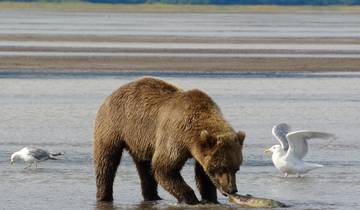
13 days
13-Day Alaskan Highlight Lodging Adventure Tour
- ✓ Comprehensive Alaska tour
- ✓ Expert local guides included
- ✓ All accommodation arranged
- ✓ Transportation provided
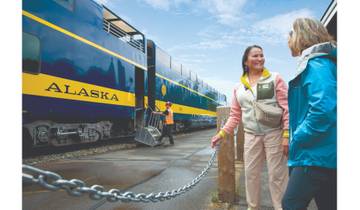
6 days
6-Day Best of Grand Alaska Highlights over 50's Tour
- ✓ Comprehensive Alaska tour
- ✓ Expert local guides included
- ✓ All accommodation arranged
- ✓ Transportation provided
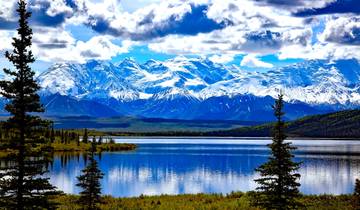
7 days
Nature's Best: Alaska
- ✓ Comprehensive Alaska tour
- ✓ Expert local guides included
- ✓ All accommodation arranged
- ✓ Transportation provided
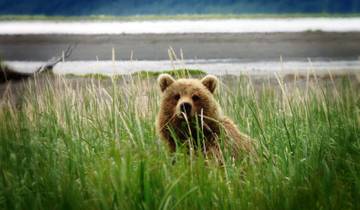
20 days
Alaska Adventure – 20 Days
- ✓ Comprehensive Alaska tour
- ✓ Expert local guides included
- ✓ All accommodation arranged
- ✓ Transportation provided
Multi-day tour packages powered by TourRadar. Prices and availability subject to change.
Introduction to Juneau Alaska
Alaska’s capital city occupies a spectacular setting where glacier-carved mountains meet the protected waters of the Inside Passage. Founded during the 1880s gold rush when prospectors Joe Juneau and Richard Harris discovered gold in Silver Bow Basin, the city grew from mining camp to territorial capital by 1906, becoming Alaska’s state capital upon statehood in 1959. Today’s population of approximately 32,000 residents makes Juneau the second-largest city in Alaska after Anchorage.
Juneau’s geographic isolation defines its character. No roads connect the capital to any other community in Alaska or beyond. The Juneau Icefield, Coast Mountains, and Canadian border surround the city to the east while the Gastineau Channel and Douglas Island frame the western edge. This isolation created a compact, walkable downtown core where government buildings, historic saloons, museums, and modern restaurants cluster along narrow streets built on gold rush-era foundations.
The city’s proximity to natural wonders distinguishes it from typical capital cities. Mendenhall Glacier flows just 13 miles from downtown, visible from multiple vantage points throughout the city. The surrounding waters host one of Alaska’s densest concentrations of humpback whales during summer feeding season. Black bears forage in residential neighborhoods, bald eagles perch on downtown light posts, and sea lions frequent the harbor. This intersection of wilderness and civilization creates unique opportunities for wildlife viewing, glacier exploration, and outdoor recreation without venturing into true backcountry.
Juneau’s economy revolves around three primary sectors: state government employment, tourism, and fishing. Government workers occupy downtown office buildings during weekdays while cruise ships deposit thousands of visitors along the waterfront from May through September. Commercial fishing boats harvest salmon, halibut, and crab from surrounding waters year-round. The Alaska State Museum, housed in the modern Father Andrew P. Kashevaroff building, preserves indigenous Tlingit heritage alongside gold rush artifacts and natural history exhibits documenting the region’s diverse ecosystems.
The city’s temperate rainforest climate produces lush vegetation and frequent precipitation. Sitka spruce and western hemlock forests blanket surrounding mountains while devil’s club, salmonberry, and countless moss species create dense understory growth. This abundant rainfall feeds dozens of waterfalls cascading from mountain peaks, fills salmon streams that attract feeding bears, and nourishes the ecosystem supporting the region’s remarkable biodiversity.
Understanding Juneau’s Unique Geography and Access in 2026
Juneau’s geographic position creates both distinctive advantages and practical planning requirements for 2026 visitors. The city occupies the mainland side of the Gastineau Channel with Douglas Island across the water, connected by the Juneau-Douglas Bridge. Mountains rise steeply behind downtown, limiting development to a narrow coastal strip. The longest road, Glacier Highway (Alaska Route 7), extends just 40 miles north from downtown past the airport to Berners Bay. Thane Road runs 6 miles south of downtown before dead-ending in the Thane community.
Alaska Airlines provides year-round service to Juneau International Airport with up to 11 daily departures during summer 2026. Direct flights connect Juneau to Seattle, Anchorage, Fairbanks, Sitka, Ketchikan, and other Southeast Alaska communities. Flight prices increase substantially during peak summer months, with advance booking essential for securing reasonable fares. The airport sits 9 miles northwest of downtown, accessible via taxi ($25-35), hotel shuttle, or rental car. Public transit serves the airport area but requires connections.
The Alaska Marine Highway ferry system operates year-round between Juneau and other Southeast Alaska communities including Haines, Skagway, Sitka, and Ketchikan, plus seasonal service to Whittier near Anchorage. Ferry travel provides dramatic scenery along the Inside Passage but requires significantly more time than flying. The Auke Bay Ferry Terminal sits 14 miles northwest of downtown with limited public transit connections. Travelers combining ferry and road travel can reach Haines or Skagway by ferry, then drive the Alaska Highway to connect with mainland road systems.
This transportation isolation influences accommodation availability and pricing in 2026. Limited flight capacity prevents sudden population influx, creating predictable but sometimes constrained lodging inventory during peak season. Rental car availability becomes extremely limited during busy periods with daily rates reaching $200-300 when inventory runs low. Forward planning and early bookings become essential rather than optional for summer 2026 visitors.
Accommodation Options and Costs Juneau 2026
Juneau’s accommodation landscape in 2026 ranges from budget hostels to luxury hotels, with pricing varying dramatically by season and location. Peak summer rates (June-August) command premium pricing while shoulder and winter seasons offer significant discounts. Downtown properties provide walkable access to restaurants, museums, and cruise ship docks. Airport-area hotels offer convenience for early flights and rental car pickup. Mendenhall Valley properties position guests near the glacier with suburban pricing.
Budget accommodation starts at $35-60 nightly for hostel dormitories at Juneau Hostel and similar properties. These facilities provide basic shared sleeping quarters, communal kitchens, and common areas frequented by international backpackers and budget travelers. Private rooms at budget hotels including Travelodge by Wyndham Juneau and Super 8 by Wyndham Juneau range $108-150 nightly during shoulder seasons, increasing to $150-200 during peak summer. These properties offer standard amenities including Wi-Fi, parking, and basic continental breakfast.
Mid-range hotels dominate Juneau’s accommodation inventory with properties ranging $150-280 nightly depending on season and specific dates. Best Western Country Lane Inn, Best Western Grandma’s Feather Bed, Aspen Suites Hotel Juneau, and Frontier Suites Hotel provide comfortable rooms with modern amenities, complimentary breakfast, airport shuttles, and fitness centers. Downtown properties including Baranof Downtown BW Signature Collection, Four Points by Sheraton Juneau, and Silverbow Inn command premium pricing for walkable access to restaurants and attractions, ranging $200-320 nightly during summer.
Luxury and unique properties exceed $300 nightly during peak season. Historic properties like The Alaskan Hotel & Bar offer Victorian-era charm in downtown locations. Bed and breakfast establishments including Alaska’s Capital Inn Bed and Breakfast provide personalized service, gourmet breakfasts, and intimate settings in residential neighborhoods. Vacation rentals through platforms like Airbnb and VRBO offer entire homes or apartments, particularly valuable for groups or extended stays, with pricing competitive with mid-range hotels when occupancy reaches 3-4 guests.
Remote lodges accessible only by floatplane provide all-inclusive wilderness experiences. These properties, located 30-60 miles from Juneau, include meals, guided activities, and floatplane transfers in packages typically exceeding $500 nightly per person. Pybus Point Lodge and similar establishments cater to fishing enthusiasts and those seeking complete wilderness immersion.
Accommodation booking strategy for 2026 requires advance planning during summer months. Properties within walking distance of cruise ship docks fill quickly when multiple ships dock simultaneously. June through August bookings made 3-6 months in advance secure best availability and pricing. Shoulder season visitors (May and September) find abundant availability with 10-25% lower rates. Winter visitors discover dramatic discounts with mid-range hotels sometimes available under $100 nightly, though restaurant and attraction closures reduce the city’s appeal during these months.
Mendenhall Glacier Visitor Center Planning 2026
Mendenhall Glacier flows 13 miles from the massive Juneau Icefield, terminating at Mendenhall Lake just 12 miles from downtown Juneau. As Alaska’s most accessible glacier via paved road, Mendenhall attracts over 400,000 annual visitors who explore trails, wildlife viewing areas, and the Forest Service visitor center.
The Mendenhall Glacier Visitor Center operates with season-specific hours in 2026. Summer season (May 1 through September 30) runs 9:00 AM to 6:00 PM daily, seven days per week. Winter season (November through March) operates Friday and Saturday only from 10:00 AM to 4:00 PM, closed on federal holidays. October and April see intermittent openings with reduced hours. The grounds surrounding the visitor center remain open 6:00 AM to midnight year-round, allowing trail access outside center hours.
Admission to the visitor center costs $5 per person ages 16 and older, with youth 15 and under entering free. Daily passes grant access to the visitor center building, exhibits, film theater, Photo Point Trail, Pavilion, and Steep Creek Trail. Season passes sell for $15, covering the passholder plus one guest for the entire May-September season. America the Beautiful Annual Pass ($80), Senior Pass ($80 lifetime), Military Pass (free with ID), and Access Pass (free with disability documentation) provide admission for passholders plus three additional guests. Passes can be purchased at automated machines in parking lots or inside the visitor center at the Discovery Southeast bookstore.
The visitor center building features state-of-the-art exhibits explaining glacier formation, retreat patterns, and ecological changes as the glacier recedes. A 15-minute film screens every 20 minutes showcasing the dynamic relationship between the Tongass National Forest and its many glaciers. Rangers staff information desks answering questions and providing trail recommendations. Large viewing windows frame spectacular glacier and lake vistas. Discovery Southeast operates a bookstore selling field guides, maps, and Alaska-themed gifts.
Multiple trails depart from the visitor center area accommodating various fitness levels and time availability. Photo Point Trail provides paved, wheelchair-accessible access to prime glacier views in just 0.3 miles round trip, taking approximately 20 minutes. Nugget Falls Trail extends 2 miles round trip along Mendenhall Lake’s shoreline to thundering Nugget Falls, taking 40 minutes at a brisk pace or 60 minutes at leisure. The trail surface transitions from paved near the visitor center to gravel and boardwalk sections near the falls. Steep Creek Trail features elevated boardwalks and viewing platforms optimized for bear and salmon viewing during late July through September spawning season.
Trail of Time loops 0.8 miles through forest demonstrating vegetation succession as the glacier retreats, with interpretive signs explaining ecological changes across the landscape. East Glacier Trail offers a 3.5-mile loop for experienced hikers seeking solitude and different glacier perspectives, requiring 2.5-3 hours to complete. This trail provides escape from Photo Point and Nugget Falls crowds but encounters muddy sections and steep grades. West Glacier Trail and Powerline Trail extend into backcountry areas requiring proper preparation and bear awareness.
Wildlife viewing opportunities abound throughout the Mendenhall area. Black bears frequent Steep Creek during salmon spawning season from late July through early September, with viewing platforms providing safe observation distance. Beavers appear during early morning and evening hours. Porcupines forage in deciduous trees. Mountain goats occupy steep slopes above Nugget Falls, visible through binoculars or telephoto lenses. Bald eagles perch in lakeside trees. Arctic terns, waterfowl, and various songbirds populate shoreline areas.
Bear safety protocols prohibit all food and beverages (except water) in outdoor areas from April through November. This regulation prevents bears from becoming food-conditioned and protects visitor safety. No food service operates at the visitor center. Visitors bringing picnic meals must consume them in vehicles or return downtown. Restrooms and water fountains serve visitors inside the visitor center building.
Transportation to Mendenhall Glacier from downtown Juneau offers several options in 2026. Rental cars provide maximum flexibility, following Egan Drive north to Mendenhall Loop Road, then Glacier Spur Road directly to visitor center parking lots. Free parking accommodates hundreds of vehicles though lots fill during midday cruise ship hours. Taxis charge $30-45 each way from downtown or cruise ship docks, with higher rates during peak demand. Glacier Express shuttle buses operate frequently from downtown during cruise ship days, selling tickets ($30-40 round trip) at waterfront kiosks. City bus service stops approximately 1.5 miles from the visitor center, requiring a walk along Mendenhall Loop Road to reach trails.
Visiting strategy for 2026 depends on crowd tolerance and photography priorities. Early morning arrivals (8:00-9:00 AM) encounter minimal crowds before cruise ship tour groups arrive. Late afternoon visits (4:00-6:00 PM) after tour groups depart provide renewed solitude. Overcast days produce rich blue glacier coloration superior to bright sunny conditions. Rain does not diminish glacier viewing and often creates more dramatic atmosphere with mist and clouds around mountain peaks.
Whale Watching Tours and Marine Wildlife Juneau 2026
Juneau ranks among Alaska’s premier whale watching destinations with humpback whales feeding in surrounding waters from May through mid-September. These massive marine mammals migrate annually from Hawaiian breeding grounds to Alaska feeding waters, consuming enormous quantities of herring, krill, and small fish during the brief summer season. Whale watching tours departing from Auke Bay Harbor guarantee sightings with most operators offering money-back guarantees if whales are not observed.
Tour options in 2026 range from large 49-passenger vessels to intimate 6-passenger boats, with pricing, duration, and experience varying accordingly. Standard whale watching tours operate 3-4 hours including round-trip transportation from downtown hotels or cruise ship docks to Auke Bay Harbor. Tour prices for 2026 range $230-279 per person. Check operator websites for current official rates as pricing may vary based on date and availability. These tours include narrated coach transportation through Tongass National Forest, 2 hours on the water with experienced captains and naturalist guides, light snacks and beverages, binoculars, and heated cabins with viewing decks.
Small-group tours aboard 6-passenger vessels provide more personalized experiences with closer whale approaches and flexibility to follow specific wildlife sightings. Operators including Jayleen’s Alaska charge $230 per person for 4-hour tours (all taxes and fees included) with guaranteed intimate group sizes. Private charters accommodate groups desiring exclusive boat access, with pricing starting at $1,200 for 4 hours on 6-passenger vessels, $2,999 for 24-passenger vessels, and $5,999 for 49-passenger vessels.
Humpback whales perform various surface behaviors visible during tours. Breaching occurs when whales launch entire bodies out of water, creating spectacular splashes. Tail slapping involves repeatedly smacking flukes against water surface. Pec slapping uses long pectoral fins to slap water. Bubble net feeding involves coordinated groups of whales creating bubble curtains to concentrate fish before lunging through the center with mouths wide open. This cooperative feeding behavior, observed several times weekly during peak season, represents one of nature’s most impressive hunting strategies.
Marine wildlife beyond humpback whales populates Juneau’s waters. Orca (killer whale) pods patrol the Inside Passage hunting salmon and marine mammals, appearing occasionally on whale watching tours. Dall’s porpoises, the fastest small cetaceans, often race alongside boats creating distinctive rooster-tail spray patterns. Harbor seals haul out on rocks and icebergs near glaciers. Steller sea lions, massive pinnipeds weighing up to 2,500 pounds, frequent rocky outcroppings and navigation markers. Sea otters float on their backs cracking shellfish against rocks placed on their chests.
Birdlife accompanies marine mammal viewing. Bald eagles perch in shoreline trees and soar overhead hunting fish. Arctic terns, having migrated from Antarctic waters, nest along beaches. Varied thrushes, Pacific wrens, and hermit thrushes call from forest edges. Marbled murrelets, threatened seabirds nesting in old-growth forests, dive for small fish in nearshore waters.
Tour operators recommend layered clothing even during summer months. Temperatures on the water range 10-15°F cooler than downtown. Wind chill during boat travel creates additional cooling effect. Waterproof outer layers protect against spray and rain. Binoculars enhance wildlife viewing though most operators provide loaners. Camera equipment benefits from image stabilization features given boat movement. Seasickness medication taken 30-60 minutes before departure prevents motion sickness for susceptible individuals.
Combination tours pair whale watching with other experiences, providing value for time-constrained visitors. Whale watching plus Mendenhall Glacier visits operate 5-6 hours total, allowing glacier exploration followed by marine wildlife viewing or vice versa. Whale watching and salmon bake combinations include traditional all-you-can-eat Alaska salmon meals at Gold Creek Salmon Bake after returning from the water. These combination experiences range $299-349 per person, offering cost savings compared to booking components separately.
Booking strategy for 2026 whale watching tours involves advance reservations during peak season. June through August sees maximum demand with tours selling out weeks in advance. Cruise ship passengers face competition from thousands of fellow travelers arriving simultaneously. Independent travelers booking directly through tour operators often secure better availability and pricing than cruise line shore excursions. Shoulder season visitors (May and September) find excellent availability with comparable whale viewing success rates, particularly during May when whales first arrive and September before southern migration begins.
Downtown Juneau Exploration and Historic District 2026
Downtown Juneau’s compact historic core concentrates restaurants, shops, museums, and gold rush-era architecture into several walkable blocks between the Gastineau Channel waterfront and the steep mountain slopes rising above. Founded during the 1880s gold rush, the district preserves Victorian-era buildings, narrow streets, and raised wooden sidewalks characteristic of frontier mining towns.
South Franklin Street represents Juneau’s most famous thoroughfare, lined with saloons, jewelry stores, and tourist-oriented businesses occupying structures built during the gold rush peak. The Red Dog Saloon, operating since 1890, features sawdust floors, swinging doors, and memorabilia from mining days. The Alaskan Hotel & Bar, constructed in 1913, maintains Victorian decor and serves as both historic lodging and atmospheric bar. These establishments come alive when cruise ships dock, with thousands of passengers flooding streets between 8:00 AM and 5:00 PM during summer.
The Alaska State Capitol, a modest six-story building completed in 1931, houses legislative chambers and governor’s offices. Free public tours operate weekdays when legislature is not in session. The building’s understated exterior contrasts dramatically with elaborate capitol structures in other states, reflecting Alaska’s frontier pragmatism. Nearby, the Governor’s Mansion, built in 1912, overlooks downtown from its hillside perch, though interior tours are not publicly available.
The Alaska State Museum occupies the modern Father Andrew P. Kashevaroff building, showcasing indigenous Tlingit, Haida, and Tsimshian art alongside Russian colonial artifacts, gold rush exhibits, and natural history displays. Admission costs $14 for adults ages 19-64, $13 for seniors 65+, and free for youth 18 and under. Interactive exhibits include a climb-aboard replica sailing ship and hands-on activities for children. The museum operates year-round with extended summer hours.
Mount Roberts Tramway ascends 1,800 vertical feet from the cruise ship dock to alpine terrain in just 6 minutes. Round-trip tickets cost approximately $40 for adults. The summit area features nature trails ranging from easy boardwalks to challenging alpine routes, a nature center with resident eagles, Tlingit cultural displays, gift shops, and Timberline Bar & Grill offering lunch and dinner with panoramic views. Clear days reveal Gastineau Channel, Douglas Island, and surrounding mountains from multiple observation decks. Visitors can ride the tramway up then hike the Mount Roberts Trail back to downtown, a strenuous 2.5-mile descent requiring proper footwear and fitness.
St. Nicholas Russian Orthodox Church, built in 1894, represents Juneau’s Russian colonial heritage. The octagonal log structure features ornate icons and religious artifacts preserved since the 19th century. The church holds regular services and welcomes respectful visitors during posted hours.
Shopping opportunities range from Alaska Native art galleries to jewelry stores specializing in gold nuggets and Alaska diamonds (clear quartz). Authentic Tlingit art appears at galleries including Wm. Spear Design and Sealaska Heritage Store. Commercial galleries sell mass-produced souvenirs alongside legitimate Alaska art. Visitors interested in authentic indigenous art should research artists and galleries beforehand to avoid misrepresented products.
Juneau-Douglas City Museum documents local history through photographs, artifacts, and rotating exhibits focusing on mining, fishing, and indigenous cultures. Admission remains free though donations support operations. The compact museum occupies the historic downtown core within walking distance of most hotels.
Waterfront walkways connect cruise ship docks with downtown businesses via scenic harborside paths. Float planes taxi across the water, loading passengers for glacier flightseeing tours and remote lodge transfers. Commercial fishing boats unload catches at dockside processing facilities. The harborfront atmosphere combines working waterfront activities with tourist services.
Dining options downtown span casual fish-and-chips stands to upscale seafood restaurants. SALT offers fine dining with beautifully plated local seafood and seasonal ingredients in an upscale atmosphere. The Hangar on the Wharf serves fresh seafood, local beer, and pub fare with waterfront views. Tracy’s King Crab Shack operates from a small stand offering steamed king crab legs and crab bisque at premium prices. Deckhand Dave’s (relocating to a permanent location in 2024-2026) serves acclaimed fish tacos and oysters from a popular waterfront spot. The Rookery Cafe provides breakfast and lunch with locally sourced ingredients and excellent coffee.
Evening entertainment includes live music at local bars, brewery tours at Alaskan Brewing Company, and distillery tastings at Amalga Distillery. The Alaskan Brewing Company, established in 1986 as Juneau’s first post-Prohibition brewery, offers free tours and tastings of their award-winning beers. Tours operate daily during summer months, showcasing brewing processes and company history.
Walking downtown requires no special planning though hills rise steeply behind the waterfront creating challenging climbs for visitors with mobility limitations. Rain gear proves essential given frequent precipitation. Cruise ship days (typically 3-5 ships May-September) create crowded conditions along South Franklin Street and waterfront areas, with restaurants, shops, and attractions operating at capacity. Independent travelers timing visits early morning or late afternoon avoid peak cruise passenger density.
Outdoor Adventures and Hiking Trails Juneau 2026
Juneau’s trail system provides access to alpine meadows, rainforest valleys, mining history sites, and glacier viewpoints within minutes of downtown. Trails range from easy waterfront walks to challenging all-day mountain ascents, accommodating every fitness level and time commitment.
Perseverance Trail, Juneau’s most popular backcountry hike, follows the canyon of Gold Creek into the mountains behind downtown. The 3-mile trail (6 miles round trip) traces the route of historic mining operations, passing tailings piles, old machinery, and mining camp ruins while gaining 800 feet elevation. The trailhead begins at the end of Basin Road just 1.5 miles from downtown, accessible by road or via shorter hiking trails from town. Moderate difficulty requires 3-4 hours round trip. The trail continues beyond 3 miles to harder alpine terrain for experienced hikers seeking extended adventures.
Mount Roberts Trail ascends 1,800 vertical feet from downtown to the Mount Roberts Tramway terminal, offering a strenuous alternative to riding the tram. The 2.5-mile trail climbs relentlessly through temperate rainforest before breaking into subalpine meadows near the summit. Experienced hikers complete the ascent in 1.5-2.5 hours. Most visitors ride the tramway up and hike down, saving knees while enjoying alpine views before descending through forest. The trail requires proper footwear, as steep grades and potentially muddy conditions challenge unprepared hikers.
West Glacier Trail provides access to Mendenhall Glacier’s rarely visited western edge. The 3.5-mile trail from the trailhead (8.5 miles round trip) traverses forest and boulder fields before reaching glacier’s edge. Experienced hikers properly equipped for glacier travel can access ice caves at the glacier’s terminus, though these features change constantly and require ice safety knowledge. Tour operators offer guided ice cave tours during winter when caves are more stable and accessible.
Treadwell Mine Historic Trail explores ruins of the massive Treadwell Mine complex on Douglas Island, once the world’s largest gold mine before collapsing into underground chambers in 1917. Multiple trails wander through forest reclaiming industrial sites, past building foundations, ore processing equipment, and along shoreline where mining waste created artificial beaches. The complex trail network accommodates 2-4 hour explorations depending on routes chosen. Beach areas provide excellent marine wildlife viewing opportunities.
Outer Point Trail (Peterson Lake Trail) extends 3.5 miles along Douglas Island’s outer coast providing dramatic ocean views, rocky beaches, and potential whale viewing from shore during summer months. The moderate trail requires 2-3 hours for the 7-mile round trip with minimal elevation gain, making it accessible for average fitness levels seeking coastal scenery.
Point Bishop Trail offers 3.7 miles of coastal hiking along northern Douglas Island with beach walking, forested sections, and protected bay views. This less-trafficked trail provides solitude and excellent beachcombing opportunities. Plan 3-4 hours for the 7.4-mile round trip.
Herbert Glacier Trail follows an old mining road 4.7 miles to Herbert Glacier, passing through old-growth forest along Herbert River. The relatively flat trail suits families and casual hikers, requiring 2.5-3.5 hours for the 9.4-mile round trip. The trail terminates at glacier viewpoint with picnic areas and potential bear viewing near the river.
Spaulding Meadows Trail climbs 3.3 miles gaining 1,750 feet to alpine meadows carpeted with wildflowers during July and August. The strenuous hike rewards effort with panoramic views of Gastineau Channel, Douglas Island, and surrounding mountains. Allow 4-5 hours for the round trip. The trail becomes extremely muddy during rainy periods.
Trail etiquette and safety protocols apply throughout Juneau’s trail system. Black bears frequent all trails during summer months with concentrated activity near salmon streams from July through September. Hikers should make noise (talking, singing, bear bells) when visibility is limited. Traveling in groups of 3+ reduces bear encounter risks. Bear spray carried in accessible holsters provides last-resort defense if bears approach aggressively. Most bear encounters end peacefully when hikers slowly back away while speaking calmly.
Weather preparation proves essential given Juneau’s rainforest climate. Waterproof jackets, pants, and pack covers protect gear and clothing. Trails become slippery when wet, requiring boots with aggressive tread. Extra layers address temperature drops at higher elevations. The “ten essentials” (navigation, sun protection, insulation, illumination, first aid, fire, repair kit, nutrition, hydration, shelter) should accompany hikers on trails exceeding 2 hours duration.
Cellular service exists near trailheads and in some valleys but fails in remote areas and mountain terrain. Hikers should inform others of planned routes and expected return times. The Alaska State Troopers and Juneau Mountain Rescue respond to emergency calls, but rescue in remote terrain can require hours or days depending on weather conditions and helicopter availability.
Food and Dining Costs Juneau 2026
Juneau’s dining scene in 2026 balances tourist-oriented waterfront restaurants with local establishments serving residents year-round. Food costs exceed U.S. mainland averages by 20-30% due to transportation expenses and Alaska’s remoteness. Dining out ranges from casual $15 meals to upscale $67 multi-course dinners depending on restaurant choice and menu selection.
Breakfast options span budget-friendly cafes to full-service hotel restaurants. The Rookery Cafe serves excellent breakfast and lunch with locally sourced ingredients, with meals ranging $12-18. Sandpiper Cafe, a locals’ favorite, offers substantial breakfasts including French toast stuffed with mascarpone cheese and gourmet omelets for $10-16. Hotel continental breakfasts included with room rates provide economical alternatives ranging from simple pastries and coffee to hot items including eggs, sausage, and pancakes.
Lunch options downtown include quick-service establishments and sit-down restaurants. Alaska Fish & Chips Company serves fresh halibut with hand-cut fries for approximately $16-20. Deckhand Dave’s fish tacos range $12-15. The Sandbar and Grill on Douglas Island offers seafood and burgers in the $15-22 range with excellent water views. Fast food options including McDonald’s and Taco Bell provide familiar menu items at standard national pricing around $8-12 for combo meals.
Dinner options range across price points and cuisine styles. Casual dining at establishments like The Hangar on the Wharf, serving fresh seafood, steaks, and pub fare, averages $20-35 per person before beverages. Mid-range restaurants including Tracy’s King Crab Shack price entrees $28-42, specializing in king crab legs, crab bisque, and Alaska seafood preparations. Upscale dining at SALT and similar restaurants ranges $35-67 per person with beautifully plated local seafood, steaks, and seasonal ingredients in refined atmospheres.
International cuisine appears throughout downtown despite Juneau’s small size. Zerelda’s Bistro serves creative sandwiches, BBQ, and exceptional desserts in the $12-20 range. Roma offers Italian cuisine including pizza and pasta $16-28. Pel’Meni serves Russian-style dumplings from a tiny late-night window, providing filling meals under $10. Several Asian restaurants including Thai and Vietnamese establishments serve dinners $14-24.
Grocery shopping provides cost savings for visitors with kitchen access. Safeway and Fred Meyer supermarkets stock standard grocery items at prices 20-30% above mainland U.S. averages. A week’s groceries for one person preparing simple meals averages $80-120. Natural food stores including Rainbow Foods offer organic and specialty items at premium pricing. The Juneau Farmers Market operates Saturday mornings during summer months, selling locally grown produce, baked goods, and artisan products at prices competitive with grocery stores.
Coffee culture thrives in Juneau with numerous independent cafes. Sacred Grounds, a Tlingit and Haida-owned operation, serves excellent coffee and light food $4-8. Heritage Coffee Roasting Company roasts beans on-site and serves espresso drinks $4-6. Chain coffee shops including Starbucks operate downtown with standard menu pricing.
Alcohol prices reflect Alaska’s taxation and transport costs. Beer at bars and restaurants ranges $7-10. Mixed drinks cost $10-15. Wine by the glass runs $8-14. The Alaskan Brewing Company tasting room offers free samples of their award-winning beers. Amalga Distillery provides gin, whiskey, and cocktail tastings in their downtown location with modest tasting fees.
Daily food budget planning for 2026 breaks down as follows for independent travelers: Budget approach with grocery shopping, occasional restaurant meals: $30-40 daily. Calculation: breakfast from grocery items $5-8, lunch from cafes $12-15, dinner groceries $8-12, coffee and snacks $5 = $30-40. Mid-range approach mixing restaurants and some groceries: $60-85 daily. Calculation: breakfast at cafe $12-18, lunch at casual restaurant $15-22, dinner at mid-range restaurant $25-35, coffee and snacks $8 = $60-83, rounded to $60-85. Splurge approach dining out for most meals: $95-140 daily. Calculation: breakfast at quality cafe $15-20, lunch at nice restaurant $20-30, dinner at upscale restaurant $45-70, multiple coffees and snacks $15-20 = $95-140.
Day Trips and Extended Adventures from Juneau 2026
Juneau’s central location within Southeast Alaska provides access to remarkable day trip destinations including fjords, national parks, and remote wilderness areas. These excursions extend beyond immediate Juneau environs, offering expanded exploration opportunities.
Tracy Arm Fjord represents Juneau’s premier full-day cruise destination. These 8-10 hour voyages depart Auke Bay traveling 50 miles south into the narrow fjord flanked by 3,000-foot granite walls. Twin tidewater glaciers—Sawyer and South Sawyer—calve icebergs into the fjord creating spectacular displays. Harbor seals haul out on ice floes with newborn pups visible during June and July. Mountain goats traverse impossible-looking cliffs. Waterfalls cascade thousands of feet from hanging valleys. Tour prices range $175-225 per person including lunch. Check operator websites for current official rates as pricing may vary.
Glacier Bay National Park day trips operate via catamaran or small ship from Juneau, covering 100 miles northwest to the park. Full-day tours (10-12 hours) include National Park Service ranger narration, wildlife viewing (whales, bears, seals, seabirds), and encounters with multiple tidewater glaciers. These premium excursions cost $275-350 per person including meals and park fees. The park’s remote location and limited visitor access create exclusive experiences unavailable to road-based tourists.
Taku Lodge salmon bake combines flightseeing with wilderness dining. Float planes depart from Juneau harbor flying over glaciers and icefields before landing at remote Taku Lodge. Guests enjoy all-you-can-eat Alaska salmon with sides, dessert, and non-alcoholic beverages while wildlife viewing from the lodge deck often includes bears fishing the nearby stream. The 3.5-hour experience costs $275-325 per person including flight and meal. This iconic Juneau experience has operated since 1923.
Pack Creek Bear Observatory on Admiralty Island provides premier brown bear viewing from mid-July through August. These day trips require advance permits (limited daily numbers), floatplane transport, and ranger escorts. Visitors observe brown bears fishing for salmon in Pack Creek from designated viewing areas and elevated platforms. The bears, habituated to careful human presence, ignore observers while feeding. Full-day trips cost $500-650 per person including flights, permits, and guide services.
Helicopter glacier tours land directly on icefields providing glacier walking opportunities unavailable via hiking. These 1.5-3 hour flights showcase dramatic aerial perspectives of glaciers, icefields, and mountains before landing on glacial snowfields. Passengers disembark for 30-60 minutes walking on ancient ice, exploring crevasses, and photographing landscapes. Prices range $350-450 for standard tours, $450-550 for extended versions. Combination helicopter and dog sledding tours add musher experiences for $550-650 per person.
Skagway day trips via fast ferry or cruise provide access to White Pass & Yukon Route Railroad, Alaska’s most famous scenic railway. The Alaska Marine Highway fast ferry MV Fairweather operates seasonally between Juneau and Skagway, departing early morning and returning evening, allowing full-day Skagway exploration. Round-trip ferry costs $115-135 per person. The historic narrow-gauge railroad climbs from sea level to 2,865 feet elevation traversing spectacular mountain scenery. Various route options range $95-175 per person depending on length and destinations. Skagway’s compact historic downtown preserves gold rush architecture and museums documenting the Klondike Gold Rush.
Fishing charters target salmon, halibut, and rockfish in waters surrounding Juneau. Half-day charters (4-5 hours) focus on salmon or bottom fishing for halibut and rockfish, costing $250-300 per person including equipment, bait, and fish cleaning. Full-day charters (8-10 hours) allow targeting multiple species and accessing more distant productive waters, costing $375-450 per person. Charter operators provide all necessary equipment though guests should bring warm layers and rain gear. Alaska fishing licenses ($25 daily/$45 3-day for non-residents) must be purchased separately before departure.
Kayaking adventures range from guided half-day Mendenhall Lake paddles to multi-day wilderness expeditions. Mendenhall Lake guided tours (3-4 hours) paddle among icebergs with glacier views costing $125-160 per person including equipment and guide. Full-day kayaking in protected bays and islands outside Juneau provides extended wilderness experiences for $200-275 per person. Multi-day sea kayaking trips accessing remote fjords and islands require advance booking and proper experience, operating through specialized guiding companies.
Transportation Within Juneau 2026
Juneau’s compact downtown core suits walking with most hotels, restaurants, and museums clustered within a 10-block radius. Cruise ship docks, Alaska State Museum, Mount Roberts Tramway, and South Franklin Street attractions all connect via flat waterfront walks or gentle climbs up hillside streets. However, reaching Mendenhall Glacier, airport, ferry terminal, and outlying neighborhoods requires vehicular transportation.
Public transit operates via Capital Transit providing bus service on several routes connecting downtown, airport, Mendenhall Valley, and Douglas Island. Standard one-way fare costs $2.00. Day passes sell for $5.00 providing unlimited rides. Monthly passes cost $40. Buses run Monday-Saturday with limited Sunday service. Route 3 (Mendenhall Valley) serves the airport area but stops approximately 1.5 miles from Mendenhall Glacier Visitor Center, requiring additional walking or taxi to reach the glacier. Detailed schedules and route maps appear on Capital Transit’s website and at downtown visitor centers.
Taxi and ride-sharing services provide convenient point-to-point transportation though availability fluctuates. Multiple taxi companies operate in Juneau with typical rates: downtown to airport $25-35, downtown to Mendenhall Glacier $30-45 each way, airport to Mendenhall Glacier $15-20. Taxi availability can be limited during peak cruise ship hours when demand overwhelms supply. Calling ahead or booking through hotel concierge services improves reliability. Uber and Lyft operate in Juneau but with limited driver availability compared to major cities. These services cannot drop passengers directly at Mendenhall Glacier Visitor Center due to permitting restrictions, requiring drop-off approximately one mile from the facility.
Rental cars provide maximum flexibility for visitors planning multiple daily destinations or desiring freedom from tour schedules. Major agencies including Avis, Budget, Enterprise, and Hertz operate from Juneau International Airport with compact cars starting around $100-150 daily during regular periods. Peak summer demand (June-August) creates inventory shortages driving prices to $200-300 daily with advance booking essential. Alternative rental sources including U-Haul offer cargo vans at competitive daily rates when traditional rental inventory runs low. Insurance requirements and Alaska-specific policies (gravel road damage, wildlife collision coverage) should be reviewed carefully. Gas prices in Juneau average $3.90 per gallon, modestly higher than mainland U.S. due to transportation costs.
Hotel and tour operator shuttles serve specific routes including airport transfers and attraction transportation. Most mid-range and upscale hotels provide complimentary airport shuttles operating on request. Tour operators including whale watching companies and glacier tours provide round-trip transportation from downtown hotels and cruise ship docks included in tour pricing. These scheduled services operate on fixed timetables coordinated with tour departure times.
Water taxis connect downtown Juneau with Douglas Island destinations avoiding the drive across Juneau-Douglas Bridge. These services primarily cater to residents but accept tourist passengers for direct access to Douglas attractions including Treadwell Mine trails. Costs range $5-10 per person one-way depending on specific route and operator.
Parking downtown Juneau requires attention to regulations and payment systems. Street parking operates via pay stations accepting credit cards, with rates typically $1-2 per hour and maximum time limits of 2-4 hours depending on location. Several paid parking lots charge $5-10 daily. Cruise ship days see maximum parking demand with limited availability during midday hours. Mendenhall Glacier Visitor Center provides ample free parking though lots fill during peak cruise ship periods (typically 11:00 AM-3:00 PM). Arriving early morning or late afternoon ensures parking availability.
Walking remains the most enjoyable transportation method within downtown limits. The compact historic district, waterfront walkways, and gentle street grades suit pedestrian exploration. Rain gear proves essential given frequent precipitation. Elevated wooden boardwalks along hillsides provide distinctive character while protecting pedestrians from muddy conditions. Traffic moves slowly through narrow downtown streets with drivers accustomed to pedestrian activity.
Seasonal Considerations and Weather Planning 2026
Juneau’s temperate rainforest climate produces lush vegetation, abundant wildlife, and frequent precipitation year-round. Understanding seasonal patterns helps visitors pack appropriately and set realistic expectations for weather conditions during their 2026 trip.
Summer season (June-August) provides warmest temperatures, longest daylight, and peak tourist activity. Temperatures range 50-65°F with occasional warmer days reaching 70°F. Rainfall averages 3-4 inches monthly with rain falling approximately 15-18 days per month. Daylight extends 18 hours in June, gradually decreasing to 16 hours by late August. Humpback whales feed actively throughout this period with guaranteed viewing opportunities. Wildflowers bloom across alpine meadows during July and August. Cruise ships arrive daily bringing thousands of visitors. All attractions operate full schedules with extended hours. Accommodation and tour prices peak during this season.
Shoulder seasons (May and September) offer excellent value with reduced crowds, moderate weather, and continued wildlife viewing opportunities. May temperatures range 40-55°F with increasing daylight extending to 17 hours by month’s end. Humpback whales begin arriving mid-May with viewing success rates climbing through the month. Wildflowers start blooming in lowlands. Cruise ship season begins late May with fewer daily arrivals than peak summer. Accommodation prices run 10-15% below peak summer rates. Some seasonal businesses remain closed or operate reduced hours early May. September temperatures range 45-55°F with daylight decreasing from 14 hours early month to 11 hours by month’s end. Fall colors peak mid-month throughout forests and alpine areas. Humpback whales continue feeding through mid-September before beginning southern migration. Cruise season concludes late September. Accommodation prices drop 15-25% below summer peaks. Some tour operators and restaurants begin closing for winter by month’s end. Rainfall increases in September averaging 5-6 inches monthly.
Winter (October-April) brings cold temperatures, short daylight, and minimal tourist activity. October through December temperatures range 30-45°F. January through March average 20-35°F with occasional colder spells. Snowfall occurs throughout winter though accumulation remains modest near sea level with heavier snow at higher elevations. Daylight reaches minimum of 6.5 hours during late December before gradually increasing through spring. Most outdoor tour operators suspend operations. Mendenhall Glacier Visitor Center operates limited hours (Friday-Saturday only November-March). Many restaurants and tourist-oriented businesses close entirely or reduce hours substantially. Accommodation prices drop dramatically with mid-range hotels often available under $100 nightly. Northern lights viewing becomes possible on clear dark nights particularly January-March. Skiing and snowboarding at Eaglecrest Ski Area (on Douglas Island) operates December-April depending on snow conditions. This season suits budget travelers seeking solitude, winter photography, and authentic local experience without tourist infrastructure.
Packing recommendations for 2026 Juneau visits emphasize layering and waterproofing regardless of season. Essential items include waterproof rain jacket with hood, waterproof pants, waterproof hiking boots or shoes with aggressive tread, synthetic or wool base layers, insulating mid-layers (fleece or synthetic puffy jacket), wool or synthetic socks (cotton retains moisture and causes blisters), hat for warmth, gloves, sunglasses and sunscreen (reflection off water and snow creates strong UV exposure), and day pack for carrying extra layers. Summer visitors can wear shorts and t-shirts during warm days but should always carry rain gear and warm layers for sudden weather changes. Winter visitors require heavy insulation including down jackets, insulated boots, warm hats, and heavy gloves.
Weather variability creates unpredictable daily conditions. Clear sunny days occur but represent the minority of summer weather. Overcast conditions with intermittent rain characterize typical patterns. Visitors should embrace gray skies and mist as normal Alaskan conditions rather than disappointments. The lush vegetation, flowing waterfalls, and dramatic glacier coloration all result from abundant precipitation. Many locals and experienced visitors prefer overcast photography conditions which produce rich colors and eliminate harsh shadows. The “Alaska rainbow” of misty conditions, dark forests, and blue glacier ice creates uniquely beautiful images unavailable during bright sunny weather.
Sample Juneau Itineraries 2026
The following sample itineraries demonstrate realistic daily schedules for varying trip lengths and travel styles in 2026. These serve as planning frameworks adaptable to individual interests and energy levels.
Three-Day First-Time Visitor Itinerary
Day 1 – Mendenhall Glacier and Downtown Exploration: Morning departure to Mendenhall Glacier via rental car or taxi ($30-45 round trip). Arrive 8:30 AM before tour groups. Purchase visitor center admission $5. Explore Photo Point Trail and visitor center exhibits 45 minutes. Hike Nugget Falls Trail round trip 60-90 minutes. Return downtown by noon. Lunch at Deckhand Dave’s or The Rookery $12-20. Afternoon walking tour of historic downtown including Alaska State Museum $14, waterfront walkways, St. Nicholas Church, and South Franklin Street shopping. Coffee at Sacred Grounds $5. Dinner at The Hangar on the Wharf $25-35. Evening stroll along waterfront. Accommodation mid-range hotel $180. Day cost calculation: taxi $30-45, admission $5, lunch $12-20, museum $14, coffee $5, dinner $25-35. Total: approximately $90-125 per person (excluding accommodation).
Day 2 – Whale Watching and Mount Roberts: Morning whale watching tour departing 8:00 AM or 12:30 PM, duration 3.5 hours $230-279. Tour includes transportation from hotel, 2 hours on water, light snacks. Afternoon Mount Roberts Tramway $40. Summit hiking, cultural center, Timberline Bar & Grill lunch $15-25. Option to hike down Mount Roberts Trail or ride tram back. Downtown dinner at mid-range restaurant $25-35. Accommodation mid-range hotel $180. Day cost calculation: whale watching $230-279, tramway $40, lunch $15-25, dinner $25-35. Total: approximately $310-380 per person (excluding accommodation).
Day 3 – Tracy Arm Fjord or Taku Lodge: Full-day Tracy Arm Fjord cruise 8-10 hours $175-225 including lunch OR Taku Lodge flightseeing and salmon bake 3.5 hours $275-325. Both options provide spectacular scenery and complete day experiences. Evening casual dinner downtown $20-30. Final Alaska shopping for gifts. Accommodation mid-range hotel $180. Day cost calculation: Tracy Arm option ($175-225 + dinner $20-30 = $195-255) OR Taku option ($275-325 + dinner $20-30 = $295-355). Total: approximately $195-355 per person depending on choice (excluding accommodation).
Three-day trip total: Accommodation $180 × 3 nights = $540, daily activities and meals: Day 1 ($90-125) + Day 2 ($310-380) + Day 3 ($195-355) = $595-860. Combined total: $540 + $595-860 = approximately $1,135-1,400 per person plus round-trip airfare to Juneau.
Five-Day Comprehensive Itinerary
Day 1 – Arrival and Downtown: Afternoon arrival Juneau International Airport. Rental car pickup or hotel shuttle. Check-in hotel. Late afternoon downtown walking exploration including waterfront, South Franklin Street, shops. Dinner at casual restaurant $20-30. Accommodation mid-range hotel $180. Day total approximately $50-80 per person (excluding accommodation and rental car).
Day 2 – Mendenhall Glacier Extended: Morning departure to Mendenhall Glacier 8:00 AM. Visitor center exploration $5. Nugget Falls hike. Steep Creek bear viewing if July-September. Photo Point Trail. Picnic lunch from grocery provisions $10. Afternoon continue to trail system or return downtown for Alaska State Museum $14. Dinner at mid-range restaurant $25-35. Accommodation mid-range hotel $180. Day total approximately $60-75 per person (excluding accommodation and rental car).
Day 3 – Whale Watching and Local Trails: Morning whale watching tour 3.5 hours $230-279. Afternoon Perseverance Trail hiking or Douglas Island exploration. Casual dinner $20-30. Accommodation mid-range hotel $180. Day cost calculation: whale watching $230-279 + dinner $20-30 = approximately $250-310 per person (excluding accommodation and rental car).
Day 4 – Extended Day Trip: Tracy Arm Fjord full-day cruise $175-225 OR Glacier Bay National Park day trip $275-350 OR helicopter glacier tour $350-450. Evening casual dinner $20-30. Accommodation mid-range hotel $180. Day total approximately $200-480 per person (excluding accommodation and rental car).
Day 5 – Flexible Day and Departure: Morning options: additional hiking, fishing charter half-day $250-300, kayaking Mendenhall Lake $125-160, or shopping and museum visits. Afternoon departure depending on flight schedule. Lunch casual $15-20. Day total approximately $15-320 per person depending on activities chosen (excluding accommodation and rental car).
Five-day trip total: Accommodation $180 × 5 nights = $900, daily activities and meals: Day 1 ($50-80) + Day 2 ($60-75) + Day 3 ($250-310) + Day 4 ($195-480) + Day 5 ($15-320) = $570-1,265, rental car $100-150 × 5 days = $500-750. Combined calculation: $900 + $570-1,265 + $500-750 = approximately $1,970-2,915 per person plus round-trip airfare to Juneau.
Budget Travel Strategies Juneau 2026
Juneau’s remote location and tourism-driven economy create inherently expensive travel conditions, but strategic planning significantly reduces costs while maintaining quality experiences.
Accommodation represents the largest budget variable. Hostels providing dormitory beds at $35-60 nightly create dramatic savings compared to hotels. Juneau Hostel offers basic shared rooms with communal kitchen allowing meal preparation. Budget hotel rooms at Travelodge or Super 8 range $108-150 nightly during shoulder seasons versus $150-200 in peak summer. Vacation rentals accommodating groups can match or beat hotel pricing on a per-person basis. A group of four sharing a $200 vacation rental pays $50 per person versus $150+ for individual hotel rooms.
Food costs decrease substantially through grocery shopping and meal preparation. A week’s groceries for simple home-cooked meals costs $80-120 versus $350-560 for restaurant meals. Breakfast from grocery provisions (oatmeal, yogurt, fruit, coffee) costs $3-5 versus $12-18 at restaurants. Lunches from sandwich ingredients total $5-8 versus $15-22 at casual restaurants. Dinners from grocery ingredients (pasta, rice bowls, grilled items) run $10-15 versus $25-45 at sit-down restaurants. Occasional restaurant meals for special experiences (fresh halibut, king crab) can be budgeted strategically rather than eliminated entirely.
Transportation costs drop through public transit and strategic car rental. Capital Transit buses provide downtown, airport, and Mendenhall Valley access for $2 per ride or $40 monthly pass. Walking covers all downtown attractions free. Rental cars needed only for specific days (Mendenhall Glacier, trail access, day trip exploration) can be rented daily as needed rather than for entire trip duration. A 5-day trip requiring rental car only 2 days saves $300-450 compared to week-long rental.
Free and low-cost activities provide excellent Juneau experiences. Hiking trails including Perseverance, Mount Roberts (hiking versus tramway riding), Treadwell, and Outer Point cost nothing beyond transportation to trailheads. Mendenhall Glacier trails except Photo Point, Steep Creek, and visitor center building require no admission fees. Downtown walking exploration of historic district, waterfront, shops, and architecture costs nothing. Alaska State Capitol building tours are free. Beach walking along Douglas Island shoreline provides potential whale viewing from land. The Juneau-Douglas City Museum requests donations but charges no admission.
Shoulder season travel (May and September) produces 10-25% cost reductions across accommodation, some tours, and rental cars while maintaining access to primary attractions and wildlife viewing. Late May and early September provide optimal balance of savings and experience quality. Avoiding July and early August eliminates peak pricing while retaining full summer conditions.
Tour booking directly through operators rather than cruise line shore excursions saves 20-40% on identical or similar experiences. Independent travelers booking in advance through company websites avoid cruise line markup while often securing smaller group sizes and more personalized service. Comparison shopping across multiple whale watching operators, glacier tours, and day cruises reveals price variations for comparable services.
Combination tours bundle multiple experiences at reduced total cost. Whale watching plus Mendenhall Glacier packages combine two popular activities for $299-349 versus $230-279 whale watching and $30-45 transportation to glacier separately totaling $260-324, providing modest savings plus convenience. Multi-hour tour packages generally deliver better per-hour value than short duration tours.
Family Travel and Visiting Juneau with Children 2026
Juneau welcomes families with children through a variety of age-appropriate attractions, trails, and experiences designed for or adaptable to young travelers.
Mendenhall Glacier provides exceptional family destination with short, easy trails suitable for young children. Photo Point Trail’s 0.3-mile paved surface accommodates strollers and wheelchairs while providing prime glacier views. The visitor center building features interactive exhibits, wildlife displays, and a theater screening a 15-minute glacier film engaging children’s attention. Ranger programs during summer include family-friendly talks and guided walks. Nugget Falls Trail, while longer at 2 miles round trip, remains manageable for school-age children accustomed to hiking. The dramatic waterfall provides exciting destination point motivating children through the moderate walk. Steep Creek bear viewing platforms during July-September salmon runs create memorable wildlife encounters from safe observation distances.
Whale watching tours accommodate families with children of all ages. Most operators welcome young passengers with minimum age restrictions typically starting at age 4-5. Heated cabin spaces provide shelter during cold or rainy conditions. Naturalist guides share whale facts and answer children’s questions. The dramatic breaching, tail slapping, and bubble net feeding behaviors captivate young observers. Parents should prepare children for 2 hours on the water with potential seasickness by bringing motion sickness medication, snacks, and entertainment for periods between whale sightings. Smaller 6-passenger boats may suit active children better than larger vessels where movement is more restricted.
Mount Roberts Tramway combines quick mountain access with multiple family activities at the summit. The 6-minute tram ride itself excites children while parents enjoy views. Summit activities include easy boardwalk nature trails suitable for toddlers, more challenging hiking options for older children, a nature center housing eagles and other Alaskan wildlife in educational exhibits, Tlingit cultural displays explaining indigenous traditions, and a restaurant providing lunch or snack options. Children can explore freely in the safe summit environment while parents relax at viewing areas or the restaurant.
The Alaska State Museum features hands-on exhibits designed specifically for children. A climb-aboard replica sailing ship allows imaginative play. Interactive displays explain Native Alaskan cultures, gold mining, and natural history through engaging formats. The museum typically requires 1-2 hours for thorough exploration with children, providing educational entertainment during rainy days or between outdoor activities. Free admission for children 18 and under removes cost barriers for families.
Beach and tide pool exploration along Douglas Island shorelines provides free family activity. Sandy Beach Recreation Area offers playground equipment, beach walking, and tide pool investigation during low tides. Children discover crabs, sea stars, anemones, and other marine life in shallow pools. Parents should supervise closely given cold water temperatures and slippery rocks.
Family-friendly hiking trails include the lower portions of Perseverance Trail (first 1-2 miles provide interesting creek and forest scenery without excessive elevation gain), Treadwell Mine Historic Trail system (exploration of ruins and beach areas), and Herbert Glacier Trail (relatively flat route following old mining road to glacier viewpoint). Parents should carry bear spray and make noise on all trails, explaining bear safety basics to children before departing. Most bear encounters end peacefully when hikers remain calm and slowly retreat, but preparation reduces fear for both children and parents.
Child-specific gear requirements include waterproof rain jackets and pants (children’s sizes essential given Juneau’s precipitation), warm layers sized appropriately, hiking boots or waterproof shoes with tread suitable for muddy trails, sun protection including hats and sunscreen despite gray skies, and day packs sized for children to carry their own water, snacks, and extra clothing on longer outings. Rented gear for infants and toddlers (baby carriers, strollers) may be available through local outdoor shops or accommodation providers.
Family-friendly dining options include The Rookery Cafe (breakfast and lunch with children’s menu), Alaska Fish & Chips Company (simple fish and chips appealing to most children), and The Hangar on the Wharf (large menu accommodating varied preferences). Fast food options provide familiar fallback when children resist new cuisines. Grocery shopping for snacks, breakfast items, and picnic supplies reduces dining costs while ensuring familiar food availability.
Family accommodation should prioritize properties with kitchenettes or full kitchens for meal preparation, complimentary breakfast reducing morning meal costs, and pools or other child amenities when available. Vacation rentals offering multiple bedrooms and full kitchens often provide better value and comfort than hotel rooms for families with multiple children.
Frequently Asked Questions About Juneau Travel 2026
Do You Need a Car in Juneau in 2026?
A rental car is not essential for Juneau visits but significantly increases convenience and flexibility. Downtown attractions, restaurants, and museums are walkable from most hotels. Public transit, taxis, and tour operator shuttles provide access to Mendenhall Glacier, though at higher cost and with schedule restrictions. Visitors planning multiple trips to Mendenhall Glacier, outlying trailheads, or day trip exploration benefit substantially from rental vehicles. Travelers staying exclusively downtown and booking guided tours with included transportation function well without cars. Rental car demand during peak summer creates inventory shortages and $200-300 daily rates, making advance booking essential if a vehicle is desired.
What Should I Pack for Juneau in 2026?
Essential items include waterproof rain jacket with hood, waterproof pants, waterproof hiking boots or shoes with aggressive tread, synthetic or wool base layers, insulating mid-layers (fleece or synthetic puffy jacket), wool or synthetic socks, hat for warmth, gloves, sunglasses, sunscreen, day pack, water bottle, and camera with weather protection. Summer visitors can include shorts and t-shirts for warm days but must carry rain gear and warm layers for sudden weather changes. Layering allows adaptation to variable conditions throughout each day. Binoculars enhance wildlife viewing. Bear spray for hiking (purchased locally as it cannot be flown). Swimsuit if hotel has pool or hot tub facilities. Formal clothing is unnecessary even at upscale restaurants where Alaska casual style prevails.
When Can You See Northern Lights in Juneau in 2026?
Northern lights (aurora borealis) appear in Juneau from September through April during dark, clear nights. Winter months (November-March) provide maximum darkness and viewing opportunities, though Juneau’s coastal location and frequent cloud cover reduce aurora visibility compared to interior Alaska locations like Fairbanks. Aurora forecasts available through University of Alaska Geophysical Institute predict activity levels, with KP index 3+ required for reliable viewing at Juneau’s latitude. Viewing requires escaping city lights by driving to outlying areas or hiking to elevated viewpoints. Summer visitors (May-August) experience insufficient darkness for aurora viewing due to extended twilight conditions.
Is Juneau Crowded in 2026?
Downtown Juneau becomes extremely crowded during peak cruise ship days May through September when multiple ships dock simultaneously. Three to five cruise ships can arrive single days depositing 5,000-10,000 passengers along the compact waterfront. South Franklin Street, shops, restaurants, and Mount Roberts Tramway operate at capacity during these times, typically 9:00 AM to 5:00 PM. Independent travelers timing downtown visits early morning (before 9:00 AM) or evening (after 5:00 PM) avoid peak congestion. Mendenhall Glacier, whale watching tours, and hiking trails see elevated use during cruise ship days but rarely feel as crowded given dispersed geography. Shoulder seasons (May and September) experience reduced cruise traffic with substantially fewer daily crowds. Winter months see minimal tourism with empty downtown streets and restaurants.
What is Juneau Famous For?
Juneau holds distinction as Alaska’s state capital and the only U.S. state capital inaccessible by road. The city is renowned for Mendenhall Glacier, one of North America’s most accessible glaciers via paved road, outstanding whale watching opportunities with guaranteed humpback whale sightings during summer, gold rush heritage dating to the 1880s when it developed as a major mining center, dramatic Inside Passage setting between mountains and ocean, Tlingit indigenous culture and heritage sites, temperate rainforest ecosystem supporting diverse wildlife, and serving as gateway to Glacier Bay National Park and surrounding wilderness areas. Juneau represents Alaska’s political center while maintaining frontier character and unparalleled natural surroundings.
How Far in Advance Should I Book Juneau Travel for 2026?
Summer 2026 Juneau travel (June-August) requires booking 3-6 months in advance for optimal availability and pricing. Flights, accommodation, and popular tours including whale watching and Tracy Arm Fjord cruises sell out or reach premium pricing when booking windows close. Rental cars require particular advance attention as inventory runs extremely limited during peak weeks. Shoulder season visitors (May and September) find adequate availability with 4-8 week advance bookings though earlier reservations still secure better pricing. Winter travelers can book 2-4 weeks ahead given minimal competition for limited open facilities. Families visiting during school vacation periods (late June-August) face maximum competition and should prioritize early booking.
What Wildlife Can You See in Juneau in 2026?
Juneau’s diverse ecosystems support remarkable wildlife density. Humpback whales feed in surrounding waters May-September with 100% sighting rates on whale watching tours. Orca (killer whale) pods patrol the Inside Passage hunting salmon. Dall’s porpoises, harbor seals, and Steller sea lions frequent marine environments. Black bears inhabit forests and shorelines, particularly visible near salmon streams July-September. Brown bears occupy Admiralty Island accessible via day trips. Bald eagles perch throughout Juneau including downtown light posts. Mountain goats traverse steep slopes above glaciers and fjords. Black-tailed deer populate residential areas and forests. Porcupines, beavers, and river otters appear along waterways. Marine birds including arctic terns, varied thrushes, marbled murrelets, and dozens of waterfowl species nest during summer. Salmon runs (July-September) attract wildlife congregations and provide remarkable viewing opportunities.
Are There Grizzly Bears in Juneau in 2026?
Juneau’s mainland areas host black bears rather than brown (grizzly) bears. Black bears, despite their name, display color variations from black to cinnamon to blonde. These medium-sized bears (200-400 pounds) inhabit forests, beaches, and salmon streams throughout the Juneau area from sea level to alpine zones. Hikers encounter black bears regularly on trails, particularly near salmon streams July-September. Brown bears (grizzlies) populate Admiralty Island, visible during day trips to Pack Creek Bear Observatory. Brown bears reach substantially larger sizes (400-1,000+ pounds) than black bears and require different management protocols. Both species deserve respect and appropriate behavior from humans including making noise on trails, traveling in groups, carrying bear spray, and avoiding direct approaches or surprising bears at close range.
Can You Walk Around Juneau Independently in 2026?
Downtown Juneau functions excellently as a walkable destination with compact streets connecting hotels, restaurants, museums, shops, and waterfront attractions within a 10-15 block radius. Most hotels position guests within walking distance of all downtown attractions. Alaska State Museum, Alaska State Capitol, St. Nicholas Church, South Franklin Street historic district, waterfront walkways, and Mount Roberts Tramway base station all connect via flat or gently sloped sidewalks. Mendenhall Glacier, airport, ferry terminal, and outlying trailheads require vehicular transportation via taxi, rental car, or public transit. Hiking trails throughout the Juneau area welcome independent exploration with proper preparation including maps, bear awareness, weather-appropriate clothing, and informing others of plans. No guide is required for standard trails though guided options provide educational enhancement and increased wildlife identification expertise.
What Currency is Used in Juneau in 2026?
Juneau, as an Alaska city, uses the United States Dollar (USD) as official currency. All businesses, attractions, hotels, restaurants, and services price and accept payment in U.S. dollars. Credit cards (Visa, Mastercard, American Express, Discover) are widely accepted throughout Juneau including small shops and restaurants. ATMs provide cash withdrawal access throughout downtown and at major grocery stores. Canadian currency is not accepted despite proximity to British Columbia. International visitors should exchange currency to U.S. dollars before arrival or withdraw from ATMs using international debit cards. Tipping conventions follow standard U.S. practices with 15-20% expected at sit-down restaurants, $2-5 per bag for porters, $2-3 per night for hotel housekeeping, and 10-15% for taxi drivers.