
Best Time to Visit Juneau 2026: Seasonal Planning Guide
Alaska’s capital delivers dramatically different experiences across seasons, from 18-hour summer days ideal for whale watching and glacier tours to winter’s six-hour daylight windows perfect for Northern Lights viewing and dog sledding adventures. Understanding Juneau’s seasonal patterns, weather variations, wildlife timing, and crowd dynamics enables travelers to align their 2026 visit with specific priorities whether seeking optimal conditions for outdoor activities, budget-friendly off-peak rates, or unique seasonal phenomena unavailable during traditional summer tourism periods.
Key Takeaways: Juneau Seasonal Planning 2026
- Summer Peak Season 2026: June through August delivers warmest weather (55-65°F/13-18°C), 18-hour daylight, peak whale watching, accessible glacier tours, and full service availability but commands highest prices and maximum crowds with advance booking essential 3-6 months ahead
- Shoulder Season Value 2026: May and September offer 30-40% lower costs than peak summer, mild temperatures (45-60°F/7-16°C), emerging or lingering wildlife activity, 15-17 hour daylight, and significantly reduced crowds while maintaining most tour availability
- Winter Experience 2026: November through February provides Northern Lights prime viewing, dog sledding, winter sports, authentic small-town atmosphere, 50-70% accommodation savings, and six-hour daylight creating intense but rewarding cold-weather adventures requiring specialized preparation
- Precipitation Reality 2026: Juneau averages 222 rainy days annually (61% probability), with April-June driest months at 25-30% daily precipitation chance versus October peak at 70% daily rain probability making waterproof gear essential regardless of season
- Wildlife Timing 2026: Humpback whales peak May-September, salmon runs attract bears July-September, eagles concentrate November-February feeding on salmon, and Northern Lights appear September-March with January-February optimal for aurora viewing
- Cruise Season Impact 2026: Late April through September brings 1.3 million cruise passengers creating downtown congestion 9 AM-5 PM on ship days, pre-booking popular tours mandatory, and off-ship timing strategic for avoiding crowds at major attractions
People Also Ask About Best Time Visit Juneau 2026
What is the best month to visit Juneau in 2026?
July represents the optimal month for first-time Juneau visitors in 2026, delivering peak summer conditions with average temperatures 55-65°F (13-18°C), 18-hour daylight enabling extended outdoor activities, maximum whale watching opportunities as humpback populations concentrate in nearby waters, accessible glacier tours without snow closures, and full availability of attractions, tours, and dining options. July guarantees the most predictable weather patterns within Juneau’s rainy climate, offers best wildlife viewing across multiple species, and provides longest activity windows for glacier trekking, kayaking, fishing, and hiking. Trade-offs include highest annual prices for accommodation and tours, maximum tourist crowds especially on cruise ship days when downtown Juneau experiences significant congestion, and advance booking requirements 3-6 months ahead for quality lodging and popular excursions. Budget-conscious travelers or crowd-averse visitors benefit more from June or August shoulder periods offering 90% of July’s advantages at 20-30% lower costs with moderately reduced crowds.
Is Juneau worth visiting in winter 2026?
Winter Juneau from December through February delivers extraordinary experiences unavailable during summer including Northern Lights prime viewing conditions, authentic dog sledding through snow-covered wilderness, winter sports like heli-skiing and cross-country skiing, and genuine small-town Alaskan atmosphere without tourist crowds, all at 50-70% lower accommodation costs than summer rates. Winter visits suit adventurous travelers comfortable with extreme conditions including temperatures 20-35°F (-7 to 2°C), six-hour daylight windows from 9 AM to 3 PM requiring strategic activity timing, limited tour operator availability with many summer-focused businesses closed, and mandatory specialized cold-weather gear including insulated boots, layered clothing, and hand/foot warmers. January and February provide optimal Northern Lights viewing as aurora activity peaks during darkest months with clear sky probability higher than November-December transition period. Winter Juneau requires accepting significant limitations including reduced restaurant options, limited transportation schedules, potential weather cancellations, and outdoor activity constraints, but rewards prepared visitors with unique phenomena, dramatic winter landscapes, substantially lower costs, and authentic local cultural experiences impossible during crowded summer season.
When is whale watching season in Juneau 2026?
Juneau whale watching season runs May through September 2026 with peak activity June through August when humpback whale populations reach maximum concentrations in nearby waters feeding on herring and krill. May marks season opening as whales return from Hawaii and Mexico wintering grounds, with numbers building through early summer and peaking July when whale watching tours report 95%+ sighting success rates. Late May and June offer advantages of emerging whale populations with fewer tourists and lower tour prices, while July and August deliver guaranteed encounters with highest whale densities but maximum crowds and premium pricing. September extends the season as whales begin migration preparations, maintaining strong sighting probabilities with decreasing tourist numbers creating optimal value-to-experience ratios. Orca (killer whale) sightings occur throughout May-September with unpredictable timing as resident and transient pods move through regional waters hunting salmon and marine mammals. Bubble-net feeding behavior, where coordinated whale groups create bubble curtains to concentrate prey, occurs most frequently June-August providing spectacular viewing opportunities. Winter months November-March see minimal whale activity as populations migrate to warmer waters, making winter Juneau visits unsuitable for whale watching focused travelers.
How much does it rain in Juneau during summer 2026?
Juneau experiences rain on approximately 222 days annually (61% of all days), with summer months June-August seeing rain 13-16 days per month despite being relatively drier than fall and winter. June averages 138mm (5.4 inches) precipitation across 13 rainy days representing 43% daily rain probability, July sees similar patterns, and August marks transition toward wetter fall conditions with increasing frequency and intensity. May stands as driest month at 25% daily precipitation probability (2.77 inches/70mm monthly total), making late May optimal for travelers prioritizing dry weather. October represents wettest period at 70% daily rain probability creating near-constant precipitation throughout the month. Juneau’s maritime rainforest climate means “rainy day” definitions differ from continental standards, with frequent light drizzle and mist rather than heavy downpours, and weather changing rapidly creating conditions where morning rain transitions to afternoon sunshine within hours. Successful summer Juneau visits require accepting rain as constant companion, packing comprehensive waterproof gear including rain jacket, rain pants, waterproof boots, and dry bags for electronics, and maintaining flexible itineraries allowing activity adjustment based on daily conditions rather than rigid advance planning assuming dry weather.
Extended multi-day tours – 5+ days
Featured Alaska Multi-Day Tour Packages
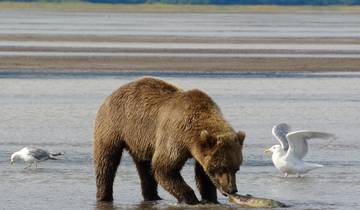
13 days
13-Day Alaskan Highlight Lodging Adventure Tour
- ✓ Comprehensive Alaska tour
- ✓ Expert local guides included
- ✓ All accommodation arranged
- ✓ Transportation provided
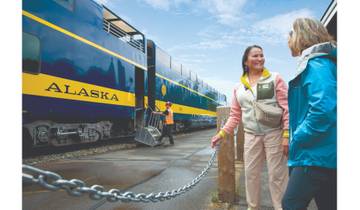
6 days
6-Day Best of Grand Alaska Highlights over 50's Tour
- ✓ Comprehensive Alaska tour
- ✓ Expert local guides included
- ✓ All accommodation arranged
- ✓ Transportation provided
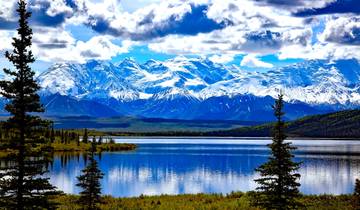
7 days
Nature's Best: Alaska
- ✓ Comprehensive Alaska tour
- ✓ Expert local guides included
- ✓ All accommodation arranged
- ✓ Transportation provided
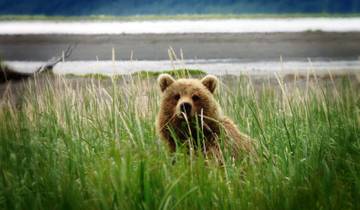
20 days
Alaska Adventure – 20 Days
- ✓ Comprehensive Alaska tour
- ✓ Expert local guides included
- ✓ All accommodation arranged
- ✓ Transportation provided
Multi-day tour packages powered by TourRadar. Prices and availability subject to change.
Introduction: Understanding Juneau’s Seasonal Patterns 2026
Juneau occupies unique position as North America’s only capital city inaccessible by road, surrounded by Tongass National Forest, Juneau Icefield, and Inside Passage waters creating microclimate and seasonal patterns distinct from continental Alaska or lower-48 expectations. The city’s 58°N latitude positions it farther north than Moscow, Edinburgh, or southern Greenland, creating extreme daylight variations from 18-hour June days to six-hour December darkness that fundamentally shape visitor experiences across calendar year. Maritime influence from Pacific Ocean moderates temperatures compared to interior Alaska, preventing Fairbanks-style -40°F winters but delivering persistent precipitation averaging 222 rainy days annually that defines regional character and visitor preparation requirements.
Seasonal tourism patterns concentrate 70% of annual visitors into May-September window when cruise ships bring 1.3 million passengers creating dramatic downtown transformation from quiet government town to bustling tourist hub during daylight hours. This concentration creates dual Juneau personalities: crowded summer capital with fully operational tourism infrastructure versus quiet winter town where locals reclaim spaces and authentic Alaskan small-town character emerges. Understanding these patterns enables strategic visit timing aligning personal priorities with seasonal advantages, whether seeking guaranteed glacier tour access and whale watching during peak summer, value-oriented shoulder season experiences with moderate weather and reduced crowds, or winter’s unique Northern Lights and dog sledding opportunities unavailable during traditional tourism periods.
Weather unpredictability requires mental framework shift for visitors accustomed to reliable continental summer patterns. Juneau’s maritime rainforest climate delivers consistent cool temperatures, frequent precipitation, and rapid weather changes where morning sunshine transitions to afternoon rain within hours regardless of season. This variability means “good weather” and “bad weather” concepts hold less meaning than in continental climates, with successful visits depending on appropriate gear and flexible mindsets rather than perfect weather timing. May through September offers warmest temperatures and longest daylight but maintains 40-60% rain probability, while October through April brings colder conditions, shorter days, and 60-70% precipitation likelihood requiring additional preparation but rewarding visitors with dramatic seasonal phenomena and significantly lower costs.
This guide provides month-by-month 2026 analysis covering weather patterns, wildlife activity, crowd levels, pricing dynamics, tour availability, and strategic considerations enabling informed seasonal planning for any traveler profile from first-time Alaska visitors seeking classic summer glacier and whale watching experiences to winter adventurers pursuing Northern Lights and authentic small-town Alaskan immersion.
Summer Season Juneau 2026: June Through August
Summer represents Juneau’s peak tourism season delivering optimal conditions for outdoor activities, wildlife viewing, and glacier access that attract 70% of annual visitors into three-month window. Understanding advantages, limitations, and strategic approaches for summer visits enables maximizing experiences while managing crowds and costs inherent to high-season travel.
June 2026: Season Opening and Extended Daylight
June delivers 18-hour daylight from approximately 4 AM sunrise to 10 PM sunset, providing maximum activity windows for glacier hiking, whale watching, kayaking, and trail exploration. Temperatures average 55-62°F (13-17°C) creating comfortable conditions for extended outdoor time without summer heat issues found in lower-latitude destinations. June represents transition from spring to summer with wildflowers blooming, waterfalls reaching peak flow from snowmelt, and bears emerging from hibernation creating strong wildlife viewing opportunities.
Whale watching begins strong in June as humpback populations build following migration from Hawaii and Mexico wintering grounds, with tour success rates climbing from 80% early month to 95%+ by late June. Mendenhall Glacier access remains fully open with visitor center operating extended hours and trail conditions optimal following spring snow clearance. Salmon runs begin late June attracting bears to streams and rivers, though peak bear viewing occurs July-August when spawning reaches maximum intensity.
Cruise season starts mid-May but hits full stride June with near-daily ship arrivals bringing 3,000-5,000 passengers each creating downtown congestion 9 AM-5 PM on vessel days. Strategic timing includes booking morning shore excursions departing before cruise crowds arrive at attractions, or scheduling afternoon activities after ship passengers return to vessels. Accommodation prices reach 80% of July peak rates while availability remains better than high-summer weeks requiring 2-3 month rather than 4-6 month advance booking.
July 2026: Peak Season Conditions
July represents Juneau’s absolute peak with warmest average temperatures 58-65°F (14-18°C), highest whale concentrations, maximum tour operator availability, and fullest activity schedules across all outdoor recreation categories. Weather reaches optimal predictability within Juneau’s rainy climate, with sunshine probability higher than any other month though rain still occurs 40-50% of days requiring waterproof preparation regardless of forecast.
Humpback whale viewing reaches peak reliability with bubble-net feeding behavior occurring daily in Auke Bay and nearby waters, providing spectacular coordinated feeding displays. Salmon runs hit maximum intensity attracting bears to streams with Pack Creek, Admiralty Island delivering guaranteed brown bear viewing for booked excursions. Mendenhall Glacier trails see heaviest foot traffic but extended daylight enables early morning or evening visits avoiding midday crowds while maintaining excellent lighting for photography.
Accommodation requires 4-6 month advance booking for quality properties as hotels fill completely during peak weeks, particularly mid-July through early August coinciding with school vacation periods. Prices reach annual maximum with moderate downtown hotels commanding $200-300 nightly versus $120-180 shoulder season. Tour operators experience full booking across popular whale watching, glacier tours, and helicopter excursions necessitating advance reservations securing spots months ahead. Cruise ship arrivals occur daily with multiple vessels sometimes docking simultaneously creating downtown saturation and tour capacity challenges.
August 2026: Extended Summer and Late-Season Value
August maintains July’s warm temperatures and wildlife activity through mid-month before gradual transition toward fall conditions. Early August mirrors peak-season advantages while late August delivers emerging shoulder-season benefits as school resumptions reduce family travel and cruise schedules thin creating crowd relief without significant weather deterioration. Daylight decreases from 17 hours early month to 15 hours by month’s end, still providing extensive activity windows.
Salmon runs continue strong throughout August with peak spawning attracting concentrated bear activity at viewing locations. Whale populations remain abundant through month with some early migration movement beginning late August as individuals depart for southern wintering grounds. Berry season peaks creating additional bear activity in lowland areas and providing hiking trail foraging opportunities for prepared visitors carrying bear spray and maintaining awareness.
Pricing dynamics shift mid-month as accommodation rates drop 20-30% from peak levels following school-year resumptions, creating value opportunities for flexible travelers able to visit late August. Tour availability improves substantially compared to July, with same-week booking possible for many excursions versus months-advance requirements during peak. Weather remains comparable to July early month, with increasing rain probability and decreasing temperatures late August marking transition toward fall conditions.
Summer Planning Strategies 2026
Book accommodation 4-6 months advance for July visits, 2-3 months for June and early August, securing downtown locations for walkability or shuttle-accessible properties reducing transportation needs. Reserve popular tours including whale watching, Mendenhall Glacier, and helicopter excursions simultaneously with accommodation, particularly for July travel when capacity fills completely months ahead. Avoid cruise ship arrival days for downtown dining and shopping, checking vessel schedules at traveljuneau.com and timing activities around passenger flows.
Pack layered waterproof clothing including rain jacket, rain pants, waterproof hiking boots, fleece or synthetic insulation, moisture-wicking base layers, and hat/gloves for boat tours where wind chill creates significantly cooler conditions than land temperatures suggest. Bring sunglasses and sunscreen despite overcast reputation as extended daylight and occasional sunny periods create substantial UV exposure. Accept rain as probability rather than anomaly, maintaining flexible itineraries and positive attitudes when precipitation occurs rather than treating wet weather as vacation disruption.
Shoulder Seasons Juneau 2026: May and September
Shoulder seasons deliver optimal value-to-experience ratios combining moderate weather, emerging or lingering wildlife activity, substantially reduced crowds, and 30-40% lower costs than peak summer while maintaining majority tour availability and full service infrastructure. Strategic travelers prioritizing budget efficiency and crowd avoidance over guaranteed optimal weather find shoulder periods ideal for Juneau visits.
May 2026: Spring Emergence and Driest Month
May stands as Juneau’s driest month at 25% daily precipitation probability (2.77 inches/70mm monthly total) compared to 40-60% summer months, creating highest sunshine likelihood within rainy climate. Temperatures range 45-58°F (7-14°C) requiring warmer layers than summer but remaining comfortable for extended outdoor activity with appropriate clothing. Daylight extends from 15 hours early month to 17 hours by late May, providing substantial activity windows without extreme early sunrise and late sunset timing of June-July.
Whale watching begins mid-to-late May as humpback populations return from wintering grounds, with early arrivals concentrated in Auke Bay and Favorite Channel areas. Success rates build from 60-70% early month to 80-90% by late May, lower than peak summer but sufficient for most visitors while avoiding July-August crowds and premium pricing. Mendenhall Glacier access opens fully by mid-May following spring trail maintenance, with snowpack still substantial creating dramatic glacier-viewing conditions. Bears emerge from hibernation and become increasingly active throughout May though salmon runs haven’t begun, concentrating bear activity in avalanche zones and beach areas rather than streams.
Cruise season starts late April but remains relatively light through May with 2-4 ships weekly rather than daily July arrivals, creating manageable downtown crowding and available tour capacity allowing week-of booking for many excursions. Accommodation availability stays strong with 2-3 week advance booking sufficient for quality properties. Prices run 30-40% below July peak with downtown hotels at $140-200 versus $220-300 high season, and tour rates discounted similarly. Late May particularly delivers strong value as weather warms, wildlife activity increases, and daylight extends while maintaining shoulder-season pricing and crowd levels.
September 2026: Fall Transition and Lingering Summer
September maintains summer-like conditions through mid-month before transitioning toward fall weather patterns. Early September temperatures average 50-60°F (10-16°C) dropping to 45-55°F (7-13°C) by month’s end, requiring warmer clothing layers than summer but remaining comfortable for outdoor activities. Daylight decreases from 15 hours early month to 12 hours by late September, still providing reasonable activity windows though extended evening hours end and darkness returns creating atmospheric changes.
Whale watching continues strong through mid-September as humpback populations linger before migration departure, with success rates remaining 85-95% early month declining to 70-80% late month as individuals begin southern movement. Salmon runs continue throughout September with coho (silver) salmon spawning peaking late month, maintaining bear viewing opportunities though activity decreases compared to August peak. Fall colors emerge late September creating photographic opportunities as deciduous vegetation transitions, though Tongass rainforest’s conifer dominance limits dramatic foliage displays compared to continental regions.
Cruise season winds down through September with daily arrivals early month decreasing to 2-3 weekly by late September before ending early October. Downtown congestion reduces substantially mid-month creating improved local experience and easier attraction access. Accommodation pricing drops 25-35% below peak summer with quality properties available 1-2 weeks advance notice. Tour operators maintain full schedules through mid-September before reducing frequency late month, requiring advance checking for availability though week-of booking generally succeeds.
Shoulder Season Advantages and Limitations 2026
Budget savings reach 30-40% across accommodation, tours, and dining compared to peak summer through combination of lower base rates and reduced demand enabling negotiation or discount seeking. Crowd reductions create substantially improved experiences at popular attractions including Mendenhall Glacier where trail congestion decreases dramatically, downtown Juneau where cruise passenger absence returns walkable small-town character, and whale watching boats where passenger loads lighten enabling better viewing positions.
Weather uncertainty increases compared to July-August peak, with May maintaining highest sunshine probability but September showing increasing rain frequency and decreasing temperatures. Wildlife viewing remains strong but lacks peak-season guarantees, requiring acceptance of 80-90% versus 95%+ success rates and reduced activity intensity. Tour availability narrows particularly late May and late September as operators transition into or out of season, necessitating advance schedule checking and flexible date planning when specific excursions represent priority activities.
Fall Season Juneau 2026: October
October represents Juneau’s transition from autumn into early winter, delivering dramatically different experiences than summer season with significantly reduced services, increasing precipitation, cooling temperatures, and minimal tourist presence creating authentic small-town atmosphere but requiring acceptance of substantial limitations.
October 2026 Weather and Daylight Conditions
October stands as Juneau’s wettest month with 70% daily precipitation probability creating near-constant rain throughout the period. Temperatures range 38-48°F (3-9°C) requiring winter-weight clothing including insulated jacket, warm layers, waterproof shell, and cold-weather accessories. Daylight decreases from 11.5 hours early month to 8.5 hours by month’s end, with sunrise moving from 7:30 AM to 8:30 AM and sunset from 7 PM to 5:30 PM creating increasingly limited outdoor activity windows.
Fall colors peak early October in deciduous vegetation before leaf drop mid-month, though Tongass rainforest’s conifer dominance limits dramatic foliage displays. Waterfalls maintain strong flow from persistent precipitation creating impressive viewing opportunities for photographers seeking dramatic conditions. Snow begins at higher elevations by late October with mountains showing increasing white coverage though lowland Juneau typically remains snow-free until November.
October 2026 Wildlife and Outdoor Activities
Salmon runs end early October with spawning completing and carcasses attracting scavengers including eagles, ravens, and gulls rather than active bears. Bald eagle populations begin concentrating along Chilkat River north of Juneau in preparation for November-December peak congregation during late salmon runs, with Haines accessible via day trip or overnight excursion for dedicated eagle viewing. Whale populations largely depart by mid-October with stragglers remaining through month but sighting probability dropping to 40-60% making whale watching tours questionable value.
Hiking remains possible early October on lower-elevation trails before increasing rain and decreasing daylight limit appeal. Mendenhall Glacier access continues though visitor center reduces hours and trail maintenance decreases. Most helicopter tour operators end season by early October due to weather unpredictability and reduced demand. Fishing transitions from salmon to steelhead in some streams, appealing to dedicated anglers but requiring local knowledge and appropriate gear.
October 2026 Services and Accommodation
Cruise season ends by early October with final vessels departing first week, creating immediate downtown transformation as shops reduce hours and some restaurants close for winter. Major hotels remain open year-round serving government business travelers and conference visitors, though smaller properties and B&Bs often close October through April. Accommodation pricing drops 40-50% from summer peak with rooms at $90-140 versus $180-280 July-August.
Tour operator availability decreases substantially with many whale watching and glacier tour companies ending season late September or early October. Year-round operators including above-and-beyond Alaska maintain limited schedules with advance booking recommended confirming availability. Rental car agencies, restaurants, and basic services remain operational serving local population and reduced visitor numbers, though selection narrows compared to summer variety.
Winter Season Juneau 2026: November Through February
Winter transforms Juneau into dramatically different destination from summer tourism season, delivering unique phenomena including Northern Lights, winter sports, and authentic Alaskan small-town character but requiring specialized preparation, acceptance of significant service limitations, and comfort with extreme conditions unsuitable for casual visitors expecting summer-style accessibility.
November-December 2026: Early Winter and Holiday Season
November and December represent transition into deep winter with temperatures 28-38°F (-2 to 3°C) November, 20-32°F (-7 to 0°C) December, requiring full winter clothing including insulated parka, winter boots rated to -20°F or colder, layered clothing, insulated gloves, warm hat, and hand/foot warmers. Daylight decreases from 7.5 hours early November to 6.5 hours by winter solstice December 21, with shortest day providing 6 hours 21 minutes between 9 AM sunrise and 3:21 PM sunset.
Northern Lights viewing begins November with increasing aurora activity through December as darker nights enable optimal observation conditions. Aurora probability runs 25-35% on clear nights November increasing to 40-50% December, though coastal cloud cover frequently obscures skies requiring patience and multiple viewing attempts. Successful aurora viewing requires monitoring aurora forecasts, positioning away from city light pollution, accepting late-night or early-morning timing, and maintaining flexibility extending stays when cloud cover prevents scheduled viewing nights.
Snow accumulation builds through November-December covering Juneau with winter base enabling winter sports including cross-country skiing, snowshoeing, and backcountry skiing for experienced participants. Eaglecrest Ski Area opens typically late November or early December depending on snowpack, operating weekends and holidays through April providing downhill skiing and snowboarding. Dog sledding tours operate through winter months offering authentic sled dog experiences unavailable during summer season.
Thanksgiving and Christmas weeks bring slight tourism increases as Alaskans visit family and some adventure travelers seek winter experiences, requiring advance accommodation booking for these specific periods. Downtown decorations and holiday events create festive atmosphere, though visitor numbers remain minimal compared to any summer week creating genuine local community feeling.
January-February 2026: Deep Winter and Aurora Peak
January and February represent Juneau’s coldest months with temperatures 20-35°F (-7 to 2°C), occasional cold snaps dropping below 10°F (-12°C), and accumulating snowpack creating full winter landscape. Daylight increases from 6.5 hours early January to 9 hours late February, with dawn moving from 9 AM to 7:30 AM and dusk from 3:30 PM to 6 PM creating gradual daylight extension though winter conditions persist.
Northern Lights viewing reaches annual peak January-February with highest aurora activity coinciding with darkest nights before spring daylight increase. Clear sky probability improves compared to November-December transition period, creating optimal viewing windows for dedicated aurora chasers willing to accept cold conditions. Multi-night stays increase viewing success probability as cloud cover variability requires flexibility waiting for clear conditions.
Winter sports activities peak January-February with established snowpack enabling extensive cross-country ski trail networks, backcountry ski touring for experienced participants with avalanche training, and snowshoeing accessible to winter visitors without specialized skills. Eaglecrest Ski Area operates full schedules weekends and some weekday periods providing family-friendly downhill skiing. Heli-skiing operates for advanced skiers seeking backcountry powder experiences unavailable at resorts.
Bald eagle viewing peaks along Chilkat River near Haines where late salmon runs attract 3,000+ eagles creating world’s largest concentration during November-February period. Day trips from Juneau via Alaska Marine Highway ferry system enable eagle viewing excursions for dedicated wildlife photographers and enthusiasts willing to brave winter conditions for unique spectacle.
Winter Season Planning Essentials 2026
Book accommodation through year-round properties including major hotels and select B&Bs, avoiding summer-only operators closed October through April. Aspen Suites, Grandma’s Feather Bed, and Silverbow Inn maintain winter operations serving business travelers and adventure visitors. Prices run 50-70% below summer peak with quality rooms at $80-130 versus $180-280 July-August, though selection narrows substantially as many properties close.
Rent vehicles with winter tires or all-wheel-drive capability handling snow and ice conditions on Juneau roads. Front-wheel-drive vehicles with proper winter tires prove adequate for most conditions, though four-wheel-drive provides additional security on steep hills and during active snow. Major rental agencies remain operational year-round though fleet sizes decrease and advance booking recommended securing vehicle availability.
Pack comprehensive winter clothing exceeding expectations from lower-latitude winter experience. Insulated parka rated to -20°F minimum, insulated winter boots with aggressive tread rated similar temperatures, multiple fleece or synthetic mid-layers enabling temperature adjustment, moisture-wicking base layers avoiding cotton, insulated gloves and backup pair, warm hat covering ears, neck gaiter or balaclava, and hand/foot warmer packets for extended outdoor time prove essential for comfortable winter activities.
Plan activities acknowledging limited daylight windows with outdoor excursions scheduled between 9 AM and 3 PM maximizing available light. Many museums, cultural sites, and indoor attractions maintain winter hours providing weather alternatives when conditions prohibit outdoor plans. Downtown shops and restaurants reduce hours with some closing entirely, requiring advance research confirming operating schedules before visiting specific establishments.
Spring Season Juneau 2026: March and April
Spring represents transition from winter to summer with highly variable conditions, increasing daylight, and shoulder-season pricing but also unpredictable weather, muddy trails from snowmelt, and limited tour availability during operator transition periods creating advantages for budget travelers accepting compromises while deterring visitors seeking reliable conditions.
March 2026: Late Winter Transition
March delivers transitional conditions with temperatures 28-42°F (-2 to 6°C) requiring winter clothing early month transitioning toward lighter layers by late March. Daylight increases dramatically from 10 hours early month to 13.5 hours by month’s end as equinox passes, enabling reasonable afternoon outdoor activity windows. Snow cover persists with variable snowpack depending on winter accumulation, typically remaining substantial at higher elevations while lowland Juneau sees increasing rain-on-snow events and bare ground emergence.
Northern Lights viewing continues through March with decreasing probability as lengthening daylight reduces dark sky hours. Aurora activity remains moderate though observation windows narrow requiring late-night timing. March represents final aurora viewing opportunity before extended summer daylight eliminates dark sky conditions entirely. Winter sports continue early month with skiing, snowshoeing, and backcountry activities maintaining good conditions before late-month warming initiates season end.
Accommodation prices remain at winter low levels with rooms at $80-140, though selection narrows as some winter-closure properties prepare spring reopening but haven’t yet welcomed guests. Tour operators largely remain closed with summer season not beginning until late April or May, limiting organized activity options to year-round operators offering limited schedules. Downtown restaurants and shops maintain reduced winter hours with gradual service expansion late month as tourism season approaches.
April 2026: Breakup Season and Budget Opportunity
April represents Alaska’s “breakup” season as winter transitions to spring creating famously unpleasant conditions including melting snow, muddy trails, rain-on-snow events, variable temperatures, and generally unappealing aesthetics. Temperatures range 35-50°F (2-10°C) with high variability and unpredictable day-to-day changes. Daylight extends from 14 hours early month to 16.5 hours by late April, providing extensive outdoor windows if conditions and activities permit.
Trail conditions deteriorate as snowmelt creates muddy, sloppy paths through lowland forests while higher elevations maintain snow cover blocking alpine route access. Mendenhall Glacier trails open by mid-to-late April depending on winter snowpack and spring warmth, though conditions remain challenging early season. Most organized tours remain unavailable as operators continue winter closure preparing for May season opening, limiting independent travelers to self-guided activities.
Budget travelers willing to accept breakup conditions find April’s lowest annual accommodation prices at $70-120 (25-30% below May shoulder-season rates) combined with minimal tourist presence. Alaska Airlines often offers discounted fares April as advance summer bookings complete and last-minute winter travel ends, creating transportation savings opportunities. Activities center on indoor attractions including Alaska State Museum, Juneau-Douglas City Museum, and historic downtown exploration where breakup conditions prove less impactful than trail-based outdoor recreation.
Monthly Weather Summary Juneau 2026
Comprehensive month-by-month weather data enables detailed trip planning and realistic expectation setting for Juneau’s highly variable maritime climate requiring preparation for rain regardless of season while understanding temperature ranges, daylight hours, and precipitation patterns for each period.
Temperature and Daylight Patterns Throughout 2026
January-February temperatures range 20-35°F (-7 to 2°C) with 6-7 hours daylight, March warms to 28-42°F (-2 to 6°C) with 10-13 hours daylight, April reaches 35-50°F (2-10°C) with 14-16 hours daylight, May achieves spring warmth at 45-58°F (7-14°C) with 15-17 hours daylight, June hits summer levels 55-62°F (13-17°C) with 18 hours maximum daylight, July peaks at 58-65°F (14-18°C) maintaining 18 hours daylight, August maintains 55-65°F (13-18°C) with 15-17 hours daylight, September cools to 50-60°F (10-16°C) with 12-15 hours daylight, October drops to 38-48°F (3-9°C) with 8.5-11 hours daylight, November reaches early winter 28-38°F (-2 to 3°C) with 6.5-7.5 hours daylight, December hits coldest 20-32°F (-7 to 0°C) with 6-6.5 hours minimum daylight.
Longest day occurs June 21 at 18 hours 18 minutes daylight, shortest day December 21 at 6 hours 21 minutes, creating 12-hour differential between summer and winter maximum and minimum daylight profoundly impacting visitor experiences and activity possibilities. Summer midnight sun phenomenon delivers usable outdoor light until 11 PM and resuming 3:30 AM, while winter darkness restricts outdoor activities to 9 AM-3:30 PM window requiring strategic timing maximizing limited daylight hours.
Precipitation Patterns and Dry Season Timing 2026
Juneau’s designation as temperate rainforest reflects 92 inches (2,340mm) average annual precipitation distributed across 222 days (61% of year), creating persistent rain probability requiring waterproof gear regardless of season. Relatively dry season runs March through June with April driest at 2.77 inches (70mm) over 25% daily rain probability, May similar at 25% daily probability, June increasing to 5.4 inches (138mm) across 43% daily probability despite being summer peak. Wet season encompasses October through January with October wettest at 70% daily rain probability, November-December maintaining 65% probability creating near-constant precipitation through fall and early winter.
July-August maintain moderate precipitation at 4-5 inches monthly across 40-50% daily probability, better than fall-winter but far from dry by continental standards. September transitions toward wet season at 55% daily probability, increasing steadily through month. Rain characteristics differ from continental patterns with frequent light drizzle and mist rather than heavy downpours, rapid weather changes where morning rain clears to afternoon sunshine, and orographic lifting creating significant precipitation variability between coastal lowlands and mountain slopes visible from town.
Wildlife Viewing Seasonal Guide Juneau 2026
Juneau’s position at confluence of marine and terrestrial ecosystems creates exceptional wildlife viewing opportunities varying dramatically by season, requiring timing alignment between visitor interests and species activity patterns for optimal experiences.
Whale Watching Season and Species Timing 2026
Humpback whales represent Juneau’s signature wildlife experience, arriving from Hawaii and Mexico wintering grounds beginning late April with populations building through May, peaking June through August at 90-95% tour sighting success rates, maintaining September presence before beginning southern migration October with stragglers through mid-month. Peak viewing occurs June-August when whale densities reach maximum creating bubble-net feeding displays where coordinated groups create bubble curtains concentrating prey enabling spectacular surface lunges. Auke Bay, Favorite Channel, and Stevens Passage offer most reliable viewing from tour vessels departing Auke Bay and downtown Juneau locations.
Orca (killer whale) sightings occur opportunistically May through September as resident and transient pods move through regional waters. Resident pods feed primarily on salmon following fish concentrations into Inside Passage waters, while transient pods hunt marine mammals including seals, sea lions, and porpoises creating unpredictable sighting patterns. Orca encounters occur 20-30% of whale watching tours as secondary species, never guaranteed but creating memorable additions when successful.
Gray whales migrate through Inside Passage March-May and October-November traveling between Baja California wintering grounds and Arctic summer feeding areas, appearing sporadically during migration windows but not concentrating in Juneau waters like humpbacks. Opportunistic sightings occur from shore and tour vessels during migration periods for attentive observers monitoring calm water conditions enabling distant whale blow detection.
Brown and Black Bear Viewing Opportunities 2026
Brown (grizzly) bears and black bears emerge from hibernation April-May becoming increasingly active through summer as food sources develop. Early season May-June bears concentrate on avalanche zones grazing fresh vegetation, beach areas feeding on marine invertebrates and washed-up carrion, and gradually moving toward salmon streams as fish runs begin. Peak bear viewing occurs July-September when salmon spawning concentrates bear activity at streams and rivers, creating reliable viewing opportunities at managed locations.
Pack Creek on Admiralty Island south of Juneau provides premier brown bear viewing July through mid-September via permitted day trips limited to 24 visitors daily creating intimate viewing experiences. Tour operators including Alaska Discovery and Above & Beyond Alaska offer Pack Creek excursions requiring advance booking securing limited permit slots. Mendenhall River near glacier terminus attracts black bears and occasional brown bears during salmon runs visible from shore and viewing platforms, though timing and bear presence remain unpredictable compared to managed Pack Creek site.
Winter November-March bears hibernate eliminating viewing opportunities except rare individual remaining active through mild winters, making bear viewing impossible for winter visitors. Spring April-May offers emerging activity though visibility remains lower than summer salmon-run periods when bear concentrations predictably occur at fish streams.
Bald Eagle Viewing and Chilkat River Concentration 2026
Bald eagles reside year-round throughout Juneau area, visible daily from shorelines, harbors, and forested areas with nesting activity April-August producing fledgling presence late summer. Juneau supports approximately 400 resident eagles creating constant viewing opportunities from downtown waterfront, Douglas Island, and Mendenhall Valley areas for observers monitoring trees and shorelines.
World-renowned Chilkat Bald Eagle Preserve near Haines, accessible via Alaska Marine Highway ferry or air service from Juneau, hosts 3,000-4,000 eagles November through February attracted by late chum salmon runs in ice-free river sections. Peak congregation occurs mid-November through late December creating dramatic concentrations visible from roadside pullouts along Haines Highway. Photography opportunities peak during this period as hundreds of eagles congregate in cottonwood trees and feed along river creating accessible viewing unavailable anywhere else globally.
Day trips from Juneau to Haines via Alaska Marine Highway ferry (4.5 hours each direction) enable dedicated eagle viewing excursions during winter concentration period, requiring full-day commitment and acceptance of winter ferry conditions. Multi-day Haines visits allow extended viewing opportunities and participation in Alaska Bald Eagle Festival held annually mid-November celebrating eagle concentration.
Marine Mammal and Seabird Seasonal Patterns 2026
Harbor seals, Steller sea lions, and harbor porpoises reside year-round in Juneau waters, visible from shore and tour vessels throughout open-water season. Sea lions haul out on channel markers, buoys, and rocky outcrops creating roadside viewing opportunities along North Douglas and Mendenhall Valley shorelines. Harbor seals frequent glacial fjords and protected bays, often visible near tidewater glaciers hauled out on ice floes safe from predators.
Seabird diversity peaks May through August when migratory species join year-round residents creating maximum species variety for birding enthusiasts. Marbled murrelets, pigeon guillemots, common murres, and Kittlitz’s murrelets nest on coastal cliffs and islands, visible from boat tours and shoreline vantage points. Bald eagles and ravens dominate year-round resident bird populations, supplemented by seasonal arrivals including varied thrushes, hermit thrushes, and multiple warbler species during breeding season.
Cruise Ship Season Impact Juneau 2026
Cruise tourism fundamentally shapes Juneau’s summer character as 1.3 million cruise passengers visit April through September creating downtown transformation, capacity constraints, and strategic planning requirements for independent travelers seeking to manage or avoid cruise-related crowding.
Cruise Season Timeline and Intensity 2026
Cruise season runs late April through late September with intensity building from 2-3 weekly ship arrivals May to daily arrivals June through August, sometimes multiple ships simultaneously docking 8,000-12,000 total passengers in single day. Peak occurs mid-June through mid-August when large vessels carrying 3,000-5,000 passengers each arrive near-daily creating downtown saturation during 9 AM-5 PM shore time windows when passengers disembark for independent exploration and organized excursions.
Ship schedules concentrate Wednesday-Sunday with fewer Monday-Tuesday arrivals creating weekly patterns enabling crowd avoidance through strategic planning. Late season September sees decreasing frequency returning to 2-4 weekly arrivals before season ends early October. Cruise schedules publish up to 18 months advance through TravelJuneau.com port calendar enabling precise planning around ship days when avoiding crowds represents priority.
Downtown Impact and Strategic Timing 2026
Cruise passengers concentrate downtown Juneau in Front Street, South Franklin Street, and Seward Street shopping district creating pedestrian congestion, restaurant wait times, and retail crowding during 9 AM-5 PM shore time window. Mount Roberts Tramway, Alaska State Museum, and nearby attractions experience capacity strain on multi-ship days when thousands of passengers seek same limited activities. Parking downtown becomes nearly impossible on ship days as tour buses, taxis, and passenger-rented vehicles consume available spaces.
Strategic approaches include timing downtown visits early morning before 9 AM ship disembarkation or evening after 5 PM passenger return to vessels, scheduling popular attractions for non-ship days when capacity constraints disappear, or embracing ship-day crowds accepting congestion as unavoidable summer tourism reality. Mendenhall Glacier sees less cruise impact than downtown as free shuttle buses transport passengers creating all-day visitor flow rather than concentrated pulse, though tour group size and frequency increase substantially ship days.
Tour Booking and Capacity Management 2026
Popular tours including whale watching, helicopter glacier tours, and guided excursions sell out months advance during peak summer through combination of cruise passenger pre-booking and independent traveler demand. Tour operators allocate significant capacity to cruise line shore excursion programs, limiting availability for independent booking especially on multi-ship days. Advance booking 3-6 months ahead secures desired tour dates and times, with greatest constraints July-August peak when cruise and independent demand converge.
Shore excursion pricing through cruise lines typically runs 20-40% premium versus direct tour operator booking, creating savings incentive for independent reservation though cruise passengers gain guaranteed vessel accommodation if tour delays threaten ship departure. Direct booking through operators including Above & Beyond Alaska, Juneau Tours, and Adventure Bound Alaska provides flexibility, potential savings, and relationship with local businesses supporting regional economy versus cruise line intermediation.
What to Pack for Juneau 2026
Juneau’s maritime climate, variable weather, and seasonal extremes require thoughtful packing covering wide temperature ranges, persistent rain probability, and activity-specific gear ensuring comfort and safety regardless of conditions encountered during visit.
Summer Season Packing Essentials May-September 2026
Waterproof rain jacket with hood stands as single most essential item for summer Juneau, enabling outdoor activity during light-to-moderate precipitation occurring 40-60% of days. Quality Gore-Tex or similar membrane jacket providing waterproof/breathable protection prevents moisture accumulation from internal perspiration while blocking external rain. Packable rain pants protect lower body during extended outdoor time in wet conditions, particularly for boat tours where spray and precipitation combine creating damp environments.
Layering system includes moisture-wicking base layer avoiding cotton which retains moisture and creates chill, fleece or synthetic insulation mid-layer providing warmth without bulk, and waterproof shell completing protection from elements. Multiple lighter layers enable temperature adjustment as conditions change throughout day, with morning chill transitioning to afternoon warmth common summer patterns. Long pants and long-sleeve shirts provide sun protection during extended daylight hours and insect protection on trails where mosquitoes and biting flies occur.
Waterproof hiking boots or shoes prove essential for trail conditions including mud, stream crossings, and wet vegetation brushing against footwear during passage. Insulated or water-resistant footwear maintains foot comfort during extended outdoor time in damp conditions. Second pair of dry shoes for indoor use and evening wear avoids tracking mud into accommodations. Warm hat, light gloves, and sunglasses complete accessories addressing boat tour wind chill and occasional sunny conditions requiring eye protection.
Winter Season Packing Requirements November-March 2026
Insulated parka rated to -20°F minimum protects against Juneau’s coldest winter conditions, with longer length providing additional leg protection and hood blocking wind. Down insulation provides maximum warmth-to-weight ratio for dry conditions, while synthetic insulation maintains warmth when damp from snow or freezing rain. Waterproof shell layer over insulation creates versatile system handling variable winter precipitation patterns.
Insulated winter boots rated to -20°F or colder with aggressive tread enable safe winter navigation on snow and ice-covered surfaces. Boots require waterproof protection as snowmelt and slushy conditions create damp environments even during cold temperatures. Multiple insulating sock layers including liner socks and heavy wool or synthetic outer socks maintain foot warmth during extended outdoor time. Hand and foot warmer packets provide additional heat during Northern Lights viewing or other extended stationary outdoor activities.
Layering system scales up from summer requirements with heavy-weight base layers, multiple mid-layers enabling adjustment, insulated pants for extended outdoor time, balaclava or neck gaiter protecting face and neck from wind chill, insulated gloves or mittens with waterproof shells, and warm hat covering ears completing ensemble. Multiple layers of all items enable daily washing and rotation maintaining cleanliness and comfort during extended winter stays.
Shoulder Season Versatility May and September 2026
Shoulder season packing requires versatility covering warm summer-like days and cool fall/spring conditions within single trip. All summer essentials including rain gear, layering system, and waterproof footwear apply with additions of warmer mid-layers, light insulated jacket for evening chill, and winter accessories including warm hat and gloves addressing temperature variability. May and September demonstrate Juneau’s most variable conditions requiring ability to dress for 40°F (4°C) morning hike and 60°F (16°C) afternoon town exploration within single day.
Budget Planning Juneau 2026
Juneau costs vary dramatically by season with peak summer rates reaching 100-150% premiums versus winter pricing across accommodation, tours, and dining, enabling strategic budget optimization through seasonal timing, advance booking, and service selection aligning expenses with priorities.
Accommodation Costs by Season 2026
Summer peak July-August commands highest rates with moderate downtown hotels at $220-320 nightly, budget hotels $140-200, and premium properties $300-450. June and late August shoulder periods reduce rates 20-30% to $180-260 moderate, $120-160 budget, creating first savings opportunity. September shoulder season drops another 10-15% to $160-220 moderate, $100-140 budget. May maintains similar September levels though weather unpredictability creates additional variable.
October transition month sees 30-35% reduction from summer peak at $140-180 moderate, $80-120 budget as cruise season ends and winter approaches. November through April winter rates drop 50-70% from summer to $80-140 moderate, $60-100 budget, delivering maximum savings for visitors accepting cold conditions and limited services. Budget travelers booking 6-8 week advance secure best winter rates with some properties offering additional discounts for extended stays.
Tour and Activity Pricing Patterns 2026
Whale watching tours cost $150-200 per person summer peak with children discounted 30-50%, shoulder season rates dropping to $120-160, winter season seeing minimal tour availability as whales migrate. Helicopter glacier tours range $300-450 per person peak summer, $250-350 shoulder season, with winter availability limited and weather-dependent. Multi-activity combination tours bundling whale watching, glacier viewing, and additional experiences cost $200-350 per person depending on inclusions and season.
Mendenhall Glacier access remains free year-round though guided tours, kayaking excursions, and helicopter landings command premium pricing during peak demand periods. Dog sledding winter tours cost $200-300 per person for 2-3 hour experiences available November through March. Northern Lights viewing tours cost $100-150 per person for 3-4 hour excursions during winter months, though independent viewing proves possible for visitors with transportation and knowledge of viewing locations.
Daily Budget Estimates by Season 2026
Summer peak daily costs run $120-180 budget travelers staying hostels or camping ($40-60 accommodation), self-catering meals ($30-40), local transportation ($10-15), and selective free or low-cost activities. Mid-range summer travelers spend $280-380 daily with moderate hotels ($180-260), restaurant dining ($70-90), rental vehicle ($40-60), and tour participation ($150-200 averaged across multi-day trip). Luxury summer experiences exceed $500 daily through premium accommodation ($300-450), fine dining ($120-180), helicopter tours and premium excursions ($300-500), and upscale services.
Shoulder season May and September reduce daily budgets 25-35% to $90-140 budget, $200-280 mid-range, $380-450 luxury through combined accommodation savings and lower tour rates. Winter season November-March delivers maximum budget efficiency at $60-100 budget, $140-200 mid-range, $280-350 luxury though limited tour availability and activity options constrain spending categories beyond accommodation and dining.
Frequently Asked Questions: Best Time Visit Juneau 2026
What is the rainiest month in Juneau 2026?
October represents Juneau’s rainiest month with 70% daily precipitation probability creating near-constant rain throughout the period, followed closely by November and December at 65% daily rain probability extending wet season through early winter. October averages approximately 8 inches (200mm) precipitation falling across 21-23 days creating persistent damp conditions and limiting outdoor activity appeal. This wettest period corresponds with fall transition as summer’s moderate precipitation patterns shift toward winter’s sustained rain and snowfall. Travelers visiting October through December require comprehensive waterproof gear including rain jacket, rain pants, waterproof boots, and dry bags protecting electronics and clothing from moisture exposure. Indoor activities including museums, cultural centers, and downtown shopping provide weather alternatives when outdoor plans prove impractical during heaviest precipitation days. Early October sees some fall color before leaf drop creating brief photographic opportunities for visitors accepting wet conditions, though most travelers avoid October as least appealing month combining rain, cooling temperatures, decreasing daylight, and minimal tourist services creating challenging visiting conditions.
Can you see Northern Lights in Juneau 2026?
Northern Lights viewing occurs in Juneau September through March with peak activity January-February when darkest nights coincide with highest aurora probability creating optimal observation conditions. Aurora viewing success requires clear skies, dark location away from city light pollution, moderate-to-high solar activity generating visible displays, and patience as cloud cover frequently obscures skies in maritime climate requiring multiple viewing attempts. January-February deliver best probability combining dark nights (6-7 hours), improved clear sky frequency versus November-December transition period, and peak aurora activity as solar cycle progresses. Successful viewing requires monitoring aurora forecasts through apps like My Aurora Forecast, positioning at dark locations including Douglas Island, Mendenhall Valley, or Lemon Creek, accepting viewing windows typically occurring 10 PM-3 AM requiring late-night commitment, and maintaining flexible schedules extending stays when cloud cover prevents planned viewing nights. Aurora probability runs 40-50% on clear nights during peak months, meaning roughly half of cloudless nights show visible displays ranging from faint green glows to dramatic multi-color curtains depending on solar activity intensity. Summer visitors May through August cannot view Northern Lights as extended daylight eliminates dark sky conditions entirely, making aurora viewing impossible during traditional tourism season and requiring specific winter visit timing for travelers prioritizing Northern Lights experiences.
How many days should I spend in Juneau 2026?
Three to five days enables comprehensive Juneau experiences covering major attractions including Mendenhall Glacier, whale watching, downtown cultural sites, and outdoor activities without feeling rushed while avoiding extended stays where activity options exhaust in small city environment. Three-day minimum allows whale watching tour (full morning), Mendenhall Glacier self-exploration or guided tour (half day), downtown walking tour and museum visits (half day), and buffer for weather-dependent activity rescheduling common in variable climate. Four days adds Juneau Icefield helicopter tour or Tracy Arm Fjord boat excursion providing glacier experiences beyond Mendenhall, additional hiking opportunities on local trail network, and relaxed pacing reducing daily rushing. Five days enables day trip to Admiralty Island Pack Creek for brown bear viewing (summer only) or Haines for Chilkat eagle viewing (winter only), extended downtown exploration including Alaska State Museum and cultural sites, multiple hiking excursions on diverse trail system, and comfortable schedule absorbing weather delays or rest days. Travelers combining Juneau with broader Alaska itineraries including Denali, Seward, or interior destinations integrate 3-4 Juneau days efficiently within 10-14 day Alaska trips, while visitors focusing exclusively on Southeast Alaska extend stays to 5-7 days incorporating nearby communities including Gustavus (Glacier Bay), Haines, or Skagway via ferry or air connections. Winter visitors accepting limited activity availability and short daylight windows find 2-3 days sufficient covering Northern Lights viewing attempts, dog sledding, downtown exploration, and cultural sites without exhausting available options during darkest months.
Is Juneau worth visiting in 2026?
Juneau delivers exceptional value for travelers seeking authentic Alaska experiences combining accessible glacier viewing at Mendenhall Glacier reached 20 minutes from downtown, world-class whale watching with 90%+ summer sighting success rates, dramatic Inside Passage scenery surrounding city, rich Native Tlingit culture and history preserved in museums and cultural centers, outdoor recreation including hiking, kayaking, and wildlife viewing, and genuine small-town Alaskan character despite state capital designation. Juneau’s roadless isolation creates unique destination different from drive-accessible Alaska communities, requiring commitment to reaching location via Alaska Airlines or Alaska Marine Highway ferry system but rewarding visitors with concentrated experiences unavailable in larger cities or drive-through tourism regions. Summer visitors June through August experience peak conditions for outdoor activities, wildlife viewing, and attraction access justifying highest costs through optimal weather, guaranteed service availability, and comprehensive experience options. Shoulder season May and September visitors gain 80-90% of summer advantages at 30-40% lower costs with moderate crowd reductions, appealing to budget-conscious travelers and crowd-averse visitors willing to accept slight weather uncertainty and reduced tour frequency. Winter visitors November through March discover completely different Juneau featuring Northern Lights, winter sports, and authentic local culture unavailable during tourism season, though extreme conditions, minimal services, and significant activity limitations suit only adventurous travelers comfortable with cold-weather challenges. Overall destination value depends on aligning visit timing with personal priorities, accepting weather unpredictability inherent to maritime climate regardless of season, and approaching Juneau as unique roadless Alaska capital offering concentrated experiences rather than expecting continental-style predictability or extensive infrastructure found in lower-48 destinations.
What is the warmest month in Juneau 2026?
July represents Juneau’s warmest month with average temperatures 58-65°F (14-18°C) creating comfortable conditions for extended outdoor activities without heat issues affecting lower-latitude summer destinations. Daily highs reach low-to-mid 60s°F (16-18°C) on typical days with occasional warm periods climbing to 68-72°F (20-22°C) creating genuinely pleasant temperatures by Alaska standards, while overnight lows stay moderate at 50-55°F (10-13°C) requiring light jacket or fleece for evening comfort. Record high temperature of 90°F (32°C) set July 7, 1975 represents extreme anomaly far above normal patterns, with temperatures exceeding 75°F (24°C) occurring rarely and briefly during unusual weather patterns. Juneau’s maritime climate prevents extreme heat as ocean influence moderates temperatures compared to interior Alaska where Fairbanks regularly exceeds 80°F (27°C) creating dramatically hotter conditions. August maintains similar warmth to July through mid-month before gradual cooling begins late month, making late July through early August the consistent warm period. Travelers expecting hot summer weather from lower-latitude experience require adjusting expectations as Juneau’s “warm” means comfortable mid-60s°F (18°C) rather than 80-90°F (27-32°C) continental summers, necessitating layered clothing enabling adjustment to variable conditions and accepting that shorts and t-shirts alone prove insufficient for all-day comfort during maritime summer.
Are mosquitoes bad in Juneau 2026?
Mosquitoes in Juneau remain significantly less problematic than interior Alaska or lower-48 wetland regions, with maritime breezes, cooler temperatures, and coastal environment limiting populations compared to inland areas where mosquitoes achieve legendary intensity. Mosquito season runs late May through August with peak activity June-July during warmest months, concentrated in forested trail areas, wetlands, and calm protected locations rather than exposed coastal zones receiving constant breeze. Biting intensity increases during still, warm, overcast days when conditions favor mosquito activity, while windy or rainy periods suppress populations creating highly variable day-to-day experiences. Trail hiking in forested areas requires insect repellent containing DEET or picaridin providing 4-6 hour protection, with reapplication necessary for extended outdoor time. Headnets provide additional protection during peak activity periods for highly sensitive individuals or activities requiring stationary positioning like photography or fishing. Downtown Juneau, waterfront areas, and boat tours experience minimal mosquito issues as coastal winds and urban environment limit populations, restricting mosquito encounters primarily to forested hiking trails and protected wetland areas. Comparison to interior Alaska reveals dramatic differences as Fairbanks and Denali National Park experience swarms requiring headnets and extensive repellent for basic outdoor activity, while Juneau mosquitoes remain manageable nuisance rather than activity-limiting plague requiring only basic repellent for comfortable trail hiking. Travelers visiting late August through September avoid peak mosquito season as cooling temperatures and decreasing daylight reduce populations, creating most comfortable hiking conditions of summer season from insect perspective.
What should I wear in Juneau in summer 2026?
Layered waterproof clothing system enables comfortable summer Juneau visits covering variable temperatures from 50-65°F (10-18°C) and persistent 40-60% rain probability. Start with moisture-wicking synthetic or merino wool base layer avoiding cotton which retains moisture creating chill, add fleece or synthetic insulation mid-layer providing warmth without bulk, and complete with waterproof breathable rain jacket creating protection from elements while preventing internal moisture buildup from perspiration. Long pants provide superior comfort and protection versus shorts for most activities, with convertible zip-off pants offering versatility for warm periods while maintaining full leg coverage for cool conditions, boat tours, and insect protection on trails. Waterproof hiking boots or shoes prove essential for trail conditions including mud, wet vegetation, and stream crossings, with ankle support recommended for uneven terrain on most Juneau area trails. Second pair of dry shoes for indoor wear and evening activities avoids tracking mud into accommodations and provides comfort relief from hiking footwear. Pack rain pants for extended outdoor time during wet conditions particularly boat tours where spray and precipitation combine creating damp environments, warm hat and light gloves for boat tour wind chill when standing temperature may be 55°F (13°C) but wind chill drops effective temperature to 45°F (7°C) creating uncomfortable conditions without accessories, and sunglasses with UV protection for occasional sunny periods and extended daylight reducing eye strain. Avoid heavy winter clothing as summer temperatures rarely require insulated jacket or winter accessories, though fleece mid-layer and waterproof shell combination provides adequate warmth for coldest summer conditions encountered during typical visits.
Can you drive to Juneau from Anchorage 2026?
No road connects Juneau to Anchorage or any other location outside Southeast Alaska, making Juneau North America’s only capital city inaccessible by road requiring air or marine transportation for all arrivals. Alaska Airlines operates multiple daily flights from Anchorage to Juneau with 90-minute flight time and round-trip costs $200-500 depending on booking timing and season, representing primary access method for most visitors. Alaska Marine Highway ferry system provides alternative marine access from Bellingham Washington or Prince Rupert British Columbia operating through Inside Passage with multi-day sailing times, vehicle transport capacity enabling bring-your-own-car options, and cabin or recliner seating creating cruise-like experience. No ferry operates directly between Anchorage and Juneau as Anchorage sits on Prince William Sound while Juneau occupies Southeast Alaska Inside Passage requiring extensive sailing distance not served by current routes. Visitors exploring both Anchorage and Juneau within single Alaska trip require air connections or complex ferry routing involving multiple transfers and extended travel times unsuitable for most vacation schedules. Juneau’s road system extends approximately 40 miles total covering Douglas Island, Mendenhall Valley, and north toward Echo Cove before ending at wilderness boundaries, providing adequate local transportation for visitor activities but lacking connections to broader Alaska highway network. This isolation shapes Juneau’s character as roadless capital creating authentic Alaska atmosphere different from drive-accessible communities while requiring commitment to air or marine access accepting higher transportation costs and schedule dependencies inherent to isolated locations accessible only by plane or boat.
Is Juneau crowded in summer 2026?
Downtown Juneau experiences significant crowding during cruise season May through September when ships bring 3,000-5,000 passengers each on 4-7 days weekly, creating pedestrian congestion along Front Street and South Franklin Street shopping districts, restaurant wait times, attraction capacity strain, and general tourist atmosphere during 9 AM-5 PM shore time windows. Peak crowding occurs July-August when daily arrivals become standard and multiple ships sometimes dock simultaneously bringing 8,000-12,000 passengers in single day creating maximum saturation. Strategic timing avoids worst crowding through early morning downtown visits before 9 AM ship disembarkation, evening visits after 5 PM passenger return to vessels, scheduling attractions for non-ship days when capacity constraints disappear, or accepting summer crowds as unavoidable reality of peak-season travel in major cruise destination. Mendenhall Glacier sees distributed visitor flow throughout operating hours rather than concentrated pulse as both cruise passengers and independent travelers visit across full day, though overall numbers increase substantially on ship days creating parking challenges and trail congestion at popular viewpoints. Popular tours including whale watching and helicopter excursions sell out months advance during peak season through combination of cruise passenger pre-booking and independent traveler demand, requiring 3-6 month advance reservation securing desired tour dates and times. Areas outside downtown core including residential neighborhoods, local restaurants away from tourist district, and hiking trails beyond Mendenhall maintain normal character even during peak cruise days as visitor traffic concentrates downtown where shops and attractions designed for tourism create expected crowd conditions. Shoulder season May and September see dramatically reduced crowding as cruise frequency decreases to 2-3 weekly ships, while winter November through March eliminates cruise traffic entirely restoring authentic small-town character with population of 32,000 residents supporting quiet local atmosphere.
What wildlife can you see in Juneau year-round 2026?
Bald eagles remain visible year-round throughout Juneau area with approximately 400 resident birds nesting in local forests and feeding along shorelines, creating constant viewing opportunities from downtown waterfront, Douglas Island beaches, and Mendenhall Valley areas. Harbor seals and Steller sea lions reside permanently in Inside Passage waters, visible from shore at haul-out locations including channel markers, buoys, and rocky outcrops along North Douglas and Gastineau Channel shores. Ravens and black-capped chickadees maintain year-round presence in forested and urban areas, with ravens particularly prominent downtown where intelligent birds interact with humans and demonstrate problem-solving behaviors. Sitka black-tailed deer inhabit forested areas and occasionally venture into residential neighborhoods, visible along roadways and trails year-round though most active dawn and dusk periods. Harbor porpoises occur year-round in local waters though observation success varies with sea conditions and observer attention, visible as small groups traveling through channels and bays. Mountain goats occupy high-elevation terrain visible from town during clear weather, appearing as white dots on steep slopes and cliffs throughout year as alpine specialists adapted to extreme conditions. These resident species provide wildlife viewing opportunities regardless of visit timing, contrasting with seasonal species including humpback whales (May-October), salmon runs (July-September), and brown bears (May-October active season) requiring specific timing for observation. Winter visitors accepting limited seasonal wildlife options find resident species sufficient for nature viewing combined with dramatic winter landscapes and Northern Lights opportunities creating comprehensive Alaska experience without depending on seasonal wildlife migration patterns determining summer visitor experiences.