Juneau Budget Guide 2026: Complete Cost Breakdown
Alaska’s capital city combines dramatic glaciers, abundant wildlife, and accessible wilderness with costs reflecting its remote island location and seasonal tourism economy. Planning a Juneau visit requires understanding how Alaska’s unique geography drives expenses 20-30% above mainland United States averages, while identifying strategic opportunities to experience this remarkable destination without exceeding your travel budget.
Key Takeaways
- Daily Budget Planning 2026: Expect approximately $150-250 daily per person for budget travel (hostels, self-catered meals, free activities), $300-450 daily for mid-range experiences (hotels, restaurant dining, paid tours), or $550-800+ daily for luxury accommodations and premium glacier tours with comprehensive wildlife experiences.
- Peak Season Premium Costs: June through August commands highest prices across all categories, with accommodation rates approximately 39-46% above shoulder season (calculation: peak $250-350 vs shoulder $180-240 where (250-180)÷180 = 39% and (350-240)÷240 = 46%) and tour availability requiring advance booking 60-90 days ahead, while May and September offer 15-30% savings with excellent weather and smaller crowds.
- Transportation Strategy 2026: Public Capital Transit bus costs $2 per ride and connects downtown to Mendenhall Glacier area, while taxis charge regulated rates of $4 meter drop plus $3 per mile, and rental cars run $100-200 daily during summer months with fuel prices exceeding mainland averages.
- Tour Investment Balance: Whale watching and Mendenhall Glacier represent Juneau’s signature experiences, with combination tours starting at $79-169 per person offering better value than separate bookings, while free trail access to Nugget Falls and self-guided downtown exploration provide no-cost alternatives to expensive guided excursions.
- Dining Cost Management: Restaurant meals range $15-20 for casual dining to $35-67 at mid-range establishments, with grocery costs running 20-30% above continental United States prices, making strategic meal planning and hotel breakfast utilization essential for controlling food budgets throughout multi-day stays.
- Remote Location Economics: Nearly all goods arrive by barge or air freight, driving systematic price premiums across accommodation, food, and services, while seasonal business operations mean most tourism infrastructure operates only May through September, concentrating demand and maintaining elevated pricing throughout the visitor season.
People Also Ask About Juneau Budget 2026
How much does a day in Juneau cost in 2026?
A day in Juneau costs approximately $150-250 per person for budget travelers, $300-450 for mid-range visitors, or $550-800+ for luxury experiences in 2026. Budget travelers staying in hostels at $40-60 per night, preparing most meals from groceries, and focusing on free hiking trails can minimize expenses. Mid-range travelers selecting hotels at $150-280 nightly, dining at restaurants for most meals, and booking one major tour daily face higher costs. Luxury visitors choosing premium accommodations above $300 nightly, fine dining experiences, and private charter tours exceed $800 daily per person. These ranges reflect Juneau’s remote island location where nearly all goods arrive by barge or aircraft, creating systematic 20-30% price premiums above mainland United States averages across all expense categories.
What is the most expensive part of visiting Juneau in 2026?
Accommodation represents the largest single expense category for most Juneau visitors in 2026, with summer hotel rates ranging $150-280 nightly for mid-range properties and $250-500+ for luxury options. Tours and activities follow as the second major cost, with signature experiences like whale watching and glacier tours consuming $79-169 per person for combination packages or $200-400 for premium small-group excursions. Dining costs accumulate significantly across multi-day visits, with restaurant meals ranging $15-20 for casual options to $35-67 at mid-range establishments, while groceries run 20-30% above continental prices. Transportation within Juneau adds moderate expenses through bus fares at $2 per ride, taxi services at $35-50 for glacier trips, or rental cars at $100-200 daily. The combination of accommodation and tour costs typically accounts for 60-70% of total trip budgets, making advance booking and strategic timing essential for controlling overall expenses.
Is Juneau more expensive than other Alaska destinations in 2026?
Juneau’s costs align closely with other major Alaska tourism destinations like Anchorage, Seward, and Ketchikan in 2026, with all locations reflecting similar 20-30% premiums above mainland United States prices due to remote geography and freight logistics. Mid-range hotel rates in Juneau at $150-280 nightly match comparable Anchorage properties, while restaurant meals and grocery costs show minimal variation across Alaska’s primary cities. Juneau offers modest advantages through free glacier access at Mendenhall, where visitors walk trails without entrance fees that some national park destinations charge, and through Capital Transit bus service at $2 per ride providing affordable transportation options. More remote Alaska locations like Denali backcountry, Arctic villages, or bush communities command significantly higher costs due to limited infrastructure and air-only access. Overall, Juneau represents typical Alaska destination pricing rather than premium or budget positioning within the state’s tourism market.
When is the cheapest time to visit Juneau in 2026?
May and September offer the most budget-friendly timing for Juneau visits in 2026, with accommodation rates 10-18% below peak summer pricing, tour availability without advance booking pressure, and excellent weather conditions for outdoor activities. Early May brings spring wildlife activity and smaller crowds, while September delivers fall colors and continued whale presence with noticeably reduced visitor numbers. Winter months from October through April present the lowest absolute costs with hotels often 40-50% below summer rates, but limited tour operations, weather challenges, and reduced daylight hours diminish the overall visitor experience. Peak summer months of June through August command maximum prices across all categories, with mid-range hotels reaching $250-350 nightly compared to $150-200 in shoulder seasons, and major tours requiring 60-90 day advance reservations. Shoulder season travel in May or September delivers the optimal balance of reasonable costs, operational tourism infrastructure, and favorable weather for glacier viewing and wildlife watching.
Extended multi-day tours – 5+ days
Featured Alaska Multi-Day Tour Packages
13 days
13-Day Alaskan Highlight Lodging Adventure Tour
- ✓ Comprehensive Alaska tour
- ✓ Expert local guides included
- ✓ All accommodation arranged
- ✓ Transportation provided
6 days
6-Day Best of Grand Alaska Highlights over 50's Tour
- ✓ Comprehensive Alaska tour
- ✓ Expert local guides included
- ✓ All accommodation arranged
- ✓ Transportation provided
7 days
Nature's Best: Alaska
- ✓ Comprehensive Alaska tour
- ✓ Expert local guides included
- ✓ All accommodation arranged
- ✓ Transportation provided
20 days
Alaska Adventure – 20 Days
- ✓ Comprehensive Alaska tour
- ✓ Expert local guides included
- ✓ All accommodation arranged
- ✓ Transportation provided
Multi-day tour packages powered by TourRadar. Prices and availability subject to change.
Introduction: Understanding Juneau’s 2026 Budget Landscape
Juneau occupies a unique position in Alaska tourism as the state capital accessible only by air or sea, creating distinctive cost dynamics that shape every visitor’s budget planning for 2026. The city sits on Douglas Island surrounded by Tongass National Forest, with no road connections to mainland Alaska or the continental United States, meaning nearly every product, building material, and food item arrives via weekly barge service from Seattle or by air freight. This geographic isolation drives systematic price premiums across all expense categories, with groceries running 20-30% above continental averages, accommodation reflecting limited inventory during compressed summer seasons, and services priced to sustain businesses that generate most annual revenue during three to four summer months.
The 2026 Juneau tourism season operates from early May through late September, with peak demand concentrated in June through August when cruise ships bring daily visitor surges and independent travelers fill remaining accommodation capacity. During these peak months, mid-range hotels command $250-350 nightly compared to $150-200 in shoulder seasons of May and September, while major tour operators require advance booking 60-90 days ahead for whale watching and glacier excursions. Budget travelers face challenges securing affordable accommodation during peak periods, with the limited hostel inventory of 40-60 beds citywide booking months ahead, making shoulder season travel increasingly attractive for cost-conscious visitors.
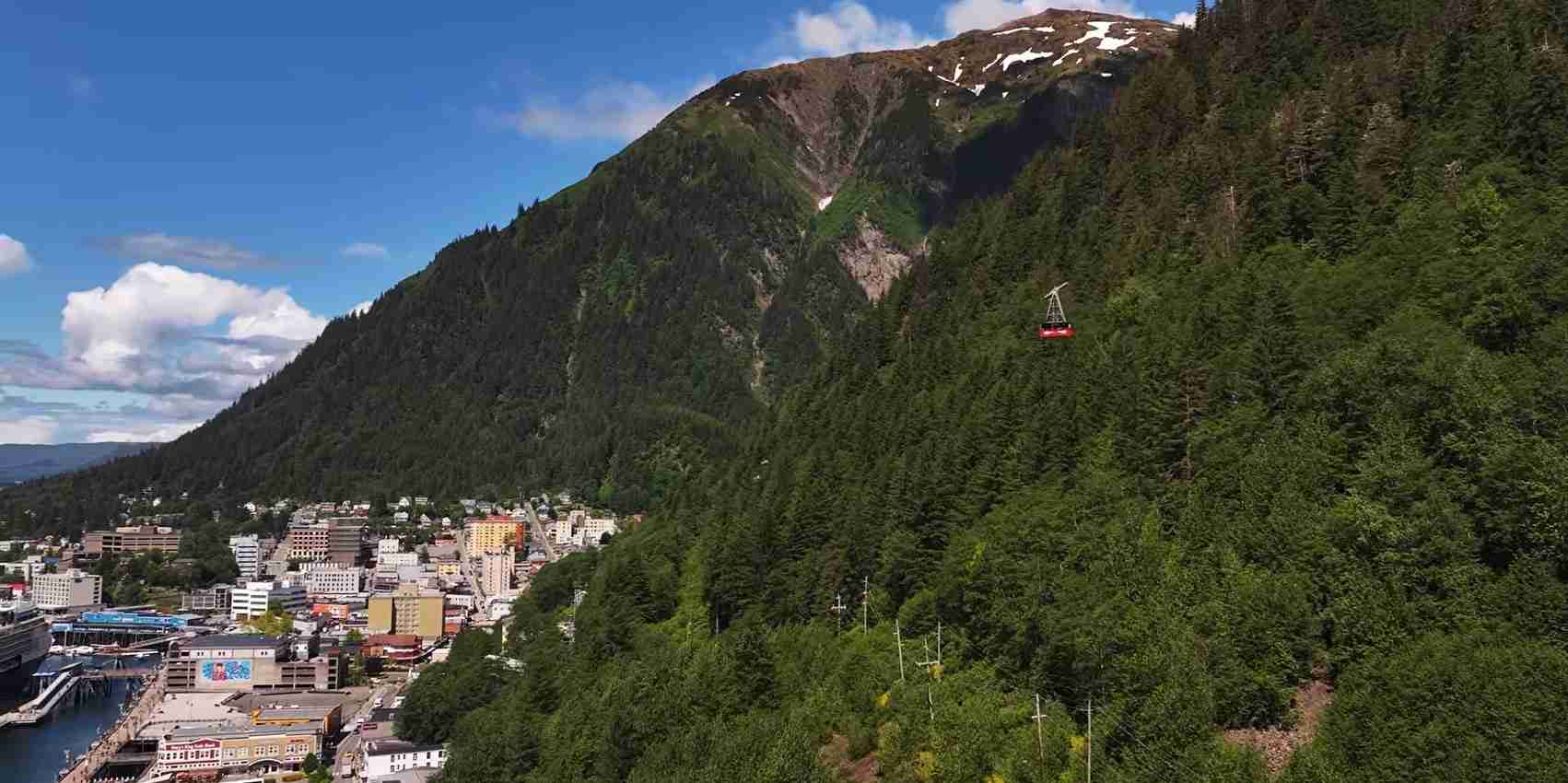
Juneau’s compact geography concentrates most visitor activities within a relatively small area, offering opportunities to control transportation costs through strategic planning. Downtown sits directly adjacent to cruise ship docks and the Mount Roberts Tramway, with most shops, restaurants, and tour departure points within comfortable walking distance. The Mendenhall Glacier lies 13 miles north via the Capital Transit bus route at $2 per ride, making Alaska’s most accessible glacier reachable without expensive taxi rides or tour packages. Free hiking trails access Nugget Falls viewpoints, rainforest ecosystems, and alpine meadows throughout the surrounding Tongass National Forest, providing world-class outdoor experiences without entrance fees or guided tour requirements.
Understanding Juneau’s seasonal business model proves essential for effective budget planning in 2026. Most tourism operators compress their entire annual revenue into 120-150 operating days between May and September, creating pricing structures that reflect this concentrated demand period. Hotels maintain elevated rates throughout the season rather than offering mid-week discounts common in year-round destinations. Tour operators price experiences to cover annual equipment maintenance, insurance, and business expenses within the summer window. Restaurants facing 20-30% higher ingredient costs due to freight logistics pass these premiums to customers through menu pricing. This seasonal economic reality means Juneau costs remain consistently elevated throughout the visitor season, with meaningful savings available only through shoulder season timing in May or September rather than day-of-week booking strategies.
Alaska’s tourism economy recovered strongly from pandemic disruptions, with 2024 and 2025 showing robust visitor numbers and corresponding price stability across the accommodation and tour sectors. For 2026, budget travelers should anticipate costs maintaining 2025 levels with modest 3-5% inflationary adjustments rather than dramatic price increases. Mid-range hotel rates that reached $250-350 during peak 2025 summer weeks will likely hold similar ranges for 2026, while tour operators have maintained relatively stable pricing on signature experiences like whale watching and glacier tours. The greatest budget challenge remains accommodation availability during peak weeks, where advance planning proves more critical than price shopping, as last-minute travelers often face sold-out properties or remaining inventory priced at premium rates.
Accommodation Costs in Juneau 2026
Accommodation expenses represent the largest single budget category for most Juneau visitors in 2026, with rates reflecting limited inventory on an island destination that cannot expand hotel capacity to meet seasonal demand spikes. The city offers approximately 1,200-1,500 hotel rooms across all price categories, supplemented by vacation rentals, bed and breakfasts, and limited hostel beds, with this fixed supply creating sustained pricing power during peak summer months when cruise ships and independent travelers compete for the same accommodation options.
Budget Accommodation Options in Juneau 2026 ($40-150 Per Night)
Budget travelers face constrained options in Juneau compared to larger mainland cities, with hostel capacity limited to approximately 40-60 beds citywide and budget hotel inventory concentrated in properties built during earlier tourism eras. Juneau Hostel near downtown offers dormitory beds at $40-60 per night during summer 2026, providing basic shared accommodation with communal kitchens, common areas, and proximity to downtown attractions and cruise terminals. The hostel books months in advance for peak summer dates, making early reservation essential rather than walk-in availability common in larger cities.
Budget hotel chains including Travelodge by Wyndham Juneau and Super 8 by Wyndham Juneau offer private rooms at $100-150 per night during summer 2026, located near the airport approximately 8 miles from downtown with free shuttle service included. These properties provide basic amenities including Wi-Fi, parking, and in-room coffee makers, with some offering simple continental breakfast. The airport location reduces rates compared to downtown properties but requires planning transportation for downtown activities and tour departures, with Capital Transit bus service at $2 per ride connecting the airport area to downtown approximately every 30 minutes during daytime hours.
Vacation rentals through platforms like Airbnb and VRBO present budget options for groups or families willing to cook meals and share accommodation costs. Studio apartments in residential areas 2-3 miles from downtown range $80-120 nightly, while two-bedroom units accommodating four guests cost $150-220 nightly during summer 2026. These rentals often include full kitchens enabling grocery shopping and meal preparation to offset higher accommodation costs through food savings, with weekly stays sometimes offering 10-15% discounts over nightly rates. Location becomes critical as properties distant from downtown or bus routes require rental cars or taxi costs that eliminate accommodation savings.
Mid-Range Accommodation Options in Juneau 2026 ($150-280 Per Night)
Mid-range hotels deliver the best balance of comfort, location, and amenities for most Juneau visitors in 2026, with properties offering convenient downtown locations, included parking, breakfast options, and proximity to major attractions. Best Western Country Lane Inn and Best Western Grandma’s Feather Bed provide rooms at $150-220 per night during summer months, featuring complimentary continental breakfast that reduces daily food costs, free airport shuttles eliminating transportation expenses, and locations within 2-3 miles of downtown accessible via free hotel shuttles or Capital Transit bus service.
Aspen Suites Hotel Juneau offers all-suite accommodations with full kitchenettes at $180-250 per night, positioned near the airport with free shuttle service and providing in-room cooking facilities that enable significant food cost savings for multi-night stays. The kitchenettes include refrigerators, microwaves, stovetops, and basic cookware, allowing travelers to prepare breakfasts and simple dinners while dining out for lunch or special meals, potentially reducing food costs by 40-50% compared to full restaurant dining for all meals.
Downtown properties including Four Points by Sheraton Juneau, Baranof Downtown BW Signature Collection, and Silverbow Inn command premium rates at $220-280 per night during peak summer 2026, offering walking distance to cruise terminals, Mount Roberts Tramway, shops, restaurants, and tour departure points. These central locations eliminate transportation costs and time, allowing guests to walk to most activities and return to rooms between morning and afternoon excursions. Downtown hotels often include fitness centers, business facilities, and on-site restaurants, providing convenience that justifies higher nightly rates for travelers prioritizing location and access.
Luxury Accommodation Options in Juneau 2026 ($250-500+ Per Night)
Luxury accommodation in Juneau centers on boutique properties, historic hotels with premium renovations, and remote lodges offering exclusive wilderness experiences. Downtown luxury properties charge $250-350 per night for premium rooms with water views, upscale amenities, and concierge services, while wilderness lodges accessible only by floatplane command $400-800+ per night including meals, guided activities, and transfers. Alaska’s Capital Inn Bed & Breakfast delivers luxury in an intimate setting at $280-380 per night, featuring gourmet breakfasts, historic Victorian architecture, mountain views, and personalized service in a five-room property where advance booking becomes essential during peak season.
Remote wilderness lodges like Pearson’s Pond Luxury Suites offer exclusive waterfront locations at $350-500+ per night, providing upscale amenities, private settings, and included activities like kayaking or guided nature walks. These properties appeal to travelers seeking isolation from downtown crowds and cruise ship visitor surges, though transportation to downtown attractions or tour departure points requires rental cars or taxi services adding $50-100 daily to accommodation costs.
Seasonal Price Variations for Juneau Accommodation 2026
Accommodation rates in Juneau fluctuate dramatically by season, with peak summer weeks commanding 40-60% premiums over shoulder season pricing. Mid-range hotels charging $150-200 per night in May or September reach $250-350 during peak June through August weeks when cruise ship schedules bring maximum daily visitor numbers. Budget properties showing $100-120 rates in shoulder seasons climb to $140-160 during peak periods, while luxury options can add $100-200 to nightly rates during peak demand weeks.
Winter months from October through April present the lowest accommodation costs, with mid-range properties often available at $80-120 per night as tourism operations wind down and business travel provides most hotel demand. However, limited tour operations, challenging weather, reduced daylight hours, and potential flight delays make winter visits appropriate primarily for business travelers, visitors with local connections, or travelers specifically seeking winter experiences like northern lights viewing or off-season exploration.
Food and Dining Expenses in Juneau 2026
Food costs in Juneau reflect the remote island location where nearly all ingredients arrive via weekly barge service from Seattle or by air freight for perishables, creating systematic 20-30% premiums above mainland United States grocery and restaurant prices. Understanding these cost dynamics and planning meal strategies accordingly allows budget-conscious travelers to control food expenses while experiencing Juneau’s seafood-focused culinary scene and local specialties.
Restaurant Dining Costs in Juneau 2026
Restaurant meals in Juneau span from casual waterfront fish and chips to upscale seafood dining showcasing Alaska’s renowned halibut, salmon, and king crab. Casual dining establishments including Tracy’s King Crab Shack, Deckhand Dave’s Fish Tacos, and Alaska Fish & Chips Company serve meals at $15-25 per person including entree and beverage, offering quality local seafood in informal settings near cruise terminals and downtown attractions. These restaurants provide excellent value for lunch or quick dinners, with generous portions often satisfying hearty appetites without appetizer or dessert additions.
Mid-range restaurants like Hangar on the Wharf, SALT, and Twisted Fish Company charge $35-67 per person for dinner including appetizer or salad, entree, and beverage. These establishments feature fresh Alaska seafood, locally sourced ingredients where possible, and waterfront or downtown locations with atmosphere and views enhancing the dining experience. Lunch menus at the same restaurants typically offer $20-35 price points with smaller portions or sandwich options providing more affordable access to quality dining. Beer and wine selections add $8-15 per drink, while cocktails range $12-18, making beverage choices significant budget factors for multiple-drink meals.
Fine dining establishments including SALT’s upscale tasting menus or hotel restaurant premium offerings reach $80-120+ per person for multi-course meals with wine pairings. These experiences showcase Alaska’s culinary talents and seasonal ingredients but represent splurge dining rather than regular meal budgeting for most visitors. Coffee shops and cafes like The Rookery Cafe, Heritage Coffee Company, and Silverbow Bagels serve breakfast items at $8-15 and coffee drinks at $3.50-6, providing affordable morning meals or afternoon refreshments.
Grocery Shopping and Self-Catering Costs in Juneau 2026
Grocery stores in Juneau include national chains Safeway, Fred Meyer, and Costco, plus smaller markets like Juneau Natural Foods for organic and specialty items. Grocery prices run 20-30% above mainland United States averages, with a week’s worth of groceries for one person typically costing $80-120 for basic meal preparation compared to $60-90 in Seattle or other West Coast cities. Milk ranges $4.50-5.50 per gallon, bread $3.50-5 per loaf, eggs $4-6 per dozen, and fresh produce commands premiums with apples at $2-3 per pound and lettuce $3-4 per head.
Travelers staying in accommodations with kitchens or kitchenettes can significantly reduce food costs through strategic grocery shopping and meal preparation. Preparing breakfast saves $10-15 per person daily compared to restaurant meals, while packing trail lunches from grocery ingredients costs $5-8 per person versus $15-20 for casual restaurant lunches. Dinner preparation from grocery ingredients runs $12-18 per person for quality meals compared to $35-67 for mid-range restaurant dining, creating potential savings of $40-60 daily for couples who prepare two meals at accommodations.
Fred Meyer and Costco offer the best value for grocery shopping, with Costco requiring membership but providing mainland-like prices on bulk items, prepared foods, and packaged goods. Safeway maintains convenient downtown and Mendenhall Valley locations with typical grocery chain pricing. Juneau Natural Foods caters to organic, local, and specialty dietary needs but charges premium pricing reflecting small-market dynamics and specialty inventory. The downtown Saturday farmers market operates during summer months offering local produce, prepared foods, and artisan products at prices comparable to grocery stores with superior freshness for seasonal items.
Daily Food Budget Strategies for Juneau 2026
Budget travelers can limit food costs to $30-45 daily per person through strategic meal planning combining grocery self-catering with selective restaurant dining. Preparing breakfast and packing trail lunches from grocery purchases while dining out for one restaurant meal daily delivers experience sampling without full restaurant budgets. This approach requires accommodation with kitchen facilities adding $20-40 to nightly room costs, but the food savings of $30-50 daily offset higher accommodation expenses for stays exceeding two nights.
Mid-range travelers allocating $50-80 daily per person for food typically dine at restaurants for two meals while covering one meal through hotel breakfast, simple preparation, or casual cafe options. This strategy allows experiencing Juneau’s restaurant scene for lunch and dinner or breakfast and dinner depending on daily activity schedules and preferences, while controlling costs through smart menu selections and limiting alcoholic beverages that significantly increase meal costs.
Luxury travelers spending $100-150+ daily per person on dining experience Juneau’s full culinary range including fine dining, multiple-course meals, wine or cocktail pairings, and premium seafood selections without budget constraints. This category includes visitors treating Juneau dining as a primary vacation experience rather than just refueling between activities, with food memories ranking alongside glacier views and wildlife encounters as trip highlights.
Transportation Costs in Juneau 2026
Transportation expenses in Juneau vary dramatically based on visitor activities, accommodation locations, and tour selections, with options ranging from $2 bus fares to $100-200 daily rental car costs. Understanding Juneau’s compact geography and strategic transportation planning allows budget-conscious travelers to minimize these expenses while accessing all major attractions.
Capital Transit Bus System Costs 2026
Capital Transit operates Juneau’s public bus system connecting downtown, Douglas Island, the Mendenhall Valley, and the airport with regular service during daytime hours. Bus fares cost $2 for adults, $1 for children ages 6-18, and free for children under 5, with exact change required as drivers do not carry cash. The system operates multiple routes with 30-60 minute frequencies depending on time and route, providing affordable transportation for travelers comfortable with bus schedules and modest walking between stops and final destinations.
The most valuable route for visitors connects downtown to the Mendenhall Glacier area, operating approximately every 30 minutes during daytime hours and requiring 25-30 minutes travel time. Visitors boarding downtown buses reach the Mendenhall Loop Road stop approximately 1.5 miles from the Glacier Visitor Center, with the remaining distance walkable via sidewalks and trails in 20-25 minutes or accessible via private shuttle services. This $2 bus ride plus walking approach offers dramatic savings compared to $35 taxi fares or $45-50 commercial shuttle services, appealing to budget travelers with time flexibility and reasonable walking ability.
Bus system limitations include reduced evening and weekend service, no direct service to some trailheads or remote attractions, and challenges transporting hiking gear or multiple passengers with luggage. Travelers planning intensive sightseeing schedules, families with young children, or visitors with mobility considerations often find taxi or rental car options more practical despite higher costs.
Taxi and Ride-Share Service Costs in Juneau 2026
Taxi rates in Juneau follow city-regulated pricing with all companies charging identical base rates of $4 meter drop plus $3 per mile, with $0.50 charges for each additional passenger beyond the first and $0.50 for each bag. A taxi from downtown to Mendenhall Glacier costs approximately $35 each way based on the 13-mile distance, with Forest Service day-use fees adding $5 per adult passenger 15 and older that taxi companies collect as pass-through charges. Round-trip taxi transportation to the glacier totals approximately $70-75 for a single passenger or $75-85 for two passengers including all fees, making this option practical for couples or small groups splitting costs but expensive for solo travelers.
Uber and Lyft operate in Juneau but with limited driver availability compared to major mainland cities, particularly during early morning, late evening, or off-peak season periods. Ride-share fares generally align closely with taxi metered rates given the regulated pricing structure, with minimal savings between services. The advantage of ride-share platforms lies in app-based booking and payment convenience rather than cost differences, though travelers should verify driver availability before relying on these services for time-critical transportation needs.
Taxi services also offer hourly charter rates at $70 per hour with half-hour minimums for customized sightseeing tours, providing flexibility for travelers wanting guided commentary and door-to-door service without fixed tour schedules. A three-hour chartered taxi tour covering Mendenhall Glacier, downtown attractions, and optional stops costs approximately $210 for the vehicle regardless of passenger count, potentially offering good value for groups of 3-4 travelers compared to commercial tour alternatives.
Rental Car Costs in Juneau 2026
Rental cars provide maximum flexibility for Juneau exploration but command premium rates during summer season reflecting limited inventory and strong demand. Economy and compact cars rent for $100-140 per day during peak summer months, mid-size vehicles cost $120-160 daily, and SUVs reach $160-200+ daily from major providers including Hertz, Budget, Enterprise, and Avis operating at Juneau International Airport. These rates include basic insurance but not optional collision damage waivers adding $15-30 daily or premium coverage options.
Fuel costs in Juneau exceed mainland averages by approximately $0.50-0.80 per gallon, with prices typically ranging $3.90-4.50 per gallon during summer 2026. Juneau’s limited road system extends approximately 40 miles from downtown to the northern terminus beyond the glacier and 20 miles south to the end of Douglas Island roads, meaning most daily driving totals 50-80 miles consuming $15-25 in fuel. Parking remains free at most attractions including Mendenhall Glacier, trailheads, and many downtown locations, though limited downtown parking during peak cruise ship days can create challenges finding convenient spaces.
Rental cars make economic sense for groups of 3-4 travelers splitting daily costs, families requiring car seats and gear transportation, or visitors planning multiple day trips to trailheads and attractions. Solo travelers or couples focusing primarily on downtown activities, commercial tours, and limited independent sightseeing often find the $100-140 daily rental cost plus fuel exceeds taxi or bus alternatives, particularly when accounting for vehicle return procedures, fuel refilling, and parking navigation.
Tour Company Transportation Included Services
Most commercial tour operators in Juneau include round-trip transportation from downtown cruise terminals or designated hotels in tour pricing, eliminating separate transportation costs for these activities. Whale watching and glacier combination tours, helicopter excursions, and guided hiking experiences typically provide pickup and drop-off at cruise terminals or participating hotels, meaning travelers booking multiple commercial tours may require minimal additional transportation investment beyond these included services.
Travelers staying at hotels participating in tour pickup networks benefit from included transportation, while those in vacation rentals or non-participating properties may need to arrange taxi or ride-share service to reach tour departure points. Confirming transportation details during tour booking prevents surprise costs or missed departures from communication failures about pickup locations and timing.
Tour and Activity Costs in Juneau 2026
Tours and activities represent significant discretionary expenses in Juneau, with signature experiences like whale watching, glacier tours, and helicopter excursions commanding premium prices while free hiking and self-guided exploration offer no-cost alternatives. Understanding the value proposition of different tour options allows travelers to allocate budgets strategically toward highest-impact experiences.
Whale Watching and Glacier Combination Tours 2026
Combination whale watching and Mendenhall Glacier tours deliver Juneau’s two signature experiences in a single booking, offering better value than separate tour purchases. These tours range $79-169 per person depending on operator, group size, vessel type, and inclusions, with most providing 4-5 hours total time including 2 hours on the water for whale watching and 45-60 minutes at Mendenhall Glacier. Transportation from cruise terminals, boat-based naturalist interpretation, heated cabins, viewing decks, and glacier visitor center access come included in these prices, with snacks and beverages provided on most vessels.
Budget-conscious travelers selecting $79-95 combination tours join larger groups of 40-60 passengers on efficient catamaran vessels offering excellent value with guaranteed whale sightings during peak season and knowledgeable naturalist guides. Mid-range tours at $120-169 per person provide smaller group sizes of 20-30 passengers, more personalized attention, additional time on the water, and premium vessel features including larger viewing decks or enhanced amenities. Premium small-group tours with 6-12 passengers reach $200-250 per person, delivering intimate wildlife encounters, flexible scheduling, and opportunities to interact extensively with captain and naturalist guides.
Independent travelers can visit Mendenhall Glacier via Capital Transit bus for $2 plus optional $5 day-use pass if arriving by taxi, walking free trails to Nugget Falls and glacier viewpoints, and self-guiding through interpretive displays at the visitor center. This approach costs $7-10 compared to $40-50 for commercial glacier-only shuttle services, though it sacrifices guided interpretation and the convenience of door-to-door transportation. Combining independent glacier access with a whale watching-only tour provides moderate cost savings while retaining the wildlife expertise that adds significant value to marine excursions.
Mount Roberts Tramway Costs 2026
The Mount Roberts Tramway offers all-day passes at $60 for adults and $45 for children ages 3-12 in 2026, providing unlimited six-minute rides ascending 1,800 feet from the cruise terminal to mountain summit facilities. The ticket includes access to hiking trails ranging from easy paved paths to challenging alpine routes, the Nature Center featuring a resident bald eagle, the Chilkat Theater screening cultural films, Timberline Bar & Grill, and panoramic viewing areas overlooking Juneau, Gastineau Channel, and surrounding wilderness.
The tramway appeals to travelers with limited mobility who cannot hike steep mountain trails, families with young children unsuited for challenging terrain, and visitors seeking dramatic views without physical exertion. Budget-conscious travelers in good physical condition can hike the Mount Roberts Trail from downtown to the tramway summit in 2-3 hours for free, purchasing one-way down tickets at $20 if desired, though this challenging 3.5-mile ascent requires proper footwear, water, and physical fitness. The tramway represents reasonable value for travelers prioritizing comfort and time efficiency over cost minimization, with the summit facilities, trails, and viewpoints providing 2-4 hours of activities justifying the admission price.
Alaska State Museum and Cultural Attractions 2026
The Alaska State Museum charges $14 admission for adults ages 19-64, $13 for seniors 65 and older, and provides free admission for youth under 18, offering comprehensive exhibits on Alaska’s indigenous cultures, natural history, Russian heritage, Gold Rush era, and statehood development. The museum occupies the modern Walter Soboleff Building in downtown Juneau within walking distance of cruise terminals and most hotels, making it accessible without transportation costs. Visitors typically spend 1.5-2.5 hours exploring the museum’s permanent and temporary exhibitions, with the $14 admission representing excellent value for history and culture enthusiasts seeking indoor activities or weather backup plans.
Free cultural experiences include self-guided walks through downtown’s historic district viewing historic buildings, totem poles, and interpretive signs explaining Juneau’s gold mining origins and capital city development. The State Capitol Building offers free public tours during business hours, while St. Nicholas Russian Orthodox Church presents one of Alaska’s oldest Orthodox churches with exterior viewing available free and interior tours by donation. These no-cost activities provide cultural context and historical understanding without straining travel budgets.
Helicopter Tours and Flightseeing Costs 2026
Helicopter tours represent premium Juneau experiences with costs reflecting specialized equipment, pilot expertise, fuel expenses, and weather-dependent operations. Glacier helicopter tours without landings range $250-350 per person for 30-45 minute flights over Juneau Icefield and surrounding glaciers, while tours including glacier landings cost $350-500+ per person for extended surface time walking on ancient ice. Helicopter and dog sledding combinations reach $500-650 per person, pairing glacier flying with mushing experiences on ice fields where summer training operations maintain traditional sled dog teams.
These experiences deliver unmatched access to Alaska’s glacial landscapes and aerial perspectives impossible to achieve through ground-based activities, justifying premium pricing for travelers prioritizing unique experiences over budget constraints. Budget-conscious visitors can achieve similar glacier viewing through free hiking trails at Mendenhall or through $79-95 whale watching tours that pass near tidewater glaciers, though without the dramatic aerial perspectives or glacier landing opportunities that helicopters provide.
Free and Low-Cost Activity Options in Juneau 2026
Juneau’s spectacular natural setting provides numerous free outdoor activities requiring only appropriate clothing, footwear, and personal preparation. Hiking trails ranging from easy waterfront walks to challenging mountain climbs access rainforest, alpine meadows, glacier viewpoints, and wildlife habitat without entrance fees or permit requirements. The Mendenhall Glacier’s Nugget Falls Trail covers 1 mile each way on relatively flat terrain, bringing hikers to the base of a dramatic waterfall with glacier views, while the Perseverance Trail from downtown follows a historic mining route through rainforest to mountain basin destinations.
Mount Roberts Trail climbs from downtown to the tramway summit and beyond, delivering free access to alpine terrain and panoramic views for hikers willing to invest physical effort. The Point Bishop Trail on Douglas Island provides moderate coastal hiking with whale watching opportunities during summer months. These trails require only day hiking equipment including sturdy footwear, rain gear, water, snacks, and bear awareness, with detailed trail information available from the Forest Service visitor center in Centennial Hall.
Self-guided downtown exploration costs nothing while delivering insights into Juneau’s character through historic architecture, public art including totem poles, waterfront views, and local atmosphere. The Alaska State Library provides free admission with Alaska history and culture exhibits, while summer ranger programs at Mendenhall Glacier offer free interpretive talks on weekends. These activities enable budget travelers to experience Juneau’s essence without commercial tour costs.
Sample Daily Budget Breakdowns for Juneau 2026
Understanding how individual costs combine into total daily budgets helps travelers plan realistic expense expectations and identify opportunities for cost optimization. These sample breakdowns reflect typical spending patterns for different traveler categories, with accommodation listed separately before daily activity costs.
Budget Traveler Daily Costs in Juneau 2026
Budget travelers minimizing expenses while experiencing Juneau’s attractions can limit costs through strategic choices sacrificing some comfort and convenience for financial savings. Accommodation in hostel dormitory bed at $50 per night or budget hotel double room split between two travelers costs $50-75 per person nightly.
Bus fare downtown to Mendenhall Glacier $2, packed trail lunch from grocery purchases $8, casual restaurant dinner $20, coffee and snack $6. Total daily cost approximately $35-40 per person excluding accommodation. Adding the $50-75 accommodation cost produces total daily expenses of approximately $85-115 per person, achievable through self-catering breakfast, grocery-sourced lunches, public transportation, free hiking activities, and single restaurant meal daily.
Mid-Range Traveler Daily Costs in Juneau 2026
Mid-range travelers balancing comfort with cost consciousness typically select hotels at $150-220 per night, producing $75-110 per person nightly accommodation costs for couples or $150-220 for solo travelers. Daily activity and dining expenses accumulate through commercial tours, restaurant meals, and paid attraction admissions.
Whale watching and glacier combination tour $135, casual lunch $25, mid-range restaurant dinner $50, Mount Roberts Tramway admission $60, taxi to hotel $15, coffee and snack $8. Total daily cost approximately $295 per person excluding accommodation. This example day combines Juneau’s signature tour experience with paid attractions and restaurant dining while limiting some costs through strategic choices like casual lunch over upscale dining for both meals.
Mid-range travelers typically spend $300-450 daily per person including accommodation costs of $75-150, with variation depending on tour selections, dining choices, and activity mix. Days featuring expensive helicopter tours or multiple paid attractions reach $500+ per person, while days emphasizing free hiking and self-guided activities cost $150-200 per person including accommodation.
Luxury Traveler Daily Costs in Juneau 2026
Luxury travelers prioritizing premium experiences and comprehensive guided activities face costs of $550-800+ daily per person including high-end accommodation at $250-400 per night per person. Premium small-group whale watching tour $225, helicopter glacier tour with landing $425, fine dining dinner $95, upscale lunch $45, Mount Roberts Tramway $60, taxis and transfers $50, beverages and snacks $25. Total daily cost approximately $925 per person excluding accommodation.
Luxury budget travelers select premium tours, private guides, fine dining experiences, and high-end accommodations without cost constraints, viewing Juneau as a premium destination justifying top-tier spending. Daily costs vary widely based on specific activities, with helicopter and dog sledding combinations or private charter fishing adding $500-800 to single-day expenses.
Multi-Day Trip Cost Planning for Juneau 2026
Multi-day visits to Juneau allow travelers to spread costs across various experience levels, combining expensive tour days with budget-friendly hiking and self-guided exploration. Planning trip-length budgets requires balancing desired experiences with financial constraints while building in contingency funds for weather delays, unexpected opportunities, or cost overruns.
Three-Day Juneau Budget Trip Costs 2026
A three-day budget-focused Juneau visit for one person emphasizing free activities and cost minimization while experiencing core attractions produces the following breakdown. Accommodation hostel bed or budget hotel $50 per night times 3 nights equals $150, whale watching and glacier combination tour $85, Alaska State Museum admission $14, three days Capital Transit bus fares at $4 daily equals $12, groceries for self-catered breakfasts and packed lunches $45, restaurant dinners at $22 each times 3 equals $66, coffee and snacks $5 daily times 3 equals $15. Total three-day budget trip cost approximately $390 per person.
Three-Day Juneau Mid-Range Trip Costs 2026
A three-day mid-range Juneau visit balancing comfort with cost consciousness for one person combines paid tours, restaurant dining, and quality accommodation with strategic cost management. Accommodation mid-range hotel at $180 per night times 3 nights equals $540, whale watching and glacier tour $135, Mount Roberts Tramway $60, helicopter glacier tour $340, Alaska State Museum $14, three restaurant lunches at $28 each equals $84, three mid-range dinners at $52 each equals $156, three breakfasts at hotel or cafe at $15 each equals $45, taxis and transportation $85, beverages and incidentals $65. Total three-day mid-range trip cost approximately $1,525 per person.
Week-Long Juneau Mixed-Budget Trip Costs 2026
A seven-day Juneau visit allows mixing expensive tour days with budget-conscious hiking and self-guided days, producing more sustainable overall costs while experiencing destination depth. Accommodation mid-range hotel at $190 per night times 7 nights equals $1,330, whale watching and glacier tour $135, helicopter glacier tour $375, Mount Roberts Tramway $60, Alaska State Museum $14, rental car for three days at $125 daily equals $375, fuel for rental car $45, seven restaurant lunches averaging $26 each equals $182, seven dinners averaging $48 each equals $336, seven breakfasts averaging $12 each equals $84, beverages coffee and snacks $95. Total seven-day mixed-budget trip cost approximately $3,030 per person.
This week-long example demonstrates how strategic mixing of expensive tour days with self-guided activities, combining restaurant meals with occasional grocery purchases, and selecting mid-range rather than luxury options produces reasonable per-day averages of approximately $430 including accommodation while delivering comprehensive Juneau experiences.
Money-Saving Strategies for Juneau 2026
Implementing strategic cost-control measures throughout Juneau planning and during the visit allows travelers to maximize experiences while minimizing expenses, with savings accumulating across accommodation, dining, transportation, and activity categories.
Timing and Advance Booking Strategies 2026
Visiting Juneau during shoulder seasons of May or September produces 15-30% savings across accommodation, tours, and car rentals compared to peak June through August rates. Mid-range hotels charging $250-320 nightly during peak summer cost $180-240 in shoulder months, while tour operators occasionally offer promotional pricing or last-minute availability that peak season eliminates. Shoulder season travel also reduces crowds at popular attractions, shortens wait times, and provides more relaxed experiences complementing the financial benefits.
Booking accommodation 60-90 days ahead for peak season travel secures best availability and prevents premium pricing for remaining inventory. Last-minute travelers during peak weeks often face sold-out budget and mid-range properties, forcing choices between expensive remaining rooms or properties distant from downtown requiring rental cars or taxis that eliminate any accommodation savings. Tour operators similarly reward advance booking with occasional early-bird discounts and guarantee space on popular excursions that sell out weeks ahead during peak season.
Accommodation Cost Optimization 2026
Selecting properties with included breakfast saves $10-15 per person daily compared to restaurant morning meals, producing $70-105 savings over week-long stays (calculation: $10 × 7 days = $70, $15 × 7 days = $105). Hotels with kitchenettes enable grocery shopping for breakfasts and simple dinners, potentially reducing meal costs by 40-50% for travelers willing to invest time in food preparation. Vacation rentals accommodating groups or families provide better per-person costs than multiple hotel rooms, particularly for stays exceeding 3-4 nights where weekly rental discounts may apply.
Airport area accommodation costs less than downtown hotels but requires planning transportation to attractions and tour departure points. Travelers comfortable using Capital Transit buses or renting cars for portions of their stay can capture airport hotel savings of $30-60 nightly while maintaining reasonable access to activities. Douglas Island properties across the bridge from downtown similarly offer moderate savings with bus route connections to downtown.
Dining Cost Control Strategies 2026
Preparing breakfasts and packing trail lunches from grocery purchases saves $25-35 daily per person compared to restaurant dining for all meals, with kitchenette accommodations adding $20-40 to nightly rates but producing food savings of $100-175 over week-long stays. Dining at restaurants for lunch rather than dinner captures similar cuisine quality at 25-35% lower prices, with many establishments offering lunch specials or smaller portions suitable for midday meals.
Purchasing coffee and snacks at grocery stores or bringing supplies from home costs $2-3 per serving compared to $4-7 at coffee shops and cafes, producing modest daily savings that accumulate over multi-day visits. Sharing appetizers and desserts at restaurants, selecting house wine over premium bottles, and limiting alcoholic beverages to special meals rather than every dinner reduces restaurant costs by 20-30% while maintaining quality dining experiences. A couple preparing two meals daily from groceries while dining out for one meal saves approximately $45-50 daily compared to full restaurant dining (calculation: restaurant dining $72-98 per person for 3 meals, grocery preparation plus one meal out $50-72 per person, savings of $22-26 per person, for couple $44-52 rounded to $45-50).
Transportation Efficiency Strategies 2026
Using Capital Transit buses at $2 per ride instead of taxis at $35-50 for common routes like downtown to Mendenhall Glacier area produces significant savings for travelers comfortable with bus schedules and modest walking. A couple visiting the glacier twice during their stay saves $130-160 through bus use compared to taxi transportation, easily offsetting any inconvenience from 25-30 minute bus rides and 1.5-mile walks from bus stops to visitor centers.
Walking downtown areas rather than taking taxis for short distances eliminates $10-15 per trip in unnecessary transportation costs while providing street-level exploration opportunities. Rental cars make economic sense for groups of 3-4 travelers splitting daily costs, or for visitors planning multiple days of independent exploration, but solo travelers or couples focusing primarily on commercial tours and downtown activities often spend more on rental cars plus fuel than on strategic taxi use or bus fares.
Activity and Tour Value Optimization 2026
Prioritizing free hiking trails, self-guided downtown walks, and no-cost interpretive programs provides outstanding Juneau experiences without tour costs. The Mendenhall Glacier Nugget Falls Trail, downtown historic walks, and various Forest Service trails deliver world-class outdoor access requiring only appropriate gear and personal initiative. Allocating tour budgets to signature experiences like whale watching where guided expertise adds substantial value while handling other activities independently creates optimal experience-to-cost ratios.
Booking combination tours saves 15-25% compared to purchasing separate whale watching and glacier tours, with operators offering better per-person pricing for couples or small groups than solo travelers. Researching tour operator reviews and comparing inclusions ensures premium prices deliver corresponding value through smaller groups, better vessels, or extended time rather than just reflecting brand recognition.
Seasonal Budget Considerations for Juneau 2026
Juneau’s seasonal dynamics create distinct budget environments across the calendar year, with summer commanding peak prices, shoulder seasons offering balance, and winter presenting minimal costs alongside limited operations.
Peak Season Budget Reality June Through August 2026
Peak summer months bring maximum costs across all categories as cruise ships deliver daily visitor surges and independent travelers compete for limited accommodation inventory. Mid-range hotels reaching $250-350 nightly, major tours requiring 60-90 day advance booking, and restaurants crowded with long wait times create challenging conditions for budget travelers. These months also deliver the longest daylight hours, warmest temperatures, most tour options, and highest probability of clear weather for glacier and mountain viewing, justifying premium pricing through optimal visitor conditions.
Budget travelers visiting during peak season must book accommodation months ahead to secure hostel beds or budget hotel rooms, plan detailed daily schedules to maximize expensive commercial tours, and demonstrate flexibility adjusting plans for weather or availability constraints. The trade-off between peak season costs and optimal weather plus maximum operations makes June through August appropriate for travelers prioritizing Juneau as a primary vacation destination rather than a brief Alaska itinerary stop.
Shoulder Season Budget Advantages May and September 2026
May and September deliver 15-30% accommodation savings (calculation: typical mid-range drops from $280 to $210, where (280-210)÷280 = 25% savings), reduced crowding at attractions, easier tour availability, and excellent weather conditions. Mid-range hotels costing $180-240 nightly in shoulder seasons versus $250-350 during peak weeks produce savings of $70-110 per night for couples, totaling $350-550 over five-night stays. Tour operators occasionally discount pricing or offer last-minute availability uncommon during peak season, while restaurants accommodate diners without lengthy waits.
May brings spring wildlife activity, migrating birds, and emerging wildflowers alongside longer daylight hours, while September offers fall colors, continued whale presence, and comfortable temperatures. These months represent optimal value timing for budget-conscious travelers willing to accept slightly higher precipitation probability compared to July and August, though May and September weather often equals or exceeds peak summer conditions.
Winter Season Budget Opportunities and Limitations October Through April 2026
Winter months bring minimal tourism costs with mid-range hotels at $80-120 nightly and limited tour operations reflecting reduced visitor demand. Budget travelers visiting for northern lights viewing, winter sports, or business purposes access dramatically reduced accommodation rates alongside the challenges of short daylight hours, frequent precipitation, cool temperatures, and potential flight delays from weather.
Most commercial tour operators cease operations from October through April, with whale watching, helicopter tours, and many guided activities unavailable regardless of budget flexibility. Some winter-specific activities like dog sledding, cross-country skiing, and aurora viewing operate during these months, while year-round attractions including the Alaska State Museum, Mount Roberts Tramway on limited schedules, and downtown restaurants remain accessible. Winter visits suit travelers with specific seasonal interests or local connections rather than typical summer tourism objectives.
Special Budget Considerations for Families and Groups in Juneau 2026
Family and group travelers face distinct budget dynamics in Juneau, with opportunities to share accommodation and transportation costs while managing additional expenses for multiple travelers across tours, meals, and activities.
Family Travel Budget Planning for Juneau 2026
Families visiting Juneau benefit from child pricing on most tours and attractions, with whale watching tours typically charging $45-85 for children versus $85-169 for adults, Mount Roberts Tramway at $45 for children versus $60 for adults, and Alaska State Museum free for youth under 18. These reductions significantly lower per-person costs for families with multiple children, though infant and toddler travel still requires adult supervision, accommodation space, and meal provisions adding to overall budgets.
Family accommodation in hotels requires multiple rooms or suites with sleeping areas for 4-6 persons, with suite options at $200-300 nightly often providing better value than two separate rooms at $150-180 each. Vacation rentals with 2-3 bedrooms accommodate families at $200-350 nightly, delivering full kitchens for meal preparation that saves $75-150 daily on restaurant dining for families of four. The upfront accommodation cost increase pays dividends through food savings and shared space for relaxation between activities.
Family transportation through rental cars at $120-160 daily provides better value than taxi services charging per-person fees or managing multiple young children on public buses. The rental car becomes mobile base camp carrying rain gear, snacks, first aid supplies, and extra clothing that families require, while enabling flexible scheduling around nap times, energy levels, and weather conditions.
Group Travel Budget Economics in Juneau 2026
Groups of 4-6 adult travelers sharing accommodation, transportation, and some meals achieve significant per-person savings compared to solo or couple travel. Vacation rental properties accommodating groups cost $250-400 nightly total, producing per-person accommodation costs of $40-65 nightly for 6 travelers versus $150-220 for solo travelers in mid-range hotels. Rental cars at $140 daily divided among four travelers costs $35 per person compared to solo rental or taxi alternatives.
Tour operators occasionally offer group discounts for bookings exceeding 6-8 passengers, though most Juneau tours price per-person without group reductions. Private charter tours for whale watching or fishing become economically attractive for groups, with private 6-passenger boats at $1,200 for 4 hours producing $200 per-person costs comparable to premium small-group commercial tours while delivering completely private experiences with flexible scheduling.
Restaurant dining for large groups creates both opportunities and challenges, with family-style restaurants and casual establishments accommodating parties efficiently while upscale venues may charge automatic gratuities or require separate checks. Grocery shopping for group meals in vacation rentals produces dramatic per-person savings, with economies of scale allowing bulk purchases and shared cooking duties that maintain reasonable food budgets.
Understanding Juneau’s Cost Structure and Remote Location Economics
Comprehending the economic forces driving Juneau’s elevated costs helps travelers set realistic budget expectations and understand why prices exceed comparable mainland United States destinations. The city’s island location accessible only by air or sea, compressed seasonal tourism economy, and limited competition across most service sectors create structural pricing dynamics affecting all visitors.
Geographic Isolation and Freight Logistics Impact
Juneau’s location on Douglas Island with no road connections to mainland Alaska or continental United States means virtually all goods arrive via weekly barge service from Seattle or by air freight for perishables and time-sensitive items. Barge shipping adds $0.10-0.30 per pound to product costs depending on item type, with fresh produce, dairy products, and frozen goods commanding higher premiums due to refrigerated transport requirements. Air freight costs 5-10 times barge rates, reserved for highly perishable items or emergency inventory replenishment between scheduled barge arrivals.
These freight premiums cascade through the entire economy, affecting grocery store pricing 20-30% above mainland averages, restaurant ingredient costs that transfer to menu pricing, hotel furnishing and supply expenses reflected in nightly rates, and retail inventory costs passed to consumers through merchandise pricing. Travelers cannot avoid these systematic premiums through shopping strategies or provider selection, as all businesses face identical freight disadvantages regardless of efficiency or market positioning.
Seasonal Business Operations and Revenue Concentration
Most Juneau tourism businesses operate 120-150 days annually from May through September, compressing entire annual revenue into this limited window while maintaining year-round expenses including property leases, equipment maintenance, insurance, and business licenses. This seasonal concentration creates pricing structures designed to recover annual operating costs plus profit during summer months, preventing meaningful discounts or competitive pricing pressure that year-round businesses face.
Accommodation properties carrying mortgage or lease obligations 12 months yearly must generate sufficient summer revenue to cover winter periods with minimal occupancy. Tour operators maintaining boats, vehicles, and equipment year-round need summer income funding off-season storage and maintenance. Restaurants facing higher winter heating costs and reduced customer counts require summer profitability sustaining operations through slow months. These dynamics explain why Juneau prices remain elevated throughout the visitor season without mid-week discounts or promotional pricing common in destinations with year-round demand.
Limited Competition and Fixed Capacity Constraints
Juneau’s island geography and 30,000-person permanent population limit the number of hotels, restaurants, tour operators, and service providers that can sustain profitable operations, creating oligopolistic markets with reduced competitive pressure. The city contains approximately 1,200-1,500 hotel rooms total across all categories, with this fixed capacity unable to expand rapidly even during multi-year tourism growth periods due to land availability constraints, construction cost premiums, and financing challenges for hospitality development in remote Alaska locations.
Limited competition means travelers cannot leverage provider alternatives to secure better pricing, with most categories offering 3-5 major operators at similar price points rather than dozens of competitors spanning wide price ranges. Tour companies offer comparable experiences at comparable prices because their cost structures align through identical fuel prices, labor markets, insurance requirements, and regulatory compliance. This market structure maintains elevated prices while delivering quality experiences, with the lack of budget alternatives reflecting economic reality rather than price gouging.
Frequently Asked Questions About Juneau Budget 2026
Can I visit Juneau on a tight budget of less than $100 per day in 2026?
Visiting Juneau on budgets below $100 daily per person requires significant compromises including hostel dormitory accommodation at $40-60 nightly, self-catered meals from grocery purchases except one modest restaurant meal daily, exclusive reliance on Capital Transit buses at $2 per ride and extensive walking, limiting paid activities to one or two during the entire visit while focusing on free hiking trails and self-guided exploration, and avoiding commercial tours, helicopter excursions, or most paid attractions. This approach delivers authentic Juneau exposure through outdoor activities and independent exploration but sacrifices the guided wildlife encounters, glacier tours, and comprehensive experiences most visitors seek. Realistically, budget-conscious travelers should plan $150-200 daily per person to experience Juneau adequately while managing costs through strategic choices rather than across-the-board restrictions.
How much should I budget for a 3-day Juneau visit including flights in 2026?
A three-day Juneau visit including round-trip flights from Seattle typically costs $900-1,200 per person for budget travel, $1,400-2,000 for mid-range experiences, or $2,500-3,500+ for luxury travel in 2026. These totals combine round-trip flights at $300-500 from Seattle depending on booking timing and seat class, with three nights accommodation and three days of activities and meals as detailed in the multi-day trip cost planning section above. Budget travelers minimizing accommodation costs through hostels or budget hotels, preparing some meals from groceries, limiting expensive tours to one whale watching experience, and using public transportation achieve the lower end of these ranges. Mid-range travelers selecting comfortable hotels, dining at restaurants regularly, booking multiple commercial tours, and using taxis or rental cars face middle-range costs. Luxury travelers choosing premium accommodation, fine dining, helicopter tours, and comprehensive guided experiences reach upper-range totals.
Are Juneau tours worth the cost or should I just explore independently in 2026?
Juneau’s signature whale watching tours deliver substantial value justifying costs of $85-169 per person through expert captain navigation to whale feeding areas, naturalist interpretation explaining marine mammal behavior and ecosystem dynamics, guaranteed sightings during peak season, safe vessel operations in challenging Alaskan waters, and perspectives impossible to achieve from shore viewing. Independent beach or shoreline whale watching occasionally spots distant animals but cannot replicate the proximity, frequency, and educational context commercial tours provide. Glacier tours via helicopter or boat similarly access terrain and viewpoints unreachable through hiking, though Mendenhall Glacier’s free trail system offers outstanding independent access to glacier views, waterfalls, and rainforest without tour costs. The optimal strategy combines commercial tours for experiences requiring boats, aircraft, or specialized expertise while handling other activities independently through hiking, walking, and self-guided exploration, allocating tour budgets strategically to highest-impact experiences rather than purchasing guided services for all activities.
What hidden costs should I budget for beyond basic expenses in Juneau 2026?
Travelers should budget contingency funds for several categories beyond accommodation, meals, and major tours. Tips for tour guides, boat crew, taxi drivers, and restaurant servers add 15-20% to service costs, totaling $50-100 over multi-day visits depending on activity levels. Weather delays potentially requiring extra accommodation nights or modified activities create $150-300 unplanned expenses for travelers with tight schedules. Rental car fuel exceeds mainland pricing by $0.50-0.80 per gallon, adding $30-50 to multi-day rental costs. Alcohol beverages at restaurants add $15-40 to dinner costs per person when not included in meal budgets. Souvenir shopping, attraction photography purchases, postcards, and miscellaneous retail expenses consume $75-150 for typical visitors. Travel insurance, baggage fees, airport parking, and other trip peripherals add $100-200 per person. Prudent travelers budget 20-25% above core expense estimates for these supplementary costs, preventing budget stress or difficult choices when unplanned expenses arise.
How does Juneau compare to other Alaska destinations for budget travelers in 2026?
Juneau’s costs align closely with other major Alaska destinations including Anchorage, Seward, Fairbanks, and Ketchikan, with all locations reflecting similar 20-30% premiums above mainland United States pricing due to remote geography and freight logistics. Juneau offers advantages through free Mendenhall Glacier trail access without national park entrance fees, affordable Capital Transit bus system providing glacier area service at $2 per ride, and compact downtown geography enabling extensive walking without transportation costs. Denali National Park charges $15 per person entrance fees plus mandatory shuttle bus costs of $35-75 for interior park access, while Kenai Fjords boat tours from Seward match Juneau whale watching pricing at $80-180 per person for glacier and wildlife viewing. Anchorage provides more accommodation options and competitive pricing through greater inventory, while smaller communities like Skagway or Haines offer limited alternatives potentially forcing premium rates during peak season. Overall, Juneau represents middle-range Alaska destination pricing with good value for signature glacier and whale watching experiences compared to alternatives requiring additional transportation or fees.
Can I use credit cards everywhere in Juneau or do I need cash in 2026?
Major credit cards including Visa, Mastercard, American Express, and Discover work at virtually all Juneau hotels, restaurants, tour operators, and retail establishments, with contactless payment and mobile wallet options widely supported. Capital Transit buses require exact cash for $2 fares as drivers do not carry change and cannot process cards, making small bills essential for public transportation. Some small businesses, food trucks, coffee carts, and farmers market vendors operate cash-only or charge credit card convenience fees of 3-4%, making modest cash supplies helpful for these transactions. Travelers should carry $100-200 in small bills for bus fares, tips, cash-only vendors, and backup payment options if credit card systems experience technical issues. ATMs throughout downtown and the Mendenhall Valley provide cash access at bank branches and major stores, though fees of $3-5 per transaction apply for non-bank-customer withdrawals. Overall, credit cards handle 90-95% of Juneau expenses with minimal cash requirements for specific situations.
How much should I tip tour guides and service providers in Juneau 2026?
Tour guides and boat crew providing whale watching, glacier tours, or other excursions typically receive 15-20% of tour cost in tips, with $15-25 per person appropriate for standard group tours and $30-50 per person suitable for exceptional service, private charters, or all-day experiences. Restaurant servers receive 18-20% of pre-tax bill totals for standard service and 20-25% for excellent attention, while hotel housekeeping merits $3-5 per night left in the room at checkout or daily for extended stays. Taxi drivers receive 15-18% of metered fares rounded up to convenient amounts, while airport shuttle drivers and hotel bell staff receive $2-3 per bag for luggage assistance. Mount Roberts Tramway operators and museum staff typically do not receive tips as the service is primarily equipment operation or admission desk assistance rather than personal service provision. Tour company drivers providing round-trip transportation receive $5-10 per person depending on route distance and commentary quality. These tip ranges reflect Juneau’s high cost of living and seasonal employment where workers compress annual income into summer months, with generous tips appreciated by service providers facing Alaska’s elevated expenses.
Should I book Juneau tours in advance or wait until arrival in 2026?
Booking major tours including whale watching, glacier excursions, and helicopter flights 30-60 days in advance provides essential availability guarantees during peak June through August season when popular operators sell out weeks ahead. Advance booking also occasionally captures early-bird discounts of 5-10% that some operators offer for reservations made 60-90 days before travel dates. Shoulder season visitors in May or September may find acceptable availability with 7-14 day advance booking, while last-minute same-day or next-day bookings risk sold-out tours or limited departure times that conflict with other planned activities. Weather-dependent activities like helicopter tours and glacier landings cannot be guaranteed regardless of booking timing due to visibility and safety requirements, with operators typically offering rebooking or refunds for weather cancellations. Budget travelers benefit from advance tour booking by locking in prices before potential seasonal adjustments and enabling comprehensive trip cost planning rather than surprise expenses from limited last-minute options. Independent activities including hiking, self-guided downtown exploration, and Capital Transit bus travel require no advance arrangements, allowing flexible scheduling around weather and personal energy levels.
What is the best way to save money on accommodation in Juneau 2026?
The most effective accommodation savings strategy combines shoulder season timing in May or September with advance booking 60-90 days ahead, capturing 10-18% lower rates than peak summer while securing inventory before limited budget options sell out. Properties offering included breakfast save $10-15 per person daily compared to restaurant morning meals, totaling $60-105 over week-long stays. Hotels with kitchenettes enable grocery shopping for breakfasts and simple dinners, producing meal savings of $30-50 daily that offset higher nightly room rates by the third night. Vacation rentals accommodate families or groups at per-person costs substantially below multiple hotel rooms, particularly for stays exceeding 3-4 nights where weekly rental discounts of 10-15% may apply. Airport area accommodation costs $30-60 less nightly than downtown hotels, though travelers must account for transportation expenses and time traveling to attractions when evaluating true savings. Loyalty program members at major hotel chains may access discounted rates or points redemption opportunities, while AAA and AARP memberships produce 5-10% discounts at participating properties. These strategies combine for maximum effect, with shoulder season timing plus advance booking plus breakfast inclusion plus points redemption potentially saving $150-250 on week-long stays compared to peak season walk-in bookings at properties without breakfast.
How much does groceries cost compared to restaurant meals for budget management in Juneau 2026?
Grocery shopping and meal preparation from accommodation kitchens costs approximately 40-50% less than comparable restaurant dining, with self-catered breakfast from grocery ingredients running $4-7 per person versus $12-18 for cafe or restaurant breakfast, packed trail lunch totaling $6-10 per person from grocery purchases versus $18-25 for casual restaurant lunch, and prepared dinner from grocery ingredients costing $12-18 per person versus $40-55 for mid-range restaurant dinner. A couple preparing two meals daily from groceries while dining out for one meal saves approximately $50-70 daily compared to full restaurant dining, totaling $300-420 over week-long stays. These savings require accommodation with kitchen facilities adding $20-40 to nightly rates, reaching break-even points after 2-3 nights and producing meaningful savings for longer stays. Grocery shopping also enables dietary control for travelers with allergies, preferences, or health requirements difficult to accommodate through restaurant dining, while providing flexibility to eat when hungry rather than conforming to restaurant schedules. The trade-off involves time shopping and cooking rather than relaxing or sightseeing, making meal preparation most practical for breakfast and simple lunches while dining out for special dinners experiencing Juneau’s restaurant scene and seafood specialties.