
Juneau Best Tours & Walking Routes 2026: Complete Travel Guide
Alaska’s capital city combines accessible wilderness adventures with world-class glacier viewing, offering helicopter tours to ancient icefields, whale-watching excursions through humpback feeding grounds, and over 250 miles of hiking trails ranging from waterfront strolls to alpine ascents. Juneau’s unique position surrounded by the Tongass National Forest, the Juneau Icefield, and the Inside Passage creates unparalleled opportunities for both guided tours and independent exploration that reveal why this remote capital accessible only by air or sea remains one of Alaska’s most compelling destinations.
Key Takeaways for Juneau Tours and Walking Routes 2026
- Tour Booking Strategy 2026: Reserve helicopter glacier tours and whale-watching excursions 2-3 months ahead for summer 2026 visits, with helicopter tours ($429-839) operating April 27-October 1 and whale watching ($164-209) guaranteed year-round with peak humpback activity May through September
- Trail Accessibility Range: Juneau’s 250+ miles of trails accommodate all abilities from wheelchair-accessible paths at Mendenhall Glacier and Airport Dike Trail to challenging alpine routes like Mount Roberts (3,819-foot elevation gain) and Mount Juneau (3,500-foot ascent in 2 miles)
- Downtown Walking Freedom: The compact downtown district offers free self-guided exploration via the Juneau Seawalk waterfront trail, totem pole routes, historic Basin Road mining trails, and the Gold Creek Flume boardwalk—all accessible from cruise ports without transportation costs
- Weather-Dependent Planning 2026: Juneau receives 92 inches of annual precipitation with 220 rainy days, making waterproof layers and flexible scheduling essential for tours, while late May through early September provides the most stable conditions for helicopter flights and glacier landings
- Cruise Passenger Optimization: Independent tour booking through local operators saves 30-50% versus cruise line excursions, with all major tour companies offering cruise ship guarantees (return on time or compensation) and downtown pickup locations within 10 minutes walking from all Juneau cruise terminals
- Multi-Activity Value 2026: Combination tours maximize limited port time with packages like whale watching plus Mendenhall Glacier ($209-379), helicopter glacier landing plus dog sledding ($709-839), and seaplane flight plus wilderness lodge salmon bake creating efficient full Alaska experiences in 3-6 hour windows
People Also Ask About Juneau Tours and Walking Routes 2026
What Are the Best Tours to Book in Juneau for 2026?
The top-rated Juneau tours for 2026 combine helicopter glacier experiences ($429-839), whale-watching excursions with guaranteed humpback sightings ($164-209), and Mendenhall Glacier exploration packages ($209-379) that showcase Alaska’s signature landscapes within cruise port schedules. Helicopter tours to the Herbert Glacier or Mendenhall Glacier with glacier landings represent Juneau’s most distinctive offering, providing 20-30 minutes walking on ancient ice after scenic flights over the 1,500-square-mile Juneau Icefield. Dog sledding add-ons ($709-839) combine helicopter glacier access with authentic mushing experiences at glacier camps where professional teams train. Whale watching tours operate year-round with peak humpback activity May through September when hundreds of whales feed in the nutrient-rich waters around Auke Bay, with naturalist guides providing behavior interpretation and vessel size options from intimate 20-passenger catamarans to 49-passenger boats. Five-glacier seaplane tours offer 40-minute flightseeing over Norris, Hole-in-the-Wall, East Twin, West Twin, and Taku Glaciers for comprehensive aerial perspectives, while Taku Glacier Lodge packages combine seaplane access with wilderness salmon bake dining at a 1920s-era lodge accessible only by air.
Which Juneau Walking Trails Can I Do Without a Guide in 2026?
Juneau’s self-guided walking trails in 2026 include the accessible Nugget Falls Trail (0.8 miles to dramatic waterfall views at Mendenhall Glacier), the historic Perseverance Trail (3 miles through mining ruins to Silverbow Basin), and the downtown Gold Creek Flume boardwalk that connects the cruise port to residential neighborhoods via forested pathways. The Mendenhall Glacier Recreation Area, located 13 miles from downtown with public bus access ($2 per ride), features multiple trail options including the Trail of Time interpretive loop, the Photo Point boardwalk for glacier viewing, and the East Glacier Loop Trail (2.8 miles providing close-range glacier perspectives safely away from the ice face). Downtown walkers can follow the Juneau Seawalk waterfront trail from cruise terminals to Overstreet Park’s whale fountain and continue across the Juneau-Douglas Bridge for Gastineau Channel views, covering 2-3 miles of flat paved pathways. The Mount Roberts Trail accessed from Basin Road offers challenging alpine hiking with the option to ride the Mount Roberts Tramway up (operates summers, separate ticket required) and hike down, or tackle the full 3,819-foot elevation gain from sea level. Airport Dike Trail (1.2 miles one-way) provides wheelchair and stroller-accessible birdwatching through Mendenhall Wetlands State Game Refuge, while the Rainforest Trail on Douglas Island (0.8-mile loop) winds through old-growth Sitka spruce forest to a pristine beach with views across Admiralty Island.
How Much Should I Budget for a Day of Tours in Juneau in 2026?
A full day of Juneau tours in 2026 ranges from $200-900 per person depending on activity combinations, with budget-conscious visitors selecting one major tour ($164-209 for whale watching or Mendenhall Glacier transportation) plus self-guided walking, mid-range travelers combining two activities ($595-640 for whale watching plus helicopter glacier tour), and premium experiences choosing helicopter dog sledding packages ($709-839) or multi-landing glacier treks. Single-activity budgets allocate $164-209 for 2.5-3 hour whale-watching cruises with guaranteed sightings, $209-379 for Mendenhall Glacier plus whale watching combination tours, $429-499 for helicopter glacier landings with 20-30 minute ice walks, or $709-839 for helicopter dog sledding adventures with glacier camp access. Mid-range daily budgets combining two tours total $595-640 (whale watching $164-209 plus glacier helicopter $429), while adding meals increases daily costs by $40-70 for lunch at downtown restaurants or $50-85 for Gold Creek Salmon Bake all-you-can-eat experiences. Premium full-day packages selecting helicopter dog sledding extended tours ($839) with additional dining ($50-70) and downtown exploration total $890-910 per person. All major tours include transportation from downtown cruise terminals, safety equipment, and expert guides, with independent booking through local operators saving 30-50% compared to cruise line shore excursion pricing.
When Is the Best Time for Juneau Tours and Hiking in 2026?
The optimal window for Juneau tours and hiking in 2026 extends from late May through early September when helicopter glacier tours operate (April 27-October 1 with weather-dependent closures), whale populations peak (hundreds of humpbacks feeding May-September), and trail conditions dry from snowmelt (most trails snow-free June-September). Helicopter glacier tour availability depends on snow conditions at landing sites, with operations running April 27-October 1, 2026 for Herbert Glacier tours and May 4-August 31 for dog sledding glacier camps, though summer weather patterns and glacial retreat can modify end dates. Late May and early June offer extended daylight (18+ hours), blooming wildflowers on alpine trails, and smaller cruise ship crowds before peak July-August arrivals, though lingering snow may affect high-elevation routes like Mount Roberts summit. July and August provide the most stable weather windows for helicopter flights (though Juneau’s 92 inches annual precipitation means rain gear remains essential), peak whale activity with optimal surface feeding behavior, and full trail access including alpine routes to Dan Moller Cabin and Mount Juneau. Early September delivers fall colors transforming muskeg meadows and cottonwood groves, reduced cruise traffic, and continued tour operations before October weather patterns increase flight cancellations. Shoulder season visitors in April-early May or late September-October face weather-dependent helicopter cancellations (full refunds provided), reduced whale numbers, and snow-covered trails above 1,500 feet, but enjoy significantly lower tour demand and the possibility of northern lights viewing in darker late-season evenings.
Extended multi-day tours – 5+ days
Featured Alaska Multi-Day Tour Packages

3 days
Alaska 3-Day Discovery Tour
- ✓ Comprehensive Alaska experience
- ✓ Expert local guides included
- ✓ All accommodation included
- ✓ Transportation provided

5 days
Alaska 5-Day Highlights Experience
- ✓ Comprehensive Alaska experience
- ✓ Expert local guides included
- ✓ All accommodation included
- ✓ Transportation provided
7 days
Alaska 7-Day Cultural Journey
- ✓ Comprehensive Alaska experience
- ✓ Expert local guides included
- ✓ All accommodation included
- ✓ Transportation provided
10 days
Alaska 10-Day Complete Adventure
- ✓ Comprehensive Alaska experience
- ✓ Expert local guides included
- ✓ All accommodation included
- ✓ Transportation provided
Multi-day tour packages powered by TourRadar. Prices and availability subject to change.
Introduction to Juneau Tours and Walking Routes 2026
Juneau occupies a unique position among American state capitals, accessible only by air or sea and surrounded by the 17-million-acre Tongass National Forest, the 1,500-square-mile Juneau Icefield, and the marine-rich waters of the Inside Passage. This geographic isolation combined with protected wilderness access creates an outdoor recreation landscape unmatched by any other capital city, where helicopter tours land on ancient glaciers within 15 minutes of downtown, humpback whales surface minutes from cruise terminals, and hiking trails climb from sea level to alpine tundra through temperate rainforest ecosystems supporting black bears, mountain goats, and bald eagles. The city’s founding during the 1880s gold rush established trail systems that now provide historical context alongside natural beauty, with routes like Perseverance Trail following Gold Creek through abandoned mine sites to Silverbow Basin where Joe Juneau and Richard Harris discovered deposits that put Alaska on the map.
Planning Juneau tours and hiking for 2026 requires understanding the operational frameworks that govern wilderness access in this remote capital. All helicopter glacier operations depend on weather windows and snow conditions, with booking policies typically allowing cancellations or reschedules up to 24 hours before departure and weather-driven cancellations resulting in full refunds. The 2026 operating season for major helicopter tours runs April 27 through October 1 with date adjustments based on summer conditions, while dog sledding glacier camps operate the shorter May 4-August 31 window when snow quality supports sled travel. Whale-watching tours operate year-round but peak experiences occur May through September when humpback whales migrate to Southeast Alaska waters for feeding, with naturalist guides explaining bubble-net feeding behaviors visible from observation vessels ranging from intimate 20-passenger catamarans to larger 49-passenger boats with heated cabins.
The trail network accessible without guides includes over 250 miles of maintained paths from sea level boardwalks to challenging alpine ascents. The Mendenhall Glacier Recreation Area 13 miles north of downtown serves as the hub for accessible glacier viewing with wheelchair-friendly boardwalks, interpretive centers, Photo Point overlooks providing frame-perfect Mendenhall Glacier perspectives, and trailheads for longer hikes including Nugget Falls Trail (0.8 miles to waterfall base), East Glacier Loop Trail (2.8 miles for close-range glacier observation), and West Glacier Trail (3.4 miles accessing glacier overlooks and technical ice climbing zones for experienced mountaineers with proper equipment). Downtown-accessible trails include Mount Roberts Trail climbing from Basin Road to 3,819-foot elevation with tramway intersection options, Perseverance Trail following the historic gold rush route, and the Gold Creek Flume boardwalk winding through forest to residential areas. Douglas Island across the Juneau-Douglas Bridge offers the Rainforest Trail loop (0.8 miles through old-growth spruce forest), Treadwell Ditch Trail (16.5 miles following early 1900s hydropower channels), and access to Dan Moller Trail (6.5 miles round trip ascending to alpine cirque with Forest Service cabin).
The cruise ship tourism that defines modern Juneau brings operational considerations for 2026 planning. An average of 5-6 large cruise ships dock daily during May-September peak season, disembarking 12,000-15,000 passengers who concentrate activities in 8-hour port windows typically 7 AM-4 PM. This influx creates two distinct planning strategies: booking popular helicopter and whale tours months ahead to secure preferred departure times within cruise schedules, or choosing self-guided walking routes that avoid tour company crowds. All major Juneau tour operators offer cruise ship guarantees promising timely return or compensation, with pickup locations positioned within 10-minute walks of the four downtown cruise terminals at the Seawalk, Franklin Street, and South Franklin docks. Independent tour booking through local companies rather than cruise line shore excursions saves 30-50% on identical activities while supporting Juneau-based operators who employ year-round Alaska residents as pilots, guides, and naturalists.
Weather patterns significantly impact 2026 tour planning in a city receiving 92 inches of annual precipitation across 220 rainy days. Helicopter glacier flights cancel in poor visibility or high winds, with operations rescheduling affected passengers or providing full refunds while maintaining no-show policies for passenger cancellations within 24 hours. Successful glacier landing tours require clear conditions at departure sites, along flight paths, and at landing zones, making early-season (May-June) or late-season (September-October) bookings more susceptible to weather delays compared to July-August windows when high-pressure systems produce longer clear periods. Rain itself does not cancel tours—whale watching and forest hiking proceed in typical Southeast Alaska drizzle—but lightning, fog reducing visibility below safety minimums, or winds exceeding helicopter operational limits trigger postponements. This weather variability makes flexible scheduling valuable for multi-day Juneau stays, allowing tour rebooking if conditions deteriorate, while single-day cruise visitors should understand that weather cancellations, though uncommon in summer months, remain possible and are handled via full refunds rather than alternative date options.
The 2026 landscape includes evolved tour options responding to demand for smaller group experiences and specialized interests. Helicopter companies now offer private charters for 2-5 passengers willing to pay premium rates ($3,140 for private glacier landings versus $429 per person on shared flights), while whale watching operators emphasize vessel size distinctions from 20-passenger catamarans to 49-passenger boats. Multi-activity packages combine complementary experiences—helicopter plus dog sledding, whale watching plus Mendenhall Glacier, seaplane plus salmon bake—creating efficient use of 3-6 hour timeframes suited to cruise schedules. Specialized tours address niche interests including glacier ice climbing for experienced mountaineers, packrafting glacier-fed lakes, underground gold mine exploration, and historical downtown walking tours with Tlingit cultural perspectives. The trail system continues expanding with new boardwalk sections, interpretive signage, and connectivity improvements, though core routes like Perseverance, Mount Roberts, and Mendenhall Glacier trails retain their historical character and natural settings that have attracted hikers for over a century.
Understanding Juneau’s Tour and Trail Landscape 2026
Juneau’s geographic setting as a capital city bounded by the Tongass National Forest and the Juneau Icefield creates exceptional access to wilderness experiences typically requiring multi-day expeditions in other Alaska regions. The Tongass National Forest spans 17 million acres across Southeast Alaska as the largest national forest in the United States, with Juneau positioned at the edge of this temperate rainforest ecosystem supporting Sitka spruce, western hemlock, and dense understory vegetation that characterizes coastal Alaska. The Juneau Icefield covering 1,500 square miles extends northeast of the city with over 40 major glaciers including the Mendenhall Glacier visible from downtown viewpoints 12 miles distant. This combination of forested terrain at sea level transitioning to alpine tundra above treeline around 2,000 feet and glacier-covered peaks reaching 5,000-8,000 feet creates vertical ecosystem diversity compressed into areas accessible within 20-30 minutes from downtown.
The marine environment surrounding Juneau provides equally rich recreational opportunities shaped by the Inside Passage waterway and the nutrient dynamics that support abundant marine life. The Inside Passage protected water channels between the Alaska mainland and the outer coastal island chain create calm sailing conditions compared to open Pacific waters, while deep fjords and glacier-fed inlets bring nutrient upwelling that sustains massive plankton blooms. These plankton concentrations attract Pacific herring and other forage fish, which in turn draw hundreds of humpback whales annually from Hawaiian wintering grounds to Southeast Alaska feeding areas. The Auke Bay region north of Juneau serves as a focal point for whale watching with reliable humpback encounters May through September, while the marine ecosystem also supports orcas, Steller sea lions, harbor seals, Dall’s porpoises, and over a dozen seabird species including bald eagles, marbled murrelets, and pigeon guillemots.
Juneau’s trail network evolved from indigenous Tlingit routes used for hunting, fishing, and travel between coastal villages, with European prospectors expanding these pathways during the 1880s gold rush that established the city. The Perseverance Trail following Gold Creek to Silverbow Basin retraces the route of Joe Juneau and Richard Harris who discovered placer gold deposits in 1880, with the Perseverance Mine operating from 1885 to 1921 and leaving ruins visible along today’s hiking path. Basin Road connecting downtown to the Perseverance trailhead represents one of Alaska’s oldest roads, originally constructed to serve mining operations. Modern trail development by the U.S. Forest Service, Alaska State Parks, and the City and Borough of Juneau expanded the network to over 250 miles of maintained paths, though many routes retain minimal development with natural surfaces, limited signage, and wilderness character that demands navigation skills and bear awareness.
The seasonal cycle governing tour operations and trail access in 2026 reflects Juneau’s position at 58°N latitude where summer daylight extends 18+ hours while winter darkness shrinks days to 6 hours of sunlight. Helicopter glacier tour operations align with snow conditions required for safe glacier landings, typically April 27 through October 1 with weather-dependent extensions or contractions. Dog sledding glacier camps operate the shorter May 4-August 31 window when snowpack quality supports sled travel, with warmer temperatures and increased glacier melt affecting camp locations and operational dates. Trail snowmelt progresses through spring with sea-level paths like Airport Dike Trail and Rainforest Trail accessible year-round, mid-elevation routes from 500-1,500 feet clear by late May, and alpine trails above 2,000 feet remaining snow-covered into June. This elevation-dependent snow clearance creates a migration of hiking opportunities through the season, with early visitors focusing on lower trails while July-August access opens Mount Roberts summit, Dan Moller high country, and other alpine zones.
Understanding Juneau’s weather patterns proves essential for realistic 2026 tour planning in a city receiving 92 inches of annual precipitation distributed across 220 rainy days. This substantial rainfall derives from Pacific storm systems intercepting the Coast Mountains, with moisture-laden air forced upward producing orographic precipitation. The practical impact manifests as frequent light to moderate rain rather than intense downpours, with “Juneau rain” describing the persistent drizzle that characterizes Southeast Alaska weather. Temperature moderation from marine influences keeps conditions relatively mild with July-August highs around 65°F and winter temperatures rarely dropping below 20°F, though wind and moisture amplify cold sensations requiring layered clothing year-round. Fog forms regularly when warmer air contacts cold ocean currents or glacier-fed waters, creating visibility issues that cancel helicopter flights. Weather forecasting in this complex terrain challenges meteorologists, making day-of conditions more relevant than extended forecasts and emphasizing the value of flexible scheduling for multi-day visits.
The cruise ship infrastructure that brings 1.3 million visitors annually to Juneau in 2026 concentrates around four downtown terminal locations at the Seawalk (Marine Park), Franklin Dock, South Franklin Dock, and the Alaska Steamship Company Dock. These facilities handle vessels ranging from small expedition ships carrying 100 passengers to mega-ships accommodating 4,000+ passengers, with typical daily arrivals of 5-6 large ships during May-September peak season. The passenger concentration creates operational rhythms around morning arrivals (7-8 AM), midday shore excursion peak activity (9 AM-3 PM), and afternoon departures (4-5 PM). Tour companies schedule helicopter flights, whale watches, and other guided activities in 30-minute departure windows throughout this timeframe, while popular Mendenhall Glacier shuttle buses run continuous loops from downtown terminals. The cruise industry’s economic dominance shapes Juneau’s tour landscape with operators prioritizing schedules aligned to ship itineraries, maintaining strict on-time return guarantees, and developing combination tours that maximize Alaska experiences within compressed port windows.
Public transportation options in 2026 remain limited for a capital city, reflecting Juneau’s isolated position accessible only by air or sea with no road connections to other Alaska communities. Capital Transit operates public bus routes serving downtown, the Mendenhall Valley residential areas, and key destinations including the Mendenhall Glacier Visitor Center with $2 single rides and exact change required. The Mendenhall Glacier bus route connects downtown cruise terminals with glacier viewing areas, providing budget-conscious transportation for visitors preferring self-guided exploration over organized tours. Taxi services and ride-sharing platforms supplement bus routes for direct transport to trailheads or tour operator facilities. The Mount Roberts Tramway operating summers provides aerial transport from the cruise dock area to the 1,800-foot level on Mount Roberts, delivering alpine access, forest walking trails, and panoramic views over Gastineau Channel (separate ticket required, typically $40-45 for adults). Most helicopter tour operators and whale watching companies include downtown pickup in tour pricing, positioning shuttle buses at cruise terminals to transport passengers to helicopter bases in the Mendenhall Valley or boat harbors at Auke Bay.
Helicopter Glacier Tours in Juneau 2026
Helicopter glacier tours represent Juneau’s signature adventure experience, transporting passengers from sea level to ancient ice in 15-20 minute scenic flights over the Juneau Icefield before landing on glaciers for guided walks across surfaces thousands of years old. The fundamental helicopter glacier tour structure includes ground transportation from downtown cruise terminals to helicopter facilities in the Mendenhall Valley, safety briefings covering glacier walking protocols and helicopter procedures, flight equipment including required boots provided by operators, scenic flights over icefield terrain with pilot narration, glacier landings lasting 20-30 minutes for standard tours or 60+ minutes for extended treks, and return flights completing the experience in 2.5-3 hour total timeframes. This tour format provides access to glacier environments otherwise requiring multi-day backcountry expeditions, with helicopter transport eliminating technical challenges while professional guides ensure safety on ice featuring hidden crevasses, meltwater streams, and unstable seracs.
The Herbert Glacier located northeast of Juneau serves as the primary landing destination for most helicopter glacier tours in 2026, chosen for stable snow conditions, relatively flat landing zones, and spectacular ice features including blue crevasses, moulins (vertical melt shafts), and exposed ice layers revealing centuries of snow accumulation. Tour routes typically fly northeast from Mendenhall Valley helicopter bases, crossing over residential areas before entering wilderness terrain with views of Mendenhall Glacier flowing from the icefield, then continuing deeper into the icefield to reach Herbert Glacier landing sites positioned on the glacier’s upper reaches where year-round snow cover provides safe landing surfaces. The return flight path may vary to showcase different glaciers, mountain peaks, or the transition from alpine terrain back to coastal forest zones surrounding Juneau. Pilots provide continuous narration during flights, explaining glacier formation processes, identifying wildlife including mountain goats on surrounding peaks and black bears in valley bottoms, and highlighting geological features visible from aerial perspectives.
Glacier landing experiences guided by tour company staff emphasize both safety and education during 20-30 minute walking periods on ice. Guides outfit passengers with stabilizing trekking poles and demonstrate proper foot placement techniques on snow-covered glacier surfaces where hidden crevasses demand cautious movement. The walking routes explore formations within safe zones including blue ice areas where wind or melt has removed surface snow revealing deeper glacier ice, crevasse edges providing views into glacier depth, surface meltwater streams cutting channels across ice, and occasional ice caves or tunnels formed by subsurface water flow. Guides explain glacier dynamics including ice formation from compressed snow, glacier movement downslope from gravity, and the relationship between annual snowfall in accumulation zones high on the icefield and ice loss through melting and calving in ablation zones at lower elevations. Photography opportunities during glacier landings capture surreal landscapes of white and blue ice, distant mountain peaks, and the scale relationships between human visitors and ancient ice masses.
Weather dependencies govern helicopter glacier tour operations in 2026 with safety protocols requiring visual flight rules (VFR) conditions providing clear visibility, winds below operational limits (typically 25-30 knots), and stable weather patterns. Fog represents the most common flight cancellation cause, particularly during morning hours when temperature inversions trap moisture at low elevations, though afternoon heating often improves conditions allowing later-day departures. Cloud ceilings below 1,500 feet prevent safe passage over terrain between Juneau and glacier landing sites, while snow or rain reducing visibility below 3-5 miles triggers postponements. Operators monitor weather continuously with experienced pilots making go/no-go decisions, typically contacting booked passengers 30-60 minutes before scheduled departure times with confirmation or cancellation notices. Weather cancellations result in full refunds processed within 5-7 business days, while operators attempt same-day rescheduling if conditions improve. Passengers canceling within 24 hours of tour times forfeit deposits (usually full tour cost), though emergency circumstances may receive consideration.
Extended helicopter glacier tours and specialized options available in 2026 include glacier hiking treks lasting 60+ minutes on ice, ice climbing instruction for beginners using provided equipment and certified guides, glacier camping overnight experiences with tent camps on glacier surfaces, and custom charter flights for photographers seeking specific lighting or locations. Glacier hiking tours ($499-650) provide crampons (metal spikes attached to boots) for secure traction on steep ice, harnesses for roped glacier travel where crevasse hazards exist, and extended time exploring glacier features beyond standard landing tour scope. Ice climbing introductions ($650-850) teach basic climbing techniques on glacier ice walls under guide supervision using ice axes and climbing ropes. These specialized experiences require higher fitness levels and comfort with technical terrain compared to standard glacier landing tours suitable for most ages and abilities. Private helicopter charters ($3,140 for groups up to 5 passengers) allow customized itineraries, extended glacier time, and elimination of shared flight considerations for travelers preferring exclusive experiences.
Helicopter dog sledding combination tours merge glacier access with authentic mushing experiences at dog camps positioned on glacier surfaces where professional sled dog teams train during summer months. The tour structure includes helicopter transport to glacier camps, introduction to sled dog teams and musher culture, dog sled rides lasting 30-40 minutes with passengers standing on sled runners behind mushers or riding in sled baskets, interaction time with sled dogs including puppies, and often a second glacier landing for ice walking before return flights. The dog sledding component provides insight into Alaska’s official state sport and the training regimens for competitive mushing teams, with camp staff explaining dog care, team dynamics, training protocols, and the history of dog sledding in Alaska transportation and recreation. The combination delivers multiple Alaska icons—helicopter flights, glacier experiences, and dog sledding—in 3-3.5 hour formats ($709-839) appealing to visitors seeking comprehensive adventure within limited timeframes.
Whale Watching and Marine Tours in Juneau 2026
Whale watching tours from Juneau provide reliable encounters with humpback whales in their natural feeding habitat during May through September when hundreds of these 40-foot-long marine mammals congregate in nutrient-rich waters around Auke Bay and Favorite Channel. The whale watching tour format includes shuttle transportation from downtown cruise terminals to Auke Bay Harbor 12 miles north of Juneau, boarding vessels ranging from 20-passenger catamarans to 49-passenger boats with enclosed heated cabins and outdoor viewing decks, 2.5-3 hour cruises through whale feeding areas with naturalist guide narration, guaranteed whale sightings (tour operators offer free return trips or refunds if no whales appear, though this virtually never occurs during peak season), and additional wildlife viewing including Steller sea lions, harbor seals, bald eagles, and various seabirds. This marine environment showcases Southeast Alaska’s ecosystem productivity where glacier-fed waters mix with ocean currents creating upwelling zones that concentrate plankton attracting forage fish and subsequently drawing whales, sea lions, and predatory fish.
Humpback whale behavior observable from Juneau whale watching vessels includes bubble-net feeding where groups of whales coordinate underwater to corral herring using exhaled air bubbles, then surge upward with mouths open to engulf concentrated fish schools. This cooperative feeding strategy allows observation of whale behavior from approach (whales descending below fish schools), bubble net formation (circular curtains of bubbles rising to surface), and culmination with dramatic surface lunges where multiple whales breach simultaneously mouths agape. Naturalist guides explain whale identification through fluke patterns (each humpback possesses unique black and white markings on tail underside like human fingerprints), behavior interpretation including tail slapping, spy hopping (vertical head lifts for visual scanning), and breaching (full-body leaps), and humpback life cycles covering annual migration patterns between Alaska feeding grounds and Hawaiian breeding areas. Whale populations in Southeast Alaska waters number approximately 2,000 individuals with photo-identification catalogs tracking specific whales across decades.
Vessel size considerations impact whale watching experiences with smaller boats (20-30 passengers) offering more intimate perspectives, better mobility for whale position adjustments, and reduced engine noise disturbing marine mammals, while larger vessels (40-49 passengers) provide more stable platforms in rough seas, greater shelter from rain and wind, and bathroom facilities. The 20-passenger catamarans popular among premium operators feature elevated seating providing clear sightlines, outdoor deck space for unobstructed photography, heated cabin areas for warmth during cool or rainy conditions, and hydrophone systems allowing passengers to hear humpback vocalizations underwater. Larger boats accommodate greater passenger volumes at slightly lower per-person rates while maintaining professional naturalist guides and marine mammal viewing guarantees. All Juneau whale watching operators follow federal marine mammal protection regulations requiring minimum 100-yard distances from whales (or 200 yards for certain behaviors), though curious whales often approach vessels more closely on their own initiative.
Combination tours pairing whale watching with Mendenhall Glacier viewing maximize diverse Alaska experiences in efficient 5-6 hour formats suited to cruise ship schedules. These packages begin with whale watching cruises from Auke Bay Harbor (2.5-3 hours), followed by ground transportation to Mendenhall Glacier Recreation Area (15-minute drive), time at glacier viewing platforms and visitor center (1-1.5 hours), and return shuttle to downtown terminals. The combination allows marine wildlife observation followed by glacier interpretation in single bookings at package pricing typically 15-20% below separate tour costs. Some operators enhance packages with Gold Creek Salmon Bake all-you-can-eat dining experiences featuring grilled wild Alaska salmon, ribs, and sides served in covered pavilions beside Salmon Creek in temperate rainforest settings. These multi-activity tours recognize cruise passenger priorities balancing wildlife viewing, glacier access, and cultural dining within limited port hours while local operators benefit from efficient transportation routing serving multiple destinations.
Marine wildlife beyond humpback whales enriches whale watching experiences with regular sightings of other species. Orca (killer whale) pods occasionally transit Juneau waters during summer months, though encounters remain less predictable than humpback sightings given orca populations’ larger ranges and varied hunting patterns. Steller sea lions haul out on rocks and navigation buoys in large colonies numbering dozens of animals, with breeding bulls distinguishable by massive 2,000-pound body mass and prominent shoulder manes. Harbor seals bob in waters near shore often investigating boat traffic with curious expressions, while Dall’s porpoises occasionally race alongside vessels displaying distinctive black and white coloring and rapid swimming speeds. Bald eagles perch in shoreline trees or soar overhead scanning for fish, with Juneau’s year-round eagle population supplemented by migrating birds during salmon spawning seasons. The marine bird diversity includes marbled murrelets, pigeon guillemots, common murres, and various gull species occupying ecological niches from open water to intertidal zones.
Weather impacts whale watching operations less dramatically than helicopter flights since boats operate in most conditions except severe storms, high winds above 25 knots, or safety hazards from lightning. The typical Southeast Alaska pattern of overcast skies with light precipitation proceeds as scheduled with passengers advised to dress in waterproof layers and utilize heated cabin areas when comfort requires. Morning fog may delay departures until visibility improves sufficiently for safe harbor navigation, though afternoon conditions generally clear as temperatures rise. The advantage of whale watching’s weather tolerance makes these tours reliable backup options when helicopter flights cancel, while combination whale and glacier packages split risk between marine and aerial components. Vessel stability considerations favor larger boats during rougher sea conditions while smaller vessels perform better in calm protected waters, though all operators maintain safety standards canceling only when conditions exceed prudent operating limits.
Mendenhall Glacier Access and Activities 2026
Mendenhall Glacier stands as Juneau’s most accessible glacier, located 13 miles north of downtown with road access, public transit connections, developed viewing infrastructure, and trail networks providing perspectives from distant overlooks to close-range glacier approaches. The Mendenhall Glacier Recreation Area managed by the U.S. Forest Service includes the Mendenhall Glacier Visitor Center featuring interpretive exhibits on glacier formation and retreat, floor-to-ceiling windows framing glacier views, theater presentations, and park ranger programs. Outdoor facilities include Photo Point platform providing frame-perfect glacier photographs with Nugget Falls visible in the frame, multiple viewing decks at different elevations, wheelchair-accessible paved pathways connecting facilities, and trailheads for hiking routes ranging from easy 30-minute walks to challenging full-day treks. This developed infrastructure makes Mendenhall Glacier suitable for visitors seeking independent exploration without guided tour structures, though organized tours enhance experiences through naturalist interpretation and transportation convenience.
The glacier itself spans approximately 13 miles from its source on the Juneau Icefield down Mendenhall Valley to terminus positions advancing or retreating based on climate cycles and annual snowfall variations. Current glacier retreat patterns average 100-150 feet annually as warming temperatures reduce snowpack accumulation rates compared to melt rates, with historical photos displayed at the visitor center documenting terminus positions from 1900s photographs to present day. The glacier face rising 100-150 feet above Mendenhall Lake calves icebergs periodically through mechanical fracturing processes, sending chunks of ice ranging from refrigerator-size to house-size splashing into the lake where they float as miniature icebergs subject to wind and current patterns. This active calving process visible from Photo Point and Trail of Time creates dynamic glacier viewing impossible at landlocked glaciers, though safety regulations prohibit close approach to ice faces given falling ice hazards.
Transportation to Mendenhall Glacier from downtown Juneau includes public bus service ($2 per ride), taxi or ride-share options ($35-45 one-way), rental cars (various agencies in downtown or airport), and organized shuttle tours ($30-45 round-trip) offered by tour companies. The Capital Transit bus route serving Mendenhall Valley operates hourly schedules with connections from downtown terminals to stops near the visitor center, requiring 30-40 minute travel time. This public transit option suits budget-conscious visitors comfortable with schedule flexibility and walking distances between bus stops and facilities. Organized shuttle tours provide more frequent departures timed to cruise ship schedules, direct drop-off at visitor center entrances, and often include reserved time blocks ensuring return transportation. Rental cars offer maximum flexibility for visitors wanting extended time or access to multiple trailheads, though summer parking lots at popular viewing areas fill by mid-morning during cruise ship days.
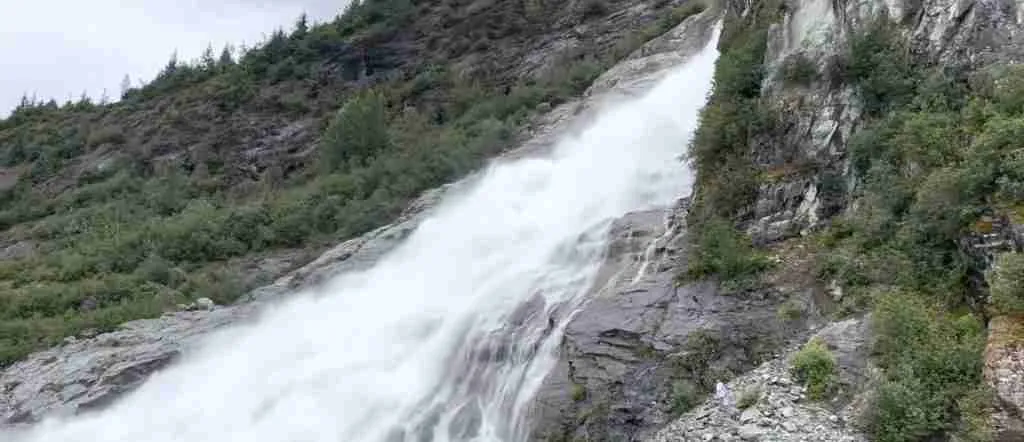
The Nugget Falls Trail represents Mendenhall Glacier’s signature hiking route, covering 0.8 miles one-way from the visitor center to Nugget Falls base where a 377-foot waterfall cascades into Mendenhall Lake with the glacier face visible across water. The trail follows flat terrain suitable for most fitness levels, crosses boardwalk sections through wetland areas, and terminates at rocky beaches where spray from the falls creates cooling mist. Mountain goats occasionally appear on cliffs flanking the falls, while icebergs floating in the lake provide foreground interest for glacier photographs. The round-trip hike requires 45-60 minutes with photo stops, making this route accessible even for cruise passengers with limited shore time. Arctic terns nest around the lake during summer months, dive-bombing hikers who venture too near nesting sites (wear hats for protection). The combination of waterfall power, glacier views, and accessible terrain establishes Nugget Falls Trail as Mendenhall’s most popular hiking destination with potential crowding during midday peak cruise passenger hours.
Additional Mendenhall Glacier trails provide alternatives to crowded Nugget Falls route. The Trail of Time follows a short loop south from the visitor center through forest transitioning from mature spruce to pioneering alders and willows occupying recently deglaciated terrain, with interpretive signs explaining succession processes as vegetation colonizes ground exposed by glacier retreat. The East Glacier Loop Trail (2.8 miles) branches from Trail of Time to circle through dense vegetation providing closer glacier perspectives from safe distances avoiding ice fall hazards, with views emphasizing the glacier’s blue ice core and lateral moraines marking former ice extent. The West Glacier Trail (3.4 miles one-way) follows the opposite shore of Mendenhall Lake to reach glacier overlook positions and access points for technical ice climbing (requires specialized equipment, training, and permits). This challenging route climbs 1,400 feet elevation through rainforest before emerging at exposed glacier vistas popular with experienced hikers and climbers accessing ice faces for mountaineering practice.
Kayaking tours on Mendenhall Lake offer water-level glacier perspectives impossible from land-based viewpoints. These guided tours ($120-180 per person for 3-4 hour experiences) provide kayaks, paddles, life jackets, waterproof gear, and experienced guides leading small groups across the lake toward the glacier face while maintaining safe distances from calving ice. The paddle route navigates between floating icebergs, passes beneath Nugget Falls for spray-soaked perspectives, and approaches within 0.25-0.5 miles of the glacier terminus (actual distance varies based on ice conditions and guide assessment of safety factors). Kayak guides explain glacier processes observable from water level including subsurface ice structures visible through clear lake water, thermal erosion patterns where relatively warm water accelerates melting, and wildlife including ducks, loons, and harbor seals occasionally entering the lake from downstream connections. These tours require moderate fitness for paddling and balance for kayak entry/exit, though double kayaks accommodate less experienced paddlers partnered with stronger paddlers.
The Mendenhall Glacier Visitor Center operates daily during summer months (typically May-September) with hours 8 AM-7:30 PM during peak season, reduced hours in shoulder seasons, and winter closures. Admission to the recreation area requires a day use fee ($5 per person or $10 per vehicle) or federal recreation passes (America the Beautiful Pass, Senior Pass, Access Pass) covering fees. The visitor center provides restrooms, drinking water, gift shop selling regional books and souvenirs, information desk staffed by knowledgeable rangers answering questions, and regular theater presentations on glacier science. Ranger-led programs including guided walks and evening presentations operate on published schedules. The developed facilities make Mendenhall Glacier accessible for visitors with mobility limitations, young children, and those seeking comfort amenities alongside glacier viewing, though trails beyond paved areas require standard hiking capabilities.
Self-Guided Walking Routes in Juneau 2026
Juneau’s trail network exceeding 250 miles provides self-guided hiking opportunities from easy waterfront strolls to challenging alpine ascents, with major routes accessible from downtown without vehicle transportation and varied terrain showcasing temperate rainforest, mining history, alpine tundra, and mountain vistas. These trails evolved from indigenous Tlingit routes and gold rush mining paths to modern recreational infrastructure maintained by federal, state, and municipal agencies with varying development levels from fully paved wheelchair-accessible paths to minimally marked wilderness routes requiring navigation skills. Self-guided trail exploration allows flexible scheduling avoiding tour group crowds, zero cost beyond any required transportation, and pace control matching individual fitness and photography interests, though hikers assume full responsibility for safety including bear awareness protocols, weather preparation, and emergency self-rescue capabilities in areas without cell phone coverage.
The Perseverance Trail represents Juneau’s classic historic hiking route, following Gold Creek 3 miles from Basin Road trailhead to Silverbow Basin where the Perseverance Mine operated 1885-1921. The trail maintains relatively gentle grades climbing 600-700 feet total elevation, follows well-established path surfaces suitable for trail runners and mountain bikers alongside hikers, and passes numerous mining ruins including collapsed timber structures, rusted machinery, and tunnel entrances (dangerous to enter). The route parallels Gold Creek through temperate rainforest featuring massive Sitka spruce, western hemlock, and understory devil’s club creating typical Southeast Alaska plant communities. Ebner Falls becomes visible approximately 1 mile from the trailhead, cascading down cliffs across the valley. At Silverbow Basin the trail reaches the historic Perseverance Mine site with remaining building foundations and mill ruins providing tangible connections to Juneau’s gold rush origins. The round-trip hike requires 3-4 hours for most hikers with elevation profiles favoring steady uphill outbound legs and easier downhill returns. Access from downtown follows Gold Street transitioning to Basin Road, reaching the parking area and trailhead approximately 2 miles from cruise terminals (walkable or via taxi $15-20).
Mount Roberts Trail climbs from Basin Road to 3,819-foot summit elevations, providing ambitious full-day hiking for strong hikers or shorter segments to intermediate viewpoints for casual visitors. The trail begins near the Perseverance Trail parking area, initially ascending through forest on well-constructed switchbacks. At approximately 1,800 feet elevation the route intersects the Mount Roberts Tramway upper terminal, allowing visitors who rode the tram up (separate ticket purchase $40-45 for adults) to continue hiking higher or those who hiked up to descend via tram. Beyond the tramway junction the trail emerges from treeline into alpine terrain with expanding views over Gastineau Channel, Douglas Island, and surrounding peaks. The alpine section features wildflowers including lupine, paintbrush, and mountain heather during July-August peak blooming. Mountain goats inhabit high-elevation zones above 3,000 feet, occasionally visible on surrounding ridges. The summit provides 360-degree panoramas encompassing the Juneau Icefield, Lynn Canal, and Admiralty Island wilderness. Total round-trip hiking from sea level measures approximately 9 miles with 3,819 feet elevation gain requiring 6-8 hours for fit hikers, though intermediate viewpoint destinations around 2,000-2,500 feet create shorter option for less ambitious outings.
The Mount Roberts Tramway operating summers provides alternative access strategies for the Mount Roberts Trail system. Visitors can ride the tramway up to 1,800-foot elevation, then explore upper-elevation trails surrounding the Nature Center complex including the Alpine Loop Trail (0.8 miles), Gastineau Peak Trail, and access to the full Mount Roberts summit trail. This approach eliminates the steep lower section through forest while providing immediate access to alpine environments, viewpoints, and maintained paths around tramway facilities. The return tram ride descends to downtown cruise dock area completing the experience. Tramway tickets (typically $40-45 adults, $25-30 children) include Nature Center access featuring exhibits on Tlingit culture and natural history, viewing decks overlooking downtown and Gastineau Channel, and often live presentations on local wildlife. The tramway’s downtown base station location makes this easily accessible for cruise passengers, though summer lines can extend 30-45 minutes during peak midday periods when multiple ships are in port.
The Gold Creek Flume Trail offers easy historical walking through forest from downtown Juneau. The trail follows the historic water flume constructed for hydraulic mining operations, now converted to a boardwalk path winding through temperate rainforest with minimal elevation change. The route begins near the Mount Roberts trailhead on Basin Road and meanders approximately 1.5 miles through woods before emerging in residential neighborhoods. This flat terrain and developed surface make the flume trail accessible for families with children, casual walkers, and visitors seeking short nature walks without fitness demands. The forest canopy provides shelter from rain while moss-covered trees, ferns, and berry bushes demonstrate typical Southeast Alaska vegetation. The round-trip walk requires 75-90 minutes at leisurely pace, or the trail can integrate into longer downtown walking loops combining other sites.
Douglas Island accessible via the Juneau-Douglas Bridge from downtown hosts several trail systems in quieter settings compared to mainland Juneau. The Treadwell Historic Trail explores ruins of the Treadwell Mine complex which operated 1882-1922 as one of Alaska’s largest gold mining operations before catastrophic flooding closed operations. The trail passes collapsed mine shafts, building foundations, and interpretive signs explaining mining history. The associated beach walk along Sandy Beach (0.5-1 mile) provides tide pool exploration during low tides and views back toward downtown Juneau across Gastineau Channel. The Rainforest Trail (0.8-mile loop) winds through old-growth Sitka spruce and western hemlock forest before emerging at pristine beach with Admiralty Island and Chilkat Mountains visible across Lynn Canal. These Douglas Island trails receive less traffic than mainland routes, offering peaceful hiking experiences for visitors willing to walk or bus to the island. Access requires crossing the Juneau-Douglas Bridge (1.5 miles from downtown cruise terminals), then following directions to specific trailheads via North Douglas Highway or Treadwell area streets.
The Dan Moller Trail on Douglas Island provides moderate-to-challenging 6.5-mile round-trip hiking ascending to alpine meadows and cirque basins. The trailhead located off Pioneer Avenue begins in residential areas before climbing steadily through forest transitioning to muskeg (wetland bogs featuring sphagnum moss, stunted trees, and standing water). Boardwalk sections traverse muskeg areas keeping hikers dry while showcasing unique bog plant communities including carnivorous sundew plants, Labrador tea, and bog orchids. Above the muskeg the trail reaches open alpine terrain with wildflower meadows, mountain views, and access to Dan Moller Cabin (U.S. Forest Service rental cabin bookable through recreation.gov). The round-trip hike with 1,800-foot elevation gain requires 3-5 hours for most hikers, with optional summit scrambles for experienced hikers seeking additional elevation. The diverse vegetation zones from rainforest through muskeg to alpine tundra demonstrate vertical ecosystem transitions compressed into single hiking routes characteristic of Juneau’s coastal mountain environment.
Easy waterfront and wetland trails provide accessible walking for visitors with limited time or mobility. The Airport Dike Trail (1.2 miles one-way) offers wheelchair and stroller-accessible paved pathway through Mendenhall Wetlands State Game Refuge with outstanding bird watching including migrating waterfowl, shorebirds, and raptors. The flat terrain and maintained surface attract local dog walkers, joggers, and families. The Mendenhall River Trail (Kaxdigoowu Heen Dei in Tlingit, meaning “going back clearwater trail”) follows the Mendenhall River greenbelt for 2 miles one-way with wildflower displays and glacier views in the distance. This paved wheelchair-accessible trail serves recreational cyclists and runners alongside walkers. Access to these level trails requires transportation to the Mendenhall Valley area (public bus, taxi, or rental car), though the minimal elevation change and developed surfaces reward all ability levels with quality nature observation in protected refuge settings.
Trail safety considerations in Juneau wilderness areas include black bear encounters (common), weather changes (frequent), and navigation requirements (varies by trail). Black bears populate forests and alpine areas year-round, with summer berry season bringing bears to trails seeking blueberries, salmonberries, and other fruit. Proper bear safety protocols include making noise while hiking (talking, singing, using bear bells), carrying bear spray in accessible holster positions, traveling in groups of 3+ when possible, and understanding bear behavior recognition. Most bear encounters involve bears leaving when they detect human presence, though bears surprised at close range or protecting cubs may react aggressively. Familiarity with bear safety fundamentals proves essential for Juneau hiking. Weather shifts rapidly with rain squalls arriving within minutes, fog descending to obscure trails, and temperature drops requiring warm layers even during summer. Cell phone coverage exists on some trails near developed areas but disappears in wilderness zones and deep valleys, making self-reliance essential. Trail navigation on well-marked routes like Perseverance requires minimal orienteering skills, while less-developed paths demand map and compass capabilities or GPS devices for hikers venturing beyond obvious trails.
Downtown Juneau Walking Tours 2026
Downtown Juneau’s compact historic district allows comprehensive self-guided exploration via interconnected waterfront paths, cultural sites, totem pole routes, and heritage buildings within a 1-2 mile walking zone accessible from cruise terminals. The downtown area encompasses the Alaska State Capitol building, Saint Nicholas Russian Orthodox Church, Red Dog Saloon and other gold rush era establishments, numerous galleries and shops occupying historic structures, and the Juneau-Douglas City Museum documenting local history. Walking tours require no advanced booking, proceed at individual pace allowing extended time at interesting sites, and cost nothing beyond potential admission fees to museums or cultural centers. The concentration of cruise ship passengers during summer creates crowded conditions on main streets during midday hours (10 AM-3 PM), though shoulder times at port arrival or departure windows reduce congestion.
The Juneau Seawalk provides waterfront promenade connection between cruise ship terminals and downtown attractions, running approximately 1 mile along Gastineau Channel shoreline. The paved pedestrian path features interpretive panels explaining Juneau’s maritime history, fish processing industry, and relationship to the sea. Overstreet Park along the Seawalk hosts the Tahku whale fountain sculpture, creating popular photo opportunity and meeting point. The Seawalk continues north past Marine Park where summer days feature artisan markets, street performers, and outdoor events. This level waterfront route accommodates wheelchairs, strollers, and visitors with limited mobility while connecting major downtown zones. The walk requires 20-30 minutes end-to-end at casual pace, with numerous access points to parallel streets where commercial districts concentrate shops, restaurants, and services.
The downtown totem pole trail links multiple totem pole sites scattered through the historic district via marked walking route (maps available at visitor centers or online). Juneau’s totems represent Tlingit artistic traditions with poles carved by contemporary Native artists maintaining cultural practices while creating publicly accessible art. Poles stand at various locations including in front of the Alaska State Capitol, near the Centennial Hall Convention Center, outside the Sealaska Heritage Institute building, and at other downtown positions. Each totem tells stories through carved figures representing clan crests, historical events, or mythological narratives explained via interpretive signage. The totem pole walk can combine with other downtown destinations in 1-2 hour self-guided tours, with the Sealaska Heritage Institute (admission charged) offering comprehensive exhibits on Tlingit, Haida, and Tsimshian cultures including language preservation, traditional arts, and contemporary indigenous life in Southeast Alaska.
The Juneau-Douglas Bridge spanning Gastineau Channel provides elevated views connecting downtown Juneau with Douglas Island. The pedestrian-accessible bridge features walkways separated from vehicle traffic, allowing safe crossing with panoramic vistas over the channel, downtown Juneau, surrounding mountains, and often cruise ships docked at terminals. The bridge spans approximately 0.5 miles requiring 15-20 minutes to cross at normal walking pace, with wind gusts common (hold hats and secure loose items). Douglas Island across the bridge hosts residential neighborhoods, Sandy Beach tidelands, and Treadwell mining ruins accessible via 1-2 mile walks from the bridge. The bridge crossing integrates into longer walking loops combining downtown exploration with Douglas Island destinations, creating 3-5 mile round-trip walks for visitors seeking extended exercise and diverse perspectives on Juneau’s geography.
The Alaska State Capitol building at 4th and Main streets represents one of America’s most modest state capitol structures, housed in a six-story office building constructed 1931 with limited ornamental features reflecting Depression-era budgets and practical Alaska governance approach. Free self-guided tours during summer allow visitors to explore legislative chambers, view historical exhibits, and observe Alaska’s democratic processes. The Capitol’s proximity to other government buildings including the Alaska State Museum (admission $7-15) creates governmental district walking routes. The museum features exhibits on Alaska Native cultures, Russian colonial history, gold rush era, statehood movement, and natural history displays with mounted wildlife specimens. Combined Capitol and museum visits require 1-2 hours, with both locations within 0.25 miles of cruise terminals.
Historic Basin Road extending from downtown toward mining areas provides historical walking route following the path gold rush prospectors traveled to reach mining claims in the 1880s. The lower portion of Basin Road passes through downtown transitioning to residential neighborhoods before reaching more remote sections where Perseverance Trail begins. Walking Basin Road outbound from downtown reveals the transition from commercial center to residential zones to wilderness edges, with architectural styles ranging from historic gold rush era buildings to contemporary structures. The round-trip walk from cruise terminals to Perseverance trailhead measures approximately 4 miles requiring 90 minutes each way, making this ambitious downtown walking route suitable for fit visitors seeking extensive exercise. Alternatively, walking partial distances exploring lower Basin Road neighborhoods offers historical atmosphere without full-distance commitment.
Guided downtown walking tours offered by local companies provide historical interpretation, cultural insights, and insider perspectives on Juneau’s development. These tours typically last 1.5-2 hours, cover 1-2 miles at easy pace with stops for storytelling, cost $35-55 per person, and require advance booking during peak cruise season when tours may sell out. Guides share information on Juneau’s founding during gold rush, development as territorial capital then state capital, architectural heritage, Tlingit cultural history, and contemporary life in Alaska’s remote capital. Some tour formats emphasize gold rush history visiting historic saloons and mining sites, while others focus on indigenous culture incorporating Native art, traditional stories, and relationships between Tlingit communities and resource management. The guided format benefits visitors seeking curated information beyond self-guided exploration, though motivated independent walkers using maps and interpretive signage can achieve similar comprehensiveness at no cost beyond time investment.
Specialty Tours and Unique Experiences 2026
Beyond signature helicopter and whale watching experiences, Juneau offers specialized tours addressing niche interests from gold mining history to food culture to technical outdoor adventures. These specialty tours typically operate smaller group sizes (6-15 participants), provide deep expertise in focused subject areas, and attract visitors seeking experiences beyond mainstream tourism offerings. Booking specialty tours often requires more advance planning given limited departure times and smaller capacity compared to large-scale helicopter or whale operations, though the specialized nature rewards participants with unique perspectives on Alaska culture, history, or ecosystems unavailable in standard tour formats.
Seaplane flightseeing tours operate from Juneau’s downtown waterfront, providing aerial glacier viewing without helicopter costs and including water landings creating distinct flying experiences. The most popular seaplane tour covers five glaciers over 40-minute flights in classic deHavilland Otter floatplanes accommodating 10 passengers with guaranteed window seats. Routes depart downtown docks, fly over Gastineau Channel gaining altitude, then head northeast across the Juneau Icefield viewing Norris Glacier, Hole-in-the-Wall Glacier, East Twin and West Twin Glaciers, and the massive Taku Glacier before returning via different routing. Pilots provide narration throughout flights explaining glacier features, wildlife sightings, and Juneau geography. The floatplane format eliminates helicopter noise while maintaining intimate aircraft size with excellent visibility. Some seaplane tours include remote wilderness lodge landings at Taku Glacier Lodge where passengers disembark for salmon bake feasts in 1920s-era lodge buildings accessible only by air, combining flightseeing with cultural dining in 3-4 hour packages.
Gold panning and mining history tours recreate Juneau’s gold rush heritage through hands-on participation at historic mining sites. Tours transport participants to Gold Creek areas where original prospectors made discoveries in the 1880s, provide gold panning equipment and instruction on proper techniques, allow supervised panning in creek gravels with guaranteed gold flakes (small amounts visitors keep as souvenirs), and explain mining history through visits to remaining structures, equipment, and interpretive storytelling. Some mining tours include underground mine sections where participants walk into historic tunnels (safely reinforced for tours) seeing gold veins, mining techniques, and working conditions endured by early miners. The combination of hands-on gold panning with historical context appeals to families with children who enjoy interactive activities alongside learning experiences. Gold Creek Salmon Bake dining often integrates with mining tours, creating combination packages including gold panning, mine exploration, and all-you-can-eat grilled salmon meals in forest pavilion settings.
Food and culture walking tours explore Juneau’s culinary landscape through progressive tastings at multiple downtown establishments. These walking tours (typically 2.5-3 hours) visit 4-6 restaurants, breweries, or specialty food shops where participants sample Alaska seafood dishes, locally crafted beers, smoked salmon products, and other regional specialties while guides explain Juneau’s food culture, fishing industry importance, and connections between indigenous food traditions and contemporary Alaska cuisine. Tasting portions combine to approximate full meal volumes, positioning these tours as combination lunch/experience rather than supplements to regular dining. The walking format provides downtown orientation, local business support, and social atmosphere with small groups (typically 10-12 participants) encouraging interaction among travelers. Food tours operate rain or shine with indoor sampling locations, making these reliable activities during typical Juneau precipitation conditions.
Kayaking adventures beyond Mendenhall Glacier include backcountry paddling explorations in protected coves, bays, and channels surrounding Juneau. Guided sea kayaking tours (3-6 hours) transport participants to put-in locations away from downtown congestion, provide kayaks and safety equipment, and lead small groups through coastal environments observing marine wildlife, shoreline geology, and intertidal ecosystems. Longer kayak tours may include beach landings for tidepool exploration, picnic lunches, or rainforest walks combining paddle and hike elements. The marine paddling exposes participants to Southeast Alaska’s island-channel geography from water level, with harbor seals, sea otters, and bald eagles common sightings. Some kayak tour operators emphasize Tlingit cultural perspectives, explaining traditional subsistence practices, place name meanings in indigenous language, and relationships between Native communities and marine resources. Advanced paddlers seeking unguided experiences can rent kayaks and access public launch sites, though guided tours provide local knowledge of currents, weather patterns, and optimal wildlife viewing locations impossible for visiting paddlers to know independently.
Glacier trekking and ice climbing instruction teach technical skills on glacier environments under certified guide supervision. These specialty tours exceed casual glacier landing experiences, instead focusing on mountaineering techniques including crampon use on steep ice, self-arrest with ice axes, roped glacier travel across crevassed terrain, and basic ice climbing on vertical ice walls. Helicopter transport accesses remote glacier locations where stable ice conditions and appropriate terrain features support instruction away from tourist landing zones. Ice climbing sessions (3-4 hours including helicopter time) provide full equipment including climbing harnesses, helmets, ice axes, crampons, and ropes, with guides certified by American Mountain Guides Association teaching proper techniques. These physically demanding experiences require good fitness, comfort with heights, and willingness to engage with challenging terrain, though previous mountaineering experience is not necessary as instruction begins with fundamentals. The small group sizes (typically 4-6 participants per guide) enable personalized instruction appropriate to individual skill levels.
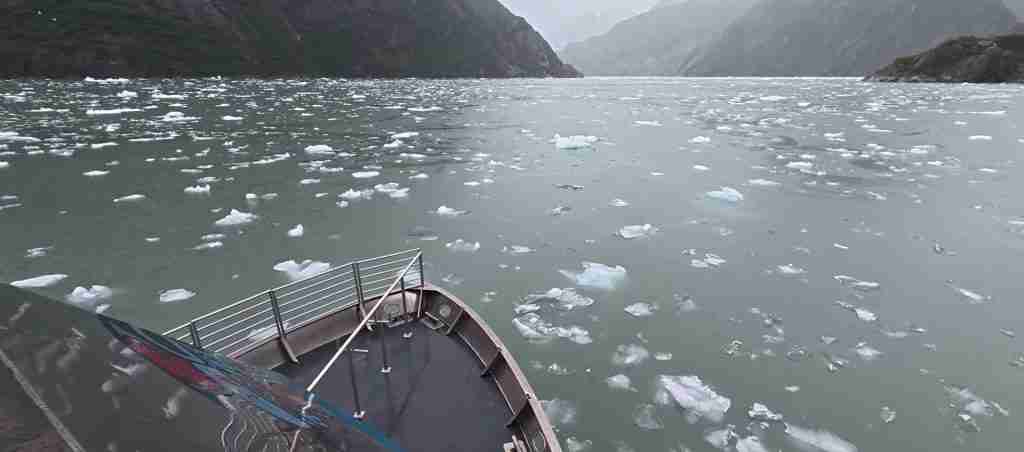
Tracy Arm Fjord boat tours venture south from Juneau into dramatic fjord landscape featuring vertical cliffs rising 3,000 feet directly from sea level, tidewater glaciers calving icebergs, and marine wildlife including harbor seals pupping on ice floes. These full-day tours (6-8 hours) require longer time commitments than standard whale watching but deliver wilderness scenery rivaling Alaska’s most dramatic landscapes. The route travels approximately 50 miles south through Stephens Passage into Tracy Arm Fjord, navigating increasingly narrow waterways hemmed by sheer rock walls where waterfalls cascade hundreds of feet. Twin Sawyer Glaciers at the fjord terminus actively calve ice creating floating obstacles for vessel navigation and dramatic ice-fall displays. Harbor seals use ice floes as pupping platforms during early summer, with seal pups visible on ice. The extended timeline allows onboard naturalist presentations, meal service, and comprehensive wildlife watching alongside spectacular scenery. Tracy Arm tours operate May through September with optimal conditions June through August when ice conditions allow closest glacier approach.
Pack Creek bear viewing experiences transport visitors to Admiralty Island wilderness where concentrated brown bear populations feed on spawning salmon during July-August peak season. These specialized tours (4-6 hours total including floatplane transportation) fly from Juneau to remote Pack Creek in Stan Price State Wildlife Sanctuary where limited daily permits allow closely supervised bear observation from designated viewing areas. Brown bears (the coastal variety of grizzly bears) gather at creek mouths catching salmon in shallow water, providing opportunity for close-range wildlife photography and behavior observation from safe distances maintained by professional guides. The permit-limited access ensures minimal human impact while maximizing viewing quality, with typical observation periods lasting 2-3 hours during peak bear activity times coordinated with salmon runs and tidal cycles. Pack Creek represents premier Alaska bear viewing requiring advance booking (often weeks or months ahead for summer dates) and premium pricing reflecting small group sizes, specialized access permits, and floatplane charter costs.
Popular Tour Operators and Pricing 2026
Coastal Helicopters operates as one of Juneau’s primary helicopter tour companies with standard glacier landings priced at $429 per person for 2.5-hour experiences including ground transportation, helicopter flights, and 20-30 minute glacier walking time. Check the official Coastal Helicopters website for current rates as pricing may vary seasonally. The company’s Herbert Glacier tours operate April 27-October 1, 2026 (end dates subject to weather and snow conditions), while dog sledding glacier camp tours run May 4-August 31, 2026 at $709 per person. Extended combination packages pairing dog sledding with additional glacier landings cost $839 per person for 3.5-hour experiences. Private helicopter charters accommodating groups up to 5 passengers start at $3,140 for exclusive experiences allowing customized itineraries and extended glacier time. All Coastal Helicopters tours include pickup shuttles from the downtown Goldbelt Mount Roberts Tram building location.
NorthStar Trekking specializes in glacier hiking and ice climbing instruction with helicopter-accessed experiences priced at $499 per person for 3.25-hour glacier walking tours operating May 29-September 4, 2026 (dependent on glacier conditions). Their Glacier Walkabout provides one-hour interpretive glacier hikes with professional guides teaching basic mountaineering skills and glacier environments, while extended glacier trek options offer two-hour ice hiking adventures across dynamic glacial landscapes. Ice climbing courses teaching vertical ice techniques on glacier walls represent premium offerings for adventure-focused visitors. NorthStar operates exclusively from Juneau with over 25 years glacier guiding experience and emphasis on small group sizes ensuring personalized attention.
TEMSCO Helicopters founded in 1958 operates throughout Southeast Alaska with Juneau helicopter glacier tours, dog sledding combinations, and custom pilot’s choice excursions. Mendenhall Glacier helicopter tours with glacier landings, dog sledding on Mendenhall Glacier experiences combining helicopter flights with mushing, and dog sled summer camp visits allowing interaction with sled dog teams represent core TEMSCO offerings. Pricing varies by specific tour configuration with glacier landings comparable to industry standards around $429-499 and dog sledding packages in the $709-839 range. TEMSCO’s long operational history and fleet size provide frequent departure times accommodating cruise ship schedules with multiple daily flights.
Allen Marine Tours dominates Juneau whale watching operations with guaranteed humpback sightings and vessel options from intimate 20-passenger catamarans to larger 49-passenger boats. Standard whale watching tours cost $164-209 per person for 2.5-3 hour cruises departing Auke Bay Harbor with naturalist guides, enclosed heated cabins, and outdoor viewing decks. Combination packages pairing whale watching with Mendenhall Glacier visits range $209-379 including ground transportation between Auke Bay and glacier viewing areas. Some whale tour formats include Gold Creek Salmon Bake dining experiences adding all-you-can-eat grilled salmon meals to marine wildlife observation. Allen Marine’s cruise ship dock pickup services and strict on-time return guarantees suit cruise passenger schedules.
Wings Airways operates Juneau’s five-glacier seaplane flightseeing tours in classic deHavilland Otter floatplanes offering 40-minute aerial tours over Norris, Hole-in-the-Wall, East Twin, West Twin, and Taku Glaciers. The seaplane tours provide guaranteed window seats for all 10 passengers with audio narration systems and written information on glaciers visible during flights. Pricing for standard flightseeing tours runs approximately $279-329 per person, while extended Taku Lodge flight and feast packages combining seaplane access to remote 1920s wilderness lodge with salmon bake dining cost $299-399 depending on meal options and flight duration. Seaplane departures occur from downtown Juneau waterfront near cruise terminals, providing convenient access for ship passengers.
Alaska Shore Excursions functions as booking platform connecting independent travelers with local tour operators at wholesale pricing typically 20-30% below cruise line shore excursion rates for identical activities. The platform lists helicopter glacier tours, whale watching cruises, Mendenhall Glacier packages, dog sledding experiences, kayaking adventures, and combination tours from multiple operators, allowing comparison shopping and online booking with flexible cancellation policies. Alaska Shore Excursions provides cruise ship return guarantees matching tour operator standards, customer service support, and transparent pricing showing savings versus cruise line offerings. This booking approach suits independent travelers comfortable with self-organized shore excursions who prioritize cost savings while maintaining tour quality.
Juneau Shore Tours operates locally-owned tour company connecting cruise passengers and independent travelers with verified guides and operators. Highly-reviewed tours emphasize expert local guides, small group sizes, and personalized experiences across helicopter flights, whale watching, Mendenhall Glacier access, and cultural activities. The company’s cruise ship guarantee promises on-time return or compensation, while booking policies allow reservations with 5% down payment and remaining balance due two weeks before tour dates. This flexible payment structure accommodates travelers booking far ahead who prefer staged payments. Juneau Shore Tours’ locally-owned status appeals to visitors supporting Alaska businesses while accessing wholesale pricing competitive with larger booking platforms.
Tour pricing strategies in 2026 reflect operational costs including helicopter maintenance and fuel, marine vessel operations, guide salaries, permits and insurance, and seasonal business models where companies generate annual revenue during May-September peak months. Helicopter glacier tours represent highest per-person pricing given aircraft operational expenses, though the unique access to glacier environments justifies premium rates for most visitors. Whale watching tours offer more accessible entry-level pricing while delivering guaranteed wildlife encounters impossible to experience independently. Combination tour packages provide value through efficient transportation routing and bundled activities at 15-25% discounts versus separate bookings. Independent booking through local operators or booking platforms consistently saves 30-50% versus cruise line shore excursions for identical tours operated by the same companies, reflecting cruise line commission structures and consolidation markups.
Planning Your Juneau Tour Day 2026
Effective Juneau tour planning for 2026 requires understanding cruise ship schedules for port visitors, weather contingency strategies, booking timelines, and activity sequencing that maximizes limited timeframes while building flexibility for unpredictable elements. The typical cruise ship port call runs 7 AM-4 PM or 8 AM-5 PM providing 8-9 hour windows, though exact times vary by cruise line, itinerary, and vessel. This compressed timeframe demands efficient planning selecting 1-2 major activities (helicopter tour, whale watching, Mendenhall Glacier) plus 2-3 hours for downtown exploration, dining, or shopping. Attempting three or more major tours risks scheduling conflicts, transportation delays, or exhausting pace leaving little enjoyment of individual experiences. Successful planning balances ambitious activity goals with realistic time allocations, weather backup options, and margins absorbing inevitable delays.
Booking timelines for popular Juneau tours in 2026 separate according to activity type and travel season. Helicopter glacier tours during peak July-August cruise season require booking 2-3 months ahead for preferred departure times, though last-minute availability sometimes opens from cancellations. May-June shoulder season and September late season provide more booking flexibility with 2-4 weeks advance reservations generally sufficient. Whale watching tours accommodate larger passenger volumes with more frequent departures, allowing booking 2-6 weeks ahead even during peak season, though prime morning or afternoon departure times may fill earlier. Specialty tours including Tracy Arm Fjord cruises, Pack Creek bear viewing, or glacier trekking instruction with limited daily departure slots require earliest booking—often 2-4 months advance for summer dates. Self-guided activities including hiking and downtown walking require no advance booking, providing ultimate flexibility for spontaneous decisions or weather-driven activity substitutions.
Weather backup planning proves essential given Juneau’s 92 inches annual precipitation and frequent fog conditions. Visitors staying multiple days in Juneau should schedule weather-dependent activities (helicopter flights) on the first available day, preserving alternative days if cancellations occur. Single-day cruise visitors lack this flexibility, instead accepting weather cancellation risks and understanding refund procedures. The alternative approach books weather-flexible activities (whale watching proceeds except in severe storms, hiking continues in rain with proper gear) as primary activities while accepting helicopter glacier flights as weather-dependent bonuses. Some travelers book both helicopter and non-weather-dependent tours on different days during multi-day Juneau stays, ensuring at least one major activity proceeds while hoping weather cooperates for helicopter flights. Tour operators provide weather cancellation notifications 30-90 minutes before scheduled departure times, allowing rapid pivots to alternative plans when flights cancel.
Activity sequencing considerations balance tour schedules, meal timing, downtown exploration, and rest periods avoiding exhaustion. Early morning helicopter or whale watching departures (7:30-8:30 AM) suit visitors prioritizing major activities, completing tours by 11 AM-12 PM and freeing afternoon for self-guided hiking, downtown shopping, or relaxed dining. Mid-morning departures (9:30-11 AM) allow casual breakfast, downtown orientation walk, then tour participation returning by 2-3 PM for afternoon flexibility. Afternoon tour departures (1-3 PM) enable extended morning hiking at Mendenhall Glacier or downtown exploration before tour pickup, though late returns (4-6 PM) may compress post-tour time especially for cruise passengers facing ship departure deadlines. Combination tours (whale watching plus Mendenhall Glacier, helicopter plus dog sledding) efficiently package multiple experiences but consume 5-6 consecutive hours requiring stamina and limiting flexibility for spontaneous discoveries.
Transportation logistics between tour operators, trailheads, and downtown destinations require planning given Juneau’s dispersed activity locations. Helicopter tour operators and whale watching companies provide downtown pickup services included in tour pricing, typically meeting at the Goldbelt Mount Roberts Tram building or cruise ship terminals with clearly marked shuttle vehicles. Public bus access to Mendenhall Glacier ($2 per ride) operates hourly with 30-40 minute travel times, requiring schedule awareness coordinating outbound and return trips. Taxi or ride-share services provide door-to-door flexibility at $35-45 per ride to Mendenhall Glacier or $15-25 to nearby Basin Road trailheads, with return trips requiring phone calls or app bookings from destinations. Rental cars maximize independence allowing multi-stop itineraries and eliminating wait times, though downtown parking during cruise ship days fills by mid-morning and Mendenhall Glacier parking lots reach capacity by 10 AM during peak season.
Meal planning integrates with tour schedules recognizing most tours provide no food though some include dining components. Early-departing tours (7:30-8:30 AM) necessitate quick breakfasts at hotel restaurants or grab-and-go options from downtown cafes and bakeries. Morning tours completing by noon create natural lunch timing for downtown restaurants, food trucks, or Gold Creek Salmon Bake all-you-can-eat dining. Afternoon tours departing 1-2 PM work well after substantial lunch allowing participants to sustain through 4-6 PM return times, with dinner following tour completion. Some combination tours include meal components particularly salmon bake packages eliminating separate dinner planning. Tour operators generally permit small snacks and water bottles on tours, though messy or odorous foods should be avoided especially on helicopter flights and whale watching boats. Downtown Juneau offers diverse dining from quick service fish and chips to upscale seafood restaurants to ethnic cuisine, with most establishments located within 0.25-0.5 miles of cruise terminals requiring minimal walking.
Budget management for Juneau tour days in 2026 allocates funds across major tours, meals, transportation, and incidental purchases. A typical cruise passenger selecting one helicopter glacier tour ($429), downtown lunch ($20-30), and dinner ($30-45) spends $480-505 per person not including shopping or additional activities. Adding whale watching ($164-209) to helicopter flights increases tour costs to $595-640 before meals, positioning full-day combination as premium but comprehensive Alaska experience. Budget-conscious alternatives selecting whale watching only ($164-209) with self-guided Mendenhall Glacier hiking (bus transport $4 round-trip, recreation area admission $5) and moderate dining ($50-65 total meals) totals approximately $225-285 per person. Ultra-budget strategies choosing only self-guided activities—downtown walking tours (free), Gold Creek Flume Trail (free), hiking at no-fee trailheads—plus economical dining ($30-40 daily meals) allow $30-40 total daily expenditure. This range accommodates varying budget priorities from experiential focus justifying $600-900 per person tour days to economical approaches emphasizing free activities and limited tour participation.
Group size dynamics impact tour experiences with helicopter and boat tours both affected by passenger numbers. Helicopter glacier tours typically fly 4-6 passengers per aircraft maintaining intimate scale and ensuring window seats, though some larger helicopters accommodate 8-10 passengers. Whale watching vessels range from 20-passenger catamaans offering highly personal experiences to 49-passenger boats providing more social atmosphere and broader deck space. Some travelers prioritize smallest groups accepting premium pricing for exclusivity, while others find larger groups acceptable given reduced per-person costs. Private helicopter charters ($3,140 for up to 5 passengers) make economic sense for groups of 4-5 where per-person costs approximate standard tours while gaining scheduling flexibility and extended glacier time. Family groups with children find combination tours efficiently managing logistics versus booking multiple separate activities requiring coordination.
What to Bring for Juneau Tours 2026
Proper gear preparation maximizes comfort and safety across Juneau’s varied activities from helicopter flights to hiking to marine tours. The fundamental Southeast Alaska weather reality—rain arrives frequently with limited warning—makes waterproof layers essential regardless of forecast. Quality rain jackets with sealed seams and water-resistant pants protect against the persistent drizzle characterizing “Juneau rain,” while waterproof hiking boots maintain dry feet on muddy trails and during glacier walking. Layering systems allowing temperature regulation prove more effective than single heavy coats, with base layers (synthetic or merino wool, not cotton which stays wet), mid-layers (fleece or light insulated jackets), and waterproof shells creating adaptable combinations. Summer temperatures averaging 55-65°F feel cooler with wind and moisture, while helicopter flights at altitude or marine tours on water experience temperatures 10-15 degrees below ground level readings.
Helicopter glacier tour participants receive glacier boots from operators (rubber boots with thick tread), eliminating need to bring specialized footwear. However, warm socks prevent cold feet during glacier walks where ice temperatures near 32°F transfer cold through boot soles. Sunglasses with UV protection prove essential on glaciers where intense sun reflects off white snow and ice surfaces creating glare causing eye strain or temporary “snow blindness” if unprotected. Sunscreen rated SPF 30+ prevents sunburn from combination of direct sun and reflected radiation off ice. Lip balm with sun protection guards against chapped lips from cold, wind, and sun exposure. Waterproof gloves or mittens keep hands warm during glacier walking and protect from cold when handling icy surfaces. Camera equipment requires weather protection with plastic bags or dedicated camera rain covers, while condensation forming on lenses when transitioning from warm helicopter cabins to cold glacier air necessitates lens cloths for clearing. Many helicopter operators prohibit selfie sticks and drones on glacier tours due to safety and wilderness preservation policies.
Whale watching tours require similar layered approach with waterproof outer layers protecting against sea spray and rain. Binoculars (8×42 or 10×42 magnification) enhance whale observation allowing detailed viewing of surface behaviors, though not essential given close approach distances typical on Juneau tours. Motion sickness medications (Dramamine, Bonine, or prescription alternatives) benefit susceptible individuals, with medication most effective when taken 30-60 minutes before boat departure rather than after symptoms appear. Many whale watching vessels provide indoor heated cabins with restrooms, though outdoor deck viewing offers superior perspectives requiring warm layers. Camera equipment with telephoto lenses (200-400mm focal lengths) capture frame-filling whale images from typical viewing distances, though standard zoom lenses (24-105mm or similar) also perform adequately for broader scenes including breaching whales and group shots with glaciers in background.
Hiking trail gear scales according to difficulty and duration from casual downtown walks to challenging alpine ascents. Day hike essentials include water bottles or hydration systems (1-2 liters per person), high-energy snacks (trail mix, energy bars, jerky), basic first aid supplies (bandages, pain relievers, blister treatment), and navigation tools (map, compass, or GPS device) for routes beyond obvious trails. Bear safety equipment rates as essential for all Juneau wilderness hiking, with bear spray (7.9-10.2 oz canisters rated for bears) carried in accessible holster positions ready for rapid deployment. Making noise while hiking—talking, singing, using bear bells—alerts bears to human presence reducing surprise encounters. Trekking poles provide stability on steep terrain, creek crossings, and loose trail surfaces while reducing knee strain on descents. Emergency gear including headlamps or flashlights (Alaska summer daylight extends late but forests darken earlier), emergency shelter (lightweight bivy sack or emergency blanket), fire starting capability, and signaling devices addresses worst-case scenarios where injuries or route-finding errors force unplanned night out.
Cash requirements in downtown Juneau remain minimal with credit cards accepted universally at tour operators, restaurants, and shops. However, $20-40 cash covers public bus fares ($2 per ride requiring exact change), tips for tour guides and shuttle drivers (15-20% customary for excellent service, $10-20 per person for helicopter guides, $5-10 for shuttle drivers), and occasional cash-only vendors at summer markets. ATMs located throughout downtown provide cash access with standard banking fees. Tour operators require credit cards for bookings with some accepting PayPal or other digital payment methods. Tipping protocols suggest $10-20 per person for helicopter glacier guides (higher for exceptional experiences or extended tours), $5-10 per person for whale watching naturalist guides, and 15-20% for restaurant servers.
Electronics management addresses photography priorities, communication needs, and charging capabilities. Smartphones serve multiple functions—camera, communication device, navigation tool, tour voucher display—making battery preservation important. Portable battery packs (10,000-20,000 mAh capacity) recharge phones during long days, while tour operators’ vehicles and waiting areas often provide USB charging ports. Memory cards with 32-64 GB capacity handle hundreds to thousands of photos depending on camera settings, with backup cards preventing storage exhaustion mid-day. GoPro cameras or similar action cameras capture point-of-view footage during helicopter flights, glacier walks, or whale watching with stabilization features reducing motion blur. Laptop computers or tablets remain unnecessary for typical tour days, adding weight and theft risk without functional benefit. Cell phone coverage exists in downtown Juneau and along main highways but disappears in wilderness areas and on most hiking trails, making devices useful for pre-departure communication but unreliable once tours begin or trails enter forest.
Personal items complete gear checklist with items frequently forgotten causing inconvenience. Prescription medications in original containers with sufficient quantities for entire trip duration plus emergency extras, prescription eyeglasses or contact lenses with backup pairs, and written prescriptions for critical medications enable replacements if items are lost. Seasickness medication for whale watching, antihistamines for seasonal allergies particularly during cottonwood seed dispersal late May through June, and pain relievers for headaches or minor injuries provide comfort options. Small daypack (15-25 liter capacity) carries gear during tours and hikes without excessive bulk, with water-resistant or waterproof construction protecting contents. Hotel room safe usage secures passports, extra cash, jewelry, and other valuables unnecessary during daily tours. Copy of cruise ship documentation including boarding pass and emergency contact numbers stays in daypack separate from original documents stored in hotel, enabling ship reboarding if originals are lost.
Best Months for Juneau Tours and Trails 2026
May 2026 brings transition from winter to full summer conditions with lengthening daylight approaching 18+ hours, warming temperatures averaging 50-58°F, and nature awakening from dormancy. Late May sees helicopter glacier tour operations beginning April 27 providing early-season opportunities with excellent snow conditions at glacier landing sites. Trail conditions remain variable with lower elevation paths (Airport Dike Trail, Rainforest Trail, lower Perseverance Trail) generally clear while alpine routes above 2,000 feet retain snowpack requiring mountaineering skills or delay until June. Whale watching initiates peak season in May as humpback whales arrive from Hawaiian wintering grounds, with numbers increasing throughout the month. May cruise ship traffic remains lighter than July-August peak allowing easier tour booking and less crowded downtown streets and viewing platforms. Wildflowers begin blooming in late May with skunk cabbage, shooting stars, and early season species emerging. Weather variability continues with significant precipitation possible though improving trends toward June provide more stable conditions than March-April shoulder season.
June 2026 delivers optimal conditions for comprehensive Juneau exploration with maximum daylight (summer solstice June 20 brings 18.5 hours between sunrise and sunset), moderate temperatures averaging 55-62°F, reduced precipitation compared to October-April months though rain remains frequent, and full tour operator schedules. Trail conditions improve through June with mid-elevation routes clearing snow while highest peaks retain some snowpack into late month. Wildflowers reach peak bloom across elevation zones from sea level to alpine meadows with lupine, paintbrush, columbine, and dozens of species creating colorful displays. Bear activity increases as animals emerge from dens and focus on new vegetation growth, requiring vigilant bear safety protocols. Cruise ship traffic builds toward July-August peak but remains manageable in early June, deteriorating to maximum congestion by late June. June helicopter tours operate on full schedules with excellent flying weather during high-pressure periods interspersed with rainy spells. Whale populations maximize in June waters with hundreds of humpbacks actively feeding and displaying bubble-net behaviors readily observable from tour vessels.
July 2026 represents peak summer season with highest tourism volume, maximum service provider operations, premium weather windows, and consequently most crowded conditions and highest prices. Temperature averages reach seasonal highs 58-65°F with occasional warm periods pushing into 70s. Precipitation continues as typical Southeast Alaska pattern though July historically receives slightly less rain than May, June, August, or September. Daylight remains extensive with 16-17 hours of light through the month. Cruise ship arrivals peak with 5-6 large vessels daily discharging 12,000-15,000 passengers creating significant downtown congestion and popular site crowding during 10 AM-3 PM midday hours. Tour operators run maximum flight schedules, boat departures, and guided experiences though demand still exceeds capacity for preferred time slots requiring advance booking 2-3 months ahead. Trail conditions reach optimal with all routes snow-free except highest peaks, while warm temperatures dry trail surfaces reducing mud on paths like Perseverance Trail that remain muddy much of the year. Berry season begins in late July with blueberries and salmonberries ripening, attracting bears to berry patches along trails and requiring heightened bear awareness.
August 2026 continues peak season conditions through mid-month then begins shoulder season transitions. Weather patterns remain similar to July with temperatures 58-64°F and frequent but not constant precipitation. Daylight decreases noticeably through August from 15.5 hours early month to 13.5 hours by month end, with darker evenings potentially enabling northern lights viewing though auroral activity typically remains weak at Juneau’s latitude during summer months. Cruise traffic continues heavy through August 15-20 then declines somewhat as school schedules drive family vacation timing. Dog sledding glacier camp tours typically end August 31 as warming temperatures and reduced snowpack affect operational viability. Berry season peaks in August with abundant blueberries, salmonberries, and huckleberries creating prime bear feeding opportunities and excellent berry picking for hikers (ensuring awareness of nearby bears). Fall colors begin appearing in late August as cottonwoods and willows transition from green to yellow. August 15-31 provides slight reductions in crowds while maintaining full operational schedules from tour companies and excellent weather windows for activities.
September 2026 brings shoulder season conditions with declining cruise traffic after Labor Day, reduced tour operator schedules, lower prices, fall colors, and increasingly variable weather. Temperature averages drop to 50-57°F with occasional cold snaps bringing 40-degree days. Daylight decreases rapidly from 13+ hours early month to under 11 hours by month end, with darker evenings and mornings affecting hiking start times and photography lighting. Precipitation increases from summer levels though September remains drier than October-April months. Helicopter glacier tours continue through September though weather-dependent cancellations increase as fall storm patterns develop. Dog sledding glacier camps typically close September 1 while helicopter glacier landings continue through September. Whale watching continues through September as humpbacks prepare for southern migration though numbers begin declining in late month. Fall colors peak in early-mid September with cottonwoods, willows, blueberry bushes, and alpine vegetation creating yellow, orange, and red displays particularly dramatic along river valleys and subalpine zones. Fewer cruise ships and tourists create peaceful conditions at popular sites, with trails, viewing platforms, and downtown streets significantly less congested than July-August.
October 2026 transitions to winter conditions with most tour operations ending September 30-October 15 depending on weather and snow conditions. Helicopter glacier tour season typically concludes October 1 though actual operations depend on flying weather and glacier conditions. Temperature averages fall to 42-48°F with frequent cold rain transitioning to snow at higher elevations. Daylight continues rapid decline from 10.5 hours October 1 to 7.5 hours October 31, affecting outdoor activity hours. Whale watching tours continue year-round though whale populations decrease significantly in October as most humpbacks complete southern migration. Cruise ship season effectively ends by October 1 with occasional late-season vessels through mid-October. Trail conditions deteriorate with increased mud, early snow above 1,500 feet, and reduced daylight shortening hiking windows. The few travelers visiting October experience empty trails, minimal downtown crowds, and northern lights possibilities increasing as darker nights provide viewing conditions though aurora activity remains weak until winter intensifies. October suits adventurous travelers comfortable with limited services, weather challenges, and off-season atmosphere more than typical recreational visitors seeking peak Alaska experiences.
April and November-March represent off-season months when most tours cease operations, trail conditions involve significant snow above 500-1,000 feet, and weather patterns bring heavy precipitation, cold temperatures, and limited daylight. These months suit only specialized winter activities (cross-country skiing, snowshoeing, northern lights viewing) rather than typical tour experiences and trail hiking emphasized during May-September season. The 2026 tour planning window therefore concentrates on May through September with June-August delivering optimal conditions for visitors seeking maximum activity options, weather reliability, and full operational capacity from service providers. Budget-conscious travelers find value in May or September shoulder seasons when prices decrease 15-25%, crowds thin dramatically, and weather windows remain adequate despite increased variability. First-time visitors prioritizing Alaska’s signature experiences should target late June through August when helicopter tours, whale watching, and trail access all peak simultaneously.
Practical Tips for Juneau Tours 2026
Weather adaptability supersedes all other practical considerations given Juneau’s precipitation patterns and rapid weather changes. Successful Juneau visitors embrace rain rather than resist it, accepting that Southeast Alaska experiences provide value regardless of precipitation and that attempting to avoid rain results in missed opportunities. The practical mindset shift treats overcast skies and light rain as normal conditions rather than disappointing deviations from idealized sunshine expectations. This perspective adjustment combined with proper rain gear—waterproof jackets, water-resistant pants, quick-drying layers, waterproof boots—creates comfort in conditions that would challenge unprepared visitors. Many Juneau activities including whale watching, forest hiking, and downtown exploration proceed perfectly well in rain, while only severe weather (heavy rain reducing visibility, high winds, lightning) causes tour cancellations. Experienced Alaska travelers pack rain gear in day bags regardless of morning weather since afternoon conditions frequently differ from departure conditions.
Flexible scheduling provides insurance against weather disruptions and operational delays. Multi-day Juneau visitors should book weather-dependent helicopter tours on first available days, preserving later dates if cancellations force rescheduling. Single-day cruise passengers lack this flexibility but can prepare mentally for possible helicopter cancellations understanding that weather refunds enable alternative activity booking or simply accepting reduced tour completion as an Alaska reality. Some travelers intentionally book backup tours—whale watching scheduled for day two if day one helicopter cancels—ensuring at least one major activity proceeds regardless of weather patterns. The emotionally mature approach accepts tour operator decisions as prioritizing passenger safety rather than ruining vacation plans, with cancelled helicopter flights often creating opportunities for extended hiking, downtown cultural experiences, or relaxed dining rather than perceived vacation failures.
Tour operator selection balances price, reputation, group size, and booking flexibility. Major operators (Coastal Helicopters, TEMSCO, NorthStar, Allen Marine) maintain long operational histories, safety records, and professional standards supporting confident booking despite premium pricing. Smaller operators sometimes offer reduced rates though capacity limitations may affect rescheduling flexibility. Reading recent reviews (within past 6-12 months) on TripAdvisor, Google, or cruise community forums identifies current service quality, guides’ knowledge levels, and operational reliability. Attention to cancellation policies proves crucial—standard 24-hour advance cancellation windows for passenger-initiated changes versus weather cancellation terms providing full refunds. Some operators allow free cancellations up to 48-72 hours before tours while others charge 50-100% of tour costs for cancellations within 24 hours of scheduled departure. Understanding these terms before booking prevents unpleasant surprises if schedule changes become necessary.
Photography priorities shape gear decisions and activity selection. Helicopter glacier tours provide extraordinary aerial and glacier landing photography opportunities though weather conditions (overcast skies, rain) frequently produce flat lighting lacking dramatic shadows and color saturation. Professional photographers accept these limitations using RAW file formats enabling post-processing adjustments, while casual photographers should moderate expectations recognizing that overcast glacier photos, though still valuable, lack the dramatic appearance of sunny glacier imagery promoted in marketing materials. Whale watching photography challenges include long distances to whale subjects requiring telephoto lenses (200-400mm), moving platform from boat motion demanding fast shutter speeds (1/1000 second or faster), and spray or rain requiring weather-protected camera equipment. Successful whale photographers take hundreds of frames accepting low success rates given whale behavior unpredictability and shooting challenges, then select best images from high-volume shooting approach. Downtown photography and trail hiking offer more controlled shooting conditions with time for composition and better lighting control through shade positioning and background selection.
Bear safety protocols demand serious attention on all Juneau trails given black bear populations throughout forest and alpine environments. The fundamental bear safety approach emphasizes avoiding surprise encounters through noise generation—talking loudly, singing, clapping periodically, using bear bells on packs—alerting bears to human presence allowing them to move away before close contact occurs. Most bear encounters involve bears fleeing, but surprise meetings at close range (under 50 yards) may trigger defensive responses especially from females with cubs. Carrying bear spray (7.9-10.2 oz canisters certified for bears) in accessible holster positions provides defensive option if aggressive bear approaches despite noise. Proper bear spray use requires removing safety clip, aiming slightly downward to create ground-level fog cloud between person and bear, and discharging 1-2 second bursts when bear closes to 30-40 feet. Hikers encountering bears should speak calmly in low tones, avoid direct eye contact (perceived as threat), back away slowly while facing bear, and never run (triggers chase response). Understanding bear behavior differences—black bears typically flee humans, though food-conditioned bears or females with cubs may act differently—provides context for encounter responses.
Fitness assessment before booking tours prevents overcommitment to activities exceeding physical capabilities. Standard helicopter glacier tours with 20-30 minute ice walks suit most fitness levels including older adults and children since guides control pace and terrain selection. Extended glacier hikes, ice climbing instruction, or steep trail routes (Mount Roberts, Mount Juneau) demand good cardiovascular fitness, joint stability for uneven terrain, and comfort with elevation gain. Honest self-assessment of recent activity levels, any medical conditions affecting exertion tolerance, and comfort with heights or exposure enables appropriate tour selection. Tour operators provide fitness level descriptions (“easy,” “moderate,” “strenuous”) though definitions vary between companies and individual fitness ranges complicate precise matching. When uncertain, contacting tour operators directly describing typical exercise routines and health status enables staff recommendations on appropriate activity levels. Overestimating fitness and booking tours beyond capability creates unpleasant experiences for participants and groups alike.
Time management throughout tour days requires buffer incorporation rather than back-to-back scheduling. Allow 15-30 minute buffers between tour end times and subsequent commitments (next tour, ship departure, restaurant reservations) absorbing inevitable delays from traffic, weather extensions, or slower-than-expected group pace. Helicopter tours occasionally return late when weather windows close faster than anticipated requiring route modifications or extended ground time. Whale watching tours may extend beyond scheduled end times if exceptional whale activity warrants extended viewing, with most operators announcing potential delays and requesting passenger agreement before exceeding published tour lengths. These flexibility considerations reward travelers with additional wildlife or scenery experiences rather than rigid schedule adherence, though cruise passengers must monitor ship departure times ensuring sufficient margin for return and boarding.
Local knowledge acquisition improves experiences through informed decision-making. Stop at Juneau Visitor Information centers (downtown near cruise terminals or at airport) collecting free maps, trail guides, and current conditions updates. Staff provide weather forecasts, bear activity reports, trail condition updates, and answers to specific questions about logistics. The Travel Juneau website (www.traveljuneau.com) maintains current information on trails, attractions, and seasonal considerations with regular updates during operating season. U.S. Forest Service offices provide detailed trail conditions, bear activity reports, and wilderness safety information particularly valuable for hikers venturing beyond maintained trails. Local businesses including outdoor gear shops, bookstores, and restaurants often provide informal advice from staff familiar with trails, best tour operators, and current conditions from personal experience rather than official sources.
Cell phone functionality requires realistic expectations given remote location and terrain challenges. Downtown Juneau maintains excellent cell coverage with major U.S. carriers providing service, though international visitors should verify roaming agreements or purchase local SIM cards for extended stays. Coverage disappears quickly outside developed areas with most hiking trails beyond cell range after 0.5-1 mile from trailheads. Helicopter glacier tours provide no cell service during flights or glacier landings. Whale watching boats occasionally have cell service depending on distance from shore and operator’s communication systems. This limited connectivity requires advance coordination of meeting points, tour schedules, and emergencies since real-time communication becomes impossible once tours begin or trails enter wilderness. Some visitors view this disconnection as vacation benefit enabling full presence in experiences without electronic distractions, while others feel anxiety from communication inability requiring mental adjustment and trust in tour operator systems.
Frequently Asked Questions About Juneau Tours 2026
Do Helicopter Glacier Tours Operate in Rain?
Helicopter glacier tours proceed during light to moderate rain provided visibility remains adequate for safe flight operations, typically requiring 3-5 miles visibility and cloud ceilings above 1,500 feet. Rain itself does not cancel flights—Southeast Alaska helicopter operators routinely fly in precipitation conditions that would ground operations in other regions—but associated factors including fog reducing visibility, low clouds blocking flight paths, or severe weather systems with high winds or lightning do trigger cancellations. Pilots make go/no-go decisions 30-90 minutes before scheduled departure times based on current conditions and short-term forecasts, contacting passengers with confirmations or cancellation notices. Weather cancellations result in full refunds or rebooking options for multi-day visitors. Passengers flying in rain should expect wet conditions during glacier landings since helicopter downwash redistributes precipitation as spray, making waterproof outer layers essential regardless of conditions at departure facilities.
Can Children Participate in Helicopter Glacier Tours?
Children can participate in standard helicopter glacier landing tours with most operators accepting passengers as young as 2-3 years old, though optimal ages range from 8+ years when children can follow safety instructions, walk independently on glacier surfaces, and appreciate the experience. Tour operators provide glacier boots in children’s sizes, though very small children may lack appropriate footwear requiring parents to carry them during glacier portions. Helicopter seating accommodates child car seats for infants and toddlers if parents provide approved car seats, though the 30-45 minute flight and glacier exposure may exceed very young children’s attention spans and comfort tolerances. Children participating in glacier tours should be comfortable following guide instructions, capable of walking 0.25-0.5 miles on snow surfaces with some uneven terrain, and able to maintain focus during safety briefings. Extended glacier hikes, ice climbing instruction, and technical mountaineering activities typically require minimum ages of 10-12 years or older depending on physical demands.
What Happens If Whale Watching Tours Don’t See Whales?
Juneau whale watching tours provide guaranteed whale sightings during May through September peak season with 95%+ success rates encountering humpback whales, making no-whale scenarios extremely rare. Tour operators guarantee whale sightings by offering free return trips or full refunds for the unusual occasions when no whales appear during 2.5-3 hour cruises. The high success rate derives from hundreds of humpback whales concentrated in relatively small feeding areas around Auke Bay, Favorite Channel, and nearby waters during summer months, with naturalist guides and boat captains monitoring whale locations via marine radio communications sharing sighting information between vessels. Typical whale watching cruises encounter multiple whales with opportunities for close observation of feeding behaviors, breaching, tail slapping, and other surface activities. Off-season months (October-April) maintain whale watching operations but with reduced whale populations and consequently lower encounter rates, though operators continue guarantee policies year-round.
Are Juneau Trails Safe for Solo Hikers?
Solo hiking on Juneau trails presents manageable risks for prepared individuals understanding bear safety protocols, navigation requirements, weather challenges, and emergency self-rescue limitations. Popular maintained trails including Perseverance Trail, Nugget Falls Trail, Mount Roberts Trail, and Mendenhall Glacier area paths see regular traffic during summer months reducing isolation concerns, though less-traveled routes may encounter few other hikers creating genuine solitude. Black bear encounters represent the primary wildlife safety concern addressed through proper noise generation (talking, singing, bear bells), carrying bear spray in accessible positions, and avoiding surprise contact at close range. Navigation challenges on well-marked trails remain minimal with obvious paths, though less-developed routes demand map and compass skills or GPS devices for hikers leaving maintained trail systems. Solo hikers should inform others of intended routes and expected return times, carry emergency communication devices where cell coverage exists, and maintain conservative decision-making about weather conditions, trail difficulty, and turnaround times given lack of assistance if injuries occur or situations deteriorate.
How Much Time Should I Allocate for Mendenhall Glacier Visitor Center?
Allocate 1.5-2.5 hours for comprehensive Mendenhall Glacier Visitor Center experience including center exhibits (30-45 minutes), Photo Point and viewing deck time (15-30 minutes), and Nugget Falls Trail hike (45-75 minutes round-trip). Visitors focusing only on glacier viewing from Photo Point overlook and center windows can complete visits in 45-60 minutes, while those hiking additional trails beyond Nugget Falls or participating in ranger programs require 3-4+ hours. The visitor center exhibits explaining glacier formation, retreat patterns, and ecosystem relationships provide valuable context enhancing glacier appreciation, though visitors familiar with glacier science or prioritizing outdoor time over indoor exhibits can reduce center time to quick orientation visits. Nugget Falls Trail represents the signature hike combining waterfall and glacier views in accessible 0.8-mile one-way format, with round-trip time varying from 45 minutes for brisk walkers to 75+ minutes when allowing photo stops and extended observation. Cruise passengers with limited port time typically allocate 2 hours total at Mendenhall Glacier including travel time from downtown (15 minutes by shuttle or bus each way), visitor center, and trail hiking.
What’s the Best Way to Book Tours as an Independent Traveler Versus Through Cruise Lines?
Independent tour booking through local operators or booking platforms (Alaska Shore Excursions, Juneau Shore Tours, operator direct websites) saves 30-50% versus cruise line shore excursions for identical tours operated by the same companies, with cruise line markups reflecting commission structures and consolidation fees. The independent booking process requires more initiative—researching operators, comparing options, managing separate bookings, coordinating transportation—but rewards effort with substantial savings and often smaller group sizes. Reputable independent operators provide cruise ship guarantees matching cruise line standards, promising timely return to ships or compensation for missed departures caused by tour delays (extraordinarily rare occurrences given operators’ incentive to maintain cruise line relationships). The booking approach selection weighs financial priorities against convenience preferences, with budget-conscious travelers benefiting significantly from independent booking while convenience-focused passengers may prefer cruise line one-stop arrangements despite premium pricing. First-time Alaska visitors uncertain about logistics may value cruise line simplicity for initial visits, then transition to independent booking for future Alaska trips after gaining familiarity with tour operations and regional dynamics.
Can I Hike to Mendenhall Glacier Ice?
Hiking to Mendenhall Glacier ice face requires technical skills, specialized equipment, and glacier travel training given dangerous crevasses, ice fall hazards, and unstable terminal ice conditions making casual approach extremely dangerous. The West Glacier Trail (3.4 miles one-way, 1,400-foot elevation gain) reaches glacier overlook positions providing close views of ice from safe distances, with some experienced climbers using this route to access glacier edges for technical ice climbing requiring crampons, ice axes, ropes, harnesses, and crevasse rescue knowledge. Standard tourists hiking Mendenhall Glacier trails including Nugget Falls, East Glacier Loop, and Photo Point trails observe glacier from designed viewing distances maintaining safety margins from calving ice and hidden crevasses. Visitors seeking actual glacier ice contact should book helicopter glacier landing tours or guided glacier hiking experiences where professional guides provide safety equipment, route knowledge, and rescue capabilities unavailable to independent hikers. Attempting glacier access without proper equipment and training risks serious injury or death from crevasse falls, ice collapse, or hypothermia in glacier-fed waters.
What Wildlife Besides Whales Can I Expect to See in Juneau?
Black bears represent Juneau’s most frequently encountered large mammal on hiking trails and occasionally in downtown periphery areas, with hundreds of bears inhabiting Tongass National Forest surrounding the city. Mountain goats occupy alpine zones above treeline, visible on cliffs and ridges from helicopter flights, Mount Roberts summit areas, and Sheep Creek valley. Bald eagles perch throughout coastal areas, downtown trees, and near fish streams with year-round populations supplemented by summer migrants, creating one of North America’s highest eagle concentration zones. Harbor seals frequent Auke Bay, Gastineau Channel, and occasionally Mendenhall Lake, while Steller sea lions haul out on rocks and navigation markers in large colonies. Black-tailed deer inhabit island forests though remain more elusive than bears. Marine birds including marbled murrelets, pigeon guillemots, common murres, arctic terns, and various gull species occupy nearshore environments. Smaller mammals including porcupines, red squirrels, and beavers appear occasionally though less conspicuously than larger species. Salmon runs during July-September bring pink, chum, coho, and sockeye salmon to creeks and rivers, with viewing opportunities at various stream locations including near visitor centers.
Is Travel Insurance Recommended for Juneau Tours?
Travel insurance providing trip cancellation coverage, emergency medical protection, and evacuation benefits proves valuable for expensive multi-day Alaska vacations including Juneau tours, particularly for travelers with pre-existing medical conditions, elderly participants, or those booking non-refundable tour arrangements months ahead. Standard travel insurance policies cover trip cancellations for covered reasons (illness, injury, family emergencies) allowing recovery of non-refundable deposits and tour payments. Medical evacuation coverage proves especially relevant in Alaska given distances to advanced medical facilities and high costs of emergency helicopter transport or air ambulance services. Tour-specific considerations include weather cancellation policies—standard tour operator weather cancellations provide full refunds without requiring insurance claims, but passenger-initiated cancellations due to weather concerns without official operator cancellation may not qualify for insurance reimbursement depending on policy terms. Cruise passengers should review cruise line insurance offerings alongside independent travel insurance, comparing coverage terms, exclusions, and costs before purchasing.
How Difficult Is Mount Roberts Trail for Average Hikers?
Mount Roberts Trail from sea level to summit presents a strenuous full-day hike gaining 3,819 feet elevation over 4.5 miles requiring strong cardiovascular fitness, joint stability for sustained climbing, and 6-8 hours round-trip for most hikers. The lower section through forest to the Mount Roberts Tramway junction at 1,800 feet (approximately 2 miles, 2-3 hours ascent) rates as moderate difficulty with well-constructed switchbacks managing grade, making this section accessible to fit casual hikers who can utilize the tramway for descent rather than returning on foot. Above the tramway the trail steepens through alpine terrain with increasing exposure, thinning air at altitude, and weather exposure requiring warm layers even during summer. Average recreational hikers comfortable with sustained uphill effort can reach the tramway level, while summit continuation demands above-average fitness and comfort with elevation gain. Many hikers optimize the Mount Roberts experience by riding the tramway up, then hiking downhill to sea level (easier than ascent), or hiking up to the tramway and riding down (reducing knee strain from descent). These intermediate options deliver Mount Roberts views and alpine access without committing to full summit attempts requiring high fitness levels.