
Journey Behind the Falls Guide: Niagara’s Must-Do Experience
Journey Behind the Falls offers visitors the extraordinary opportunity to descend 125 feet through bedrock and stand directly behind one of the world’s most powerful waterfalls. This unique Niagara Parks attraction combines century-old engineering tunnels with modern observation platforms, delivering an immersive encounter with the raw power of Horseshoe Falls that complements boat tours and viewing platforms above.
Key Takeaways About Journey Behind the Falls
- Unique Perspective: Journey Behind the Falls provides the only opportunity to view Niagara’s Horseshoe Falls from behind and below, accessing viewing portals carved directly through bedrock that place visitors within feet of crashing water.
- Year-Round Accessibility: The attraction operates daily throughout all seasons, with the upper observation deck and tunnels remaining open even when winter ice closes the lower deck, making it one of few Niagara experiences available during extreme cold.
- Efficient Visit Duration: The complete experience takes 30 to 45 minutes from elevator descent to return, allowing visitors to incorporate this attraction seamlessly into broader Niagara Falls itineraries without consuming entire morning or afternoon blocks.
- Historical Engineering Marvel: The tunnels visitors walk through date to the 1880s and represent pioneering work in bedrock excavation, connecting modern tourists with the same geological formations that Victorian-era visitors explored through rudimentary passageways.
- Comprehensive Water Perspectives: Two viewing portals and dual observation decks provide multiple vantage points, from behind-the-curtain portal views to standing directly at the base where 2,800 cubic meters per second thunder down during peak flow.
- Protected Yet Immersive: Free biodegradable ponchos and covered viewing areas protect visitors while still delivering the mist, sound, and vibration that create the visceral Falls experience, balancing comfort with authenticity.
People Also Ask About Journey Behind the Falls
What exactly do you see at Journey Behind the Falls?
Journey Behind the Falls reveals three distinct perspectives of Horseshoe Falls through a combination of natural viewing positions and human-engineered portals. The experience begins 125 feet below the surface where visitors enter tunnels excavated through Niagara escarpment bedrock. Two viewing portals—the Cataract Portal and the Great Falls Portal—open directly behind the falling water, with the Great Falls Portal positioned one-third of the distance behind the massive cascade. Through these openings carved straight through rock, visitors watch one-fifth of the world’s freshwater crash past in an endless curtain just feet away.
Beyond the portals, the attraction provides access to upper and lower observation decks positioned at the base of Horseshoe Falls. The upper deck sits partially behind the cascading water, while the lower deck extends to the very foot of the cataract where visitors feel the full force of mist and vibration. From these platforms, perspectives shift from viewing the falls edge-on to looking directly up at water plunging from the equivalent of a 13-story building. The combination of portal and deck positions creates a comprehensive sensory experience impossible to replicate from surface viewpoints or boat tours, as visitors simultaneously witness the falls from behind, below, and within the spray zone.
How does Journey Behind the Falls compare to Maid of the Mist?
Journey Behind the Falls and Maid of the Mist (called Niagara City Cruises on the Canadian side) offer fundamentally different experiences that complement rather than duplicate each other. Maid of the Mist delivers a dynamic boat journey that approaches the base of all three falls—American Falls, Bridal Veil Falls, and Horseshoe Falls—from the river, creating a mobile perspective with constantly changing angles as the vessel navigates the basin. The boat provides frontal views and positions visitors in the center of the horseshoe formation where water surrounds the vessel.
Journey Behind the Falls provides a stationary, behind-the-scenes perspective focused exclusively on Horseshoe Falls, the largest and most powerful of the three cascades. While Maid of the Mist operates seasonally from spring through autumn, Journey Behind the Falls remains open year-round including winter months when ice formations add dramatic visual elements. The boat delivers a wet, wind-blown adventure lasting approximately 20 minutes on water, while Journey Behind the Falls offers a more controlled 30 to 45-minute experience with shelter from extreme elements and accessibility advantages for visitors with mobility considerations.
The tunnel attraction provides geological and engineering context absent from boat tours, as interpretive elements explain bedrock formation and the history of tunnel excavation. Visitors interested in comprehensive Falls experiences typically complete both attractions, as the combined perspectives—approaching from the river and viewing from behind—create a complete understanding of Horseshoe Falls’ power and scale impossible to achieve through either experience alone.
Is Journey Behind the Falls worth the admission price?
Journey Behind the Falls delivers exceptional value for visitors seeking unique waterfall perspectives beyond standard observation deck viewing. The attraction offers access to positions literally impossible to reach through any other commercial experience—standing behind a major cataract with water cascading feet away represents a phenomenon unavailable at most waterfall destinations worldwide. The combination of historical tunnel infrastructure, modern observation platforms, geological interpretation, and multiple viewing angles creates a layered experience that extends beyond simple sightseeing.
The admission price includes all aspects of the attraction with no hidden fees for portal access, observation decks, or equipment rental. Free biodegradable ponchos protect clothing and serve as souvenirs, while the controlled environment eliminates weather-dependent cancellations that affect boat tours. The 30 to 45-minute duration provides sufficient time to explore all viewing positions without rushing, and the year-round operation means visitors can experience the Falls during winter months when ice formations create visual spectacles unavailable in summer.
For photographers, the unique angles available through portals and from observation decks justify admission through distinctive image opportunities. Families appreciate the accessibility features, as elevator transport eliminates stair climbing and covered areas provide respite for young children overwhelmed by outdoor exposure. Visitors with limited time in Niagara Falls benefit from the efficient visit duration that delivers maximum impact without consuming half-day blocks. The attraction’s value increases when purchased as part of Niagara Parks pass packages that bundle multiple experiences at reduced combined rates.
Can you visit Journey Behind the Falls in winter?
Journey Behind the Falls operates daily throughout winter, maintaining access to tunnels, viewing portals, and the upper observation deck even during periods of extreme cold that close other Niagara attractions. The enclosed tunnel system provides shelter from bitter winds and subfreezing temperatures, allowing visitors to experience the falls during months when outdoor observation becomes uncomfortable. Winter operation offers unique advantages as ice formations transform Horseshoe Falls into a frozen spectacle with massive icicles, spray-created ice mountains at the base, and reduced water flow that reveals rock formations typically hidden behind summer’s torrential curtain.
The lower observation deck closes during icy conditions when spray freeze creates hazardous footing, but the upper deck, viewing portals, and tunnel system remain accessible. This partial closure minimally impacts the experience, as the portals and upper deck deliver the essential behind-the-falls perspectives. Winter visitors encounter smaller crowds compared to summer peak season, often enjoying viewing positions without competing for space at portal openings. The attraction’s indoor components maintain comfortable temperatures, with only brief outdoor exposure on the upper deck where visitors can retreat quickly to enclosed areas.
Practical winter considerations include waterproof outerwear beyond the provided poncho, as spray freezes on contact with clothing and hair. Non-slip footwear proves essential for icy walkways between the welcome center and attraction entrance. The Table Rock Welcome Centre offers warming areas, restaurants, and shops for pre- or post-visit comfort. Photography equipment requires protection from moisture and extreme temperature changes, though the unique winter ice formations reward the extra preparation with distinctive images impossible to capture during warmer months.
Extended multi-day tours – 5+ days
Featured Niagara Falls Multi-Day Tour Packages
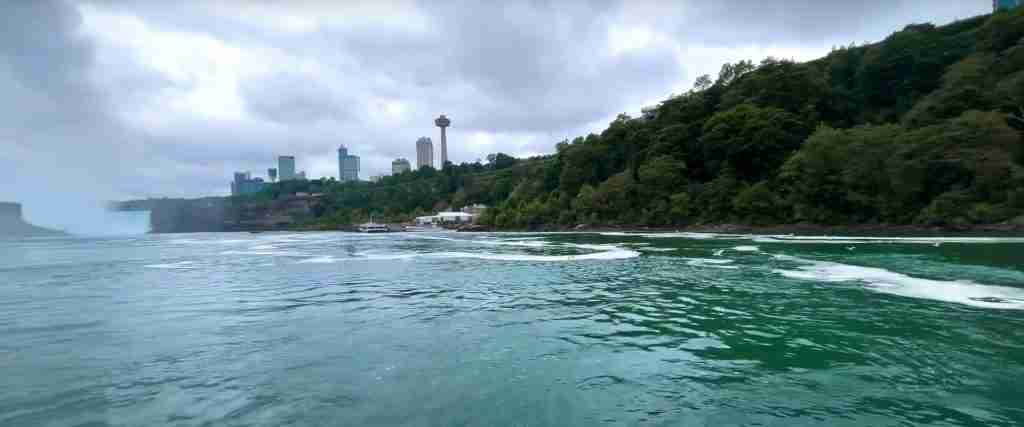
3 days
Niagara Falls 3-Day Discovery Tour
- ✓ Comprehensive Niagara Falls experience
- ✓ Expert local guides included
- ✓ All accommodation included
- ✓ Transportation provided

5 days
Niagara Falls 5-Day Highlights Experience
- ✓ Comprehensive Niagara Falls experience
- ✓ Expert local guides included
- ✓ All accommodation included
- ✓ Transportation provided
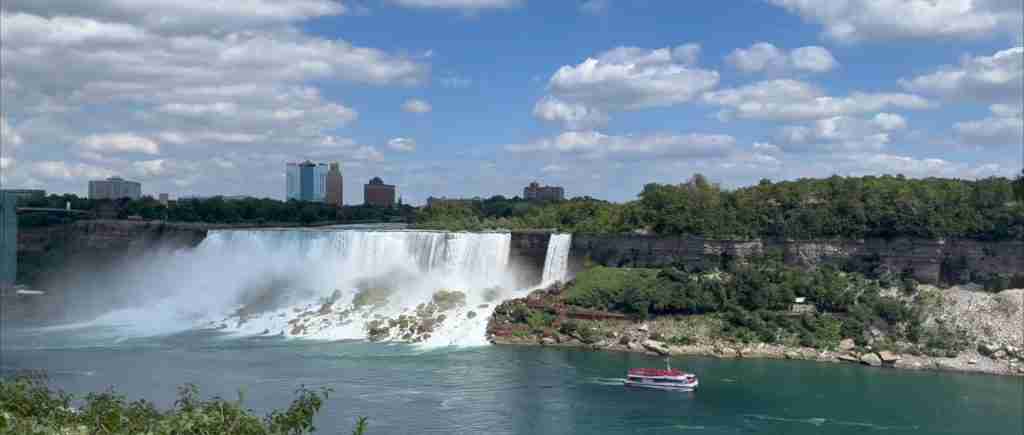
7 days
Niagara Falls 7-Day Cultural Journey
- ✓ Comprehensive Niagara Falls experience
- ✓ Expert local guides included
- ✓ All accommodation included
- ✓ Transportation provided
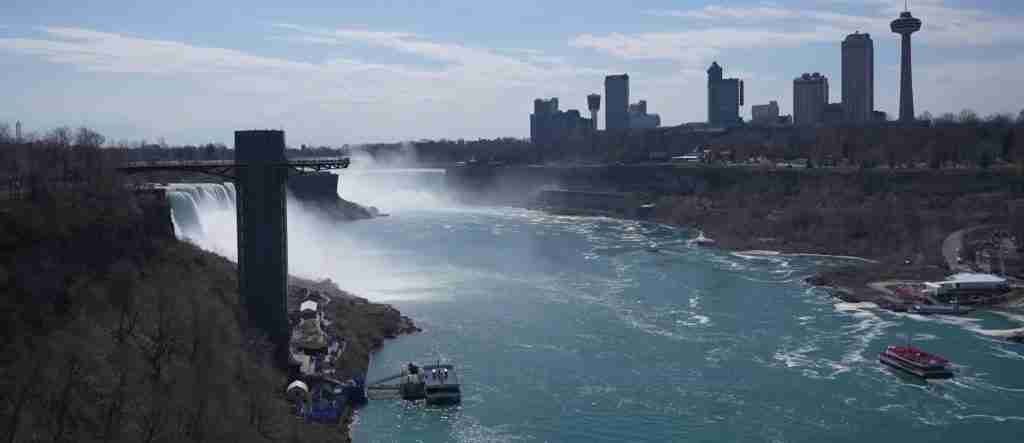
10 days
Niagara Falls 10-Day Complete Adventure
- ✓ Comprehensive Niagara Falls experience
- ✓ Expert local guides included
- ✓ All accommodation included
- ✓ Transportation provided
Multi-day tour packages powered by TourRadar. Prices and availability subject to change.
Introduction: Understanding Niagara’s Underground Perspective
Journey Behind the Falls represents the culmination of more than 150 years of efforts to bring visitors into intimate contact with Niagara’s raw power. What began in the 1830s as treacherous wooden staircases descending to river level has evolved into a sophisticated attraction combining historical tunnel infrastructure with modern engineering, providing safe access to viewing positions that place visitors directly within the waterfall’s sphere of influence. The experience transforms casual Falls viewing into visceral encounter, replacing distant observation with immersion in the sound, vibration, and mist that define the Horseshoe Falls environment.
The attraction occupies a unique position in Niagara’s tourism landscape by offering perspectives unavailable through any alternative experience. While observation decks provide aerial views and boat tours deliver frontal approaches, Journey Behind the Falls grants access to the bedrock caverns and platforms positioned behind and below the cascade, revealing the geological forces that shaped the cataract and the engineering achievements that made safe human access possible. This combination of natural wonder and human ingenuity creates educational value alongside the sensory spectacle, appealing to visitors interested in both experiential adventure and geological understanding.
Located within the Table Rock Welcome Centre at the brink of Horseshoe Falls, Journey Behind the Falls integrates seamlessly with Niagara Parks’ broader attraction network while maintaining operational independence. The attraction’s year-round schedule and efficient visit duration make it accessible to diverse visitor types, from families with young children seeking sheltered waterfall encounters to photography enthusiasts pursuing distinctive angles. Understanding the experience’s unique characteristics, historical context, and practical logistics enables visitors to maximize their investment of time and admission fees while appreciating the attraction’s place within Niagara Falls’ centuries-long tourism evolution.
Historical Evolution: From “Sheet of Falling Water” to Modern Attraction
Journey Behind the Falls traces its origins to 1832 when pioneers constructed the first staircase descending into Niagara Gorge, providing paying customers access to ledges behind Horseshoe Falls. This primitive attraction, called the “Sheet of Falling Water,” required visitors to navigate steep, slippery stairs carved into the gorge wall and walk across narrow rock ledges directly behind the cascade—a dangerous undertaking that nevertheless attracted adventurous tourists willing to accept significant risk for unprecedented waterfall proximity. The experience offered no protection from elements, no lighting in dark sections, and minimal safety infrastructure beyond basic handrails.
Through the late 19th century, operators expanded and improved access by excavating tunnels through bedrock, creating the foundation for today’s viewing portals. These tunnels represented remarkable engineering achievements given the era’s limited drilling technology and the constant challenge of water infiltration through porous rock. Workers blasted passages through the Niagara escarpment using black powder explosives, manually removing tons of broken stone while dealing with groundwater seepage and the vibration from millions of gallons thundering overhead. The resulting tunnels measured approximately 8 feet wide and 7 feet tall, dimensions that remain unchanged in sections visitors walk through today.
The attraction underwent multiple ownership changes and infrastructure improvements throughout the 20th century, transitioning from private enterprise to public operation under Niagara Parks Commission. Major modernization occurred in the 1960s when elevator systems replaced the treacherous staircase descent, improving accessibility and safety while dramatically reducing the physical demands on visitors. Subsequent renovations added interpretive displays, improved lighting, upgraded safety barriers, and expanded observation deck areas. The current name “Journey Behind the Falls” was adopted to better communicate the experience to international visitors who found the earlier name “Table Rock Scenic Tunnels” less descriptive.
Recent decades have seen continued enhancements focused on sustainability and visitor experience. The introduction of biodegradable ponchos replaced petroleum-based plastic rainwear, aligning the attraction with environmental values. Upgraded lighting systems installed in tunnels improved photography conditions while reducing energy consumption. Enhanced crowd management systems, including timed ticketing options, address peak season congestion that once created lengthy queues and rushed viewing experiences. These evolutionary changes maintain the attraction’s historical character while meeting contemporary expectations for accessibility, safety, and environmental responsibility.
Geological Context: The Bedrock Foundation
Journey Behind the Falls provides direct contact with the Niagara Escarpment’s geological layers, specifically the Rochester Shale and Lockport Dolomite formations that form Horseshoe Falls’ structural foundation. The tunnels excavated through these sedimentary rocks reveal the same stone that controls the Falls’ erosion rate and determines the cataract’s distinctive horseshoe profile. Rochester Shale, a relatively soft gray mudstone, underlies the harder Lockport Dolomite caprock that forms the lip of the falls. This differential hardness creates the overhang that allows water to fall free of the cliff face rather than sliding down an inclined surface, generating the dramatic vertical drop visitors witness.
The escarpment formed approximately 400 million years ago during the Silurian Period when the region lay beneath a tropical sea. Layers of sediment accumulated on the sea floor, eventually lithifying into the stratified rocks visible in gorge walls and tunnel surfaces. The distinctive horizontal banding evident in tunnel walls represents individual depositional events separated by thousands of years, creating a geological record readable by trained observers. Journey Behind the Falls places visitors within this ancient bedrock, providing tactile connection to the same stone that has channeled Niagara River flow for the past 12,000 years since glacial retreat established the current river course.
The viewing portals carved through escarpment bedrock illustrate the challenges of excavating stable openings in fractured, water-saturated stone. The rock surrounding the portals constantly weeps groundwater, requiring drainage systems to prevent flooding while maintaining viewing conditions. This persistent moisture creates the characteristic wet-rock smell permeating the tunnels and produces the slippery conditions that necessitate careful footing. The portals themselves serve as geological cross-sections, revealing the structure of rock that resists the erosive force of crashing water remarkably well compared to upstream sections where softer shale has allowed rapid gorge retreat over millennia.
Understanding this geological context enriches the Journey Behind the Falls experience by connecting visitors with the slow-motion drama of erosion, sedimentation, and structural geology. The observation decks positioned at the base of the falls rest on talus blocks—broken rock that has fallen from the cliff face as undercutting undermines support. These blocks represent the ongoing erosion process that causes Horseshoe Falls to gradually retreat upstream at rates measured in feet per year, a process that will eventually relocate the falls miles from their current position. Journey Behind the Falls grants temporary human access to geological processes operating on timescales that dwarf human history.
The Complete Experience: What Visitors Encounter
The Journey Behind the Falls experience begins at the Table Rock Welcome Centre where visitors access elevators descending 125 feet through solid bedrock to the tunnel level. The elevator ride itself creates anticipation as the car drops the equivalent of a 13-story building, delivering passengers to depths where the roar of cascading water penetrates the rock itself. Upon exiting the elevator, the temperature drops noticeably as visitors enter the tunnel system carved through the escarpment, where cool bedrock and evaporating mist create microclimate conditions distinct from surface temperatures.
The tunnel network extends approximately 150 feet behind Horseshoe Falls, with two primary portals opening through the bedrock to reveal the falling water. The first portal, the Cataract Portal, provides a side-angle view of the cascade where visitors observe the full height of the waterfall from near its base. The second, the Great Falls Portal, penetrates deeper behind the curtain of water, positioning observers one-third of the way behind the falls where they look through the cascade itself toward the river basin below. At both portals, the experience combines visual spectacle with overwhelming sound and the physical sensation of bedrock vibrating from the impact of thousands of tons of water striking the basin each second.
From the portals, tunnels lead to the upper observation deck, a covered platform extending partway behind the falling water. This deck provides the most sheltered viewing position, ideal for visitors seeking protection from direct spray while still accessing behind-the-falls perspectives. The covered section includes interpretive panels explaining geological formation, historical tunnel development, and hydrological data about water volume and velocity. Visitors spending time on this deck often notice the perpetual mist creating rainbows in sunlight and the way wind patterns shift spray direction, sometimes soaking areas that were dry moments before.
The lower observation deck, accessed via stairs or remaining on the upper level depending on seasonal closures, extends to the absolute base of Horseshoe Falls. This exposed platform places visitors directly in the spray zone with minimal protection, creating the most intense encounter with the waterfall’s power. Looking directly upward from this position, the rim of the falls appears impossibly distant as water free-falls through intervening air before striking nearby rocks. The physical sensations here include vibration transmitted through the deck structure, cool mist saturating the air, and wind created by the falling water’s displacement of surrounding atmosphere. The provided poncho offers limited protection in this zone, with most visitors accepting thorough dampening as part of the authentic experience.
Practical Logistics: Planning Your Visit
Journey Behind the Falls operates from the Table Rock Welcome Centre located at 6635 Niagara Parkway, directly adjacent to Horseshoe Falls’ brink. The attraction entrance sits within the welcome center building, accessible immediately after purchasing admission or presenting pre-purchased tickets. Admission costs $28 for adults aged 13 and older and $18.50 for children aged 3 to 12, with children under 3 entering free. Check official Niagara Parks sources for current rates as pricing adjusts periodically. The attraction accepts admission as part of various Niagara Parks pass programs, including the Adventure Pass and Wonder Pass, which bundle multiple attractions at reduced combined pricing.
Operating hours vary by season, with extended hours during summer peak season and reduced hours during winter months. The attraction typically opens between 8 AM and 9 AM and closes between 5 PM and 9 PM depending on season and day of week. The Table Rock Welcome Centre website maintains current daily schedules, essential for planning as hours adjust for holidays and special events. Timed ticketing options allow visitors to book specific entry windows, reducing wait times during busy periods. Anytime tickets provide flexibility for spontaneous visits but may require queuing during peak afternoon hours when tour buses deliver large groups simultaneously.
The complete visit duration ranges from 30 to 45 minutes including elevator descent, tunnel exploration, time at all viewing positions, and return to surface level. This timing assumes moderate crowds and visitors who pause to read interpretive panels and capture photographs at each station. During extreme peak season, crowds can extend the experience as visitors queue for access to portal viewing positions and observation deck space. Arriving at opening time or after 4 PM typically ensures smaller crowds and more relaxed viewing. The year-round operation schedule makes Journey Behind the Falls reliable for off-season visitors when weather closes other attractions.
Accessibility features include elevator access eliminating stair requirements for reaching tunnel level, with the upper observation deck fully accessible to mobility devices. The lower deck requires stair descent and may not accommodate all visitors with mobility limitations. The tunnels measure 8 feet wide and 7 feet tall, providing adequate clearance for most visitors but potentially challenging for those with claustrophobia or extreme height. Service animals are permitted throughout the attraction. The welcome center provides accessible washrooms, dining options, and retail facilities for convenience before or after the underground experience.
What to Bring and Wear: Preparation Essentials
Journey Behind the Falls provides free biodegradable ponchos to all visitors upon entering the elevator area. These hooded rain ponchos offer protection from mist and direct spray, though their effectiveness varies by viewing position and wind conditions. The ponchos serve adequately for the tunnel sections and upper observation deck but provide limited protection on the lower deck where spray intensity exceeds poncho capabilities. Visitors keeping the poncho as a souvenir receive a functional reminder of their experience, though the biodegradable material degrades over time when exposed to light and moisture, intentionally designed to reduce environmental persistence.
Footwear represents the most critical clothing consideration, as wet rock surfaces, metal grating on observation decks, and stairs to the lower deck all present slip hazards. Closed-toe shoes with textured rubber soles provide essential traction, while smooth-soled dress shoes, flip-flops, sandals, and high heels create dangerous conditions. The tunnels maintain cool temperatures year-round, making bare feet uncomfortable beyond safety concerns. During winter visits, insulated waterproof boots protect against spray that freezes on contact with cold surfaces, creating ice buildup on footwear and walkways.
Camera and phone protection requires planning, as the mist-saturated environment threatens electronics even with poncho coverage. Waterproof cases or bags protect devices during observation deck visits, with clear waterproof pouches allowing photography while maintaining protection. Lens cloths prove essential for removing water droplets that accumulate on camera lenses and phone screens. Photographers serious about capturing high-quality images often bring towels for wiping equipment between shots and extra batteries as cold temperatures and humidity drain power faster than normal conditions.
Seasonal clothing adjustments enhance comfort throughout the experience. Summer visitors find the underground tunnels noticeably cooler than surface temperatures, with the combination of bedrock’s thermal mass and evaporating mist creating conditions that can feel cold in lightweight clothing. A light jacket or long sleeves prevent discomfort during the 30 to 45-minute underground duration. Winter visits require full cold-weather gear as outdoor observation decks expose visitors to wind and subfreezing temperatures despite brief exposure duration. Layering allows adjustment between the heated welcome center, cool tunnels, and frigid outdoor viewing positions.
Photography Opportunities: Capturing Unique Angles
Journey Behind the Falls provides photography opportunities unavailable from any other Niagara Falls vantage point, combining backlighting effects, through-the-curtain perspectives, and base-level upward angles. The viewing portals create the attraction’s signature images—shots framing the cascading water within the portal opening, showing both the architectural element of carved stone and the natural power of falling water. These compositions work particularly well when other visitors appear in the frame for scale, illustrating the immense volume of water visible through the relatively small portal opening.
The backlighting conditions at portals create challenges and opportunities simultaneously. When sunlight penetrates the falling water, the cascade glows with transmitted light, revealing the water’s green tint from dissolved minerals and suspended sediment. This lighting condition occurs primarily during morning and early afternoon hours when sun angle allows penetration through the water curtain. The translucent effect creates ethereal imagery impossible to replicate from frontal perspectives where reflected light dominates. However, the extreme dynamic range between bright water and dark tunnel interior challenges camera sensors, often requiring exposure bracketing or HDR processing to capture both shadow detail and highlight information.
Observation deck photography emphasizes scale and perspective. Wide-angle lenses capture the full height of Horseshoe Falls from base to rim, illustrating the 167-foot vertical drop from directly below rather than distant oblique angles. Including the deck structure, safety railings, or fellow visitors in compositions provides scale references that communicate the falls’ immensity. Long exposure techniques blur the water into silky curtains, though the mist-saturated environment makes keeping lenses clean between shots challenging. Fast shutter speeds freeze individual water droplets in mid-spray, revealing the chaotic physics of millions of gallons smashing into rock.
Low-light conditions in tunnels require higher ISO settings or longer exposures, potentially necessitating tripods for sharp images. However, the attraction’s crowd levels and narrow passages make tripod use impractical during busy periods, forcing photographers to rely on image stabilization and fast apertures. Flash photography proves counterproductive as it reflects off mist particles, creating flat, featureless images. The ambient lighting system installed in tunnels provides sufficient illumination for modern cameras’ high ISO capabilities, producing dramatic images that capture the mysterious atmosphere of carved bedrock caverns behind a thundering waterfall.
Seasonal Variations: When to Visit
Journey Behind the Falls operates year-round, but seasonal variations dramatically alter the experience’s character, crowd levels, and visual elements. Summer peak season from June through August delivers maximum water flow as spring snowmelt and rainfall swell the Niagara River, creating the most powerful cascade display. The tunnels and observation decks become thoroughly saturated with mist during high-flow periods, with spray penetrating to areas that remain dry during lower-flow months. Summer crowds peak during July and August, particularly on weekends and holidays when wait times can extend beyond 30 minutes and viewing positions become congested with dozens of visitors competing for portal access.
Spring shoulder season from April through May offers excellent conditions for visitors seeking balance between substantial water flow and manageable crowds. The Niagara River swells with snowmelt from the Great Lakes watershed, producing impressive flow volumes that rival summer peaks without the accompanying tourist density. Spring weather brings unpredictability, with warm sunny days alternating with cold, rainy periods that drive visitors indoors, making Journey Behind the Falls particularly appealing when surface conditions discourage outdoor observation. The lower observation deck typically reopens in April after winter ice restrictions, restoring access to the full experience.
Autumn from September through November presents ideal visiting conditions for many travelers. Water flow remains robust through September, gradually diminishing through fall as watershed runoff declines. Crowd levels drop significantly after Labor Day as family travel decreases with school resumption, creating opportunities for relaxed viewing without queuing or crowding. Cool autumn air temperatures make the underground tunnels comfortable without requiring heavy outerwear, while the lower ambient humidity reduces condensation on camera equipment. Fall foliage visible from upper observation positions adds color context to the predominantly blue-and-white palette of water and mist.
Winter from December through March transforms Journey Behind the Falls into a frozen spectacle dramatically different from summer visits. Ice formations develop on the gorge walls, portal openings, and observation deck structures, creating crystal sculptures that grow throughout the cold season. The cascade itself generates massive ice mountains at its base as spray freezes on contact with subfreezing air, building formations that can reach 50 feet high. Water flow decreases during winter as hydroelectric installations upstream divert greater percentages for power generation, revealing rock formations typically hidden beneath summer’s deluge. The lower observation deck closes during icy conditions, but the upper deck and viewing portals remain accessible. Winter visits encounter minimal crowds, often providing solitary viewing opportunities impossible during peak season.
Combining with Other Niagara Attractions: Itinerary Integration
Journey Behind the Falls integrates efficiently with other Table Rock area attractions, creating compact itineraries that minimize travel time between experiences. The Table Rock Welcome Centre houses multiple attraction entrances including Niagara’s Fury, a 4D theatrical presentation explaining the geological formation of the falls. These two attractions can be completed in under 90 minutes combined, making them ideal morning or afternoon pairings. The welcome center also provides access to the Falls Incline Railway, which descends to the Niagara River Recreation Trail for walking or cycling along the gorge.
Boat tours departing from the nearby Niagara Parkway dock complement Journey Behind the Falls by providing the frontal approach perspective. Visitors often complete Journey Behind the Falls first, gaining behind-the-scenes context before experiencing the boat tour’s direct approach to the cascade’s base. This sequence builds from controlled underground viewing to the more adventurous open-water experience. Both attractions issue ponchos, though boat tour ponchos typically become far wetter as vessels deliberately navigate into the heaviest spray zones. Completing both experiences on a single day creates comprehensive waterfall understanding through contrasting perspectives.
The Niagara Parks Power Station, located approximately 2 miles downstream, pairs naturally with Journey Behind the Falls for visitors interested in the industrial history that developed alongside tourism. The power station’s tunnel system leads to a different gorge viewing platform, providing downstream perspectives distinct from Table Rock’s locations. A full day could include Journey Behind the Falls in morning, lunch at Table Rock restaurants, the Power Station in afternoon, and return to Table Rock for evening illumination viewing when the falls are illuminated with colored lights. The WEGO bus system connects these locations efficiently for visitors without vehicles.
For travelers with limited time, Journey Behind the Falls ranks among essential Niagara experiences alongside boat tours and observation deck viewing. A three-hour Niagara Falls visit could include the Table Rock surface viewing area, Journey Behind the Falls, and a boat tour, creating a basic introduction to the falls’ most iconic perspectives. Extended itineraries incorporate the Whirlpool Aero Car, White Water Walk, Butterfly Conservatory, and other Niagara Parks attractions, with Journey Behind the Falls anchoring the visit due to its Table Rock location at the tourism district’s core.
Family Considerations: Visiting with Children
Journey Behind the Falls welcomes families with children of all ages, offering particular advantages for parents managing young travelers in the often overwhelming Niagara Falls environment. The controlled indoor setting eliminates many safety concerns present at outdoor viewpoints where children might approach railings or become separated in crowds. The elevator descent creates excitement for young visitors who enjoy the novelty of dropping far below the surface, while the tunnel system’s relatively compact layout keeps families together without risk of children wandering into dangerous areas.
Children under 3 enter free, while the 3 to 12 age group pays reduced admission, making the attraction economically accessible for families with multiple children. The 30 to 45-minute duration matches young attention spans better than longer attractions requiring sustained interest. Children can touch the tunnel walls, feel the vibration from the falls, and safely experience mist spray on the upper observation deck without the overwhelming immersion of boat tours. The provided ponchos in child sizes help young visitors feel like participants rather than passive observers, increasing engagement with the experience.
Stroller access remains possible through the upper levels of the attraction thanks to elevator service, though the lower observation deck requires stair descent that necessitates leaving strollers at the upper level or in welcome center storage. The tunnels’ 8-foot width accommodates strollers during less crowded periods, though navigation becomes challenging when visitor density increases. Parents with infants often appreciate the underground environment’s temperature stability, avoiding extreme heat or cold that makes outdoor viewing uncomfortable for babies.
The sensory intensity of Journey Behind the Falls can overwhelm some young children, particularly the noise level at viewing portals and observation decks where the roar of falling water makes conversation difficult. Parents should prepare children for the loud environment and reassure them that the safety barriers and covered sections provide protection. The option to retreat to quieter tunnel areas when children become overstimulated provides flexibility absent from outdoor viewpoints. Restroom facilities in the Table Rock Welcome Centre allow quick breaks before or after the underground experience without requiring extended separation from the attraction.
Accessibility Features: Inclusive Design Elements
Journey Behind the Falls incorporates accessibility features that make the attraction available to visitors with diverse mobility needs, though some limitations exist due to the historical tunnel infrastructure and natural terrain. The primary access route via elevator eliminates the stair climbing that would otherwise exclude wheelchair users and visitors with limited mobility from experiencing underground viewing positions. The elevator accommodates standard wheelchairs and mobility scooters, delivering passengers directly to the tunnel level where accessible routes extend to the upper observation deck.
The tunnel system’s 8-foot width and level floor surfaces allow wheelchair navigation without assistance during less crowded periods. However, the attraction’s popularity creates congestion that can make wheelchair maneuvering challenging when dozens of visitors simultaneously occupy the relatively narrow passages. The viewing portals sit at standing height, presenting visibility challenges for seated wheelchair users who may struggle to see over standing crowds at these popular photo positions. The upper observation deck provides full wheelchair access with adequate space for positioning near railings, though optimal viewing angles may require assistance from companions to navigate through standing visitors.
The lower observation deck remains inaccessible to wheelchair users due to stair-only access, representing the attraction’s primary accessibility limitation. This restriction prevents visitors with significant mobility impairments from experiencing the most dramatic viewing position at the absolute base of Horseshoe Falls. However, the upper deck and viewing portals deliver the essential behind-the-falls perspectives, making the lower deck more of an enhancement than a necessary component of the complete experience. Visitors who cannot navigate stairs still access the attraction’s unique offerings through the upper-level routes.
Service animals receive welcome throughout Journey Behind the Falls, accompanying handlers through tunnels and onto observation decks. The mist, noise, and vibration environment may stress some service animals, so handlers should consider their animal’s temperament before committing to the attraction. The welcome center staff can provide information about quieter times when animal stress might be reduced. Visual and hearing impairments present fewer barriers than mobility limitations, as the attraction’s multisensory nature allows visitors to experience the falls through tactile vibration, sound, and mist even when visual acuity is limited.
Safety Considerations and Visitor Guidelines
Journey Behind the Falls maintains strong safety records through engineering controls, visitor guidelines, and staff monitoring, but the environment’s inherent characteristics require visitor awareness and adherence to posted rules. The primary hazards stem from wet surfaces throughout the attraction, where constant mist and water seepage create perpetually slippery conditions on rock, concrete, and metal grating. The provided ponchos protect clothing but do nothing for traction, making appropriate footwear the visitor’s most important safety decision. Falls on wet surfaces represent the most common incidents, typically resulting from rushing, inattention, or inappropriate footwear.
The observation decks feature substantial safety railings designed to prevent falls into the river below, but parents must actively supervise children who might attempt to climb railings or lean too far over barriers. The extreme wind conditions created by falling water can destabilize visitors, particularly on the lower observation deck where gusts shift direction unpredictably. Holding railings and moving deliberately prevents most wind-related incidents. The attraction prohibits climbing on railings, sitting on barriers, or extending cameras and selfie sticks beyond protective infrastructure, with staff intervening when visitors violate these rules.
The tunnel environment presents unique considerations absent from typical tourist attractions. Claustrophobic visitors should assess their comfort level before purchasing tickets, as the underground experience provides no shortcuts to the surface once the journey begins. The tunnel system has emergency exits and communication systems, but the nature of the attraction requires completing the full route to return to the surface. Visitors experiencing anxiety can move through the tunnels relatively quickly, skipping extended time at viewing positions to minimize underground duration. The tunnels maintain adequate lighting, but the combination of darkness, moisture, and unfamiliar sounds can disorient some visitors.
Medical considerations include the elevator descent, which may affect visitors with severe vertigo or inner ear conditions. The loud noise environment at viewing portals and observation decks poses risks for individuals with sound sensitivity or certain neurological conditions, though the ability to retreat to quieter tunnel sections provides mitigation. The cool underground temperature combined with outdoor observation deck exposure creates rapid temperature transitions that may challenge visitors with certain cardiac or respiratory conditions. Visitors with health concerns should consult the welcome center staff about specific conditions before purchasing tickets.
Environmental and Conservation Context
Journey Behind the Falls operates within the broader Niagara Parks commitment to environmental stewardship, balancing tourism access with natural resource protection. The attraction’s environmental impact centers on the infrastructure required to maintain safe visitor access rather than direct impacts on waterfall ecology, as the viewing positions and tunnels exist entirely within excavated bedrock and do not disturb the aquatic environment. The most visible environmental initiative involves the biodegradable ponchos provided to all visitors, replacing petroleum-based plastic rain gear that contributed to waste streams and persisted in landfills for centuries.
The tunnel system’s water management represents ongoing environmental engineering as groundwater seepage through porous bedrock requires continuous drainage to maintain safe visitor conditions. The collected water flows back to the Niagara River through engineered channels rather than being treated as waste, maintaining the natural hydrological cycle. The attraction’s lighting systems underwent LED conversion to reduce energy consumption while improving visibility for safety and photography. Energy-efficient elevators replaced older hydraulic systems, decreasing electrical demand while improving reliability and accessibility.
The observation decks and viewing portals undergo regular inspection and maintenance to ensure structural integrity without allowing failures that could introduce foreign materials into the river environment. The bedrock surrounding viewing positions erodes gradually through the same natural processes that have shaped Niagara Gorge over millennia, but the rate of human-infrastructure deterioration remains separate from natural erosion rates. Engineering interventions stabilize critical structures while allowing non-essential elements to erode naturally without intervention, balancing safety requirements with minimal interference in geological processes.
Educational components of Journey Behind the Falls emphasize the fragility of Great Lakes water resources despite the seemingly inexhaustible flow over Niagara Falls. Interpretive panels explain that the water thundering past viewers represents only a small fraction of total Great Lakes volume, and that human activities far upstream affect the water quality and ecosystem health that eventually manifest at the falls. The attraction serves as a tangible connection point between abstract concepts of watershed management and the visceral reality of water’s power, creating opportunities for conservation messaging in a receptive audience context.
Ticket Options and Value Packages: Maximizing Experience
Journey Behind the Falls admission can be purchased as a standalone ticket or as part of various Niagara Parks pass packages that bundle multiple attractions at reduced combined pricing. Individual tickets provide flexibility for visitors planning limited Niagara Parks experiences or those uncertain about completing multiple attractions in a single day. The standalone ticket grants admission for a single visit without time restrictions beyond the attraction’s daily operating hours, allowing visitors to schedule their Journey Behind the Falls experience around other activities without coordination requirements.
The Niagara Falls Adventure Pass Classic bundles Journey Behind the Falls with White Water Walk and a two-day WEGO transportation pass, creating a package focused on river-level perspectives and geological features. This pass appeals to visitors interested in natural phenomena and outdoor experiences rather than entertainment-focused attractions. The pricing structure delivers savings compared to purchasing individual tickets for each component, with the multi-day WEGO access enabling flexible scheduling across two days rather than requiring all activities on a single exhausting day.
The expanded Adventure Pass Plus incorporates Journey Behind the Falls into a comprehensive bundle including the Niagara Parks Power Station, Butterfly Conservatory, Whitewater Walk, Whirlpool Aero Car, Falls Incline Railway, and WEGO transportation. This package suits visitors spending multiple days in Niagara Falls who want comprehensive access to major attractions without managing individual ticket purchases. The pass delivers maximum value for travelers committed to thorough Niagara Parks exploration, though its economics depend on actually visiting the included attractions rather than purchasing the pass and completing only a subset of experiences.
The Winter Wonder Pass operates during off-season months from November through April, bundling Journey Behind the Falls with the Power Station, Niagara Takes Flight, Butterfly Conservatory, WEGO transportation, and Falls Incline Railway at significantly reduced pricing compared to summer passes. This seasonal package recognizes that winter visitors face limited attraction availability as some Niagara experiences close during cold months, making a smaller bundle at lower cost more appropriate. The Wonder Pass delivers excellent value for off-season travelers who accept that certain summer attractions remain unavailable during winter visits.
Online ticket purchasing through the Niagara Parks website offers convenience and occasionally provides discounts compared to walk-up window purchases. The online system allows selection of timed entry windows that reduce wait times during peak periods, though anytime tickets remain available for visitors preferring flexibility. Advance purchase eliminates the risk of arriving at the attraction during sold-out time slots, though Journey Behind the Falls rarely reaches capacity except during extreme peak season. Third-party vendors and tour operators package Journey Behind the Falls into broader Niagara Falls tours that include transportation, guide services, and additional attractions beyond Niagara Parks properties.
Comparing to Cave of the Winds: United States Alternative
Journey Behind the Falls and Cave of the Winds represent the Canadian and American equivalents for accessing waterfall perspectives from below and behind, though the two attractions differ substantially in approach and experience. Cave of the Winds, located on the American side of Niagara Falls in Niagara Falls State Park, focuses on Bridal Veil Falls rather than Horseshoe Falls, providing access to wooden walkways and platforms descending into the Niagara Gorge at the base of the smallest of the three falls. The American attraction emphasizes close approach to falling water over behind-the-scenes perspectives, placing visitors directly in the spray zone with minimal protection.
The structural approach differs significantly between the two attractions. Journey Behind the Falls utilizes permanent bedrock tunnels excavated more than a century ago, creating year-round accessibility through stable infrastructure. Cave of the Winds constructs temporary wooden walkways each spring and dismantles them each autumn due to winter ice damage, operating seasonally from May through October. The American attraction’s platforms and stairs create an exposed, outdoor experience where weather directly impacts visitor comfort, while the Canadian tunnel system provides shelter and temperature moderation through enclosed spaces.
The falls accessed by each attraction create distinct experiences. Horseshoe Falls’ massive scale and power overwhelm Cave of the Winds’ Bridal Veil Falls focus, with the Canadian cascade moving vastly greater water volume and generating substantially more spray and sound. Journey Behind the Falls positions viewers behind and below Canada’s premier cascade, while Cave of the Winds provides frontal approach to the United States’ smaller but still impressive waterfall. Visitors seeking maximum power and scale typically favor Journey Behind the Falls, while those preferring more intimate waterfall encounters and complete outdoor exposure lean toward Cave of the Winds.
Accessibility differs substantially between the attractions. Journey Behind the Falls’ elevator access and relatively level tunnel system accommodate visitors with mobility limitations, while Cave of the Winds requires navigating numerous stairs both descending to and within the platform system. The American attraction distributes yellow ponchos to all visitors but makes no attempt to keep anyone dry, accepting thorough soaking as integral to the experience. The Canadian attraction’s covered areas and strategic viewing positions allow visitors to modulate their exposure to mist and spray based on personal preference.
Historical Significance: Tourism Pioneer
Journey Behind the Falls represents one of North America’s earliest purpose-built tourist attractions, predating most organized tourism infrastructure by decades. The 1832 staircase construction and subsequent tunnel excavations pioneered the concept of engineering nature access for paying visitors, establishing precedents that influenced tourism development across the continent. The attraction’s survival through nearly two centuries of tourism evolution demonstrates both the enduring appeal of immersive nature experiences and the willingness of operators to invest in infrastructure that enhances rather than merely observes natural phenomena.
The Victorian era’s fascination with Niagara Falls as romantic sublime spectacle drove early development of behind-the-falls access, with 19th-century visitors seeking increasingly dramatic perspectives beyond distant observation. The tunnels excavated during this period reflected contemporary attitudes toward nature as something to be conquered and controlled, with engineering triumph celebrated alongside natural wonder. The willingness to blast through bedrock and risk visitor safety for enhanced waterfall proximity reveals values dramatically different from modern safety consciousness and environmental caution.
The transition from private entrepreneurship to public operation under Niagara Parks Commission in the early 20th century marked shifting attitudes toward natural resource management and tourism development. The commission’s takeover ended an era of haphazard private attractions competing for tourist dollars, replacing profit-driven development with coordinated stewardship balancing access with preservation. Journey Behind the Falls benefited from this transition through systematic infrastructure improvements impossible under fragmented private ownership, gaining safety upgrades, accessibility features, and maintenance budgets that ensured long-term viability.
The attraction’s evolution mirrors broader changes in tourism patterns, infrastructure expectations, and environmental values. Early visitors accepted significant risk and discomfort for waterfall proximity, while contemporary tourists demand safety guarantees, accessibility accommodations, and environmental sustainability. The transformation from crude staircases and unlit tunnels to elevator-accessed, illuminated passages with interpretive displays reflects rising standards for what constitutes appropriate tourist infrastructure. Yet the core appeal remains unchanged—standing behind one of the world’s most powerful waterfalls continues to inspire awe despite nearly two centuries of tourists experiencing the same phenomenon.
Weather and Visibility Conditions: Planning Around Elements
Weather conditions substantially affect the Journey Behind the Falls experience despite the underground tunnel system’s protection from direct precipitation and wind. Visibility from viewing portals and observation decks depends entirely on atmospheric conditions, with fog, rain, and wind direction determining how clearly visitors observe the falling water and surrounding landscape. Dense fog can reduce visibility to near zero, transforming the experience from observing a distant cascade to standing within an amorphous cloud of water vapor where depth perception disappears and spatial orientation becomes challenging.
Wind direction critically impacts the observation deck experience, particularly on the lower deck where spray intensity varies dramatically with wind shifts. When wind blows from the river toward the observation deck, mist travels horizontally with tremendous force, thoroughly soaking visitors despite poncho protection and making prolonged viewing uncomfortable. Conversely, when wind blows from land toward the river, it carries spray away from viewing platforms, creating relatively dry conditions where visitors can spend extended time without becoming drenched. These wind patterns shift throughout the day as thermal effects alter air movement, making morning and afternoon visits potentially very different experiences.
Rain creates paradoxical effects on the Journey Behind the Falls experience. Light rain improves the spectacle by adding atmospheric moisture that enhances rainbow formation when sunlight penetrates the spray, while heavy rain reduces visibility and creates miserable surface conditions that drive tourists indoors, potentially increasing Journey Behind the Falls crowding as visitors seek covered attraction alternatives. The tunnels themselves remain dry except for groundwater seepage unaffected by surface precipitation, but the outdoor observation decks become slippery and uncomfortable during storms, prompting most visitors to minimize deck time and focus on portal viewing.
Seasonal light conditions alter photography opportunities and the overall aesthetic experience. Summer’s extended daylight hours allow late afternoon visits that capture warm golden light illuminating spray and mist, creating dramatic color effects impossible during winter’s shorter days. Winter’s low sun angles can deliver direct illumination through the cascade that reveals the water’s green tint and creates spectacular backlighting effects. Overcast conditions create flat, gray imagery but can actually improve photography by reducing extreme contrast between bright water and dark tunnel interiors, delivering more balanced exposures than harsh sunny conditions.
Crowd Management: Optimizing Your Experience
Journey Behind the Falls’ popularity creates crowd management challenges during peak season when the attraction receives thousands of visitors daily. The tunnel system’s fixed capacity and linear layout force all visitors through the same sequence of viewing positions, creating bottlenecks at popular photo locations where individuals and groups pause for extended periods. During extreme peak conditions on summer weekends and holidays, wait times can extend beyond 30 minutes from ticket purchase to elevator boarding, with additional delays at viewing portals where limited space restricts simultaneous access.
Opening hours present the most effective crowd avoidance opportunity, as arriving within the first hour of daily operation ensures minimal queuing and uncrowded viewing positions. Morning visitors often experience near-solitary portal access and observation deck space, creating opportunities for extended photography sessions and relaxed contemplation impossible during afternoon peak hours. The early arrival strategy works particularly well for families with young children who tend to travel during morning hours anyway, and for photographers seeking optimal lighting before harsh midday sun creates difficult exposure challenges.
Late afternoon visits after 4 PM represent another crowd mitigation strategy, as tour buses depart and day visitors return to hotels for dinner preparations. The final hours before closing typically see significantly reduced crowding compared to midday peaks, though winter’s early closures limit this opportunity during cold months. Late visits sacrifice optimal lighting for photography but deliver the more important benefit of uncongested access to viewing positions where quality of experience depends more on being able to see the falls than on capturing perfect images.
Timed ticketing options purchased online reduce wait times by distributing visitors across specific entry windows rather than allowing unlimited arrivals that create surge periods. Visitors booking timed tickets arrive at their designated window and typically board elevators within minutes rather than queuing behind dozens of walk-up purchasers. The timed system proves most valuable during July and August peak season when walk-up waits regularly exceed 20 minutes, making the advance planning worthwhile despite reduced spontaneity. Off-season visitors rarely need timed tickets as crowd levels naturally remain manageable.
Souvenirs and Mementos: Beyond the Poncho
Journey Behind the Falls provides limited souvenir opportunities compared to surface-level gift shops, with the primary memento being the free biodegradable poncho distributed to all visitors. These hooded rain ponchos serve practical purpose during the attraction visit while transforming into memorable keepsakes afterward, with the distinctive yellow-green color identifying them as Niagara Falls souvenirs. The biodegradable material degrades over several years when exposed to sunlight and moisture, intentionally designed to reduce environmental persistence, meaning the ponchos serve as temporary rather than permanent mementos.
The Table Rock Welcome Centre houses extensive retail operations selling Niagara Falls-themed merchandise ranging from premium photography prints to inexpensive trinkets, with Journey Behind the Falls imagery featured in various products. Visitors seeking specific behind-the-falls memorabilia find limited dedicated merchandise, as most retail offerings reference Niagara Falls generally rather than individual attractions. High-quality photography books featuring behind-the-falls perspectives provide the most sophisticated souvenirs, while apparel, keychains, and magnets offer affordable options for casual shoppers.
Photography represents the most meaningful souvenir for most visitors, with unique angles available from viewing portals and observation decks creating images impossible to capture from any other location. These photographs serve as personal mementos superior to purchased merchandise by documenting individual experiences rather than generic Niagara Falls imagery. The distinctive through-the-portal shots framing falling water within carved stone openings identify clearly as Journey Behind the Falls content, providing visual proof of participation in the attraction rather than general waterfall viewing.
The experience itself constitutes the primary souvenir, with sensory memories of bedrock vibration, thundering sound, and mist saturation creating lasting impressions that transcend physical objects. Visitors frequently cite Journey Behind the Falls as their most memorable Niagara Falls experience despite its modest duration, suggesting that the behind-the-scenes access and immersive environment generate disproportionate impact compared to longer but less intimate attractions. These experiential memories persist far longer than the biodegradable poncho, making the attraction’s value independent of tangible souvenirs.
Dining and Amenities: Table Rock Welcome Centre Facilities
The Table Rock Welcome Centre houses comprehensive dining and amenity facilities that support visitors before, during, and after Journey Behind the Falls experiences. The building’s design integrates restaurant space, retail operations, restrooms, and attraction entrances into a single complex that minimizes the need to travel between widely separated facilities. This consolidation proves particularly valuable for families with young children, elderly visitors, and anyone seeking convenient access to multiple services without navigating outdoor distances during extreme weather.
Table Rock House Restaurant provides full-service dining with panoramic Falls views, serving breakfast, lunch, and dinner menus featuring Canadian and international cuisine. The restaurant’s floor-to-ceiling windows overlook Horseshoe Falls from the brink, creating dining experiences where tables 50 feet from the cascade’s edge deliver spectacular views alongside meals. Reservations are recommended during peak season when walk-in seating becomes difficult, though the restaurant accommodates considerable capacity compared to smaller Niagara dining venues. The menu pricing reflects the premium location, with most entrees exceeding typical casual dining costs.
Quick-service options including the Table Rock Marketplace and Tim Hortons outlet provide faster, more economical alternatives to full-service dining. The marketplace offers grab-and-go sandwiches, salads, snacks, and beverages suitable for visitors seeking efficient fueling between attractions without extended meal breaks. Tim Hortons delivers the familiar Canadian coffee chain experience, providing caffeine and light food options at predictable price points. These quick-service venues prove popular for breakfast before Journey Behind the Falls and mid-afternoon snacks, with lines extending during peak hours when hundreds of simultaneous visitors seek refreshment.
Restroom facilities throughout the welcome centre include accessible washrooms, family restrooms, and baby changing stations, addressing diverse visitor needs. The facilities remain open during all operating hours and provide significantly more capacity than the limited restrooms available at peripheral Niagara Parks locations. Parents often time Journey Behind the Falls visits to coincide with restroom needs, using the welcome centre facilities before descending to tunnels where no washrooms exist. The high visitor volume necessitates frequent maintenance, with cleaning staff working throughout operating hours to maintain sanitation standards.
Frequently Asked Questions About Journey Behind the Falls
How long does the Journey Behind the Falls experience take?
The complete Journey Behind the Falls experience requires 30 to 45 minutes from entering the Table Rock Welcome Centre attraction area to returning to the surface. This duration includes elevator descent time of approximately 2 minutes, walking through the tunnel system, viewing time at both portals, exploration of the upper observation deck, optional lower deck visit when open, and elevator return. Visitors can extend their underground time by spending longer at each viewing position for photography or contemplation, or shorten the experience by moving briskly through tunnels and limiting observation deck duration. Crowd levels substantially affect total time, with peak-season congestion potentially adding 10 to 15 minutes as visitors queue for portal access and navigate through crowded passages. During off-season periods with light visitation, efficient visitors can complete the attraction in 25 minutes, though rushing through the experience sacrifices much of its value.
Do you need to book Journey Behind the Falls in advance?
Advance booking is not required but proves beneficial during peak summer season from June through August when walk-up ticket purchases often result in extended wait times. The Niagara Parks online ticketing system offers both timed-entry tickets that guarantee access during specific hourly windows and anytime tickets providing flexibility to arrive whenever convenient. Timed tickets reduce queuing by distributing visitors across designated entry periods rather than allowing unlimited concurrent arrivals. During spring and fall shoulder seasons, advance booking delivers minimal advantage as crowd levels rarely strain capacity. Winter visitors almost never require advance tickets given the low visitation that characterizes cold-weather periods. Walk-up purchases remain available at the Table Rock Welcome Centre ticket windows throughout operating hours, providing spontaneous access for visitors whose plans don’t accommodate advance commitment. Visitors holding multi-attraction passes that include Journey Behind the Falls should still consider reserving entry times during July and August to avoid the walk-up queues that can extend beyond 30 minutes.
Is Journey Behind the Falls accessible for wheelchairs?
Journey Behind the Falls provides significant wheelchair accessibility through elevator access to tunnel level and level passageways extending to the upper observation deck, though complete access to all viewing positions remains limited. The elevator accommodates standard wheelchairs and mobility scooters, eliminating the stair descent that would otherwise prevent mobility-impaired access. The 8-foot-wide tunnels carved through bedrock allow wheelchair navigation, with level surfaces and adequate turning radius at viewing portals. The upper observation deck features accessible routes to railing positions where wheelchair users can view the falls from behind and below. However, the lower observation deck, which provides the most dramatic base-level perspectives, requires stair descent and remains inaccessible to wheelchair users. This limitation prevents visitors with significant mobility impairments from experiencing one of the attraction’s signature viewing positions, though the accessible upper-level routes still deliver the essential behind-the-falls perspective. Wheelchair users should anticipate challenges during crowded periods when dozens of standing visitors create navigation obstacles in the relatively narrow tunnels, potentially requiring patience or assistance from companions to access optimal viewing positions.
Can you bring cameras and phones on Journey Behind the Falls?
Cameras and phones are permitted and encouraged throughout Journey Behind the Falls, with photography representing a primary activity for most visitors seeking distinctive waterfall images impossible to capture from other vantage points. The attraction imposes no restrictions on personal photography equipment including professional cameras, lenses, and accessories, though tripods prove impractical in crowded tunnels where narrow passages leave insufficient room for setup. Visitors should protect electronics from the mist-saturated environment through waterproof cases, bags, or pouches, as the spray intensity on observation decks can soak exposed devices. Lens cloths for wiping accumulated water droplets from camera lenses and phone screens prove essential, as the perpetual mist creates constant surface moisture. The viewing portals and observation decks provide the primary photography locations, with backlighting through falling water creating dramatic effects during morning and early afternoon hours when sun angle penetrates the cascade. Selfie sticks remain permitted but must not extend beyond safety railings on observation decks where wind can destabilize extended equipment. The dim tunnel lighting requires higher ISO settings or longer exposures for sharp images, potentially challenging smartphones with limited low-light capability.
What’s the best time of year to visit Journey Behind the Falls?
The optimal Journey Behind the Falls visit time depends on individual priorities balancing weather, water flow, crowds, and visual spectacle. Summer from June through August delivers maximum water volume as spring snowmelt and rainfall swell the Niagara River, creating the most powerful cascade display with heavy spray saturating observation decks. However, summer brings peak crowds, elevated admission prices, extended wait times, and potential for uncomfortable heat on the surface before entering cool tunnels. Spring from April through May offers excellent conditions combining robust water flow with moderate crowds and pleasant temperatures, though weather variability creates uncertainty regarding rain and cold that can diminish surface comfort. Autumn from September through November provides ideal balance for many visitors, maintaining substantial water flow through September while delivering dramatically reduced crowds after Labor Day, comfortable temperatures, and fall foliage adding color context to waterfall views. Winter from December through March transforms the attraction into frozen spectacle with ice formations, minimal crowds, and unique photographic opportunities, though bitter cold on outdoor observation decks limits exposure duration and the lower deck closes during icy conditions. Visitors prioritizing uncrowded experiences should choose winter or weekday visits during spring and fall, while those valuing maximum water power should select late spring or early summer despite accepting heavier crowds.
Is Journey Behind the Falls scary or claustrophobic?
Journey Behind the Falls creates intense sensory experiences that some visitors find overwhelming, though the attraction’s design provides escape routes and pacing flexibility that allow anxious visitors to manage their comfort. The elevator descent of 125 feet represents the first potential anxiety trigger, with the 2-minute drop through bedrock potentially affecting visitors with elevator phobia or fear of enclosed spaces. However, the elevator car’s size and brief duration minimize this concern for most people. The tunnel system itself measures 8 feet wide and 7 feet tall, creating adequately spacious passageways that rarely trigger claustrophobia despite the underground location and bedrock walls. The tunnels maintain continuous lighting, remain dry except for minor seepage, and provide clear sight lines to exits, reducing the typical claustrophobia triggers of darkness, wetness, and feeling trapped. Visitors can traverse the tunnel system relatively quickly when anxiety develops, moving from entrance to exit in under 10 minutes by skipping extended time at viewing positions. The viewing portals and observation decks deliver the most intense experiences where the thundering roar, perpetual vibration, and spray saturation create overwhelming sensory input that can distress visitors sensitive to loud noise, crowds, or feeling out of control. Visitors with known anxiety regarding enclosed spaces, heights, loud sounds, or loss of control should carefully consider these factors before purchasing tickets, as refunds typically aren’t provided for voluntary exit due to discomfort.
Are there age restrictions for Journey Behind the Falls?
Journey Behind the Falls imposes no age restrictions, welcoming visitors from infants to elderly adults with admission pricing distinguishing only between children under 3 who enter free, children aged 3 to 12 who pay reduced rates, and adults 13 and older who pay full admission. Parents commonly bring babies and toddlers, though the loud noise environment at viewing portals and observation decks can frighten young children sensitive to sound. Infants and preschoolers typically handle the experience well when parents carry them and provide reassurance during loud sections, with many families reporting that young children enjoy the novelty of elevator descent and tunnel exploration. The free admission for children under 3 makes the attraction economically attractive for families with multiple young children, removing cost as a barrier to bringing babies and toddlers. Teenagers and adults of all ages visit without difficulty, though elderly visitors should honestly assess their ability to navigate wet, slippery surfaces and potentially steep stairs to the lower observation deck. The attraction’s year-round operation means families can visit during any season regardless of school schedules, though summer vacation and spring break periods create the most crowded conditions when dozens of children simultaneously occupy viewing positions. Parents should supervise children closely throughout the experience due to wet surfaces creating fall hazards and the lower observation deck’s exposure to river basin where protective railings prevent access but require vigilant monitoring.
What happens if it’s raining when you visit Journey Behind the Falls?
Rain affects Journey Behind the Falls minimally due to the underground tunnel system’s protection from precipitation, with the primary impacts occurring at the outdoor observation decks where rain supplements the Falls’ natural spray to create thoroughly wet conditions. The elevator descent, tunnel exploration, and viewing portal experiences remain completely dry regardless of surface weather, as these components exist entirely within bedrock caverns that provide shelter equivalent to being inside a building. Visitors entering during rainstorms arrive at the attraction entrance already wet, making the additional moisture at observation decks relatively insignificant compared to surface conditions. The provided biodegradable ponchos protect against mist and light spray but offer limited defense against heavy rain, which approaches horizontally on wind rather than falling vertically where ponchos provide coverage. Heavy rain reduces visibility from observation decks as atmospheric moisture obscures distant features and creates gray, flat lighting that diminishes photography quality, though the falls themselves remain clearly visible given their proximity to viewing positions. Rain actually enhances the experience for some visitors by creating dramatic atmosphere with mist, clouds, and moisture-saturated air that amplifies the power of the Falls’ environment. The attraction remains open during rain except in extreme weather events involving lightning or dangerous wind that force temporary closures for safety reasons. Visitors concerned about rain should recognize that surface weather represents minor inconvenience for an attraction that exists primarily underground, with the cool tunnel temperature making dry clothing less critical than during outdoor activities where extended exposure to wet conditions creates genuine discomfort.
How wet do you get at Journey Behind the Falls?
Visitors emerge from Journey Behind the Falls with widely varying wetness levels depending on viewing position choices, weather conditions, and tolerance for spray exposure. The tunnel system remains dry throughout with only minor seepage from porous bedrock creating damp patches on walkways but generating no spray that wets clothing or equipment. The viewing portals create the first spray exposure as mist penetrates the openings carved through rock, with wetness levels at portals depending on wind direction that either blows spray away from or toward portal openings. Visitors spending extended time at portals during unfavorable wind conditions experience thorough mist saturation of exposed hair, face, and clothing not covered by the provided poncho. The upper observation deck delivers moderate spray exposure in its covered sections and heavier exposure in areas extending beyond the roof structure, with wind shifts creating dramatic variation in wetness between different moments at the same position. The lower observation deck, positioned at the absolute base of Horseshoe Falls, creates the most extreme spray conditions where visitors accept thorough soaking as integral to the experience, with the poncho providing minimal protection against horizontally-driven mist that penetrates any opening and soaks clothing from shoes upward. Visitors can remain relatively dry by limiting observation deck time and avoiding portal positions during windy conditions, spending most of their underground duration in sheltered tunnel sections where mist doesn’t penetrate. Those seeking maximum Falls immersion deliberately position themselves in the heaviest spray zones on the lower deck, accepting complete saturation as evidence of authentic experience.
Can you visit Journey Behind the Falls and Maid of the Mist on the same day?
Journey Behind the Falls and Maid of the Mist (called Niagara City Cruises on the Canadian side) can easily be visited on the same day, with both attractions located within close proximity along the Niagara Parkway and requiring only 60 to 90 minutes combined for complete experiences. The two attractions complement each other by providing contrasting perspectives—behind and below from static positions versus frontal approach from moving boat—creating comprehensive waterfall understanding through diverse viewing angles. Visitors typically complete Journey Behind the Falls first to gain behind-the-scenes context before experiencing the boat tour’s direct approach to the cascade’s base, though the reverse sequence works equally well. Both attractions issue ponchos, though boat tour ponchos become far wetter as vessels deliberately navigate into the heaviest spray zones, making Journey Behind the Falls the preferable first experience for visitors wanting to remain relatively dry until committing to thorough soaking on the boat. The two attractions operate independently without coordination, meaning visitors must purchase separate tickets and potentially queue at each location during peak season when wait times can compound to exceed 45 minutes total. Multi-attraction passes from Niagara Parks often bundle Journey Behind the Falls with other experiences but typically exclude boat tours, which operate under separate concession arrangements requiring distinct admission purchases. A morning arrival completing Journey Behind the Falls at opening time followed by mid-morning boat tour provides efficient sequencing that minimizes queuing while delivering both perspectives before afternoon crowds peak. Winter visitors should note that boat tours operate seasonally from spring through autumn, while Journey Behind the Falls remains open year-round, making same-day combination impossible during cold months when boats cease operation.