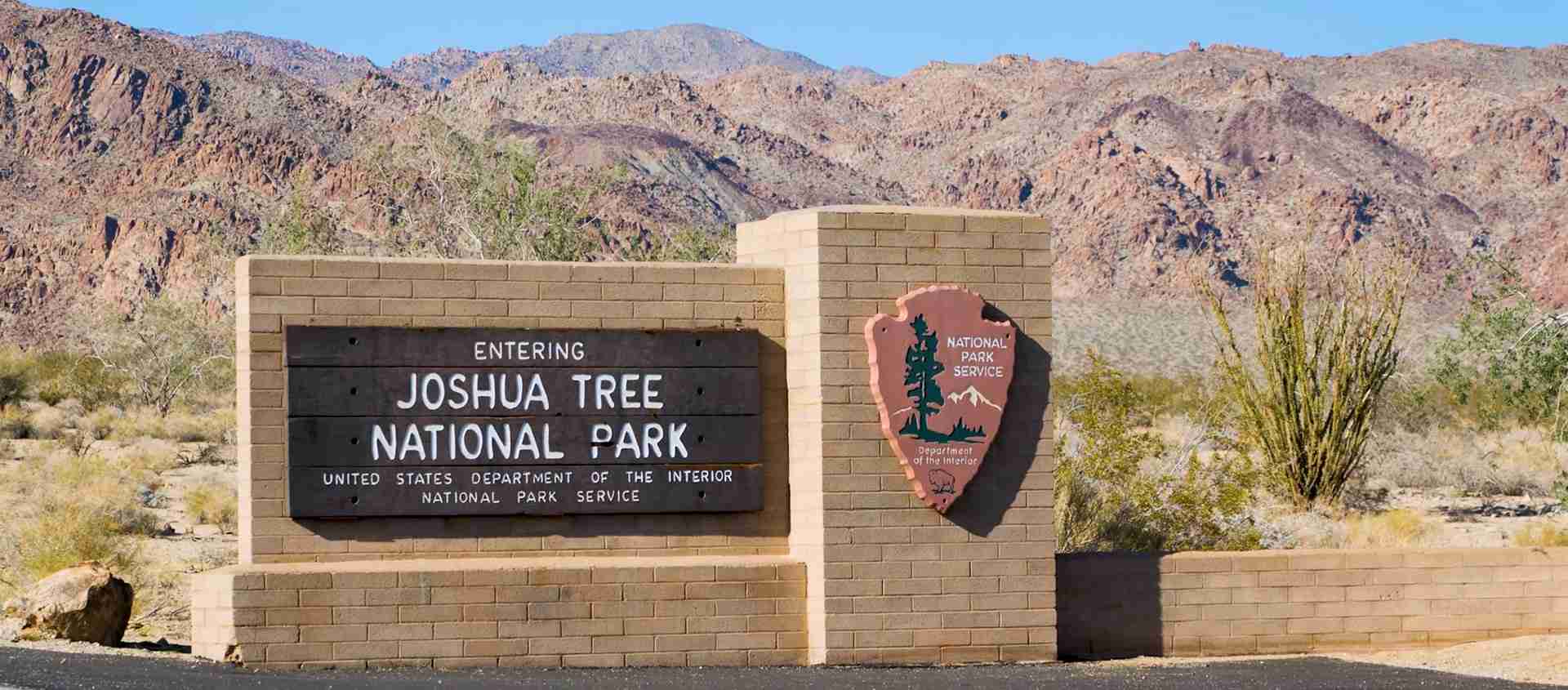
Joshua Tree National Park Travel Guide 2026: Ultimate Planning Resource
Southern California’s Joshua Tree National Park combines otherworldly desert landscapes, world-class rock climbing, and dark sky stargazing just two hours east of Los Angeles. This comprehensive guide covers everything from budget breakdowns and seasonal planning to accommodation strategies and hidden gems, helping you craft the perfect desert adventure for 2026 whether you’re camping under the stars or staying in boutique desert retreats.
Key Takeaways for Joshua Tree 2026
- Budget Planning 2026: Budget travelers spend $60-145 per person daily (camping to budget motels, two sharing rooms), mid-range visitors invest $180-330 per person daily, and luxury travelers allocate $350-575+ per person daily for premium accommodations and private experiences.
- Optimal Timing: March through May and October through November offer ideal temperatures between 70-85°F, perfect for hiking and climbing, while avoiding summer’s dangerous heat and winter’s cold nights.
- Entry Costs 2026: Park entrance costs $30 per vehicle valid for seven days, with the $80 America the Beautiful annual pass paying for itself after visiting three national parks.
- Accommodation Strategy: Book campgrounds three months in advance for spring and fall weekends, while summer and winter offer last-minute availability with mid-week hotel rates dropping 30-40% below weekend peaks.
- Desert Safety: Carry one gallon of water per person per day, avoid midday summer hiking when temperatures exceed 100°F, and pack layers for 30-40°F nighttime temperature drops even in spring and fall.
- Activity Planning: Joshua Tree excels at rock climbing with 10,000+ routes for all skill levels, stargazing in International Dark Sky Park conditions, and moderate hiking on well-marked trails ranging from easy nature loops to challenging summit ascents.
People Also Ask About Joshua Tree 2026
How much does a Joshua Tree trip cost per day in 2026?
Daily costs in Joshua Tree 2026 range from $60-145 per person for budget travelers to $350-575+ for luxury visitors, with mid-range comfort at $180-330 per person daily. Budget travelers camp in park campgrounds at $25-30 per night split between two people and cook meals, mid-range visitors stay in desert motels and dine at local restaurants, while luxury travelers book boutique accommodations and private guided experiences.
What’s the best month to visit Joshua Tree in 2026?
March through May and October through November represent the optimal visiting windows for Joshua Tree in 2026. Spring brings wildflower blooms and temperatures between 72-89°F, while fall delivers crystal-clear skies, comfortable 69-83°F days, and smaller crowds than spring. Avoid June through August when dangerous 100°F+ heat makes daytime hiking unsafe, and note that winter December through February brings pleasant 60-65°F days but freezing nights requiring cold-weather camping gear.
How many days should I spend in Joshua Tree National Park in 2026?
Plan three to four days for a comprehensive Joshua Tree experience in 2026. Day one covers the main scenic drive with stops at Cholla Cactus Garden, Keys View, and Skull Rock, day two tackles moderate hikes like Ryan Mountain or Lost Horse Mine, day three explores rock climbing or advanced trails, and day four allows for relaxed exploration of the art galleries and restaurants in downtown Joshua Tree village. Weekend visitors can see highlights in two days, while rock climbers and photographers often stay a week or longer.
Is Joshua Tree worth visiting in summer 2026?
Summer 2026 represents the worst time to visit Joshua Tree, with July temperatures regularly exceeding 103°F creating dangerous hiking conditions and limited outdoor activity windows. However, summer offers lowest accommodation prices, empty campsites, and solitude on trails if you confine activities to dawn hours before 9 AM or evening after 6 PM. Visitors tolerant of extreme heat and willing to adjust schedules around temperature can experience the park without crowds, but most travelers should choose spring, fall, or winter instead.
Extended multi-day tours – 5+ days
Featured Los Angeles Multi-Day Tour Packages

3 days
Los Angeles 3-Day Discovery Tour
- ✓ Comprehensive Los Angeles experience
- ✓ Expert local guides included
- ✓ All accommodation included
- ✓ Transportation provided
5 days
Los Angeles 5-Day Highlights Experience
- ✓ Comprehensive Los Angeles experience
- ✓ Expert local guides included
- ✓ All accommodation included
- ✓ Transportation provided
7 days
Los Angeles 7-Day Cultural Journey
- ✓ Comprehensive Los Angeles experience
- ✓ Expert local guides included
- ✓ All accommodation included
- ✓ Transportation provided

10 days
Los Angeles 10-Day Complete Adventure
- ✓ Comprehensive Los Angeles experience
- ✓ Expert local guides included
- ✓ All accommodation included
- ✓ Transportation provided
Multi-day tour packages powered by TourRadar. Prices and availability subject to change.
Introduction to Joshua Tree National Park 2026
Where the Mojave and Colorado deserts converge 140 miles east of Los Angeles, Joshua Tree National Park sprawls across 800,000 acres of surreal desert wilderness defined by its namesake trees, massive boulder formations, and vast open skies. The park transformed from a monument to full national park status in 1994, protecting an ecosystem where elevations ranging from 1,000 to 5,800 feet create distinct climate zones supporting diverse desert life from barrel cacti to bighorn sheep. International Dark Sky Park designation in 2017 recognized Joshua Tree’s exceptional stargazing conditions, adding celestial observation to the park’s already legendary rock climbing, hiking, and photography opportunities.
Joshua Tree attracts three million annual visitors drawn by outdoor adventure and artistic inspiration that has permeated the region since musicians and artists discovered the area in the 1940s. The park contains over 10,000 established rock climbing routes ranging from beginner-friendly cracks to advanced multi-pitch challenges, making it one of North America’s premier climbing destinations. The distinctive Joshua trees themselves — technically yuccas rather than trees — create an alien landscape that photographer Ansel Adams and countless others have captured, while the geological formations of stacked granite monoliths resulted from millions of years of tectonic activity and erosion.
Planning a Joshua Tree visit in 2026 requires understanding seasonal temperature extremes, accommodation booking timelines, and activity logistics that differ significantly from traditional national parks. The park lacks food services, gas stations, and extensive facilities, demanding self-sufficient visitors who arrive prepared with water, supplies, and backup plans. Spring and fall weekends draw capacity crowds requiring campground reservations months in advance, while summer heat limits activities to early morning hours. Desert climate means 30-40°F nighttime temperature drops even in warm seasons, necessitating layered clothing regardless of pleasant daytime conditions.
The surrounding communities of Joshua Tree, Yucca Valley, and Twentynine Palms provide essential services including accommodations from budget motels to luxury retreats, restaurants ranging from casual diners to upscale eateries, and outfitters offering guided climbing, hiking, and stargazing tours. These gateway towns have evolved into artistic hubs hosting galleries, music venues, and cultural events while maintaining authentic desert character. Proximity to Palm Springs, just 45 minutes south, and Los Angeles, two hours west, makes Joshua Tree accessible for day trips, weekend getaways, or extended desert immersions.
This guide provides comprehensive planning information for 2026 visitors covering budget breakdowns by travel style, seasonal weather patterns and crowd levels, accommodation strategies from camping to hotels, dining options and costs, activity planning including hiking trails and climbing areas, transportation logistics, safety considerations, and practical tips for maximizing your Joshua Tree experience. Whether you’re a first-time visitor seeking iconic photo opportunities or a returning enthusiast planning advanced climbing routes, understanding Joshua Tree’s unique characteristics ensures a successful and memorable desert adventure.
Understanding Joshua Tree Costs in 2026
Joshua Tree National Park offers remarkable flexibility in trip costs, with budget camping trips costing as little as $60-145 per person daily while luxury stays with private guides and upscale accommodations reach $350-575+ per person daily. The wide cost range stems from accommodation choices, dining decisions, and activity selections, with the park itself providing free hiking and scenic drives once entry fees are paid. Understanding component costs helps travelers align spending with preferences while avoiding unexpected expenses that can derail desert adventures.
National Park Service entrance fees remain among the best values in American travel, with the $30 vehicle pass valid for seven consecutive days covering unlimited park entries for all occupants. This translates to approximately $2 per person per day for couples sharing a vehicle staying a week, making park access nearly negligible in overall trip budgets. The $80 America the Beautiful annual pass pays for itself after visiting just three national parks in 2026, representing exceptional value for travelers exploring multiple parks or making return Joshua Tree visits throughout the year.
Accommodation costs dominate Joshua Tree budgets, ranging from $25-30 nightly campground fees split between camping partners to $300-450 per night for boutique desert hotels during peak spring and fall seasons. The park contains nine campgrounds offering 500+ campsites, though only three accept reservations while others operate on first-come first-served basis creating camping uncertainty during busy periods. Gateway towns provide motel options from $70-90 for basic rooms to $160-260 for mid-range properties with amenities, while luxury vacation rentals and boutique hotels command $300-600+ nightly rates with premium locations and services.
Dining expenses vary based on meal preparation versus restaurant dining, with grocery shopping and camp cooking reducing food costs to $35-50 per person daily while restaurant dining for all meals reaches $65-130+ daily depending on venue choices. The Joshua Tree area lacks major grocery chains but offers small markets with limited selection and higher prices, making pre-trip grocery shopping in Palm Springs or Los Angeles advisable for extended stays. Restaurant options span fast-casual eateries serving $12-18 meals to upscale establishments charging $25-45 per entrée, with the renowned Pappy & Harriet’s offering mid-range pricing and live music in nearby Pioneertown.
Activity costs beyond free hiking include guided rock climbing at $150-200 per person for half-day private instruction, astronomy tours at $75-150 per person, and rental equipment from $25-50 daily for climbing gear or mountain bikes. Many visitors rely entirely on self-guided activities using park maps and online resources, eliminating activity expenses beyond entry fees. Photography workshops, private guides, and specialized tours increase costs but provide expertise and access valuable for first-time visitors or those seeking deeper engagement with specific interests like desert ecology or geological formations.
Daily Budget Breakdown by Travel Style 2026
Budget travelers navigating Joshua Tree in 2026 balance campground stays with simple meals and self-guided activities, achieving memorable desert experiences for $60-145 per person daily. This approach requires advance planning, camping comfort, and willingness to cook meals and navigate independently, but provides authentic immersion in the desert environment that hotels cannot match.
Budget Travel Approach ($60-145 Per Person Daily)
Budget accommodations center on park campgrounds at $25-30 per night, providing basic sites with picnic tables and fire rings but no hookups or showers. Splitting costs between two camping partners reduces per-person accommodation to $13-15 nightly, leaving more budget for food and activities. First-come first-served campgrounds like Belle and White Tank offer lower rates and occasional availability even during busy seasons, though arriving by midday increases chances of securing sites. Budget-conscious travelers willing to trade camping for roof shelter find basic motels in Twentynine Palms starting at $70-90 per night, translating to $35-45 per person when two share a room.
Meal costs stay contained through grocery shopping and camp cooking, with breakfast supplies like oatmeal and coffee costing $8-12 per person, packed lunches with sandwiches and snacks at $10-15, and simple dinners cooked on camp stoves at $15-20, totaling $33-47 daily for food. Small markets in Joshua Tree village charge premium prices, making pre-trip grocery runs to Vons or Stater Bros in Yucca Valley essential for budget adherence. One restaurant meal per day allows social atmosphere and break from cooking while maintaining budget consciousness, with breakfast at Crossroads Cafe or lunch at Natural Sisters Cafe fitting $12-18 price points.
Transportation costs remain minimal when camping in the park, with entrance fees already covering vehicle access and gas consumption limited to short distances between trailheads and campsites. Budget travelers allocate $10-20 daily for fuel and incidentals, covering approximately 30-50 miles of park driving and occasional trips to gateway towns for supplies. Self-guided hiking and scrambling provide unlimited free activities, with trail maps downloaded from National Park Service website eliminating need for purchased guidebooks.
Optional activities fit budget constraints through selective participation, with many excellent hikes requiring no fees beyond park entrance and scrambling on boulders near campsites providing entertainment without cost. Budget-conscious visitors allocating $0-30 daily for activities can enjoy one guided experience per multi-day trip, such as a half-day climbing introduction or ranger-led evening program, while spending other days on independent exploration. Total daily costs per person range from approximately $60 for camping with home-cooked meals to $145 when including budget motel accommodation and one daily restaurant meal.
Mid-Range Comfort Level ($180-330 Per Person Daily)
Mid-range travelers balance comfortable accommodations, restaurant dining, and guided activities while maintaining reasonable budgets, achieving $180-330 per person daily spending through lodging in gateway towns and mix of independent and structured activities. This approach provides hot showers, comfortable beds, and convenience without luxury price tags, appealing to visitors seeking desert access without camping sacrifices.
Accommodation in mid-range hotels and vacation rentals costs $160-260 per night, reducing to $80-130 per person when two share rooms. Properties like High Desert Motel in Joshua Tree village and Fairfield Inn in Twentynine Palms provide clean comfortable rooms with amenities including pools, breakfast, and reliable WiFi for staying connected while exploring off-grid landscapes. Mid-week rates drop 25-35% below weekend peaks, with Tuesday through Thursday bookings saving $40-80 nightly during spring and fall high seasons. Vacation rental homes accommodate groups of four to six, splitting costs to comparable per-person rates while adding full kitchens and outdoor spaces.
Dining expenses for mid-range travelers total $52-83 daily per person, combining breakfast at accommodations or local cafes at $12-18, lunch at casual restaurants or food trucks at $15-25, and dinner at established restaurants at $25-40 per entrée before beverages and tips. Joshua Tree Saloon, Pappy & Harriet’s in Pioneertown, and La Copine offer memorable dining experiences in the $20-35 per person range, while Sam’s Indian Food & Pizza and Royal Siam provide $15-25 dinner options. Occasional self-catering for breakfast or packed picnic lunches reduces daily food costs toward lower end of range while restaurant dinners maintain convenient social dining experience.
Transportation costs increase slightly for mid-range travelers, with rental cars, rideshare to trailheads, and fuel totaling $20-35 daily per person. Many mid-range visitors rent vehicles in Palm Springs or Los Angeles airports, with compact SUVs at $45-75 daily providing comfortable desert transportation and splitting costs among travel partners. Short Uber or Lyft rides from accommodations in Yucca Valley to park entrances cost $15-25 when parties choose lodging outside walking distance to trailheads.
Activity budgets of $30-80 per person daily enable one to two guided experiences during multi-day visits, such as half-day rock climbing instruction at $150-200 per person or astronomy programs at $75-150. Mid-range travelers balance paid guides for specialized activities like climbing with independent hiking and photography, maximizing value while gaining expert knowledge. Total daily costs combining accommodation, meals, transport, and activities range from approximately $180 per person when utilizing vacation rentals and self-catering for some meals to $330 per person with hotel stays and full restaurant dining plus one daily guided activity.
Luxury Desert Experience ($350-575+ Per Person Daily)
Luxury Joshua Tree experiences emphasize privacy, exceptional accommodations, and personalized services through boutique hotels, upscale dining, and private guides, with daily costs reaching $350-575+ per person. This approach eliminates crowds and logistics concerns while providing expert-led immersion in desert landscapes, appealing to travelers prioritizing comfort and exclusive access over budget considerations.
Accommodation in luxury boutique properties costs $300-450 per night for premier desert retreats, translating to $150-225 per person when couples share rooms. Properties like Sacred Sands and AutoCamp Joshua Tree provide distinctive desert architecture, premium amenities including pools and hot tubs, and locations offering stunning views without park entrance hassles. High-end vacation rentals with features like outdoor showers, fire pits, and modern kitchens command $400-600+ nightly, accommodating up to four guests and splitting costs to $100-150 per person while maintaining privacy and space impossible in hotel rooms.
Dining budgets reach $80-130 per person daily for luxury travelers, encompassing breakfast at accommodations or upscale cafes at $20-30, leisurely lunches at $25-45, and dinner at premium establishments or Pappy & Harriet’s VIP dining at $35-55 per entrée. Some luxury travelers hire private chefs preparing meals at vacation rentals, with costs of $200-400 per meal for groups of four to six providing restaurant-quality food without leaving accommodations. Wine pairings, craft cocktails, and premium coffee add $20-40 daily to beverage budgets separate from meals.
Transportation for luxury travelers includes private SUV rentals at $100-200 daily or arranged car services providing door-to-door transportation without parking concerns, totaling $40-60 per person daily when splitting costs. Some high-end tour operators include transportation in package pricing, eliminating separate vehicle rental needs while providing knowledgeable driver-guides familiar with optimal timing and locations for photography and wildlife viewing.
Activity costs dominate luxury budgets at $80-160+ per person daily, covering private rock climbing guides at $400-600 for full-day instruction split among small groups, private astronomy programs at $200-300 per couple, and photography workshops at $250-400 per person. Luxury travelers often book multi-day packages combining accommodation, meals, and daily guided activities in comprehensive desert retreats totaling $800-1,200+ per person for three-day experiences. Total daily costs including all elements range from approximately $350 per person when utilizing high-end vacation rentals with some self-catering to $575+ per person for boutique hotels, full restaurant dining, and daily private guided experiences.
Sample Multi-Day Itineraries With Cost Breakdowns 2026
Sample itineraries demonstrate how different travel styles translate to actual day-by-day experiences and expenses, helping visitors plan realistic trips aligned with budgets and interests. Each itinerary includes specific activities, meal plans, and accommodation choices showing total costs broken down by category.
Three-Day Budget Camping Trip ($180-435 Total Per Person)
This budget-conscious itinerary maximizes park time while minimizing expenses through camping, self-prepared meals, and free activities, perfect for outdoor enthusiasts comfortable with basic amenities and self-guided exploration.
Day One – Arrival and Park Orientation: Arrive at Belle Campground by 1 PM securing first-come first-served site at $25, set up camp, drive scenic park loop stopping at Hidden Valley, Barker Dam, and Cholla Cactus Garden. Dinner prepared at campsite with pre-purchased groceries. Costs: Accommodation $13 per person (camping split two ways), park entrance $15 per person (one-time fee), meals $35 (groceries for all three days purchased pre-trip), transport $5 gas. Day one total: approximately $68 per person.
Day Two – Hiking and Scrambling: Early morning hike to Ryan Mountain summit, afternoon exploring Skull Rock area and boulder scrambling near campsite, evening stargazing. All meals cooked at camp. Costs: Accommodation $13 per person camping, meals $12 breakfast and lunch ingredients, transport $5 gas. Day two total: approximately $30 per person.
Day Three – Hidden Gems and Departure: Morning hike through Fortynine Palms Oasis, afternoon visit to Keys View for panoramic desert vistas, pack up camp mid-afternoon and depart. Breakfast and lunch at campsite, dinner en route home. Costs: Accommodation $13 per person camping, meals $12, transport $10 gas for extended driving. Day three total: approximately $35 per person.
Three-day budget camping total per person: approximately $180-190 for two people sharing campsites and cooking all meals, extending toward $435 per person when substituting budget motel accommodation at $35-45 per person nightly and adding one restaurant meal daily at $12-18. This demonstrates budget travel’s flexibility accommodating various comfort levels while maintaining cost consciousness.
Five-Day Mid-Range Exploration ($900-1,650 Total Per Person)
Mid-range itinerary balances hotel comfort with comprehensive park exploration, incorporating one guided activity and mix of restaurant and self-prepared meals for convenient yet reasonably priced desert immersion.
Day One – Gateway Town Settlement: Arrive Palm Springs afternoon, check into Fairfield Inn Twentynine Palms at $160, explore downtown Joshua Tree galleries and shops, dinner at Joshua Tree Saloon. Costs: Accommodation $80 per person, park entrance $15 per person, meals $45 (lunch en route, dinner out), transport $25 rental car and gas. Day one total: approximately $165 per person.
Day Two – Park Introduction and Climbing: Morning half-day private rock climbing instruction with Stone Adventures at $300 for two people, afternoon easy hikes at Hidden Valley and Barker Dam, dinner at Pappy & Harriet’s. Costs: Accommodation $80 per person, meals $60 (breakfast at hotel included, lunch $15, dinner $45), guided climbing $150 per person, transport $15 gas. Day two total: approximately $305 per person.
Day Three – Advanced Hiking: Full-day independent hiking including Ryan Mountain summit and Lost Horse Mine, packed lunch, evening stargazing at Keys View, dinner at hotel. Costs: Accommodation $80 per person, meals $40 (hotel breakfast, packed lunch $10, casual dinner $30), transport $10 gas. Day three total: approximately $130 per person.
Day Four – Desert Communities Exploration: Morning visit to Noah Purifoy Outdoor Museum, afternoon scenic drives to southern park areas including Cottonwood Spring, sunset at Cholla Cactus Garden, dinner at La Copine. Costs: Accommodation $80 per person, meals $65 (hotel breakfast, lunch $20, upscale dinner $45), transport $15 gas. Day four total: approximately $160 per person.
Day Five – Photography and Departure: Sunrise photography session at Jumbo Rocks, late morning exploration of Arch Rock, checkout noon and leisurely drive back via desert communities, lunch in Yucca Valley. Costs: Accommodation $80 per person (previous night), meals $35 (hotel breakfast, lunch out $20, snacks $15), transport $20 gas for return drive. Day five total: approximately $135 per person.
Five-day mid-range total per person: approximately $900-950 when utilizing mid-week hotel rates and mix of restaurant and simple meals, extending toward $1,650 per person with weekend premium rates, full restaurant dining, and additional guided activities. This range demonstrates mid-range travel’s adaptability based on timing and activity choices.
Three-Day Luxury Desert Retreat ($1,050-1,725+ Total Per Person)
Luxury itinerary prioritizes exclusive experiences, boutique accommodation, and private guides for hassle-free immersion in Joshua Tree’s landscapes and culture without crowds or logistics concerns.
Day One – Exclusive Arrival Experience: Private car service from Palm Springs to Sacred Sands resort at $200 for two people, check into luxury suite at $350, spa services and pool time, private chef dinner at accommodation. Costs: Accommodation $175 per person, meals $100 (lunch en route $25, chef dinner $75), transport $100 per person (private car), park entrance $15. Day one total: approximately $390 per person.
Day Two – Private Guided Rock Climbing and Astronomy: Full-day private climbing instruction at $500 for two people including catered lunch, afternoon rest at resort, evening private astronomy program at $250 for two, late dinner at Pappy & Harriet’s VIP area. Costs: Accommodation $175 per person, meals $110 (hotel breakfast $25, catered lunch included with guide $30, dinner $55), private climbing guide $250 per person, astronomy program $125 per person, transport $30 per person (resort arranged transportation). Day two total: approximately $690 per person.
Day Three – Photography and Artistic Exploration: Private sunrise photography tour at $300 for two people, mid-morning spa services at resort, afternoon private gallery tour in Joshua Tree village with art consultant, sunset viewing at exclusive location with champagne service, departure after breakfast. Costs: Accommodation $175 per person, meals $120 (hotel breakfast $25, upscale lunch $45, sunset champagne service $50), private photography guide $150 per person, transport $20 per person. Day three total: approximately $465 per person.
Three-day luxury retreat total per person: approximately $1,050-1,200 when booking mid-week and sharing private guide costs among maximum group sizes, extending toward $1,725+ per person with weekend rates, additional private services, and daily exclusive activities. Luxury travel’s defining characteristic remains flexibility to customize experiences without budget constraints limiting choices.
Accommodation Guide for Joshua Tree 2026
Choosing where to stay profoundly impacts Joshua Tree experiences, with options ranging from rustic park campgrounds placing visitors amid desert landscapes to boutique hotels offering luxury amenities and artistic ambiance. Understanding accommodation types, locations, pricing, and booking strategies ensures lodging aligns with travel style and budget while securing availability during competitive peak seasons.
Park Campgrounds – Immersive Desert Camping
Joshua Tree National Park operates nine campgrounds providing 500+ campsites ranging from developed facilities to primitive desert camping, offering the most authentic and affordable accommodation option at $25-30 per night for sites sleeping up to six people. Campgrounds divide between reservations-required and first-come first-served, with advance planning essential for securing sites during March through May and October through November peak periods when campgrounds fill by midmorning.
Jumbo Rocks, Hidden Valley, and Indian Cove accept reservations up to six months in advance through Recreation.gov, with bookings opening at 7 AM Pacific Time on release dates and often selling out within minutes for spring and fall weekends. These developed campgrounds include picnic tables, fire rings, and vault toilets but lack showers and RV hookups, requiring self-sufficient campers prepared with water, cooking equipment, and waste management supplies. Sites accommodate tents and RVs up to 25 feet depending on campground, with generators prohibited to maintain desert tranquility.
Belle, White Tank, and Ryan campgrounds operate first-come first-served, creating camping opportunities for flexible travelers willing to arrive by noon to secure sites during busy periods. These campgrounds charge $15-25 per night with cash or check payment at self-service stations, providing basic facilities identical to reservation campgrounds but offering spontaneity impossible with advance bookings. Rangers recommend midweek arrivals October through April for best first-come success rates, with summer months June through August virtually guaranteeing availability even on weekends due to extreme heat deterring visitors.
Backcountry camping provides free primitive sites throughout designated areas, requiring registration at trailhead boards and hiking at least one mile from roads and established trails. Backcountry campers must be completely self-sufficient carrying all water needs calculated at one gallon per person per day, with no facilities or services available beyond wilderness solitude and unmatched stargazing. This option appeals to experienced desert campers seeking isolation and adventure while eliminating camping fees, though requiring significant gear and backcountry navigation skills.
Campground selection considerations include proximity to desired climbing areas and trailheads, shade availability critical during shoulder seasons with warm afternoons, and pet policies with only two campgrounds permitting dogs. Jumbo Rocks offers premier bouldering and photography opportunities steps from campsites, Hidden Valley provides central park location and iconic rock formations, while Cottonwood at southern park entrance offers lower elevation warmth during winter months when higher campgrounds experience freezing temperatures.
Budget Accommodations – Gateway Town Motels
Gateway communities provide budget motel options from $70-90 per night, offering affordable roof shelter with basic amenities when camping proves impractical due to weather, physical limitations, or preference for beds and showers. These properties lack luxury touches but deliver clean rooms, reliable WiFi, and convenient park access at prices accessible to budget-conscious travelers.
Twentynine Palms hosts several budget chains including Super 8, Motel 6, and America’s Best Value Inn, providing predictable accommodations at $65-85 nightly during off-peak periods and $90-120 during spring and fall weekends. Rooms include standard motel features like coffee makers, mini refrigerators, and cable television, with pools common amenity providing afternoon relaxation after desert hiking. These properties cater primarily to park visitors, with front desk staff offering local knowledge and flexibility with early check-ins when rooms available.
High Desert Motel in Joshua Tree village delivers budget accommodation with character, charging $80-110 per night for rooms decorated with southwestern flair and outdoor pool area creating community atmosphere. Walkable location to downtown galleries, restaurants, and coffee shops adds convenience eliminating driving for evening activities, though distance to park entrance requires 15-minute drive for trailhead access. Repeat visitors appreciate consistent quality and friendly staff providing genuine hospitality rare in chain properties.
Yucca Valley positions visitors 20 minutes west of park entrance with additional budget options including roadside motels at $60-80 per night and access to grocery stores, gas stations, and restaurants unavailable in smaller communities. This location suits visitors balancing park exploration with Palm Springs day trips or requiring extensive services, though adding drive time to popular trailheads. Budget travelers booking mid-week secure lowest rates with Tuesday through Thursday availability often $15-25 below weekend pricing even during peak seasons.
Mid-Range Hotels and Vacation Rentals
Mid-range accommodations balancing comfort and value range from $160-260 per night, providing reliable amenities, convenient locations, and significantly more space and features than budget options while avoiding luxury premium pricing. These properties appeal to travelers seeking comfortable bases supporting full-day park activities without camping inconvenience or luxury expense.
Fairfield Inn & Suites Twentynine Palms delivers brand reliability at $140-180 weeknights and $180-220 weekends during peak seasons, including hot breakfast, indoor pool, fitness center, and spacious rooms with separate sitting areas. Located five minutes from north park entrance, the property provides easiest access to popular climbing areas and main scenic drives, with staff knowledgeable about park conditions and local attractions. Corporate rates, military discounts, and loyalty program benefits reduce costs for eligible guests, while mid-week bookings save $30-50 versus weekend rates.
Joshua Tree vacation rentals offer mid-range lodging at $180-280 nightly for properties sleeping four to six guests, with full kitchens, outdoor spaces, and unique desert architecture creating home-away-from-home atmosphere. Platforms like Airbnb and VRBO list dozens of options from renovated vintage trailers to modern desert compounds, with per-person costs dropping below hotel rates when groups split expenses. Many rentals feature outdoor showers, fire pits, and desert views impossible in traditional hotels, appealing to travelers seeking memorable settings while maintaining reasonable budgets.
The Bungalows at Joshua Tree Retreat Center provide distinctive mid-range option at $200-260 per night, combining boutique design with access to retreat center amenities including pool, yoga classes, and hiking trails. Private bungalows feature full kitchens, comfortable furnishings, and peaceful settings attracting travelers seeking tranquility beyond standard hotel experiences. Location within Joshua Tree village enables walking to restaurants and shops while maintaining quiet retreat atmosphere, though driving to park entrance requires 10-15 minutes.
Seasonal pricing significantly impacts mid-range accommodation costs, with February through April and October through November commanding premium rates 40-60% above summer and winter low seasons. Booking 60-90 days in advance secures better selection and pricing for spring and fall visits, while last-minute summer availability enables deals through hotel booking sites offering discount rates when properties seek occupancy during slower periods.
Luxury Boutique Properties and Exclusive Retreats
Luxury accommodations ranging from $300-600+ per night emphasize exceptional design, exclusive amenities, and personalized service creating distinctive desert experiences for travelers prioritizing comfort and uniqueness over budget considerations. These properties position Joshua Tree as sophisticated destination beyond rugged camping reputation, appealing to visitors seeking upscale gateway to national park landscapes.
Sacred Sands represents Joshua Tree luxury accommodation pinnacle at $350-450 per night for stylish suites, offering mid-century modern design, high-end furnishings, and thoughtful amenities including outdoor showers, fire pits, and stargazing platforms. Secluded desert location provides privacy and views while remaining 10 minutes from park entrance, with properties designed for couples seeking romantic retreat or small groups requiring multiple suites. Attention to detail extends from premium bedding to designer toiletries, creating resort experience in intimate desert setting.
AutoCamp Joshua Tree delivers unique luxury at $300-500 per night for silver Airstream trailers fully renovated with designer interiors, queen beds, and ensuite bathrooms, clustered around communal clubhouse with pool, fire pits, and curated retail shop. Glamping concept provides outdoor experience without camping sacrifice, appealing to first-time desert visitors wanting nature immersion with hotel comforts. Location adjacent to park entrance enables morning trail access while evening gathering spaces create social atmosphere balancing solitude with community.
Luxury vacation rental estates at $400-600+ nightly accommodate groups of six to eight, featuring architectural distinction like glass walls framing desert vistas, chef kitchens, multiple outdoor living areas, and premium features including hot tubs, fire features, and curated art collections. These properties enable private groups sharing costs to achieve per-person rates of $50-100 while enjoying exclusive spaces impossible in hotels, ideal for friend groups, family gatherings, or photography workshops requiring private locations. Many luxury rentals require two or three-night minimum stays, particularly during peak weekends.
Luxury accommodation booking strategies differ from mid-range properties, with advance reservations of four to six months recommended for premier properties during spring and fall peak seasons when limited inventory sells quickly. Shoulder season dates in early March or late November secure better availability and occasional 15-25% discounts while maintaining acceptable weather for outdoor activities. Some luxury properties offer mid-week specials or last-minute availability during quieter periods, though prime spring weekends command full rates without negotiation.
Dining and Food Costs Joshua Tree 2026
Joshua Tree area dining balances creative desert cuisine, casual local favorites, and necessity-driven convenience, with restaurant scenes in gateway communities evolving from basic amenities to sophisticated options reflecting the region’s growing artistic community. Understanding dining costs, reservation needs, and meal planning strategies helps visitors allocate food budgets appropriately while experiencing the area’s culinary character ranging from breakfast burritos to upscale farm-to-table preparations.
Budget-Friendly Meal Planning Strategies
Budget-conscious travelers control food costs through strategic grocery shopping and meal preparation, reducing daily food expenses to $35-50 per person while maintaining adequate nutrition and meal satisfaction. Small markets in Joshua Tree village charge premium prices, making pre-trip grocery runs to full-service supermarkets in Yucca Valley or Palm Springs essential for securing better prices on staples like bread, sandwich ingredients, snacks, and cooking supplies.
Vons and Stater Bros in Yucca Valley provide conventional grocery options with prices comparable to urban areas, while Trader Joe’s and Whole Foods in Palm Springs offer specialty items for travelers with specific dietary requirements or preferences for organic options. Smart shopping includes buying shelf-stable items like granola bars, nuts, dried fruit, and packaged snacks providing trail food without refrigeration, plus fresh ingredients for campfire cooking including pre-marinated meats, vegetables for grilling, and instant oatmeal or cereal for quick breakfasts.
Camp cooking equipment ranges from simple single-burner stoves at $30-50 adequate for boiling water and heating canned soups to complete camp kitchen setups with griddles and multiple burners enabling full meal preparation. Campers preparing all meals from groceries typically spend $10-15 per person daily on breakfast supplies, $8-12 on lunch ingredients for sandwiches or salads, and $15-25 on dinner components including proteins, vegetables, and starches, totaling approximately $35-50 daily food costs when avoiding restaurants entirely.
Occasional restaurant meals provide social experience and cooking break without destroying budgets, with breakfast spots like Crossroads Cafe serving hearty meals at $10-15 per person and Natural Sisters Cafe offering healthy options including vegan and vegetarian preparations at $12-18. Budget travelers dining out once daily for breakfast or lunch while self-catering other meals balance convenience with cost control, adding $10-20 daily to pure grocery-based food budgets for total expenses of $45-65 per person.
Mid-Range Dining Options and Costs
Mid-range travelers allocating $55-85 daily per person for meals enjoy restaurant dining flexibility while maintaining reasonable budgets, with breakfast at accommodations or cafes, lunches at casual spots, and dinners at established restaurants providing convenient meal solutions without cooking requirements. This approach eliminates grocery shopping and meal preparation, ideal for visitors prioritizing park time over camp kitchen activities.
Breakfast options include complimentary offerings at mid-range hotels providing continental spreads with cereal, fruit, yogurt, and baked goods adequate for fueling morning hikes, or cafe meals at Joshua Tree Coffee Company, Frontier Cafe, or Country Kitchen at $12-18 per person for coffee and entrees like pancakes, burritos, or avocado toast. Weekend breakfast crowds at popular spots create 20-30 minute waits, with early arrival by 8 AM or weekday timing avoiding delays.
Lunch choices span grab-and-go options like Natural Sisters Cafe at $12-18 for sandwiches, salads, and smoothies perfect for picnic lunches in the park, to sit-down meals at Joshua Tree Saloon or Pie for the People offering pizza, burgers, and salads at $15-25 per person before beverages. Many visitors pack lunches from breakfast leftovers or convenience store purchases, spending midday hiking rather than returning to gateway towns for restaurant meals, reducing lunch costs to $8-15 for snacks and energy bars.
Dinner represents main restaurant meal for mid-range budgets, with establishments like Joshua Tree Saloon, Sam’s Indian Food & Pizza, and Royal Siam Thai Cuisine providing $20-35 per entree prices for hearty portions in casual settings. Pappy & Harriet’s in Pioneertown delivers iconic Joshua Tree dining experience at $25-45 per person for barbecue, burgers, and southwestern specialties, often accompanied by live music creating memorable desert evening. Reservations recommended for popular dinner spots on spring and fall weekends, though weekday availability makes walk-ins feasible.
Mid-range travelers dining in restaurants for two meals daily plus snacks typically spend $55-70 per person when choosing casual spots and limiting alcohol, extending toward $85 per person when including upscale dinners, multiple beverages, and desserts. Strategic mix of complimentary hotel breakfasts, packed picnic lunches, and nice dinners out optimizes budget while maximizing variety and experience.
Upscale Dining and Culinary Experiences
Upscale dining options in the Joshua Tree area remain limited compared to nearby Palm Springs but include several establishments offering sophisticated preparations, local ingredients, and exceptional settings justifying $35-55 per entree pricing before wine and cocktails. These restaurants attract food-focused travelers seeking culinary experiences complementing desert adventures, with advance reservations essential during peak seasons.
La Copine leads upscale dining scene with farm-to-table California cuisine emphasizing seasonal ingredients, creative preparations, and intimate atmosphere in small storefront location in Flamingo Heights. Dinner entrees ranging $32-48 showcase chef skills with dishes changing weekly based on ingredient availability, while cocktail program at $14-18 per drink complements food offerings. Limited seating necessitates reservations weeks in advance for spring and fall weekend dinners, with walk-in availability possible weekday lunches when simpler menu at lower prices attracts local crowd.
Pappy & Harriet’s occupies unique position blending upscale barbecue with legendary music venue status, serving mesquite-smoked meats and southwestern specialties at $22-38 per entree in outdoor Pioneertown setting. The venue’s reputation attracts visitors willing to pay premium for experience rather than just food, with weekend dinner crowds creating festive atmosphere and live music adding $10-15 cover charges. Arriving by 5 PM secures seating without reservations except during major concert events, while later dinner combines with evening shows requiring advance ticket purchases.
Private dining experiences including in-home chef services cost $200-400 per meal for parties of four to six, providing restaurant-quality cuisine without leaving luxury vacation rentals. Several local chefs offer these services featuring multi-course menus with wine pairings, desserts, and table service creating intimate dining unavailable in public restaurants. This option appeals to groups celebrating occasions or seeking convenience of exceptional meals without restaurant logistics.
Upscale travelers dining at premium establishments for dinner while maintaining casual breakfast and lunch choices typically spend $80-110 per person daily on food, extending toward $130-150 when including multiple craft cocktails, premium wine selections, and dessert courses. Adding private chef meals or tasting menu experiences at La Copine increases daily food budgets significantly but provides culinary highlights justifying splurge for food-focused visitors.
Practical Dining Considerations for 2026
Several practical factors influence Joshua Tree dining beyond restaurant selection and pricing, with timing, reservations, dietary accommodations, and local quirks requiring advance planning for smooth meal experiences. Understanding these operational realities prevents frustration and ensures food plans align with activity schedules and preferences.
Restaurant hours skew early with most dinner establishments closing by 8 PM or 9 PM except Pappy & Harriet’s during concerts, reflecting desert community rhythms and limited late-night dining demand. Breakfast spots open as early as 7 AM serving hikers seeking early trailhead starts, while lunch options remain available through mid-afternoon before dinner services begin around 5 PM. Summer hours contract further with some restaurants closing midweek or taking extended vacation breaks during hottest months, making advance research essential for summer visitors.
Reservation policies vary by establishment, with upscale spots like La Copine requiring advance bookings while casual places operate primarily on walk-in basis accepting wait lists during busy periods. Spring and fall weekend dinners demand reservations at popular restaurants, with tables booking weeks ahead for premier time slots at Pappy & Harriet’s during concert weekends. Mid-week dining throughout the year eliminates reservation stress, with most restaurants offering immediate seating except during special events or holiday periods.
Dietary accommodations have improved significantly as Joshua Tree community evolved, with vegetarian and vegan options available at most restaurants and Natural Sisters Cafe specializing in plant-based preparations. Gluten-free adaptations exist at several establishments though options remain more limited than vegetarian choices, requiring advance discussion with servers about ingredient modifications. Serious food allergies warrant direct communication with kitchen staff given small restaurant operations with limited substitution flexibility.
Tipping standards follow conventional American practices with 18-20% expected for table service, though some restaurants add automatic gratuity for parties of six or more during peak seasons. Cash remains preferred payment at a few establishments particularly smaller cafes and food trucks, though most restaurants accept major credit cards. Several popular spots are BYOB allowing guests to bring wine without corkage fees, providing cost savings for beverage budgets when advance planning enables stopping at liquor stores.
Seasonal Planning Guide for Joshua Tree 2026
Joshua Tree’s desert climate creates distinct seasonal patterns dramatically affecting visitor experiences, with extreme temperature swings, crowd fluctuations, and activity limitations making seasonal selection crucial for trip success. Understanding weather characteristics, crowd levels, and activity suitability for each season enables strategic timing maximizing comfort and enjoyment while managing expectations about conditions and limitations.
Spring Season March Through May – Peak Conditions
Spring represents Joshua Tree’s premier visiting season, combining ideal temperatures averaging 72-89°F daytime with potential wildflower blooms transforming stark desert into colorful displays. This period attracts largest crowds and highest accommodation prices but rewards visitors with perfect weather for extended hiking, comfortable camping, and optimal photography lighting during the park’s most photogenic conditions.
March temperatures range from 72-80°F daytime with nighttime lows around 48-52°F, creating comfortable conditions for all-day hiking and camping without extreme heat or cold. Early spring brings possibility of wildflower superbloom following adequate winter rainfall, with desert plants including ocotillo, brittlebush, and various cacti producing spectacular floral displays visible along roadways and trails. However, bloom timing remains unpredictable depending on precipitation patterns, with some years offering minimal flowering while others create exceptional displays attracting visitors worldwide.
April and May see temperatures climbing toward 80-89°F with continued pleasant conditions, though late May afternoons occasionally reach mid-90s foreshadowing summer heat. These months offer guaranteed excellent hiking weather with extended daylight enabling ambitious trail plans, while spring break crowds in March transition to more manageable visitation levels in late April. Sunrise and sunset timing provides comfortable early morning starts around 6 AM and pleasant evening activities until 8 PM, maximizing daily activity windows.
Accommodation booking requires advance planning with campground reservations opening six months prior and selling out within minutes for spring weekends at popular locations like Hidden Valley and Jumbo Rocks. Hotels and vacation rentals charge peak-season rates with weekend prices 40-60% above winter levels, necessitating early booking for best selection and occasional early-bird discounts. Spontaneous visitors find limited campground availability except mid-week or at first-come sites, with hotel options requiring flexible location preferences or willingness to stay further from park entrance.
Activity considerations during spring emphasize daytime hiking and climbing with comfortable temperatures throughout day, though sun protection remains essential with intense desert sun and minimal shade along trails. Wildflower viewing adds photography opportunities unavailable other seasons, while stargazing benefits from clear spring skies and mild evening temperatures comfortable for extended observation sessions. Rock climbing popularity peaks in spring with world-class routes at ideal temperatures, creating crowded conditions at famous walls requiring early arrivals for popular routes.
Summer Season June Through August – Extreme Heat
Summer represents Joshua Tree’s worst visiting season, with extreme heat regularly exceeding 100°F and frequently reaching 105-108°F creating dangerous conditions for prolonged outdoor exposure. However, heat-tolerant visitors willing to adjust activity timing around temperature extremes find empty campgrounds, rock-bottom accommodation prices, and solitude impossible during other seasons.
June marks transition from spring’s comfort to summer’s intensity, with temperatures reaching 98-103°F daytime and remaining around 70-75°F overnight. While technically summer, early June occasionally offers acceptable hiking conditions if activities occur before 9 AM or after 6 PM, though mid-day park exploration becomes limited to short scenic stops from air-conditioned vehicles. Late June through August sees temperatures consistently exceeding 100°F with July reaching peak heat at 103-108°F, creating genuinely dangerous conditions for hiking beyond short nature walks.
Heat safety becomes paramount concern with rangers warning against midday hiking and outdoor exposure between 10 AM and 5 PM when temperatures peak and sun intensity maximizes. Visitors attempting longer hikes during these hours risk heat exhaustion, heat stroke, and dehydration potentially requiring rescue and hospitalization, with water requirements reaching 1-2 gallons per person for brief afternoon exposure. The park averages several heat-related medical incidents weekly during July and August despite abundant warning signage and ranger education efforts.
Accommodation availability improves dramatically with campgrounds rarely filling and hotels offering 40-50% discounts below peak-season rates, though lack of air conditioning at primitive campgrounds makes camping uncomfortable despite lower temperatures than daytime. First-come campsites secure easily even weekend arrivals, while hotels in gateway towns advertise special summer rates and last-minute availability attracting locals and heat-tolerant visitors. Budget travelers willing to endure heat achieve remarkable value with $50-70 nightly motel rates during summer versus $120-180 spring pricing.
Activity modifications enable summer visits for determined travelers who adjust expectations and schedules around heat. Dawn hikes starting 5 AM or 6 AM allow several hours of comfortable hiking before temperatures climb, while evening activities after 7 PM resume as temperatures drop toward more tolerable 85-95°F. Stargazing excels in summer with clear skies, extended darkness, and comfortable overnight temperatures ideal for telescope viewing, while nature photography benefits from dramatic evening light and empty landscapes impossible during crowded spring. Rock climbing essentially ends during summer with rock surfaces becoming painfully hot to touch by mid-morning.
Fall Season September Through November – Prime Return
Fall rivals spring as Joshua Tree’s optimal visiting window, delivering ideal temperatures, crystal-clear skies, and lighter crowds than spring while maintaining excellent conditions for all outdoor activities. September through November progression sees gradual temperature decline from late-summer warmth to crisp fall conditions, with October and November representing absolute best months for Joshua Tree visits based on weather comfort and manageable visitation levels.
September retains significant summer heat particularly early month with temperatures often reaching 95-100°F, though cooler than July and August while improving steadily as month progresses. Late September sees temperatures dropping toward more comfortable 85-90°F daytime, creating acceptable hiking conditions with proper early timing and hydration. This transitional month offers value pricing at accommodations still reflecting summer discounts before fall rates increase, while activity conditions improve weekly making late September significantly more pleasant than early month.
October delivers near-perfect conditions with temperatures averaging 75-83°F daytime and 50-57°F overnight, providing comfortable hiking without extreme heat while maintaining pleasant camping temperatures. This month represents peak fall season with visitation increasing from summer lows though remaining below spring crowds, creating balanced park experience with available parking at popular spots yet social atmosphere at campgrounds and trailheads. Accommodation prices rise toward peak levels though remain 15-25% below spring rates, with advance booking still recommended for weekends particularly at premium properties.
November extends excellent conditions through Thanksgiving with temperatures cooling toward 69-75°F daytime while nights drop toward 40-46°F requiring warmer sleeping bags and layered clothing for camping. Early November maintains October’s ideal weather while late month transitions toward winter cold particularly at higher elevations where overnight freezing becomes possible. Thanksgiving week attracts holiday travelers creating brief busy period similar to spring weekends, with campground reservations and hotel bookings essential for that specific timeframe while other November dates offer more availability.
Fall advantages beyond weather include optimal stargazing conditions with exceptionally clear skies common throughout season, comfortable evening temperatures ideal for extended astronomy sessions, and lower humidity enhancing visibility and night-sky clarity. Photography benefits from spectacular sunset colors, comfortable all-day shooting conditions, and landscape clarity maximized by autumn atmosphere. Rock climbing resumes full activity after summer hiatus with comfortable daytime temperatures on rock faces, though popular walls see increased traffic from returning climbers after summer absence.
Winter Season December Through February – Off-Season Value
Winter brings Joshua Tree’s quietest season and lowest prices, combining pleasant 60-65°F daytime temperatures with freezing nights requiring substantial cold-weather gear for camping. This season appeals to budget travelers, solitude-seekers, and visitors escaping northern cold while accepting evening and overnight limitations that challenge unprepared visitors.
December and January temperatures average 60-62°F daytime creating comfortable hiking conditions while nights plunge toward 35-41°F with frequent freezing at higher elevations and occasional snow dusting on peaks. These cold nights make camping challenging particularly for inexperienced cold-weather campers lacking appropriate sleeping bags rated to 20°F or below, though day activities remain pleasant with minimal heat stress and comfortable conditions for extended hiking. Shortest daylight hours limit activity windows with sunrise around 7 AM and sunset by 5 PM, though clear winter skies provide exceptional midday light for photography.
February marks winter’s end with gradual warming toward 65-68°F daytime as month progresses, with nights remaining cold at 40-44°F though less severely than earlier winter. Late February wildflowers begin blooming at lower elevations, providing preview of spring displays while maintaining winter’s lower crowds and pricing. This transitional month offers value opportunities for visitors seeking crowd avoidance while accepting occasional chilly weather and limited daylight compared to spring through fall seasons.
Accommodation costs reach yearly lows during winter with hotel rates 45-60% below peak spring pricing and campgrounds rarely filling even weekends. Budget travelers find exceptional value with motel rooms at $55-75 nightly and first-come camping availability guaranteed through walk-up arrival. Luxury properties offer winter specials and packages including spa services and stargazing tours at discounted rates, appealing to travelers seeking upscale desert experiences without peak-season premiums.
Winter activities emphasize daytime hiking and photography while acknowledging early sunsets limit evening activities to campfire gatherings and stargazing in warm layers. Rock climbing remains viable during midday warmth though morning and evening temperatures challenge climbers with cold fingers and stiff ropes. Birdwatching improves with winter resident species and occasional rare sightings attracting enthusiasts, while solitude on trails provides contemplative experiences impossible during busy spring. Prepared winter visitors accepting seasonal limitations discover rewarding experiences with budget advantages and crowd avoidance compensating for weather challenges.
Transportation and Getting Around Joshua Tree 2026
Navigating Joshua Tree and surrounding desert communities requires personal vehicle transportation, with limited public transit and vast distances making car rental essential for most visitors. Understanding routing, driving conditions, parking logistics, and fuel planning ensures efficient navigation while avoiding common pitfalls that compromise schedules or create safety issues in remote desert environments.
Getting to Joshua Tree – Airport and Drive Options
Palm Springs International Airport (PSP) provides closest commercial air service 45 minutes south of Joshua Tree, offering direct flights from major western cities and convenient access to desert region. Rental cars from all major agencies operate at airport with rates ranging $45-85 daily for compact through mid-size SUVs, with advance booking securing better selection and pricing particularly during peak winter and spring periods when Palm Springs hosts numerous events competing for rental inventory.
Los Angeles International Airport (LAX) positions travelers 140 miles and approximately 2.5 hours west of Joshua Tree, providing significantly more flight options and often lower airfares than Palm Springs service. The drive from LAX follows Interstate 10 east through desert communities with straightforward navigation, though Los Angeles traffic creates variable departure timing considerations with rush hours adding 30-60 minutes to expected drive times. Rental car selection and pricing generally favor LAX with greater competition among agencies, though convenience of Palm Springs proximity often outweighs slight cost advantages for Los Angeles departures.
Ontario International Airport (ONT) offers third option 100 miles west of Joshua Tree with moderate flight selection and rental car availability, splitting distance between LAX and Palm Springs. This option works well for visitors already familiar with Inland Empire geography or those finding convenient flight schedules and competitive rental pricing, though most first-time visitors choose Palm Springs or Los Angeles for superior flight options and more straightforward navigation.
Self-driving from Southern California urban areas provides popular access option particularly for residents of Los Angeles, San Diego, and Orange County who can reach Joshua Tree in two to three hours depending on departure locations and traffic conditions. This approach eliminates rental car expenses while offering flexibility for bringing camping gear, supplies, and outdoor equipment difficult to transport via air travel. Weekend traffic on Interstate 10 and Highway 62 creates congestion during peak spring and fall periods, with Friday afternoon eastbound and Sunday afternoon westbound traffic adding 30-45 minutes to normal drive times.
Driving Within the Park – Routes and Conditions
Joshua Tree National Park’s main road system forms rough “U” shape connecting north entrance near Twentynine Palms through park interior to south entrance at Interstate 10, with paved roads accessing all major viewpoints, trailheads, and facilities while requiring approximately 1.5-2 hours to traverse without stops. Understanding park layout, distance calculations, and driving conditions helps visitors plan daily routes efficiently while managing fuel consumption and activity timing.
Park Boulevard forms primary route entering from Joshua Tree or Twentynine Palms, passing through developed areas with campgrounds, visitor centers, and major attractions including Hidden Valley, Skull Rock, and Jumbo Rocks. This northern section contains highest concentration of services and activities, with most visitors spending majority of park time along this corridor. Road conditions remain excellent on paved surfaces though speed limits of 25-35 mph acknowledge frequent wildlife crossings and visitor stops, making progress slower than distances suggest.
Pinto Basin Road connects northern and southern park sections, traversing more remote desert areas with fewer services and longer distances between attractions. This 30-mile stretch provides access to southern attractions including Cholla Cactus Garden and Cottonwood Spring, passing through transition zones between Mojave and Colorado Desert ecosystems. The route’s remoteness demands fuel awareness and supply planning, with no services available beyond ranger stations at entrances.
Dirt roads accessing backcountry areas and remote trailheads require high-clearance vehicles and often four-wheel-drive depending on recent weather and road conditions. Popular dirt routes like Geology Tour Road remain accessible to conventional vehicles when dry, though rangers close roads after rainfall when mud creates impassable conditions. Visitors should consult park bulletin boards or visitor centers before attempting dirt roads, with rangers providing current condition reports and vehicle requirement recommendations.
Parking at popular locations becomes challenging during peak spring and fall weekends, with trailheads like Hidden Valley and Barker Dam filling by 9 AM requiring overflow parking and longer walks to trail access. Early arrivals before 8 AM secure prime parking while avoiding crowds, while weekday visits eliminate most parking concerns even during busy seasons. Camping in park eliminates parking stress with sites positioning visitors near desired activities and trailheads within short driving distances.
Fuel and Vehicle Preparation
Joshua Tree National Park contains no gas stations, requiring visitors to fuel vehicles before entering and monitoring consumption carefully during park visits to avoid running low in remote areas. Nearby communities provide fueling options with prices typically $0.20-0.40 per gallon above urban California rates, while strategic planning ensures adequate fuel for park driving plus safety margin for unexpected detours or extended exploration.
Yucca Valley and Twentynine Palms offer multiple gas stations with competitive pricing and convenient locations near park entrances, making them logical fueling stops before entering or after departing park. Joshua Tree village contains limited fuel availability with single station charging premium prices, better avoided in favor of larger community options just minutes away. Palm Springs provides numerous fueling choices though distance from park makes it less convenient stopping point unless combining desert visit with Palm Springs activities.
Fuel consumption in park averages 20-30 miles of driving daily for typical visitors covering main attractions and several hikes, consuming 1-2 gallons in most vehicles and leaving comfortable margin when starting with full tank. Extended exploration including dirt roads and multiple entrance-to-entrance traverses increases consumption toward 40-50 miles daily, though still manageable with full tank at morning departure. Visitors planning multi-day park stays should fuel after first day or two to maintain safety buffer preventing remote fuel exhaustion.
Vehicle preparation extends beyond fuel to include tire pressure checks essential for safe dirt road travel, emergency supply verification including water and first aid, and mechanical inspection ensuring reliability in desert heat. Extreme temperature fluctuations stress vehicle systems particularly cooling and battery components, with older vehicles benefiting from pre-trip servicing. Cell phone service remains limited or nonexistent in much of park, making vehicle reliability critical for avoiding stranded situations requiring ranger assistance or towing from remote locations.
Alternative Transportation Options
Joshua Tree’s limited public transportation reflects rural desert character, with virtually no scheduled bus service into or within park boundaries making personal vehicles essential for most visits. However, creative travelers employ ridesharing, guided tour transportation, and occasional shuttle services for accessing park when vehicle rental proves undesirable or unavailable.
Uber and Lyft service exists in gateway communities with variable driver availability, making trips from accommodations to park entrances or trailheads possible though expensive at $25-45 each way for longer distances from Yucca Valley or Twentynine Palms hotels. This option works for visitors staying near park who need single transportation to specific activities, though lack of reliable return service makes stranding risk unless pre-arranging pickup times with drivers. Budget-conscious travelers rarely find ridesharing cost-effective compared to rental car daily rates when accounting for multiple trips.
Guided tour companies provide transportation as component of climbing, hiking, or astronomy programs, eliminating vehicle rental need for visitors booking comprehensive guided experiences. Stone Adventures, Mojave Guides, and similar outfitters include park transportation in program pricing, picking up participants at accommodations and handling all driving logistics. This works well for visitors seeking guided experiences without independent exploration needs, though limits flexibility for spontaneous activity changes or self-directed park touring.
Bicycle touring appeals to experienced cyclists comfortable with desert conditions, long distances, and significant elevation changes, with park roads providing challenging but rewarding cycling experiences. However, summer heat creates dangerous conditions while spring and fall traffic increases collision risk, making bicycle touring practical only for highly fit riders with extensive desert cycling experience. Gateway town bicycle rental options remain limited with few shops offering touring-appropriate equipment, though visitors bringing own bikes avoid this constraint.
Activities and Adventures in Joshua Tree 2026
Joshua Tree National Park excels at outdoor activities ranging from casual scenic drives to advanced multi-pitch rock climbing, with experiences suiting every fitness level and adventure appetite. Understanding activity options, difficulty levels, safety requirements, and logistics enables visitors to plan appropriate adventures matching abilities while avoiding overambitious plans leading to exhaustion or danger in desert environments.
Hiking Trails for All Abilities
Joshua Tree’s 290 miles of hiking trails span difficulty levels from wheelchair-accessible nature walks to challenging desert summit hikes, with route selection determining whether hiking provides gentle family activity or strenuous athletic challenge. Popular trails concentrate in northern developed areas with shorter loops accessing iconic landscapes, while remote southern and western areas offer longer routes for experienced desert hikers seeking solitude and advanced challenges.
Hidden Valley Nature Trail delivers quintessential Joshua Tree experience in easy one-mile loop requiring 30-40 minutes, showcasing massive boulder formations, Joshua tree stands, and geological features that define the park. This wheelchair-accessible path with minimal elevation gain welcomes visitors of all abilities, making it ideal first hike for families, seniors, and those assessing desert hiking comfort before attempting longer routes. Crowds gather here during peak hours, with early morning or late afternoon timing providing more solitary experiences in this popular area.
Barker Dam Trail follows easy 1.3-mile loop visiting historic ranching dam and seasonal water source attracting desert wildlife, requiring approximately one hour with minimal elevation gain suitable for families with children. The dam provides excellent photography subject particularly during winter and spring when water levels remain high, while petroglyphs along route offer cultural history connection. This trail ranks among park’s most popular with parking challenges during busy weekends requiring early arrival or alternative timing.
Ryan Mountain Trail tackles park’s most popular summit hike with 1,050-foot elevation gain over three miles round trip, requiring 2-3 hours for most hikers and delivering panoramic 360-degree views from 5,461-foot peak. The moderate-to-strenuous trail challenges fitness with sustained climbing though well-maintained path and moderate distance make summit achievable for determined beginners willing to pace themselves. Morning starts before 9 AM avoid afternoon heat particularly shoulder seasons, while summit rewards effort with stunning vistas across vast desert valleys and mountain ranges.
Lost Horse Mine Trail explores historic gold mining site via moderate four-mile round trip requiring 2-3 hours, combining historical interest with desert scenery at 500-foot elevation gain manageable for average fitness. The well-preserved mining structures provide photography opportunities and Wild West history, while varied desert vegetation including Joshua trees, yuccas, and cacti showcase ecosystem diversity. This trail sees lighter traffic than Hidden Valley or Barker Dam, offering more solitude while remaining accessible to casual hikers.
Advanced hikers tackle routes like Boy Scout Trail covering 16 miles end-to-end with significant elevation changes, or California Riding and Hiking Trail spanning 35 miles through remote park areas requiring backpacking skills and wilderness self-sufficiency. These serious undertakings demand excellent physical fitness, navigation abilities, and comprehensive desert safety knowledge including water management, sun protection, and emergency preparedness.
Rock Climbing Paradise – World-Class Routes
Joshua Tree ranks among North America’s premier rock climbing destinations with over 10,000 established routes spanning all difficulty grades and climbing styles, from beginner-friendly cracks to desperate technical face climbs testing world-class abilities. The park’s granite monoliths formed millions of years ago through tectonic activity and erosion created uniquely featured rock perfect for climbing, with textured surfaces, horizontal cracks, and varied angles providing holds and protection across full difficulty spectrum.
Climbing styles in Joshua Tree emphasize traditional crack climbing techniques using removable protection placed in rock features, though sport climbing with permanent bolts exists at select areas. The unique “desert varnish” coating rock surfaces creates distinctive appearance while providing friction for slab climbing, and horizontal cracks characteristic of Joshua Tree granite require specific techniques different from vertical cracks common elsewhere. These features create learning opportunities for climbers transitioning from gym environments, though also demand respect and proper instruction for safety.
Popular climbing areas include Hidden Valley with routes from beginner to advanced in compact area enabling short approaches, Intersection Rock offering moderate multi-pitch routes visible from Park Boulevard, and Real Hidden Valley hosting challenging traditional routes requiring advanced skills. Quail Springs area provides excellent moderate routes suitable for intermediate climbers progressing beyond beginner level, while Jumbo Rocks campground positions climbers steps from quality bouldering and crack climbing.
Guided climbing instruction serves crucial role for visitors new to outdoor climbing or unfamiliar with Joshua Tree’s specific techniques and ethics, with experienced guides teaching rope systems, protection placement, and movement skills while ensuring safety throughout learning process. Half-day introductions at $150-200 per person provide taste of climbing covering basic rope skills and attempting several beginner routes, while full-day programs at $250-350 per person allow progression to more challenging routes with comprehensive instruction.
Private guides customize instruction to specific goals whether transitioning from gym to outdoor climbing, learning traditional protection placement, or attempting multi-pitch routes requiring advanced rope management. Companies like Stone Adventures, Mojave Guides, and Uprising Adventure Guides employ certified instructors with extensive Joshua Tree experience, providing not just technical instruction but also local knowledge about route selection, current conditions, and climbing ethics essential for responsible park use.
Independent climbing requires significant experience, proper equipment, and comprehensive understanding of desert climbing hazards including heat, sun exposure, and rescue logistics when problems occur. Climbers must register at visitor centers, follow Leave No Trace principles particularly regarding vegetation protection, and maintain considerate behavior respecting other climbers and hikers sharing popular areas. The climbing community’s strong ethics around fixed protection, route development, and area restrictions deserves study and adherence from all climbers visiting the park.
Stargazing and Astronomy Programs
Joshua Tree’s International Dark Sky Park status recognizes exceptionally low light pollution enabling spectacular stargazing and astronomy programs year-round, with clear desert skies revealing thousands of stars, the Milky Way core, and deep-sky objects invisible from urban locations. Understanding optimal viewing times, astronomy basics, and available programs helps visitors maximize celestial observation opportunities that rank among park’s most memorable experiences.
New moon periods provide darkest skies ideal for deep-sky observation and astrophotography, with monthly schedules available from astronomy apps and websites enabling advance planning around lunar cycles. Full moon periods reduce faint star visibility but enable “moonlight hiking” on well-known trails and create dramatic desert landscape lighting popular with photographers. Spring and fall shoulder seasons offer comfortable evening temperatures for extended stargazing sessions, while winter’s long nights maximize observation time despite cold requiring heavy layers.
Self-guided stargazing requires only willingness to drive to dark locations away from campground lighting, with spots like Keys View, Cap Rock, or any pullout along Pinto Basin Road providing exceptional dark sky access. Allowing 20-30 minutes for eye dark adaptation maximizes visible stars, while reclining camping chairs or blankets enable comfortable extended viewing without neck strain. Smartphone astronomy apps like SkySafari or Star Walk help identify constellations, planets, and deep-sky objects through augmented reality overlays, though red-light mode essential for preserving night vision.
Ranger-led astronomy programs occur periodically throughout year, offering free telescope viewing and expert interpretation of celestial objects and astronomical concepts. These programs require registration through park website with limited spots filling quickly for popular dates, though effort rewards participants with high-quality telescope views and ranger knowledge enhancing understanding. Programs typically run 1-2 hours starting after full darkness, with warm clothing essential even during otherwise warm seasons as desert temperatures plunge 30-40°F after sunset.
Private astronomy tours from $75-150 per person provide personalized stargazing experiences with portable telescopes, astrophotography assistance, and flexible scheduling around participant preferences and weather conditions. Professional astronomy guides offer deeper technical knowledge than ranger programs while accommodating specific interests whether constellation mythology, planetary observation, or deep-sky object hunting. These programs work particularly well for small groups or couples seeking romantic evening activities combining desert ambiance with cosmic wonder.
Photography Opportunities and Techniques
Joshua Tree’s surreal desert landscapes, dramatic rock formations, and exceptional light quality make it photographer’s paradise attracting professionals and enthusiasts documenting the park’s visual drama. Understanding optimal timing, weather conditions, and compositional approaches helps photographers capture compelling images while respecting park regulations and minimizing environmental impact through responsible shooting practices.
Golden hour light during first hour after sunrise and last hour before sunset provides warm tones and directional lighting ideal for landscape photography, with low sun angles creating texture on rock faces and dramatic shadows enhancing boulder formations. Winter months offer extended golden hour periods with sun staying lower in sky, while summer’s higher sun angles create harsher midday light better suited for black-and-white photography emphasizing graphic contrast. Cloudy conditions diffuse light creating even illumination suitable for detail photography of plants, rock textures, and intimate landscapes often overlooked during dramatic sky conditions.
Popular photography locations include Jumbo Rocks for iconic Joshua Tree landscapes at sunrise, Cholla Cactus Garden during late afternoon when backlit cacti glow golden, and Keys View for sunset panoramas across Coachella Valley toward San Jacinto mountains. Hidden Valley provides boulder formations and Joshua tree compositions accessible via short hike, while Skull Rock offers distinctive foreground for sunset compositions when positioned correctly.
Night sky photography captures Milky Way arcing above Joshua trees and boulder formations, requiring full manual camera control, sturdy tripod, and understanding of long-exposure techniques including focus, exposure calculation, and compositional balance between foreground and sky. New moon periods provide darkest skies essential for Milky Way photography, while full moon enables landscape lighting revealing foreground detail impossible with starlight alone. Spring and fall offer Milky Way core visibility during reasonable evening hours, while winter requires staying out past midnight for optimal galactic center positioning.
Photography workshops from $250-400 per person provide instruction on technical settings, compositional approaches, and location knowledge from professional photographers intimately familiar with Joshua Tree’s photographic potential. These programs typically include sunrise or sunset shoots at premiere locations, post-processing instruction, and field critique helping participants improve skills while capturing strong portfolio images. Advanced workshops tackle specialized techniques like star trails, light painting, or time-lapse creation requiring expert guidance for successful results.
Responsible photography practices include staying on established trails to prevent vegetation trampling, avoiding disturbing wildlife for photographs, and refraining from climbing on fragile desert crust or ancient rock art for compositional vantage points. The park prohibits commercial photography requiring permits for activities involving models, props, or extensive equipment setups, with casual personal photography remaining unrestricted. Drone use faces severe restrictions with limited approved areas requiring advance permits, making aerial photography effectively prohibited for most visitors.
Safety and Practical Information for Joshua Tree 2026
Desert environments present unique hazards requiring awareness and preparation, with water management, temperature extremes, and wildlife encounters demanding respect and advance planning. Understanding safety protocols, emergency procedures, and practical tips prevents problems while ensuring visitors can handle issues that do arise without requiring ranger intervention or evacuation.
Desert Hydration and Heat Safety
Water management represents single most critical safety consideration in Joshua Tree, with dehydration causing the majority of visitor medical incidents requiring ranger assistance or hospital transport. The park contains no water sources beyond visitor center drinking fountains, requiring visitors to carry all necessary water calculated at minimum one gallon per person per day for moderate activity, increasing to two gallons during summer heat or strenuous hiking.
Hydration begins before activity with pre-loading fluids morning of hikes, continues with regular drinking every 20-30 minutes regardless of thirst sensations, and extends after activity return ensuring full rehydration. Thirst indicates existing dehydration rather than early warning, making scheduled drinking essential regardless of perceived need. Urine color provides reliable hydration indicator with pale yellow indicating adequate hydration while dark yellow signals dehydration requiring immediate fluid intake.
Heat exhaustion symptoms include heavy sweating, weakness, cold clammy skin, rapid weak pulse, nausea, and dizziness, requiring immediate cessation of activity, rest in shade, and aggressive hydration. Moving victim to air conditioning when available and applying cool wet cloths accelerates recovery, though medical evaluation remains advisable particularly for elderly visitors or those with underlying health conditions. Heat stroke represents medical emergency with symptoms including high body temperature above 103°F, hot dry skin, rapid strong pulse, and possible unconsciousness, requiring immediate 911 call and emergency cooling measures while awaiting rescue.
Sun protection complements hydration through wide-brim hats shading face and neck, long-sleeve lightweight clothing preventing direct sun exposure, and broad-spectrum SPF 30+ sunscreen applied every two hours even on cloudy days. Desert sun intensity exceeds most visitors’ expectations with high elevation, minimal humidity, and reflected light from rocks and sand creating rapid severe sunburn even during comfortable temperature conditions. Sunglasses with UV protection prevent eye damage while reducing glare improving visibility and comfort during extended outdoor exposure.
Wildlife Awareness and Safety
Joshua Tree hosts diverse desert wildlife including rattlesnakes, scorpions, black widow spiders, and occasional mountain lions, though negative encounters remain rare when visitors maintain awareness and follow basic precautions. Understanding wildlife behavior, habitat preferences, and proper responses to encounters prevents both visitor injuries and wildlife harassment while enabling appreciation of desert ecology.
Rattlesnakes represent primary wildlife safety concern with six species inhabiting park areas, most active during spring and fall while seeking shade during summer heat and hibernating during cold winter. Snakes prefer areas near water sources, under rocks and brush, and along trail edges where rodent prey concentrates, making vigilance essential when stepping over rocks, reaching into crevices, or hiking off established trails. Maintaining distance of at least six feet when encountering snakes prevents defensive strikes, with slow retreat avoiding sudden movements that trigger defensive behavior.
Rattlesnake bites require immediate medical attention regardless of symptoms, with call to 911 and park ranger contact initiating evacuation procedures while victim remains calm and immobile preventing venom spread. Attempting to kill or capture snake, applying tourniquets, cutting wounds, or using snake bite kits proves counterproductive and potentially harmful, with medical professionals providing appropriate antivenom treatment when necessary. The vast majority of bites occur when people handle or harass snakes rather than during normal hiking, making awareness and avoidance the most effective prevention.
Scorpions and spiders present minimal threat despite fearsome reputations, with bites or stings rarely causing serious medical issues in healthy adults though painful and requiring monitoring for allergic reactions. Checking shoes before wearing, shaking out clothing and sleeping bags, and using caution when moving rocks or wood piles prevents most encounters. Black widow spiders prefer dark undisturbed areas like vault toilet seats or campsite woodpiles, making visual inspection before use advisable particularly in primitive campgrounds.
Mountain lion sightings remain extremely rare with these solitary cats typically avoiding humans, though reported encounters require specific responses including maintaining eye contact, making yourself appear large by raising arms and opening jacket, and backing away slowly without turning or running. Fighting back aggressively if attacked represents appropriate response with focus on protecting head and neck, though actual attacks on humans prove statistically insignificant compared to driving risks reaching the park.
Navigation and Emergency Procedures
Cell phone service covers limited areas near park entrances and major roads but disappears throughout most park interior, making GPS devices, paper maps, and self-reliance essential for navigation and emergency preparedness. Understanding communication limitations, emergency protocols, and survival priorities prevents minor problems from escalating into serious situations requiring extensive rescue operations.
Paper trail maps distributed free at visitor centers provide adequate navigation for maintained trails and established routes, supplemented by downloaded GPS tracks or phone apps with offline map capabilities like Gaia GPS or AllTrails. Compass and topographic map skills remain valuable for ambitious hikers venturing beyond maintained trails, though most visitors stick to well-marked routes requiring only basic map reading and attention to trail markers and cairns.
Getting lost on maintained trails rarely occurs given clear signage and heavy use, though remote areas and off-trail exploration increase risks particularly when landmarks like distinctive rock formations appear similar causing confusion. Maintaining awareness of surroundings, noting distinctive features along route, and checking maps regularly prevents most navigation errors, while turning back when uncertainty arises proves safer than continuing into unfamiliar terrain hoping to regain orientation.
Emergency situations requiring outside assistance begin with attempting cell phone contact from high points or near park boundaries where service occasionally exists, followed by contacting fellow visitors at campgrounds or trailheads for relay to rangers. Park emergency number 909-383-5651 operates 24/7 though requires cell coverage to reach, making visitor center contact during business hours the most reliable communication method for non-urgent issues.
Survival priorities follow standard outdoor emergency hierarchy emphasizing shelter from temperature extremes, water conservation, and staying put rather than attempting self-rescue when lost or injured. Desert temperature swings create exposure risks within hours of sunset, making emergency shelter using available materials like space blankets, rock overhangs, or vehicle interiors crucial for preventing hypothermia. Water rationing extends supply when emergency duration remains unknown, though hydration needs still require regular drinking preventing rapid deterioration.
Hidden Gems and Lesser-Known Attractions 2026
Beyond Joshua Tree’s famous landmarks, numerous lesser-visited areas provide exceptional experiences without crowds, from obscure rock formations and remote springs to cultural sites and geological wonders known primarily to repeat visitors and locals. Exploring these hidden gems requires extra effort through longer hikes or dirt road driving but rewards adventurers with solitude and discoveries impossible at popular attractions.
Wall Street Mill and Desert Queen Mine
Wall Street Mill Trail leads 2.4 miles round trip through less-visited northern park areas to historic gold ore processing mill, passing Desert Queen Mine en route and showcasing mining history defining the region before national park establishment. The moderate trail gains minimal elevation while traversing classic desert landscape with abundant Joshua trees, rock outcroppings, and seasonal wildflowers during spring months.
The well-preserved mill remains standing testament to early 20th century mining operations, with wooden structures, rusted equipment, and stone foundations creating photography opportunities and historical interpretation impossible at more remote ruins. Desert Queen Mine workings visible from overlook demonstrate shaft mining techniques, though entering mine tunnels remains prohibited due to extreme danger from unstable structures and toxic air. Trail solitude contrasts sharply with nearby Hidden Valley crowds, with typical encounters of 3-5 other parties versus dozens at popular spots.
49 Palms Oasis
49 Palms Oasis Trail climbs 300 feet over 1.5 miles one-way to natural palm grove surrounding spring-fed pools, creating genuine desert oasis environment supporting diverse wildlife and lush vegetation. The moderately strenuous hike rewards effort with dramatic transition from sparse desert to verdant palm stands, though parking area remains small and easily missed despite being just outside park boundary near Twentynine Palms.
The oasis provides crucial water source for bighorn sheep, coyotes, and over 250 bird species creating excellent wildlife observation opportunities particularly during early morning or evening when animals visit spring. Visitors should maintain distance from water avoiding disturbing animals and preventing spring contamination, though close observation remains possible from established viewing areas. This trail sees fraction of traffic compared to Barker Dam despite similar lengths and reward, making it excellent choice for solitude-seeking hikers.
Lucky Boy Vista and Geology Tour Road
Lucky Boy Vista requires hiking 2.6 miles one-way to panoramic overlook of Coachella Valley, San Jacinto Mountains, and vast desert expanses visible only from this remote vantage. The steep trail gains 950 feet challenging fitness though delivering exceptional photography opportunities and perspective on park’s geographic context impossible from valley floor. Few visitors make this effort with empty parking lots common even spring weekends, creating solitary summit experiences contrasting sharply with Keys View crowds.
Geology Tour Road follows 18-mile dirt route through southern park areas explaining geological processes through interpretive signs at stops showcasing distinctive features including Pleasant Valley with its vast bajada, monzogranite plutons, and fault zones. The road requires high-clearance vehicles and remains impassable after rain, though when dry enables passenger car access during first 5-6 miles before requiring higher clearance for remaining route. This self-guided tour provides comprehensive geology education while accessing areas rarely visited by average tourists.
Day Trips and Extended Explorations from Joshua Tree 2026
Joshua Tree’s location in the Mojave Desert provides launching point for diverse regional explorations, from desert preservation areas and quirky communities to mountain retreats and agricultural valleys. Understanding day trip options and multi-day circuit possibilities extends Joshua Tree visits into comprehensive desert experiences showcasing Southern California’s geographic and cultural diversity.
Pioneertown and Morongo Valley
Pioneertown sits four miles from Joshua Tree village, preserving 1946 Wild West movie set constructed for Western films and television shows that remained functional filming location through 1960s. The false-front buildings along Mane Street maintain frontier town atmosphere with modern businesses including Pappy & Harriet’s restaurant and music venue occupying authentic structures, creating time-warp experience 20 minutes from park entrance.
Morongo Valley spans high desert corridor between Yucca Valley and Palm Springs, hosting eclectic mix of art galleries, metaphysical shops, and community events reflecting the area’s counterculture history. Touring these communities requires 1-2 hours providing cultural context contrasting with pure nature focus inside park, with spending limited to meal costs and optional gallery purchases unless attending evening concert at Pappy & Harriet’s adding $10-30 cover charges.
Palm Springs and Coachella Valley
Palm Springs lies 45 minutes south via Highway 62 and Interstate 10, offering mid-century modern architecture, upscale dining and shopping, art galleries, and natural attractions including aerial tramway ascending to alpine environment atop San Jacinto Mountains. Day trips to Palm Springs enable luxury hotel pool days, museum visits to institutions like Palm Springs Art Museum, or leisurely meals at renowned restaurants before returning to desert camping or accommodations.
Costs for Palm Springs day trips vary based on selected activities, with aerial tramway tickets at $30-35 per person, museum admission at $15-20, and restaurant meals at $25-45 per person creating $70-100+ daily spending when combining multiple activities. This option appeals particularly to camping-based visitors seeking civilization break or weather-affected travelers escaping extreme desert temperatures through retreat to air-conditioned urban comforts.
Mojave National Preserve and Desert Extensions
Mojave National Preserve protects 1.6 million acres of desert wilderness 90 minutes northeast of Joshua Tree, showcasing different desert ecosystems including Kelso Dunes, lava tubes, and Joshua tree forests at different elevations. Day trips to Mojave require full days given distances and limited services, with remote character creating adventure opportunities for visitors seeking even greater solitude than Joshua Tree provides.
Multi-day desert circuits connecting Joshua Tree, Mojave Preserve, Death Valley, and Anza-Borrego Desert State Park create comprehensive desert explorations showcasing ecosystem diversity, geological variety, and cultural history across Southern California’s vast arid lands. These circuits appeal to road trip enthusiasts, photographers, and desert lovers willing to invest week or more in immersive experiences impossible during standard Joshua Tree weekend visits.
Frequently Asked Questions About Joshua Tree 2026
How far in advance should I book Joshua Tree accommodations for 2026?
Book park campground reservations exactly six months in advance when reservations open at 7 AM Pacific Time through Recreation.gov, with spring weekends in March through May and fall weekends in October through November selling out within minutes of availability. Hotels and vacation rentals require booking 60-90 days ahead for spring and fall weekend visits to secure reasonable selection and pricing, while summer and winter dates offer more flexibility with last-minute bookings often available. Mid-week visits throughout the year provide significantly more availability than weekends, with Tuesday through Thursday dates bookable 2-4 weeks in advance even during peak seasons.
What should I pack for Joshua Tree camping trip in 2026?
Essential camping gear includes 20°F-rated sleeping bag for spring and fall or 10°F-rated for winter when overnight temperatures drop below freezing, 4-season tent withstanding wind common in exposed desert campsites, and comprehensive cooking equipment since park provides only fire rings without prepared surfaces. Pack minimum one gallon water capacity per person per day with extra safety margin, sun protection including wide-brim hat and SPF 30+ sunscreen, layers for 30-40°F nighttime temperature drops, and first aid kit including blister treatment and pain medication. Food supplies should be non-perishable or properly cooled, with all scented items secured in vehicles overnight preventing wildlife encounters, and complete waste management supplies for pack-out camping where trash facilities remain limited.
Can I visit Joshua Tree National Park with dogs in 2026?
Dogs must remain on leash at all times and are prohibited on all park trails, in wilderness areas, and more than 100 feet from roads and picnic areas, severely limiting canine activities to campgrounds and roadside stops. Only Black Rock and Cottonwood campgrounds permit dogs, with remaining park campgrounds prohibiting pets entirely creating planning challenges for visitors traveling with animals. This restrictive policy protects sensitive desert wildlife and ecosystems while preventing dogs from disturbing ground-nesting birds and other vulnerable species, though frustrating many visitors who expected to hike with pets. Local veterinary boarding facilities in Yucca Valley and Twentynine Palms provide pet care options for visitors spending days hiking while dogs remain safely housed.
Is Joshua Tree crowded in 2026 compared to other national parks?
Joshua Tree attracts approximately three million annual visitors creating significant crowds during spring weekends in March through May when parking at popular trailheads fills by 9 AM and campgrounds require reservations months in advance, though overall visitation remains moderate compared to mega-parks like Yellowstone or Grand Canyon seeing 4-6 million visitors annually. Fall weekends in October through November see similar though slightly lighter crowds, while weekdays throughout the year offer relatively uncrowded experiences even during peak seasons. Summer heat June through August creates emptiest conditions with abundant availability and solitude compensating for extreme temperatures, while winter December through February provides quiet visits with only modest weekend traffic at popular areas.
What’s the cell phone coverage like in Joshua Tree 2026?
Cell phone service remains spotty throughout Joshua Tree National Park with reliable coverage only near park entrances and along Highway 62 corridor through gateway communities, while park interior including popular areas like Hidden Valley, Jumbo Rocks, and Keys View lack coverage requiring offline navigation and emergency self-sufficiency. Verizon provides most extensive coverage among major carriers with occasional signal at higher elevations, while AT&T and T-Mobile service proves even more limited with vast coverage gaps. Visitors should download offline maps through apps like Gaia GPS or AllTrails before entering park, ensure traveling companions know general plans and expected return times, and accept communication limitations as part of desert experience. Emergency situations requiring contact should be handled by hiking to high points attempting signal or driving to visitor centers during operating hours.
Can beginners rock climb in Joshua Tree without guide in 2026?
Beginners should not attempt rock climbing in Joshua Tree without qualified instruction given technical skills required for safe climbing including rope systems, anchor building, protection placement, and self-rescue capabilities absent in most novices regardless of gym climbing experience. The park’s traditional climbing focus demands placing removable protection in cracks rather than clipping permanent bolts common in sport climbing gyms, requiring specialized techniques and equipment unfamiliar to most gym climbers transitioning outdoors. Guided instruction through certified companies like Stone Adventures, Mojave Guides, or Uprising Adventure Guides provides safe introduction teaching essential skills while preventing accidents from improper rope systems or inadequate protection. After completing several guided days learning basics, climbers can progress to independent climbing on easier routes though continuing education through climbing courses or experienced mentors remains advisable for skill development and safety awareness.
How much does a week in Joshua Tree cost per person in 2026?
A seven-day Joshua Tree trip costs approximately $420-1,015 per person for budget camping approach, $1,260-2,310 for mid-range hotel stays, and $2,450-4,025+ for luxury experiences when calculating daily costs across full week. Budget week includes camping at $13-15 per person nightly, self-prepared meals at $35-50 daily, minimal transport costs, and free hiking for total of $60-145 daily multiplied by seven days. Mid-range week with hotels at $80-130 per person nightly, restaurant dining at $55-85 daily, rental car at $20-35 daily share, and one guided activity totals $180-330 daily. Luxury week combining boutique accommodations at $150-225 per person nightly, upscale dining at $80-130 daily, private transportation at $40-60 daily, and multiple exclusive activities reaches $350-575+ daily. These ranges demonstrate how accommodation choices and activity selections drive total costs while all visitors enjoy identical park landscapes and hiking access after paying entry fees.
When do wildflowers bloom in Joshua Tree 2026?
Wildflower blooms in Joshua Tree typically peak during March and April following adequate winter rainfall, though timing and intensity vary dramatically year-to-year based on precipitation patterns and temperature cycles creating uncertainty impossible to predict months in advance. Low-elevation areas including Pinto Basin bloom first in late February when conditions favor early displays, while higher elevations around Quail Springs and Lost Horse areas peak 2-3 weeks later in mid to late March. Exceptional superbloom years following heavy winter rains create carpets of colorful flowers visible from roads and trails transforming typically stark desert, though many years produce modest blooms requiring close observation to appreciate scattered displays. The park’s wildflower hotline and social media provide current bloom reports starting February enabling day-trip planning for those close enough to respond quickly when peak conditions arrive, though visitors booking accommodations months ahead must accept bloom uncertainty as part of desert experience.
Are there any fees beyond park entrance for Joshua Tree activities in 2026?
All hiking trails, scenic drives, rock scrambling, stargazing, and photography remain free beyond the $30 vehicle entrance fee valid seven consecutive days, with no additional charges for accessing any park roads, campground day-use areas, or self-guided activities. Campground overnight stays cost $15-30 per night depending on campground and site type, while backcountry camping remains free requiring only trailhead registration. Guided activities including rock climbing instruction at $150-250 per person for half-day programs, astronomy tours at $75-150 per person, and photography workshops at $250-400 per person represent optional additions rather than required expenses. Ranger programs including evening astronomy sessions and guided nature walks operate free on scheduled dates requiring only registration through park website, providing exceptional value for learning opportunities without payment beyond park entrance.
What’s the best strategy for seeing Joshua Tree in just one day in 2026?
Maximize single-day Joshua Tree visits by arriving at north entrance near Joshua Tree village before 8 AM avoiding parking challenges and heat, immediately driving to Keys View for sunrise views and orientation panorama before crowds arrive, then stopping at Skull Rock for quick photo opportunity and Hidden Valley for essential one-mile nature loop showcasing signature boulder formations and Joshua tree stands. Continue to Barker Dam for easy 1.3-mile walk if time permits, drive through Jumbo Rocks area for roadside photography of classic formations, and end at Cholla Cactus Garden for late afternoon backlit photography of distinctive cacti before departing. This circuit covers park highlights in 5-6 hours including moderate hiking and photo stops, leaving afternoon for Palm Springs dining or direct return to urban destinations. Alternatively, rock climbing enthusiasts should book half-day guided climbing experience providing authentic Joshua Tree adventure impossible to replicate through independent day visit, sacrificing comprehensive scenic tour for deeper engagement with park’s signature activity.