
Best Time Visit Albuquerque 2026: Seasonal Planning Guide
Albuquerque offers distinct seasonal experiences shaped by high-desert climate patterns, with the legendary Balloon Fiesta dominating October while spring and fall shoulder seasons deliver ideal conditions for exploring New Mexico’s largest city. Understanding the dramatic differences between summer heat, winter chill, and the perfect windows in between helps travelers maximize comfort and value while avoiding the extremes that make this mile-high destination challenging.
Key Takeaways About Best Time Visit Albuquerque 2026
- October Peak Season 2026: The Albuquerque International Balloon Fiesta (October 3-11, 2026) draws massive crowds with hotel rates jumping to $215-320 per night and general admission tickets priced at $20 per person per session. Book accommodations 6-8 months ahead or expect premium pricing and limited availability.
- Spring Sweet Spot (April-May 2026): Daytime temperatures reach comfortable 70-80°F with minimal rainfall, lower hotel rates averaging $95-145 per night, and major cultural events including Gathering of Nations Pow Wow (April 24-25) without the Balloon Fiesta crowds.
- Fall Shoulder Excellence (September, early October 2026): Before Balloon Fiesta week, September delivers perfect 75-85°F days, hotel rates of $85-135 per night, crystal-clear skies, and excellent conditions for Sandia Peak exploration without summer heat or winter cold.
- Summer Heat Challenge (June-August 2026): Afternoon temperatures regularly exceed 90°F with monsoon thunderstorms July-August bringing brief but intense downpours. Hotel rates drop to $70-115 per night off-peak, but outdoor activities require early morning or evening timing.
- Winter Value Season (December-February 2026): Budget travelers find hotel rates as low as $60-95 per night with sunny days reaching 48-55°F, though mornings dip to 25-30°F. Fewer crowds at museums and cultural sites, but occasional snowstorms disrupt outdoor plans.
- Monsoon Season Reality (July-August 2026): Late afternoon thunderstorms arrive 40-50% of days during summer monsoon season, creating dramatic lightning displays but requiring flexible outdoor plans. Mornings remain clear and ideal for hiking before storms develop around 2-4 PM.
People Also Ask About Best Time Visit Albuquerque 2026
What is the best month to visit Albuquerque in 2026?
October offers the most spectacular experience if Balloon Fiesta attendance is the priority, but April and May provide the optimal balance of perfect weather, lower costs, and cultural events without overwhelming crowds. September ranks as the ideal compromise with excellent weather conditions (75-85°F days), reasonable hotel rates ($85-135 per night), and the ability to explore Albuquerque before Balloon Fiesta week transforms the city.
April specifically combines comfortable 70-78°F temperatures, minimal rainfall (less than 0.5 inches for the month), hotel rates 30-40% below October peaks, and marquee events like Gathering of Nations Pow Wow (April 24-25) and Southwest Chocolate & Coffee Fest (April 11-12). The shoulder season positioning means attractions operate without summer tourist volume yet maintain full schedules unlike slower winter months.
May extends the spring advantage with warmer 75-85°F days while maintaining low precipitation and moderate hotel pricing. The transition toward summer brings longer daylight hours for outdoor exploration, blooming desert plants adding color to trails, and comfortable evenings perfect for Old Town dining patios.
How much does Albuquerque cost during peak Balloon Fiesta week 2026?
During October 3-11, 2026 Balloon Fiesta week, hotel rates surge to $215-320 per night for mid-range properties compared to $85-135 per night in September, representing increases of 150-200% over shoulder season pricing. Budget hotels that normally cost $65-85 per night jump to $145-195, while luxury properties escalate from typical $165-225 rates to $320-450 per night.
Balloon Fiesta admission adds $20 per person per session (morning and evening sessions count separately), parking costs $20 per vehicle per session, and premium viewing options like Gondola Club run $150 per person per session. A family of four attending three morning sessions faces $240 in admission plus $60 in parking before considering meals, transportation, and accommodation premium.
Restaurant reservations become essential during Fiesta week with many establishments implementing prix fixe menus at higher price points. Rental cars cost 40-60% more than off-peak rates, rideshare surge pricing affects airport transfers, and attraction tickets should be purchased weeks ahead to guarantee access.
What are the worst months to visit Albuquerque weather-wise in 2026?
Late July through mid-August presents the most challenging weather combination with afternoon temperatures regularly exceeding 93°F, afternoon thunderstorm probability reaching 40-50%, and monsoon season humidity creating uncomfortable conditions unlike Albuquerque’s typically dry climate. Outdoor activities require 5:30-10:00 AM timing before heat builds, afternoon plans face frequent storm disruption, and the brief intense rainfall can flood low-lying areas including some Old Town streets.
December through early February delivers the opposite extreme with morning temperatures dropping to 25-30°F, occasional snowstorms closing mountain roads including Sandia Crest access, and shortened daylight hours limiting outdoor exploration time. While daytime highs reach tolerable 48-55°F with abundant sunshine, the bitter morning chill makes early Balloon Museum visits or sunrise photography sessions uncomfortable without serious layering.
Mid-March can prove frustrating with unpredictable weather swings, strong afternoon winds creating dust storms that reduce visibility and make outdoor dining unpleasant, and temperature fluctuations of 30-40°F between morning and afternoon requiring constant wardrobe adjustments. Spring break crowds converge without spring weather reliability.
Does Albuquerque have good weather year-round for tourism in 2026?
Albuquerque delivers 310 days of sunshine annually with minimal precipitation (9 inches total for the year), creating excellent tourism conditions during spring (March-May), early summer (early June), fall (September-early November), and much of winter (late November, January-February) when daytime temperatures remain comfortable. The high-desert location at 5,000-6,000 feet elevation moderates temperature extremes compared to lower-desert cities, though seasonal variations still create distinct optimal and challenging periods.
Six months of the year (April, May, early June, September, October, early November) provide near-ideal conditions with daytime temperatures in the 65-85°F range, minimal rainfall, low humidity, and comfortable evenings. Another three months (March, late November, December, January, February) offer acceptable conditions for cold-tolerant travelers who appreciate sunny winter days and uncrowded attractions despite morning chill.
Only three months (late June through August) present genuine weather challenges for most visitors, and even summer months offer perfectly pleasant mornings before heat and thunderstorms develop. No season completely closes outdoor activities, though winter ice on Sandia Peak trails and summer afternoon thunderstorms require timing adjustments rather than cancellation.
Extended multi-day tours – 5+ days
Featured Albuquerque Multi-Day Tour Packages

6 days
Enchanted New Mexico with Albuquerque Balloon Fiesta
- ✓ Comprehensive Albuquerque tour
- ✓ Expert local guides included
- ✓ All accommodation arranged
- ✓ Transportation provided
6 days
6-Day Albuquerque Balloon Fiesta & Santa Fe Explorer
- ✓ Comprehensive Albuquerque tour
- ✓ Expert local guides included
- ✓ All accommodation arranged
- ✓ Transportation provided

6 days
New Mexico – 6 Days Albuquerque Balloon Fiesta Santa Fe Highlights
- ✓ Comprehensive Albuquerque tour
- ✓ Expert local guides included
- ✓ All accommodation arranged
- ✓ Transportation provided
5 days
New Mexico Highlights 5 Days
- ✓ Comprehensive Albuquerque tour
- ✓ Expert local guides included
- ✓ All accommodation arranged
- ✓ Transportation provided
Multi-day tour packages powered by TourRadar. Prices and availability subject to change.
Introduction: Planning Your Albuquerque 2026 Visit Around Seasonal Patterns
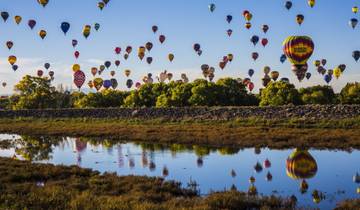
Albuquerque’s seasonal tourism patterns revolve around one overwhelming reality: the Albuquerque International Balloon Fiesta transforms the city for nine days each October, creating the region’s highest hotel rates, largest crowds, and most spectacular visual experiences. The 54th edition from October 3-11, 2026 will draw 500+ hot air balloons and 800,000+ spectators, making those dates either essential to include or critical to avoid depending on traveler priorities. Understanding how this event anchors Albuquerque’s tourism calendar helps frame decisions about timing visits around or toward this signature attraction.
Beyond Balloon Fiesta week, Albuquerque’s high-desert climate at 5,300 feet elevation creates four distinct seasons with dramatic temperature variations. Summer afternoons regularly exceed 90°F with monsoon thunderstorms developing most July-August days, while winter mornings drop below freezing with occasional snowfall. Spring and fall shoulder seasons deliver the comfortable 65-80°F temperatures, crystal-clear skies, and low precipitation that make outdoor exploration pleasant, creating two annual windows (April-May and September) when weather conditions align with reasonable hotel rates.
The city’s cultural calendar adds layers beyond weather considerations. Gathering of Nations Pow Wow (April 24-25, 2026) ranks as North America’s largest powwow, bringing Indigenous performers from 500+ tribes. Southwest Chocolate & Coffee Fest (April 11-12) draws food enthusiasts. Summer concert series animate outdoor venues. Holiday markets transform Old Town December weekends. These events create attendance peaks that affect accommodation availability and pricing, though none approach Balloon Fiesta’s impact.
Albuquerque’s location creates accessibility advantages over Santa Fe’s mountain setting or more remote New Mexico destinations. Albuquerque International Sunport (ABQ) receives direct flights from major US cities with competitive fares. Interstate 40 and Interstate 25 provide easy driving access. The city sprawls across flat terrain making rental car navigation straightforward. These logistics factors mean seasonal timing matters more for weather comfort and event access than for fundamental destination accessibility that varies by season in mountain or remote locations.
This guide analyzes each season through multiple dimensions: temperature patterns and precipitation probability, hotel rate fluctuations and booking windows, major events and crowd levels, outdoor activity conditions, and practical considerations like daylight hours and attraction operating schedules. The goal is helping travelers identify which 2026 period aligns with their priorities whether those emphasize budget savings, specific events, outdoor adventure conditions, or simply avoiding crowds while experiencing Albuquerque’s cultural richness.
Understanding Albuquerque’s Climate Patterns for 2026 Planning
Albuquerque sits at 5,000-6,000 feet elevation in the northern Chihuahuan Desert, creating a high-desert semi-arid climate characterized by low humidity (annual average 44%), minimal precipitation (9 inches annually), dramatic diurnal temperature swings (30-40°F differences between daytime highs and nighttime lows), and exceptional sunshine (310+ sunny days per year). These climate fundamentals shape every aspect of trip planning from packing lists to daily activity timing to seasonal cost variations.
Temperature patterns follow predictable seasonal arcs. Winter months (December-February) see average highs of 48-55°F with morning lows of 25-32°F, creating sunny but cold conditions requiring layered clothing. Spring (March-May) transitions from variable March weather (highs 60-68°F) through ideal April-May conditions (highs 70-85°F). Summer (June-August) brings intense afternoon heat with highs of 88-93°F, though low humidity makes this more tolerable than humid-climate equivalents. Fall (September-November) reverses the spring progression, with September maintaining summer warmth (highs 83-88°F) before October’s perfect 70-78°F and November’s transition toward winter chill.
Precipitation concentrates dramatically during summer monsoon season (July-August) when 40-50% of annual rainfall arrives through brief intense afternoon thunderstorms. These storms typically develop between 2-4 PM, last 30-60 minutes, and clear leaving pleasant evenings. The monsoon pattern creates predictable planning rhythms: schedule outdoor activities before 1 PM, expect afternoon disruption, resume evening plans around 5-6 PM. Winter occasionally delivers light snow (typically 2-4 storms annually producing 1-3 inches accumulation that melts within days), while spring and fall remain exceptionally dry with monthly rainfall under 0.5 inches.
Elevation affects both temperature and sun intensity. The Sandia Mountains rise immediately east of Albuquerque, with Sandia Crest at 10,678 feet receiving significantly more precipitation, maintaining snow cover December-March, and running 15-25°F cooler than the city below. Visitors planning Sandia Peak activities need separate weather checks and clothing layers regardless of perfect conditions in the valley. Sun intensity at 5,000+ feet means sunburn risk remains high even in winter, requiring year-round sun protection.
Wind patterns create seasonal nuances. Spring (especially March-April) brings strong afternoon winds that can gust 25-35 mph, creating dust storms that reduce visibility and make outdoor dining unpleasant. Summer monsoon season includes gusty outflow winds ahead of thunderstorms. Fall and winter generally feature calmer conditions perfect for hot air ballooning, explaining why Balloon Fiesta occurs in October when stable atmospheric conditions and gentle surface winds create ideal launch windows.
Month-by-Month Breakdown: Albuquerque Weather and Events 2026
January 2026: Winter Quiet Season
January ranks as Albuquerque’s coldest month with average daytime highs around 48°F and overnight lows dropping to 25-27°F, creating sunny but chilly conditions that require warm layering for morning activities. The month receives minimal precipitation (typically 0.4 inches or less), maintains the region’s characteristic low humidity, and delivers abundant sunshine perfect for museum exploration, cultural site visits, and indoor attractions when outdoor timing proves uncomfortable.
Hotel rates bottom out in January with mid-range properties averaging $65-95 per night, budget options available from $45-70, and even luxury hotels offering $120-180 rates compared to peak-season premiums. Rental cars, restaurants, and attractions operate without crowds, creating relaxed experiences at locations like Albuquerque Museum, Indian Pueblo Cultural Center, and Old Town shops that swarm with visitors during warmer months.
Outdoor activities require strategic timing around temperature. Midday hours (11 AM-3 PM) when sun warmth peaks work well for Rio Grande Bosque trails, Petroglyph National Monument hiking, and Old Town plaza exploration. Early morning and evening activities feel genuinely cold, making sunrise Sandia Crest trips uncomfortable without serious winter gear. The Sandia Peak Tramway operates year-round, but summit temperatures can reach -5 to 10°F in January, and ice closes some hiking trails.
January 2026 events include New Year celebrations transitioning into a quiet cultural calendar. The month lacks major festivals, creating an ideal period for visitors prioritizing uncrowded museum experiences, winter hiking for cold-tolerant adventurers, and significant cost savings over popular travel periods. Shorter daylight hours (sunrise around 7:15 AM, sunset around 5:30 PM) limit outdoor activity windows but suit travelers focused on indoor cultural exploration.
February 2026: Late Winter Value Season
February maintains winter patterns with slightly warming temperatures averaging 55°F daytime highs and 30°F overnight lows, delivering comfortable midday conditions that make outdoor exploration more pleasant than January’s sharper chill. Precipitation remains minimal (typically 0.4 inches for the month), sunshine remains abundant, and the gradual warming trend becomes noticeable in afternoon comfort levels by month’s end.
Hotel rates remain depressed with February representing the final month of winter value pricing before spring shoulder season increases. Mid-range properties average $70-100 per night, creating opportunities for upgraded accommodation at budget-season prices. Restaurants operate without wait times, museums feel uncrowded, and popular hiking trails offer solitude impossible during peak seasons.
Valentine’s weekend (February 14-16, 2026) creates a minor demand spike for romantic getaway packages, particularly at luxury properties like Los Poblanos Historic Inn. The Southwest International Burlesque Festival (typically held Valentine’s weekend) brings adult entertainment seekers to the city, causing localized hotel availability tightening near downtown venues.
Outdoor conditions improve progressively through February. Early month temperatures still require winter layers, but late February afternoons can reach pleasant 60°F under strong sunshine. Hiking trails at lower elevations (Petroglyph National Monument, Rio Grande Bosque) become comfortable for midday walks, though higher elevation trails including Sandia Foothills remain cold and potentially icy. The month transitions from winter quiet to spring anticipation, making late February an excellent value-season option for travelers who tolerate morning chill.
March 2026: Spring Transition with Variable Weather
March introduces spring’s arrival with warming temperatures averaging 63°F daytime highs and 36°F overnight lows, though the transition period brings variable weather patterns including occasional late-winter cold snaps, strong afternoon winds (frequently gusting 20-35 mph), and rapid temperature swings that complicate packing and planning. Precipitation increases slightly to 0.5 inches for the month, primarily from occasional cold front passages.
Wind becomes March’s defining characteristic, with strong afternoon gusts creating dust storms that reduce visibility, make outdoor dining uncomfortable, and occasionally disrupt outdoor events. Morning hours typically remain calm, making early outdoor activities preferable to afternoon timing when winds build. The windiness frustrates some visitors but creates excellent conditions for kite flying at Balloon Fiesta Park.
Hotel rates begin transitioning from winter lows toward spring shoulder-season pricing, with mid-range properties averaging $80-115 per night. Spring break (dates vary by school district but typically mid-March) creates demand spikes particularly for family-friendly hotels near attractions, while downtown business hotels maintain quiet due to limited convention activity.
March 2026 events include Rio Grande Arts & Crafts Festival (March 13-15) bringing 200 artisan vendors to Expo New Mexico, and Banff Mountain Film Festival World Tour stopping at KiMo Theater (March 13-14) with adventure films. These events create localized demand but don’t approach October’s intensity. Old Town galleries and shops maintain regular hours as tourist traffic builds from winter lows.
Outdoor conditions remain inconsistent. Pleasant 70°F afternoons alternate with windy 55°F days requiring warmer layers. Hiking trails become increasingly comfortable, though occasional mud from melting snow at higher elevations can affect Sandia Foothills trails. The month works well for travelers with flexible schedules who can adjust plans around variable weather, but proves frustrating for rigid itineraries expecting consistent spring conditions.
April 2026: Prime Spring Shoulder Season Excellence
April delivers Albuquerque’s first genuinely excellent weather window with daytime temperatures averaging 72°F, overnight lows rising to comfortable 42°F, minimal precipitation (typically 0.5 inches or less), reduced wind compared to March, and extended daylight hours (sunrise around 6:30 AM, sunset around 7:45 PM) allowing morning and evening outdoor activities. The month represents optimal conditions for hiking, biking, outdoor dining, and exploring cultural sites without summer heat or winter cold.
Hotel rates remain in attractive shoulder-season range with mid-range properties averaging $95-145 per night, significantly below October peaks yet above winter lows. Booking becomes advisable for major event weekends (Gathering of Nations, Southwest Chocolate & Coffee Fest) when properties near Expo New Mexico or downtown venues fill quickly, but general inventory remains available unlike October’s advance sellout pattern.
April 2026 events create cultural richness without overwhelming crowds. Southwest Chocolate & Coffee Fest (April 11-12) draws food enthusiasts to Expo New Mexico for tastings from chocolatiers, coffee roasters, and specialty food vendors. Gathering of Nations Pow Wow (April 24-25) ranks as North America’s largest powwow, bringing 500+ Indigenous tribes, traditional dance competitions, the Indian Traders Market, and the Miss Indian World pageant. The pow wow creates genuine hotel demand within 5-mile radius of Expo New Mexico, requiring advance booking for that specific weekend.
Outdoor activities flourish in April conditions. Morning hikes in Sandia Foothills or Petroglyph National Monument remain comfortable before afternoon warmth builds. Rio Grande Bosque trails showcase spring bird migrations. Sandia Peak Tramway operates with clear summit views and pleasant (though cooler) mountain temperatures. Old Town patios open for outdoor dining under perfect evening conditions. The La Luz Trail (challenging 7.5-mile climb to Sandia Crest) becomes accessible as lower sections melt out, though higher reaches may retain snow patches.
Desert wildflowers bloom across foothills and open spaces during April following winter/spring precipitation, adding color to trails and creating photography opportunities absent in other seasons. The combination of perfect weather, reasonable rates, major cultural events, and outdoor activity conditions makes April the optimal month for travelers prioritizing comprehensive Albuquerque experiences without Balloon Fiesta crowds or premium pricing.
May 2026: Late Spring Perfection Before Summer Heat
May extends April’s excellence with warming temperatures averaging 80°F daytime highs and 52°F overnight lows, creating conditions that feel warmer than April yet remain comfortable for midday outdoor activities before June’s genuine heat arrives. Precipitation stays minimal (typically 0.5 inches), humidity remains low, and longer daylight hours (sunset approaching 8:00 PM by month’s end) maximize outdoor exploration time.
Hotel rates inch upward as May transitions from spring shoulder season toward early summer, with mid-range properties averaging $105-150 per night. Memorial Day weekend (May 25-26, 2026) creates demand spike for getaway travelers, particularly at resort properties and hotels with pools as swimming season begins. General availability remains good outside holiday weekend.
May cultural calendar includes continuation of spring festival season with various music events, art gallery openings in Old Town and downtown, and outdoor concert series beginning at venues like Zoo Music and Balloon Museum lawn concerts. The month lacks the major signature events of April or October, creating pleasant exploration conditions without event-driven crowds or accommodation scarcity.
Outdoor conditions reach their annual peak for comfortable all-day hiking. Morning temperatures in the 60s make early trail starts pleasant without the cold bite of winter months. Midday heat reaches the low 80s, warm but manageable with adequate water. Evening temperatures remain comfortable for patio dining and Old Town evening strolls. Sandia Peak maintains pleasant conditions perfect for tramway rides and summit exploration.
Late May begins showing hints of approaching summer with occasional 85-90°F days, particularly during last week of month. These warmer days require earlier outdoor activity timing but don’t yet bring the consistent intense heat and afternoon thunderstorms that define June-August. Swimming pools at hotels become genuinely refreshing rather than the cold plunges they remain in April.
June 2026: Early Summer Transition
June transitions into genuine summer conditions with daytime temperatures averaging 88°F and overnight lows around 60°F, creating the first consistent heat that requires afternoon activity timing adjustments. The month ranks as Albuquerque’s driest (typically 0.3 inches precipitation), as monsoon season hasn’t yet developed and spring moisture patterns have ended. Humidity remains exceptionally low (often 10-20%), making the heat more tolerable than equivalent temperatures in humid climates.
Hotel rates settle into summer patterns with mid-range properties averaging $90-130 per night, offering value relative to spring shoulder season despite warmer conditions. Family travel increases as school years end, creating higher occupancy at hotels with pools and family amenities near attractions like ABQ BioPark Zoo and Aquarium.
June features growing cultural calendar activity. Summer concert series launch at outdoor venues. Art galleries extend evening hours for art walks. Old Town shops maintain full tourism schedules. The lack of major destination-wide events keeps accommodation availability reasonable while providing steady activity options for visitors seeking city exploration rather than specific festival experiences.
Outdoor activity timing becomes critical in June. Morning hours (6:00 AM-11:00 AM) offer comfortable hiking conditions before serious heat develops. Midday (11:00 AM-4:00 PM) becomes genuinely hot with temperatures reaching 90-95°F, making shaded activities preferable. Afternoon heat drives visitors to air-conditioned museums, indoor cultural sites, and hotel pools. Evening hours (after 6:00 PM) resume comfortable outdoor conditions perfect for Old Town exploration and patio dining as temperatures drop to pleasant 75-80°F.
Higher elevation activities gain appeal in June heat. Sandia Peak maintains 15-20°F cooler temperatures than the city, making tramway rides popular escape from valley heat. Mountain hiking trails become fully accessible as snow melts, though afternoon heat reaches even higher elevations. The Rio Grande Bosque offers shaded trails that remain more comfortable than exposed desert hiking.
July 2026: Peak Summer Heat and Monsoon Season
July delivers Albuquerque’s hottest temperatures with daytime averages around 92°F (frequently exceeding 95-98°F during heat waves) and overnight lows around 65°F, creating genuinely challenging conditions for midday outdoor activities. Monsoon season arrives in full force with afternoon thunderstorms developing 40-50% of days, typically between 2-4 PM, bringing brief intense rainfall, lightning, occasional hail, and dramatic temperature drops during storms.
Hotel rates drop relative to spring/fall despite being summer vacation period, with mid-range properties averaging $80-120 per night. The combination of intense heat and afternoon storm unpredictability reduces leisure travel demand, creating value opportunities for heat-tolerant visitors who adjust activity timing around weather patterns. Properties with pools see highest occupancy as swimming becomes essential rather than optional amenity.
July Fourth celebrations bring crowds to Old Town and Balloon Fiesta Park for evening fireworks displays, creating single-day demand spike. Otherwise the month maintains steady but not overwhelming visitor levels. Summer concert series continue at outdoor venues, though many events shift to evening timing to avoid afternoon heat and storm disruption.
Outdoor activities require strategic planning around monsoon patterns. Morning hours (6:00-11:00 AM) remain pleasant and clear, making early hikes, Bosque walks, and outdoor photography optimal. Midday heat (11:00 AM-2:00 PM) drives retreat to air-conditioned spaces. Afternoon (2:00-5:00 PM) brings thunderstorm probability requiring indoor activities or flexibility to shelter. Evening (after 6:00 PM) clears with cooler post-storm temperatures perfect for dinner patios and Old Town strolls.
Monsoon storms create spectacular lightning displays visible across the city and dramatic cloud formations that attract photographers. The brief intense rainfall freshens desert air and occasionally creates temporary waterfalls on Sandia Mountain faces. Storm watching from hotel patios or restaurant windows becomes entertainment, though outdoor event disruption frustrates rigid schedules. Flash flood warnings affect low-lying areas including parts of Bosque trail system.
August 2026: Continued Monsoon Season Heat
August maintains July’s heat patterns with average daytime highs around 90°F and overnight lows near 64°F, while monsoon season continues delivering afternoon thunderstorms 40-50% of days with the wettest month of the year (typically 1.5-1.7 inches precipitation). The reliable morning-clear, afternoon-stormy pattern persists, creating predictable planning rhythms for visitors who embrace rather than fight the weather.
Hotel rates remain in summer value range with mid-range properties averaging $75-115 per night as August represents final month before fall demand builds. Families completing summer vacations before school years begin create steady occupancy, but availability remains good and rates stay well below spring/fall levels. Properties advertise “beat the heat” pool packages and indoor activity options.
August cultural calendar includes New Mexico State Fair (typically late August/early September, exact 2026 dates unconfirmed) at Expo New Mexico, bringing carnival rides, livestock exhibitions, local food vendors, concerts, and rodeo events. The fair creates 10-14 day period of increased hotel demand near fairgrounds but doesn’t affect citywide availability like October Balloon Fiesta.
Outdoor timing mirrors July patterns with comfortable mornings, brutal midday heat, afternoon storm probability, and pleasant evenings. Visitors who learn to work within this rhythm find August perfectly manageable, while those expecting all-day outdoor flexibility struggle with conditions. Indoor attractions (museums, cultural centers, galleries, shops) remain comfortable throughout day.
Late August shows first hints of monsoon season waning with slightly reduced afternoon storm frequency and earlier sunset times (by month’s end, sunset occurs around 7:30 PM versus 8:00 PM in early summer). The transition toward fall becomes perceptible in morning temperatures that begin dropping below 65°F, creating more comfortable dawn conditions for photographers and early hikers.
September 2026: Perfect Fall Shoulder Season
September delivers Albuquerque’s second annual weather excellence window with daytime temperatures averaging 83°F, overnight lows around 57°F, minimal precipitation as monsoon season ends (typically 1.0 inch for the month, concentrated in early September), and return to clear afternoon skies without thunderstorm disruption. The month offers conditions nearly identical to May but with fall’s crystal-clear air and angle of light that photographers prize.
Hotel rates remain in attractive shoulder-season range with mid-range properties averaging $85-135 per night, representing excellent value for premium weather conditions. September booking becomes advisable for later month dates as October Balloon Fiesta approaches and some visitors arrive early to explore Albuquerque before crowds descend. Early-mid September maintains easy availability at reasonable rates.
September’s cultural calendar builds gradually. Labor Day weekend (September 1, 2026) brings holiday travelers and final summer getaways. Various wine festivals, arts events, and music performances populate the month. Old Town galleries prepare for October tourist surge with new exhibitions. The month provides steady cultural activity without major destination-wide events that constrain accommodation.
Outdoor conditions excel across all activity types. Morning hiking starts remain comfortable in the 60s. Midday temperatures in low-to-mid 80s allow all-day outdoor flexibility without July-August heat restrictions. Evening temperatures stay pleasant for extended patio dining and nighttime Old Town exploration. Sandia Peak offers perfect hiking conditions with pleasant summit temperatures and zero snow concerns.
September represents the single best month for travelers prioritizing weather perfection, outdoor activity options, reasonable costs, and avoiding Balloon Fiesta crowds. The combination of excellent conditions and lower demand than October makes September ideal for hiking-focused trips, photography expeditions, cycling tours, and comprehensive cultural exploration without time pressure or event-driven crowds.
October 2026: Balloon Fiesta Peak Season
October centers entirely on Albuquerque International Balloon Fiesta (October 3-11, 2026), transforming the city for nine days into the world’s largest hot air balloon event with 500+ balloons, morning mass ascensions, evening balloon glows, and 800,000+ spectators. The event creates accommodation sellouts, traffic congestion, restaurant waits, and premium pricing across all categories while delivering spectacular visual experiences impossible to replicate elsewhere.
Hotel rates during Balloon Fiesta week surge to $215-320 per night for mid-range properties that typically cost $95-145, representing 125-150% increases. Budget hotels jump from $70-90 to $145-195, while luxury properties escalate from $165-225 to $320-450. Minimum-stay requirements (typically 3-5 nights) apply at most properties. Hotels within 10-mile radius of Balloon Fiesta Park sell out 6-8 months ahead, forcing late bookers to properties 15-20+ miles from launch field or premium-priced remaining inventory.
Balloon Fiesta attendance requires early morning commitment with launch activities beginning at dawn (around 6:30 AM in early October). General admission costs $20 per person per session, parking runs $20 per vehicle per session, and premium viewing options include Gondola Club ($150 per person per session with catered breakfast, premium parking, open bar) and Chasers’ Club ($75 per person per session with buffet, seating, private facilities). Park & Ride services ($18-30 per person including admission and round-trip transport) operate from designated lots on weekends.
October weather outside Fiesta week maintains September excellence with daytime temperatures averaging 72°F and overnight lows around 42°F, creating perfect conditions for outdoor activities. Post-Fiesta period (October 12-31) offers excellent shoulder-season combination: superb weather, lower hotel rates returning toward $95-145 per night range, reduced crowds, and fall foliage adding color to Bosque trails and mountain forests.
October 2026 events beyond Balloon Fiesta include continuing cultural programming, Old Town seasonal events, and various smaller festivals. The month provides steady activity throughout, though nothing approaches Fiesta’s impact. Late October brings Halloween events in Old Town and beginning of holiday market season preparations.
November 2026: Late Fall Transition
November transitions from fall excellence toward winter chill with daytime temperatures averaging 58°F and overnight lows dropping to 32°F, creating comfortable afternoon conditions but cold mornings that require layered clothing. Precipitation remains minimal (typically 0.5 inches), sunshine stays abundant with 75% clear days, and the month delivers pleasant midday conditions despite morning/evening cold.
Hotel rates drop significantly post-Balloon Fiesta with mid-range properties averaging $75-110 per night, offering excellent value for travelers who tolerate cooler conditions. Thanksgiving week (November 26-29, 2026) creates minor demand spike as families gather, but nothing approaching summer peak or spring shoulder season levels. General availability remains good throughout November.
November cultural calendar includes Old Town holiday events beginning around Thanksgiving weekend, when Christmas lights illuminate the plaza and holiday markets start appearing. Museums maintain full schedules. Indoor attractions see increased attendance as outdoor activity becomes less comfortable. The month transitions from outdoor-focused tourism toward indoor cultural emphasis.
Outdoor activities remain viable with timing adjustments. Midday hours (11:00 AM-4:00 PM) when sun warmth peaks work well for hiking, though trails at higher elevations start seeing occasional snow. Morning and evening outdoor plans require warm layers as temperatures drop toward freezing. Sandia Peak becomes increasingly cold with summit temperatures often below freezing, though tramway operates year-round for views.
Late November brings first genuine winter weather potential with overnight freezes becoming regular occurrences and occasional light snow possible (though accumulation typically waits for December). The month works well for budget-focused travelers willing to time activities around cold mornings and for visitors prioritizing indoor cultural experiences over outdoor adventure.
December 2026: Holiday Season and Winter Arrival
December delivers full winter conditions with daytime temperatures averaging 49°F and overnight lows around 27°F, creating cold but sunny weather perfect for holiday atmosphere in Old Town while challenging for outdoor activities. The month ties with January for coldest temperatures, receives occasional light snowfall (typically 1-3 events producing 1-4 inches accumulation that melts within days), and maintains the low humidity and abundant sunshine that characterize Albuquerque winters.
Hotel rates bottom out in early December before Christmas week spike, with mid-range properties averaging $65-100 per night through December 20. Christmas week (December 21-28, 2026) sees rates increase to $110-165 as holiday travelers and visiting families create seasonal demand. New Year’s week (December 28-January 1, 2027) maintains elevated rates before January’s value season resumes.
December holiday events transform Old Town into festive destination with Christmas lights, holiday markets on weekends, luminaria displays, and seasonal music performances. The River of Lights at BioPark Botanic Garden creates popular evening light display. Museums offer holiday programming. The combination of holiday atmosphere and winter weather creates distinct seasonal appeal different from spring/fall outdoor-focused experiences.
Outdoor activities require significant timing around temperature. Midday hours (11:00 AM-3:00 PM) remain tolerable for cold-hardy hikers, though many trails feel genuinely uncomfortable in 35-45°F conditions with wind. Sandia Peak sees regular snow accumulation, closing some trails while opening winter hiking and snowshoeing opportunities for equipped adventurers. Rio Grande Bosque trails remain accessible but cold.
December works well for specific traveler types: budget seekers who embrace cold weather, holiday atmosphere enthusiasts visiting Old Town festivals, museum lovers prioritizing indoor cultural exploration, and winter outdoor adventurers equipped for cold hiking and Sandia Peak winter conditions. The month’s dramatic price savings versus peak seasons can offset weather compromises for cost-focused travelers.
Seasonal Pricing Patterns: When Hotel Rates Peak and Drop in 2026
Albuquerque hotel pricing follows predictable seasonal patterns driven primarily by Balloon Fiesta impact, weather desirability, and event calendar. Understanding these pricing tiers helps travelers identify value windows and plan booking timing for optimal rates. The patterns hold consistent across property categories from budget motels to luxury resorts, though percentage swings vary by property type.
Peak season pricing occurs during Balloon Fiesta week (October 3-11, 2026) when mid-range hotels average $215-320 per night compared to $95-145 baseline rates, representing 125-150% premiums. Budget properties that typically cost $70-90 surge to $145-195, while luxury hotels escalate from $165-225 to $320-450. Minimum-stay requirements (3-5 nights) apply at most properties, and booking 6-8 months ahead becomes necessary for properties within 10-mile radius of Balloon Fiesta Park. Late bookers face either distant properties requiring 30-45 minute drives or whatever premium-priced inventory remains unsold.
Spring shoulder season (April-May 2026) delivers attractive mid-tier pricing with mid-range hotels averaging $95-150 per night, budget properties at $65-95, and luxury hotels at $140-225. These rates represent 15-25% premiums over winter lows while remaining 30-50% below Balloon Fiesta peaks. Specific event weekends (Gathering of Nations April 24-25, Southwest Chocolate & Coffee Fest April 11-12) create localized spikes near Expo New Mexico, but citywide inventory remains available at reasonable rates.
Fall shoulder season (September, post-Fiesta October) mirrors spring pricing with mid-range properties at $85-135 in September, climbing slightly to $95-145 in post-Fiesta October. These periods offer excellent value-to-weather ratios, providing optimal outdoor conditions at prices well below peak season. September particularly shines for budget-conscious travelers seeking premium weather without premium costs.
Summer season (June-August 2026) paradoxically offers value pricing despite being traditional vacation period, with mid-range hotels averaging $75-130 per night. The combination of intense heat and afternoon thunderstorm unpredictability reduces leisure travel demand, creating opportunities for heat-tolerant visitors. July typically sees lowest summer rates ($75-120) as monsoon season peaks, while June and August trend slightly higher ($85-130) as they border more comfortable seasons.
Winter value season (December-February 2026) delivers lowest annual rates with mid-range hotels averaging $65-100 per night, budget properties from $45-75, and luxury hotels at $120-180. Christmas week (December 21-28) and New Year’s week (December 28-January 1) create brief spikes to $110-165 mid-range rates, but general winter months offer dramatic savings for cold-tolerant travelers.
Day-of-week patterns add nuance to seasonal rates. Monday-Wednesday nights typically cost 15-25% less than Friday-Saturday across all seasons. Business hotels downtown show stronger weekday demand, while leisure properties near Old Town and attractions peak on weekends. Extended stays (5+ nights) often unlock additional discounts regardless of season.
Booking timing significantly affects rates within each season. Balloon Fiesta week requires 6-8 month advance booking for reasonable selection and rates, with prices escalating as inventory depletes. Spring/fall shoulder seasons benefit from 2-3 month advance reservations, particularly for event weekends. Summer and winter value seasons allow shorter booking windows (2-4 weeks) with minimal rate penalty and sometimes last-minute deals as properties discount unsold inventory.
Geographic patterns within Albuquerque create pricing tiers. Old Town properties command 30-50% premiums due to walkable location near restaurants, shops, and cultural sites. Downtown business hotels fluctuate based on convention calendar. Airport area properties offer lowest rates but require rental car for city exploration. Properties within 5 miles of Balloon Fiesta Park see most dramatic October spikes but maintain baseline rates other months.
Major Events Calendar Impact on 2026 Travel Planning
Albuquerque’s event calendar creates distinct demand periods that affect accommodation availability, restaurant reservations, attraction crowding, and overall city rhythm. While Balloon Fiesta dominates overwhelmingly, other events add planning considerations throughout the year. Understanding which events create genuine constraints versus simply adding cultural richness helps travelers optimize timing.
Albuquerque International Balloon Fiesta (October 3-11, 2026) represents the single most impactful event, transforming the city completely for nine days. The 54th edition brings 500+ balloons, 700+ pilots, and 800,000+ spectators, creating accommodation sellouts citywide, traffic congestion particularly on northside near Balloon Fiesta Park, restaurant wait times doubling or tripling, and attraction crowding as visitors fill all available time between early morning balloon launches and evening glow events. The Fiesta operates as two daily sessions: morning (dawn through approximately 11 AM) featuring mass ascensions when hundreds of balloons launch in waves, and evening (5-9 PM) featuring balloon glows when grounded balloons illuminate simultaneously creating stunning visual displays.
Gathering of Nations Pow Wow (April 24-25, 2026) ranks as North America’s largest powwow, bringing 500+ Indigenous tribes from across United States and Canada to Expo New Mexico. The event features traditional dance competitions across multiple categories, singing contests, the Indian Traders Market with 800+ vendor booths selling authentic Indigenous arts and crafts, Stage 49 contemporary Indigenous music performances, and Miss Indian World pageant. Hotel demand increases significantly within 5-mile radius of Expo New Mexico (southside Albuquerque), requiring advance booking for that specific weekend, though citywide impact remains moderate compared to Balloon Fiesta.
Southwest Chocolate & Coffee Fest (April 11-12, 2026) draws food enthusiasts to Expo New Mexico for tastings from 100+ chocolatiers, coffee roasters, tea vendors, and specialty food purveyors. The event creates pleasant addition to April cultural calendar without significantly constraining accommodation or creating crowd issues beyond the exhibition hall itself. Nearby hotels see modest demand increase, easily absorbed by general inventory.
Rio Grande Arts & Crafts Festival (March 13-15, 2026) brings 200 juried artisans to Expo New Mexico for three-day marketplace featuring pottery, jewelry, paintings, sculptures, and diverse craft media. The event draws regional arts patrons but creates minimal citywide impact on hotels or dining, functioning as cultural enrichment rather than planning constraint.
New Mexico State Fair (typically late August/early September, exact 2026 dates unconfirmed) spans 10-14 days at Expo New Mexico with carnival rides, livestock exhibitions, local food vendors, nightly concerts, and rodeo events. The fair creates moderate hotel demand near fairgrounds and increases overall city visitor levels, particularly on weekends, but doesn’t approach Balloon Fiesta’s overwhelming impact. Advance booking advisable for southside properties during fair dates once announced.
Old Town holiday events (Thanksgiving through New Year’s) create festive atmosphere with Christmas lights, weekend holiday markets, luminaria displays on special evenings, and seasonal music performances. These events enhance rather than constrain visits, adding cultural richness without creating accommodation scarcity. Christmas week (December 21-28) does see family-visit driven hotel demand increase, but general availability remains better than spring/fall periods.
River of Lights at BioPark Botanic Garden (typically late November through December) creates popular evening light display attracting families and couples for holiday-themed botanical garden illumination. The event operates on ticketed entry, requires advance online purchase during peak nights (weekends), but doesn’t significantly affect broader city hotel or dining patterns.
Summer concert series at multiple venues (Isleta Amphitheater, Zoo Music, various plaza events) populate June-August with regular live music programming. Individual concerts may sell out and create localized restaurant crowding near venues on event nights, but these create minimal citywide planning impact. Music fans can build trips around specific concert dates without major accommodation concerns.
The event calendar reveals clear pattern: October Balloon Fiesta stands alone as city-transforming event requiring advanced planning, premium pricing, and major logistical accommodation. All other events add cultural value without creating the sellout conditions, price spikes, or crowd impacts that fundamentally alter trip dynamics. Travelers can comfortably plan around most events with 1-2 month booking windows, while Balloon Fiesta demands 6-8 month advance commitment.
Outdoor Activity Conditions by Season 2026
Albuquerque’s elevation, desert climate, and mountain access create diverse outdoor opportunities that vary dramatically by season. Understanding optimal timing for specific activities helps travelers align trip dates with adventure priorities while avoiding conditions that compromise safety or enjoyment.
Hiking season technically spans year-round in Albuquerque due to winter sunshine and lack of sustained snow cover at lower elevations, but comfort levels vary dramatically. Spring (April-May) and fall (September-October) deliver ideal hiking conditions with comfortable temperatures (65-80°F), extended daylight hours, clear skies, and minimal precipitation. These months suit all trail difficulty levels from casual Bosque walks to challenging La Luz Trail ascents to Sandia Crest.
Summer hiking (June-August) requires strategic timing around heat and thunderstorms. Morning hours (5:30-10:00 AM) remain pleasant before temperatures climb toward 90°F. Midday hiking becomes genuinely dangerous during heat waves when exposed trails reach 95-100°F ambient temperatures plus radiant heat from rocks and soil. Afternoon thunderstorms (developing 2-4 PM) create lightning risk on exposed ridges and peaks, making afternoon summit attempts inadvisable. Higher elevation trails including Sandia Foothills offer 10-15°F cooler conditions than city, but even these become hot by midday.
Winter hiking (December-February) faces opposite challenges with morning temperatures at/below freezing, though sunny midday conditions (11 AM-3 PM) can warm lower elevation trails to tolerable 45-55°F. Higher elevation trails accumulate snow and ice requiring traction devices, winter hiking experience, and awareness of avalanche conditions above 9,000 feet. Many Sandia Mountain trails become technical winter routes rather than casual hikes. Rio Grande Bosque maintains accessibility year-round with flat terrain and partial tree cover providing wind protection.
Mountain biking follows similar seasonal patterns as hiking, with spring and fall providing optimal conditions on extensive trail networks including Foothills trails, Bosque paths, and mountain bike-specific areas. Summer requires early morning timing, while winter limits to midday hours. The year-round riding potential attracts serious cyclists willing to adjust timing, but casual riders find spring/fall most enjoyable.
Sandia Peak Tramway operates year-round accessing 10,678-foot summit with dramatic city and mountain views. Summer offers pleasant 20-30°F cooler summit temperatures providing heat escape, though afternoon thunderstorms reduce visibility and create lightning risk. Fall delivers crystal-clear air and aspen color on upper mountain slopes. Winter transforms summit into frozen landscape with temperatures often 0-20°F, requiring serious cold-weather gear but offering unique snow-covered vistas. Spring transitions through variable conditions. Regardless of valley weather, summit requires additional clothing layers year-round.
Hot air ballooning creates Albuquerque’s signature experience, though most commercial flights operate October through May when stable atmospheric conditions and gentle surface winds provide safe launch windows. Summer monsoon season reduces commercial operation frequency due to afternoon thunderstorm unpredictability. Fall particularly September and October offers most reliable conditions, explaining Balloon Fiesta October timing. Individual commercial balloon rides cost $200-300 per person for hour-long flights.
Golf season runs year-round at Albuquerque’s dozen+ courses, though player comfort varies seasonally. Spring and fall provide ideal 70-85°F temperatures for full-day golf. Summer requires early morning tee times (before 10 AM) or twilight rounds (after 5 PM) to avoid midday heat. Winter allows comfortable midday rounds (10 AM-2 PM) when temperatures reach 50-60°F under sunshine, though morning frost delays early starts.
Cycling tourism peaks spring and fall when comfortable temperatures, low traffic on recreational routes, and extended daylight hours support all-day riding. The city maintains expanding bike lane network and multi-use paths. Summer cycling requires dawn starts (5:30-7:00 AM) before heat builds. Winter limits to midday hours with serious cold-weather gear for morning/evening riding.
Rio Grande Nature Center and Bosque trail access remains viable year-round for bird watching, nature photography, and casual walking. Spring and fall migrations bring most diverse bird species. Summer mornings offer active wildlife before heat drives animals to shade. Winter provides uncrowded solitude perfect for contemplative nature walks despite cold conditions.
Budget Travel: Identifying Low-Season Value Windows 2026
Budget-conscious travelers find dramatic cost savings by targeting specific 2026 periods when hotel rates drop 40-60% below peak season while maintaining reasonable weather and activity access. Understanding which compromises each value window requires helps travelers decide if cost savings justify seasonal trade-offs.
January-February represents deepest winter value season with mid-range hotel rates of $65-95 per night, budget properties from $45-70, and luxury hotels at $120-180 compared to spring rates of $95-150 mid-range and fall peaks of $215-320 during Balloon Fiesta. The savings reach 30-50% off shoulder season and 60-70% off October peak. Winter trade-offs include cold morning temperatures (25-30°F), shortened daylight hours limiting outdoor activity windows, and genuine discomfort for outdoor activities before 10 AM or after 4 PM. Budget travelers who prioritize indoor cultural exploration (museums, galleries, cultural centers), tolerate cold conditions, or simply want dramatic savings while experiencing Albuquerque’s winter character find January-February ideal.
Summer monsoon season (July-August) creates counter-intuitive value opportunities with mid-range hotels at $75-120 per night despite being traditional vacation period. The combination of 90-95°F afternoon heat and 40-50% daily thunderstorm probability reduces leisure travel demand, creating rate drops. Summer value works for travelers who embrace activity timing adjustments: early morning outdoor activities (5:30-10:00 AM), midday indoor cultural exploration, afternoon pool/hotel downtime during storms, evening outdoor dining and entertainment after storms clear. Families with flexible schedules willing to plan around weather find summer combination of moderate rates and school vacation timing advantageous.
Late November delivers transitional value with mid-range rates of $75-110 per night as city recovers from Balloon Fiesta and hasn’t yet reached winter bottom. Weather remains tolerable with midday temperatures around 58°F, though morning/evening cold requires layers. The period lacks major events, creating quiet exploration conditions perfect for museum-focused trips and cultural site visits without crowds. Booking around Thanksgiving week (November 26-29) avoids minor holiday-driven rate spike.
Early December (December 1-20) maintains winter value pricing at $65-100 mid-range rates before Christmas week spike. The period combines cold weather trade-offs with holiday atmosphere benefits as Old Town transforms with Christmas lights and weekend markets. Budget travelers who appreciate seasonal festivities while tolerating winter conditions find early December attractive combination of savings and holiday spirit.
September represents premium value-to-weather ratio despite not offering absolute lowest rates. Mid-range hotels at $85-135 per night remain 35-40% below October Balloon Fiesta peaks while delivering nearly identical perfect weather (75-85°F days, minimal precipitation, clear skies). The month suits budget travelers unwilling to compromise comfort for absolute lowest rates but seeking significant savings versus peak season while maintaining ideal outdoor activity conditions.
Specific money-saving strategies apply across all seasons. Booking Monday-Wednesday nights saves 15-25% versus Friday-Saturday regardless of season. Extended stays (5+ nights) often unlock weekly rates or additional discounts. Hotels outside immediate Old Town area charge 30-50% less than walkable-to-restaurants properties, though this requires rental car budget. Comparing aggregator sites (Booking.com, Hotels.com, Expedia) against direct hotel websites occasionally reveals price discrepancies favoring one channel.
Package deals combining hotel and attraction tickets sometimes offer better value than booking components separately, particularly for Balloon Museum, ABQ BioPark, or tramway combinations. Some hotels include breakfast, saving $10-15 per person daily on meal costs. Properties with kitchenettes allow grocery shopping rather than restaurant meals for all dining occasions.
The calendar sweet spot for budget travelers balancing cost and comfort likely falls in September when rates remain reasonable ($85-135 mid-range), weather conditions excel (75-85°F, clear skies, minimal precipitation), and no major event crowds complicate accommodation or dining access. Travelers willing to accept cold winter conditions find January-February dramatic savings at $65-95 mid-range rates. Summer months offer moderate savings with weather trade-offs requiring activity timing flexibility.
Crowd Patterns: When to Avoid and When to Embrace Tourism Peaks 2026
Albuquerque experiences dramatic crowd fluctuations across the year with October Balloon Fiesta creating overwhelming peak, spring and fall shoulder seasons bringing moderate tourism, summer maintaining family travel volume, and winter dropping to quiet off-season levels. Understanding crowd patterns helps travelers decide whether to target solitude or embrace festival atmosphere.
Balloon Fiesta week (October 3-11, 2026) brings the year’s overwhelming crowd peak with 800,000+ visitors descending on Albuquerque for nine days. Balloon Fiesta Park at dawn hosts 50,000-80,000 spectators for morning mass ascensions, creating parking congestion, shuttle bus queues, and crowded viewing areas. City restaurants near Old Town and downtown face 90-120 minute wait times during prime dining hours without reservations. Popular attractions like Albuquerque Museum, Indian Pueblo Cultural Center, and Sandia Peak Tramway see doubled or tripled normal attendance. Traffic around Balloon Fiesta Park becomes gridlocked 5:30-8:00 AM during launch periods and 5:00-7:00 PM during evening events.
The Balloon Fiesta experience fundamentally divides into embracers and avoiders. Embracers prioritize the once-annual spectacle of 500+ balloons launching at dawn, accept crowd compromises as necessary for witnessing unique event, and book 6-8 months ahead securing accommodation despite premium pricing. Avoiders deliberately schedule Albuquerque visits in any other month, valuing crowd-free exploration over specific event, and find post-Fiesta October (October 12-31) delivering perfect weather without overwhelming tourism.
Spring shoulder season (April-May) brings moderate tourist volume well below October peaks but above winter lows. Museums and attractions operate comfortably without overwhelming crowds. Old Town restaurants maintain manageable wait times outside specific event weekends (Gathering of Nations April 24-25 creates localized crowding). Hiking trails on popular routes like La Luz or Foothills trails see steady weekend use but nothing approaching summer Colorado mountain trail congestion. The moderate crowds create pleasant energy without frustrating waits or soldout experiences.
Fall shoulder season (September) mirrors spring patterns with comfortable tourist levels. Pre-Fiesta September specifically offers ideal combination: perfect weather matching October’s excellence, reasonable hotel rates and availability, uncrowded attractions and restaurants, and easy hiking trail access without jockeying for trailhead parking. September represents optimal timing for crowd-averse travelers seeking Albuquerque exploration without event-driven chaos.
Summer season (June-August) maintains family travel volume as school vacations bring children to attractions like ABQ BioPark Zoo and Aquarium, Explora Science Center, and hotel pools. Tourist levels remain moderate overall, with heat driving afternoon concentration toward air-conditioned spaces creating restaurant and museum attendance patterns different from spring/fall outdoor-focused tourism. Popular hiking trails see reduced use due to heat, while indoor attractions experience higher volume.
Winter season (December-February) drops to annual low tourism levels outside Christmas week. Museums feel uncrowded perfect for unhurried exploration, restaurants accept walk-in diners without waits, hiking trails offer complete solitude, and Sandia Peak Tramway operates with minimal lines. The quiet creates contemplative atmosphere appealing to travelers seeking meditative rather than bustling city experience. Christmas week (December 21-28) brings brief spike as visiting families gather, but even this pales compared to spring/fall moderate levels.
Day-of-week patterns add nuance to crowd analysis. Weekends bring higher local recreation use to hiking trails, Bosque paths, and outdoor venues regardless of season. Museums and cultural sites see increased weekend family attendance. Restaurants experience Friday-Saturday dinner rushes requiring reservations at popular establishments. Monday-Wednesday visits to major attractions often provide quietest experiences with minimal wait times.
Specific attraction crowd patterns vary by season and type. Balloon Museum sees highest volume October during Fiesta week and moderate spring/fall shoulder season traffic. ABQ BioPark Zoo and Aquarium peak summer and holiday weeks when families visit. Albuquerque Museum and Indian Pueblo Cultural Center maintain steadier year-round patterns with October spike. Sandia Peak Tramway experiences highest volume fall weekends for aspen viewing and moderate summer weekend traffic.
The crowd calculus ultimately depends on traveler personality and priorities. Solitude seekers should target September, January-February, or late November when city operates at lowest tourism levels. Event enthusiasts embrace October Balloon Fiesta crowds as integral to experience. Moderate crowd tolerance aligns well with April-May spring shoulder season offering cultural richness without overwhelming density. Understanding personal threshold for crowds and willingness to plan around peak periods determines optimal timing.
Weather Extremes and Seasonal Challenges: What to Expect 2026
Albuquerque’s high-desert climate creates specific seasonal challenges beyond simple temperature variations, with extreme heat, monsoon patterns, winter cold, and wind events requiring preparation and timing adjustments. Understanding these extremes helps travelers pack appropriately and set realistic expectations for outdoor activities.
Summer heat extremes occur June-August when afternoon temperatures regularly reach 90-95°F and occasional heat waves push readings to 98-102°F. The combination of intense sun at 5,000+ feet elevation, low humidity allowing rapid evaporation and dehydration, and limited shade on many trails creates genuine danger for unprepared hikers. Heat exhaustion symptoms include dizziness, nausea, excessive sweating or lack thereof, and confusion. Prevention requires 2-3 liters water consumption per person for moderate hiking, sun protection (hat, sunscreen, sunglasses), and limiting exposed outdoor activities to early morning hours (before 11 AM) or evening (after 6 PM).
Monsoon thunderstorms (July-August) bring specific hazards beyond simple rain inconvenience. Lightning strikes pose serious risk on exposed ridges, peaks, and open terrain with Albuquerque recording 3-5 lightning-caused injuries annually. Storm development pattern follows predictable afternoon timing (2-4 PM) allowing morning outdoor activities but requiring afternoon indoor retreat. Flash flooding affects low-lying areas including sections of Rio Grande Bosque trail system, with warning signs posted at trailheads. Intense rainfall (0.5-1.5 inches in 30-60 minutes) overwhelms drainage systems, creating temporary road flooding in dips and washes.
Winter cold extremes affect December-February when overnight temperatures drop to 15-25°F and occasional Arctic air masses push daytime highs below 35°F for multiple consecutive days. Morning outdoor activities before 10 AM face genuinely uncomfortable conditions with wind chill making 25°F ambient temperature feel like 10-15°F. Higher elevation trails experience significantly colder conditions with Sandia Crest regularly recording 0-10°F winter temperatures and wind chills dropping below zero. Hypothermia risk exists for underprepared hikers attempting winter mountain trails.
Spring wind events (especially March-April) bring sustained 25-35 mph winds with gusts exceeding 45 mph, creating dust storms that reduce visibility to under half-mile, make outdoor dining miserable with blowing dust and debris, and occasionally topple trees or damage structures. Wind warnings appear on weather forecasts 24-48 hours ahead. The wind typically builds midday and peaks mid-afternoon before diminishing evening, creating predictable timing pattern allowing morning outdoor activities and evening dinner plans while avoiding afternoon peak wind hours.
High altitude effects manifest even at Albuquerque’s moderate 5,300-foot city elevation, with some sea-level visitors experiencing mild headaches, increased breathing rate during exertion, and faster intoxication from alcohol. Sandia Peak at 10,678 feet creates more noticeable effects including shortness of breath during any physical activity, lightheadedness, and potential altitude sickness symptoms (severe headache, nausea, fatigue). Acclimatization helps: spend first 24 hours at lower elevation, increase hydration, limit alcohol, and avoid strenuous activity first day.
Sun exposure intensity increases significantly at elevation with UV radiation 20-25% stronger than sea-level equivalent. Sunburn occurs in 30-45 minutes of unprotected exposure even during winter when cold temperatures mask burning risk. Year-round sun protection (SPF 30+ sunscreen, wide-brimmed hat, sunglasses) prevents painful burns and long-term skin damage. Cloud cover provides minimal UV protection as radiation penetrates thin high-altitude clouds.
Dry air and low humidity (often 10-30%) create dehydration concerns year-round, though summer heat exacerbates the effect. Visitors commonly underestimate fluid needs, experiencing headaches, fatigue, and constipation from insufficient hydration. Drinking 50-75% more water than usual habits compensates for accelerated evaporation and dry air moisture loss. Lip balm and moisturizer prevent cracked lips and dry skin that plague many visitors unused to desert conditions.
Wildfire smoke occasionally affects Albuquerque air quality when large fires burn in surrounding forests (typically May-June or during severe drought years). Smoke reduces visibility, creates hazy skies, and degrades air quality to unhealthy levels requiring indoor activity and avoiding strenuous exercise. Air quality index (AQI) forecasts provide advance warning, though smoke arrival depends on wind patterns and can change rapidly.
Seasonal allergies peak spring (March-May) when desert plants including junipers release pollen, creating high pollen counts that affect sensitive individuals. Over-the-counter antihistamines mitigate symptoms, but visitors with severe allergies may find spring shoulder season challenging despite otherwise ideal weather conditions.
Frequently Asked Questions About Best Time Visit Albuquerque 2026
What month has the worst weather in Albuquerque during 2026?
Late July through mid-August presents the most challenging weather combination for typical visitors, with afternoon temperatures regularly exceeding 92-95°F, monsoon thunderstorms developing 40-50% of days between 2-4 PM, and brief intense rainfall creating flash flood conditions in low-lying areas. The afternoon storm pattern requires morning-only outdoor activity timing (before 11 AM) and afternoon retreat to air-conditioned spaces, limiting all-day exploration flexibility. Winter December-January offers opposite extreme with morning temperatures dropping to 25-30°F and occasional snowstorms, but sunny midday conditions (11 AM-3 PM) provide pleasant 48-55°F windows for outdoor activities unlike summer’s complete afternoon shutdown.
Can you visit Albuquerque comfortably during summer in 2026?
Yes, summer visits work well for travelers who embrace activity timing adjustments around heat and monsoon patterns rather than fighting them. Morning hours (5:30-10:00 AM) offer comfortable conditions for hiking, outdoor photography, and exploration before temperatures climb toward 90°F. Midday (10 AM-2 PM) suits air-conditioned museum visits, indoor cultural sites, and hotel pool time. Afternoon (2-5 PM) brings thunderstorm probability requiring flexibility but also dramatic lightning displays and post-storm freshness. Evening (after 6 PM) resumes comfortable outdoor conditions perfect for Old Town dining patios and plaza exploration as temperatures drop to pleasant 75-80°F. Hotel rates drop 30-40% below spring/fall levels ($75-120 mid-range versus $95-150), creating value opportunities offsetting weather compromises.
How far in advance should I book hotels for Balloon Fiesta 2026?
Book 6-8 months ahead (February-April 2026) for reasonable selection and rates at hotels within 10-mile radius of Balloon Fiesta Park during October 3-11, 2026. Properties in Old Town, downtown, and north Albuquerque near festival grounds sell out completely by July-August, leaving only distant properties (15-20+ miles requiring 30-45 minute drives) or whatever premium-priced inventory remains unsold. Early bookers (booking in December 2025-January 2026) access widest selection at baseline Fiesta-week rates ($215-320 mid-range), while procrastinators face either $400+ premium remaining rooms or properties in Rio Rancho, far northeast, or south valley requiring significant commute time. Outside Balloon Fiesta week, Albuquerque hotels accept comfortable 1-2 month advance booking for spring/fall shoulder seasons and even last-minute reservations for summer/winter value periods.
What is the cheapest time of year to visit Albuquerque in 2026?
January-February represents absolute lowest hotel rates with mid-range properties averaging $65-95 per night, budget hotels from $45-70, and luxury properties at $120-180 compared to spring rates of $95-150 mid-range and October Balloon Fiesta peaks of $215-320. The savings reach 30-50% off shoulder season and 60-70% off October peak. Trade-offs include cold morning temperatures (25-30°F), shortened daylight hours limiting outdoor activity windows to midday (11 AM-3 PM when sun warms conditions to tolerable 48-55°F), and genuine discomfort for outdoor activities before 10 AM or after 4 PM. Early December (December 1-20) before Christmas week offers similar value pricing ($65-100 mid-range) with addition of holiday atmosphere in Old Town including Christmas lights and weekend markets.
Does Albuquerque get crowded outside of Balloon Fiesta in 2026?
No, Albuquerque maintains comfortable moderate tourist levels throughout spring (April-May) and fall (September) shoulder seasons with museum wait times minimal, Old Town restaurants accepting walk-ins outside prime dinner hours, hiking trails experiencing steady but not congested weekend use, and hotel availability good with 1-2 month advance booking sufficient. Summer (June-August) brings family travel volume to attractions like ABQ BioPark Zoo but overall city tourism stays moderate. Winter (December-February) drops to annual lowest levels with museums feeling uncrowded, restaurants accepting walk-ins without waits, and trails offering complete solitude. The contrast with Balloon Fiesta week (October 3-11) proves stark: Fiesta brings 800,000+ visitors creating restaurant wait times of 90-120 minutes, attraction crowding, traffic congestion, and accommodation sellouts versus comfortable exploration conditions rest of year.
What should I pack for visiting Albuquerque in different seasons during 2026?
Spring (April-May) requires layered clothing for 40-75°F temperature range with morning chill and afternoon warmth, sun protection (hat, SPF 30+ sunscreen, sunglasses mandatory at elevation), comfortable walking shoes for Old Town and trails, and light jacket for evening restaurant patios. Summer (June-August) demands sun defense (wide-brimmed hat, high-SPF sunscreen, UV-protective sunglasses), hydration capacity (reusable water bottle 1+ liter), moisture-wicking clothing for heat, and rain jacket for afternoon monsoon storms. Fall (September-October) mirrors spring packing with addition of warmer evening layers as temperatures drop. Winter (December-February) necessitates warm morning layers (fleece, insulated jacket, gloves, hat) for 25-30°F starts, lighter midday options for 48-55°F conditions, and serious cold-weather gear (insulated boots, heavy jacket, face protection) for any Sandia Peak activities where summit temperatures reach 0-20°F.
Are there good alternatives to visiting during Balloon Fiesta if I want similar weather in 2026?
September delivers nearly identical weather conditions to October Balloon Fiesta week with daytime temperatures averaging 83°F (versus 72°F in October), minimal precipitation, crystal-clear skies, and comfortable evenings perfect for outdoor dining. Hotel rates stay 35-40% below October peaks at $85-135 mid-range versus $215-320 during Fiesta, restaurants accept walk-ins without overwhelming wait times, attractions operate without doubled attendance, and hiking trails provide uncrowded access. Post-Fiesta October (October 12-31) offers another alternative combining perfect 70-78°F weather with return to normal hotel rates ($95-145 mid-range) and reduced crowds as event visitors depart. Late April through mid-May provides slightly warmer conditions (75-85°F) with same comfortable weather characteristics, though spring brings occasional stronger afternoon winds versus fall’s generally calmer patterns.
What are the daylight hours like in Albuquerque across different seasons in 2026?
Summer solstice (June 20-21) brings longest days with sunrise around 5:50 AM and sunset approximately 8:25 PM, providing 14.5+ hours of daylight for extended outdoor activity windows. Late May through early July maintains this generous daylight allowing morning hikes, midday museum visits, and evening Old Town exploration all within comfortable visibility. Winter solstice (December 21) delivers shortest days with sunrise around 7:15 AM and sunset approximately 5:00 PM, creating only 10 hours of daylight and requiring concentrated midday activity timing (11 AM-3 PM) when both daylight and relative warmth align. Spring equinox (March 20) and fall equinox (September 22) provide balanced 12-hour days with sunrise around 6:30 AM and sunset around 6:45 PM. The dramatic 4.5-hour swing between winter and summer daylight significantly affects activity planning, with summer allowing leisurely all-day pacing while winter demands efficient use of limited daylight window.
How does Albuquerque’s elevation affect visitors from sea level in 2026?
Albuquerque’s 5,300-foot city elevation creates mild altitude effects for most sea-level visitors including slightly increased breathing rate during physical exertion, mild headaches in first 24 hours (affecting 15-20% of visitors), and faster alcohol intoxication requiring reduced consumption. Sandia Peak at 10,678 feet produces more noticeable effects with shortness of breath during any walking, occasional lightheadedness, and potential altitude sickness symptoms (severe headache, nausea, fatigue) in sensitive individuals. Acclimatization strategies help: spend first day at lower intensity activities in city before attempting strenuous mountain hikes, drink 50-75% more water than usual habits, limit alcohol first evening, and avoid heavy meals that require increased digestion oxygen demand. Most visitors adapt within 24-48 hours with no lasting effects, though some remain sensitive throughout stay requiring activity modification. Sun intensity increases 20-25% at elevation making sunburn risk higher than sea-level equivalent exposure time.
What are the best day trips from Albuquerque based on seasonal conditions in 2026?
Santa Fe (60 miles north, 90-minute drive) works excellently year-round with spring/fall offering perfect walking weather for plaza galleries and Canyon Road art district, summer providing mountain elevation escape from Albuquerque heat (Santa Fe sits 7,000 feet running 10-15°F cooler), and winter adding snow-dusted adobe architecture charm. Tent Rocks National Monument (50 miles southwest, 70-minute drive) excels spring and fall when comfortable temperatures suit the moderate hiking to slot canyon formations, while summer heat makes afternoon visits challenging and winter ice occasionally closes trails. Bandelier National Monument (90 miles north, 110-minute drive) peaks spring and fall for pueblo ruins exploration and canyon hiking, operates acceptably summer with early morning timing, and faces winter closure of certain trails due to ice though monument remains open. Turquoise Trail scenic drive (Highway 14 through mining towns Madrid and Cerrillos) works any season as driving tour with gallery stops, though spring wildflowers and fall aspen color in surrounding mountains add visual interest absent winter/summer.