Java Cultural Route 2026: Yogyakarta to Surabaya Complete Travel Guide
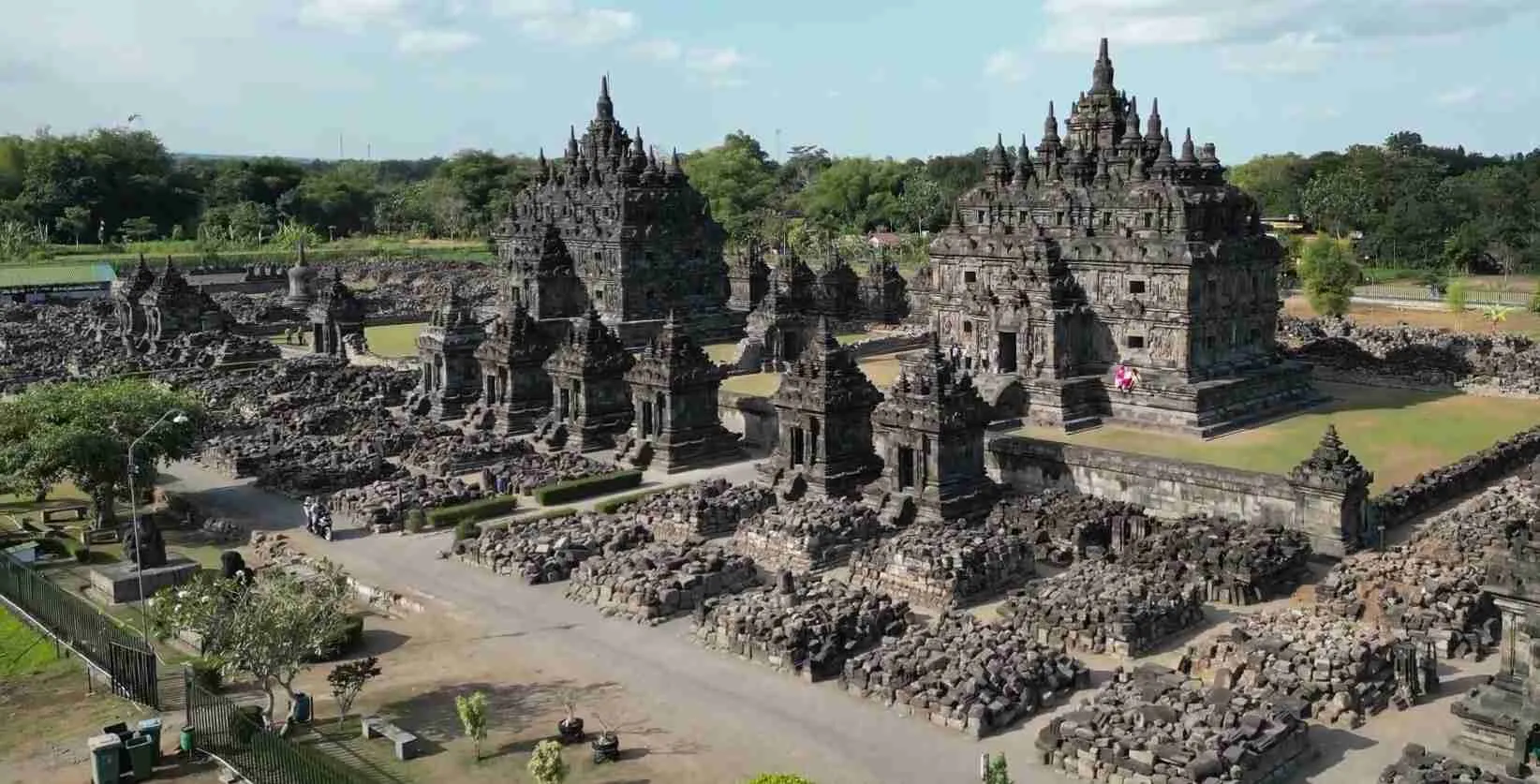
The cultural corridor connecting Yogyakarta and Surabaya represents Java’s historical heartland, where UNESCO World Heritage temples, ancient royal courts, and traditional Javanese culture converge along a 194-mile journey through Central and East Java. This route encompasses the magnificent Borobudur and Prambanan temple compounds, the batik workshops of Solo, and Surabaya’s colonial trading heritage, offering travelers an immersive experience through centuries of Indonesian civilization and cultural evolution.
Key Takeaways for Java Cultural Route 2026
- Transportation Efficiency: Direct trains between Yogyakarta and Surabaya operate every 4 hours, taking 4 hours at IDR 150,000-300,000 ($11-20) in executive class, with convenient stops in Solo for cultural exploration
- Temple Access Costs 2026: Combination tickets for Borobudur and Prambanan have been discontinued; foreign visitors pay IDR 455,000 ($30) for Borobudur and IDR 400,000 ($26) for Prambanan as separate admissions totaling IDR 855,000 ($56)
- Accommodation Value: Budget accommodations range IDR 150,000-300,000 ($10-20) in Yogyakarta and Solo, while mid-range hotels cost IDR 400,000-700,000 ($26-45), with strategic locations near cultural attractions and transportation hubs
- Cultural Journey Timeline: Allow 5-7 days for comprehensive route exploration including Yogyakarta’s temples (2-3 days), Solo’s batik heritage (1-2 days), and Surabaya’s historical sites (1-2 days), with daily budgets ranging $30-80 excluding accommodation
- Optimal Travel Period 2026: April-October dry season offers ideal temple exploration conditions with minimal rainfall, while avoiding July-August peak Indonesian holidays ensures manageable crowds and better accommodation availability
- Culinary Heritage Access: Street food costs IDR 15,000-30,000 ($1-2) per meal, local warungs IDR 30,000-60,000 ($2-4), and mid-range restaurants IDR 75,000-150,000 ($5-10), with each city offering distinct Javanese specialties
People Also Ask About Java Cultural Route 2026
How much does the complete Yogyakarta to Surabaya cultural route cost in 2026?
The complete Yogyakarta to Surabaya cultural route costs $175-450 per person for a 5-day journey in 2026, depending on accommodation choices and travel style. Budget travelers spending $35-60 daily can complete the route for $175-300, mid-range travelers at $60-90 daily reach $300-450, while luxury experiences exceed $500. Major expenses include temple admissions totaling IDR 855,000 ($56) for Borobudur and Prambanan separately since combination tickets were discontinued in 2025, train transportation IDR 150,000-300,000 ($11-20) between cities, and accommodation ranging IDR 150,000-700,000 ($10-45) per night. Daily food budgets span IDR 150,000-500,000 ($10-33) depending on dining choices from street food warungs to restaurant meals, with local transportation adding IDR 50,000-150,000 ($3-10) daily for taxis, becaks, and site access.
What is the best transportation option between Yogyakarta and Surabaya in 2026?
Trains represent the optimal transportation between Yogyakarta and Surabaya in 2026, operating every 4 hours with 4-hour journey times at IDR 150,000-300,000 ($11-20) for executive class comfort. Kereta API Indonesia operates direct services departing from Yogyakarta Tugu Station to Surabaya Gubeng Station with air-conditioned carriages, assigned seating, and spacious legroom superior to bus alternatives. Buses cost IDR 100,000-150,000 ($7-10) but require 6-8 hours due to traffic conditions and multiple stops, while flights through Adisucipto and Juanda airports cost significantly more at $75-115 when factoring airport transfers. Trains additionally offer the strategic advantage of stopping at Solo Balapan Station, enabling convenient cultural exploration of Solo’s batik heritage and royal palaces as a natural midpoint along the cultural route, making rail travel the most practical, comfortable, and culturally aligned transportation choice for this heritage corridor.
How many days should I allocate for the Yogyakarta to Surabaya cultural route in 2026?
Allocate 5-7 days for comprehensive cultural exploration of the Yogyakarta to Surabaya route in 2026, with distribution of 2-3 days in Yogyakarta, 1-2 days in Solo, and 1-2 days in Surabaya providing balanced immersion in each destination’s heritage. Yogyakarta requires at minimum 2 days for Borobudur Temple at sunrise and Prambanan Temple exploration, with an additional day recommended for Kraton palace complex, Taman Sari water castle, and traditional batik workshops. Solo deserves 1-2 days exploring Mangkunegaran and Kasunanan palaces, Museum Batik Danar Hadi, and Kampung Batik Laweyan artisan quarter where time-intensive batik demonstrations and workshops reward extended visits. Surabaya’s colonial architecture, House of Sampoerna, and Chinatown district merit 1-2 days, though business travelers or those with limited schedules can compress the route into 4 days by prioritizing major sites. Travelers seeking deeper cultural engagement including traditional dance performances, gamelan music lessons, or extended batik workshops should allocate 8-10 days along the route.
Can I visit Borobudur and Prambanan temples on the same day in 2026?
Visiting both Borobudur and Prambanan temples on the same day is physically possible but logistically challenging in 2026, requiring early morning departure and private transportation to optimize the 50-kilometer distance and 90-minute travel time between sites. Sunrise visits to Borobudur beginning at 4:00 AM with the special sunrise ticket at IDR 1,000,000 ($65) enable temple exploration by 8:00 AM, allowing arrival at Prambanan by 10:00-10:30 AM for afternoon exploration, though this creates an exhausting 12-14 hour day. The discontinued combination ticket policy requires purchasing separate full-price admissions totaling IDR 855,000 ($56), with no multi-site discount incentive. Most travelers achieve superior cultural immersion dedicating one full day to each temple complex: Borobudur with surrounding Mendut and Pawon temples forming a complete Buddhist pilgrimage route, and Prambanan combined with nearby Ratu Boko palace ruins on the following day. This two-day approach allows optimal photography lighting, reduces temple fatigue, and enables deeper engagement with each site’s architectural details and cultural significance rather than rushed coverage.
Extended multi-day tours – 5+ days
Featured Java Multi-Day Tour Packages
3 days
Java 3-Day Discovery Tour
- ✓ Comprehensive Java experience
- ✓ Expert local guides included
- ✓ All accommodation included
- ✓ Transportation provided
5 days
Java 5-Day Highlights Experience
- ✓ Comprehensive Java experience
- ✓ Expert local guides included
- ✓ All accommodation included
- ✓ Transportation provided

7 days
Java 7-Day Cultural Journey
- ✓ Comprehensive Java experience
- ✓ Expert local guides included
- ✓ All accommodation included
- ✓ Transportation provided
10 days
Java 10-Day Complete Adventure
- ✓ Comprehensive Java experience
- ✓ Expert local guides included
- ✓ All accommodation included
- ✓ Transportation provided
Multi-day tour packages powered by TourRadar. Prices and availability subject to change.
Introduction to Java’s Cultural Corridor 2026
The 194-mile corridor stretching from Yogyakarta through Solo to Surabaya represents the cultural spine of Java, where centuries of Hindu-Buddhist kingdoms, Islamic sultanates, and colonial trading empires have layered their architectural and cultural legacies across Central and East Java’s fertile volcanic plains. This route traverses the heartland of classical Javanese civilization, connecting the world’s largest Buddhist monument at Borobudur with the magnificent Hindu temple compounds of Prambanan, the refined royal courts of Solo where traditional batik artistry reaches its zenith, and Surabaya’s transformation from colonial trading port to modern Indonesian metropolis while retaining architectural echoes of Dutch, Arab, and Chinese merchant communities.
The cultural significance of this corridor extends beyond individual monuments to encompass living traditions that have evolved continuously since the 8th-century construction of Borobudur under the Sailendra Dynasty. Contemporary travelers witness traditional wayang kulit shadow puppetry performed in venues unchanged since the Mataram Sultanate, observe batik craftsmen employing canting tools and wax-resist techniques transmitted through generations of Solo families, and experience gamelan orchestras whose bronze instruments produce the distinctive scales and rhythms that have accompanied Javanese court ceremonies for centuries. The route functions as both a geographic journey and a temporal passage through Indonesia’s layered history, where ancient temples coexist with Dutch colonial architecture, traditional markets operate beside modern malls, and horse-drawn becaks share roads with high-speed trains.
Transportation infrastructure improvements in 2026 make this cultural exploration increasingly accessible while preserving the route’s traditional character. The Kereta API Indonesia rail network operates efficient 4-hour services between major cities with executive class comfort rivaling domestic flights, while traditional becaks, andongs (horse carts), and ojeks (motorcycle taxis) provide atmospheric local transportation within cities. Accommodation options span budget guesthouses in traditional joglo wooden houses to international hotel chains, with many mid-range properties occupying restored colonial buildings or traditional Javanese compounds that enhance the cultural immersion experience. Food costs remain remarkably affordable, enabling travelers to sample regional specialties from street food carts where nasi gudeg and timlo solo cost under $2 to refined restaurant interpretations of court cuisine.
The discontinuation of combination tickets for Borobudur and Prambanan in 2025 represents the most significant practical change for 2026 visitors, increasing temple admission costs from the previous combined IDR 650,000 to separate purchases totaling IDR 855,000 ($56), a 31.5% increase that reflects Indonesian heritage management policies treating each UNESCO World Heritage site as a distinct cultural experience requiring individual valuation. This policy shift necessitates adjusted budget planning but creates opportunities for deeper single-site engagement rather than rushed dual-temple visits. Sunrise access to Borobudur has reopened with strict 100-visitor daily quotas at IDR 1,000,000 ($65), requiring advance booking through authorized travel agencies and representing a premium experience for travelers prioritizing the iconic sunrise photography opportunity over budget considerations.
Seasonal planning for 2026 centers on Java’s dry season from April through October, when minimal rainfall enables comfortable temple exploration and optimal photography conditions under clear skies. The intermediate months of April-May and September-October offer particular advantages with fewer crowds compared to July-August Indonesian school holiday peaks, moderate temperatures averaging 27-30°C (81-86°F), and hotel availability without advance booking pressure. Wet season travel from November through March remains feasible given Indonesia’s tropical patterns producing afternoon thunderstorms rather than all-day rainfall, though temple visits require flexible scheduling around weather and Borobudur’s raised platforms become slippery when wet. Cultural festivals including Waisak celebrations at Borobudur in May and various kraton (palace) ceremonies in Solo create special programming throughout the year, though major Javanese ceremonies follow the Javanese calendar rather than Gregorian dates, requiring specific inquiry for 2026 scheduling.
Transportation Planning Between Yogyakarta, Solo, and Surabaya 2026
The 194-mile Yogyakarta-Surabaya corridor features comprehensive rail connectivity through Kereta API Indonesia services operating 25+ daily departures with 4-hour journey times and executive class fares of IDR 150,000-300,000 ($11-20) representing optimal comfort, efficiency, and cultural value for inter-city travel in 2026. Trains depart Yogyakarta Tugu Station every 4 hours beginning at early morning, stopping at Solo Balapan Station (65 kilometers, 1 hour) before continuing to Surabaya Gubeng Station, with assigned seating, air conditioning, and panoramic windows showcasing volcanic landscapes, terraced rice fields, and traditional villages throughout the journey. Executive class (Eksekutif) provides 2+2 seat configuration with significant legroom and reclining capability, while some premier services including Argo Bromo Anggrek offer flat-bed business class seats at premium pricing for overnight comfort.
Bus services operated by companies including Eka Cepat and Cititrans provide budget alternatives at IDR 100,000-150,000 ($7-10) but require 6-8 hours due to traffic conditions on the congested Yogyakarta-Surabaya highway, with departures from Giwangan Terminal in Yogyakarta to Terminal Purabaya in Surabaya operating 3-6 times daily. Air-conditioned buses offer reclining seats and onboard toilet facilities, though comfort levels vary significantly between operators and premium executive bus classes cost nearly equivalent to train executive fares while delivering inferior journey times and reliability. The 3-hour shuttle services advertised by some operators represent optimistic marketing rather than realistic travel times, occurring only during minimal traffic periods uncommon along this heavily-traveled route. Overnight bus departures enable morning arrivals while saving accommodation costs, though light sleepers find the journey challenging given frequent stops and Indonesian bus entertainment systems.
Private car hire with driver costs IDR 800,000-1,500,000 ($52-98) for the complete Yogyakarta-Surabaya journey with flexible routing enabling cultural stops at Solo’s palaces, traditional markets, or rural villages inaccessible by public transportation, representing practical choice for small groups where per-person costs become competitive with train executive class when divided among 3-4 travelers. Drivers familiar with cultural routes provide informal guiding services, lunch recommendations at authentic warungs, and timing optimization for temple visits, with many offering multi-day packages including accommodation for comprehensive route exploration. Vehicle options range from standard sedans to larger MPVs accommodating families with luggage, though air conditioning functionality varies and should be confirmed during booking given Java’s tropical climate.
Train Booking Procedures and Station Navigation 2026
Kereta API Indonesia tickets can be purchased through multiple channels including the official KAI Access mobile app, third-party platforms like Traveloka and Tiket.com, Indomaret convenience stores nationwide, and station ticket counters with advance online booking 90 days prior to departure recommended during Indonesian holiday periods of July-August and December-January. Online bookings generate QR codes requiring conversion to orange boarding passes through self-service kiosks at major stations at least 10 minutes before departure, with the digital system replacing older blue paper tickets and streamlining boarding processes. International credit cards function for online purchases, though some platforms may decline foreign cards requiring backup payment through PayPal or local debit arrangements.
Yogyakarta Tugu Station located 2 kilometers north of Malioboro Street serves as the primary departure point, featuring modern facilities including air-conditioned waiting areas, restaurants, prayer rooms, and left luggage services, with Trans Jogja bus connections, taxi stands, and becak services providing city center access. The boarding pass system requires passengers to scan QR codes at platform gates, with electronic displays indicating train schedules, platform assignments, and any delays in Indonesian and English. Solo Balapan Station offers similar facilities serving as the central rail hub for Solo with easy access to batik markets and royal palaces via short taxi rides. Surabaya Gubeng Station handles trains from the Yogyakarta direction while Surabaya Pasar Turi Station serves Jakarta and Semarang routes, requiring careful attention to correct station selection when planning connections.
Local Transportation Within Yogyakarta, Solo, and Surabaya 2026
Yogyakarta’s comprehensive Trans Jogja bus network operates 17 corridors connecting major cultural attractions including Prambanan Temple, Malioboro Street, the Kraton palace complex, and Taman Sari at flat fare of IDR 3,600 ($0.24) per journey regardless of distance, with air-conditioned buses running 5:30 AM to 10:00 PM providing budget-conscious transport across the city. Smartphone apps display real-time bus locations and route planning, though English language support remains limited and Indonesian language skills or translation apps assist navigation. Becaks (bicycle rickshaws) charge IDR 20,000-50,000 ($1.30-3.30) for short journeys with negotiation expected, offering atmospheric transport through narrow alleyways inaccessible to cars while supporting traditional livelihoods, though longer distances prove impractical given slow speeds.
Online ride-hailing services Gojek and Grab provide convenient motorcycle (ojek) and car options throughout all three cities, with motorcycle rides costing IDR 10,000-25,000 ($0.65-1.65) for typical intra-city journeys and cars IDR 25,000-60,000 ($1.65-4), with upfront pricing, GPS tracking, and cashless payment eliminating negotiation hassles. Traditional taxis operate with meters in Surabaya’s Blue Bird fleet maintaining reputation for honest service, though Yogyakarta and Solo taxis sometimes “forget” to activate meters requiring fare confirmation before departure. Day rentals of cars with drivers cost IDR 400,000-600,000 ($26-40) for 10-12 hour service including fuel for sites beyond public transport reach like Borobudur Temple or Solo’s batik villages, with hotel concierge services facilitating reliable driver arrangements.
Bicycle rentals in Yogyakarta cost IDR 30,000-50,000 ($2-3.30) daily from guesthouses and dedicated rental shops, enabling exploration of the relatively flat city center, Kota Gede silver district, and riverside paths, though tropical heat and traffic density require caution and early morning rides prove most comfortable. Solo’s compact city center suits walking exploration between Mangkunegaran Palace, Pasar Klewer batik market, and Gladag district, with distances under 2 kilometers enabling leisurely strolls through traditional neighborhoods. Surabaya’s sprawling layout necessitates motorized transport, though the renovated Arab Quarter and Chinatown reward walking exploration once reached via taxi or ride-hailing apps.
Yogyakarta Base: Temple Exploration and Cultural Immersion 2026
Yogyakarta functions as the natural starting point for the cultural route given its concentration of UNESCO World Heritage temples, traditional arts scene, and transportation hub status connecting major Javanese destinations with comprehensive accommodation and dining infrastructure supporting international visitors. The city’s dual identity as a functioning sultanate under Sultan Hamengkubuwono X and a modern university city creates unique cultural dynamics where traditional court ceremonies coexist with contemporary art galleries, ancient temples neighbor bustling markets, and gamelan performances share audiences with indie music venues. Strategic hotel selection near Malioboro Street or Prawirotaman area ensures walkable access to cultural attractions, restaurants, and transportation while maintaining atmospheric immersion in Javanese urban life.
Yogyakarta’s role as gateway to Borobudur and Prambanan temples requires 2-3 day allocation enabling unhurried temple exploration, sunrise photography opportunities, and appreciation of each site’s architectural sophistication and religious significance beyond rushed tourist coverage. The city itself rewards extended exploration through the Kraton palace complex where traditional court life continues largely unchanged, Taman Sari water castle ruins revealing 18th-century hydraulic engineering and royal bathing traditions, and batik workshops demonstrating the intricate wax-resist dyeing techniques that have achieved UNESCO Intangible Cultural Heritage recognition. Evening performances of Ramayana Ballet at Prambanan, wayang kulit shadow puppetry, and gamelan concerts provide cultural programming enhancing daytime monument visits with living artistic traditions.
Borobudur Temple Access and Exploration Strategies 2026
Borobudur Temple admission for international visitors costs IDR 455,000 ($30) for standard daytime access from 6:00 AM to 5:00 PM, with this 2026 pricing representing the standalone fee since combination tickets with Prambanan were discontinued in 2025, requiring separate full-price purchase for each UNESCO site visit totaling IDR 855,000 ($56). The entrance fee includes basic visitor insurance and complimentary sarong use if clothing doesn’t meet modest dress requirements covering shoulders and knees, with the temple structure climb-up access requiring special reservation and additional fees. Tickets can be purchased on-site at the main entrance or through the official borobudurpark.com website, though online booking doesn’t guarantee immediate entry as time slot quotas manage visitor flows to prevent overcrowding and structure damage.
Sunrise access to Borobudur Temple reopened in 2026 under strict conservation protocols limiting daily visitors to 100 people with mandatory special sunrise ticket at IDR 1,000,000 ($65) separate from standard admission and requiring advance booking through authorized travel agencies rather than direct individual purchase. Sunrise tours begin at 4:00 AM with guided ascent to the upper terraces for dawn photography as mist clears from the surrounding volcanic landscape and Kedu Plain, followed by included breakfast at Borobudur Cultural Center and full daytime access to the monument. The significant price premium reflects Indonesia’s heritage management philosophy valuing premium experiences while managing conservation impacts, with limited capacity creating advance booking necessity during peak months of June-August and December.
Alternative sunrise experiences at Punthuk Setumbu Hill (IDR 50,000 / $3.30 entrance) provide panoramic views of Borobudur’s silhouette against dawn skies from 1 kilometer distance without the official sunrise ticket expense, with early morning departures around 4:30 AM enabling arrival before sunrise and subsequent Borobudur visits using standard tickets when the temple opens at 6:00 AM. This approach delivers the iconic sunrise photography while avoiding the IDR 1,000,000 premium, though lacking the intimate on-temple experience and pre-opening access that justifies the special ticket for dedicated photographers and cultural enthusiasts. Manohara Hotel, the only accommodation within the temple complex grounds, offers sunrise access packages for guests combining overnight stays with exclusive early entry.
Transportation from Yogyakarta to Borobudur spanning 42 kilometers requires 60-90 minutes via hired car and driver at IDR 400,000-600,000 ($26-40) round-trip including waiting time, with hotel arrangements or Gojek/Grab bookings providing reliable vehicles. Public bus options exist through Trans Jogja to Jombor Terminal followed by local bus to Borobudur at total cost under IDR 50,000 ($3.30), though complex routing, limited English signage, and 2-3 hour journey time prove impractical for most international visitors especially when planning sunrise visits. Many travelers combine Borobudur with nearby Mendut and Pawon temples forming the Buddhist pilgrimage triangle, plus visits to local craft villages producing traditional pottery and woodcarving with driver-guided tours optimizing routing.
Prambanan Temple Complex Cultural Exploration 2026
Prambanan Temple admission for international visitors costs IDR 400,000 ($26) for standard access from 6:30 AM to 5:00 PM, with this standalone 2026 pricing replacing the previous combined Borobudur-Prambanan ticket following 2025 policy changes that discontinued multi-site packages. The entrance fee provides access to the main Prambanan compound featuring the towering Shiva, Brahma, and Vishnu temples, surrounding smaller shrines, and the archaeological park containing partially reconstructed Hindu temples spanning several hundred meters, with modest dress requirements enforced through complimentary sarong provision. The temple grounds encompass significantly larger area than many visitors anticipate, requiring 2-3 hours for comprehensive exploration including detailed examination of bas-relief narratives depicting the Ramayana epic carved into temple walls.
Combination visits to Ratu Boko palace ruins located 3 kilometers south of Prambanan create extended cultural experiences exploring the hilltop archaeological site where 8th-century Buddhist-Hindu palace complex ruins command panoramic views across the Prambanan plain to volcanic peaks beyond. Ratu Boko requires separate admission at IDR 200,000 ($13) for international visitors, with sunset timing offering optimal photography conditions as golden light illuminates Prambanan temples in the distance and evening calls to prayer echo from surrounding villages. Combined Prambanan-Ratu Boko visits require private transportation given limited public bus connections and 20-30 minute driving time between sites, with hired drivers providing flexible scheduling around lighting conditions and crowd patterns.
Ramayana Ballet performances at the open-air Prambanan theater operate May-October during dry season presenting the epic Hindu narrative through traditional Javanese dance accompanied by gamelan orchestra with the illuminated Prambanan temples as dramatic backdrop. Performance tickets cost IDR 100,000-450,000 ($7-30) depending on seating sections, with evening shows beginning around 7:30 PM and lasting 2 hours, recommended for travelers seeking cultural programming beyond monument architecture. Indoor theater performances continue year-round during wet season months, though the outdoor setting provides superior atmospheric experience when weather permits.
Accommodation Options in Yogyakarta 2026
Budget accommodations in Yogyakarta range IDR 150,000-300,000 ($10-20) per night for hostels, guesthouses, and budget hotels concentrated in Prawirotaman and Sosrowijayan areas near Malioboro Street, offering dormitory beds from IDR 80,000 ($5.30) and private rooms with air conditioning, en-suite bathrooms, and complimentary breakfast. Properties like Sleepy Raccoon Hostel, OTU Hostel with swimming pool, and traditional joglo guesthouse conversions combine backpacker affordability with cultural atmosphere, providing common areas for traveler interaction and tour booking services for temples and cultural activities. Location within walking distance of Malioboro’s restaurants, batik shops, and street food stalls creates convenience for independent travelers, though light sleepers should inquire about mosque proximity as early morning calls to prayer begin around 4:30 AM.
Mid-range hotels at IDR 400,000-700,000 ($26-45) per night include 3-star properties near Malioboro like Ibis Styles Yogyakarta, Hotel Tentrem, and The Phoenix Hotel occupying restored colonial buildings, offering air-conditioned rooms with WiFi, swimming pools, on-site restaurants serving Western and Indonesian breakfasts, and concierge services arranging temple tours and transportation. These properties balance comfort with cultural location, often featuring traditional Javanese architectural elements in lobbies and public spaces while providing international standard room amenities. The Prawirotaman neighborhood south of city center offers boutique hotels in renovated Dutch colonial houses and traditional compounds at similar pricing with quieter surroundings but requiring short taxi rides to major attractions.
Luxury accommodations at IDR 1,000,000-2,500,000+ ($65-165+) per night encompass properties like Royal Ambarrukmo Yogyakarta, Hyatt Regency Yogyakarta, and The Phoenix Hotel Yogyakarta’s premium rooms, providing 5-star amenities including multiple restaurants, spa facilities, large swimming pools, and extensive gardens. Garrya Bianti Yogyakarta 10 kilometers from city center offers resort-style escape with rice field views and cultural programming, suitable for travelers prioritizing relaxation alongside temple visits. Several luxury properties occupy heritage buildings with historical significance, combining modern comfort with architectural preservation and cultural storytelling through their design and programming.
Yogyakarta Dining Costs and Culinary Specialties 2026
Street food in Yogyakarta costs IDR 15,000-30,000 ($1-2) per dish with local specialties including nasi gudeg (young jackfruit curry with rice, chicken, and egg), angkringan (traditional cart snacks like sate kere for IDR 2,000-5,000 per stick), and bakpia sweet pastries filled with mung bean paste. Malioboro Street hosts numerous angkringan after sunset where shared mat seating and community atmosphere accompany exceptionally affordable meals, with total dinner costs remaining under IDR 50,000 ($3.30) including drinks and multiple dishes. Markets like Beringharjo offer food stalls serving breakfast favorites like nasi kucing (small rice portions with various side dishes) at IDR 10,000-20,000 ($0.65-1.30), enabling budget travelers to maintain daily food costs around IDR 100,000 ($6.65) while sampling authentic Javanese cuisine.
Traditional warungs and local restaurants charge IDR 30,000-75,000 ($2-5) for complete meals including rice, protein, vegetables, and beverages, with air-conditioned comfort and English menus in tourist areas. Gudeg Yu Djum and similar established eateries serve portions generous enough for two people at single-dish pricing, with gudeg variations incorporating additional proteins like krecek (buffalo skin crackers) and sambal goreng krecek adding flavor complexity and textural variety. Bakmi Jawa (Javanese noodles), soto ayam (chicken soup), and sate varieties cost IDR 25,000-40,000 ($1.65-2.65) providing filling lunches, while fresh fruit juice drinks at IDR 10,000-15,000 ($0.65-1) offer refreshing tropical hydration.
Mid-range restaurants at IDR 75,000-150,000 ($5-10) per person encompass both international cuisine options like Italian, Japanese, and Western fusion plus refined Indonesian restaurants presenting traditional dishes with contemporary plating and ambiance. Prawirotaman area features numerous restaurants catering to international visitors with diverse menu selections, air conditioning, and English-speaking staff, suitable for travelers seeking familiar comfort food alongside cultural exploration. Hotel restaurants often provide buffet breakfasts included in room rates, supplementing independent meal costs and enabling lighter lunch budgeting when full breakfast services extend to late morning.
Solo (Surakarta) Cultural Stopover: Batik Heritage and Royal Courts 2026
Solo, officially Surakarta, positioned 65 kilometers northeast of Yogyakarta along the cultural route, represents the refined pinnacle of traditional Javanese courtly culture where two functioning royal palaces, the world-renowned batik industry, and relatively limited international tourism create authentic immersion in Central Java’s living heritage. The city’s dual sultanates at Mangkunegaran and Kasunanan palaces maintain traditional court ceremonies, gamelan performances, and aristocratic cultural programming largely unchanged since their 18th-century establishment, while surrounding kampungs (neighborhoods) house batik workshops where artisans practice techniques transmitted through family lineages spanning generations. Solo’s positioning as railway junction between Yogyakarta and Surabaya enables convenient 1-hour train stopover converting travel day into cultural exploration opportunity.
Solo’s batik industry anchors the city’s cultural identity and economy, with production ranging from traditional hand-drawn batik tulis requiring months of skilled craftsmanship per cloth to contemporary batik cap (stamped) and printed variations serving global fashion markets. Museum Batik Danar Hadi presents comprehensive collections spanning antique court batik, regional pattern variations, and contemporary design innovations with guided tours explaining wax-resist dyeing techniques and symbolic pattern meanings. Kampung Batik Laweyan neighborhood functions as living batik district where family workshops open to visitors demonstrating canting tool manipulation, multiple wax layering for color complexity, and natural dye preparation from traditional plant materials, with purchases supporting master artisans directly rather than commercial intermediaries.
Transportation and Accommodation in Solo 2026
Solo Balapan Station serves as the city’s central rail hub with direct train connections to Yogyakarta (1 hour, IDR 50,000-100,000 / $3.30-6.65) and Surabaya (3 hours, IDR 100,000-200,000 / $6.65-13), enabling seamless integration into the Yogyakarta-Surabaya cultural route without backtracking or complex routing. The station’s central location provides taxi and becak access to major attractions within 10-15 minutes, with most hotels and guesthouses concentrated along Jalan Slamet Riyadi extending from the station through the commercial district to traditional neighborhoods. Commuter trains additionally connect Solo with nearby cultural sites like Sangiran Early Man Museum and rural batik villages for travelers allocating extended time to regional exploration.
Budget accommodation in Solo costs IDR 150,000-250,000 ($10-16) per night for guesthouses and budget hotels, with properties like DoeloerKoe Homestay receiving exceptional traveler reviews for friendly service, traditional atmosphere, and central locations enabling walking access to major sites. The city’s university population supports budget infrastructure exceeding accommodation options in more tourist-focused Yogyakarta and Surabaya, with local guesthouses often occupying traditional Javanese houses featuring open-air courtyards and joglo wooden architecture. Mid-range hotels at IDR 350,000-600,000 ($23-40) include properties like Novotel Solo, Ibis Styles Solo, and The Royal Surakarta Heritage featuring modern amenities in historically significant buildings, with competitive rates reflecting Solo’s lower international tourist volumes compared to Yogyakarta.
Solo Cultural Attractions and Culinary Specialties 2026
Mangkunegaran Palace (Puro Mangkunegaran) requires admission of IDR 50,000 ($3.30) for international visitors, providing access to the throne room displaying enormous Javanese bronze gamelan set, museum collections of traditional keris daggers and royal heirlooms, and occasional traditional dance performances held in palace pavilions. The functioning palace maintains royal family residence in private wings while public areas showcase court culture through architecture, art collections, and cultural programming. Kasunanan Palace (Keraton Surakarta Hadiningrat) charges similar entrance fees with larger compound encompassing multiple pavilions, museums displaying court regalia, and regular Sunday morning gamelan rehearsals open to public observation representing rare opportunities to witness traditional court music preparation.
Museum Batik Danar Hadi entrance costs IDR 50,000 ($3.30) with guided tours included explaining historical developments of Javanese batik from Hindu-Buddhist court patterns through Islamic adaptations to contemporary innovations, with extensive textile collections spanning rare antique batik, regional style variations, and contemporary fashion collaborations. The museum shop sells high-quality batik textiles and garments at transparent fixed prices providing reliable quality reference points before visiting commercial markets. Kampung Batik Laweyan operates as neighborhood district rather than single attraction, with numerous family workshops welcoming visitors for demonstrations and purchases at varied price points reflecting craftsmanship levels from basic printed batik at IDR 100,000-200,000 ($6.65-13) to intricate hand-drawn batik tulis pieces requiring months of work priced at millions of rupiah.
Solo cuisine centers on distinctive dishes including timlo solo (soup with chicken liver, egg, and pastry-wrapped sausages) at IDR 30,000-50,000 ($2-3.30) per bowl, nasi liwet (coconut rice with various accompaniments) popular at street stalls for IDR 20,000-35,000 ($1.30-2.30), and serabi notosuman (traditional coconut milk pancakes) at IDR 15,000-25,000 ($1-1.65) serving both breakfast and snack contexts. Galabo (Gladag Langen Bogan) night market on Jalan Sunaryo assembles street food stalls selling Solo specialties under covered pavilion seating, with dishes rarely exceeding IDR 20,000 ($1.30) enabling comprehensive culinary sampling at minimal cost. Mid-range restaurants like Resto Pecel Solo and Omah Sinten present traditional court cuisine in atmospheric settings at IDR 75,000-150,000 ($5-10) per person, often occupying heritage buildings enhancing dining experience through architectural immersion.
Surabaya Destination: Colonial Heritage and Modern Metropolis 2026
Surabaya, Indonesia’s second-largest city and East Java’s capital, represents the eastern terminus of the cultural route where Dutch colonial architecture, Arab Quarter heritage, Chinese temples, and naval history museums document centuries of maritime trade and cultural exchange in Indonesia’s principal port city. The city functions primarily as commercial and industrial center rather than cultural destination, yet neighborhoods like Kampung Arab and Chinatown preserve distinctive cultural identities, House of Sampoerna demonstrates clove cigarette production in restored Dutch tobacco warehouses, and Heroes Monument (Tugu Pahlawan) commemorates Indonesian independence struggles. Travelers allocate 1-2 days exploring Surabaya’s urban heritage before continuing to Bromo-Tengger-Semeru National Park or ferry connections to Bali.
Surabaya’s cosmopolitan character reflects its historical role as trading crossroads where Javanese, Arab, Chinese, Dutch, and other merchant communities established distinct neighborhoods retaining architectural and culinary characteristics despite modern urban development pressures. The Arab Quarter centered on Ampel Mosque presents Middle Eastern market atmosphere with perfume shops, dates vendors, and Islamic bookstores surrounding the tomb of Sunan Ampel, one of the nine Islamic saints credited with spreading Islam across Java. Chinatown’s Hong Tiek Hian temple, 18th-century Javanese-Chinese hybrid architecture, and traditional medicine shops demonstrate centuries-old Chinese community integration into Javanese society while maintaining cultural distinctiveness.
Transportation and Accommodation in Surabaya 2026
Surabaya Gubeng Station receives trains from Yogyakarta direction while Surabaya Pasar Turi Station serves Jakarta and Semarang routes, requiring attention to correct station selection for departures and arrivals. Both stations feature modern facilities including air-conditioned waiting areas, restaurants, prayer rooms, and taxi stands with Gojek and Grab ride-hailing providing convenient city transportation at typical costs of IDR 25,000-60,000 ($1.65-4) for intra-city journeys. Juanda International Airport located 20 kilometers south of city center connects Surabaya to domestic and international destinations, with airport trains to Surabaya Gubeng Station operating 6:00 AM to 9:00 PM at IDR 10,000 ($0.65) providing budget airport access supplementing taxi options at IDR 150,000-200,000 ($10-13).
Budget accommodation in Surabaya ranges IDR 150,000-300,000 ($10-20) per night concentrated in areas near Tunjungan Plaza and Gubeng Station, offering basic air-conditioned rooms suitable for brief stopovers. Mid-range hotels at IDR 450,000-800,000 ($30-52) include properties like Ibis Surabaya City Center and Four Points by Sheraton Surabaya providing modern amenities, central locations, and international brand reliability. The city’s business hotel focus creates weekend rate discounts when corporate demand drops, with Sunday-Thursday pricing often 20-30% lower than Friday-Saturday rates. Luxury options like Shangri-La Hotel Surabaya and The Westin Surabaya at IDR 1,200,000-2,500,000+ ($80-165+) cater to business travelers and affluent tourists with full-service facilities including multiple restaurants, pools, and spas.
Surabaya Cultural Attractions and Dining Costs 2026
House of Sampoerna museum entrance costs IDR 0 (free admission) with guided tours explaining clove cigarette production processes, tobacco history in Indonesia, and Dutch colonial architecture through the restored 19th-century warehouse complex where handrollers still practice traditional kretek cigarette production techniques. The museum shop sells premium Sampoerna cigarette varieties and heritage merchandise, with the adjoining café providing rest opportunities in air-conditioned environment. Heroes Monument (Tugu Pahlawan) commemorates November 10, 1945 Battle of Surabaya with free access to the monument plaza, while the adjacent museum charges IDR 5,000 ($0.33) admission presenting independence struggle artifacts and historical documentation.
Kampung Arab exploration centers on Ampel Mosque and surrounding market streets where dates, perfumes, Islamic textiles, and Middle Eastern foods create distinctive atmosphere, with free access to public areas though mosque interior entry requires Muslim faith and modest dress. Street food in the Arab Quarter features Middle Eastern-influenced Indonesian dishes like martabak mesir (stuffed flatbread) at IDR 20,000-30,000 ($1.30-2) and various date-based sweets reflecting centuries of Arab trader influence on local cuisine. Chinatown’s Hong Tiek Hian temple permits free visitor entry with photography outside prayer times, showcasing colorful Javanese-Chinese architectural fusion and active worship communities maintaining centuries-old traditions.
Surabaya dining costs average IDR 150,000-300,000 ($10-20) daily for travelers balancing street food, warungs, and occasional restaurant meals, with the city’s larger scale and business orientation creating slightly higher pricing compared to Yogyakarta and Solo. Street food costs IDR 20,000-40,000 ($1.30-2.65) per meal, local restaurants IDR 40,000-80,000 ($2.65-5.30), and mid-range dining IDR 100,000-200,000 ($6.65-13) per person. Rujak cingur (fruit and vegetable salad with beef snout) represents Surabaya’s distinctive culinary contribution at IDR 25,000-40,000 ($1.65-2.65) from street vendors, while rawon (black beef soup) and lontong balap (rice cakes in vegetable curry) provide other regional specialties widely available at warungs and restaurants.
Sample Itineraries: Yogyakarta to Surabaya Cultural Route 2026
The following sample itineraries demonstrate practical day-by-day planning for cultural route exploration with varied time allocations and budget levels, incorporating transportation logistics, temple timing strategies, and accommodation recommendations. Each itinerary assumes morning arrivals in Yogyakarta and concludes in Surabaya with flexibility for extended exploration or onward connections to Bromo-Tengger-Semeru National Park or Bali ferry services.
5-Day Budget Cultural Route Itinerary 2026
Day 1 Yogyakarta arrival and city exploration begins with afternoon check-in at budget guesthouse in Prawirotaman at IDR 200,000 ($13), followed by Kraton palace visit at IDR 15,000 ($1) and Taman Sari water castle at IDR 15,000 ($1), evening Malioboro Street exploration, and street food dinner at IDR 30,000 ($2). Total day cost IDR 60,000 ($4) excluding accommodation.
Day 2 Borobudur Temple excursion departs 5:00 AM via hired driver at IDR 500,000 ($33) round-trip for two people (IDR 250,000 / $16.50 per person when sharing), sunrise viewing from Punthuk Setumbu Hill at IDR 50,000 ($3.30), standard Borobudur admission at IDR 455,000 ($30), lunch at local warung near temple at IDR 35,000 ($2.30), return to Yogyakarta for evening rest. Total day cost IDR 790,000 ($52) per person when sharing transportation.
Day 3 Prambanan Temple visit via Trans Jogja and local transport at IDR 15,000 ($1) total, temple admission at IDR 400,000 ($26), packed lunch from guesthouse, evening Ramayana Ballet performance at IDR 100,000 ($6.65), late dinner at Prawirotaman restaurant at IDR 50,000 ($3.30). Total day cost IDR 565,000 ($37).
Day 4 morning train to Solo at IDR 75,000 ($5), check-in at budget hotel at IDR 200,000 ($13), afternoon visits to Mangkunegaran Palace at IDR 50,000 ($3.30) and Museum Batik Danar Hadi at IDR 50,000 ($3.30), evening Kampung Batik Laweyan exploration, dinner at Galabo night market at IDR 35,000 ($2.30). Total day cost IDR 210,000 ($14) excluding accommodation.
Day 5 morning Kasunanan Palace visit at IDR 50,000 ($3.30), batik shopping and workshop demonstrations, lunch at local warung at IDR 30,000 ($2), afternoon train to Surabaya at IDR 150,000 ($10), check-in at budget hotel near Gubeng Station at IDR 250,000 ($16), evening House of Sampoerna visit (free), dinner at local restaurant at IDR 60,000 ($4). Total day cost IDR 290,000 ($19) excluding accommodation.
5-day route budget total excluding accommodation: approximately IDR 1,915,000 ($126) per person, with accommodation adding IDR 850,000 ($56) for total trip cost around IDR 2,765,000 ($182) per person.
7-Day Comprehensive Cultural Route Itinerary 2026
Day 1 Yogyakarta arrival includes mid-range hotel check-in near Malioboro at IDR 500,000 ($33), afternoon Kraton and Taman Sari exploration at IDR 30,000 ($2) combined admission, evening batik shopping and Malioboro street food dinner at IDR 50,000 ($3.30). Total day cost IDR 80,000 ($5.30) excluding accommodation.
Day 2 Borobudur sunrise experience with special sunrise ticket at IDR 1,000,000 ($65) including pre-dawn access, guided tour, and breakfast, afternoon rest at hotel, evening traditional dance performance, dinner at mid-range restaurant at IDR 100,000 ($6.65). Total day cost IDR 1,100,000 ($73).
Day 3 Prambanan Temple with private driver at IDR 300,000 ($20) for day including Ratu Boko palace ruins, temple admissions totaling IDR 600,000 ($40), lunch at restaurant near temples at IDR 75,000 ($5), evening Ramayana Ballet at IDR 250,000 ($16.50) premium seating, dinner at IDR 100,000 ($6.65). Total day cost IDR 1,325,000 ($88).
Day 4 Yogyakarta cultural day includes Kota Gede silver district exploration via becak at IDR 50,000 ($3.30), batik workshop participation at IDR 200,000 ($13), lunch at local restaurant at IDR 60,000 ($4), afternoon gamelan lesson, evening street food tour at IDR 40,000 ($2.65). Total day cost IDR 350,000 ($23).
Day 5 morning executive class train to Solo at IDR 100,000 ($6.65), check-in at mid-range hotel at IDR 450,000 ($30), afternoon Mangkunegaran Palace and museum at IDR 50,000 ($3.30), evening cultural performance at palace, dinner at Omah Sinten restaurant at IDR 120,000 ($8). Total day cost IDR 270,000 ($18) excluding accommodation.
Day 6 full Solo cultural immersion includes Kasunanan Palace morning tour at IDR 50,000 ($3.30), Museum Batik Danar Hadi extended visit at IDR 50,000 ($3.30), lunch at traditional restaurant at IDR 80,000 ($5.30), afternoon Kampung Batik Laweyan workshop participation at IDR 150,000 ($10), batik purchases, dinner at IDR 100,000 ($6.65). Total day cost IDR 430,000 ($28).
Day 7 morning train to Surabaya executive class at IDR 200,000 ($13), check-in at mid-range hotel at IDR 600,000 ($40), afternoon House of Sampoerna visit (free), Kampung Arab exploration, dinner at Chinatown restaurant at IDR 120,000 ($8), evening Heroes Monument area. Total day cost IDR 320,000 ($21) excluding accommodation.
7-day route total excluding accommodation: approximately IDR 3,875,000 ($255), with accommodation adding IDR 2,500,000 ($165) for total trip cost around IDR 6,375,000 ($420) per person.
Money-Saving Strategies for Java Cultural Route 2026
Transportation costs decrease significantly when sharing hired drivers among 2-4 travelers, with Yogyakarta-Borobudur round-trips at IDR 500,000-600,000 ($33-40) total dividing to IDR 125,000-150,000 ($8.30-10) per person in groups of four compared to individual costs. Booking drivers through hotel concierges or guesthouse recommendations rather than tourist-area touts ensures transparent pricing and reliable service, with WhatsApp communication enabling advance arrangements and itinerary confirmation. Multi-day driver packages including Solo and Surabaya create better value than single-day hires when group dynamics support shared transportation preferences.
Temple visits optimize costs by dedicating full days to each major site rather than rushed combinations, with standard admission tickets at IDR 455,000 Borobudur and IDR 400,000 Prambanan totaling IDR 855,000 ($56) representing non-negotiable major expense but enabling unhurried exploration justifying the investment. Sunrise alternatives using Punthuk Setumbu Hill at IDR 50,000 ($3.30) save IDR 950,000 ($63) compared to official Borobudur sunrise tickets while delivering comparable photography opportunities, though lacking intimate pre-opening temple access. Secondary temple sites like Ratu Boko, Plaosan, and Sewu temples near Prambanan charge lower admission fees while offering architectural interest and reduced crowds.
Accommodation booking through Indonesian platforms like Traveloka and Tiket.com reveals promotional rates and flash sales unavailable on international booking sites, with new user bonuses providing 8-10% discounts on first bookings. Staying in residential neighborhoods like Prawirotaman in Yogyakarta rather than immediately adjacent to Malioboro reduces room rates 20-30% while maintaining walking or short taxi distance to major attractions. Weekend rates in Surabaya’s business hotels drop significantly Friday-Sunday when corporate demand decreases, creating opportunities for upgraded accommodations at budget pricing during convenient travel periods.
Food costs minimize through market meals and street food with breakfast from guesthouse provisions or market stalls at IDR 15,000-25,000 ($1-1.65), substantial lunches at local warungs for IDR 30,000-45,000 ($2-3), and varied street food dinners sampling multiple dishes at IDR 40,000-60,000 ($2.65-4), maintaining daily food budgets around IDR 100,000-150,000 ($6.65-10) versus restaurant-only dining at IDR 300,000+ ($20+) daily. Bottled water purchases at markets and convenience stores cost IDR 5,000-8,000 ($0.33-0.53) compared to tourist-area restaurants charging IDR 15,000-25,000 ($1-1.65), with refillable water bottles reducing plastic waste and cumulative expenses.
Best Time to Visit Java Cultural Route 2026
April through October dry season provides optimal conditions for temple exploration with minimal rainfall, comfortable temperatures averaging 27-30°C (81-86°F), and clear skies enabling superior photography at Borobudur’s sunrise viewing and Prambanan’s evening illumination. The intermediate months of April-May and September-October offer particular advantages balancing pleasant weather with reduced crowds compared to July-August Indonesian school holiday peaks when domestic tourism intensifies temple visits and accommodation prices increase 30-50%. Hotel availability remains strong during shoulder months without advance booking pressure, enabling flexible itinerary adjustments and last-minute changes responding to personal preferences or unexpected opportunities.
July-August peak season corresponds to Indonesian school holidays and international summer vacation periods creating maximum crowds at Borobudur and Prambanan where visitor numbers can triple compared to shoulder months, with temple platform congestion impacting photography opportunities and contemplative experiences. Advance bookings become essential during this period for quality accommodations near cultural attractions, with many mid-range properties reaching full capacity weeks ahead of arrival dates. Train tickets similarly require advance purchase during peak periods as popular departures sell out, though the every-4-hour service frequency provides backup options. Cultural festivals during July-August including various kraton ceremonies create special programming partially offsetting crowd drawbacks for travelers prioritizing traditional events.
November through March wet season brings afternoon thunderstorms and occasional all-day rainfall affecting temple visits and outdoor cultural activities, though morning hours frequently remain clear enabling strategic timing around weather patterns. Reduced tourist volumes create more intimate experiences at major sites, hotel rates drop 20-40% from peak season pricing, and authentic cultural immersion increases as domestic Indonesian tourism decreases outside holiday periods. Rainy season temperatures remain warm at 26-29°C (79-84°F) with high humidity levels, though afternoon storms provide natural cooling and dramatic cloud formations enhancing volcanic landscape photography. Indoor cultural activities like batik workshops, palace museums, and traditional performances function regardless of weather, making wet season practical for travelers flexible about temple timing or willing to embrace occasional rain delays.
Specific 2026 cultural events worth planning around include Waisak (Buddha’s birthday) celebrated at Borobudur during May full moon with elaborate ceremonies and processions, Chinese New Year festivities in Surabaya’s Chinatown in late January/early February, and various Javanese court ceremonies at Solo’s palaces following the Javanese calendar requiring specific date inquiry. Ramayana Ballet at Prambanan operates May-October during dry season with weekend performances, while gamelan concerts and wayang kulit shadow puppetry continue year-round at various venues. Islamic holidays including Ramadan (approximately March-April 2026) create unique cultural experiences though some restaurants close during daylight fasting hours and travel patterns intensify around Eid celebrations.
Practical Planning Tips for Java Cultural Route 2026
Indonesian visa requirements for most Western nationalities provide 30-day visa-free entry for tourism purposes or 60-day visa-on-arrival at IDR 500,000 ($33) purchased at major airports, with extensions available through immigration offices for longer stays. Passport validity minimum 6 months beyond entry date applies universally with blank pages required for stamps, though visa-free entry eliminates pre-departure application procedures for qualifying nationalities. Checking current visa policies through Indonesian embassy websites confirms eligibility given periodic policy adjustments affecting different nationalities.
Currency exchange optimizes at Indonesian bank ATMs dispensing rupiah at official exchange rates plus minimal fees compared to airport and hotel exchanges charging 5-10% margins above market rates. Major banks including BCA, Mandiri, and BNI maintain extensive ATM networks across Yogyakarta, Solo, and Surabaya with most accepting international cards for withdrawals up to IDR 3,000,000-5,000,000 ($200-330) per transaction. Credit cards see acceptance at mid-range and upscale hotels, larger restaurants, and organized tour operators, though cash remains essential for temples, markets, street food, and budget accommodations. Carrying mixed denominations particularly IDR 50,000 and IDR 20,000 notes facilitates small purchases where IDR 100,000 notes prove difficult to change.
Mobile connectivity through Indonesian SIM cards from providers like Telkomsel, XL Axiata, and Indosat costs IDR 50,000-150,000 ($3.30-10) for tourist packages including substantial data allowances enabling navigation apps, translation tools, ride-hailing services, and communication throughout the route. Airport and city center stores sell activated SIM cards with passport identification required for registration, though most guesthouses and hotels offer free WiFi reducing mobile data dependence for accommodation research and planning. Google Maps provides reliable navigation across Java with accurate public transportation routing including Trans Jogja bus schedules, train departure times, and walking directions between cultural attractions.
Health precautions center on drinking bottled or boiled water exclusively, with sealed bottled water widely available at convenience stores, markets, and vendors for IDR 5,000-15,000 ($0.33-1) depending on volume and location. Street food safety improves at busy stalls with high turnover ensuring food freshness, while observing local patronage patterns identifies popular quality establishments. Mosquito-borne disease prevention through repellent application particularly during dawn and dusk hours when Aedes mosquitoes transmit dengue fever, with long sleeves and pants providing additional protection. Travel insurance including medical coverage and evacuation provisions creates security for unforeseen health emergencies, though Java’s medical facilities in major cities provide quality healthcare substantially more affordable than Western equivalents.
Cultural etiquette at temples requires modest dress covering shoulders and knees with sarongs provided at major sites when necessary, shoes removed before entering temple structures following Hindu-Buddhist traditions, and respectful behavior avoiding loud conversations or inappropriate poses for photographs. Javanese culture values indirect communication and polite deference, with friendly greetings and smiles establishing positive interactions and bargaining expectations varying by context from fixed-price museums and restaurants to negotiable becak fares and market purchases. Photography restrictions apply inside Borobudur temple structure since 2023 conservation policies, though exterior photography remains unrestricted with sunrise and landscape images from multiple vantage points creating memorable documentation.
Extending the Cultural Route: Connections to Bromo and Bali 2026
Surabaya’s position as transportation hub enables natural route extensions to Bromo-Tengger-Semeru National Park witnessing Mount Bromo’s active volcanic crater and sunrise viewing from viewpoint terraces, accessible via 3-4 hour drives to Probolinggo or Malang with organized tours from IDR 350,000-600,000 ($23-40) per person for group departures. Two-day Bromo tours incorporating overnight stays in mountain villages near viewpoints, sunrise crater rim exploration, and returns to Surabaya cost IDR 800,000-1,500,000 ($52-98) including transportation, basic accommodation, and meals, creating dramatic volcanic landscapes contrasting with cultural temple visits along the Yogyakarta-Surabaya route. Train connections from Surabaya to Probolinggo operate regularly at IDR 50,000-100,000 ($3.30-6.65) for independent travelers arranging their own Bromo logistics through guesthouses and local drivers.
Ferry connections from Surabaya’s Tanjung Perak port to Bali’s Gilimanuk terminal operate 24 hours with approximately hourly departures for vehicles and foot passengers, though most travelers prefer the more convenient bus-ferry combination services at IDR 150,000-250,000 ($10-16) total for the 7-8 hour journey including ferry crossing to Denpasar or Ubud. Alternatively, direct flights from Surabaya to Denpasar cost $35-75 for budget airlines including Citilink, Batik Air, and Lion Air with 1-hour flight times eliminating surface travel logistics for travelers prioritizing time efficiency. The overland route through East Java’s coastal highway reveals rural village life and agricultural landscapes rarely experienced by international visitors focusing on major tourist destinations, creating authentic cultural immersion opportunities before Bali’s more developed tourism infrastructure.
Yogyakarta serves as alternative hub for Dieng Plateau exploration featuring Hindu temples, volcanic craters, and misty highland landscapes 120 kilometers northwest requiring organized tours or private drivers at IDR 600,000-1,000,000 ($40-65) for day trips. Multi-day cultural routes extending from Yogyakarta through Solo to Surabaya then continuing to Bromo and concluding in Bali create comprehensive 10-14 day Java-Bali itineraries balancing cultural temple exploration with volcanic landscapes and beach relaxation, representing classic Indonesian travel routes for first-time visitors seeking diverse experiences across the archipelago’s most developed tourist infrastructure.
Frequently Asked Questions Java Cultural Route 2026
What is included in Borobudur and Prambanan temple entrance fees in 2026?
Borobudur temple entrance fee of IDR 455,000 ($30) includes access to the main temple structure and surrounding archaeological park from 6:00 AM to 5:00 PM, basic visitor insurance coverage, and complimentary sarong use if clothing doesn’t meet modest dress requirements covering shoulders and knees. The standard admission enables climbing the temple terraces to view Buddha statues and relief panels, though photography inside temple structures is prohibited following conservation policies implemented in 2023. Prambanan temple entrance fee of IDR 400,000 ($26) similarly includes access to the main Hindu temple compound featuring the towering Shiva, Brahma, and Vishnu temples plus surrounding smaller shrines and archaeological park, with basic insurance and sarong provision. Neither entrance fee includes guided tours, audio guides available for separate rental, transportation to sites, meals, or access to separate nearby attractions like Ratu Boko palace ruins requiring additional admission. The previous combination tickets enabling discounted dual-site visits were discontinued in 2025, requiring separate full-price purchases totaling IDR 855,000 ($56) for both UNESCO World Heritage sites.
How safe is train travel between Yogyakarta and Surabaya in 2026?
Train travel between Yogyakarta and Surabaya represents the safest inter-city transportation option in Java with modern infrastructure, comprehensive maintenance programs, and excellent safety records across the Kereta API Indonesia network serving this major route. Executive class trains feature air-conditioned carriages with assigned seating eliminating overcrowding, secure luggage storage areas, and onboard staff assistance, with passenger insurance included in ticket pricing providing coverage for unlikely incidents. The dedicated rail corridors separate trains from road traffic avoiding bus accident risks, while regular track maintenance and modern signaling systems ensure operational safety standards exceeding bus and private vehicle alternatives on congested highways.
Security concerns center on petty theft rather than serious crime, with valuable items requiring attention during station stops when unauthorized vendors and beggars sometimes board carriages, though professional thieves targeting foreigners remain rare on this route compared to major cities. Keeping bags within sight, avoiding obvious wealth displays, and maintaining awareness in crowded stations represent sufficient precautions for safe travel. Women traveling solo report comfortable experiences on daytime trains with respectful treatment from fellow passengers and staff, though overnight services merit additional caution with valuables secured and seats near other families or female passengers preferred when possible. The boarding pass system requiring QR code scanning at platform gates enhances security by limiting platform access to ticket holders.
Do I need to book temple tickets in advance for 2026?
Standard daytime admission tickets for Borobudur and Prambanan do not require advance booking and can be purchased at temple entrance gates throughout operating hours from 6:30 AM to 4:30 PM, though online purchasing through the official borobudurpark.com website enables QR code tickets avoiding ticket counter queues during peak periods. The time slot system at Borobudur manages visitor flows by limiting simultaneous temple structure access to prevent overcrowding and conservation damage, with entry times assigned upon ticket purchase either online or on-site based on current capacity. During typical low-medium visitor periods, same-day walk-up purchases receive immediate or near-immediate entry, while peak Indonesian holiday periods of July-August and December-January may create 1-3 hour wait times for available time slots.
Borobudur sunrise tickets require mandatory advance booking through authorized travel agencies rather than individual direct purchase, with the strict 100-visitor daily quota creating necessity for reservations weeks ahead during peak season and at least several days during shoulder periods. Tour operators and hotel concierge services facilitate sunrise ticket bookings as part of complete packages including pre-dawn transportation, guided tours, and breakfast, with independent advance arrangements ensuring availability for travelers prioritizing this premium experience. Prambanan operates without capacity restrictions or time slot systems, enabling flexible same-day visits throughout operating hours without advance booking requirements, though arriving before 9:00 AM or after 3:00 PM avoids peak mid-day crowds for more contemplative experiences.
What is the best base city for exploring the Java cultural route?
Yogyakarta functions as the optimal base city for Java cultural route exploration given its superior combination of UNESCO World Heritage temple access (Borobudur and Prambanan within day-trip distance), comprehensive accommodation infrastructure across all budget levels, extensive dining options, traditional arts scene, and central location enabling efficient train connections to Solo (1 hour) and Surabaya (4 hours). The city’s compact size allows walking or short taxi trips between attractions, with the Kraton palace complex, Taman Sari, batik workshops, and Malioboro Street accessible from central hotels. Yogyakarta’s established tourist infrastructure includes English-speaking guides, tour operators, transportation services, and accommodation staff experienced with international visitor needs while maintaining authentic Javanese cultural atmosphere through functioning sultanate governance and daily court activities.
Solo represents viable alternative base for travelers prioritizing authentic cultural immersion over tourist infrastructure, with the refined batik heritage, dual royal palaces, and relatively limited international tourism creating more intimate experiences at lower costs compared to Yogyakarta. The city’s central position enables equal access to Yogyakarta temples (90 minutes by train) and Surabaya (3 hours), though overall journey times increase compared to Yogyakarta-based itineraries. Surabaya serves primarily as endpoint rather than base given its commercial orientation and distance from major cultural sites, though travelers prioritizing Bromo-Tengger-Semeru National Park access or Bali ferry connections may find Surabaya’s eastern position advantageous for multi-destination itineraries extending beyond the cultural triangle.
Can I complete the route using only public transportation?
The Yogyakarta-Solo-Surabaya cultural route can be completed entirely using public transportation through combination of Kereta API Indonesia trains for inter-city travel at IDR 150,000-300,000 ($10-20) total, Trans Jogja buses within Yogyakarta at IDR 3,600 ($0.24) per journey, city buses and becaks in Solo, and Gojek or Grab ride-hailing in all three cities providing affordable on-demand mobility. This public transportation approach minimizes costs substantially compared to private drivers while maintaining flexibility and cultural authenticity, though requiring additional time investment for route research, schedule coordination, and occasional transportation confusion given limited English signage outside major stations.
The primary challenge involves temple access where Borobudur’s 42-kilometer distance from central Yogyakarta requires complex public bus routing through Jombor Terminal adding 2-3 hours each direction versus 60-minute hired car trips, with final local bus segments operating infrequent schedules poorly suited to sunrise or sunset timing preferences. Prambanan proves more accessible via Trans Jogja bus Line 1A directly to the temple complex, though return service timing requires confirmation to avoid extended waiting. Most budget and mid-range travelers optimize through hybrid approaches using trains for inter-city connections, public buses for accessible attractions like Prambanan, and selective hired drivers for Borobudur or multi-site day tours where public transport inefficiency outweighs cost savings, with shared driver costs among small groups creating reasonable compromise between budget considerations and practical logistics.
What should I pack specifically for Java temple visits in 2026?
Temple visits in tropical Java require lightweight, breathable clothing covering shoulders and knees to meet modest dress requirements at Borobudur, Prambanan, and palace sites, with complimentary sarongs provided when necessary though personal appropriate attire enables more comfortable temple exploration. Loose cotton pants or longer shorts (below knee length), lightweight long-sleeve shirts protecting from sun exposure, and comfortable walking shoes with good traction for temple stairs and uneven stone surfaces comprise essential clothing. Sandals or shoes requiring removal before entering temple structures prove convenient given frequent shoe-on/shoe-off transitions, with socks recommended for comfort on sun-heated stone surfaces at midday though most visitors tour barefoot.
Sun protection becomes critical given equatorial location and limited shade on temple platforms, with high SPF sunscreen requiring frequent reapplication every 2-3 hours, wide-brimmed hat or cap providing facial protection, and quality sunglasses reducing glare from white limestone and volcanic stone surfaces. Hydration needs increase substantially in tropical heat with refillable water bottles (1-2 liters) essential for multi-hour temple visits, purchased and refilled from bottled water sources since temple drinking fountains are unreliable. Rain gear including compact umbrella or lightweight rain jacket covers afternoon thunderstorm possibilities during wet season, while small backpack carries water, sunscreen, camera equipment, and extra layers for air-conditioned train travel between temple visits.
Photography equipment benefits from wide-angle lenses capturing temple architecture at close range, polarizing filters enhancing sky contrast and reducing stone surface glare, and lens hoods preventing flare in bright tropical sunlight. Tripods enable superior sunrise and sunset photography though prove cumbersome for general daytime temple exploration given crowds and stair navigation challenges. Power banks recharge camera batteries and smartphones depleted by GPS navigation, photography, and ride-hailing apps, with portable chargers rated 10,000-20,000 mAh capacity supporting multiple device charges during full-day excursions. Small flashlight or headlamp assists pre-dawn sunrise departures and evening activities, while plastic bags protect electronics from unexpected rainfall and temple stone dust accumulation.
Are there vegetarian food options along the cultural route?
Vegetarian food options exist throughout the Java cultural route given Indonesian cuisine’s substantial use of tempeh, tofu, and vegetables as protein sources, though pure vegetarian restaurants remain limited outside Yogyakarta’s tourist areas where several establishments cater specifically to international dietary preferences. Traditional Indonesian dishes like gado-gado (vegetable salad with peanut sauce), cap cay (stir-fried mixed vegetables), and various tempeh and tofu preparations provide vegetarian-friendly meals at warungs and restaurants, though confirming absence of shrimp paste (terasi) and fish sauce requires specific inquiry as these ingredients commonly enhance vegetable dishes in Javanese cooking without obvious indication.
Yogyakarta offers the most extensive vegetarian dining options including Milas Vegetarian near Prawirotaman serving Indonesian and Western vegetarian cuisine, Via Via restaurant with clearly marked vegetarian menu sections, and various health-conscious cafes along Jalan Prawirotaman featuring vegetarian and vegan selections. Traditional markets sell fresh tropical fruits, vegetables, and vegetarian street food snacks enabling self-provisioned meals or picnic lunches for temple visits when restaurant options seem limited. Solo and Surabaya provide fewer dedicated vegetarian restaurants though upscale hotel restaurants and Indonesian restaurants typically offer vegetable-based dishes, with advance phone calls or translation app communication confirming ingredients and preparation methods.
Communicating dietary requirements using Indonesian phrases “saya vegetarian” (I am vegetarian) and “tidak pakai daging, tidak pakai ikan” (no meat, no fish) helps, though perfect adherence proves challenging given cooking practices using shared utensils and subtle animal product inclusions. Strict vegetarians and vegans benefit from researching specific restaurants through online reviews and vegetarian travel apps, shopping at markets for fresh produce and packaged vegetarian snacks, and maintaining flexibility about less-than-ideal options during transit periods or smaller towns where choices narrow. Most mid-range to upscale hotels accommodate vegetarian breakfast requests when notified during check-in, providing eggs, fruits, breads, and vegetable options even when standard buffets emphasize meat and fish.
How much Indonesian language do I need for the cultural route?
Basic Indonesian language skills enhance experiences along the Java cultural route though extensive fluency remains unnecessary given widespread English understanding in tourist infrastructure including mid-range hotels, tour operators, ticket offices at major temples, and restaurants in Yogyakarta’s Prawirotaman and Malioboro areas. Simple phrases covering greetings (selamat pagi/siang/malam for good morning/afternoon/evening), thank you (terima kasih), please (tolong), and basic questions (berapa harga meaning “how much”) facilitate positive interactions and demonstrate cultural respect even when conversations continue in English or gesture-based communication.
Numbers knowledge proves particularly valuable for price negotiations, market shopping, and transportation fare confirmation, with Indonesian number system following logical patterns enabling quick learning of essential counting from 1-100 and common price points. Transportation vocabulary including “berapa jam” (how many hours), “kereta api” (train), and destination names in Indonesian pronunciation assists ticket purchasing and schedule inquiries, though modern booking apps eliminate much language necessity for advance train reservations. Learning to read basic Indonesian words on signs, menus, and directions provides independence navigating cities and attractions, with Indonesian’s phonetic spelling and lack of tones creating relatively accessible reading comprehension compared to some Asian languages.
Translation apps like Google Translate function offline when language files are downloaded prior to travel, providing real-time text translation photographing menus and signs plus voice translation for spoken conversations when gesture communication proves insufficient. The Indonesian people’s patience with language learners and willingness to assist confused travelers creates forgiving environment for imperfect language attempts, with most interactions ending successfully through combined use of simple Indonesian phrases, English words, hand gestures, and translation technology. Solo and smaller towns feature less English fluency compared to Yogyakarta tourist areas, increasing value of basic Indonesian phrases though warm hospitality and problem-solving creativity ensure communication challenges rarely prevent successful experiences along the cultural route.
What are the ATM and money access options along the route?
ATM access throughout Yogyakarta, Solo, and Surabaya proves comprehensive through major Indonesian banks including BCA, Mandiri, BNI, and BRI maintaining extensive networks in city centers, shopping malls, transportation terminals, and tourist areas with most machines accepting international Visa, Mastercard, and Cirrus network cards for cash withdrawals. Daily withdrawal limits typically range IDR 3,000,000-5,000,000 ($200-330) per transaction with multiple daily withdrawals possible though incurring separate ATM fees per transaction, making larger single withdrawals more economical when security concerns allow carrying substantial cash amounts. ATM fees charge IDR 30,000-50,000 ($2-3.30) per withdrawal through Indonesian bank machines regardless of amount, with foreign bank fees adding additional charges varying by card issuer.
Banking hours for over-the-counter services operate Monday-Friday 8:00 AM-3:00 PM with Saturday morning hours at some branches, though ATMs function 24 hours with security guards present during evening hours at most locations. Currency exchange services at banks offer superior rates compared to hotels and airports, though ATM withdrawals typically provide best overall value factoring convenience and official exchange rates. Smaller denominations particularly IDR 50,000 and IDR 20,000 notes prove most useful for daily transactions at street food stalls, markets, and budget accommodations where IDR 100,000 notes create change-making difficulties, with ATMs dispensing mixed denominations though typically emphasizing IDR 100,000 notes requiring immediate change at convenience stores or restaurants.
Credit card acceptance at mid-range hotels, larger restaurants, organized tour operators, and shopping malls enables cashless transactions for major expenses, though 3% surcharges sometimes apply to credit card payments at hotels and restaurants offsetting card benefits. Visa and Mastercard see widest acceptance with American Express and other cards limited primarily to upscale establishments. Temple entrance fees, local transportation, street food, markets, budget guesthouses, and small warungs operate exclusively cash basis requiring adequate rupiah availability, with most travelers carrying IDR 500,000-1,000,000 ($33-65) daily cash depending on planned activities and purchases. Backup ATM cards from different banks and emergency cash reserves in hotel safes provide security against card retention, technical malfunctions, or unexpected bank system outages occasionally affecting Indonesian ATM networks.
Can I visit the cultural route during Ramadan in 2026?
Visiting Java’s cultural route during Ramadan remains entirely feasible with minor adjustments to dining expectations and cultural sensitivity, as the majority Muslim population observes daylight fasting from approximately 4:30 AM to 6:00 PM though temple tourism, hotels, and transportation continue normal operations throughout the Islamic holy month occurring approximately March-April 2026. Tourist restaurants, hotel dining facilities, and establishments in major tourist areas like Yogyakarta’s Prawirotaman and Malioboro maintain regular service for non-fasting visitors, while some local warungs close daytime hours reopening after sunset for buka puasa (breaking fast) meals creating lively evening food scenes with special Ramadan delicacies.
Cultural sites including Borobudur, Prambanan, and royal palaces operate normal hours and admission procedures during Ramadan with no restrictions on non-Muslim visitors, though reduced staff levels at some facilities may create slightly slower service. Transportation services maintain regular schedules on trains and buses with no Ramadan disruptions to inter-city connections, though some public transportation frequency decreases during midday hours when demand drops from fasting populations. The month’s conclusion with Eid al-Fitr celebrations creates the year’s peak domestic tourism period comparable to Christmas in Western countries, with hotels fully booked, transportation overcrowded, and temple visitor numbers tripling requiring advance reservations and flexible itineraries managing crowd impacts.
Ramadan advantages for international visitors include reduced competition for temple photography during midday hours when local tourism decreases, opportunity witnessing unique cultural practices including evening tarawih prayers at mosques and communal breaking of fasts, and special culinary experiences sampling traditional Ramadan foods like takjil sweets and kolak desserts sold at evening markets. Respectful behavior including avoiding eating, drinking, or smoking in public view during daylight hours demonstrates cultural sensitivity though rarely strictly enforced on foreign tourists, with hotel rooms and tourist restaurants providing appropriate spaces for non-fasting meals. The atmosphere of religious devotion, charitable giving, and community solidarity during Ramadan offers meaningful cultural immersion for travelers interested in Indonesian Islamic practices beyond typical tourist experiences.