Indonesia 21-Day Itinerary 2026: Ultimate Multi-Island Adventure
This definitive 21-day Indonesia itinerary orchestrates the archipelago’s greatest highlights across Java, Bali, Lombok, and Flores into a single comprehensive journey balancing UNESCO temples, volcanic landscapes, pristine beaches, Komodo dragons, and vibrant cultural experiences. Strategic routing minimizes backtracking across Indonesia’s 17,000 islands while maximizing diversity—from Yogyakarta’s Borobudur sunrise and Mount Bromo’s otherworldly crater to Bali’s rice terraces, Gili Islands’ turquoise waters, and Komodo National Park’s dragon encounters, delivering an expert-crafted sequence optimized for first-time visitors seeking Indonesia’s essential experiences without superficial island-hopping chaos.
Key Takeaways for Your Indonesia Three-Week Adventure 2026
- Strategic Island Routing 2026: Optimal flow follows Jakarta/Yogyakarta → East Java (Bromo-Ijen) → Bali (7 days) → Lombok/Gili Islands (3-4 days) → Flores/Komodo (3-4 days), minimizing expensive backtracking flights while sequencing experiences from cultural immersion through beach relaxation to wildlife adventure
- Complete Budget Reality: Budget backpackers manage on $50-70 daily ($1,050-1,470 total for 21 days) using hostels, warungs, and public transport; mid-range travelers spend $120-180 daily ($2,520-3,780 total) in private hotels with mixed dining and tours; comfort-focused visitors allocate $250-350+ daily ($5,250-7,350+ total) for boutique properties and premium experiences
- Domestic Flight Investment: Inter-island flights constitute significant but unavoidable expense—Jakarta-Yogyakarta $50-80, Surabaya-Bali $60-90, Bali-Lombok $25-50, Bali-Labuan Bajo $80-120—totaling $300-450 in flight costs for strategic multi-island routing versus weeks of slow ferry travel
- Essential Tour Packages: Mount Bromo-Ijen 3-day tours ($120-180 all-inclusive from reputable operators), Komodo liveaboard cruises ($205-545 for 3D2N trips), and Yogyakarta temple day tours ($30-50 with driver) provide far superior value and logistics than independent DIY attempts requiring complex coordination
- Visa and Entry 2026: Most Western nationalities receive 30-day visa-free entry, with visa-on-arrival (VOA) extending to 60 days for IDR 500,000 ($31), allowing comfortable three-week itineraries without advance visa procurement stress or embassy visits
- Temporal Optimization: Dry season (April-October) ensures volcanic trek reliability and Komodo sailing weather, though April-May and September-October shoulder months balance favorable conditions with 20-30% lower costs versus peak July-August crowds and pricing
People Also Ask About Indonesia 21-Day Itineraries 2026
Is 21 days enough time to see Java, Bali, Lombok, and Komodo in 2026?
Twenty-one days provides sufficient duration for meaningful exploration across four major Indonesian regions without reducing the experience to superficial airport-to-hotel transfers between highlights. This timeframe allows 4 days in Java (Yogyakarta temples, Bromo-Ijen volcanoes), 7 days in Bali (Ubud cultural immersion, southern beaches, temple circuit), 3-4 days in Lombok/Gili Islands (beach recovery, snorkeling, island hopping), and 3-4 days in Flores/Komodo (Labuan Bajo base, dragon encounters, diving/snorkeling), with 2-3 buffer days absorbing flight connections and travel logistics between regions. The structure necessarily excludes some Indonesian experiences—Sumatra’s orangutans, Sulawesi’s Tana Toraja, Raja Ampat diving, Java’s Ijen sulfur miners midnight trek—requiring focused regional selection rather than attempting comprehensive archipelago coverage. First-timers maximizing 21 days should resist “checklist tourism” visiting 15 islands superficially and instead deeply engage with 3-4 distinct regions connected by logical geographic progression minimizing expensive backtracking flights across Indonesia’s 5,100-kilometer east-west expanse.
What’s the most logical routing sequence for Indonesia’s main islands in a 21-day trip?
The optimal 21-day Indonesia routing follows west-to-east geographic progression beginning in Java (Yogyakarta or Jakarta arrival), continuing to Bali as the central hub, then branching either northeast to Lombok/Gilis or east to Flores/Komodo before returning through Bali for international departure, minimizing backtracking while sequencing experiences from cultural intensity through beach relaxation to adventure tourism. The recommended specific sequence allocates Days 1-2 to Yogyakarta temple exploration (Borobudur sunrise, Prambanan, traditional culture), Days 3-5 to East Java volcanic circuit (Mount Bromo sunrise, Ijen crater blue flames) via 3-day organized tour from Yogyakarta or Surabaya, Days 6-12 to Bali (Ubud 3 nights, Seminyak/Canggu 3 nights, southern temple circuit, beach days), Days 13-16 to Lombok/Gili Islands (Senggigi or direct to Gilis, snorkeling, diving, beach clubs), and Days 17-21 to Flores/Komodo (Labuan Bajo base, 3D2N liveaboard cruise or day tours, Komodo dragons, Pink Beach, manta rays). Alternative routing swaps Lombok-Komodo sequence depending on international flight realities—Jakarta arrival favors Java-first approach, while Denpasar arrival might reverse to Bali-Lombok-Java-exit through Jakarta—though pure geographic logic suggests westward Jakarta start progressing eastward to Komodo before Bali departure. The critical routing principle avoids “star pattern” repeatedly returning to Bali as hub (expensive and time-wasting), instead treating Bali as midpoint anchor with single-direction branches to outlying islands before final consolidation for international departure.
How much should I budget for domestic flights between Indonesian islands in 2026?
Domestic flight costs for comprehensive multi-island Indonesia itineraries range $300-600 total depending on routing choices, booking timing, and airline selection, representing 15-25% of total three-week budget for mid-range travelers. Specific verified 2026 route pricing includes: Jakarta-Yogyakarta $50-80 (1 hour, multiple daily departures on Lion Air, Garuda, Citilink), Surabaya-Bali $60-90 (45 minutes following Bromo-Ijen tours), Bali-Lombok $25-50 (25-30 minutes, though fast boats provide $25-45 alternative requiring 2-3 hours), Bali-Labuan Bajo $80-150 (1.5 hours, limited daily departures from Lion Air, Wings Air), Labuan Bajo-Bali return $80-140. Strategic routing minimizes flights by utilizing organized tours bridging regions—3-day Bromo-Ijen packages frequently offer Yogyakarta pickup and Bali drop-off for additional $75-100, eliminating Surabaya-Bali flight—and combining ferry options where practical (Bali-Lombok fast boat saves $20-40 versus flying though requires 2.5-3 hours versus 25-minute flight). Budget optimization strategies include: booking domestic sectors simultaneously when purchasing international tickets (better algorithms find discount combinations), targeting Tuesday-Wednesday-Thursday departures (weekend premium pricing adds 15-25%), booking 4-8 weeks advance for promotional fares (last-minute Indonesian domestic flights command significant premiums during peak season), and comparing Lion Air Group carriers (Lion Air, Batik Air, Wings Air dominating Indonesian domestic market) against Garuda Indonesia, Citilink, and AirAsia routes. The $300-600 flight investment eliminates days of slow ferry travel, enables far greater regional diversity, and proves essential for reaching Flores/Komodo from Bali without multi-day maritime odysseys through lesser Sunda islands.
Should I book Mount Bromo-Ijen tours in advance or arrange them upon arrival in 2026?
Mount Bromo-Ijen tours warrant 1-4 weeks advance booking for reputable operators guaranteeing English-speaking guides, proper safety equipment, quality accommodation, and reliable transportation, as on-the-ground arrangements in Surabaya or Probolinggo frequently connect budget travelers with substandard operators employing inadequate vehicles, limited English communication, and corners-cutting on safety protocols during predawn volcanic ascents. Verified 2026 pricing for quality 3-day/2-night Bromo-Ijen packages ranges $120-180 per person including all transportation (private vehicle with driver), accommodation (2 nights in simple hotels near Bromo and Ijen), meals (breakfasts, some lunches/dinners), 4WD jeep for Bromo sunrise, park entrance fees (IDR 220,000-320,000 for Bromo weekday-weekend, similar for Ijen), English-speaking guide, and gas masks for Ijen sulfur fumes—a comprehensive value proposition nearly impossible to replicate independently for lower costs after accounting for individual transport coordination, accommodation booking in remote volcanic villages, and guide hire. Advance booking advantages include: guaranteed departure on preferred dates (popular for July-August peak season when tours fill completely), vetted operator selection through TripAdvisor/Viator reviews rather than trusting street touts in Surabaya, flexible pickup/drop-off arrangements (many operators offer Yogyakarta pickup and Bali drop-off for additional $75-100, eliminating complex public transport between cities), and confirmation of proper safety equipment provision (quality gas masks essential for Ijen crater descent). Budget backpackers joining shared group tours through hostel noticeboards in Bali sometimes secure $100-120 rates, though departure flexibility, group compatibility, and operator reliability become variables requiring tolerance for uncertainty.
What’s the ideal number of days to allocate to Bali within a 21-day Indonesia trip?
Bali merits 6-8 days within comprehensive 21-day Indonesia itineraries, balancing the island’s diverse offerings (Ubud cultural highlands, southern beaches, temple circuit, rice terraces) against other Indonesian regions competing for limited time, with 7 days emerging as optimal allocation providing thorough Bali exploration without shortchanging Java’s temples or Komodo’s unique wildlife experiences. Seven-day Bali allocation typically divides as: 3 days Ubud (Tegalalang Rice Terrace, Monkey Forest, traditional dance performances, Tirta Empul temple, optional Mount Batur sunrise trek or northern waterfall circuit), 3 days southern beaches (Seminyak/Canggu accommodation base, Uluwatu temple and Kecak dance, Tanah Lot sunset, beach clubs, surfing or beach relaxation), and 1 flexible day absorbing travel transitions or pursuing personal interests (spa day, additional temple exploration, shopping, cooking class). This structure delivers comprehensive Bali experience touching cultural immersion, natural beauty, beach lifestyle, and spiritual sites without excessive repetition diminishing returns on extended stays. Shorter 4-5 day Bali allocations force uncomfortable choices between Ubud’s cultural heartland and beach experiences, while 9-10 day extended stays encourage languorous beach days better suited to single-destination vacations rather than multi-island itineraries prioritizing diverse Indonesian experiences. The 7-day sweet spot assumes Bali serves as geographic and temporal centerpoint anchoring the broader itinerary—typically Days 6-12 following Java temples and Bromo-Ijen volcanoes, positioning travelers for subsequent Lombok or Komodo branches before returning through Bali for international departure. Strategic travelers maximize Bali’s central hub position by booking accommodation in Sanur or airport proximity for final night before departure flight, avoiding 60-90 minute morning rush-hour drives from Seminyak/Canggu to airport risking flight misconnections.
Is it better to visit Lombok/Gili Islands or Komodo National Park within a 21-day Indonesia itinerary?
The Lombok/Gilis versus Komodo decision hinges on traveler priorities—beach clubs, party scene, snorkeling accessibility, and budget-friendly infrastructure favor Lombok/Gilis, while unique wildlife encounters, world-class diving, dramatic landscapes, and expedition-style adventure prioritize Komodo—though ambitious 21-day itineraries can incorporate both regions through strategic sequencing sacrificing 1-2 Bali days. Lombok/Gili Islands advantages include: easier accessibility (25-minute flights or 2-hour fast boats from Bali versus 1.5-hour flights to Labuan Bajo with limited daily departures), lower overall costs ($25-40 daily budget backpacker rates, $70-120 mid-range), developed tourism infrastructure with hundreds of accommodation options across all budgets, vibrant nightlife on Gili Trawangan, excellent beginner-friendly snorkeling from beaches, and car-free island tranquility. Komodo advantages deliver: irreplaceable wildlife experience (Komodo dragons exist nowhere else globally), superior diving and snorkeling (manta ray cleaning stations, pristine coral reefs, rich pelagic life), dramatic volcanic landscapes (Padar Island panoramas, Pink Beach phenomenon), and genuine expedition atmosphere contrasting Bali’s mass tourism. Budget realities show stark differences—comfortable Lombok/Gilis visit costs $300-500 total for 3-4 days including transport, accommodation, meals, and activities, while equivalent Komodo experience requires $600-900 minimum accounting for expensive Bali-Labuan Bajo flights ($160-280 round-trip), 3D2N liveaboard cruises ($205-545), and Labuan Bajo’s inflated prices versus Lombok’s budget-friendly options. The recommended approach for 21-day itineraries prioritizes Komodo as irreplaceable unique experience, allocating Days 17-21 (final section before return to Bali for departure), with Lombok/Gilis positioned as optional addition requiring either 22-25 day extended itinerary or sacrificing 2-3 Bali days (reducing Bali from 7 to 4-5 days, still covering Ubud and southern highlights efficiently).
How do I handle the complex logistics of traveling between Java, Bali, Lombok, and Flores?
Multi-island Indonesian logistics simplify dramatically through three strategic approaches: booking comprehensive tour packages bridging regions (3-day Bromo-Ijen tours offering Yogyakarta pickup and Bali drop-off), advance-purchasing all domestic flights as single itinerary (better routing algorithms and discount combinations than individual bookings), and establishing clear accommodation check-out/check-in timing aligned with inter-island transport schedules avoiding expensive hotel nights spent primarily in transit. Specific logistics solutions for standard routing include: Yogyakarta-to-Bromo transition via organized 3D2N tour packages ($120-180) eliminating independent travel complexity to remote Cemoro Lawang village requiring multiple bus changes through Probolinggo, Bromo-to-Bali continuation either through tour package Bali drop-off (additional $75-100 versus tour ending in Surabaya) or Surabaya-Denpasar flight ($60-90 for 45-minute hop), Bali-to-Lombok movement via fast boat ($25-45 for 2-hour journey from Padang Bai or Sanur) or quick flight ($25-50 for 25-minute hop), and Bali-to-Labuan Bajo requiring flight ($80-150 one-way) as ferry options necessitate multi-day journeys through Sumbawa and western Flores. Accommodation timing optimization places checkout at 10:00-11:00 AM aligned with afternoon flight departures (2:00-5:00 PM optimal for domestic hops allowing lunch and buffer time), or morning 8:00-9:00 AM checkout for early flights requiring 5:00-6:00 AM airport arrival. Strategic travelers book final night accommodations near subsequent departure points—Sanur or airport-proximate hotels before Lombok fast boats or Labuan Bajo flights from Bali, rather than clinging to preferred Seminyak/Ubud bases requiring 60-90 minute pre-dawn transfers risking missed departures. Digital organization through consolidated booking confirmations (single email folder containing all flight e-tickets, hotel vouchers, tour confirmations) accessed offline via screenshots or PDF downloads prevents connectivity-dependent scrambles at Indonesian airports and ferry terminals where WiFi reliability varies dramatically.
What are the must-do experiences that justify Indonesia’s higher costs compared to other Southeast Asian countries?
Indonesia’s premium positioning above Thailand, Vietnam, or Philippines budget levels ($50-70 daily Indonesia backpacker minimum versus $30-45 in mainland Southeast Asia) justifies through unique UNESCO temple access, rare wildlife encounters, and spectacular volcanic landscapes unavailable elsewhere in the region at any price point. The irreplaceable experiences warranting Indonesia investment include: Borobudur sunrise witnessing the world’s largest Buddhist monument (IDR 455,000/$29 entrance) surrounded by volcanic peaks and jungle mist—spiritual and architectural magnificence rivaling Angkor Wat, Mount Bromo sunrise viewing active crater smoking against desert-like Sand Sea accessed via 4WD jeep across otherworldly landscape no other Southeast Asian destination replicates, Komodo National Park dragon encounters with Earth’s largest living lizard species existing nowhere else globally ($650,000 IDR/$40 consolidated park fee enabling multi-day access across islands), Ijen crater blue flames phenomenon where sulfuric combustion creates electric-blue fire visible only in darkness during challenging 3 AM ascent and crater descent, Bali’s Tegalalang rice terraces showcasing centuries-old subak irrigation UNESCO cultural landscape with emerald-green cascading paddies framing Instagram-worthy panoramas, and Gili Islands’ turtle-rich snorkeling where green sea turtles swim within arm’s reach from shore without boat requirements. Indonesia’s premium extends beyond highlights to pervasive quality—accommodation standards exceed Thailand equivalents at comparable price points (Indonesian $50 mid-range hotels rival $70-80 Thai properties in finish quality), food diversity spans Dutch colonial fusion through Padang complexity to fresh seafood grilled beachside, and domestic flight networks enable ambitious multi-island routing impossible in landlocked Laos or Vietnam’s linear geography. The value proposition emerges clearly when comparing specific experiences: $120-180 all-inclusive 3-day Bromo-Ijen volcanic adventure (transport, accommodation, meals, guides, park fees) delivers far greater experiential intensity than three generic Thai beach days at equivalent cost, while $205-545 Komodo liveaboard cruises provide dragon encounters, manta ray snorkeling, Pink Beach exploration, and expedition-style adventure rivaling Galapagos experiences at fraction of Ecuador’s pricing. Strategic budget allocation within Indonesia maximizes value by splurging on irreplaceable experiences (Komodo liveaboards, Borobudur sunrise, organized volcanic tours) while economizing on generic aspects (street food versus restaurants, public fast boats versus flights when time permits, shoulder-season timing versus peak July-August premiums).
How does the 2026 quota system at Komodo National Park affect trip planning?
Komodo National Park’s April 2026 implementation of 1,000 daily visitor quotas with mandatory advance permit procurement fundamentally transforms trip planning from casual last-minute arrangements to structured advance booking requiring 2-8 weeks lead time during peak seasons, though mid-range and budget travelers utilizing reputable tour operators or liveaboard cruises face minimal disruption as professional companies secure permits systematically. The quota system mechanics require all visitors obtaining permits before arrival at Komodo or Rinca islands, with consolidated IDR 650,000 ($40) entry fees covering entire multi-day park access replacing previous per-island, per-day fragmented payment structures—simplifying budgeting while ensuring conservation funding. Practical implications for 21-day Indonesia itineraries include: booking Labuan Bajo-based tours or liveaboard cruises 3-6 weeks advance rather than arriving and arranging day-of (peak July-August period demands 6-8 weeks advance booking for preferred departure dates), confirming tour operators handle all permit procurement as standard service inclusion (reputable companies absorb administrative burden, shady operators may surprise guests with permit unavailability), and avoiding ultra-budget independent arrangements attempting DIY Komodo access without professional logistics support (quota system enforcement makes casual boat charter from Labuan Bajo harbor impractical for individual travelers unfamiliar with permit requirements). Budget impact remains minimal as tour packages and liveaboards already incorporated park fees in total pricing, simply consolidating previous fragmented payments into single advance permit. The quota benefits thoughtful travelers by limiting overcrowding at dragon viewing sites, preserving hiking trail conditions through visitor management, and ensuring sustainable tourism preventing Komodo degradation mirroring Bali’s overtourism challenges—advance planning inconvenience trades favorably against protecting Indonesia’s premier wildlife experience for future generations.
What’s the best strategy for managing money across multiple Indonesian islands in 2026?
Optimal Indonesian money management combines advance international ATM card notification preventing fraud blocks, strategic large-sum withdrawals minimizing per-transaction fees, maintaining mixed cash reserves in small bills (IDR 20,000-100,000 notes) for vendors lacking change-making capability, and reserving credit cards exclusively for hotels and established restaurants rather than ubiquitous street food or tour deposits demanding cash. ATM strategy prioritizes maximizing withdrawal amounts (typically IDR 2,500,000-3,000,000 limits per transaction depending on bank) to minimize flat-fee repetition while immediately securing cash in hotel safes with daily carry amounts tailored to planned spending plus 30% emergency buffer—tourist area ATMs occasionally malfunction or run empty during peak periods creating access gaps. Foreign transaction fee optimization favors: no-foreign-transaction-fee debit cards (Charles Schwab, Fidelity) eliminating percentage charges on Indonesian ATM withdrawals, advance notification to card issuers of Indonesia travel dates and island sequences preventing automated fraud blocks mid-trip (attempting Bali ATM withdrawal after Jakarta usage sometimes triggers blocks), and backup card carrying (second ATM card from different institution prevents total access loss if primary card swallowed by machine or blocks). Cash distribution wisdom maintains: primary reserve secured in hotel room safe or quality backpack hidden pocket, daily carry amount (IDR 500,000-1,000,000 depending on plans) in front pocket or money belt, emergency backup (USD $100-200 in small bills) concealed separately from primary cash for crisis scenarios (ATM system failures, card losses, unexpected expenses). Region-specific money realities show dramatic variation—Ubud and Seminyak accept credit cards widely at restaurants and established shops while Gili Islands suffer frequent ATM outages demanding substantial cash reserves, Labuan Bajo inflates prices 30-50% above Bali for identical goods requiring budget adjustments, and Yogyakarta provides most favorable exchange rates and lowest everyday costs rewarding front-loading cash withdrawals rather than smaller amounts across expensive tourist islands. Credit card usage restricts to: hotel bookings and upscale restaurant bills (avoiding 3-5% merchant surcharges many Indonesian businesses add for card processing), tour deposits with established operators maintaining professional booking systems, and emergency situations when cash reserves deplete unexpectedly (knowing all credit card charges incur foreign transaction fees unless card specifically waives). The comprehensive strategy withdraws large sums during Jakarta or Yogyakarta arrival when exchange rates favor travelers, maintains detailed expense tracking via smartphone apps identifying budget leakage, and accepts cash-dominated Indonesian tourism infrastructure rather than fighting cultural norms expecting physical currency across most transactions.
Should I book accommodation in advance for all 21 days or arrange some nights upon arrival?
The optimal accommodation booking strategy for 21-day Indonesia itineraries combines advance reservations for: initial arrival nights (Days 1-2 eliminating jetlag-impaired decision making after international flights), tight-inventory periods and locations (Komodo liveaboards requiring weeks-advance booking, Ubud peak season July-August, Gili Trawangan weekend arrivals), and transition logistics requiring specific positioning (final Bali night near airport before morning departure)—while maintaining flexibility for: mid-itinerary adjustments responding to weather, fatigue levels, or serendipitous destination discoveries, budget optimization through walk-in negotiations in low-demand periods (April-May, September-October shoulder seasons), and spontaneous timeline extensions in preferred locations (extra Gili Islands days if atmosphere resonates). The recommended advance booking sequence reserves: Night 1-2 Yogyakarta arrival (essential for 3D2N Bromo-Ijen tour coordination with operators), Nights 6-8 Ubud accommodation (central location walking distance to markets, restaurants, cultural performances), Nights 10-12 Seminyak/Canggu base (beach access, nightlife proximity), and Nights 17-20 Komodo liveaboard or Labuan Bajo hotels (limited inventory demanding advance confirmation especially March-October dry season). Flexible arrangements work for: Gili Islands 3-4 nights allowing island-hopping freedom (Trawangan party scene, Meno tranquility, Air middle-ground—test waters before committing), Bali extension days responding to weather (postpone Uluwatu temple visit if rain forecast, extend Ubud during perfect conditions), and buffer nights between major transitions (extra Seminyak night if Bromo-Ijen tour delays Bali arrival). Practical booking timing follows: international flights confirmation triggers immediate Jakarta/Yogyakarta arrival hotel reservation (2-4 months pre-departure), itinerary finalization prompts Ubud and beach accommodation booking (4-8 weeks advance during peak season, 2-4 weeks shoulder season), and Komodo liveaboard requires earliest possible booking (8-12 weeks advance for July-August departures, 4-6 weeks shoulder season). Platform selection between Booking.com, Agoda, Airbnb, and direct hotel contact deserves price comparison, with direct booking often providing best rates for boutique properties while aggregators excel for budget hostels standardized pricing. Cancellation policy flexibility justifies slight premium—free cancellation until 24-48 hours before arrival enables responsive itinerary adjustments without financial penalty, invaluable insurance against Indonesian domestic flight delays cascading into accommodation forfeits.
Extended multi-day tours – 5+ days
Featured Indonesia Multi-Day Tour Packages
10 days
Bali Bucket List Boutique 10 Day Tour
- ✓ Comprehensive Indonesia tour
- ✓ Expert local guides included
- ✓ All accommodation arranged
- ✓ Transportation provided
10 days
10 Day Komodo Kayaker
- ✓ Comprehensive Indonesia tour
- ✓ Expert local guides included
- ✓ All accommodation arranged
- ✓ Transportation provided
12 days
Bali Classic 12 Day – One Life Adventures
- ✓ Comprehensive Indonesia tour
- ✓ Expert local guides included
- ✓ All accommodation arranged
- ✓ Transportation provided
10 days
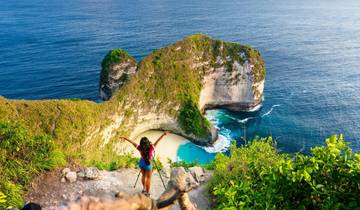
10 Days The Best of Bali, Gilis and Nusa Penida Island Experience
- ✓ Comprehensive Indonesia tour
- ✓ Expert local guides included
- ✓ All accommodation arranged
- ✓ Transportation provided
Multi-day tour packages powered by TourRadar. Prices and availability subject to change.
Introduction: Why This 21-Day Indonesia Itinerary Works for 2026
Indonesia’s staggering scale—17,000+ islands spanning 5,100 kilometers from Sumatra’s western tip to Papua’s eastern reaches, larger than the continental United States and encompassing time zones equivalent to U.S. Pacific to Eastern coasts—creates both extraordinary diversity and formidable logistics challenges for first-time visitors attempting comprehensive exploration within standard vacation timeframes. The archipelago’s geographical enormity means individual islands like Sumatra, Java, and Borneo each exceed many European countries in size, while cultural, religious, and linguistic variation across regions rivals differences between distinct nations rather than provinces within single countries. This complexity explains why most international tourists concentrate exclusively on Bali, missing Java’s magnificent temples, Komodo’s unique dragons, and Lombok’s pristine beaches through combination of information overload and logistics intimidation.
Twenty-one days represents the minimum viable timeframe for meaningful multi-region Indonesian exploration beyond single-island vacations, providing sufficient duration to experience the archipelago’s essential highlights—Buddhist and Hindu temple complexes rivaling Angkor Wat, active volcanic landscapes offering sunrise spectacles, beach paradise escapes matching Caribbean aesthetics, and wildlife encounters available nowhere else globally—while maintaining sustainable pacing preventing exhaustion from perpetual movement between destinations. This three-week allocation distributes as roughly one-third cultural immersion (Yogyakarta’s Borobudur and Prambanan temples, traditional Javanese arts, batik workshops), one-third natural wonders and adventure (Mount Bromo and Ijen volcanic crater treks, Komodo dragon expeditions, rice terrace photography), and one-third beach relaxation and water activities (Bali’s surf culture and beach clubs, Gili Islands’ snorkeling and diving, sunset cocktails and spa treatments)—balance preventing cultural fatigue or adventure burnout while acknowledging most international visitors seek multifaceted Indonesian experiences rather than single-dimension trips.
The recommended west-to-east routing beginning in Java’s cultural heartland (Yogyakarta or Jakarta depending on international flight logistics) and progressing through Bali’s central position to outlying Lombok and Flores before returning via Bali for departure optimizes both geographic logic and experiential sequencing. This flow pattern immerses travelers in Indonesian temples, traditional culture, and Javanese formality during fresh, alert early-itinerary days when cultural absorption capacity peaks, transitions to Bali’s familiar tourist infrastructure providing accommodation and dining comfort during mid-trip recovery needs, then culminates with Komodo expedition-style adventure leveraging accumulated Indonesian travel confidence and tropical climate acclimatization. The structure also respects practical realities of Bali’s overwhelming tourism infrastructure and flight connectivity—virtually all international arrivals and departures channel through Denpasar, domestic flights radiate from Bali to outlying islands more frequently than Java-Flores direct connections, and accommodation density in Bali exceeds other Indonesian regions by orders of magnitude providing flexible booking options.
Budget considerations for 21-day Indonesia itineraries reveal significant range depending on comfort expectations and activity intensity. Budget backpackers combining hostel dormitories ($10-18 nightly), street food and warungs ($15-25 daily meals), public transport and basic group tours ($15-30 daily), and free/low-cost activities manage $50-70 daily averages totaling $1,050-1,470 for three weeks excluding international flights. Mid-range comfortable travelers allocating private hotel rooms with pools ($60-90 nightly), mixed warung and restaurant dining ($35-55 daily), private drivers and organized tours ($25-40 daily), and moderate activity participation spend $120-180 daily reaching $2,520-3,780 total. Upper mid-range and comfort-focused visitors booking boutique hotels and villas ($150-250+ nightly), predominantly restaurant and resort dining ($65-95+ daily), comprehensive private tour packages ($50-80 daily), and premium experiences (liveaboard cruises, spa treatments, cooking classes) allocate $250-350+ daily approaching $5,250-7,350+ three-week totals. These ranges exclude international airfare (typically $600-1,400 from North America or Europe to Jakarta/Bali round-trip) but include Indonesian domestic flights ($300-600 for multi-island routing) and all accommodations, meals, transport, activities, and entrance fees across the itinerary.
Days 1-2: Yogyakarta Cultural Introduction and Temple Foundations 2026
International arrival logistics into Indonesia channel primarily through Jakarta’s Soekarno-Hatta International Airport or Bali’s Ngurah Rai International Airport, with Jakarta positioning favoring westward-start itineraries while Bali arrivals sometimes reverse routing to explore Bali first, then Java, then outlying islands. For classic west-to-east progression, Jakarta arrival connects via short $50-80 domestic flight (1 hour on Garuda, Lion Air, Citilink with multiple daily departures) to Yogyakarta’s international airport, landing early afternoon after overnight international connections. Alternative direct international flights to Yogyakarta from Singapore, Kuala Lumpur, or Bangkok eliminate Jakarta transfer, though fewer daily options and potentially higher fares trade convenience against flexibility.
Yogyakarta accommodation decisions balance central city proximity (Prawirotaman or Malioboro neighborhoods providing walking access to restaurants, markets, and cultural performances but generating constant traffic noise and tourist congestion) against quiet outlying areas (near Prambanan temple or north toward Kaliurang offering tranquility and often superior value but requiring transport for every restaurant or activity). Budget travelers find quality hostels $8-15 dormitory/$20-35 private rooms (Via Via Guesthouse, Ostic House, Bedhot Backpackers), mid-range hotels with pools $45-75 (Phoenix Hotel Yogyakarta, Grand Tjokro, Greenhost Boutique Hotel), and boutique properties $90-150+ (The Phoenix Hotel Yogyakarta, Plataran Heritage Borobudur). First-night post-international-flight strategy prioritizes rest and gentle cultural orientation over intensive sightseeing—late lunch at local warung introduces Indonesian cuisine (nasi gudeg, Yogyakarta’s signature young jackfruit dish with rice $20,000-40,000), afternoon Kraton Sultan’s Palace exploration (entrance IDR 15,000) reveals traditional Javanese architecture and occasional gamelan rehearsals, evening Malioboro Street stroll exposes vibrant shopping and street food atmosphere.
Day 2 dedicates to Yogyakarta’s premier UNESCO temple complex Prambanan (entrance IDR 400,000/$25 for international adults as of 2026, approximately 30 minutes northeast from city center via private driver $15-20 or public Trans Jogja bus IDR 3,500 requiring transfers) showcasing 9th-century Hindu architecture honoring Trimurti (Brahma, Vishnu, Shiva) through towering 47-meter central spires and intricate relief carvings depicting Ramayana epic. Optimal timing targets late afternoon 3:00-5:00 PM arrival capturing golden-hour photography light illuminating temple stonework while avoiding midday heat and morning tour bus crowds. Adjacent Ratu Boko Palace ruins (separate IDR 50,000 entrance or IDR 535,000 combination ticket with Prambanan) perched on elevated plateau delivers sunset panoramas across Prambanan temples and volcanic mountain backdrop—spectacular viewing though requiring stamina for steep ascent and descent before darkness.
Evening entertainment embraces Ramayana Ballet performances at Prambanan’s outdoor amphitheater (season dependent May-October, tickets IDR 150,000-450,000 varying by seating class) presenting traditional Javanese dance drama against illuminated temple backdrop, or alternative Wayang Kulit shadow puppet theater at Sonobudoyo Museum (nightly 8:00 PM, donation-based entrance around IDR 50,000) immersing viewers in ancient storytelling art form UNESCO recognizes as Intangible Cultural Heritage. Post-performance dinner explores Yogyakarta’s exceptional food scene—Bale Raos restaurant (inside Kraton complex, mains IDR 75,000-150,000) serves royal Javanese cuisine in traditional setting, while budget-conscious travelers patronize Gudeg Yu Djum (legendary 24-hour gudeg specialist, complete meals IDR 15,000-25,000) or numerous warungs along Prawirotaman Street. Day 2 total costs excluding accommodation: $30-60 per person depending on Prambanan combination tickets, performance attendance, and dining tier, with budget backpackers managing $25-35 through public transport, basic meals, and skipping optional performances.
Day 3: Borobudur Sunrise and Yogyakarta Departure for Bromo-Ijen Tour 2026
Borobudur sunrise experience requires 3:30-4:00 AM hotel departure for 90-minute drive northwest to Magelang regency reaching Manohara Hotel grounds (exclusive sunrise access point) by 5:30 AM for 6:00-6:30 AM sunrise unfolding across volcanic peaks and jungle canopy surrounding the world’s largest Buddhist monument. Organized sunrise tours ($35-50 including transport from Yogyakarta hotels, sunrise access, basic breakfast, return by 10:00 AM) provide turnkey convenience though independent arrangements possible via private driver hire ($40-50 round-trip) combined with IDR 455,000 ($29) sunrise structure entrance ticket purchased at Borobudur ticket office previous day or online via official booking system. The 2026 sunrise access maintains limited daily quotas preserving atmospheric tranquility and preventing overcrowding deterioration witnessed at other Indonesian UNESCO sites.
Post-sunrise temple exploration beginning 7:00 AM ascends nine stacked platforms representing Buddhist cosmology journey from earthly desires through enlightenment to nirvana, examining 2,672 intricate relief panels depicting Buddha’s teachings and 504 Buddha statues positioned at cardinal directions. Photography opportunities maximize during early morning soft light before 9:00 AM when tour bus crowds arrive and harsh overhead sun diminishes detail visibility. Critical 2026 policy: personal photography prohibited at Borobudur temple structure itself (enforcement consistent though viewing and contemplation remain permitted), requiring mental/spiritual engagement rather than Instagram documentation—controversial change frustrating some visitors though appreciated by others valuing contemplative atmosphere over selfie culture. Adjacent Borobudur museum complex (included in structure ticket) contextualizes temple construction, Buddhist philosophy, and restoration efforts through well-curated exhibits occupying 60-90 minutes quality time.
Midday return to Yogyakarta hotel by 11:00 AM-12:00 PM enables checkout, lunch, and afternoon coordination with pre-booked Mount Bromo-Ijen tour operator for 2:00-4:00 PM pickup initiating 3-day/2-night volcanic adventure. Most reputable operators (Bromo Ijen Tour packages, local agencies with verified TripAdvisor reviews) offer Yogyakarta pickup as standard inclusion in comprehensive packages, though some budget operators require Surabaya meeting point necessitating independent 4-5 hour bus journey (IDR 100,000-150,000 on comfortable executive buses departing Giwangan terminal). Strategic advance booking (2-4 weeks prior) with quality operators ensures English-speaking guides, proper safety equipment, comfortable accommodation, and reliable 4WD jeeps rather than sketchy last-minute arrangements risking substandard vehicles and inadequate sulfur gas masks.
The 8-10 hour overnight drive from Yogyakarta to Cemoro Lawang village (Mount Bromo base) typically departs late afternoon, stops for dinner en route (included in package pricing), and arrives Bromo-area hotel around midnight-1:00 AM for brief 2-3 hour sleep before 3:00 AM predawn wake-up call for sunrise expedition. Day 3 total costs excluding Bromo-Ijen tour package: $40-70 per person covering Borobudur sunrise entrance, meals, and incidental transport, with comprehensive 3D2N Bromo-Ijen tour packages separately priced $120-180 all-inclusive (detailed following sections). Budget travelers skipping Borobudur sunrise and joining tour from Surabaya independently reduce Day 3 costs to $20-35 for meals and Yogyakarta-Surabaya transport.
Days 4-5: Mount Bromo Sunrise and Ijen Crater Blue Flames Adventure 2026
Day 4 commences 3:00 AM wake-up call for 4WD jeep departure to Mount Bromo viewpoint (Penanjakan or King Kong Hill depending on operator routing), ascending through darkness to elevated vantage (2,770 meters) capturing epic sunrise 5:30-6:00 AM panorama across smoking Bromo crater, neighboring Batok cone, and massive Tengger caldera’s volcanic sand sea. Post-sunrise descent leads to Bromo crater base where travelers cross lunar-like Sand Sea via jeep or optional horse rental (IDR 150,000-200,000 including guide) before climbing 253 concrete steps to active crater rim inhaling sulfuric fumes and photographing smoking caldera interior. Mount Bromo entrance fee (IDR 220,000 weekdays, IDR 320,000 weekends for international tourists as verified 2026 pricing) covers both sunrise viewpoint and crater access, included in comprehensive tour packages alongside transport, guide services, and gas mask provision.
Mid-morning 9:00-10:00 AM return to Cemoro Lawang accommodation provides breakfast (included in packages), hot shower washing volcanic dust, and checkout before beginning 5-6 hour overland journey east to Bondowoso or Banyuwangi region near Ijen crater. This transfer day incorporates lunch stops (typically included or at participant expense $3-6 at roadside restaurants), scenery appreciation across East Java countryside, and afternoon arrival at simple Ijen-area hotel (basic rooms with private bathrooms, hot water provision varies by property standard). Evening activities minimize given upcoming midnight Ijen crater departure—early dinner (6:00-7:00 PM included in packages or IDR 30,000-60,000 at local warungs), equipment check confirming proper gas mask functionality and flashlight/headlamp operation, and 8:00-9:00 PM bedtime preparing for 12:30-1:00 AM wake-up.
Day 5 delivers Ijen crater climax beginning 1:30-2:00 AM departure for Paltuding starting point (1,850 meters elevation), followed by 3-kilometer uphill trek requiring 60-90 minutes reaching crater rim at 2,,883 meters as sulfur miners descend carrying 70-90 kilogram loads from crater interior. The famous blue flames phenomenon visibility peaks 3:00-4:30 AM in complete darkness when sulfuric combustion creates electric-blue fire impossible to witness after sunrise light overwhelms dim flames—requiring predawn crater descent via steep rocky path (gas masks essential as sulfur dioxide concentrations reach dangerous levels) to viewing area approximately 200 meters below rim. Sunrise 5:30-6:00 AM illuminates turquoise acidic crater lake (world’s largest at pH <0.5) creating dramatic color contrast against volcanic rock walls, followed by challenging ascent back to rim and easier descent to Paltuding parking.
Post-Ijen morning divides based on tour package endings—some operators conclude in Banyuwangi for DIY continuation, most comprehensive packages provide Bali drop-off (additional $75-100 over Surabaya termination) crossing to Bali via Ketapang-Gilimanuk ferry (1-hour crossing, vehicle and passenger fees included in package), arriving Denpasar area hotels by 4:00-6:00 PM completing seamless transition to Bali segment without independent transport coordination stress. Days 4-5 total costs within comprehensive 3D2N Bromo-Ijen tour package: $120-180 all-inclusive covering all transport (private vehicle, 4WD jeeps, ferry if Bali drop-off), accommodation (2 nights simple hotels), meals (breakfasts, some lunches/dinners), entrance fees (Bromo, Ijen), guide services, safety equipment (gas masks, flashlights). Independent arrangements replicating equivalent experience prove nearly impossible for lower costs after accounting for remote village accommodation booking, private transport hire, and guide/equipment rental.
Days 6-7: Bali Arrival and Ubud Cultural Immersion 2026
Bali entry via organized tour drop-off delivers travelers to pre-booked Ubud accommodation typically 5:00-7:00 PM allowing dinner and early sleep recovering from intensive 3-day volcanic expedition. Alternative Bali arrival via Surabaya-Denpasar flight (for tours ending in Surabaya rather than providing Bali drop-off) requires airport transfer to Ubud via pre-arranged private driver ($35-45 for 60-90 minute journey depending on traffic) or cheaper Gojek/Grab rides ($25-35 app-based car service). Ubud accommodation strategy for Days 6-8 prioritizes central location within walking distance of Ubud Palace, art market, and restaurant concentration (Monkey Forest Road, Jalan Raya Ubud, Hanoman Road neighborhoods) balancing convenience against noise levels and tourist congestion affecting sleep quality.
Day 6 recovery program emphasizes gentle cultural activities over intensive sightseeing following exhausting Bromo-Ijen expedition—late breakfast at Ubud cafes (10:00-11:00 AM, many properties include breakfast with rooms), Ubud Traditional Art Market shopping for handicrafts and souvenirs (bargaining expected, start 40-50% below quoted prices), Ubud Palace grounds exploration (free entry showcasing traditional Balinese architecture), and afternoon Campuhan Ridge Walk (free, 2-kilometer scenic pathway through rice fields and palm groves beginning 20-minute walk from Ubud center). Spa indulgence fits perfectly for post-trek muscle recovery—traditional Balinese massage (IDR 150,000-300,000 for 60-90 minutes at reputable spas like Karsa Spa, Taksu Spa) incorporating aromatherapy oils and acupressure techniques targeting volcanic climbing soreness.
Evening cultural programming centers on traditional Balinese dance performances held nightly at various Ubud venues—Legong dance at Puri Saren Royal Palace (7:30 PM start, IDR 80,000-100,000 tickets), Barong dance at Ubud Palace (7:30 PM, similar pricing), or Kecak fire dance at Pura Dalem Ubud (7:00 PM, IDR 75,000-100,000). Post-performance dinner explores Ubud’s exceptional restaurant diversity from budget warungs (Warung Biah Biah, complete meals IDR 30,000-50,000) through mid-range favorites (Locavore To Go, Clear Cafe, mains IDR 80,000-150,000) to special-occasion fine dining (Locavore or Mozaic if celebrating, tasting menus IDR 850,000-1,250,000 requiring weeks-advance reservations). Day 6 total costs excluding accommodation: $15-45 per person depending on spa indulgence, performance attendance, and restaurant selection, with budget backpackers managing $12-20 through free activities, skip performances, and warung dining.
Day 8: Tegalalang Rice Terraces and Tirta Empul Temple Circuit 2026
Day 7 dedicates to Ubud’s surrounding attractions via private driver hire ($30-35 for 8-10 hours including fuel) visiting Tegalalang Rice Terrace (20 minutes north, entrance IDR 20,000-30,000 at viewpoints, optional descent to terrace floor IDR 10,000-25,000 paid to individual farmers), Tirta Empul Holy Spring Temple (35 minutes from Tegalalang, entrance IDR 50,000 including sarong rental for purification ceremony participation), and optional Sacred Monkey Forest Sanctuary (Ubud center, entrance IDR 80,000 requiring electronic payment as cash no longer accepted, home to 700+ long-tailed macaques and ancient temple complex). Strategic routing begins early 8:00-8:30 AM departure capturing Tegalalang in soft morning light before 10:00 AM tour bus arrivals and enabling Tirta Empul participation during quieter late-morning periods versus afternoon crowds.
Tegalalang Rice Terrace photography maximizes from multiple viewpoints along main road—famous Instagram swing platforms charge IDR 100,000-150,000 for photo sessions but spectacular valley views free from restaurant terraces purchasing drinks or breakfast (avocado toast, smoothie bowls IDR 60,000-120,000). Descent into terraces for ground-level perspective reveals Bali’s ancient subak irrigation system UNESCO recognizes as cultural landscape, though muddy paths during/after rain demand appropriate footwear. Tirta Empul’s ritual purification (optional participation) requires swimsuit or change of clothes, small sarong for temple modesty, waterproof phone case for photographs, and offerings though not mandatory—moving left-to-right through approximately 30 spouts saying prayers at each fountain provides cultural immersion many travelers cite as Bali trip highlight.
Afternoon options include continuing north to Kintamani volcano viewpoint overlooking Mount Batur and caldera lake (additional 45 minutes driving, entrance IDR 50,000, lunch at buffet restaurants IDR 120,000-180,000 with view), returning via traditional craft villages (Celuk silver-working, Mas wood carving, Batuan traditional painting), or allocating recovery time at Ubud accommodation pool. Evening free time enables independent exploration—Ubud’s renowned yoga studios (Yoga Barn, Radiantly Alive offering $15-20 drop-in classes), cooking classes (Casa Luna, Paon Bali providing 4-5 hour market tours and hands-on cooking $35-55), or second traditional performance different from Day 6 selection. Day 7 total costs excluding accommodation: $25-55 per person covering private driver, entrance fees, meals, and optional activities, with budget travelers substituting Gojek rides between locations ($15-25 total) and skipping expensive restaurant meals reducing costs to $18-30.
Days 9-11: Bali Southern Beaches and Temple Sunset Circuit 2026
Day 8 transitions from Ubud to southern beach accommodation (Seminyak, Canggu, or Sanur depending on atmosphere preferences) via morning 10:00-11:00 AM checkout and private driver transfer ($25-30 for 60-90 minute journey potentially incorporating Tanah Lot temple stop en route). Accommodation strategy for Days 8-11 balances beach proximity, nightlife access, and budget constraints—Seminyak delivers upscale beach clubs and fine dining with higher costs ($60-120 mid-range hotels, $150-300+ boutique properties), Canggu cultivates younger surf culture and digital nomad cafes with better value ($45-85 mid-range, $100-180 upper tier), while Sanur provides family-friendly tranquility and walkable beachfront with moderate pricing ($50-90 mid-range options).
Afternoon beach introduction following check-in explores coastal character—Seminyak Beach’s golden sand and gentle surf suitable for swimming when conditions permit (lifeguards present, flag system indicating safety), Canggu’s black volcanic sand beaches (Batu Bolong, Echo Beach, Berawa) catering to surfers with stronger waves and more casual atmosphere, or Sanur’s calm protected waters ideal for families and paddleboarding. Beach clubs offering lounger access require minimum spends (Potato Head Seminyak IDR 300,000-500,000, Ku De Ta similar, Finns Beach Club Canggu IDR 250,000-400,000) providing pools, restaurants, bars, and prime positioning, while budget beach warungs rent plastic chairs for drink purchases (IDR 35,000-50,000 beers, IDR 40,000-70,000 fresh juices).
Day 9 dedicates to southern Bali temple circuit via full-day private driver ($30-35 for 8-10 hours) visiting Uluwatu Temple (entrance IDR 50,000, perched 70 meters above ocean on dramatic cliffs with aggressive monkeys stealing sunglasses and phones requiring vigilant security), Padang Padang Beach (small cove featured in Eat Pray Love, entrance IDR 15,000-20,000), optional Garuda Wisnu Kencana Cultural Park (massive Vishnu statue, entrance IDR 125,000) or Jimbaran seafood beachfront dinner (IDR 200,000-400,000 per person for complete grilled catch with sunset views), returning to Uluwatu for 6:00 PM Kecak Fire Dance performance (separate ticket IDR 150,000, 70-minute show featuring 50+ male dancers chanting synchronized rhythms enacting Ramayana epic against clifftop sunset backdrop). Post-show evening traffic departing Uluwatu extends normal 45-minute return to Seminyak/Canggu to 75-90 minutes, arriving accommodations 8:30-9:00 PM.
Days 10-11 structure as flexible beach recovery and optional activities—morning surfing lessons (2-hour group sessions $25-35 at Batu Bolong or Berawa Beach Canggu, Seminyak Beach for gentler waves), afternoon yoga classes (Canggu studios like The Practice or Serenity proliferate with $15-20 drop-in rates), spa treatments (traditional massages IDR 200,000-350,000, elaborate packages IDR 500,000-1,000,000+ at upscale facilities), shopping in Seminyak boutiques (Biasa, Bamboo Blonde for resort wear), or simple beach lounging and sunset viewing at beach clubs. Evening entertainment spans casual beach bars (Old Man’s Canggu, La Brisa eco-bamboo architecture) to upscale sunset cocktails (Potato Head, Savaya cliff club), with dinner exploring international cuisine concentration—Italian (La Lucciola, Massimo), Japanese (Sushimi, Ryoshi), Mexican (Motel Mexicola), contemporary fusion (Metis, Sardine) at IDR 150,000-350,000 mains mid-range establishments. Days 8-11 total costs excluding accommodation: $90-220 per person for 4 days covering transport, entrance fees, beach club minimum spends, meals, and activities, with budget travelers managing $50-80 through beach warungs, skipping expensive clubs, and Gojek transport versus private drivers.
Days 12-14: Lombok Transfer and Gili Islands Beach Paradise 2026
Day 12 executes Bali-to-Lombok/Gili Islands transition via morning fast boat departure from Padang Bai or Sanur ports (boats depart 9:00-11:00 AM slots, 1.5-3 hour crossing to Gili Trawangan depending on departure/arrival points and sea conditions, tickets $25-45 purchased online via 12Go Asia or direct from operators like BlueWater Express, Eka Jaya, Marlin Fast Boats). Alternative flight option (Bali-Lombok 25-minute hop $25-50 on TransNusa, Lion Air, Wings Air) followed by Bangsal port fast boat to Gilis (20-minute crossing, IDR 85,000-100,000) or direct helicopter charter for luxury travelers ($3,000 for 4-5 passengers, 45-minute scenic transfer) demonstrates range spanning budget to ultra-premium approaches.
Gili island selection between Trawangan (party atmosphere, most developed, 100+ accommodation options), Meno (quietest, limited infrastructure, romantic couples focus), and Air (middle-ground balancing activity and tranquility) depends on priorities. Gili Trawangan positioning for Days 12-14 maximizes activity options, restaurant diversity, and evening entertainment while maintaining beach paradise atmosphere—car-free island traversable via bicycle rental (IDR 50,000-75,000 daily) or cidomo horse carts (IDR 50,000-150,000 short trips, IDR 250,000-350,000 full-island tours), with most accommodations within 15-minute walk from main boat landing area clustered along east and southeast coasts.
Accommodation across three Gili Trawangan nights spans budget hostels (Mad Monkey, Gili Backpackers dormitories $12-18, private rooms $35-50), mid-range beach hotels (Aston Sunset Beach Resort, Villa Almarik, pools and breakfast $70-120), and boutique luxury (PinkCoco adults-only, beachfront villas $170-350+). Days 13-14 activities emphasize water sports and beach relaxation—snorkeling (equipment rental IDR 50,000-75,000 daily, guided boat tours visiting turtle spots and statues IDR 250,000-350,000 for 3-hour trips), scuba diving (Open Water certification courses $350-450, fun dives $35-50 per dive at numerous PADI shops), surfing southern break (board rental IDR 100,000-150,000 for 2 hours, lessons $30-45), paddleboarding (rental IDR 100,000 daily), or kayaking northern coastline (guided tours IDR 300,000 per person at Karma Kayaks).
Sunset viewing ritual congregates at western beach Sunset Point (free, bring drinks from minimarkets versus expensive beach bar purchases), while evening entertainment progresses from beach barbecues through bar hopping to occasional Full Moon parties (held monthly on southern beach with DJs until sunrise, foam parties at Mad Monkey hostel Fridays). Dining diversity includes budget night market stalls (IDR 20,000-40,000 complete meals), casual beachfront warungs (mains IDR 50,000-90,000), trendy health cafes (smoothie bowls, vegan plates IDR 80,000-140,000), and upscale Italian/seafood restaurants (Regina Pizza wood-fired authentic IDR 120,000-180,000, beachfront seafood grills IDR 150,000-300,000). Days 12-14 total costs excluding accommodation: $75-190 for 3 days covering fast boat transport, equipment rentals, diving/snorkeling tours, meals, and evening activities, with budget backpackers managing $60-90 through free snorkeling from shore, night market dinners, and minimarket alcohol versus beach clubs.
Days 15-16: Return to Bali and Departure Preparation 2026
Day 15 returns from Gili Trawangan to Bali via reverse fast boat journey (morning 8:00-10:00 AM departures recommended, arriving Bali 10:30 AM-1:00 PM depending on routing to Padang Bai versus Sanur), with afternoon accommodation check-in to strategic final Bali location—Sanur’s beachfront tranquility positions well for departure preparation with calm atmosphere and airport proximity (20-25 minute drive versus Seminyak’s 45-60 minutes), while Seminyak/Canggu returns maximize final beach time and shopping opportunities accepting longer morning airport transfers. Alternative routing extends Lombok/Gili Islands stay to 4-5 days (Days 12-16) and eliminates this Bali return, proceeding directly to Flores/Komodo from Lombok via connecting flights through Bali (Lombok-Bali-Labuan Bajo same-day connections possible with careful scheduling).
Day 16 flexible programming accommodates individual priorities and energy levels—souvenir shopping completing purchases (Ubud Art Market if accessible via day trip, Seminyak boutiques, airport departure terminal duty-free backup option), final spa treatments (full-day packages at luxury spas like Bodyworks or Spring Spa combining multiple treatments, scrubs, wraps for IDR 800,000-1,500,000), beach club farewell at favorites (Potato Head, Finns, beach clubs accepting day passes), cooking class participation if missed earlier (Paon Bali, Bumbu Bali providing market tours and hands-on preparation), or simple beach relaxation and sunset appreciation. Practical departure preparation includes laundry service for remaining journey (most hotels offer same-day service IDR 20,000-40,000 per kilogram), money management finalizing Indonesian Rupiah spending versus carrying forward to Komodo segment, and confirming Labuan Bajo flight details for Day 17 departure (early morning flights common, requiring 5:00-6:00 AM airport arrival).
Strategic final-night accommodation location near Ngurah Rai Airport (Sanur properties provide 20-minute transfers versus Seminyak’s 45-60 minutes during morning rush hour 6:00-8:00 AM) prevents flight-missing stress from underestimated traffic, though Grab/Gojek apps and hotel transfer services provide reliable early-morning airport delivery from any Bali location with appropriate buffer time. Days 15-16 total costs excluding accommodation: $35-120 for 2 days covering Gili Islands return boat transport, meals, optional activities, and shopping, with budget travelers managing $25-45 through minimal purchases and warung dining. Cumulative Bali segment (Days 6-16 encompassing 11 days including Bromo-Ijen arrival and Gili Islands) totals $380-950 per person excluding accommodation, demonstrating Bali’s accommodation costs dominate budget allocation while activities and meals remain manageable across spending tiers.
Days 17-20: Flores/Komodo National Park Dragon Encounters 2026
Day 17 executes Bali-to-Labuan Bajo flight (morning departures 7:00-9:00 AM optimal on Garuda, Lion Air, Wings Air, 1.5-hour journey $80-150 one-way depending on booking timing and airline) arriving Komodo Airport mid-morning for transfer to Labuan Bajo town accommodations or immediate embarkation on pre-booked liveaboard cruises. Accommodation strategy divides between land-based hotel stays enabling daily boat tours (budget guesthouses $25-45, mid-range hotels $60-95, boutique properties $120-220) versus comprehensive liveaboard experiences ($205-545 for 3D2N shared cabins on boats like Golden Island Cruises, Maika Komodo, IndonesiaJuara covering all meals, activities, park fees, and transport between islands).
The liveaboard versus day-tour decision reflects budget constraints, time allocation, and experience preferences—liveaboards deliver superior remote island access (Padar Island, Pink Beach, Manta Point), overnight onboard atmosphere under stars, comprehensive itineraries visiting 8-12 locations across 3 days, and inclusive pricing simplifying budgeting, while land-based approaches provide accommodation comfort, Labuan Bajo restaurant diversity, flexibility for non-marine activities (Cunca Wulang waterfall, Wae Rebo traditional village), and budget control through selective day-tour participation ($50-80 for group trips to Komodo and Rinca islands). Strategic advance booking (4-8 weeks for liveaboards during April-October dry season) ensures preferred boat selection and departure date confirmation, essential given Komodo’s April 2026 quota implementation limiting 1,000 daily visitors across all park islands.
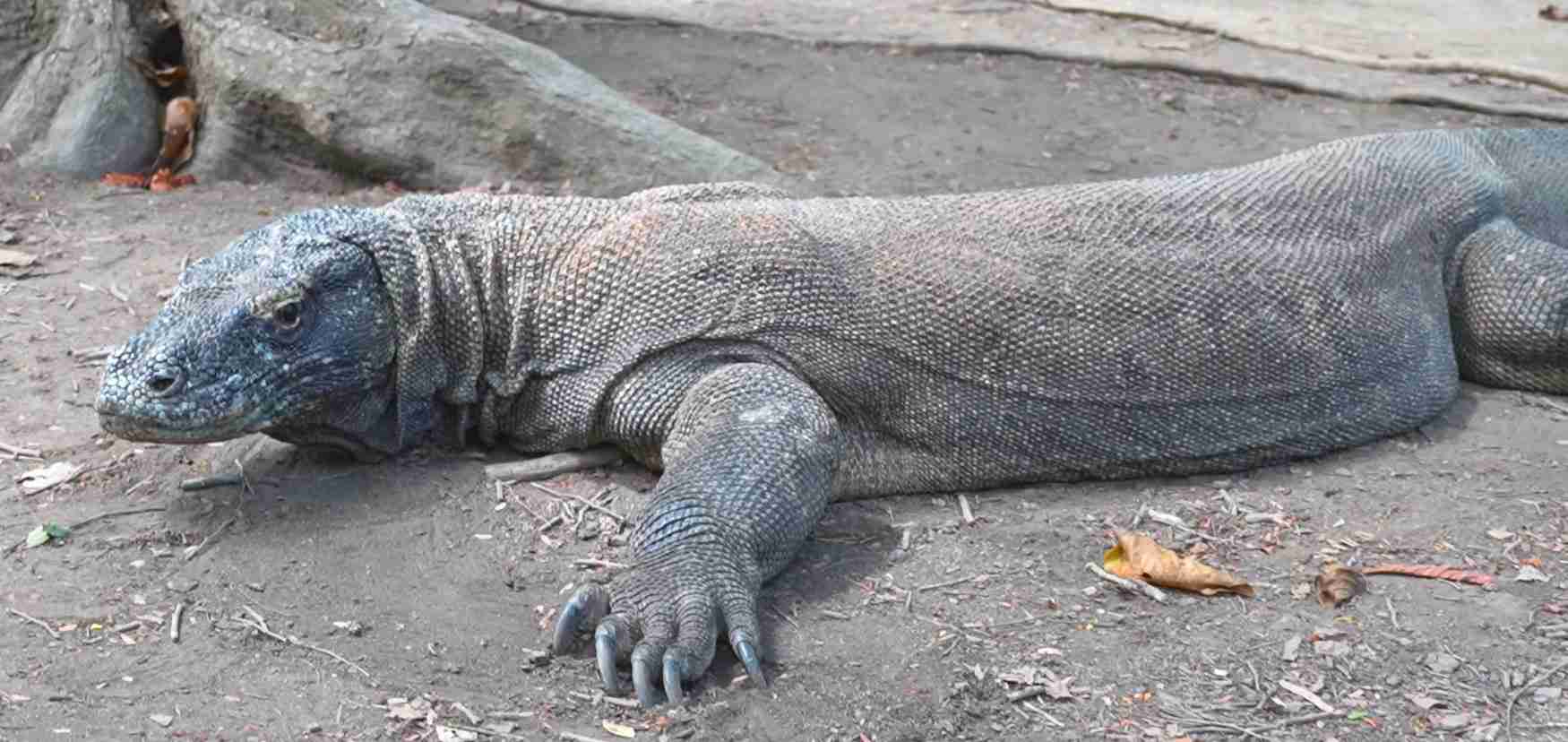
Days 18-19 programming via liveaboard format typically includes: predawn departure to Padar Island ascending 30-45 minute steep trail to iconic three-bay viewpoint (sunrise timing captures dramatic lighting across turquoise waters and volcanic landscapes), Komodo Island trekking with park rangers encountering Komodo dragons in natural habitat (2-3 hour guided walks maintaining safe 3-meter distance from world’s largest lizards reaching 3 meters length and 70+ kilograms), Pink Beach snorkeling among coral reefs and tropical fish (distinctive rose-colored sand from red coral fragments mixed with white sand), Manta Point diving/snorkeling with graceful manta rays congregating at cleaning stations (season-dependent concentration peaks December-April though year-round presence), Kanawa or Sebayur Island additional snorkeling stops, and evening beach barbecues or sunset viewing from boat decks.
Alternative land-based daily boat tours visit similar highlights compressed into single-day itineraries departing 6:00-7:00 AM and returning 5:00-6:00 PM, covering Komodo or Rinca dragon encounters, 2-3 snorkeling stops, Pink Beach visits, and lunch on boat or beach (group tours $50-80 per person, private charters IDR 4,500,000-8,000,000 daily for 6-10 passengers splitting costs). Day 20 concludes Komodo experience with final morning snorkeling or diving, liveaboard return to Labuan Bajo by lunch, afternoon free time exploring town’s limited attractions (Batu Cermin Mirror Cave, local markets, sunset viewpoint), and preparation for Day 21 return flight to Bali. Days 17-20 total costs: liveaboard option $490-870 for 4 days including flights ($160-300 round-trip Bali-Labuan Bajo), liveaboard cruise ($205-545 for 3D2N all-inclusive), and minimal Labuan Bajo expenses; land-based alternative $380-720 including flights, accommodation (3 nights $75-285), daily tours (2 days $100-160), meals ($60-120 for 4 days), demonstrating Komodo’s premium positioning as Indonesia’s most expensive regional segment.
Day 21: Labuan Bajo Return to Bali and International Departure 2026
Final day logistics depend on international flight timing from Bali—morning return flights from Labuan Bajo to Denpasar (typically 9:00-11:00 AM departures arriving Bali 10:30 AM-12:30 PM) connect smoothly with afternoon or evening international departures (3:00 PM or later), while same-day morning international flights necessitate previous-day return to Bali (Day 20 afternoon Labuan Bajo-Bali flight positioning for Day 21 morning international departure). Strategic travelers booking international flights from Bali schedule evening departures (6:00 PM-midnight) maximizing final Indonesia day utilization while maintaining comfortable connection buffers preventing missed flights from domestic delays.
Morning-departure international flights require Day 20 return to Bali and final night accommodation near Ngurah Rai Airport (Sanur or dedicated airport hotels like Holiday Inn Express, Ibis Styles providing 10-15 minute transfers), with 3:00-4:00 AM wake-up calls for 6:00-7:00 AM departure flights common on U.S.-bound or European routes. Afternoon-evening international departures allow relaxed final morning—late Labuan Bajo breakfast, 9:00-10:00 AM flight to Bali landing noon, lunch in Sanur or near airport, final beach walk or shopping, 3:00-4:00 PM airport arrival for 6:00-8:00 PM international flights providing comfortable check-in and security processing without excessive waiting.
Ngurah Rai International Airport Terminal 3 serves international departures with reasonable restaurant selection post-security (though pre-security Sanur or Kuta lunch provides better value and quality), duty-free shopping for last-minute purchases (though Bali export handicrafts face luggage space constraints), and comfortable seating areas for extended waits. Departure logistics verification includes: passport validity exceeding 6 months from return date (standard international requirement), customs declarations for valuable electronics or jewelry preventing export-tax confusion, and checked baggage weight confirmation (most airlines enforce 23kg/50lb limits on international economy class, overweight fees steep at $50-150 per excess bag). Day 21 total costs: minimal for in-transit day, though final accommodation night ($30-120 depending on tier), meals ($15-40), and airport transfer ($10-25 Grab from Sanur or nearby hotels) close out Indonesian expense accounting.
Comprehensive 21-Day Budget Breakdown by Travel Style 2026
Budget backpacker comprehensive 21-day totals average $1,050-1,470 allocated as: accommodation ($210-378 at $10-18 dormitory/basic guesthouse nightly), meals ($315-525 at $15-25 daily through warungs and street food), inter-island flights ($280-380 covering Jakarta-Yogyakarta, Surabaya-Bali, Bali-Lombok, Bali-Labuan Bajo round-trip), organized tours ($180-240 for essential Bromo-Ijen package and Komodo day tours), local transport ($105-210 mixing Gojek/Grab with public options), entrance fees and activities ($168-252 covering temples, parks, equipment rentals), bringing total to $1,258-1,985 before international airfare. This category demands flexibility on comfort standards (dormitory sharing, basic bathrooms, limited air conditioning), intensive warung dining requiring robust digestion, public transport tolerance, and selective activity participation focusing on free/low-cost options while budgeting carefully for must-do experiences like Bromo-Ijen and Komodo.
Mid-range comfortable travelers allocate $2,520-3,780 across 21 days structured as: accommodation ($1,260-1,890 at $60-90 private rooms with pools and breakfast), meals ($735-1,155 mixing warungs, cafes, and restaurants), inter-island flights ($350-500 for all domestic routing), organized tours ($320-480 including quality Bromo-Ijen packages, Komodo liveaboards or multiple day tours, Yogyakarta temple drivers), local transport ($315-525 emphasizing private drivers and Grab versus public transport), entrance fees and activities ($420-630 encompassing comprehensive temple visits, diving, snorkeling, spa treatments), totaling $3,400-5,180 excluding international flights. This bracket delivers reliable comfort without luxury pricing, appeals to couples and solo travelers 30+, provides authentic experiences with modern amenities, and represents most common foreign visitor category throughout Indonesia.
Upper mid-range and comfort-focused travelers spend $5,250-7,350+ over three weeks encompassing: accommodation ($3,150-5,250 at $150-250 boutique hotels and villas), meals ($1,365-1,995 predominantly restaurant dining with occasional fine-dining experiences), inter-island flights ($400-600 selecting premium carriers with checked baggage and better timing), organized tours ($700-1,200 including luxury Komodo liveaboards, private temple tours, premium spa packages), local transport ($735-1,050 via private drivers for most movements), entrance fees and activities ($840-1,260 for comprehensive activity participation including liveaboards, diving, surfing lessons, cultural workshops), reaching $7,190-11,355 total before international airfare. This level eliminates budget concerns for standard activities while stopping short of ultra-luxury Indonesian resorts commanding $500-1,000+ nightly rates and helicopter transfers between destinations.
Actual spending patterns commonly blend categories—budget accommodation ($30-50) with mid-range dining and tours, or luxury hotels ($120-180) with street food meals and DIY transport, as individual travelers optimize spending around personal priorities (sleep quality, food enjoyment, activity access) while economizing on less-important aspects. Peak season timing (July-August, December-January, Easter) adds 20-30% premiums across accommodation and some tours, while shoulder seasons (April-May, September-October) and low season (November-March excluding holidays) generate discounts particularly for advance bookings, with Indonesian domestic flights demonstrating greatest price volatility demanding flexible date searching for optimal rates.
Essential Indonesia Multi-Island Travel Strategies 2026
Domestic flight booking optimization begins with purchasing all Indonesian sectors simultaneously when confirming international tickets rather than piecemeal additions later—integrated booking algorithms identify discount connections unavailable through separate transactions, consolidates baggage allowances preventing excess fees, and simplifies itinerary management through single confirmation. Specific strategies include: comparing Lion Air Group carriers (Lion Air, Batik Air, Wings Air, Super Air Jet dominating 73% of Indonesian domestic market) against Garuda Indonesia, Citilink, and AirAsia for route-specific pricing variations (Lion Air often cheapest but basic service, Garuda premium with lounges and meals, Citilink middle-ground value), targeting Tuesday-Wednesday-Thursday departures avoiding weekend premium surcharges (15-25% typical weekend increases), booking 4-8 weeks advance for promotional fare access (though last-minute desperation booking during Indonesian holidays commands severe premiums), and downloading airline apps for mobile check-in and boarding pass access (reducing airport queue time and paper dependency).
Accommodation strategy balances advance booking security against arrival flexibility, with recommended approach reserving: Days 1-2 arrival (eliminates jetlag confusion and guarantees room availability after international flights), peak-season dates in high-demand locations (Ubud July-August, Gili Trawangan weekends, Komodo liveaboards April-September requiring 4-12 weeks advance), final night before international departure (positioning near airport prevents missed flights from traffic underestimation), and leaving 30-40% itinerary dates flexible for weather-responsive adjustments, spontaneous extensions at favored locations, and walk-in negotiation opportunities in shoulder seasons. Platform selection between Booking.com, Agoda, Airbnb, and direct hotel websites warrants price comparison, though direct booking often delivers best rates for boutique properties offering upgrade incentives, free breakfast additions, and flexible cancellation versus aggregator commission-heavy bookings.
Money management across three weeks of multi-island Indonesian travel optimizes through: ATM withdrawal consolidation (maximum amounts IDR 2,500,000-3,000,000 per transaction minimizing flat-fee repetition), securing large reserves in hotel safes with daily carry adjusted to plans plus emergency buffer, maintaining small-bill reserves (IDR 20,000-100,000 notes) for vendors lacking change capability, reserving credit cards for hotels and established restaurants (3-5% merchant surcharges common on card payments versus free cash), and front-loading cash withdrawals during Java segment when exchange rates favor travelers versus inflated Komodo pricing. Region-specific cash requirements show dramatic variation—Ubud and Seminyak accept cards widely, Gili Islands suffer frequent ATM outages demanding $100-200 cash reserves minimum, Labuan Bajo prices inflate 30-50% above Bali for identical items requiring budget adjustments, and Yogyakarta provides most favorable exchange rates rewarding maximum withdrawal timing.
Seasonal Timing and Weather Considerations 2026
Indonesia’s equatorial position generates year-round warm temperatures (26-32°C/79-90°F typical range) with seasonal variation primarily affecting rainfall rather than temperature, dividing into dry season (April-October offering reliable sunshine, minimal precipitation, calm seas) and wet season (November-March bringing afternoon thunderstorms, occasional multi-day rain periods, rough maritime conditions). Optimal 21-day Indonesia itinerary timing targets April-May or September-October shoulder months balancing dry-season weather reliability against peak-season (July-August) crowd levels and 20-30% pricing premiums—shoulder periods deliver 85-90% sunshine probability, comfortable temperatures, manageable tourist volumes at UNESCO sites, and favorable accommodation rates while avoiding wet season unpredictability.
Regional weather nuances show Java (Yogyakarta, Bromo-Ijen) receiving less extreme wet season rainfall than Bali or Komodo, enabling year-round temple touring though volcanic treks prove more challenging during November-March precipitation, Bali experiencing distinct dry-wet division with July-August peak crowds creating temple congestion offsetting perfect weather benefits, Gili Islands suffering rougher sea conditions November-March occasionally canceling fast boat services and degrading snorkeling visibility, and Komodo National Park effectively closing to tourism during January-March wet season when rough seas prevent safe boat access and dragon activity diminishes during heavy rainfall. The compound effect suggests dry season (April-October) nearly mandatory for comprehensive Java-Bali-Lombok-Komodo routing, with wet season travelers potentially salvaging Java-Bali segments while accepting Komodo exclusion or significant risk of cancellations.
Indonesian holiday periods demanding avoidance or strategic advance planning include: Nyepi (Balinese New Year typically March) creating complete island shutdown with no flights landing/departing Bali, no vehicles operating, and mandatory indoor confinement even for hotels—fascinating cultural observation but devastating for tight itineraries, Eid al-Fitr (dates vary by Islamic calendar) generating domestic tourism surge filling accommodations and driving 40-60% premiums, and Christmas-New Year (December 20-January 5) commanding peak pricing across all Indonesian destinations with 30-50% accommodation increases. Visa-free 30-day entries or 60-day visa-on-arrival (VOA) coverage accommodate standard 21-day itineraries comfortably, with VOA’s additional 30 days (IDR 500,000/$31 purchased at arrival) providing buffer for extended stays or trip postponements without requiring advance visa procurement through Indonesian embassies.
Frequently Asked Questions About Indonesia 21-Day Trips 2026
Can I realistically visit Sumatra, Java, Bali, Lombok, and Komodo in 21 days?
Adding Sumatra to Java-Bali-Lombok-Komodo routing within 21 days creates unsustainable pacing reducing experience to superficial airport-hotel-airport transfers between highlights without meaningful regional engagement, as Sumatra alone warrants 7-10 days for Medan-Lake Toba-Bukit Lawang orangutan sanctuary circuit, and the 6-hour Jakarta-Medan flight plus continuing internal Sumatra transport consumes 2 full days before activities commence. The realistic 21-day capacity accommodates maximum 4 distinct regions (Java cultural core, Bali comprehensive, Lombok/Gili Islands beach segment, Flores/Komodo wildlife adventure) with sustainable 4-7 day allocations per region allowing depth over breadth. Ambitious travelers attempting five regions across three weeks sacrifice meaningful experiences for checklist completion—viewing Borobudur becomes 90-minute photo stop rather than contemplative sunrise immersion, Komodo dragon encounters reduce to rushed 2-hour island walks versus comprehensive 3-day liveaboard exploration, and perpetual packing-moving-unpacking generates exhaustion eliminating vacation enjoyment. First-time Indonesia visitors maximizing limited timeframes should prioritize quality regional engagement, preserving Sumatra, Sulawesi, Raja Ampat, or Java’s eastern extensions (Malang, Ijen deep dives, Bromo extended treks) for subsequent return visits when accumulated Indonesia experience and specific interest development guide focused regional specialization.
How much Indonesian language should I learn before visiting in 2026?
Minimal Indonesian language study proves necessary for successful 21-day multi-island itineraries as tourist infrastructure concentrates in regions where English proficiency among hospitality workers, tour guides, and transportation providers reaches functional conversational levels, though learning 15-20 basic Indonesian phrases (Bahasa Indonesia) demonstrably enhances interactions, price negotiations, and cultural respect beyond purely English-dependent travel. Essential survival phrases include: greetings (selamat pagi = good morning, selamat siang = good afternoon, selamat malam = good evening), courtesies (terima kasih = thank you, permisi = excuse me, maaf = sorry), questions (berapa harga = how much, di mana = where is), numbers (satu through sepuluh for 1-10, seratus = 100, seribu = 1,000), and transactions (terlalu mahal = too expensive for bargaining, saya mau = I want, ada diskon = is there discount). These 20-30 words enable basic restaurant ordering, price discussions at markets, taxi directions, and polite social exchanges creating significantly warmer Indonesian responses than English-only approaches many locals perceive as entitled colonialism remnants. Practical language preparation through free apps (Duolingo Indonesian course, Google Translate offline download for Indonesia, Memrise basic Indonesian deck) requiring 15-30 minutes daily for 2-3 weeks pre-departure builds sufficient foundation for respectful tourist-level interaction. Regional English proficiency variations show: Yogyakarta university presence and cultural tourism history creating widespread functional English among guides and hotel staff, Bali’s mass tourism economy ensuring nearly universal English at accommodations and established restaurants (though village ceremonies and local markets operate primarily Indonesian), Gili Islands’ international backpacker concentration generating English-first environment where Indonesian barely necessary, and Komodo/Labuan Bajo’s tourism dependency yielding guides and boat operators with specialized marine English (diving terminology, boat commands, wildlife descriptions). The recommended approach combines: basic Indonesian pleasantries and courtesy phrases (demonstrating respect and cultural awareness), English reliance for complex logistics and nuanced discussions (accommodation booking details, tour itinerary modifications, medical needs), and translation app backup for written communications (restaurant menus, market price boards, transportation schedules). Indonesian cultural appreciation for foreign language attempts, however imperfect, generates notably friendlier service, better price negotiations, and richer cultural exchanges versus English-only tourism some locals associate with neo-colonial attitudes—investment of 3-5 hours total language study pre-departure yields disproportionate relationship improvements throughout three-week journey.
What health precautions and vaccinations are essential for multi-island Indonesia travel?
Indonesia travel demands comprehensive health preparation including routine vaccination updates (tetanus-diphtheria, measles-mumps-rubella), recommended travel vaccines (hepatitis A and B protecting against food/waterborne and bloodborne transmission, typhoid for extended rural exposure), optional vaccines based on specific itinerary (Japanese encephalitis for rice paddy areas including Bali/Java rural regions, rabies pre-exposure for extensive animal contact), and malaria prevention medication for eastern Indonesia including Flores/Komodo (atovaquone-proguanil, doxycycline, or mefloquine started pre-departure and continuing post-return). Consultation with travel medicine specialists 4-8 weeks before departure enables vaccine scheduling (some require multi-week series for full protection), prescription medication procurement (antibiotics for traveler’s diarrhea, altitude sickness prevention for volcanic treks), and personalized risk assessment based on specific itinerary details. No mandatory vaccinations exist for Indonesia entry from most Western countries, though yellow fever certification requirements apply for travelers arriving from endemic countries in Africa or South America. Practical health protections beyond vaccinations include: comprehensive travel insurance covering medical evacuation (serious conditions requiring Singapore/Bangkok hospital flights costing $25,000-100,000 without coverage, Indonesian medical facilities varying dramatically by location with Jakarta/Bali offering international-standard care while remote areas provide basic emergency stabilization only), anti-malaria medication compliance for Komodo region (mosquito-transmitted malaria exists year-round in eastern Indonesia though relatively low transmission rates versus sub-Saharan Africa), dengue fever prevention through insect repellent and protective clothing (no vaccine available, mosquito-borne disease presents year-round risk particularly during wet season November-March), sun protection strategy (SPF 50+ sunscreen, wide-brim hats, rash guards for water activities preventing severe sunburn in equatorial intensity), bottled water exclusive consumption (tap water unsafe throughout Indonesia for unaccustomed digestive systems—use bottled water for drinking and tooth brushing), food safety awareness (avoid raw salads and cut fruit from street vendors, stick to cooked-hot food at budget establishments, patronize established restaurants for raw preparations), and basic first-aid supplies (bandages, antiseptic, anti-diarrheal medication, pain relievers, oral rehydration salts). Region-specific health considerations show: Java and Bali altitude variations requiring acclimatization for Mount Bromo (2,329 meters) and Mount Ijen (2,883 meters) treks—arriving from sea level and immediately ascending predisposes altitude sickness (headache, nausea, fatigue), mitigated through gradual ascent and proper hydration; volcanic sulfur exposure at Ijen crater demanding quality gas mask usage (tour operators provide but verify functionality) and immediate evacuation if breathing difficulties develop; marine environment risks including jellyfish stings (vinegar application recommended, serious reactions requiring medical attention), coral cuts (clean immediately with antiseptic, monitor for infection), and decompression illness from scuba diving (maintain proper ascent rates, avoid flying 24 hours post-dive). Comprehensive travel insurance beyond basic trip cancellation coverage must explicitly include: emergency medical treatment in Indonesia (verify policy covers Southeast Asian healthcare costs), medical evacuation to Singapore or Bangkok for serious conditions (standard $100,000+ coverage minimum), adventure activity coverage if diving or trekking (standard policies exclude motorized two-wheelers and sometimes exclude adventure sports, requiring specific riders or upgraded policies), and COVID-19 related coverage if pandemic dynamics shift requiring quarantine or treatment expenses. Mental health preparation acknowledges culture shock, travel fatigue, and occasional loneliness affecting extended solo travelers—strategies including realistic daily activity pacing (not cramming 12-hour sightseeing marathons causing burnout), maintaining communication with home support networks via WiFi calling or messaging apps, accepting inevitable digestive disruptions and minor illnesses as part of tropical travel rather than catastrophizing temporary discomfort, and building rest days into itineraries particularly after intensive segments like Bromo-Ijen volcanic treks.
How do I stay connected and maintain internet access across multiple Indonesian islands?
Reliable connectivity across 21-day multi-island Indonesian itineraries requires purchasing local SIM cards immediately upon arrival rather than depending on expensive international roaming (typical costs $10-15 daily for limited data) or unreliable hotel WiFi varying wildly from fiber-optic excellence at upscale properties to barely-functional dial-up speeds at budget accommodations. The optimal approach purchases Telkomsel prepaid SIM (Indonesia’s largest carrier with most comprehensive network coverage including remote areas like Mount Bromo, Komodo islands, and Gili Islands where competitors struggle) for IDR 50,000-150,000 at official airport counters during arrival, selecting packages matching duration needs—typical tourist offerings provide 10-30GB data lasting 1-4 weeks sufficient for messaging apps, navigation, translation tools, social media posting, and occasional video calls. Alternative eSIM services like Airalo enable pre-purchase convenience downloading Indonesian data packages before departure ($5-20 for 3-15GB depending on duration), functioning perfectly for eSIM-compatible devices (iPhone XS and newer, Google Pixel 3+, Samsung Galaxy S20+) though sometimes commanding premium pricing versus local SIM cards. Practical connectivity considerations across Indonesian regions show: Yogyakarta and Bali cities providing excellent 4G LTE coverage enabling reliable WhatsApp calling, Google Maps navigation, and social media access throughout tourist areas; Mount Bromo and Ijen volcanic regions experiencing degraded signals at accommodations (basic hotels in Cemoro Lawang and Ijen village lack reliable WiFi, cellular signals weak to nonexistent overnight); Gili Islands maintaining functional connectivity on Trawangan’s developed areas though spotty across quieter Meno and Air, with underwater activities obviously eliminating connectivity requiring offline map downloads and pre-planned rendezvous timing; and Komodo National Park/Labuan Bajo presenting strongest connectivity challenges as liveaboard boats lack internet access except occasional satellite connections reserved for emergency communications, and many remote islands within park boundaries offer zero coverage. Strategic travelers maximize connectivity through: offline map downloads before losing signal (Google Maps, Maps.me enabling full-featured navigation without data consumption), screenshot confirmation emails and booking vouchers (accessing critical information without connectivity dependency), pre-downloading entertainment content (Netflix, Spotify enabling offline consumption during long boat rides or flight delays), establishing communication check-in schedules with home contacts (daily or every-other-day WhatsApp messages when connectivity permits rather than expecting constant availability), and accepting periodic digital detox particularly during Komodo segments as feature not bug—liveaboard cruises’ enforced disconnection from work emails and social media creates mental space many travelers retrospectively identify as trip highlights. WiFi availability across accommodation tiers shows: budget hostels and guesthouses providing functional but often slow shared WiFi sufficient for messaging and basic web browsing though inadequate for video streaming or large file transfers; mid-range hotels investing in business-grade internet supporting multiple simultaneous device connections and video calling capability; luxury resorts and boutique properties maintaining fiber-optic connectivity rivaling Western standards enabling remote work and high-bandwidth consumption throughout properties. Essential apps warranting pre-departure installation include: Gojek and Grab (Indonesian ride-hailing providing fixed-price transport eliminating negotiation stress), Google Translate (offline Indonesian language pack enabling camera translation of menus and signs), XE Currency (real-time exchange rate calculations preventing tourist pricing exploitation), Maps.me (offline navigation with hiking trails and points of interest marked), WhatsApp (ubiquitous Indonesian communication platform for contacting hotels, drivers, and tour operators—many businesses prefer WhatsApp over email or phone calls). The comprehensive connectivity strategy combines local SIM card (providing reliable primary access across most regions), offline capability development (pre-downloading maps, entertainment, critical documents), and realistic expectation management (accepting periodic disconnection particularly in remote areas like Komodo, treating connectivity gaps as opportunities for present-moment immersion rather than frustrating technical failures).
Can I travel Indonesia vegetarian or with dietary restrictions in 2026?
Vegetarian and dietary-restricted travelers navigate Indonesian cuisine successfully through combination of natural vegetarian dishes in Balinese/Javanese traditions, increasing awareness at tourist-oriented establishments, and strategic communication overcoming language barriers explaining specific requirements. Indonesian culinary diversity provides naturally vegetarian options including gado-gado (vegetables with peanut sauce), nasi goreng sayur (vegetable fried rice), tempe and tahu (soy-based tempeh and tofu featuring prominently in traditional dishes), various vegetable curries and stir-fries using local produce, and abundant tropical fruit selections available at markets and street vendors. However, careful navigation proves essential as “vegetarian” terminology often excludes fish sauce, shrimp paste (terasi), and chicken stock from local definitions—strict vegetarians and vegans must explicitly specify no fish products, no chicken, no eggs requiring phrase “saya vegetarian, tidak makan daging, ayam, ikan, telur” (I’m vegetarian, no meat, chicken, fish, eggs) repeated at ordering. Regional variations show: Bali’s Hindu majority and international tourism creating widespread vegetarian awareness with dedicated meat-free restaurants (Sage, Clear Cafe, Sayuri Healing Food in Ubud), health-conscious cafes offering vegan bowls and plant-based options throughout Seminyak/Canggu, and even traditional warungs accommodating vegetable-only requests; Yogyakarta’s Muslim majority and lower foreign tourist concentration generating fewer dedicated vegetarian venues though willing modification at most establishments; and Gili Islands’ international backpacker community supporting numerous vegetarian-friendly cafes and restaurants. Specific dietary restrictions management: gluten-free travelers find Indonesian rice-based staple diet naturally accommodating though soy sauce (kecap) contains gluten requiring substitution requests; lactose intolerance poses minimal challenge as Indonesian cuisine rarely incorporates dairy products outside Western-influenced establishments; nut allergies demand extreme caution given peanut sauce (sambal kacang) ubiquity in traditional dishes like gado-gado and satay—allergic travelers must communicate severity clearly and avoid street food where cross-contamination risk increases. Practical strategies maximizing dietary compliance include: researching specific vegetarian-friendly establishments in each destination (HappyCow app identifying plant-based restaurants globally including Indonesian cities), staying in accommodations with kitchens enabling self-catering control (particularly useful in Gili Islands and Labuan Bajo where restaurant options concentrate or pricing inflates), shopping at local markets for fresh produce, bread, and packaged goods (Indomaret, Alfamart convenience stores throughout Indonesia stocking reliable branded items), mastering key Indonesian phrases for dietary communication (handwritten cards with “saya alergi kacang” = I’m allergic to peanuts, or similar specific restrictions simplifying explanation at language-barrier establishments), and accepting occasional meal simplicity—plain nasi putih (white rice) with vegetables appears boring but provides safe reliable option when street food or local warung offerings prove incompatible. Tour package participation with dietary restrictions requires advance notification to operators—Bromo-Ijen tour meals typically accommodate vegetarian requests when communicated during booking, Komodo liveaboard galleys often provision for declared dietary needs given advance notice (though options simplify to variations on rice, vegetables, and fruit versus diverse omnivore selections). Budget impact varies: vegetarian travelers sometimes enjoy cost advantages as meat-based dishes command premium pricing versus vegetable equivalents (nasi goreng ayam IDR 35,000 versus nasi goreng sayur IDR 25,000), though dedicated vegetarian restaurants in tourist areas price comparably to meat-serving establishments. The comprehensive approach combines: selective establishment patronage (targeting places with demonstrated vegetarian awareness), clear communication of requirements (using written phrases eliminating verbal miscommunication), backup planning (carrying protein bars, nuts, or similar non-perishable foods for meal gaps), and flexible expectations (accepting reduced variety in remote areas like Bromo villages or Komodo boats where provisioning challenges limit options for specialized diets).
How safe is Indonesia for solo travelers in 2026?
Indonesia ranks among Southeast Asia’s safer destinations for solo travelers including solo women, with relatively low violent crime rates particularly in established tourist regions (Bali, Yogyakarta, Lombok), though standard travel precautions regarding personal belongings, evening activities, and scam awareness remain essential alongside cultural sensitivity respecting Indonesia’s conservative Muslim majority values in regions outside Hindu-majority Bali. Solo female traveler safety specifically benefits from: widespread tourism infrastructure creating established support systems (hostels designed for solo travelers fostering community, tour groups enabling shared activities, accommodation staff providing local knowledge and assistance), generally respectful local cultural norms though occasional unwanted attention from local men seeking Western relationships requires firm polite refusals, and extensive backpacker networks providing immediate community through hostel common areas and organized group activities eliminating isolation concerns. Region-specific safety realities show: Bali’s mass tourism creating highly secure environment where solo travelers dominate visitor demographics and locals accustomed to independent female travelers pursuing activities without male accompaniment; Yogyakarta’s university city status generating progressive attitudes and student-oriented hostels facilitating easy peer connections; Gili Islands’ party culture attracting solo travelers specifically for social opportunities though alcohol-fueled environments demand awareness maintaining drink security and declining suspicious invitations; and Komodo’s adventure tourism drawing solo travelers though liveaboard booking creates instant multi-day community with fellow passengers eliminating solo isolation. Practical safety measures applicable across Indonesia include: accommodation selection prioritizing positive solo traveler reviews particularly from women travelers (Hostelworld, Booking.com reviews filtering specifically for solo female experiences), securing valuables in hotel safes or quality luggage locks rather than leaving visible in rooms, avoiding excessive alcohol consumption in unfamiliar environments or with newly-met strangers (drink spiking rare but reported occasionally in Bali nightlife areas), using reputable transportation (Gojek/Grab tracking features enabling ride sharing with friends, registered taxis versus unmarked vehicles), dressing modestly when visiting temples or rural villages (covered shoulders and knees demonstrating cultural respect though beachwear acceptable at tourist beaches), and maintaining awareness in crowded areas prone to pickpocketing (markets, festivals, busy streets). Common scam awareness includes: inflated taxi pricing from airports (pre-book transfers or use Gojek/Grab apps with fixed rates), tour operator quality variation (verify credentials through TripAdvisor reviews, avoid street touts making unsolicited aggressive sales), currency exchange short-changing (count cash carefully at money changers, use ATMs for best rates and security), and temple access “unofficial guides” demanding payment after unsolicited services (official entrances clearly marked, politely decline unsolicited guide offers). Solo travelers often discover Indonesian warmth and curiosity creating enhanced rather than diminished experiences—locals engage solo visitors in conversations explaining cultural practices, fellow travelers invite solo individuals to join group activities or share transport reducing costs, and the independence of solo travel enables spontaneous itinerary adjustments following interests without group compromise. Safety concerns warranting caution include: riding motorcycles (scooter rental tempting for solo budget travelers but accident rates high, traffic chaotic, medical costs catastrophic without insurance properly covering motorized two-wheelers), swimming in ocean conditions (understanding flag systems, avoiding solo swimming in unpatrolled areas especially if alcohol-impaired), and trust boundaries with new acquaintances (maintaining healthy skepticism about financial requests, romance scams targeting Western travelers, or pressure to visit isolated locations). The comprehensive solo safety strategy combines: smart accommodation selection (hostels and guesthouses catering to solo travelers), measured trust of locals and fellow travelers (maintaining boundaries while remaining open to genuine cultural exchange and friendships), consistent communication with home contacts (daily check-ins when connectivity permits, sharing itinerary details and accommodation addresses), and intuition respect (removing oneself from situations triggering discomfort regardless of rational analysis). Indonesian hospitality culture genuinely welcomes solo travelers, and millions navigate three-week multi-island journeys annually without incident beyond minor inconveniences—reasonable precautions enable safe rewarding experiences while paranoid isolation prevents the cultural immersion and spontaneous connections constituting Indonesia’s greatest rewards.